
Presentation type:
GD – Geodynamics

EGU26-10356 | Orals | MAL14-GD | Augustus Love Medal Lecture

Towards understanding the dynamics of subduction zone diversity 

Saskia Goes

Subduction zones play a key role in the tectonic and chemical evolution of the Earth and are the site of the largest earthquakes and most explosive volcanic eruptions. Subduction zones are diverse, varying in rates, shape of the trench and slab, relative contribution and direction of trench motion versus plate motion, coupling between the two plates, and state of stress of the upper plate.

To understand what controls such diversity, my group and several others have been building a systematic understanding of subduction dynamics, starting from the simplest system of a single subducting plate, free subduction.  Free subduction models illustrate how sensitive the subduction system is to the balance between slab density which drives it, the resistance of the plate to bending at the trench (and base of the transition zone) and drag by the mantle below the unsubducted plate and around the slab. Tectonic reconstructions and seismic tomography show that in response to the extra resistance to sinking encountered at the transition to the lower mantle most slabs retreat and flatten. Such observations constrain the magnitude of slab strength relative to the other forces. Any dynamic models of subduction, even for investigating more complex dynamic settings, need to ensure plate properties yield such an earth-like sinking mode of subduction.

Varying trench shapes can be understood from variations in plate width, which lead to simple C-shaped trenches for small subduction zones or W-shapes for trenches that are long relative to slab bending lengths. Although slab pull is the dominant driver of mantle convection, local (plate-age) dependent slab buoyancy does not have a strong expression in trends of plate and trench velocities, indicating the importance of considering spatially varying plate buoyancy. Models show that buoyant features such as aseismic volcanic ridges can lead to either slab steepening or flattening depending on the background plate buoyancy and strength and position relative to the free-subduction shape of the trench. Together, these factors explain quite a bit of the complexity seen in natural subduction zones. Further influences come from global plate interactions, which limit the motions of upper and lower plates, and mantle flow including upwellings and flow driven by previously subducted slab remnants.

The resulting imbalance between the bending a free slab tries to achieve and the bending it undergoes to adjust to the net forces acting on the system affects how much of the deformation is viscous versus elastic. An initial study showed that a measure of this elasticity (the Deborah number) may correlate with the proportion of larger relative to smaller intraplate earthquakes.  In my talk, I will present a summary of some of these key previous insights into subduction dynamics and natural examples.

How to cite: Goes, S.: Towards understanding the dynamics of subduction zone diversity, EGU General Assembly 2026, Vienna, Austria, 3–8 May 2026, EGU26-10356, https://doi.org/10.5194/egusphere-egu26-10356, 2026.

EGU26-19971 | ECS | Orals | MAL14-GD | GD Division Outstanding ECS Award Lecture

Digital Twins of Earth's Mantle: Adjoint Inverse Approaches for Reconstructing Mantle Dynamics 

Sia Ghelichkhan

Earth's mantle drives fundamental processes that shape our planet and directly impact us. Convective flow induces both lateral and vertical motion of the surface, with consequences across timescales. Over geological time, dynamic topography modulates continental flooding, sedimentary basin development, and global sea level. On shorter timescales, glacial isostatic adjustment governs the ongoing response to ice sheet fluctuations, reshaping coastlines and redistributing ocean mass. These vertical motions, coupled with lateral plate displacements, also control the burial and exhumation of rocks, processes central to the genesis of mineral and critical resource deposits. Quantitative models of mantle dynamics are therefore essential not only for understanding Earth's past but for anticipating its future trajectory.

Traditional forward modelling approaches, while physically rigorous, fail to fully exploit the wealth of observational constraints now available, including seismic tomography, geodetic measurements, tectonic reconstructions, and geological indicators of past topography. These data encode invaluable information about mantle structure and rheology that forward models cannot systematically assimilate.

Here I present a framework for constructing Digital Twins of Earth's Mantle, physics-based models systematically optimised against observations using formal inverse methods. Central to this approach is the adjoint method, which enables efficient computation of gradients through complex time-dependent simulations, making large-scale inversions tractable.

I demonstrate this framework across three complementary problems spanning temporal scales. For long-term mantle evolution, I show how seismic tomography and plate reconstructions can be inverted to recover Earth's mantle history in the Cenozoic. Turning to the present day, I illustrate how observations of dynamic topography constrain three-dimensional variations in mantle rheology. Finally, addressing shorter timescales, I consider glacial isostatic adjustment, where the joint reconstruction of ice loading history and mantle viscosity structure emerges from geodetic and geological sea-level data.

Together, these applications establish adjoint-based Digital Twins as powerful tools for synthesis across Earth science disciplines, enabling both retrodiction of past states and predictions that inform sea level projections, coastal vulnerability assessment, and mineral exploration.

How to cite: Ghelichkhan, S.: Digital Twins of Earth's Mantle: Adjoint Inverse Approaches for Reconstructing Mantle Dynamics, EGU General Assembly 2026, Vienna, Austria, 3–8 May 2026, EGU26-19971, https://doi.org/10.5194/egusphere-egu26-19971, 2026.

EGU26-887 | ECS | Posters virtual | VPS24

High-resolution relocation of seismic swarms using offshore DAS and onshore seismic data in north-central Chile 

Teresa Peralta, María Constaza Flores, Diane Rivet, Bertrand Potin, Marie Baillet, and Sergio Ruiz

North-central Chile is a highly seismically active region. While the last megathrust earthquake occurred in 1730, the area has also experienced large events in recent decades, such as the 2015 Illapel earthquake (Mw 8.3), as well as numerous seismic sequences and persistent swarms. Although these phenomena are widespread along the Chilean subduction margin, their dynamics and potential connection to major earthquakes remain poorly understood. 

Within this framework, the ABYSS project has deployed Distributed Acoustic Sensing (DAS) interrogators along offshore telecommunication fiber-optic cables, complemented by temporary and permanent onshore seismic stations. This configuration offers a unique opportunity to monitor and investigate the offshore microseismicity in a region characterized by sparse permanent instrumentation and the absence of previous offshore sensors.

In this study, we develop a workflow to precisely relocate the seismicity recorded by the ABYSS network. We combine the probabilistic, non-linear hypocentral inversion using NonLinLoc with double-difference relocation using HypoDD, incorporating a 3D P- and S-wave velocity model and differential times derived from waveform cross-correlation on both DAS and onshore stations. Through this integrated approach, we identify and analyze clusters of seismicity associated with swarm activity and short-term seismic sequences. In particular, we apply the workflow to episodes such as the Tongoy swarm initiated on 30 December 2024, whose largest event reached Ml 5.3, and the offshore Ovalle sequence that occurred between October and November 2025.

Our goal is to precisely characterize these sequences by improving constraints on the geometry and spatio-temporal evolution, gaining insights into the processes driving this activity, and shedding light on how present-day swarm dynamics may relate to the occurrence of larger earthquakes along the Chilean subduction margin.

How to cite: Peralta, T., Flores, M. C., Rivet, D., Potin, B., Baillet, M., and Ruiz, S.: High-resolution relocation of seismic swarms using offshore DAS and onshore seismic data in north-central Chile, EGU General Assembly 2026, Vienna, Austria, 3–8 May 2026, EGU26-887, https://doi.org/10.5194/egusphere-egu26-887, 2026.

EGU26-6568 | ECS | Posters virtual | VPS24

Scaling of Stress Drop with Rate-and-State Frictional Parameters in Spring-Block Models 

Lin Chai and Feng Hu

Numerical simulations of earthquake cycles provide essential insights into fault mechanics and the physical interpretation of frictional parameters. Here, we utilize a spring-block system governed by rate-and-state friction to systematically compare earthquake cycle behaviors under quasi-dynamic and fully dynamic conditions. Our simulations demonstrate that for both approaches, the static stress drop, dynamic stress drop, and peak stress scale linearly with the logarithm of the loading rate [ln(Vpl/V0)]; however, the scaling coefficients are distinct and are modulated by both frictional parameters and the system stiffness. Specifically, we observe stress overshoot during the coseismic phase in dynamic models, contrasting with the undershoot observed in quasi-dynamic simulations. Additionally, parameter sweeps reveal that stress drops decrease as the stiffness ratio kc/k increases. This study highlights the importance of the inertial term effect in interpreting earthquake cycle behaviors.

How to cite: Chai, L. and Hu, F.: Scaling of Stress Drop with Rate-and-State Frictional Parameters in Spring-Block Models, EGU General Assembly 2026, Vienna, Austria, 3–8 May 2026, EGU26-6568, https://doi.org/10.5194/egusphere-egu26-6568, 2026.

EGU26-10972 | ECS | Posters virtual | VPS24

Crustal Seismic anisotropy in Sikkim Himalaya: Implications for deformation 

Gaurav Kumar, Arun Singh, Chandrani Singh, Dipankar Saikia, and M Ravi Kumar

Collision and relentless underthrusting of India beneath Eurasia resulted in large-scale deformation of the Indian lithosphere. Anisotropic parameters serve as a good proxies to decipher deformation in such complex orogenic collision zones. In this study, we present anisotropy characteristics of the crust beneath Sikkim Himalaya using harmonic decomposition of P-to-S converted phases identified in P-wave receiver functions (P-RFs). Analysis of azimuthal variation of these phases enabled parameterizing the crustal anisotropic properties, with depth. Initially, 11,087 high quality P-RFs were computed using waveforms of teleseismic earthquakes having magnitude  ≥ 5.5 and signal to noise ratio  ≥ 2.5 within an epicentral distance range of 30° - 100°, recorded at a network of 38 seismic stations deployed in Sikkim Himalaya and the adjoining foreland basin. Analysis of the first three harmonic degrees (i.e. k= 0, 1 and 2) reveals that the upper crustal anisotropy is oriented WSW-ENE to E-W, coinciding well with the trends of crustal microcracks and fractures. The mid to lower crustal anisotropy aligns predominantly with the dipping decollement layer along which the Indian plate is underthrusting Tibet. An orthogonal reorientation is observed within the extent of the Dhubri-Chungthang Fault Zone authenticating its role in segmenting the orogen. The lower crustal anisotropy is highly perturbed signifying a highly heterogeneous nature of the Moho.  Existence of multiple layers of anisotropy possessing distinct geometries varying with depth could be an indication of a highly complex deformational regime resulting from active crustal shortening.

How to cite: Kumar, G., Singh, A., Singh, C., Saikia, D., and Kumar, M. R.: Crustal Seismic anisotropy in Sikkim Himalaya: Implications for deformation, EGU General Assembly 2026, Vienna, Austria, 3–8 May 2026, EGU26-10972, https://doi.org/10.5194/egusphere-egu26-10972, 2026.

Regular monitoring of small to moderate sources of continuous earthquake events in the complex tectonics of Himalayan region helps in clearly defining the ongoing seismotectonic process. The study of moment tensor inversion to decipher the fault planes responsible for current seismic activity in the Kishtwar region of Northwest part of Himalaya has been undertaken by establishing a six-station network in 2022 and among them 15 events of shallow origin with magnitude ranging from ML ~ 3.0 to 4.0 occurred in the local region of seismic network are used for the moment tensor inversion. A few number of studies didn’t able to clearly demarcate the actual scenario of seismotectonics in the northwest part of Himalaya due to its difficult terrain and complex geology. This area has been studied for fault plane solution by a software package ISOLA based on MATLAB programming environment. The source inversion is performed via iterative deconvolution method and synthetic seismogram is generated through green’s function computation via discrete wavenumber method using the regional crustal velocity model. However, the inversion is performed at several trial source position and at various frequency bands based on the epicenter distance and the magnitude of earthquake to find the best solution resulting from the maximum correlation between the recorded and synthetically generated waveforms. A 2D space-time grid search is performed for determining the optimal time and positon of earthquake generation. Perhaps calculating source parameters such as moment magnitude, centroid depth and fault parameters equally with describing uncertainty quantities such as variance reduction factor and condition number will deliver the reliability and stability to the solution. A strong follow-up uncertainty quantification can justify the best estimated fault plane solution. Quality of earthquake event can be calculated through their DC and CLVD percentage and maximum & minimum compression stress direction. Focal mechanism solution of these events following thrust with strike-slip focal mechanism and represents the compressional regime in north-northeastern direction. The centroid depth obtained by moment tensor inversion of all events falls within the depth zone of Main Himalayan Thrust (MHT) suggesting seismicity is concentrated along the major detachment in the region.

How to cite: Tiwari, S. and Gupta, S. C.: Moment tensor analysis and uncertainty quantification of local earthquake events: tectonic implication in the northwestern Himalayan region, EGU General Assembly 2026, Vienna, Austria, 3–8 May 2026, EGU26-13656, https://doi.org/10.5194/egusphere-egu26-13656, 2026.

With the popularization of dense seismic array observations, tomographic imaging of subsurface velocity structures using surface wave dispersion data extracted via subarray partitioning has emerged as a new trend. The primary advantages of subarray-based dispersion data extraction lie in its reduced susceptibility to the inhomogeneous distribution of noise sources, which yields more stable and reliable dispersion measurements. Additionally, this approach enhances the energy of higher-order modes, thereby providing tighter constraints on subsurface velocity structures. Compared with the higher-order modes of Rayleigh waves, both the fundamental and higher-order modes of Love waves exhibit simpler dispersion characteristics with fewer mode crossings and overlaps, making them more favorable for joint inversion to constrain subsurface SH-wave velocity structures.

Traditional subarray surface wave imaging methods (e.g., SSWI) typically perform 1D velocity structure inversion at individual locations first, followed by stitching all 1D models to generate pseudo-2D or 3D velocity models. Despite its simplicity and computational efficiency, this direct stitching strategy is highly vulnerable to uneven station distributions, and the resultant velocity models may suffer from artificial velocity jumps. To address these limitations, Luo & Yao (2025) proposed a direct subarray surface wave imaging method (SSWDI), which eliminates the stitching step inherent in traditional methods and incorporates spatial smoothness constraints on velocity structures, thus enabling more robust inversion of subarray-derived dispersion data for subsurface imaging. However, the SSWDI method originally focused exclusively on the fundamental mode of Rayleigh waves. In this study, we further extend the SSWDI framework to accommodate both fundamental and higher-order modes of Love waves, and validate the improved method using both numerical synthetic data and field observational data.

Reference

Luo, S., and H. Yao (2025), Direct Tomography of S-wave Structure Using Subarray Surface Wave Dispersion Data: Methodology and Validation, Geophysics, 1–60, doi:10.1190/geo-2024-0515.

How to cite: Luo, S.: 3D SH-wave Velocity Tomography via Direct Inversion of Multimode Love Wave Dispersion Curves from Seismic Subarrays, EGU General Assembly 2026, Vienna, Austria, 3–8 May 2026, EGU26-16937, https://doi.org/10.5194/egusphere-egu26-16937, 2026.

EGU26-20741 | ECS | Posters virtual | VPS24

A seismogenic modelling approach for rift-basin fault systems in slow-deforming regions: application to the western margin of the Valencia Trough 

Marc Ollé-López, Julián García-Mayordomo, Oona Scotti, and Eulàlia Masana

Seismic hazard assessment is crucial for the design of critical facilities, whose damage could lead to severe consequences. The design of such facilities typically requires the definition of seismic actions associated with recurrence periods on the order of 5,000-10,000 years. Earthquakes with such low frequencies are well documented in highly deforming regions, where paleoseismic records commonly encompass several seismic cycles of active faults. In contrast, in slow-deforming regions or areas of low seismicity, the scarcity of seismic data hinders the definition of seismogenic zones. In this context, geological studies of active seismogenic faults are essential, as they allow the characterisation of seismic behaviour over time spans far exceeding those covered by instrumental or historical records. These data can contribute to constraining fault’s seismic cycles and estimating earthquake magnitude–frequency distributions at the fault scale.

Despite their importance, the incorporation of faults into seismic hazard models remains challenging, particularly in low strain regions such as the western margin of the Valencia Trough. This region of the NE of Iberia (from the Vallès-Penedès Graben to the Valencia Depression) corresponds to a passive margin characterised by a basin-and-range structure, bounded by multiple NNE–SSW-oriented normal faults formed during the Neogene rifting episode. Those faults are usually associated with mountain fronts, although our recent studies have found some new faults crosscutting Pleistocene alluvial fans. These newly discovered faults are being studied by means of geomorphology, geophysics, paleoseismology and geochronology in order to estimate their seismic parameters. Several challenges arise when analysing these faults, including fault identification, incomplete geological records, and the need for complex dating techniques.

Moreover, in regions characterised by fault systems, fault interactions may play a significant role. In regions such as the studied area, these interactions may result in long quiescent periods followed by phases of increased activity or even cascading events. Under such conditions, distinguishing between quiescent and active phases is especially difficult, as recurrence intervals are expected to span several thousands of years in both cases.

In this work, we explore existing methodologies for the computation of seismic hazard incorporating geological data from faults and fault systems in slow-deforming regions, using the western margin of the Valencia Trough as a case study. To this end, a detailed geometric characterization of the fault system is carried out to establish the geometric relationships among faults. Recent morphotectonic analyses and newly acquired geological data are then used to constrain the seismic parameters of the studied faults and to estimate their earthquake frequency distributions. Finally, several alternative seismic source models are proposed, forming the basis for the construction of a logic tree for subsequent seismic hazard calculations. These
models, although in progress, provide a framework for improving seismic hazard assessments in slow-deforming regions, contributing to safer design of critical infrastructure.

How to cite: Ollé-López, M., García-Mayordomo, J., Scotti, O., and Masana, E.: A seismogenic modelling approach for rift-basin fault systems in slow-deforming regions: application to the western margin of the Valencia Trough, EGU General Assembly 2026, Vienna, Austria, 3–8 May 2026, EGU26-20741, https://doi.org/10.5194/egusphere-egu26-20741, 2026.

EGU26-21099 | ECS | Posters virtual | VPS24

Double-Couple and Full Moment Tensor Solutions of the 2015 Nepal Aftershocks 

Pankaj Lahon, Vipul Silwal, and Rinku Mahanta

The 2015 Mw 7.8 Gorkha earthquake was followed by numerous aftershocks that provided important information on active faulting in central Nepal. Accurate moment tensor estimations are essential for determining the source parameters of these seismic events. In this study, we determine double-couple and full moment tensor solutions for selected aftershocks of the 2015 Nepal earthquake sequence using a regional 1D velocity model.

The waveform data recorded by the temporary broadband network (NAMASTE) are used to analyse 51 aftershocks with M > 3.5. A library of Green’s functions is computed using the frequency–wavenumber method based on a 1D velocity model of the Nepal region. Synthetic waveforms derived from the Green’s functions are used to invert the waveform data for moment tensor estimation. Both body waves and surface waves are used in the inversion, and they contribute separately to the moment tensor solutions. The analysis focuses on regional waveforms in relatively higher frequency ranges.

Both double-couple–constrained and full moment tensor inversions are performed, and the resulting source parameters are examined in terms of waveform fit, centroid depth, and fault-plane orientation. This work presents a set of moment tensor solutions for the 2015 Nepal aftershocks using a 1D regional velocity model and provides a reference for future studies using more complex velocity structures.

How to cite: Lahon, P., Silwal, V., and Mahanta, R.: Double-Couple and Full Moment Tensor Solutions of the 2015 Nepal Aftershocks, EGU General Assembly 2026, Vienna, Austria, 3–8 May 2026, EGU26-21099, https://doi.org/10.5194/egusphere-egu26-21099, 2026.

EGU26-21425 | ECS | Posters virtual | VPS24

Evaluating SASW/CSWS-Derived Proxies for Seismic Site Amplification 

Virendra Singh and Dilip Kumar Baidya

The alternative proxy parameters for seismic site amplification beyond the conventional time-averaged shear wave velocity of the upper 30 m (VS,30) are investigated in this study with a focus on quantities that can be derived or constrained from surface wave-based measurements such as Spectral Analysis of Surface Waves (SASW) and Continuous Surface Wave System (CSWS) testing. Surface wave methods provide dispersion curves that are inverted to obtain near-surface shear wave velocity profiles, which are then used to construct synthetic one-dimensional layered models for ground response analysis. For each profile, two different candidate site parameters are evaluated, including VS,30 and the impedance ratio between the surface layer and the underlying half-space. These parameters are chosen to reflect what can realistically be inferred from SASW/CSWS-derived velocity profiles, particularly the shallow stiffness and impedance contrasts that strongly influence amplification. Correlation analyses are carried out to quantify how well each parameter explains the variability in amplification across the synthetic suite. The results are used to assess whether the impedance ratio provides stronger or more consistent correlation with amplification than VS,30, thereby offering guidance on how surface wave–based site characterization can be better integrated into proxy-based amplification and site classification schemes in seismic design practice.

How to cite: Singh, V. and Baidya, D. K.: Evaluating SASW/CSWS-Derived Proxies for Seismic Site Amplification, EGU General Assembly 2026, Vienna, Austria, 3–8 May 2026, EGU26-21425, https://doi.org/10.5194/egusphere-egu26-21425, 2026.

EGU26-22669 | ECS | Posters virtual | VPS24

An integrated geodynamic analysis of seismic sources in the Eastern Rif: Insights from geological, seismological, gravimetric, and aeromagnetic data 

Hafid Iken, Abderrahime Nouayti, Nordine Nouayti, and Driss Khattach

The Rif’s belt is characterized by low to moderate seismic activity resulting from the continental collision between the African and Eurasian plates. This seismic activity, which involves devastation and human losses, requires an in-depth study of its origins and mechanisms. This study aims to identify the geological structures responsible for seismic activity in the eastern Rif by adopting an integrated methodological approach. The methodology relies on the use of a Geographic Information System (GIS) to process and analyze multiple geological, seismological, and geophysical datasets. Various filters were applied to magnetic and gravimetric data (vertical derivatives) to characterize the subsurface. The analysis of earthquake focal mechanisms helped identify active faults. The results show that the seismicity, with a NW-SE orientation, is localized within a fragile depression south of the city of Selouane. The final geological model highlights a system of faults and strike-slips oriented NE-SW and NW-SE. A significant spatial correlation is observed between epicenters and Messinian-aged NW-SE strike-slips, suggesting their reactivation. The analysis indicates that a system of dextral strike-slips is likely the source of this seismic activity. The proposed geodynamic model represents a major advancement in understanding local seismic activities and serves as an essential reference for future studies. These results significantly contribute to the assessment and management of seismic risks, thereby enhancing the safety and resilience of populations in this high-risk area.

KEYWORDS: Geodynamic model; Seismotectonic; Focal mechanism; Magnetic; Gravimetric; ·
Eastern Rif. 

How to cite: Iken, H., Nouayti, A., Nouayti, N., and Khattach, D.: An integrated geodynamic analysis of seismic sources in the Eastern Rif: Insights from geological, seismological, gravimetric, and aeromagnetic data, EGU General Assembly 2026, Vienna, Austria, 3–8 May 2026, EGU26-22669, https://doi.org/10.5194/egusphere-egu26-22669, 2026.

EGU26-938 | ECS | Posters virtual | VPS25

Insights into the copper accumulation potential of magmas along the Sunda-Banda arc, Indonesia from apatite and its mineral hosts 

Sri Budhi Utami, Teresa Ubide, Gideon Rosenbaum, Weiran Li, Esti Handini, Sarah Wood, Heather Handley, and Louise Goode

Current demand for critical metals including Cu is outstripping current supply and will further escalate in the future. A significant source of Cu comes from porphyry deposits, which contribute to >60% of global Cu ore production. Many of these porphyry Cu deposits are found along convergent margins such as the Andes and the Sunda-Banda arc in Indonesia and these same arcs also host highly active volcanoes. Understanding the magmatic and geodynamic factors that contribute towards priming magmas for Cu fertility as opposed to volcanic eruptions can aid in identification of prospective targets for exploration.

Here we present analyses of apatite populations from known porphyry Cu deposits and active volcanoes along the Sunda-Banda arc in Indonesia. To gain a complete overview of the mineral associations and their information, we incorporate textural information to analyze both apatite inclusions and their mineral hosts, such as pyroxenes and amphiboles, as well as groundmass apatite. These mineral compositions will serve as input for thermodynamic models to constrain the volatile chemistry and budget, as well as the volatile saturation depths. The information gathered will be combined to test our working hypotheses that the magmas with high Cu fertility store at distinct depths, have geochemical signatures that suggest deep fractionation of garnet and amphibole, and are associated with anomalous geodynamic features such as slab tears.

Our ongoing work advances current understanding on magma storage and transfer along and across fertile magmatic arcs, aiming to better understand magmatic pre-conditioning for porphyry copper deposit formation to complement exploration efforts to find copper deposits in the geological records.

How to cite: Utami, S. B., Ubide, T., Rosenbaum, G., Li, W., Handini, E., Wood, S., Handley, H., and Goode, L.: Insights into the copper accumulation potential of magmas along the Sunda-Banda arc, Indonesia from apatite and its mineral hosts, EGU General Assembly 2026, Vienna, Austria, 3–8 May 2026, EGU26-938, https://doi.org/10.5194/egusphere-egu26-938, 2026.

EGU26-1377 | Posters virtual | VPS25

Impact of segmentation pattern of the Pan-African trending strike-slip basement fault on the spatial distribution of hydrocarbon traps in SW Iran 

Bahman Soleimany, Zahra Tajmir Riahi, Gholam Reza Payrovian, and Susan Sepahvand

Abstract:

Strike-slip basement faults and their related segments are crucial for oil and gas exploration. These faults are considered favorable channels for hydrocarbon migration. The multistage activities of these faults influence the development of hydrocarbon-bearing structures. They can also produce fracture systems that enhance reservoir properties and boost oil and gas production. Understanding how strike-slip fault segments and their associated structures affect hydrocarbon accumulation is essential for geological research and exploration planning. This study aims to characterize the geometry and structural evolution of the strike-slip basement fault with Pan-African or Arabian trends, investigate the relationship between fault segments, and assess their impact on the distribution of hydrocarbon traps. This research focuses on the structural and tectono-sedimentary analyses of the Kazerun fault system based on processing and interpretation of the surface data (e.g., satellite images and aeromagnetic data) and the subsurface data (e.g., 2D and 3D seismic and well data) in the Zagros orogenic belt, SW Iran. The relationship between the segmented strike-slip fault zone and hydrocarbon reservoirs is analyzed through map view patterns and profile features. Results reveal that the Arabian-trending Kazerun fault system comprises segmented dextral strike-slip faults and is considered a transform and wrench fault. These faults display various planar configurations, including linear, en-echelon, horsetail splays, and irregular geometries in the map view. Based on the seismic data interpretation, three structural styles develop along the Kazerun strike-slip fault zone, including vertical or oblique, pull-apart (negative flower structure), and push-up (positive flower structure) segments. Releasing and restraining bends and oversteps formed at the tail end of the Kazerun strike-slip fault segments. In the study area, salt diapirism occurred along the pull-apart segment and the releasing bend. Hydrocarbon traps are developed in the push-up segment and the restraining bend. Fractures are less prominent in the vertical segments but more developed in push-up and pull-apart segments, which act as pathways for fluid migration and improving reservoir quality. The push-up segment and restraining bend exhibit a higher degree of branching fractures, making them the most significant for reservoir development. This research shows that strike-slip fault segmentation (in the form of fault overlapping or stepping) and their lateral linkage control the reservoir distribution and connectivity. Recognizing the growth and lateral connections of strike-slip fault segments is crucial for structural analysis and predicting fault-controlled reservoirs. These findings offer valuable insights into the structural characteristics of strike-slip fault zones and can enhance oil and gas exploration in the Zagros fold-and-thrust belt and other similar regions.


Keywords:

Strike-slip basement fault, Segmentation pattern, Oil/Gas fields, Zagros orogenic belt, SW Iran


How to cite: Soleimany, B., Tajmir Riahi, Z., Payrovian, G. R., and Sepahvand, S.: Impact of segmentation pattern of the Pan-African trending strike-slip basement fault on the spatial distribution of hydrocarbon traps in SW Iran, EGU General Assembly 2026, Vienna, Austria, 3–8 May 2026, EGU26-1377, https://doi.org/10.5194/egusphere-egu26-1377, 2026.

Skarn-type Cu–Fe–Au mineralization in the Middle–Lower Yangtze River Metallogenic Belt (MLYRB) is closely associated with Early Cretaceous intermediate to felsic magmatism; however, the links between magmatic evolution and ore-forming efficiency remain poorly constrained. In the Tonglushan ore field, one of the largest Cu–Fe–Au skarn systems in eastern China, multiple intrusive phases are spatially distributed, providing an ideal opportunity to investigate how magmatic processes control metallogenic potential. Here we present new geochronological and geochemical constraints on quartz monzodiorite porphyry, quartz monzodiorite, quartz diorite, and their mafic microgranular enclaves (MMEs) from different sectors of the Tonglushan ore field.

Zircon U–Pb ages indicate synchronous emplacement of all intrusive phases and MMEs at ca. 142–140 Ma. Whole-rock geochemistry and Sr–Nd–Hf isotopes indicate that these intrusive rocks belong to a high-K calc-alkaline to weakly adakitic series and were derived from an enriched lithospheric mantle source modified by slab-derived components, followed by extensive fractional crystallization. The MMEs record efficient mixing between mafic and felsic magmas, highlighting the role of mafic recharge in supplying heat and metal components to the evolving system. Estimates of magmatic water contents and oxygen fugacity from zircon compositions reveal systematic variations among different intrusions. The Jiguanzui and Tonglushan quartz monzodiorite porphyries are characterized by high water contents and elevated oxidation states, consistent with intense Cu–Au and Cu–Fe–Au mineralization, whereas the weakly mineralized Zhengjiawan quartz diorite exhibits lower values. These observations suggest that, beyond structural controls, the metallogenic fertility of intrusions in the Tonglushan ore field was primarily governed by fractional crystallization, mafic magma input, and the development of highly hydrous and oxidized magmatic systems.

Our study demonstrates that integrated whole-rock and zircon geochemical indicators provide effective tools for evaluating the ore-forming potential of skarn-type Cu–Fe–Au mineralization related intrusions in the MLYRB.

How to cite: Zhang, M. and Tan, J.: Magmatic controls on skarn-type Cu–Fe–Au mineralization in the Tonglushan ore field, Middle–Lower Yangtze River Metallogenic Belt, EGU General Assembly 2026, Vienna, Austria, 3–8 May 2026, EGU26-2162, https://doi.org/10.5194/egusphere-egu26-2162, 2026.

Low-temperature thermochronology provides key constraints on the post-mineralization exhumation and preservation of orogenic gold deposits. In this study, we investigate the exhumation histories of the Anjiayingzi and Jinchanggouliang gold deposits, located respectively in the Kalaqin metamorphic core complex (MCC) and the Nuluerhu magmatic dome within the Chifeng–Chaoyang metallogenic belt on the northern margin of the North China Craton.

Both deposits formed in the Early Cretaceous (~130 Ma), but at significantly different depths (5.6–7.1 km for Anjiayingzi and 1.0–2.6 km for Jinchanggouliang), and are currently exposed at the surface, implying differential post-mineralization exhumation. Zircon and apatite (U–Th)/He and fission-track analyses were conducted on ore-hosting rocks to reconstruct cooling and exhumation histories. Combined age–elevation relationships and thermal history modeling reveal that the Anjiayingzi deposit experienced multi-stage, rapid exhumation totaling ~6.75 km since mineralization, with the most intense exhumation occurring between 130 and 80 Ma. In contrast, the Jinchanggouliang deposit underwent slower and more limited exhumation, with a total exhumation of ~2.50 km over the same period.

The contrasting exhumation histories coincide with an Early Cretaceous regional extensional regime affecting the northern margin of the North China Craton. We suggest that tectonic setting plays a first-order role in controlling post-mineralization exhumation. Deposits hosted within MCCs are characterized by rapid extensional denudation related to detachment faulting, whereas deposits hosted in magmatic domes are mainly exhumed through regional uplift and surface erosion. These results emphasize the importance of structural architecture in governing the exhumation, preservation, and exposure of gold deposits in extensional orogenic systems.

How to cite: Li, A. and Fu, L.: Post-mineralization exhumation of gold deposits on the northern margin of the North China Craton: constraints from low-temperature thermochronology, EGU General Assembly 2026, Vienna, Austria, 3–8 May 2026, EGU26-2243, https://doi.org/10.5194/egusphere-egu26-2243, 2026.

The Southeast Anatolian Suture Belt hosts the oceanic and continental remnants of the southern Neotethyan realm. During the Late Cretaceous, the southern Neotethyan domain experienced an Andean-type magmatism on its northern continental margin (the Tauride-Anatolide Platform), characterized by the Baskil Magmatics. The plutonic part of this unit is intruded by numerous dikes, which are the primary focus of this study. The U-Pb zircon dating of the dikes and their granodioritic host rocks indicates that their emplacement occurred within a narrow interval, between 81-79 Ma. The dikes vary chemically from basalt to dacite, while the host rocks range from andesitic to dacitic. On the normal mid-ocean ridge (N-MORB)-normalized plots, all samples exhibit negative Nb anomalies. Trace element systematics reveals that this dike system is chemically heterogeneous, consisting of five distinct chemical types. The elemental and isotope ratios indicate varying contributions from depleted and enriched components. All chemical types, with relative Nb depletion, suggest incorporation of slab-derived and/or crustal additions. This interpretation is further supported by the EM-2-like Pb isotopic ratios. Based on the variability in elemental and isotopic composition, this intrusive system appears highly heterogeneous, likely due to the combined effects of mantle source, crustal contamination, and fractional crystallization. The bulk geochemical characteristics of the studied dikes and their host rocks suggest that these intrusives formed at a continental arc. Considering the available paleontological and geochronological age data, it appears that the intraoceanic subduction and continental arc magmatism in the Southern Neotethys occurred simultaneously; the former created the Yüksekova arc-basin system, whereas the latter formed the Baskil Arc.

Note: This study was supported by project Fübap-MF.15.12.

How to cite: Ural, M., Sayit, K., Koralay, E., and Göncüoglu, M. C.: Geochemical and Geochronological approaches of Baskil Dikes (Elazığ, Eastern Turkey): Discrimination between the Late Cretaceous Continental and Oceanic Arc-related Magmatism in the Southern Neotethys, EGU General Assembly 2026, Vienna, Austria, 3–8 May 2026, EGU26-2274, https://doi.org/10.5194/egusphere-egu26-2274, 2026.

EGU26-2923 | ECS | Posters virtual | VPS25

Structure-controlled Uranium + REE mineralization in low temperature basinal brine hydrothermal system at the contact of Kaladgi Basin and Peninsular Gneissic Complex, South India 

Akash Mahanandia, Maneesh M. Lal, T Guneshwar Singh, Natarajan Nandhagopal, and Sahendra Singh

The Kaladgi Basin, an E–W trending intracratonic basin in the northern part of the Dharwar Craton, preserves favourable structural and stratigraphic conditions for sandstone-hosted and unconformity-related U–REE mineralization. In the study area, the Neoproterozoic Cave Temple Arenite (CTA) of the Badami Group unconformably overlies deformed Mesoproterozoic rocks of the Bagalkot Group. The crystalline basement of the Kaladgi Supergroup comprises Meso- to Neoarchaean Peninsular Gneiss and the Chitradurga Greenstone Belt. This association of cratonic basement, schist belt, and basin-margin fault and fold systems provides an excellent structural framework for hydrothermal fluid circulation and mineralization.

Detailed thematic mapping at 1:25,000 scale in the Ramdurg–Suriban sector reveals that NNW–SSE–oriented Dharwarian stress generated a series of anticlines and synclines involving the Saundatti Quartzite, Malaprabha Phyllite, and Yaragatti Argillite, as constrained by conjugate fracture analysis and S–C fabric development. An E–W trending tectonic fault defines the contact between the Peninsular Gneissic Complex and Saundatti Quartzite, with comparable faulted contacts also developed within the Bagalkot Group. Intense faulting resulted in silicification, chalcedonic brecciation, and pervasive hydrothermal alteration along these contact zones. Transverse normal faults with associated brecciation accommodate strain related to the main E–W structure and indicate episodic reactivation of the basin architecture.

Fusion ICP–MS analysis of 20 bedrock samples collected proximal to these fault zones shows U238 concentrations exceeding twice the threshold values of National Geochemical Mapping (NGCM) stream sediment sample. Uranium enrichment is spatially associated with Malaprabha Phyllite, first-cycle CTA, and silicified banded hematite quartzite veins of the Hiriyur Formation. Chondrite-normalized (La/Yb)n versus (Eu/Eu*)n systematics indicates a dominantly low-temperature basinal brine hydrothermal system characterized by low (La/Yb)n <25 and negative Eu anomalies. Redox-sensitive (Ce/Ce*)n versus (Eu/Eu*)n plots further indicate reducing fluid conditions. In contrast, quartz–chlorite veins developed within sheared Malaprabha Phyllite and younger dolerite record comparatively higher-temperature fluids, marked by Eu2+ mobilization ((Eu/Eu*)n > 0.8) and negative Ce anomalies. These results suggest that reactivated, structure-controlled tectonites acted as effective fluid pathways, with the TTG-dominated Peninsular Gneissic Complex serving as a likely uranium source and contributing to localized U–REE mineralization along the basin margin.

How to cite: Mahanandia, A., Lal, M. M., Singh, T. G., Nandhagopal, N., and Singh, S.: Structure-controlled Uranium + REE mineralization in low temperature basinal brine hydrothermal system at the contact of Kaladgi Basin and Peninsular Gneissic Complex, South India, EGU General Assembly 2026, Vienna, Austria, 3–8 May 2026, EGU26-2923, https://doi.org/10.5194/egusphere-egu26-2923, 2026.

EGU26-3001 | Posters virtual | VPS25

Thermo-Poro-Elastic effects as hidden drivers of gravity signals in volcanic systems 

Massimo Nespoli, Maurizio Bonafede, and Maria Elina Belardinelli

Gravity observations are widely used in volcanic monitoring to infer subsurface mass redistributions, commonly interpreted in terms of magma intrusion. However, gravity changes may also arise from thermo-poro-elastic (TPE) processes associated with temperature and pore-pressure variations in fluid-saturated reservoirs. Neglecting these effects can lead to ambiguous or misleading interpretations of gravity signals during volcanic unrest.

The recent development of TPE inclusion models allows us to describe the mechanical fields induced by fluid-saturated rock volumes undergoing pore-pressure and temperature variations. These sources can coexist with magmatic sources within volcanic systems and are typically located at shallower depths than the deep magmatic reservoir, which acts as the primary engine by releasing hot fluids. These exsolved fluids rise from depth and either accumulate in, or migrate through, overlying brittle rock volumes, which respond to thermal and pore-pressure perturbations and therefore act as secondary sources of deformation and gravity change. In this work, we consider a disk-shaped TPE inclusion, a geometry that has been successfully applied in previous studies to represent deformation fields that are predominantly radial and associated with axisymmetric sources.

The results show that gravity variations induced by a TPE inclusion depend strongly on the fluid phase. Both liquid water and gaseous fluids can produce the same significant ground uplift, but lead to different gravity residuals: negative for liquid water and minor but positive for gaseous fluids. In contrast, condensation or vaporization of a thin layer near the surface can generate large gravity changes without notable deformation. As a result, heating and pressurization of a TPE inclusion can mask or weaken the gravitational signature of magma ascent, complicating the interpretation of gravity data and highlighting the need to account for hydrothermal effects when estimating magma volumes during unrest.

Gravity data collected over the past decades at the Campi Flegrei caldera (Italy) provide an ideal test site for applying our model and offer intriguing insights into both past and current unrest phases, although our results are applicable to any volcanic system with an active hydrothermal system. These findings highlight the importance of incorporating TPE effects into gravity data interpretation and integrated volcano monitoring strategies. Accounting for them improves our ability to distinguish between magmatic and hydrothermal contributions, leading to more robust assessments of subsurface dynamics and volcanic hazards.

How to cite: Nespoli, M., Bonafede, M., and Belardinelli, M. E.: Thermo-Poro-Elastic effects as hidden drivers of gravity signals in volcanic systems, EGU General Assembly 2026, Vienna, Austria, 3–8 May 2026, EGU26-3001, https://doi.org/10.5194/egusphere-egu26-3001, 2026.

EGU26-4327 | ECS | Posters virtual | VPS25

The initial results about optimum the random walk process noise rate for GNSS tropospheric delay estimation 

Miaomiao Wang, Borui Lu, and Qingmin Zhong

Abstract: Unlike ionosphere, troposphere is nondispersive and delays cannot be determined from observations of signals at different radio frequencies. In GNSS data processing, station height, receiver clock error and tropospheric delay are highly correlated to each other, especially in kinematic situations. Although zenith hydrostatic delay can be provided with sufficient accuracy, zenith wet delay, which is more spatially and temporally varying than hydrostatic component, has to be carefully processed. Usually, temporal dependence of tropospheric delays at zenith is modeled as a random walk process with a solely given process noise rate σrw in GNSS processing. The usually used σrw is a constant throughout whole process session and is in range of 3~10 mm per sqrt hour. This setting is generally appropriate for desirable GNSS positioning estimation in normal conditions. However, modeling zenith tropospheric delay by using a constant σrw in whole session will be unsatisfactory in cases of special weather conditions, e.g., the shower case. The σrw is a measure of magnitude of typical variation of zenith path delay or its residual after calibration in a given time. Values of σrw that are too large could weaken strength for geodetic estimation, while values that are too small may introduce systematic errors, since a strong constraint for tropospheric unknowns is imposed to stabilize the system. The random walk model for wet delay must be constrained approximately to "correct" value to obtain optimum parameters estimates. Assuming temporal change of tropospheric delay at an arbitrary station can be described by random walk model, the process noise levels were calculated by some scholars. They employed water vapor radiometric, surface meteorological measurements and numerical weather model data set for optimum selection of σrw. In general, although a lot of efforts have made to optimize post-processing and/or real-time GNSS tropospheric delay estimation, stochastic modeling of zenith wet delay remains insufficiently investigated, especially for kinematic applications. Since temporal variation of zenith wet delay depends on water vapor content in atmosphere, it seems to be reasonable that constraints should be geographically and/or time dependent. In this work, we first investigate sensitivity of both station coordinates and zenith wet delay estimators on different σrw values, and then try to propose to take benefit from post-processed static or kinematic estimated tropospheric delay to obtain the optimum σrw. The general objective is that if zenith tropospheric delays are of different variation characteristic, e.g., relatively stable or rapid changing, then a varying σrw, e.g., small or large value, could be employed, which should be more theoretically feasible compared with a invariant σrw. The initial results show that the new method can efficiently obtain epoch-wise σrw values at different stations. Compared to results from conventional constant σrw value, time-varying noise rate can improve precision of PPP solutions. We note that this first results represent performance view at several selected stations, more works should be done to draw global or even long-term conclusions.

This work is supported by National Natural Science Foundation of China (42304010), Youth Foundation of Changzhou Institute of Technology (YN21046).

How to cite: Wang, M., Lu, B., and Zhong, Q.: The initial results about optimum the random walk process noise rate for GNSS tropospheric delay estimation, EGU General Assembly 2026, Vienna, Austria, 3–8 May 2026, EGU26-4327, https://doi.org/10.5194/egusphere-egu26-4327, 2026.

The Yanshan-Liaoning metallogenic belt (YLMB), the second-largest molybdenum deposit cluster in China, hosts over twenty porphyry molybdenum deposits, including the large-scale Caosiyao, Sadaigoumen, and Dasuji deposits, as well as the newly discovered medium- to large-scale Qiandongdamiao, Zhujiawa, and Taipingcun deposits. Geochronological data indicate that the duration of molybdenum mineralization spanned ca. 100 Myrs, from the Triassic to Early Cretaceous (240–140 Ma). However, the reasons for such a prolonged or multi-period metallogenic event, and the magmatic and geodynamic processes controlling the spatial–temporal distribution of these deposits, remain poorly understood.

Here we summarize the geological, chronological and geochemical data from selected molybdenum deposit to reconstruct the temporal–spatial distribution and tectonic setting of ore- metallogenic history in the YLMB. The formation of molybdenum deposit in the YLMB can be divided into three periods of 240–220 Ma, 185–180 Ma and 160–140 Ma. The ore-forming intrusions among these three periods illustrate an overall characteristic that metaluminous to peraluminous, high-K calc-alkalic to shoshonite series acidic rocks, and the source of intrusions is the Archaean–Paleoproterozoic lower crust. Through in-depth analysis of Sr-Nd-Hf isotopic data, we find that the magma source that during the 185-180 Ma stage is relatively younger, mainly reflecting the partial melting of Paleoproterozoic crust, whereas the magma source that during the 240–220 Ma and 160–140 Ma stages likely are contained both from the Paleoproterozoic and Neoarchean crust. Further calculations using trace element content ratios reveal a shallower magma source along the magma evolution during the 240–220 Ma period, which supported by the gradual decrease trend in crustal thickness. In contrast, the calculation of crustal thickness during the 185–180 Ma and 160–140 Ma stages show an increase trend, suggested an thicken process in the depth of the magma source.

Spatially, the porphyry molybdenum deposits formed during these three periods exhibit distinct geographic distributions. Deposits formed at 240–220 Ma are mainly located in the northern part of the YLMB, including the Chengde-Zhangbei-Fengning district. Those formed at 185–180 Ma are primarily located in the Liaoxi district, eastern part of the YLMB while deposits formed at 160–140 Ma are located in the southern part of the YLMB, particularly in the Xinghe-Zhangjiakou-Xinglong district. We propose that the variations of the spatial–temporal distribution and geochemical characteristics of the molybdenum deposit formed during different periods in the YLMB are controlled by variations of their geodynamic settings. The porphyry molybdenum deposits formed in 240–220 Ma are under the post-collision or post-orogenic extension environment between the North China Plate and the Siberian Plate in the Middle Triassic. Deposits formed in 185–180 Ma are under the extension environment in the early stage of the Yanshanian movement, and porphyry molybdenum deposits formed in 160–140 Ma are in the strong extrusion environment in the main stage of the Yanshanian movement.

Our findings demonstrate the multi-period metallogenic history of the YLMB, highlighting the critical role of magma source, storage depth, and geodynamic setting in controlling the formation of porphyry molybdenum deposits.

How to cite: Jiang, C., Liu, Q., Cao, L., Li, A., and Fu, L.: Magmatic and geodynamic processes control on the formation of porphyry molybdenum deposits: Insights from the Yanshan-Liaoning metallogenic belt, northern margin of North China Craton, EGU General Assembly 2026, Vienna, Austria, 3–8 May 2026, EGU26-4396, https://doi.org/10.5194/egusphere-egu26-4396, 2026.

Microcontinents are isolated fragments of continental crust surrounded by oceanic lithosphere. They commonly occur in modern ocean and are also recognized in orogenic system. They can be accreted onto continental margins through collision and subduction during ocean-continent subduction process, and lead to migration of subduction zone toward the oceanic side. However, it is not well understood whether and how this process can be recorded by metamorphism. In this study, a high grade metamorphic-magmatic terrane is recognized along the previously defined Qilian block. The Datong-Mengyuan terrane (DMT) is separated from the low-medium grade metamorphic basement of the Qilian block (QLB) by dextral strike-slip ductile shear zone and ophiolite mélange. The petrology and texturally-controlled U-Pb multi-mineral geochronology reveal that the mafic and felsic granulites from the DMT record two significance events of metamorphism. The earlier event experienced a pressure and temperature conditions of 11.4–13.7 kbar and 735–805°C at ca. 500 Ma, and later stage records a pressure and temperature conditions of 5.5–9.6 kbar and 790–840°C at ca. 460 Ma. We suggest that the earlier Cambrian high pressure granulite facies metamorphism is resulted from collision and thickening related to the accretion of the DMT to the Qilian block, and the later low-medium pressure granulite facies overprinting formed by decompression heating, which happened in continental arc setting and is associated with shift of subduction zone toward the ocean. These findings provide a critical example of metamorphic record on the microcontinent accretion and convergent plate boundary dynamics.

How to cite: Mao, X. and Zhang, J.: Metamorphism records microcontinent accretion and subduction relocation: an example from early Paleozoic Qilian Orogenic Belt, NW China, EGU General Assembly 2026, Vienna, Austria, 3–8 May 2026, EGU26-4872, https://doi.org/10.5194/egusphere-egu26-4872, 2026.

EGU26-4988 | ECS | Posters virtual | VPS25

Adsorption of Helium and Argon on the (001) Surface of Periclase: A First-Principles Study 

Anjitha Karangara and Pratik Kumar Das

The distribution of rare gases within the Earth’s interior has caught the attention of scientists for the past few years. The inertness and volatility of noble gases make them excellent tracers for understanding the chemical evolution of Earth’s mantle and atmosphere. Previous studies indicate that noble gases can be found associated with clathrates, form their own oxides, or, in some cases, noble gases such as helium and xenon can even bond with Fe under extreme pressure (p) - temperature (T) conditions like those in Earth’s core. However, the ability of lower mantle mineral phases to house rare gases remains poorly understood, leaving important gaps in knowledge. Helium and argon are noble gases of interest in this study. The isotopes 4He and 40Ar are produced from the radioactive decay of 238U and 40K within the Earth’s interior, while 3He and 36Ar are regarded as primordial, introduced during the accretion of Earth. Dong et al. (2022) revealed that noble gases can become reactive under mantle pressure conditions. Still, their ability to be incorporated into mantle minerals via adsorption needs to be thoroughly studied, as there are many limitations in the experiments conducted to measure the solubility of noble gases in minerals under mantle p-T conditions. In this study, we investigated the adsorption behavior of helium and argon on the (001) plane of periclase (MgO) by employing first-principles density functional theory (DFT) calculations.

Adsorption energies were estimated across pressures ranging from 0 to 125 GPa, representative of conditions throughout Earth’s interior, i.e., approximately up to the Core Mantle Boundary (CMB). At ambient pressure, both helium and argon showed negative adsorption energies, indicating stable adsorption relative to isolated species (MgO, Ar, He). These energies became increasingly negative with pressure, becoming notably negative beyond 75 GPa which corresponds to lower mantle pressures. This may be due to the accelerated reactivity of noble gases at extreme pressure conditions, as reported in previous studies. Additionally, under all pressure conditions argon exhibited stronger adsorption than helium, indicating enhanced argon retention in lower mantle conditions. However, further investigations into the mechanical and dynamical stability of these adsorbed structures are required to completely understand the mechanisms governing noble gas occurrence in the Earth’s lower mantle.

How to cite: Karangara, A. and Kumar Das, P.: Adsorption of Helium and Argon on the (001) Surface of Periclase: A First-Principles Study, EGU General Assembly 2026, Vienna, Austria, 3–8 May 2026, EGU26-4988, https://doi.org/10.5194/egusphere-egu26-4988, 2026.

EGU26-5147 | Posters virtual | VPS25

Soil CO₂ Emissions as Indicators of Fluid Pathways in Volcanic–Tectonic Environments: Insights from Vulcano Island 

Sofia De Gregorio, Marco Camarda, Giorgio Capasso, Roberto M.R. Di Martino, Antonino Pisciotta, and Vincenzo Prano

Soil CO₂ emission is a key proxy for investigating fluid migration processes associated with volcanic and tectonic activity. In particular, the analysis of the spatial distribution of geochemical anomalies represents an effective tool for identifying active structures and zones of ongoing deformation. Numerous studies have shown that faults and fracture systems play a fundamental role in controlling the localization and evolution of surface geochemical anomalies.

Vulcano Island (Aeolian Archipelago, Italy) is characterized by intense hydrothermal activity and persistent soil CO₂ emissions, providing a natural laboratory to investigate the relationships between fluid circulation and active tectonic structures. In this study, we present an integrated analysis of soil CO₂ fluxes based on results obtained from periodic surveys and continuous soil CO₂ flux records acquired at key sites across the island.

Periodic measurements are performed on fixed spatial grids, allowing the production of soil CO₂ flux maps and the identification of areas characterized by elevated degassing rates. At selected sites, the carbon isotopic composition of gases is analyzed to constrain gas sources.

These spatial datasets provide insights into the structural control exerted by the main tectonic lineaments on gas release at the surface. Continuous CO₂ flux monitoring enables the investigation of temporal variations and transient degassing signals potentially related to seismic and tectonic processes. In particular, the recent volcanic crisis at Vulcano Island, started on 2021, characterized by a marked increase in soil CO₂ flux, allowed a more detailed identification of preferential CO₂ emission pathways, highlighting zones of enhanced permeability associated with fault and fracture systems.

This work is carried out within the framework of the CAVEAT project (Central-southern Aeolian islands: Volcanism and tEArIng in the Tyrrhenian subduction system), which aims to provide a comprehensive understanding of the current geodynamics of the southern Tyrrhenian region.

How to cite: De Gregorio, S., Camarda, M., Capasso, G., Di Martino, R. M. R., Pisciotta, A., and Prano, V.: Soil CO₂ Emissions as Indicators of Fluid Pathways in Volcanic–Tectonic Environments: Insights from Vulcano Island, EGU General Assembly 2026, Vienna, Austria, 3–8 May 2026, EGU26-5147, https://doi.org/10.5194/egusphere-egu26-5147, 2026.

EGU26-6294 | ECS | Posters virtual | VPS25

Temperature-dependence of CO2 drawdown into Mg-bearing minerals. 

Sumaila Z. Sulemana, Sasha Wilson, Annah Moyo, Shaheen Akhtar, Ian M. Power, and Sylvia Sleep

Mg-bearing minerals, including brucite [Mg(OH)2], lizardite [Mg₃(Si₂O₅)(OH)₄] and iowaite [Mg₆Fe³⁺₂(OH)₁₆Cl₂·4H₂O] are variably reactive with carbon dioxide (CO2) at Earth’s surface conditions and can be used to mineralize and sequester this greenhouse gas. Here, we assess the impact of temperature (5, 20 and 40 °C) on the rate of CO2 mineralization of these minerals. At each temperature, mineral powders (~100 mg ) were placed in a 7.5-litre flow-through reactor that was supplied with humidified laboratory air (0.042% CO2; 100% RH) at ~200 mL/min. Subsamples (n = 54) of each mineral were collected over 3 months and analyzed (XRD, TIC, BET) to ascertain the amount and rate of carbonation as a function of time, temperature, and mineral feedstock.

Preliminary X-ray diffraction (XRD) results show the formation of dypingite [Mg₅(CO₃)₄(OH)₂·5H₂O] and a decrease in the abundance of brucite over time. The 003 peak of iowaite shifted to smaller d-spacings, indicating replacement of chloride by carbonate ions and a transition to a more pyroaurite-rich [Mg₆Fe³⁺₂(CO₃)(OH)₁₆·4H₂O] composition. Total Inorganic Carbon (TIC) measurements were used to determine the amount and rate of carbonation as a function of time, temperature, and mineralogy.

The results of this study will help us estimate the carbonation kinetics of these minerals in ultramafic ores and mine tailings under different temperature conditions relevant to large-scale deployment of CO2 mineralization at mines across the globe.

How to cite: Sulemana, S. Z., Wilson, S., Moyo, A., Akhtar, S., Power, I. M., and Sleep, S.: Temperature-dependence of CO2 drawdown into Mg-bearing minerals., EGU General Assembly 2026, Vienna, Austria, 3–8 May 2026, EGU26-6294, https://doi.org/10.5194/egusphere-egu26-6294, 2026.

The main focus of the study is to calibrate Sentinel-1 InSAR Line-of-Sight (LOS) velocities along a ~700 km North-South transect extending from the Black Sea coast (Kastamonu-Samsun) to the Mediterranean (Mersin-Gaziantep). This transect encompasses diverse tectonic regimes, including the North Anatolian Fault Zone, the Central Anatolian Block, and the junction of the East Anatolian Fault Zone. This complex structure of the transect requires detailed analysis of the GNSS-InSAR calibration procedure including validation. 

Across the study region, processed LiCSAR products are integrated with 3D velocities derived from the continuous local CORS network (21 stations) and an extensive campaign-based GNSS network (200 stations). For calibration, GNSS velocities are first projected into the satellite LOS geometry using LOS vectors derived from coherent InSAR pixels within a 1-km radius. The velocity bias (ΔVlos) is calculated at continuous GNSS locations. This correction surface is propagated using various conventional and Machine Learning techniques independently, including Kriging, Weighted Least Squares (WLS) based Quadratic Surface fitting, Thin Plate Spline (TPS) and Radial Basis Functions (Gaussian, Multiquadric, and Inverse Multiquadric). To address specific error sources, the contributions of topography-correlated atmospheric delays and local spatial trends are also analyzed by Geographically Weighted Regression (GWR) and Random Forest regression. Cross-validation is applied to assess the quality of each model individually where spatial random sampling and plate boundaries are also considered. This study presents preliminary results for obtaining a validated basis for generating up-to-date velocity fields over Türkiye.

How to cite: Elvanlı, M. and Durmaz, M.: Comparative Analysis of Machine Learning and Geostatistical Approaches for GNSS-InSAR Integration: A Case Study in Anatolia, EGU General Assembly 2026, Vienna, Austria, 3–8 May 2026, EGU26-7178, https://doi.org/10.5194/egusphere-egu26-7178, 2026.

EGU26-7764 | ECS | Posters virtual | VPS25

Impact of Storm-Adapted DORIS Processing on Orbit Quality and Earth Rotation Parameters During Geomagnetic Storms  

Vikash Kumar, Petr Stepanek, Vratislav Filler, Nagarajan Balasubramanian, and Onkar Dikshit

Geomagnetic storms (GS) significantly perturb the near-Earth environment, leading to enhanced thermosphere density, increased non-conservative forces, and degraded satellite orbit determination, particularly for Doppler-based techniques such as DORIS. In this study, we investigate and improve DORIS orbit determination performance during GS conditions by developing storm-adapted processing strategies. Storm days were classified using geomagnetic indices and categorized into moderate to severe storm levels (G3-G5).

Four distinct processing strategies were implemented and evaluated: a standard operational solution and three experimental storm-adapted solutions, designed through systematic modifications of drag constraints and observation-elimination criteria. These strategies were tested through targeted daily and weekly experiments conducted across multiple DORIS-equipped satellites, with a particular emphasis on periods of intense storms.

The storm-adapted strategies demonstrate clear performance improvements relative to the standard solution during geomagnetic storms. The modified strategies reduce orbit residual RMS in all orbital components, improve Length-of-Day (LOD) variance by approximately 40-80%, and decrease LOD mean biases by nearly 60%. Additionally, Earth Rotation Parameters (ERP) exhibit notable improvements, with reductions of approximately 22–25% in both bias and variability for the polar motion components (X/Y pole). Among the tested configurations, the combined strategy, particularly when applied with zero-rotation constraints, consistently delivers the best performance during intense storm conditions (Kp ≥ 8+). These results demonstrate that storm-adapted DORIS processing strategies significantly enhance orbit and geophysical parameter estimation during disturbed space-weather conditions.

How to cite: Kumar, V., Stepanek, P., Filler, V., Balasubramanian, N., and Dikshit, O.: Impact of Storm-Adapted DORIS Processing on Orbit Quality and Earth Rotation Parameters During Geomagnetic Storms , EGU General Assembly 2026, Vienna, Austria, 3–8 May 2026, EGU26-7764, https://doi.org/10.5194/egusphere-egu26-7764, 2026.

EGU26-8505 | ECS | Posters virtual | VPS25

Study on the Source of Ore-Forming Materials of the Sangmuchang Barite Deposit in Northern Guizhou 

Yunming Chen, Jian Wang, and Zhichen Liu

Abstract: The study of fluid inclusions and sulfur isotope characteristics of barite deposits is crucial for tracing the source of ore-forming materials and predicting prospecting targets. Current research indicate that the Sangmuchang barite deposit in northern Guizhou is primarily hosted within the joint fractures of dolomites in the Sinian Dengying Formation and Cambrian Qingxudong Formation. The contact between ore bodies and surrounding rocks is distinct, with the orebodies occurring as veins and lenticular. The ore textures are mainly veinlets, stockworks, massive, and banded, while the ore structures consist of inequigranular tabular-columnar blastic, fine-crystalline, and arenaceous texture.  Fluid inclusion studies reveal that  the inclusions are single-phase aqueous inclusions. Microthermometric measurements of 33 inclusions show that their homogenization temperatures range from 81°C to 182°C, with an average of 132°C; Salinity values vary from 9.61 wt.% NaCl eqv to 20.63 wt.% NaCl eqv, with an average of 17.53 wt.% NaCl eqv. Ten sulfur isotope analyses from the deposit show that the δ³⁴SV-CDT values range from 40.89‰ to 46.95‰, with a mean of +44.51‰.The characteristics of fluid inclusion salinity, temperature and sulfur isotopes suggest that the ore-forming fluids of this barite deposit are characterized by moderate-low temperature and moderate-high salinity. These ore-forming fluids were mainly derived from basin brines, with contributions from meteoric water. The significant enrichment of heavy sulfur isotopes and homogeneous sulfur isotope composition reveal that the sulfur source of ore-forming materials in this barite deposit is a relatively singular source for the sulfur in the ore-forming materials, which is similar to the δ³⁴S characteristics of Sinian marine evaporites, suggesting a close genetic relationship between the sulfur source and evaporites. Therefore, the Sangmuchang barite deposit is interpreted as a moderate-low temperature hydrothermal deposit.  It was formed by the migration of moderate -low temperature hydrothermal fluids in the sedimentary basin, which leached ore-forming materials from underlying and surrounding barium-rich evaporite sequences, followed by precipitation within structural fracture zones under the mixing of meteoric water. The structural fracture zones and areas indicative of fluid migration pathways along the basin margin are important targets for exploration prediction. Keywords: ore-forming fluid; fluid inclusion; sulfur isotope; barite; northern Guizhou

How to cite: Chen, Y., Wang, J., and Liu, Z.: Study on the Source of Ore-Forming Materials of the Sangmuchang Barite Deposit in Northern Guizhou, EGU General Assembly 2026, Vienna, Austria, 3–8 May 2026, EGU26-8505, https://doi.org/10.5194/egusphere-egu26-8505, 2026.

EGU26-11094 | ECS | Posters virtual | VPS25

Hydrothermal remobilization and redox trapping of uranium in metabasalts of the Bodal mine, Central India 

Swati Ganveer, Smruti Prakash Mallick, and Kamal Lochan Pruseth

Uranium is a strategically important metal with applications in nuclear energy, medicine, radiometric dating, food processing, industrial radiography, material sciences, and catalysis. This study presents a detailed microtextural and geochemical investigation of uranium mineralization from the Bodal uranium mine, Mohla-Manpur-Chowki, Central India. Uranium occurs as both crystalline and colloidal precipitates, with coffinite [U(SiO4)1-x(OH)4x] and gummite representing the dominant uranium-bearing phases. The mineralization is spatially and genetically associated with altered metabasalts. Petrographic and geochemical evidence indicates that late-stage hydrothermal alteration played a crucial role in uranium remobilization and ore enrichment. Sulphide minerals, including cobaltite (CoAsS), galena (PbS), arsenopyrite (FeAsS), and chalcopyrite (CuFeS2), are intimately associated with uranium phases and likely acted as effective reductants and sorption substrates, facilitating uranium precipitation under reducing conditions. The ore assemblage is accompanied by abundant accessory minerals such as zircon, allanite, and apatite. Substitution of U4+ for Zr4+ in zircon locally records uranium-rich hydrothermal fluids and contributes to zirconium enrichment. Collectively, these observations suggest that hydrothermal fluid–rock interaction and redox-controlled precipitation were the dominant processes responsible for uranium enrichment at the Bodal mine.

Keywords: Uranium mineralization; Hydrothermal alteration; Redox-controlled precipitation; Bodal mine; Central India


How to cite: Ganveer, S., Mallick, S. P., and Pruseth, K. L.: Hydrothermal remobilization and redox trapping of uranium in metabasalts of the Bodal mine, Central India, EGU General Assembly 2026, Vienna, Austria, 3–8 May 2026, EGU26-11094, https://doi.org/10.5194/egusphere-egu26-11094, 2026.

The Kirazlı porphyry and high-sulfidation (HS) epithermal system is situated in the central Biga Peninsula of northwestern Türkiye, a region characterized by the protracted closure of the Tethyan oceanic branches and the subsequent collision of Gondwana-derived continental fragments with the Sakarya Zone. This geodynamic framework facilitated the development of diverse tectono-magmatic environments, leading to the formation of porphyry and associated hydrothermal mineralization during the Cenozoic. Based on established geochronological data, magmatism in the Biga Peninsula occurred in five discrete chronostratigraphic episodes: Paleocene to Early Eocene (65–49 Ma), Middle–Late Eocene (49–35 Ma), Late Eocene to Early Oligocene (35–23 Ma), Late Oligocene to Middle Miocene (~23–14 Ma), and Late Miocene to Pliocene (14–5 Ma). Mineralization within the Kirazlı district is temporally constrained to two primary intervals—Late Eocene to Early Oligocene and Oligocene to Early Miocene corresponding to specific magmatic pulses and structurally mediated by major regional shear zones.

Integration of the ages of fault-hosting lithologies, structural styles, fault geometries, and paleostress reconstructions indicates three distinct tectonic phases consistent with the regional Cenozoic evolution: (1) NW–SE extension (Phase-1), (2) NNE–SSW extension (Phase-2), and (3) NE–SW extension (Phase-3). Detailed field observations, petrographic analysis, and microstructural investigations of oriented samples demonstrate that the porphyry and HS-epithermal stages were governed by these shifting stress regimes. B- and D-veins associated with the porphyry stage exhibit preferred orientations along an ENE–WSW strike, consistent with the NW–SE extensional regime of Phase-1. In contrast, late-stage quartz veins within the HS-epithermal overprint formed under a NNE–SSW extensional stress field, aligning with the Phase-2 tectonic pulse.

Analysis of fault planes for both Phase-2 and Phase-3 indicates that ENE–WSW and NE–SW strike directions are common to both phases. Phase-3 displays kinematic and geometric features characteristic of the modern transtensional NE–SW and strike-slip regime currently active in the Biga Peninsula. Correlation of these structural data with magmatism–mineralization age constraints indicates that the porphyry and HS-epithermal components of the Kirazlı system were emplaced during distinct tectonic periods. This evolution reflects the transition from a post-collisional setting to the current extensional and strike-slip dominated regime of western Anatolia.

How to cite: Çam, M., Kuşcu, İ., and Kaymakcı, N.: Tectono-Magmatic Evolution and Structural Controls on the Kirazlı Porphyry-High Sulfidation Epithermal System, Biga Peninsula, NW Türkiye, EGU General Assembly 2026, Vienna, Austria, 3–8 May 2026, EGU26-11195, https://doi.org/10.5194/egusphere-egu26-11195, 2026.

EGU26-15407 | ECS | Posters virtual | VPS25

 Temporal evaluation of El Chichon´s geothermal potential in the period of 1983-2025.  

José Luis Salas Ferman, Mariana Patricia Jácome Paz, Robin Campion, María Aurora Armienta, and Salvatore Inguaggiato

El Chichón is an active volcano in Chiapas, Mexico, that features a hydrothermal system characterized by thermal springs, fumaroles and an acid crater lake. Many studies have focused on tracking the geochemical evolution of its fluids since its last eruption in 1982 and some have specifically aimed to evaluate the geothermal potential.  This work assesses the evolution of the geothermal potential through time using published geochemical data (1983-2025). We use geochemical diagrams, temperatures estimated with geothermometers and water-rock interaction analysis to identify the main system changes that influence the geothermal potential estimations. Given that El Chichón has been considered  a geothermal prospect since the 1980s, we discuss the possible uses of this resource in terms of its recent active seismicity, the risk scenarios and the local socio-cultural context. 

How to cite: Salas Ferman, J. L., Jácome Paz, M. P., Campion, R., Armienta, M. A., and Inguaggiato, S.:  Temporal evaluation of El Chichon´s geothermal potential in the period of 1983-2025. , EGU General Assembly 2026, Vienna, Austria, 3–8 May 2026, EGU26-15407, https://doi.org/10.5194/egusphere-egu26-15407, 2026.

Traditional methods for determining geopotential and height require successive transfers of leveling and gravity measurements, which are prone to error accumulation, face challenges in transoceanic applications, and are generally time-consuming, labor-intensive, and inefficient. Based on the principles of general relativity, an alternative approach using high-precision time-frequency signals to determine geopotential can overcome these limitations. In this study, simulation experiments were conducted to determine geopotential differences using BDS and Galileo five-frequency undifferenced carrier phase time-frequency transfer technology. The simulations employed clocks with different performance characteristics, utilizing precise clock offsets and multi-frequency observation data from both systems. The results show that the frequency stability achieved by BDS and Galileo five-frequency undifferenced carrier phase time-frequency transfer can reach approximately 3×10⁻¹⁷. The root mean square of the determined geopotential differences corresponds to centimeter-level equivalent height accuracy, and the convergence accuracy of the geopotential difference by the final epoch can reach better than 3.0 m²·s⁻². Given the rapid development of GNSS multi-frequency signals and ongoing improvements in the precision of products such as code and phase biases, geopotential determination based on Galileo and BDS multi-frequency signals is expected to have broader application prospects in the future. This study was supported by the National Natural Science Foundation of China project (No. 42304095), the Key Project of Natural Science Research in Universities of Anhui Province (No. 2023AH051634), the Chuzhou University Research Initiation Fund Project (No. 2023qd07).

How to cite: Xu, W. and Song, J.: Geopotential Difference Determination via BDS and Galileo Multi-Frequency Time-Frequency Signals, EGU General Assembly 2026, Vienna, Austria, 3–8 May 2026, EGU26-15725, https://doi.org/10.5194/egusphere-egu26-15725, 2026.

EGU26-15990 | ECS | Posters virtual | VPS25

How Well Is the Mantle Sampled? A Global Voxel-Based Analysis of Residence Time and Flux from Forward- and Reverse-Time Mantle Convection 

Gabriel Johnston, Molly Anderson, Alessandro Forte, and Petar Glišović

How well mixed is Earth's mantle? Are there primordial reservoirs? What fraction of the mantle feeds surface volcanism? We attempt to address these questions using large-scale Lagrangian particle tracking in time-reversed and forward convection models. We track particles backward in time using a Back-and-Forth Nudging (BFN) method applied to time-reversed thermal convection, initialized with a present-day seismic–geodynamic–mineral physics model (Glisovic & Forte, 2016, 2025). We likewise carried out long-term (multi-hundred-million-year) forward-in-time mantle convection simulations initialized with present-day mantle structure inferred from tomography. In all cases, we employ mantle viscosity structure that has been independently constrained and verified against a wide suite of present-day geodynamic observables that include free-air gravity anomalies, dynamic surface topography, horizontal divergence of plate velocities, excess core-mantle boundary ellipticity, and glacial isostatic adjustment data. A voxel-based analysis quantifies sampling density, residence time, and flux throughout the mantle.

We use different particle starting conditions, each designed to address a specific aspect of mantle mixing. To identify long-lived isolated regions, we track uniformly distributed particles both forward and backward in time, calculating residence times to locate candidate reservoirs. To estimate the sampling of lower mantle material in the upper mantle, we initialize particles in the D" layer and track them forward to determine what fraction reaches the upper mantle. To address plume dynamics and sampling, we place cylindrical arrays of particles beneath present-day hotspots and track them backward, using the statistical evolution of their standard deviation to quantify mixing along transport pathways, with transit time, and voxel analysis. To measure upper-to-lower mantle exchange, we initialize particles uniformly in the upper mantle. By combining these approaches, we systematically identify regions of low flux and high residence time, candidates for reservoirs. We further take a statistical approach based on voxel density sampling to quantify mixing across the volume of the mantle.

How to cite: Johnston, G., Anderson, M., Forte, A., and Glišović, P.: How Well Is the Mantle Sampled? A Global Voxel-Based Analysis of Residence Time and Flux from Forward- and Reverse-Time Mantle Convection, EGU General Assembly 2026, Vienna, Austria, 3–8 May 2026, EGU26-15990, https://doi.org/10.5194/egusphere-egu26-15990, 2026.

EGU26-16148 | Posters virtual | VPS25

Geodetic degree-based Models for Robust Regional Geoid Refinement 

Ahmed Abdalla and Curtis Dwira

Accurate geoid models are essential for converting GNSS-derived heights into physically meaningful elevations and for ensuring consistency in modern height reference systems. This study presents a unified geodetic framework for refining gravimetric geoids using GNSS/leveling residuals through physically interpretable fitting models. Five correction representations are evaluated, ranging from local Cartesian planar surfaces to geodetically consistent spherical formulations of increasing degree. The analysis demonstrates that low-order models effectively remove regional bias and tilt but show limited predictive stability. To enhance robustness, iteratively reweighted least squares is applied to mitigate the influence of outliers while preserving deterministic structure. Higher-order geodetic models are stabilized using ridge regularization, with the regularization strength selected objectively through leave-one-out cross-validation. This strategy ensures numerical conditioning while directly optimizing predictive performance. Results show that the full degree-2 geodetic model offers the best balance among accuracy, stability, and physical interpretability. It reduces long-wavelength distortions while maintaining consistent in-sample and cross-validated performance. The proposed approach supports reliable GNSS-based height determination in modern vertical datum realization and height modernization efforts.

How to cite: Abdalla, A. and Dwira, C.: Geodetic degree-based Models for Robust Regional Geoid Refinement, EGU General Assembly 2026, Vienna, Austria, 3–8 May 2026, EGU26-16148, https://doi.org/10.5194/egusphere-egu26-16148, 2026.

EGU26-22040 | Posters virtual | VPS25

Magmatic sulfate‑melt exsolution as a mechanism for excess sulfur in porphyry systems 

Wenting Huang, Madeleine Humphreys, and Huaying Liang

Sulfur released by magmatic activity strongly impacts the climate and is essential for ore mineralisation. Many porphyry systems contain up to billions of tons of sulfur, far exceeding the sulfur capacity of silicate melt and therefore requiring an additional, efficient S‑transfer mechanism.

We present a unique mafic rock (SiO₂ = 53–59 wt.%, MgO = 5.3–7.3 wt.%) containing ~15–20 vol.% anhydrite, ~30–40 vol.% biotite and ~40–50 vol.% plagioclase from the largest porphyry–epithermal system in China. Magmatic anhydrite, indicated by textural relations and LREE‑rich compositions, yields bulk‑rock S contents of ~2–3 wt.%, far above experimental S solubilities.

Plagioclase shows sharp core–rim decreases from An₅₀–₇₀ to An₂₅–₄₅, recording strong CaO depletion caused by sulfate saturation. Extensive sulfate saturation also suppressed amphibole/orthopyroxene and removed a large proportion of LREEs from the melt, producing flat REE patterns in co-crystallised apatite. Biotite exhibits pronounced Ba depletion from core to rim. Because Ba partitions strongly into sulfate melt, not into anhydrite, this Ba zoning is best explained by the formation of a sulfate melt, rather than by crystallisation of anhydrite from a silicate melt.

Nd isotopic compositions (ԑNd(t) ≈ -1.0) indicate that the magma was derived from partial melting of the mantle wedge. We suggest that ascent of this oxidised, sulfur‑rich mafic magma led to decompression-driven oxidation of S²⁻ to S⁶⁺, sulfate saturation, and exsolution of an immiscible sulfate melt. This discrete sulfate‑melt migrated upward and provided an efficient pathway for long‑distance transfer of large amounts of sulfur to porphyry systems. This sulfate‑melt exsolution process is a previously unrecognised mechanism that relaxes the constraint imposed by the sulfur capacity of silicate melt, and LREE‑depleted apatite associated with abundant magmatic sulfate phases may serve as an indicator of sulfate‑melt exsolution and a proxy for porphyry mineralisation potential in the upper crust.

How to cite: Huang, W., Humphreys, M., and Liang, H.: Magmatic sulfate‑melt exsolution as a mechanism for excess sulfur in porphyry systems, EGU General Assembly 2026, Vienna, Austria, 3–8 May 2026, EGU26-22040, https://doi.org/10.5194/egusphere-egu26-22040, 2026.

GD1 – Earth and Planetary Dynamics, Structure, Composition and Evolution

EGU26-255 | Orals | GD1.1

Geomagnetic jerks as core surface flow acceleration pulses – observations and simulations. 

Frederik Madsen, Kathy Whaler, Will Brown, Ciarán Beggan, and Richard Holme

Geomagnetic jerks are the fastest variations we observe in secular variation (SV) of the internal geomagnetic field. They have been deemed spatiotemporally unpredictable, and thus make it difficult to forecast magnetic field changes. Recent core surface flow-inversions of satellite SV data show that pulses in modelled azimuthal flow acceleration are contemporaneous with localised low latitude jerks observed in the Atlantic and Pacific from 2000—2024.

In order to explore to what extent such pulses might be responsible for observed geomagnetic jerks, we simulate them with synthetic flow models. We use a Fisher–Von Mises probability distribution to spatially define the pulse, which ensures that its spherical harmonic expansion in terms of poloidal and toroidal spherical harmonic coefficients converges. To recover a dynamic flow, we add uncorrelated noise to these toroidal and poloidal acceleration coefficients.  After this, we obtain SV from flow acceleration using the diffusionless induction equation, investigating a variety of background flows and core-surface magnetic field structures with our flow-acceleration pulse. Finally, we plot the expected SV at the Earth’s surface.

We successfully generate geomagnetic jerks, similar to those observed by CHAMP in the Atlantic in 2003.5 and 2007, and Swarm in the Pacific in 2017 and 2020. This pulse-like simulator for low-latitude jerks is in agreement with results from numerical dynamo simulations, which suggest that jerks originate from Alfvén wave packets emitted from the inner-outer core boundary. Our results further suggest that there is no need for waves longitudinally propagating along the outer core surface for jerks to occur.

How to cite: Madsen, F., Whaler, K., Brown, W., Beggan, C., and Holme, R.: Geomagnetic jerks as core surface flow acceleration pulses – observations and simulations., EGU General Assembly 2026, Vienna, Austria, 3–8 May 2026, EGU26-255, https://doi.org/10.5194/egusphere-egu26-255, 2026.

EGU26-2141 | Orals | GD1.1

Patches of negative core-mantle boundary heat flux: simulations of mantle convection and implications for core dynamics 

Frederic Deschamps, Joshua Guerrero, Hagay Amit, Filipe Terra-nova, and Wen-Pin Hsieh

Heat flux at the Earth’s core-mantle boundary (CMB) partially controls the outer core dynamics and its associated geodynamo. On the mantle side, lateral variations in temperature above the CMB trigger lateral variations in heat flux with low temperature (typically, in and around subducted slabs) and high temperatures (at plumes roots and beneath hot thermo-chemical piles) areas being associated with high and low heat flux regions, respectively. Spatial and temporal variations in temperature are, in turn, controlled by details of mantle convection and mantle material properties. Here, we investigate the influence on CMB heat flux of two key parameters: the excess internal heating within piles of hot, dense material (also referred to as primordial material) modelling the large low shear-wave velocity provinces (LLSVPs) observed by global seismic tomography maps; and the temperature-dependence of thermal conductivity. For this, we perform a series of high-resolution numerical simulations of thermo-chemical convection in spherical annulus geometry using the code StagYY. Importantly, the total heating rate within the mantle is fixed, meaning that an excess heating within piles is balanced by a reduced heat released elsewhere. The initial condition on composition consists in a thin basal layer of chemically denser material, which subsequently evolves into piles of hot, primordial material on the top of which plumes are being generated. Our simulations show that the CMB heat flux is lower than the core adiabatic heat flux throughout the base of primordial material piles, and that it can be locally negative, i.e., heat flows from the mantle to the core. We further investigated the conditions needed for such patches to appear. As one would expect, a larger internal heating excess and a stronger temperature dependence of thermal conductivity both favor the development of negative heat flux patches. However, patches disappear if the piles excess heating gets too large. In this case, heat released in the regular mantle is strongly reduced, allowing plumes generated at the top of piles to extract more heat from these piles. Finally, our simulations predict relatively large CMB heat flux spatial heterogeneity, together with substantial temporal variations in this heterogeneity. Our findings have strong implications for core dynamics. In particular, they support the hypothesis that partial stratification at the top of the core can occur beneath LLSVPs, reconciling geomagnetic and seismic observations. In addition, and based on core dynamics studies, the CMB heat flux heterogeneity and temporal variations predicted by our simulations may play a key role in the occurrence of geomagnetic superchrons.

How to cite: Deschamps, F., Guerrero, J., Amit, H., Terra-nova, F., and Hsieh, W.-P.: Patches of negative core-mantle boundary heat flux: simulations of mantle convection and implications for core dynamics, EGU General Assembly 2026, Vienna, Austria, 3–8 May 2026, EGU26-2141, https://doi.org/10.5194/egusphere-egu26-2141, 2026.

EGU26-2437 | ECS | Orals | GD1.1

Geomagnetic data assimilation utilizing the ensemble Kalman smoother 

Zeng Zhipeng and Lin Yufeng

In data assimilation, smoothers improve estimates of the system state by incorporating future observations. However, in geomagnetic data assimilation, the application of smoothers requires solving complex adjoint operators associated with the full nonlinear MHD equations, and the computation of gradients of the objective function is computationally expensive. Here, we employ the ensemble Kalman smoother (EnKS), which exploits ensemble-based statistical correlations across different times and thereby avoids the explicit construction of adjoint operators. We evaluate the performance of EnKS using synthetic observation experiments in moderately nonlinear models and compare it with Ensemble Kalman Filter (EnKF). The results show that both methods recover similar velocity field structures. EnKS exhibits velocity intensities closer to the reference model and performs better in the recovery of the surface flows. However, EnKS is more sensitive to sampling errors, which lead to filter divergence in the magnetic field. We further examine the impact of model error on EnKS, where the model error only arises from variations in viscous effects. The results show that model error causes the loss recovery of some dominant velocity field modes in the recovered solution and ultimately leads to filter divergence. Overall, our results indicate that EnKS can further improve recovery quality in regimes where EnKF already achieves reasonable performance, but may perform worse in regions strongly affected by sampling errors.

How to cite: Zhipeng, Z. and Yufeng, L.: Geomagnetic data assimilation utilizing the ensemble Kalman smoother, EGU General Assembly 2026, Vienna, Austria, 3–8 May 2026, EGU26-2437, https://doi.org/10.5194/egusphere-egu26-2437, 2026.

EGU26-2575 | Orals | GD1.1

Ancient geodynamo driven by lunar tides beneath a basal magma ocean 

Richard F. Katz, Murray B.C. Kiernan, Hamish C.F.C. Hay, David W. Rees Jones, and James F.J. Bryson

Dynamo action in Earth's liquid-iron core has generated a magnetic field for at least 3.4 billion years. Prior the onset of solidification that formed the inner core at about 1 Ga, the energy source driving the geodynamo is unknown. Contemporaneously, the bottom of the mantle may have been fully molten, forming a basal magma ocean. We propose that the boundary between this silicate magma and the immiscible, liquid core was susceptible to tides driven by the Moon’s gravity. We present theoretical predictions for the laminar component of this tidal flow. Our results indicate that a tidal resonance provided enough energy to sustain dynamo action for ~3.5 Gyr by turbulent magnetic induction. Lunar tides may thus have played a key role in generating Earth's ancient magnetic field, which shielded early life from solar radiation.

How to cite: Katz, R. F., Kiernan, M. B. C., Hay, H. C. F. C., Rees Jones, D. W., and Bryson, J. F. J.: Ancient geodynamo driven by lunar tides beneath a basal magma ocean, EGU General Assembly 2026, Vienna, Austria, 3–8 May 2026, EGU26-2575, https://doi.org/10.5194/egusphere-egu26-2575, 2026.

Slab pull has come to be widely regarded as a dominant driver of plate motions. The nature of slab–plate coupling is typically conceptualised in terms of the Orowan–Elsasser stress-guide model, in which the capacity of the slab to support a differential stress results in a tension-like force transmitted through the subduction hinge, providing an edge force on the trailing plate. Meanwhile, advances in geodynamic modelling now allow subduction to be simulated using increasingly Earth-like constitutive behaviour and, critically, permit the internal force balance to be examined explicitly. While the forces driving tectonic plates on Earth remain debated, the force balance within any given numerical model should be unambiguous.  I discuss results from a vertically integrated horizontal force balance applied to a suite of numerical subduction models. I focus on a particularly useful decomposition that highlights the role of topographic (or gravitational potential energy–related) forces, including ridge push, plate tilting driven by asthenospheric pressure gradients, and—critically—the influence of non-isostatic trench topography. Each of these topographic forces can be expressed in terms of differences in the integrated vertical normal stress - a proxy for the topographic-related pressure gradients in the boundary layer. The trench topographic force,   or trench pull force, is of special interest because it mediates the coupling between predominantly vertical loading imparted by the slab and a horizontal force (pressure gradient) acting on the trailing plate.  Numerical models suggest that a tension-like formulation of net slab pull plays at most a secondary role. Instead, it is primarily through the trench topographic force (trench pull) that the slab induces a net horizontal force on the trailing plate. Numerical models provide a direct means to isolate, compare, and quantify the trench topographic force relative to a tension-like edge force, and to establish quantitative bounds that can guide future analytical investigation of trench topographic forces. 

How to cite: Sandiford, D.: Re-examining Slab Pull: Trench Topography and Trailing Plate Force Balance in Numerical Subduction Models, EGU General Assembly 2026, Vienna, Austria, 3–8 May 2026, EGU26-2649, https://doi.org/10.5194/egusphere-egu26-2649, 2026.

EGU26-2743 | Orals | GD1.1

Physics of the flattening of ocean floor depth and heat flow records 

Olga Aryasova and Yakov Khazan

Oceanic lithospheric plates form from hot mantle material ascending along the axis of mid-ocean ridges (MORs). As newly formed lithosphere moves away from the ridge, it cools from the surface, leading to progressive deepening of the ocean floor due to thermal contraction and to a decrease in surface heat flow. Turcotte and Oxburgh (1967) proposed a model in which the lithosphere is treated as a cooling half-space with a uniform initial temperature and purely conductive heat transport. Assuming constant thermophysical properties, this model predicts that heat flow and seafloor depth vary linearly with age¹² and age¹², respectively. Observations of ocean floor topography and heat flow follow these trends up to ages of approximately 50–60 Myr. For older lithosphere, however, the agreement breaks down: observed heat flow is higher and seafloor depth is shallower than predicted by the half-space model.

Several models have been proposed to account for this discrepancy, but all of them are purely kinematic in nature. For example, the widely used “plate model” assumes that temperature is fixed at a certain depth within the mantle. At young ages, the solution coincides with the half-space model, whereas at greater ages it asymptotically approaches the prescribed basal temperature. Although both the basal temperature and the depth of the thermal boundary can be adjusted to fit observations, no known physical mechanism can sustain the boundary condition assumed by this model.

In contrast, we demonstrate that a rheological instability developing within the cooled upper part of the lithospheric plate explains the observations both qualitatively and quantitatively. The key point is that such an instability inevitably arises in a plate cooled from above. Our quantitative analysis is based on experimentally determined non-Newtonian rock viscosity (Hirth and Kohlstedt, 2003) and on the formulation of the Rayleigh number for Arrhenius-type rheology (Solomatov, 1995; Korenaga, 2009). We show that the characteristic Rayleigh number of the instability increases as surface heat flow decreases. Owing to the strong temperature dependence of viscosity, only the lower part of the cooled lithosphere is potentially unstable. For a given heat flow, the thickness of this deformable layer is self-consistently determined by the condition of maximum Rayleigh number. Once the Rayleigh number reaches its critical value, an instability develops that supplies heat to the oceanic lithosphere, inhibits further cooling, and results in the observed flattening of heat flow and seafloor depth records with age.

How to cite: Aryasova, O. and Khazan, Y.: Physics of the flattening of ocean floor depth and heat flow records, EGU General Assembly 2026, Vienna, Austria, 3–8 May 2026, EGU26-2743, https://doi.org/10.5194/egusphere-egu26-2743, 2026.

EGU26-3465 | Orals | GD1.1

Core-surface kinematic control of polarity reversals in advanced geodynamo simulations 

Julien Aubert, Maylis Landeau, Alexandre Fournier, and Thomas Gastine

The geomagnetic field has undergone hundreds of polarity reversals over Earth's history, at a variable pace. In numerical models of Earth's core dynamics, reversals occur with increasing frequency when the convective forcing is increased past a critical level. This transition has previously been related to the influence of inertia in the force balance. Because this force is subdominant in Earth's core, concerns have been raised regarding the geophysical applicability of this paradigm. Reproducing the reversal rate of the past million years also requires forcing conditions that do not guarantee that the rest of the geomagnetic variation spectrum is reproduced. These issues motivate the search for alternative reversal mechanisms. Using a suite of numerical models where buoyancy is provided at the bottom of the core by inner-core freezing, we show that the magnetic dipole amplitude is controlled by the relative strength of subsurface upwellings and horizontal circulation at the core surface. A relative weakening of upwellings brings the system from a stable to a reversing dipole state. This mechanism is purely kinematic because it operates irrespectively of the interior force balance. It is therefore expected to apply at the physical conditions of Earth's core. Subsurface upwellings may be impeded by stable stratification in the outermost core. We show that with weak stratification levels corresponding to a nearly adiabatic core surface heat flow, a single model reproduces the observed geomagnetic variations ranging from decades to millions of years. In contrast with the existing paradigm, reversals caused by this stable top core mechanism become more frequent when the level of stratification increases i.e. when the core heat flow decreases. This suggests that the link between mantle dynamics and magnetic reversal frequency needs to be reexamined.

How to cite: Aubert, J., Landeau, M., Fournier, A., and Gastine, T.: Core-surface kinematic control of polarity reversals in advanced geodynamo simulations, EGU General Assembly 2026, Vienna, Austria, 3–8 May 2026, EGU26-3465, https://doi.org/10.5194/egusphere-egu26-3465, 2026.

EGU26-3504 | ECS | Posters on site | GD1.1

Thermal Conductivity of Iron and Iron Alloys at Planetary Core Conditions 

Eric Edmund

The thermal conductivity of iron and iron alloys play a key role in determining how telluric planetary cores cool over time. The thermal conductivity of core-forming alloys is needed to establish the heat budget for core and mantle processes. This budget in turn controls the characteristics of core and mantle dynamics, as well as the geologic timescales over which they are active. However, there is little consensus on the effect of composition on the thermal conductivity of iron at conditions relevant to planetary interiors. Here I present the results of recent experimental investigations to understand how the thermal conductivity varies for iron and iron alloys varies at extreme pressures and temperatures, providing quantitative insight into the transport properties of core-forming alloys.

How to cite: Edmund, E.: Thermal Conductivity of Iron and Iron Alloys at Planetary Core Conditions, EGU General Assembly 2026, Vienna, Austria, 3–8 May 2026, EGU26-3504, https://doi.org/10.5194/egusphere-egu26-3504, 2026.

Sub-plate mantle flow traction (MFT) has been considered as a major driving force for plate motion; however, the force acting on the overlying plate is difficult to constrain. One of the reasons lies in the variable rheological flow laws of mantle rocks, e.g. linear versus power-law rheology, applied in previous studies. Here, systematic numerical models are conducted to evaluate MFT under variable rheological, geometrical and kinematic conditions. The results indicate that MFT with power-law rheology is much lower than that with linear rheology under the same mantle/plate velocity contrast. In addition, existence of a lithospheric root in the overlying plate could enhance MFT, where integrated normal force acting on the vertical walls of lithospheric root is much lower than the shear force in a large-scale domain. In a regime of several thousand kilometers, MFT with power-law rheology is comparable to the ridge push of about 3×10¹²N/m, whereas that with linear rheology is comparable to the slab pull of about 3×10¹³ N/m. The roles of MFT in driving plate motion are further analyzed for the Tethyan evolution. It indicates that MFT with power-law rheology could partially support the cyclic Wilson cycles experienced in the Tethyan system, whereas that with linear rheology could easily dominate any kinds of plate tectonic evolutions. The quantitative evaluation of MFT in this study clarifies the roles of rheological flow laws on MFT and could help to better understand the contrasting results in previous numerical studies.

How to cite: Cui, F., Li, Z.-H., and Fu, H.-Y.: Quantitative evaluation of mantle flow traction on overlying tectonic plate: Linear versus power-law mantle rheology, EGU General Assembly 2026, Vienna, Austria, 3–8 May 2026, EGU26-3641, https://doi.org/10.5194/egusphere-egu26-3641, 2026.

Subduction is considered the primary driver of plate tectonics, which is sometimes accompanied by back-arc spreading. Back-arc deformation on Earth exhibits substantial variability, ranging from compressional regimes in the Japan Sea to rapid spreading with rates up to 15 cm/yr in the Lau Basin. Even within a single subduction zone, back-arc basins can exhibit significant spatial and temporal variability in spreading rates along the trench. The mechanisms underlying this variability remain inadequately understood. To address this issue, we compiled global back-arc deformation rates and quantified slab area penetration into the deeper mantle. Additionally, we conducted a series of numerical simulations to elucidate the factors that govern back-arc deformation rate. Our global back-arc compilation and numerical models reveals a robust negative correlation between back-arc spreading rate and slab penetration into the deeper mantle, highlighting the initial stage of subduction as the peak phase of back-arc spreading. Furthermore, numerical simulations offer insights into the underlying dynamic mechanisms, demonstrating that slab-driven poloidal flow play a dominant role in governing back-arc deformation rates.

How to cite: Jian, H.: Evolution of slab-driven poloidal flow symmetry governs back-arc deformation rates, EGU General Assembly 2026, Vienna, Austria, 3–8 May 2026, EGU26-3957, https://doi.org/10.5194/egusphere-egu26-3957, 2026.

EGU26-4040 | ECS | Posters on site | GD1.1

Global Mapping of Small-Scale Heterogeneities at the Core-Mantle Boundary: Insights from Deep Learning Analysis of PKP Precursors 

Yurui Guan, Juan Li, Zhuowei Xiao, Wei Wang, and Tao Xu

Small-scale lateral heterogeneities at the lowermost mantle are fundamental to understanding mantle convection dynamics and core-mantle interactions. PKP precursors, generated by seismic scattering from fine-scale structures near the core-mantle boundary (CMB), provide a powerful yet underutilized probe for imaging deep Earth heterogeneities. However, the manual identification of these weak signals is inefficient, subjective, and inadequate for the vast volumes of modern seismic data.
We present a comprehensive analysis of global PKP precursor observations using a supervised deep learning framework combined with iterative human-guided optimization. Processing over 2 million vertical-component waveforms from earthquakes (Mw ≥ 6.0) recorded between 1990 and 2024, we automatically identified 227,770 high-quality PKP precursor signals—an order of magnitude increase compared to previous global compilations. This unprecedented dataset, termed DeepScatter-PKP, provides the densest and most spatially complete observational foundation for characterizing CMB scattering structures to date.
To systematically evaluate the stability and spatial distribution of scattering signals, we developed a dual-probability framework integrating precursor occurrence probability (Pocc) and scatterer location probability (Pscat). This approach enables simultaneous assessment of broad-area scattering stability and precise localization of strong scatterers. Our significantly enhanced sampling density and coverage connect previously isolated scattering patches into continuous anomaly belts, notably beneath the Pan-American region and the western Pacific margin.
Cross-validation with independent seismic phases confirms the robust embedding of multiple ultra-low velocity zones (ULVZs) within diverse velocity heterogeneity backgrounds, suggesting thermochemical origins involving remnants of multi-episode subducted slabs, partial melting, and interactions with large low-velocity provinces (LLVPs). Extension to undersampled regions reveals six previously unidentified high-potential strong scattering zones, including beneath the South Atlantic, high-latitude Eurasia, and circum-Antarctic domains.
Our results demonstrate that small-scale scatterers occur in both high-velocity and low-velocity domains, highlighting the diversity and independence of their origins beyond LLSVP boundaries. The DeepScatter-PKP dataset and dual-probability framework establish priority targets for future multi-phase joint inversions and high-resolution CMB imaging, offering new constraints on the thermochemical state and dynamic evolution of Earth's deep interior.

How to cite: Guan, Y., Li, J., Xiao, Z., Wang, W., and Xu, T.: Global Mapping of Small-Scale Heterogeneities at the Core-Mantle Boundary: Insights from Deep Learning Analysis of PKP Precursors, EGU General Assembly 2026, Vienna, Austria, 3–8 May 2026, EGU26-4040, https://doi.org/10.5194/egusphere-egu26-4040, 2026.

EGU26-4065 | ECS | Posters on site | GD1.1

Signal separation of temporal gravity signals for low-amplitude signal detection 

Darsana Lekshmy Raj, Roland Pail, and Betty Heller-Kaikov

Lithospheric uplift, once attributed mainly to plate tectonic and isostatic processes, is now recognized to be strongly influenced by convective processes in the Earth's mantle. Advances in satellite observations and data analysis have strengthened geodetic constraints on geodynamic models, specifically through satellite gravimetry. However, the superposition of mass change signals driven by different Earth processes requires robust signal separation to quantify the contributions of individual processes in the data.

Signal separation is a fundamental challenge in geodetic datasets, which commonly represent the superposition of multiple physical signals. Previous studies have explored isolating solid-Earth signals due to glacial isostatic adjustment (GIA) [1] applying a neural network–based signal separation method to simulated temporal gravity data. The neural network (NN) was trained to recognize and separate individual signal components by exploiting prior knowledge about their characteristic spatiotemporal behavior, derived from forward-modeled time-variable gravity data and additional constraints.

The employed NN architecture is a multi-channel U-Net designed to separate superimposed temporal gravity signals arising from mass redistribution in the atmosphere and oceans, continental hydrosphere, cryosphere, and solid Earth. The network separates these combined inputs into their constituent sub-components. The framework is generally applicable to signal separation in any three-axis dataset (e.g., latitude, longitude, and time), using a sampling strategy in which the data are partitioned along one axis to determine the optimal two-axis combination for training [2].

This work presents progress towards extracting signals originating from deep-Earth processes, particularly mantle convection signals, from time-variable gravity data such as observed by the Gravity Recovery and Climate Experiment (GRACE) and GRACE-Follow on (GRACE-FO) satellite missions. In this context, NN-based signal separation has been demonstrated primarily for signals with comparably large amplitudes. In contrast, time-variable gravity signals caused by processes in the Earth's mantle are approximately three orders of magnitude weaker than signals related to surface processes, rendering their detection and separation particularly challenging. The current study therefore focuses on enhancing sensitivity to low-amplitude mantle signals by leveraging the ability of machine learning methodologies to learn subtle spatiotemporal patterns.

For application to real data from the GRACE/-FO missions or the upcoming Mass-Change and Geosciences International Constellation (MAGIC), we propose training the framework on representative forward-modeled signals and simulated noise and subsequently applying the trained separation model to observational time-variable gravity data.


References:

  • Heller-Kaikov B, Karimi H, Lekshmy Raj D, Pail R, Hugentobler U, Werner M. 2025 Signal separation in geodetic observations: satellite gravimetry. Proc. R. Soc. A 481: 20240820.
  • Heller-Kaikov B, Pail R, Werner M. 2025, Neural network-based framework for signal separation in spatio-temporal gravity data Computers & Geosciences, Volume 207, 2026, 106057, ISSN 0098-3004.

How to cite: Lekshmy Raj, D., Pail, R., and Heller-Kaikov, B.: Signal separation of temporal gravity signals for low-amplitude signal detection, EGU General Assembly 2026, Vienna, Austria, 3–8 May 2026, EGU26-4065, https://doi.org/10.5194/egusphere-egu26-4065, 2026.

EGU26-4320 | ECS | Posters on site | GD1.1

Stable continental-scale drainage of North America reveals hydrated upper mantle anomaly due to long-lived oceanic subduction  

Xi Jin, Lijun Liu, Zebin Cao, Hao Dong, Rong Yang, Alison M Anders, and Chunyang Gao

Seismic tomography provides critical insights into Earth’s evolution, yet the origin of deep-mantle seismic velocity anomalies—particularly slow anomalies—remains debated. Here we constrain the nature of the slow anomalies within the mantle transition zone (MTZ) beneath eastern North America by quantifying their dynamic impact on continental-scale drainage evolution and offshore sedimentation since the Miocene using coupled mantle–surface process modeling. We show that reproducing the observed stability of the Mississippi River basin, the long-term subsidence of the eastern North American margin, and the sedimentary record of the Gulf of Mexico requires a dynamic-topography scenario consistent with neutral net buoyancy of these slow anomalies. Independent geophysical observations further support this interpretation: the MTZ slow anomalies spatially correlate with the remnant Farallon slab within the lower mantle, and coincide with regions of elevated electrical conductivity. This implies that the slow seismic anomalies beneath eastern North America are best explained by hydratedcompositional heterogeneity associated with long-lived Farallon subduction, rather than by a purely thermal origin. Our results further support regional buoyancy compensation, in which dense melts above the MTZ are offset by buoyant hydrous and/or thermal contributions, yielding neutral buoyancy at long wavelengths despite strong seismic velocity reduction. Finally, the predicted trajectories of subducted slabs and mantle flow from data assimilation models indicate that the MTZ slow anomalies mostly likely represent dehydration of the Mesozoic Farallon slab within the lower mantle, providing a long-lived source ofmantle volatile circulation.

How to cite: Jin, X., Liu, L., Cao, Z., Dong, H., Yang, R., Anders, A. M., and Gao, C.: Stable continental-scale drainage of North America reveals hydrated upper mantle anomaly due to long-lived oceanic subduction , EGU General Assembly 2026, Vienna, Austria, 3–8 May 2026, EGU26-4320, https://doi.org/10.5194/egusphere-egu26-4320, 2026.

I present the results of a series of numerical experiments, based on a visco-elasto-plastic rheological model of the lithosphere, aimed at studying the interplay between mantle convection and tectonic processes at continental margins. In these experiments, the reference thermal states of the oceanic and continental lithospheres are described by a plate cooling model and by the solutions of the steady heat equation, respectively, while a small non-adiabatic temperature gradient is assumed for the asthenosphere and transition zone. The resulting thermo-mechanical model incorporates both vertical (Rayleigh-Benard) and horizontal (small-scale) convection and allows to predict the state of stress across continental margins, as well as some tectonic processes that are observed in these regions. Small-scale convection arises from lateral temperature gradients. It always develops along passive margins, where the thermal regime of the oceanic lithosphere meets the downward-dipping isotherms of the continental lithosphere. This form of horizontal convection has the potential to deform the lower part of the continental lithosphere, generate Rayleigh-Taylor instabilities, and produce up to ~50 MPa of compressional stress across continental margins. The formation of Rayleigh-Taylor instabilities is accompanied by lithospheric thinning, which in turn induces negative thermal anomalies that contribute to the maintenance of isostatic equilibrium by increasing the density of the residual lithosphere. These anomalies propagate towards the interior of the continental lithosphere, until the increased rheological strength associated with lower temperatures is sufficient to prevent further delamination. Therefore, the lower continental lithosphere is always colder than predicted by steady-state solutions of the heat equation. Basal landward traction along passive margins, resulting from small-scale convection, is further enhanced when the oceanic lithosphere adjacent to the continental margin is bounded by a spreading ridge. In this instance, numerical experiments consistently show the existence of an active spreading component, up to 5 mm/yr, which generates additional traction below the continental margins and contributes to a compressive stress regime in these regions. Consequently, a net horizontal landward push develops along the continental margins of a tectonic plate, which combines with other driving forces to determine the plate kinematics. Finally, numerical experiments show that non-adiabatic vertical temperature gradients drive the formation of Rayleigh-Benard convective cells with a wavelength of 600-700 km and a height 500-600 km.

How to cite: Schettino, A.: Sea-floor spreading, small-scale convection, and passive margins: Interplay and effect on the driving forces of Plate Tectonics, EGU General Assembly 2026, Vienna, Austria, 3–8 May 2026, EGU26-4362, https://doi.org/10.5194/egusphere-egu26-4362, 2026.

EGU26-4939 | ECS | Posters on site | GD1.1

Mapping geological hiatus using a manual and a digital approach: A case study from China 

Berta Vilacís, Sara Carena, Jorge N. Hayek, Gabriel Robl, Hans-Peter Bunge, and Jincheng Ma

Dynamic topography is a crucial geodynamic observable that emerges as a consequence of flow in the mantle. Buoyancies associated with mantle convection induce vertical deflections at the Earth's surface. Negative surface deflections create depositional environments and allow sedimentation to occur, while positive surface deflections create erosional/non-depositional environments, that induce gaps (hiatuses) in the geological record. The temporal and spatial extent of these gaps can be mapped using geological maps and regional studies, thus providing a means of tracking mantle processes through geological time.
Here, we compare a manual and digital extraction of hiatus distributions in China. We utilise a manually compiled dataset of un/conformable contacts and compare it to a digital contact extraction using the recently published digital geological map of China. The digital approach is limited to surface data, whereas the manual approach allows the utilisation of subsurface information. We find that the digital approach is substantially faster than the manual extraction. Our results indicate that the optimal methodology combines digital processing with refinement of manual subsurface information. Furthermore, we observe that mapping the absence and presence of a geological series shows very similar results when processed using either approach. The current limitation to a wider application of this approach is the limited availability of digital geological maps. A standardised digital database of geological maps enhanced with subsurface information (i.e., covered geological maps) is necessary to promote the use of geological data within the wider Earth science community, and would increase the opportunities for interdisciplinary collaboration.

How to cite: Vilacís, B., Carena, S., Hayek, J. N., Robl, G., Bunge, H.-P., and Ma, J.: Mapping geological hiatus using a manual and a digital approach: A case study from China, EGU General Assembly 2026, Vienna, Austria, 3–8 May 2026, EGU26-4939, https://doi.org/10.5194/egusphere-egu26-4939, 2026.

EGU26-5753 | ECS | Posters on site | GD1.1

First results for experiments on inner core attenuation 

Léo Carin, Sanjay Manda, Efim Kolesnikov, Julien Chantel, Nadège Hilairet, and Sébastien Merkel

The Earth’s inner core is made of a solid iron alloy. Seismic observations suggest a structure and an anisotropy which leads to variations in both the velocity and the attenuation of the seismic waves. Attenuation is the loss of energy during the propagation of the seismic waves. Whether this attenuation arises from intrinsic properties of the iron alloys or extrinsic origins remains an open question. In this context, studying attenuation in metallic alloys could help improving our knowledge about the physical properties and the geodynamic of the inner core.

Extrinsic attenuation is linked to external environment that impact the wave propagation, such as scattering or heterogeneities. Intrinsic sources are related to the properties of the material itself such as its viscoelastic behavior. This work focuses on the latter and particularly on the anelastic relaxation, which is one of the sources of internal friction.

In this work, we seek to understand attenuation mechanisms in metals at high temperature. The experiments are conducted on a dynamic mechanical analysis (DMA) instrument with control of temperature and oxygen fugacity albeit at ambient pressure. We use a Mg alloy as analogous material to that of the inner core, which presents similar crystallographic structure and is expected to behave the same way.

Here, we will present some results and hypotheses derived from temperature, frequency, and strain sweeps realized with DMA. These analyses allow us to investigate viscoelastic values like internal friction, storage and loss modulus at different conditions. Results show a temperature-dependent behavior that can be related to the underlying mechanisms. Scanning electron microscopy analyses (electron back scattered diffraction) were performed to further assess the attenuation mechanisms involved in our experiments. Grain size, texture or grain boundaries were analyzed to understand our analogous material. These experiments are led in conditions which could allow us to discuss attenuation in the inner core.

How to cite: Carin, L., Manda, S., Kolesnikov, E., Chantel, J., Hilairet, N., and Merkel, S.: First results for experiments on inner core attenuation, EGU General Assembly 2026, Vienna, Austria, 3–8 May 2026, EGU26-5753, https://doi.org/10.5194/egusphere-egu26-5753, 2026.

EGU26-5754 | ECS | Posters on site | GD1.1

Understanding Relaxation Mechanisms in Metals: Application to Earth’s Inner Core  

Sanjay Manda, Léo Carin, Efim Kolesnikov, Julien Chantel, Nadege Hilairet, and Sébastien Merkel

The majority of metallic materials exhibit viscoelastic or anelastic behavior when subjected to elastic cyclic loading under specific temperature and frequency conditions. This anelastic nature is commonly characterized by the dissipation or loss of mechanical energy, manifested as a hysteresis loop between stress-strain signals. The energy loss is quantified by the loss tangent (tanδ) or the inverse of quality factor (Q-1). The origin of this dissipation is associated with internal variables, particularly the microstructure, and this phenomenon is referred to as internal friction. The microstructures are inherently complex, and their overall response is governed by multiple factors such as solute type and content, crystallographic texture, dislocation density, residual stresses, and grain boundary characteristics. Consequently, any modification in microstructure directly influences the internal friction behavior. Additionally, the operating temperature and imposed frequency strongly affect the magnitude of  tanδ. This work provides a comprehensive summary of the role of microstructural parameters on the viscoelastic behavior of various metals over a wide range of length and time scales and over an extensive temperature range.

Subsequently, the understanding of internal friction in metallic materials is extended to the earth’s inner core. It is well established that inner core exists under extreme conditions, with very high temperatures (~5700 K) and extremely high pressures (~330 GPa). Under such conditions, reliable estimates of seismic wave dissipation or attenuation are not readily available. At same time, the underlying mechanisms governing seismic wave propagation remain unclear. This study provides a summary and proposes plausible attenuation mechanisms in the earth’s inner core over a range of testing conditions. These are supported by dynamic mechanical analysis (DMA) experiments and atomistic simulations. 


How to cite: Manda, S., Carin, L., Kolesnikov, E., Chantel, J., Hilairet, N., and Merkel, S.: Understanding Relaxation Mechanisms in Metals: Application to Earth’s Inner Core , EGU General Assembly 2026, Vienna, Austria, 3–8 May 2026, EGU26-5754, https://doi.org/10.5194/egusphere-egu26-5754, 2026.

EGU26-5779 | ECS | Orals | GD1.1

Implications of post-perovskite on the density of lowermost mantle structures based on geoid and core-mantle boundary topography observations 

Justin Leung, Andrew M. Walker, Paula Koelemeijer, and D. Rhodri Davies

The origin of the two large low-velocity provinces (LLVPs) remains debated today. The debate has often focused on their density, which can provide us insight into their origin. For example, if LLVPs were long-lived features, they would require a higher intrinsic density (the difference in density to the background mantle under the same temperature and pressure) than their surroundings to negate their positive thermal buoyancy and to remain physically stable at the base of the mantle for billions of years. Better constraints on the origin of LLVPs would provide further insight into dynamic processes at the lower boundary of the mantle. This has implications for how the deep mantle impacts Earth’s surface.

Long-wavelength observations of the geoid and core-mantle boundary (CMB) topography are particularly sensitive to the lowermost mantle. These observables have therefore been used to infer the density of LLVPs, often attributing a higher intrinsic density, if any, to chemical heterogeneity. Yet, many of these studies have not jointly considered the effects of chemical composition with the transition from bridgmanite to post-perovskite on lowermost mantle density. This phase transition is associated with a 1-2% increase in density, but occurs primarily in cold regions, thus impacting the amplitude and spatial patterns of the geoid and CMB topography. Therefore, the presence of post-perovskite can affect inferences of LLVP chemical composition and density from geodetic observables. It is therefore important to take the presence of post-perovskite into account when inferring LLVP density and chemical composition from geoid and CMB topography observations.      

Here, we investigate the geodetic signatures expected from a range of scenarios related to the distribution of post-perovskite within different models of lowermost mantle temperature and composition. We calculate synthetic density fields from existing temperature and compositional fields as predicted by geodynamic simulations and a recent thermodynamic database. These density fields are then convolved with kernels derived from models of instantaneous mantle flow to obtain synthetic geodetic observables. We show that the effect of a higher post-perovskite density alone produces a comparable effect to chemical heterogeneity on the geoid and CMB topography. This implies that the effects of post-perovskite need to be taken into account when modelling dynamic processes and inferring physical properties in the deep mantle.

How to cite: Leung, J., Walker, A. M., Koelemeijer, P., and Davies, D. R.: Implications of post-perovskite on the density of lowermost mantle structures based on geoid and core-mantle boundary topography observations, EGU General Assembly 2026, Vienna, Austria, 3–8 May 2026, EGU26-5779, https://doi.org/10.5194/egusphere-egu26-5779, 2026.

EGU26-6077 | ECS | Orals | GD1.1

Resolving the Iron Phase Stability Debate in Earth's Inner Core: A Consistent Thermodynamic Benchmark 

Hua Yang, Lei Wan, Yunguo Li, Lidunka Vočadlo, and John Brodholt

Understanding the stable phase of iron under Earth's inner core conditions is fundamental to interpreting its composition, evolution, and dynamics. Despite its importance, the stability of candidate phases (e.g., bcc, fcc, hcp) remains contentious due to the extreme pressure-temperature conditions and the meagre free energy differences (~10 meV/atom) between them. This has resulted in conflicting predictions from ab initio, force field, and machine learning approaches. To resolve this discrepancy, we introduce a Bain-path thermodynamic integration (BP-TI) method that directly computes free energy differences from the work performed by internal stress along a transformation path. This approach eliminates the need for an external reference system and avoids the uncertainties associated with conventional entropy calculations. Applying this rigorous benchmark with strict convergence criteria, we find that hcp Fe is the thermodynamically stable phase with the highest melting temperature under inner core conditions. In contrast, bcc Fe is consistently shown to be metastable across all tested interatomic potentials and computational methods. This metastability is intrinsic, persisting independent of simulation cell size and thus is not a finite-size artifact. Our findings reconcile previous disparities and provide a robust thermodynamic foundation for future studies of inner-core properties and dynamics.

How to cite: Yang, H., Wan, L., Li, Y., Vočadlo, L., and Brodholt, J.: Resolving the Iron Phase Stability Debate in Earth's Inner Core: A Consistent Thermodynamic Benchmark, EGU General Assembly 2026, Vienna, Austria, 3–8 May 2026, EGU26-6077, https://doi.org/10.5194/egusphere-egu26-6077, 2026.

EGU26-6533 | ECS | Posters on site | GD1.1

High‑Spin Antiferromagnetic B1‑Phase FeO: Implications for the Martian Inner core 

Zhongxu Pan, Wenzhong Wang, and Zhongqing Wu

Seismic data from the InSight mission reveal that Mars possesses a structure comprising a crust, mantle, and core, with recent studies indicating the existence of a solid inner core. While the composition of the inner core of Mars remains unclear, but some scholars argue that it might be FeO and/or Fe3C. Here, the thermoelastic properties of high‑spin antiferromagnetic B1‑phase FeO was derived from first‑principles calculations, and the composition of the core was inverted by combining with the previous experimental data. Additionally, the possible light element components in the Martian outer core have also been restricted. These results provide a new starting point for the composition of the Martian core and might have implications for understanding the chemical composition and magnetic evolution of the Mars.

How to cite: Pan, Z., Wang, W., and Wu, Z.: High‑Spin Antiferromagnetic B1‑Phase FeO: Implications for the Martian Inner core, EGU General Assembly 2026, Vienna, Austria, 3–8 May 2026, EGU26-6533, https://doi.org/10.5194/egusphere-egu26-6533, 2026.

EGU26-6558 | ECS | Orals | GD1.1

Constraining iron content in the lower mantle through electrical conductivity of bridgmanite 

Kui Han, Sinan Özaydın, Hongzhan Fei, Lianjie Man, Fei Wang, Artem Chanyshev, Anthony Withers, Alexander Grayver, and Tomoo Katsura

Iron content in the lower mantle significantly influences mineral density and mantle convection dynamics. Electrical conductivity, an important physical property of minerals and rocks, is highly sensitive to iron content. Ground-based and satellite geomagnetic observations reveal radial and lateral variations in electrical conductivity in the lower mantle, where some conductive anomalies are up to one order of magnitude higher than the ambient mantle. However, the poorly understood quantitative correlation between iron content and electrical conductivity hinders our ability to decipher the composition of the lower mantle. We systematically measured the electrical conductivity of Al-bearing bridgmanite, the most abundant mineral in the lower mantle, as a function of iron content (XFe= 0.1–0.37) at 27 GPa and temperatures up to 2000 K, corresponding to conditions in the uppermost lower mantle. Our results demonstrate that bridgmanite conductivity increases substantially with iron content while exhibiting minimal temperature dependence. This remarkable sensitivity of bridgmanite conductivity to iron content enables us to constrain the iron content of the lower mantle through geomagnetic observations.

How to cite: Han, K., Özaydın, S., Fei, H., Man, L., Wang, F., Chanyshev, A., Withers, A., Grayver, A., and Katsura, T.: Constraining iron content in the lower mantle through electrical conductivity of bridgmanite, EGU General Assembly 2026, Vienna, Austria, 3–8 May 2026, EGU26-6558, https://doi.org/10.5194/egusphere-egu26-6558, 2026.

High-frequency seismic scattered waves provide unique sensitivity to small-scale heterogeneity in the lowermost mantle and at the core mantle boundary (CMB), but their interpretation is challenged by wavefront healing and the huge cost of full-waveform simulations at frequencies above about 1 Hz. We evaluate the precision of radiative transfer equation (RTE) modelling compared with wave equation (WE) modelling to establish a basis for future coupled RTE-WE approaches to high-frequency seismic scattering at the CMB.

We have used the RTE based on the Monte Carlo method to efficiently simulate the global transport of seismic energy with a 1D spherical symmetrical model and reproduced scattered waves, such as PKP precursors and Pdiff coda. Now, WE simulations are employed in localised CMB domains to resolve deterministic wave structure interactions, including scattering, interference, and diffraction. Forward models are constructed from the CMB and D” layer, including layered structures, CMB topography, ultra-low velocity zones, and distributed volumetric heterogeneity. We analyse full waveform simulations in terms of their associated energy distributions and envelopes, and explore how these waveform-derived quantities can be related to seismic intensities modelled by RTE under different structural cases. This framework provides a way toward coupling RTE simulations with WE modelling in further studies, enabling detailed investigation of CMB structure using localised wave equation modelling while substantially reducing the computational cost of global high-frequency simulations.

How to cite: Zhang, T. and Sens-Schönfelder, C.: High-Frequency Seismic Scattering at the Core Mantle Boundary: Insights from Radiative Transfer Equation and Wave Equation Modelling, EGU General Assembly 2026, Vienna, Austria, 3–8 May 2026, EGU26-7762, https://doi.org/10.5194/egusphere-egu26-7762, 2026.

The emergence of plate-like surface motion in self-consistent mantle convection models is a key behaviour requiring detection in numerical experiment results featuring terrestrial characteristics. However, the identification and verification of candidate plates is a challenging task, in practice. On Earth, narrow divergent, convergent, and strike-slip plate boundaries as well as regions exhibiting widespread diffuse deformation, comprise roughly 10 to 20% of the lithosphere that does not adhere to rigid body motion. Accordingly, the detection of candidate plates must be performed in light of the existence of diffuse deformation occurring regularly as a tectonic characteristic. To address this challenge, we have recently developed a new plate detection tool, `platerecipy`, that utilizes the Random Walker (RW) segmentation algorithm to identify candidate plates in both mantle convection model output as well as global geophysical data sets and terrestrial measurements. We describe how the discrete probability solution arising from RW can be used to both assess confidence in the association of each location with a distinct rigid plate, and to identify diffuse surface regions. Furthermore, we show how utilizing the RW probabilities can significantly improve Euler vector inversion for fitting the plate motion as a probability field allows for a systematic means of incorporating uncertainties inherent to the plate detection process. We demonstrate the effectiveness of our method by applying it to the surface of a mantle convection model and a terrestrial strain-rate dataset. We show how our findings can be used for an Euler vector inversion that allows plate rigidity analysis.

How to cite: Javaheri, P. and Lowman, J.: Implementing Platerecipy: an open access tool utilizing a graph theory method for detecting tectonic plate boundaries in geophysical data sets and numerical model output, EGU General Assembly 2026, Vienna, Austria, 3–8 May 2026, EGU26-8360, https://doi.org/10.5194/egusphere-egu26-8360, 2026.

EGU26-8727 | ECS | Posters on site | GD1.1

Geodynamic Validation and Scalability of TerraNeo: Matrix-Free Mantle Convection Framework 

Ponsuganth Ilangovan, Gabriel Robl, Fatemeh Rezaei, Berta Vilacis, Andreas Burkhart, Nils Kohl, Marcus Mohr, and Hans-Peter Bunge

Mantle convection models are of utmost importance in understanding the physics governing major geological processes of our planet such as earthquakes, mountain building, etc. The TerraNeo framework is focussed on creating extreme-scale high-resolution geodynamic models which it achieves
with the massively parallel matrix-free finite element package HyTeG. To handle the Stokes system which arises from the conservation of mass and
momentum equations, a multigrid preconditioned Krylov subspace solver is used, whereas to handle the advection term in the conservation of energy
equation, an operator splitting approach based on the modified method of characteristics (particles) is used.

We first present standard numerical benchmark experiments for geodynamic validation of the framework against other community codes. In addition, we verify order of convergence of error in velocity and pressure against highly accurate solutions for the Stokes system computed with the propagator matrix method for radially varying viscosity and density cases. Next, a mantle circulation model with spatially varying physical parameters (viscosity and density) and assimilated plate velocities is simulated from a past physical state to present day and assessed for geodynamic correctness. Finally, we present scalability studies performed on the supercomputer SuperMUC-NG Phase 1 at LRZ (91st in TOP500, Nov’ 25). In these experiments, we were able to scale the framework to a global model resolution of ≃ 7.5 km on > 300, 000 MPI processes. These results combined with the numerical benchmarking of the framework clearly show that TerraNeo is well suited for creating large-scale geodynamic models.

How to cite: Ilangovan, P., Robl, G., Rezaei, F., Vilacis, B., Burkhart, A., Kohl, N., Mohr, M., and Bunge, H.-P.: Geodynamic Validation and Scalability of TerraNeo: Matrix-Free Mantle Convection Framework, EGU General Assembly 2026, Vienna, Austria, 3–8 May 2026, EGU26-8727, https://doi.org/10.5194/egusphere-egu26-8727, 2026.

Cratons such as the Guiana Shield are often considered as stable regions, undergoing long-term emergence and denudation due to buoyancy. However, by integrating geological and geomorphological observations with apatite fission-track analysis, we define a history involving repeated episodes of burial and exhumation over the last 500 Myr.

Over much of the shield, the thermal history is dominated by the effects of earliest Jurassic magmatism, followed by Early Cretaceous exhumation coincident with the onset of seafloor spreading in the southern South Atlantic when South America was driven westward by mantle flow from the hot, upwelling upper mantle in the southeast toward the downwelling, pre-Andean subduction zone in the west.

Further episodes of regional exhumation occurred in Aptian-Albian time coincident with a global-scale plate reorganization and in Eocene times coincident with a slowdown in the movement of the South American plate. Results from the Amazon Basin also define these four episodes.

Thermal data from a deep well in the Amazon Basin show that the Early Cretaceous and Eocene exhumation episodes were preceded by burial by kilometre-scale thicknesses of cover, subsequently removed. Continuity of data from basin to shield suggests that burial extended across the shield. Early Cretaceous exhumation led to formation of a base-Cretaceous peneplain across the entire continent, from the Andes (during post-orogenic collapse) to the Amazon Basin and the Guiana Shield. This peneplain was then buried beneath Cretaceous–Paleogene sediments prior to the onset of Eocene exhumation, which also extended into in the offshore. The Eocene episode also correlates with post-orogenic collapse of the Andes.

Miocene exhumation correlates with a regional, late Miocene unconformity, onshore and offshore, coincident with a slowdown in the movement of the South American plate. This episode resulted in the formation of a vast coastal planation surface, along the Guyanas Atlantic margin and in the incision of the present-day valley along the Amazon River, leading to the reversal of the Amazon River.

The history of repeated burial and exhumation defined for the Guiana Shield appears to be a common property of supposedly stable cratons. The correlation between Andean tectonics, episodes of exhumation and changes in the motion of the South American plate, shows that sub-lithospheric forces and intra-plate stress governed the vertical movements across the continent.


References

Baby et al., 2025. The Northern Central Andes and Andean tectonic evolution revisited: an integrated stratigraphic and structural model of three superimposed orogens. Earth Sci. Rev. https://doi.org/10.1016/j. earscirev.2024.104998

Japsen et al., 2025. Ups and downs of the Guiana Shield and Amazon Basin over the last 500 Myr. Gondw. Res. https://doi.org/10.1016/j.gr.2025.06.020

Stotz et al., 2023. Plume driven plate motion changes: New insights from the South Atlantic realm. J. S. Am. Earth Sci. https://doi.org/10.1016/j.jsames.2023.104257

Szatmari & Milani, 2016. Tectonic control of the oil-rich large igneous-carbonate- salt province of the South Atlantic rift. Mar. Pet. Geol. https://doi.org/ 10.1016/j.marpetgeo.2016.06.004

How to cite: Japsen, P., Green, P. F., and Bonow, J. M.: Ups and downs of the Guiana Shield and Amazon Basin driven by sub-lithospheric forces and intra-plate stress, EGU General Assembly 2026, Vienna, Austria, 3–8 May 2026, EGU26-8912, https://doi.org/10.5194/egusphere-egu26-8912, 2026.

EGU26-9286 | Orals | GD1.1

Upper Mantle Controls on the Phanerozoic Evolution of Western and Central Europe  

Judith Bott, Magdalena Scheck-Wenderoth, Tilman May, and Mauro Cacace

Shear-wave tomography models of the upper mantle below Western and Central Europe are indicative of a thermally very heterogeneous lithosphere-asthenosphere system. High shear-wave velocities indicate a deep 1300 °C isotherm and thus a thick (ca. 200 km) lithosphere in the southwestern North Sea and the Paris Basin. This contrasts with a shallower (< 120 km) lithosphere-asthenosphere boundary across the European Cenozoic Rift System and much of the British Isles. These major, long-wavelength thickness fluctuations of the thermal boundary layer are locally superposed by a number of smaller-scale thermal anomalies reaching into the lithospheric mantle (such as the Eifel mantle thermal anomaly). Previous work indicates that the distribution of earthquakes in this region is related to density and strength variations inside the mantle lithosphere that affect the localization of present-day crustal deformation. With this contribution, we explore and discuss the potential ages of the imaged upper mantle thermal anomalies in an attempt to delineate their roles in the geological past. Thereby we make use of the multiphase tectonic evolution recorded in the overlying sedimentary systems and crystalline crust. To evaluate if and where the upper mantle structure may have controlled Paleozoic to Cenozoic crustal deformation phases, we investigate spatial correlations between upper mantle temperature variations as derived from shear-wave tomography models with major crustal structures of known geological age and tectonic setting. Our new findings provide important observational constraints for geodynamic models of Western and Central Europe – a region affected by glacial isostatic adjustment, foreland orogenic processes as well as extensional and passive margin tectonics.

How to cite: Bott, J., Scheck-Wenderoth, M., May, T., and Cacace, M.: Upper Mantle Controls on the Phanerozoic Evolution of Western and Central Europe , EGU General Assembly 2026, Vienna, Austria, 3–8 May 2026, EGU26-9286, https://doi.org/10.5194/egusphere-egu26-9286, 2026.

The Hawaiian–Emperor Seamount Chain (HESC) is the longest volcanic island chain in the world, which is formed by the thermal erosion of the Pacific Plate by a hot mantle plume. The HESC has two major characteristics. First, it features an approximately 60° bend formed around 47 million years ago (Ma), giving rise to its distinctive geometry. Second, over the past ~2 million years (Myr), the HESC has developed into two sub-parallel Loa-Kea trends that exhibit markedly different incompatible element and isotopic signatures, resulting in its distinctive geochemical characteristics. The causes of the two features remain vigorously debated. Here, we use global-scale geodynamic models to investigate their formation mechanisms. We find that intra-oceanic subduction systems existed in the North Pacific from the Jurassic to the Eocene, exerting significant influences on Pacific Plate motion and the thermo-chemical evolution of the Hawaiian plume from its generation at the Large Low–Velocity Provinces (LLVPs), to its drift beneath the plate, and finally its structural evolution throughout the mantle.
We quantitatively resolve the relative contributions of Pacific Plate rotation and Hawaiian hotspot drift to the formation of the Hawaiian-Emperor Bend (HEB). We propose that the demise of the Kronotsky intra-oceanic subduction system was the primary driver of a major rotational reorganization of the Pacific Plate at ~47 Ma, which our numerical simulations quantify as a ~30° rotation. Using global mantle convection models, we successfully reproduce the slab structures, the basal thermochemical anomalies including the LLVPs and an intermediate-scale anomaly (the Kamchatka anomaly) beneath the northwestern Pacific, and more importantly the present-day location of the Hawaiian hotspot. Our model predicts a predominantly southwestward migration of hotspot over the past ~80 Myr. This hotspot trajectory is consistent with plate kinematic constraints, but differs substantially from those of earlier geodynamic models that predict a predominantly southward or southeastward hotspot motion. We find the westward component of the hotspot motion is crucial for the formation of HEB. Further analysis suggests that an Late Jurassic-Cretaceous intra-oceanic subduction system in the northeast Pacific provided the forcing necessary to drive this westward hotspot migration. Combined with modeled Pacific Plate motion, we have fully reproduced the observed ~60° HEB. Furthermore, subduction activity in the North Pacific influenced the structural evolution of the Hawaiian plume, triggering a bottom-up splitting of the plume conduit. This splitting generated internal material zoning, which is expressed at the surface as parallel Loa–Kea geochemical trends. These findings not only explain the geometry and geochemistry of the HESC, but also provide insights on the tectonic evolution of the North Pacific.

How to cite: Zhang, J. and Hu, J.: Geometry and Geochemistry of the Hawaiian–Emperor Seamount Chain reproduced by global plate-mantle coupling geodynamic models, EGU General Assembly 2026, Vienna, Austria, 3–8 May 2026, EGU26-9615, https://doi.org/10.5194/egusphere-egu26-9615, 2026.

EGU26-9724 | Orals | GD1.1

Plume-driven rapid paleo stress field changes in western Europe since Mid-Cretaceous inferred from analytic upper mantle flow models 

Hans-Peter Bunge, Jorge Nicolas Hayek, Ingo Leonardo Stotz, Beth Kahle, and Berta Vilacis

We derive global stress fields through time using an analytical asthenospheric flow estimation that involves plate motions, subduction geometry, and time-variable plume flux. Among these, the most effective way to drive rapid regional stress changes in the continents is by varying plume flux, especially when more than one plume is present, as is the case for Europe. We apply our paleostress model to the case study of western Europe, a region that experienced rapid, substantial, and large-scale lithospheric stress changes in the Late Mesozoic and Cenozoic. We find that the behaviour of pressure-driven asthenosphere flow, resulting from variations in plume flux, dominates the rapidly temporo-spatially varying stress signal. Given the potential causes of stress change in this particular region, we further interpret the tectonic changes in the context of dynamic topography as expressed by the stratigraphic record, shifts in plate motion, paleostress indicators, and past interpretations of the tectonic evolution of Europe. Through this approach we move away from the paradigm of stress changes being driven by plate-boundary or body forces in the lithosphere, and emphasize the active role of the mantle and the importance of interpreting models in relation to multiple process-linked observations.

How to cite: Bunge, H.-P., Hayek, J. N., Stotz, I. L., Kahle, B., and Vilacis, B.: Plume-driven rapid paleo stress field changes in western Europe since Mid-Cretaceous inferred from analytic upper mantle flow models, EGU General Assembly 2026, Vienna, Austria, 3–8 May 2026, EGU26-9724, https://doi.org/10.5194/egusphere-egu26-9724, 2026.

EGU26-9778 | Orals | GD1.1

Stratigraphic and fission track evidence for the rising Iceland Plume in the Maastrichtian  

James Chalmers, Peter Japsen, and Paul Green

Stratigraphic evidence shows the presence of an unconformity starting at 68 Ma (Maastrichtian) in the Canadian archipelago, on- and off-shore west and north Greenland, in Svalbard, on the Lomonosov Ridge, in East Greenland, on- and off-shore Norway and the Faroe Basin (Japsen et al., 2023). These observations are consistent with interpretation of apatite fission track data in the same areas. We suggest that this unconformity reflects doming above the rising head of the Iceland Plume in the upper mantle and prior to its impact at the base of the lithosphere at 62 Ma, 6 Myr later. These observations are consistent with the predictions of Campbell (2007) who showed evidence that pre-impact doming can become evident 3 to 10 Myr before plume impact, and that the diameter of the dome can be of the order of 1000 to 2000 km.

References.

Campbell, 2007. Testing the plume theory. Chem. Geol. 241, 153–1117. https://doi.org/10.1016/j.chemgeo.2007.01.024

Japsen, Green, Chalmers, 2023. Synchronous exhumation episodes across Arctic Canada, North Greenland and Svalbard in relation to the Eurekan Orogeny. Gondwana Research, 117, 207-229. https://doi.org/10.1016/j.gr.2023.01.011

How to cite: Chalmers, J., Japsen, P., and Green, P.: Stratigraphic and fission track evidence for the rising Iceland Plume in the Maastrichtian , EGU General Assembly 2026, Vienna, Austria, 3–8 May 2026, EGU26-9778, https://doi.org/10.5194/egusphere-egu26-9778, 2026.

EGU26-10169 | ECS | Posters on site | GD1.1

3DSlabs – a global tomography-based upper mantle slab geometry model 

Yi-Wei Chen and Jyun-Ling Wang

Subducting slabs play a fundamental role in controlling mantle circulation, plate motions, and surface tectonics. Global slab geometry models such as Slab2 provide an essential community reference by integrating seismicity to describe the geometry of subduction zones worldwide. In many regions, however, slabs are inferred to extend beyond the depth range of seismicity, motivating the incorporation of complementary constraints from seismic tomography.

Here we introduce 3DSlabs, a new global three-dimensional upper mantle slab geometry model constructed from seismic tomography. Following the workflow of Wu et al. (2016), fast tomographic velocity anomalies are interpreted and mapped into continuous three-dimensional slab surfaces using GOCAD. Unlike automated iso-surfacing, this approach allows complex variations in slab dip and curvature to be represented with high fidelity. Furthermore, by mapping seismic velocity directly onto the slab surfaces, 3DSlabs facilitates the identification and tracking of subducted buoyancy anomalies, such as aseismic ridges, plateaus, and hotspot tracks.

To maximize utility for the community, 3DSlabs is integrated with the Geodynamic World Builder (GWB), ensuring direct compatibility with geodynamic codes such as ASPECT. The resulting high-fidelity model is well suited for instantaneous mantle flow modeling and investigations of slab–mantle interaction. The inferred subducted features mapped onto these surfaces further provide new opportunities to investigate how along-slab heterogeneities influence subduction dynamics.

How to cite: Chen, Y.-W. and Wang, J.-L.: 3DSlabs – a global tomography-based upper mantle slab geometry model, EGU General Assembly 2026, Vienna, Austria, 3–8 May 2026, EGU26-10169, https://doi.org/10.5194/egusphere-egu26-10169, 2026.

EGU26-10499 | Posters on site | GD1.1

Analysis of Seismic Cycle Deformation for the Ms7.1 Wushi Earthquake in Xinjiang Based on Geodetic Data 

zhang qingyun, xie quancai, and zhu shuang

On January 23, 2024, an Ms7.1 earthquake struck Wushi County, Aksu Prefecture, Xinjiang. While resulting in relatively limited casualties and economic losses, the event posed a certain threat to the geological safety of the Tianshan region. The Tianshan seismic belt has a history of intense seismic activity, with 17 recorded earthquakes of magnitude 7 or greater since 1716, including four exceeding magnitude 8. Notably, the Wushi earthquake is the largest event in this belt since the 1992 Ms7.3 Suusamyr earthquake in Kyrgyzstan. The 1992 Suusamyr earthquake was the first in the Tianshan region recorded by broadband digital seismographs, whereas the recent Wushi earthquake presents a valuable opportunity for a detailed case study using modern high-precision geodetic techniques. Occurring at the junction of the South Tianshan and the Wushi Basin, this event provides a crucial chance to investigate the deformation characteristics of strong earthquakes within the Tianshan seismic belt and to reveal the associated seismogenic structures and mechanisms. This research carries significant implications for understanding fault activity absorption mechanisms within the Tianshan Mountains and the characteristics of active deformation along the boundary between the Tianshan orogen and its foreland basin.

For the Wushi earthquake area, we acquired Sentinel-1 satellite data and GNSS data covering the region. Pre-seismic data collection included 200 frames from Sentinel-1 ascending track (T56) and 208 frames from descending track (T136). For co-seismic deformation analysis, data from tracks T56, T136, and T34 were utilized. Post-seismic data comprised 44 frames from track T56 and 36 frames from track T136. Time-series InSAR and D-InSAR methods were employed to derive regional deformation. The co-seismic results show significant line-of-sight surface deformation in both ascending and descending tracks, with a maximum displacement of approximately 75 cm. Fault slip distribution inversion indicates that the earthquake occurred on a northwest-dipping, left-lateral strike-slip fault with a variable strike and a thrust component. Co-seismic slip was primarily concentrated at depths between 4 and 25 km. Post-seismic deformation results suggest that short-term deformation was mainly induced by an Ms5.7 aftershock. Pre-seismic GNSS deformation results reveal differential crustal activity between the eastern and western sections of the Maidan Fault Zone within the study area, with higher activity observed in the eastern segment where the Wushi earthquake occurred.

Future work will involve analyzing pre-seismic InSAR deformation results to obtain long-term, large-scale seismic cycle deformation fields for the Tianshan earthquake region. The co-seismic slip motion consistency model will be applied to analyze the seismogenic structure and mechanism of the Wushi earthquake. Furthermore, numerical simulations will be employed to elucidate the coupling mechanisms of various post-seismic deformation effects, such as afterslip, viscoelastic relaxation, and pore rebound, following the Wushi earthquake. This integrated approach aims to establish a more systematic understanding of the earthquake's seismogenic mechanism and its post-seismic deformation processes.


How to cite: qingyun, Z., quancai, X., and shuang, Z.: Analysis of Seismic Cycle Deformation for the Ms7.1 Wushi Earthquake in Xinjiang Based on Geodetic Data, EGU General Assembly 2026, Vienna, Austria, 3–8 May 2026, EGU26-10499, https://doi.org/10.5194/egusphere-egu26-10499, 2026.

Histories of vertical lithospheric motion preserved in sedimentary basins provide constraints on evolving mantle buoyancy and convection histories. We present a quantitative analysis of subsidence, exhumation and stratigraphic hiatuses to constrain mantle dynamics during the Cretaceous–Cenozoic, illustrated by case studies from northwestern Australia. Basin analysis across multiple basins from this region calculates the continental-scale vertical response to evolving geodynamic forces, from Jurassic–Cretaceous subsidence during sub-basin development associated with rifting and Gondwana breakup to the recent northeastward tilting of Australia driven by dynamic topography linked to slab subduction beneath the Indonesian margin.

In particular, our kinematic reconstructions of the Northern Carnarvon Basin quantify Jurassic–Cretaceous nearshore intraplate rift-extension rates (~8 mm/yr), with rift cessations at ~155 and ~120 Ma coinciding with major Gondwana breakup events. This temporal correspondence demonstrates strong coupling between far-field plate reorganisations and regional vertical and lateral motions and constrains lithospheric controls on strain localisation during Gondwana breakup events.

Integration of compaction and paleothermal data identifies two significant Mesozoic exhumation episodes that correlate spatially with mapped magmatic bodies, implying that thermal perturbations from sub-lithospheric sources drove regional uplift. Jurassic–Early Cretaceous NE–SW gradients in uplift and exhumation shoe dynamically evolving magmatic systems, associated with the Kerguelen and Exmouth plumes. In addition, we present uncertainty propagation analysis. This analysis indicates that robust coverage and high-quality data on the Northwest Shelf reduces uncertainty in subsidence and exhumation estimates, thereby increasing our confidence in the results and conclusions from this study.

How to cite: Clark, S., Makuluni, P., and Hauser, J.: Dynamic Reconstructions of Basins in Australia: Stratigraphic Constraints on Cretaceous to Cenozoic Mantle Convection, EGU General Assembly 2026, Vienna, Austria, 3–8 May 2026, EGU26-10561, https://doi.org/10.5194/egusphere-egu26-10561, 2026.

EGU26-10775 | Posters on site | GD1.1

Constraining properties of mantle circulation models using disparate observations 

J. Huw Davies, James Panton, Abigail Plimmer, Paul Beguelin, Morton Andersen, Andy Nowacki, Stepehn Mason, Chris Davies, Bob Myhill, Tim Elliott, James Wookey, Gareth Roberts, Conor O'Malley, Ana Ferreira, William Sturgeon, Oli Shorttle, Walker Andrew, Paula Koelemeijer, Franck Latallerie, and Andy Biggin

Properties of the mantle are difficult to constrain and critical for controlling mantle evolution and dynamics. We attempt to constrain these properties by comparing the outputs from mantle circulation models (MCMs) to 9 disparate observations.  Over 250 MCMs driven at the surface by 1 Ga of plate motion history are considered. A metric is developed to quantify the fit/misfit between each observation and MCM prediction. The observations include, global seismic tomography, SOLA seismic inference of the Pacific upper mantle, global surface wave phase velocity data set, gradients of seismic velocity in the deep mantle, dynamic topography, geoid, geomagnetic reversals, temperature difference between MORB and OIB source regions, and the difference in amount of recycled oceanic crust in MORB versus OIB source regions. The comparisons are done with (i) heatmaps of each metric for each MCM, (ii) correlation between the metrics and input parameters, (iii) analyses of sub-sets where only a single MCM parameter is changed, (iv) random forest analysis where the importance and partial dependence plot of MCM parameters are produced for each metric. From this analysis we find that parameters can be constrained, including for example the temperature at the core mantle boundary, the preferred equation of state, the preferred plate motion history model, the presence of a basal layer, the buoyancy number of the recycled basalt, viscosity profile. For example the MCMs prefer a cooler core-mantle boundary, a mantle reference frame-based plate motion history, a Murnaghan EoS and a basalt buoyancy number in the lower mantle of around 0.4-0.5. Methods, analyses and further results will be presented.

How to cite: Davies, J. H., Panton, J., Plimmer, A., Beguelin, P., Andersen, M., Nowacki, A., Mason, S., Davies, C., Myhill, B., Elliott, T., Wookey, J., Roberts, G., O'Malley, C., Ferreira, A., Sturgeon, W., Shorttle, O., Andrew, W., Koelemeijer, P., Latallerie, F., and Biggin, A.: Constraining properties of mantle circulation models using disparate observations, EGU General Assembly 2026, Vienna, Austria, 3–8 May 2026, EGU26-10775, https://doi.org/10.5194/egusphere-egu26-10775, 2026.

EGU26-11226 | Orals | GD1.1

Insights on mantle convection from global tomography 

Eric Debayle, Durand Stéphanie, Shuyang Sun, and Yanick Ricard

In this presentation, I will review some of our recent global tomography results, that provide constraints on the Earth mantle structure and mantle convection.

In the upper mantle, we have recently constructed global tomographic models of SV wave velocity, 𝑉𝑠𝑣, and radial anisotropy, 𝜉, using the same tomographic approach, with similar regularization and smoothing for the Rayleigh and Love wave data. We also use Rayleigh waves to constrain the azimuthal anisotropy, the quality factor 𝑄 and the melt content. We find that a 1-D model of radial anisotropy, close to PREM, but including a 3D crustal structure, explains the Love/Rayleigh differences almost everywhere, except in oldest parts of the continents and youngest parts of the Pacific ridge. No age dependence of the radial anisotropy 𝜉 in the oceanic upper mantle is required, while age is the main parameter controlling 𝑉𝑠𝑣, melt content and azimuthal anisotropy. In the asthenosphere, azimuthal anisotropy aligns on a large scale with present  plate motion only for fast plates (> ∼4 cmyr−1), suggesting that only fast-moving plates produce sufficient shearing at their base, to organize the flow on the scale of the entire tectonic plates. Part of the azimuthal anisotropy is also frozen in the shallow oceanic lithosphere. The presence of a small amount of partial melt, by reducing mantle viscosity, facilitates plate motion and large-scale crystal alignment in the asthenosphere.

We have also built global shear tomographic models of the whole mantle for the shear velocity (SEISGLOB2) and attenuation (QL3D). In the lower mantle, SEISGLOB2 has revealed a change in the shear velocity spectrum at around 1000 km depth. The spectrum is the flattest (i.e. richest in "short" wavelengths corresponding to spherical harmonic degrees greater than 10) around 1000 km depth and this flattening occurs between 670 and 1500 km depth. QL3D combines various S-phase measurements, including surface waves, direct (S, SS, SSS, SSSS), core-reflected (ScS, ScSScS, ScSScSScS), diffracted (S𝑑𝑖𝑓𝑓) and their depth phases (e.g., sS, sScS, sS𝑑𝑖𝑓𝑓), providing extensive depth and spatial coverage. A high attenuation zone highlights the peculiar nature of the mantle around 1000 km depth. This may indicate the presence of a global low-viscosity layer, in a region that roughly corresponds to the upper boundary of the Large Low Shear Velocity Provinces (LLSVPs), and where various changes in the continuity of slabs and mantle plumes have been observed. Our 3D shear quality factor model also confirms that the LLSVPs are attenuating, at least for body waves with periods near  35 s. The correlation between strong attenuation and low shear velocities within these regions suggests that the shear quality factor mostly captures the thermal signature of the LLSVP.

How to cite: Debayle, E., Stéphanie, D., Sun, S., and Ricard, Y.: Insights on mantle convection from global tomography, EGU General Assembly 2026, Vienna, Austria, 3–8 May 2026, EGU26-11226, https://doi.org/10.5194/egusphere-egu26-11226, 2026.

EGU26-12125 | Orals | GD1.1

The Réunion Island mantle plume – isotopic constraints on core addition or ancient silicate component? 

Matthias Willbold, Nils Messling, Xiguang Huang, and Dirk Hoffmann

The geochemical composition of ocean island basalts (OIB) from Réunion Island has been controversially interpreted as recording either interaction between the mantle and Earth’s core [1] or the preservation of an ancient, Hadean silicate reservoir isolated since early Earth differentiation [2,3]. Resolving this debate bears directly on the nature of deep mantle heterogeneity, the longevity of early-formed reservoirs, and the efficiency of whole-mantle mixing through time. In particular, the extinct 182Hf-182W decay system provides a powerful tracer of both, core contribution due to the strong siderophile behaviour of W during core formation as well as early silicate differentiation processes because of the short half-life of 182Hf.

Here we present new high-precision radiogenic W isotope data (μ182W) for 39 basaltic lavas from Réunion Island, complemented by major and trace element compositions and long-lived radiogenic isotope ratios including 143Nd/144Nd, 87Sr/86Sr, and 206,207,208Pb/204Pb. Measured μ182W values range from 0 to –11, fully overlapping with the range reported in previous studies of Réunion and related plume products [1–3]. These results confirm that the Réunion mantle source is isotopically heterogeneous and requires the involvement of a geochemically distinct component not represented in depleted upper mantle reservoirs.

By integrating short-lived and long-lived isotope systematics with trace element constraints, we evaluate the origin of this component and its implications for deep Earth processes. In particular, we assess whether the observed μ182W anomalies are more consistent with contributions from an early-formed silicate reservoir that avoided complete mantle homogenization, or with addition of core-derived material to the mantle plume source. Our dataset is discussed in the context of isotopic findings that provide compelling evidence for ongoing or episodic core–mantle chemical exchange recorded in OIB sources [4].

The combined data of Réunion basalts indicate that core addition is the most likely process to explain the chemical and isotopic observations. Our findings allow qualitative constraints on the mass exchange between the Earth’s core and mantel and highlight the importance of integrating multiple isotope systems to disentangle the complex history of mantle plume sources and their role in recording the mass exchange from core to surface on Earth.

References:

[1] Rizo et al. (2019) Geochemical Perspectives Letters, 6–11.

[2] Peters et al. (2018) Nature, 555, 89–93.

[3] Pakulla et al. (2025) Earth and Planetary Science Letters, 653.

[4] Messling et al. (2025) Nature, 642, 376–380.

How to cite: Willbold, M., Messling, N., Huang, X., and Hoffmann, D.: The Réunion Island mantle plume – isotopic constraints on core addition or ancient silicate component?, EGU General Assembly 2026, Vienna, Austria, 3–8 May 2026, EGU26-12125, https://doi.org/10.5194/egusphere-egu26-12125, 2026.

EGU26-12227 | ECS | Orals | GD1.1

On the role of tomographic resolution and uncertainty in reconstructing past mantle flow 

Roman Freissler, Bernhard S.A. Schuberth, Ingo L. Stotz, Christophe Zaroli, and Hans-Peter Bunge

Tomographic images play a crucial role in estimating the thermodynamic state of Earth's mantle, yet reliable quantification of their uncertainties is essential for drawing robust conclusions in geodynamics. In particular, reconstructions of past mantle flow that rely on tomographic inputs require a practical handling of the difference in spatial scales between predictions from fluid dynamics and the heterogeneities observable through seismology. This scale discrepancy can indeed already be addressed through so-called tomographic filtering as a post-processing step applied to standard forward models of mantle circulation. However, integrating such approaches technically into adjoint or inverse modeling frameworks—used in data-driven mantle flow reconstructions—remains to be thoroughly explored.

Here, we perform a fully synthetic experiment to highlight the difficulties in quantitatively linking tomographic images with geodynamic models. Specifically, we employ the Subtractive Optimally Localized Averages (SOLA) method—a linear Backus–Gilbert-type inversion technique—to image a reference mantle circulation model. The SOLA inversions are based on finite-frequency traveltime residuals derived from full-waveform numerical seismograms computed for the geodynamic reference model.

Drawing on the insights provided by this synthetic experiment, we propose a workflow for adjoint-based mantle flow reconstructions that aims to leverage the tools provided by the SOLA approach. For the tomographic component, this involves generating spatially optimized averaging kernels that characterize local resolution (i.e. the specific tomographic filter), along with rigorous uncertainty estimates for parameter averages obtained by the propagation of data errors (both being built-in features of SOLA). On the geodynamic side, one should first aim to incorporate measures of tomographic resolution directly into the misfit/cost function of the adjoint method. This step is critical because the adjoint model validation compares observed surface dynamic topography in time with its prediction from the reconstructed flow history, which is highly sensitive to the tomographic input.  Once resolution-related biases are factored in, small model ensembles should make it possible to practically account for stochastic uncertainties, eventually yielding more robust constraints on mantle flow history. We suggest that the success of a specific misfit function and the realization of model ensembles can be assessed with dedicated synthetic closed-loop experiments, prior to their actual application.

Overall, our results offer practical guidance towards a strategy that integrates the complete tomographic information, including resolution and uncertainty, into fully operational reconstructions of past mantle flow.

How to cite: Freissler, R., Schuberth, B. S. A., Stotz, I. L., Zaroli, C., and Bunge, H.-P.: On the role of tomographic resolution and uncertainty in reconstructing past mantle flow, EGU General Assembly 2026, Vienna, Austria, 3–8 May 2026, EGU26-12227, https://doi.org/10.5194/egusphere-egu26-12227, 2026.

EGU26-12420 | ECS | Orals | GD1.1

Rapid mass redistributions in the deep mantle from satellite gravity and interactions with core flows 

Charlotte Gaugne Gouranton, Isabelle Panet, Mioara Mandea, Marianne Greff-Lefftz, and Séverine Rosat

Constraining the transport of mass in the Earth’s mantle over a broad range of timescales is a key step in order to understand the mantle convection and its dynamic interactions with tectonic plates and core flows. Mapped with high accuracy all over the globe from GRACE and GRACE Follow-On satellite missions, the temporal variations of the gravity field can provide unique information on potential rapid mass redistributions within the Earth’s deep interior, even if their separation with the signals from the Earth’s fluid enveloppe is challenging. In the present study, we focus on the base of the mantle and the boundary with the core (CMB). Applying dedicated methods of space-time patterns recognition in the gravity field, we identify a rapid, anomalous north-south oriented gravity signal at large spatial scales across the Eastern Atlantic ocean in January 2007, which evolves over months to years. We show that this signal likely originates, at least partly, from the solid Earth ; it appears concomittant, both spatially and temporally, with the 2007 geomagnetic jerk. We hypothesize that it may be induced by vertical displacements of the perovskite to post-perovskite phase transition, caused by moving thermal anomalies near the base of the African Large Low Shear Velocity Province. This may result in the creation of a decimetric dynamic CMB topography over a timespan of a few years. To assess a potential link with the 2007 geomagnetic jerk, we finally investigate the impact of these changes in core-mantle boundary topography on the flow and the geomagnetic field in a thin layer at the top of the core. These results stress the interest of satellite gravimetry for providing novel insights into the dynamical interactions between the mantle and the core.

How to cite: Gaugne Gouranton, C., Panet, I., Mandea, M., Greff-Lefftz, M., and Rosat, S.: Rapid mass redistributions in the deep mantle from satellite gravity and interactions with core flows, EGU General Assembly 2026, Vienna, Austria, 3–8 May 2026, EGU26-12420, https://doi.org/10.5194/egusphere-egu26-12420, 2026.

EGU26-12612 | ECS | Orals | GD1.1

Core–mantle coupling: New insights into the magnetic and thermal evolution of Earth 

Louis Müller, Kristina Kislyakova, Lena Noack, Evelyn Macdonald, Gwenaëlle Van Looveren, and Anuja Raorane

The Earth has possessed a magnetic field for at least ~4.3 Ga, as indicated by paleomagnetic data. To constrain Earth’s thermal and magnetic evolution, parameterized core models have traditionally relied on a parameterized mantle assumed to be vigorously convecting due to plate tectonics. By neglecting spatial variations in mantle temperature and viscosity, these models typically predict an inner core nucleation (ICN) age of 0.5–0.8 Ga, which requires a thermally driven dynamo prior to that time. Recent experimental constraints indicating higher core thermal conductivities have therefore led to the “new core paradox,” in which sub-adiabatic conditions can result in gigayear-long interruptions of the modeled geodynamo.

Alternatively, studies that couple higher-dimensional mantle convection models with parameterized core evolution have found that hot initial core temperatures and an insulating primordial lid above the core–mantle boundary (CMB) are required to reproduce the present-day inner core size, with minimal influence from the surface tectonic regime. However, these studies did not predict magnetic field strengths and showed that the available magnetic dissipation overestimates Earth’s magnetic field in the early evolution and underestimates it at later times.

Here, we present a new two-dimensional mantle convection model coupled to a core evolution model that incorporates state-of-the-art mineral physics data and magnetic field strength scaling laws. Our results require a ~200 km thick primordial dense layer and the presence of the post-perovskite phase at the base of the mantle, forming a CMB thermal lid that inhibits strong early core-cooling. By varying surface plasticity and the maximum density contrast of the lower mantle relative to the ambient mantle, we identify best-fit models that reproduce both inner core growth and the secular variation of the magnetic field.

Assuming a bulk silicate Earth (BSE) composition, 12 wt.% light elements in the core, a core thermal conductivity of 125 W m⁻¹ K⁻¹, an initial CMB temperature of 4564 K, and a CMB lid that is 7% denser than peridotite, ICN occurs at ~1.3 Ga, while the thermal dynamo ceases after ~3 Ga. Future constraints on the presence and evolution of a thermally stable layer in the core will further refine models of Earth’s magnetic field evolution.

How to cite: Müller, L., Kislyakova, K., Noack, L., Macdonald, E., Van Looveren, G., and Raorane, A.: Core–mantle coupling: New insights into the magnetic and thermal evolution of Earth, EGU General Assembly 2026, Vienna, Austria, 3–8 May 2026, EGU26-12612, https://doi.org/10.5194/egusphere-egu26-12612, 2026.

EGU26-13060 | ECS | Orals | GD1.1

A late onset of plate tectonics as a solution of the New Core Paradox. 

Valentin Bonnet Gibet and Nicola Tosi

The Earth has sustained a magnetic field for at least 3.4 billion years, generated by convective motions of liquid iron within the outer core. Maintaining such a long-lived geodynamo requires efficient cooling of the core. However, a high core thermal conductivity as suggested by experiments and theoretical calculations reduces the convective power available prior to inner-core nucleation, making the continuous persistence of the magnetic field more difficult. This apparent incompatibility between high thermal conductivity estimates and evidence for a ~3.4 Ga-long geodynamo is known as the “New Core Paradox”. Because core cooling is primarily controlled by heat transfer through the overlying solid mantle, an accurate quantification of the heat extracted from the core via mantle convection is therefore essential to resolving this paradox.

Today, the mantle cools efficiently mainly through plate tectonics, via subduction of cold large plates. But when plate tectonics actually began is still debated. Did it start soon after Earth formed, around 4.5 billion years ago? Did it appear later, between 4 and 3 billion years ago? Or is it a more recent process, less than a billion years old?

We explored how different styles of mantle cooling would have influenced Earth’s thermal and magnetic history. We explored either a mobile surface like modern plate tectonics (i.e. mobile lid) or a less efficient, stagnant-lid-like regime (where the surface doesn’t move), or a transition from stagnant- to mobile-lid regime at a given time and with a given duration. This is important because how Earth’s mantle cooled over time is closely tied to its ability to keep generating a magnetic field.

We built a global model for the Earth coupling a core model including inner core formation and the possibility to form stably stratified layers, with a mantle model simulating different convective (hence cooling) regimes.

We performed a Markov Chain-Monte Carlo inversion using as constraints the present-day size of the inner core, the continuous 3.4 billion years old magnetic record, and the mantle potential temperature record. We inverted the viscosity parameters, tectonic transition parameters and core thermal conductivity. Our models successfully reproduce all the constraints for an onset between 4.0 Ga and 2.5 Ga, with a bimodal distribution characterized by a relatively early onset of mobile-lid convection with a long-duration transition, or a later onset with a more rapid transition to a mobile-lid regime. Our result show that the late and rapid transition case allows for a core thermal conductivity up to 110 W/m/K, providing a possible solution to the New Core Paradox.

How to cite: Bonnet Gibet, V. and Tosi, N.: A late onset of plate tectonics as a solution of the New Core Paradox., EGU General Assembly 2026, Vienna, Austria, 3–8 May 2026, EGU26-13060, https://doi.org/10.5194/egusphere-egu26-13060, 2026.

Light elements are thought to be essential components of liquid cores in terrestrial planets and play a key role in core formation, chemical evolution, and the generation of planetary magnetic fields. In multicomponent iron–light element (Fe–LE) systems, when multiple light elements coexist in liquid iron, their solubilities are mutually constrained, forming an anti-correlated solubility relationship, referred to here as simultaneous solubility.

Here we investigate the simultaneous solubility and exsolution behavior of light elements in the Fe–Si–C–(H) system using a combination of high-pressure and high-temperature experiments and machine-learning force field accelerated molecular dynamics (MLFF-MD) simulations. Multi-anvil experiments conducted at pressures of 9–21 GPa and temperatures of 1400–2200 °C reveal that these light elements can dissolve simultaneously in liquid iron and exhibit simultaneous solubility limits, with exsolution of Si, C, and H observed during melting and quenching. Complementary MLFF-MD simulations of the Fe–Si–C system provide atomic-scale insights into light element interactions in metallic melts and reproduce the experimentally observed anti-correlated solubility trends under core-relevant conditions.

By combining experimental and computational results, we derive simultaneous solubility relationships in the Fe–Si–C–(H) system and show how they vary with temperature and pressure. These results suggest that in reduced planetary cores, such as those of Mercury and Earth, Si, C, and H may coexist as simultaneously dissolved light elements. As the liquid core cools, the progressive decrease in simultaneous solubility drives continuous exsolution of light elements, providing an additional potential energy source for core dynamics and offering a potential explanation for chemical heterogeneity at the core–mantle boundary (CMB).

How to cite: Li, Y. and Zhu, F.:  Light Elements Exsolution in the Fe–Si–C–(H) System of Terrestrial Planet Liquid Cores, EGU General Assembly 2026, Vienna, Austria, 3–8 May 2026, EGU26-13280, https://doi.org/10.5194/egusphere-egu26-13280, 2026.

EGU26-13514 | ECS | Orals | GD1.1

High pressure melting of Fe-Si alloys with applications to the lunar core composition and dynamo processes 

Ben Kalman, Wenjun Yong, and Richard Secco

Earth’s magnetosphere is generated by convective dynamo action within its liquid metallic outer core. This same core-driven dynamo process has been inferred for other terrestrial planetary bodies which either presently possess a magnetosphere, or may have in the past. These bodies include Ganymede, Mercury, the Moon, and Asteroid 4 Vesta. However, understanding these core processes requires that the core composition be known. By experimentally determining the solid-liquid phase transitions of core-relevant alloys, the likely compositions of these terrestrial cores may be constrained.

            Experiments were conducted on 8 Fe-Si alloys in the range of Fe-5 wt% Si to Fe-33 wt% Si (FeSi) using a 1000-ton cubic anvil press, at pressures of 3-5 GPa and temperatures into the liquid state. A central 5-hole BN cylinder held 5 different Fe-Si sample compositions simultaneously with a thermocouple located at the base of the BN cylinder, and was surrounded by a graphite furnace within a pyrophyllite cubic pressure cell. Following quenching of each experiment, the samples were analysed by electron microprobe for composition and texture. From these analyses, the solidus and liquidus boundaries were mapped across the aforementioned compositional range at of 3, 4, and 5 GPa.

            It was determined that the melting boundary for 3-5 GPa was roughly 50-150 K higher than that of 1 atm, with a eutectic composition of Fe-20 wt% Si. Across the 3-5 GPa range, there was an increase in the melting boundary of roughly 50-75 K. Using pressure and temperature estimates from previous core modelling studies, a range of approximately 10-15 wt% Si was suggested for the core of the Moon.

How to cite: Kalman, B., Yong, W., and Secco, R.: High pressure melting of Fe-Si alloys with applications to the lunar core composition and dynamo processes, EGU General Assembly 2026, Vienna, Austria, 3–8 May 2026, EGU26-13514, https://doi.org/10.5194/egusphere-egu26-13514, 2026.

The structure of the Earth's deep mantle is a result of complex processes that are influenced by surface tectonics through the subduction of oceanic lithosphere and by core dynamics through the heat flow across the core-mantle-boundary. The other way around the structures in the deep mantle affect the Earth's surface by feeding mantle plumes that sustain volcanism. By modulating the heat flow at the CMB the mantle also affects the dynamics of the core and the magnetic field.

These processes focus in the D'' layer that marks the mysterious few hundred kilometers directly above the core-mantle-boundary which contain dominant features like the Large Low Shear Velocity Provinces and features with rather extreme properties like the Ultra Low Velocity Zones. Knowledge of the structural features in the D'' layer is of importance for the understanding of long- and short-term processes in our direct environment at the surface of the Earth.

The remoteness of D'' layer more than 2,500 kilometers below the surface poses challenges for geophysical investigations and limits the resolution of seismological imaging. Seismic tomography with surface waves and normal modes therefor locate the large scale features, only. Detailed wavefield analysis and modeling of particular seismic phases, often based on array observations provide more detailed information about locally dominating structures and their contrasts. For the characterization of distributed small scale structures that can be referred to as heterogeneity even wavefield analysis fails due to the superposition of waves scattered at different locations of the heterogeneous material. Such heterogeneity can for instance represent remnants of oceanic crust that has been subducted down to the CMB.

Despite the complexity of signals generated by distributed heterogeneity the analysis of high frequency scattered waves provides constraints on the presence structures at short length scales of a few kilometers in the deep mantle. I review the theoretical basics of scattering theory and the observational evidence for deep Earth distributed heterogeneity. I discuss new observations of high frequency seismic waves scattered in the deep mantle together with limitations in the interpretation imposed by the nature of the scattered wavefield.

How to cite: Sens-Schönfelder, C.: Investigating small-scale deep-mantle structure, the stories told by high frequency scattered waves, EGU General Assembly 2026, Vienna, Austria, 3–8 May 2026, EGU26-14881, https://doi.org/10.5194/egusphere-egu26-14881, 2026.

EGU26-15073 | Orals | GD1.1

 Persistent Geochemical Zonation (“Striping”) within the Galápagos Mantle Plume 

Mark Richards, Matthew Gleeson, Cinzia Farnetani, Kaj Hoernle, and Sally Gibson

Some hotspot tracks, such as those formed by the Hawai’i and Galápagos mantle plumes, exhibit long-lived cross-track isotopic zonation, thought to reflect the streaking out of heterogeneous material in the plume conduit during upwelling. In lavas associated with the Galápagos mantle plume, three geochemical domains, present for at least 15 Myr, have been identified: northern, southern and central. The most extreme isotopic enrichments are observed in the northern domain of the Cocos Ridge at ~15 Ma, and in the southern domain of the Galápagos Archipelago at the present day. Owing to the northward migration of the Galápagos Spreading Center above the plume at ~5-10 Ma, this relationship suggests that geochemical enrichment in the Galápagos basalts is greatest above the region of the plume furthest from the nearby mid-ocean ridge. We examine the hypothesis that these temporal and spatial variations in geochemical enrichment reflect a ''shallow mantle control'', associated with differences in the mean depth of melting. We conducted forward melting models of a mixed peridotite-pyroxenite mantle to calculate the isotopic composition of the resulting melts formed under two different mantle flow regimes. Our results demonstrate that variations in the average pressure of melt generation, due to the influence of the nearby ridge axis, may explain the range of isotopic compositions across ~15 Ma of Galápagos plume-related volcanism. The patterns of isotopic zonation observed along the hotspot track confirm the paradigm of persistent plume striping, with variations in the degree of geochemical enrichment modulated by shallow mantle processes.

How to cite: Richards, M., Gleeson, M., Farnetani, C., Hoernle, K., and Gibson, S.:  Persistent Geochemical Zonation (“Striping”) within the Galápagos Mantle Plume, EGU General Assembly 2026, Vienna, Austria, 3–8 May 2026, EGU26-15073, https://doi.org/10.5194/egusphere-egu26-15073, 2026.

EGU26-15113 | Orals | GD1.1

 Geophysically Determined Island Habitat History and Colonization of the Galápagos Islands by Central American Iguanas 

Mark Richards, Gabriele Gentile, Kristopher Karnauskas, and Felipe Orellana-Rovirosa

The Galápagos Islands’ unique endemic flora and fauna originated mainly from colonization from South and Central America, including the famous Galápagos iguanas. Genetic analysis suggests that these iguanas arrived from Central America ~5-12 Ma million years ago (Late Miocene) or even earlier, yet the oldest of the present-day islands were formed at ~3.5 Ma. Recent geophysical analysis shows that now-submerged islands along the Cocos Ridge (Galápagos hotspot track) provided terrestrial habitat for colonization and differentiation during the time frame ~6-18 Ma. Remarkably, this was also a time window during which ocean currents and winds were much more favorable for transport from mainland Central America to these ancient islands, prior to the closing of the Isthmus of Panama at ~3-5 Ma due to regional plate tectonic forces. Thus, we can explain both the colonization timing and provenance of Galápagos iguanas in a framework that shows much promise for understanding the origins of other unique Galápagos species.

How to cite: Richards, M., Gentile, G., Karnauskas, K., and Orellana-Rovirosa, F.:  Geophysically Determined Island Habitat History and Colonization of the Galápagos Islands by Central American Iguanas, EGU General Assembly 2026, Vienna, Austria, 3–8 May 2026, EGU26-15113, https://doi.org/10.5194/egusphere-egu26-15113, 2026.

EGU26-15485 | ECS | Posters on site | GD1.1

New measurements of inner core attenuation 

Carl Martin and Hrvoje Tkalčić

The nature and properties of the inner core has been a topic of keen interest since its discovery as a solid body by Lehmann in 1936. Since then, there have been numerous studies into its (isotropic and anisotropic) velocity and attenuation structure. These models typically feature strong hemispherical and layered structures, which dominate the interpretations of these models.

In this study, we focus on the attenuation structure of the inner core: energy that is lost inelastically, i.e. not through elastic scattering or redistribution. Here, we will demonstrate the progress we have made in creating a data set of new measurements of attenuation in the inner core from a variety of seismic phases (but especially PKPdf-PKPbc) with a focus on improving the spatial distribution of observations from previous studies using earthquakes from 2018--2025. We go on to benchmark our results against those of Pejic et al (2017), who used 400 high quality dt* measurements to invert for attenuation structure in the uppermost 400 km of the inner core.

How to cite: Martin, C. and Tkalčić, H.: New measurements of inner core attenuation, EGU General Assembly 2026, Vienna, Austria, 3–8 May 2026, EGU26-15485, https://doi.org/10.5194/egusphere-egu26-15485, 2026.

During the last 7 years several groups have reported paleomagnetic data documenting an unprecedented interval during the Ediacaran Period when the global geomagnetic field strength was only 10 to 3 percent of the present-day value, defining an ultra-low time-averaged field interval (UL-TAFI) from 591 to 565 Ma. Moreover, the EMANATE hypothesis suggests that atmospheric H loss to space through the UL-TAFI weak magnetosphere led to increased oxygenation, assisting the Avalon explosion of animal life (Tarduno et al., 2025). A relatively rapid increase in field strengths after the UL-TAFI has been suggested to record the onset of inner core nucleation; the return of magnetic shielding may have assisted subsequent Cambrian evolution. Herein, we present new data that suggest: 1. the UL-TAFI was at least 90 million years long, beginning in the Cryogenian Period and, 2. the field may have completely collapsed to zero during events as long as 200 kyr within the UL-TAFI. While the existence of the UL-TAFI does not comment on the need for core supercooling for inner core nucleation, the extended duration defined here is compatible with some models for such a process.  Variations of the field strength and dipolarity within the UL-TAFI may record bistability between the weak and strong field branches of the geodynamo as seen in some numerical simulations. This bistability, proposed to characterize the very start of the geodynamo, may have also been the underlying nature of the field during late Neoproterozoic times, explaining seemingly anomalous magnetic directions from global sites. The extended duration of the UL-TAFI, and the episodic complete collapse of the dynamo, support the hypothesis that H loss and increased oxygenation of the atmosphere and ocean, enabled the radiation of macroscopic Ediacaran animal life.

How to cite: Tarduno, J., Blackman, E., Schneider, J., and Cottrell, R.: A fibrillating Cryogenian-Ediacaran magnetic field: Implications for the nature of the dynamo, inner core nucleation, and the Avalon explosion of life, EGU General Assembly 2026, Vienna, Austria, 3–8 May 2026, EGU26-15540, https://doi.org/10.5194/egusphere-egu26-15540, 2026.

EGU26-15742 | Orals | GD1.1

A North-Pacific slab-flux pulse drove the ~50 Ma TPW reversal 

Alessandro Forte, Petar Glišović, Marianne Greff-Lefftz, David Rowley (Deceased), and Shayan Kamali Lima

True polar wander (TPW) records displacements of Earth’s rotation axis induced by mantle convective redistribution of internal mass anomalies. A TPW reversal near ~50 Ma inferred from paleomagnetic data remains debated, particularly its cause and its robustness across reference frames. We present 70-million-year, tomography-assimilative mantle-convection reconstructions that evolve present-day seismic structure backwards in time, with an energy-consistent flow formulation, yielding time-dependent density, inertia tensor, and TPW. Three independent diagnostics converge on a single, time-localized driver: (i) maps of the long-wavelength geoid-rate (∂N/∂t) show a focused Aleutian–Kamchatka lobe at 50 Ma; (ii) off-diagonal inertia-tensor time derivatives peak contemporaneously at this time; and (iii) cap-blanking experiments that zero anomalies within a 30–40° North-Pacific cap erase the U-turn, whereas comparable caps elsewhere do not. We interpret the causative structure as a coherent North-Pacific (“Kula–Izanagi” sensu lato) slab-flux pulse entering the lower mantle.

Predicted TPW paths quantitatively match palaeomagnetic trajectories across multiple mantle frames (reduced χ² ≈ 0.6; mean path-averaged angular misfit ≈ 1.7°) and reproduce the observed ~50 Ma U-turn bracketed by twin maxima in TPW speed. Present-day mantle-driven TPW rates of 0.2–0.4° Ma-1 imply ~20–40% of the 20th-century geodetic rate. In head-to-head tests, slab-history reconstructions (with or without hotspot-fixed “domes”) differ markedly in azimuth and TPW-speed evolution, tend to distribute path reorientation over 60–45 Ma, and yield substantially larger misfits to the same data.

These results (i) isolate a geographically localized, time-specific mantle driver of the ~50 Ma TPW reversal, (ii) demonstrate reference-frame robustness using explicit misfit metrics, and (iii) provide a transferable workflow – geoid-rate mapping, inertia-tensor derivatives, and cap-blanking – for attributing TPW events to concrete mantle processes.

How to cite: Forte, A., Glišović, P., Greff-Lefftz, M., Rowley (Deceased), D., and Kamali Lima, S.: A North-Pacific slab-flux pulse drove the ~50 Ma TPW reversal, EGU General Assembly 2026, Vienna, Austria, 3–8 May 2026, EGU26-15742, https://doi.org/10.5194/egusphere-egu26-15742, 2026.

With the plans of the MAGIC/NGGM mission approved, there will be several decades of satellite gravity  data available. Both periodic and secular mass changes can be studied with this data, mostly surface mass changes like hydrology, ice melt, glacial isostatic adjustment, and large earthquakes. With the increasing time period of the gravity data set, smaller processes in the signal can be detected. Therefore, we conduct sensitivity analysis on small temporal gravity signals which can be related to mass change due to mantle convection.

We perform various sensitivity analysis studies to understand the added benefit of detecting mantle flow with satellite gravity change observations. A fast stoke solver (FLAPS) is developed that is based on an axisymmetric half annulus geometry. The model evolves over 50 years after which the difference between the initial and final state to compute the rate of change. Realistic Earth models (PREM) as well as synthetic models are tested to better understand the sensitivity of the gravity change data. To understand 3D variations in structure and viscosity, we use the open-source mantle flow software ASPECT and incorporate interior models related to ESA's 4D Dynamic Earth project. For the upper mantle the WINTERC-G model incorporates multi data types information in a joint inversion. New analysis show data sensitivity down to the transition zone. For the lower mantle, we use available global tomography models.

The gravity change observations are sensitive to the absolute viscosity state of the mantle. This is contrary to dynamic topography and geoid data, which do not have this sensitivity and studies using these data always have an ambiguity wrt. viscosity state. Moreover, it seems that the gravity change data is more sensitive to the lower mantle of the Earth. 3D calculations need HPC resources and we show that the mesh resolution needs high computational demands to consistently account for the temporal gravity due to mantle flow. Nevertheless, the modelled magnitude of the gravity change linked to global mantle convection seems to be larger than the formal error estimates of the GRACE and GRACE-FO instrumentation. A longer acquisition period will reduce the secular errors in the ocean, atmosphere and tidal correction models, such that eventually mantle convection can be studied directly by satellite gravimetry.

How to cite: Root, B. and Thieulot, C.: Global simulations of temporal gravity due to mantle flow and their sensitivity to the mantle rheology, EGU General Assembly 2026, Vienna, Austria, 3–8 May 2026, EGU26-16730, https://doi.org/10.5194/egusphere-egu26-16730, 2026.

EGU26-16736 | Orals | GD1.1

Vertical motions and Cretaceous basin evolution of the Barents Sea Basin in relation to mantle-induced dynamic topography 

Elena Babina, Berta Vilacís, Patrick Makuluni, and Stuart Clark

The geological evolution of the Barents Sea Basin in the Arctic region during the Cretaceous reflects a complex interplay between subsidence and uplift processes. In this study, we analyse well lithostratigraphic data to identify hiatuses, unconformities and depositional periods, assess their spatial distribution, and quantify subsidence using the backstripping technique. Our results reveal episodic deposition and hiatuses across all wells during the Early Cretaceous, followed by a dominant basin-wide hiatus in the Late Cretaceous. Early Cretaceous subsidence was spatially variable, the southeastern parts of the Barents Sea Basin experienced more intensive subsidence compared to other areas. These observations could be linked to the influence of mantle-driven dynamic topography on basin evolution in relation with the High Arctic Large Igneous Province. The results indicate the importance of geodynamic processes in controlling basin architecture and stratigraphic development, with implications for understanding sedimentary evolution and hydrocarbon prospectivity in the Barents Sea.

How to cite: Babina, E., Vilacís, B., Makuluni, P., and Clark, S.: Vertical motions and Cretaceous basin evolution of the Barents Sea Basin in relation to mantle-induced dynamic topography, EGU General Assembly 2026, Vienna, Austria, 3–8 May 2026, EGU26-16736, https://doi.org/10.5194/egusphere-egu26-16736, 2026.

EGU26-17051 | ECS | Posters on site | GD1.1

Geomagnetic Field Dynamics During Excursions and Reversals 

Sunaina Shinu, Ahmed Nasser Mahgoub Ahmed, and Monika Korte

The geomagnetic field undergoes both long-term and short-term deviations from its predominantly dipolar configuration, expressed as polarity reversals and geomagnetic excursions. These episodes are characterized by significant drops in field intensity and an increase in the paleosecular variation index (PSV index), reflecting changes in the underlying geodynamo. This work focuses on analysing the temporal evolution of the field during these events in order to better constrain the dynamics of the geodynamo.

We utilized some of the most reliable paleomagnetic data-based models such as LSMOD.2, GGFSS70, GGFMB and PADM2M, encompassing different time periods to analyse the rate of change in the dipole moment and the PSV index. A sawtooth pattern of gradual dipole decay followed by rapid recovery during reversals, as proposed by past studies, has been observed in our study on the Matuyama Brunhes reversal. But, in contrast, we observed an opposite behavior of fast decay and slow recovery during most of the excursions. Accordingly, the PSV index exhibited a slow growth–fast recovery pattern during the reversal and a fast decay–slow recovery pattern during many excursions, although the PSV index results vary more than the dipole moment results. In this study, we test whether similar or distinct asymmetries characterize the Gauss–Matuyama reversal. The preliminary outputs from the newly developing Gauss–Matuyama field model were made use for that. Here, we will report the results of this ongoing work.

How to cite: Shinu, S., Nasser Mahgoub Ahmed, A., and Korte, M.: Geomagnetic Field Dynamics During Excursions and Reversals, EGU General Assembly 2026, Vienna, Austria, 3–8 May 2026, EGU26-17051, https://doi.org/10.5194/egusphere-egu26-17051, 2026.

EGU26-17109 | ECS | Posters on site | GD1.1

Constraining deep mantle thermal evolution by linking geodynamic modelling, absolute plate motions and normal mode seismology 

Anna Schneider, Bernhard Schuberth, Paula Koelemeijer, Alex Myhill, and David Al-Attar

The frequency of geomagnetic field reversals varies on time scales of tens of millions of years, reflecting mantle-controlled changes in outer core flow that sustains the geodynamo. Accurate knowledge of lateral heat flow variations across the core–mantle boundary (CMB) and their evolution over geologic time is therefore fundamental to understanding the long-term geodynamo behaviour.

Here, we aim at generating robust predictions of lower mantle thermal evolution based on compressible high-resolution mantle circulation models (MCM). By assimilating 410 million years of plate motion history, which coincides roughly with two mantle overturns, the time span of geologically-informed structure above the CMB covers the Cretaceous normal superchron and beyond. To estimate uncertainties in lower mantle thermal evolution, we will employ systematic variations of model parameters, with a focus on uncertainties in the underlying absolute plate motion reference frame. Appraisal of the MCMs will be performed by predicting seismic data that can be compared to observations. Long-period normal mode data are particularly suited in this context, as they provide global constraints. In addition, splitting functions show high sensitivity to variations in the absolute reference frame. The realistic histories of mantle thermal evolution and CMB heat flux that we aim for in this project can in future be linked to geodynamo models and thus be used to predict time-series of Earth's magnetic field behaviour.

How to cite: Schneider, A., Schuberth, B., Koelemeijer, P., Myhill, A., and Al-Attar, D.: Constraining deep mantle thermal evolution by linking geodynamic modelling, absolute plate motions and normal mode seismology, EGU General Assembly 2026, Vienna, Austria, 3–8 May 2026, EGU26-17109, https://doi.org/10.5194/egusphere-egu26-17109, 2026.

Within the DFG Priority Program 2404 'Reconstructing the Deep Dynamics of Planet Earth over Geologic Time' (DeepDyn, https://www.geo.lmu.de/deepdyn/en/) we investigate possible seismic signatures related to deep Earth processes. Specifically, we investigate seismic anisotropy, by measuring shear wave splitting (SWS) of SKS, SKKS, and PKS phases. Thereby, we determine the splitting parameters, the fast polarization direction Φ and the delay time δt, using both the energy-minimization and the rotation-correlation methods. Especially, we search for phase pair discrepancies based on the observation type (null vs. split) between SKS and SKKS phases. Such discrepancies are indications for a lowermost mantle contribution to the splitting signal because these phases propagate along different paths after leaving the core. Besides using own measurements, we complement our database with measurements from Wolf et al., GJI, 2025. In two regions, beneath Siberia and North America, we find laterally varying values for Φ, in the D’’ layer just above the core-mantle boundary. The preferred directions of Φ are thought to be due to the alignment of minerals resulting from shear in a material flow. In the centers of the study regions, where high seismic velocity is present in global seismic tomography models, mainly null measurements are retrieved whereas systematic variations of Φ seem to dominate at the edges of the high seismic velocity anomalies which are often interpreted as remnants of slabs. A preliminary interpretation for our observations may be that the sinking slab material pushes local mantle material aside, inducing a flow pattern which causes an alignment of minerals and thereby seismic anisotropy.

How to cite: Ritter, J. and Dresler-Dorn, F.: Mantle flow pattern from seismic anisotropy above the core-mantle boundary underneath Siberia and North America, EGU General Assembly 2026, Vienna, Austria, 3–8 May 2026, EGU26-17168, https://doi.org/10.5194/egusphere-egu26-17168, 2026.

EGU26-17208 | ECS | Orals | GD1.1 | Highlight

Unraveling the composition and structure of the Earth's outer core 

Federico Daniel Munch, Jack van Driel, Amir Khan, John Brodholt, and Lidunka Vocadlo

The structure of Earth's crust, mantle, and core holds clues to its thermal state and chemical composition, and, in turn, its origin and evolution. Geophysical techniques, and seismology in particular, have proved successful at probing Earth's deep interior and have done much to advance our understanding of its inner workings from mantle convection to crystallization and solidification of Earth’s liquid core. As the outer core cools and solidifies, light elements, such as Si, S, C, O and H, preferentially partition in the fluid outer core. However, the exact composition and thermal state of the outer core remains unknown. Traditionally, the composition of the core has been determined by performing theoretical ab initio calculations on candidate compositions and comparing the results for Vp, Vs and density to seismic reference models (e.g., PREM). Instead, we determine structure, composition and thermal state of Earth's outer core by inverting a plethora of short- and long-period seismic and astronomic-geodetic data in combination with new density functional theory calculations that are fit to a novel Gaussian Process Regression (GPR) equation of state (EoS). The GPR-EoS allows us to self-consistently compute thermo-elastic properties of liquid multi-component mixing models in the Fe-Ni-Si-S-C-O-H system along outer-core adiabats and across its entire pressure and temperature range. By mapping out the thermo-chemical model space of Earth’s outer core that match the seismic and geophysical data within uncertainties, we find two families of solutions characterised by: 1) Si (~4 wt%) and negligible amounts of H and C and 2) C and H (both 0.5 wt%) and smaller amounts of Si (<1 wt%). A correlation between H content and outer-core thermal structure is apparent, such that solutions with little-to-no H correspond to relatively high CMB and ICB temperatures (4100--4400~K and 5750–6000 K, respectively), whereas models with large amounts of H are characterised by lower CMB and ICB temperatures (~3600 K and 4750 K).

How to cite: Munch, F. D., van Driel, J., Khan, A., Brodholt, J., and Vocadlo, L.: Unraveling the composition and structure of the Earth's outer core, EGU General Assembly 2026, Vienna, Austria, 3–8 May 2026, EGU26-17208, https://doi.org/10.5194/egusphere-egu26-17208, 2026.

EGU26-17266 | ECS | Posters on site | GD1.1

Assessing the effect of weak tectonic plate boundaries in 3D global mantle circulation models 

Fatemeh Rezaei, Hans-Peter Bunge, Ponsuganth Ilangovan Ponkumar Ilango, Berta Vilacís, Gabriel Robl, Nils Kohl, and Marcus Mohr

A key characteristic of plate tectonics is strain localization along narrow, weak boundaries between otherwise rigid tectonic plates. This localization enables efficient deformation, subduction, and plate motion, and plays a central role in the dynamic evolution of Earth. However, in mantle circulation models, plate velocities are often assimilated as surface boundary conditions without accounting for the rheological weakness of plate boundaries, relative to the surrounding lithosphere.

Weak plate boundaries can be reproduced via sophisticated strain weakening rheologies. While effective, this strategy makes the Stokes system nonlinear and incurs substantial computational cost.

Here, we exploit the fact that data assimilation implies that the locations of plate boundaries are known a priori and introduce specifically prescribed weak zones along plate boundaries in the models. These low-viscosity zones allow us to mimic the natural strain localization of Earth’s lithosphere, allowing deformation to focus at plate margins. We show that this approach can provide a computationally efficient and robust framework for bridging the gap between simplified convection models and the complex tectonic behavior of the real Earth.

How to cite: Rezaei, F., Bunge, H.-P., Ponkumar Ilango, P. I., Vilacís, B., Robl, G., Kohl, N., and Mohr, M.: Assessing the effect of weak tectonic plate boundaries in 3D global mantle circulation models, EGU General Assembly 2026, Vienna, Austria, 3–8 May 2026, EGU26-17266, https://doi.org/10.5194/egusphere-egu26-17266, 2026.

EGU26-17485 | Orals | GD1.1 | Highlight

Predicting present-day Earth’s lithospheric stress using analytical upper mantle flow models 

Ingo L. Stotz, Jorge Nicolas Hayek, Hans-Peter Bunge, and Sara Carena

Understanding the internal dynamics, structure, and composition of our planet is a fundamental goal of Earth science, and geodynamic modelling has been central to this effort by providing a theoretical window into mantle convection. Moreover, the asthenosphere plays a key role in linking mantle dynamics to surface observations; its channelized nature allows it to be described analytically within the framework of Couette and Poiseuille flow regimes.

Using this framework, we predict global stress fields and compare them directly with observations from the World Stress Map (WSM), a global compilation of crustal stress indicators. Our approach enables fast hypothesis testing and the development of first-order expectations for how different mantle flow states influence surface stress patterns. It also identifies three distinct basal shear traction regimes, depending on whether the asthenosphere locally moves faster than, slower than, or at the same velocity as the overlying plate. As a result, some regions experience driving tractions, others resisting tractions, while some are nearly traction-free. These results show that stress field patterns cannot be explained without realistic upper mantle flow geometries, particularly the spatial distribution and combined effects of plumes, slabs, and plate-driven flow.


How to cite: Stotz, I. L., Hayek, J. N., Bunge, H.-P., and Carena, S.: Predicting present-day Earth’s lithospheric stress using analytical upper mantle flow models, EGU General Assembly 2026, Vienna, Austria, 3–8 May 2026, EGU26-17485, https://doi.org/10.5194/egusphere-egu26-17485, 2026.

EGU26-18500 | ECS | Posters on site | GD1.1

Mantle temperatures from global seismic models: Uncertainties and limitations 

Gabriel Robl, Bernhard S.A. Schuberth, Isabel Papanagnou, and Christine Thomas

Many geophysical studies require knowledge on the present-day temperature distribution in Earth’s mantle, which can be estimated from seismic velocity perturbations imaged by tomography in combination with thermodynamic models of mantle mineralogy. However, even in the case of (assumed) known chemical composition, both the seismic and the mineralogical information are significantly affected by inherent limitations and different sources of uncertainty. We investigate the theoretical ability to estimate the thermal state of the mantle from tomographic models in a synthetic closed-loop experiment and quantify the interplay of tomographically damped and blurred seismic heterogeneity in combination with different approximations for the mineralogical conversion from seismic velocities to temperature. Our results highlight that, given the limitations of tomography and the incomplete knowledge of mantle mineralogy, magnitudes and spatial scales of a temperature field obtained from global seismic models deviate significantly from the true state. The average deviations from the reference model are on the order of 50–100 K in the upper mantle and can increase with depth to values of up to 200 K, depending on the resolving capabilities of the respective tomography. Furthermore, large systematic errors exist in the vicinity of phase transitions due to the associated mineralogical complexities. When used to constrain buoyancy forces in time-dependent geodynamic simulations, errors in the temperature field might grow non-linearly due to the chaotic nature of mantle flow. This could be particularly problematic in combination with advanced implementations of compressibility, in which densities are extracted from thermodynamic mineralogical models with temperature-dependent phase assemblages. Erroneous temperatures in this case might activate ‘wrong’ phase transitions and potentially flip the sign of the associated Clapeyron slopes, thereby considerably altering the model evolution. Overall, the strategy to estimate the present-day thermodynamic state of the mantle must be selected carefully to minimize the influence of the collective set of uncertainties.

How to cite: Robl, G., Schuberth, B. S. A., Papanagnou, I., and Thomas, C.: Mantle temperatures from global seismic models: Uncertainties and limitations, EGU General Assembly 2026, Vienna, Austria, 3–8 May 2026, EGU26-18500, https://doi.org/10.5194/egusphere-egu26-18500, 2026.

Reconstructing the thermo-chemical evolution of Earth’s mantle across geological time is a central challenge in the geosciences. Addressing this problem increasingly relies on adjoint-based approaches, which cast mantle convection modelling as an inverse problem and enable the systematic assimilation of observational data into time-dependent simulations. Such methods underpin emerging efforts to build a digital twin of Earth’s mantle: a dynamic, physics-based representation constrained by diverse geological and geophysical observations.

To date, adjoint geodynamic inversions have primarily relied on constraints that act at the beginning or end of model evolution, or at Earth’s surface only, such as plate motions, geodesy, or seismic tomography. However, these datasets provide limited leverage on the evolving thermal and chemical structure of the mantle through time. Intra-plate volcanic lavas offer an underexploited observational constraint, as their major- and trace-element geochemistry records the pressure, temperature, and composition of mantle melting at the time of eruption, providing direct insight into past lithospheric thickness, plume excess temperature, and mantle source heterogeneity.

Here, we present an integrated framework for assimilating geochemical information from ocean island basalts into adjoint models of mantle convection using the Geoscientific ADjoint Optimisation PlaTform (G-ADOPT). Using simulation-informed inversions of rare earth element concentrations, we demonstrate the power of geochemical data to recover the thermal structure of plume melting regions, including lithospheric thickness and plume excess temperature. We then use synthetic experiments to show how these geochemically derived constraints on melting conditions can be incorporated into adjoint reconstructions, substantially improving recovery of mantle temperature fields and flow trajectories relative to inversions based on surface or boundary constraints alone.

By explicitly linking geochemical observables to mantle thermal structure and flow, this approach reduces non-uniqueness in time-dependent inversions and strengthens the ability of adjoint models to retrodict mantle evolution. More broadly, it highlights the transformative potential of integrating geochemistry into data-assimilative geodynamic frameworks and represents a key step toward a fully constrained digital twin of Earth’s interior.

How to cite: Davies, R. and Ghelichkhan, S.: Assimilating Intra-Plate Lava Geochemistry into Adjoint Reconstructions of Earth’s Mantle Evolution, EGU General Assembly 2026, Vienna, Austria, 3–8 May 2026, EGU26-19074, https://doi.org/10.5194/egusphere-egu26-19074, 2026.

EGU26-20350 | ECS | Orals | GD1.1

Reconstructing Cenozoic Dynamic Topography 

Sia Ghelichkhan and Rhodri Davies

Dynamic topography, the transient deflection of Earth's surface driven by mantle convection, exerts a first-order control on continental flooding, sedimentary basin subsidence, and long-term eustatic sea level. Changes in dynamic topography have been invoked to explain the widespread Cretaceous marine transgression, the subsequent retreat of epicontinental seas, and regional patterns of uplift and subsidence that cannot be attributed to tectonics alone.

Here I present global, high-resolution retrodictions of dynamic topography evolution over the Cenozoic, constrained by seismic tomography, plate kinematic reconstructions, and geological proxies of past surface elevation. These models reveal how migrating mantle upwellings and downwellings have driven substantial changes in surface elevation across multiple continents throughout the Cenozoic. The retrodicted patterns of dynamic topography change provide estimates of mantle-driven sea level contributions, offering new constraints on interpreting the stratigraphic and palaeogeographic record in terms of deep Earth processes.

How to cite: Ghelichkhan, S. and Davies, R.: Reconstructing Cenozoic Dynamic Topography, EGU General Assembly 2026, Vienna, Austria, 3–8 May 2026, EGU26-20350, https://doi.org/10.5194/egusphere-egu26-20350, 2026.

Recent advances in geodynamo modelling have been very successful in explaining many features of the geo-
magnetic field, including the field reversals and excursions. Previous studies have shown that the dynamics 
of these features depend on spatial variation in the core-mantle boundary (CMB) heat flux pattern. Contrary to 
previous studies, an up-to-date mantle reconstruction for the last 200 Myr provides patterns with a higher degree 
of complexity, featuring a network of interconnected regions with subadiabatic heat flow. We use these patterns 
as outer boundary conditions for dynamo simulation in order to explore whether its evolution can explain the 
observed variation in reversal rate. While the impact of large-scale structures at the core-mantle boundary has 
been thoroughly explored by Frasson et al. (2025), the contribution of smaller scales remains poorly constrained, 
which we aim to cover within the scope of these studies.

For our study, we apply the codensity approach which combines the effects of thermal and compositional density 
to represent both thermally driven convection and the enrichment of the outer core with light elements due to 
the inner core solidification. We first investigate the relative impact of thermal and compositional convection 
a for patterns with various degrees of complexity, defined by the spherical harmonics degree truncation lmax
Our models indicate that the field dynamics, including the reversal rate, depends on the truncation lmax, with 
solutions for lmax = 8 and lmax = 16 exhibiting more reversals than higher truncation degrees. This effect is 
present in models with mixed convection (a = 0.33 and a = 0.66). However, when compositional convection 
clearly dominates (a = 0.99), the pattern has no impact on the reversal behaviour, and the model evolves 
similarly to the homogeneous case. We also observe the emergence of subsurface low-radial-velocity regions, 
reminiscent of the stably-stratified lenses discussed by Mound et al. (2019). Our models also show strong 
zonal flows comparable to those discussed in Frasson et al. (2025). Our ongoing work focuses on comparing 
simulations for the CMB heat flux pattern at the present-day time and during the CNS.

How to cite: Lohay, I. and Wicht, J.: Influence of Small-Scale Core-Mantle Boundary Structures on the Dynamics of the Earth’s Outer Core, EGU General Assembly 2026, Vienna, Austria, 3–8 May 2026, EGU26-20825, https://doi.org/10.5194/egusphere-egu26-20825, 2026.

The investigation of geomagnetic variations has revealed the presence in Earth's core of a planetary-scale, axially columnar and eccentric gyre flow. Together with the magnetic anomaly of low intensity presently seen beneath the South Atlantic, these structures show that longitudinal hemisphericity is a common feature of the geodynamo. Here, we propose that these hemispherical features result from the onset properties of spherical shell rotating convection in presence of an imposed axial magnetic field, with spatially homogeneous fixed-flux thermal boundary conditions. For an Earth-like range of background magnetic field amplitudes, we find hemispherical critical convection modes that are largely supported by a magneto-Archimedes-Coriolis (MAC) balance and where viscosity plays a secondary role. Pursuing this analysis with fully developed, turbulent self-sustained dynamo simulations, we find that hemispherical modes inherited from convection onset can be maintained if the MAC balance is not perturbed by inertia, the force coming at the next order in the force balance. The presence of the eccentric gyre is therefore conditioned to the magnetic energy matching or exceeding the kinetic energy in the system, the so-called strong-field dynamo regime. The simulations also feature low magnetic intensity anomalies that rotate westward together with the gyre flow.  We highlight a strong correlation between the gyre longitudinal position, the low intensity focus of magnetic intensity, and the eccentricity of the dynamo-generated dipole, showing that these hemispherical structures are indeed linked by the properties of magnetic induction.

How to cite: Grasset, L.: Longitudinally hemispheric structures in the geodynamo : from their physical origin to their geomagnetic consequences, EGU General Assembly 2026, Vienna, Austria, 3–8 May 2026, EGU26-21834, https://doi.org/10.5194/egusphere-egu26-21834, 2026.

EGU26-83 | ECS | PICO | GD1.2

Sagduction: Could This Explain Early Earth Tectonics? A Modeling Perspective 

Poulami Roy, Jeroen van Hunen, and Michael Pons

Sagduction, the downward movement of dense crustal material into the underlying mantle, is considered one of the plausible tectonic mechanisms operating during the Archean time, when the lithosphere was hotter and weaker than today (Bedard, 2006; Johnson et al., 2014; Sizova et al., 2015; Sizova et al., 2018; Piccolo et al., 2019). Understanding the physical conditions that enable sagduction is key to deciphering the early evolution of Earth’s crust and mantle lithosphere.

In this study, we employ a suite of 2D numerical models using ASPECT code, to systematically investigate the dynamics of sagduction under varying rheological and thermal conditions. We vary the viscosity structure and the depth at which lower crustal metamorphism initiates, to test how mantle’s viscosity and metamorphic density changes influence the style and efficiency of sagduction. Our results reveal how the interplay between viscosity layering and metamorphic phase transitions controls the timing and extent of downward crustal recycling.

We further examine how these parameters influence the long-term evolution of the lower crust and the mantle lithosphere beneath it. Our findings provide new insight into the dynamics of Archean lithosphere and the mechanisms that may have governed early continental differentiation.


References

Bedard, J.H., 2006. A catalytic delamination-driven model for coupled genesis of Archaean crust and sub-continental lithospheric mantle. Geochim. Cosmochim. Acta 70, 1188–1214. https://doi.org/10.1016/j.gca.2005.11.008.


Johnson, T., Brown, M., Kaus, B., van Tongeren, J., 2014. Delamination and recycling of Archaean crust caused by gravitational instabilities. Nat. Geosci. 7, 47–52. https:// doi.org/10.1038/ngeo2019.


Sizova, E., Gerya, T., Stüwea, K., Brown, M., 2015. Generation of felsic crust in the Archean: A geodynamic modeling perspective. Precambr. Res. 271, 198–224. https://doi.org/10.1016/j.precamres.2015.10.005.


Sizova, E., Gerya, T., Brown, M., Stüwea, K., 2018. What drives metamorphism in early Archean greenstone belts? Insights from numerical modeling, Tectonophysics 746, 587–601. https://doi.org/10.1016/j.tecto.2017.07.020.


Piccolo, A., Palin, R., & B.J.P. Kaus, R.W. (2019), Generation of Earth’s Early Continents From a Relatively Cool Archean Mantle, Geochemistry, Geophysics, Geosystems, 20, 1679–1697, doi:https://doi.org/10.1029/2018GC008079.


How to cite: Roy, P., van Hunen, J., and Pons, M.: Sagduction: Could This Explain Early Earth Tectonics? A Modeling Perspective, EGU General Assembly 2026, Vienna, Austria, 3–8 May 2026, EGU26-83, https://doi.org/10.5194/egusphere-egu26-83, 2026.

EGU26-416 | ECS | PICO | GD1.2

Flexure Modeling of Plume Ascension on Mars 

Allie North, Adrien Broquet, and Ana-Catalina Plesa

Near the equator of Mars, between the branched valleys of Noctis Labyrinthus and Valles Marineris, a large rift system, lies a heavily fractured and eroded region, whose tectonic history is poorly constrained. In this region, an eroded shield volcano, named ‘Noctis Mons’, was recently identified through satellite imaging (Lee & Shubham, 2024). Its complex topography makes it difficult to provide a clear chronology of events that led to its formation and erosion. Processes such as plume uplift, fracturing and interaction with the Valles Marineris rift system, gravitational collapse, and the contact of hot volcanic materials with shallow subsurface ice likely played an important role for shaping this volcanic construct. 

In this work, we test the hypothesis that an ascending mantle plume is responsible for the unique features of Noctis Mons.  We first model a rising plume using the geodynamic code GAIA (Hüttig et al., 2013). The Tharsis province represents a large-scale and thick regional crustal thickness anomaly that we incorporate into our plume model by adding a step-like function to evaluate the influence of varying crustal thickness on an ascending plume. We further test several parameters that control the plume dynamics and morphology, including the distribution of heat sources between the mantle and crust, the thermal conductivity of the crust and mantle, the depth-dependence of the viscosity, as well as the consideration of partial melting and melt extraction. Once the plume reaches the base of the lithosphere, we use the GAIA-generated plume temperature distribution to compute crustal deformation. We evaluate flexural uplift and strains in response to this plume to identify regions of extension using a methodology similar to (Broquet & Andrews-Hanna, 2023). The density variations of the plume generated by our geodynamical models is used to solve a system of flexure equations for dynamic uplift, accounting for horizontal and vertical loading as well as self-gravity effects. We iterate both the plume characteristics produced by the geodynamical model and its induced crustal deformation until we find an optimal scenario that reproduces Noctis Mons’ topography and predicts extensional features similar to Noctis-related graben systems seen in satellite images and topography. We also analyze present-day gravity and topography to characterize the rigidity of the lithosphere and the density of the materials composing Noctis Mons.

With our computational framework we aim to constrain the magmatic behavior as well as thermophysical and rheological parameters for the crust and mantle that led to the complexity of tectonic features observed at Noctis Mons, informing our understanding of the formation and evolution of volcanic constructs on Mars.  

Studying plume ascent near Noctis Mons further informs our understanding of volcanism on Mars in its early history. Recent seismic recordings from the InSight lander reported activity in Elysium Planitia, indicating a potential upturn in tectonic activity. We will apply our ascending mantle plume model to Elysium Planitia, a region near Mars’ equator, that potentially hosts a giant and presently active mantle plume (Broquet & Andrews-Hanna, 2023).

How to cite: North, A., Broquet, A., and Plesa, A.-C.: Flexure Modeling of Plume Ascension on Mars, EGU General Assembly 2026, Vienna, Austria, 3–8 May 2026, EGU26-416, https://doi.org/10.5194/egusphere-egu26-416, 2026.

EGU26-720 | ECS | PICO | GD1.2

New Scaling between Plume Buoyancy Fluxes and Dynamic Topography from Numerical Modelling 

Ziqi Ma, Maxim Ballmer, and Antonio Manjón-Cabeza Córdoba

Mantle plumes are hot upwellings that transport heat from the core to the base of the lithosphere, and sample lowermost-mantle chemical structure. Plume buoyancy flux QB measures the vigor of upwellings, which relates to the mass and heat fluxes that mantle plumes convey to sub-lithospheric depths. Hotspot swells are broad regions of anomalous topography generated by the interaction between mantle plumes and the overlying lithosphere, yet the links between plume properties and swell morphology remain poorly understood.

Traditional approaches to measure QB are based on two assumptions: (1) the asthenosphere moves at the same speed as the overriding plate; (2) hotspot swells are fully isostatically compensated, in other words, the seafloor is uplifted due to the isostatic effect of replacing ”normal” asthenosphere with hot plume material. However, at least some plumes (e.g., Iceland) can spread laterally faster at the base of the lithosphere than the corresponding plate motion. Also, hotspot swells are partly dynamically compensated. With increasingly accurate observational constraints on dynamic seafloor topography, it is the time to update plume buoyancy fluxes globally and build a scaling law between the surface dynamic topography and plume buoyancy flux.

Here, we conduct thermomechanical models to study plume-lithosphere interaction and hotspot swell support. We use the finite-element code ASPECT in a high-resolution, regional, 3D Cartesian framework. We consider composite diffusion-dislocation creep rheology, and a free-surface boundary at the top. We systematically investigate the effects of plume excess temperature (∆T), plume radius (rp), plate velocity (vp), plate age, and mantle rheological parameters. From these results, we develop a scaling law that relates swell geometry to plume parameters. We find that swell height and cross-sectional area (Aswell) have a robust power-law relationship with QB. Aswell shows an almost linear dependence and provides the most reliable geometric indicator of QB. Empirical fitting further reveals that rp has a dominantly positive correlation with swell height, width, and Aswell, while ∆T contributes secondarily. On the contrary, vp has a relatively small (and mostly negative) effect on swell parameters. Higher viscosities in the asthenosphere lead to wider swells, higher Aswell andQswell. Applying these empirical fits to Hawaii indicates a minimum QB of ~3,860 kg/s.

Figure 1. Results of example cases at 300 Myr. Each row represents the cases A2, A7, and C7. The left column displays the potential temperature isosurface (contours at 1500K and 1700K), while the right column presents the dynamic topography.

We demonstrate that previous swell-geometry-based estimates underestimate the true buoyancy fluxes of the underlying upwelling, partly because plumes spread faster than plate motion for high QB and low vp. The empirical fits developed here highlight the need for future models to incorporate melting, compositional effects, and variable lithospheric structure.

As a final step, we invert these predictive fittings and apply them to intraplate hotspot swells in all ocean basins to quantify the heat and material fluxes carried by plumes on Earth. This effort will help to inform the Core-Mantle Boundary heat flux.

How to cite: Ma, Z., Ballmer, M., and Manjón-Cabeza Córdoba, A.: New Scaling between Plume Buoyancy Fluxes and Dynamic Topography from Numerical Modelling, EGU General Assembly 2026, Vienna, Austria, 3–8 May 2026, EGU26-720, https://doi.org/10.5194/egusphere-egu26-720, 2026.

EGU26-2256 | PICO | GD1.2

Seismic signatures: mixing with a tomographic filter and identifying with cluster analysis 

Sheng-An Shih, Frederic Deschamps, and Jun Su

During the past 2 decades, data coverage and methodological developments have considerably improved the resolution of seismic tomography maps, refining our mapping of the deep Earth’s mantle structure. Nevertheless, the uneven distributions in sources (the earthquakes) and receptors (the seismic stations) leads to non-uniqueness of the solution and requires the prescription of a priori information (mostly damping and smoothing), the effect of which is to smear out seismic images and degrade their effective resolution. Alternatively, statistical quantities have been used to investigate the nature, purely thermal or thermo-chemical, of the structures observed by seismic tomography. In particular, it has long been recognized that the statistical distribution of shear-velocity anomalies (dlnVS) in the lowermost mantle shows some degree of asymmetry in the form of a slow velocity tail, and that this slow tail is associated with the large low shear-wave velocity provinces (LLSVPs), the prominent feature on lowermost mantle tomographic maps. This bimodal distribution appears from around 2200 km and persists towards the deeper mantle. Yet, the phase transition to post-perovskite (PPv) at depth ~2700 km, if not happens globally, implies a trimodal distribution for dlnVS. Here, we bring new insights on these questions. First, we investigate the effect of the seismic tomography ‘operator’ on seismic velocity anomalies triggered by different possible lowermost mantle thermo-chemical structures. For this, we first run simulations of thermal and thermo-chemical convection including or not the post-perovskite phase, and we calculate synthetic velocity anomalies predicted by these simulations. We then apply to these synthetic velocity anomalies a tomographic filter built for the tomographic model HMSL-SP06. We show that seismic signatures corresponding to different materials (regular mantle, thermo-chemical piles and PPv) are clearly distinct on statistical distribution of unfiltered shear-and compressional velocity anomalies, dlnVS and dlnVP, but get mixed or partially mixed after applying the filter. Interestingly, for synthetic velocity anomalies built from thermo-chemical simulations, a low velocity tail clearly appears on dlnVS histograms, but not on dlnVP histograms, similar to what is observed in real seismic tomography maps. For synthetic velocity anomalies built from purely thermal simulations, dlnVS histograms do not feature any low velocity tail, and distribution histograms for both dlnVS and dlnVP are fairly Gaussian. Overall, our results therefore support the hypothesis that the LLSVPs observed at the bottom of the mantle are composed of hot, chemically differentiated material. They further show that the mixing of seismic signatures due to tomographic filter, implying the statistical distribution of dlnVS and dlnVP may be richer and more complex than it appears to be from seismic tomography models. Acknowledging the mixing of seismic signatures inherent to tomography models, we then apply cluster analysis with trimodal distribution to four recent tomographic models: GLAD-M35, REVEAL, SPiRaL-1.4, and TX2019slab.  We identify three velocity clusters, slow, neutral, and fast, which we associate with thermo-chemical piles, regular mantle, and PPv. Based on this analysis, we provide a probability map of the three clusters, which may be used to better understand the lowermost mantle structure and facilitate future geodynamic studies. 

How to cite: Shih, S.-A., Deschamps, F., and Su, J.: Seismic signatures: mixing with a tomographic filter and identifying with cluster analysis, EGU General Assembly 2026, Vienna, Austria, 3–8 May 2026, EGU26-2256, https://doi.org/10.5194/egusphere-egu26-2256, 2026.

EGU26-2345 | PICO | GD1.2

Research progress with Thermal Lattice Boltzmann Method to study early Earth 

Peter Mora, Gabriele Morra, Leila Honarbakh, Colin Jackson, and Biyaya Karki

The Thermal Lattice Boltzmann Method (TLBM) models finite Prandtl number thermal convection and multiphase flow at high Rayleigh numbers in the turbulent regime. As such, it offers a powerful means to study early earth which was shaped by magma oceans (MOs) where turbulent convection governed the transport of heat, silicates and volatiles. Ab-initio molecular dynamics shows that pressure and temperature dependent viscosity of silicates can vary by many orders of magnitude resulting in stratified Prandtl numbers ranging from much lower to much higher than unity spanning up to 3 – 5 orders of magnitude. We incorporated such P-T dependent viscosity into the Thermal LBM to explore the impact of stratified Pr on the convective dynamics of turbulent magma oceans. We find that the Pr stratification has a dramatic influence on turbulent flow, with strong vorticity only occurring at shallower depths above 1000 km for colder adiabats which implies greater chemical equilibration. We also combined the TLBM and multiphase LBM to model iron-silicate segregation due to large iron-rich impactors in a 3000 km thick magma ocean with a Prandtl number of unity. These studies indicate that thermal convection exerts only a modest influence on the spatial distribution of iron in MOs. Our results reveal that the time for iron droplets to fully settle lies in the range 15 – 30 days, and that vigorous thermal convection tends to confine fragments of smaller impactors to deeper regions of the MO, whereas, fragments of larger impactors disperse throughout all depths of the MO.

How to cite: Mora, P., Morra, G., Honarbakh, L., Jackson, C., and Karki, B.: Research progress with Thermal Lattice Boltzmann Method to study early Earth, EGU General Assembly 2026, Vienna, Austria, 3–8 May 2026, EGU26-2345, https://doi.org/10.5194/egusphere-egu26-2345, 2026.

EGU26-2595 | ECS | PICO | GD1.2

The Mantle Fe3+/ΣFe Ratio Has Doubled Since the Early Archean 

Wenyong Duan, Xiaoxi Zhu, Taras Gerya, Xin Zhou, and Jiacheng Tian

The mantle’s redox properties play a pivotal role in regulating the exchange of redox budget between Earth’s deep interior and surface, ultimately influencing the accumulation of atmospheric oxygen and the evolution of life. However, how mantle redox state developed, particularly the mantle source associated with mid-ocean ridge-like settings, remains a subject of ongoing debate. Here, we employed thermodynamic-thermomechanical numerical simulations to explore the redox properties of melts formed under mid-ocean ridge-like settings in both Archean and modern conditions. The results of these simulations were systematically compared with an extensive database of mid-ocean ridge-like rocks, dating back as far as 3.8 Ga, to reconstruct the mantle’s redox evolution since the early Archean. This reconstruction utilized a novel and reliable redox proxy, the whole-rock Fe3+/ΣFe ratio, by integrating forward numerical modeling with thermodynamic inversion based on natural observations. This ratio is defined as the primary proxy for redox budget variations under mantle reference conditions, especially when the influence of other minor redox-sensitive elements (e.g., carbon, sulfur) is negligible. Our findings demonstrate that the mantle’s average Fe3+/ΣFe ratio has approximately doubled since the early Archean. Moreover, our calculations suggest that the ancient ultra-low-oxygen-fugacity mantle found in modern oceanic lithosphere results from an initially reduced origin, rather than deep and hot partial melting. By linking the non-monotonic evolution to geological evidence of tectonic activity, we suggest that the mantle’s redox history may reflect significant tectonic reorganization events. Our findings highlight the intrinsic coupling between Earth’s oxygen-rich environment and tectono-magmatic processes.

How to cite: Duan, W., Zhu, X., Gerya, T., Zhou, X., and Tian, J.: The Mantle Fe3+/ΣFe Ratio Has Doubled Since the Early Archean, EGU General Assembly 2026, Vienna, Austria, 3–8 May 2026, EGU26-2595, https://doi.org/10.5194/egusphere-egu26-2595, 2026.

EGU26-2708 | PICO | GD1.2

Stability of thermochemical piles of different origins 

Claudia Stein, Henry W. Sitte, Carolin Weber, and Ulrich Hansen

As the origin of the stable large low shear velocity provinces (LLSVPs) beneath Africa and the Pacific is still unclear, we numerically consider two possible scenarios. Structures can form either from a primordial layer or a growing layer above the core-mantle boundary (CMB). The primordial layer is considered as a remnant of the early magma ocean phase, while the growing layer results from core-mantle interaction. In our 2D Cartesian study we analyze a diffusive influx of iron-rich core material.

We investigate the temporal and spatial stability of thermochemical piles under the influence of rheological parameters. Our model rheology is given by a viscosity depending on temperature, stress, depth and composition. Furthermore, we also investigate the effect of a depth-dependent thermal expansion coefficient. As all these parameters affect the strength of convection, they ultimately also have an impact on the stability of piles. Increasing the ratio between the top and bottom viscosity or expansivity leads to longer pile lifetimes and more stable piles. Therefore, piles can have formed in the Archean mantle but will have broadened and stabilized in time with the cooling of the mantle.

Typically, we find that these piles anchor thermochemical plumes, so that long-lived plumes exist in the center of piles. Less stable plumes occur at the edges of piles for a few million years as piles move and merge. The movement of piles results is a consequence of slabs pushing them around or of thermal plumes attracting dense piles.

How to cite: Stein, C., Sitte, H. W., Weber, C., and Hansen, U.: Stability of thermochemical piles of different origins, EGU General Assembly 2026, Vienna, Austria, 3–8 May 2026, EGU26-2708, https://doi.org/10.5194/egusphere-egu26-2708, 2026.

EGU26-2842 | ECS | PICO | GD1.2

Thermal Lattice Boltzmann Modeling of Archean Continent Formation Using a Rothman–Keller Multiphase Framework 

Amen Bargees, Simone Pilia, Peter Mora, Gabriele Morra, Jian Kuang, and Leila Honarbakh

The formation and stabilization of continental crust during the Archean remains a fundamental problem in Earth sciences, requiring numerical models that can self-consistently capture multiphase flow, melt segregation, and thermochemical buoyancy within a convecting mantle. Here, we employ a thermal Lattice Boltzmann Method (TLBM) based on the Rothman–Keller multiphase formulation to investigate continent formation in a dynamically evolving Archean mantle. The model resolves two interacting lithological components representing basaltic crust and peridotitic mantle, coupled to a thermal field through the Boussinesq approximation. Melt generation, extraction, and retention are explicitly incorporated, allowing density and viscosity to evolve continuously as functions of temperature, melt fraction, and composition. Melt extracted from basalt is treated as an immiscible, low-density phase representing Tonalite–Trondhjemite–Granodiorite (TTG) crust. Unlike traditional marker-based or fixed-density approaches, this framework enables self-consistent tracking of compositional evolution without prescribing rigid phase boundaries. Simulations are conducted in annular geometry to approximate spherical curvature while retaining computational efficiency, with spatial resolution ranging from ∼15 km near the surface to ∼8 km at the core–mantle boundary (CMB). Results show that thermally driven melt production and compositional differentiation naturally generate buoyant, long-lived TTG crust that thickens and stabilizes against recycling. Residual basalt forms a denser layer beneath the TTG crust, contributing to lithospheric stabilization while remaining susceptible to recycling under cold, dense conditions.

How to cite: Bargees, A., Pilia, S., Mora, P., Morra, G., Kuang, J., and Honarbakh, L.: Thermal Lattice Boltzmann Modeling of Archean Continent Formation Using a Rothman–Keller Multiphase Framework, EGU General Assembly 2026, Vienna, Austria, 3–8 May 2026, EGU26-2842, https://doi.org/10.5194/egusphere-egu26-2842, 2026.

The existence and eruptibility of mantle plumes in the Hadean-early Archean mantle are fundamental to interpreting the scarcity and timing of komatiites and other ultramafic magmas. Existing approaches often rely on parameterized thermal evolution or idealized forced-plume setups, so they rarely test plume eruptibility in fully convecting, high-Rayleigh whole-mantle dynamics. We use a thermal lattice-Boltzmann mantle convection approach with a multiphase formulation to test whether thermochemical plumes in a hot, vigorous, post-magma-ocean mantle can dynamically reach the surface, and under which conditions they are expected to erupt rather than stall and pond.

We simulate whole-mantle convection in annular geometry, solving Boussinesq Stokes flow coupled to heat advection-diffusion, and explore Hadean-like thermal structures at high Rayleigh numbers. Deformation is governed by nonlinear, visco-plastic rheology with Reynolds temperature-dependent viscosity, allowing transitions between weak- and strong-lid regimes via depth-dependent yield stress. Thermochemical plumes are represented by introducing a dense (e.g., eclogite-rich) component in the deep mantle that can be entrained into rising hot material, enabling us to quantify how compositional loading modifies plume ascent, head-tail structure, and interaction with the lithosphere. Melting is implemented within the simulations: melt generation, extraction, and retention are explicitly coupled so that density and viscosity evolve continuously as function of temperature, melt fraction, and composition.

Across the parameter suite, we track plume head trajectories, maximum ascent depth, and the spatiotemporal distribution of melt production/extraction to map an “eruption window” in Rayleigh-rheology-composition space. We compare this dynamical window with the observed timing and abundance of komatiites, and infer how thermochemical structure near the core-mantle boundary may have regulated the longevity and eruptibility of early Earth plumes.


How to cite: Pilia, S., Bargees, A., Mora, P., and Morra, G.: Can Hadean thermochemical plumes erupt? Insights from a high-Rayleigh number thermal lattice-Boltzmann mantle convection model, EGU General Assembly 2026, Vienna, Austria, 3–8 May 2026, EGU26-4360, https://doi.org/10.5194/egusphere-egu26-4360, 2026.

EGU26-4522 | PICO | GD1.2

Dynamical layering in planetary mantles 

Ulrich Hansen and Sabine Dude

The thermal history of the Earth, it’s chemical differentiation and also the reaction of the interior with the

atmosphere is largely determined by convective processes within the Earth’s mantle. A simple physical model,

resembling the situation,shortly after core formation, consists of a compositionally stable stratified mantle, as

resulting from fractional crystallization of the magma ocean. The early mantle is subject to heating from below

by the Earth’s core and cooling from the top through the atmosphere. Additionally internal heat sources will

serve to power the mantle dynamics. Under such circumstances double diffusive convection will eventually lead

to self organized layer formation, even without the preexisting jumps is material properties. We have conducted

2D and 3D numerical experiments in Cartesian and spherical geometry, taking into account mantle realistic

values, especially a strong temperature dependent viscosity and a pressure dependent thermal expansivity . The

experiments show that in a wide parameter range. distinct convective layers evolve in this scenario. The layering

strongly controls the heat loss from the core and decouples the dynamics in the lower mantle from the upper

part. With time, individual layers grow on the expense of others and merging of layers does occur. We observe

several events of intermittent breakdown of individual layers. Altogether an evolution emerges, characterized by

continuous but also spontaneous changes in the mantle structure, ranging from multiple to single layer flow. Such

an evolutionary path of mantle convection allows to interpret phenomena ranging from stagnation of slabs at

various depth to variations in the chemical signature of mantle upwellings in a new framework

How to cite: Hansen, U. and Dude, S.: Dynamical layering in planetary mantles, EGU General Assembly 2026, Vienna, Austria, 3–8 May 2026, EGU26-4522, https://doi.org/10.5194/egusphere-egu26-4522, 2026.

EGU26-4906 | PICO | GD1.2

Whence the Missing Hadean Rock Record? 

Stephen J. Mojzsis

Do the various continental crustal growth curves formulated from disparate geochemical models robustly inform us as to why the Hadean (pre-4 Ga) rock record is basically non-existent? Is its absence due to extrinsic effects (bombardment)? Or, could it be that little or no continental crust existed at first? On the other hand, was this record essentially lost over time by recycling processes? For instance, the biggest problem with searching for any information about the history of plate tectonics is that the process erases evidence of its own existence. The age of oceanic crust averages about 70 Ma and is not older than 200 Ma because plate tectonics keeps recycling it (except for some old ophiolites). Most of the crust by surface area is oceanic, whereas most crust by volume is continental. The mean age of continental crust (ca. 2 Ga) is 36× greater than that of oceanic crust because its buoyancy prevents it from subducting except for loss to subduction via erosion. The overall decline in preserved continental crust based simply on the detrital zircon record shows a roughly 1.4 Gyr e-folding time. The residence time of the lithosphere is the average length of time that it will remain as a geochemical entity; this is estimated to be about 500-750 Myr. The value is about half of the observed e-folding time for the pre-Phanerozoic (>542 Ma) continental crust, but is close to the average mixing timescale since the Archean of about 420-440 Myr for primitive mantle, recycled continental crust and mantle residue. Assuming the residence time of 750 Myr is a good estimate for the half-life of continental crust, then the e-folding time is in broad agreement with both the zircon record and model calculations of crustal reworking. The zircon record is strongly biased to continental crust, because zircon is most commonly found in granites and granitoids, which constitute the major rock fraction of the continents.  The trends in the detrital zircon data can be interpreted to represent decreasing preservation rather than increasing production, of continental crust. 

How to cite: Mojzsis, S. J.: Whence the Missing Hadean Rock Record?, EGU General Assembly 2026, Vienna, Austria, 3–8 May 2026, EGU26-4906, https://doi.org/10.5194/egusphere-egu26-4906, 2026.

EGU26-5529 | ECS | PICO | GD1.2

Formation of calcium silicate perovskite above the core-mantle boundary during solidification of Earth’s magma ocean 

Tianhua Wang, James Badro, Razvan Caracas, Héloïse Gendre, and Cécile Hébert

Calcium silicate perovskite (CaPv) is the host for many large ion lithophile elements including the heat-producing elements in the lower mantle. Whether, when, and where it forms during the solidification of the magma ocean is fundamental to understanding the geochemical and geodynamical evolution of the early Earth and the trace element distribution in the lower mantle. In this study, we performed first-principles molecular dynamics simulations to investigate the partitioning behavior of Ca (alongside other alkali-earth elements, Sr and Ba) between bridgmanite and molten pyrolite. Our results show that the bridgmanite-melt partition coefficient of Ca remains smaller than 1 along the liquidus across the lower mantle, and decreases further between the magma ocean liquidus and solidus, indicating that Ca is incompatible in bridgmanite at all relevant crystallization conditions in the lower mantle. This results in a progressive enrichment of Ca in the magma ocean as it solidifies, leading unavoidably to the crystallization of CaPv during the final stages of solidification in the deep mantle. Laser-heated diamond anvil cell experiments performed to replicate the crystallization of pyrolitic melt in the same conditions as our simulations confirm the crystallization of CaPv in the last stages of solidification. From Ca to Sr to Ba, the bridgmanite-melt partition coefficients decrease by orders of magnitude, indicating a significant enrichment of these large ion lithophile trace elements in the residual melt. Combined with previous experimental studies at lower P-T conditions, our findings infer that both large ion lithophile elements and their host, CaPv, will be concentrated in the deep mantle at the end of magma ocean solidification.

How to cite: Wang, T., Badro, J., Caracas, R., Gendre, H., and Hébert, C.: Formation of calcium silicate perovskite above the core-mantle boundary during solidification of Earth’s magma ocean, EGU General Assembly 2026, Vienna, Austria, 3–8 May 2026, EGU26-5529, https://doi.org/10.5194/egusphere-egu26-5529, 2026.

EGU26-5569 | ECS | PICO | GD1.2

Redox Controls on Sulfur Degassing in the Magma Ocean 

Dong Wang, Wenzhong Wang, Zhongqing Wu, and Razvan Caracas

Degassing of the magma ocean shaped the Earth’s early atmosphere and volatile budget. Despite its fundamental importance, the oxidation conditions of the magma ocean and the associated degassing processes remain poorly constrained. Sulfur, an abundant volatile element with multiple valence states, provides a sensitive tracer of redox-dependent degassing, making it an ideal probe for these processes.

Here, we present the first systematic investigation of sulfur degassing under realistic magma ocean conditions typical of the beginning of the Haden, using ab initio molecular dynamics simulations. Our results reveal that sulfur volatility and its speciation in the gas phase are strongly controlled by redox conditions: oxidizing conditions make sulfur highly volatile as sulfur oxides, reducing conditions keep it bound to the silicate melt. In view of our results, the observations of sulfur depletion in the Earth today, can be explained if degassing of the early magmas from planetesimals during accretion occurred under relatively reducing conditions. Sulfur degassing at the magma ocean stage of the early Earth brought reducing species to the early atmosphere, with the sulfur vapor phases being favorable for the prebiotic synthesis of amino acids. Our sulfur degassing results establish a direct link between the depletion of volatile elements, the redox state of the magma ocean, and the composition of the early atmosphere, providing new insights into the evolution of early Earth.

How to cite: Wang, D., Wang, W., Wu, Z., and Caracas, R.: Redox Controls on Sulfur Degassing in the Magma Ocean, EGU General Assembly 2026, Vienna, Austria, 3–8 May 2026, EGU26-5569, https://doi.org/10.5194/egusphere-egu26-5569, 2026.

Cooling of the core provides a substantial part of the mantle heat budget, while mantle convection determines the heat flux across the core-mantle boundary, hence the existence or not of a planetary dynamo. Thus, the thermal evolutions of core and mantle should be treated in a coupled manner. To accomplish this, the core has normally been coupled into mantle convection simulations assuming that it has an adiabatic temperature profile and can thus be characterized by single temperature (e.g. the CMB temperature) (e.g. Nakagawa & Tackley, 2014 GCubed), allowing a simple 0-dimensional parameterization such as a uniform "heat bath" or one including inner core growth (e.g. Buffett et al, 1996 JGR).

However, when the CMB heat flux FCMB becomes lower than adiabatic, core convection no longer occurs (as evidenced by no magnetic field on Venus and Mars) and thus the core temperature profile is not adiabatic. FCMB can even become negative in models with a layer of dense heat-producing-element (HPE)-enriched material above the CMB: assuming this heats the entire core uniformly is unrealistic as heating from above is a very inefficient way of heating a layer. Another end-member approximation is to decouple the core and mantle temperatures in the latter case (Cheng et al, 2025 JGR).

To treat cases where FCMB is sub-adiabatic or negative, a 1-D conductive core model is presented. When the temperature profile is adiabatic to super-adiabatic, an eddy diffusivity acting on the super-adiabatic temperature parameterizes heat transport by turbulent convection and keeps the temperature profile very close to adiabatic (see Abe, 1997 PEPI). When the temperature profile is sub-adiabatic, normal thermal diffusion is the dominant heat transport process. Compressibility, crystallization of an inner core and the presence of light elements are included.

A MATLAB implementation is presented. Then, results from coupling this 1-D core model to 2-D thermo-chemical mantle evolution models using StagYY (Tackley, 2008 PEPI) are presented. When FCMB is always super-adiabatic, similar results are obtained for 1-D and 0-D models, but:

(i) Results for a post-giant-impact core superadiabatic temperature profile with the outermost core extremely hot were presented by Tackley (2025 AGU Meeting; https://agu.confex.com/agu/agu25/meetingapp.cgi/Paper/1909859). A thin, convecting layer forms at the top of the core and rapidly thickens until the whole core becomes adiabatic again.

(ii) For an HPE-enriched dense layer above the core-mantle boundary the layer and CMB temperatures to rise quickly if the core is decoupled from the mantle, slowly for a 0-D coupled core model, and at an intermediate rate with this 1-D core model. The layer temperature has implications for the formation of plumes, as well as other thermal evolution characteristics.

In conclusion, the new 1-D core model facilitates more realistic core-mantle coupled evolution simulations in the case that CMB heat flux is lower than that conducted down the core adiabat or even into the core.

How to cite: Tackley, P. J.: A one-dimensional core model for coupling to mantle convection simulations: Equations and results, EGU General Assembly 2026, Vienna, Austria, 3–8 May 2026, EGU26-5829, https://doi.org/10.5194/egusphere-egu26-5829, 2026.

EGU26-5902 | PICO | GD1.2

The shaping of the terrestrial planet’s interiors by late accretions 

Simone Marchi and Jun Korenaga

Terrestrial planets—Mercury, Venus, Earth and Mars—formed by the accretion of smaller objects, each planet with their own timescale. The Earth was probably the latest terrestrial planet to form and reached about 99% of its final mass within about 60–100 Myr after condensation of the first solids in the Solar System. This contribution examines the disproportionate role of the last approximately 1% of Earth’s growth, or late accretion, in controlling its long-term interior evolution, and in particular metal-silicate mixing and bulk volatile budget. 

The coupling of impact and geodynamical simulations reveals underappreciated consequences of Earth’s late accretion with implications for a correct interpretation of the geochemical and geodynamical properties of the present Earth’s mantle. Similar implications are expected for Venus and Mars, and are also likely to occur and modulate the interior evolution of rocky exoplanets.

How to cite: Marchi, S. and Korenaga, J.: The shaping of the terrestrial planet’s interiors by late accretions, EGU General Assembly 2026, Vienna, Austria, 3–8 May 2026, EGU26-5902, https://doi.org/10.5194/egusphere-egu26-5902, 2026.

EGU26-7052 | ECS | PICO | GD1.2

Fate of primordial noble gases during core-mantle differentiation from ab initio simulations 

Yajie Zhao, Tianhua Wang, Razvan Caracas, Wenzhong Wang, and Zhongqing Wu

Early planetary accretion and giant impacts likely generated a global magma ocean on the proto-Earth, enabling extensive dissolution of primordial volatiles from the solar nebula into silicate melts. During subsequent core-mantle differentiation, the partitioning of noble gases between pyrolitic silicate melts and iron-sulfur (Fe-S) melts would have controlled their redistribution and long-term preservation in Earth’s deep interior. The contrasting noble gas signatures observed in mid-ocean ridge basalts and mantle plume sources, particularly in He/Ne ratios, motivated the existence of a deep primitive reservoir potentially linked to early core-mantle differentiation. Here, we use ab initio molecular dynamics simulations combined with thermodynamic integration to quantify the partition coefficients of He, Ne, Ar, Kr, and Xe between pyrolitic silicate melts and Fe-S melts. We further assess the effects of melt composition by comparing pyrolite with MgSiO3 melts and Fe-S with metallic iron melts. Our results reveal systematic variations in noble gas partitioning with atomic size and melt chemistry. Based on these partitioning coefficients, we estimate the potential noble gas inventories preserved in the mantle and core. These results provide new quantitative constraints on the fate of primordial noble gases and the origin of deep-mantle volatile reservoirs.

How to cite: Zhao, Y., Wang, T., Caracas, R., Wang, W., and Wu, Z.: Fate of primordial noble gases during core-mantle differentiation from ab initio simulations, EGU General Assembly 2026, Vienna, Austria, 3–8 May 2026, EGU26-7052, https://doi.org/10.5194/egusphere-egu26-7052, 2026.

Geodynamic models require constraints from phase equilibria to infer how changes in phase abundance and composition affect physical properties. When applying such models on a planetary scale, performance becomes especially crucial. Therefore, computationally costly methods, such as Gibbs free energy minimisation, are no longer a viable option for predicting phase equilibria directly. We present a machine learning (ML) surrogate that can approximate phase equilibrium predictions for silicate mantles of rocky planets. ML surrogates have proven to be useful tools for approximating complex physics-based simulations in various fields, as they are computationally efficient, highly scalable, and fully compliant with GPU-based computation in high-performance computing clusters and automatic differentiation.

We calibrated a neural network surrogate on a large synthetic dataset (n = 2.0×10⁶) generated using MAGEMin (Riel et al., 2022) and the thermodynamic dataset from Stixrude and Lithgow-Bertelloni (2022). The training dataset ranges over typical upper to transition-zone mantle conditions in terms of pressure, temperature, and bulk rock composition. The model architecture and calibration strategy presented can accurately predict the molar proportions and molar oxide composition of multicomponent solid solutions from pressure, temperature, and bulk rock composition. Constraints on mass balance and closure of compositional variables are actively enforced during calibration through additional physics-informed misfits, in addition to the data-driven convergence. Evaluation of the model indicates uncertainties of less than ±0.02 molmol-1 for the prediction of phase fractions and less than ±0.005 molmol-1 for most compositional variables within solid solutions for the phases considered. The performance assessment shows a systematic increase in computational speed of two orders of magnitude when comparing the prediction between the ML surrogate and MAGEMin. Moving the computation to a GPU can improve performance by up to 5 orders of magnitude, <100ns per point, for large data sets of 10⁵ points, compared to the Gibbs free energy minimiser.

In this presentation, the ML surrogate will be used to map the stability of wadsleyite, ringwoodite and akimotoite within the Martian mantle. This ultra-fast prediction method enables the incorporation of poorly constrained minor components (e.g. Na₂O) using a Monte Carlo approach. Our results demonstrate the significant influence of these minor components on phase stability. This, in turn, determines seismic velocities and can be associated with water storage in nominally anhydrous minerals.


[1] Riel, N., Kaus, B. J. P., Green, E. C. R., & Berlie, N. (2022). MAGEMin, an efficient Gibbs energy minimizer: Application to igneous systems. Geochemistry, Geophysics, Geosystems, 23.

[2] Stixrude, L. & Lithgow-Bertelloni, C. (2022), Thermal expansivity, heat capacity and bulk modulus of the mantle, Geophysical Journal International, 228 (2), 1119–1149. 

How to cite: Hartmeier, P. and Lanari, P.: Machine learning is all you need: A surrogate model for phase equilibrium prediction for planetary-scale models, EGU General Assembly 2026, Vienna, Austria, 3–8 May 2026, EGU26-7087, https://doi.org/10.5194/egusphere-egu26-7087, 2026.

EGU26-7098 | ECS | PICO | GD1.2

Efficient volatile exchange between atmosphere and magma ocean 

Xuecheng Yang, Cédric Gillmann, and Paul Tackley

The formation and earliest evolution of a secondary atmosphere is tightly linked to its underlying magma ocean. Our current understanding of this coupled evolution is mainly built on thermal evolution coupled to chemical equilibrium models, which inherently assumes instant chemical exchange between the atmosphere and magma ocean. However, some recent numerical models [1,2] have challenged this assumption.  In this work, we address the issue both theoretically and numerically.

Volatile transport within the bulk of the magma ocean can, to a certain extent, be approximated as a passive particle diffusion process. Even when the buoyancy of volatiles is neglected, we demonstrate through two complementary approaches that the bulk transport is rapid. First, we extend a theoretical model for turbulent diffusion whose predictions align well with numerical simulations, which enables to replace empirical constants with more fundamental parameters. When extrapolated to magma ocean conditions, the characteristic diffusion timescale is found to be significantly shorter than the expected lifetime of the magma ocean. Second, we perform numerical experiments by initializing a passive scalar field at mid-depth in a statistically steady-state turbulent convection simulation. The evolution of its distribution, governed by an advection-diffusion equation, shows that the initial central peak flattens within just a few free-fall time units, which is a direct indicator of vigorous turbulent mixing.

The seemingly inefficient transport observed in some recent studies may be attributed to the behavior of a compositional boundary layer, which forms in conjunction with a laminar velocity boundary layer near the top surface. We analytically derive the composition flux across a no-slip boundary layer, which is supposed to scale with the chemical diffusivity and the square root of a characteristic Reynolds number. Numerical simulations show good agreement with this prediction. Nonetheless, this boundary-layer bottleneck is unlikely to significantly limit vertical volatile transport under realistic magma ocean conditions, for several reasons:
- Volatile parcels could grow in size as they approach the boundary layer, when buoyancy becomes significant and  the "passive particles" assumption no longer holds
- Even a no-slip boundary layer can be turbulent at the relevant extremely high Rayleigh number, where vertical transport is much more efficient than in a low-Ra laminar boundary layer
- The atmosphere-magma ocean interface is a free-surface, instead of a no-slip or free-slip wall

Building on recent findings that rotation significantly alters magma ocean dynamics (e.g., [3]), our future research will incorporate rotational effects to develop a more comprehensive understanding of volatile transport efficiency.

References:
[1] Salvador, A. & Samuel, H.  Icarus 390, 115265 (2023).
[2] Walbecq, A., Samuel, H. & Limare, A. Icarus 434, 116513 (2025).
[3] Maas, C. & Hansen, U. EPSL 513, 81–94 (2019).

How to cite: Yang, X., Gillmann, C., and Tackley, P.: Efficient volatile exchange between atmosphere and magma ocean, EGU General Assembly 2026, Vienna, Austria, 3–8 May 2026, EGU26-7098, https://doi.org/10.5194/egusphere-egu26-7098, 2026.

EGU26-7328 | ECS | PICO | GD1.2

The Formation of Mars' Basal Melt Layer 

Kang Wei Lim, Charles-Édouard Boukaré, Henri Samuel, and James Badro

Recent analyses of seismic data recorded on Mars suggests a heterogeneous mantle where a global molten silicate layer lies above the core, followed by a partially crystallized layer (Samuel et al., 2023). The formation of such mantle structure is inherently link to the planet's early evolution when a global magma ocean was present and its crystallization process. Previous studies have shown that mantle overturn events during/after crystallization can produce a silicate layer enriched in iron and heat-producing elements that resides above the core-mantle boundary (CMB) (e.g., Tosi et al., 2013; Plesa et al., 2014; Samuel et al., 2021). However, processes such as melt transport, phase change, and chemical fractionation are not accounted for which are important in the describing the mantle's long-term evolution. By accounting for the aforementioned processes (Boukaré et al., 2025), we show that for the first time, a stratified melt layer can be formed and preserved over geological timescales in a self-consistent model. We observe that during the early stages of solidification, iron-rich silicates produced by chemical fractionation at the shallow mantle are delivered to the CMB. The presence of iron-rich materials at the CMB not only reduces the melting temperature of the silicates, but also produces a stably stratified melt structure at the bottom of the mantle that is resistant to chemical and thermal erosion over long timescales.

How to cite: Lim, K. W., Boukaré, C.-É., Samuel, H., and Badro, J.: The Formation of Mars' Basal Melt Layer, EGU General Assembly 2026, Vienna, Austria, 3–8 May 2026, EGU26-7328, https://doi.org/10.5194/egusphere-egu26-7328, 2026.

EGU26-7578 | ECS | PICO | GD1.2

Evolution of deep mantle reservoirs after the magma ocean: the influence of melt extraction 

Laura Lark, Charles-Edouard Boukaré, James Badro, and Henri Samuel

Evolution of deep mantle reservoirs after the magma ocean: the influence of melt extraction

Laura Lark, ChEd Boukaré, James Badro, Henri Samuel


Earth’s magma ocean stage and aftermath likely produced a reservoir of iron and trace element enriched silicate melt at the base of the mantle, termed a “basal magma ocean” (BMO) (Boukaré et al., 2025; Labrosse et al., 2007). As the BMO crystallized, its cumulates would likely be buoyant both because iron would behave somewhat incompatibly and because melt under extreme pressure is compressed to similar (or even higher) density than crystal of the same composition (Caracas et al., 2019). Consequentially, BMO crystallization would have been self-limiting, in that heat loss is necessary for crystallization to progress, but crystallization forms a layer of cumulates which insulate the BMO, reducing heat loss. Therefore, the evolution of the cumulates of the BMO interacting with convection in the overlying mantle is extremely important for the thermal evolution of the deep planet, with implications for BMO longevity and core dynamo generation.


We investigate the co-evolution of the BMO, its cumulates, and the overlying mantle with the fluid dynamics code Bambari (Boukaré, 2025) which incorporates melting, melt-crystal fractionation, and melt migration into a mantle convection model with coupled core (0-D heat reservoir). We are exploring the evolution of cumulates from the freezing BMO and how this affects BMO heat loss. For example, we vary the initial concentration of heat-producing elements in the BMO vs. solid mantle (γ) and observe that piles form preferentially in models with a more strongly heated basal magma ocean. At the base of piles, melting and drainage of iron-rich melts results in overall depletion of iron from piles. The lower density reinforces piling behavior, which strengthens melting and iron drainage (Figure 1). We are continuing to evaluate regimes of piling and implications for heat loss and interaction with the overlying mantle.

Figure 1. Snapshots of model mantle composition, cropped to show deep mantle only. Piles in convecting mantle overlie freezing basal magma ocean (white above melt fraction of 0.9). Model with more strongly heated BMO (higher ) shows more depleted upwellings within piles (yellow arrows).


References

Boukaré, C.-É., Badro, J., & Samuel, H. (2025). Solidification of Earth’s mantle led inevitably to a basal magma ocean. Nature, 640(8057), 114–119. https://doi.org/10.1038/s41586-025-08701-z

Caracas, R., Hirose, K., Nomura, R., & Ballmer, M. D. (2019). Melt–crystal density crossover in a deep magma ocean. Earth and Planetary Science Letters, 516, 202–211. https://doi.org/10.1016/j.epsl.2019.03.031

Labrosse, S., Hernlund, J. W., & Coltice, N. (2007). A crystallizing dense magma ocean at the base of the Earth’s mantle. Nature, 450(7171), 866–869. https://doi.org/10.1038/nature06355

How to cite: Lark, L., Boukaré, C.-E., Badro, J., and Samuel, H.: Evolution of deep mantle reservoirs after the magma ocean: the influence of melt extraction, EGU General Assembly 2026, Vienna, Austria, 3–8 May 2026, EGU26-7578, https://doi.org/10.5194/egusphere-egu26-7578, 2026.

EGU26-7700 | PICO | GD1.2 | Highlight

Tide-Driven Magma Ocean Convection as the Origin of the Lunar Crustal Dichotomy 

Daniel Astudillo, Paul Tackley, and Diogo Lourenço

The Lunar crustal dichotomy, expressed in farside-nearside differences in crustal thickness, volcanism and surface composition, does not yet have a well-established origin. Multiple mechanisms proposed in the literature can explain some aspects of the dichotomy; however no single model is able to fully explain the entirety of its observed features. We hypothesize that all aspects of the dichotomy are related and originate from the solidification of the Lunar Magma Ocean (LMO). Given that the dichotomy is aligned in reference to Earth, we investigate if Earth’s tidal influence on the LMO, when the Moon was in proximity to the Roche limit, can explain this dichotomy.

We investigate this hypothesis with numerical models of lunar evolution, using a modified version of StagYY (Tackley, 2008) that includes three-dimensional gravity accounting for tidal effects. We model the LMO solidification starting from a fully molten Moon, followed by the onset of solid-state mantle convection.  

Our models show that an asymmetric degree-two convection pattern can emerge during the early stages of the LMO solidification. This tide-driven magma ocean convection is characterized by two large plumes on the nearside and farside, with downwelling in the perpendicular plane at the poles. The nearside plume upwells faster than the farside plume given the asymmetries in the tidal forces between each side of the Moon. This convection pattern inhibits both the solidification of the LMO, and the compaction of the solid fraction, resulting in a convecting mush. Melt segregates towards the sides of the plume heads, where velocities are lowest, forming a low crystallinity magma ocean that is continuously replenished by decompression melting of the mostly solidified mantle that rises through the plumes. The LMO solidifies near the surface as material travels towards the perpendicular plane and subducts, creating a barrier that isolates the two hemispheres. Differences in the timing of melt segregation and the rate of decompressive melting eventually create significant hemispheric chemical contrasts, which ultimately can lead to all observed aspects of the crustal dichotomy of the Moon.

Reference

Tackley, P. J. (2008). Modelling compressible mantle convection with large viscosity contrasts in a three-dimensional spherical shell using the yin-yang grid. Physics of the Earth and Planetary Interiors, 171(1-4), 7-18.

How to cite: Astudillo, D., Tackley, P., and Lourenço, D.: Tide-Driven Magma Ocean Convection as the Origin of the Lunar Crustal Dichotomy, EGU General Assembly 2026, Vienna, Austria, 3–8 May 2026, EGU26-7700, https://doi.org/10.5194/egusphere-egu26-7700, 2026.

EGU26-7793 | PICO | GD1.2

The role of the mantle decompaction layer in Hadean volcanism 

Yusuke Kubota, John Rudge, and Bradford Foley

How the very early Earth lost its internal heat remains a subject of debate. Early Earth may have been characterized by extensive magmatism due to a hot mantle, which then acted as the primary heat loss mechanism, or been more volcanically quiescent, where heat conduction through the lithosphere served as the primary heat loss mechanism. The primary mode of early Earth heat loss would then strongly influence tectonics and crust formation, the long-term thermal evolution of the interior, and surface environments where life could originate in the Hadean or Eoarchean.

Our recent crustal evolution model suggests that mantle melt production and mafic extrusive volcanism must have been limited prior to 3.6 Ga to remain consistent with Hf isotope data. We hypothesized that these geochemical constraints require a 'quiescent Earth' with a low melt production rate (<0.6 mm/yr). However, the actual magma supply is governed by complex geodynamic factors: specifically, the mechanics of melt generation, ascent, and accumulation at the mantle-crust boundary. Understanding these physical mechanisms is critical, particularly when evaluating high-flux regimes such as heat-pipe tectonics, which may be incompatible with the low rates inferred from the geochemical record.

A critical phenomenon affecting this supply is the formation of a decompaction layer beneath the mantle-crust interface (Sparks and Parmentier, 1991). Since the crust acts as a rigid thermal boundary, temperatures drop rapidly near this interface. Consequently, ascending melt encounters a freezing horizon that acts as a permeability barrier, causing it to accumulate. Within this zone, the decompaction layer and accumulated magma generate significant melt overpressure relative to the solid matrix, driving magma into the plumbing system and initiating ascent. Therefore, characterizing the dynamics of the decompaction layer is crucial for understanding the physical controls on melt supply.

Recent numerical modeling of Io, an active heat-pipe body (OReilly and Davies, 1981), demonstrates that crustal thermal structure is controlled by the physics of two-phase melt transport (Spencer et al., 2020). This model suggests that magma transport is driven by mantle overpressure at the decompaction layer but limited by solidification within the plumbing system. Applying this physical framework to the Hadean, we tested which mantle dynamics and temperature ranges are compatible with the restricted melt fluxes required by the geochemical record. Preliminary results demonstrate the existence of a decompaction layer, where both effective pressure and extraction rates increase significantly with porosity. By systematically exploring the parameter space, we identify the specific mantle geodynamic conditions required to align plateau melting tectonics with the Hf isotope constraints.

How to cite: Kubota, Y., Rudge, J., and Foley, B.: The role of the mantle decompaction layer in Hadean volcanism, EGU General Assembly 2026, Vienna, Austria, 3–8 May 2026, EGU26-7793, https://doi.org/10.5194/egusphere-egu26-7793, 2026.

EGU26-8347 | PICO | GD1.2

Effects of Surface Mobility on Relevant Mantle H2O - C Fluxes and Distribution 

Nickolas Moccetti Bardi and Paul Tackley

Through Gibbs free energy solvers combined with published experimental data, we assess the structurally bound water capacity (sH2O) of nominally anhydrous minerals, together with low and high pressure hydrous phases. These maps are implemented into a global mantle convection model to investigate the long-term evolution of the mantle water content (cH2O). A parameter study spanning a range of yield stresses is performed, with particular emphasis on the role of surface mobility in controlling volatile exchange fluxes between the mantle and the atmosphere. Across multiple simulation ensembles, surface mobility emerges as the primary control on the intensity of ingassing between the two reservoirs. Time-series autocorrelation analysis of reservoir H2O mass indicates that the mantle transition zone (MTZ) behaves as a transient, high-sH2O layer that is unable to sustain long-lived hydrated states in the absence of frequent water-rich slabs penetrating beyond 410 km depth. Principal component analysis reveals divergence in simulation evolution as a function of surface yield stress, leading to distinct H2O partitioning regimes between the MTZ and the lower mantle, with coupled increase in upper mantle cH2O dominance. This highlights the tendency of episodic or stagnant-lid regimes to sequester water at greater mantle depths relative to tectonically active planets. Bottom-up integration of our model profiles suggests a total stored mantle H2O in the order of 1–1.5 ocean masses, an amount significantly lower than previous estimates, resulting from the rapid decrease of sH2O beyond 660 km depth and subsequent ease of outgassing. Because supercriticality-enhanced extraction processes are not included and a depth-dependent background permeability restricts vertical transport, this estimate should be regarded as an upper bound. We further find that the sH2O associated with the perovskite phase is of first-order importance in determining total mantle water storage. Low convective velocities maintain relative water enrichment within the perovskite-dominated region, implying that deviations from the commonly assumed dry-perovskite composition may increase estimated storage by non-negligible amounts.

In addition, recent advances in high-pressure thermodynamic databases enable the assessment of oxygen fugacity profiles down to core–mantle boundary depths. Building on this framework, a separate suite of simulations explores a new carbon-tracking scheme that accounts for solid and molten reservoirs, redox-dependent melting interactions, and enhanced shallow magmatism, with the ultimate objective of coupling the deep carbon and water cycles.

How to cite: Moccetti Bardi, N. and Tackley, P.: Effects of Surface Mobility on Relevant Mantle H2O - C Fluxes and Distribution, EGU General Assembly 2026, Vienna, Austria, 3–8 May 2026, EGU26-8347, https://doi.org/10.5194/egusphere-egu26-8347, 2026.

EGU26-8865 | ECS | PICO | GD1.2

Assessing the effects of heat-producing element enrichment and mantle thermal conductivity on the stability of primordial reservoirs 

Joshua Guerrero, Frederic Deschamps, Wen-Pin Hsieh, and Paul Tackley

Thermo-chemical mantle convection models featuring heterogeneous thermal conductivity indicate that heat-producing element (HPE) enrichment in large low shear velocity provinces (LLSVPs) significantly impacts the long-term stability of these regions. Because the rate of internal heating was more significant in the past, thermal conductivity's influence on thermal buoyancy (and bulk erosion) must have also been more substantial. Consequently, their initial volume may have been significantly larger than their present-day volume. Energy balance calculations suggest that a smaller initial mantle volume fraction of LLSVPs material supports more HPE enrichment than a larger mantle volume fraction to maintain the mantle's internal heat budget. For example, an initial layer thickness of 160km (~3% mantle volume) implies present-day HPE enrichment factors greater than ~45 times the ambient mantle heating rate (compared with more conservative factors of 10 to 20 for similar initial conditions employed in previous studies of thermo-chemical pile stability). Thus, HPE enrichment may have been significantly underestimated in earlier models of LLSVPs evolution. Conversely, and assuming that LLSVPs formed from a much larger reservoir, HPE enrichment may be overestimated based on the present-day LLSVPs volume. Our study considers LLSVPs with a primordial geochemical reservoir composition (consistent with an undegassed 4He/3He signature and HPE enrichment). We present thermo-chemical mantle convection models that feature time-dependent internal heating rates and HPE enrichment (implied by initial mantle volume fraction). In this new context, we re-examine, in particular, the impact of a fully heterogeneous thermal conductivity, including a radiative conductivity, on the stability of LLSVPs. We then calculate synthetic seismic shear-wave velocity anomalies from the final distributions in temperature and composition tomographic of our simulations, filter these anomalies with a tomographic filter built from tomographic model HMSL-SPP06, and examine their distribution together with the heat-flux patterns at the core-mantle boundary. Using LLSVPs' present-day volume and core-mantle boundary coverage as a constraint, we finally discuss potential initial conditions, heating scenarios, and thermal conductivity for an Earth-like model.

How to cite: Guerrero, J., Deschamps, F., Hsieh, W.-P., and Tackley, P.: Assessing the effects of heat-producing element enrichment and mantle thermal conductivity on the stability of primordial reservoirs, EGU General Assembly 2026, Vienna, Austria, 3–8 May 2026, EGU26-8865, https://doi.org/10.5194/egusphere-egu26-8865, 2026.

EGU26-9605 | ECS | PICO | GD1.2

Tectonic Reorganizations and Multistability of the Mantle-Plate System 

Ilyas Jaah, Nicolas Coltice, Alexandre Janin, and Nicolas Flament

The geological record indicates that Earth has experienced rapid and drastic tectonic reorganizations, such as the breakup of Pangea and the global event at ∼50 Ma marked by the Hawaiian–Emperor bend and synchronous kinematic shifts across all major plates (Whittaker et al., 2007). The mantle lithosphere system is a complex nonlinear dynamical system (Coltice, 2023) that can produce such tectonic transitions (Janin et al., 2025; Guerrero et al., 2025). By analogy with the climate system, which alternates between icehouse and hothouse states, a fundamental question arises: can plate tectonics exhibit multistability, and if so, does the whole mantle-lithosphere system as well?

Here we investigate dynamical transitions in mantle convection with self-consistent plate tectonics using tools from dynamical systems theory. We analyze outputs from 3D spherical mantle convection model of Coltice et al. (2019), which reproduces major tectonic features of Earth. From a 850 Myr long simulation, we construct a database of tectonic and physical variables, including plate-boundary lengths, number of plates, proportion of deforming lithosphere, global and surface root-mean-square velocities, surface and core–mantle boundary heat fluxes, mean mantle temperature, number of mantle plumes, and lithospheric net rotation rate.

We apply two complementary methods to detect dynamical transitions: (1) sample-based tests using Maximum Mean Discrepancy (MMD; Gretton et al., 2012), which identify statistical discontinuities in multidimensional distributions, and (2) Recurrence Quantification Analysis (RQA; Eckmann et al., 1987), which characterizes changes in recurrence patterns within the system’s phase space. We perform analyses separately on surface variables, mantle variables, and the combined dataset.

We identify four statistically significant transitions. Some coincide with major tectonic reorganizations, such as supercontinent assembly and breakup or global kinematic shifts, while others reflect intrinsic changes in convective or tectonic regimes. Certain transitions affect both mantle and surface dynamics synchronously, whereas others are confined to either the lithosphere or mantle flow. To interpret these transitions, we combine Principal Component Analysis (PCA) with spectral analyses of mantle thermal heterogeneity. In this framework, detected transitions correspond to shifts in one or more principal components representing distinct tectonic, thermal, and kinematic states of the system, providing quantitative evidence for multistability in mantle-plate dynamics.

How to cite: Jaah, I., Coltice, N., Janin, A., and Flament, N.: Tectonic Reorganizations and Multistability of the Mantle-Plate System, EGU General Assembly 2026, Vienna, Austria, 3–8 May 2026, EGU26-9605, https://doi.org/10.5194/egusphere-egu26-9605, 2026.

EGU26-9998 | PICO | GD1.2

Influence of composite rheology on planetary dynamics 

Charitra Jain and Stephan Sobolev

Rock-deformation laboratory experiments have shown that upper mantle flows with a combination of different creep mechanisms making its rheology composite (Karato & Wu, 1993; Hirth & Kohlstedt, 2003). At low stress levels in the cold and deep upper mantle, deformation occurs by diffusion creep where diffusive mass transport happens between grain boundaries. Whereas at relatively high stress levels in the hot regions of the uppermost mantle, deformation occurs by dislocation creep where crystalline dislocations move between grains. Although composite rheology has been considered in some recent global-scale geodynamical studies of rocky planets (e.g., Dannberg et al., 2017; Schierjott et al., 2020; Tian et al., 2023; Arnould et al., 2023), its influence on the thermo-compositional evolution and tectonic regime of early Earth remains unexplored.

In this study, the code StagYY (Tackley, 2008) is used to model the thermochemical evolution of solid Earth with three different rheological setups. In the first rheological setup, viscous deformation includes only diffusion creep. In the second setup, deformation is accommodated by a combination of diffusion creep and stress-dependent dislocation creep. In the third setup, a proxy for dislocation creep viscosity is used, which resembles temperature- and pressure-dependent Newtonian flow viscosity, where activation energy and activation volume relate to laboratory-estimated dislocation activation parameters divided by the stress exponent, representing dislocation creep with a constant strain rate. Such an approximation has been demonstrated to be a reasonable proxy of power-law viscosity in the classical modelling work by U. Christensen (1983, 1984).

These models self-consistently generate oceanic and continental crust, consider both plutonic and volcanic magmatism and incorporate pressure-, temperature-, and composition-dependent water solubility maps. Irrespective of the rheology considered, models exhibit mobile-lid regime with high mobility (ratio of rms surface velocity to rms velocity of mantle) with plume-induced lithospheric subduction for the initial 200-300 Myr. Afterwards, they transition to episodic-lid or ridge-only regime and are characterised by global resurfacing events. When compared to models with only diffusion creep rheology, models with composite rheology (either as stress dependent dislocation creep or dislocation creep proxy) have higher surface mobilities, experience resurfacings more frequently, produce more continental crust, and are more efficient at planetary cooling. These trends stay similar even in models that do not consider melting. In terms of code performance, computations with composite rheology take longer than just with diffusion creep. However, dislocation creep proxy models are faster than stress-dependent dislocation creep models by a factor of ~1.6x. In summary, a combination of diffusion and dislocation creep proxy is a viable formulation to realistically model long-term thermochemical planetary evolution with relatively low additional computational expense.

How to cite: Jain, C. and Sobolev, S.: Influence of composite rheology on planetary dynamics, EGU General Assembly 2026, Vienna, Austria, 3–8 May 2026, EGU26-9998, https://doi.org/10.5194/egusphere-egu26-9998, 2026.

EGU26-11141 | PICO | GD1.2

Sulfur-in-clinopyroxene: tracing potential volcanic winters in deep time from a within-magma perspective 

Sara Callegaro, Don R. Baker, Kalotina Geraki, Angelo De Min, Leone Melluso, Andrea Marzoli, Manfredo Capriolo, Frances M Deegan, Francesco Caraffini, Jean Bédard, Joshua H. F. L. Davies, Andrea Boscaini, and Paul R. Renne

Large Igneous Province (LIP) volcanism is a major driver of past global change via degassing of large volumes of climate-altering and poisonous gases (such as H₂O, CO₂, CH₄, SO2). These volatile species can produce contrasting effects on the atmosphere, from long-term global warming to short-lived volcanic winters. We know from historical cases (e.g., the 1783–84 Laki fires, the 1991 Pinatubo eruption) that sulfur-rich eruptions can produce global cooling with societal consequences. In deep time, repeated volcanic winters occurring during LIP emplacement, superimposed on long-term warming, could have stressed ecosystems and contributed to mass extinction, but their short duration makes them difficult to detect in the stratigraphic record (Callegaro et al., 2020; 2023; Kent et al., 2024). Sedimentary proxies of short-term cooling such as glendonite crystallization are being explored, but their signals remain ambiguous (Vickers et al., 2020). We propose a complementary, “within-magma” approach for tracing sulfur-rich magmatic pulses capable of generating volcanic winters. Using synchrotron X-ray microfluorescence, we measure sulfur concentrations in clinopyroxene from LIP magmas, and calculate equilibrium melt concentrations with established partition coefficients. Since clinopyroxene is an early and almost ubiquitous phase in LIPs magmas, this method allows the detection of variations in sulfur budgets throughout the stratigraphy of a lava pile, identifying intervals of sulfur-rich lavas as potential drivers of volcanic winters. We discuss future developments of the method, and results obtained for magmas of the Deccan Traps (Western Ghats lava pile, India), and Franklin large igneous province.


Callegaro, S., Geraki, K., Marzoli, A., De Min, A., Maneta, V. & Baker, D. R., 2020. The quintet completed: The partitioning of sulfur between nominally volatile-free minerals and silicate melts. American Mineralogist 105, 697–707.

Callegaro, S., Baker, D. R., Renne, P. R., Melluso, L., Geraki, K., Whitehouse, M. J., De Min, A. & Marzoli, A., 2023. Recurring volcanic winters during the latest Cretaceous : Sulfur and fluorine budgets of Deccan Traps lavas. Science Advances 9, 1–12.

Kent D.V., Olsen, P.E., Wang, H., Schaller, M.F., Et-Touhami, M. 2024. Correlation of sub-centennial-scale pulses of initial Central Atlantic Magmatic Province lavas and the end-Triassic extinctions. Proceedings of the National Academy of Sciences U.S.A. 121, e2415486121.

Vickers M.L., Lengger, S.K., Bernasconi, S.M., et al., 2020. Cold spells in the Nordic Seas during the early Eocene Greenhouse. Nature Communications, 11, 4713.

How to cite: Callegaro, S., Baker, D. R., Geraki, K., De Min, A., Melluso, L., Marzoli, A., Capriolo, M., Deegan, F. M., Caraffini, F., Bédard, J., Davies, J. H. F. L., Boscaini, A., and Renne, P. R.: Sulfur-in-clinopyroxene: tracing potential volcanic winters in deep time from a within-magma perspective, EGU General Assembly 2026, Vienna, Austria, 3–8 May 2026, EGU26-11141, https://doi.org/10.5194/egusphere-egu26-11141, 2026.

The solubility of various volatiles in magma oceans plays a significant role in the formation and evolution of planetary atmospheres. Using ab initio molecular dynamics simulations, we investigate the dissolution of various volatiles in a magma ocean with bulk silicate Earth composition under conditions relevant to both early Earth and exoplanetary systems.

We find that hydrogen is highly soluble in silicate magma oceans, and its solubility increases dramatically with pressure and temperature. In particular for exoplanets, like sub-Neptunes, this solubility influences the structure and functioning of the entire planet. It significantly alters the redox state of the system and causes a massive outflux of oxygen. The results are large-scale formation of water vapor and the release of other complex chemical species. This process profoundly impacts the thermal and chemical evolution of exoplanets, particularly sub-Neptunes, whose atmospheres may show observable spectral signatures linked to magma ocean interactions. At conditions characteristic to the beginning of the Hadean, the Earth’s magma ocean could have easily dissolved large amounts of hydrogen. As a result, the amount of water present in the early atmosphere was determined by a fine balance between water degassing and hydrogen solubility. Changes in the redox state of the magma at shallow conditions would further influence this balance.

With regard to noble gases and CO/CO2, our simulations show that they are profoundly incompatible in silicate melts. They easily degas under lower pressure conditions, particularly when they are present jointly in the melt. The partial pressures of either of these gases need to reach at least a couple GPa to prevent degassing. These results suggest that the magma ocean contributed to the CO2-reach atmosphere of the Hadean, by both limited ingassing in the aftermath of the giant impact, and by massive outgassing, once the magma ocean was put in place.


How to cite: Caracas, R.: Outgassing of the Hadean magma ocean: a computational perspective , EGU General Assembly 2026, Vienna, Austria, 3–8 May 2026, EGU26-12545, https://doi.org/10.5194/egusphere-egu26-12545, 2026.

EGU26-12628 | ECS | PICO | GD1.2

Centrifugal force drives the formation of the antipodal basal mantle structures 

Zhidong Shi, Yang Li, and Rixiang Zhu

Large low shear-wave velocity provinces (LLSVPs) are degree-2, antipodal structures in Earth’s lowermost mantle that may play a key role in mantle convection and plate tectonics. However, the origin and timing of their degree-2 configuration remain poorly understood due to the lack of geological constraints (McNamara, 2019). Tidal evolution models predict that Earth’s length of day (L.O.D) increased from ~6 h to 24 h over geological time (Farhat et al., 2022), suggesting that centrifugal force could have significantly influenced early LLSVPs evolution. Here, we investigate this mechanism using 3D self-consistent thermochemical mantle convection models that incorporate centrifugal force, implemented with the code StagYY. In our models, L.O.D increases linearly from 6 h to 24 h over the full 4.56 Gyrs model time. We assume that LLSVPs originate from a uniform basal dense layer that are results of either magma ocean crystallization (Labrosse et al., 2007) or the Moon-forming giant impact (Yuan et al., 2023). We find that centrifugal force substantially accelerates the formation of degree-2 basal mantle structures. A subduction girdle centered at the equator and two basal mantle structures centered at the poles are observed in our models. These degree-2 structures emerge consistently across experiments with varying yield stresses and corresponding plate tectonic configurations. Thus, our simulations demonstrate that centrifugal force drives the formation of antipodal LLSVPs, further suggesting that the polar LLSVPs may subsequently migrate through true polar wander.


References:

Farhat, M., Auclair-Desrotour, P., Boué, G., Laskar, J., 2022. The resonant tidal evolution of the Earth-Moon distance. Astronomy & Astrophysics 665.

Labrosse, S., Hernlund, J.W., Coltice, N., 2007. A crystallizing dense magma ocean at the base of the Earth’s mantle. Nature 450, 866-869.

McNamara, A.K., 2019. A review of large low shear velocity provinces and ultra low velocity zones. Tectonophysics 760, 199-220.

Yuan, Q., Li, M., Desch, S.J., Ko, B., Deng, H., Garnero, E.J., Gabriel, T.S.J., Kegerreis, J.A., Miyazaki, Y., Eke, V., Asimow, P.D., 2023. Moon-forming impactor as a source of Earth’s basal mantle anomalies. Nature 623, 95-99.

How to cite: Shi, Z., Li, Y., and Zhu, R.: Centrifugal force drives the formation of the antipodal basal mantle structures, EGU General Assembly 2026, Vienna, Austria, 3–8 May 2026, EGU26-12628, https://doi.org/10.5194/egusphere-egu26-12628, 2026.

EGU26-14260 | PICO | GD1.2

Mixing of a passive heterogeneity by mantle convection 

Renaud Deguen

Accretion and early differentiation processes have left Earth's mantle in a chemically heterogeneous state at the end of the Hadean. Since then, these primordial heterogeneities have been progressively erased by mantle convection stirring. This is well-illustrated by short lived isotopic systems such as 146Sm-142Nd: mantle-derived rocks 2.7 to 4.0 Gy old have been found with measurable anomalies in 142Nd/144Nd, while younger rocks show no detectable deviations from the mantle average. This indicates that convective stirring within the mantle has reduced the level of heterogeneities below the instrumental detection limit in ~1.8 Gy since Earth's formation. These observations have the potential of giving constraints on the mantle stirring rate in the Archean, and therefore on the mantle's dynamical state. However, the survival time of an heterogeneity depends not only on the mixing rate, but also on the initial level of heterogeneity and instrumental detection limit. For these reasons, and also because of the relative scarcity of available data, the observed survival time cannot be simply translated into a mantle stirring time. A quantitative interpretation of the geochemical data in terms of stirring rate requires comparison with a model that can predict the evolution of the probability density function (PDF) of the abundance of a geochemical tracer (or, equivalently, histograms of concentration), as a function of the convective regime and characteristics of the initial heterogeneity. We present here an analytical model for the time evolution of the PDF of a chemical tracer that is initially heterogeneously distributed. The model predictions compare very well with results from numerical simulations. This provides a solid physical basis for interpreting 142Nd/144Nd variations in terms of mantle dynamical state.

How to cite: Deguen, R.: Mixing of a passive heterogeneity by mantle convection, EGU General Assembly 2026, Vienna, Austria, 3–8 May 2026, EGU26-14260, https://doi.org/10.5194/egusphere-egu26-14260, 2026.

EGU26-14754 | ECS | PICO | GD1.2

The Effect of Temperature-dependent Strength of Lithosphere on the Earth's Tectonic Evolution 

Po Wang Lam, Maxim Ballmer, and Aleksander Zarebski

Plate tectonics is a characteristic feature of Earth, but its initiation and early evolution remain debated. Geological and geochemical evidence suggests that plate tectonics was initiated from a stagnant-lid regime in the Archaean, however mechanisms associated with this transition are unclear. Previous geodynamic models, which typically assume fixed lithospheric strength, require a low effective yield-stress rheology to obtain plate-like behaviour, inconsistent with laboratory measurements. Here, we apply a global-scale mantle convection model that incorporates a temperature-dependent friction coefficient, representing thermodynamic weakening on fault planes during rapid slip (Brantut & Platt, 2017), to study the tectonic evolution of Earth-like planets. As the timescales of geodynamic models and fault motion differ by several orders of magnitude, a simplified step-function approach is adopted, where reduced friction coefficients of 0.01~0.1 are applied below the temperature threshold to mimic unstable fault motion (Karato & Barbot, 2018). Our results show that temperature-dependent weakening does not systematically promote stagnant-to-mobile lid transitions. Instead, plume-induced subduction serves as the dominant process to transition from an initial stagnant phase to plate-like lithospheric behaviour (mobile lid). We find that temperature-dependent friction coefficients can act as an additional weakening mechanism to promote subduction even at high lithospheric strengths. Unlike earlier models, which produced mobile-lid behaviour only under lithospheric strengths much lower than laboratory estimates, these findings demonstrate that more realistic rheological parameters can sustain mobile-lid behaviour when dynamic weakening is considered. We also find that subduction-zone locations are stabilised over time in cases with temperature-dependent friction coefficients. This behaviour is associated with localised lithospheric weakening in cold downwellings, and consistent with the stability of trench locations in plate reconstructions (Müller et al., 2019) as well as of seismically-observed lower-mantle structures (Torsvik et al., 2010). Our results provide a possible explanation for why plume-induced subduction on Venus, where high surface temperatures inhibit dynamic weakening, remains short-lived and localised, preventing plate tectonics.

References

Brantut, N., & Platt, J. D. (2017). https://doi.org/10.1002/9781119156895.ch9

Karato, S., & Barbot, S. (2018). https://doi.org/10.1038/s41598-018-30174-6

Müller, R. D., Zahirovic, S., Williams, S. E., Cannon, J., Seton, M., Bower, D. J., Tetley, M. G., Heine, C., Le Breton, E., Liu, S., Russell, S. H. J., Yang, T., Leonard, J., & Gurnis, M. (2019). https://doi.org/10.1029/2018TC005462

Torsvik, T. H., Burke, K., Steinberger, B., Webb, S. J., & Ashwal, L. D. (2010). https://doi.org/10.1038/nature09216

How to cite: Lam, P. W., Ballmer, M., and Zarebski, A.: The Effect of Temperature-dependent Strength of Lithosphere on the Earth's Tectonic Evolution, EGU General Assembly 2026, Vienna, Austria, 3–8 May 2026, EGU26-14754, https://doi.org/10.5194/egusphere-egu26-14754, 2026.

EGU26-18147 | PICO | GD1.2

Planetary controls on magma ocean crystallisation, re-melting and overturn 

Antonio Manjón-Cabeza Córdoba, Maxim D. Ballmer, and Oliver Shorttle

In their hot initial phase, rocky planetary bodies undergo a magma ocean (MO) stage. Crystallisation of this magma ocean sets the initial structure of planetary mantles, and thus determines the early stages, and long term evolution, of solid-state mantle convection, thus regulating the litrhospheric tectonic, core convection and associated magnetic field. This major planetary differentiation process also controls the outgassing of the primary atmosphere, and therefore the long-term surface evolution and habitability. While several studies have addressed this crystallisation process from a mass-balance or a dynamical point of view, few have studied remelting of the convecting solid mantle while a magma ocean was still present. We here present spherical annulus numerical calculations of mantle convection and melting under a magma ocean to address the role of heterogeneity and dynamic recrystallisation on remelting and differentiation. Results indicate that the parameters that typically impact mantle convection (viscosity, density anomaly, etc) also impact the differentiation of the magma ocean. In particular, dynamic topography has a great influence on the composition of the magma ocean and its differentiation, as it conditions both, excess melting above upwellings (e.g. Figure 1) and excess crystallisation above downwellings. These topography effects are greater the closest the system is to a magma ocean overturn. Our findings can help to understand the differences between solar system bodies, such as the presence or absence of basal magma oceans in terrestrial bodies, or to predict the convective evolution of rocky exoplanets.

Figure 1: Effects of different MO density on mantle upwellings, the greater topography due to higher density of the MO  causes increased excess melting.


How to cite: Manjón-Cabeza Córdoba, A., Ballmer, M. D., and Shorttle, O.: Planetary controls on magma ocean crystallisation, re-melting and overturn, EGU General Assembly 2026, Vienna, Austria, 3–8 May 2026, EGU26-18147, https://doi.org/10.5194/egusphere-egu26-18147, 2026.

EGU26-18572 | ECS | PICO | GD1.2

Rheological Controls on the Plate-Mantle System: Self-Consistent vs. Kinematically Constrained Models 

Marla Metternich, Paul Tackley, Maëlis Arnould, and Alexandre Janin

Earth’s interior plays a fundamental role in the long-term evolution of the surface, climate, and biosphere. However, Earth's mantle evolution remains largely ambiguous, as imaging techniques are limited to present-day observations and geochemical or geological constraints apply to a non-global scale. Plate tectonic reconstructions coupled with convection models could provide constraints on the evolution of mantle structure. In this study, we employ both fully self-consistent and kinematically constrained mantle convection models[1]. The mantle rheology is temperature-, pressure-, phase-, and stress-dependent, with the latter represented through pseudo-plasticity. The novelty of this work lies in employing a composite rheology with “realistic” rheological parameters[2] in a fully three-dimensional geometry. By using both fully self-consistent models and plate-driven models, we aim to address the discrepancies in terms of long-term convective and tectonic behaviour that arise when forcing plate velocities onto the surface. The latter is done by imposing time-dependent surface velocity boundary conditions provided by a plate tectonic reconstruction[3].

To evaluate the extent to which the models reproduce plate-like tectonics, we explore several independent constraints. In particular, we compute slab sinking rates and compare them to estimates inferred from seismic tomography[4]. Slab sinking rates in self-consistent models provide insight into the mantle’s rheology. For example, sinking rates that are lower than those based on tomographic and geological data may indicate an overly viscous mantle. Our results show that the slab sinking rate is generally higher in models with imposed plate velocities compared to fully self-consistent models. Furthermore, a tessellation algorithm[5] will be applied to the surface of the models to detect plates in the self-consistent models with plate-like behaviour. Based on these results, a plate-size frequency distribution can be calculated and compared to present-day Earth[6]. Results show that low yield stresses generate too many small plates, and too few large plates [Fig. 1]. In order to generate Earth-like plate tectonics, yield stress needs to be sufficiently high to reproduce the plate-size frequency distribution of present-day Earth, but also sufficiently low to facilitate a long-term mobile lid regime.

[1] Tackley, P. J. (2008). Phys. Earth Planet. Inter. 171, 1–4.

[2] Tackley, P. J., Ammann, M., Brodholt, J. P., Dobson, D. P., & Valencia, D. (2013). Icarus 225, 50–61.

[3] Merdith, A. S., Williams, S. E., Collins, A. S., et al. (2021). Earth-Sci. Rev. 214, 103477.

[4] Van der Meer, D. G., van Hinsbergen, D. J. J., & Spakman, W. (2018). Tectonophysics 723, 309–448.

[5] Janin, A., Coltice, N., Chamot-Rooke, N., & Tierny, J. (2025). Nat. Geosci. 18, 1041–1047.

[6] Bird, P. (2003). Geochem. Geophys. Geosyst. 4, 2001GC000252.

How to cite: Metternich, M., Tackley, P., Arnould, M., and Janin, A.: Rheological Controls on the Plate-Mantle System: Self-Consistent vs. Kinematically Constrained Models, EGU General Assembly 2026, Vienna, Austria, 3–8 May 2026, EGU26-18572, https://doi.org/10.5194/egusphere-egu26-18572, 2026.

EGU26-20916 | PICO | GD1.2

Impact of Heat-Producing Elements in the Core on Super-Earth Evolution and Dynamics 

Diogo Lourenço and Paul Tackley

Radiogenic heating plays a crucial role in shaping a planet’s evolution and dynamics. On Earth, ~50% of surface heat loss originates from the decay of three long-lived, heat-producing elements (HPEs): potassium, thorium, and uranium. These elements are strongly lithophile and preferentially concentrate in the silicate mantle of planets. However, a recent study by Luo et al. (Science Advances, 2024) suggests that under the high-pressure, high-temperature conditions of core formation in large rocky planets (so-called super-Earths), these HPEs may become siderophile, partitioning preferentially into the iron core. The presence of HPEs in the mantles of super-Earths plays a crucial role in their internal dynamics. A feedback loop between internal heating, temperature, and viscosity regulates mantle temperature, adjusting viscosity to the value needed to facilitate convective loss of the radiogenic heat (Tackley et al., Icarus 2013). However, if these sources of radiogenic heat partition into the core, mantle convection in super-Earths becomes dominated by heat flowing from the core rather than by a mix of internal heating and cooling from above (as in Earth). Using 1D, parameterized mantle evolution models, Luo et al. (Science Advances, 2024) show that this shift leads to a sharp rise in core-mantle boundary (CMB) temperatures and an increase in total CMB heat flow, with significant implications for volcanism and magnetic field generation.

In this study, we perform mantle convection simulations using the StagYY code (Tackley, PEPI 2008), extending the models of Tackley et al. (Icarus, 2013) to include HPEs in the core, as suggested by Luo et al. (Science Advances, 2024). Our models are run in a 2D spherical annulus geometry and allow for melting at all mantle depths. We test different planetary masses, from 1 to 10 Earth masses, as well as different post-perovskite rheologies, (upper- and lower-bound, following Tackley et al. 2013, and interstitial rheology following Karato 2011), two tectonic regimes (stagnant and mobile-lid), and three mantle-to-core partitioning ratios of HPEs (0.1, 1, and 10). This work contributes to the growing understanding of the interior dynamics of super-Earths, and their implications on surface and atmospheric conditions, the presence of a magnetic field, and habitability potential.

How to cite: Lourenço, D. and Tackley, P.: Impact of Heat-Producing Elements in the Core on Super-Earth Evolution and Dynamics, EGU General Assembly 2026, Vienna, Austria, 3–8 May 2026, EGU26-20916, https://doi.org/10.5194/egusphere-egu26-20916, 2026.

EGU26-22000 | ECS | PICO | GD1.2

Impact of out-of-equilibrium degassing of magma oceans on volatile trapping, solidification time and habitability 

Alexandre de Larminat, Henri Samuel, and Angela Limare

Rocky planets such as the Earth or Venus likely experienced at least one magma ocean (MO) episode, during which the silicate mantle was molten in part or in full due to the heat generated by accretion and radioactive heating. During this MO stage, volatile elements present in the magma degassed to form the secondary atmosphere. Better understanding this degassing process can help us constrain the duration of the MO stage, the volatile enrichment of the subsequent mantle and the conditions for habitability. 

The degassing process is typically assumed to be efficient, in equilibrium with the atmosphere: instant degassing of oversaturated fluid parcels in a well-mixed magma ocean. However, MO parcels may experience considerable delay in reaching the shallow pressures where bubbles can form and degas into the atmosphere.

We take into account this out-of-equilibrium degassing in a 1D interior model coupled to a radiative-convective CO2/H2O atmosphere. The model is parameterized using scaling laws derived from joint laboratory and numerical experiments. We explore a broad range of planet sizes, stellar radiation and CO2 and H2O initial concentrations, and examine the impact of rapid rotation akin to that of the early Earth.

Using this coupled model, we explore the impact of out-of-equilibrium degassing on atmospheric composition and habitability, the cooling time of the MO, and the volatiles trapped in the mantle.

How to cite: de Larminat, A., Samuel, H., and Limare, A.: Impact of out-of-equilibrium degassing of magma oceans on volatile trapping, solidification time and habitability, EGU General Assembly 2026, Vienna, Austria, 3–8 May 2026, EGU26-22000, https://doi.org/10.5194/egusphere-egu26-22000, 2026.

IR spectra of garnets from mantle xenoliths, diamond inclusions and UHP metamorphic rocks indicate that this mineral can be a principal participant in a water balance of the mantle and subduction zones. This conclusion is consistent with experiments showing that H2O content in garnet increases with pressure and could reach up to >2000 ppm H2O at the transition zone conditions (Liu et al., 2024; Chen et al., 2025). Although being controversial (dependent on starting materials, i.e. crystalline natural garnets vs. synthesized ones), available experimental data allow determination regularities of the H2O solubility in garnet with respect to P, T, fO2 and garnet composition. Present study shows an attempt to parametrize these regularities.

The parametrization is not possible for the experiments with starting crystalline garnets (Lu, Keppler, 1997; Zhang et al., 2022; Zhang, Yang, 2025). These data are not consistent between each other, and the reason for the inconsistency is not clear. The data on garnets synthesized from oxide mixtures are better self-consistent. 54 data points from (Geiger et al., 1991; Khomenko et al., 1994; Withers et al., 1998; Mookherjee, Karato, 2010; Fan et al., 2017; Bolfan-Casanova et al., 2000; Katayama et al., 2003; Thomas et al., 2015; Panero et al., 2020; Liu et al., 2021, 2024) represent intervals 2 – 25 GPa and 900 - 2000°C for a wide range of garnet composition including majoritic ones. The H2O content (the Bell et al., 1995 calibration) in this set varies from 130 to 1620 ppm (the above mentioned data on the H2O content >2000 ppm in garnet were excluded). The data were approximated with an equation DH - TDS + (p-1)DV – nRTlnfH2O + RTlnCH2O + WAl*XAl2 + WSi*XSi2 + WCa*XCa3 = 0, where CH2O is the H2O content in garnet, DH = 0 kJ/mol, DS = -92.96(±3.94) J/mol/K, DV = 0.475(±0.022) J/mol/bar are thermodynamic effects of the reaction Grt + nH2O = Grt*nH2O, fH2O is a H2O fugacity (Pitzer, Sterner, 1995), n = 0.5, WAl = -30554.3(±4515) J/mol, WSi = -81777.4(±29415) J/mol, WCa = -498078.1(±131842) J/mol, XAl = [Al]/2 and XSi = ([Si] - 3])/2 – Al and Si mole fractions in the VI site and XCa = [Ca]/3 – Ca mole fraction in the VIII site ([Al], [Si], [Ca] – a.p.f.u. per 12 О). The equation reproduces the H2O content in garnet from 54 data points with a mean accuracy ±280 ppm.

Showing an increase of the H2O solubility in garnet with pressure and a decrease with temperature, the equation predicts a solubility maximum, which is dependent on temperature (for pyrope, it is 2400 ppm at 18.5 GPa for 1000°C and 1270 ppm at 22 GPa for 1500°C). The H2O solubility decreases with an increase of the majorite component in garnet. Following to these effects, the H2O content in garnet in the upper mantle is expected to be about 600-800 ppm along the sub-cratonic geotherm.

The study is fulfilled under support of the RSCF project 23-17-00066.

How to cite: Safonov, O.: Water content in garnet: review of available experimental data and parameterization with respect to temperature, pressure and composition , EGU General Assembly 2026, Vienna, Austria, 3–8 May 2026, EGU26-173, https://doi.org/10.5194/egusphere-egu26-173, 2026.

EGU26-678 | ECS | PICO | GD1.3

A geochemical perspective of mafic enclaves in the Deccan Traps Continental Flood Basalts reveals magma chamber dynamics 

Mahesh Halder, M Ram Mohan, Dewashish Upadhyay, Ravi Shankar, and Sudipa Bhunia

Trachytes of the Deccan Traps from the Manori–Gorai area of Mumbai host numerous mafic enclaves which record magma chamber processes in continental flood basalt (CFB) settings. In this study, we undertook a comprehensive study, including petrography, mineral chemistry, whole-rock Sr-Nd isotope, in-situ trace elements and Sr isotopic analysis of the host trachyte (SiO2 = 65-72 wt.%) and the mafic enclaves (SiO2 = 45-52 wt.%) to understand magma chamber processes. A sharp-to-transitional hybrid mixed zone is evident between the host trachyte and enclaves, indicating mixing and mingling of two different magmas. Plagioclase and clinopyroxene are the major phenocrysts residing within a glassy groundmass. Plagioclase occurs as euhedral to anhedral grains, as inclusions, and within the groundmass across different zones. Clinopyroxene is predominantly augitic in composition throughout these zones. The wide compositional range from bytownite to sanidine indicates fractional crystallization coupled with heterogeneous magma mixing. Light rare earth element (LREE) enriched patterns (LaN/SmN = 3.4–5.4; SmN/YbN= 4.2–5.3), incompatible trace element enrichment, and whole-rock Sr–Nd isotopic compositions of both the enclaves (87Sr/86Sri = 0.70524–0.70536; εNdi = +1.8 to +2.3) and trachyte (87Sr/86Sri = 0.70506–0.70511; εNdi = +0.5 to +0.6) suggest derivation from a common parental magma, with minor crustal contamination recorded in the trachyte. In-situ trace element analyses and Sr isotopic ratios in feldspar (87Sr/86Sri = 0.7039–0.7056) further support a shared source affected by heterogeneous mixing. The observed geochemical trends in both the mafic enclaves and trachyte indicate recharge of mafic melt into an evolved, fractionated magma chamber, followed by buoyancy-driven ascent forming mafic enclaves at the interface.

How to cite: Halder, M., Mohan, M. R., Upadhyay, D., Shankar, R., and Bhunia, S.: A geochemical perspective of mafic enclaves in the Deccan Traps Continental Flood Basalts reveals magma chamber dynamics, EGU General Assembly 2026, Vienna, Austria, 3–8 May 2026, EGU26-678, https://doi.org/10.5194/egusphere-egu26-678, 2026.

EGU26-3137 | PICO | GD1.3

Mineralogy and geochemistry of the xenocrysts from Aykhal kimberlite pipe, Yakutia: comparison of phases 

Igor Ashchepkov, Alla Logvinova, Alexaner Ivanov, Irina Sotnikova, and Alexander Medvedev

Minerals from heavy concentrates from two phases of the Aykhal kimberlite pipe, Yakutia, were analyzed with the EPMA, SEM, and ICP-MS. They were used to reconstruct the mantle sections and their evolution, and to determine the features of the protokimberlite melts and melt/fluid metasomatic agents responsible for the geochemistry. A high amount of garnets belong to the dunitic type. The clinopyroxenes, as well as amphiboles, are Mg-rich and highly vary in Al, Cr, Ti, Na. Micas are Ti-biotites derived from protokimberlites. The ilmenites and chromites show domination of Mg- and Cr-rich compositions.

The mantle section of subcratonic lithospheric mantle (SCLM) for autholitic kimberlite breccia (AKB) reveals a long range of PT estimates for garnets from 8 GPa to Moho heated at the deeper part, showing in the P-Fe# plot sharp layering of 6 thick layers (subdivided to 2 sub-layers) visible by high Mg deviations and Ca fluctuations for garnets and grouping of PT points for other minerals. The lithosphere asthenosphere boundary (LAB) is marked by the ilmenite trend going from LAB to middle layer (4.5-3.5) GPa, traced by the Ti-augite and pyrope megacrysts. The minerals from tuffisitic kimberlitic breccia (TKB), show a similar division of the mantle section but amount of low-pressure pyrope and eclogite garnets is much higher.

The geochemistry of lherzolitic garnets show rounded curves of depletion in light rare earth elements (LREE) allows to subdivide them into the enriched, depleted, and common lherzolitic types. The megacrystic and low-crust garnets show higher HREE levels. The dunitic garnets reveal S-shaped, harzburgitic depressions in HMREE and curved patterns. All peridotitic garnets demonstrate U, Nb, Zr enrichment in multicomponent spider diagram (MSD). The Cr-diopsides show small U enrichment and pyroxenites with higher Th peaks Pb, Ba depressions. Ilmenites display very high Ta-Nb and Zr-Hf peaks and very low REE level except for two samples. The Cr-spinels demonstrate Ta peaks on the MSD. The phlogopites reveal Eu peaks and W-shaped REE distributions and high LILE in MSD. Diamonds show low REE levels and Pb peaks. The differences in TKB and AKB geochemistry of garnets and diopsides are in the higher level of the Th-Nb and Zr-Hf levels, showing the influence of the carbonate and H2O-bearing melts that accompanied the interactions with the protokimberlite melts.

Reconstructed with partition coefficients, parental melts reveal highly inclined lines up to 1000/PM (primitive mantle). Peridotites show U-Ba- enrichment typical for subduction related melts and high Nb also – due to super plume melts influence. Cr-diopsides and pyroxenites show dominating Th enrichment due to interaction with the carbonatite melt.


  The high diamond grade of the Aykhal pipe is determined by mixing of subduction-related Na-Mn-U and peridotitic high Mg-Cr with Ti-Nb-Th plume components and hybrid melt interaction with peridotite eclogitic material with the mixing of all components.

 Work was done on state assignments of IGM SB RAS FWZN-2026-0007. Russian Science Foundation Grant (24-27-00411).

How to cite: Ashchepkov, I., Logvinova, A., Ivanov, A., Sotnikova, I., and Medvedev, A.: Mineralogy and geochemistry of the xenocrysts from Aykhal kimberlite pipe, Yakutia: comparison of phases, EGU General Assembly 2026, Vienna, Austria, 3–8 May 2026, EGU26-3137, https://doi.org/10.5194/egusphere-egu26-3137, 2026.

Plateau, isochron and integral ages of 40Ar/39Ar xenocrysts and phlogopite grains from kimberlite xenoliths can be used to determine the ages of mantle processes (Hopp et al., 2008) and decipher the genesis of diamond-forming processes. Datings of deep xenoliths of kimberlites of the Siberian Craton reveal a significant spread (Pokhilenko et al., 2012; Solovieva et al., 2017b; Ashchepkov et al., 2015) from the Archean to a time close to the age of the host kimberlites, mainly Devonian. The oldest ages for the Udachnaya tr of the Daldyn field for phlogopites from xenoliths of spinel harzburgites of the uppermost level belong to the late Archean-early Proterozoic 2.1-1.5 Ga. In the Alakit field, all ages are younger than 1.6–1.05 and 0.928–0.87 Ga and belong to the metasomatic history of the Rodini mantle. Similar dates have been established for xenoliths from the Obnazhennaya trench (Kalashnikova et al., 2017).

Our 39Ar/40Ar data on micas often reveal complex spectral configurations. Micas from the Alakit field xenocrysts yield a series of peaks, beginning with the highest-temperature and oldest, which correspond to the Upper Proterozoic, Vendian, and Paleozoic, and only the lowest-temperature peaks with high Ca/K ratios correspond to kimberlite emplacement ages. Some peaks are possibly related to the thermal influence of the Vilyui plume (Kuzmin et al., 2012). The lowest temperature peaks are close in age to the time of kimberlite formation, which is confirmed by high 38Ar/39Ar ratios of gas released at the low-temperature stage, and can be used for dating kimberlites very approximately; however, the release of other gases at the low-temperature stages significantly increases the measurement error. All of them correspond to the interval 440-320 Mir, Internatsionalnaya, Ukrainskaya - 420, Yubileynaya - 342, and Botuobinskaya - 352); some determinations practically coincide with Rb/Sr ages (Griffin et al., 1999, Agashev et al., 2005, Kostrovitsky et al., 2008) and probably represent mixing lines. For many xenocrysts (Fainshteynovskaya, Ukrainskaya, Yubileynaya, and Krasnopresnenskaya pipes), the interval from 600 to 500 million years is manifested, which corresponds to the stage of breakup of Laurasia. The presence of relatively low-temperature plateaus with ancient ages and high-temperature young ones implies that some stages can be correlated with the mantle history of minerals.

How to cite: Iudin, D., Ashchepkov, I., and Travin, A.: Ages of micas from xenoliths and xenocrysts of kimberlites of the Siberian Craton determined by the 39Ar/40Ar method, EGU General Assembly 2026, Vienna, Austria, 3–8 May 2026, EGU26-4754, https://doi.org/10.5194/egusphere-egu26-4754, 2026.

EGU26-4803 | PICO | GD1.3

The ages for zircons from xenoliths of Cenozoic volcanics from TransBaikalia and Mongolia 

Andrey Tsygankov, Igor Ashchepkov, and Galina Burmakina

The ages for zircons from xenoliths of Cenozoic volcanics from TransBaikalia and Mongolia were determined by the same (LA-ICP-MS) aniCAP Q mass spectrometer (Thermo Scientific) and a NWR 213 in IGM SB RAS

The isotopic Pb/U and Pb/Pb ages  of the 6 zircon grains from the tuffs of the Bartoy volcano. They are plotting practically on  the207Pb/235U and 206Pb/238U concordia line (Figure 9). For the calculations ages the polynomial equations were used, obtained from the works of Khubanov et al., (2016-2024).

They may be divided into three groups. The ages of the zircons from tuffs 1160-1250 Ma mainly correspond to the meta-terrigenous rocks of the Shubutuiskaya Formation in the Khamar Daban zone (Gordienko et al., 2006). The Th/U ratio of 0.8-0.6 of these zircons corresponds to the common magmatic rocks, mainly of the basic type (Hawkesworth et al., 1997).

The ages near 800-860 Ma are determined for the suit from the metamorphic in Central Khamar-Daban (Shkol’nik et al., 2016). The collision events at the boundaries of the Paleoasian ocean occurred earlier in the Vend-Cambrian (Byzov, Sankov, 2024; Donskaya et al., 2013). Though some plutons with the model ages 1100-800 Ma were suggested by some authors to be referred to as collision. And elevated Th/U ratios of two zircons, 1.6-1.1, commonly correspond to the granites with the admixture of material of island arc environment with 3-5 Th/U ratios.

The age of granitic zircon, 300 Ma, just corresponds to the beginning of the Angaro-Vitim Batholith (AVP) formation (Tsygankov et al., 2010-2025). It may be connected to the movement of the superplume-formed kimberlites in Yakutia at the interval 420-340 Ma and later created the Biryusa and Tumanshet lamproites (Kostrovitsky et al., 2025) and later the Ingashi lamproites in Eastern Sayan ~306-309 Ma (Gladkochub et al., 2013). Further movement through Khamar-Daban and interaction with the lower crust and granulites brings to the creation of alkaline granitoids of AVP. But the Th/U ratio is rather low, 0.07, which commonly corresponds to the metamorphic type [90]; thus, they should be from granulites possibly remelted by a plume.

The ages of the granulite xenoliths from the Vitim picrobasalts (Ashchepkov et al., 2011) correspond to the initial stage of AVB.  And the next one, 873 may be correlated with the basic magmatism in Baikal uplift (Gladkochub et al., 2010).

In Shavaryn-Tsaram volcano two ages of zircons corresponds to Carboniferous stage 322 Ma of rifting in Mongolia (Kozlovsky et al., 2005) or close to last stage  AVP. The next one refers to the initial stage of Miocene plume magmatism (Ashchepkov et al., 2026).

The trace elements for two zircons determined in the granulites differ significantly. The inclined enriched in HREE pattern looks similar to carbonatitic zircons (Hardman, et al., 2025).  The next acid sample with La/Ybn <2 with  Eu minimum and without Ce anomaly. In MSD it shows the same peaks but without Y, Ta anomalies.

Work was done on state assignments of IGM SB RAS FWZN-2026-0007 and IG SB RAS. Russian Science Foundation Grant (23-17-00030).

How to cite: Tsygankov, A., Ashchepkov, I., and Burmakina, G.: The ages for zircons from xenoliths of Cenozoic volcanics from TransBaikalia and Mongolia, EGU General Assembly 2026, Vienna, Austria, 3–8 May 2026, EGU26-4803, https://doi.org/10.5194/egusphere-egu26-4803, 2026.

EGU26-5851 | PICO | GD1.3

Geochemistry and thermobarometry of mantle xenocrysts and xenoliths from the Mir pipe 

Mikhail Vavilov, Igor Ashchepkov, Alexander Medvedev, and Alla Logvinova

Geochemistry and thermobarometry of mantle xenocrysts and xenoliths from Mir  kimberlite pipe were studied using new EPMA, SEM and LA ICP MS analyses

The PTX plot for the Mir pipe (Malo-Botuobinsky field) (Ashchepkov et al., 2010; 2014; 2019; 2022; 2023) shows the large interval from 8 to 1.1 GPa. The garnets show rathe narrow PT and P-Fe# but very wide P-Ca plots starting from the middle pyroxenitic layer to LAB. The Cr-Cpx and Cr-Sp are coinciding in Fe# in general. But the eclogites show very wide range of compositions trend. Diamond inclusions (DIA) (Sobolev, et al., 1976; 1997; Bulanova et al., 2002; Logvinova et al., 2004) the DIA pyropes have an opposite trend. In the P (GPa)-CaO plot largest variations in CaO are in the lower part of the mantle section. The most magnesian dunite varieties form an interval from 6.5 to 5 GPa, and then above them, the harzburgitic garnets again appear in the middle part of SCLM. There is high proportion of peridotite Cr-bearing varieties of ortho-and clinopyroxenes in the middle SCLM, which suggests that pyroxenites originated from peridotite partial melts. Omphacites together with garnets form an ascending P-Fe# plot. The geothermal conditions traced by DIA also form two branches. Even Cr-garnets partly trace the convective branch, although this is not evident in the middle part. The Cr-garnets are found at higher temperature conditions at deeper part of the SCLM. However, most of them plot between the 35–40 mWm−2 geotherms. The Cr-pyroxenites and Cr-diopsides form the colder branches to 35 mWm−2 geotherms or even lower. In the P-fO2 diagram, the less oxidized conditions correspond to the eclogitic clinopyroxenes in middle SCLM. At high pressures, the Cr-rich garnets give the lowest fO2 conditions.

The REE patterns of the pyropes show wide range of compositions from S-shaped dunitic to semi – rounded lherzolitic and flattened HREE harzburgitic and LREE enriched pyroxenitic. In multicomponent diagram they show peaks in Th-U and Pb and troughs in Sr and highly synchronously varying HFSE.

The Cpx form Gar lherzolites are showing several groups commonly inclined La/Ybn ~100 (normalization to primitive mantle (McDonough and Sun, 1995) with the hump at Ce- to Nd. In MCD they show very wide variations even in LILE from peak in Ba Rb to deep troughs and the same for U, Th. Pb, Sr. The HFSE are mostly moderately depleted (Zr <Hf) or deep minima Nb-Ta. Some low -Gar pyroxenites display less inclined patterns. There are more flattened patterns and REE -low for Sp lherzolites.

 The ilmenites in REE show different inclinations from positive (Lan ~100 and La/Ybn 70-100) to negative (Lan ~1-2 and La/Ybn ~0.1). They all show very high Ta-Nd peaks to 1000/PM and a bit less Zr-Hf (150-1000/PM).

Work was done on state assignments of IGM SB RAS FWZN-2026-0007. Russian Science Foundation Grant (24-27-00411).

How to cite: Vavilov, M., Ashchepkov, I., Medvedev, A., and Logvinova, A.: Geochemistry and thermobarometry of mantle xenocrysts and xenoliths from the Mir pipe, EGU General Assembly 2026, Vienna, Austria, 3–8 May 2026, EGU26-5851, https://doi.org/10.5194/egusphere-egu26-5851, 2026.

The Paleoproterozoic volcanic sequences of the Singhbhum Craton, Eastern India, encompass a broad compositional range, from ultramafic to felsic lithologies, and preserve important records of early subduction-related magmatism. This study investigates the petrogenesis of a newly identified Nb-enriched basalt (NEB) from the Kanjipani-Telkoi (KT) region, associated with the Malangtoli volcanics, offering key insights into mantle heterogeneity and slab melt-mantle interaction during the Paleo-Proterozoic era. The KT NEB is characterized by high niobium (Nb) levels, ranging from 7 to 29 ppm, along with elevated ratios of (Nb/Th)PM (0.40-1.86), (Nb/La)PM (0.29-0.82), and Nb/U (6.99-22.43). These geochemical features suggest that the NEB originated from the partial melting of a metasomatized mantle wedge that had interacted with subducting slab melts. Petrogenetic modeling suggests that the NEB compositions can be generated by ~5–20% partial melting of a metasomatized mantle wedge modified by interaction with high-silica, adakitic slab melts produced by ~15% partial melting of subducting oceanic crust. Furthermore, the chemistry of clinopyroxene in the NEB suggests crystallization at high temperatures, around 1016 to 1141 °C, at shallow to intermediate depths (1.6-7.6 kbar), consistent with conditions typical of a hot subduction environment. Collectively, these results provide robust evidence for Neoarchean–Paleoproterozoic arc magmatism in the Singhbhum Craton and underscore the critical role of slab-melt metasomatism of the mantle wedge in generating Nb-enriched magmas and promoting early continental crustal growth.

Keywords: Singhbhum craton, Nb-enriched basalt, clinopyroxene, slab melts, metasomatized mantle wedge, Partial melting.


How to cite: Sahoo, T. K. and Das, D. P.: Slab melt metasomatisation of a Paleo-Proterozoic mantle wedge: An insight from the geochemistry of rare Nb-enriched basalt of Singhbhum craton, India, EGU General Assembly 2026, Vienna, Austria, 3–8 May 2026, EGU26-8209, https://doi.org/10.5194/egusphere-egu26-8209, 2026.

Cratons are ancient continental crust formed primarily in the Archean-Mesoproterozoic ages. Their perceived stability has been challenged over the past decades. Investigations reveal that cratonic lithosphere contains weak layers/zones at various scales and can undergo destabilization, leading to large-scale delamination under specific tectonic perturbations. Mantle plumes represent a key mechanism for such cratonic destruction. The Tarim Craton, amalgamated from Archean crystalline basements in the Neoproterozoic, hosts a Permian large igneous province potentially linked to plume activity, making it a natural laboratory for studying plume-craton interaction. This study systematically compiles geochemical data from Permian magmatic rocks in the Tarim Craton. Focusing on mafic-ultramafic and alkaline rocks with MgO >8 wt%, we employ an experimentally calibrated whole-rock thermobarometer to estimate the pressure-temperature conditions of melt generation, thereby constraining the paleo-lithospheric thickness. Integrating these results with seismic evidence for a mid-lithosphere low-velocity zone (the mid-lithospheric discontinuity, MLD) beneath Tarim, we propose a novel model: By the late Carboniferous, an MLD had developed at ~100 km depth in the craton lithosphere. The initial arrival of a mantle plume at the lithospheric root generated minor kimberlitic and carbonatitic melts. The thick (~200 km) lithosphere initially impeded the plume's ascent until delamination of the root below the MLD occurred. This removal enabled more efficient heating and melting of the upper lithosphere, producing voluminous flood basalts. Subsequent upwelling and melting of the plume itself formed the mafic-ultramafic rocks. Concurrently, interaction between the plume and the metasomatized MLD generated a portion of the alkaline melts. This process induced a local thickening of the MLD to ~130 km, consistent with its present-day depth. Our findings indicate that the mantle plume first thinned and subsequently thickened the cratonic lithosphere, with the MLD playing a crucial role in this evolution. This mechanism of cratonic destruction followed by "healing" may have operated not only in the Paleozoic but also during the Proterozoic, suggesting it could be a vital process for the episodic destabilization of cratons throughout geological time.

How to cite: Pan, Z., Cai, K., and Cheng, Q.: Modifying the Cratonic Lithosphere: The Role of Mantle Plumes Revealed by the Permian Tarim Large Igneous Province, EGU General Assembly 2026, Vienna, Austria, 3–8 May 2026, EGU26-8766, https://doi.org/10.5194/egusphere-egu26-8766, 2026.

The oxygen fugacity (fO2) of the mantle governs the behaviors of multivalent elements (e.g., Fe, V) and the speciation of C–O–H fluids, influencing mantle melting, magmatic evolution and volatile distribution across tectonic settings. However, the estimation of mantle fO2 is limited by challenges in measuring Fe3+ in minerals like clinopyroxene (Cpx) due to analytical constraints and inconsistencies between oxybarometer methods. Here, we applied machine learning (ML) to predict Cpx Fe3+ content and equilibrium pressure-temperature and fO2 conditions. We employed a nested cross-validation approach to minimize coincidental perfomance biases. Our models outperformed previous ferric iron and thermobarometer models on both metrics and generalization. The ML-based oxybarometer shows adequate generalization with R2 peaking at 0.74, average MAE is 0.95, and average RMSE is 1.45. We compiled an application dataset comprising of 9,832 global mantle xenolith samples. For the subset with Fe3+ measurements (n≈600), ML-predicted fO2 closely matches thermodynamic estimates, supporting the robustness and global applicability of our approach. Applying the model to the rest samples lacking Fe3+ analyses expands geographic coverage to data-sparse provinces (e.g., South America, India, and Eastern Europe), and reveals coherent global redox gradients. Xenoliths from cratonic mantle domains show no temporal fO2 trends since Mesoproterozoic. Comparative analysis across cratonic mantle xenoliths, abyssal peridotites, and oceanic intraplate xenoliths indicates that mantle residues are initially oxidized by short-term metasomatism, but eventually equilibrate to stable redox conditions through interactions with neutral or reducing agents.

How to cite: Ye, C., Liu, C., and Zhang, Z.: Calibrating Mantle Redox Conditions Using Ferric Iron in Clinopyroxene Xenoliths: A Machine Learning Approach, EGU General Assembly 2026, Vienna, Austria, 3–8 May 2026, EGU26-9001, https://doi.org/10.5194/egusphere-egu26-9001, 2026.

EGU26-10459 | ECS | PICO | GD1.3

Source melting and origin of the basaltic rocks situated along the active East Anatolian and Dead Sea Transform Faults, Southeastern Türkiye 

Dihak Asena Önder, Biltan Kurkcuoglu, Burcu Kahraman, Güllü Deniz Doğan Külahcı, Mehmet Tekin Yürür, and Galip Yüce

Magmatic activity associated with active transform faults in the Eastern Mediterranean region is widely observed around Toprakkale (Osmaniye), Ceyhan (Adana), and Hatay. This magmatic activity is associated with the Toprakkale Fault (East Anatolian Fault Zone) to the west, the Amanos Segment (East Anatolian Fault Zone) and Yesemek Segment (Dead Sea Fault Zone), which border the Karasu Valley to the east.

Lavas from the western sector (Toprakkale region) are represented by predominantly alkaline mafic compositions, plotted within the basanite and basalt fields in total alkaline-silica (TAS) diagram and displaying SiO₂ and MgO contents of 43.70–48.77 wt% and 5.98–10.46 wt%, respectively. Furthermore, in the eastern sector (Karasu Valley) of the study area, mafic lavas similarly show alkaline affinities and mainly represented by basalts and trachybasalts with SiO₂ and MgO values ranging from 44.89–51.01 wt% and 4.53–9.21 wt% respectively.

Primitive mantle–normalized [1] multi-element patterns of basaltic rocks display LIL element enrichment relative to HFS elements and have broadly OIB-like affinities, but these rocks differ from OIB signature by the depletion in LIL element contents. In contrast, samples from the Karasu Valley are represented by enrichment in LIL and depletion of HFS elements, and are distinct from the OIB signature by enrichment in Cs, Ba, and Pb, along with depletion in Sm, Zr, and Hf. Incompatible element ratios of the mafic lavas show systematic similarities between the western (Toprakkale) and eastern (Karasu Valley) parts of the study area. Ba/La ratios from Toprakkale region range 7.29-9.41 whereas lavas from the Karasu Valley are characterized by higher values that range between 9.76-18.70. Similarly, both sectors are represented by elevated Th/U (3.02–9.16) and consistently high Dy/Yb ratios (>2) [2].

These geochemical features may indicate that the basaltic rocks were derived from a garnet-bearing mantle source. Decompression process appears to be related to the transform fault activities, and the upwelling of the asthenosphere is capable of producing alkaline magmatism within both sectors of the fault zones.

1. Sun, S., McDonough, W.F., 1989. In Magmatism in the Ocean Basins Geological Society London Special Publications, pp. 313–345.

2. Peters, et al., 2008. Lithos, 102(1-2), 295–315.

ACKNOWLEDGEMENTS

This research has been founded by TUBITAK COST project 125Y257

This research is financially supported by TUBITAK 2224-A

How to cite: Önder, D. A., Kurkcuoglu, B., Kahraman, B., Doğan Külahcı, G. D., Yürür, M. T., and Yüce, G.: Source melting and origin of the basaltic rocks situated along the active East Anatolian and Dead Sea Transform Faults, Southeastern Türkiye, EGU General Assembly 2026, Vienna, Austria, 3–8 May 2026, EGU26-10459, https://doi.org/10.5194/egusphere-egu26-10459, 2026.

EGU26-13795 | PICO | GD1.3

The melt fraction induced by the dehydration melting at the base of upper mantle 

Juan Chen, Hongyu Yu, Suyu Fu, Fang Xu, Baohua Zhang, and Hongzhan Fei

The mantle transition zone (MTZ) is widely considered to be water rich, whereas the upper mantle has a much lower water storage capacity. Materials from the Earth’s surface are transported to the bottom of mantle transition zone and topmost lower mantle by slab subduction, resulting in the global upwelling of the mantle transition zone materials to shallow regions as counterflows. Since minerals in the mantle transition zone are considered to be water-rich, dehydration melting could occur near the 410-km discontinuity when the water-rich materials are transported to the low-water-storage-capacity upper mantle. However, the amount of the melt produced by the dehydration melting process remains poorly constrained. Here, we performed high-pressure phase equilibrium experiments under the conditions just above the mantle transition zone (at 13 GPa and 1800 K) using peridotite + 1 wt.% H2O, which represents the bulk compositions of a water-rich mantle transition zone. Our results show a very high melt fraction ~ 10 wt.% (equivalent to 10.21 vol.%) produced by the dehydration melting process near the 410-km discontinuity, far exceeding the minimum melt fraction required to significantly reduce seismic velocities. Because of the low density and low viscosity, most melts formed near the 410-km discontinuity should migrate upwards rapidly to shallow regions. They may accumulate near the lithosphere-asthenosphere boundary, causing the rheological weakening of the asthenosphere.

How to cite: Chen, J., Yu, H., Fu, S., Xu, F., Zhang, B., and Fei, H.: The melt fraction induced by the dehydration melting at the base of upper mantle, EGU General Assembly 2026, Vienna, Austria, 3–8 May 2026, EGU26-13795, https://doi.org/10.5194/egusphere-egu26-13795, 2026.

EGU26-15215 | PICO | GD1.3 | Highlight

Geologically Current Directions of Motion of 53 Hotspots Estimated from Monte Carlo Inversion 

Richard Gordon, Kevin Gaastra, and Gregory Mifflin

We previously estimated geologically current rates of hotspot motion of 2 to 4 mm/yr from Monte Carlo inversion of the trend of 56 young tracks of hotspots.  Plate motions were constrained to consistency with the MORVEL set of plate relative angular velocities. To determine the average rate of motion, each realization randomly assigns a motion direction to each hotspot and a globally uniform rate of motion is imposed ranging from 0 to 15 mm/yr. We require the misfit for the solution set to lie in a range that is neither too small nor too large given objectively estimated uncertainties of observed hotspot trends. From one million realizations, only 21,749 (≈2%) gave an acceptable fit.

The set of successful solutions also contains information about what directions of hotspot motion produce misfits to the observed trends that are significantly better than those obtained assuming fixed hotspots.  For each hotspot we generate a Rose diagram showing the distribution of the direction of motion for the successful realizations.

We test the directions of motion for each hotspot using the Rayleigh test of uniformity.  Six of the 53 hotspots have a value of p > 0.05, which is not significantly different from a uniform distribution. The other 47 hotspots tend to move perpendicular to the plate-motion direction (p=5.1 × 10⁻¹¹ for the Rayleigh test applied to the set of hotspot-motion directions relative to the local plate motion direction).

Exceptions to this pattern occur for hotspots on ultra-slow-moving lithosphere.  Because they are sited on ultra-slow-moving lithosphere, the tracks of these hotspots may record the direction of motion of individual hotspots relative to the mean hotspot reference frame.  Examples of hotspot tracks on the Eurasian, Antarctic, and part of the Nubian plate, all sites of ultra-slow-moving lithosphere, will be examined and discussed.

How to cite: Gordon, R., Gaastra, K., and Mifflin, G.: Geologically Current Directions of Motion of 53 Hotspots Estimated from Monte Carlo Inversion, EGU General Assembly 2026, Vienna, Austria, 3–8 May 2026, EGU26-15215, https://doi.org/10.5194/egusphere-egu26-15215, 2026.

EGU26-15570 | PICO | GD1.3

Carbonatite metasomatism drives PGE enrichment in cratonic roots 

siqi yu, chunfei chen, Stephen Foley, Jingao Liu, Detao He, Weicheng Jiang, and Yongsheng Liu

Cratons host diverse metal deposits, including Cu-Ni-PGE deposit systems, and their lithospheric mantle roots have recently been proposed to contain sulfide-hosted metal reservoirs that can provide a potential metal source for ore-forming systems. The base of cratonic mantle lithosphere (cratonic roots) have been suggested to be metasomatized by carbonate-rich magmas episodically over long periods of time. However, whether carbonated cratonic roots are ubiquitously enriched in Platinum-group elements (PGEs) and related metal elements remains debated. The Aillik Bay intrusive suite in Labrador, Canada, preserves magmatic rocks formed by the melting of cratonic roots in two stages: carbonate-poor lamproites in the Mesoproterozoic (~1.37 Ga) and carbonate-rich ultramafic lamprophyres (aillikites) in the Neoproterozoic (~590-555 Ma). These were succeeded by nephelinites during the Early Cretaceous (~142 Ma) by melting at shallower levels after the craton had been split. These samples constitute an ideal natural archive to test the hypothesis of whether carbonated melts drive PGE enrichment in cratonic roots. Here we present a systematic petrographic, whole-rock PGE, and Re-Os isotopic study of these alkaline silicate rocks and associated carbonatites, aiming to evaluate the temporal evolution of PGE budgets within cratonic roots. Rocks from all three periods contain well-preserved magmatic sulfides with negligible alteration, indicating that the observed PGE signatures are controlled by magmatic processes rather than post-emplacement overprinting or secondary alteration. Geochemical constraints further suggest that these magmas were generated under sulfide-saturated (or near-saturated) conditions in their source regions, establishing a basis for assessing sulfide control on PGE behavior. The lamproites formed in reduced, metal-bearing rocks and display MORB-like PGE patterns with depletion of IPGEs and enrichment of PPGEs, with IPGE contents slightly higher than MORBs. In contrast, the aillikites show significant IPGE enrichment, markedly different from MORB patterns. The lamproites and aillikites yield low and primitive mantle-like initial 187Os/188Os ratios (0.078 and 0.130), respectively. The Cretaceous nephelinites originated from melting of mantle source metasomatized by aillikite magmas and show MORB-like PGE patterns and initial 187Os/188Os ratios typical for metasomatized mantle sources. These observations point to a key control of CO2 concentrations in magmas on PGE signatures. Therefore, we suggest that carbonatite metasomatism can enrich cratonic roots in IPGE.

How to cite: yu, S., chen, C., Foley, S., Liu, J., He, D., Jiang, W., and Liu, Y.: Carbonatite metasomatism drives PGE enrichment in cratonic roots, EGU General Assembly 2026, Vienna, Austria, 3–8 May 2026, EGU26-15570, https://doi.org/10.5194/egusphere-egu26-15570, 2026.

Lithospheric thinning in the East Asia exhibits a broad spatial correlation with the stagnant slabs in the mantle transition zone (MTZ), and conceptual models have linked them via mantle upwelling, or plumes, from the MTZ. Because the stagnant slabs present a heat sink rather than a source, such mantle upwellings cannot be thermally driven. They are speculated to be driven by dehydration in the MTZ, but the mechanisms remain to be investigated. Here, we use 2D coupled thermochemical-mechanical modelling to explore the dynamics of the chemically driven mantle upwellings and their tectonomagmatic interactions with the overriding plate. We found that the chemically driven mantle upwellings in the upper mantle are generally narrower, faster, and can be stronger than thermally driven mantle upwellings. The chemically driven mantle upwellings can advect heat to the base of the overriding plate to cause thermal erosion and partial melting. Their roles are limited and unlikely to be the major cause of mantle lithospheric thinning in East Asia, but they provide a compelling mechanism for the widespread Cenozoic basaltic magmatism.

How to cite: Gou, Y. and Liu, M.: Mantle Upwellings Induced by the Stagnant Slabs in the Mantle Transition Zone: A Numerical Study, EGU General Assembly 2026, Vienna, Austria, 3–8 May 2026, EGU26-15762, https://doi.org/10.5194/egusphere-egu26-15762, 2026.

EGU26-17162 | PICO | GD1.3

Preliminary results on the composition of the Antarctic mantle below the Terror Rift, Western Ross Sea 

Cécile Prigent, Marie Walter, Kurt S. Panter, Carole Berthod, Masako Tominaga, and Andrew Cross

A recent expedition aboard R/V Nathaniel B. Palmer (NBP25-01, 2025) sampled submarine seamounts across six regions of the Terror Rift, western Ross Sea, Antarctica. Volcanism in this area is dominated by explosive mafic alkaline magmas forming monogenetic and polygenetic seamounts (Tominaga et al., 2025). Of the 50 dredges collected, nearly half recovered mantle xenoliths, offering a rare opportunity to constrain the composition, thermal structure and evolution of the mantle beneath an active Antarctic rift.

The xenolith suite is dominated by peridotites (dunite to lherzolite), with subordinate pyroxenite and hornblendite. We present mineral chemistry and thermobarometric data from these lithologies to constrain their P-T-fluid history, and potential spatial heterogeneities.

Preliminary results from peridotite xenoliths sampled at Squid Ridge, a seamount located close to the rift axis, reveal evidence for two distinct melt–peridotite interaction events. The first event occurred at high temperature and is marked by the formation of interstitial diopside and Cr-rich spinel. Melt percolation was coeval with viscous deformation, recorded by olivine subgrain development and dynamic recrystallization of orthopyroxene when present. Pyroxene thermobarometry yields equilibrium conditions of 1065 ± 5 °C and 1.0 ± 0.2 GPa, corresponding to depths of ~30 km. The second event is characterized by brittle fracturing of the peridotites and the formation of alkali-rich glass, amphibole, augite and Mg-poor olivine in fractures. It is interpreted to reflect xenolith entrainment during magma ascent.

These results indicate a deep lithospheric mantle origin for the studied xenoliths, consistent with previous estimates from Franklin Island peridotite xenoliths located farther from the rift axis (Martin et al., 2023). Together, these observations suggest that rift-related fault systems efficiently channel deep-sourced melts to the surface and support the presence of a relatively cold geotherm beneath the Terror Rift, consistent with an idealized dynamic rift.


Martin et al. (2023). A review of mantle xenoliths in volcanic rocks from southern Victoria Land, Antarctica.

Tominaga, M. et al. (2025). Subglacial explosive volcanism in the Ross Sea of Antarctica. Communications Earth & Environment, 6(1), 921.

How to cite: Prigent, C., Walter, M., Panter, K. S., Berthod, C., Tominaga, M., and Cross, A.: Preliminary results on the composition of the Antarctic mantle below the Terror Rift, Western Ross Sea, EGU General Assembly 2026, Vienna, Austria, 3–8 May 2026, EGU26-17162, https://doi.org/10.5194/egusphere-egu26-17162, 2026.

EGU26-21679 | PICO | GD1.3

Lithosphere-melt interactions, evidence from basalt and xenolith cargo, Terror Rift, Ross Sea, Antarctica 

Kurt Panter, Robert O'Conke, Masako Tominaga, Cecile Prigent, Carole Berthod, Sebastien Pilet, and Kevin Konrad

It remains a persistent point of contention among igneous petrologists as to how alkaline magmas generated by small degrees of melting within the upper-most convecting mantle can traverse through relatively cool continental lithosphere without freezing and being trapped at depth. Melting experiments demonstrate that volatile-rich, silica-undersaturated liquid react with peridotite under P-T conditions equivalent to the base of lithosphere and can form hydrous cumulates consisting of clinopyroxene, amphibole and phlogopite1-3. Furthermore, this metasomatic process enriches the mantle in incompatible elements in amounts similar to basalt (i.e. nephelinite, basanite) and may be a melt source for alkaline lavas4. The experiments and theoretical models provide important clues as to the cause and source of alkaline volcanism that occur within plates but demand evidence from natural settings. Here we present major and trace elements and 40Ar/39Ar ages from Pliocene-Pleistocene, olivine-phyric alkaline basalt erupted through extended continental lithosphere within and bordering the Terror Rift, southwestern Ross Sea, Antarctica. Subaerial and submarine basaltic tephra and lava from this region contain mantle xenoliths that include hydrous-phases that also display melt-solid reaction textures5,6. We compare basalt erupted across the central portion of the rift with basalt erupted at the rift shoulder along the base of the Transantarctic Mountains7,8. Our comparison shows that silica-undersaturation (i.e. nepheline-normative content) and highly incompatible trace element concentrations decrease with decreasing degree east longitude within the rift and on average are at their lowest on the rift shoulder. Variable degrees of partial melting of a common mantle source are modelled to match the trace element trends but require an unrealistic range of values: F = <3% beneath rift and as much as 15% beneath the rift shoulder. The models are also not consistent given the greater depth to the lithosphere-asthenosphere boundary (LAB) beneath the rift shoulder (>95 km) relative to the central rift (<85 km)9. We propose that the compositional variability may be explained by interaction-reaction of asthenospheric melt with mantle lithosphere manifest to a greater degree beneath the rift shoulder. But also, that that portions of the continental lithosphere that have been metasomatized by low-degree, volatile-rich, silica-undersaturated melt, evident in mantle xenoliths hosted by the basalt, are likely to be a contributing source for alkaline volcanism in this region.   

1Foley 1992, Lithos 28; 2Pilet et al., 2008, Science 320; 3Pilet et al., 2010, Contrib. Mineral. Petrol. 159; 4Pilet et al., 2011, Jour. Petrol. 52; 5Martin et al., 2021, Geol. Soc. Lond. Mem. 55; 6Panter et al., 2025, AGU Fall Meet. Abst. 2025, OS51F-0475; 7Tominaga et al., 2025, Comm. Earth Environ. 6:921; 8Panter et al., unpubl.; 9An et al., 2015, Jour. Geophys. Res. 120:12.

How to cite: Panter, K., O'Conke, R., Tominaga, M., Prigent, C., Berthod, C., Pilet, S., and Konrad, K.: Lithosphere-melt interactions, evidence from basalt and xenolith cargo, Terror Rift, Ross Sea, Antarctica, EGU General Assembly 2026, Vienna, Austria, 3–8 May 2026, EGU26-21679, https://doi.org/10.5194/egusphere-egu26-21679, 2026.

EGU26-22230 | PICO | GD1.3

Ilmenite from lithospheric mantle beneath Siberian craton - the formation ways  

Tatiana Kalashnikova, Sergey Vorobiev, Sergey Kostrovitsky, and Elena Aktinova

Ilmenite is found in lithospheric mantle rocks ranges from 1.5% (Udachnaya pipe, center of Siberian craton, Yakutian kimberlite province) to 4-7% (Obnazhennaya pipe, northeastern margin of the craton). In the Mir and Obnazhennaya pipes, this mineral occurs as small, rounded and elongated inclusions (up to 20-50 μm in size) in garnet and clinopyroxene, also needles, and lamellae (up to 20-40 μm thick), following the crystallographic orientation of the host mineral. These are presumably exsolution structures. Lamellas show a wide range of chemical composition, from 39.7 to 57.6 wt.% TiO2 and 4.2-12.5 wt.% MgO. Large variations in the compositions of ilmenite lamellas from pyroxene and garnet crystals suggest that these ilmenites formed as exsolution structures during the gradual cooling of initial pigeonite megacrystals. Ilmenite from mantle rocks forms relatively large (0.3–2 mm) isometric grains with thin elongations parallel to the banding, and lenticular porphyroclasts with features of mosaic polygonality, indicating the initial stage of rock deformation. Ilmenite from kimberlite xenoliths in the central Siberian Craton occurs in polymictic breccias and exsolution structures in other minerals and is predominantly of cumulative origin. Ilmenite from mantle xenoliths from northeast of Yakutia has a variety of morphologies, which allows us to distinguish several generations and indicates a multi-stage genesis.

The rates of their cooling and the P-T of final crystallization were different, which is reflected in the difference in ilmenite compositions. Diffusion of elements from the host mineral could also affect compositional variations, since the sizes of small inclusions are up to 20-40 μm. Moreover, some of the compositions of ilmenite lamellas from Mir pipe xenoliths are close to the compositions of late fine-grained ilmenites of the bulk of kimberlites. Polymictic peridotite rocks with Phl-Ilm cement and accessory rutile and zircon, termed polymictic breccias, were described in the Udachnaya pipe. It is assumed that Phl-Ilm and Ilm parageneses crystallized in equilibrium with residual asthenospheric melts remaining after the crystallization of most of the megacrysts of the low-chromium association and the formation of deformed garnet peridotites, and are of cumulative origin. Residual magmatic liquids are enriched in potassium, titanium, iron and volatiles. Moreover, the age of phlogopite deformation coincides with the age of the kimberlite pipes formation - 367.1 ± 1.4 Ma.

In addition, large (up to 100-200 μm) rounded inclusions of ilmenite in garnet and pyroxene, intergrowths of ilmenite with garnet - such samples were not found in our collection of xenoliths from the central parts of the craton. Ilmenite also forms individual isomorphic crystals (often intergrown with isomorphic phlogopite plates). Rounded inclusions from the Obnazhennaya pipe are distinguished by narrow compositional variations - 49.9-52.5 wt.% TiO2 and are close to the compositions of mantle, asthenospheric ilmenites. Presumably, they formed as a result of the influence of alkaline basaltic melts enriched in iron and titanium (FeO - up to 12-15 wt.%; TiO2 - up to 5-9 wt.%). The formation of several generations of ilmenite and phlogopite, zoning of associated minerals, suggests that the impact of such melt-fluids was repeated.


How to cite: Kalashnikova, T., Vorobiev, S., Kostrovitsky, S., and Aktinova, E.: Ilmenite from lithospheric mantle beneath Siberian craton - the formation ways , EGU General Assembly 2026, Vienna, Austria, 3–8 May 2026, EGU26-22230, https://doi.org/10.5194/egusphere-egu26-22230, 2026.

Mantle/melt partitioning of trace elements is governed by both melt composition and the chemistry of peridotite-forming minerals (olivine, orthopyroxene, clinopyroxene and garnet/spinel), which in turn are controlled by the pressure-temperature conditions in the melting column. Although several sets of mineral/melt partition coefficients are available for various mantle lithologies and P-T conditions, none constrains the partitioning behavior for realistic CO2-H2O-bearing silicate melts saturated with the four mantle minerals along the mantle adiabat, conditions that will determine the geochemical signatures of melts released from asthenosphere upwellings. To thus performed “forced multiple saturation experiments” on a highly Si-undersaturated primitive ocean island basanite composition from Cape Verde in which the melt is forced into equilibrium with four-phase garnet lherzolite at adiabatic temperatures (1380-1420 oC) at 3-7 GPa. This yields mineral and melt compositions in the melting column of a mantle upwelling from the incipient redox melts forming at 7 GPa to the oceanic lithosphere-asthenosphere boundary (LAB). In-situ analyses by laser ablation-inductively coupled plasma-mass spectrometry (LA-ICP-MS) were conducted to determine the mineral/melt partitioning of high field strength elements (HFSE: Nb, Ta, Zr, Hf), Ba, Sr, Th, U, REEs, Y, moderately siderophile elements (e.g., W, Mo), alkalis (K2O, Na2O) and other minor elements (TiO2, P2O5) at each pressure step. These pressure-dependent partition coefficients and our melting reaction stoichiometries are then employed to model the geochemical signatures of CO2-bearing silicate melt rising through the asthenosphere. The modeled results are then compared to primitive alkaline magmas erupted in both continental and oceanic settings to test whether peridotite/melt trace element partitioning to varying depths effectively encompasses the geochemical spectrum of intraplate magmatism.


How to cite: Schettino, E. and Schmidt, M. W.: Peridotite/melt partitioning experiments constraining the geochemical signature of CO2-bearing alkaline magmas from redox melting to the source of ocean island basalts, EGU General Assembly 2026, Vienna, Austria, 3–8 May 2026, EGU26-22348, https://doi.org/10.5194/egusphere-egu26-22348, 2026.

Dichotomous thinking also known as “black-and-white” and “all-or-nothing” thinking is a common cognitive distortion in which one sees things in absolute extremes without any middle ground. Not only does this bias distort reality and lead to interpersonal conflicts, but it also hinders problem solving. In the Geosciences, this bias is the source of a > 100 years old divide between tectonicists, i.e., early supporters of Continental Drift Theory (e.g., Alfred Wegener, Alexander du Toit), and paleontologists, who argued for (now sunken) land bridges between the continents based on similar fossil records (e.g., Charles Schuchert, John Gregory, Hermann von Ihering, Bailey Willis). Despite explaining the similar fossil record on continents now separated by oceans, Land Bridge Theory implied continental fixity. It was therefore completely abandoned in the 60–70s with the growing body of evidence supporting continent motion. Continental Drift Theory was then fully accepted without any middle ground despite the fossil record suggesting prolonged connection between the continents at specific localities. Possible causes for the black-or-white approach of the Geoscience community include (1) simplicity: easier to envision one hypothesis being right rather than a compromise of both, (2) guilt: Alfred Wegener had died in Greenland in 1931 only to be proven right 30 years later upon acceptance of continent motion, and (3) a feeling of inferiority amongst paleontologists and feeling of superiority (i.e., feeling of inferiority in disguise) amongst tectonicists upon demonstrating continental motion.

Since then, paleontologists have explored new hypotheses to explain the migration of species at times when oceans are believed to have fully separated the continents, e.g., migration of primates from western Africa to South America and of lizards the other way around in the Oligocene. A hypothesis under testing involves floating vegetation islands rafting the species as small groups of individuals across the ocean. This hypothesis implies that enough individuals survived the crossing, i.e., enough food and/or quick journey, and found one another upon landing.

Neither the new hypotheses nor the old ones take into account all the evidence, e.g., microcontinents along major transform faults (e.g., Romanche and St Paul fault zones) and correlation of all former land bridges with major transform faults and rift-oblique orogens on the adjacent margins (e.g., Central African Orogen in western Africa and Sergipano Belt in northeastern Brazil). Orogenic Bridge Theory reconciles these with both continent motion and the fossil record. Orogenic bridges are ribbons of continental crust transected by orogenic structures highly oblique to the active rift. These structures are unsuitably oriented to thin the crust and thus hinder rifting, delay breakup, and control the formation of major transform faults and elongated microcontinents. Orogenic bridges have the potential to form prolonged land connections between the continents while oceanic crustal domains form on either side, thus further allowing the spreading of terrestrial species while hindering that of marine species. This illustrates the need for more multidisciplinary collaboration across the geosciences. Creating a more flexible community that is both inclusive and mindful of diversity is key to enhance collaboration.

How to cite: Koehl, J.-B. and Foulger, G.: Black and white: the bias that shaped plate tectonics and the ongoing > 100 years old divide of the geoscience community, EGU General Assembly 2026, Vienna, Austria, 3–8 May 2026, EGU26-507, https://doi.org/10.5194/egusphere-egu26-507, 2026.

EGU26-1165 | ECS | Orals | BG5.1

Interacting environmental and evolutionary controls on shifting marine biodiversity hotspots through Cenozoic 

Venu Gopal Kella and Devapriya Chattopadhyay

Marine biodiversity hotspots are regions characterized by exceptionally high species richness compared to surrounding areas. Fossil and molecular evidence indicate that these hotspots have shifted across space and time throughout the Cenozoic; yet the mechanisms driving their emergence and relocation remain inadequately understood. Here, we examine these dynamics—and their links to environmental change—using genus-level fossil data for molluscs, cnidarians, and foraminifera compiled from the Paleobiology Database and published sources.

Because publicly available fossil occurrence data exhibit strong geographic and temporal sampling inhomogeneities, sampling standardization is essential for robust interpretation of diversity patterns. To reduce sampling biases, we applied Shareholder Quorum Subsampling (SQS) and identified paleo-hotspots as regions where sampling-standardized richness exceeded global confidence intervals. We detected 40 paleo-hotspots exhibiting distinct clade-specific macro-evolutionary signatures. Using models based on Hierarchical Bayesian structural equations reveal that environmental conditions (sea surface temperature, shelf area, sea level) influence hotspot development formation predominantly by modulating macro-evolutionary processes (origination, extinction, immigration), though the strength and direction of these pathways differ among groups. Cnidarian hotspots arise from high evolutionary turnover, where elevated origination rates and expansive shelf area strongly increase hotspot probability. In contrast, for both benthic and planktic foraminifera, no single environmental or macro-evolutionary factor exerts a dominant direct influence; rather, interconnected processes indirectly shape diversity and, ultimately, hotspot formation. Together, these results show that marine biodiversity hotspots arise through distinct, clade-specific macro-evolutionary mechanisms influenced by the environment.

How to cite: Kella, V. G. and Chattopadhyay, D.: Interacting environmental and evolutionary controls on shifting marine biodiversity hotspots through Cenozoic, EGU General Assembly 2026, Vienna, Austria, 3–8 May 2026, EGU26-1165, https://doi.org/10.5194/egusphere-egu26-1165, 2026.

EGU26-1434 | ECS | Orals | BG5.1

Volcanic forcing of oxygenation dynamics in the mid-Proterozoic 

Longfei Sun, Jeroen E. Sonke, Simon W. Poulton, Dongjie Tang*, Xiaoying Shi, Xinqiang Wang, Xiqiang Zhou, Lin Meng, Baozeng Xie, Lei Xu, Shaochen Yang, and Romain Guilbaud

Large Igneous Province (LIP) volcanism is commonly considered to have driven ocean deoxygenation and associated mass extinctions during the Phanerozoic. However, the impacts and feedback mechanisms associated with LIP emplacement in the prevailingly low-oxygen Precambrian environment remain poorly understood. Here, we present mercury isotope, iron speciation and phosphorus phase partitioning data for mid-Mesoproterozoic marine sediments of the Shennongjia Group, South China, to reconstruct the response of the phosphorus cycle to LIP volcanism. Our data indicate that LIP volcanism triggered an expansion in marine euxinia, which enhanced phosphorus recycling and stimulated surface ocean primary production, thereby promoting increased burial of organic carbon and pyrite. This facilitated net marine oxygenation, with repeated volcanic pulses ultimately resulting in enhanced ventilation of the mid-Proterozoic ocean. We propose that while mid-Proterozoic LIP volcanism may have caused short-term ecological crises, the ensuing redox-nutrient feedbacks ultimately stimulated progressive oxygenation of Earth’s surface environment.

How to cite: Sun, L., Sonke, J. E., Poulton, S. W., Tang*, D., Shi, X., Wang, X., Zhou, X., Meng, L., Xie, B., Xu, L., Yang, S., and Guilbaud, R.: Volcanic forcing of oxygenation dynamics in the mid-Proterozoic, EGU General Assembly 2026, Vienna, Austria, 3–8 May 2026, EGU26-1434, https://doi.org/10.5194/egusphere-egu26-1434, 2026.

EGU26-1919 | ECS | Orals | BG5.1

Widespread chemically oscillating reactions and the phosphatization of hematite filaments and tubes in the oldest BIF from the Nuvvuagittuq Supracrustal Belt  

Yuzhou Ge, Dominic Papineau, Zixiao Guo, Zhenbing She, Jonathan O'Neil, and Marion Garçon

Accurately distinguishing between biotic and abiotic microstructures is crucial for understanding the evolution of early life and the search for extraterrestrial life. The oldest putative fossils reported occur in the form of hematite filaments and tubes in the jasper-carbonate BIF from the Nuvvuagittuq Supracrustal Belt (NSB), Québec, possibly as old as 4.3 Ga. Although these twisted and branched hematite filaments and tubes are very similar to the Fe-oxyhydroxide filaments produced by Fe-oxidizing bacteria in modern hydrothermal deposits, they are still being questioned because morphologically and compositionally similar abiotic filamentous biomorphs can be produced in “chemical gardens”. Additionally, the origin of ubiquitous circularly concentric rosettes that occur with the filaments and tubes remains unclear. Systematic mineralogical and morphological characterization of these microstructures using a variety of correlated in-situ micro-analytical techniques such as polarizing microscopy, Raman spectroscopy, SEM-EDS, and XPS now yield a new understanding of these ancient microscopic objects.

Firstly, new observations of hematite filaments and tubes preserved in apatite crystals indicate phosphatization as another taphonomic mode of preservation. These apatites with filaments that are several hundred micrometers in size, and usually distributed in discontinuous bands between the silicon-rich and iron-rich microbands. The diameter of these hematite filaments and tubes is 4 to 8 μm, while their lengths are 10 to 200 μm. They are thinner than those previously reported preserved in quartz and their diameter is closer to that of modern iron-oxidizing bacteria. As for co-occurring hematite tubes, their interior is usually filled with apatite. The walls of tubes are often straight, and even crossing crystal boundaries between apatite and microcrystalline quartz. Furthermore, new Raman spectra show the occasional presence of organic matter in these filaments preserved in apatite, independently supporting a biological origin.

Secondly, rosettes widely present in the quartz have circularly concentric layers, radially geometric crystals of acicular hematite, and circular double or triple twins. These microstructures are akin to patterns seen in botryoidal minerals and likely produced by abiotic chemically oscillating reactions (COR). In addition, the walls of the tubes preserved in quartz are also sometimes wavy, curved, or botryoidal-like, along with concentric layers, which is comparable to botryoidal coatings on modern hollow filaments of ferrihydrite in deep-sea hydrothermal ecosystems, indicating the interaction between iron-containing minerals and decaying organic matter from biomass during diagenesis.

The latest observations suggest that in the early Earth's submarine hydrothermal environments rich in phosphate and organic acids, the widespread phosphatisation enables the oldest life preserved in the apatite in the form of hematite filaments and tubes. The new observations also emphasize the potential role of abiotic COR in the formation of rosettes, as well as the modifications of the surface features of microfossils during diagenesis. These biological and abiotic “biosignatures” provide a valuable reference to search for life signals in extraterrestrial environments such as Mars and icy moons.

How to cite: Ge, Y., Papineau, D., Guo, Z., She, Z., O'Neil, J., and Garçon, M.: Widespread chemically oscillating reactions and the phosphatization of hematite filaments and tubes in the oldest BIF from the Nuvvuagittuq Supracrustal Belt , EGU General Assembly 2026, Vienna, Austria, 3–8 May 2026, EGU26-1919, https://doi.org/10.5194/egusphere-egu26-1919, 2026.

EGU26-2111 | Orals | BG5.1

Phanerozoic trends in deep water rejuvenation: Is there a relation between global temperature and ocean mixing?  

Or Mordechay Bialik, Anta-Clarisse Sarr, Yannick Donnadieu, and Alexander Pohl

The concept of a warm, sluggish ocean recurs in the palaeoceanographic literature, yet over the last few years, both observation and model studies have challenged this concept repeatedly. Nevertheless, observations in the modern do link the ongoing anthropogenic warming to the slowing down of oceanic circulation. This mismatch between the different scales of observations presents a critical problem to our understanding of the past ocean. Here, we present a critical evaluation of this concept through an extensive series of intermediate complexity Earth system model experiments. Multiple paleogeographic scenarios across the Phanerozoic, CO2 concentration, and orbital configuration have been simulated to evaluate the relations between planetary surface temperatures and deep-water rejuvenation rate. Combined, the results of these simulations present a very limited contribution of warm climates to the global ocean circulation slowdown. For most experiments, warmer conditions enhanced overall oceanic turnover due to an increase in vertical density gradient, supporting more efficient downwelling. However, this state is only achieved in the long term, with some slowdown after the initial warming. The overall range of turnover time, even during the slowest period of deep-water rejuvenation, remains within the same order of magnitude as the modern. In light of these findings, it is unlikely that at any point through the Phanerozoic did oceanic turnover rate changed in a magnitude that would impact the mixing state of most marine dissolved chemical elements, at least at current flux state.

How to cite: Bialik, O. M., Sarr, A.-C., Donnadieu, Y., and Pohl, A.: Phanerozoic trends in deep water rejuvenation: Is there a relation between global temperature and ocean mixing? , EGU General Assembly 2026, Vienna, Austria, 3–8 May 2026, EGU26-2111, https://doi.org/10.5194/egusphere-egu26-2111, 2026.

EGU26-3338 | ECS | Posters on site | BG5.1

Early Cenozoic mammal radiation coincides with increased terrestrial habitability 

Nicholas Hadjigavriel

Environmental variables like temperature, land availability and food availability constrain the ecological niches of terrestrial animals and, along with atmospheric oxygen levels, likely had a direct effect on their evolution and distribution over geological time. In this study we develop an agent-based terrestrial palaeoecological model, which we couple to an Earth system model to reconstruct how Earth’s habitability for terrestrial mammals has changed over the Mesozoic to Cenozoic eras. This allows us to investigate whether there was an environmental component to the early Cenozoic mammal radiation. Our findings indicate that Earth’s habitability for terrestrial mammals was maximised during the Cretaceous–Paleogene interval, due to the combination of elevated plant Net Primary Productivity (NPP), expansion of continental land areas, minimal glaciation, and elevated atmospheric oxygen levels. We propose that the rapid diversification of mammals during this period, while clearly enabled by the extinction of non-avian dinosaurs, was also influenced by the enhanced habitability of Earth’s surface during this time. Similar environmentally-driven changes in terrestrial habitability likely also play a significant role for other palaeobiological events.

How to cite: Hadjigavriel, N.: Early Cenozoic mammal radiation coincides with increased terrestrial habitability, EGU General Assembly 2026, Vienna, Austria, 3–8 May 2026, EGU26-3338, https://doi.org/10.5194/egusphere-egu26-3338, 2026.

EGU26-4337 | ECS | Posters on site | BG5.1

A Plate-Tectonic Framework for Predicting Ore Deposit Formation 

Jakub Ciazela, Taras Gerya, Christian Verard, Robert Stern, Matthew Leybourne, and Wenyong Duan

Long-term sustainability of human civilization depends on secure supplies of metals and critical minerals that underpin energy systems, infrastructure, and technology (IEA, 2021; UNEP, 2024). By 2040, total mineral demand from clean energy technologies is expected to double or quadruple (IEA, 2021), raising concerns about long-term supply sustainability as anthropogenic extraction operates on timescales and magnitudes unconstrained by geological ore-forming rates. Although recycling and substitution can mitigate pressure, widely adopted outlooks still require substantial expansion of primary supply and are commonly framed around reserves, production, and announced project pipelines (IEA, 2024; USGS, 2025).

We present a plate-kinematic framework to forecast ore deposit formation over the next 10 Myr by coupling tectonic setting–specific deposit-generation functions to a forward plate-motion model. Unlike reserve- or discovery-trend extrapolations, this approach explicitly links plate tectonics to mineralization rates, providing a first-order estimate of Earth’s natural “mineral renewal” capacity (IEA, 2024; USGS, 2025). We apply the method to two deposit types: (1) porphyry–epithermal systems in continental arcs, parameterized by plate convergence rates and lithospheric factors (crustal thickness, slab composition, and proxies for slab oxidation state), reflecting how rapid convergence and thick crust favor porphyry formation, while explicitly accounting for melt–fluid–driven mass transfer of copper and oxidized species within subduction zones; and (2) mid-ocean ridge seafloor massive sulfides (SMS), linked to spreading rate, ridge depth, and detachment fault occurrence at slow-spreading centers. These parameterizations are integrated into a global 1°-resolution plate model extrapolated 10 Myr into the future to produce spatially explicit, time-dependent maps of ore-forming potential. Because most new oceanic crust is not subducted within a 10 Myr horizon, our model estimates gross SMS formation within a limited accessibility window (controlled by sediment burial), while acknowledging subduction recycling as a longer-term sink.

The resulting formation- and accessibility-weighted metrics provide benchmarks for Earth’s natural mineral replenishment rate, against which scenario-based demand projections can be compared, thereby strengthening sustainability discussions with geodynamically grounded constraints.

References:

International Energy Agency (IEA): The Role of Critical Minerals in Clean Energy Transitions, IEA, Paris, 2021.

International Energy Agency (IEA): Global Critical Minerals Outlook 2024, IEA, Paris, 2024.

United Nations Environment Programme (UNEP) and International Resource Panel (IRP): Global Resources Outlook 2024 – Bend the trend: Pathways to a Liveable Planet as Resource Use Spikes, UNEP, 2024, doi:20.500.11822/44901.

U.S. Geological Survey (USGS): Mineral Commodity Summaries 2025 (ver. 1.2, March 2025), U.S. Geological Survey, 212 pp., doi:10.3133/mcs2025, 2025.

How to cite: Ciazela, J., Gerya, T., Verard, C., Stern, R., Leybourne, M., and Duan, W.: A Plate-Tectonic Framework for Predicting Ore Deposit Formation, EGU General Assembly 2026, Vienna, Austria, 3–8 May 2026, EGU26-4337, https://doi.org/10.5194/egusphere-egu26-4337, 2026.

EGU26-5361 | ECS | Posters on site | BG5.1

Tracking the spatial extent of redox variability in the mid-Proterozoic ocean 

Yafang Song, Benjamin Mills, Fred Bowyer, Morten Andersen, Frantz Ossa Ossa, Alexander Dickson, Jason Harvey, Shuichang Zhang, Xiaomei Wang, Huajian Wang, Donald Canfield, Graham Shield, and Simon Poulton

Emerging geochemical evidence suggests highly heterogeneous ocean redox conditions in the mid-Proterozoic. Quantitative estimates of the extent of different modes of anoxia, however, remain poorly constrained. Considering the complementary redox-related behaviour, uranium and molybdenum isotopes can be combined to reconstruct ancient marine redox landscapes, which has not been applied to the mid-Proterozoic. In this study, we present new δ238U and δ98Mo data for shales from the ~1.4 Ga Xiamaling Formation, North China Craton, together with independent redox proxies, including Fe speciation and redox-sensitive trace metals. We find that most oxic and dysoxic samples retain low U and Mo concentrations, with δ238U and δ98Mo values indistinguishable from continental crust. While euxinic samples record the highest authigenic δ238U and δ98Mo, consistent with efficient reduction of U and Mo. Samples deposited under ferruginous conditions exhibit a wider range of δ238U and δ98Mo values that generally fall between the (dys)oxic and euxinic end-members. Using a coupled U-Mo isotope mass balance model, we infer limited euxinia but extensive low productivity, ferruginous conditions in mid-Proterozoic oceans.

How to cite: Song, Y., Mills, B., Bowyer, F., Andersen, M., Ossa Ossa, F., Dickson, A., Harvey, J., Zhang, S., Wang, X., Wang, H., Canfield, D., Shield, G., and Poulton, S.: Tracking the spatial extent of redox variability in the mid-Proterozoic ocean, EGU General Assembly 2026, Vienna, Austria, 3–8 May 2026, EGU26-5361, https://doi.org/10.5194/egusphere-egu26-5361, 2026.

Prevailing interpretations of large underground cavities in carbonate terrains are predominantly based on karst-related genetic models, in which dissolution-driven hydrological processes are assumed to be the primary mechanism of formation. While effective for explaining certain cave types, these models commonly rely on an implicit assumption: that underground cavities should be analyzed as isolated natural features. This assumption has limited the recognition of broader spatial patterns and system-level organization.

This study proposes a geoarchaeological, system-based approach to the interpretation of underground spaces, using the Zagros Mountains as a key case study. Given the extensive carbonate lithology of the region, classical karst theory would predict cave development closely associated with active or fossil drainage networks. However, field observations reveal a contrasting pattern, with numerous underground openings located at elevated positions, often on cliff faces or near ridgelines, lacking any evidence of hydrological concentration or outlet channels.

A focal example is provided by the Deh Sheikh area (central Zagros), where multiple underground entrances occur at the same elevation level and are separated by relatively regular horizontal distances. Such repeated and level-aligned configurations are difficult to reconcile with stochastic karstic dissolution processes and instead suggest a coherent spatial logic that becomes visible only when these features are considered collectively rather than individually.

Additional evidence includes stable arched geometries and persistent cavities that contrast with the irregular, downward-oriented erosion expected from water-dominated processes. These observations indicate that natural processes observed today are largely secondary modifications, overprinting earlier phases of space formation.

Rather than rejecting natural cave formation mechanisms, this study argues that, in the Zagros region, a system-based geoarchaeological framework provides a more coherent and parsimonious interpretive model. The results highlight the importance of analytical scale and interdisciplinary perspectives in re-evaluating underground spaces.


How to cite: Baghbani, F. and Baghbani, H.: From Isolated Caves to Spatial Systems: A Geoarchaeological Re-reading of Underground Spaces in the Zagros Mountains, EGU General Assembly 2026, Vienna, Austria, 3–8 May 2026, EGU26-5975, https://doi.org/10.5194/egusphere-egu26-5975, 2026.

EGU26-6597 | ECS | Orals | BG5.1

Distinguishing Snowball Earth climate modes using field data and climate simulations 

Chloe Griffin, Thomas Gernon, Minmin Fu, Elias Rugen, Anthony Spencer, Geoffrey Warrington, and Thea Hincks

The degree to which Earth’s climate retained seasonality and ocean-atmospheric coupling during the two Cryogenian snowball Earth glaciations, the Sturtian (~717-658 Ma) and Marinoan (~654-635 Ma), is unknown. The classic hypothesis envisions ice at equatorial latitudes with a largely quiescent hydrological cycle. However, other observations imply the persistence of open water in the tropics, permitting ocean-atmospheric coupling and reconciling photosynthetic survival with low-latitude glacial activity. Consequently, open questions remain as to whether internal climate cycles could operate during snowball Earth, and if so, what their expression reveals about the extent of open ocean and the dynamics of the Cryogenian climate system; important climate questions that carry key biological implications. Varve-like laminites provide high resolution records of climatic variability as far back as the Proterozoic. However, varved sediments that retain climatic information are rare in the Cryogenian. Here, we analyse field data from rhythmic laminites from the Port Askaig Formation (Scotland). Petrographic and spectral analysis indicates that the laminites represent glacio-lacustrine annual varves, which reveal statistically significant centennial to interannual periodicities strongly similar to solar phenomena and modern ocean-atmospheric climate patterns. We interpret these signals with fully coupled Cryogenian climate simulations using the Community Earth System Model (CESM) under varying degrees of ice coverage to reconstruct climate variability during this interval of the Sturtian glaciation. These simulations suggest that open water is present to some degree in the tropics. Our study reveals a wider range of climatic variability than previously envisaged under snowball Earth conditions, and hints at the possibility of unfrozen tropical waters during this discrete interval of the Sturtian glaciation, or yet unexplored mechanisms of interannual variability on icy worlds.

How to cite: Griffin, C., Gernon, T., Fu, M., Rugen, E., Spencer, A., Warrington, G., and Hincks, T.: Distinguishing Snowball Earth climate modes using field data and climate simulations, EGU General Assembly 2026, Vienna, Austria, 3–8 May 2026, EGU26-6597, https://doi.org/10.5194/egusphere-egu26-6597, 2026.

The shift from the climate of the “boring billion” without evidence for major glaciations to the globally ice-covered “Snowball Earth” events of the Cryogenian (720–635 million years ago, Ma) remains enigmatic. Various factors have been suggested to drive the cooling in the early Neoproterozoic (1000–539 Ma), most prominently decreasing carbon-dioxide levels due to enhanced weathering of tropical continents or fresh volcanic material. However, these processes should have operated during the boring billion as well, triggering the quest for alternative explanations. It has been suggested, for example, that the increase in both the diversity and the biomass of eukaryotic algae around 800 Ma could have contributed to the cooling via the emission of dimethyl sulfide (DMS), a source of cloud condensation nuclei instrumental in forming bright clouds over dark ocean surfaces. Here, we investigate this hypothesis with a coupled climate–ocean biogeochemistry model, allowing for the first time the quantification of the relevant marine carbon cycle feedbacks. We confirm that the increase in cloud condensation nuclei cools the Neoproterozoic climate and can lead to global glaciation at low atmospheric carbon-dioxide concentrations. Our analysis sheds light on the positive and negative feedback loops associated with the rise of algae and demonstrates that changes in cloud cover remain a plausible contribution to Neoproterozoic cooling.

How to cite: Feulner, G., Hofmann, M., Eberhard, J., and Petri, S.: Ocean biogeochemistry amplifies cooling caused by increase in cloud condensation nuclei from algae prior to Cryogenian Snowball Earth events, EGU General Assembly 2026, Vienna, Austria, 3–8 May 2026, EGU26-6828, https://doi.org/10.5194/egusphere-egu26-6828, 2026.

EGU26-7017 | ECS | Orals | BG5.1

African paleogeography since 30Ma : setting boundary conditions for climatic, physiographic and biodiversity models. 

Raphaël Tournier, Laurent Husson, Sandrine Prat, Jean-Renaud Boisserie, Doris Barboni, Nicolas Bellahsen, Cécile Doubre, Raphaël Pik, Tristan Salles, Pierre Sepulchre, and Christel Tiberi

The African continent has undergone major Cenozoic transformations, including the formation of the East African Rift System and the opening of the Red Sea and the Gulf of Aden. The impact of these transformations on the various components of the Earth system over time—climate, hydrographic networks, and the dispersal and evolution of biological species—raises multiple questions.

In this context, we aim to reconstruct the paleogeographic evolution of continental Africa over the past 30 million years using a multi-layered modelling approach. First, the integration of several geodynamic components (including mantle-driven dynamic topography, the history of crustal tectonics, plate tectonic motions, and volcanic eruptive dynamics) allows us to produce an elevation model for Africa since 30 Ma that is continuous in space and time. This elevation model is then used as a boundary condition for climate simulations, followed by physiographic simulations, generating a more comprehensive and coherent representation of past environments.

The simulation outputs reveal the sensitivity of climate reconstructions to topographic boundary conditions, as well as temporal variations in hydrographic networks. These new topographic, climatic, and physiographic constraints provide improved calibration for future eco-evolutionary studies (e.g., geographic barriers, water availability, resource distribution, and environmental stability) on the African continent.

We then evaluate the spatial and temporal accuracy of these reconstructions by confronting them with field-based evidence. This assessment identifies the scales at which the models are most robust, informing which interrogation can be explored with confidence. It also highlights where the reconstructions are consistent with geological, paleoenvironmental, and paleontological data, and where their precision may require further refinement.

Looking ahead, the objective is to continuously update these maps and simulations, which will also be used to investigate the dispersal and evolutionary changes of Cenozoic faunal communities in Africa, notably early hominids. This whole study offers a coherent spatio-temporal context for evaluating links between the different components of the Earthsystem.

How to cite: Tournier, R., Husson, L., Prat, S., Boisserie, J.-R., Barboni, D., Bellahsen, N., Doubre, C., Pik, R., Salles, T., Sepulchre, P., and Tiberi, C.: African paleogeography since 30Ma : setting boundary conditions for climatic, physiographic and biodiversity models., EGU General Assembly 2026, Vienna, Austria, 3–8 May 2026, EGU26-7017, https://doi.org/10.5194/egusphere-egu26-7017, 2026.

EGU26-7068 | ECS | Posters on site | BG5.1

How palaeogeographic reconstructions influence climate: the Permian-Triassic Boundary case study 

Byeongseok Kang, Laure Moinat, Charline Ragon, Christian Vérard, and Maura Brunetti

Paleogeographic reconstructions of the deep past are affected by large uncertainties due to limitations in dating, the scarcity of sedimentary sequences, and imperfect constraints on the positions of tectonic plates. These uncertainties in the boundary conditions propagate into climate simulations, affecting their accuracy.

In this study, we compare two paleogeographic reconstructions, Panalesis [1] and PaleoMap [2], to assess how differences in the paleogeographic reconstructions influence the climate response at the Permian-Triassic Boundary. Climate simulations are performed using biogeodyn-MITgcmIS [3], a recently developed modelling tool in which the dynamical core of both the atmosphere and the ocean is provided by the MIT general circulation model, while offline coupling ensures the consistent evolution of vegetation and ice sheets (when present).

Beyond the direct comparison of paleogeographic reconstructions, aquaplanet and simplified configurations are employed under the same paleoclimate conditions to isolate feedbacks arising from land distribution. The resulting steady-state climates are systematically compared with those obtained using Pangea configurations derived from Panalesis and PaleoMap. The impact on terrestrial vegetation is also estimated and discussed. Overall, the results provide a framework for systematically assessing how paleogeographic reconstructions affect coupled climate-biosphere dynamics.


References

[1] Vérard, Geological Magazine 156, 320 (2019)

[2] Scotese, Atlas of Earth History, PALEOMAP Project (2001)

[3] Moinat et al., EGUsphere [preprint], https://doi.org/10.5194/egusphere-2025-2946 (2025).

How to cite: Kang, B., Moinat, L., Ragon, C., Vérard, C., and Brunetti, M.: How palaeogeographic reconstructions influence climate: the Permian-Triassic Boundary case study, EGU General Assembly 2026, Vienna, Austria, 3–8 May 2026, EGU26-7068, https://doi.org/10.5194/egusphere-egu26-7068, 2026.

EGU26-7342 | ECS | Posters on site | BG5.1

Can CO2 outgassing explain Lomagundi Excursion? 

P a Janaarthanan and Sanjeev Kumar

The Lomagundi-Jatuli event (2.3-2.0 Ga) is one of the grandest carbon isotopic (δ13Ccarbonate) excursion events in the Earth’s history, marked by anomalous δ13Ccarbonate reaching up to + 30 ‰. Several hypotheses have been proposed to explain this excursion; however, they remain inadequate due to associated drawbacks. The conventional explanation is organic carbon burial due to enhanced productivity. But, the lack of organic rich stratas synchronous with the excursion demands the reconsideration of alternative biogeochemical processes to explain this isotopic anomaly. Moreover, the excursion is observed only in the evaporitic and nearshore carbonates, with no evidence from open ocean; demanding facies based biogeochemical explanation. Here, we explore the possibility of CO2 outgassing and calcite precipitation as potential drivers responsible for this excursion as these two processes remain the least explored among the proposed hypotheses. Through sedimentological evidences from previous studies and Rayleigh fractionation calculations, we argue that dominant loss of DIC through CO2 outgassing in the evaporitic facies and calcite precipitation in the nearshore facies along with a well-mixed DIC reservoir in the open ocean led to observed Lomagundi Excursion.

How to cite: Janaarthanan, P. A. and Kumar, S.: Can CO2 outgassing explain Lomagundi Excursion?, EGU General Assembly 2026, Vienna, Austria, 3–8 May 2026, EGU26-7342, https://doi.org/10.5194/egusphere-egu26-7342, 2026.

EGU26-7347 | Orals | BG5.1

The different approaches for reconstructing palæogeography at the global scale in deep time 

Christian Vérard and Florian Franziskakis

Plate tectonic reconstructions are different from palæogeographic reconstructions. The latter can be derived from the former, but not the opposite.

Many end-users (palæontologists, palæoclimate or mantle dynamics modellers) use a map (often without citing the source) of the palæogeography for a given time. However, there are various reconstructions of palæogeographies, based upon numerous plate tectonic models.

Aimed primarily at end-users, the presentation will focus on what are the main similarities and differences when creating a plate tectonic model. Then, different ways (mainly two) of proposing palæogeographies will also be discussed.

This information is crucial when using such maps and can have a significant impact on interpretations drawn from climate simulations or studies of the evolution of life through Earth history.

How to cite: Vérard, C. and Franziskakis, F.: The different approaches for reconstructing palæogeography at the global scale in deep time, EGU General Assembly 2026, Vienna, Austria, 3–8 May 2026, EGU26-7347, https://doi.org/10.5194/egusphere-egu26-7347, 2026.

EGU26-7546 | ECS | Posters on site | BG5.1

Climate Sensitivity in a Pre-Plant World: Why High CO₂ May Not Have Been Sufficient to Maintain a Paleozoic Hothouse 

Niklas Werner, Florian Franziskakis, Andrew Merdith, Christian Vérard, Maura Brunetti, Taras Gerya, and Paul Tackley

Despite evidence for generally elevated atmospheric CO₂ concentrations, the climate of the early Phanerozoic appears to have been neither uniformly warm nor stable. Proxy records, climate simulations, and paleogeographic reconstructions all carry large uncertainties, yet taken together they suggest that greenhouse forcing alone may not fully explain observed climatic variability, including intervals of pronounced cooling, such as the Hirnatian Glaciation. Understanding how early Phanerozoic climate responded to high CO₂ therefore requires explicit consideration of the boundary conditions under which greenhouse forcing operated.

Here, we examine the combined roles of paleogeography, land-surface properties, and reduced solar luminosity in shaping early Phanerozoic climate states. Using an intermediate-complexity Earth system model, we systematically explore climate sensitivity across a wide range of atmospheric CO₂ concentrations under pre-vegetation boundary conditions and early Paleozoic paleogeographic configurations. The experimental design focuses on how land–sea distribution, continental arrangement, and surface characteristics influence large-scale heat transport, cryospheric feedbacks, and the CO₂ levels required to maintain ice-free conditions.

Our working hypothesis is that early Phanerozoic climates were intrinsically biased toward cooler states relative to later, vegetated periods, due to higher surface albedo, altered hydrological cycling, and reduced incoming solar radiation. In such a climate system, maintaining temperate conditions may have required persistently high CO₂ concentrations, while gradual CO₂ drawdown could have positioned the system close to critical thresholds. Under these circumstances, comparatively small paleogeographic changes—such as shifts in continental connectivity or topographic relief—may have been sufficient to trigger short-lived glacial episodes, without invoking abrupt or extreme changes in greenhouse forcing.

By framing early Phanerozoic climate evolution as a problem of threshold behavior under uncertain boundary conditions, this work aims to clarify why high CO₂ and cooling are not necessarily incompatible. The results will help constrain which combinations of forcing and boundary conditions are physically plausible and guide more robust interpretations of proxy records and future paleoclimate modeling efforts.

How to cite: Werner, N., Franziskakis, F., Merdith, A., Vérard, C., Brunetti, M., Gerya, T., and Tackley, P.: Climate Sensitivity in a Pre-Plant World: Why High CO₂ May Not Have Been Sufficient to Maintain a Paleozoic Hothouse, EGU General Assembly 2026, Vienna, Austria, 3–8 May 2026, EGU26-7546, https://doi.org/10.5194/egusphere-egu26-7546, 2026.

EGU26-7612 | ECS | Orals | BG5.1

Effect of the Milankovitch cycles on climate multistability for the last 1 Myr 

Laure Moinat, Christian Vérard, Daniel N. Goldberg, Jérôme Kasparian, Taras Gerya, John Marshall, and Maura Brunetti

During the last million years, the growth and retreat of massive ice sheets in North America and Eurasia defined the alternating climate conditions of the glacial-interglacial cycle. The main driver of these climatic oscillations is the combined effect of precession, eccentricity, and obliquity frequency modes (Milankovitch cycles) [1]. However, the climate expected from the Milankovitch cycles does not always align with the records from the Marine Isotope Stages [2].

To address this discrepancy, we test the hypothesis that multiple climatic steady states (attractors) exist for a given CO2 concentration and can be destabilized by different combinations of Milankovitch forcing. We developed a biogeodynamical coupled setup, biogeodyn-MITgcmIS [3], which has the MIT general circulation model as its dynamical core, and asynchronously couples hydrology, ice sheets, and vegetation. The results of this new coupled model show that including the long-term dynamics of vegetation and ice sheets is crucial to evaluate past and future climate trajectories.  
 
First, we construct the bifurcation diagram by varying the CO2 concentration between 180 ppm and 320 ppm (i.e., within the observed range over the last 1 Myr). We analyze the stability range of the cold (glacial) and warm (interglacial) attractors, and identify their tipping points at the global scale. Second, we repeat selected simulations with different Milankovitch configurations to evaluate the robustness of the bifurcation structure. Finally, to detect signatures of climate multistability, we compare the simulation outputs with global mean sea level and temperature reconstructions [4], and we discuss preliminary results. 


[1] Barker et al. Science 387, eadp3491 (2025)

[2] Past Interglacials Working Group of PAGES, Rev. Geophys. 54, 162–219 (2016)

[3] Moinat et al. EGUsphere [preprint], https://doi.org/10.5194/egusphere-2025-2946 (2025).

[4] Clark et al. Science 390, eadv8389 (2025)

How to cite: Moinat, L., Vérard, C., Goldberg, D. N., Kasparian, J., Gerya, T., Marshall, J., and Brunetti, M.: Effect of the Milankovitch cycles on climate multistability for the last 1 Myr, EGU General Assembly 2026, Vienna, Austria, 3–8 May 2026, EGU26-7612, https://doi.org/10.5194/egusphere-egu26-7612, 2026.

EGU26-7891 | ECS | Orals | BG5.1

Timing and magnitude of Phanerozoic plant diversification are linked to paleogeography and atmospheric CO2 

Julian Rogger, Bethany Allen, Philip Donoghue, Dirk Karger, Tristan Salles, Alexander Skeels, and Dan Lunt

The evolution of plant diversity through Phanerozoic time is often understood as a succession of dominating evolutionary floras. Following the onset of land plant expansion and diversification in the Silurian to Middle Devonian, these include the successive dominance of plant ecosystems by spore-bearing plants (Paleophytic flora), gymnosperms (Mesophytic flora), and angiosperms (Cenophytic flora). The succession of these floras is associated with major evolutionary innovations in plant growth forms, physiology and reproductive systems, allowing for new strategies to utilize resources and diversify. In concert with biological innovation, environmental conditions over the Phanerozoic have strongly varied due to plate tectonic rearrangements of continents and topography, together with variation in atmospheric CO2 and climate. However, our understanding of how biological innovation and environmental changes interacted to shape the diversity of land plants through deep time is limited by a fragmentary geologic record of both plant diversity and environmental conditions.

Here, we reconstruct high-resolution climatologies (0.5° in longitude and latitude) over the last 470 million years using the fully coupled atmosphere-ocean general circulation model HadCM3 [1], the landscape evolution model goSPL [2], and the mechanistic climate downscaling algorithm CHELSA [3]. Applying the trait-based plant diversity model TREED [4] we then investigate how paleogeographic changes, variation in atmospheric CO2, and climate conditions shaped the Phanerozoic plant diversification. Combining the model-based diversity reconstruction with an analysis of 140,000 plant fossil occurrences from the Paleobiology Database, we show that Phanerozoic plant genus originations were strongly associated with variation in atmospheric CO2 and the tectonic supercontinent cycle, both limiting terrestrial resource and niche availability, and modulating the efficiency of environmental heterogeneity to generate diversity. We further show that the angiosperm terrestrial revolution is unique not only due to the intrinsic diversification potential of flowering plants, but also because of the exceptional environmental opportunities following the Pangea supercontinent breakup.


[1] P. J. Valdes, et al., The BRIDGE HadCM3 family of climate models: HadCM3@Bristol v1.0. Geoscientific Model Development 10 (10), 3715–3743 (2017), doi:10.5194/gmd-10-3715-2017, https://gmd.copernicus.org/articles/10/3715/2017/

[2] T. Salles, et al., Landscape dynamics and the Phanerozoic diversification of the biosphere. Nature 624 (7990), 115–121 (2023), doi: 10.1038/s41586-023-06777-z, https://www.nature.com/articles/s41586-023-06777-z

[3] D. N. Karger, et al., Climatologies at high resolution for the earth’s land surface areas. Scientific Data 4 (1), 170122 (2017), doi:10.1038/sdata.2017.122, https://www.nature.com/articles/sdata2017122

[4] J. Rogger, et al., TREED (v1.0): a trait- and optimality-based eco-evolutionary vegetation model for the deep past and the present (2025), doi:10.5194/egusphere-2025-6002, https://egusphere.copernicus.org/preprints/2025/egusphere-2025-6002/

How to cite: Rogger, J., Allen, B., Donoghue, P., Karger, D., Salles, T., Skeels, A., and Lunt, D.: Timing and magnitude of Phanerozoic plant diversification are linked to paleogeography and atmospheric CO2, EGU General Assembly 2026, Vienna, Austria, 3–8 May 2026, EGU26-7891, https://doi.org/10.5194/egusphere-egu26-7891, 2026.

During the Cambrian explosion, animals underwent profound ecological and evolutionary configuration. Small shelly fossils (SSFs), micrometre- to millimetre-scale skeletal elements representing multiple animal phyla, are particularly valuable for early Cambrian biostratigraphy and intercontinental correlation because of their widespread distribution. SSFs from North Greenland provide a high-resolution record of biotic and environmental change along the eastern margin of Laurentia. Here, we document a SSF assemblage that includes molluscs, hyoliths, brachiopods, ecdysozoans, echinoderms, and several problematic taxa from the Aftenstjernesø Formation in North Greenland. This integrated dataset enables detailed correlation with other Cambrian Series 2, Stage 4 successions on several palaeocontinents, including Gondwana, Siberia, and peri-Gondwana, based on shared taxa. During this period, many regions record a major faunal collapse associated with the first widely recognized Phanerozoic extinction event, the so-called Sinsk event, which has been linked to marine anoxia, decrease of diversity, and body-size reduction. In contrast, the Laurentian margin records pronounced taxonomic turnover dominated by faunal replacement rather than a net loss of diversity. This difference underscores the importance of palaeogeography and local geodynamic conditions in modulating how early Cambrian environmental crises were expressed biologically, and it demonstrates the utility of SSFs for reconstructing the biotic response to early Cambrian environmental crises.

How to cite: Oh, Y., Park, T.-Y. S., and Peel, J. S.: Global correlation of small shelly fossils from North Greenland and their importance for early Cambrian ecosystem change, EGU General Assembly 2026, Vienna, Austria, 3–8 May 2026, EGU26-8575, https://doi.org/10.5194/egusphere-egu26-8575, 2026.

EGU26-9305 | ECS | Orals | BG5.1

Geodynamic controls on long-term carbon cycle: insights from fully integrated virtual planets 

Marie Martin, Nicolas Coltice, Yannick Donnadieu, Pierre Maffre, Tristan Salles, Julian Rogger, Maëlis Arnould, Laurent Husson, Jonathon Leonard, Sabin Zahirovic, and Loïc Pellissier

Over geological timescales climate is regulated by the long carbon cycle, in which a balance is struck between CO2 degassing from the solid Earth and CO2 consumption by continental silicate weathering stabilizing atmospheric CO2 levels and maintain habitable conditions. Geodynamic processes regulate both CO2 degassing rates as well as the distribution and elevation of continents, thereby controlling continental weatherability and, ultimately, atmospheric CO2 and long-term climate.

However, long-term carbon cycle models are often limited by their definition of degassing independently of geodynamics evolution and their inevitable attribution of continental weatherability as the primary driver of long-term climate. Furthermore, the sparsity of the geological record means that models often rely on observations of present-day Earth to simulate past Earth states. All these constrains provide limited insight into how geodynamics interacts with climate, and surface processes to regulate atmospheric CO2 over geological timescales.

To address these limitations, we use fully integrated "digital siblings” of the Earth: 3D fully virtual planets designed to simulate internally consistent evolution of habitable planets over a several 100~Myr timescales, not necessarily aiming to replicate Earth. We integrate three numerical models in a dynamically interdependent framework: the geodynamic model StagYY (Coltice et al., 2019), the climate model PLASIM-GENIE (Holden et al., 2016), and the surface processes model goSPL (Salles et al., 2023).

From these simulations, we compute time-dependent CO2 degassing rates, using geodynamic outputs, and weathering fluxes, using the formulation of West (2012). Our results reveal fluctuations in degassing rate over a factor of about three, consistent with reconstruction of Earth (Müller et al., 2024) and correlated with seafloor production rate. Weatherability strongly depends on True Polar Wander during supercontinent aggregation, and on sea level fluctuations controlled by seafloor production. Together, these results highlight how geodynamic evolution may regulate the long-term carbon cycle through its interdependent effects on degassing and continental weatherability.

How to cite: Martin, M., Coltice, N., Donnadieu, Y., Maffre, P., Salles, T., Rogger, J., Arnould, M., Husson, L., Leonard, J., Zahirovic, S., and Pellissier, L.: Geodynamic controls on long-term carbon cycle: insights from fully integrated virtual planets, EGU General Assembly 2026, Vienna, Austria, 3–8 May 2026, EGU26-9305, https://doi.org/10.5194/egusphere-egu26-9305, 2026.

EGU26-10596 | ECS | Posters on site | BG5.1

 Numerical Simulation of True Polar Wander during Supercontinent Assembly 

Yusen Liu, Zheng-Xiang Li, and Xi Liu

The supercontinent cycle is often accompanied by True Polar Wander (TPW) events (Evans, 2003) — reorientation of the silicate Earth relative to its spin axis in response to internal mass redistribution. During TPW events, the maximum inertia axis (Imax) aligns with the spin axis to conserve the angular momentum (Gold, 1955). While an assembled supercontinent typically reside near the equator once it has developed its own degree-2 mantle structure driven by a circum-supercontinent subduction girdle with two antipodal superplumes (Li et al., 2023), this configuration is not always instantaneous with the assembly of a supercontinent. Supercontinent is in fact believed by some to assembly over a degree-1 mantle structure: a cold downwelling beneath the supercontinent and a hemispheric superplume on the opposite hemisphere (Zhong et al., 2007; Zhong and Liu, 2016). The resulting TPW behavior during such processes remains poorly constrained. Here we report a novel computational framework that couples 3D spherical mantle convection (CitcomS) with Earth’s rotational dynamics to simulate TPW driven by both convective mass anomalies and rotational bulge readjustment. We particularly examined the effect of varying upper/lower mantle viscosity ratios (ηum/ηlm).

Our results reveal a critical dependence of TPW behavior on viscosity stratification. For high ηum/ηlm (1:30), supercontinents assemble near the pole over a degree-1 mantle structure. Subsequent formation of a subduction girdle triggers TPW, transporting the supercontinent to the equator. In contrast, low ηum/ηlm (1:100) with a mean lower-mantle viscosity of 3×10²² Pa·s promotes equatorial assembly. Here, girdle development induces TPW that transports the supercontinent toward the pole, where it stabilizes for a considerable period. However, reducing lower-mantle viscosity destabilizes this polar position, causing rapid return to the equator. These dynamics arise because viscosity stratification determines the structure of the geoid kernel, which governs the geoid’s response to mass anomalies and thereby modulates TPW pathways. Our models demonstrate that before a stable degree-2 structure (e.g., modern LLSVPs) is developed, TPW can drive complex supercontinent trajectories—including equator-to-pole-to-equator round-trip migrations. Future work integrating plate reconstruction with viscosity constraints will refine predictions for specific supercontinents.

Evans, D. True Polar Wander and Supercontinents. Tectonophysics 362, 303-320 (2003).

Gold, T. Instability of the Earth’s axis of rotation. Nature 175, 526–529 (1955).

Li, Z.-X., Liu, Y. & Ernst, R. A dynamic 2000–540 Ma Earth history: From cratonic amalgamation to the age of supercontinent cycle. Earth-Science Reviews 238, 104336(2023).

Zhong, S., Zhang, N., Li, Z.-X. & Roberts, J. H. Supercontinent cycles, true polar wander, and very long-wavelength mantle convection. Earth and Planetary Science Letters 261, 551–564 (2007).

Zhong, S. & Liu, X. The Long-Wavelength Mantle Structure and Dynamics and Implications for Large-Scale Tectonics and Volcanism in the Phanerozoic. Gondwana Research 29: 83-104 (2016).

How to cite: Liu, Y., Li, Z.-X., and Liu, X.:  Numerical Simulation of True Polar Wander during Supercontinent Assembly, EGU General Assembly 2026, Vienna, Austria, 3–8 May 2026, EGU26-10596, https://doi.org/10.5194/egusphere-egu26-10596, 2026.

EGU26-10751 | ECS | Orals | BG5.1 | Highlight

Ending the Proterozoic: A Poetic Reimagining  

Kate Simpson

The Ediacaran-Cambrian Transition (approx. 550-539 mya) was one of the planet’s most revolutionary events, marking the emergence of diverse and abundant animals. Changing environmental conditions – such as oxygen availability, carbon cycling and nutrient levels – are likely to have been both constricting and galvanising, resulting in the rapid radiation of diverse body plans alongside a permanently altered ocean-atmosphere system. For my PhD research, as part of the UK’s first Doctoral Training Programme in Extinction Studies, I took a biocultural approach, seeking to acknowledge both the catastrophic and creative aspects of ecological regime shifts, whilst offering an artistic response to the complex processes that occur at key chronostratigraphic boundaries, from mass extinctions and evolutionary radiations to global oxidation events. Combining palaeontological study and creative practice, I established a novel methodology conducting ‘lyric fieldwork’ at Global Stratotypes and Section Points, writing a radically ‘indisciplined’ thesis and accompanying long poem spanning deep time, from the Precambrian through to the Phanerozoic. In this presentation – a performative reading – I will share an excerpt of my poem, focusing on the closing moments of the Proterozoic Eon and the start of the Phanerozoic Era, where the Ediacaran Period moves into the Cambrian Period, and where major geochemical perturbations correspond with an ‘explosion’ of biological innovations, from biomineralisation and the evolution of hard body parts to the rise of predator-prey dynamics and increased locomotive strategies. 

How to cite: Simpson, K.: Ending the Proterozoic: A Poetic Reimagining , EGU General Assembly 2026, Vienna, Austria, 3–8 May 2026, EGU26-10751, https://doi.org/10.5194/egusphere-egu26-10751, 2026.

EGU26-11212 | ECS | Posters on site | BG5.1

Modelling the Phanerozoic: Discrepancies and conformity with the geological record 

Chiara Krewer and Benjamin J. W. Mills

The Phanerozoic Eon is characterized by profound variability in global climate and biogeochemical cycles, driven by some combination of the formation and break up of supercontinents, changes to tectonic degassing, the emplacement of Large Igneous Provinces and by biosphere evolution. Understanding the key drivers of these environmental transitions is an ongoing challenge in deep-time Earth system science.

The Spatially Continuous IntegratiON (SCION) climate-biogeochemical model is often used for the analysis these processes, and has successfully reproduced a number of first-order global trends through the Phanerozoic (1) and Neoproterozoic (2), including reconstructions of atmospheric CO₂, atmospheric O₂, and surface temperature. But many notable mismatches still occur, e.g. during the late Paleozoic icehouse interval and in the underestimation of warmth during the Cretaceous greenhouse period. Furthermore, many novel or revised proxy records have not yet been compared to the model outputs (e.g. global erosion rates (3), or new records for Phanerozoic temperature evolution (4) and atmospheric CO₂ (5)).

Here, we present a new integration of multiple environmental proxy record compilations with the SCION model outputs. We determine the key periods of model-data mismatch and explore possible solutions within the current model formulation, or possible model extensions. We then suggest critical intervals where proxy development or sampling work may be best directed.


(1) Merdith et al., 2025, Science Advances

(2) Mills et al., 2025, Global and Planetary Change

(3) Hay et al., 2006, Palaeo3

(4) Judd et al., 2024, Paleoclimate

(5) Steinthorsdottir et al., 2024, Treatise on Geochemistry

How to cite: Krewer, C. and Mills, B. J. W.: Modelling the Phanerozoic: Discrepancies and conformity with the geological record, EGU General Assembly 2026, Vienna, Austria, 3–8 May 2026, EGU26-11212, https://doi.org/10.5194/egusphere-egu26-11212, 2026.

During the Neoproterozoic, early land biota consisted of cyanobacteria, microalgae and various fungi or fungi-like communities. Although called micro-organisms, their role in stabilising environments, and driving and controlling nutrient cycles [1], creates a macro-scale impact. Photosynthetic microbial mats are predicted to have been present ~3 billion years ago, creating microcosms of oxygen-rich environments that contribute towards global net primary productivity, weathering and nitrogen fixation [2]. However due to the lack of fossil evidence and understanding of their role in a non-vegetated environment, it is unclear what their impact is on biogeochemical cycling and thus the shaping of Neoproterozoic climate. Building on the new process based spatial vegetation model [3], we try to understand the role of expanding microbial communities on events such as the Neoproterozic Oxygenation Event and Snowball Earth.


[1] Taylor, T.N., Krings, M. (2005) Fossil microorganisms and land plants: Associations and interactions. Symbiosis 40:119-135

[2] Lenton, T.M., Daines, S.J. (2016) Matworld- the biogeochemical effects of early life on land. New Phytologist 215: 505-507

[3] Gurung, K., Field, K.J, et al. (2024) Geographic range of plants drives long-term climate change. Nature Comms 15: 1805

How to cite: Gurung, K. and Mills, B. J. W.: Influence of terrestrial productivity by photosynthetic microbial mats on biogeochemical cycles over the Neoproterozoic landscape, EGU General Assembly 2026, Vienna, Austria, 3–8 May 2026, EGU26-11296, https://doi.org/10.5194/egusphere-egu26-11296, 2026.

EGU26-11517 | ECS | Posters on site | BG5.1

Modelling the changes in marine ecosystem and carbon cycle after the K/Pg boundary event 

Tomoki Takeda and Eiichi Tajika

The mass extinction occurred at the Cretaceous/Paleogene (K/Pg) boundary event, approximately 66 million years ago, which resulted in global-scale biotic turnover that was ecologically diverse but selective. This extinction coincides with both the activities of Deccan Traps volcanism spanning approximately one million years and a large asteroid impact which formed the Chicxulub crater on the Yucatan Peninsula, Mexico. These two events and their environmental and biological consequences left a global imprint in the deep-sea sediments. Deep-sea sediment records indicate the collapse of the oceanic bottom-to-surface gradient of carbon isotope ratio and the carbonate compensation depth (CCD) deepening for several hundred thousand years after the K/Pg boundary. The collapse of the carbon isotope gradient has been variously interpreted as changes in biological production, including a global shutdown of primary production, reduced export production, and enhanced spatial heterogeneity. However, these interpretations remain insufficiently tested for consistency with the geological records. The pronounced long-term decline of carbonate mass accumulation rates (MAR) after the K/Pg boundary is also indicated from deep-sea records. This suggests the necessity of a prolonged reduction in biological carbonate productivity. However, existing boron isotope-based ocean surface pH reconstructions do not support prolonged and severe ocean acidification, making it difficult to explain the long-term decrease of carbonate MAR.

Here, we first investigate changes in marine biological productivity and particulate organic matter (POM) decomposition rate using a vertical one-dimensional ocean carbon cycle model to interpret the collapse of the vertical carbon isotope gradient. We find that, provided POM production and burial persist in coastal regions, the collapse can be explained by either reduced export productivity in the open ocean or reduced POM sinking rates, but cannot discriminate them from the modeling of this study with existing data. These results support the discussion of Kump (1991) and the Living Ocean hypothesis (e.g., D’Hondt et al., 1998). In this model, the CCD deepened, but carbonate production rate was comparable to previous modelling studies, and we were unable to reproduce the pronounced long-term decline of carbonate MAR after the K/Pg boundary event.

Next, we explore an alternative explanation for the long-term decline in carbonate MAR based on changes in the structure of primary producers. At the K/Pg boundary, calcareous nannoplankton, such as coccolithophores, experienced catastrophic extinction, whereas non-calcifying phytoplankton, such as diatoms, were relatively resilient. In addition, enhanced diatom productivity has been suggested for several hundred thousand years following the K/Pg boundary in the South Pacific. Therefore, climate change and ocean eutrophication following the K/Pg boundary may have favored diatom primary production at the expense of carbonate production by calcareous nannoplankton, but its quantitative contribution remains poorly constrained. We will distinguish calcareous nannoplankton and diatoms by their physiological characteristics and explore how background environmental changes sustain enhanced diatom abundance and reduced carbonate production.

How to cite: Takeda, T. and Tajika, E.: Modelling the changes in marine ecosystem and carbon cycle after the K/Pg boundary event, EGU General Assembly 2026, Vienna, Austria, 3–8 May 2026, EGU26-11517, https://doi.org/10.5194/egusphere-egu26-11517, 2026.

EGU26-11558 | ECS | Posters on site | BG5.1

Paleolatitude bias in reconstructions of Cenozoic greenhouse climates 

Bram Vaes, Yannick Donnadieu, Alexis Licht, Erwan Pineau, Pierre Maffre, Thomas Chalk, and Pietro Sternai

Cenozoic greenhouse climates offer important insights into Earth’s climate system and carbon cycle under elevated CO2 conditions. A major challenge in simulating these warm intervals lies in the accurate reconstruction of the paleogeography, yet its impact on modeled climates and their agreement with proxy data remains poorly quantified. In this study, we systematically assess the sensitivity of fully coupled climate simulations to alternative paleogeographic reconstructions for the Paleocene, early Eocene, and middle-late Eocene. Using the IPSL-CM5A2 Earth System Model, we find that regional climates are particularly sensitive to the paleolatitudinal position of landmasses and ocean basins. Latitudinal shifts of more than 5°, arising from the choice of mantle versus paleomagnetic reference frame, significantly alter modeled regional temperature and precipitation patterns, as well as ocean circulation patterns. Moreover, we demonstrate that reconciling simulated climates with temperature proxy data depends strongly on the reconstructed paleolatitude of the proxy sites. In regions such as the southwest Pacific, correcting for paleolatitude bias induced by a mantle frame reduces model-data temperature misfits by up to 5°C. Our results further show that the regional climatic impact of paleogeography can equal or even exceed that of a doubling of atmospheric CO2, particularly at mid-latitudes. These findings highlight the importance of using accurate paleogeographic reconstructions and an appropriate reference frame for improving paleoclimate simulations and their integration with proxy data.

How to cite: Vaes, B., Donnadieu, Y., Licht, A., Pineau, E., Maffre, P., Chalk, T., and Sternai, P.: Paleolatitude bias in reconstructions of Cenozoic greenhouse climates, EGU General Assembly 2026, Vienna, Austria, 3–8 May 2026, EGU26-11558, https://doi.org/10.5194/egusphere-egu26-11558, 2026.

EGU26-13853 | ECS | Orals | BG5.1

Phanerozoic paleogeography and its impact on long-term climatic change and habitability 

Eivind Straume, Trond Torsvik, Mathew Domeier, and Aleksi Nummelin

Paleogeography is a key boundary condition for reconstructing Earth’s climatic evolution and habitability. On geological timescales, paleogeographic changes control the latitudinal positioning of environments, governing received and reflected solar radiation and climatic zonation. The distribution and morphology of continents and oceans further control ocean–atmosphere circulation and influence the evolution and dispersal of marine and terrestrial biota.

Here we present a new effort to construct a continuous (1 Myr resolution) global paleogeographic digital elevation model for the entire Phanerozoic (540–0 Ma). The reconstructions integrate new and previously published plate models, and global and regional paleo-elevation datasets. Building on and extending methodologies previously applied to the Cenozoic (66–0 Ma), our approach incorporates dynamic topography from mantle circulation (100–0 Ma), oceanic lithospheric ages, sediment thickness, detailed continental margin evolution, parameterized subduction zones, and spatiotemporal interpolation between topographic datasets of different time intervals. The reconstructions focus in detail on key paleogeographic features relevant for ocean circulation, climate, and biogeography, including oceanic gateways, land bridges, and large-scale orogenies.

Finally, we present results from a variety of fully coupled Earth system model experiments, mainly with Cenozoic paleogeographic boundary conditions (e.g., present, Eocene–Oligocene, Late Eocene, and the DeepMIP Early Eocene ensemble), to demonstrate how paleogeographic changes influences planetary energy budgets, ocean circulation, and climate sensitivity. These results highlight systematic relationships that offer potential for extrapolation throughout the Phanerozoic.

How to cite: Straume, E., Torsvik, T., Domeier, M., and Nummelin, A.: Phanerozoic paleogeography and its impact on long-term climatic change and habitability, EGU General Assembly 2026, Vienna, Austria, 3–8 May 2026, EGU26-13853, https://doi.org/10.5194/egusphere-egu26-13853, 2026.

EGU26-14220 | Posters on site | BG5.1

Reconstructing volcanic ash input to the Pacific Ocean: how does it link to Cenozoic climate? 

Jack Longman, Ann G. Dunlea, and Andrew S. Merdith

Volcanic ash is known to influence a range of biogeochemical processes once deposited in the oceans, with explosive volcanism inputting large amounts of highly reactive and nutrient-rich material to the oceans every year. This material can stimulate increases in primary productivity, with ash alleviating nutrient limitations. This may eventually lead to enhanced carbon burial at the seafloor, with evidence from deep time suggesting this process may play a role in episodes of global cooling. As a result, reconstructing the amount of volcanic ash entering the oceans is important for understanding the role explosive volcanic activity has on global climates. However, extant records of changing volcanic intensity are either limited to regional studies of small numbers of volcanoes or are based on imperfect methods such as visible tephra layer counting.

In this work, we use the output of a model-derived dataset of sediment provenance from the Pacific Ocean, which provides estimates of changing volcanic material input for 67 sites. We use these data, and an inverse weighting approach, to reconstruct changing levels of volcanic ash input for the Cenozoic Period (66 million years ago to present). With around 75% of all active volcanoes located in the Pacific Ring of Fire, this record likely represents the majority of all volcanic ash through the Cenozoic, and so we compare it to known climate change through the period. We see increases in volcanic ash input around 35 million years ago and 10 million years ago, which can be linked to eruptions from the Sierra Madre Occidental, and Izu Bonin Arc, respectively. The first uptick occurs at the same time as the Eocene-Oligocene transition, an episode of global climate cooling, whilst the second covers the descent into the Pleistocene glaciations. These findings hint at the climatic impact of ash input, one which has major implications for the development of the Earth system.

How to cite: Longman, J., Dunlea, A. G., and Merdith, A. S.: Reconstructing volcanic ash input to the Pacific Ocean: how does it link to Cenozoic climate?, EGU General Assembly 2026, Vienna, Austria, 3–8 May 2026, EGU26-14220, https://doi.org/10.5194/egusphere-egu26-14220, 2026.

EGU26-15332 | ECS | Orals | BG5.1

Local diversity remained relatively stable across the Great Ordovician Biodiversification Event (GOBE) in South China 

Hanhui Huang, Tianyi Chu, Yiying Deng, Linna Zhang, Junxuan Fan, and Erin E. Saupe

The Great Ordovician Biodiversification Event (GOBE) marks one of the most profound radiations of marine life in Earth history. Numerous hypotheses have been proposed for the drivers of the increase in richness during this interval. Distinguishing among these factors requires biodiversity to be evaluated at both local and regional scales across different environments. Here, we compiled a high-resolution, assemblage-level dataset comprising 557 stratigraphic sections and 12,898 fossil occurrences from South China. We integrated these records using a quantitative stratigraphic approach, to examine changes in local (assemblage-level) and regional marine species richness from the Furongian (late Cambrian) to the Middle Ordovician across four depositional environments: littoral, platform, slope, and deep-shelf. We additionally assessed faunal differences across environments and geographic space. Our results suggest regional richness increased four-fold during the GOBE, closely paralleling the spatial expansion of fossil-bearing environments, especially the platform and slope. In contrast, local (assemblage-level) richness remained relatively stable and low through the study interval, despite fluctuations within the slope environment. The taxonomic composition of the platform and slope environments diverged during the GOBE, and spatial turnover increased from the early to late stages of the GOBE. Our findings suggest the expansion of shallow-marine environments tied to increasing sea levels may have been one of the primary drivers of the Ordovician marine biodiversification in South China, with increased faunal differentiation across both environment and space.

How to cite: Huang, H., Chu, T., Deng, Y., Zhang, L., Fan, J., and Saupe, E. E.: Local diversity remained relatively stable across the Great Ordovician Biodiversification Event (GOBE) in South China, EGU General Assembly 2026, Vienna, Austria, 3–8 May 2026, EGU26-15332, https://doi.org/10.5194/egusphere-egu26-15332, 2026.

EGU26-15410 | ECS | Orals | BG5.1

Biogeodynamic controls on Caribbean community structure during the formation of the Isthmus of Panama  

Amanda Godbold, Aaron O’Dea, Ethan L. Grossman, Brigida de Gracia, Javier Pardo Díaz, Sven Pallacks, Jonathan Todd, Kenneth Johnson, and Sean R. Connolly

The progressive restriction of seaways between the Caribbean and Pacific during the formation of the Isthmus of Panama fundamentally reorganized ocean circulation, biogeochemical cycling, and marine ecosystem structure across the tropical Americas. This tectonically driven reorganization provides a natural experiment for examining how long-term Earth system processes influence the structure, stability, and resilience of biological communities. The Bocas del Toro region of Caribbean Panama preserves a rich fossil record that captures ecological responses to these coupled physical and environmental changes.

This study examines temporal variation in marine community composition and functional trait structure using fossil assemblages from four marine formations: Cayo Agua, Escudo de Veraguas, Old Bank, and Isla Colón, spanning approximately 6.0 to 0.43 Ma. The analyses integrate multiple taxonomic groups, including bivalves, gastropods, bryozoans, corals, and fishes, enabling comparison of ecological responses among organisms that differ in life habit, mobility, feeding strategy, tiering, and ecological function. By incorporating multiple clades with contrasting ecologies, this approach allows assessment of whether community change reflects reorganization within broadly conserved functional roles or more fundamental shifts in ecosystem structure.

Community dynamics are quantified using a combination of model-based ordination, taxon-specific response analyses, and functional diversity metrics applied within a stratigraphic framework. These methods explicitly account for variation in sampling intensity and taxonomic richness, allowing ecological patterns to be distinguished from sampling effects. Biological patterns are evaluated alongside sedimentological and geochemical records to place community dynamics within their environmental context. Environmental–trait and environmental–taxon relationships are evaluated within a generalized linear latent variable modeling (GLLVM) framework to assess how changes in physical conditions, sedimentary processes, and geochemical variability influence community reorganization before, during, and after the formation of the Isthmus of Panama. Comparisons among contemporaneous formations allow local ecological responses to be distinguished from regionally coherent environmental signals.

Overall, this study aims to clarify how long-term tectonic and oceanographic reorganization shapes marine ecosystem structure and stability, providing a stratigraphically grounded perspective on the links between Earth system processes and ecological dynamics over geological timescales.

How to cite: Godbold, A., O’Dea, A., Grossman, E. L., de Gracia, B., Pardo Díaz, J., Pallacks, S., Todd, J., Johnson, K., and Connolly, S. R.: Biogeodynamic controls on Caribbean community structure during the formation of the Isthmus of Panama , EGU General Assembly 2026, Vienna, Austria, 3–8 May 2026, EGU26-15410, https://doi.org/10.5194/egusphere-egu26-15410, 2026.

The reconstruction of paleogeography, that is, the reconstruction of Earth’s surface elevation within a plate tectonic context, is crucial for understanding changes in past climate, sea level, as well as variations in biodiversity through deep time. Although often presented as picturesque maps in publications or even museums, paleogeography reconstructions can provide important geoscientific context and serve as a key boundary condition in many aspects of Earth science including, but not limited to, the simulation of past climates and landscape evolution modelling. However, despite the potential influence and impact of paleogeography on many aspects of Earth’s history, there are very few published global reconstructions of paleogeography, and available reconstructions are often constrained to a single time slice (e.g., Middle Miocene, ~15 Ma), or are available in and represent longer (~5–10 Myr) increments. Additionally, there are major uncertainties in reconstructions of paleogeography, in part due to the poor temporal and/or spatial coverage of proxy data, but also uncertainties within the underlying workflows used to derive its key components. Here, I examine published paleogeography reconstructions throughout the Cenozoic, focusing on key time intervals. I compare the similarities and differences in reconstructions, including aspects of their workflows and sources of uncertainties within them. Finally, I present new approaches for generating paleogeography and quantified uncertainties in a more open and reproducible framework, allowing for future advances in proxy data and other constraints to be incorporated.

How to cite: Wright, N.: Current state and future directions in paleogeography reconstructions throughout the Cenozoic, EGU General Assembly 2026, Vienna, Austria, 3–8 May 2026, EGU26-15492, https://doi.org/10.5194/egusphere-egu26-15492, 2026.

Insects are the most diverse groups on earth and preserved with plenty of fossils. Disentangling their ecological roles are crucial for understanding the evolution of terrestrial ecosystems, however, reconstructing the adaptive evolution of extinct insects has been proven to be highly challenging. Here, we conduct integrated approaches to reveal the macroevolution of two insect clades, katydids (Hagloidea) and giant cicadas (Palaeontinidae), on the basis of newly compiled morphological datasets. Our results provide novel information for coevolution of insects and vertebrates in the Mesozoic, and highlight the significance of fossil morphologies. 1) Acoustic evolution of katydids. We present a database of the stridulatory apparatus and wing morphology of Mesozoic katydids and analyze the evolution of their acoustic communication. Our results demonstrate that katydids evolved complex acoustic communication including mating signals, intermale communication, and directional hearing, by the Middle Jurassic; evolved high-frequency musical calls by the Late Triassic. The Early—Middle Jurassic katydid transition coincided with the diversification of mammalian clades, supporting the hypothesis of the acoustic coevolution of mammals and katydids. 2) Flight evolution of giant cicadas. We reveal the flight evolution of the Mesozoic arboreal insect clade Palaeontinidae. Our analyses unveil a faunal turnover from early to late Palaeontinidae during the Jurassic–Cretaceous, accompanied by a morphological adaptive shift and improvement in flight abilities including increased speed and enhanced maneuverability. The adaptive aerodynamic evolution of Palaeontinidae may have been stimulated by the rise of early birds, supporting the hypothesis of an aerial evolutionary arms race between Palaeontinidae and birds.

How to cite: Xu, C.: Coevolution of Insects and vertebrates in the Mesozoic: examples from katydids and giant cicadas, EGU General Assembly 2026, Vienna, Austria, 3–8 May 2026, EGU26-15628, https://doi.org/10.5194/egusphere-egu26-15628, 2026.

EGU26-16017 | ECS | Posters on site | BG5.1

Tectonic and climatic influence on sediment-hosted ore deposits in deep time  

Sheree Armistead and Simon Williams

Sediment-hosted copper–cobalt and base metal deposits are critical to the global energy transition, yet the environmental conditions that favour their formation and preservation through Earth history remain poorly understood. Evaporites are considered crucial for the formation of sediment-hosted ore deposits as they generate saline brines that circulate metals and sulphur. These tend to form in desert belts at particular latitudes where evaporation outpaces rainfall. The world’s largest sediment-hosted Cu-Co deposits – located in the Central African Copperbelt – are hosted by Neoproterozoic rocks that formed during one of Earth’s most chaotic climatic periods. Whether this is a coincidence, or whether extreme climate plays a role in mineralisation remains to be tested. The relative roles of tectonic setting, climate and latitude remain poorly constrained but have important implications for predicting where sediment-hosted ore deposits formed in deep time.

We integrate a global database of sediment-hosted ore deposits with full-plate tectonic reconstructions spanning the last billion years to explore the relationship between deposits, paleolatitude and tectonic setting. Plate reconstructions and fossil rift margin datasets are used to assess the spatial association between ore deposits and long-lived extensional settings, with a focus on Neoproterozoic basins.

Preliminary results indicate a spatial correlation between sediment-hosted ore deposits and rifted continental margins. Paleolatitude reconstructions suggest that many deposits formed at low to mid latitudes; however, their distribution varies through time, which may be driven by major climatic fluctuations, including global-scale glaciations. Ongoing work integrating depositional age constraints from key regions and paleoclimate model outputs aims to further quantify these relationships and refine predictive frameworks for underexplored sedimentary basins.

How to cite: Armistead, S. and Williams, S.: Tectonic and climatic influence on sediment-hosted ore deposits in deep time , EGU General Assembly 2026, Vienna, Austria, 3–8 May 2026, EGU26-16017, https://doi.org/10.5194/egusphere-egu26-16017, 2026.

EGU26-16603 | ECS | Posters on site | BG5.1

Linking paleogeography and Earth system dynamics to evolutionary innovation during the Cambrian Explosion  

Anna Lewkowicz, Antonin Affholder, Nicolas Coltice, Marie Martin, Tristan Salles, Niklas Werner, Jonathon Leonard, and Loïc Pellissier

Geodynamic redistribution of continents fundamentally reshapes Earth’s climate, ocean circulation, and nutrient cycles, thereby exerting a first-order control on biological evolution. A possible example of this coupling is the Cambrian explosion, a rapid diversification of animal life that followed profound tectonic, climatic, and oceanographic reorganization during the late Neoproterozoic. However, identifying the causal drivers of the Cambrian explosion remains challenging due to the fragmentary geological record.  To circumvent these limitations, we implement aintegrated, mechanistic simulation framework that integrates the key Earth system processes governing climate, circulation, surface evolution, and marine biogeochemistry, allowing their interactions to be explored consistently in space and time. These components provide time-evolving boundary conditions for biological productivity, oxygen availability, and nutrient supply, which are then used to study how changing environmental states shape the range of biologically feasible organismal strategies.  Rather than simulating realized biodiversity or reconstructing a specific episode of Earth history, the model explores the full dynamical evolution of an Earth-like system across a supercontinent cycle, from continental assembly to breakup. In this framework, changing Earth system states expand or restrict the range of biologically feasible organismal strategies, providing a quantitative link between paleogeographic restructuring and the environmental opening of functional trait space relevant to the Cambrian explosion.  

How to cite: Lewkowicz, A., Affholder, A., Coltice, N., Martin, M., Salles, T., Werner, N., Leonard, J., and Pellissier, L.: Linking paleogeography and Earth system dynamics to evolutionary innovation during the Cambrian Explosion , EGU General Assembly 2026, Vienna, Austria, 3–8 May 2026, EGU26-16603, https://doi.org/10.5194/egusphere-egu26-16603, 2026.

EGU26-16889 | Orals | BG5.1

Biogeodynamic Barrier: Lithospheric Delamination and Delayed Miocene Faunal Migration in the Anatolian Highland 

Oğuz H Göğüş, Joel Saylor, Demet Biltekin, Kurt Sundell, Chelsea Mackaman-Lofland, Xutong Guan, Cem Özyalçın, and Ömer Bodur

Biogeodynamics research seeks to link lithospheric scale processes with surface ecosystem evolution. Western Anatolia-Aegean region provides a critical testing ground for this coupling, where mantle dynamics have driven dramatic topographic reversals. Tectonostratigraphic and geomorphic insights indicate that Western Anatolia maintained elevated landscapes prior to and through Early Miocene extension. These observations are inconsistent with simple rift-related thinning but support dynamic uplift driven by removal of dense lithospheric mantle. Here, we integrate geodynamic modeling with geological observations to reconstruct the region's paleoelevation and its control on intercontinental faunal connectivity.  Our results indicate that lithospheric delamination (slab peel-back) was the primary driver of Early Miocene topographyNumerical models show that slab peeling from beneath the crust and subsequent asthenospheric upwelling triggered a transient surface uplift of > 1 km and southward younging volcanism from İzmir-Ankara suture to the western Taurides. Supported by metamorphic constraints indicating crustal thickness consistent with elevations of 2–3 km, these results are in good agreement with the existence of a paleo-"Anatolian Highland" at ~20 Ma Crucially, this geodynamically sustained topography acted as a significant biogeographic barrier. Synthesizing our models with recent fossil record analyses, we suggest that high elevations delayed faunal migration between Eurasia and Afro-Arabia, severing connectivity despite the closure of the Neo-Tethys. The timing of increased biotic interchange in the Middle–Late Miocene coincides with evidence for topographic lowering linked to post-delamination driven by crustal stretchingWe conclude that the thermal and mechanical evolution of the Anatolian lithosphere exerted a first-order control on the timing of biotic exchange, highlighting the direct link between lithosphere dynamics and vertebrate evolution.

How to cite: Göğüş, O. H., Saylor, J., Biltekin, D., Sundell, K., Mackaman-Lofland, C., Guan, X., Özyalçın, C., and Bodur, Ö.: Biogeodynamic Barrier: Lithospheric Delamination and Delayed Miocene Faunal Migration in the Anatolian Highland, EGU General Assembly 2026, Vienna, Austria, 3–8 May 2026, EGU26-16889, https://doi.org/10.5194/egusphere-egu26-16889, 2026.

EGU26-17018 | ECS | Posters on site | BG5.1

Assessing Sediment Flux Evolution for the entire Phanerozoic with Palaeogeography and Palaeoclimate simulations 

Florian Franziskakis, Niklas Werner, Christian Vérard, Sébastien Castelltort, and Grégory Giuliani
Deep-time Earth reconstructions, through plate tectonic models and derived products such as palaeogeography provide information about the location of continents, the size of oceans basins and the variations in sea level, hundreds of millions of years back.
Due to the uncertainties in plate tectonic models, and the current limitations of palaeogeographic reconstructions, understanding global scale surface processes such as the erosion of continental areas, the transport of these sediments and their deposition remains a challenge, despite recent advances (Salles et al., 2023a), who calculated the sediment fluxes at the global scale over the last 100 million years with the goSPL software (Salles et al., 2023b).
We present here new sediment fluxes calculations spanning the entire Phanerozoic (44 reconstructions over the last 545 million years). We use high resolution (10x10km) palaeogeographic maps created from the PANALESIS plate tectonic model (Franziskakis et al., 2025), together with climate simulations from the PLASIM model, to calculate the sediment flux at the local (drainage basin) scale following the BQART equation (Syvitski & Milliman, 2007).
We consider scenarios with increasing complexity in parameters, to assess the influence of ice coverage, climate zones and intensity of runoff. Our estimates allow us to better understand the distribution of sediment fluxes at outlet points and their variation in time at the global scale.
 
References:
Franziskakis, F., Vérard, C., Castelltort, S., & Giuliani, G. (2025). Global Quantified Palaeogeographic Maps and Associated Sea-level Variations for the Phanerozoic using the PANALESIS Model [Dataset]. Zenodo. https://doi.org/10.5281/zenodo.15396265
Salles, T., Husson, L., Rey, P., Mallard, C., Zahirovic, S., Boggiani, B. H., Coltice, N., & Arnould, M. (2023). Hundred million years of landscape dynamics from catchment to global scale. Science, 379(6635), 918–923. https://doi.org/10.1126/science.add2541
Salles, T., Husson, L., Lorcery, M., & Hadler Boggiani, B. (2023). Landscape dynamics and the Phanerozoic diversification of the biosphere. Nature, 624(7990), 115–121. https://doi.org/10.1038/s41586-023-06777-z
Syvitski, J., & Milliman, J. (2007). Geology, Geography, and Humans Battle for Dominance over the Delivery of Fluvial Sediment to the Coastal Ocean. Journal of Geology, 115(1), 1–19. https://doi.org/10.1086/509246

How to cite: Franziskakis, F., Werner, N., Vérard, C., Castelltort, S., and Giuliani, G.: Assessing Sediment Flux Evolution for the entire Phanerozoic with Palaeogeography and Palaeoclimate simulations, EGU General Assembly 2026, Vienna, Austria, 3–8 May 2026, EGU26-17018, https://doi.org/10.5194/egusphere-egu26-17018, 2026.

EGU26-17538 | Posters on site | BG5.1

Timing and mode of initial marine flooding in the southern Pannonian Basin: new U-Pb age constraints from the Prnjavor and Tuzla basin 

Oleg Mandic, Nevena Andrić-Tomašević, Robert Šamarija, Stjepan Ćorić, Ljupko Rundić, Armin Zeh, Davor Pavelić, Sejfudin Vrabac, and Patrick Grunert

The Pannonian Basin in Central and Southeastern Europe is a huge landlocked basin delineated by Alpine-Carpathian-Dinarides chain. This extensional backarc basin originating by tectonic rifting in the Early Miocene, was successively flooded by the Central Paratethys Sea. Slovenian Corridor along the Alpine-Dinarides junction enabled its communication with the Mediterranean Sea.  Marine flooding of the southern part of the Pannonian Basin - between the Styrian Basin in Austria and Velika Morava Basin in Serbia - is still poorly understood. While the conflicting biostratigraphic interpretations contribute to ongoing discussion on timing and mode of this major environmental turnover, independent radiometric data are still rare.  The present study contributes three new U-Pb zircon ages which are the very first such data on the Miocene marine transgression in northern Bosnia and Herzegovina. Dating from autochthonous tephra airfalls prove uniformly the middle Badenian age for marine transgression, with a 0.5 Ma eastwards-younging trend of its onset. This trend stays in line with the literature data suggesting a steady eastwards propagation of extension along the Pannonian Basin southern margin. Towards a better understanding of interplay between tectonic and glacioeustatic forcing of the regional marine progression, a review of published stratigraphic data has been conducted, depicted correspondingly in four paleogeographic maps of one-million-year resolution. Building on these data, we bracket the initial gradual flooding interval to the late Burdigalian–early Serravallian time interval, respectively, attaining up to 3.5 Myr overall duration in a step-wise manner.  Although the tectonic phases were main drivers in the creation of accommodation space, along the NE Dinarides, glacioeustasy driven by the global climate suspended landward propagation of the coastline during sea-level low-stands at long obliquity nodes. This result enables a more precise reconstruction of the interplay between landward sea ingression, regional climate change and effects to endemic evolution of biota inhabiting long-lived paleolakes in adjoining intramountainous basins.

This research was funded by the Austrian Science Fund (FWF) grant DOI 10.55776/I6504 and by the Deutsche Forschungsgemeinschaft (DFG) grant no. TO 1364/3-1.

How to cite: Mandic, O., Andrić-Tomašević, N., Šamarija, R., Ćorić, S., Rundić, L., Zeh, A., Pavelić, D., Vrabac, S., and Grunert, P.: Timing and mode of initial marine flooding in the southern Pannonian Basin: new U-Pb age constraints from the Prnjavor and Tuzla basin, EGU General Assembly 2026, Vienna, Austria, 3–8 May 2026, EGU26-17538, https://doi.org/10.5194/egusphere-egu26-17538, 2026.

EGU26-18914 | Posters on site | BG5.1

Understanding the drivers of the Phanerozoic strontium isotope record 

Benjamin Mills, Jack Longman, and Andrew Merdith

The strontium isotope ratio of 87Sr/86Sr is one of the best-defined tracers of Earth’s evolving surface environment over the Eon of macroscopic life, due to the long residence time of Sr in the ocean. If offers tantalising clues about past CO2 emissions and the rate of continental weathering, which are vital considerations for understanding Earth’s changing surface temperature, climate, and atmospheric oxygen abundance. However, the Sr isotope ratio has strong regional lithological control, with mafic and felsic rocks having dramatically different isotopic compositions, which limits any simple analysis of Sr ratios over Phanerozoic timescales. We present an update to the SCION Earth Evolution Model, which allows it to track the spatial distribution of lithologies and Sr compositions over deep time, enabling regional-scale Sr isotope inputs to be assessed in the context of wider Earth system evolution. We use this to explore to what degree we currently understand the Phanerozoic Sr record, and how it can be used as a proxy to validate or falsify theories about long-term climate change and oxygen levels.

How to cite: Mills, B., Longman, J., and Merdith, A.: Understanding the drivers of the Phanerozoic strontium isotope record, EGU General Assembly 2026, Vienna, Austria, 3–8 May 2026, EGU26-18914, https://doi.org/10.5194/egusphere-egu26-18914, 2026.

EGU26-19123 | Posters on site | BG5.1

 Arctic cold-water corals record depleted radiocarbon signatures during the Holocene  

Jacek Raddatz, Martin Butzin, Sascha Flögel, Andres Rüggeberg, Klaus Wallmann, and Norbert Frank

Changes in atmospheric CO2 concentrations during the last deglaciation have been attributed to the release of fossil carbon. However, the processes and mechanisms of the various carbon sources that contributed to this change in the carbon cycle are not yet fully understood. Cold-water corals and their ecosystems are considered important carbonate factories in the Arctic and are particularly vulnerable to changes in the carbon cycle and present an unique archive recording such changes.

Here, we present paired 230Th/U and radiocarbon (14C) measurements on pristine fragments of the scleractinian cold-water coral Desmophyllum pertusum, combined with measurements of stable carbon isotopes (δ13C) on various benthic foraminifera from a sediment core taken from the Lopphavet CWC reef (71°N, 21°E) covering the last 10 kyrs. This combined approach helps to narrow down sources of carbon cycled within this Holocene CWC reef in the Arctic.

Our results show Δ14C values that are as low as -500 ‰ resulting in extremely high bottom- atmosphere ages of up to 6000 years. Radiocarbon simulations performed with the 14C-equipped model CLIMBER-X show that such negative Δ14C values and high ventilation ages cannot be explained by oceanographically controlled changes in the marine radiocarbon cycle of the Arctic Ocean. Furthermore, the δ¹³C values of various benthic foraminifera with different microhabitats show the expected offsets, suggesting that the carbon source does not originate from dissociations of gas-hydrates.

We suggest that a continuous retreat of the ice-sheets has led to an accelerated release of terrestrial organic carbon into the Norwegian Arctic Ocean on which the corals fed on.  

Our results therefore highlight the need for further studies that constrain the mechanism and processes of organic carbon pathways from high-latitude terrestrial regime into the Arctic Ocean, especially in high latitude carbonate factories.  


How to cite: Raddatz, J., Butzin, M., Flögel, S., Rüggeberg, A., Wallmann, K., and Frank, N.:  Arctic cold-water corals record depleted radiocarbon signatures during the Holocene , EGU General Assembly 2026, Vienna, Austria, 3–8 May 2026, EGU26-19123, https://doi.org/10.5194/egusphere-egu26-19123, 2026.

EGU26-19221 | ECS | Orals | BG5.1

Reef crises as an Earth-system driver of marine biodiversity loss 

Danijela Dimitrijevic and Wolfgang Kiessling

Metazoan reefs have experienced repeated crises throughout the Phanerozoic, marked by geologically rapid declines in reef carbonate production. While some of these crises coincided with major biotic turnovers, others left reef-building communities largely intact, and no simple relationship exists between crisis magnitude and ecological change. Consequently, the extent to which reef crises reshaped reef community composition and whether they triggered cascading extinctions among reef-dependent organisms remains unresolved.

Here, we use a global compilation of reef-related fossil occurrences over the Phanerozoic to test whether reef crises affected not only reef builders but also the wider marine biota. We distinguish three cohorts of reef affinity: (i) metazoan reef builders (i.e. colonial corals and sponges), (ii) reef dwellers, and (iii) non-reef organisms. By integrating these data with stage-level changes in reef volume, we evaluate extinction dynamics across four major Phanerozoic reef crises.

We find that reef builders and reef dwellers were tightly coupled over the last 500 million years. Although their background extinction patterns do not indicate simple, one-to-one cascading extinctions, extinction rates in both groups increased significantly during intervals of major reef loss. In contrast, non-reef organisms show no comparable response to reef crises. Our findings highlight the fundamental ecological interdependence between reef-building organisms and the diverse communities they support, and they underscore that the collapse of reef frameworks likely entails the loss of far more biodiversity than reef-building organisms alone.

How to cite: Dimitrijevic, D. and Kiessling, W.: Reef crises as an Earth-system driver of marine biodiversity loss, EGU General Assembly 2026, Vienna, Austria, 3–8 May 2026, EGU26-19221, https://doi.org/10.5194/egusphere-egu26-19221, 2026.

EGU26-22916 | Orals | BG5.1

Ecological and biogeochemical consequences of benthic ecosystem engineer responses to the end-Permian mass extinction   

Alison Cribb, Aspen Sartin, Bethany Allen, Richard Stokey, Pedro Monarrez, and Dominik Hulse

Organisms whose activities impact the availability of resources in their environments, known as ecosystem engineers, are known to have profound controls on ecological and evolutionary dynamics throughout Earth history. Bioturbators – animals that mix seafloor sediments – are especially powerful ecosystem engineers due to their direct impacts on key benthic biogeochemical cycles. The emergence or loss of bioturbators throughout Earth history is associated with unique and profound shifts in benthic ecology and biogeochemistry. The end-Permian mass extinction (EPME), regarded as the most devastating climate-driven mass extinction in Earth history, saw devastating losses in marine benthic biodiversity and bioturbators, with the bioturbation-driven sedimentary mixed layer completely collapsing in some regions. The loss of bioturbating ecosystem engineers during the EPME has long been implicated in the rates of benthic recovery in the Early Triassic, although the precise impacts of bioturbator responses have remain unconstrained. Here, we test the hypothesis that loss of bioturbating ecosystem engineers during the EPME led to unique ecological and biogeochemical consequences in Early Triassic communities. Combining trace fossil data from literature and body fossil data from the Paleobiology Database for continuous stratigraphic sections across the EPME, we construct multiple comparative local time series of ecological responses of bioturbators and local benthic communities. We use the Earth system model cGENIE to reconstruct marine environmental conditions across the EPME, which also serve as boundary conditions for local biogeochemical models. For each region represented by continuous stratigraphic sections, we then use the fossil record to parameterise pre-EPME and post-EPME bioturbation in biogeochemical reactive-transport models and compare the impacts of the complete loss, reduction, or persistence of bioturbation on benthic biogeochemistry. Finally, we run local sensitivity analyses to constrain the impacts of bioturbation responses on biogeochemical change, and effect size analyses to quantify the relative roles of bioturbators and climate change on ecological responses across the EPME. These results address long-standing assumptions about the role of bioturbation in benthic ecosystem recovery through the Early Triassic and underscore the importance of local environments and community ecology for contextualising recovery in the aftermath of mass extinctions.

How to cite: Cribb, A., Sartin, A., Allen, B., Stokey, R., Monarrez, P., and Hulse, D.: Ecological and biogeochemical consequences of benthic ecosystem engineer responses to the end-Permian mass extinction  , EGU General Assembly 2026, Vienna, Austria, 3–8 May 2026, EGU26-22916, https://doi.org/10.5194/egusphere-egu26-22916, 2026.

EGU26-3113 | Posters on site | PS1.3

Plate tectonics is crucial for habitability of terrestrial planets 

Yakiv Khazan and Olga Aryasova

We argue that the habitability of terrestrial planets is linked to plate tectonics. We base our proposal on two premises.

First, in the absence of a robust magnetic field, a planet’s atmosphere is vulnerable to stripping by the solar wind, leading to catastrophic water loss and, ultimately, sterilization, as exemplified by modern Mars and Venus.

Second, a strong intrinsic planetary magnetic dipole must be generated by vigorous convection in the liquid core, which in turn requires efficient removal of heat from the core. On Earth, this heat removal occurs through the operation of plate tectonics.

The contrasting evolutionary paths of Earth, Venus, and Mars provide a natural laboratory for examining these relationships. Unlike Earth, both Mars and Venus lack plate tectonics and simultaneously lack a strong magnetic field. Venus currently operates in a stagnant-lid regime, in which heat loss occurs primarily by conduction across a thick lithosphere. This mode of heat transfer appears insufficient to sustain a core dynamo, resulting in the absence of a magnetic field and, consequently, in the loss of water and the development of an uninhabitable environment.

Another key “experiment” is recorded in Earth’s own history at the end of the Ediacaran period. This interval was preceded by approximately 1.5 billion years of a gradual decline in Earth’s dipole moment, from values comparable to the present field to a minimum that was roughly 30 times weaker. This minimum field strength persisted between 591 and 565 Ma, followed by a rapid threefold strengthening by about 532 Ma. Concurrently, atmospheric and oceanic oxygen levels began to rise, supporting an increase in the abundance and size of living organisms. These developments are commonly attributed to the formation of the inner core around ~550 Ma. However, both inner core growth and the associated intensification of the magnetic field would have been impossible without the simultaneous onset of plate tectonics. Thus, it was this tectonic regime change that enabled the rapid expansion of habitability at the Precambrian–Phanerozoic boundary.

We conclude that, although direct evidence remains limited, current scientific understanding strongly supports the notion that Earth’s long-term habitability is linked to the operation of plate tectonics, which sustains the geodynamo and protects the atmosphere from erosion by the solar wind. Nevertheless, the fundamental question of why Earth retained a functioning dynamo through plate tectonics, whereas Mars and Venus did not, remains an open problem for future investigation.

How to cite: Khazan, Y. and Aryasova, O.: Plate tectonics is crucial for habitability of terrestrial planets, EGU General Assembly 2026, Vienna, Austria, 3–8 May 2026, EGU26-3113, https://doi.org/10.5194/egusphere-egu26-3113, 2026.

EGU26-5763 * | Posters on site | PS1.3 | Highlight

JANUS observations of the Earth during and shortly after JUICE’s Lunar and Earth Gravity Assist (LEGA) on August 2024 

Ricardo Hueso, Pasquale Palumbo, Cecilia Tubiana, Ganna Portyankina, Luisa María Lara, Katrin Stephan, Angelo Zinzi, Alice Luchetti, Livio Agostini, Luca Penasa, Athena Coustenis, Junichi Haruyama, Elke Kersten, Klaus-Dieter Matz, Romolo Politti, Manish Patel, Mitsuteru Sato, Amy Simon, Yukihiro Takahashi, and Yoav Yair and the JANUS Earth flyby team

JUICE (JUpiter ICy moons Explorer) is the first Large ESA mission in the Cosmic Vision Science program. JUICE was launched in 2023 and is aimed to study the Jupiter system in 2031-2035 where it will answer major science goals of the Jovian atmosphere and the Galilean satellites (Grasset et al., 2013). JANUS (Jovis, Amorum ac Natorum Undique Scrutator) is the high-resolution camera on JUICE and operates in the spectral range 340-1080 nm. The instrument is equipped with 13 filters and a detector of 1,504x2,000 pixels with a pixel FOV of 15 microrad and a total FOV of 1.29ºx1.72º (Palumbo et al. 2025).

JANUS imaged the Earth during and shortly after a Lunar and Earth Gravitational Assist maneuver (LEGA) on 19-20 August 2024. Earth observations offer a real testbed scenario to the science investigation of the Jovian atmosphere (Fletcher et al. 2023). Close approach observations were acquired at spatial resolutions of 126-256 m/pix and covered a narrow strip of the planet in which the spacecraft flew from the night-side over Madagascar, moved over the Indian Ocean, Cambodia and Vietnam and observed the terminator and dawn over Luzon Island. Later observations were acquired over morning to noon hours flying above tropical latitudes over the Western Pacific. Additional observations acquired on September 9, 2024 provided a low-resolution multi-filter portrait of the Earth and the Moon.

The high-resolution images contain atmospheric airglow, convective clouds illuminated by a full Moon, fires in rural areas, lights over the ocean from maritime traffic, city lights over Cambodia and Vietnam, and bright pixels compatible with meteoroids of 1-30 g entering Earth's atmosphere. Images over the terminator and dawn show crepuscular rays under extreme incidence angles with highly convective clouds projecting elongated shadows. Day-time observations show gravity waves on elevated cirrus clouds, sun glint on multi-filter images of the tropical Western Pacific, convective storms over tropical latitudes over the Northwest Pacific and internal waves in the ocean. We compared multi-filter images of the ocean and cloud systems over 12 filters through the JANUS spectral range with spectra obtained by the EnMAP and PRISMA instruments on Earth observing satellites showing good agreement.

These Earth images confirm the expected instrument performance and the ensemble of observations contains a large variety of atmospheric features that are good analogs to multiple systems in Jupiter's atmosphere (Hueso et al. 2026). Additional observations of the Earth will be acquired during the next two Earth flybys on September 2026 and January 2029 providing new data at a wider variety of spatial resolutions.


References

  • Fletcher et al. Jupiter Science Enabled by ESA’s Jupiter Icy Moons Explorer, Space Science Reviews (2023).
  • Grasset et al. JUpiter ICy moons Explorer (JUICE): An ESA mission to orbit Ganymede and to characterise the Jupiter system, Planet. and Space Sci. (2013).
  • Hueso et al., JANUS observations of Earth in preparation for its investigation of Jupiter’s atmosphere, Annales Geophysicae, in preparation (2026).
  • Palumbo et al. The JANUS (Jovis Amorum ac Natorum Undique Scrutator) VIS-NIR Multi-Band Imager for the JUICE Mission, Space Science Reviews (2025).

How to cite: Hueso, R., Palumbo, P., Tubiana, C., Portyankina, G., Lara, L. M., Stephan, K., Zinzi, A., Luchetti, A., Agostini, L., Penasa, L., Coustenis, A., Haruyama, J., Kersten, E., Matz, K.-D., Politti, R., Patel, M., Sato, M., Simon, A., Takahashi, Y., and Yair, Y. and the JANUS Earth flyby team: JANUS observations of the Earth during and shortly after JUICE’s Lunar and Earth Gravity Assist (LEGA) on August 2024, EGU General Assembly 2026, Vienna, Austria, 3–8 May 2026, EGU26-5763, https://doi.org/10.5194/egusphere-egu26-5763, 2026.

EGU26-6124 | Posters on site | PS1.3

The Climate Evolution of Earth's Distant Future and implications for eta Earth 

Michael Way and Rory Barnes

Earth's climate has changed in many ways over the past 4+ gigayears (Gyr), while mostly sustaining temperate conditions via volatile cycling.  This is remarkable given that the Sun's luminosity has changed by almost 30% in 4 Gyr.  The Earth's rotation rate has also changed by a factor of nearly 2 due to the receeding of the moon from Earth and changing bathymetry affecting tidal dissipation.  The climate of deep time future Earth (+1-3 Gyr) has seldom been explored, but one can use Earth's distant past to help inform us. The Sun's luminosity will continue to increase, while the moon's orbit will continue to grow affecting tidal dissipation in whatever bathymetry the Earth has in the future.  Using the ROCKE-3D climate model and VPlanet orbital dynamics components we attempt to model the future climate of Earth and how it might inform us about similar worlds orbiting nearby stars. For example, in one modeled dynamical scenario 1.9Gyr into the future the Earth's length of day (LoD) will increase to 46 days, while it's obliquity will approach zero. The global mean surface temperature (GMST) will only be 7.6C. If we choose a less dissipative scenario we find a LoD=1.5 days, an obliquity of 27.5, and a GMST=40C!  Will Earth eventually enter a moist and then a runaway greenhouse, or will it remain a temperate world until the Sun's red giant phase engulfs it in another 5 gigayears?  We will attempt to provide some answers to these questions.

How to cite: Way, M. and Barnes, R.: The Climate Evolution of Earth's Distant Future and implications for eta Earth, EGU General Assembly 2026, Vienna, Austria, 3–8 May 2026, EGU26-6124, https://doi.org/10.5194/egusphere-egu26-6124, 2026.

EGU26-12339 | ECS | Posters on site | PS1.3

Thermodynamic predictions of redox metabolisms within Mars analogue hot springs 

Toni Galloway, Eva Stüeken, Sophie Nixon, Jon Telling, Grace Nielson, Christopher Stead, Carla Greco, and Claire Cousins

The toolkit of methods used in the search for life on other planets is growing vaster as research pushes new ways to examine the habitability of other planetary bodies. One method which can highlight the bioenergetic potential of our solar system involves thermodynamic calculations to estimate the Gibbs free energy produced by redox reactions. This method allows for predictions of the dominant biological reactions within environments such as Noachian-age martian hot springs and could be a useful indicator of habitability based on simple geochemical measurements capable by future Mars missions.

We utilise aqueous, gas and mineral measurements of key redox species within modern hot spring systems to predict the thermodynamic feasibility of chemolithoautotrophic metabolisms. These predictions are then compared to metagenomic and metatranscriptomic sequencing of these analogous microbial communities, to test the accuracy of Gibbs free energy calculations in predicting dominant redox metabolisms within primitive ecosystems. In addition, we model the outflow of these springs within a Noachian atmosphere to examine the differences in free energy availability and therefore dominant metabolisms compared to modern Earth systems.

Results reveal thermodynamically feasible carbon, iron and sulfur metabolisms and a ubiquitous reliance on biological fixation of inorganic N2 and carbon within the hot spring communities. We find that the proportion of reduced and oxidised mineral iron in models impacts the feasibility of many redox reactions, including those which do not use iron species, suggesting that redox conditions are impacted by mineralogy. In addition, the free energy yield of redox reactions varies before and after equilibrating with mineral and atmospheric species, encompassing the natural chemical gradients within both modern hot springs and ancient systems on Mars.

Combining geochemical methods with genomic sequencing in this way allows for a true interdisciplinary assessment of free energy predictions and habitability of early Earth and Mars hot spring habitats.

How to cite: Galloway, T., Stüeken, E., Nixon, S., Telling, J., Nielson, G., Stead, C., Greco, C., and Cousins, C.: Thermodynamic predictions of redox metabolisms within Mars analogue hot springs, EGU General Assembly 2026, Vienna, Austria, 3–8 May 2026, EGU26-12339, https://doi.org/10.5194/egusphere-egu26-12339, 2026.

EGU26-14723 | Posters on site | PS1.3

Validated temporal gradient-driven gas migration on Earth as the primary mechanism for repeatable methane fluctuations on Mars. 

Dr. HOVAV Zafrir, Yuval Reuveni, Ayelet Benkovitz, Zeev Zalevsky, Elad Levintal, Noam Weisbrod, and Danielle Ilzycer

 Validated temporal gradient-driven gas migration on Earth as the primary mechanism for repeatable methane fluctuations on Mars.

By

Hovav Zafrir1, Yuval Reuveni2, Ayelet Benkovitz2, Zeev Zalevsky1, Elad Levintal3, Noam Weisbrod3,Danielle Ilzycer4


1 Faculty of Engineering, Bar Ilan University, Ramat-Gan 5290002, Israel

2Department of Physics, Ariel University, Ariel 4070000, Israel

3The Jacob Blaustein Institutes for Desert Research, BGU University, of the Negev, Sede Boker, Israel

4Soreq NRC, Yavne, Israel


ABSTRACT

A significant observation by Curiosity’s Tunable Laser Spectrometer in Mars' Gale Crater involves repeatable methane fluctuations with distinct seasonal and sub-diurnal variability. After a decade of data, these methane emissions clearly require robust geophysical explanations rooted in thermodynamics.

On Earth, extensive field and laboratory research have demonstrated that surface temperature gradients primarily drive subsurface gas flows, particularly those of Radon-222. This thermally induced transport exhibits an exponential dependence, verified through long-term field measurements (4 years (*)) and also in controlled laboratory conditions, where oscillating vertical gas flow closely matches surface heating cycles, from the natural one per day to one per eight days. The field monitoring has shown that radon gas flows downward throughout all daylight hours within the bedrock to a measured depth of 100 meters and responds inversely to atmospheric temperatures at night, creating an inverted surface temperature gradient that drives nocturnal exhalation.

While gases on Earth's ground also respond linearly to semi-diurnal barometric pressure changes (barometric pumping), within cracks, voids, or fractures between geological layers and structures, our experience indicates that such effects become negligible when the pressure gradient is less than 2 millibars. Specifically, on Mars, where barometric pressure is two orders of magnitude lower than Earth's, the resulting pressure gradient is insufficient to drive significant gas transport, even through sand on Earth's surface.

(*) Benkovitz et al., 2023, https://doi.org/10.3390/rs15164094. Zafrir, et al., 2016, https://doi. org/10.1002/2016JB013033.

How to cite: Zafrir, Dr. H., Reuveni, Y., Benkovitz, A., Zalevsky, Z., Levintal, E., Weisbrod, N., and Ilzycer, D.: Validated temporal gradient-driven gas migration on Earth as the primary mechanism for repeatable methane fluctuations on Mars., EGU General Assembly 2026, Vienna, Austria, 3–8 May 2026, EGU26-14723, https://doi.org/10.5194/egusphere-egu26-14723, 2026.

EGU26-16133 | ECS | Posters on site | PS1.3

N-body simulations to track the long-term fate of impact–induced debris 

Rongwei Duan

Impact events represent the most energetic processes during late-stage terrestrial planet accretion and generate large amounts of debris that can be redistributed throughout the inner Solar System. The long-term dynamical fate of this impact-generated material plays a key role in regulating planetary growth, cross-planet mass exchange, and material loss from the system. However, most N-body accretion models still rely on simplified collision prescriptions that neglect the detailed structure and dynamics of impact remnants.

In this study, we investigate the long-term evolution and final fate of impact-induced debris by coupling high-resolution Smoothed Particle Hydrodynamics (SPH) simulations with GPU-accelerated N-body integrations. We perform a systematic suite of SPH simulations spanning a broad parameter space in impactor mass, impact velocity, and impact angle. Gravitationally bound clumps (GBCs) formed in the impact aftermath are identified using an energy-based clustering algorithm and mapped self-consistently into N-body initial conditions, which are then evolved for 15 Myr using the GENGA integrator in a realistic inner Solar System configuration.

Our simulations reveal a two-stage debris clearance process. More than 80% of the ultimately accreted mass is reaccreted within the first 105 years after impact, followed by a prolonged phase of dynamical depletion dominated by planetary perturbations. Earth is the primary sink of impact debris, reaccreting on average ∼40% of the total fragment mass, while Venus acts as a significant secondary reservoir, capturing ∼18-27%. In contrast, Mercury and Mars contribute only marginally to debris accretion. Approximately 25-30% of the debris is ultimately ejected from the Solar System, primarily through gravitational scattering by Jupiter.

Statistical analysis demonstrates that impact angle and velocity are the dominant parameters controlling debris fate, with high-velocity and grazing impacts strongly enhancing mass loss via ejection. Initial orbital phase also modulates debris survival and reaccretion efficiency. These results provide quantitative constraints on post-impact mass redistribution and highlight the importance of explicitly resolving impact remnants when modeling late-stage terrestrial planet formation.

How to cite: Duan, R.: N-body simulations to track the long-term fate of impact–induced debris, EGU General Assembly 2026, Vienna, Austria, 3–8 May 2026, EGU26-16133, https://doi.org/10.5194/egusphere-egu26-16133, 2026.

EGU26-20005 | Posters on site | PS1.3

Education as a transfer mechanism: translating planetary remote sensing methodologies into operational Earth Observation for Earth-system applications 

Monica Pondrelli, Francesco Salese, Alessandro Coletta, Enrico Flamini, Francesca Mancini, Bruno Pace, Gianluca Iezzi, Sara Satolli, Giovanna Vessia, Paolo Boncio, and Gian Gabriele Ori

Earth is the best-constrained planetary body, yet many Earth-system challenges still require remote-sensing workflows that remain robust under incomplete ground truth, multi-sensor heterogeneity, and complex observation geometries. Planetary science has long operated under these constraints, developing interpretation strategies and processing practices that are increasingly relevant for Earth Observation (EO) applications in hazard monitoring, environmental change, and geological process understanding. In line with the PS1.3 scope of transferring planetary-science methodologies to advance Earth-system knowledge, we present an education-driven framework designed to operationalise this methodological transfer at MSc level.
We describe the structure and rationale of a new Earth Observation curriculum embedded within an MSc in Planetary Sciences, conceived as an “educational pipeline” that trains students to move from sensor-aware analysis to geology-driven interpretation and application-ready products. The curriculum integrates core modules on Earth Observation analysis, satellite multi/hyperspectral data analysis, and geospatial technologies, followed by geology-centred Earth-system applications (e.g., sedimentary environments, marine geology, global changes) and applied EO modules targeting volcanic monitoring and tectonic deformation. A distinctive component is digital field mapping with emerging technologies, designed to explicitly link remote-sensing products to validation strategies and field-based geological reasoning. The training pathway is reinforced through institutional collaboration with national agencies and research bodies, enabling exposure to operational practices and real-world constraints.
We argue that the key innovation lies in implementing a reproducible planetary-to-Earth methodological transfer framework based on: (i) observation-geometry and uncertainty-aware processing, (ii) scalable multi-sensor analytics, (iii) process-based geological interpretation, and (iv) field-connected validation and mapping. By framing education as a mechanism for transferring robust planetary methodologies into EO practice, this approach contributes to bridging planetary and Earth-system sciences while producing graduates capable of translating EO data into reliable, decision-relevant geoscience knowledge.

Keywords: comparative planetology; Earth Observation; remote sensing; hyperspectral; GIS/geoprocessing; hazards; digital field mapping. 

How to cite: Pondrelli, M., Salese, F., Coletta, A., Flamini, E., Mancini, F., Pace, B., Iezzi, G., Satolli, S., Vessia, G., Boncio, P., and Ori, G. G.: Education as a transfer mechanism: translating planetary remote sensing methodologies into operational Earth Observation for Earth-system applications, EGU General Assembly 2026, Vienna, Austria, 3–8 May 2026, EGU26-20005, https://doi.org/10.5194/egusphere-egu26-20005, 2026.

EGU26-20108 | ECS | Posters on site | PS1.3

Venus: The Coronae Enigma and Lessons for Earth 

Anna Gülcher

Venus hosts hundreds of enigmatic circular tectono-magmatic features known as coronae, whose origins, activity state, and role in planetary heat loss remain among the most persistent open questions in Earth and planetary sciences. Coronae display extraordinary diversity in size, morphology, topography, gravity signatures, and tectonic setting, indicating that they do not represent a single formation mechanism, but instead reflect a spectrum of dynamic processes. Understanding these structures is critical not only for deciphering Venus’ geodynamic regime, but also for assessing whether similar processes may have operated on the early Earth before, or during, the onset of sustained plate tectonics.

Here, we present new insights into the coronae enigma by integrating results from a newly compiled global corona database with joint analysis of topography and gravity observations, complemented by recent three-dimensional thermo-chemical geodynamic modeling. The updated database includes 741 coronae, substantially more than previously catalogued features, enabling a more accurate global-scale statistical assessment of coronae morphology, geological setting, and spatial distribution. The expanded dataset reveals numerous corona(-like) structures not previously recognized and highlights systematic variations in corona expression across different tectonic environments.

We investigate the topography and gravity signatures of the largest coronae using Magellan datasets. By analyzing free-air gravity anomalies together with key topographic characteristics, we identify distinct classes of coronae that exhibit signatures consistent with buoyant mantle support and different styles of plume–lithosphere interaction, including scenarios in which crust is recycled back into the mantle through lithospheric delamination or subduction-like processes. Importantly, our analysis further reveals that the limited spatial resolution of the Magellan gravity field can obscure or suppress positive gravity anomalies beneath some coronae, particularly where deep annular troughs surround an uplifted interior. This suggests that a subset of potentially active coronae could be effectively “hidden” in current geophysical datasets. These coronae therefore represent key observables for forthcoming missions such as ESA's EnVision and NASA's VERITAS.

Finally, we explore how corona-formation models are relevant to early Earth evolution.  These results provide a framework for evaluating plume-induced lithospheric weakening and transient subduction-like behavior as key mechanisms for the onset of plate tectonics on our planet.


How to cite: Gülcher, A.: Venus: The Coronae Enigma and Lessons for Earth, EGU General Assembly 2026, Vienna, Austria, 3–8 May 2026, EGU26-20108, https://doi.org/10.5194/egusphere-egu26-20108, 2026.

EGU26-20877 | Posters on site | PS1.3

Polarimetric Characterisation of Volcanic Surfaces Using Dual and Full Polarimetric Spaceborne SAR Datasets: Analogue Studies for the Venus’s EnVision Mission 

Shubham Awasthi, Yao Gao, Gerard Gallardo i Peres, Nikol Davidova, Richard C. Ghail, and Philippa J. Mason

Radar remote sensing is essential for investigating Venus’ surface due to its dense CO₂-rich atmosphere and permanent cloud cover. The forthcoming ESA EnVision mission, equipped with the S-band VenSAR instrument operating in dual polarimetric HH and HV modes, will provide high-resolution observations to characterise surface scattering mechanisms, surface roughness, and dielectric properties. These observations are expected to enable the identification of signatures associated with active volcanic processes, including recent lava flow emplacement and surface alteration driven by thermal and chemical weathering. However, interpretation of polarimetric SAR observations over volcanic terrains remains challenging due to strong surface roughness, structural anisotropy, and orientation angle-induced depolarisation effects. Terrestrial volcanic analogues therefore provide a suitable framework for the development and validation of physically consistent polarimetric models prior to the availability of VenSAR data. This study presents a technical analysis of polarimetric scattering mechanisms at the Sundhnúksgígar and Holuhraun volcanic sites in Iceland using dual and full polarimetric ALOS-PALSAR-2 L-band SAR datasets. Fully polarimetric observations are used to quantify dominant scattering contributions and to evaluate the performance of conventional model-based decomposition approaches, including Freeman-Durden and Yamaguchi decomposition, over rough and structurally complex lava surfaces. To address the systematic overestimation of volume scattering, which can cause rough aa lava flows to be misclassified as vegetation, a modified model-based decomposition technique is introduced. By redistributing cross-polarised backscatter as a function of surface roughness, the proposed approach improves the separation of scattering mechanisms and enables more accurate discrimination of lava flow units and volcanic surface textures across both study areas. In addition, a dual polarimetric analogue of the proposed model-based decomposition technique is developed to enable volcanic surface characterisation using reduced polarimetric configurations consistent with the EnVision VenSAR acquisition mode. Multi-temporal ALOS PALSAR 2 dual polarimetric acquisitions are analysed to investigate surface evolution and volcanic dynamics associated with lava emplacement, flow cooling, and post-eruptive surface modification at the Sundhnúksgígar volcano site. The dual polarimetric formulation demonstrates strong correspondence with full polarimetric results in terms of dominant scattering behaviour and spatial variability, supporting the applicability of the proposed framework for future Venus observations. These results provide a validated polarimetric approach for characterising volcanic surfaces and contribute directly to the scientific preparation and exploitation of EnVision VenSAR data.

Keywords: Volcanos; SAR Polarimetry; Polarimetric SAR Decomposition; EnVision; ALOS-PALSAR-2; VenSAR

How to cite: Awasthi, S., Gao, Y., Gallardo i Peres, G., Davidova, N., C. Ghail, R., and Mason, P. J.: Polarimetric Characterisation of Volcanic Surfaces Using Dual and Full Polarimetric Spaceborne SAR Datasets: Analogue Studies for the Venus’s EnVision Mission, EGU General Assembly 2026, Vienna, Austria, 3–8 May 2026, EGU26-20877, https://doi.org/10.5194/egusphere-egu26-20877, 2026.

EGU26-21129 | ECS | Posters on site | PS1.3

From Iceland to Mars: Fault Scaling and Tectonic Insights from an Earth Analogue 

Işık Su Yazıcı, Thomas Kenkmann, Sebastian Sturm, Oguzcan Karagoz, Ernst Hauber, and Daniela Tirsch

Faults provide key evidence for a planet’s tectonic history, especially where direct geophysical data are scarce. Fault geometry analysis is essential for understanding tectonic deformation [1] and seismic potential [2]. Thorough fault geometry analysis constraints fault evolution mechanical response [3,4]. Marsquakes at Cerberus Fossae, Mars [5] which were detected by InSight mission’s seismometer renewed interest in Martian tectonics, and underscored the significance of extensional fault systems. Memnonia Fossae is a region hosting prominent extensional structures similar to Cerberus Fossae. Yet, these structures in Memnonia Fossae are much older than the ones in Cerberus Fossae, which provides a valuable opportunity to explore the long-term evolution of fault systems on Mars. However, due to the challenges in obtaining high-resolution topographic data [6], fault geometry studies on Mars are still limited. Therefore, to address this limitation, we use the Reykjanes Peninsula in Iceland as a terrestrial analogue, where active tectonic processes in basaltic terrains reflects those believed to occur on Mars. The objective of this study is to evaluate and compare the geometric properties and scaling relationships of normal faults in Memnonia Fossae region on Mars and Reykjanes Peninsula in Iceland, providing insights into fault growth mechanisms at a planetary scale.

Previously, we obtained a maximum displacement-to-length (Dmax/L) ratio of 0.007 by analyzing fault scaling in Memnonia Fossae using remote sensing data from 100 faults. In this study, we focused on the Reykjanes Peninsula, and we collected structural measurements from 74 faults and fractures across 180 locations, recording parameters such as strike, dip, opening throw, shear, and extension vectors. Alongside field measurements, the Arctic DEM and drone imagery were employed also for less accessible faults.  The integration of field measurements, remote sensing, and drone imagery enabled a detailed characterization of fault geometry and displacement. The Dmax/L ratio derived from Reykjanes peninsula was 0.006, closely corresponding to values derived for Memnonia Fossae and aligning with fault scaling observation in volcanic terrains on Earth. The observed similarities between faults in Reykjanes and Memnonia Fossae indicate that comparable fault growth processes may operate in both regions despite differences in age and origin. Reykjanes faults are part of an active plate-boundary rift zone on Earth, whereas Memnonia faults formed in the ancient crust of a single-plate planet. Comparing older and younger faults offer insights into the tectonic evolution of Mars and demonstrates the value of Earth-based multi-source datasets in planetary studies.

Figure 1: Dmax/L ratio comparisons of Memnonia Fossae, Reykjanes, and volcanic rocks on Earth [7].


[1] Schultz, R.A. et al. (2010) J. Struct. Geol., 32, 855-875. [2] Wells, D.L. and Coppersmith, K.J. (1994) Bull. Seismol. Soc. Amer., 84, 974-1002. [3] Cartwright, J. A., et al., (1995) J. Struct. Geol. 17, 1319-1326. [4] Cowie, P.A. and Scholz, C.H., (1992) J. Struct. Geol. 14, 1133-1148. [5] Drilleau, M., et al., (2021) EGU General Assembly. Conf. 14998. [6] Gwinner, K. et al., (2010) Earth Planet. Sci. Lett. 294, 506-519. [7] Lathrop, B. A., et al., (2022) Frontiers in Earth Science, 10, 907543.

How to cite: Yazıcı, I. S., Kenkmann, T., Sturm, S., Karagoz, O., Hauber, E., and Tirsch, D.: From Iceland to Mars: Fault Scaling and Tectonic Insights from an Earth Analogue, EGU General Assembly 2026, Vienna, Austria, 3–8 May 2026, EGU26-21129, https://doi.org/10.5194/egusphere-egu26-21129, 2026.

EGU26-21130 | ECS | Posters on site | PS1.3

From terrestrial volcanic ashes to planetary surfaces:FTIR spectral constraints on eruption style from surge deposits from Vulcano Island (Italy) 

Camilla Gentili, Carla Tiraboschi, Alessandro Pisello, Marco Baroni, Gianluigi Ortenzi, Mickael Baqué, Tobias Bohnhardt, and Diego Perugini

The physical behaviour of silicate magmas and their eruptive style are strongly controlled by melt structure, volatile content, and cooling conditions, reflected in spectral properties. Magma rheology and eruptive style are primarily controlled by volatile-driven modifications of melt structure (especially due to H₂O), which govern fragmentation during magma–water interactions, producing fine, lithic-rich tephra. Spectroscopic techniques provide a powerful means to investigate melt structure and pre-eruptive volatile contents, offering insights into eruption dynamics.
We analysed tephra samples from two phreatomagmatic successions on Vulcano Island (Aeolian Arc, Italy), a natural laboratory to investigate relationships among magma composition, volatile content, and eruption style (Keller, 1980; De Astis et al., 1997). Eleven ash-rich layers were sampled. Field measurements included VNIR reflectance spectra acquired with an ASD FieldSpec spectroradiometer and portable Raman spectroscopy. Diffuse reflectance FTIR spectra were collected using a Bruker Invenio X spectrometer on natural and oven-dried samples (105 °C, 48 h) to evaluate adsorbed water. Quantitative spectral parameters were extracted, including band center, full width at half maximum, and area under the curve in the 300–25000 nm domain. We investigate whether VNIR reflectance spectroscopy and laboratory FTIR measurements can identify spectral criteria diagnostic of eruption style in surge-dominated pyroclastic deposits. Preliminary analyses reveal systematic spectral variations related to volatile content and silicate melt structure. The spectra display absorption features attributed to Fe³⁺, molecular H₂O, OH⁻, Al–OH, and Fe–OH vibrations, enabling extraction of band parameters sensitive to hydration state and polymerization degree. Thermal treatment experiments show reduced band areas and spectral slope associated with H₂O and OH⁻ absorptions after heating, indicating that most water in natural samples is weakly bound or adsorbed. However, water loss varies among stratigraphic levels, reflecting differences in glass content, porosity, and hydration history. Variations in Si–O and Al–O band positions and widths indicate differences in silicate network polymerization, with narrower bands and shifts toward higher wavenumbers consistent with evolved compositions. Overall, the spectral signatures are consistent with highly explosive eruptions involving water-rich, evolved magmas and record internal heterogeneity within the eruptive column, marked by progressive degassing during the eruptive event.
This study contributes to the development of spectral reference datasets of terrestrial volcanic materials, essential for interpreting remote sensing data. By linking spectral features to the physical and chemical characteristics of volcanic deposits and their eruptive context, we constrain the nature of volcanic activity on other planetary bodies.

De Astis, G.F. et al., 1997. Volcanological and petrological evolution of the Vulcano Is land Aeolian arc, southern Tyrrhenian Sea. J. Geophys. Res. 102, 8021–8050.
Keller, J., The island of Vulcano, Rend. Soc. Ital. Mineral. Petrogr., 36, 369–414, 1980

How to cite: Gentili, C., Tiraboschi, C., Pisello, A., Baroni, M., Ortenzi, G., Baqué, M., Bohnhardt, T., and Perugini, D.: From terrestrial volcanic ashes to planetary surfaces:FTIR spectral constraints on eruption style from surge deposits from Vulcano Island (Italy), EGU General Assembly 2026, Vienna, Austria, 3–8 May 2026, EGU26-21130, https://doi.org/10.5194/egusphere-egu26-21130, 2026.

EGU26-311 | ECS | Posters on site | PS1.5

Integration of Spectral Datasets and Radargrams in Mawrth Vallis, Mars 

Daniel Larrota, Wim Bakker, and Frank van Ruitenbeek

This study developed and applied an integrated framework to analyse surface mineralogical variability and radar backscatter response in Mawrth Vallis, Mars. The primary goals were to evaluate the lateral extent and potential subsurface continuity of phyllosilicate-bearing layers, and discussing the benefits, limitations and improvements for this approach. The methodology combined HRSC imagery, both color mosaics and digital terrain models to map four distinct surface units (S1, S2, S3, and DT) based on hue, brightness patterns, and topographic context. This was complemented by OMEGA and CRISM HSP hyperspectral data to characterize the regional distribution and composition of hydrated mineral phases, specifically Fe/Mg- and Al-phyllosilicates. Finally, SHARAD radargrams were used to identify clutter patterns, possible subsurface reflectors, and to analyse radar backscatter variations across the mapped surface units.

Spectral analysis confirmed that surface units mostly but not completely match the compositional boundaries, with S2 consistently shows dominant Fe/Mg-smectite absorptions, S1 exhibits Al-smectite features in a mixed spectrum, and S3 is characterized by dominant kaolinite absorptions. While these mineralogical variations generally align with the mapped surface units, small-scale heterogeneities suggest a finer stratification that is not fully resolved at the current data resolution.

SHARAD radargrams revealed variations in radar backscatter that are dependent on surface unit type. The DT unit consistently produces strong surface echoes, even in areas with similar terrain characteristics, which points to variations in the dielectric properties of the materials. In contrast, S2 returns weaker radar signals, consistent with the relatively lower dielectric constant of Fe-smectite. S1 exhibit intermediate radar responses. Additionally, potential subsurface reflectors were identified beneath the DT-S3 interface along Mawrth Vallis' southern flank, which may represent preserved stratigraphic interfaces, likely due to dielectric contrasts between the regolith-like DT material and the kaolinite-rich S3 unit.

This integrated approach highlights both the synergies and challenges of using multiple datasets for interpretation. Spectral data are effective for constraining surface composition but lack the ability to probe depth, while radar instruments can detect subsurface structures but struggle with thin layering and strong clutter patterns.


How to cite: Larrota, D., Bakker, W., and van Ruitenbeek, F.: Integration of Spectral Datasets and Radargrams in Mawrth Vallis, Mars, EGU General Assembly 2026, Vienna, Austria, 3–8 May 2026, EGU26-311, https://doi.org/10.5194/egusphere-egu26-311, 2026.

EGU26-656 | ECS | Orals | PS1.5

Mudflow rheology under disequilibrium conditions: implications for the interpretation of Martian flow deposits 

Jodie Whorton, Thomas J. Jones, Lionel Wilson, and Bartosz Pieterek

The presence of sedimentary volcanism on Mars has been proposed as an explanation for many characteristic features in areas such as Chryse, Acidalia, and Utopia Planitia. Orbital investigations and rovers have identified the presence of clay minerals including smectite, kaolinite, and chlorite on the Martian surface. However, the specific composition (lava vs. mud) of most flow deposits cannot be confidently described due to the scarcity of data. Interpreting the past behaviour of flow deposits on terrestrial or planetary bodies requires a comprehensive knowledge of the flow rheology. As such, constraining the composition of remotely observed flows relies on the use of rheological models. However, the rheological behaviour of sedimentary flows is not well constrained, especially under Martian conditions. The lower pressure, temperature, and gravity on Mars have been shown to produce different propagation conditions of sediment-water mixtures compared with those on Earth, highlighting the importance of investigating mudflow behaviour under Martian conditions through analogue experiments. Here, we choose a non-swelling kaolinite clay to firstly investigate the rheological behaviour of a clay-water suspension under different shear-rates and solid volume fractions. We analyse the relationship between yield stress, τy , and solid volume fraction, φ, to select realistic input values for modelling remote sedimentary flows on both Earth and Mars. We find the Herschel-Bulkley model provides the best fit to laboratory rheological data, but the Bingham model provides more utility with remotely sensed datasets. We then investigate the effects of simultaneous external cooling and internal frictional heating of our kaolinite clay-water mixtures, assessing the balance between the two processes. We find that the control of these disequilibrium conditions varies with both φ and the shear-rate, γ̇, (i.e., the flow velocity). For all values of φ, at high γ̇, we find that complete freezing/jamming is delayed compared with lower values of γ̇. We assess the morphology of inferred sedimentary flow deposits in Chryse Planitia by quantifying their flow length, local slope angle, flow thickness, and surface textures. Alongside our experimental data, these remotely sensed parameters serve as inputs for a non-Newtonian plug model designed to estimate realistic flow properties. This integrated approach allows us to better constrain the origin and composition of the Martian deposits.

How to cite: Whorton, J., Jones, T. J., Wilson, L., and Pieterek, B.: Mudflow rheology under disequilibrium conditions: implications for the interpretation of Martian flow deposits, EGU General Assembly 2026, Vienna, Austria, 3–8 May 2026, EGU26-656, https://doi.org/10.5194/egusphere-egu26-656, 2026.

EGU26-912 | ECS | Orals | PS1.5

Martian Meteoric Metals: An intercomparison of MAVEN Observations and PCM-Mars Simulations 

Caitlin Gough, Daniel Marsh, John Plane, Wuhu Feng, Juan Diego Carrillo-Sánchez, Diego Janches, Matteo Crismani, Andrew Poppe, Nicholas Schneider, Mehdi Benna, Francisco González-Galindo, Jean-Yves Chaufray, and Francois Forget

Before NASA’s Mars Atmosphere and Volatile Evolution (MAVEN) spacecraft entered Mars’ orbit in 2014, meteoric metals had not been directly measured in a planetary atmosphere beyond Earth. MAVEN’s Imaging Ultraviolet Spectrograph (IUVS) has since measured a persistent layer of Mg+ in the Martian upper atmosphere. Metal species are injected into the atmosphere via ablation at altitudes where the pressure is ~1 μbar; the peak of the Mg+ layer varies over the Martian year due to changes in atmospheric density caused by the deposition and sublimation of CO2 at the poles. During Mars’ close encounter with the Oort cloud comet, Siding Spring, in October 2014, the IUVS instrument could also observe Mg, Fe, and Fe+. Neutral Mg was observed to decay at rates much faster than predicted and global models simulate nominal densities above the detection limit of the IUVS instrument, suggesting an incomplete understanding of Mg chemistry. The MAVEN mission included nine ‘Deep Dip’ campaigns, during which the nominal altitude range of the spacecraft was extended to include altitudes as low as 125 km. These week-long campaigns were designed to sample a variety of locations, local times, and solar longitudes, and offered the unique opportunity to measure Mg+, Fe+, and Na+ in-situ with the Neutral Gas and Ion Mass Spectrometer (NGIMS).


This study investigates the variability of Mars’ meteoric metal layers by comparing MAVEN IUVS and NGIMS observations with PCM-Mars simulations of the deep dip campaigns and the passing of Siding Spring. The PCM-Mars is a 3D numerical model of the Martian atmosphere, simulating atmospheric chemistry, circulation, temperature, and dust from the surface to the exobase. For the deep dip simulations, the Leeds Chemical Ablation Model (CABMOD) and the Meteoric Input Function (MIF) of Carrillo-Sánchez et al. (2022) were used to model the injection of MgO, Mg+, Fe, Fe+, Na, Na+, SiO, and Si+; we implemented a Siding Spring MIF to investigate the missing neutral Mg. For all simulations we have implemented a 4-metal chemistry scheme modelling Mg, Fe, Na, and Si reactions. This intercomparison of MAVEN observations and PCM-Mars simulations is vital to constraining global models and understanding the key drivers controlling the variability of Mars’ metal layers.


References

Crismani, M.M.J., Schneider, N.M., Plane, J.M.C., Evans, J.S., Jain, S.K., Chaffin, M.S., Carrillo- Sánchez, J. D., Deighan, J.I., Yelle, R.V., Stewart, A.I.F., McClintock, W., Clarke, J., Holsclaw, G.M., Stiepen, A., Montmessin, F., and Jakosky, B.M. Detection of a persistent meteoric metal layer in the Martian atmosphere, Nat. Geosci., 10(6): 401-405, doi:10.1038/ngeo2958, 2017.

Crismani, M.M.J., Schneider, N.M., Evans, J.S., Plane, J.M.C, Carrillo-Sánchez, J. D, Jain, S.K., Deighan, J.I., and Yelle, R.V. The Impact of Comet Siding Spring’s Meteors on the Martian Atmosphere and Ionosphere, JGR. Planets., 123(10): 2613-2627, doi:10.1029/2018JE005750, 2018.

Carrillo-Sánchez, J. D., Janches, D., Plane, J.M.C., Pokorný, P., Sarantos, M., Crismani, M.M.J., Feng, W., and Marsh, D.R. A Modeling Study of the Seasonal, Latitudinal, and Temporal Distribution of the Meteoroid Mass Input at Mars: Constraining the Deposition of Meteoric Ablated Metals in the Upper Atmosphere, Planet. Sci. J., 3(10), art. no. 239, doi:10.3847/PSJ/ac8540, 2022.

How to cite: Gough, C., Marsh, D., Plane, J., Feng, W., Carrillo-Sánchez, J. D., Janches, D., Crismani, M., Poppe, A., Schneider, N., Benna, M., González-Galindo, F., Chaufray, J.-Y., and Forget, F.: Martian Meteoric Metals: An intercomparison of MAVEN Observations and PCM-Mars Simulations, EGU General Assembly 2026, Vienna, Austria, 3–8 May 2026, EGU26-912, https://doi.org/10.5194/egusphere-egu26-912, 2026.

EGU26-1024 | ECS | Posters on site | PS1.5

A comprehensive morphometric and mineralogical assessment of Ma’adim Vallis, Mars 

Shabana Ebrahim, Alok Porwal, and Nithya Mullassery

Early Mars exhibited terrestrial-like hydrologic activity, with extensive fluvial networks and lacustrine deposits preserved due to the lack of plate tectonism. Ma’adim Vallis (≈22°S, 177.3°E) in Terra Cimmeria extends ~900 km, is 10–15 km in width, and reaches depths of ~2 km, linking the Eridania basin system to Gusev crater on the northern plain. The competing formation hypothesis involves surface runoff, paleolake overflow, and dry volcanic megafloods. This work employs high-resolution orbital imageries like CTX, HiRISE, CRISM, and Digital Elevation Models to quantify more than 50 morphometric parameters, including length-area scaling, sinuosity indices, dissection indices, and junction angles for channels, etc. Mineralogical mapping identifies key minerals, including Mg-smectite, Fe/Mg phyllosilicates, and olivine from the study area. Even though the integrated morphometric and mineralogical evidence points to a dominantly catastrophic water outflow event that carved the valley, implying a transient but intense hydrologic regime in Mars’ early climate history; evidence suggests that the evolution of Ma’adim Vallis may not be derived from a single process, indicating the involvement of multiple, distinct formative mechanisms.

How to cite: Ebrahim, S., Porwal, A., and Mullassery, N.: A comprehensive morphometric and mineralogical assessment of Ma’adim Vallis, Mars, EGU General Assembly 2026, Vienna, Austria, 3–8 May 2026, EGU26-1024, https://doi.org/10.5194/egusphere-egu26-1024, 2026.

EGU26-1160 | Posters on site | PS1.5

Deciphering Water and Climate History in Lyot Crater, Mars: A Morphological and Mineralogical Perspective 

Nithya Mullassery and Shabana Ebrahim

Lyot (50.8°N, 330.7°W), the largest and deepest impact structure on the northern plains of Mars, with an approximate diameter of 220 km, is a prominent peak-ring crater situated near the hemispheric dichotomy within the Vastitas Borealis region. This Amazonian-aged crater has long fascinated due to its potential association with past hydrologic activity. Previous studies have suggested that the Lyot impact may have breached the cryosphere, enabling the release or exposure of subsurface groundwater. As a result, the crater interior and its surroundings preserve geomorphic signatures of both ancient and relatively recent water-related processes, including groundwater upwelling as well as atmospheric precipitation.

The primary objective of this study is to systematically map and characterize the major morphological features and mineral assemblages within Lyot Crater to better understand its hydrologic and climatic evolution. For this purpose, we employ a multi-instrument dataset comprising MOLA blended DEM for topographic analysis, Context Camera (CTX) imagery (5–6 m/pixel) for regional geomorphologic mapping, and select high-resolution HiRISE images (25–30 cm/pixel) for detailed surface feature interpretation. Mineralogical information is derived from CRISM observations (18 m/pixel), enabling the detection of key alteration minerals. Our geomorphic analysis identifies a diverse suite of features including fluvial channels, distal ridges, glacial and periglacial landforms, and multiple dune fields. Spectral analysis reveals the presence of Fe/Mg-smectites, chlorites, illite/muscovite, prehnite, and other hydrated minerals distributed across the central peak ring, crater floor, and rim. Together, these features and mineral signatures highlight the complex interplay of fluvial, glacial-periglacial, and aeolian processes that have shaped Lyot over time. While hydrous minerals and water-related landforms provide important clues to subsurface water activity and Mars’ broader hydrologic evolution, the aeolian deposits record more recent atmospheric dynamics and ongoing topographic changes. Overall, this integrated investigation enhances our understanding of Lyot Crater as a key site for reconstructing Amazonian-era water activity and climate transitions on Mars.

How to cite: Mullassery, N. and Ebrahim, S.: Deciphering Water and Climate History in Lyot Crater, Mars: A Morphological and Mineralogical Perspective, EGU General Assembly 2026, Vienna, Austria, 3–8 May 2026, EGU26-1160, https://doi.org/10.5194/egusphere-egu26-1160, 2026.

EGU26-1716 | Orals | PS1.5

Magnetic survey in Rio Tinto area: a Mars analogue. 

Marina Díaz-Michelena, Esther Velasco Domínguez, Ángel Melguizo Baena, Azahara Cortés Mañanes, Miguel Ángel Rivero Rodríguez, Alberto López Escolano, and Sergio Fernández Romero

Rio Tinto and Odiel are part of the fluvial system of the Iberian Pyritic Belt (IPB), so far the largest massive sulfide deposits found on continental crust on Earth. The extreme geochemical characteristics of Rio Tinto revealed this area as one of the most important geochemical Mars analogues on Earth. Its exotic mineralogy provides a good environmental analog for Hesperian/Teiikian mineral deposits on Mars, [1, 2, 3], and thanks to that, it is a unique place for developing and testing instruments for future planetary missions. Robotic vehicles and the recent technological demonstration of Ingenuity on Mars open up the possibility of using the powerful and non-destructive geophysical tool of magnetic surveys at different heights, for the investigation of surfaces and subsurfaces of planetary bodies. We explore IPB area Odiel-San Platón, were both jarosite (a key mineral from the Teiikian era of Mars) and important outcrops of Manganiferous Formation of the IPB are accessible. Manganese is a key element to support a putative microbial metabolism on Mars, but both acidic alteration of the rocks in this area and the low magnetic signal of manganese rich minerals, make the magnetic signature of the rocks, a challenge to be detected. We identify manganese-rich areas and minerals thanks to its magnetic signal, both in the field and with a detailed magnetic characterization of rock samples using a Vibrating Sample Magnetometer. In this research, we have done a magnetic survey and taken geological samples in field campaigns in 2018 and 2025. We propose a methodology which comprises an analysis of the morphology using images, magnetic field surveys, rock sample magnetic characterization, and simplified models for the interpretation of geological structures on the field. This methodology is applied successfully to the study of different areas of the Iberian Pyritic Belt, representative of the Martian landing sites mineralogy, as a preparatory action prior to the exploration of the planetary bodies’ surfaces.

How to cite: Díaz-Michelena, M., Velasco Domínguez, E., Melguizo Baena, Á., Cortés Mañanes, A., Rivero Rodríguez, M. Á., López Escolano, A., and Fernández Romero, S.: Magnetic survey in Rio Tinto area: a Mars analogue., EGU General Assembly 2026, Vienna, Austria, 3–8 May 2026, EGU26-1716, https://doi.org/10.5194/egusphere-egu26-1716, 2026.

EGU26-3633 | ECS | Posters on site | PS1.5

A Model of the Martian Crustal Magnetic Field Using Data from MGS, MAVEN, and Tianwen-1 

Feng Wanqiu, Cheng Long, Wang Yuming, Huang Zhenguang, and Lin Rentong

Mars lacks a global dipole magnetic field but hosts localized magnetic anomalies from magnetized crustal rocks. Accurate descriptions of the crustal magnetic field are crucial for understanding the magnetic environment and geology of Mars. In this study, We construct a Martian crustal magnetic field model using the Equivalent Source Dipole (ESD) approach, integrating data from three missions: Mars Global Surveyor (MGS), Mars Atmosphere and Volatile EvolutioN (MAVEN), and Tianwen-1. To mitigate contamination from solar wind-ionosphere interactions, we use satellite-measured upstream solar wind parameters, including the average values of IMF strength, IMF fluctuation levels, solar wind pressure, and electron density, as indicators of external field interference. The resulting model is then converted to a spherical harmonic (SH) model up to degree 130, achieving a spatial resolution of approximately 165 km at the Martian surface. Compared to previous studies, it exhibits reduced fitting residuals for the horizontal components of MAVEN dataset, confirming the effectiveness of our data selection methodology. Validation with rover measurements reveals that while the model’s predictions are significantly weaker at the InSight landing site, they show better agreement with observations at the Zhurong site than those of previous models. This work could assist in further research on the Martian magnetic environment and its interaction with the solar wind.

How to cite: Wanqiu, F., Long, C., Yuming, W., Zhenguang, H., and Rentong, L.: A Model of the Martian Crustal Magnetic Field Using Data from MGS, MAVEN, and Tianwen-1, EGU General Assembly 2026, Vienna, Austria, 3–8 May 2026, EGU26-3633, https://doi.org/10.5194/egusphere-egu26-3633, 2026.

EGU26-4041 | Orals | PS1.5

Aerosols and clouds in the limb of Mars: A study with the VMC camera onboard Mars Express 

Teresa del Río-Gaztelurrutia, Telmo Sanz Hernández, Agustín Sánchez-Lavega, and Jorge Hernandez-Bernal

The Visual Monitoring Camera on board Mars Express provides images of varied resolutions, covering a wide range of locations and seasons, and has been taking images for several Martian Years. Some of these images show clear instances of aerosols layers in the limb of the planet, which allow studying their height and extension. Images close to pericenter display varying morphologies, and the extensive coverage by VMC allows determining inter-annual and areographicaI variations in occurrence.

The first years of the database were explored in Sánchez-Lavega (2018a), but this study was conditioned by the fact that there was no scientific programming of the observations until 2016. Nowadays, after several years of planning, a much more complete set of observations is available, covering four Martian years, with the added interest that a global dust storm developed in one of them (Sanchez-Lavega et al, 2018b). In this work, we will present results of a systematic analysis that aims to extend this study to MYs 33-37, measuring the extension and height of aerosols, their aerographic distribution and dependence on season and local time. We also contextualize our results using values of dust and water opacity retrieved by the Mars Climate Sounder onboard the Mars Reconnaissnce Orbiter and the estimates of the Mars Climate Database of the Laboratoire de Météorologie Dynamique.

References:

  • Sánchez-Lavega, A. et al. “Limb clouds and dust on Mars from images obtained by the Visual Monitoring Camera (VMC) onboard Mars Express” ICARUS 299, 194-205 (2018a)
  • Sánchez-Lavega, et al. “The Onset and Growth of the 2018 Martian Global Dust Storm” Geophysical Research Letters, 46, 6101-6108 (2018b)

How to cite: del Río-Gaztelurrutia, T., Sanz Hernández, T., Sánchez-Lavega, A., and Hernandez-Bernal, J.: Aerosols and clouds in the limb of Mars: A study with the VMC camera onboard Mars Express, EGU General Assembly 2026, Vienna, Austria, 3–8 May 2026, EGU26-4041, https://doi.org/10.5194/egusphere-egu26-4041, 2026.

EGU26-4366 | Orals | PS1.5

Ocean worlds and Mars: A cosmochemical perspective on the liquid brines "problem" 

Graziella Caprarelli, Franklin P. Mills, and Roberto Orosei

Bright basal reflections detected on Mars by radar sounder MARSIS (Mars Advanced Radar for Subsurface and Ionospheric Sounding) have been interpreted to indicate the presence of liquid perchlorate brines [1-2] in Ultimi Scopuli (193°E; 81°S) a marginal area of the South Polar Layered Deposits (SPLD). This is the first (and only) report of extant bodies of liquid water on Mars, although this interpretation is not universally accepted. Other authors have suggested that the bright reflections may be caused by clays [3], hydrated salts [4], basalt [5], or that they are produced by constructive interference of radar waves [6-7]. These alternatives to the liquid brine interpretation have been investigated and found to be implausible [8-11].

We are not yet close to a definitive explanation of the mechanisms of formation and persistence of liquid brines in the Martian south polar regions, however. Even though basal temperatures could conservatively be estimated to be as high as 193 K [12], a value close to the eutectic temperature of Ca-perchlorate (198.5 K; [13]), the commonly accepted tenet that the south polar region of Mars is too cold for the presence of large bodies of liquid water [14] has not shifted. Liquid brines could form metastably at sub-eutectic temperatures, but it is not clear whether they could persist over geologically significant timescales [15]. Recent geophysical and petrological evidence points to a heterogeneous Martian interior and suggests the possibility of higher heat flows than previous estimates [16-17], but these results have not translated into recalculations of SPLD basal temperatures. The presence of chemical species that could act as antifreeze (such as ammonia or methanol; [18]) or of clathrate hydrates [19] has been proposed, but not yet adequately modeled because of lack of data.

Stimulated by the complexity and current paucity of geophysical evidence to progress further, we reframe the problem from a cosmochemical perspective: if briny oceans exist beneath the frozen crust of small planetary bodies in the outer solar system, under what circumstances could small and contained bodies of subglacial liquid water exist on Mars? Here, we consider data and models of:  solar system formation;  element condensation temperatures;  relationship between planetary noon temperature, gravity, and atmospheric composition; Mars’s volatile budget; chemical reaction cycles in the Martian atmosphere; atmosphere-lithosphere processes. We identify current gaps in data, and highlight future work to fill the gaps.

References. [1]10.1126/science.aar7268. [2]10.1038/s41550-020-1200-6. [3]10.1029/2021GL093618. [4]10.1029/2021GL093880. [5]10.1029/2021GL096518. [6]10.1038/s41550-022-01775-z. [7]10.1126/sciadv.adj9546. [8]10.1016/j.epsl.2022.117370. [9]10.1016/j.icarus.2022.115163. [10]10.1029/2022JE007398. [11]10.1029/2022JE007513. [12]10.1038/s41467-022-33389-4. [13]10.1007/s11167-005-0306-z. [14]10.1029/2020GL091409. [15]10.1073/pnas.2321067121. [16]10.1016/bs.agph.2022.07.005. [17]10.1029/2023GL103537. [18]10.1089/ast.2024.0075. [19]10.1002/2014RG000463.

How to cite: Caprarelli, G., Mills, F. P., and Orosei, R.: Ocean worlds and Mars: A cosmochemical perspective on the liquid brines "problem", EGU General Assembly 2026, Vienna, Austria, 3–8 May 2026, EGU26-4366, https://doi.org/10.5194/egusphere-egu26-4366, 2026.

Valley networks and wrinkle ridges are commonly observed in the Martian highlands. Geologic cross-cutting relationships between fluvial and tectonic features provide constraints on their formation sequences and the spatiotemporal evolution of these processes. For example, in central Terra Sabaea, a valley network appears to be affected by a wrinkle ridge. Tributaries are diverted along the ridge front and converge into a single, elevated channel across the ridge, suggesting coevolution between fluvial erosion and wrinkle ridge development. In this work, we systematically examine all intersections between valley networks and wrinkle ridges across the Martian highlands, assessing the relative timing and activity of tectonics and fluvial erosion. We identify 70 intersection sites from previously mapped valley networks and wrinkle ridges. Among them, ~60% exhibit syn- to post-fluvial tectonic modification, as indicated by drainage reorganization and valley profile changes; ~30% record pre-fluvial tectonic activity, and only ~7% show purely post-fluvial tectonic activity. Longitudinal profiles from six syn- to post-fluvial tectonic sites indicate that tectonic uplift produced comparable amounts of deformation during syn-fluvial and post-fluvial periods, with one exception. Erosion efficiency coefficients estimated from the incised valley profiles are similar to those observed in arid climates or in regions underlain by resistant bedrocks on Earth. Our results suggest that the widespread tectonic modification of existing valley networks in the intersection sites may reflect a dynamic coevolution of tectonic and fluvial systems during Mars’ hydrologically active past.

How to cite: Chen, H., Moon, S., Kim, E., and Paige, D.: Dynamic coevolution of valley networks and wrinkle ridges in the Martian highlands: Implications for geologic evolution and paleoclimate, EGU General Assembly 2026, Vienna, Austria, 3–8 May 2026, EGU26-4576, https://doi.org/10.5194/egusphere-egu26-4576, 2026.

EGU26-4855 | Posters on site | PS1.5

MarsSI: Martian surface data processing service 

Matthieu Volat, Cathy Quantin-Nataf, Emile Brighi, Erwin Dehouck, Cédric Millot, Maxime Pineau, Ines Torres, Yves Rogez, Alain Herique, and Sonia Zine

Geological investigations of planetary surfaces require combination of orbital datasets. Multiple-instruments platforms operated by space agencies made the quantity of data available increase quickly. MarsSI [1] is a platform to facilitate exploring and processing those datasets.

As of 2026, MarsSI indexes and provide access to optical data (visible, multi and hyper-spectral) and derived products from the most recent missions. Our emphasis was to provide ”ready-to-use” products. MarsSI do not provide analysis or visualization tool, users will be able to use GIS or remote sensing software to run the analysis suited to their research.

MarsSI provides access to multiple optical datasets for visible, multi/hyper-spectral data. Optical imagery will follow a correction & projection piprline using ISIS (https://isis.astrogeology.usgs.gov/). Post-calibration, hyperspectral data is corrected with the volcano-scan method [2] and spectral parameter maps are produced.

MarsSI produces Digital Elevation Model (DEM) products from the CTX and HiRISE datasets (finding image pairs with a 60% minimum overlapping and 10° deviation in emission angle). DEM generation workflow was updated in 2020 with a completely new version[3].

MarsSI is accessed through a web browser portal. As shown on figure 1, the user can explore the datasets using a map interface. Data can be selected and sent to a workspace. The workspace view, shown on figure 2, allow to review products in detail, and request data processing. More Workspaces can be created to organize datasets.

When processing are finished, the user can order a copy operation, that make the requested data available in a SFTP directory. The platform now aims to complete its datasets, expanding on radar data (observation and simulation). Expanding non-martian datasets is also in our targets.

MarsSI offers the scientific communities a way to explore space agencies catalogs and automatically process them to high value products.

Acknowledgments

MarsSI is part of national Research Infrastructure PSUP, recognized as such by the French Ministry of Higher Education and Research under the ANO5 label. It was supported by the Programme National de Planétologie (PNP) of CNRS/INSU, co-funded by CNES. This application is part of the ERC project OCEANID funded by the Horizon Europe Program (ERC Grant Agreement No. 101045260).

References

[1]  C. Quantin-Nataf et al. In: Planetary and Space Science 150 (2018).

[2] P. C. McGuire et al. In: Planetary and Space Science 57.7 (2009).

[3] M. Volat, C. Quantin-Nataf, and A. Dehecq. In: Planetary and Space Science 222 (2022).

How to cite: Volat, M., Quantin-Nataf, C., Brighi, E., Dehouck, E., Millot, C., Pineau, M., Torres, I., Rogez, Y., Herique, A., and Zine, S.: MarsSI: Martian surface data processing service, EGU General Assembly 2026, Vienna, Austria, 3–8 May 2026, EGU26-4855, https://doi.org/10.5194/egusphere-egu26-4855, 2026.

EGU26-5731 | Posters on site | PS1.5

Effect of depositional mode on the detectability of microbial fossils in Mars-analog clay-rich sediments 

Isis Criouet, Lucas Demaret, David Boulesteix, Alexandre Fadel, Arnaud Buch, Yannick Lara, Cédric Malherbe, Bénédicte Vertruyen, Alexandre Lambion, and Emmanuelle Javaux

The astrobiological exploration of Mars is ongoing, with multiple missions investigating whether ancient environments could have supported life (Grotzinger et al., 2012) and whether traces of that life could still be preserved in the geological record (Farley et al., 2020). Clay-bearing terrains are regarded as prime targets for these missions because of the strong capacity of some phyllosilicates to adsorb, concentrate, and preserve organic carbon (Hedges and Keil, 1995; Kennedy et al., 2002). Early Earth clay-rich mudstones are also well known for exquisitely preserving delicate morphologies, including cells, filaments and microbial mats (Javaux, 2019). However, Martian surface radiation and oxidizing processes may alter such materials (cf. Fornaro et al., 2018). ESA’s ExoMars mission will therefore extend the search to the subsurface to access materials expected to be less altered (Vago et al., 2017). The selected landing site, Oxia Planum, is a Noachian region dominated by Fe/Mg phyllosilicates (Mandon et al., 2021) that has experienced at least two aqueous episodes, as evidenced by a clay-bearing unit overlain by fan-shaped sedimentary deposits (Quantin-Nataf et al., 2021).

If life ever existed on Mars, potential biomass sources at Oxia Planum could include (i) subsurface communities associated with clay-rich regolith, as observed in hyperarid Earth analogues (e.g., Azua-Bustos et al., 2020), later exhumed and physically reworked, and/or (ii) organisms living in surface or near-surface aqueous settings and locally incorporated into basin-floor clay-rich muds. On Earth, clay-rich sediments can physically shield labile organic matter, reducing its accessibility to microbial degradation within micro- to nano-porosity (McMahon et al., 2016), and low-oxygen bottom waters can further enhance organic carbon preservation in fine-grained deposits (Ritzer et al., 2024). Assuming anoxic conditions in Noachian depositional settings, biosignatures could be well preserved at Oxia. Yet, Oxia’s contrasting sedimentary contexts raise the following question: at constant bulk organic content and under identical diagenetic conditions, to what extent can different pre-diagenetic textures and microstructures bias the morphological and chemical signals, and thus the detectability of fossil biosignatures by vibrational spectroscopy and mass spectrometry in clay-rich sediments?

Here, we investigate this question by conducting laboratory fossilization experiments using saponite (a Mg-rich smectite, synthesized following the protocol of Criouet et al., 2023) and cells from the cyanobacterial strain Synechocystis sp. (PCC6803). Samples were prepared to represent two experimental end-members that differ in their initial texture (wet embedding within a clay-rich mud versus dry physical reworking) while maintaining the same organic content (TOC= 5 wt.%). All samples were then remoistened at the same water-to-rock ratio (W:R=3) and subsequently subjected to accelerated early diagenesis (100 °C, autogenous pressure ~2 bar, 30 days) in a closed system under an early Mars-like (CO2-rich) atmosphere.

Experimental residues were characterized by SEM-EDS to document fossil morphologies and organo-mineral interactions from micro- to nano-scale, and by complementary spectroscopic (i.e., µRaman, FTIR) and mass spectrometric (i.e., GC-Orbitrap, EA-IRMS) analyses to evaluate associated chemical signals. Altogether, this work aims to provide well-constrained analogs for anticipating how biosignatures may be expressed across Oxia’s contrasting sedimentary contexts and to help validate space instrumentation and protocols.

How to cite: Criouet, I., Demaret, L., Boulesteix, D., Fadel, A., Buch, A., Lara, Y., Malherbe, C., Vertruyen, B., Lambion, A., and Javaux, E.: Effect of depositional mode on the detectability of microbial fossils in Mars-analog clay-rich sediments, EGU General Assembly 2026, Vienna, Austria, 3–8 May 2026, EGU26-5731, https://doi.org/10.5194/egusphere-egu26-5731, 2026.

EGU26-5787 | Orals | PS1.5

Magmatic pathways for subsurface habitability on Mars 

Daniel Garcia-Castellanos, Andrea Butturini, Samuel Rivas-Dorado, Sara Palomino, Martin Schimmel, Ivone Jiménez-Munt, and Mateu Esteban

Terrestrial microbial life is documented in micrometer-scale rock pores in boreholes and mines as deep as 5 km.  If life ever emerged in Mars, it may still survive actively at similar depths in the Martian crust, where temperatures are above zero Celsius. Since such Martian depths are out of reach for present technology, we set off to conceive Martian settings where putative life could be active closer to the surface.

One possible way for microbial life to approach the Martian surface is by using the warmth of eruptions to migrate parallel to magma vents, at distances where temperature is above 0 C. Magmatic activity creates dikes and surface lava flows with basalt at about 1250 C, transitorily increasing the temperature of the surrounding crust. We hypothesize that the cooling rates may be slow enough for Earth-like microbial-life to migrate through these warm corridors and approach the surface.

Bacteria and Archea swim at velocities faster than 250 m/yr and migrate through rock pores with highly variable motilities of 28 m/yr and higher (Horvath et al., 2021; Jin and Sengupta, 2024; Nishiyama and Kojima, 2012), depending on porosity types and fracturing. InSight data suggests a weakened Martian crust compatible with intense fracturing and high porosity infilled with water (Li et al., 2023), probably caused by the multi-billion-year long exposure to meteoritic impacts. Open fractures are hypothesized to be particularly prominent around and above magmatic dikes in Martian conditions due to stresses related to magma injection and later cooling (Rivas-Dorado et al., 2023). The lower Martian gravity should minimize mechanical and chemical pore compaction, contributing to make the Martian underground more passable than in Earth’s. We therefore test whether bacterial-like migration velocities can defeat post-magmatic underground cooling in Mars following a magmatic event and actively approach the surface. 

To this purpose, we perform diffusive thermal relaxation modeling of the subsurface inspired by the Elysium and Cerberus Fossae region, where 53,000 to 210,000 years old eruptions have been identified (Horvath et al., 2021). We constrain the magmatic intrusion’s geometry based on dike modeling (Rivas-Dorado et al., 2022) and on observed lava flows (Cataldo et al., 2015), supported by published interpretations of InSight seismic data. The results suggest that dike sizes are consistent with a passable pathway above freezing temperature propagating slower than Earth-like microbial motility. We constrain minimum depths reachable by hypothetical bacterial-like underground organisms as a function of realistic Martian magmatic intrusion parameters.

How to cite: Garcia-Castellanos, D., Butturini, A., Rivas-Dorado, S., Palomino, S., Schimmel, M., Jiménez-Munt, I., and Esteban, M.: Magmatic pathways for subsurface habitability on Mars, EGU General Assembly 2026, Vienna, Austria, 3–8 May 2026, EGU26-5787, https://doi.org/10.5194/egusphere-egu26-5787, 2026.

EGU26-5974 | ECS | Posters on site | PS1.5

Preservation of clay-bearing geochemical biosignatures in Mars analogue sedimentary rocks over billion-year timescales  

Grace C. Nielson, Claire R. Cousins, Eva E. Stüeken, and Sally Law

Oxia Planum, the landing site for ESA’s ExoMars Rover, Rosalind Franklin, hosts widespread layered Fe/Mg phyllosilicate-bearing deposits of Noachian age, evidence of a potentially long-lived aqueous paleoenvironment in a deltaic to fluvio-lacustrine setting. Fluvio-lacustrine environments have moderate to high preservation potential for organic matter, due to rapid sedimentation and subsequent burial. As a result, these are also some of the environments that, over the course of Earth history, have preserved biosignatures on billion-year timescales. Microbial activity and capture within sediments can result in geochemical and mineralogical anomalies, including localised elemental enrichments. These provide a means of detecting evidence of past life in concert with molecular biosignatures. Microbial mats especially can alter the geochemistry of surrounding sediments, producing spatially constrained variations that persist over geological timescales. Investigating such biosignatures in sedimentary environments analogous to those recorded at Oxia Planum is essential for informing future rover observations and measurement strategies.

We examine clay-bearing sedimentary facies with well-preserved microbially induced sedimentary structures (MISS), including (1) the 1.0 - 1.1 Ga Clachtoll and Diabaig formations in northwest Scotland— a  package of fluviolacustrine and estuarine sedimentary rocks deposited under fluctuating redox conditions; and (2) the 2.7 Ga Tumbiana Formation (Pilbara Craton, Western Australia), which records deposition in a shallow lacustrine environment that received input from basaltic volcanism. We present elemental distributions, redox sensitive trace element behaviour, and mineralogical variations in preserved microbial mat structures and compare these to neighbouring sediments with no microbial influence. Using a combination of raman spectroscopy and elemental mapping, we show elemental enrichments linked to biology, such as iron, manganese, and potassium, coincide with clay-rich organic matter bearing areas within the sediment, indicating that ~1 – 2.7 Ga microbial mats can preserve distinct geochemical biosignatures in association with clay-bearing lithologies. The spatial association between centimetre-millimetre sized sedimentary structures observable at outcrop scale and sub-millimetre geochemical anomalies highlights the importance of integrating imaging and geochemical datasets to support biosignature interpretations.

How to cite: Nielson, G. C., Cousins, C. R., Stüeken, E. E., and Law, S.: Preservation of clay-bearing geochemical biosignatures in Mars analogue sedimentary rocks over billion-year timescales , EGU General Assembly 2026, Vienna, Austria, 3–8 May 2026, EGU26-5974, https://doi.org/10.5194/egusphere-egu26-5974, 2026.

Landslides on Mars are abundant and far more mobile than terrestrial landslides. Their exceptional scale and mobility provide key constraints on Martian surface processes, tectonic activity, and the environmental conditions that govern landslide mechanics. However, existing global inventories remain incomplete as small, overlapping, or morphologically ambiguous deposits are difficult to capture through manual mapping alone, leaving uncertainty in understanding their spatial distribution. Automated Martian landslide detection remains challenging due to the data scarcity with only a few thousand labeled samples and the natural morphological complexity of landslides. Therefore, we propose Mars-DiSVM, a landslide identification framework based on multi-modal imagery, which fuses features extracted from CTX, MOLA-HRSC DEM, and THEMIS night-time imagery using a DINOv2 backbone, followed by a downstream SVM classifier. The classification using fused feature representations achieves the top accuracy, up to 97.5%, with precision, recall, and MCC consistently exceeding 90%. Mars-DiSVM was further assessed within four areas of interest (AOIs), including the area with mapped landslides in the existing global inventory [1] and areas without mapped landslides in Noachian/Hesperian highlands.
Our framework identified 25 previously unmapped landslides across four AOIs, where the features are predominantly located on slopes within impact craters and along valley slopes, and are classified as rock avalanches and slump/flow types. These features are generally small, with approximately
half exhibiting runout lengths shorter than 5 km, sizes which are often underrepresented in manual mapping due to limited visibility or morphological degradation. The newly mapped landslides display diagnostic morphological characteristics, including lateral levees, tongue-shaped deposits, and longitudinal ridges within the deposits. Notably, three of the detected landslides occur adjacent to impact craters, implying impact events as the possible trigger. These findings highlight the importance of improving the completeness of global inventory, providing clues to their potential triggering mechanism.
Mars-DiSVM is implemented at the global scale to generate a preliminary expanded global inventory of Martian landslides. The resulting dataset will provide new constraints on the spatial distribution of landslides, thereby improving our understanding of their relationship with key controlling factors, such as the presence of ice or water and seismic activity [2]. In addition, we plan to monitor recent Martian landslide activity by incorporating newly acquired CTX imagery, thereby gaining insights into Martian recent geological activity and triggering mechanisms.

[1] Crosta, G. B., Frattini, P., Valbuzzi, E., & De Blasio, F. V. 2018, Earth and Space Science, 5, 89, doi: 10.1002/2017EA000324

[2] Roback, K. P., & Ehlmann, B. L. 2021, Journal of Geophysical Research: Planets, 126, e2020JE006675, doi: 10.1029/2020JE006675

How to cite: Tao, Y., Pan, L., and Liu, Z.: Expanding the Global Martian Landslide Inventory with Multi-modal DINOv2 Feature Fusion and SVM Classification, EGU General Assembly 2026, Vienna, Austria, 3–8 May 2026, EGU26-6146, https://doi.org/10.5194/egusphere-egu26-6146, 2026.

EGU26-6455 | Orals | PS1.5

Four-billion years old spherule beds revealed by Perseverance on the outer rim of Jezero crater 

Nicolas Mangold and the Mars 2020 Perseverance Crater Rim spherule beds analysis team

Jezero crater is a 45-km diameter impact crater, formed during the Early-Middle Noachian period, ~3.9 Ga, on the northwest rim of the Isidis Planitia within the highland crust of Mars of the Nili Fossae region. Rocks excavated by the impact, thus pre-dating Jezero crater, potentially >4.0Ga, were investigated by the Perseverance rover on the rim of the crater. The outer Jezero rim displays a light-toned, layered unit informally named Witch Hazel Hill, which has been analyzed by Perseverance in locations named Broom Point and Sallys Cove. There, the SuperCam Remote Micro-Imager (RMI) and Mastcam-Z cameras revealed rocks with spherical granules, which hereafter we refer to as “spherules”, a term used here as purely descriptive. At Broom Point, we analyzed the largest number of spherule-bearing targets, among which two clasts and two bedrock targets have been analyzed thoroughly. The spherules are ~2-mm of mean diameter in all targets, are closely packed, and represent >90% of the granules. In one of the targets, they are partly broken and piled up by an energetic process. The elemental composition derived SuperCam is basaltic, close to that of the surrounding bedrock. However, the featureless infrared reflectance spectra lack signatures of hydration, and are interpreted as glasses, in agreement with their shiny surface on images. In contrast, the surrounding rocks display hydration features linked to the presence of sulphates and phyllosilicates. At Sally’s Cove, 50 m away to the north, spherules are scattered along laminae of the bedrock. They display a mean diameter (<0.5 mm) too small for SuperCam individual analysis. While no proximity science was possible at Broom Point, Sallys Cove was favourable for a chemical analysis by the PIXL instrument. The composition of the eight spherules analysed there show rims distinct from the interior, and diverse compositions ranging from plagioclase-rich to pyroxene-rich. On Earth, spherule-bearing rocks can be found in impact, volcanic or sedimentary rocks. The chemical characteristics of Jezero rim’s spherules do not favour sedimentary concretions such as those observed at Meridiani Planum. A volcanic context would reasonably explain the presence of spherical clasts such as accretionary lapilli produced by explosive volcanism. Nevertheless, the homogeneity of the spherule size and their well-defined sphericity is frequent for impact spherules observed on Earth at the K-Pg boundary for which spherules were created by droplets of melt ejected to several thousands of km. The basaltic, anhydrous composition is consistent with such a hypothesis, although it does not fully rule out volcanic fire fountains. Yet, at Sallys Cove, the variable compositions of spherules measured by PIXL are difficult to explain in a volcanic context, which assumes homogeneous compositions. Hence, we currently favour the presence of these spherules from impact ejecta. If this hypothesis was confirmed, the sample collected at this location could represent a unique opportunity to analyse impact processes at the surface of a terrestrial planet in the early history of the solar system.

How to cite: Mangold, N. and the Mars 2020 Perseverance Crater Rim spherule beds analysis team: Four-billion years old spherule beds revealed by Perseverance on the outer rim of Jezero crater, EGU General Assembly 2026, Vienna, Austria, 3–8 May 2026, EGU26-6455, https://doi.org/10.5194/egusphere-egu26-6455, 2026.

EGU26-6618 | Posters on site | PS1.5

A revised chronological formation of fretted terrains on Mars 

Francois Costard, Antoine Séjourné, Sylvain Bouley, and Frederic Schmidt

Fretted terrains are among the most striking geomorphological features on Mars. Predominantly developed in a 500-km-wide zone located along the dichotomy boundary especially between 270°W and 360°W in regions such as Deuteronilus Mensae, these landscapes are characterized by parallel ridges, troughs, and mesas separated by broad valleys. Understanding their formation provides critic insights into the geological and climatic evolution of Mars. Here we suggest that the development of fretted terrains occurred in several major stages, beginning with tectonic activity in relation with the formation of Tharsis, contemporaneous with fluvial erosion, and ending with glacial processes that further modified the landscape.

During the Late Noachian to Early Hesperian periods, Mars experienced significant crustal stress associated with the formation of Tharsis and the resulting true polar wander, leading to regional uplift along the fretted terrains. This stress generated extensional fractures and fault systems with the formation of kilometer scale U-shaped valleys. The resulting landscape consisted of plateaus and isolated mesas delineated by steep scarps.

The Mars’s climate is thought to have undergone a period of relative warm and wetter regime during the Hesperian period. During this time, heavy rainfall or snowmelt events likely led to widespread fluvial erosion. Water flowed through the pre-existing tectonic valleys, widening them into large troughs or “fretted” corridors. Fluvial processes removed material from the highlands and transported sediments northward, to the low-lying basins of the northern plains with the formation of a large sedimentary accumulation north of the fretted terrains.

The final phase in the evolution of fretted terrains was dominated by recent glacial activity. As Mars cooled during the Late Hesperian to Amazonian periods, the climate became colder and drier, leading to the accumulation of ice within the valleys.
Evidence for this glacial phase mostly includes lineated valley fills. The glaciers likely originated from snow accumulation on the plateau surfaces, which then flowed down into the valley postdating the fluvial episod.

How to cite: Costard, F., Séjourné, A., Bouley, S., and Schmidt, F.: A revised chronological formation of fretted terrains on Mars, EGU General Assembly 2026, Vienna, Austria, 3–8 May 2026, EGU26-6618, https://doi.org/10.5194/egusphere-egu26-6618, 2026.

EGU26-6805 | ECS | Orals | PS1.5

Retrieving the Properties of Martian Aerosols at Jezero Crater using SuperCam PassiveSky Observations 

Aurélien Stcherbinine, Tanguy Bertrand, Michael Wolff, Jérémie Lasue, Timothy McConnochie, Franck Montmessin, Thierry Fouchet, Elise Knutsen, Gaetan Lacombe, Agnes Cousin, Olivier Gasnault, Sylvestre Maurice, and Roger Wiens

The SuperCam instrument onboard the Mars2020 Perseverance rover is a suite of remote sensing instruments that is operating on the Martian surface since February 2021 (Maurice et al., 2021 ; Wiens et al., 2021). It notably includes a Visible-InfraRed (VISIR) spectrometer covering the 385–465 nm, 536–853 nm, and 1.3–2.6 μm spectral ranges (Fouchet et al., 2022), which regularly performs observations of the Martian atmosphere using the passive sky geometry (Bertrand et al., 2022). At these wavelengths, scattering by aerosols is strongly sensitive to the particle size. The ability of the passive sky technique to retrieve the atmospheric dust content has been demonstrated in the VIS spectral range with MSL/ChemCam (McConnochie et al., 2018), and SuperCam is now able to probe for the first time the Martian atmosphere from the ground for both the VIS and near-IR domains, which provides further information on the aerosol properties.

Dust and water ice aerosols play an important role in the current Martian climate: they affect the thermal structure of the atmosphere as they absorb and scatter the incoming sunlight, and contribute to the global water cycle of the planet (Haberle et al., 2017). Thus, monitoring the properties of these aerosols is of importance to better understand and model the current Martian climate. On Perseverance, the optical depth of the aerosols above the rover is monitored on a seasonal and local time basis by the MEDA and ZCAM instruments (Toledo et al., 2024 ; Smith et al., 2025 ; Moya-Blanco et al., this conference).

By measuring the spectra of the sky luminosity at two different elevation angles, and by comparing the measurement with the results of a multiple scattering radiative transfer model, we are able to retrieve the aerosol properties for both the dust and water ice. Here we use the DIScrete Ordinate Radiative Transfer (DISORT) code in version 4 (Stamnes et al., 2017) through the pyRT_DISORT (Connour & Wolff, 2024) Python module to retrieve the respective optical depth of dust and water ice from the VISIR passive sky measurements of SuperCam performed since the beginning of the mission in 2021, and constrain their particle size. We assume asymmetric hexahydra dust particles and droxtals shapes for the water ice crystals, and we use vertical atmospheric profile from the Mars Climate Database version 6.1 (Forget et al., 1999 ; Millour et al., 2024). These retrievals complement the ones performed by the rover’s other instruments, notably ZCAM. While it is highly challenging with their measurements to distinguish between dust and water ice contributions in the total optical depth, their results can be directly compared with those from SuperCam, as the wavelength ranges of the two instruments overlap in the visible.

How to cite: Stcherbinine, A., Bertrand, T., Wolff, M., Lasue, J., McConnochie, T., Montmessin, F., Fouchet, T., Knutsen, E., Lacombe, G., Cousin, A., Gasnault, O., Maurice, S., and Wiens, R.: Retrieving the Properties of Martian Aerosols at Jezero Crater using SuperCam PassiveSky Observations, EGU General Assembly 2026, Vienna, Austria, 3–8 May 2026, EGU26-6805, https://doi.org/10.5194/egusphere-egu26-6805, 2026.

EGU26-6830 | ECS | Posters on site | PS1.5

Improved Constraints on Martian Crustal Velocity Structure of InSight lander 

Lifei Tian and Huajian Yao

Impact-generated marsquakes with accurate positions are important to Mars seismic investigations. To better constrain the Martian crustal velocity structure, we repicked first-arrival P- and S-wave of three impacts (S0981c, S0986c and S1034a) near InSight lander and analyzed their possible ray paths. We significantly reduced body-wave arrival uncertainties by applying polarization filters and filter-bank methods. To verify that the detected energy originates from the corresponding events, the azimuth of each candidate arrival was calculated and compared with the true event azimuth. Then we derived the incidence angles from particle motion to constrain the ray path.

We find that for events at shorter epicentral distances (S0986c and S1034a), the first-arrival ray paths are typically confined to the uppermost crust. In contrast, first-arrival ray path from more distant event (S0981c) usually sample the mid-lower crust or the crust-mantle boundary. Furthermore, we detected later-arrival P-waves from S0981c. By combining these body-wave arrivals with incidence angles from three impacts, we inverted for the one-dimensional Martian crustal velocity structure beneath the InSight lander using a Markov Chain Monte Carlo (MCMC) method.

More refined processing techniques enable us to extract more information from marsquake signals, helping us understand Martian inner velocity structure better. In this study, we simultaneously incorporated body-wave travel times and incident angles into the inversion. This approach can lead to better constraints on the Martian crustal velocity structure and even constrict the Vp/Vs ratio at each crustal layer. 

How to cite: Tian, L. and Yao, H.: Improved Constraints on Martian Crustal Velocity Structure of InSight lander, EGU General Assembly 2026, Vienna, Austria, 3–8 May 2026, EGU26-6830, https://doi.org/10.5194/egusphere-egu26-6830, 2026.

EGU26-7280 | ECS | Orals | PS1.5

Rebuilding the Noachian paleo-surface of Mars 

Cédric Millot, Cathy Quantin-Nataf, and Tristan Salles

In its past, Mars experienced a warmer and wetter climate than on present days. Many uncertainties remain about the early climate of Mars, for instance on the nature of gas species included in the greenhouse warming or the duration of the warm episodes. Most existing reconstructions of Martian paleo-topography either rely on idealised assumptions, large-scale isostatic corrections, or limited regional reconstructions, and therefore do not explicitly integrate stratigraphic information on buried Noachian terrains. As a result, it is uncertain how paleo-topography impacted the early climate, and the development of the valley network.

For the first time, we present a global reconstruction of the Noachian paleo-surface using constraints from geological mapping, and craters central peaks mineralogy and morphology. Starting from the present-day Mars Orbiter Laser Altimeter topography, we removed all the terrains younger than Noachian, based on the geological map from Tanaka et al., 2014. That includes the large areas from the lowlands in the northern hemisphere, the Tharsis bulge, recent impact basins, craters with inner sedimentary deposits, and the Noachian surfaces extensively affected by post-Noachian tectonic activity such as Valles Marineris and outflow channels. We used the mineral detections in the central peaks of impact craters and the central peak morphologies to describe the buried terrains and find the boundary between Noachian (lowest layer) and post-Noachian terrains (shallower layer). Phyllosilicates-bearing central peaks and massive morphologies are considered as evidence for excavated Noachian material, while mafic detections without hydrated minerals associated to layers morphologies are interpreted as post-Noachian units. We estimated the stratigraphic uplift for each impact to infer the original depth of the excavation, allowing us to define upper and lower bounds of the Noachian surface. The points are interpolated using a kriging interpolation technique to produce global envelopes, and the Noachian paleo-surface is defined taking the spatial mean of the lower and upper envelopes.

Unlike previous products, this reconstruction directly links surface elevation to independently derived stratigraphic and mineralogical constraints, providing a physically grounded estimate of Noachian topography rather than a purely geometric or isostatic correction of present-day relief. Future refinements of the paleo-surface will include the effects of the true polar wander and lithospheric flexure effects due to the surface loading, particularly for the Tharsis region. This resulting dataset is designed to be used as a common boundary condition for climate, hydrological, erosional, and thermal models. We expect the paleo-surface to allow more realistic simulations of early Mars and a reassessment of the environmental conditions under which valley networks formed.


Tanaka, K. L. et al. (2014). The digital global geologic map of Mars: Chronostratigraphic ages, topographic and crater morphologic characteristics, and updated resurfacing history. Planetary and Space Science95, 11-24.

How to cite: Millot, C., Quantin-Nataf, C., and Salles, T.: Rebuilding the Noachian paleo-surface of Mars, EGU General Assembly 2026, Vienna, Austria, 3–8 May 2026, EGU26-7280, https://doi.org/10.5194/egusphere-egu26-7280, 2026.

EGU26-7319 | ECS | Posters on site | PS1.5

Model-observation discrepancies in protonated species in Mars’ ionosphere from MAVEN/NGIMS 

Long Cheng and Erik Vigren

The Neutral Gas and Ion Mass Spectrometer (NGIMS) onboard the Mars Atmosphere and Volatile EvolutioN (MAVEN) mission has measured ions with mass-to-charge ratios between 2 and 150 in the Martian ionosphere. Among these observations, protonated species at 31, 33, and 41 atomic mass units (amu) exhibit densities substantially higher than those predicted by existing photochemical models. In this study, we investigate these model-observation discrepancies using a combination of photochemical modeling and NGIMS measurements from the dayside ionosphere.

Photochemical models predict ArH+ densities at 41 amu that are more than an order of magnitude lower than NGIMS observations, while modeled densities of HNO+ and HO2+ at 31 and 33 amu are underestimated by approximately three orders of magnitude. Analysis of vertical density profiles reveals strong similarities among the 31, 32, and 33 amu channels, as well as among the 41, 42, 43, and 44 amu channels. These similarities cannot be fully accounted for by known chemical pathways or contributions from oxygen isotopes. Instead, our results indicate that instrumental effects, specifically mass channel cross-talk from the dominant 32 and 44 amu species, provide a plausible explanation for the anomalously high densities reported at 31, 33, and 41 amu. These findings highlight the importance of carefully accounting for instrumental artifacts when interpreting ion composition measurements in the Martian ionosphere.

How to cite: Cheng, L. and Vigren, E.: Model-observation discrepancies in protonated species in Mars’ ionosphere from MAVEN/NGIMS, EGU General Assembly 2026, Vienna, Austria, 3–8 May 2026, EGU26-7319, https://doi.org/10.5194/egusphere-egu26-7319, 2026.

EGU26-7467 | ECS | Posters on site | PS1.5

High-Resolution Geological Mapping of the Mojave Crater: A Window into Martian Impact and post-impact Processes. 

Mayssa daldoul, sylvain bouley, david baratoux, anthony lagain, and Feyda Srarfi

Superficial processes on Mars are responsible for the erosion and degradation of impact craters Primary crater morphologies are generally not preserved and affected by a complex and multi-stage degradation history. Under present cold and dry climate, Moste cent Martian impact craters offer valuable insights into impact processes and emplacement of various impact-related units. 19 recent craters younger than ~10 Ma old were identified by Lagain et al. (2021) and are considered as potential sources of Martian meteorites recovered on Earth. Among this particular set, the Mojave crater stands out due to its complex morphology and large diameter (D~58 km). Mojave is located in Xanthe Terra (7°N, 33°W), a Noachian-aged region, between Simud Vallis and Tiu Vallis (Williams & Malin, 2008). It lies within highly dissected plateaus shaped by catastrophic flood events associated with outflow channels mainly sourced from Valles Marineris and draining toward Chryse Planitia during the early Hesperian (Nelson & Greeley, 1999).

This study has combined very high-resolution imagery data (e.g., HiRISE images (≈ 0.25–0.5 m/pixel) and CTX images (≈ 6 m/pixel) to analyze fine morphological details. In addition, digital elevation models derived from MOLA (≈ 463 m/pixel) and CTX data were used to establish a detailed geological map of Mojave crater. Our preliminary map reveals several original features, that open new perspectives for understanding impact-related processes. These include the spatial distribution of secondary craters associated with Mojave, a discontinuous and asymmetric rim, and the presence of two superposed lobate ejecta layers (Williams & Malin, 2008) terminating in distal ramparts. The ejecta blanket displays a significant asymmetry, showing a typical long run-out in the northern and northeastern sectors, but appearing more chaotic in the southern region. One proposed explanation for this asymmetry is the presence of topographic obstacles in the southern part of the crater, modifying ground-hugging ejecta trajectories leading to localized accumulation of ejected material and therefore higher ejecta thicknesses. Our mapping also revealed a significant offset in the northwest direction of the central peak with respect to the center of the crater. Such an offset may result from an oblique impact and/or pre-existing structures and may be also enhanced by post-impact erosion (Wulf et al., 2011). To elucidate the cause of this offset, we plan to achieve a new survey of central peak offsets in recent impact craters

These observations highlight the complexity of the formation a complex crater in a target with pre-existing structural heterogeneities, with consequences on both the crater morphology and structure and on the ejecta deposits

How to cite: daldoul, M., bouley, S., baratoux, D., lagain, A., and Srarfi, F.: High-Resolution Geological Mapping of the Mojave Crater: A Window into Martian Impact and post-impact Processes., EGU General Assembly 2026, Vienna, Austria, 3–8 May 2026, EGU26-7467, https://doi.org/10.5194/egusphere-egu26-7467, 2026.

EGU26-7728 | ECS | Orals | PS1.5

Evidence for Sedimentary Hiatuses on Early Mars 

Inès Torres Auré, Cathy Quantin-Nataf, John Carter, Peter Fawdon, Cédric Millot, Erwin Dehouck, Maxime Pineau, and Matthieu Volat

The ancient Martian sedimentary cycle remains poorly constrained because sedimentary deposits older than ~3.7 Gy are rare and sparsely exposed. In this study, we investigate rare ancient sedimentary exposures, where “sediments” are defined as accumulations of material formed by depositional processes, including volcanoclastic deposits.

We focus on deposits dated between ~4.0 and 3.7 Gy, specifically the Oxia Planum stratigraphic sequence (selected as the future landing site of the ExoMars 2028 Rover mission) and the basal sequence of Mawrth Vallis. Both sites are characterized by Fe/Mg-rich clay-bearing deposits, but exhibit distinct spectral types (vermiculite/saponite-bearing at Oxia Planum vs nontronite-bearing at Mawrth Vallis). Access to these stratigraphic records provides key insights into sedimentary processes during the Noachian period.

At both locations, we identified paleosurfaces, defined as remnants of ancient surfaces that were buried by younger deposits and later re-exposed by erosion. These paleosurfaces are recognized by flat-lying, cratered surfaces in which craters are infilled by overlying, younger, material. Some of these paleosurfaces extend over several thousand square kilometers and expose hundreds of preserved paleocraters, indicating prolonged sedimentary hiatuses.

We identified two major paleosurfaces. The older one, likely dated at ~4.0 Gy, is located between two sets of strata within the Oxia Planum sequence. The younger one, dated between ~4.0 and 3.7 Gy, occurs at the boundary between the Oxia Planum and Mawrth Vallis sequences. These paleosurfaces indicate time intervals during which the Noachian Martian sedimentary cycle was effectively halted: sedimentation ceased, as evidenced by crater accumulation, and erosion was minimal, allowing the preservation of paleocraters.

Using statistical analysis of preserved paleocraters observed at stratigraphic boundaries, we estimate the duration of these sedimentary hiatuses as a function of surface age. These results have significant implications for our understanding of the early Martian sedimentary cycle and planetary habitability, as they indicate very ancient periods of major climatic and environmental change embedded within this stratigraphic record, during which sedimentation ceased.

How to cite: Torres Auré, I., Quantin-Nataf, C., Carter, J., Fawdon, P., Millot, C., Dehouck, E., Pineau, M., and Volat, M.: Evidence for Sedimentary Hiatuses on Early Mars, EGU General Assembly 2026, Vienna, Austria, 3–8 May 2026, EGU26-7728, https://doi.org/10.5194/egusphere-egu26-7728, 2026.

EGU26-8137 | ECS | Orals | PS1.5

A Standalone MEDA-TIRS Algorithm for Continuous Aerosol Optical Depth Retrieval on Jezero Crater, Mars 

Teresa Moya-Blanco, Eduardo Sebastián, Álvaro Vicente-Retortillo, Michael D. Smith, Germán Martínez, Luis Mora, and José A. Rodríguez-Manfredi

We present a standalone and fast algorithm for retrieving aerosol optical depth using data from the Mars Environmental Dynamics Analyzer Thermal-InfraRed Sensor (MEDA-TIRS) onboard NASA’s Mars 2020 Perseverance rover. MEDA-TIRS provides thermal infrared measurements during both daytime and nighttime, supplying a continuous and comprehensive dataset that captures variability across diurnal, seasonal and inter-annual timescales. This capability enables the retrieval of a nearly complete record of aerosol optical depth at the rover’s location since the beginning of the mission. Aerosol optical depth at the Perseverance site has previously been reported using onboard instruments, including MEDA, ZCAM and SCAM (Smith et al., 2024; Lemmon et al. 2025; Stcherbinine et al., this conference).
The algorithm operates independently of external datasets and is designed to be integrated directly into the MEDA data processing pipeline, allowing for systematic and autonomous retrievals. We describe the algorithm in detail and present results covering two full Martian years (MY 36 and MY 37) and the first half of MY 38. This temporal coverage allows for inter-annual and seasonal comparisons, the identification of local atmospheric events such as dust storms and the analysis of diurnal variability. The results also distinguish between two major periods: the aphelion season, dominated by water ice clouds, and the perihelion season, where dust is the dominant aerosol. In addition, the algorithm provides opacity data in near real time, enabling the early detection of dust events, which is of vital importance for the human exploration of Mars.

How to cite: Moya-Blanco, T., Sebastián, E., Vicente-Retortillo, Á., Smith, M. D., Martínez, G., Mora, L., and Rodríguez-Manfredi, J. A.: A Standalone MEDA-TIRS Algorithm for Continuous Aerosol Optical Depth Retrieval on Jezero Crater, Mars, EGU General Assembly 2026, Vienna, Austria, 3–8 May 2026, EGU26-8137, https://doi.org/10.5194/egusphere-egu26-8137, 2026.

EGU26-8145 | Orals | PS1.5

Tracking Down Carbonates Lurking in Martian Clay-Rich Rocks 

Jeremy Brossier, Maria Cristina De Sanctis, Francesca Altieri, Andrea Raponi, Vito Saggese, Marco Ferrari, Enrico Bruschini, and Simone De Angelis

Carbonates on Mars provide key insights into the planet’s past environmental conditions, as their formation typically results from interaction between CO2-bearing alkaline waters and ultramafic rocks commonly associated with a dense, CO2-rich atmosphere. While ferromagnesian (Fe,Mg-rich) clays are particularly widespread across the Martian surface [1,2], carbonates remain comparatively rare in orbital observations. This scarcity suggests that carbonates may be buried, altered, or spectrally obscured within clay-bearing rocks [3]. Here, we examine the presence of possible carbonates, along with clays, by analyzing approximately 517 near-infrared (1–4 µm) spectral cubes acquired by the Compact Reconnaissance Imaging Spectrometer for Mars (CRISM). Our results reveal new carbonate-rich deposits and confirm earlier detections. A detailed investigation of the absorption bands near 2.3, 2.5 µm and around 3.4–3.5 µm indicates that carbonates on Mars are best represented as Fe–Mg solid solutions spanning the siderite–magnesite series, rather than pure endmembers [4]. Such compositions are geochemically plausible on Mars; they likely formed under reducing conditions and may have persisted despite later exposure to the more acidic, oxidizing surface environment [5]. Spectral mixing models better clarify the influence of clays on carbonate signatures and provide important constraints for further laboratory analog studies [6,7]. The recurring spatial asso-ciation of carbonates and clays across multiple outcrops implies either coprecipitation or closely related formation pathways within neutral to alkaline aqueous environments during the Noachian (3.7–4.0 Gyr ago), offering strong evidence for sustained liquid water and conditions potentially favorable to microbial life. Our results expand the known distribution of carbonates on Mars, emphasize their astrobiological relevance, and provide strategic guidance for future rover operations and sample-return site selection targeting preserved biomarkers (organic compounds). Overall, this work advances our understanding of early Martian habitability and the role of carbonates in recording ancient CO2-water interactions.

This study closely aligns with the objectives of ESA’s “Rosalind Franklin” mission [8], whose rover will explore Oxia Planum and investigate clay-bearing terrains and possible carbonates in the search for well-preserved biosignatures throughout subsurface rocks and soils [9-11]. This work is thereby financially supported by the Italian Space Agency (ASI) [Grant ASI-INAF n. 2023–3–HH.0].

References: [1] Carter et al. (2013) JGR Planets 118, 831–858. [2] Brossier et al. (2026) JGR Planets 131, e2025JE009393. [3] Ehlmann et al. (2008) Science 322, 1828–1832. [4] Beck et al. (2024) Earth and Space Science 11, e2024EA003666. [5] Niles et al. (2013) Space and Science Reviews 174, 301–328. [6] Bishop et al. (2013) JGR Planets 118, 635–650. [7] Bishop et al. (2021) Earth and Space Science 8, e2021EA001844. [8] Vago et al. (2017) Astrobiology 17, 471–510. [9] Quantin-Nataf et al. (2021) Astrobiology 21, 345–366. [10] Mandon et al. (2021) Astrobiology 21, 464–480. [11] Brossier et al. (2022) Icarus 386, 115114.

How to cite: Brossier, J., De Sanctis, M. C., Altieri, F., Raponi, A., Saggese, V., Ferrari, M., Bruschini, E., and De Angelis, S.: Tracking Down Carbonates Lurking in Martian Clay-Rich Rocks, EGU General Assembly 2026, Vienna, Austria, 3–8 May 2026, EGU26-8145, https://doi.org/10.5194/egusphere-egu26-8145, 2026.

EGU26-8238 | Posters on site | PS1.5

Mars climate trends simulated by M-GITM during MY24, 25, and 30 

David Pawlowski, Stephen Bougher, and Melinda Kahre

The Mars Global Ionosphere-Thermosphere Model (M-GITM) (Bougher et al., 2015) has typically been used to perform shorter term simulations (~2 hours - 1 month) of the Mars upper atmosphere. Given that recent studies have demonstrated broad understanding of the longer term variability of the upper atmosphere (e.g. Jain et al., 2023, Gonzalez-Galindo et al., 2015), we have been working on using the model to perform annual simulations in order to 1) see how the model reproduces long-term variability and 2) provide a set of upper atmospheric data products for use in an updated version of Mars-GRAM (Justh et al., 2011). We present results from this suite of 4 annual simulations that span a range of solar and dust conditions and identify conditions and regions when the model compares well with previous studies and observations as well as conditions when the model demonstrates missing physics. For example, M-GITM is able to capture observed average long term seasonal variability in the middle and upper thermopshere. However, the model struggles to capture similar trends near the mesopause.

How to cite: Pawlowski, D., Bougher, S., and Kahre, M.: Mars climate trends simulated by M-GITM during MY24, 25, and 30, EGU General Assembly 2026, Vienna, Austria, 3–8 May 2026, EGU26-8238, https://doi.org/10.5194/egusphere-egu26-8238, 2026.

EGU26-9472 | Orals | PS1.5

Perseverance at Krokodillen: first in situ observations of the clay-bearing Noachian basement of the Nili Fossae region, Mars.  

Elise Clavé, Erwin Dehouck, Cathy Quantin-Nataf, Lucia Mandon, Nicolas Mangold, Olivier Gasnault, Pierre Beck, Candice Bedford, Jeff Johnson, Athanasios Klidaras, Justin Simon, Roger Wiens, and Agnès Cousin

Multiple orbital studies have highlighted the importance of Fe/Mg phyllosilicate minerals on Mars, especially in Noachian terrains (e.g. Poulet et al., 2006; Mangold et al., 2007;), even showing that they are the dominant hydrous mineral family on Mars (Carter et al., 2013). Although widespread in exposures of the oldest terrains on Mars, it is hard to constrain either their composition  or formation process based on orbital data only (Ehlmann et al., 2011; Carter et al., 2015). The best matches for the orbital spectra were proposed to be smectite (nontronite, saponite) and/or vermiculite (Carter et al., 2013). In the Nili Fossae region specifically, the Noachian basement was shown to be bear widespread signatures of Fe/Mg smectites (Goudge et al., 2015).

After exploring diverse geological units inside Jezero Crater (Nili Fossae, Mars), and going over the rim of the crater, the Perseverance rover has reached a unit informally called Krokodillen, at the base of the outer part of the rim. It is thought to be part of the Noachian crust that was locally uplifted by the emplacement of Jezero Crater (Sun & Stack et al., 2020). Dark looking from orbit, it is surrounded on the North, West and South by ridges and an exposure of the regional olivine-rich unit, understood to be younger.

We will present the data acquired on rocks of the Krokodillen area with the SuperCam instrument (ref Maurice et al., SSR 2021; Wiens et al., SSR 2021). Overall structureless, the rocks of Krokodillen are generally fine grained, with locally some millimetric granules. The chemical composition characterized with LIBS shows a relatively homogeneous composition intermediate between the average basaltic crust of Mars and orthopyroxene. This is likely an average, close to the bulk composition, due to the mixing of multiple fine-grain mineral phases within the footprint of the LIBS analysis. Visible and near infrared (VISIR) reflectance spectroscopy data show strong and ubiquitous signatures of Fe-Mg phyllosilicates, closely matching those observed from orbit in the broader Nili Fossae region.

We propose that the rocks of Krokodillen are representative of the Noachian clay-bearing rocks characterized from orbit, specifically the (ridged) Altered Basement mapped by Goudge et al., (2015) in the Jezero watershed. In that case, the in situ measurements from the Mars 2020 mission provide the first in situ constraints on the composition, aqueous alteration and emplacement mechanism of these rocks.

How to cite: Clavé, E., Dehouck, E., Quantin-Nataf, C., Mandon, L., Mangold, N., Gasnault, O., Beck, P., Bedford, C., Johnson, J., Klidaras, A., Simon, J., Wiens, R., and Cousin, A.: Perseverance at Krokodillen: first in situ observations of the clay-bearing Noachian basement of the Nili Fossae region, Mars. , EGU General Assembly 2026, Vienna, Austria, 3–8 May 2026, EGU26-9472, https://doi.org/10.5194/egusphere-egu26-9472, 2026.

EGU26-9515 | ECS | Orals | PS1.5

Shedding Light on Local Martian Dust Storms with OMEGA/Mars Express 

Yann Leseigneur, Thomas Gautier, Tanguy Bertrand, Aymeric Spiga, Michael Battalio, Timote Lombard, and Luca Montabone

          Dust, composed of mineral micrometre-size particles, is omnipresent on Mars and has its own cycle: uplift from the surface and injection into the atmosphere, transport and formation of dust storms, and dissipation (grain sedimentation). Atmospheric dust, and thus dust storms, absorbs and diffuses incoming sunlight, strongly affecting the atmosphere by modifying its thermal structure [1] and enhancing global atmospheric circulation [2]. The intensity of these impacts depends on storm sizes, which are usually classified as local or regional storms (≥ 1.6×10⁶ km2, [3]). Regional storms have been well studied (e.g., [4,5,6]) and characterised in opposition to local ones.  This work focuses on local dust storms to better understand the storm evolution mechanisms (local to regional) that are still not well constrained.

          We developed a method to detect dust storms [a] in the OMEGA IR dataset (2004-2010, Martian Years 26-30), the visible and near-IR imaging spectrometer of Mars Express (ESA). This method is based on a pixel clustering algorithm that is applied to the dust optical depth map [7] of each OMEGA observation. Then, we generate a mask that corresponds to the storm, from which we extract information, after confirming the presence of the storm, such as its size, position, local time, etc. We compiled about 440 new detections into the OMEGA/Mars Express Dust Storm Catalogue (ODSC), mainly composed of local storms (~81%).


          We identified a peak of local storms, notably in MY 27, during the northern “solstitial pause” (solar longitude, Ls~240-270°), which corresponds to a period of lower regional storm activity due to lower wave activity (e.g., [8,9]). Therefore, this decrease in regional storm detections is not due to a strong decrease in local storm formation, but to a decrease in the growth process efficiency to regional size [a]. Local storms are also very active during the “C-regional storm season” (Ls~305-330°) and widespread on Mars. We found some privileged areas: high southern latitudes (polar cap edges) and close to strong topographic gradients, as inside topographic channels (e.g., Chryse, Acidalia, Arcadia; [4]), Hellas, Valles Marineris, Olympus and Elysium Mons [a]. This suggests that topographic winds contribute to the formation of dust storms during this period. We also noticed a similar diurnal pattern between local storms detected with OMEGA (MY 26-30) and regional ones detected with EXI/EMM (MY 36, [5]).

References:
[a] Leseigneur, Y., et al. (in revision), JGR:Planets, “OMEGA/MEx Dust Storm Catalogue”.
[1] Kass, D. M., et al. (2016), GRL, 43, 6111-6118.
[2] Barnes, J. R., et al. (2017), Cambridge Univ. Press, The atmosphere and Climate of Mars, 229-294.
[3] Cantor, B. A., et al. (2001), JGR:Planets, 106, 23653-23687.
[4] Battalio, M. J., Wang., H. (2021), Icarus, 354, 114059.
[5] Guha, B. K., et al. (2024), JGR:Planets, 129, e2023JE008156.
[6] Lombard, T., Montabone, L. (2024), EPSC2024, abs.#1334.
[7] Leseigneur, Y., Vincendon, M. (2023), Icarus, 392, 115366.
[8] Lewis, S. R., et al. (2016), Icarus, 264, 456-464.
[9] Battalio, M. J. (2022), JAS, 79, 361-382.

How to cite: Leseigneur, Y., Gautier, T., Bertrand, T., Spiga, A., Battalio, M., Lombard, T., and Montabone, L.: Shedding Light on Local Martian Dust Storms with OMEGA/Mars Express, EGU General Assembly 2026, Vienna, Austria, 3–8 May 2026, EGU26-9515, https://doi.org/10.5194/egusphere-egu26-9515, 2026.

EGU26-10017 | Orals | PS1.5

Singular Clouds in Mars Southern Hemisphere around solstice and aphelion season  

Agustin Sanchez-Lavega, Ethan Larsen, Teresa del Río-Gaztelurrutia, Jorge Hernández-Bernal, Daniela Tirsch, Anni Maätänen, Aymeric Spiga, and Beatriz Sánchez-Cano

We present a study of singular systems of clouds seen as single “dot” clouds, clusters of dot clouds and ring-shaped clouds that form every Martian Year (MY) around solstice and aphelion period (from solar longitudes Ls ~ 40° to ~ 120°) in the Southern Hemisphere of Mars. The study is based on images taken with the VMC and HRSC cameras onboard Mars Express from 2008 (MY29) to 2025 (MY38). These clouds mainly concentrate in a sector between longitudes ~ 120°E to 180°E and latitudes ~ 35°S to 50°S in Terra Cimmeria (around Kepler and Cruls craters), with a second much less dense concentration west of the Argyre basin (280°E - 310°E). The isolated bright and compact clouds (dot-shaped clouds) occur in early morning hours (~ 8-11 hr LTST) and have sizes of ~ 100 km. An analysis of their projected shadows indicates cloud bases at heights of ~ 49 km and tops at ~ 55 km. The spots have maximum optical depths of ~ 0.5 (at visual wavelengths) and lifetimes of ~ 1 hr. At the same location and season, but a few hours earlier (LTST ~ 6-7 hr), clusters of bright dots are observed at dawn in twilight, and in some cases projected onto the sky above the Martian limb. They consist of ~ 15 bright spots each with a size of ~ 125 km, separated by ~ 200 km and tops at 65-70 km height. On some cases, the clusters appear to be organized in a ring-like morphology, with projected size of ~ 700-1000 km and tops in twilight at ~ 75-80 km. These clouds are most likely made of H2O ice and probably form when the dominant eastward winds flow on the craters walls and force a vigorous ascent. However, the mechanism leading to the formation of clusters and the ring-like organization, and the possible role of the magnetic crust anomaly at the region of their occurrence, remain to be explored.

How to cite: Sanchez-Lavega, A., Larsen, E., del Río-Gaztelurrutia, T., Hernández-Bernal, J., Tirsch, D., Maätänen, A., Spiga, A., and Sánchez-Cano, B.: Singular Clouds in Mars Southern Hemisphere around solstice and aphelion season , EGU General Assembly 2026, Vienna, Austria, 3–8 May 2026, EGU26-10017, https://doi.org/10.5194/egusphere-egu26-10017, 2026.

EGU26-10203 | Orals | PS1.5

Can High-altitude Water-ice Clouds Sustain Dry–wet Cycles in Early Mars Climate? 

Feng Ding, Zhixiang Wan, and Robin Wordsworth

Geological evidence indicates that Mars experienced multiple lake-forming climates lasting longer than 100 years around 3–4 billion years ago. These early warm climates cannot be explained solely by the greenhouse effect of carbon dioxide and water vapor. Recently, a warming mechanism driven by high-altitude water-ice clouds has been proposed for early Mars under surface water-limited climatic conditions. Here, we develop a general circulation model for terrestrial planetary atmospheres capable of simulating both early and modern climates of Earth and Mars. Simulation results show that the radiative effect of clouds can lead to two distinct climate states: when low-latitude surface regions are relatively arid, cloud radiative effects are dominated by warming, which can sustain dry–wet cycles in early Mars climate; however, when surface meltwater in low-latitude regions exceeds a critical threshold, cloud radiative effects shift to cooling, maintaining the climate in a cold, stable state. This work provides a new perspective for studying the climate evolution of early Mars.

How to cite: Ding, F., Wan, Z., and Wordsworth, R.: Can High-altitude Water-ice Clouds Sustain Dry–wet Cycles in Early Mars Climate?, EGU General Assembly 2026, Vienna, Austria, 3–8 May 2026, EGU26-10203, https://doi.org/10.5194/egusphere-egu26-10203, 2026.

EGU26-10419 | Orals | PS1.5

Martian Proton Albedo as Signature of Near-Surface Water 

Jan Leo Löwe, Robert Wimmer-Schweingruber, Salman Khaksari, Sven Löffler, Sergey Nikiforov, Jingnan Guo, Gabin Charpentier, Bent Ehresmann, Don Hassler, Daniel Matthiä, Thomas Berger, Günther Reitz, and Cary Zeitlin

Understanding the Martian soil water budget is crucial not only for in situ resource utilization in future human missions to Mars, but also for reconstructing the geological and climatic history of the planet, as well as to assess the potential of ancient or even present microbial life. Here, we present a methodology to study near-surface water using albedo protons, based on measurements from the Radiation Assessment Detector (RAD) onboard the Mars Science Laboratory (MSL). With this approach, water can be investigated beneath dust layers at approximately 3–7 cm, representing a new observational depth range compared to existing methods. In combination with data from the Dynamic Albedo of Neutrons (DAN) experiment, also part of MSL, we show that MSL/RAD has so far been unable to resolve small variations in regolith water of 2–7 %. However, supporting simulations suggest that larger water reservoirs, such as those at higher latitudes or locally near the equator, may be detected by MSL/RAD with measurement times of approximately one to two months. We demonstrate that a future Mars detector, specifically redesigned to measure albedo protons, could detect changes in near-surface water content of about 20 % within roughly 5–17 days, and variations exceeding 40 % within only a few days, with statistical significance. We therefore propose including albedo proton measurements in future missions to Mars or other extraterrestrial bodies, as they represent a promising complement to existing methods for probing near-surface water.

How to cite: Löwe, J. L., Wimmer-Schweingruber, R., Khaksari, S., Löffler, S., Nikiforov, S., Guo, J., Charpentier, G., Ehresmann, B., Hassler, D., Matthiä, D., Berger, T., Reitz, G., and Zeitlin, C.: Martian Proton Albedo as Signature of Near-Surface Water, EGU General Assembly 2026, Vienna, Austria, 3–8 May 2026, EGU26-10419, https://doi.org/10.5194/egusphere-egu26-10419, 2026.

EGU26-10624 | Orals | PS1.5

Dust escape from Mars 

Martin Bødker Bonde Enghoff, Peter Siegbjørn Jørgensen, Mathias Benn, John Leif Jørgensen, and John E.P. Connerney

Martian dust can be lifted to about 100 kilometres by known processes such as dust storms (e.g. Heavens et al, J. Atmos. Sci. 76, 2019). Dust has been observed at higher altitudes, but this is attributed to capture of interplanetary dust (Andersson et al, Science 250, 2015).

During its flight from Earth to Jupiter, a star camera on the Juno spacecraft observed dust in the size range of 1-100 um, contributing to the Zodiacal light and sharing orbital elements with Mars (Jørgensen et al, JGR: Planets 126, 2020). The origin of this dust was speculated to be Mars itself but a mechanism that allows the dust to reach escape velocity (~5 km/s) has not yet been identified. While dust can theoretically be lofted to hundreds of kilometres by electric forces on, for instance, the Moon (Wang et al, Planet. Space Sci. 184, 2020), the Martian atmosphere (thin as it is) makes this more difficult.

In this work we investigate the possibility of dust escaping Mars by electric forces. In order to reach the escape velocity a dust particle must overcome the forces of gravity and atmospheric drag. Beyond altitudes reached by meteorological phenomena, only electric forces can accelerate the particles. Recently observations by the Perseverance rover (Chide et al, Nature 647, 2025) showed discharges during dust events, indicating that the Martian atmosphere can have breakdown fields (about 15 kV/m at ground level).

In our model a dust particle of a prescribed size, charge, and updraft velocity is released at a given altitude into an atmosphere with an altitude dependent electric field. The resulting electric, drag, and gravity forces are calculated to find the particle’s velocity and altitude as a function of time. We test limit cases of electric charge and fields for relevant particle sizes to see what velocity is reached and how far a particle can be lifted.

How to cite: Enghoff, M. B. B., Jørgensen, P. S., Benn, M., Jørgensen, J. L., and Connerney, J. E. P.: Dust escape from Mars, EGU General Assembly 2026, Vienna, Austria, 3–8 May 2026, EGU26-10624, https://doi.org/10.5194/egusphere-egu26-10624, 2026.

EGU26-10791 | Posters on site | PS1.5

 Assessing the Role of Water–Rock Interactions in Martian Crustal Magnetization 

Anna Mittelholz, Gaia Stucky de Quay, Adrien Broquet, Timothee Delcourt, Catherine Johnson, Max Moorkamp, and Luju Ojha

Mars exhibits strongly magnetized crust, interpreted as a remanent signature acquired during the operation of the ancient martian dynamo. Several mechanisms can produce crustal magnetization, including thermal, shock, and chemical remanent processes. Thermal remanent magnetization can produce relatively clear and coherent signatures, shock-related magnetization associated with impact craters often yields more ambiguous or spatially complex magnetic patterns.Chemical remanent magnetization (CRM) can be acquired when water interacts with specific rock types, particularly olivine-rich lithologies, leading to the formation of secondary magnetic minerals such as magnetite. Geological and mineralogical evidence for past water activity on Mars, together with the widespread presence of suitable precursor minerals, suggests that this process may have been an important contributor to the martian crustal magnetic field.

Here, we evaluate magnetic field signatures in regions where water was likely present, at or beneath the surface. In areas where hydrothermal circulation is thought to have been active, such as impact-related hydrothermal systems, we identify magnetization signatures in regions that were active early in Mars’ history, including areas surrounding Ladon crater. In contrast, other regions such as Eridania basin, exhibit distinct demagnetization signatures, which may indicate that hydrothermal circulation persisted beyond the cessation of the martian dynamo. By further comparing magnetic anomalies with morphological indicators of aqueous alteration on the surface, we assess whether chemical remanent magnetization associated with water–rock interactions can explain observed crustal magnetic signatures and contribute significantly to the magnetization of the martian crust.


How to cite: Mittelholz, A., Stucky de Quay, G., Broquet, A., Delcourt, T., Johnson, C., Moorkamp, M., and Ojha, L.:  Assessing the Role of Water–Rock Interactions in Martian Crustal Magnetization, EGU General Assembly 2026, Vienna, Austria, 3–8 May 2026, EGU26-10791, https://doi.org/10.5194/egusphere-egu26-10791, 2026.

EGU26-10871 | ECS | Orals | PS1.5

Biosignatures in Terrestrial Altered Volcanic Rocks — Focus on Nitrogen as a Key Biogeochemical Tracer 

Juan Felipe Bustos-Moreno, Gray E. Bebout, Tobias B. Weisenberger, Katsura Kobayashi, Christian Potiszil, Ryoji Tanaka, Tsutomu Ota, Matthew P. Nikitczuk, Tak Kunihiro, Hiroshi Kitagawa, John F. Mustard, and Eizo Nakamura

Here we synthesize work conducted at Lehigh University and the Pheasant Memorial Laboratory in Misasa, Japan (Institute for Planetary Materials, Okayama University), focusing on nitrogen (N) behavior in altered basaltic glasses and related secondary minerals that serve as terrestrial analogs for Martian surface/subsurface alteration. Initial proof of concept work demonstrated N enrichment in aqueously altered seafloor volcanic glasses with biotic influence suggested by δ15N signatures and microtubular textures (Bebout et al., 2018). Recently, this approach has been applied to study of hyaloclastites from Antarctica and Iceland that serve as better analogs for Martian hydrothermal alteration processes. This pursuit, employing advanced microanalytical and microscopic techniques, has extended knowledge of the modes of incorporation and isotopic signatures of N as a valuable tracer of biogeochemical processes in such materials (Nikitczuk et al., 2022a,b).


In new studies, we have investigated Icelandic amygdules in altered basalts that are mineralogical and geochemical analogs for those on the Noachian Mars surface (Ehlmann et al., 2012; Weisenberger and Selbekk, 2009). In addition, we examined erupted basaltic tephra from Surtsey Island, Iceland which, together with the amygdules, provide records of the alteration of very young erupted mafic volcanics (for Surtsey, <50 years; Jackson et al., 2019). These studies combine N concentrations and isotope compositions with microscopic and microanalytical techniques (SEM, SIMS, XRD, XRF), other isotopic tracers (δ13C, δD, δ18O) and organic geochemistry (GC-MS and Orbitrap work ongoing).


Collectively, our work demonstrates ubiquitous N enrichment of one to two orders of magnitude beyond initial concentrations of unaltered equivalents (MORB and OIB), during aqueous alteration of basaltic glass and associated secondary phases. Alteration phases include palagonite and clay, composed mainly of phyllosilicates (e.g., celadonite, illite, chlorite, smectite, saponite, nontronite among others) and zeolites (e.g., analcime, phillipsite, mesolite/scolecite, heulandite, stilbite, thomsonite and chabazite), amorphous silica (e.g., opal) and sulfates (e.g., jarosite and alunite), with enrichment most likely occurring during very early stages of aqueous alteration. Furthermore, their textural features (granular and tubular), trace element abundance, isotopic signatures (δ15N and δ13C) and organic chemistry (presence of n-alkanes and fatty acids with short C chains) indicate the likelihood of past microbial activity and incorporation of bioprocessed N.


Through this comprehensive approach, we highlight aqueously altered basaltic rocks and their associated phases, as high-priority targets for biosignature exploration, with a specific focus on N, in alignment with Mars Exploration Program Analysis Group (MEPAG) science goals.  


References: Bebout et al. (2018) Astrobiology; Nikitczuk et al. (2022a) Astrobiology; Nikitczuk et al. (2022b) Journal of Geophysical Research: Planets; Ehlmann et al. (2012) Journal of Geophysical Research: Planets; Weisenberger and Selbekk (2009) International Journal of Earth Sciences; Jackson et al. (2019) Scientific Drilling.

How to cite: Bustos-Moreno, J. F., Bebout, G. E., Weisenberger, T. B., Kobayashi, K., Potiszil, C., Tanaka, R., Ota, T., Nikitczuk, M. P., Kunihiro, T., Kitagawa, H., Mustard, J. F., and Nakamura, E.: Biosignatures in Terrestrial Altered Volcanic Rocks — Focus on Nitrogen as a Key Biogeochemical Tracer, EGU General Assembly 2026, Vienna, Austria, 3–8 May 2026, EGU26-10871, https://doi.org/10.5194/egusphere-egu26-10871, 2026.

EGU26-11217 | ECS | Orals | PS1.5

Beyond a Point Source: Realistic Modelling of the RIMFAX Ground Penetrating Radar at Jezero Crater 

Zach Wilson, Craig Warren, Svein-Erik Hamran, Iraklis Giannakis, and Antonis Giannopoulos

The exploration of Mars and the Moon has been a primary focus of planetary science for decades. The prospects of resource surveying and extraction, searching for water ice, and finding potential evidence of past life have resulted in multiple missions being sent to uncover what lies within the Martian and Lunar subsurfaces. Ground Penetrating Radar (GPR) is a critical, non-destructive instrument for planetary subsurface exploration, emitting electromagnetic waves to study and reveal structures in the subsurface. The RIMFAX (Radar Imager for Mars' Subsurface Experiment) GPR antenna, aboard the NASA 2020 mission Perseverance rover, has generated approximately 40km of data since February 2021, mapping the complex sedimentary history of the Jezero crater subsurface. The Jezero crater has been an area of fervent study as it preserves a clear paleolake and river delta system. This has also made it a high-priority target for detecting biosignatures within the ancient sedimentary deposits. RIMFAX has been instrumental in this effort, mapping the dielectric properties of the crater floor to depths of tens of meters.

However, interpreting this data is challenged by an absence of readily available, high-fidelity 3D numerical models of the RIMFAX antenna and its interaction with the rover structure. Accurately modelling the geometry and properties of RIMFAX and the local Perseverance rover structure better simulates how the antenna pulse interacts with its complex environment. Approximating RIMFAX to a simple point-source can cause deviations in the waveforms, as well as fail to model the electromagnetic coupling with the rover structure; leading to flawed interpretations of the subsurface.

To address this problem, we present robust and geometrically accurate numerical models of the RIMFAX antenna and the Perseverance rover for use in gprMax, an open source finite-difference time domain (FDTD) solver. Our workflow adapts existing surface mesh models, voxelating them so that they are compatible in an FDTD environment. Material properties and excitation sources are derived from available technical specifications, or constrained through optimization processes, where proprietary data is unavailable. Validation of the models show highly consistent results with both laboratory measurements and in-situ planetary data. These freely available models enable the community to produce more realistic radargrams, leading to more accurate characterisations of the mechanical and mineralogical properties of the Martian subsurface. Furthermore, this modelling workflow provides a scalable framework for future rover-mounted GPR systems across the solar system.

How to cite: Wilson, Z., Warren, C., Hamran, S.-E., Giannakis, I., and Giannopoulos, A.: Beyond a Point Source: Realistic Modelling of the RIMFAX Ground Penetrating Radar at Jezero Crater, EGU General Assembly 2026, Vienna, Austria, 3–8 May 2026, EGU26-11217, https://doi.org/10.5194/egusphere-egu26-11217, 2026.

EGU26-11725 | Orals | PS1.5

Consolidated Aeolian Streaks in Oxia Planum: Evidence for Differential Erosion and Topographic Shielding 

Simone Silvestro, David Alegre Vaz, Fabio Massimo Grasso, Daniela Tirsch, Elena A. Favaro, Umberto Rizza, Francesco Salese, Ciprian Ionut Popa, Gabriele Franzese, Giuseppe Mongelluzzo, Carmen Porto, Maurizio Pajola, and Francesca Esposito

The ESA ExoMars mission will land at Oxia Planum to search for signs of life on Mars [1, 2]. In this study, we analyze aeolian linear features in the landing ellipse using CTX (6 m/pixel), CaSSIS (5 m/pixel), and HiRISE (25 cm/pixel) imagery.

We identified bright wind streaks oriented towards the S-SSW (mean azimuth 189°), consistent with formative winds blowing from the N-NNE. Their orientation reveals slight variations, allowing us to distinguish distinct sub-populations that appear controlled by the local topography.

In contrast, dark-toned stripes form a 'streaky' pattern with a main NE-SW trend. In the western sector, they consist of elongated dark patches covering the bright, clay-enriched unit (the mission’s main target [2]). Crucially, the presence of small scarps suggests a degree of material consolidation or cementation. These stripes are preferentially preserved in the lee of impact craters (~600 m diameter), suggesting formative winds from the NE, thus differing substantially from the orientation of the nearby bright streaks.

In the SE sector, SSE-oriented dark stripes are associated with a ~2 km diameter impact crater. Both CaSSIS and HiRISE data confirm that these features consist of a dark ejecta blanket preferentially preserved along the crater's southern rim, directly overlying the bright clay-enriched bedrock. Their orientation is slightly divergent but comparable to the bright wind streaks in this area, suggesting control by the current regional wind regime.

We propose that these findings indicate a new class of Martian aeolian feature. Unlike typically described wind streaks, the features presented here appear composed of consolidated material. Specifically, the dark ejecta stripes can be interpreted as 'aeolian preservation streaks'. This feature arises from the differential erosion of a consolidated unit (e.g., crater ejecta blanket) by winds from the N-NNW; the crater rim creates a wind shadow that preserves the ejecta downwind while the surrounding area is removed, exposing the underlying Noachian bedrock.

The orientation of these preservation streaks suggests that a N-NNW wind regime has been dominant in shaping the landscape over geological timescales. Even the dark stripes in the western sector, particularly where clustered behind topographic obstacles, may share this origin. Although their degree of consolidation remains to be definitively determined, their divergence from bright streaks suggests either a different formation timeline or strong local topographic control. These hypotheses regarding consolidated aeolian features and paleo-wind regimes will require crucial in-situ validation by the ESA Rosalind Franklin rover.

[1] Vago J. et al. (2017). Astrobiology, 17. [2] Quantin et al. (2021), Astrobiology, 21.

How to cite: Silvestro, S., Vaz, D. A., Grasso, F. M., Tirsch, D., Favaro, E. A., Rizza, U., Salese, F., Popa, C. I., Franzese, G., Mongelluzzo, G., Porto, C., Pajola, M., and Esposito, F.: Consolidated Aeolian Streaks in Oxia Planum: Evidence for Differential Erosion and Topographic Shielding, EGU General Assembly 2026, Vienna, Austria, 3–8 May 2026, EGU26-11725, https://doi.org/10.5194/egusphere-egu26-11725, 2026.

EGU26-11920 | Posters on site | PS1.5

The Enfys Spectrometer for the ExoMars Rosalind Franklin rover 

Claire Rachel Cousins, Matthew Gunn, Peter Grindrod, Grace Nielson, Harry Marsh, and Jack Langston

A main goal of the ExoMars Rosalind Franklin Rover (EMRF) mission is to search for past life on Mars, preserved within phyllosilicate-bearing geological deposits at its landing site in Oxia Planum. Enfys is a new infrared spectrometer added to the mission payload in 2023 and is currently under development for Flight Model delivery in 2026 and launch in 2028 for landing in 2030. Enfys will provide remote sensing spectroscopic capabilities for exploration, target selection, and geological contextualisation through the measurement of point infrared reflectance spectra. Enfys will play a major role not only in mission operations, but also in linking orbital and in situ spectroscopic observations and mineralogical interpretations. As a replacement for the former Roscosmos ISEM instrument, Enfys has been developed at pace to meet the revised mission schedule, drawing heritage from the Panoramic Camera (PanCam), an instrument Enfys will work in concert with. In a little under 3 years since inception, the first Enfys prototype has now been assembled, characterised and calibrated, for installation on the Amalia Ground Test Model rover.

Enfys utilises two near-infrared Linear Variable Filters (LVFs), each with a dedicated InGaAs detector. Together, these cover the wavelength range 0.9 – 2.5 mm. Both LVFs are translated simultaneously on a mechanical stage. Enfys sits on top of the EMRF mast, co-aligned with and directly underneath the High Resolution Camera (HRC) element of the PanCam instrument. Embedded within the design is an overlap in wavelength range with PanCam covering 0.9 and 1 mm, allowing spectral continuity between VIS-NIR multispectral imaging and point IR spectroscopy. Enfys data will also be complementary to the other near-infrared spectrometers on EMRF, including Ma-MISS, which will collect data from within the drill hole, and MicrOmega, which will analyze the drill core once collected, prepared and delivered into the analytical suite inside EMRF. To maximise the scientific return from Enfys, a variety of geological analogue testing is currently underway with Enfys emulators. This has focused on sedimentary deposits, ranging from mudstones to sandstones of compositions ranging from mafic to felsic, and ages from 2.7Ga to 10Ka. An overview of the Enfys project will be presented, along with instrument design and performance figures and analogue study results.

How to cite: Cousins, C. R., Gunn, M., Grindrod, P., Nielson, G., Marsh, H., and Langston, J.: The Enfys Spectrometer for the ExoMars Rosalind Franklin rover, EGU General Assembly 2026, Vienna, Austria, 3–8 May 2026, EGU26-11920, https://doi.org/10.5194/egusphere-egu26-11920, 2026.

EGU26-12037 | ECS | Posters on site | PS1.5

Developing Flexible Algorithms to Optimize Drive Paths for the ExoMars Rosalind Franklin Rover 

Elena A. Favaro, Lucas Fernandez, Sam Fayolle, Alexander Barrett, Matthew R. Balme, Peter Fawdon, Jack Wright, and Luc Joudrier

In 2030, the ExoMars Rosalind Franklin Mission Rover (RFM) is scheduled to land at Oxia Planum, Mars, to search for the chemical building blocks of life [1]. The mission’s success depends not only on the rover’s scientific payload, but also on RFM’s ability to safely and efficiently traverse the Martian terrain: what terrains are safe to drive across; what terrains or features on the landscape are potential mobility hazards; and how efficiently can the rover make it from one point to another?

Extensive work has gone into characterizing the landing site at Oxia Planum including the creation of high-resolution digital elevation models [DEMs; e.g. 2], high fidelity geologic [3] and mineralogic mapping [e.g. 4], and machine-learning assisted landscape classifications [5,6]. Additionally, many studies have characterized the wider Oxia region, identifying widespread evidence for ancient fluvial [e.g. 7, 8] alteration, as well as modern aeolian reworking of the surface [9]. RFM engineers and mission scientists will use this scholarship, as well as in situ images and DEMs to get the rover from one location in Oxia Planum to another.

During this pre-launch phase of the mission, we were curious to test whether we could automate the creation of rover traversability paths between two arbitrary points at Oxia Planum in a geographic information system (GIS). Specifically, we wanted to answer three simple questions: (1) what is the safest path from point A to point B, (2) how quickly can we traverse that distance, and (3) therefore, how many driving sols are needed?  

First, we compared NOAH-H (The Novelty and Anomaly Hunter – HiRISE [5]) deep learning terrain classifications at Jezero Crater [10] to Oxia Planum [5, 6] with in situ images from NASA’s Perseverance rover. We then developed Python-based algorithms in a GIS environment which considered factors such as topography (derived from HiRISE DEMs), geomorphology (from NOAH-H), and solar radiation balances at a test site within the nominal landing area. These data, and combinations thereof, were assigned weighting values that were passed to the algorithm and then used to compute individually optimized drive paths for different objective prioritizations.  

Using multivariate terrain analysis, our route-generation algorithms produced over thirty possible drive paths with associated statistics. The algorithm’s adjustable weighting parameters allow prioritization of variables, which will be critical when in situ data becomes available. We continue to iterate on our approach and will present current findings at this conference. Our work demonstrates that lightweight, flexible Python-based drive paths can be generated from existing data, supporting strategic planning and operational readiness across mission phases.


[1] Vago et al. (2017), Astrobiology, 17(6-7); [2] Volat et al. (2022), PSS222; [3] Fawdon et al. (2024), Journal of Maps20(1); [4] Bowen et al. (2022), PSS214; [5] Barrett et al. (2022), Icarus371; [6] Barrett et al. (2023),  Journal of Maps19(1); [7] Fawdon et al. (2021), Journal of Maps, 17(2); [8] Davis et al. (2023), EPSL, 601; [9] Favaro et al. (2021), JGR:P126(4); [10] Wright et al. (2022), Journal of Maps18(2).

How to cite: Favaro, E. A., Fernandez, L., Fayolle, S., Barrett, A., Balme, M. R., Fawdon, P., Wright, J., and Joudrier, L.: Developing Flexible Algorithms to Optimize Drive Paths for the ExoMars Rosalind Franklin Rover, EGU General Assembly 2026, Vienna, Austria, 3–8 May 2026, EGU26-12037, https://doi.org/10.5194/egusphere-egu26-12037, 2026.

EGU26-12307 | ECS | Posters on site | PS1.5

Multi-scale Morphology of Fluidized Ejecta Blankets and their Spectral Counterpart 

Janko Trisic Ponce, Alessandro Frigeri, Monica Rasmussen, Jérémy Brossier, Francesca Altieri, and Maria Cristina De Sanctis

Studying the geomorphology of crater ejecta at Martian mid- to high-latitudes is essential for understanding how impact-generated flows and debris patterns indicate subsurface ice or water at the time of impact. By analyzing ejecta morphologies, such as rampart structures, lobate flows, and layered deposits, we can reconstruct the distribution and abundance of volatiles in the Martian subsurface. These morphological observations provide the basis for stratigraphic correlations and spectroscopic analyses, enabling more precise quantification of past and present water-ice concentrations in the upper crust.  Our study focuses on a fresh crater (43.81N, 301.53E) located roughly 225km NE of Timoshenko crater, in Tempe Terra. By using Digital Terrain Models (DTMs) at different scales (CTX at 6m ppx and HiRISE at 0.3m ppx) we map the different ejecta blankets that comprise this crater and classify it based on their topography and shape. 

We created DTMs using the Ames Stereo Pipeline (ASP, [1]) and two stereopairs per instrument (CTX J14_050126_2236_XN_43N058W and P12_005807_2238_XI_43N058W, HiRISE ESP_059370_22401 and ESP_077029_2240), aligned to overlying MOLA data from PDS ([2]), and then projected within a GIS software (QGIS, v3.40.5), which helps in DTM manipulation, visualization, and topographic studies of the ejecta layers and their subsequent plotting, while using different data formats. 

From CTX imagery, we recognize 2 ejecta layers: one proximal to the crater (500m from crater rim), with a slope of 20˚ and smoother topography, which ends in a small (~10m) edge step; and a second more distal, showing a radial lobate pattern exuding from the crater, composed of rougher materials, with little to no slope (~3˚).

Following [3]’s classification, we classify this as a type 2 (double ejecta facies) or type 3 (multiple facies) crater. This uncertainty is related to the resolution limits of  CTX; it is difficult to determine whether the second ejecta layer is further subdivided into more layers, as the contacts become diffuse, and the more distal parts of it appear as isolated ejecta clusters, disconnected from the main facies, especially in the NW and SE margins. 

Our multi-scale morphological analysis of the crater will place it into context with its surroundings [4] and prepare for specific studies, such as the spectroscopic analysis of specific areas [5]. Using CTX DTMs as a basemap will provide a robust and smooth topography, which can be better interpreted and used for mapping; HiRISE will offer very high resolution, allowing a more robust identification of smaller features. The accurate development of DTMs at appropriate resolution is key and we will concentrate efforts on uncertainty analyses of these higher-level data products. We are applying these techniques into operational mission-driven scenarios like the Oxia Planum landing site of the ESA/ExoMars Rosalind Franklin Rover [5].

This work is funded by the Italian Space Agency (ASI) [Grant ASI-INAF n. 2023–3–HH.0].

References: [1] Beyer et al. (2018) ESS 5(9), 537-548; [2] Smith et al. (2001) JGR Journal of Geophysical Research: Planets 106.(E10); 2156-2202. [3] Mouginis-Mark (1979) JGR Solid Earth 84(B14), 8011-8022. [4] Rasmussen et al., (2025) GSA A&Ps 57(6), p. 4976. [5] Altieri et al. (2026), this conference.

How to cite: Trisic Ponce, J., Frigeri, A., Rasmussen, M., Brossier, J., Altieri, F., and De Sanctis, M. C.: Multi-scale Morphology of Fluidized Ejecta Blankets and their Spectral Counterpart, EGU General Assembly 2026, Vienna, Austria, 3–8 May 2026, EGU26-12307, https://doi.org/10.5194/egusphere-egu26-12307, 2026.

EGU26-12327 | ECS | Posters on site | PS1.5

Impact-Induced Sulfur Melting on Mars: A Potential Source of Native Sulfur Detected by the NASA’s Curiosity Rover 

Luca Maggioni, William Rapin, Olivier Forni, David Baratoux, Michelangelo Formisano, Maria Cristina De Sanctis, Gianfranco Magni, and Francesca Altieri

NASA’s Curiosity rover recently discovered decimeter-sized clasts of nearly pure native sulfur within the Gediz Vallis channel in Gale crater, representing the first detection of elemental sulfur on Mars. The origin of this material remains uncertain, as native sulfur on Earth typically forms in volcanic, hydrothermal, or evaporitic environments. Here, we investigate a formation mechanism in which sulfur-rich material is melted by a meteoritic impact, producing molten sulfur that subsequently flows and solidifies at the surface. Geological mapping of the Gediz Vallis region reveals a partially breached crater (~390 m in diameter) located upstream of the sulfur-bearing deposits, within a light-toned yardangs unit. We interpret this structure as a candidate source crater, where impact-generated melt may have escaped through the breach and flowed a few kilometers downslope before solidifying. Production of melt in the context of such a small impact crater is qualitatively supported by the observations of impact melt pools associated with small craters on Lunar basaltic surfaces.

To assess whether the volume of melt produced could be comparable to the native sulfur deposit at Geidz Vallis, we performed numerical simulations using the iSALE shock-physics code. We modeled vertical impacts of dunite projectiles into a basaltic target at velocities of 5, 7, 10 km/s, the size of the asteroid being empirically adjusted to reproduce  the observed crater size. Because a dedicated high-pressure equation of state for sulfur is unavailable, sulfur was treated as a minor component of the target, and shock propagation was assumed to be controlled by the basaltic matrix. Sulfur melting was then evaluated a posteriori using reconstructed thermodynamic properties derived from experimental shock data and melting curves.

From tracer-based shock pressure histories, we estimated the total mass of sulfur melted (liquid plus vapor), the fraction retained within the crater as a melt pool, and the amount potentially lost to vaporization. Our results show that total melt production increases with impact velocity, while only about 20–25% of the melted sulfur is retained within the crater after excavation. For sulfur concentrations typical of minor components, the retained melt mass is insufficient to explain the volume inferred from Curiosity observations. However, extrapolation to sulfur-rich substrates (≥ 50% sulfur fraction) would yield melt pool masses comparable in order of magnitude to Curiosity’s inferred mass, even under conservative assumptions regarding vaporization and ejected melt.

These results suggest that impact-induced melting of sulfur-rich materials is a possible mechanism for producing native sulfur deposits on Mars, provided that the light-toned yardangs unit is significantly enriched in sulfur. However,  a model  incorporating a dedicated sulfur equation of state is critical to further test this hypothesis, whereas in situ rover observations as Curiosity approaches the yardangs unit shall reveal its nature and composition.


How to cite: Maggioni, L., Rapin, W., Forni, O., Baratoux, D., Formisano, M., De Sanctis, M. C., Magni, G., and Altieri, F.: Impact-Induced Sulfur Melting on Mars: A Potential Source of Native Sulfur Detected by the NASA’s Curiosity Rover, EGU General Assembly 2026, Vienna, Austria, 3–8 May 2026, EGU26-12327, https://doi.org/10.5194/egusphere-egu26-12327, 2026.

EGU26-12417 | ECS | Posters on site | PS1.5

The Role of Asteroid Impacts in Surface-Water Loss on Early Mars 

Cem Berk Senel, Robert Luther, Özgür Karatekin, Yuhui Tang, Kaiyi Dai, Gareth S. Collins, Steven Goderis, Kai Wünnemann, and Philippe Claeys

During the Late Noachian-Early Hesperian, geological evidence shows that the Mars surface had shallow seas, lakes, and possibly a northern ocean. This transition period, around 3.8 - 3.0 Ga, is characterised by a high rate of asteroid impacts, following which Mars gradually became colder and arid as surface water was lost. However, the relative importance of different mechanisms responsible for the loss of liquid surface water remains unclear. Here we investigate the role of asteroid impacts in vaporising and removing shallow surface-water layers on Early Mars. Using iSALE-2D shock physics code, we quantify water vaporisation, escape-capable vapour production, and liquid water survival for a range of impactor sizes, water depths, and projectile-target compositions. The results provide constraints on impact-generated hydrological loss mechanisms and inform scenarios for Early Mars climate evolution and surface habitability.

How to cite: Senel, C. B., Luther, R., Karatekin, Ö., Tang, Y., Dai, K., Collins, G. S., Goderis, S., Wünnemann, K., and Claeys, P.: The Role of Asteroid Impacts in Surface-Water Loss on Early Mars, EGU General Assembly 2026, Vienna, Austria, 3–8 May 2026, EGU26-12417, https://doi.org/10.5194/egusphere-egu26-12417, 2026.

EGU26-12476 | ECS | Posters on site | PS1.5

Fracture geometry and topology and their spectral signatures at OxiaPlanum, Mars 

Monica Rasmussen, Francesca Altieri, Alessandro Frigeri, Jeremy Brossier, Janko Trisic Ponce, Sophie Silver, Douglas J. Jerolmack, Lorenzo Rossi, and Maria Cristina De Sanctis

The European Space Agency (ESA) Rosalind Franklin rover Mission (RFM) is expected to land at Oxia Planum, Mars in 2030. Orbital spectral data and imagery reveal layered, clay-rich sedimentary deposits, often overlain by or interbedded with a dark, more resistant rock rich in mafic minerals [e.g., 1, 2]. The 1:30k scale geologic map of the landing site [1] associates two geologic units to their VNIR color and fracture spacing; Apuzzo et al. [3] studied directional statistics of fractures in selected regions of interest. However, complete quantitative fracture metrics over the RFM landing area are not yet available. Since at least 35% of the landing site is covered by fractures [3], a comprehensive study of fractures, and the composition of their hosting bedrock, is critical for elucidating whether formation mechanism, alteration history, and/or mineralogy vary across the Oxia Planum site.

Here, we present fracture density (number of fractures/m^2) and topological connectivity of fractures within an unbiased collection of 33 approximately 500x500 m square windows spaced along transects over the center of the predicted landing footprint of the RFM. Multiple windows overlap with Compact Reconnaissance Imaging Spectrometer for Mars (CRISM) spectral cubes for which Fe,Mg-clay abundance has been qualitatively estimated [2]. Fractures are mapped manually as linear segments in QGIS software, using visual interpretation of High Resolution Imaging Science Experiment (HiRISE) images (0.3 m/px) in the red spectral range. We map at 1:1250 scale resulting in a minimum resolvable fracture length of about five pixels, or 1.5 m. The NetworkGT QGIS software plugin [4] is used to extract node connectivity, fracture orientations, and fracture lengths.

Topological analysis of node types and fracture-bounded polygon shapes is then leveraged to aid in interpreting (1) changes in fracture behavior across previously mapped unit boundaries, and (2) formation mechanisms of the fracture networks, following [5]. We also compare fracture mapping within and outside specific clay-rich areas of interest [2, 6] to determine if they have unique mechanical or formation characteristics. Preliminary analysis
indicates that fracture density is often higher within more clay-rich areas, and that the majority of mapped fractures are “I-node”, meaning they terminate without connecting to another fracture. Where fractures do connect, three- and four-sided polygon shapes dominate. We compare these findings with previous topological network characterization [e.g., 5] to enhance our interpretation of the possible scenarios of formation and current unit composition at Oxia Planum, considering topological characteristics will better constrain our understanding of past aqueous activity. Our results will support the better selection of analog materials for terrestrial drill testing before mission launch, and help inform drill site selection when the rover reaches Mars’ surface.

References: [1] Fawdon et al. (2024) Journal of Maps 20, 2302361. [2] Brossier et al. (2022) Icarus 386, 115114. [3] Apuzzo et al. (2025) PSS 267, 106169. [4] Nyberg et al. (2018) Geosphere 14(4) 10.1130/GES01595.1. [5] Silver et al. (2025) PNAS 22 (10) e2411738122. [6] Altieri et al. (2026), this conference.

Acknowledgements: This work is funded by the Italian Space Agency (ASI) [Grant ASI-INAF n. 2023–3–HH.0].

How to cite: Rasmussen, M., Altieri, F., Frigeri, A., Brossier, J., Trisic Ponce, J., Silver, S., Jerolmack, D. J., Rossi, L., and De Sanctis, M. C.: Fracture geometry and topology and their spectral signatures at OxiaPlanum, Mars, EGU General Assembly 2026, Vienna, Austria, 3–8 May 2026, EGU26-12476, https://doi.org/10.5194/egusphere-egu26-12476, 2026.

EGU26-12820 | ECS | Orals | PS1.5

A Glimpse into Basalt Weathering on Mars: Geochemical Modeling Study of Lyot Crater 

Sneha Bhowmik, Anik Mukherjee, and Saibal Gupta

To reconstruct the past climate and assess the potential habitability of Mars, it is essential to understand its geological processes and environmental evolution. Till now, observations from orbital spectroscopy and in-situ rover missions have revealed the widespread presence of phyllosilicates, such as smectites, on the martian surface, indicating extensive past water-rock interactions and a prolonged aqueous history (Ehlmann & Edwards, 2014; Sheppard et al, 2021). Therefore, understanding basalt weathering processes is essential for constraining the formation history of these minerals and the climate evolution of Mars. However, given the limited direct access to Martian samples, geochemical modeling has become an essential tool for reconstructing these ancient processes. In our study, we apply such an approach to investigate basaltic weathering conditions and the formation of secondary alteration minerals within Lyot Crater, located in the northern lowlands of Mars. Lyot Crater formed during the Amazonian period and previous observations indicate the presence of significant amounts of Fe/Mg Phyllosilicates, chlorite, illite/ muscovite, prehnite and some other unidentified hydrated minerals within the region (Pan & Ehlmann, 2018). Because the Amazonian period is considered a dry phase in Martian history (Kolkas, 2026), investigating the origin of secondary minerals in Lyot Crater can provide important insights into the possibility of aqueous activity during this arid period.  To examine this, geochemical simulations were performed using the REACT Module of Geochemist’s Workbench (GWB) software, adopting initial basaltic rock compositions derived from in situ analyses at the Zhurong rover landing site (Zhao et al, 2023) and a groundwater composition representative of the Gale Crater region (Kikuchi & Shibuya, 2021). The simulations are performed under closed system condition, which means the system is unbuffered and does not remain in constant equilibrium with the atmosphere. The modeling results reproduce secondary mineral assemblages observed in Lyot Crater, supporting previously proposed hydrothermal formation scenarios for the region (Pan & Ehlmann, 2018). These results constrain Amazonian-age aqueous alteration processes and highlight Lyot Crater as a potential target for future habitability-focused exploration.

References:

Ehlmann, B.L. and Edwards, C.S., 2014. Annual Review of Earth and Planetary Sciences42(1), pp.291-315.

Kikuchi, S. and Shibuya, T., 2021. Minerals11(4), p.341.

Kolkas, M.M., 2026. The Professional Geologist (TPG), Jan–Feb–Mar, pp. 7–15.

Pan, L. and Ehlmann, B.L., 2018. Journal of Geophysical Research: Planets123(7), pp.1618-1648.

Sheppard, R.Y., Thorpe, M.T., Fraeman, A.A., Fox, V.K. and Milliken, R.E., 2021. Minerals11(9), p.986.

Zhao, Y.Y.S., Yu, J., Wei, G., Pan, L., Liu, X., Lin, Y., Liu, Y., Sun, C., Wang, X., Wang, J. and Xu, W., 2023. National Science Review10(6), p.nwad056.

How to cite: Bhowmik, S., Mukherjee, A., and Gupta, S.: A Glimpse into Basalt Weathering on Mars: Geochemical Modeling Study of Lyot Crater, EGU General Assembly 2026, Vienna, Austria, 3–8 May 2026, EGU26-12820, https://doi.org/10.5194/egusphere-egu26-12820, 2026.

EGU26-13295 * | Orals | PS1.5 | Highlight

Europe's Mars orbiters: status & highlights 

Colin Wilson

Mars Express (MEX), launched in 2003, remains a highly productive mission in its third decade of operation at Mars. Recent science highlights include (1) discovery of englacial (internal) folding of the South Polar Layered Deposits, providing evidence of ice flow; (2) study of large-scale ionospheric ‘holes’ (plasma depletion events); (3) continuing development of digital elevation models and mosaics from the HRSC imager. Many of the key outcomes of two decades of Mars Express have been summarised in an article collection in Space Science Reviews titled “Mars Express: Pioneering Two Decades of European Science and Exploration of Mars”.

ExoMars Trace Gas Orbiter (TGO), launched in 2016, has now completed over four complete Mars years of science observations since reaching its nominal Mars orbit in April 2018. Recent science highlights include (1) detailed characterisation of the spatial and temporal variation of atmospheric hydrogen chloride (HCl), and modelling to understand its sources and sinks; (2) study of Mars’ water cycle, in particular relating to the transport of water to high altitudes and subsequent escape; (3) Repeated imaging of dust devils, allowing determination of near-surface wind velocities; (4) continued monitoring of radiation doses throughout the mission, including the most energetic event recorded yet in May 2024.

Acknowledgments: This abstract represents the work of hundreds of researchers and engineers across the MEX and TGO science and operations teams. MEX and TGO data are freely and publically available at ESA’s Planetary Science Archive (https://psa.esa.int/).

How to cite: Wilson, C.: Europe's Mars orbiters: status & highlights, EGU General Assembly 2026, Vienna, Austria, 3–8 May 2026, EGU26-13295, https://doi.org/10.5194/egusphere-egu26-13295, 2026.

EGU26-13609 | ECS | Orals | PS1.5

Mineralogical, Sedimentological, and Geomorphic Distinction of Fan-Delta and Alluvial Fan Deposits in Southeast Coprates Chasma: Observations from CaSSIS and OMEGA 

Ignatius Argadestya, Antoine Pommerol, Fritz Schlunegger, Flavio Anselmetti, and Nicolas Thomas

Fan-shaped deposits (FSDs) on Mars are key geomorphic indicators of past surface water activity and provide important constraints on sedimentary processes, hydrology, and paleoenvironments [1]. These landforms have been widely detected across the planet using orbital imagery, particularly at the margins of basins, craters, and valley networks, recording the sediment transport and water availability [2]. Within Coprates Chasma, fan-shaped deposits offer an opportunity to investigate localized depositional processes in Valles Marineris, where fluvial, lacustrine, and mass-wasting processes have been documented [3].

Using high-resolution imagery from the Colour and Stereo Surface Imaging System (CaSSIS) [4] aboard the ExoMars Trace Gas Orbiter, we identify two fan-shaped deposits in Southeast Coprates Chasma. In CTX basemap imagery, both deposits display similar geomorphic characteristics, including (1) branched channel networks in their source regions, (2) evidence for sediment transport along a ~35 km thalweg toward their apices, and (3) radially convex sedimentary bodies with comparable dimensions, approximately ~5 km in width and ~3 km in length at the downstream end of the source areas. Despite these geomorphic similarities, CaSSIS near-infrared, panchromatic, and blue (NPB) composites reveal distinct colour differences between the two FSDs. FSD A exhibits a light purple tone, whereas FSD B appears to be dark blue. Observations from Observatoire pour la Minéralogie, l'Eau, les Glaces et l'Activité (OMEGA) [5] spectra hint that the light purple signature has an absorption band in 0.91 µm, while the dark blue signature in 1.04 µm.

We interpret these combined geomorphic and spectral observations as evidence for differing depositional environments. FSD A is interpreted as a fan-delta [6], formed where sediment-laden flows entered a standing body of water, promoting finer-grained deposition and the relative enrichment of Low-Calcium Pyroxene (LCP) bearing materials. In contrast, FSD B is interpreted as an alluvial fan, deposited under subaerial conditions dominated by episodic fluvial activity and limited aqueous alteration, preserving High-Calcium Pyroxene (HCP) rich compositions. These findings highlight the importance of integrating high-resolution morphology with spectral data to distinguish between superficially similar fan-shaped landforms and to better constrain the hydrological history of Coprates Chasma.


References:

  • Morgan et al., (2022). Icarus 385, https://doi.org/10.1016/j.icarus.2022.115137
  • Vaz et al., (2020). EPSL 533, https://doi.org/10.1016/j.epsl.2019.116049
  • Chojnacki et al., (2008). JGR Planets 116, https://doi.org/10.1029/2007JE003070
  • Thomas et al., (2017). Space Science Reviews 212, https://doi.org/10.1007/s11214-017-0421-1
  • Bibring et al., (2006). Science 312, https://doi.org/10.1126/science.1108806
  • Argadestya et al., (2026). Npj Space Exploration 2, https://doi.org/10.1038/s44453-025-00015-8

How to cite: Argadestya, I., Pommerol, A., Schlunegger, F., Anselmetti, F., and Thomas, N.: Mineralogical, Sedimentological, and Geomorphic Distinction of Fan-Delta and Alluvial Fan Deposits in Southeast Coprates Chasma: Observations from CaSSIS and OMEGA, EGU General Assembly 2026, Vienna, Austria, 3–8 May 2026, EGU26-13609, https://doi.org/10.5194/egusphere-egu26-13609, 2026.

EGU26-14022 | ECS | Posters on site | PS1.5

Investigation of Ancient Volcanism in Valles Marineris: Evidence for Effusive Activity and Possible Plutonic Intrusions 

Aris Xanthoudakis, Sean Peters, Heather Meyer, Alexandra Matiella Novak, Patrick Whelley, and Jacob Richardson

The ratio of effusive to explosive volcanism from the late Noachian to the early Amazonian remains a knowledge gap in understanding the volcanic evolution of Mars. Valles Marineris, a 4000 km canyon system in the Tharsis region, exposes up to 7 km of stratigraphy that records billions of years of geologic history, allowing for the investigation of the changes in volcanic styles over a large swath of martian geologic history. In this work, we performed a morphologic investigation to identify and characterize stacks of exposed lava flows in order to quantify the relative contribution of effusive volcanism.


We initially selected four sites across Valles Marineris:  Candor, Ophir, West Ius, and East Melas ta, located at [-5.95679, 282.70], [-3.00, -287.50], [-7.34, 273.11], and [-10.98, 293.63], respectively.  All sites exhibited clear exposures of at least 1 - 2 km of stratigraphic section and sufficient data coverage.  We performed analysis using high resolution visible image data from the High-Resolution Imaging Science Experiment (HiRISE) (~0.3 m/px) and the Context Camera (CTX) (~6 m/px); moderate and high-resolution digital terrain models High Resolution Stereo Camera (HRSC) DTM (~60 m/px) and CTX DTM (~15 m/px).  Data analysis was conducted in the Java Mission-planning and Remote Sensing (JMARS) GIS.  To quantitatively assess morphology, we measured the lateral extent of exposed marker beds and estimated bed thickness by measuring the distance between marker beds.  We also measured cliff slopes by producing transects at multiple locations within each study site.


Preliminary observations in Candor Chasma show a clearly defined transition between upper competent units and the lower talus-rich zone. In Ophir Chasma, we observed deposits consistent with mass-wasting events that have exposed lower competent and layered units.  Whereas in Ius and Melas , while exposed competent rock is present, the competent cliffs are mostly obscured by talus. In West Candor Chasma, marker beds (i.e., competent rock layers) exhibit a mean vertical spacing of 8.4 m and a mean lateral extent of 22.3 m, in Northern Ophir Chasma (Site 2) layers show a mean vertical spacing of 5.81 m and a mean lateral extent of 15.8 m, while in West Ius Chasma the mean vertical spacing is 6 m. Assuming the distance between marker beds represent individual flow units, we interpret this sequence of layers as massive thick (~6 – 8 m) lava flows.


Our preliminary results are consistent with previous literature that the upper and middle walls of Valles Marineris preserve horizontal lava stacks, which suggests that effusive volcanism has dominated in the region in recent martian geologic history.  Deeper layered deposits observed in Ophir Chasma may belong to magmatic intrusions, consistent with previous literature that subsurface magmatism occurs under extensional tectonic regimes and has played an active role either before or during the formation of Valles Marineris.

How to cite: Xanthoudakis, A., Peters, S., Meyer, H., Matiella Novak, A., Whelley, P., and Richardson, J.: Investigation of Ancient Volcanism in Valles Marineris: Evidence for Effusive Activity and Possible Plutonic Intrusions, EGU General Assembly 2026, Vienna, Austria, 3–8 May 2026, EGU26-14022, https://doi.org/10.5194/egusphere-egu26-14022, 2026.

EGU26-14066 | Posters on site | PS1.5

A Catalog of Sinuous Rilles on the Tharsis Montes Rift Aprons, Mars 

Sean Peters and Kijani Derenoncourt

Sinuous rilles observed on Venus, the Moon, and Mars, with lengths ranging from 10s to 1000s of kilometers, have been interpreted as either erosional or constructional features formed by flowing lava. Exotic lava compositions and high effusion rates have been proposed to explain these landforms. On Mars, the spatial distribution, morphology, and emplacement conditions of these channels are key to understanding its volcanic history, interior and surface evolution. The Tharsis volcanic province covers approximately a third of the planet’s surface and presents the largest volcanic region.  Numerous sinuous rilles are observed in the flanks of the Tharsis Montes, three large shield volcanoes trending NE-SW.  Specifically, each volcano displays a rift apron, a large wedge of effusive deposits postdating the formation of the main shield edifice. The aprons represent an understudied region with relatively young deposits.  We mapped and characterized sinuous rilles on the Tharsis Montes (Arsia, Pavonis, and Ascraeus) rift aprons.

We delineated rift apron subregions using previously published geologic maps and boundaries (e.g. Plescia 2004, Skinner et al. 2006). Using the Thermal Emission Imaging System (THEMIS) infrared [100m/px] and the Context Camera (CTX) a [~6 m/px], we have identified, to date, 162 sinuous rilles on the 6 rift aprons of the Tharsis Montes. On the Arsia Mons rift apron, we have identified 74 sinuous rilles, with lengths ranging from ~2 - 90 km with a mean length of ~19 km and a median length of ~13 km.  On Pavonis Mons, we have identified 27 sinuous rilles. Channels range in length from ~3 - 72 km with a mean and median of ~16 km and ~9 km, respectively. On Ascraeus Mons, we have identified 76 sinuous rilles, with lengths ranging from ~2 - 235 km, a with a mean length of ~27 km, and a median length of ~17 km.  The rilles are emplaced on regional slopes ranging from ~0.1 – 3°.  To date, we have calculated 76 of 169 (45%) rille widths with a mean width of 0.21 km.

These preliminary observations suggest that long-lived effusive eruptions capable of eroding the substrate were part of the later evolution of the Tharsis Montes.  Furthermore, the sinuous rilles formed contemporaneous with widespread tectonic and collapse features evident in crosscutting relationships.  Measured rille depths and sinuosity will provide further constraints on their formation.

How to cite: Peters, S. and Derenoncourt, K.: A Catalog of Sinuous Rilles on the Tharsis Montes Rift Aprons, Mars, EGU General Assembly 2026, Vienna, Austria, 3–8 May 2026, EGU26-14066, https://doi.org/10.5194/egusphere-egu26-14066, 2026.

EGU26-14203 | Orals | PS1.5

 Constraining the stratigraphic fill of Mars’ northern lowlands from buried-crater statistics: implications for resurfacing history and volatile budgets 

Francesco Salese, Eric Hiatt, Monica Pondrelli, Marc Hesse, Matilda Soldano, and Alberto Fairén

Mars’ northern lowlands record some of the most extensive resurfacing events on the planet, yet the cumulative thickness and volume of their stratigraphic fill remain poorly constrained. This uncertainty directly affects estimates of volcanic resurfacing rates, the timing and magnitude of major emplacement phases, and the integrated volatile release potentially influencing Noachian–Hesperian environments. Here we reassess the minimum stratigraphic volume of the northern lowlands by combining crater-based reconstruction of buried topography with regional geologic constraints.

We quantify fill volumes through an approach that leverages crater size–frequency distributions and morphometric relationships calibrated on reference terrains, coupled with MOLA topography and CTX imagery to characterize present-day crater geometries and preservation states. Pristine crater shapes are reconstructed to approximate pre-burial morphologies, enabling estimation of the material volume required to bury crater interiors and to raise intercrater plains. We explore conservative end-member scenarios that explicitly bound uncertainty, including (i) present-day vs. reconstructed crater geometries and (ii) plausible intercrater-plain thickness ranges (1–2 km), consistent with independent stratigraphic and geologic considerations.

The resulting bounds indicate a substantially larger cumulative stratigraphic volume for the northern lowlands than many commonly adopted estimates, yielding ~0.8–1.7 × 10^8 km^3 of fill. When interpreted in terms of volcanic emplacement, this implies proportionally larger time-integrated volatile outgassing, with CO₂, H₂O, and SO₂ totals of order 10^21–10^20 g. These revised constraints provide a quantitative basis to (i) refine volcanic resurfacing histories of the northern plains, (ii) reassess the magnitude of volatile contributions to ancient atmospheric budgets, and (iii) improve the geological context for interpreting orbital observations and future exploration of lowland stratigraphy and its interfaces with highland terrains.

How to cite: Salese, F., Hiatt, E., Pondrelli, M., Hesse, M., Soldano, M., and Fairén, A.:  Constraining the stratigraphic fill of Mars’ northern lowlands from buried-crater statistics: implications for resurfacing history and volatile budgets, EGU General Assembly 2026, Vienna, Austria, 3–8 May 2026, EGU26-14203, https://doi.org/10.5194/egusphere-egu26-14203, 2026.

EGU26-14981 | Orals | PS1.5

Advances in the Mineralogy and Potential Formation Processes of Sulfates and Cl-Salts in the North Polar Dunes at Olympia Undae on Mars 

Janice L. Bishop, Markus R. D. Gruendler, Yuki Itoh, Katya L. Yanez, Mario Parente, Anna Szynkiewicz, Lori K. Fenton, Arun M. Saranathan, Wilhelm Zuschneid, Christoph Gross, and Tatiana Gibson

The Olympia Undae Sand Sea of the North Polar region contains unique gypsum-rich dunes that provide insights into modern polar processes. Detailed characterization of gypsum and associated minerals is now feasible at the tens of meters scale due to advances in CRISM image processing and is revealing compositional variations across the dunes and interdune regions. Dunes with the strongest gypsum signatures are present in the eastern part of Olympia Undae and contain spectral features at 1.75, 1.94, 2.22, 2.27 and 2.48 μm as well as a triplet at 1.45, 1.49, and 1.54 μm. The bright interdune patches in the east are filled with ripples (as seen in HiRISE images) and have spectra consistent with gypsum but are brighter, indicating the presence of an additional spectrally bright material as well (likely a sulfate or chloride salt).

Traveling west, the dunes have slightly weaker gypsum-like spectral bands that are shifted slightly and could be resulting from dehydration of the gypsum or the presence of additional alteration minerals. Specifically, the band at 1.75 µm in the eastern dunes is shifted to 1.78 µm, which is observed in spectra of bassanite and some hydrated Ca chlorides. Continuing from central to western Olympia Undae the ~1.94 µm band becomes substantially weaker, indicating a much lower abundance of gypsum. Polygonal cracks can be seen in HiRISE images of the interdune regions that are reminiscent of evaporitic-type formations accompanied by secondary salt precipitation. The interdune regions also have weak spectral signatures consistent with a mixture of hydrated Ca and Mg sulfates and possibly hydrated Ca chlorides. These interdune regions in central to western Olympia Undae may be providing glimpses of the Planum Boreum basal unit below the dunes.

We are also investigating CRISM and HiRISE images bordering the Cavi region in order to gain insights into formation of the evaporitic-type salts under the Olympia Undae dunes. Surface materials at the Cavi region are hydrated but exhibit spectral properties different from those of gypsum and bassanite. Instead, spectra of dunes and regolith at the Cavi region have features similar to the spectra of hydrated ferric sulfates and perchlorates. Some hydrated chlorides may also be present. Ice and ice-regolith mixtures are also observed there.

MOLA maps reveal a lower elevation in eastern Olympia Undae where the gypsum is strongest. Thus, if more water pooled here at the time of alteration of the basal unit, then more gypsum may have formed in this depression. This area also contains the highest abundance of bright gypsum-bearing ripples, suggesting wind reworking of bright polygonal surfaces as a mechanism for extracting gypsum from the basal unit. Additionally, wind patterns from east to west could be spreading gypsum westward and at the same time dehydrating the gypsum. Additionally, frost is frequently observed on the dunes and interdune regions in winter and spring and could be altering the mineralogy and morphology.

How to cite: Bishop, J. L., Gruendler, M. R. D., Itoh, Y., Yanez, K. L., Parente, M., Szynkiewicz, A., Fenton, L. K., Saranathan, A. M., Zuschneid, W., Gross, C., and Gibson, T.: Advances in the Mineralogy and Potential Formation Processes of Sulfates and Cl-Salts in the North Polar Dunes at Olympia Undae on Mars, EGU General Assembly 2026, Vienna, Austria, 3–8 May 2026, EGU26-14981, https://doi.org/10.5194/egusphere-egu26-14981, 2026.

EGU26-14982 | ECS | Orals | PS1.5

Perseverance-Exposed Broken Rock Interiors and Subsurface Regolith in Jezero Crater, Mars. 

Grady Robbins, Jim Bell, Jeff Johnson, Melissa Rice, and Olivier Gasnault

From the first 1700+ sols and over 40 km of total odometry of the NASA Mars 2020 mission’s Perseverance Rover traverse, many Mastcam-Z observations exist for rocks that have been scuffed/broken by the rover wheels. Broken/scuffed rock surfaces provide clearer insight into rock interior mineralogies compared to natural surfaces, which are often further eroded or covered with a layer of dust that can mask many spectroscopic signatures (Rice et al., JGR–P, 128, 2023). Broken surfaces provide a look into the deeper interiors of rocks compared to abrasion patches, and could reveal mineral heterogeneity of the whole rock for cleaved massive rock types. In addition to broken rocks, we are investigating subsurface regolith overturned by Perseverance’s wheels via Mastcam-Z and SuperCam. Disturbed regolith in particular provides an opportunity to investigate material that contains significantly less airfall dust and could have undergone less recent transport than the surface layer from saltation creep (e.g., Sullivan & Kok, JGR–P, 122, 2017), allowing more reliable investigations into long-term historical sediment sources.

Here, we present a Mastcam-Z multispectral analysis of multiple cleaved rock interiors and crushed rocks spanning Jezero crater floor to the crater rim. We compare broken rock interiors with dusty surfaces and verify the effectiveness of previous studies in creating a ‘dust metric’ to evaluate the extensiveness of Martian dust on a surface using Mastcam-Z. Within a potential crater rim impact ejecta ‘megablock’ observed from mission Sol 1624, we identify differing mineral classes, some of which are consistent with laboratory spectra of serpentinized minerals. We also observe mineral heterogeneity on the cm- to dm-scale within this megablock. Many rock interior multispectral observations across the rover traverse are consistent with low-calcium pyroxene spectral signatures based on band ratio metrics and laboratory comparisons, with some crushed rocks (e.g., Sol 1238 in the crater rim) showing a strong agreement with crystalline iron oxide lab spectra, suggesting regional alteration. These interpretations reflect local rock units where observations occurred, and provide supportive results for inferring the origin and evolution of rock units throughout Jezero crater.

How to cite: Robbins, G., Bell, J., Johnson, J., Rice, M., and Gasnault, O.: Perseverance-Exposed Broken Rock Interiors and Subsurface Regolith in Jezero Crater, Mars., EGU General Assembly 2026, Vienna, Austria, 3–8 May 2026, EGU26-14982, https://doi.org/10.5194/egusphere-egu26-14982, 2026.

Recent remote sensing studies of Mars have revealed an exceptionally large (~4,000 km diameter) regional domal uplift in the Eastern hemisphere near Elysium Planitia, which is hypothesized to be supported by an actively upwelling giant mantle plume. Given its size, that plume head appears to be nearly three times larger than the Afar superplume on Earth, despite Mars' small size (i.e., Mars’ diameter is smaller than Earth’s core). The Elysium dome is intersected by a rift zone through which very young lavas (~2 Myrs to ~60 Kyrs old) erupted in large volumes and traveled long distances, indicating that the dome is an active geodynamic feature. Another recent discovery about Mars, based on data from NASA’s InSight lander, is an exceptionally thick (~400 km) Mantle Transition Zone (MTZ) located 1100 km below the surface, in direct contact with the core at a depth of ~1500 km. Therefore, Mars likely lacks a refractory and dense lower mantle, unlike Earth. This suggests that the 400 km thick Martian MTZ is the only zone from which mantle plumes can originate.

Along with majorite and pyroxenes, the MTZ contains wadsleyite and ringwoodite (i.e., high-pressure polymorphs of olivine), which have unique crystallographic and compositional features because their crystal structures can potentially trap water up to 2 to 3 wt.% and halogens, as well as some noble gases (e.g., neon). Although present in small amounts, these volatile elements may impart unusual flow properties to the MTZ by significantly reducing its viscosity and density, promoting upwelling. Once a part of the Martian MTZ begins to upwell, it is theoretically subjected to mineral phase transformations: ringwoodite and wadsleyite convert into wet olivine at depths shallower than about 1000 km, and wet olivine transforms into two hydrous minerals—amphibole and phlogopite—which are stable at pressures shallower than approximately 300 km in Mars.

Petrological evaluation of meteorite and Rover data compiled from the literature in this study indicates the presence of amphibole and phlogopite in the source of nearly half of Martian lavas, thereby confirming theoretical considerations presented above. Results from petrological melting models in this study indicate that primitive Martian lavas may have formed through the mixing of magmas with contrasting compositions from two sources: (i) a depleted mantle, possibly representing plume material from the MTZ, and (ii) a metasomatized lithosphere highly enriched in incompatible elements. Both sources contain hydrous minerals such as phlogopite and amphibole, as well as anhydrous minerals like olivine, pyroxenes, garnet, and spinel. These findings suggest the volatile-rich nature of this small planet's mantle. The higher halogen levels in Martian lavas relative to terrestrial lavas support this interpretation. In summary, the rheological, mineralogical, and compositional characteristics of the Martian mantle explain why plumes rising within Mars’ mantle are rich in volatiles and why they can grow much larger than those on Earth, disproportionate to Mars’ size. Based on these findings, this study proposes that Martian mega-mantle plumes may be low-viscosity, hydrous upwellings originating from its MTZ, driven by heat from the underlying core, which increases their fluidity.

How to cite: Keskin, M.: Insights into the Martian Interior: Geochemical Constraints on Mantle Dynamics and Magma Source Compositions, EGU General Assembly 2026, Vienna, Austria, 3–8 May 2026, EGU26-15132, https://doi.org/10.5194/egusphere-egu26-15132, 2026.

EGU26-15557 | ECS | Orals | PS1.5

Mastcam-Z Spectrophotometric Properties of Materials at the Van Zyl Overlook, Jezero Crater, Mars 

Bianca Margara, Jeff Johnson, Alex Hayes, Mark Lemmon, Will Grundy, Jim Bell, and Megan Barrington

Multispectral imaging from the Mars 2020 Perseverance rover provides key constraints on how dust cover and small-scale surface texture influence the photometric behavior of Martian materials. During Sols 63–65, the Mastcam-Z camera acquired multispectral stereo mosaics from Van Zyl Overlook in Jezero crater at five wavelengths between 442 and 1022 nm. These observations span phase angles from near opposition to ~150°, allowing detailed characterization of surface scattering properties across a diverse set of geological units near the landing site.

Radiance and reflectance products were derived using onboard calibration targets. Stereo disparity maps were used to compute incidence, emission, and phase angles at the pixel scale and to incorporate topographic information into the analysis. Regions of interest were selected for seven surface units, including dark and dusty soils, regolith, dust-poor “blue” rocks, dustier “red” rocks, intermediate-toned rocks, and rover wheel tracks. Hapke photometric models employing both one-term and two-term Henyey–Greenstein phase functions were applied to retrieve single-scattering albedo, macroscopic roughness, and phase-function parameters describing the angular distribution of scattered light.

The modeling results show that rocks and soils at Van Zyl Overlook are variably modified by differences in dust coverage and surface texture. Blue rocks are consistently the darkest and most strongly backscattering units across wavelengths, with relatively low single-scattering albedos (w ≈ 0.30–0.40), consistent with minimally dust-coated, rough surfaces. Red rocks are brighter, less backscattering, and exhibit trends toward more forward scattering, particularly at shorter wavelengths, with w values approaching ~0.8 at longer wavelengths. Their photometric behavior, together with their visual appearance, is consistent with relatively thick dust mantles that brighten and smooth the surface at small scales. Intermediate rocks follow the scattering behavior of blue rocks but at slightly higher albedo, suggesting similar substrates with modest additional dust contributions.

Regolith and soils span a continuum of scattering behaviors that broadly track their spectral appearance. Regolith tends to be more backscattering, while red soils show more forward-scattering trends, with blue soils occupying an intermediate regime. Rover wheel tracks represent the most atypical unit: despite relatively flat bidirectional reflectance curves, two-term phase-function solutions indicate backscattering trends. Tracks also exhibit the lowest macroscopic roughness values among all units, consistent with surface compaction and smoothing caused by wheel interaction. This behavior differs from some previous rover track observations, suggesting that wheel-induced modification of porosity or grain arrangement may vary between sites.

Overall, variations in single-scattering albedo, phase-function shape, and macroscopic roughness indicate that dust cover and small-scale surface texture play key roles in controlling photometric differences at Jezero crater. While the observed trends are broadly consistent with early Gale crater results, contrasts with Mars Exploration Rover findings highlight the influence of local surface conditions. Extending similar analyses to additional Mars 2020 and Mars Science Laboratory observations will help further isolate the roles of dust, texture, and physical modification in shaping Martian surface scattering properties.

How to cite: Margara, B., Johnson, J., Hayes, A., Lemmon, M., Grundy, W., Bell, J., and Barrington, M.: Mastcam-Z Spectrophotometric Properties of Materials at the Van Zyl Overlook, Jezero Crater, Mars, EGU General Assembly 2026, Vienna, Austria, 3–8 May 2026, EGU26-15557, https://doi.org/10.5194/egusphere-egu26-15557, 2026.

EGU26-15625 | ECS | Orals | PS1.5

Beyond Brines: Iron-Based Ionic Liquids as Persistent Non-Aqueous Solvents on Mars 

Iaroslav Iakubivskyi, Sara Seager, and Janusz Pętkowski

Perchlorate and chloride brines, while capable of transient liquid stability on Mars, rapidly lose their aqueous component under Martian pressure. Ionic liquids' negligible vapor pressures enable indefinite persistence, and they function without water activity constraints or chaotropic stress. Here we present the novel concept of iron-based ionic liquids as a complementary class of Mars-relevant solvent systems.

We synthesized iron-based imidazolium ionic liquids and we showed that (i) month-long exposure to simulated Mars surface conditions (600 Pa, CO₂) produces negligible mass loss (<0.1%), and (ii) they exhibit glass transitions near −65°C, bulk melting points of 7–19°C, and thermal stability exceeding 300°C. Notably, both CO₂ dissolution and confinement within nanoporous matrices, conditions directly relevant to Mars, are known to substantially depress melting points in imidazolium-based ionic liquids. We will present results from ongoing experiments examining how these factors influence the phase behavior of our iron-based compounds, with implications for their liquid stability range under Martian surface conditions. We performed Raman spectroscopy at 532 nm and confirmed tetrahedral iron-halide anion formation. Based on Raman data, we established diagnostic fingerprints for in situ detection.

The geochemical precursors required for iron-based ionic liquid formation (i.e., iron oxides, chlorides, bromides, sulfates, and organic molecules including chloromethane) have all been detected on Mars. Whether iron-based ionic liquids can support biochemical processes or preserve biosignatures remains unexplored, but their capacity for solvating polar molecules, negligible volatility, and potentially extended liquid range under Mars-relevant conditions motivate systematic investigation. We propose that ionic liquids represent an underexplored component of Mars solvent chemistry detectable by current instrumentation (i.e., SuperCam instrument aboard Perseverance).

How to cite: Iakubivskyi, I., Seager, S., and Pętkowski, J.: Beyond Brines: Iron-Based Ionic Liquids as Persistent Non-Aqueous Solvents on Mars, EGU General Assembly 2026, Vienna, Austria, 3–8 May 2026, EGU26-15625, https://doi.org/10.5194/egusphere-egu26-15625, 2026.

The present study employs self-consistent three-dimensional global hybrid simulations of Mars–solar wind interactions to investigate how intrinsic magnetic fields regulate the escape of planetary ions with different masses, with escaping ion trajectories traced. Present-day Martian crustal magnetic fields modify ionospheric ion escape primarily by restructuring local electric and magnetic field configurations. First, they alter the magnetic topology (closed, open, or draped), inclination and intensity of magnetic field lines, thereby increasing local ion density and facilitating outward transport along open field channels. Second, they reduce the radial component of the local electric field, which directly influences ion acceleration.

The combined effects preferentially enhance the escape of heavy oxygen ions while suppressing the escape of light hydrogen ions, mainly because light ions are more effectively trapped within strong closed crustal magnetic loops. Finally, we extend our investigation to ancient Mars conditions and compare how intrinsic magnetic fields in early and present epochs differently regulate planetary ion escape, providing insight into the long-term evolution of the Martian atmosphere.

How to cite: Zhou, J., Su, Z., and Liu, K.: Hybrid Simulations of the Intrinsic Magnetic Fields Effect on Planetary Oxygen and Hydrogen Ion Escape at Mars: Ancient-to-Present Evolution, EGU General Assembly 2026, Vienna, Austria, 3–8 May 2026, EGU26-16831, https://doi.org/10.5194/egusphere-egu26-16831, 2026.

EGU26-17268 | ECS | Posters on site | PS1.5

Mapping Stepped Scalloped Terrain in the Utopia Planitia at Meter Scale: Implications for Amazonian Climate and Habitability of the Mars 

Miaosen Xia, Jiannan Zhao, Yiran Wang, Yuan Zhao, and Long Xiao

Surface and subsurface ice in the mid-latitudes of Mars is a vital water reservoir, and its distribution and volume are controlled by obliquity-driven climate change. Periglacial landforms, formed in areas where ice thaws on a seasonal timescale, can indicate the distribution and evolution of ice on Mars. Among these landforms, scalloped depressions, which are characterized by rimless, shallow depressions with asymmetric shape, have attracted high attention owing to their thermokarst-like origin and asymmetric morphology.  This study mapped scalloped terrain in the Martian northern lowlands at meter scale and explored its implications for Amazonian climate and habitability. We used CTX mosaics to generate a meter-scale map of scalloped terrain, and found that scalloped depressions are mainly distributed in the Utopia Planitia. These depressions in Utopia Planitia exhibit unique stepped lineae within the depressions compared to those in the southern hemisphere.  Detailed geological investigation of 926 large depressions (>20 km²) revealed that 218 contain stepped lineae, forming staircase profiles that point to multiple episodes of equatorward degradation. Bisides, expanded craters with thermokarst modifications were also observed, providing another trigger for the formation of scalloped depressions and supporting sublimation-driven ice degradation. These landforms are sensitive records of recent high-obliquity events on Mars and provide crucial clues to the planet’s climatic changes, water resource distribution, and potential habitability during the Amazonian period.

How to cite: Xia, M., Zhao, J., Wang, Y., Zhao, Y., and Xiao, L.: Mapping Stepped Scalloped Terrain in the Utopia Planitia at Meter Scale: Implications for Amazonian Climate and Habitability of the Mars, EGU General Assembly 2026, Vienna, Austria, 3–8 May 2026, EGU26-17268, https://doi.org/10.5194/egusphere-egu26-17268, 2026.

EGU26-17330 | Orals | PS1.5

Clay-rich deposits at Oxia Planum: from orbital spectroscopic evidence to their geology 

Francesca Altieri, Monica Rasmussen, Jeremy Brossier, Alessandro Frigeri, Janko Trisic Ponce, M. Cristina De Sanctis, Enrico Bruschini, Simone De Angelis, Marco Ferrari, Michelangelo Formisano, Lorenzo Rossi, and Eleonora Ammannito

Oxia Planum, the landing site of the Rosalind Franklin Mission (RFM), is located between the ancient highlands of Arabia Terra and the younger plains of Chryse Planitia [1]. The region preserves clear evidence of past water-rock interactions, particularly layered clay-rich deposits that are considered prime targets for astrobiological investigation [2, 3]. This study focuses on a selection of Regions of Interest (ROIs), areas with the highest concentrations of ferromagnesian clays as identified through remote sensing analyses. We derive local digital terrain models from stereo photogrammetry and quantify horizontal and vertical accuracy [4], a key requirement for interpreting water-related processes and stratigraphic relationships in the low-relief Oxia Planum. Our objective is to examine how clay distribution relates to other geologic elements, in particular fractures [5, 6],  to better constrain their geologic interpretation and stratigraphic context [7], contributing to strategies for guiding the selection of drilling sites once the rover arrives on Mars.


This work is funded by the Italian Space Agency (ASI) [Grant ASI-INAF n. 2023–3–HH.0].

 References: [1] Quantin-Nataf et al. (2021) Astrobiology 21, 345–366. [2] Mandon et al. (2021) Astrobiology 21, 464–480. [3] Brossier et al. (2022) Icarus 386, 115114. [4] Trisic Ponce et al. (2026), this conference. [5] Apuzzo et al. (2025) PSS 267, 106169. [6] Rasmussen et al. (2026), this conference. [7] Fawdon et al. (2024) Journal of Maps 20, 2302361. 

How to cite: Altieri, F., Rasmussen, M., Brossier, J., Frigeri, A., Trisic Ponce, J., De Sanctis, M. C., Bruschini, E., De Angelis, S., Ferrari, M., Formisano, M., Rossi, L., and Ammannito, E.: Clay-rich deposits at Oxia Planum: from orbital spectroscopic evidence to their geology, EGU General Assembly 2026, Vienna, Austria, 3–8 May 2026, EGU26-17330, https://doi.org/10.5194/egusphere-egu26-17330, 2026.

EGU26-18187 | Posters on site | PS1.5

A multi-mission climatology of gravity waves in the Martian mesosphere and thermosphere 

Lori Neary, Loïc Trompet, Ekaterina Starichenko, Sumedha Gupta, Denis Belyaev, Edward Thiemann, and Frank Daerden

Gravity waves in the Martian atmosphere are generated by wind flow over topography, convection or shear instabilities. They propagate upward, transporting momentum and energy from the lower atmosphere into the mesosphere and thermosphere. While the waves are relatively small, ranging in wavelength from tens to hundreds of kilometres, their impact through thermal and dynamical forcing on the climate can be quite large.

The Mars Atmosphere and Volatile EvolutioN (MAVEN) mission started operations in 2014 and was joined in orbit by the ExoMars Trace Gas Orbiter (TGO) in 2018. Together, they have been observing the Martian atmosphere contemporaneously, allowing for an unprecedented opportunity to produce a global view of gravity wave activity over several Mars years.

For this work, we use temperatures derived from the Nadir Occultation for MArs Discovery (NOMAD) Solar Occultation (SO) channel (Trompet et al., 2023), the Middle IR (MIR) channel of the Atmospheric Chemistry Suite (ACS) experiment (Belyaev et al., 2022), both onboard TGO, along with temperature retrievals from stellar occultation measurements from the Imaging UltraViolet Spectrograph (IUVS) (Gupta et al., 2022) on the MAVEN spacecraft.

The NOMAD/SO and ACS/MIR observations are performed using solar occultation, so they are limited in local time to the morning and evening terminators, with the majority of observations taking place around mid-latitudes (between 50-75° N/S) due to the orbit of TGO. The addition to the study of stellar occultation observations from MAVEN/IUVS fills in some of the gaps in terms of local time and latitude. Figure 1 provides a comparison of coverage by the three instruments in terms of Mars years, season, latitude and local time.

In altitude, the ACS/MIR profiles range from ~20 km to 150 km. For NOMAD, we use two different wavelength regions (diffraction orders 132 and 148) to view the atmosphere from ~20 km to 100 km. The MAVEN/IUVS stellar occultations provide temperature profiles between ~100 km to 150 km. This provides some overlap between the three instruments to compare temperature profiles, their perturbations and potential gravity wave activity.

We build on the work of Starichenko et al. (2021; 2024; 2025),who performed an analysis of gravity waves using ACS observations.

Figure 1: Data coverage for the three instruments used in this study, number of profiles per Mars Year (top left), Solar Longitude (top right), latitude (bottom left), and local time (bottom right). ACS/MIR profiles in blue, IUVS/stellar occultation in orange, and NOMAD in green.

References :

Belyaev et al. (2022), JGR: Planets, 127 (10), https://doi.org/10.1029/2022JE007286

Gupta et al. (2022), JGR: Planets, 127 (11), https://doi.org/10.1029/2022JE007534

Trompet et al. (2023), JGR: Planets, 128 (3), https://doi. org/10.1029/2022JE007277

Starichenko et al. (2021), JGR: Planets, 126 (8), https://doi.org/10.1029/2021JE006899

Starichenko et al. (2024), A&A, 683, A206, https://doi.org/10.1051/0004-6361/202348685

Starichenko et al. (2025), Front. Astron. Space Sci., 12:1672283, https://doi.org/10.3389/fspas.2025.1672283

How to cite: Neary, L., Trompet, L., Starichenko, E., Gupta, S., Belyaev, D., Thiemann, E., and Daerden, F.: A multi-mission climatology of gravity waves in the Martian mesosphere and thermosphere, EGU General Assembly 2026, Vienna, Austria, 3–8 May 2026, EGU26-18187, https://doi.org/10.5194/egusphere-egu26-18187, 2026.

EGU26-18403 | Orals | PS1.5

Gravity-rate signature of mantle flow on Mars 

Riva Alkahal, Bart Root, Cedric Thieulot, Dominc Dirkx, Sam Fayolle, and Sander Goossens

Recent Mars orbiters and landers have yielded valuable insights into the planet’s surface and interior. Radio tracking of Mars Global Surveyor, Mars Reconnaissance Orbiter, and Mars Odyssey has provided detailed knowledge on Mars’ gravity field, revealing subsurface structure in the crust and mantle. Seismic observations from the InSight mission indicate that marsquakes occur more frequently than previously expected, implying ongoing interior activity. InSight data also constrain the viscosity and density structure of the interior. New interpretations of the static gravity field and seismic observations suggest large negative mass anomalies in the mantle that may be associated with a mantle plume beneath the Tharsis Rise or Elysium Region.

In this study, we investigate whether mantle flow related to such a plume produces a detectable gravity-rate signal. Using currently available viscosity and density models of Mars’ interior, we perform a parameter search over plume depth, radius, thickness, and viscosity and density contrasts relative to the surrounding mantle. For each configuration, we compute the induced long-term gravity field variations and compare them with observed static and time-varying gravity models and surface topography. We use a fast axi-symmetric Stokes mantle flow code, coupled with a Spherical Harmonics code (GSH package) that can model 3D density distributions.

Plumes with low viscosity (1021 Pa s), deeper presence (1300 km), and high-density contrast with the surrounding mantle (-150 kg/m3) provide the highest gravity anomaly rate (of around 20 nGal/year). Furthermore, we see that smaller mass anomalies can in certain circumstances produce stronger gravity-rate signals than large anomalies. This is contrary to the static geoid signals. Our results assess the detectability of active mantle flow with present-day data and place constraints on the physical properties of possible Martian mantle plumes. These findings provide new insight into the thermal and geodynamic evolution of Mars and other terrestrial planets.

How to cite: Alkahal, R., Root, B., Thieulot, C., Dirkx, D., Fayolle, S., and Goossens, S.: Gravity-rate signature of mantle flow on Mars, EGU General Assembly 2026, Vienna, Austria, 3–8 May 2026, EGU26-18403, https://doi.org/10.5194/egusphere-egu26-18403, 2026.

EGU26-18589 | ECS | Posters on site | PS1.5

 Modelling and Parameter Optimization for Balloon Missions on Mars  

Felix Nöding, Ramona Ziese, and Jürgen Oberst

In our studies, we deal with the numerical modelling of the trajectories of planetary balloons on Mars and the optimisation of the balloon parameters using different machine learning approaches. The balloon’s horizontal and vertical motion is computed by solving a system of differential equations (Palumbo, 2008) numerically. In an earlier study (Nöding et al., 2025), we used atmospheric data (temperature, wind speed) from the Mars Climate Database (Millour et al., 2022) and computed the balloon’s path for several starting points and start dates. In our current studies, two types of balloons, zero-pressure and super-pressure balloons, are tested with different envelope materials, carrier gases, and payload configurations. We use atmospheric data provided by two different data sets, the Mars Climate Database and EMARS (Greybush et al., 2019). Our aim is to model the balloon’s properties and dynamic behaviour as physically accurately as possible.  We discuss the permeability of the balloon envelope, the effects of temperature fluctuations on the carrier gas, the air resistance of the balloon and different payload masses. Moreover, we work on optimising those parameters for various missions by using different machine learning approaches.

References:

Greybush, S. J., Kalnay, E., Wilson, R. J. et al. (2019). The ensemble Mars atmosphere reanalysis system (EMARS) version 1.0. Geoscience Data Journal, 6(2), 137-150. https://doi.org/10.18113/D3W375

Millour, E., Forget, F., Spiga et al. & MCD Team. (2022, September 23). The Mars Climate Database (Version 6.1). https://doi.org/10.5194/epsc2022-786

Nöding, F., Ziese, R., & Oberst, J. (2025, März 18). Analysis of Balloon Missions and Flight Trajectories on Mars.
https://doi.org/10.5194/egusphere-egu25-17677

Palumbo, R. (2008). A simulation model for trajectory forecast, performance analysis and aerospace mission planning with high altitude zero pressure balloons [Doctoral dissertation, Università Degli Studi di Napoli]. https://doi.org/10.6092/UNINA/FEDOA/1839

How to cite: Nöding, F., Ziese, R., and Oberst, J.:  Modelling and Parameter Optimization for Balloon Missions on Mars , EGU General Assembly 2026, Vienna, Austria, 3–8 May 2026, EGU26-18589, https://doi.org/10.5194/egusphere-egu26-18589, 2026.

EGU26-18692 | Posters on site | PS1.5

CO2 density and temperature derived from NOMAD/TGO in the upper thermosphere of Mars 

Loïc Trompet, Lori Neary, Ian Thomas, Arnaud Mahieux, Séverine Robert, Shohei Aoki, Adrián Brines, Miguel Ángel López-Valverde, Manish Patel, Giancarlo Bellucci, and Ann Carine Vandaele

The SO channel of the NOMAD instrument on board ESA’s Trace Gas Orbiter (TGO) has a spectral range extending from 2.2 to 4.2 µm (2400 cm-1 to 4600 cm-1). By solar occultation, the intense ν13 band of CO2 (around 2.7 µm or 3710 cm-1) is suitable for deriving CO2 density and temperature in the upper thermosphere of Mars at altitudes around 140 to 190 km. The lower altitude limit is due to the saturation of the CO2 molecular lines in that band. The retrieval algorithm is identical to the one described in Trompet et al. (2023) and relies on the calibration method outlined in Liuzzi et al. (2019), which was further improved in Villanueva et al. (2022). The CO2 density profiles are regularized using a Tikhonov method, and the temperature profiles are derived assuming hydrostatic equilibrium. A total of 5700 profiles were derived from April 21, 2018 (MY 34, LS 163°) to June 30, 2025 (MY 38, LS 104°).

Datasets of the Martian upper thermosphere at the terminator are rather sparse, being limited to observations from the Extreme UV monitor (EUVM - Thiemann et al., 2018) on board NASA’s MAVEN orbiter and the MIR channel of the Atmospheric Chemistry Suite (ACS-Belyaev et al., 2022) also on board TGO, which uses the same CO2 band at 2.7 µm. Despite this limited coverage, some collocated profiles suitable for comparisons are found amongst the datasets of EUVM, ACS-MIR, and NOMAD-SO.

Kumar et al. (2024) already derived characteristics of thermal tides for six sets of EUVM measurements. However, extending those measurements helps to confirm those characteristics and infer further information on thermal tides through comparison with the Mars Climate Database (MCD - Gonzalez-Galindo et al., 2015). The tides simulated by the MCD are in good agreement with those derived from TGO and MAVEN, with a still weaker amplitude likely due to the averaging performed within the MCD dataset. The datasets of both EUVM and NOMAD show the presence of a thermospheric polar warming at aphelion (Thiemann et al., 2024). In addition, the averaged profiles of NOMAD are compared to those of the Venus thermosphere derived from the SOIR instrument (Mahieux et al., 2023).

References:

Belyaev et al. (2022), JGR: Planets, 127 (10), https://doi.org/10.1029/2022JE007286

Gonzalez-Galindo et al. (2015), 120 (11), https://doi.org/10.1002/2015JE004925

Kumar et al. (2024), JGR: Planets, 129 (4), https://doi.org/10.1029/2023JE007887

Liuzzi et al. (2019), Icarus (321), https://doi.org/10.1016/j.icarus.2018.09.021

Mahieux et al. (2023), Icarus, 405, https://doi.org/10.1016/j.icarus.2023.115713

Thiemann et al. (2018), JGR: Planets, 123 (9), https://doi.org/10.1029/ 2018JE005550

Thiemann et al. (2024), GRL, 51 (5), https://doi.org/10.1029/2023GL107140

Trompet et al. (2023), JGR: Planets, 128 (3), https://doi. org/10.1029/2022JE007277

Villanueva et al. (2022), JRL, 49 (12), https://doi. org/10.1029/2022GL098161

How to cite: Trompet, L., Neary, L., Thomas, I., Mahieux, A., Robert, S., Aoki, S., Brines, A., López-Valverde, M. Á., Patel, M., Bellucci, G., and Vandaele, A. C.: CO2 density and temperature derived from NOMAD/TGO in the upper thermosphere of Mars, EGU General Assembly 2026, Vienna, Austria, 3–8 May 2026, EGU26-18692, https://doi.org/10.5194/egusphere-egu26-18692, 2026.

EGU26-18786 | ECS | Orals | PS1.5

Modelling the Variation of HCl in the Martian Atmosphere 

Bethan Gregory, Kevin Olsen, Ehouarn Millour, Megan Brown, Paul Streeter, Kylash Rajendran, and Manish Patel

The ExoMars Trace Gas Orbiter (TGO) has characterised trace gases in the Martian atmosphere over several Mars years, improving the accuracy of species concentration measurements and observing temporal, vertical and spatial variations. Hydrogen chloride—detected for the first time with TGO [1,2]—has been investigated recently using the mid-infrared channel on the Atmospheric Chemistry Suite (ACS MIR). HCl observations show a strong seasonal variation, with almost all of the detections occurring during the latter half of the year (solar longitudes 180-360°) in the dusty season, when water vapour is present in the Martian atmosphere and ozone concentrations are low. Chlorine-bearing species such as HCl are important to understand in Mars’ atmosphere because on Earth they are involved in numerous processes throughout the planetary system, including volcanism, and they play a key role in atmospheric chemistry, e.g., by influencing concentrations of oxidative species such as oxygen (O2) and ozone (O3).

Here, we use the Mars Planetary Climate Model—a 3-D global climate model that includes a photochemical network—to explore the atmospheric HCl observations. We build on existing chlorine photochemical networks [3,4] to investigate potential source and sink mechanisms, focusing in particular on heterogeneous chemistry involving ice aerosols, and exploring the possibility of its role in direct release of HCl to the atmosphere. We also explore how chlorine species are affected indirectly by changes in the abundances of oxidative species (e.g., OH and HO2,and by extension, O and O3),driven by heterogeneous chemistry. Understanding the role of oxidative chemistry on HCl and other trace gases is key to achieving a more complete picture of processes occurring in the present-day Mars atmosphere, as well as processes that have shaped its evolution and habitability.

[1] Korablev O. I. et al. (2021). Sci. Adv., 7, eabe4386. [2] Olsen K. S. et al. (2021). Astron. Astrophys., 647, A161. [3] Rajendran, K. et al. (2025). JGR: Planets 130(3), p.e2024JE008537. [4] Streeter, P. M. et al. (2025). GRL 52(6), p.e2024GL111059.

How to cite: Gregory, B., Olsen, K., Millour, E., Brown, M., Streeter, P., Rajendran, K., and Patel, M.: Modelling the Variation of HCl in the Martian Atmosphere, EGU General Assembly 2026, Vienna, Austria, 3–8 May 2026, EGU26-18786, https://doi.org/10.5194/egusphere-egu26-18786, 2026.

EGU26-18861 | ECS | Posters on site | PS1.5

σ4Mars, a new fast radiative transfer code for the analysis of the Martian atmosphere 

Lorenzo Buriola, Enzo Papandrea, Tiziano Maestri, and Giuliano Liuzzi

In the framework of the project “Earth Moon Mars” (EMM), we present a novel forward model designed for the fast and accurate production of Martian radiance spectra in the longwave infrared region (100-3000 cm-1) under nadir geometry. Building upon the flexibility and capabilities of the recently developed forward model σ-FORUM (also referred to as σ-IASI/F2N), this project seeks to extend its application, by now limited to Earth study, to the Martian atmosphere. The new model, σ4Mars, generates high-resolution spectra (with a default spectral resolution of 10-2 cm-1) while maintaining computational efficiency through the use of precomputed lookup tables for the computation of gas and clouds/aerosol optical depths. Multiple scattering effects are treated using scaling methods, specifically the Chou scaling approximation and the Chou adjustment (Tang correction). In addition, the code allows the computation of fast analytical derivatives of the radiance with respect to atmospheric and cloud properties, thus being suitable for the application in fast retrieval of spectrally resolved infrared observations.

We present the choices made for the parametrization of the optical depths tailored to Martian atmosphere conditions. Gas optical depths parametrizations are obtained employing the Planetary Spectrum Generator (PSG) line-by-line radiative transfer suite by NASA, using HITRAN2020 as spectroscopic database for line parameters and the Martian Climate Database version 5.3 as atmospheric database. Clouds and aerosol optical depths are parametrized as a function of the particle size distribution effective radii. The performance of the model has been evaluated using PSG as reference code by comparing gas transmittances and high-resolution radiance spectra. Preliminary tests were conducted to compare the forward model results with observed spectral radiances from the ACS TIRVIM instrument on board the ExoMars TGO, and from EMIRS on board the Emirate Mars Mission.

Part of the research activities described in this paper were carried out with contribution of the Next Generation EU funds within the National Recovery and Resilience Plan (PNRR), Mission 4 - Education and Research, Component 2 - From Research to Business (M4C2), Investment Line 3.1 - Strengthening and creation of Research Infrastructures, Project IR0000038 – “Earth Moon Mars (EMM)”. EMM is led by INAF in partnership with ASI and CNR.

How to cite: Buriola, L., Papandrea, E., Maestri, T., and Liuzzi, G.: σ4Mars, a new fast radiative transfer code for the analysis of the Martian atmosphere, EGU General Assembly 2026, Vienna, Austria, 3–8 May 2026, EGU26-18861, https://doi.org/10.5194/egusphere-egu26-18861, 2026.

EGU26-19032 | ECS | Orals | PS1.5

Martian CO2 cloud formation as observed by MCS  

Ananya Krishnan and Özgür Karatekin

The presence of carbon dioxide (CO₂) clouds in the Martian atmosphere requires extremely low temperatures for their formation. These clouds were first observed at low altitudes during the polar night. Subsequent observations identified similar clouds at higher altitudes near the equator, especially during spring and summer [1]. Further evidence has shown their occurrence at northern mid-latitudes and in the southern hemisphere during late autumn. Unlike water vapour clouds, which form from a minor atmospheric component, CO₂ clouds are composed of a major atmospheric constituent. The polar CO₂ clouds are convective in nature. Data from multiple missions indicate that the temperature profiles in the polar regions often align with the CO₂ saturation curve up to 30 km, implying that CO₂ condensation helps regulate these temperatures. Significant cloud opacity between 0 and 25 km altitude also supports the presence of CO₂ clouds.

Figure 1: Formation of CO2 clouds in the Martian atmosphere [2].

Data from the Pathfinder mission indicate that CO₂ exceeded saturation levels during equatorial descent phases at altitudes near 80 km, implying that CO₂ cloud formation in equatorial regions may occur at significantly higher altitudes compared to polar regions [3]. The genesis of these high-altitude equatorial CO₂ clouds is modulated by conditions in the Martian mesosphere. Notably, mesospheric temperatures can drop well below the CO₂ condensation threshold, particularly near aphelion, when diurnal atmospheric tides promote additional cooling conducive to cloud formation. Furthermore, high-altitude CO₂ cloud formations were detected at solar longitudes between 264° and 330°, located above 90 km in altitude [4]. These clouds exhibit limited horizontal extent, spanning approximately 500 to 700 km.

In this study, we investigate the formation and persistence of Martian CO2 clouds during the Northern Hemisphere winter and dust season. Open – access observations from the Mars Climate Sounder (MCS) on board the Mars Reconnaissance Orbiter (MRO) are used to identify atmospheric cloud occurrences. In addition, inter-annual variability is analysed to assess the influence of dust storms on CO2 cloud formation.

Figure 2: Examples of MCS temperature profiles (blue) with the CO2 saturation curve [5].

References:

[1] Määttänen A. et al. (2010), Icarus, 209(2) :452–469.

[2] Mars Climate Modeling Center. GCM overview: Lecture, November 2021.

[3] Schofield J. T. et al. (1997), Science, 278(5344) :1752–1758.

[4] Jiang F. Y. et al. (2019), GRL, 46(14) :7962–7971.

[5] Mathilde V. (2024), Master Thesis, Université Catholique de Louvain, Belgium.

How to cite: Krishnan, A. and Karatekin, Ö.: Martian CO2 cloud formation as observed by MCS , EGU General Assembly 2026, Vienna, Austria, 3–8 May 2026, EGU26-19032, https://doi.org/10.5194/egusphere-egu26-19032, 2026.

EGU26-19483 | ECS | Orals | PS1.5

Oscillations in the Composition and Oxidizing Capacity of the Martian Atmosphere Driven by Obliquity Variations 

Yangcheng Luo, Franck Lefèvre, and François Forget

Owing to gravitational perturbations from the giant planets, the absence of a large stabilizing moon, and its non-spherical shape, Mars could have experienced large obliquity variations over its history. Numerical simulations suggest that over the past 10 Myr, Mars’s obliquity has spanned a range of ~30°, varying between ~15° and ~45°, with the long-term mean shifting from ~35° to ~25° around 5 Myr ago and superimposed rapid oscillations of up to ~20° on ~100-kyr timescales.

High obliquity increases polar insolation, accelerating the sublimation of surface ice and thereby raising atmospheric water vapor, whereas low obliquity favors cold trapping at the poles and a much drier atmosphere. Because the photolysis products of water vapor act as key catalysts in Martian photochemistry, variations in Mars’s obliquity can strongly influence atmospheric chemistry by modulating the atmospheric water content.

We use a fully coupled 3D photochemistry–radiation–dynamics model, the Mars Planetary Climate Model (PCM), to test this hypothesis and to quantify how Martian atmospheric composition and chemistry respond to obliquity variations over the recent past. A key strength of this class of models is its ability to self-consistently simulate the spatiotemporal distribution of atmospheric water vapor through polar sublimation–condensation and 3D atmospheric transport, as well as the atmospheric CO2 abundance through the seasonal exchange of CO2 with the polar caps.

We first evaluate the capability of the model to reproduce the present-day composition of the Martian atmosphere. One-dimensional photochemical models underestimated CO by up to ~85%, a discrepancy that has persisted for more than three decades. The Mars PCM reproduces a much more realistic CO abundance, yielding a global annual mean of ~750 ppmv, close to observed values of 800–960 ppmv. We find that tuning key reaction rates or including heterogeneous chemistry on airborne dust particles can further improve agreement with observations. However, the model simultaneously predicts H2 abundances more than an order of magnitude higher than observed, transforming the long-standing CO deficit problem into an H2 surplus problem.

We then simulate the Martian atmosphere across obliquities from 5° to 45°. The results confirm the expected obliquity control on atmospheric water vapor. Near the present-day obliquity, increasing obliquity—and hence atmospheric water vapor—enhances the production of OH, a photolytic product of water vapor and a key atmospheric oxidant, thereby increasing the oxidizing capacity of the atmosphere and reducing the abundance of reduced species such as CO.

At obliquities below ~15°, extremely low polar temperatures lead to the formation of a massive CO2 polar ice cap, substantially reducing the atmospheric CO2 column. The weakened UV shielding enhances H2O photolysis, resulting in a further decline in CO as obliquity decreases.

At high obliquity, rapid H2O photolysis increases odd-hydrogen radicals by orders of magnitude, but the abundance of H2O2, which is derived from odd-hydrogen radicals, remains relatively stable, only modestly higher than present-day levels. This limits the likelihood that extremely elevated H2O2 concentrations at high obliquity would have sterilized organic matter produced by ancient life at the surface or in the shallow subsurface.

How to cite: Luo, Y., Lefèvre, F., and Forget, F.: Oscillations in the Composition and Oxidizing Capacity of the Martian Atmosphere Driven by Obliquity Variations, EGU General Assembly 2026, Vienna, Austria, 3–8 May 2026, EGU26-19483, https://doi.org/10.5194/egusphere-egu26-19483, 2026.

EGU26-19523 | Posters on site | PS1.5

First Earth-based observations of the Arsia Mons Elongated Cloud (AMEC) on Mars 

Maximilian Teodorescu

We report on the first known ground-based observations of a relatively recently discovered feature on Mars: the Arsia Mons Elongated Cloud (AMEC). This is the longest such structure in the Solar System, and it was first reported in 2020 using spacecraft data (J. Hernández-Bernal et al.). It was also found in archive images from different space probes, but not detected in Earth based images.

During the 2020 Mars Opposition, we obtain ground-based data at the Institute of Space Science in Romania, using a 35 cm telescope. The images clearly show this feature during two different nights, and the evolution of the feature could be observed for several hours.

We present the results that include an analysis of the images using specialized software, including position on the Martian globe and measurements of the cloud structure.


  • Hernández-Bernal, A. Sánchez-Lavega, T. del Río-Gaztelurrutia, et al. (2020), JGR Planets, Volume126, 3, https://doi.org/10.1029/2022JE007352.

How to cite: Teodorescu, M.: First Earth-based observations of the Arsia Mons Elongated Cloud (AMEC) on Mars, EGU General Assembly 2026, Vienna, Austria, 3–8 May 2026, EGU26-19523, https://doi.org/10.5194/egusphere-egu26-19523, 2026.

EGU26-20832 | Orals | PS1.5

Planet Four: Inter- and Intra-annual Variability of Dark Regolith on Ice Coverage at the Martian South Polar Region 

Michael Aye, Tom Ihro, Ganna Portyankina, Timothy Michaels, Megan E. Schwamb, and Candice J. Hansen
The seasonal deposition of dark regolith material on Mars' south polar ice cap through CO2 gas jet eruptions significantly influences the regional albedo and consequently affects the surface-atmosphere energy budget.
Understanding the spatial and temporal evolution of this dark material coverage is crucial for accurately modeling the thermal balance and sublimation dynamics of the polar regions during spring and summer seasons.
Previous studies have estimated a surface coverage of approximately 20%, and our Planet Four dataset allows us to update these estimates.

We present a comprehensive analysis of dark regolith coverage derived from HiRISE observations spanning six Mars-years (MY 28-33), utilizing citizen scientist classifications from the Planet Four project.
Our dataset comprises 463 HiRISE observations analyzed using tile-based statistical methods, revealing coverage fractions ranging from less than 1% to over 30%, with a mean coverage of 6.89% ± 6.13% across all observations.

The multi-year dataset enables both interannual comparisons, revealing year-to-year variations in coverage extent and distribution, and intra-annual analysis tracking the seasonal progression of regolith deposition throughout individual Mars-years.
By binning observations according to solar longitude that span a range of Ls = 160-340°, we characterize the temporal evolution of surface coverage as CO2 ice sublimation proceeds and jet activity deposits material onto the seasonal ice cap.
Our analysis reveals remarkable repeatability between different martian years, with interesting variations for MY 33.

The statistical characterization includes measures of coverage heterogeneity and homogeneity across observed tiles (i.e., HiRISE observation subframes that are identified as one Planet Four study tile).
Note that each of these HiRISE observations cover a surface area sufficiently large enough to observe a highly varying CO2 gas jet activity within many of the HiRISE images (so, across all subframe tiles for the whole image).
Our introduced measures for surface coverage homogeneity allows us to quantify if the coverage is more or less uniform across one large HiRISE observation or highly heterogeneous.
These differences reflect the complex interplay between jet eruption dynamics, local topography, and prevailing wind conditions during deposition.

We will show that this kind of analysis drastically benefits from improved image coregistration of existing datasets, as that would enable automated, large-scale surface change detection studies at the precise locations of individual eruption sites, facilitating detailed investigations of multi-year surface evolution and time-series analysis of the surface changes caused by the deposited regolith.

How to cite: Aye, M., Ihro, T., Portyankina, G., Michaels, T., Schwamb, M. E., and Hansen, C. J.: Planet Four: Inter- and Intra-annual Variability of Dark Regolith on Ice Coverage at the Martian South Polar Region, EGU General Assembly 2026, Vienna, Austria, 3–8 May 2026, EGU26-20832, https://doi.org/10.5194/egusphere-egu26-20832, 2026.

EGU26-20861 | Posters on site | PS1.5

Mineralogical characterization of the Makgadikgadi Salt Pans in Botswana as a Martian analog for ancient lacustrine environments  

Katrin Stephan, Ernst Hauber, Jenna Meyers, Kristin Rammelkamp, Mickael Baque, Marco Baroni, Michael Fernandes, Fulvio Franchi, and Aobakwe J. Motlhasedi

The Makgadikgadi Salt Pans (MSPs) in northern Botswana offer to study the mineralogy of evaporates and clays derived from fluvio-lacustrine sediments in their geological context. A field campaign taking place in August 2022, funded by Europlanet 2024 RI (grant agreement No 871149) was performed to investigate variations in the mineralogical composition of the pan materials with respect to neighboring and/or underlying (bedrock) units. Spectral measurements were performed directly in the field with a portable spectroradiometer (PSR) that samples the surface in the visible and near-infrared (VNIR) wavelength range between 0.35 and 2.5µm. In addition to VNIR spectroscopy, samples collected in the field were analyzed in the laboratory using laser-induced breakdown spectroscopy (LIBS) and Raman spectroscopy, a triple combination, which has proven to significantly enhance the scientific potential for studying the mineralogy of planetary analog materials (Stephan et al., 2025). Even more, VNIR spectra acquired in the field provide spectral endmembers, which are now used to classify the currently available data of the MSPs provided by the Environmental Mapping and Analysis Program (EnMAP) of the German hyperspectral satellite mission. EnMAP data cover the same wavelength range in the VNIR as the field instrument and covered major portions of the pans at the same seasonal period of the year.

The acquired spectral data reveal that salts dominate a more or less fresh, white to light brown, several mm-thick uppermost crust throughout the pans. They are particularly prominent where the salts themselves or at least the clays underneath this layer are still wet from the rainy season. The special shape of the water-related feature at 2 µm implies that sodium hydrogen carbonates such as trona dominate the salt layer. Although halite should be also present, its spectral signature might be masked by the signature of trona. In the wettest location, a thin greenish layer of organic material has been found, which causes a characteristic feature near 0.7 µm. In regions that have been dry for a prolonged period, clays such as montmorillonite dominate over salts. Bed rocks that are in direct contact with the pan deposits often show a distinct greenish color. Spectra of these rocks are dominated by glauconite (sometimes in combination with illite), which are known to develop as a consequence of slow sedimentation in a marine environment associated with low-oxygen conditions.

Intriguingly, lacustrine glauconitic clays could also be confirmed to exist in an ancient lake on Mars (Losa-Adams et al., 2021). Therefore, the collected spectra in combination with the knowledge of their geologic context will be extremely useful for identifying similar environments on Mars by spectrometers working in the visible-near infrared (VNIR) wavelength range (Mars Express OMEGA, MRO CRISM) and providing key parameters for characterizing aqueous Martian palaeoenvironments.


References:

Stephan et al. (2025). Multi-spectral field study of planetary analog material in extreme environments—alteration products of volcanic deposits of Vulcano/Italy. Earth and Space Science, 12, e2024EA004036. https://doi.org/10.1029/2024EA004036.

Losa-Adams et al. Long-lasting habitable periods in Gale crater constrained by glauconitic clays. Nat Astron 5, 936–942 (2021). https://doi.org/10.1038/s41550-021-01397-x.

How to cite: Stephan, K., Hauber, E., Meyers, J., Rammelkamp, K., Baque, M., Baroni, M., Fernandes, M., Franchi, F., and Motlhasedi, A. J.: Mineralogical characterization of the Makgadikgadi Salt Pans in Botswana as a Martian analog for ancient lacustrine environments , EGU General Assembly 2026, Vienna, Austria, 3–8 May 2026, EGU26-20861, https://doi.org/10.5194/egusphere-egu26-20861, 2026.

The increasing availability of high-resolution orbital imagery, particularly from the Context Camera (CTX), provides the potential to resolve Martian surface features with unprecedented detail. However, existing crater catalogs are predominantly complete only for diameters larger than 1 km, leaving a critical knowledge gap regarding the distribution of sub-kilometer craters. This study addresses the challenge of mapping these small-scale features (down to ~50 m) by introducing a semi-automated framework that synergizes Generative AI benchmarks with feature space cleaning.

To establish a robust methodology, we systematically benchmarked various automated annotation strategies. We compared emerging unsupervised Foundation Models (including pure vision segmentation models like SAM and Multimodal Large Language Models like Gemini 3, GPT-5, and Qwen-Image) against traditional transfer learning baselines pre-trained on existing Lunar or large-scale Martian catalogs. Our analysis reveals that while transfer learning suffers from domain shifts and resolution mismatches when applied to fine-grained CTX targets, multimodal models demonstrate superior zero-shot generalization capabilities. Through extensive prompt engineering experiments, we found that identifying 50m-scale targets requires geologically contextualized prompts rather than simple geometric descriptions, although this comes with increased label noise.

To mitigate this noise, we developed a "Feature Prototype" cleaning mechanism. Utilizing a self-supervised vision transformer (DINOv2), we mapped candidate detections into a feature space defined by positive prototypes of diverse small-scale crater morphologies and negative prototypes of typical generative errors. By filtering samples based on feature distance, we achieved robust noise reduction.

The resulting dataset comprises 16,000 image tiles sampled from the Mars equatorial region (±30°). Notably, this workflow extends reliable detection capabilities down to the ~50-meter scale, demonstrating a distinct advantage over transfer learning baselines and traditional unsupervised methods in resolving fine-grained topography. This study not only fills a significant gap in small-scale crater records but also establishes a rigorous benchmark for leveraging foundation model knowledge in precision planetary cartography.

How to cite: He, F., Liu, S., and Tong, X.: Generative Paradigms in Planetary Cartography: Benchmarking Foundation Models and Feature Prototype Filtering for Detecting 50m-Scale Martian Craters, EGU General Assembly 2026, Vienna, Austria, 3–8 May 2026, EGU26-21347, https://doi.org/10.5194/egusphere-egu26-21347, 2026.

EGU26-21944 | ECS | Orals | PS1.5

 Constraining Water Volume in the Gypsum Sands of the Martian North Polar Erg 

Jordan Bretzfelder, Frances Rivera-Hernandez, and Mackenzie Day

The Martian geologic record contains abundant evidence for the presence of surface liquid water in the past, however, the fate of this liquid water is not well constrained. One mechanism to sequester this water is within the crystal structure of minerals, such as gypsum (CaSO4*2H2O), which both contains structurally bound water and requires liquid water to form.  Olympia Undae, also known as the North Polar Erg, is the largest dune field on Mars, and is known to contain gypsum sands. These gypsum dunes are a reservoir for water that has not been accounted for in Mars' water budget. As the amount of water stored in the gypsum dunes is currently unknown, the water budget for Mars' northern polar region is not well constrained.

Our study combines orbital data from several instruments onboard the Mars Reconnaissance Orbiter, specifically visible near-infrared (VNIR) data from the Compact Reconnaissance Imaging Spectrometer for Mars (CRISM), images from the Context Camera (CTX), and digital terrain models (DTMs) from the High-Resolution Imaging Science Experiment (HiRISE), to help constrain the amount of water bound in the Olympia Undae gypsum dunes. These remote-sensing data sets are supplemented by ground truth results  from White Sands National Park, New Mexico, USA, which contains the largest gypsum dune field on Earth. By combining these different data sets and leveraging in-situ measurements from a terrestrial analog, the water content of the entire north polar erg will be quantitatively estimated and contextualized. This investigation will improve our constraints on the Martian volatile budget, and the processes that have contributed to the sequestration of water on Mars.

How to cite: Bretzfelder, J., Rivera-Hernandez, F., and Day, M.:  Constraining Water Volume in the Gypsum Sands of the Martian North Polar Erg, EGU General Assembly 2026, Vienna, Austria, 3–8 May 2026, EGU26-21944, https://doi.org/10.5194/egusphere-egu26-21944, 2026.

EGU26-22162 | Orals | PS1.5

An impact melt flow scenario to form the pure native sulfur deposit at Gale crater 

William Rapin, David Baratoux, Nicolas Mangold, Luca Maggioni, Emilie Dupuis, Olivier Forni, Pierre Beck, Olivier Gasnault, Laetitia Le Deit, Stéphane Le Mouélic, and Gilles Dromart

The Curiosity rover recently discovered a deposit of native sulfur (S0) in Gediz Vallis, Gale crater, composed of decimetric light-toned blocks forming a 60 m wide talus. Such accumulations are rare on Earth and typically require volcanic, hydrothermal, or bio-mediated processes, yet the Martian deposit challenges direct terrestrial analogies. While previous studies proposed subsurface clathrate decomposition as a source, we propose an alternative scenario involving a sulfur flow produced by meteoritic impact melting of the light-toned yardangs unit upstream, hypothesized to be enriched in volcanic native sulfur. A 390 m-diameter, 80 m-deep breached crater is identified as the possible source of the melt flow that traveled 4 km down Gediz Vallis. Considering the low viscosity of sulfur, thermal modeling of the flow confirms that the travel time would be shorter than its crystallization time. The molten sulfur would then pool, crystallize, and exsolve the remaining gases, including H2S, forming subspherical cavities as observed in the blocks. The sulfur outcrop is also laterally wedged with a near-horizontal upper contact, consistent with a low viscosity melt filling the channel. The high purity and rhombic crystal habit of the sulfur blocks, along with an apparent increase of the number of gas bubbles from bottom to top, further support in-situ crystallization from a single melt pool. In-situ reflectance spectroscopy reveals that dust obscures the native sulfur signal on naturally exposed blocks, explaining why its presence could not be detected from the orbit.

This scenario implies that the light-toned yardangs unit, previously interpreted as eolian deposits and possibly linked to the Medusae Fossae formation, may represent a new type of distal volcanic deposit enriched in native sulfur. Such deposits could provide new insights into Hesperian atmospheric and volcanic processes, as well as Mars’ magmatic evolution. The Curiosity rover is planned to investigate this unit during its fifth extended mission, offering an opportunity to test this hypothesis and refine our understanding of sulfur cycling on early Mars.

How to cite: Rapin, W., Baratoux, D., Mangold, N., Maggioni, L., Dupuis, E., Forni, O., Beck, P., Gasnault, O., Le Deit, L., Le Mouélic, S., and Dromart, G.: An impact melt flow scenario to form the pure native sulfur deposit at Gale crater, EGU General Assembly 2026, Vienna, Austria, 3–8 May 2026, EGU26-22162, https://doi.org/10.5194/egusphere-egu26-22162, 2026.

EGU26-1511 | ECS | Posters on site | GMPV7.1

Ancient Antarctic Magmatism: Heat Flux within the Ferrar Large Igneous Province Sill Complex 

Katharine Gilchrist, James Muirhead, Faye Nelson, Michael Rowe, Sandra Rodrigues, Zoe Armstrong, Veda Patel, and David Dempsey

Large igneous provinces (LIPs) are massive areas of predominantly mafic magmatism, often 105 -107 km2 in area with volumes greater than 105 km3, emplaced over a short period (1-5 m.y.). Field studies examining heat transfer processes acting within LIP sill complexes are relatively rare, despite the potential for contribution towards understanding LIP emplacement dynamics and overall interconnectivity of intrusive magmatic systems. This study uses paleomagnetic techniques (alternating field (AF) and thermal demagnetisation) to assess the magnitude of heat transfer associated with the Ferrar LIP sill complex, emplaced 183 Ma across the Transantarctic Mountains and through Tasmania and South Australia. Sampling was carried out through 3000 m of stratigraphy across four sites within the McMurdo Dry Valleys, South Victoria Land, Antarctica, in which 200 m thick Ferrar dolerite sills intrude the Beacon Supergroup sedimentary sequence. Our results quantify the vertical extent of magmatic heating from the Ferrar LIP sill complex, revealing an asymmetry in contact aureoles surrounding sills, which suggests contribution of differing heat transfer mechanisms above and below intrusions. Estimated contact aureole volumes also indicate increased heat flux with depth in the stratigraphy, suggesting more long-lived magma flux through deeper intrusions compared to those further up the sequence. This study has implications for understanding magma and heat fluxes during sill complex emplacement and the potential for these systems to liberate extinction-level volumes of carbon through crustal heating.

How to cite: Gilchrist, K., Muirhead, J., Nelson, F., Rowe, M., Rodrigues, S., Armstrong, Z., Patel, V., and Dempsey, D.: Ancient Antarctic Magmatism: Heat Flux within the Ferrar Large Igneous Province Sill Complex, EGU General Assembly 2026, Vienna, Austria, 3–8 May 2026, EGU26-1511, https://doi.org/10.5194/egusphere-egu26-1511, 2026.

EGU26-3184 | Posters on site | GMPV7.1

Coal-magma interaction in the Ferrar Large Igneous Province, Antarctica: implications for magma propagation and plumbing system development 

Zoe Armstrong, James Muirhead, Katharine Gilchrist, Sandra Rodrigues, and Michael Rowe

The mechanical properties and rheology of the host rock in magmatic systems have a major control on the development of the plumbing system by affecting how magma propagates through the crust, via a range of brittle and non-brittle processes. In continental Large Igneous Provinces (LIPs), interaction between magma and carbon-rich layers (e.g. coal) is a fundamental process that has been shown to release large volumes of volatiles in the atmosphere, affecting global climate and sometimes triggering mass extinctions. While coal-magma interaction in continental LIPs has been well studied in the context of climate change and mass extinctions, few studies consider how this volatile release affects magma propagation and plumbing system development at the LIP scale. To infer how magma was emplaced in the crust, we analysed the morphologies of dikes associated with the 183 Ma Ferrar LIP emplaced in Beacon Supergroup sedimentary rocks using a range of structural measurements and field observations across three sites in the McMurdo Dry Valleys, Antarctica. A majority of dikes emplaced at ≥ 2 km paleodepth exhibit straight parallel margins, tapered tips, and stepped segments, indicative of brittle emplacement via tensile opening. However, we observe a noticeable transition to non-brittle behaviour at ≤ 1 km paleodepth, coinciding with dikes intersecting the late Permian Weller Coal Measures. Here, folding, faulting, and fluidisation of the host rock is commonly observed adjacent to dikes and is accompanied by a sudden shift in dike morphology and geometry. We hypothesise that local- and regional-scale heating of coal and carbonaceous shale resulted in large-scale volatile release, triggering host rock fluidisation, and ultimately promoting non-brittle modes of magma propagation at shallow paleodepths. Our findings support an evolving host rock rheology for LIPs intruding through volatile-rich sedimentary basins, which affects intrusion geometries, magma propagation processes, and the spatial and temporal development of LIP plumbing systems.

How to cite: Armstrong, Z., Muirhead, J., Gilchrist, K., Rodrigues, S., and Rowe, M.: Coal-magma interaction in the Ferrar Large Igneous Province, Antarctica: implications for magma propagation and plumbing system development, EGU General Assembly 2026, Vienna, Austria, 3–8 May 2026, EGU26-3184, https://doi.org/10.5194/egusphere-egu26-3184, 2026.

EGU26-3636 | Posters on site | GMPV7.1

Lateral variation in dike density within the lithosphere beneath the Ontong Java Plateau 

Azusa Shito and Daisuke Suetsugu

The Ontong Java Plateau (OJP) is thought to have formed through large-scale Cretaceous volcanism, however the process of the massive volcanism remains largely unknown. Shito et al. [2025] explored the ascent process of the thermochemical plume and its impact on the physicochemical properties of the preexisting lithosphere. Based on the high-frequency seismic wave analysis revealed that the internal structure of the lithosphere beneath the OJP is a hybrid structure comprising dike swarms that are superimposed on the laminar structure. Moreover, the lithosphere exhibits lower seismic wave velocities than normal oceanic lithosphere, suggesting that the lithospheric mantle was physicochemically altered by the intrusion of dike swarms filled with magma from a large-scale thermochemical plume.

This study employed two-dimensional tomography analysis to estimate lateral variations in dike density. The model parameter is relative energy reduction of So wave to Po wave and the data is Po and So wave envelope. As the first step, the two-dimensional tomography was performed under the assumption that the observed Po/So energy ratio is a simple integral value along the great circle path. The results revealed the presence of an area in the central part of the OJP where the reduction in So wave energy is significantly greater compared to Po waves. This suggests it corresponds to an area with high dike density and, also suggests the possibility that this location is the center of a massive eruption.

Future research aims to examine quantitative relationship between dike density and energy reduction of Po and So wave and the validity of the linearity, and to estimate the two-dimensional distribution of dike density using more appropriate methods.

How to cite: Shito, A. and Suetsugu, D.: Lateral variation in dike density within the lithosphere beneath the Ontong Java Plateau, EGU General Assembly 2026, Vienna, Austria, 3–8 May 2026, EGU26-3636, https://doi.org/10.5194/egusphere-egu26-3636, 2026.

EGU26-3969 | ECS | Posters on site | GMPV7.1

Numerical Simulation of CO₂ Emissions in Large Igneous Provinces and their Implication on Climate Evolution 

Sandrine Ritter, Attila Balázs, Julian Rogger, Dominic Stemmler, and Taras Gerya

Large igneous provinces (LIPs) are associated with the non-linear dynamics of deep mantle plume - lithosphere interactions, partial melting, volcanic emplacement and volatile emission on variable spatial and temporal scales. CO₂ emissions during such events are a major driver of mass extinction, the severity of which depends not only on the characteristics of the mantle plume, but also on the overlying lithosphere in which it is emplaced. The complex, multiscale processes connecting mantle-plume dynamics with surface volcanism, CO₂ outgassing, and the possible consequences for biological factors still needs further understanding.

To address this question, we use the thermomechanical numerical model I3ELVIS. This model incorporates mantle dynamic processes, such as partial melting and melt extraction. CO₂ is emitted in a simplified manner under the assumption of melt equilibrium and can be monitored over time and space. Our aim is to link deep Earth geodynamics with surface environmental and climatic consequences in order to provide a better, more comprehensive framework for understanding LIP events and quantifying their impact on mass extinctions.

Our preliminary results indicate that the intensity and temporal evolution of CO₂ outgassing depends on the geological setting and are not always synchronous with volcanic activity. Large igneous plume activity under oceanic crust results in single-peak rather than multi-peak outgassing, as observed in normal crustal and cratonic geological settings. Preliminary implications for climate and vegetation evolution are discussed.

How to cite: Ritter, S., Balázs, A., Rogger, J., Stemmler, D., and Gerya, T.: Numerical Simulation of CO₂ Emissions in Large Igneous Provinces and their Implication on Climate Evolution, EGU General Assembly 2026, Vienna, Austria, 3–8 May 2026, EGU26-3969, https://doi.org/10.5194/egusphere-egu26-3969, 2026.

Linking small-scale fracture processes to lithosphere-scale magma transport remains a core challenge in understanding the development of magmatic plumbing systems in Large Igneous Provinces (LIPs). In this study, we employ a two-dimensional Discrete Element Method (DEM) to investigate the coupled thermo-hydro-mechanical evolution of plumbing systems in the continental lithosphere. Using the MatDEM framework, we simulate fracture propagation, magma migration, and heat transfer from a magma chamber located at the lithosphere-asthenosphere boundary to the upper crust. Magma transport is modeled through a pore density flow approach, allowing dynamic coupling between pore pressure, temperature, and mechanical deformation of the host rocks. Scaling principles are applied to ensure mechanical and thermal similarity between numerical models and natural systems. The initial model shows that magma overpressure and thermal expansion generate radial fractures around the magma chamber, which progressively evolve into vertically connected magma pathways (i.e., dikes). We systematically examine the influence of layering structure, pre-existing faults, lower crustal strength, crustal thickness variations, magma viscosity, and magma overpressure on plumbing system development. The existence of horizontal weak zones or mechanical boundaries, such as the Moho and intra-crustal compositional boundaries will promote sill emplacement along these horizontal boundaries prior to renewed upward magma propagation. Steeply dipping faults further localize magma ascent and control geometry and number of sub-vertical conduits. A mechanically strong lower crust acts as a barrier to vertical magma ascent, favoring magma underplating and prolonged magma storage near the Moho. Crustal thickness gradients will drive magma migration toward the thinner crust. Increasing magma viscosity reduces magma flowability and limits the extent of fracture-controlled magma networks, whereas higher magma overpressure enhances fracture opening and results in a plumbing system with wider conduit width and larger spatial distribution. Our results fit well with geological and geophysical observations of LIPs. This DEM-based approach provides a bridge between small-scale fracture processes and the large-scale magma transport and emplacement in LIPs.

How to cite: Zhang, J., Wang, Q., Liu, C., and Liu, H.: Discrete Element Method (DEM) Simulation of Coupled Thermal, Mechanical and Melt Dynamics during Formation of Plumbing Systems of Large Igneous Provinces, EGU General Assembly 2026, Vienna, Austria, 3–8 May 2026, EGU26-6064, https://doi.org/10.5194/egusphere-egu26-6064, 2026.

Large Igneous Provinces (LIPs) represent major sources of volcanic CO2 to the Earth system and are widely linked to the past climate perturbations [1]. However, robust quantification of LIP CO2 fluxes remains limited by uncertainties in magma production rates, eruption rates and lack of direct C constraints [2]. Here we present a new approach to reconstructing time- resolved CO2 fluxes during emplacement of the North Atlantic Igneous Province (NAIP) by integrating high-precision 40Ar/39Ar geochronology with geochemical CO2 degassing proxies derived from basaltic lavas.
 
Our methodology builds on recent advances demonstrating systematic relationships between CO₂/S gas ratios, trace element systematics, and mantle melting processes [3.4]. Observed correlation between trace element ratios and inferred CO2/S ratios are used to assess CO2 released for individual lava units. These are combined with modelled eruption volumes and high-precision 40Ar/39Ar age constraints to calculate eruption-rate-scaled CO2 fluxes.
 
This novel approach presented here provides a transferable methodology for reconstructing CO2 flux histories of other LIPs where direct volatile measurement are limited. By coupling high precision geochronology with geochemical degassing proxies, this study generates improved constraints on the links between large-scale volcanism, carbon cycle perturbations, and climate change.
 
LITERATURE:
[1] Kasbohm, J., Schoene, B., & Burgess, S. (2021). Radiometric constraints on the timing, tempo, and effects of large igneous province emplacement. Large igneous provinces: A driver of global environmental and biotic changes, 27-82. [3]
[2] Black, B. A., Neely, R. R., Lamarque, J. F., Elkins-Tanton, L. T., Kiehl, J. T., Shields, C. A., ... & Bardeen, C. (2018). Systemic swings in end-Permian climate from Siberian Traps carbon and sulfur outgassing. Nature Geoscience11(12), 949-954. [3] Black, B. A., & Aiuppa, A. (2023). Carbon release from Large Igneous Province magmas estimated from trace element-gas correlations. Volcanica6(1), 129-145.
[3] Black, B. A., & Aiuppa, A. (2023). Carbon release from Large Igneous Province magmas estimated from trace element-gas correlations. Volcanica6(1), 129-145.
[4] Aiuppa, A., Casetta, F., Coltorti, M., Stagno, V., & Tamburello, G. (2021). Carbon concentration increases with depth of melting in Earth’s upper mantle. Nature Geoscience14(9), 697-703.

How to cite: Lisica, K., Mark, D., and Barfod, D.: Quantifying mantle carbon fluxes during NAIP emplacement using trace element proxies and high-precision Ar–Ar geochronology , EGU General Assembly 2026, Vienna, Austria, 3–8 May 2026, EGU26-7939, https://doi.org/10.5194/egusphere-egu26-7939, 2026.

EGU26-10981 | Orals | GMPV7.1

Are Deccan basalts contaminated by the continental crust?  

Sara Callegaro, Andrea Marzoli, Laurie Reisberg, Manfredo Capriolo, Paul R. Renne, Massimo Chiaradia, Christine M. Meyzen, Steve Self, Loyc Vanderkluysen, and Andrea Boscaini

Basalts from the Western Ghats lava sequences of the ca. 66 Ma Deccan Large Igneous Province (LIP) display substantial geochemical variability from enriched, crust-like signatures in the Late Cretaceous Kalsubai and Lonavala Subgroup basalts (e.g., 87Sr/86Sri mainly 0.705-0.715) to more depleted, mantle-like signatures in the Early Paleogene Wai Subgroup basalts (generally, 87Sr/86Sri ca. 0.703-0.706). By contrast, Os isotopic compositions are relatively uniform throughout the Western Ghats stratigraphy (187Os/188Osi = 0.12 to 0.21). The lowest Os isotopic ratios are found in the Ambenali Formation of the Wai Subgroup (0.120) and may reflect a modest contribution from the subcontinental lithospheric mantle. Overall, the combined isotopic and trace-element data—particularly the Os isotopic signatures—indicate that assimilation of Proterozoic to Archean Indian crust was generally minimal (<3 wt.% of the parental magma) and did not exceed 8 wt.% in any of the analyzed samples. Comparable findings have been reported for other areas of the Deccan (Peters and Day, 2017) and other Phanerozoic LIPs. We therefore propose that the emplacement of LIPs as short-lived eruptive pulses, separated by relatively long hiatuses, limited sustained heating of the crust above its solidus and thus inhibited significant crustal contamination (Marzoli et al., 2026).


Marzoli, A., Reisberg, L., Capriolo, M., Callegaro, S., Renne, P. R., Chiaradia, M., Meyzen, C. M., Self, S., Vanderkluysen, L., Boscaini, A. (2026). Limited crustal contamination in large igneous province basalts: Sr-Nd-Pb-Os isotope evidence from the Western Ghats, Deccan Traps. Earth Planet. Sci. Lett. 678, 119847. doi: https://doi.org/10.1016/j.epsl.2026.119847.

How to cite: Callegaro, S., Marzoli, A., Reisberg, L., Capriolo, M., Renne, P. R., Chiaradia, M., Meyzen, C. M., Self, S., Vanderkluysen, L., and Boscaini, A.: Are Deccan basalts contaminated by the continental crust? , EGU General Assembly 2026, Vienna, Austria, 3–8 May 2026, EGU26-10981, https://doi.org/10.5194/egusphere-egu26-10981, 2026.

EGU26-11540 | ECS | Orals | GMPV7.1

The PORO-CLIM experiment: Did the North Atlantic Igneous Province drive the Paleocene-Eocene Thermal Maximum? 

Hazel Knight, Stephen M Jones, John R Hopper, Thomas Funck, and Brian M O'Reilly

Throughout Earth's history, episodic Large Igneous Province emplacements coincide with remarkable environmental perturbations including mass extinction, global warming, and oceanic anoxia events.  The causal mechanism for this association remains unclear.  An exemplar is the temporal coincidence between the North Atlantic Igneous Province (NAIP) and the Paleocene-Eocene Thermal Maximum (PETM) global warming event.  The NAIP was emplaced over a period of c. 10 million years, whereas the PETM onset spanned c. 10 thousand years.  This discrepancy in pacing has motivated the hypothesis that NAIP-derived carbon-based greenhouse gas emissions slowly changed the background climate until a threshold was reached, triggering positive feedbacks that rapidly released additional non-volcanic carbon emissions that drove the PETM.  Here, we address an alternative hypothesis: that thermal mantle plume pulsing caused a pulse of NAIP magma generation and consequently a pulse of greenhouse gas emissions on the timeframe of the PETM.  To test this hypothesis, the PORO-CLIM experiment has generated an approximately 400 km long wide-angle seismic model of oceanic crust south of the Rockall Plateau, within the outer NAIP.  Crustal thickness and composition along this profile can be interpreted as a tape-recording of asthenospheric mantle temperature throughout NAIP emplacement.  Mantle temperature was cool during late Cretaceous continental break-up, increased through the Paleocene coincident with early NAIP activity, peaked near the Paleocene/Eocene boundary coincident with the most voluminous NAIP activity, and decreased through the early Eocene as NAIP activity waned.  This temperature cycle supports a plume initiation model for the NAIP.  Multiple thermal pulses are superimposed on the long-term temperature cycle.  The crustal morphology of these pulses resembles the V-Shaped Ridges currently forming in oceanic crust south of Iceland, which are thought to reflect thermal pulsing of the modern Icelandic Mantle Plume.  The biggest hot mantle pulse observed on the PORO-CLIM profile is associated with the PETM.  The difference between the age of this pulse recorded here within the outer NAIP and its age recorded within the inner NAIP by kilometre-scale uplift of sedimentary basins shows that the pulse travelled rapidly within the asthenosphere from the centre to the edge of the NAIP.  This pulse of hot, solid mantle travelled sufficiently rapidly to generate a pulse of NAIP magma by decompressional melting on the 10–100 thousand year timeframe of the PETM.  Thus the PORO-CLIM experiment supports a model in which the NAIP supplied a substantial proportion of volcanic greenhouse gases that triggered the PETM.  More generally, we propose that thermal plume pulsing is a key physical process that explains how relatively slow Large Igneous Province emplacements coincide with relatively rapid environmental perturbations. 

How to cite: Knight, H., Jones, S. M., Hopper, J. R., Funck, T., and O'Reilly, B. M.: The PORO-CLIM experiment: Did the North Atlantic Igneous Province drive the Paleocene-Eocene Thermal Maximum?, EGU General Assembly 2026, Vienna, Austria, 3–8 May 2026, EGU26-11540, https://doi.org/10.5194/egusphere-egu26-11540, 2026.

EGU26-12527 | ECS | Orals | GMPV7.1

Impact of magmatic activity and magma-sediment-fluid interactionson the transfer and sequestration of volatiles in the Guaymas Basin 

Alban Cheviet, Martine Buatier, Flavien Choulet, Christophe Galerne, Wolfgang Bach, and Sara Callegaro

Volcanic basins play a central role in the exchange of volatiles between the lithosphere, hydrosphere, atmosphere and biosphere. The intrusion of magmas into sedimentary basins induces complex interactions between magma, sediments and fluids, profoundly modifying the biogeochemical cycles of carbon and sulphur. These phenomena are known to have contributed to major climatic and biological crises throughout Earth's history, but the mechanisms by which volatiles are partially trapped are still poorly understood.

            This study (Cheviet et al. 2023; 2025) focuses on magma-sediment-fluid interaction processes and their consequences for the mobilisation and sequestration of carbon and sulphur in the Guaymas Basin (Gulf of California), a young system where basaltic sills were emplaced in unconsolidated sediments rich in organic matter and pore water. Three levels of interaction have been identified: (1) contact metamorphism, (2) magmatic contamination (3) late hydrothermal circulation. Taken together, these processes allow several hundred thousand tonnes of sulphur and large quantities of carbon to be stored locally. On a basin-wide scale, these interactions transform sills and their direct surroundings in volatile traps, modifying the global balance of greenhouse gases emitted during magmatic intrusions. This study shows that, contrary to the classic paradigm of complete degassing into the atmosphere, a significant proportion of volatiles can be sequestered in magmatic and metamorphic rocks over the long term. These magma-sediment-fluid processes will be studied at basin scale within the framework of the DEGAS project (ERC-2024-CoG).


Cheviet, A., Buatier, M., Choulet, F., Galerne, C., Riboulleau, A., Aiello, I., Marsaglia, K. M., and Höfig, T. W.: Contact metamorphic reactions and fluid–rock interactions related to magmatic sill intrusion in the Guaymas Basin, Eur. J. Mineral., 35, 987–1007, https://doi.org/10.5194/ejm-35-987-2023, 2023.

Cheviet A., Goncalves P., , Choulet F., Bach W., Riboulleau A., Vennemann T., Buatier M.: Carbon trapping during contact metamorphism in magmatic basins. Contributions to Mineralogy and Petrology https://doi.org/10.1007/s00410-025-02262-0, 2025.

ERC-2024-CoG “Deconvolving sources and sinks of carbon and sulfur in magmas to reconstruct DEGASsing from Large Igneous Provinces” https://doi.org/10.3030/101170872

How to cite: Cheviet, A., Buatier, M., Choulet, F., Galerne, C., Bach, W., and Callegaro, S.: Impact of magmatic activity and magma-sediment-fluid interactionson the transfer and sequestration of volatiles in the Guaymas Basin, EGU General Assembly 2026, Vienna, Austria, 3–8 May 2026, EGU26-12527, https://doi.org/10.5194/egusphere-egu26-12527, 2026.

EGU26-12753 | ECS | Orals | GMPV7.1

Contact metamorphism and sulfur release during Large Igneous Provence emplacement 

Lindsi Allman, Emily Stewart, and Michael Diamond

The emplacement of Large Igneous Provinces (LIPs) and subsequent volatile release are associated with catastrophic changes to the earth system and mass extinctions. LIP volatiles can be directly released through igneous degassing and/or indirectly released through metamorphic processes as carbon and sulfur bearing sediments are heated by intrusions and lava flows. Sediment derived carbon emission has been given consideration for its impact on warming (Heimdal et al., 2018; Svensen et al., 2018). Svensen et al (2018) found through modeling that Siberian Trap sill emplacement was predicted to have released 2.3 × 10¹⁶ moles of sedimentary C in just 0.7–1.2% of the Tunguska Basin, and modeling by Heimdal et al (2018) proposed that Central Atlantic Magmatic Province (CAMP) sills could cause 2.0 × 10¹⁸ moles C to be degassed from sediment through contact metamorphism in just two CAMP basins. While the metamorphic carbon production during LIP emplacement has been given attention metasedimentary sulfur emission has been largely ignored. One study, Yallup et al (2013), looks at both metamorphic carbon and metamorphic sulfur emission during LIP emplacement finding evidence of decarbonation and desulfurization substantially increasing the sulfur yield to the surface.

Aside from Yallup et al., (2013) metamorphic sulfur degassing is largely disregarded partly due to the broad assumption that sulfur must reach the stratosphere to drive sustained cooling. However, if the input of sulfur into the troposphere itself is sustained, this can extend the climatic cooling. Metamorphic sulfur degassing during LIP emplacement offers a mechanism for this type of prolonged cooling. We will begin by presenting thermodynamic modeling of sediment metamorphism in tangent with a simple carbon cycle and planetary energy balance model. Together these models show carbon and sulfur emissions from contact metamorphism could be sustained long enough to cause centennial scale sulfate aerosol cooling spikes of several kelvin superimposed on millennial scale warming from carbon dioxide emission. This suggests that metamorphic sulfur should be considered as a plausible driver of sustained cooling.

Further, we present sulfur and carbon geochemical data from a field test of metamorphic volatile emissions to verify modeled mechanisms using an observational approach.  We use samples from the Sugar Grove dike, an Eocene basalt intruded into the Devonian Millboro black shale in West Virginia, as a well-exposed and accessible proxy for basaltic LIP intrusion. We find evidence of decreasing pyrite and increasing pyrrhotite concentrations in the shale approaching the dike as a potential indicator of sulfur release. We will also present isotopic data for pyrite and pyrrhotite sulfur, organic carbon, carbonate carbon, and carbonate oxygen. Together these results will constrain the magnitude of metamorphic sulfur release and test its viability as a mechanism for cooling before warming during LIP emplacement.

How to cite: Allman, L., Stewart, E., and Diamond, M.: Contact metamorphism and sulfur release during Large Igneous Provence emplacement, EGU General Assembly 2026, Vienna, Austria, 3–8 May 2026, EGU26-12753, https://doi.org/10.5194/egusphere-egu26-12753, 2026.

The interaction between mid-ocean ridges and mantle plumes (~1000 km scale) is a fundamental geodynamic process, generating complex spatio-temporal patterns of volcanism exemplified by the Galápagos platform and the prominent, en-echelon Wolf-Darwin lineaments. Unlike axial volcanism driven by pure extension, these off-axis features form in a regime where plate motion and deep plume flow create a dominant shear component. While such lineaments are characteristic of plume-ridge interaction (PRI) settings, the physical mechanisms governing their distinct spacing, orientation, and longevity remain enigmatic. Understanding these mechanisms is critical, as the resulting topographic heterogeneity governs seamount formation, which in turn profoundly influences ocean circulation and the distribution of deep-sea benthic habitats.

Here, we test the hypothesis that these lineaments result from melt localization instabilities driven by asthenospheric shear. We employ numerical models of viscous two-phase flow1 to simulate the deformation of pre-existing melt heterogeneities embedded in a porous background, treating the system as a localized shear box. We systematically vary the background porosity (φback= 0.01 - 0.05) and the melt pocket porosity (φmp = 0.04 - 0.08) to determine the conditions under which melt patches remain distinct—forming separate features like the Wolf-Darwin lineaments—versus coalescing into background flow channels.

Our results identify a hierarchy of length scales controlling melt structure evolution. Consistent with linear stability analysis and laboratory experiments, we observe an intrinsic background instability scale of λinst ≈ 0.1· δc (where δc is the compaction length). We find that the survival of pre-existing melt pockets follows a gradient dependent on the porosity contrast (φmpback): generally, pockets must exceed λinst by a factor of 2–4 to survive shear as intact features. Furthermore, we constrain the critical separation distance for maintaining distinct lineaments. Simulation results demonstrate that a minimum edge-to-edge separation of ≈ 1· δc is required to prevent hydraulic connectivity; below this threshold, pressure gradients drive adjacent patches to connect via background melt channels and coalesce.

To validate these scaling laws against natural systems, we apply a quantitative 2D continuous wavelet analysis2 to both simulation porosity fields and high-resolution bathymetry of the Galápagos Archipelago. This comparative spectral approach allows us to objectively quantify the dominant wavelengths and anisotropy of the observed lineaments without bias. By mapping the modeled stability regimes to the observed lineament spacing, we place constraints on the effective mantle viscosity and permeability structure required to preserve the Wolf-Darwin lineaments. These findings provide a mechanical framework for interpreting off-axis volcanism and define specific targets for future seafloor magnetotelluric and seismic anisotropy campaigns aimed at resolving lateral melt transport in PRI system.

1Zhongtian Zhang, & Jacob S. Jordan. (2021). Zenodo. https://doi.org/10.5281/zenodo.4460676
2Ungermann, J. (2025). JuWavelet (v01.03.00). Zenodo. https://doi.org/10.5281/zenodo.16962346 

How to cite: Turino, V. and Mittal, T.: Stability of Melt Lineaments in Plume-Ridge Interaction Settings: Insights from Two-Phase Flow Models and Wavelet Analysis of the Galápagos Platform, EGU General Assembly 2026, Vienna, Austria, 3–8 May 2026, EGU26-13028, https://doi.org/10.5194/egusphere-egu26-13028, 2026.

EGU26-14092 | Orals | GMPV7.1

The IMPULSE experiment: New oceanic crustal record of thermal plume pulsing of Earth’s strongest mantle plume 

Stephen M Jones, Nirmit Dhabaria, Tim Henstock, and Nicky White

Thermal pulsing is thought to be a characteristic process of major mantle convection cells.  Seafloor features near Iceland, known as the "V-Shaped Ridges" (VSRs), may comprise the best record of thermal plume pulsing.  However, a satisfactory test of this thermal plume pulsing model has been compromised by the lack of suitable geophysical and geochemical datasets from the VSRs.  Here, we present the first full crustal seismic image of multiple complete VSR cycles.  In 2024, the IMPULSE experiment acquired an approximately 400 km long profile that straddles the Reykjanes Ridge spreading axis and several V-Shaped Ridge/Trough cycles spanning over 18 million years.  Traveltime picks for crustal and upper mantle refractions and PmP wide-angle Moho reflections were inverted using the TOMO2D software package to obtain crustal thickness as well as crustal and upper mantle seismic velocity.  The results show crustal thickness variations that correlate with VSR geometry.  They also reveal seismic velocity variations which indicate fluctuations in mineralogy of the lower crustal cumulates that correlate with the VSRs.  Mid-ocean ridge basalts sampled by International Ocean Drilling Program Expedition 395 at five sites along the seismic profile show trace element variations that correlate with the VSRs.  Significantly, we have imaged both conjugate flanks of the spreading axis along a plate spreading flowline.  Comparison of conjugate crustal thickness and structure permits us to disentangle primary melt supply processes from asymmetric crustal accretion processes.  The combined geophysical and geochemical dataset supports a model in which the VSRs form when thermal plume pulsing causes fluctuations in the volume and composition of magma supplied to the mid-oceanic ridge, and crustal accretion processes related to oblique spreading at variable rate then modify VSR morphology in different locations.

How to cite: Jones, S. M., Dhabaria, N., Henstock, T., and White, N.: The IMPULSE experiment: New oceanic crustal record of thermal plume pulsing of Earth’s strongest mantle plume, EGU General Assembly 2026, Vienna, Austria, 3–8 May 2026, EGU26-14092, https://doi.org/10.5194/egusphere-egu26-14092, 2026.

EGU26-14098 | ECS | Posters on site | GMPV7.1

A New mantle source contributing to volcanism in the Indian Ocean 

Julien Seghi, François Nauret, Vincent Famin, Xavier Quidelleur, Loraine Gourbet, Sidonie Révillon, and Maëlis Arnould

Intra-plate volcanism is commonly attributed to mantle plumes originating from deep-seated therm0-chemical anomalies that rise buoyantly through the mantle and puncture the overlying lithosphere. These long-lived magmatic systems can persist for tens of millions of years, producing age-progressive volcanic chains and, in some cases, interacting with mid-ocean ridges to generate off-axis volcanism. The Rodrigues Ridge, and more generally the Mascarene Islands in the Indian Ocean have traditionally been interpreted within this framework as the result of interaction between the Central Indian Ridge and the Réunion hotspot. Here, we present a new geochemical and geochronological investigation of volcanic rocks from Rodrigues Island, the subaerial expression of the Rodrigues Ridge, which challenges this classical model. Compared with published data from the Mascarene islands, our major, trace element and Sr-Nd-Pb isotopic analyses reveal systematic deviations from compositions expected for simple mixing between depleted mid-ocean ridge mantle and Réunion plume-derived melts. Instead, Rodrigues subaerial lavas, along with the intermediate and younger volcanic series of Mauritius Island; record the contribution of a third, geochemically distinct mantle source whose signature lies in the focus zone (FOZO) of Ocean Island Basalts isotopic compositions. This additional component requires the involvement of material derived from another deep mantle source. The most suitable candidate providing this plume-related material is the Mascarene Basin asthenospheric reservoir (MBAR), a low shear velocity zone in the asthenosphere beneath the Mascarene Basin identified by seismic tomographies described in Barruol et al. (2019). Moreover, on-axis volcanism in the Central Indian Ridge —and thus recent— have already been linked to the influence of the MBAR (Vincent et al., 2024). K-Ar geochronology combined with geochemistry allows us to constrain the timing of its contribution to the magmatism of the western Indian Ocean to the last ~4 million years. These results highlight the complexity of mantle plume–ridge interactions and suggest that the Indian Ocean upper mantle is fed by multiple plume sources whose contributions may overlap in space and time. Our study emphasizes the need to reconsider the upper mantle architecture beneath off-axis volcanic ridges and sheds light on the dynamics of plume dispersal within the asthenosphere.

How to cite: Seghi, J., Nauret, F., Famin, V., Quidelleur, X., Gourbet, L., Révillon, S., and Arnould, M.: A New mantle source contributing to volcanism in the Indian Ocean, EGU General Assembly 2026, Vienna, Austria, 3–8 May 2026, EGU26-14098, https://doi.org/10.5194/egusphere-egu26-14098, 2026.

EGU26-15423 | ECS | Posters on site | GMPV7.1

Quantitative Reconstructions of Large Igneous Province Gas Emissions Using Mercury Chemostratigraphy  

Isabel Fendley and Oliver Neilson

Large Igneous Provinces (LIP) emplacement is commonly associated with severe environmental change. A primary way LIPs affect the environment is via the emission of climatically active gases, such as carbon (CO2, CH4) and sulfur (SO2, SO4 aerosol). The flux and tempo of these gas emissions control the effect they have on the environment, with different feedback effects dominating depending on emission tempos. Hence, estimates of LIP gas emissions at high temporal resolution are required to constrain the potential environmental impacts of a specific LIP. However, complex LIP chronostratigraphy and non-eruptive degassing make these estimates challenging.

Volcanic gas emissions are the main natural source of mercury to the environment. Increases in mercury concentration in sedimentary archives have thus been commonly used as a qualitative indicator of LIP activity. Our recent work has expanded this tool to quantitative reconstruction of volcanic gas fluxes. This technique requires understanding the size and rate of mercury emissions that correspond to an observed change in sedimentary records. However, a critical issue is that mercury records sometimes exhibit different patterns within the same time interval, complicating interpretation.  

We use our understanding of the mercury cycle as represented by environmental mercury box models to evaluate several questions: A) What size/duration of eruptions are resolvable in sedimentary mercury records? Modern large explosive eruptions are rarely observed, whereas LIPs are. What are the limits? B) How do mercury records vary between different environments (e.g., terrestrial, coastal marine, deep marine settings)? C) Can we understand spatial and temporal changes in mercury deposition as a function of environmental conditions (e.g., regional riverine flux and long-term trends in volcanic activity)?

To answer these questions, we have developed several new tools. First, we adapt an existing environmental mercury box model to paleoenvironmental conditions, using parameters from continental hydrological models and background mid-ocean ridge and subduction zone volcanic activity. This model is used to simulate mercury deposition in different environmental settings for a variety of eruption (Hg emission event) rates and durations.

Then, we use a novel Bayesian inversion framework to analyze these results with published Hg records across multiple time periods and depositional environments, to test whether different coeval records are consistent with the same underlying forcing. We find that our model results, accounting for sediment accumulation rate and sampling resolution, effectively predict enrichment patterns across environmental settings, supporting the use of mercury records as a quantitative proxy. Additionally, the geologically short lifetime of mercury in the surface environment makes results highly sensitive to sediment accumulation rate and to volcanic pulse duration - e.g., short (<~100 year) pulses are not likely to be distinguishable from background variability in many sedimentary environments.  

How to cite: Fendley, I. and Neilson, O.: Quantitative Reconstructions of Large Igneous Province Gas Emissions Using Mercury Chemostratigraphy , EGU General Assembly 2026, Vienna, Austria, 3–8 May 2026, EGU26-15423, https://doi.org/10.5194/egusphere-egu26-15423, 2026.

EGU26-16847 | Orals | GMPV7.1

Petrographic and geochemical characteristics of a possible vent-related ejecta deposit at the Paleocene-Eocene boundary in the Vøring Basin, offshore Norway 

Henrik H. Svensen, Christian Tegner, David W. Jolley, Henk Brinkhuis, Madeleine S. Nygaard, Morgan T. Jones, and Sverre Planke

Hydrothermal vent complexes are degassing structures that form in response to rapid volatile generation and release associated with igneous sill intrusions in sedimentary basins. They are discovered in numerous basins worldwide, originating from sills and contact aureoles and terminating at the paleosurface where they form up to 10 km wide craters. Field studies and numerical models have suggested that the venting processes were explosive, releasing aureole-derived gases, sedimentary pore fluids, and fragmented sedimentary rocks to the seafloor or land surface. However, ejecta deposits originating from hydrothermal vent complexes are poorly studied and hard to identify, hampering detailed reconstructions of vent formation and evolution. Here we report the characteristics of a possible ejecta deposit from Vøring Basin Hole U1570D drilled as part of IODP Expedition 396 in 2021. During core logging, an unusual layer was identified immediately overlaying the top Paleocene strata. This layer is about 2m thick, contains Apectodinium augustum dinocysts restricted to the Paleocene Eocene Thermal Maximum (PETM), and also yields abundant reworked Paleocene and Cretaceous microfossils. Moreover, the layer is characterized by rounded fragments of claystone, angular chert and quartz fragments, dolerite fragments, fresh and devitrified volcanic tephra, and a mixed groundmass of smectite-illite with diatoms and early diagenetic pyrite. Electron microprobe analyses document a bimodal tephra geochemistry, with both basaltic and rhyolitic compositions and morphologies indicating no or minor reworking. In the presentation we will discuss two possible formation scenarios for the layer, including 1) erosion from nearby marginal highs, and 2) ejecta deposit sourced from an explosive submarine eruption from a hydrothermal vent complex, mobilizing Cretaceous and Paleocene strata from the conduit zone. In any case, the bimodal tephra composition stresses the presence of an evolved igneous system in the Vøring Basin during the PETM, with a potential genetic link to a recently discovered Paleocene granite.

How to cite: Svensen, H. H., Tegner, C., Jolley, D. W., Brinkhuis, H., Nygaard, M. S., Jones, M. T., and Planke, S.: Petrographic and geochemical characteristics of a possible vent-related ejecta deposit at the Paleocene-Eocene boundary in the Vøring Basin, offshore Norway, EGU General Assembly 2026, Vienna, Austria, 3–8 May 2026, EGU26-16847, https://doi.org/10.5194/egusphere-egu26-16847, 2026.

EGU26-17771 | ECS | Orals | GMPV7.1

Imprints of Cretaceous magmatism on the oldest Pacific lithosphere: evidence from seismic anisotropy 

Kai-Xun Chen, Takehi Isse, Hitoshi Kawakatsu, Hajime Shiobara, Nozomu Takeuchi, Hiroko Sugioka, Hisashi Utada, Ban-Yuan Kuo, Patty Pei-Ying Lin, Shu-Huei Hung, Ping-You Chang, Yih Yang, Wu-Cheng Chi, YoungHee Kim, Sang-Mook Lee, and Yuancheng Gung

Hotspot chains and Cretaceous large igneous provinces (LIPs) in the southern Pacific are spatially associated with the South Pacific Superswell and have been linked to the possible presence of a “superplume” in the deep South Pacific mantle, potentially rooted near the Pacific LLSVP at the core–mantle boundary. Compared with the long-lived, age-progressive Hawaiian-type chain, many South Pacific intraplate volcanic chains appear short-lived and/or discontinuous, which is inconsistent with key assumptions of the classical Wilson–Morgan hotspot hypothesis. Nevertheless, geophysical observations remain sparse, limiting our understanding of plate thermal evolution and the underlying mantle dynamics. To decipher the impact of Cretaceous magmatism and to further improve our understanding of the thermal evolution of oceanic plates, we constrained the lithospheric seismic structure using data recorded by ocean-bottom seismometer arrays. As part of the Pacific Array, an ongoing transnational collaboration, the Oldest-2 deployment was jointly carried out by research teams from Taiwan and Japan. We integrated Oldest-1 data to expand the spatial coverage across the oldest Pacific seafloor, sampling the Magellan Seamount and two adjacent Large Igneous Provinces, the East Mariana Basin and the Pigafetta Basin. We applied the ambient noise tomography method to constrain the three-dimensional isotropic and anisotropic shear-wave velocity structure of the oldest Pacific lithosphere. The resulting radial anisotropy exhibits distinct characteristics between the Magellan Seamount and the two adjacent LIPs. The seamount shows strong radial anisotropy from the crust down to ~30 km depth, indicating well-developed, horizontally oriented crystallized sills. In contrast, the LIPs exhibit negative radial anisotropy within the crust and uppermost mantle. We interpret this anisotropic signature as reflecting former magma conduits, where large volumes of magma were transported vertically from deeper sources to the surface over a relatively short timescale. These findings suggest that, although the seamounts and LIPs beneath the southern Pacific seafloor were likely formed by secondary magmatic sources, the oceanic plate has remained affected by these magmatic processes and continues to preserve clear seismic signatures of such activity, providing valuable observational constraints on the oceanic lithosphere–asthenosphere system.

How to cite: Chen, K.-X., Isse, T., Kawakatsu, H., Shiobara, H., Takeuchi, N., Sugioka, H., Utada, H., Kuo, B.-Y., Lin, P. P.-Y., Hung, S.-H., Chang, P.-Y., Yang, Y., Chi, W.-C., Kim, Y., Lee, S.-M., and Gung, Y.: Imprints of Cretaceous magmatism on the oldest Pacific lithosphere: evidence from seismic anisotropy, EGU General Assembly 2026, Vienna, Austria, 3–8 May 2026, EGU26-17771, https://doi.org/10.5194/egusphere-egu26-17771, 2026.

EGU26-18922 | ECS | Orals | GMPV7.1

Sill intrusions in the Oslo Rift were pulsed: New evidence from CA-ID-TIMS U-Pb geochronology. 

Helge Nipen, Sara Callegaro, Henrik Svensen, Lill Karoline Syversen, and Lars Eivind Augland

Intrusive networks in continental rifts provide key constraints on the depth, lifespan, and organisation of magmatic plumbing systems. In the Oslo Rift, maenaite (microsyenite) and camptonite sills have long been interpreted as the earliest magmatic products and linked to specific early stress regimes, largely on the basis of Rb–Sr whole-rock and mineral ages of ~304–294 Ma (e.g. Sundvoll et al., 1992). Within this framework, the coexistence of felsic maenaite and phenocryst-rich camptonites has been used to infer tectonically controlled emplacement during a transition from compressional to extensional conditions at the onset of rifting (Larsen et al., 2008). However, U–Pb geochronology indicates prolonged intrusive magmatism in the Oslo Rift.

Here we present new high-precision U–Pb zircon CA-ID-TIMS ages from maenaite sills across the Oslo Rift. Maenaite sills at Jevnaker, central Oslo, and Slemmestad yield ages of 280–278 Ma. A younger maenaite sill at Byrud Emerald Mines yields ~271 Ma, and a trachyte sill in Alnabru yields ~265 Ma. These data define two principal sill-emplacement pulses at 282–278 Ma and ~273–270 Ma, followed by a later phase of intrusions at ~265 Ma, documenting a pulsed magma emplacement throughout most of the lifespan of the magmatic province.

The ~280 Ma pulse coincides with late plateau to early caldera-stage magmatism, including rhomb porphyry no. 11 (RP11), the Skrim Plutonic Complex, the B2 basalt, and the Ramnes Caldera (Corfu et al., 2024). The younger ~273–270 Ma pulse overlaps central volcano–caldera systems such as Drammen and Nittedal, broadly consistent with the stage-based evolution of the Oslo Rift outlined by Larsen et al. (2008). The revised chronology therefore removes the temporal basis for interpreting the maenaite sills as purely a product of an early, distinct tectonic regime. Instead, linking sill emplacement to more mature stages of rift evolution in an extensional to transtensional setting, when magma transport was apparently organised by mature plumbing systems also feeding central volcanoes.

Petrological observations support this interpretation. Although only maenaites are dated here, they occur together with camptonites, sometimes observed in the same sill, indicating a close relationship. The camptonites commonly contain very high proportions of amphibole and clinopyroxene phenocrysts and display cumulate textures, consistent with repeated recharge of deeper magma reservoirs. Preliminary thermobarometric calculations show amphibole and clinopyroxene crystallization in magma chambers at 20-30 km depth, in line with a model suggesting the presence of mafic cumulates remaining in the deeper crust, as indicated in geophysical data (Neumann et al., 1992).  

Together, these results show that Oslo Rift sill emplacement records deep-rooted, long-lived magmatic systems pulsing throughout much of the lifespan of the volcanic province, providing new insight into how mantle and deep crustal processes govern magmatism in intracontinental rifts.

How to cite: Nipen, H., Callegaro, S., Svensen, H., Syversen, L. K., and Augland, L. E.: Sill intrusions in the Oslo Rift were pulsed: New evidence from CA-ID-TIMS U-Pb geochronology., EGU General Assembly 2026, Vienna, Austria, 3–8 May 2026, EGU26-18922, https://doi.org/10.5194/egusphere-egu26-18922, 2026.

EGU26-19698 | ECS | Posters on site | GMPV7.1

Influence of Mantle Rheology on Plume Dynamics and Periodicities 

Alexandre Koessler, Maëlis Arnould, Jean-Philippe Perrillat, and Vincent Famin

Many hotspots worldwide display evidence of fluctuating magmatic activities that may be linked to time-dependent variations in melt production within mantle plumes. These periodicities are observed globally on Earth, ranging from 1 Myr to 20 Myr [Morrow and Mittelstaedt, 2021 ; Sokolov et al., 2025]. Remarkably, the Réunion hotspot exhibits short magmatic pulsations with a periodicity of ~400 kyr [Famin et al., in rev.]. Given the ~230 km separation between La Réunion and Mauritius, the synchronous short-period pulsations observed at the Réunion hotspot imply that they originate from deeper plume dynamics.


Understanding the physical controls behind these pulsations could establish links between mantle convection, plume dynamics, and surface volcanism. Previous studies suggest that plume behavior is sensitive to mantle rheology. Plume pulsations with periods of ~1-10 Myr have indeed been reported in numerical experiments and can stem from thermochemical instabilities due to the interaction of plumes with small-scale convection in the asthenosphere [Ballmer et al., 2009], thermal instabilities in sufficiently vigorous convection (Rayleigh number > 5×10⁶), buoyancy changes due to mineralogical phase transitions [Trubitsyn and Evseev, 2018], horizontal shearing caused by plate motions over an asthenosphere dominated by dislocation creep, leading to unstable tilted plume conduits [Neuharth and Mittelstaedt, 2023].


Here, we seek to investigate how mantle rheology can favour short-period pulses of plume activity and aim to identify the core physical mechanisms that control plume dynamics. We thus run 3D regional convection models in spherical cap geometry with plate-like behavior (viscoplastic rheology) at the surface using the StagYY code [Tackley, 2000]. We developed an automated algorithm to detect and track plumes in space and time, by  defining plumes as the highest percentiles of the upwards vertical advective heat transport . The morphology and dynamics of plumes are then quantified using various parameters such as the buoyancy flux, heat flux, angle of inclination, along with their associated uncertainties. Our study explores the effects of surface yield stress (ranging 10-100 MPa), radiogenic heat production (3-15 pW/kg), a 30 to 100 fold viscosity jump at the transition zone, and of compressibility and phase transitions (especially the post-spinel transition at ~660 km depth that works as an accelerator of upwellings plumes and thus favors dynamic instabilities [Faccenda and Dal ZIlio 2016]) on plume dynamics as well as on plate tectonics. We aim to understand how these parameters control the generation of periodic activity and short-period term plume pulses and ultimately to estimate  melt production variations at the surface in order to compare it with geological observations of magmatic products at the Réunion hotspot. Preliminary results indicate that surface yield stress and radiogenic heat production primarily affect plate tectonics, whereas a viscosity jump across the transition zone promotes periodic (~2 Myr) plume behavior.

How to cite: Koessler, A., Arnould, M., Perrillat, J.-P., and Famin, V.: Influence of Mantle Rheology on Plume Dynamics and Periodicities, EGU General Assembly 2026, Vienna, Austria, 3–8 May 2026, EGU26-19698, https://doi.org/10.5194/egusphere-egu26-19698, 2026.

EGU26-23102 | Orals | GMPV7.1

The structure, distribution and environmental implications of voluminous sill and hydrothermal vent complexes in the Vøring and Møre basins 

Sverre Planke, Dmitrii Zastrozhnov, Nina Lebedeva-Ivanova, John M. Millett, Henrik H. Svensen, Mansour M. Abdelmalak, Jan Inge Faleide, Christian Berndt, Stefan Bünz, Cornelia Binde, Alan Bischoff, Mikal Trulsvik, and Reidun Myklebust

The magma plumbing system of large igneous provinces may include emplacement of voluminous sill complexes in sedimentary basins. Key examples include the North Atlantic Igneous Province (NAIP; c. 56 Ma), the Karoo-Ferrar province (c. 183 Ma), and the Siberian Traps province (c. 251 Ma). In these basins, thousands of kilometer-sized hydrothermal vent complexes are associated with the sill complexes. We have interpreted new and legacy 2D and 3D seismic data in the Vøring and Møre basins offshore Norway to characterize the sill and hydrothermal vent complexes in a 100,000 km2 large region. The upper part of one of the hydrothermal vent complexes, the Modgunn Vent, was cored by five boreholes during IODP Expedition 396 in 2021. Saucer-shaped sills and overlying domes at the Top Paleocene level characterize the Jolnir, Tulipan and Infinity sill complexes in the Møre Basin. In contrast, sill complexes in the Vøring Basin display more variable morphologies, including ponding thick sheets and transgressive sheets reflecting the variations in deep basin structure and type of host rocks. The extensive Vivel Sill in the Vigrid Syncline is locally more than 200 m thick in the deeper parts of the basin, with some domal-shaped geometries that crosscut the deep basin stratigraphy and layer-parallel planar geometries at shallow stratigraphic levels. The hydrothermal vent complexes are mainly present as pipe-like disruptive seismic anomalies above transgressive sill segments connecting the contact aureoles with crater- or eye-shaped upper parts of the vent complexes near the Top Paleocene reflection. Scientific and industry drilling samples document that the vent craters were infilled during earliest Eocene times, most likely related to sill emplacement during the Paleocene-Eocene Thermal Maximum (PETM). In conclusion, the current geometries of voluminous igneous sheet intrusions both reflect the pre-emplacement deep basin structure and post-emplacement structural deformation, whereas the contact metamorphic processes triggers pipe-like deformation and focused fluid flow during formation of hydrothermal vent complexes.

How to cite: Planke, S., Zastrozhnov, D., Lebedeva-Ivanova, N., Millett, J. M., Svensen, H. H., Abdelmalak, M. M., Faleide, J. I., Berndt, C., Bünz, S., Binde, C., Bischoff, A., Trulsvik, M., and Myklebust, R.: The structure, distribution and environmental implications of voluminous sill and hydrothermal vent complexes in the Vøring and Møre basins, EGU General Assembly 2026, Vienna, Austria, 3–8 May 2026, EGU26-23102, https://doi.org/10.5194/egusphere-egu26-23102, 2026.

Kimberlites, carbonatites and alkaline silicate rocks occur in intraplate settings across all continents, with emplacement ages ranging from Mesoproterozoic to Quaternary. Their geodynamic nature remains a subject of vigorous debate, with various models linking them to development of subduction zones, rifts, plumes, and edge-driven convection. In this work, we demonstrate that emplacements of the Jurassic – Cretaceous kimberlites and alkaline intrusions of the Superior craton were controlled by a Mesozoic reactivation of the Neoproterozoic St. Lawrence paleorift system (SLPRS) in response to the development of the Atlantic Ocean. We draw parallels with kimberlite provinces of Baltica and Siberia, showing that kimberlitic magmatism there was similarly associated with Proterozoic paleorift systems subjected to Phanerozoic reactivations.

We use regional aeromagnetic data to demonstrate that the Mesozoic kimberlites of the Kirkland Lake and Timiskaming fields and alkaline intruisons of the Monteregian Hills alkaline province are confined to the limbs of the SLPRS – Timiskaming and Ottawa-Bonnechere grabens, respectively. We reconstruct the Mesozoic evolution of the stress field in the Superior province via stress inversions of tensile fracture sets’ orientations measured at 22 sites in the Ordovician – Silurian carbonates present in south-eastern Superior. We apply fault slip and dilation tendency analyses to assess reactivation potentials of SLPRS normal faults under the calculated stress tensors. We analyze available geochronological data and depth-to-basement maps of Baltica and Eastern Siberia to constrain the structural settings of Arkhangelsk and Yakutia kimberlite provinces.

We demonstrate that the intraplate intrusions of the Superior province were emplaced into sequentially reactivated SLPRS segments in response to the Mesozoic counter-clockwise rotation of the main extension axis (σ3) of the stress field from W-E to NW-SE. This sequential re-activation explains apparent age progression of magmatism in SLPRS along the NW- SE trend. In Arkhangelsk province, the kimberlites are associated with parallel N-S trending Proterozoic Kandalaksha and Leshukov paleorifts and are coeval with the Late Devonian development of the Timan – Pechora rift system along the eastern boundary of Baltica. In Siberia, the late Devonian kimberlites are emplaced in the then-active Viluy (in the south) and limbs of the West Verkhoyan (in the north) rift systems. The Mesozoic kimberlitic magmatism in Siberia seems to be mostly confined to the Sukhanov continental rift system and occurred in several pulses from Middle Triassic to Early Cretaceous, corresponding to the development of West Verkhoyan passive margin. The timing of kimberlitic magmatism cessation coincides with the docking of the Oloy volcanic arc, when Siberian stress field transitioned into a compressional state.

We conclude that kimberlitic magmatism across the Laurasian platforms was primarily controlled by reactivations of the Proterozoic continental paleorift systems throughout the Phanerozoic in response to extensional stress orthogonal to the paleorifts’ axes. The results of numerical modelling of fault stress response validate this model for the Superior province of the Canadian shield. A similar quantitative approach is required to further validate this conclusion for other provinces of intraplate magmatism around the world.

How to cite: Koptev, E. and Peace, A.: Continental palaeorift reactivations drive kimberlitic and alkaline magmatism: a case study from the Superior province of the Canadian shield., EGU General Assembly 2026, Vienna, Austria, 3–8 May 2026, EGU26-901, https://doi.org/10.5194/egusphere-egu26-901, 2026.

EGU26-1714 | Posters on site | GMPV7.4

Analysis of Deformation Characteristics and Uplift Mechanism in the Longgang Volcanic Field, China 

Yaxuan Hu, Lingqiang Zhao, Wenqing Zhang, Chuanjin Liu, and Wenquan Zhuang

The Longgang volcanic field (LVF), one of the most active volcanic areas in Northeast China, is a continental monogenetic volcanic zone located about 100 km west of the Tianchi volcano in the Changbaishan volcanic field. Since the Early Pleistocene, the LVF has experienced multiple eruptive episodes from several centers, forming over 160 spatter cones, scoria cones, and maar lakes. The most recent eruption occurred around 1,700 years ago at the Jinhongdingzi (JLDZ) volcano, which produced a subplinian-style eruption. The LVF is bounded by the NNE-trending Dunhua-Mishan and Yalyjiang faults, with the Hunjiang fault also transecting the area.

The region exhibits significant seismic activity and rapid surface uplift, particularly in its northeastern part. Seismicity has been shallowing over time, suggesting a potential link to deep magmatic processes.

Using GNSS and leveling data, we investigated three-dimensional crustal movements. Horizontal velocities relative to the Eurasian plate are generally below 10 mm/year toward the southeast. Stations east of the Dunhua-Mishan fault show postseismic effects from the 2011 Tohoku earthquake. The fault currently displays extensional behavior. Vertical motion has been dominantly uplift over the past 60 years, consistent with InSAR observations from 2014–2019 in the Jingyu area.

Magnetotelluric profiling reveals a crustal high-resistivity structure beneath the LVF, interpreted as solidified magma. These bodies vary in depth: >18 km in the west, shallowest beneath JLDZ, >40 km in the central region (early volcanic centers), and >20 km near Fusong in the east. A large-scale low-resistivity zone beneath these high-resistivity bodies is interpreted as a mid-to-lower crustal magma system. Notably, a low-resistivity anomaly below 10 km beneath JLDZ likely represents a magma conduit connected to the deeper system. The eastern magma source is relatively shallow (~30 km). We propose that mantle upwelling and intermittent magma migration contribute to the observed uplift and seismicity in the LVF.

How to cite: Hu, Y., Zhao, L., Zhang, W., Liu, C., and Zhuang, W.: Analysis of Deformation Characteristics and Uplift Mechanism in the Longgang Volcanic Field, China, EGU General Assembly 2026, Vienna, Austria, 3–8 May 2026, EGU26-1714, https://doi.org/10.5194/egusphere-egu26-1714, 2026.

EGU26-3120 | ECS | Orals | GMPV7.4

Oxygen Isotopic composition of Higher Himalayan Leucogranites from the Sikkim Himalaya, India 

Tanya Srivastava, Nigel Harris, Christopher Spencer, Catherine Mottram, and Nishchal Wanjari

The Higher Himalayas in Sikkim consist of two-mica leucogranites (2mg), tourmaline leucogranites (Tg), and pegmatites. The leucogranites in North Sikkim intrude the Higher Himalayan Sequences (HHS). In this study, we present the first systematic dataset of whole-rock oxygen isotopic compositions for Higher Himalayan leucogranites from Sikkim, providing insights into their magmatic sources and evolution. Oxygen isotope measurement was accomplished using bulk fluorination and isotope ratio mass-spectrometry, and the oxygen isotope ratios (δ¹⁸O) were measured relative to Vienna Standard Mean Ocean Water (VSMOW). The analyses were calibrated against international standards NBS-28 (quartz). The two-mica leucogranites (7 samples) are characterized by biotite and muscovite, exhibit a mean δ¹⁸OW.R value of 9.6 ± 1.7‰, whilst tourmaline leucogranites (3 samples), characterized by the presence of tourmaline, yield a mean δ¹⁸OW.R value of 11.6 ± 3.9‰. The variations in δ¹⁸O values possibly reflect the originally distinct δ¹⁸O signatures of the source sediments, which were moderated by diffusive exchange during diagenesis and metamorphism (France-Lanord et al., 1988). The higher δ¹⁸O values observed in leucogranite samples may be attributed to the pelite-rich sediments, and the lower δ¹⁸O values can result from metagreywacke source or due to the presence of epidotized calc-silicates.

How to cite: Srivastava, T., Harris, N., Spencer, C., Mottram, C., and Wanjari, N.: Oxygen Isotopic composition of Higher Himalayan Leucogranites from the Sikkim Himalaya, India, EGU General Assembly 2026, Vienna, Austria, 3–8 May 2026, EGU26-3120, https://doi.org/10.5194/egusphere-egu26-3120, 2026.

EGU26-3753 | Posters on site | GMPV7.4

Linking Long-Lived and Transient Magma Plumbing Systems Beneath Volcanoes Using Dense Magnetotelluric Observations 

Koki Aizawa, Takao Koyama, Makoto Uyeshima, Dan Muramatsu, and Hiromichi Shigematsu

Complete images of magma plumbing systems are fundamental for understanding volcanic activity. Earthquake hypocenter distributions, their migration, and geodetically inferred pressure sources provide valuable constraints, but these dynamic signals are usually spatially localized and temporally short-lived (days to tens of years). In contrast, petrological and geophysical studies often image large trans-crustal magma plumbing systems beneath volcanoes, inferred to occupy volumes of ~1000 km³ and to develop over the long lifetime of a volcano. This discrepancy highlights a key gap between short-lived, small-volume magma involved in unrest and eruptions (<0.1 km³) and long-lived, large-scale magmatic reservoirs.

To bridge this gap, we integrate recent geophysical observations at active volcanoes in Japan and propose a unified magma plumbing framework linking long-lived and short-lived magmatic processes. We present electrical resistivity structures beneath Kirishima, Sakurajima, and Hakone volcanoes derived from dense broadband magnetotelluric (MT) observations. All three volcanoes have experienced significant crustal deformation, seismicity, and eruptions within the past 15 years.

Beneath each volcano, inclined columnar-shaped conductive bodies with volumes exceeding ~1000 km³ are imaged beneath active craters, extending from depths of a few kilometers to the lower crust. Common features include: (1) tectonic earthquake hypocenters are largely distributed outside the conductive bodies, and (2) geodetically inferred pressure sources and deep low-frequency earthquakes are concentrated along their edges. At Kirishima volcano, the conductor geometry corresponds closely to a low-VSV region imaged by surface-wave tomography. At Sakurajima volcano a magmatic dike intrusion on 15 August 2015 occurred near the top of the conductor.

We interpret the large conductive bodies as long-lived magmatic reservoirs dominated by crystal mush, within which sill complexes are developed. In contrast, small and transient magma pockets likely form along reservoir margins. We propose an edge-ascent model in which magma and volatiles preferentially migrate along conductor boundaries, feeding normal small eruptions, whereas magma stored in the large reservoirs may only be mobilized during large eruptions.

How to cite: Aizawa, K., Koyama, T., Uyeshima, M., Muramatsu, D., and Shigematsu, H.: Linking Long-Lived and Transient Magma Plumbing Systems Beneath Volcanoes Using Dense Magnetotelluric Observations, EGU General Assembly 2026, Vienna, Austria, 3–8 May 2026, EGU26-3753, https://doi.org/10.5194/egusphere-egu26-3753, 2026.

EGU26-4542 | Orals | GMPV7.4

 A second track of the Réunion hotspot in the Mascarene Basin  

Vincent Famin, Sindonie Révillon, Martin Danišík, Daniel Sauter, Sebastien Zaragosi, Luc Beaufort, Julia Ricci, Xavier Quidelleur, Boris Robert, Aurélie de Bernardy de Sigoyer, Axel K. Schmitt, Hugo Olierook, Julien Seghi, Adrien Eude, Nicolas Vinet, Sylvie Leroy, François Nauret, Laurent Michon, and Patrick Bachèlery and the MASC Team

Hotspots are generally interpreted as the surface expression of lithospheric plates moving over mantle plumes, progressively forming volcanic chains aligned with plate motion. However, it is increasingly recognized that hotspots—such as Hawaii, Samoa, and Tristan–Gough— can exhibit two volcanic lineaments that are not necessarily parallel and display distinct geochemical characteristics.

Here we report the discovery of a previously unrecognized volcanic chain related to the Réunion hotspot in the Mascarene Basin (western Indian Ocean), which we term the Mascarene Chain (MASC). This chain extends from the Seychelles across the seafloor through a series of seamounts and records a southward progression of volcanism from ca. 67 to 6 Ma. This age progression is constrained by multi-technique geochronology (⁴⁰Ar/³⁹Ar on biotite; U–Pb on zircon; (U–Th)/He on zircon and apatite) performed on dredged volcanic samples. Petrology, whole-rock major and trace elements and Sr–Nd–Pb isotopes, as well as zircon trace elements and δ¹⁸O–Hf isotopes, indicate that these volcanoes formed from extremely low (<1%) degrees of partial melting of a fertile, metasomatized mantle source with a clear enriched-mantle affinity, distinct from the Réunion plume signature.

The MASC is synchronous with the main Réunion hotspot track, from the Deccan Traps (67–65 Ma) to Réunion Island (5–0 Ma), and converges toward the current apex of the Réunion plume. The chain also lies along the boundary of an uplifted region in the Mascarene Basin, interpreted as resulting from plume-related buoyancy forces. We therefore propose that the MASC represents a secondary track of the Réunion hotspot, generated by the indirect action of the plume uplifting the Mascarene lithosphere. The progressive convergence of volcanism is consistent with a decreasing radius of influence as the plume waned. Our results further suggest that secondary hotspot tracks are generated by plume-induced upper-mantle melting, rather than by compositional heterogeneities within the plume source.

How to cite: Famin, V., Révillon, S., Danišík, M., Sauter, D., Zaragosi, S., Beaufort, L., Ricci, J., Quidelleur, X., Robert, B., de Bernardy de Sigoyer, A., Schmitt, A. K., Olierook, H., Seghi, J., Eude, A., Vinet, N., Leroy, S., Nauret, F., Michon, L., and Bachèlery, P. and the MASC Team:  A second track of the Réunion hotspot in the Mascarene Basin , EGU General Assembly 2026, Vienna, Austria, 3–8 May 2026, EGU26-4542, https://doi.org/10.5194/egusphere-egu26-4542, 2026.

Louisville Ridge in the southwest Pacific Ocean is a ~4200-km-long chain of submarine volcanoes generated at a hotspot presently located between the Heezen and Tula Fracture Zones, ~550 km northwest of the Pacific-Antarctic spreading ridge. Swath bathymetry surveys reveal the Louisville Ridge comprises seamounts, a number of which are guyots and so were once ocean islands. Seamount age increases progressively along the ridge, such that the youngest (unnamed) seamount is near the Pacific-Antarctic ridge while the oldest, Osbourn (~77-81 Ma), is located near the intersection of the ridge with the Tonga-Kermadec trench. Plate kinematic studies show a) the smooth trend of the ridge is copolar with the Hawaiian-Emperor seamount chain in the northwest Pacific Ocean, b) the ages at the main bends in the two chains are similar (~47 Ma), c) the difference in distance between same age seamounts in the two chains and the expected distance based on their present hotspot separation is small (±2°) and, d) the Pacific plate as a whole has behaved rigidly for at least the past 50 Myr as it migrated northwest over fixed the Hawaii and Louisville hotspots. Studies of plate rigidity immediately beneath the Louisville Ridge, however, have yielded conflicting results. Previous studies suggest the elastic thickness, Te, a proxy for the long-term flexural rigidity of the plates, is relatively high north of the main bend (~20-22 km) and relatively low (~16-18 km) to the south. However, seismic refraction data acquired north of the main bend along a ‘dip’ line during SONNE cruise SO195 at the 27.6° S seamount yielded a low Te (~10 km). Here, we use seismic refraction data acquired north of the bend along a ‘strike’ line, Profile C, during SONNE cruise SO215, together with ~1900 estimates of Te derived from gravity data, to show that Te is indeed low (6-10 km) at the northern end of the Louisville Ridge and then increases to ~26 km in the vicinity of the main bend at distance ~1309 km. These observations are consistent with the hypothesis that Te is dependent on age, and hence thermal structure of the Pacific plate, at the time of volcano loading. However, the isotherm that controls Te (276±10oC) along the whole ridge is lower than at the Hawaiian-Emperor seamount chain (336±18 oC) and, interestingly, the bend-fault region of the proximal Tonga-Kermadec trench – outer rise system (342±35oC). We examine here the implications of a ‘weak’ zone within an otherwise rigid Pacific plate for deformation models of brittle and ductile flow at lithospheric conditions based on extrapolations of data from experimental rock mechanics and for subduction initiation models where large downward flexures (up to 3.7 km) of oceanic and mantle crust may extend some thousands of km from a trench almost to a ridge. 

How to cite: Xu, C. and Watts, A.: Gravity and seismic constraints on plate flexure and mantle rheology along the whole Louisville Ridge, EGU General Assembly 2026, Vienna, Austria, 3–8 May 2026, EGU26-5032, https://doi.org/10.5194/egusphere-egu26-5032, 2026.

EGU26-5108 | ECS | Posters on site | GMPV7.4

Magmatism at Thick–Thin Lithosphere Transitions: Mantle Flow and Melt Generation from Numerical Modelling 

María Patricia Rodríguez-Batista, Ana M. Negredo, and Daniel Pastor-Galán

An increasing number of studies identify craton boundaries marked by the transitions from thick to thin lithosphere as favorable regions for magmatism-derived mineralization. Similarly, numerous Cenozoic intraplate volcanic provinces are clustered or aligned with thick-to-thin lithosphere transitions, as observed in the Circum-Mediterranean region.

Proposed explanations for the origin of this magmatism invoke mantle flow patterns modulated by lithospheric steps or lithosphere-asthenosphere boundary (LAB) topography. These steps have been proposed to trigger edge-driven convection patterns potentially leading to decompression melting. Other hypotheses suggest that asthenospheric flow guided by LAB topography and directed toward adjacent thinner lithosphere produces decompression melting. However, recent studies suggest that these mechanisms are inefficient in generating long-lived high-volume magmatism.

This presentation explores convection patterns associated with thick-to-thin lithosphere transitions and investigates how they are modulated by asthenospheric thermal anomalies and/or extensional boundary conditions. We use numerical two-dimensional thermo-mechanical modelling to explore combined scenarios including variable buoyancy of the continental root, upwelling of mantle plumes, and distributed asthenospheric heating. The impact of each setting on mantle flow and melt production is assessed using the ASPECT open-source code, which employs a visco-plastic formulation. Preliminary results indicate that anomalous asthenospheric heating, likely associated with secondary mantle plumes, strongly enhances magmatism near the transition to thick lithosphere.

How to cite: Rodríguez-Batista, M. P., Negredo, A. M., and Pastor-Galán, D.: Magmatism at Thick–Thin Lithosphere Transitions: Mantle Flow and Melt Generation from Numerical Modelling, EGU General Assembly 2026, Vienna, Austria, 3–8 May 2026, EGU26-5108, https://doi.org/10.5194/egusphere-egu26-5108, 2026.

EGU26-5121 | Orals | GMPV7.4

Enriched-mantle oceanic volcanism driven by prolonged convective erosion of continental roots 

Thomas Gernon, Sascha Brune, Thea Hincks, Martin Palmer, Christopher Spencer, Emma Watts, and Anne Glerum

The origin of geochemically enriched mantle in the asthenosphere is important to understanding the physical, thermal and chemical evolution of Earth’s interior. While subduction of oceanic sediments and deep mantle plumes have been implicated in this enrichment, they cannot fully explain the observed geochemical trends found in some oceanic volcanoes. We present geodynamic models to show that enriched mantle can be liberated from the roots of the subcontinental lithospheric mantle by highly organised convective erosion ultimately linked to continental rifting and break-up. We demonstrate that a chain of convective instabilities sweeps enriched lithospheric material into the suboceanic asthenosphere, in a predictable and quantifiable manner, over tens of millions of years—potentially faster for denser, removed keels. We test this model using geochemical data from the Indian Ocean Seamount Province, a near-continent site of enriched volcanism with minimal deep mantle plume influence. This region shows a peak in enriched mantle volcanism within 50 million years of break-up followed by a steady decline in enrichment, consistent with model predictions. We propose that persistent and long-distance lateral transport of locally metasomatised, removed keel can explain the billion-year-old enrichments in seamounts and ocean island volcanoes located off fragmented continents. Continental break-up causes a reorganisation of shallow mantle dynamics that persists long after rifting, disturbing the geosphere and deep carbon cycle.

How to cite: Gernon, T., Brune, S., Hincks, T., Palmer, M., Spencer, C., Watts, E., and Glerum, A.: Enriched-mantle oceanic volcanism driven by prolonged convective erosion of continental roots, EGU General Assembly 2026, Vienna, Austria, 3–8 May 2026, EGU26-5121, https://doi.org/10.5194/egusphere-egu26-5121, 2026.

Extensive magmatism and the formation of Large Igneous Provinces (LIPs) along continental margins are commonly attributed to anomalously high mantle temperatures and/or mantle fertility, such as plume activity. However, the role of lithospheric strength in controlling magmatic productivity remains poorly explored. Using 2-D thermo-mechanical numerical models, we identify a new mechanism for syn-breakup magmatic surges that does not require anomalous mantle properties. Instead, enhanced asthenospheric upwelling is triggered by the gravitational collapse of elevated rift flanks, a process that occurs only when lithospheric strength is sufficiently high. Multidisciplinary observations from the Labrador Sea–Baffin Bay rift system—including tectonic, magmatic, and geophysical constraints—are consistent with this mechanism and link excessive magmatism to a strong lithosphere. Our results highlight the overlooked influence of lithospheric strength on melt production rates during rifting and continental breakup. This study offers a complementary framework for understanding volcanism and LIP formation along continental margins, without requiring anomalously hot or fertile mantle, while not excluding such contributions where independently supported.


How to cite: Wang, S. and Leng, W.: Breakup of strong cratonic lithosphere causes extensive magmatism by rift shoulder subsidence, EGU General Assembly 2026, Vienna, Austria, 3–8 May 2026, EGU26-5200, https://doi.org/10.5194/egusphere-egu26-5200, 2026.

EGU26-5254 | ECS | Orals | GMPV7.4

Deep phosphorus cycling carried by subducted sediments and its role on intraplate magma genesis 

Shidong Guan, Mingdi Gao, Yu Wang, Lin Wang, and Yigang Xu

Phosphorus is a fundamental element essential for all life on Earth, and its cycling plays an indispensable role in the emergency and evolution of life. Intraplate magmas sourced from the deep mantle, extending to the mantle transition zone or even lower mantle, commonly exhibit anomalously high P2O5 contents (0.6-1.8 wt%) compared to mid-ocean ridge basalts (MORBs, 0.06-0.25 wt%) and arc basalts (0.1-0.35 wt%), highlighting its critical role in deep Earth-surface phosphorus cycling. Previous studies have proposed that these anomalies are linked to recycled high-pressure phosphate phases—tuite (γ-Ca3(PO4)2)—yet how tuite is transported into the deep mantle, and its role in deep mantle processes remains poorly constrained. Sediment is the dominant phosphorus (0.2-1 wt% P2O5) reservoir in the subducted slab, largely due to the biogenetic deposition process. To investigate the behaviour of phosphorus during subduction, we performed high-temperature and high-pressure experiments (6-33 GPa, 800-1600 ℃) on subducted sediment. Our results show that apatite in the sediment transforms into tuite at 6-8 GPa, and tuite remains stable to lower mantle depths (> 33 GPa) along the subducted slab geotherms. The breakdown of tuite from these high-P sediments in deep mantle further provides an efficient mechanism for supplying phosphorus to the source region of intraplate magmas. In addition, this process releases tuite-favored elements U and Th into the mantle, whose radiogenic decay may promote sustained mantle heating and magmatic activity. In contrast, within the mafic oceanic crust, phosphorus is progressively incorporated into the majoritic garnet structure with increasing pressure, and discrete phosphate phases becomes unstable pressures higher than 2 GPa. Given the refractory affinity of majorite, phosphorus stored in subducted mafic oceanic crust is unlikely to be released into mantle melts. This contrast further highlights the critical role of sediment in intraplate magmas genesis and phosphorus cycling.

How to cite: Guan, S., Gao, M., Wang, Y., Wang, L., and Xu, Y.: Deep phosphorus cycling carried by subducted sediments and its role on intraplate magma genesis, EGU General Assembly 2026, Vienna, Austria, 3–8 May 2026, EGU26-5254, https://doi.org/10.5194/egusphere-egu26-5254, 2026.

EGU26-6224 * | Posters on site | GMPV7.4 | Highlight

Unusual intraplate volcanism at the Conrad Rise, Indian Ocean: the role of inherited continental lithosphere 

Hiroshi Sato, Shiki Machida, Hideo Ishizuka, Masakazu Fujii, Tachi Sato, and Yoshifumi Nogi

Intraplate volcanism occurring far from active plate boundaries is commonly attributed to mantle plumes or lithospheric stress reorganization. However, several oceanic rises exhibit magmatic histories that challenge these conventional models. The Conrad Rise in the southern Indian Ocean represents a particularly enigmatic case of oceanic plateau formation. The Conrad Rise was previously interpreted as a Late Cretaceous oceanic plateau, but its origin and magmatic evolution remained poorly constrained.

Recent geochronological and isotopic analyses of volcanic rocks from the Conrad Rise (Sato et al., 2024) have significantly revised this perspective. 40Ar/39Ar dating demonstrates that the primary volcanic edifices formed during distinct intraplate episodes in the middle–late Eocene (~40 Ma) and late Miocene (~8.5 Ma), significantly younger than the surrounding oceanic lithosphere (ca. 84 Ma). Furthermore, the Sr–Nd–Pb–Hf isotopic signatures cannot be explained by a single depleted mantle or plume-derived source and instead indicate contributions from enriched reservoirs, including components consistent with lower continental crust compositions.

In addition to these volcanic constraints, dredging at the Conrad Rise has recovered granitoid and high-grade metamorphic rocks with clear continental affinities. These rocks record Proterozoic to early Paleozoic crustal histories comparable to those of the Gondwana terranes in East Antarctica and eastern India. The occurrence of continental-derived rocks in such a remote offshore setting recalls similar observations from the Rio Grande Rise in the South Atlantic. While alternative explanations, such as iceberg-rafted debris, must be considered, the size, abundance, and lithological diversity of the recovered rocks, together with the geochemical signatures of the associated volcanism, collectively suggest the involvement of continental material within or beneath the rise.

We propose that the unusual episodic intraplate magmatism of the Conrad Rise may result from interactions between mantle upwelling and inherited lithospheric heterogeneity associated with continental components. This “hotspot-less” model, distinct from classical plume-head- or ridge-related mechanisms, drives episodic melt generation and compositional diversity, underscoring the critical influence of inherited lithospheric structures on offshore intraplate volcanism.

How to cite: Sato, H., Machida, S., Ishizuka, H., Fujii, M., Sato, T., and Nogi, Y.: Unusual intraplate volcanism at the Conrad Rise, Indian Ocean: the role of inherited continental lithosphere, EGU General Assembly 2026, Vienna, Austria, 3–8 May 2026, EGU26-6224, https://doi.org/10.5194/egusphere-egu26-6224, 2026.

Mantle plumes, the hot upwellings from the Earth’s core-mantle boundary, are thought to trigger surface uplift and the emplacement of large igneous provinces (LIPs). Magmatic centres of many LIPs are scattered over thousands of kilometres. This can be attributed to lateral flow of plume material into thin lithosphere areas, but evidence for such flow is scarce. Here, we examine evidence for this process in different LIPs and at different scales. First, we use the now abundant seismic data and recently developed methods of seismic thermography to map previously unknown plate-thickness variations in the Britain-Ireland part of the North Atlantic Igneous Province, linked to the Iceland Plume. The locations of the ~60 Myr old uplift and magmatism are systematically where the lithosphere is anomalously thin at present. The strong correlation indicates that the hot Iceland Plume material reached this region and eroded its lithosphere, with the thin lithosphere, hot asthenosphere and its decompression melting causing the uplift and magmatism. We demonstrate, further, that the unevenly distributed current intraplate seismicity in Britain and Ireland is also localised in the thin-lithosphere areas and along lithosphere-thickness contrasts. The deep-mantle plume thus appears to have created not only a pattern of thin-lithosphere areas and scattered magmatic centres but, also, lasting mechanical heterogeneity of the lithosphere that controls long-term distributions of deformation, earthquakes and seismic hazard.

At larger scales, recent waveform tomography of different continents shows that lateral variations of the lithospheric thickness exert primary controls on the distributions of LIP magmatism. Joint evidence from tomography and kimberlites reveals the temporal evolution of the lithospheric thickness and indicates where the relevant lithospheric thickness variations pre-dated the LIP and where they are likely to have been changed by the processes that gave rise to the LIP emplacement.


References

Bonadio, R., Lebedev, S., Chew, D., Xu, Y., Fullea, J. and Meier, T., 2025. Volcanism and long-term seismicity controlled by plume-induced plate thinning. Nature Communications, 16(1), 7837.

Civiero, C., Lebedev, S. and Celli, N.L., 2022. A complex mantle plume head below East Africa‐Arabia shaped by the lithosphere‐asthenosphere boundary topography. Geochemistry, Geophysics, Geosystems, 23(11), e2022GC010610.

de Melo, B.C., Lebedev, S., Celli, N.L., Gibson, S., De Laat, J.I. and Assumpção, M., 2025. The lithosphere of South America from seismic tomography: Structure, evolution, and control on tectonics and magmatism. Gondwana Research, 138, 139-167.

Dou, H., Xu, Y., Lebedev, S., de Melo, B.C., van der Hilst, R.D., Wang, B. and Wang, W., 2024. The upper mantle beneath Asia from seismic tomography, with inferences for the mechanisms of tectonics, seismicity, and magmatism. Earth-Science Reviews, 255, 104841.

How to cite: Bonadio, R. and Lebedev, S.: Dispersed intraplate magmatism controlled by pre-existing and plume-induced plate thickness variations, EGU General Assembly 2026, Vienna, Austria, 3–8 May 2026, EGU26-7779, https://doi.org/10.5194/egusphere-egu26-7779, 2026.

EGU26-8571 | ECS | Posters on site | GMPV7.4

Seamounts Formation due to Deep Mantle Plume Heating 

Hao Dong, ZeBin Cao, YanChong Li, LiJun Liu, SanZhong Li, JinPing Liu, Liming Dai, and RiXiang Zhu

Intraplate volcanic events provide important insights into the dynamic evolution of the Earth's interior. In the ocean, an age-progressive seamount chain is traditionally attributed to the lithosphere moving over a stationary mantle plume. However, many seamounts are spatially scattered without clear age progression, and their relationships to deep mantle processes remain contentious. Here we argue that all seamounts, either with or without age progression, were produced by deep plume-related activities. By developing high-resolution mantle convection models with data assimilation, we predict the present mantle plume structures consistent with recent seismic tomography. In addition, we reproduce the age trends of major hotspot tracks since the Cretaceous. In our model, most Cretaceous seamounts in the Pacific Ocean formed above major plume heads ponding beneath the young oceanic plate, where the resulting hotspot zones fueled widespread intraoceanic volcanism without age progression. Subsequently, the aging and expanding Pacific plate covers more plume conduits from the shrinking neighboring plates, forming the observed Cenozoic age-progressive hotspot tracks above the narrow plume tails. We further show that the widespread and long-lived residual thermal anomalies, which we refer to as seamount brewing zones, eventually form small-volumed seamounts far away from hotspots.

How to cite: Dong, H., Cao, Z., Li, Y., Liu, L., Li, S., Liu, J., Dai, L., and Zhu, R.: Seamounts Formation due to Deep Mantle Plume Heating, EGU General Assembly 2026, Vienna, Austria, 3–8 May 2026, EGU26-8571, https://doi.org/10.5194/egusphere-egu26-8571, 2026.

EGU26-9180 | ECS | Orals | GMPV7.4

Slab-Plume Interaction Arrests the Ascent of the Hainan Plume 

Sheng Zhu and Yangfan Deng

Volcanic hotspots are commonly attributed to hot mantle plumes rooted at the core-mantle boundary. Yet the absence of expected surface signatures at some hotspots challenges this classical view. Seismic tomography reveals a prominent low-velocity mantle anomaly (named the Hainan plume) beneath the Leiqiong volcanic field; however, this region lacks a linear volcanic chain and shows low 3He/4He ratio, making its genesis highly controversial. Here we integrate receiver-function imaging with mineral physics modeling to reveal the interaction between the Hainan mantle plume and remnant slabs within the mantle transition zone (MTZ). We find that the plume ascends along a low-velocity corridor at the slab edge, while the slab acts as a thermochemical filter, resulting in notable radial stratification within the MTZ. Although a thermal anomaly of 150 K near the 660-km discontinuity indicates plume ponding, this heat dissipates markedly by 410 km depth. Instead, the ascending plume becomes enriched in basaltic components (up to ~60%). We demonstrate that slab-induced cooling and density crossovers drain the plume of its thermal buoyancy, trapping basaltic oceanic crust within the upper MTZ. This results in a low-buoyancy upwelling that limits the plume’s contribution to Leiqiong volcanism. These findings suggest that the ascent of deep mantle plumes can be effectively arrested by ambient mantle heterogeneities, providing a unique explanation for the lack of surface plume signatures at some hotspots.

How to cite: Zhu, S. and Deng, Y.: Slab-Plume Interaction Arrests the Ascent of the Hainan Plume, EGU General Assembly 2026, Vienna, Austria, 3–8 May 2026, EGU26-9180, https://doi.org/10.5194/egusphere-egu26-9180, 2026.

EGU26-9363 | Orals | GMPV7.4

How Water Diffusion can Shape the Melting and Viscosity of a Bilithologic Mantle 

Jason P. Morgan and Joerg Hasenclever

It has long been supposed that Earth’s asthenosphere contains small amounts of seismically visible melt; how and why this melt persists has remained a similarly long-supposed mystery. Here we show how this observation is a simple consequence of the preferential diffusion of hydrogen (‘water’) from a harder-to-melt peridotite lithology forming ~80% of the mantle into an easier-to-melt pyroxenite lithology that exists as ~m-10km blobs within a peridotitic ‘matrix’.  

Pyroxenites, due to their higher Al content, will have higher trace water contents when in diffusive equilibrium with neighboring peridotite.  Their higher water contents, in turn, will tend to lower their solidi, and favor their partial melting over nearby peridotite sharing similar p-T conditions. In addition, the latent heat consumed during early pyroxenite melting can locally cool this mantle, favoring the inward diffusion of both heat  (~1e-6 m^2/s) and hydrogen from surrounding peridotites.

Here we use 2-D numerical models of flow and melting in upwelling mantle that include the possibility of both heat and hydrogen diffusion between nearby peridotite and pyroxenite lithologies, assuming experimentally measured hydrogen diffusivities of ~1e-7 – 1e-8 m^2/s. Several interesting effects are found. ‘Thin’ (~1-100m) pyroxenite layers will rapidly suck both heat and water from nearby peridotite, so locally cooling and drying this peridotite before it starts to pressure-release melt –– while at the same time increasing its viscosity with respect to warmer and damper peridotite. At ~10-100mm/yr ascent rates, larger (~1-10km-scale)  blobs of recycled pyroxenitic basalts will instead tend to melt as chemically isolated regions that more slowly suck heat and water from their surrounding peridotites.

Finally, laterally moving regions of asthenosphere containing partially melting pyroxenitic blebs and blobs will continue to partially melt for ~10s of Ma due to inward water diffusion even as small-degree melts form and escape from this partially molten bilithologic asthenosphere. This provides a simple geodynamic mechanism for why Earth’s suboceanic asthenosphere appears to persistently contain small amounts of partial melt at depths shallower than ~150km, while also leading to the formation of small degree melts far from plumes, ridges, or subduction zones.  We present and discuss numerical experiments that illustrate each of these effects.

How to cite: Morgan, J. P. and Hasenclever, J.: How Water Diffusion can Shape the Melting and Viscosity of a Bilithologic Mantle, EGU General Assembly 2026, Vienna, Austria, 3–8 May 2026, EGU26-9363, https://doi.org/10.5194/egusphere-egu26-9363, 2026.

EGU26-11401 | ECS | Posters on site | GMPV7.4

Direct evidence of crustal contamination of mantle-derived alkaline magma in the Campos de Calatrava Volcanic Field (SW Spain) 

Marina Campos-Gómez, Idael Francisco Blanco-Quintero, and José María González-Jiménez

Relatively low degrees of partial melting of the non-convecting subcontinental lithospheric mantle (SCLM) typically produces a low-silica melt enriched in magnesium, iron, and calcium. When in route towards the shallow crust, they may interact with rocks of the whole lithospheric column including the uppermost sections of the mantle and continental crust, inducing substantial modifications to its chemical composition. This interaction, characterized by chemical disequilibrium, usually results in assimilation through partial (or complete) melting and/or mineral reactions between the melt and the country rock. Numerous experimental studies have been conducted to characterize these processes; however, natural examples are also essential for elucidating them. A clear example of this crustal rock assimilation by mantle-derived basalts leading significant variations of chemistry is observed in the Morrón de Villamayor volcano, belonging to the Campos de Calatrava Volcanic Field (Ciudad Real, Spain).  This volcanic edifice originated ca. 7.4 million years ago is mainly composed by ultrapotassic alkali basalt (SiO2 39.87-40.89 wt% and K2O 3.52–4.41 wt%) and consist of dark gray, hipocrystalline, inequigranular and medium-fine-grained volcanic rocks made up of large olivine phenocrysts (Fo=72.08–80.49) with and small clinopyroxene (diopside) microphenocrysts light green (Wo=50.18–53.29; En=44.91–46.38; Fs=1.78–3.42), surrounded of K-Na-rich feldspathoid microliths (leucite and nepheline), clinopyroxenes microliths and small inclusions of ilmenite and titanite. The presence of foids and the enrichment in sodium and potassium indicate that magmas were silica undersaturated basalt. These alkali basalts have abundant white quartzite (cortical) xenoliths, which shown mm to cm reaction rims. The rims are composed of zoned clinopyroxenes, the core of diopside (Wo= 50.13–51.74; En= 44.89–48.67; Fs= 0.30–4.96) with greenish Na-rich rims (aerigine-augite, Q= 71.06–86.31; Ae= 21.99–27.41; Jd= 0.89–1.55), Al-rich saponite (Al2O3 9.38–12.74 wt%), quartz, carbonates, and potassium feldspars (sanidine). The reaction zone produces also olivine alteration by iddingsite (denoting the highly oxidizing character of the environment). In addition to the drastic mineralogical changes, the reaction zone is characterized by depletion in potassium and enrichment (oversaturation) in silica.

Funding
This research was supported by the Autonomous Community of Valencia through the CIAICO/2023/179 project.


How to cite: Campos-Gómez, M., Blanco-Quintero, I. F., and González-Jiménez, J. M.: Direct evidence of crustal contamination of mantle-derived alkaline magma in the Campos de Calatrava Volcanic Field (SW Spain), EGU General Assembly 2026, Vienna, Austria, 3–8 May 2026, EGU26-11401, https://doi.org/10.5194/egusphere-egu26-11401, 2026.

Magmatism along divergent continental margins is mainly controlled by adiabatic decompression induced by the divergent motion of the continental lithosphere and the consequent upwelling of the asthenospheric mantle. Additionally, the mantle potential temperature, fertility, and volatile content also affect the rate of magmatism. Due to the complexity of the geodynamic evolution of the margin with the concomitant magmatism, the use of numerical models represents an appropriate approach. To quantify the rate of magmatism through time, since the onset of lithospheric stretching, during and after the rifting phases, we performed a series of numerical simulations considering different stretching rates, rheological structures for the lithosphere and mantle potential temperature.   To perform the numerical simulations, we used the thermomechanical numerical code Mandyoc, considering recent implementations of calculation of melt fractions, incorporation of latent heat in the energy conservation equation, and influence of melt depletion on density and viscosity.  The volume of magmatism obtained in the numerical simulations is  compared with different segments of the Brazilian margin with variable degree of magmatism,  based on interpreted seismic data published for these portions of the continental margin. 

How to cite: Monteiro e Silva, M., Sacek, V., and Macedo Silva, J. P.: Rate of magmatism as a function of stretching rate and mantle potential temperature during and after continental rifting: insights from thermomechanical numerical models , EGU General Assembly 2026, Vienna, Austria, 3–8 May 2026, EGU26-14011, https://doi.org/10.5194/egusphere-egu26-14011, 2026.

Petit-spots are volcanoes with relatively small volumes of magma production found on the seafloor of subducting plates (Hirano et al., 2006, Harmon et al., 2025). Geochemical observations suggest petit-spots are derived from low-degree asthenospheric melts with a crustal and/or carbonatitic component (Mikuni et al., 2024), while others suggest additional interaction with metasomatic zones during migration (Buchs et al., 2013). Their occurrence near the outer-rise region, where plate bending generates extension at the base of the lithosphere and compression at the top, suggests creation of fast melt pathways through otherwise cold, thick lithosphere (Hirano et al., 2006). However, the extent to which flexure-induced stresses influence melt migration, especially in a lithosphere with strong rheological contrasts, remains poorly quantified. 

Here, we use numerical models of melt transport across the brittle–ductile transition (Li et al., 2023, 2025, Pusok et al., 2025) to investigate how plate flexure influences melt transport that facilitates petit-spot volcanism. Flexure is introduced in our models through prescribed boundary loading, producing depth-dependent compression and extension separated by a neutral surface. We systematically test how the magnitude of bending, the position of the neutral surface, hydraulic and rheological parameters influence the style of melt transport, melt focusing and melt ascent efficiency. We demonstrate that extensional stresses at the base of the lithosphere can localise melt into efficient ascent pathways that traverse the overlying compressional domain. Conversely, strong rheological contrasts near the brittle–ductile transition can divert melt laterally and accumulate melt at interfaces, limiting flux to the surface despite extension at the base of the lithosphere. This work provides a quantitative basis for understanding when flexure promotes upward melt transport versus trapping melt at rheological interfaces within the oceanic lithosphere.


References 

Buchs et al. (2013). Low-volume intraplate volcanism in the Early/Middle Jurassic Pacific basin documented by accreted sequences in Costa Rica. G-cubed 14, doi:10.1002/ggge.20084.

Harmon et al. (2025). Evidence for petit-spot volcanism in the Puerto Rico Trench. GRL 52, doi:10.1029/2024GL114362.

Hirano et al. (2006) Volcanism in response to plate flexure. Science 313, doi:10.1126/science.1128235.

Li et al. (2023), Continuum approximation of dyking with a theory for poro-viscoelastic–viscoplastic deformation, GJI, doi:10.1093/gji/ggad173.

Li et al. (2025), Models of buoyancy-driven dykes using continuum plasticity and fracture mechanics: a comparison, GMD 18, doi:10.5194/gmd-18-6219-2025.

Mikuni et al. (2024) Contribution of carbonatite and recycled oceanic crust to petit-spot lavas on the western Pacific Plate, Solid Earth 15, doi:10.5194/se-15-167-2024.

Pusok et al. (2025). Inefficient melt transport across a weakened lithosphere led to anomalous rift architecture in the Turkana Depression. GRL 52, doi:10.1029/2025GL115228.


How to cite: Repac, M. and Pusok, A.: Plate Flexure Control on Melt Transport in the Oceanic Lithosphere: Implications for Petit-Spot Volcanism, EGU General Assembly 2026, Vienna, Austria, 3–8 May 2026, EGU26-14759, https://doi.org/10.5194/egusphere-egu26-14759, 2026.

EGU26-18154 | Orals | GMPV7.4

Recent volcanism on the Reykjanes Peninsula, Iceland 

Ari Tryggvason, Thorvaldur Thordarson, Árman Höskuldsson, Valentin Troll, and Jan Burjanek

The Reykjanes Peninsula (RP), or rather its volcanism, could be seen as a transition from the ocean ridge volcanism of the Mid-Atlantic Ridge to the hot spot volcanism of the Iceland Plume. Historic volcanic activity in the RP suggest a roughly 1200 year volcanic cycle during which all main volcanic systems there are active periodically during a longer time span of approximately 400 years. These volcanic periods are followed by volcanic quiescence lasting about 800 years. A prospect for the RP is thus intermittent volcanism there for the coming decades, or even centuries. Key to understanding the ongoing eruptions in the RP is to understand where the magma comes from and how it is transported through the crust. This is also important for predicting which systems are likely to erupt in the near future. We show by analyzing the seismicity and with seismic tomography that the magma first erupted on the 19 March 2021 came from a reservoir below 9 km depth in the Fagradalsfjall Volcanic Lineament (FVL). Two eruptions in the same region during 2022 and 2023 followed. In late 2023 volcanism shifted about 4 km to the west to the Sundhnúkur Volcanic Lineament (SVL). Geodetic data has shown that magma accumulated in a shallow reservoir (at about 4-5 km depth) below the Svartsengi geothermal power plant prior to the eruption. Continuous geodetic monitoring shows the inflation of this reservoir between the nine eruptions that has occurred in the SVL since then. An outstanding question is if there is a common source for this magma, and where it is located. Again, with studying the seismicity and refining the tomographic model we show that magma feeding the reservoir beneath Svartsengi is coming from the same source located beneath the FVL where the first three eruptions occurred. This suggest that the two volcanic lineaments (FVL and SVL) are connected, and the system is in fact a two-chamber system. For furthering our understanding of magma transport through the crust to eruption it is important to have good knowledge of geometry of the magma plumbing system, level of major storage zones and the recurrence history of magma injection pulses.

How to cite: Tryggvason, A., Thordarson, T., Höskuldsson, Á., Troll, V., and Burjanek, J.: Recent volcanism on the Reykjanes Peninsula, Iceland, EGU General Assembly 2026, Vienna, Austria, 3–8 May 2026, EGU26-18154, https://doi.org/10.5194/egusphere-egu26-18154, 2026.

EGU26-18824 | Posters on site | GMPV7.4

Orthopyroxene breakdown at lherzolite–melt contacts 

Idael Francisco Blanco-Quintero, Marina Campos-Gómez, Noé García-Martínez, David Benavente, Juan Carlos Cañaveras, and José María González-Jiménez

The Cerro de Agrás volcanic cone (Cofrentes, Spain) is a ~2 Ma monogenetic effusive edifice, approximately 1 km wide and ~100 m high. It is dominated by pyroclastic deposits with subordinate meter-sized fragments of alkali basaltic lava, such as spatter flows, suggestive of a Strombolian eruptive style. The alkali basalts are aphanitic and display a porphyritic texture, with prevailing olivine as phenocrysts partially altered to iddingsite. The alkali basalts host small (0.5-4 cm) rounded-to-irregularly shaped ultramafic xenoliths of medium-grained spinel lherzolites with a protogranular texture, characterized by coarse olivine and orthopyroxene crystals (2–3 mm) and finer clinopyroxene and spinel grains (250–300 µm). Olivine shows homogeneously high Mg# [(Mg/Mg+Fe) = 0.90 to 0.94], whereas clinopyroxene diopside display slightly lower Mg# (0.91 to 0.92) and low Al (0.16-0.22 apfu) but noticeable Ca (0.85 to 0.95 apfu). Orthopyroxenes are enstatites with Mg# varying from 0.90 to 0.94. Spinels are Al- and Mg-rich, with Al# (Al/(Al+Cr)) ranging from 0.77 to 0.79 and Mg# ranging from 0.69-0.77. Thermobarometric calculation using the mineral compositions suggests temperatures between 1100 to 1150 °C and pressures ranging 15 to 18 kbar; very likely related with partial melting at ca. 50 km depth. Typically, the rims of the xenoliths, exhibit spongy textures where orthopyroxene is partially replaced by olivine + clinopyroxene. Here, newly-formed olivine grains yield lower Mg# 0.77-0.88 wheras clinopyroxene is augite with lower Ca (0.56 -0.83 apfu) and Mg# (0.95 to 1.00). These features seem to suggest the reaction of preexisting orthopyroxene with a non-equilibrium incoming host alkali basalt during xenolith ascent to surface.

How to cite: Blanco-Quintero, I. F., Campos-Gómez, M., García-Martínez, N., Benavente, D., Cañaveras, J. C., and González-Jiménez, J. M.: Orthopyroxene breakdown at lherzolite–melt contacts, EGU General Assembly 2026, Vienna, Austria, 3–8 May 2026, EGU26-18824, https://doi.org/10.5194/egusphere-egu26-18824, 2026.

EGU26-19957 | ECS | Posters on site | GMPV7.4

Magnetotelluric Imaging of the Upper Mantle Conductivity in Iceland: Investigating Signs of Partial Melt Due to Glacial Uplift 

Eva Björk Sverrisdóttir, Thomas Kalscheuer, Knútur Árnason, Andreas Junge, Duygu Kiyan, and Ari Tryggvason

We present results from a magnetotelluric (MT) study conducted as a pilot project, investigating the electrical structure of the partial melt at the crust-mantle boundary beneath central Iceland. With an ongoing thinning of the Vatnajökull ice cap, located above the mantle plume head, the lithosphere experiences uplift and decompression. Due to the unloading, the promotion of partial melting in the upper mantle is expected, potentially increasing volcanic activity. This partial melt zone in the asthenosphere generates a conductive zone that long-period MT methods can detect. These results could provide new perspectives on partial melt at the crust-mantle boundary beneath Iceland, complementing existing seismic and gravity observations, and contributing to the discussion of plume-lithosphere interactions.

Long-period MT data were acquired during a field campaign in August-September 2025 along a ~200 km east-west profile, perpendicular to the plate boundary, with ~50 km station spacing. Time-series data from four stations were processed using single-station and remote-reference techniques following the Frankfurt MT (FFMT) software in MATLAB. The preliminary results show two conductive layers, one indicating the deep conductive layer at depths of 5-20 km, previously identified in Icelandic MT studies. A second, deeper low-resistivity zone is observed and interpreted as a possible signature of the crust-mantle transition or partial melt accumulation in the upper mantle. 3D forward models of the data will be conducted to display how the responses would change with anomalies at different depths. In addition, a literature study on the petrophysical properties of magma in porous rocks will be carried out to constrain our interpretations, linking resistivity and porosity under varying pressure and temperature conditions. Together, these results will evaluate whether a decompressional-induced partial melting beneath central Iceland is detectable using long-period MT methods, with implications for mantle plume dynamics.

How to cite: Sverrisdóttir, E. B., Kalscheuer, T., Árnason, K., Junge, A., Kiyan, D., and Tryggvason, A.: Magnetotelluric Imaging of the Upper Mantle Conductivity in Iceland: Investigating Signs of Partial Melt Due to Glacial Uplift, EGU General Assembly 2026, Vienna, Austria, 3–8 May 2026, EGU26-19957, https://doi.org/10.5194/egusphere-egu26-19957, 2026.

EGU26-5107 | ECS | Posters on site | GMPV8.2

High-pressure elastic properties of GeO2 polymorphs up to 120 GPa 

Gulshan Kumar, Sumit Ghosh, Sharad Babu Pillai, and Rajkrishan Dutta

This study presents a comprehensive first-principles investigation of the pressure-dependent phase transitions and elastic properties of GeO2. Using density functional theory, complete sets of single-crystal elastic constants were calculated at 0 K for all structurally stable phases over a wide pressure range (0 -120 GPa). Strain analysis identifies the rutile-to-CaCl2 type transition at a critical pressure of 14.57 GPa (Ghosh et al., 2025). Moreover, this transition is a second-order phase transition. Within the framework of classical Landau theory, this transition is described by symmetry-adapted strain order parameters. We have also shown the evolution of elastic moduli with pressure using Landau coefficients obtained from the parent tetragonal phase (rutile). The results show elastic softening as the critical pressure is approached, manifested by clear anomalies in the bulk modulus and compressional wave velocity (Vp), both of which exhibit a distinct minimum near the transition pressure. Following this analysis, we have also computed the elastic constants for the α-PbO2 and pyrite-type phases of GeO2. Elastic anisotropy analysis reveals a strong mechanical instability across the tetragonal-to-orthorhombic transition, driven primarily by a rapid reduction in shear wave velocity. These results provide a unified, elastic, and symmetry-based interpretation of pressure-induced phase transitions in GeO2, with implications for understanding the mechanical stability and seismic properties of rutile-type oxides under extreme conditions.

How to cite: Kumar, G., Ghosh, S., Pillai, S. B., and Dutta, R.: High-pressure elastic properties of GeO2 polymorphs up to 120 GPa, EGU General Assembly 2026, Vienna, Austria, 3–8 May 2026, EGU26-5107, https://doi.org/10.5194/egusphere-egu26-5107, 2026.

EGU26-5558 | Posters on site | GMPV8.2

Thermodynamic and Kinetic Trapping of NaCl in Ice VII 

Xi Zhu and Razvan Caracas

High-pressure ices (ice VI and ice VII) are believed to be the major constituents of the deep interiors of icy satellites and water-rich exoplanets. Incorporation of the impurities is a central problem as it alters the physical and chemical properties of high-P ices and thus influences the interiors of planets. However, the solubility of salt in ice VII remains poorly constrained. Different experiments have reported different estimates. Here, we address this discrepancy from a thermodynamic perspective.

We first developed a machine-learning interatomic potential based on the r²SCAN functional, covering a P-T range of 5–30 GPa and up to 1600 K. The predicted ice VII melting curve matches two recent experimental determinations across the investigated pressure range. Free-energy calculations indicate that the equilibrium solubility of NaCl in ice VII is limited to sub–mol% levels, substantially lower than several previously reported experimental estimates.

Deep-supercooling simulations of homogeneous saline liquids reveal rapid three-dimensional nucleation and growth of ice VII. During this process, the crystallization front advances much faster than solute transport in the liquid, leading to efficient solute trapping and incorporation of salt at concentrations far above the equilibrium limit. We further performed interfacial simulations near solid–liquid coexistence conditions, which show that solute diffusion in the solid remains strongly limited even close to the liquidus.

These results imply that salt retention in high-pressure ice is highly sensitive to the thermodynamic path by which the solid forms. The extremely low diffusivity of salt in the solid also suggests that kinetically produced, supersaturated “salty” high-pressure ice can persist over long timescales at low temperatures.

How to cite: Zhu, X. and Caracas, R.: Thermodynamic and Kinetic Trapping of NaCl in Ice VII, EGU General Assembly 2026, Vienna, Austria, 3–8 May 2026, EGU26-5558, https://doi.org/10.5194/egusphere-egu26-5558, 2026.

Water and ammonia are of vital importance in planetary science and are regarded as the main constituents of icy giants (Uranus and Neptune) as well as of icy satellites such as Titan, Triton, and the dwarf planet Pluto. In addition, high-pressure ionic phase-transition studies of ammonia and water are particularly crucial for verifying the physical feasibility of the magnetic-field models of icy giants—models in which the field is dominated by a quadrupole term rather than the dipole term seen in other Solar-System planets. Some previous studies have shown that both water ice and ammonia ice undergo ionic phase transitions under high pressure, whereas investigations of the ionic phase-transition behaviour of ammonia–water mixtures at pressures beyond the commonly encountered DMA phase are scarce. In this study, high-pressure Raman scattering and X-ray diffraction are employed to investigate the ionizing phase transitions of ammonia hydrates of different concentration ratios up to 202 GPa, and the transition mechanisms together with their variation with concentration are summarized. The experiments extend high-pressure investigations of ammonia hydrates of different concentrations into a new pressure range, elucidate two phase-transition mechanisms—ionization and hydrogen-bond symmetrization—occurring in ammonia hydrates under high pressure, provide fresh experimental evidence for pressure-driven proton motion, and offer new insights into the study of ionic and superionic phases of the ammonia–water and related mixture systems.

How to cite: Yuan, X., Li, X., and Li, F.: Pressure-induced ionization and hydrogen-bond symmetrization of ammonia hydrates: implications for the magnetic-field architectures of ice giants, EGU General Assembly 2026, Vienna, Austria, 3–8 May 2026, EGU26-6389, https://doi.org/10.5194/egusphere-egu26-6389, 2026.

EGU26-7054 | ECS | Orals | GMPV8.2

Dissolution of gases in magma oceans on Sub-Neptunes 

Mathilde Andronaco

Sub-Neptunes are a category of exoplanets, with radius between 1.75 and 3 Earth radius, sufficiently large to accumulate a thick atmosphere composed mostly by H2 and He on top of a rocky support. Most of the observed Sub-Neptunes orbit around their star in less than 100 days. Based on the relative position to their star and the size of the atmospheres, the temperatures and pressures at the atmosphere/mantle interface could go up to 4000K and 10GPa[1]. At such conditions, their condensed surface should be completely molten creating magma oceans. This magma ocean or magma ponds react with the atmosphere in a way that it can affect the mass and composition of the planets [2]. Such interactions forge the mass-radius relation.

Here, we use ab-initio molecular dynamics to study the chemical exchanges between magma ocean and atmosphere. These exchanges consist of outgassing, dissolution of volatiles into the magma, and redox reactions [3]. We focus on the redox reactions mediated by the presence of Fe. We work on two extremes systems: Fe + H2O and FeO + H2. We monitor the chemical reactions between the different phases present in our systems, the oxidation state of iron and finally the catalytic role of Fe. Our simulations show that Fe is a catalyst for H2O dissociation of the Fe + H2O systems, and a H2O generator in FeO + H2 systems. The immiscibility gap is closed at 4000K for chemical systems at all pressures. 

How to cite: Andronaco, M.: Dissolution of gases in magma oceans on Sub-Neptunes, EGU General Assembly 2026, Vienna, Austria, 3–8 May 2026, EGU26-7054, https://doi.org/10.5194/egusphere-egu26-7054, 2026.

EGU26-7287 | ECS | Posters on site | GMPV8.2

Ultra-fast visualisation of plasticity in polycrystalline MgO under shock compression 

Amrita Chakraborti, Hélène Ginestet, Julien Chantel, and Sébastien Merkel and the EuXFEL 6659 community proposal

MgO is an important planetary material and computational studies has shown some fascinating mechanical behaviour of this material. At very low strain rates (10-16 /s) and high pressures, the slow diffusion of oxygen impedes dislocation recovery and strengthens MgO dramatically.  At high pressures above 50 GPa, a change in deformation mechanism is predicted where the slip system changes from [110](110) to [110](100). Here, we demonstrate the mechanical behaviour of MgO at conditions up to 160 (20) GPa and 2000 (300)K. We use laser shock compression along with ultra-fast diagnostics at the European XFEL to probe how the rapidly changing pressure-temperature conditions affect the dominant deformation mechanisms in polycrystalline MgO. These observations, coupled with elasto-viscoplastic self-consistent (EVPSC) simulations, unequivocally prove that MgO attains plastic regime in the nano-seconds scale which we can then study and model in terms of strength and deformation mechanisms. The experiments point to a rich intricate mechanical behaviour in shocked polycrystalline ceramics for the first time, which may have profound impact on the viscosity and rheological behaviour of Earth and Earth-like exo-planets.

This work is the result of experiments performed under the EuXFEL 6659 community proposals led by J. Eggert and G. Morard. 


How to cite: Chakraborti, A., Ginestet, H., Chantel, J., and Merkel, S. and the EuXFEL 6659 community proposal: Ultra-fast visualisation of plasticity in polycrystalline MgO under shock compression, EGU General Assembly 2026, Vienna, Austria, 3–8 May 2026, EGU26-7287, https://doi.org/10.5194/egusphere-egu26-7287, 2026.

EGU26-9833 | ECS | Orals | GMPV8.2

Atomic-Scale Investigation of Thermal Conductivity in Lower Mantle Minerals 

Amrendra Kumar Tiwari and Sandro Jahn

Understanding heat transport across the core-mantle boundary (CMB) is essential for constraining Earth’s thermal evolution and the dynamics of its magnetic field. Here we quantify the lattice thermal conductivity of key lower-mantle minerals: periclase, bridgmanite, and post-perovskite, under geophysically relevant pressure-temperature-composition (P-T-X) conditions. Our methodology combines the Boltzmann Transport Equation (BTE), Green-Kubo Molecular Dynamics (GKMD), and Non-equilibrium molecular dynamics (NEMD) within a unified, cross-validated framework that remains robust up to 150 GPa and 4000 K. To extend both accuracy and accessible length and time scales, we incorporate machine-learning interatomic potentials (MLIPs) based on advanced architectures such as MACE, enabling ab initio-quality predictions of phonon-mediated heat transport across strongly anharmonic regimes. We further explore compositional effects in Fe-bearing periclase and observe a pronounced reduction in thermal conductivity for Mg0.75​Fe0.25​O compare to MgO, highlighting the importance of disorder scattering for deep-mantle heat transport. This ML-accelerated, multi-method approach provides improved constraints on mineral-scale conductivity relevant to CMB heat flux and Earth’s long-term thermal evolution.

How to cite: Tiwari, A. K. and Jahn, S.: Atomic-Scale Investigation of Thermal Conductivity in Lower Mantle Minerals, EGU General Assembly 2026, Vienna, Austria, 3–8 May 2026, EGU26-9833, https://doi.org/10.5194/egusphere-egu26-9833, 2026.

EGU26-11922 | Posters on site | GMPV8.2

Element Covariation Reveals Diverse Core Differentiation Histories among Magmatic Iron Meteorites 

Tong Zhou, Kun-Feng Qiu, and Razvan Caracas

Iron meteorites preserve key records of early planetary differentiation and core formation processes. However, the combined effects of metal–silicate separation, core crystallization, and subsequent impact modification have produced complex and variable geochemical signatures, complicating efforts to reconstruct their parent-body origins and evolutionary histories. To address this challenge, we compiled a comprehensive geochemical dataset of iron meteorites and developed a process-oriented statistical framework that characterizes iron meteorite geochemistry through element covariation patterns and compares their internal chemical structures across different meteorite groups. The results reveal distinct and internally consistent geochemical structures among major magmatic iron meteorite groups. IIAB and IIIAB irons show strong positive correlations among HSEs and systematic anticorrelations with Ni, consistent with well-developed metal crystallization trends and relatively continuous core differentiation histories. In contrast, IVA and IVB irons exhibit weaker coupling between HSEs and other elements, together with subdued or decoupled Ga–Ge behavior, suggesting more complex or non-equilibrium differentiation pathways. The IID group displays intermediate and less coherent correlation structures, indicating greater heterogeneity in internal processes or parent-body conditions. This process-oriented framework provides a quantitative basis for comparing the internal geochemical architectures of iron meteorite groups and offers new perspectives on the diversity of differentiation histories recorded by metallic planetary cores.

How to cite: Zhou, T., Qiu, K.-F., and Caracas, R.: Element Covariation Reveals Diverse Core Differentiation Histories among Magmatic Iron Meteorites, EGU General Assembly 2026, Vienna, Austria, 3–8 May 2026, EGU26-11922, https://doi.org/10.5194/egusphere-egu26-11922, 2026.

EGU26-13143 | Posters on site | GMPV8.2

Pure Fe and Fe-Ni-Si alloys under high-pressure and high temperature at the European XFEL 

Sébastien Merkel, Hélène Ginestet, Claire Zurkowski, and Guillaume Morard and the EuXFEL 3063 and 5700 community proposals

The Earth’s inner core presents interesting properties such as seismic velocity anisotropy and a complex internal structure that is still under investigation. Establishing the phase diagram of the relevant iron alloys and, first, of pure iron itself is necessary to improve our understanding of planetary cores. The iron phase diagram at high pressure and temperature is still discussed despite numerous experimental and simulation studies. The addition of other elements even complexifies the issue, and, to this day, phase diagrams and melting temperatures of Fe alloys under Earth's core conditions remain to be established.

In this work, we explore the phase diagram of Fe and and Fe-Ni-Si alloy up to over 200 GPa and up to melting through a different thermodynamical pathway from conventional laser-heated diamond anvil cell experiments.  The experiments rely on new facilities at the European X-Ray Free-Electron Laser, which provides extremely intense X-ray flashes repeated up to every 220 ns. The facility, coupled with the High Energy Density (HED) instrument, allows heating, melting, and crystallizing iron samples repeatedly and probe for its crystal structure as the sample cools from its previous state.

The first step of the work was to establish the data processing technique and metrology for working on such dataset, which has now been published very recently (Ginestet et al, J Appl Phys, 2026). In this presentation, I will show our latest results on pure Fe and FeNiSi alloys up to pressures on the order of 200 GPa.

How to cite: Merkel, S., Ginestet, H., Zurkowski, C., and Morard, G. and the EuXFEL 3063 and 5700 community proposals: Pure Fe and Fe-Ni-Si alloys under high-pressure and high temperature at the European XFEL, EGU General Assembly 2026, Vienna, Austria, 3–8 May 2026, EGU26-13143, https://doi.org/10.5194/egusphere-egu26-13143, 2026.

EGU26-13480 | Orals | GMPV8.2

The influence of low-spin ferrous iron on the oxidation state of the Earth's mantle 

Paolo Sossi, Alice Girani, Sylvain Petitgirard, Sergey Yaroslavtsev, Georgios Aprilis, James Badro, Antoine Bézos, and Hugh St.C. O'Neill

The Earth's mantle has elevated Fe3+ contents relative to those of other telluric bodies, a property thought to reflect the disproportionation of ferrous iron into its metallic and ferric counterparts during core formation. However, how the oxidation and electronic state of iron change as a function of pressure in compositions relevant to that of Earth's mantle are not fully understood. In this study, we present in-situ energy domain synchrotron Mössbauer spectra of 57Fe-enriched peridotitic- and basaltic glasses at 298 K compressed from 1 bar to 174 GPa in a diamond anvil cell. Glasses were synthesised with different Fe3+/[Fe3+ + Fe2+] ratios, 0.02 ± 0.02 and 1.00 ± 0.02, respectively, as determined by colorimetry. At 1 bar, the spectrum of the Fe3+-basaltic glass is well fit by a single doublet. In contrast, the spectra of both Fe2+-rich peridotitic and basaltic glass are fit by two doublets, D1 (~92 %) and D2 (~8 %) at 1 bar. As pressure increases, the integral area of the D2 doublet increases at the expense of D1 to reach a D2/(D1 + D2) ratio of 0.65 by 172 GPa. Because this transition is reversible with pressure and no metallic iron is detected, the D2 feature is ascribed to Fe2+ in its low spin (LS) state, whereas D1 is consistent with Fe2+ high spin (HS). This assignment resolves a long-standing controversy on the interpretation of the Mössbauer spectra of basaltic glasses. As a consequence of the stabilisation of Fe2+ with pressure, terrestrial planets more massive than Earth likely do not host increasingly oxidising mantles.

How to cite: Sossi, P., Girani, A., Petitgirard, S., Yaroslavtsev, S., Aprilis, G., Badro, J., Bézos, A., and St.C. O'Neill, H.: The influence of low-spin ferrous iron on the oxidation state of the Earth's mantle, EGU General Assembly 2026, Vienna, Austria, 3–8 May 2026, EGU26-13480, https://doi.org/10.5194/egusphere-egu26-13480, 2026.

EGU26-13887 | Posters on site | GMPV8.2

Structural changes in CaSiO3 glass up to lower mantle pressures 

Clemens Prescher, Christoph Otzen, Giuseppe Cocomazzi, Konstantin Glazyrin, and Hanns-Peter Liermann

The physical properties of silicate melts at temperature and pressure conditions of the Earth’s mantle have a fundamental influence on the chemical and thermal evolution of the Earth. However, direct investigations of melt structures at these conditions are experimentally very difficult or even impossible with current capabilities. To still be able to obtain an estimate of the structural behavior of melts at high pressures and temperatures, amorphous materials have been widely used as analogue materials.

Here we present the structural response of CaSiO3 glass as a proxy for deep mantle melts up to 108 GPa via total X-ray scattering experiments. The measurements were carried out at beamline P02.2 at DESY, Germany, utilizing the newly commissioned Soller Slit configuration. Due to the pronounced size contrast between Ca2+ and Si4+, the Si–O correlations are readily resolved in the pair‐distribution function—something that is impossible in other three component silicate glasses, like MgSiO3 where the Mg–O and Si–O peaks overlap at a larger pressure.

We observe smooth pressure-induced changes in the structure factor and pair distribution function, along with a clear increase in Si–O coordination from four-fold to six-fold within the first 50 GPa. This behavior will be examined in detail, with emphasis on mechanistic differences relative to pure SiO2 and in comparison with other reported results for silicate glasses under similar pressure conditions.

How to cite: Prescher, C., Otzen, C., Cocomazzi, G., Glazyrin, K., and Liermann, H.-P.: Structural changes in CaSiO3 glass up to lower mantle pressures, EGU General Assembly 2026, Vienna, Austria, 3–8 May 2026, EGU26-13887, https://doi.org/10.5194/egusphere-egu26-13887, 2026.

EGU26-14407 | Orals | GMPV8.2

Do Larger Rocky Exoplanets Outgas More Oxidized Atmospheres? 

Meng Tian and Kevin Heng

Telescopes with higher resolution are enabling humanity to explore and characterize rocky worlds beyond the Solar System. These low-mass exoplanets tend to lose their primordial H2-He atmospheres, and derive secondary atmospheres from outgassing supplied by silicate mantles. The oxidation state of an outgassed atmosphere has broad implications for habitability, and it hinges on the redox state of degassing rocks or melts. Over the past decades, both experimental and modeling studies have pointed out that high pressures stabilize ferric (Fe3+) over ferrous (Fe2+) iron in a magma ocean. This implies that a larger planet with a deeper magma ocean would have a higher Fe3+/Fe2+ ratio, which would lead to a higher mantle oxygen fugacity and thus a more oxidized atmosphere. We synthesize previous experimental and modeling findings into an improved computational tool to explore how a rocky (exo)planet’s interior redox state depends on its size, density, and bulk silicate composition. Our model predictions are testable through future observations of rocky exoplanets.

How to cite: Tian, M. and Heng, K.: Do Larger Rocky Exoplanets Outgas More Oxidized Atmospheres?, EGU General Assembly 2026, Vienna, Austria, 3–8 May 2026, EGU26-14407, https://doi.org/10.5194/egusphere-egu26-14407, 2026.

EGU26-14995 | Posters on site | GMPV8.2

Constraining mineral-physics models of planetary interiors using high-pressure-high-temperature Brillouin scattering measurements 

Alexander Kurnosov, Tiziana Boffa Ballaran, Giacomo Criniti, and Daniel Frost

Simultaneous measurements of acoustic wave velocities and densities of minerals relevant to the Earth’s and other planetary interiors are essential for interpreting seismic observations in terms of possible mineral compositions present at depth. Such combined measurements provide internally consistent data that are independent of external pressure calibrations and can therefore be extrapolated more accurately to conditions that are not yet reachable in the laboratory. However, such measurements at elevated pressures and temperatures are still challenging, especially when using in-house facilities. Here, we present acoustic wave velocities collected for garnet and ringwoodite single crystals with compositions relevant to the Martian mantle, using a Brillouin scattering system coupled with an X-ray diffractometer and a CO₂ laser heating setup.

How to cite: Kurnosov, A., Boffa Ballaran, T., Criniti, G., and Frost, D.: Constraining mineral-physics models of planetary interiors using high-pressure-high-temperature Brillouin scattering measurements, EGU General Assembly 2026, Vienna, Austria, 3–8 May 2026, EGU26-14995, https://doi.org/10.5194/egusphere-egu26-14995, 2026.

EGU26-15248 | ECS | Orals | GMPV8.2

Experimental determination of melting relations in Fe-S-O system and its subsystems under Mars’ core conditions 

Lola Perruchon-Monge, Nicolas Guignot, Silvia Boccato, Guillaume Morard, Léon Andriambariarijaona, Ingrid Blanchard, Églantine Boulard, Lucie Canet, Paul Chauvigné, Lélia Libon, Paraskevas Parisiades, Jose Luis Rodrigo Ramon, Benoît Baptiste, Ludovic Delbes, Béatrice Doisneau, Imène Esteve, Lianjie Man, Bin Zhao, and Daniele Antonangeli

Space missions, along with ground-based observations, are providing unprecedented geophysical data regarding the interiors of the telluric planets in the solar system. Results from the Insight lander mission indicate that Mars has a large core, mostly, if not entirely, molten, composed of an iron alloy rich in light elements. Chemical analysis of Martian meteorites and planetary differentiation models point to sulfur and oxygen as the most abundant light elements in the core. Yet, the phase diagram and the thermo-elastic properties of solid and liquid alloys in the ternary Fe-S-O system under the pressure and temperature conditions of the Martian core remain largely unconstrained.

We thus investigated the Fe-S-O system and its subsystems by performing X-ray diffraction measurements at the PSICHÉ beamline of the SOLEIL synchrotron using laser-heated diamond-anvil cells. Data were collected on FeS and FeO end-members, as well as on alloys in the Fe-O binary and Fe-S-O ternary systems, in the 10-85 GPa range up to 4000 K. The ability to control the shape of the heating laser combined with temperature mapping enabled by the 4-color pyrometry system, ensured homogenous heating and precise temperature determination. Melting was constrained by tracking the appearance and evolution of the diffuse scattering signal typical of liquids, along with parallel assessment of discontinuities in the optical properties of the investigated samples.

In this presentation, we will outline the developed experimental protocol and present the subsolidus phase diagram and melting curves obtained for FeS and FeO as well as the eutectic melting curve for the Fe-O binary system. Preliminary results for the Fe-S-O ternary system will also be shown. Our results will be compared with previous determinations, addressing ongoing controversies and providing a foundation for an improved understanding of the melting relations in the Fe-S-O ternary system under the conditions of the Martian core.

How to cite: Perruchon-Monge, L., Guignot, N., Boccato, S., Morard, G., Andriambariarijaona, L., Blanchard, I., Boulard, É., Canet, L., Chauvigné, P., Libon, L., Parisiades, P., Rodrigo Ramon, J. L., Baptiste, B., Delbes, L., Doisneau, B., Esteve, I., Man, L., Zhao, B., and Antonangeli, D.: Experimental determination of melting relations in Fe-S-O system and its subsystems under Mars’ core conditions, EGU General Assembly 2026, Vienna, Austria, 3–8 May 2026, EGU26-15248, https://doi.org/10.5194/egusphere-egu26-15248, 2026.

EGU26-19233 | ECS | Orals | GMPV8.2

The effect of Iron on the structure and density of silicate melts under extreme conditions 

Lucie Canet, Angelika Rosa, Clemens Prescher, Christoph Otzen, Silvia Boccato, Paolo Sossi, Lélia Libon, Charles Lelosq, Renaud Deguen, Max Gerin, Joao Rodriguez, Bjorn Wehinger, Anna Pakhomova, Jean-Alexis Hernandez, Emin Mijit, Mohamed Mezouar, and Guillaume Morard

Seismic observations of ultra-low velocity zones (ULVZs) at the core-mantle boundary (~2900 km depth) suggest the presence of a dense silicate melt layer at the base of the mantle [1]. Such a layer is commonly interpreted as a remnant basal magma ocean, preserved after metal-silicate differentiation and partial crystallization of the early Earth’s mantle. The existence of a stable melt layer at these extreme conditions has important implications for the chemical stratification of the lowermost mantle, the evolution of mantle convection, and the long-term storage of incompatible elements and volatiles [2],[3]. Geodynamic models and geochemical proxies support the potential for melt retention at the core-mantle boundary, yet the stability of silicate melts remains debated due to their typically lower density relative to surrounding crystalline phases [4]. Resolving this requires quantitative constraints on melt density and structure under lower-mantle pressures.

Experimental data addressing the effect of iron on silicate melt properties at relevant pressures, however, remain sparse because of the challenges associated with probing weakly scattering amorphous materials at extreme conditions. To address this, we conducted in situ synchrotron X-ray diffraction experiments on Fe-bearing silicate glasses of composition (Mg1-xFex)SiO3 (x = 0, 0.1, 0.2, 0.4) up to 135 GPa at the ESRF ID27 beamline. High-energy X-rays (55 keV) combined with an optimized multichannel collimator system [5] allowed data acquisition over an extended Q range, enabling detailed pair distribution function analyses. Mass density indicates a pronounced effect of Fe content above ~20 GPa, while the atomic density remains nearly constant. This is consistent with Fe substituting for Mg in the silicate structure. These observations provide experimental constraints on iron-induced density variations in deep silicate melts, informing models of melt stability at the base of the mantle.

To investigate the effect of volatiles on silicate melt structure and density, a new beamtime is scheduled on ID27 beamline at ESRF in January 2026. Depending on the outcomes, results on CO2- and H2O-enriched silicate glasses in the (Ca,Al,Na,Mg)SiO system will be presented. These experiments aim to provide novel constraints on the structural and density changes induced by volatiles in silicate melts at lower-mantle pressures.

Combined, these studies advance our understanding of the physical and chemical behavior of silicate melts at core-mantle boundary (CMB) conditions, addressing fundamental questions about melt stability and help to model the coupled effects of CO2 and Fe, Mg and Ca at CMB pressures on the silicate glass density. Such constraints are critical for linking geophysical observations, geochemical signatures, and geodynamic models of Earth’s deep interior, providing new insights into the formation and long-term evolution of the basal magma ocean and its role in the Earth’s volatile budget. 


References :

[1] Labrosse et al., 2007. Nature, 450(7171), 866 869

[2] Hirose et al., 2002. Physics Of The Earth And Planetary Interiors, 146(1-2), 249-260

[3] Garnero, E. J., et al. (2016). Nature Geoscience, 9(7), 481-489

[4] Dragulet and Stixrude. Geophysical Research Letters, 51(12)

[5] Mezouar et al., 2024. High Pressure Research, 44(3), 171–198

How to cite: Canet, L., Rosa, A., Prescher, C., Otzen, C., Boccato, S., Sossi, P., Libon, L., Lelosq, C., Deguen, R., Gerin, M., Rodriguez, J., Wehinger, B., Pakhomova, A., Hernandez, J.-A., Mijit, E., Mezouar, M., and Morard, G.: The effect of Iron on the structure and density of silicate melts under extreme conditions, EGU General Assembly 2026, Vienna, Austria, 3–8 May 2026, EGU26-19233, https://doi.org/10.5194/egusphere-egu26-19233, 2026.

EGU26-19668 | Orals | GMPV8.2

Ultrasonic Interferometry Measurements on Bridgmanite up to Mid–Lower Mantle Conditions 

Lianjie Man, Rémy Pierru, Guoliang Niu, Cheng Qian, Alexander Kurnosov, Amrita Chakraborti, Wenyi Zhou, Xiaokang Feng, Robert Farla, Chunyin Zhou, Zhaodong Liu, Tiziana Boffa Ballaran, and Daniel Frost

The Fe and Al-bearing MgSiO3 bridgmanite is the most predominant mineral in the lower mantle, constituting more than approximately 75% of its volume. Given the lack of direct access to the Earth’s deep interior, the composition and mineralogy of the lower mantle are primarily estimated by comparing compressional- (Vp), and shear-wave velocity (Vs) profiles determined from seismological observations with those calculated for candidate mineral assemblages, under pressure and temperature conditions that correspond to those of the lower mantle. In this study, we conducted ultrasonic interferometry measurements on MgSiO3 and (Mg,Fe)(Si,Al)O3 bridgmanite in a large volume press up to 42 GPa and 1500 K using advanced multi-anvil techniques, towards the conditions of middle lower mantle. This is a radical extension in the conditions at which the high-pressure ultrasonic interferometry technique has been used, and the temperature dependency of bridgmanite’s sound velocity at high pressures has been evaluated with unprecedented accuracy. Using the new data, we constructed an integrated thermoelastic model for bridgmanite, providing improved constraints for interpreting seismological observations and for refining models of lower-mantle composition.

How to cite: Man, L., Pierru, R., Niu, G., Qian, C., Kurnosov, A., Chakraborti, A., Zhou, W., Feng, X., Farla, R., Zhou, C., Liu, Z., Boffa Ballaran, T., and Frost, D.: Ultrasonic Interferometry Measurements on Bridgmanite up to Mid–Lower Mantle Conditions, EGU General Assembly 2026, Vienna, Austria, 3–8 May 2026, EGU26-19668, https://doi.org/10.5194/egusphere-egu26-19668, 2026.

EGU26-19831 | ECS | Posters on site | GMPV8.2

Oxygen Diffusion in the Perovskite-Dominated Lower Mantle 

Maximilian Schulze and Gerd Steinle-Neumann

Perovskite-structured solids are widely known for their tendency to exhibit rapid oxygen diffusion mediated by vacancy hopping. This has important implications for chemical transport in the deep Earth, given that large portions of the lower mantle are composed of perovskite minerals — bridgmanite (MgSiO3) and davemaoite (CaSiO3). Here, we present a comparative study of extrinsic oxygen diffusion in both minerals using machine learning molecular dynamics simulations. We show that the extended time scales enabled by machine learning potentials allow oxygen diffusion in these materials to be studied with high accuracy, permitting reliable determination of their Arrhenius parameters, namely the pre-exponential factor and activation enthalpy. We discuss differences in these properties between the two minerals in light of their crystal structures. Finally, we consider the broader implications of our diffusion results for chemical exchange and electrical conductivity across distinct mantle reservoirs.

How to cite: Schulze, M. and Steinle-Neumann, G.: Oxygen Diffusion in the Perovskite-Dominated Lower Mantle, EGU General Assembly 2026, Vienna, Austria, 3–8 May 2026, EGU26-19831, https://doi.org/10.5194/egusphere-egu26-19831, 2026.

EGU26-22044 | Orals | GMPV8.2

Metal–silicate partitioning of highly siderophile elements during Earth's core formation 

Rebecca Fischer, Jack Sheehan, Terry-Ann Suer, Jesse Gu, Emma Bullock, Austin Akey, Kanani Lee, Michael Walter, and Junjie Dong

Highly siderophile elements (HSEs) are those with such a strong affinity for iron metal that they are expected to be nearly completely removed from the bulk silicate Earth (BSE) during core formation. Their presence in the BSE today in higher-than-expected absolute abundances and chondritic relative abundances is taken as evidence of late accretion, the addition of the final ~0.5–1% of Earth’s mass after core formation ceased. However, the behaviors of most HSEs have not been studied to the extreme conditions of Earth’s core formation. Here we present new experiments on the metal–silicate partitioning of Pd, Pt, Ru, and Rh to >40 GPa and >4000 K. All of these HSEs become significantly less siderophile at these conditions, to such an extent that core formation ought to leave too much of these elements in the BSE. We will discuss implications for the absolute and relative abundances of HSEs and various processes that can help reconcile their observed values.

How to cite: Fischer, R., Sheehan, J., Suer, T.-A., Gu, J., Bullock, E., Akey, A., Lee, K., Walter, M., and Dong, J.: Metal–silicate partitioning of highly siderophile elements during Earth's core formation, EGU General Assembly 2026, Vienna, Austria, 3–8 May 2026, EGU26-22044, https://doi.org/10.5194/egusphere-egu26-22044, 2026.

Within the Aravalli-Delhi Fold Belt, NW India, sporadic granitic-gneisses outcrop are exposed in the Anasagar–Beawar region, whose age, origin, petrogenesis, tectonic setting, and stratigraphic status remain poorly constrained. Our zircon U–Pb geochronological data indicate that the protoliths of the Anasagar granite-gneiss (AGG) and Beawar granitic-gneiss (BGG) were emplaced at 1851 ± 20 Ma and 1130 ± 69 Ma, respectively. Field observations reveal that the AGG occurs as concordant, sheet-like bodies within the surrounding supracrustal rocks, giving a deceptive appearance of being the basement, whereas the BGG is exposed as isolated plutons surrounded by extensive soil cover. These relationships indicate that the Anasagar supracrustal sequence is older than 1.85 Ga—the crystallisation age of the AGG. Consequently, the AGG and its associated supracrustal rocks predate the majority of lithologies of the Delhi Supergroup. Therefore, these rocks are not part of the Delhi Supergroup but instead represent a small, isolated basin that developed during the closure of the Aravalli basin. Both AGG and BGG are megacrystic granitoids composed predominantly of quartz, K-feldspar, and plagioclase. They are calc-alkaline to shoshonitic, magnesian to ferroan, alkali-calcic to calcic, and are strongly peraluminous. The granitoids are characterised by high SiO₂, Na₂O + K₂O, low CaO and MgO, high FeOt/(FeOt + MgO), high Ga/Al ratios, and high average zircon saturation temperatures (~900°C for AGG and ~880°C for BGG), typical of A-type granitoids. Their enriched LREEs and LILEs, low Nb/Ta, and negative Eu anomalies indicate crustal sources. Both the granite-gneisses are classified as peraluminous A-type granitoids emplaced in a post-collisional extensional setting. The AGG exhibits εNd(t) values ranging from –6.4 to –4.6 and TDM ages between 2.57 and 2.78 Ga, whereas the BGG shows εNd(t) values from –11.2 to –10.4 and TDM ages between 2.53 and 2.81 Ga. Petrogenetic evidence suggests that both the granite-gneisses originated from the dehydration partial melting of Neoarchean crustal rocks, likely Banded Gneissic Complex (BGC) granitoids and Tonalite–Trondhjemite–Granodiorite (TTG) gneisses, under high-temperature and low-pressure conditions. The required heat flux was likely provided by large-scale mafic underplating or asthenosphere upwelling. Our findings suggest that the late Paleoproterozoic to early Mesoproterozoic tectonic evolution of the study area reflects two major events. The emplacement of the AGG represents the assembly of the Columbia supercontinent, whereas the BGG is not related to the assembly of Rodinia, as previously considered; instead, it more likely represents the pre-Rodinia assembly extension phase.

Keywords: NW India, Aravalli-Delhi Fold Belt, zircon U-Pb geochronology, A-type peraluminous granitoids, Sr-Nd isotopes, Crustal evolution

How to cite: Mohammed Khan, W. and Mondal, M. E. A.: Origin, petrogenesis, and tectonic implications of post-collisional A-type peraluminous granite-gneisses from the Aravalli–Delhi Fold Belt, NW India: Constraints from geochemistry, Sr–Nd isotopes, and zircon U–Pb geochronology, EGU General Assembly 2026, Vienna, Austria, 3–8 May 2026, EGU26-92, https://doi.org/10.5194/egusphere-egu26-92, 2026.

EGU26-554 | ECS | Posters on site | GMPV9.2

Evidence of Neoarchean adakitic alkaline magmatism in the Eastern Dharwar Craton  

Ashutosh Pandey, Amitava Chatterjee, Shao-Yong Jiang, Anderson Costa dos Santos, and Rohit Pandey

Archean alkaline magmatism is exceptionally rare in the geological record, offering valuable insights into Archean tectonic processes, mantle evolution, and crustal growth. This study presents in situ titanite U-Pb geochronology, trace element geochemical data, and bulk-rock geochemical results for an adakitic syenite pluton from the Danduvaripalle area of the Eastern Dharwar Craton, southern India. The investigated pegmatoidal leucocratic syenite forms an undeformed, oval-shaped plug with an NNE-SSW orientation, emplaced in a regional extensional to transtensional crustal setting. The syenite is predominantly composed of pure end-members of alkali feldspar, aegirine-augite, diopside, titanite, actinolite, apatite, and magnetite.

Bulk-rock geochemical analyses indicate a metaluminous nature, exhibiting highly fractionated REE patterns with marked middle REE depletion, resulting in an overall spoon-shaped REE profile typical of melts affected by high-pressure amphibole and garnet fractionation. The rocks exhibit elevated La/Yb (>45) and Sr/Y (>100) ratios, with pronounced heavy REE depletion (Yb < 0.7 ppm, Y < 8 ppm), which confers a distinct adakitic geochemical signature. Extreme Lu/Gd ratios (<1) in titanite further confirm strong heavy REE depletion in the parental melt. Primitive mantle-normalized multi-element patterns display ‘crust-like’ signatures, notably with negative Nb-Ta-Ti anomalies. Titanite grains are exceptionally enriched in incompatible trace elements, reflecting the evolved nature of the melt from which they crystallized. Chondrite-normalized REE patterns for titanite show extreme LREE enrichment with minimal HREE, resulting in steeply fractionated trends. Additionally, low La/Ce (<0.4) and high Ce/Nd (>1) ratios in titanite indicate an oxidizing condition of the melt. Overall, the geochemistry (adakitic traits, high Th/U and low Nb/U) supports derivation from a mafic lower crust preconditioned by subduction- and accretion-related processes, which, upon partial melting, produced K- and SiO2-rich melts with adakitic characteristics and crust-like multi-element patterns.

LA-ICP-MS in situ U-Pb dating of unzoned titanite from two representative samples yields crystallization ages of 2526 ± 5 Ma (n = 19, MSWD = 2) and 2514 ± 7 Ma (n = 24, MSWD = 3.5). These ages likely correspond to the final stage of collision vis-à-vis slab breakoff, which facilitated extensional magmatism. This resulted in the emplacement of syenite in a post-collisional extensional regime, rather than an active subduction-related setting. Between ~2600 and 2500 Ma, the Eastern Dharwar Craton underwent widespread felsic plutonism, including tonalites, granodiorites, granites, and syenites, which were associated with the final stage of cratonization. The studied syenite is therefore interpreted to constitute a component of this terminal magmatic event during craton stabilization.

How to cite: Pandey, A., Chatterjee, A., Jiang, S.-Y., dos Santos, A. C., and Pandey, R.: Evidence of Neoarchean adakitic alkaline magmatism in the Eastern Dharwar Craton , EGU General Assembly 2026, Vienna, Austria, 3–8 May 2026, EGU26-554, https://doi.org/10.5194/egusphere-egu26-554, 2026.

EGU26-1020 | ECS | Orals | GMPV9.2

The role of high-K I-type granites in Neoarchean craton stabilisation: insights from the Bundelkhand Craton, India 

Bhanu Pratap Singh Bisht, Hang-Qiang Xie, and Pritam Nasipuri

Two contrasting end-members of Archean crustal growth can be envisaged: one dominated by juvenile additions from a depleted mantle, and the other by extensive reworking and remelting of older, chemically evolved continental crust. Archean cratons preserve the earliest record of crust–mantle differentiation and extreme tectonics, yet the relative contributions of these two processes remain debated. We address this issue through an integrated field, petrographic, whole-rock geochemical, zircon U–Pb geochronological, and Lu–Hf isotopic study of Neoarchean high-K I-type granites from the Bundelkhand Craton, northern India. These metaluminous to weakly peraluminous granites (SiO2 64–76 wt.%) intrude Palaeo- to Mesoarchean tonalite–trondhjemite–granodiorite (TTG) gneisses and display LILE-enriched, Nb–Ti–Sr-depleted, arc-like trace-element signatures, consistent with generation in a convergent-margin or arc-related geodynamic setting. New zircon U–Pb ages of 2559 ± 16 Ma, 2530 ± 12 Ma, and 2520 ± 26 Ma define a ~30 Myr-long episode of Neoarchean felsic magmatism, marking a protracted period of late Archean thermal and magmatic activity in the Bundelkhand Craton. Zircon εHf(t) values ranging from –9.3 to –1.9, together with two-stage Hf model ages of ca. 3.0–3.4 Ga, indicate that these granites were generated predominantly by partial melting of Meso- to Palaeoarchean TTG and mafic lower crust, with only limited input from juvenile, depleted-mantle–derived magmas. Zircon solubility in silicate melts and Ti in Zircon thermometry yield crystallisation temperatures of ~720–800 °C, while pressure estimates indicate emplacement at shallow to mid-crustal levels (~3–19 km), reflecting thickening of an already stabilised cratonic root.

The Lu–Hf signatures of the Bundelkhand granites provide an important basis for comparison with other Neoarchean cratons. Coeval granitoid suites in the North China Craton typically show more juvenile, near-chondritic to positive εHf(t) values, reflecting substantial additions of depleted-mantle–derived magmas during Neoarchean crustal growth. In contrast, the strongly negative εHf(t) values obtained for the Bundelkhand granites closely resemble those reported from Neoarchean granitoids in the Zimbabwe Craton, where crustal reworking and remelting of Neoarchean–Mesoarchean crust dominate over juvenile additions. The Bundelkhand high-K I-type granites, therefore, represent a crustal reworking-dominated end-member of late Archean continental growth. Placed within a Kenorland framework, our results emphasise that parts of the Indian shield evolved through prolonged reworking of older continental lithosphere rather than large-scale juvenile accretion, and they provide first-order constraints on the geodynamic regimes that governed late Archean continental assembly.

Keywords
Archean cratons; Bundelkhand Craton; Neoarchean granite magmatism; zircon U–Pb geochronology; Lu–Hf isotopes; crustal reworking; North China Craton; Zimbabwe Craton; Kenorland.

How to cite: Bisht, B. P. S., Xie, H.-Q., and Nasipuri, P.: The role of high-K I-type granites in Neoarchean craton stabilisation: insights from the Bundelkhand Craton, India, EGU General Assembly 2026, Vienna, Austria, 3–8 May 2026, EGU26-1020, https://doi.org/10.5194/egusphere-egu26-1020, 2026.

Geochemical Investigation of Paleoproterozoic Siliclastic Rocks: Implications for Evolution of North Indian Craton.

Sadia Khanam1, Nurul Absar2, Mohammad Adnan Quasim1

  • 1-  Aligarh Muslim University
  • 2- Pondicherry University

The Paleoproterozoic was the most significant era in geological history, during which crustal stabilization occurred, and Earth began to develop an atmosphere habitable to life after the Great Oxygenation Event. Paleoproterozoic cratonic rocks preserve chemical signatures that provide insight into the onset of plate tectonics, supercontinent assembly, and the Great Oxidation Event, offering a unique archive for reconstructing Earth’s first billion years and guiding mineral resource exploration. The Indian subcontinent has a unique cratonic nucleus comprised of rocks of   the Paleoproterozoic, that is, the Aravalli craton. However, few studies have been conducted on the complete evolution of the Aravalli Craton. To this end, we investigated the Paleoproterozoic Rajgarh Formation of the Alwar sub-basin, North Delhi Fold Belt. This study provides critical insights into the provenance, depositional environment, and tectonic setting of the North Indian Craton (NIC) through petrographic, mineralogical, and geochemical analyses. The sandstones are quartzarenite to arkosic in nature and composed of monocrystalline quartz with undulose extinction, feldspars, micas, cordierite, and heavy minerals, including zircon, garnet, and tourmaline. Modal analysis and Qt–F–RF ternary plots indicate cratonic interior provenance. Chondrite-normalized REE patterns display fractionated LREE, flat HREE, and negative Eu anomalies (average Eu/Eu* = 0.76), consistent with felsic to intermediate sources such as granitoids, TTG gneisses, and granulites of the Banded Gneissic Complex and the Sandmata Complex. Trace element ratios (Th/Sc, La/Sc, La/Yb, and Cr/V) and discrimination diagrams (La–Th–Sc, Th–Sc–Zr/10, Ga with V and Sn) also suggest derivation from felsic crust in active to passive margin settings. Redox-sensitive proxies (U, V, Mo, Cd and EF of RSTE) and pyrite occurrence indicate deposition in oxic to sub-oxic shallow-marine environments with intermittent dysoxic phases. Collectively, the Rajgarh Formation of Alwar sub-basin records a complete tectonic cycle: intracratonic rifting and basin initiation, felsic-dominated sediment supply, shallow-marine rift deposition, and basin stabilization during the Mesoproterozoic Delhi Orogeny. Comparisons with other Purana basins (Vindhyan, Cuddapah, and Bayana) demonstrate that the NIC experienced widespread intracratonic extension during the Columbia supercontinent cycle, followed by stabilization during Rodinia accretion.

How to cite: khanam, S., Absar, N., and Quasim, M.: Geochemical Investigation of Paleoproterozoic Siliclastic Rocks: Implications for Evolution of North Indian Craton. , EGU General Assembly 2026, Vienna, Austria, 3–8 May 2026, EGU26-1292, https://doi.org/10.5194/egusphere-egu26-1292, 2026.

The Neoarchean era represents a pivotal transition in early Earth evolution and tectonic regime transformation, serving as a critical window for investigating continental origin and early geodynamic processes. The tectonic setting of the Neoarchean Eastern Hebei Complex in the North China Craton remains intensely debated. Ultramafic rocks provide key insights into deep Earth material circulation and dynamics, serving as petrological probes into early crust-mantle evolution, the onset of plate tectonics, crustal recycling, and deep geodynamic processes. We present an integrated study incorporating field investigations, petrology, whole-rock and mineral geochemistry, and zircon U-Pb geochronology on serpentinized lherzolites, pyroxenites, and metamafic rocks from the Zunhua-Shangying ophiolitic mélange belt. The field geological mapping shows that the ultramafic rock is mainly exposed in the Songling, Longwan, and Shangying regions. Serpentinized lherzolites exhibit refractory mantle characteristics with high Mg# (~85) and relatively flat to slightly depleted rare earth element patterns. High-Mg# (75.60-80.78) Songling-Longwan pyroxenites represent high-pressure cumulates derived from hydrous, subduction-modified basaltic magmas in the lower arc crust, whereas low-Mg# (24.6-41.6), high-Al₂O₃ (13.7-19.7 wt%) metamafic rocks constitute complementary evolved melts. Magmatic zircons from metamafic rocks yield a weighted average age of 2.52 Ga, interpreted as the crystallization age of the Songling-Longwan mafic-ultramafic suite. The Shangying garnet pyroxenites, showing typical N-MORB geochemical affinities, are identified as Archean oceanic crust remnants. Coexisting metagabbro yields an identical magmatic zircon age of 2.52 Ga, constraining the crystallization of the Shangying garnet clinopyroxenite. Metamorphic zircons in pyroxenites and granulites record subsequent tectonothermal events at 2.48 Ga and 1.85 Ga. Integrated geochronological and geochemical data demonstrate that the Eastern Hebei mafic-ultramafic suite developed in an intra-oceanic arc system, with distinct formation (2.55-2.52 Ga) and emplacement (2.52-2.47 Ga) stages. During the formation stage, the Songling-Longwan rocks originated at the arc root crust-mantle transition zone, while the Shangying garnet pyroxenites formed at greater depths within the subducted slab. Throughout the emplacement stage, both the N-MORB-type Shangying garnet clinopyroxenites and metagabbros and the arc-related Songling-Longwan mafic-ultramafic blocks were incorporated as coherent and elongated tectonic fragments into the Zunhua-Shangying forearc ophiolitic mélange. The late Neoarchean to early Paleoproterozoic metamorphism coincided with subduction of the Eastern Block beneath the Wutai/Fuping arc terrane and subsequent arc-continent collision, leading to the stabilization of the Eastern Block and the final accretion of the Zunhua-Shangying ophiolitic mélange belt.

How to cite: Wang, R., Wang, L., Ning, W., Deng, H., and Kusky, T.: Petrogenesis of mafic-ultramafic rocks in the Eastern Hebei Complex of the North China Craton: implications for the Neoarchean tectonic regime, EGU General Assembly 2026, Vienna, Austria, 3–8 May 2026, EGU26-2297, https://doi.org/10.5194/egusphere-egu26-2297, 2026.

EGU26-2611 | Orals | GMPV9.2

Numerical modelling of plume-induced craton delamination: the role of the Mid-Lithospheric Discontinuity 

Alessio Lavecchia, Istvan Kovacs, Alexander Koptev, and Sierd Cloetingh

The Mid-Lithospheric Discontinuity (MLD) is a region of marked scattering of seismic waves which, according to several studies, is caused by mechanical weakness. It is located at an approximate depth of 100 km and has become a subject of intense research since it was identified through active-source seismology. The nature of the MLD is still a topic of intense debate. However, its contribution in destabilizing the continental lithosphere has often been invoked, and particularly in the destruction of cratons. Such a role is further enhanced when combined with other factors that may weaken the lithospheric mantle. Here we show the results of a 2D thermo-mechanical model, where we investigated the role of the MLD in the scenario of the interaction between long-lived mantle plumes and cratonic lithosphere. In this model, we implemented thermal and/or compositional plumes, with subsequent effects on their relative buoyancy with respect to the surrounding sublithospheric mantle. Our findings suggest that the combined effects of mantle plumes and MLD can effectively cause the destabilization and extensive delamination of cratonic lithosphere. However, mantle plumes must reach the MLD to trigger craton destabilization. For such a scenario, the presence of a weakened lithospheric mantle beneath the MLD is pivotal. This weak zone may be tectonic suture zone(s), or regions of melt and/or fluids percolation due to P-T variations in the plume during its ascent. We have verified that when plumes receive a constant material input from lower regions of the mantle, craton delamination can occur with very thin MLDs (< 10 km), and can be induced by cold and small compositional plumes, which are characterized by relatively low buoyancy.

How to cite: Lavecchia, A., Kovacs, I., Koptev, A., and Cloetingh, S.: Numerical modelling of plume-induced craton delamination: the role of the Mid-Lithospheric Discontinuity, EGU General Assembly 2026, Vienna, Austria, 3–8 May 2026, EGU26-2611, https://doi.org/10.5194/egusphere-egu26-2611, 2026.

Dyke swarms and sedimentary basins tend to appear in the late Archaean (Cawood et al., 2022), suggesting that the crust was cold and brittle enough to facilitate and preserve dyke swarms. However, the thermal and mechanical state of the Archaean lithosphere that facilitates extensive diking and fracturing remains unclear. 

Continental crust seems to have been relatively mafic in the Archaean (Dhuime at el., 2015, Hawkesworth and Jaupart, 2021), but over less than one billion years, it underwent internal differentiation largely driven by in-situ radiogenic heat production (Perry et al., 2006, Michaut and Jaupart, 2007). Magmatic rocks in greenstone belts show bimodal silica distribution (Kamber, 2015), and bulk crust was composed of ~30% felsic crust and ~70% depleted or dehydrated mafic crust (Hawkesworth and Jaupart, 2021). Tonalite-trondhjemite-granodiorites (TTGs) are consistent with internal differentiation, and are thought to have been produced via partial melting of hydrous metabasalts (Moyen and Martin, 2012). A preferred model of the Archaean lithosphere is to generate mafic crust until it was thick enough to melt and form TTGs and then to have a more felsic crust that ultimately stabilised sufficiently for dyke swarms. 

Here, we test the hypothesis that thickening and internal differentiation (felsification) of Archaean crust led to major cooling of the lithosphere allowing dyke swarms to be a feature of the late Archaean. We calculate thermal profiles for the Archaean lithosphere for different scenarios of internal differentiation between 3.5−2.5 Ga that are consistent with present-day observations (e.g., Michaut and Jaupart, 2007). These thermal profiles are then used to investigate melt transport in the lithosphere using a two-phase flow model that incorporates a new poro-viscoelastic–viscoplastic theory with a free surface (Li et al., 2023, Pusok et al., 2025), designed and validated as a consistent means to model dykes. Results show that a warmer, weaker crust facilitates formation of sills and smaller dikes, while a cold, brittle crust facilitates formation of larger dykes. Our results suggest that dyke swarms are evidence for a cooling geotherm and strengthening of crust, and that crustal differentiation was a necessary condition for crustal stability of Archean provinces. This threshold for dyke swarm formation could have implications for the onset of widespread subduction and plate tectonics.

References

Cawood et al. (2022) Rev. Geophys. DOI:10.1029/2022RG000789

Dhuime at el. (2015), Nat. Geosci. DOI:10.1038/ngeo2466

Hawkesworth and Jaupart (2021), EPSL DOI:10.1016/j.epsl.2021.117091

Kamber (2015), Precam. Res. DOI:10.1016/j.precamres.2014.12.007

Li et al. (2023), GJI DOI:10.1093/gji/ggad173

Moyen and Martin (2012), Lithos DOI:10.1016/j.lithos.2012.06.010

Michaut and Jaupart (2007), EPSL DOI:10.1016/j.epsl.2007.02.019

Perry et al. (2006), JGR DOI:10.1029/2005JB003893

Pusok et al. (2025), GRL DOI:10.1029/2025GL115228

How to cite: Pusok, A. E. and Hawkesworth, C.: Thickening and felsification of Archaean crust stabilised the geotherm allowing for dyke swarms in the late Archaean, EGU General Assembly 2026, Vienna, Austria, 3–8 May 2026, EGU26-5924, https://doi.org/10.5194/egusphere-egu26-5924, 2026.

EGU26-6397 * | Orals | GMPV9.2 | Highlight

Carbonated komatiites and their importance for the Archean deep carbon cycle 

Jörg Hermann, Coralie Vesin, Renée Tamblyn, Axel Hofmann, and Robert Bolhar

The deep carbon cycle in the Archean is poorly constrained. Carbonate sedimentation only became an important reservoir for carbon from the late Archean onwards. It has been proposed that the transfer of carbon from the hydrosphere/atmosphere to the lithosphere mainly occurred during alteration of basalts of the oceanic crust [1]. While carbonation of ancient ultramafic rocks including komatiites has been described, it is often assumed that this carbonation occurred much later than the komatiite formation.

In this contribution, we investigate the role of carbonation of komatiites for the Archean deep carbon cycle. The Barberton Greenstone Belt of the Kaapvaal Craton, South Africa, provides a well-preserved pre-3 Ga terrestrial record and hosts hydrated komatiites that erupted ~3.48 Ga ago. We present data from samples of the ICDP drill core BARB1, transecting ultramafic lavas of the Komati Formation at depths of 108.77 to 112.73 meters. These komatiites have remained shielded from surface alteration throughout geological history and thus have not been affected by carbonate formation related to recent weathering.

The 3 m thick komatiite flow is covered by an andesitic volcaniclastic rock, where carbonate is intergrown with titanite in an albite-biotite-amphibole assemblage. A U-Pb age for titanite of 3266 ± 44 Ma demonstrates carbonate formation prior to this metamorphic overprint. In the uppermost 1.2 m of the komatiite flow only calcite is present, coexisting with chlorite, serpentine, tremolite, talc and magnetite. The volume of calcite decreases from 8-10 vol% in the first 40 cm to 2-6 vol% at 1 m depth where mainly spinifex textured komatiite is present. At 2-3 m depth, cumulate textures predominate, and the volume of calcite is always <2 vol%. Iron-bearing dolomite becomes the dominant carbonate with the volume increasing from 2 vol% to 9-13 vol% at the bottom of the flow. The carbonates display elevated Sr, Ba and B contents. The systematic change of carbonate minerals within the single komatiite flow and enrichment of these fluid-mobile elements indicate carbonation by seawater interaction directly after the emplacement of the flow rather than carbonate introduction during the later metamorphic event.

The intense carbonation of the komatiite lavas led to the incorporation of 1.5 to 6.5 wt% of CO2, illustrating that secondary carbonate is an important sink for carbon. We performed phase equilibria modelling on a komatiite + 5 vol% calcite composition to determine whether such carbon can be recycled back into the mantle during burial of oceanic crust along expected Archean geotherms. During prograde metamorphism, calcite is replaced by dolomite, which is stable up to temperatures of only 700-750 °C [2]. Therefore, carbonate incorporated into altered komatiites will be entirely released during burial/subduction of oceanic crust in the Archean. This efficient recycling of carbon suggests that ingassing of C into the mantle was likely insignificant and might have helped to keep atmospheric CO2 levels high in the Archean, an important aspect to explain the “faint young sun” paradox.

[1] Nakamura and Kato (2004): Geochem. Cosmochim. Acta 68 4595-4618.

[2] Tamblyn et al. (2023): Earth. Planet. Sci. Lett. 603, 117982

How to cite: Hermann, J., Vesin, C., Tamblyn, R., Hofmann, A., and Bolhar, R.: Carbonated komatiites and their importance for the Archean deep carbon cycle, EGU General Assembly 2026, Vienna, Austria, 3–8 May 2026, EGU26-6397, https://doi.org/10.5194/egusphere-egu26-6397, 2026.

EGU26-7240 | ECS | Orals | GMPV9.2

The presence of supracrustal Mg isotope signature in plume-derived felsic magmas 

Ying Han, Yongsheng He, Hongjie Wu, Olgeir Sigmarsson, Helen Williams, and Shan Ke

The origin of Earth’s felsic protocrust remains enigmatic, with Iceland’s plume-thickened crust serving as a key analogue. We report Mg isotope systematics (δ26Mg) across Hekla volcano’s basalt-rhyolite suite, revealing unprecedented variations from -0.20‰ to +0.77‰, distinctly heavier than oceanic igneous rocks (-0.47‰ to -0.06‰). While fractional crystallization explains δ26Mg trends within basalt-andesite and dacite-rhyolite suites, the ~0.8‰ jump at intermediate compositions requires alternative processes. The exceptionally high δ26Mg in dacites, coupled with Th/U, and O-Li isotope systematics, fingerprints melting of hydrothermally altered mafic crust, likely recycled via plume-driven isostatic subsidence. These findings demonstrate that supracrustal signatures found in felsic magmas can emerge without plate tectonics, reshaping our understanding of early continental crust formation.

How to cite: Han, Y., He, Y., Wu, H., Sigmarsson, O., Williams, H., and Ke, S.: The presence of supracrustal Mg isotope signature in plume-derived felsic magmas, EGU General Assembly 2026, Vienna, Austria, 3–8 May 2026, EGU26-7240, https://doi.org/10.5194/egusphere-egu26-7240, 2026.

EGU26-7331 | ECS | Posters on site | GMPV9.2

The oxidation of mantle wedge in Earth’s middle age 

Chun-Tao Liu, Chen-Yang Ye, Qun-Ke Xia, and Zhou Zhang

The redox state of Earth’s mantle exerts a fundamental influence on volcanic degassing and the composition of the atmosphere, yet its long-term evolution remains uncertain. Here we use a machine-learning classifier to identify primitive arc basalts and reconstruct mantle wedge’s oxygen fugacity over time. Our results show that the redox state of mantle wedge raised in Earth’s middle-age. This Mesoproterozoic oxidation was asynchronous with surface oxygenation, suggesting that deep Earth processes, such as the enhanced fluxes of serpentinite-derived fluids, drove the oxidation of mantle wedge. The establishment of an oxidized mantle wedge may have reduced volcanic oxygen sinks and facilitated atmospheric oxygen accumulation in Mesoproterozoic, with implications for the rise of early eukaryotic life.

How to cite: Liu, C.-T., Ye, C.-Y., Xia, Q.-K., and Zhang, Z.: The oxidation of mantle wedge in Earth’s middle age, EGU General Assembly 2026, Vienna, Austria, 3–8 May 2026, EGU26-7331, https://doi.org/10.5194/egusphere-egu26-7331, 2026.

EGU26-7707 | ECS | Orals | GMPV9.2

Tracing Craton emergence with Boron isotopes in Archean–Proterozoic marine deposits 

Avishai Abbo, Horst Marschall, and Axel Gerdes

Emergence and formation of continental crust profoundly impacted Earth's evolution. Ensuing continental erosion enriched the oceans with terrestrial nutrients and set the stage for the evolution of complex life. Many crustal growth models indicate significant continental volume increases between 3.0–2.5 Ga, marking this period as critical for crustal evolution, possibly linked to the transition towards subduction tectonics.

Here we present a novel approach to trace continental emergence by reconstructing oceanic boron isotope composition from marine deposits (chert, iron formations, and shales). Boron enrichment in continental crust means runoff directly influences ocean boron concentration and isotopic composition, with continental runoff representing the largest modern source.

Our comprehensive marine B isotope record reveals a major compositional shift at 3.0 Ga: pre-3.0 Ga deposits show mean δ11B values of -23.1 ± 2.7 ‰, whereas post-3.0 Ga sediments are more variable with mean δ11B of -8.9 ± 3.1 ‰, projecting to seawater δ11B = +16 ‰ at 2.4 Ga. This change reflects enhanced continental emergence and subaerial erosion after 3.0 Ga, substantially increasing boron flux and driving seawater towards higher δ11B in the Proterozoic. A second elevation to modern values (δ11B = +39.6 ‰) occurred throughout the Phanerozoic due to increased chemical weathering following land plant appearance, paralleling the increase in seawater δ7Li.

How to cite: Abbo, A., Marschall, H., and Gerdes, A.: Tracing Craton emergence with Boron isotopes in Archean–Proterozoic marine deposits, EGU General Assembly 2026, Vienna, Austria, 3–8 May 2026, EGU26-7707, https://doi.org/10.5194/egusphere-egu26-7707, 2026.

EGU26-9716 | Orals | GMPV9.2

The Generation of Archaean TTG: insights from Lake Inari migmatites 

Chris Hawkesworth, Jaana Halla, and Esa Heilimo

Tonalite-trondhjemite-granodiorites (TTGs) are a dominant lithology in many Archaean terrains and they retain a pivotal position in discussions of crust generation in the Archaean. Their major element compositions are consistent with partial melting of hydrated mafic source rocks, and yet their juvenile radiogenic isotope ratios indicate that they represent new continental crust.

This study links field evidence from the Lake Inari migmatite-granitoid terrain in northern Finland to petrogenetic models applicable to Archaean terranes. Lake Inari is part of the Meso- to Neoarchean TTG (tonalite-trondhjemite-granodiorite)-amphibolite terrains of Arctic Fennoscandia that form an extensive network of amphibolite metatexite-diatexite transitions controlled by melt proportions and syn-anatectic strain. The Lake Inari migmatite-granitoid terrain therefore provides a natural laboratory in which the bimodal association of felsic TTGs and their basaltic precursors are spatially and genetically linked, encouraging models in which the TTGs form directly through partial melting of the basalt. The zircons ages range over 300 Ma from 2.9-2.6 Ga (Joshi et al. 2024) and the geochemical data (Halla et al., 2024) confirm systematic trends supporting partial melting as the dominant TTG formation process. La/Sm increases from mafic rocks to TTGs, indicating progressive differentiation, but decreases at higher degrees of melting, defining a specific melting range. Th/Nb increases with La/Sm suggesting that negative Nb anomalies result from partial melting and differentiation. On average, Th/Nb increases from 0.17 in basalt to 0.96 in TTG (K2O/Na2O < 0.5). Co covaries with Ti in the TTG trending towards the mean Ti and Co values in the basalts, highlighting the role of ilmenite rather than rutile, and the REE variations indicate residual ampbibole rather than garnet. The average TTG was modelled as an 18% partial melt of basalt, assuming a bulk D-value of 0.01 for highly incompatible Th. The source mineralogy follows the thermodynamic model of Palin et al. (2016) for 20% melting at relatively shallow depths. While 20% represents an upper estimate, an 18% melting estimate yields bulk D-values of 0.4–0.5 for Rb, Sr, U, and Th; 1.37 for Nb and Ta; and 3.4–2.7 for Lu, Yb, and Y. Th/Nb increases with La/Sm in TTGs worldwide, highlighting its sensitivity to partial melting processes. The Lake Inari model is applied to other TTGs, allowing the distinction between TTGs derived from relatively high Th/Nb subduction-related sources and those formed in non-subduction settings, offering new insights into early continental growth. By linking field evidence with geochemical modelling, this study offers alternative insights into Archaean crustal evolution.

Halla et al (2024) Precam. Res. doi.org/10.1016/j.precamres.107407

Joshi et al (2024) Precam. Res. doi.org/10.1016/j.precamres.107418

Palin et al (2016) Precam. Res. doi.org/10.1016/j.precamres.11.001

How to cite: Hawkesworth, C., Halla, J., and Heilimo, E.: The Generation of Archaean TTG: insights from Lake Inari migmatites, EGU General Assembly 2026, Vienna, Austria, 3–8 May 2026, EGU26-9716, https://doi.org/10.5194/egusphere-egu26-9716, 2026.

EGU26-10266 | ECS | Posters on site | GMPV9.2

Thickening of cratonic lithosphere: Implications for craton growth and kimberlite eruption trends 

Jyotirmoy Paul and Clinton P. Conrad

Cratons are thought to be the stable cores of continental lithosphere that have survived for 3000 Myr. Such long term survival is often attributed to the excess thickness and elevated viscosity of the cratonic lithosphere. Yet, the evolution of craton thickness during these 3000 Myr has remained highly debated. Several studies have explored three possible scenarios.  First, cratons may have been thicker in the past and thinned to ~200 km in the present day. Second, cratons may have thickened slowly or third, they have maintained their current thickness since their origin. In this study we explore the evolution of craton thickness in the past 3000 Myr using 2-D thermo-mechanical numerical models. We initiate each model with a thick and compositionally lighter (1.5% less dense) craton of 200 km in a hot convecting mantle and let it run for 3000 Myr. We impose periodic compression and extension on the craton to mimic supercontinental cycles.  We run a total of 24 models exploring a range of initial thicknesses, density contrasts, radioactive heating, and mantle cooling parameters, in order to test multiple evolutionary scenarios. The main results suggest that due to its lower density, the craton is initially flattened. As the craton cools, thermal density overcomes the compositional density, and the craton thickness increases. Viscosity increases concurrently and the mantle flow is diverted along the cratonic edges to self-compress the craton gradually. Due to periodic compression and extension in the model, craton topography varies within a few hundred meters, consistent with observations suggesting basin opening and erosion during and after the assembly and break up of supercontinents. However, the continental lithosphere remains stable. After 1500 Myr, the craton becomes thicker than 160 km depth, a crucial depth for generating kimberlites. Kimberlites are volatile-rich ultramafic rocks that are generated within a depth range of 160-250 km, and are only found above thick continental cratons. Importantly, most kimberlite ages cluster within the last 300 Myr, and available databases suggest that kimberlites were scarce between 3000 and 2000 Myr. Eruptions began occurring more continuously after ~1500 Ma, and accelerated after ~1100 Ma. This pattern is consistent with our models of a slowly growing craton thickness. We find that before 1500 Ma cratons were mostly thinner than the critical depth for kimberlite generation. After 1500 Myr, their thickness increased, allowing them to host more kimberlites. Although previous hypotheses emphasize mantle temperature and carbon availability as primary controls on kimberlite eruptions in the later part of Earth’s history, our results suggest that craton thickness also exerts a strong control on the eruption of kimberlite magmas.

How to cite: Paul, J. and Conrad, C. P.: Thickening of cratonic lithosphere: Implications for craton growth and kimberlite eruption trends, EGU General Assembly 2026, Vienna, Austria, 3–8 May 2026, EGU26-10266, https://doi.org/10.5194/egusphere-egu26-10266, 2026.

EGU26-11766 | ECS | Posters on site | GMPV9.2

Rhyolites from the northeastern margin of Singhbhum Craton: petrography and geochemistry 

Swarachita Mishra and Kamal Lochan Pruseth

The Singhbhum Craton of eastern India comprises Archean TTG basement, granite-greenstone belt, and Neoarchean–Paleoproterozoic mobile belts, and records a major phase of Mesoarchean potassic to ferro-potassic granitoid magmatism (~3.12–3.05 Ga) following earlier TTG crust formation. Earlier literatures have largely focused on granitoids and associated mafic–ultramafic suites, with rhyolites remaining undocumented. The rhyolites identified in the vicinity of the Bangriposi area are spatially associated with the Mayurbhanj granite–granophyre suite. They are dark grey in colour, predominantly aphanitic and show rare primary flow banding. Some samples exhibit porphyritic textures, with quartz and feldspar phenocrysts (~1–2 cm) set within a fine-grained groundmass. Under the microscope they are extremely fine grained, and some relict feldspar grains are preserved despite alteration, indicating partial recrystallization. The primary mineral assemblage consists of quartz, plagioclase, and microcline, with accessory phases including muscovite, apatite, ilmenite, iron oxides, galena, zircon, and monazite. Zircon grains are fractured and display pitted texture. Quartz phenocrysts are typically anhedral, fractured, and show strong undulose extinction, with some grains forming polycrystalline aggregates indicating recrystallization.  

Whole-rock XRF data show high SiO₂ (71-78 wt%) content with moderate to high total alkalis (Na₂O + K₂O ≈ 6.8–9.1 wt%). K₂O is always greater than Na₂O and their Na₂O/K₂O ratios lie within a restricted range varying between 0.52 and 0.95. The higher K₂O value compared to Na₂O suggests significant input from pre-existing crustal materials. On TAS diagrams, the samples plot in the rhyolite field. Harker variation diagrams show decrease in MgO, Fe₂O₃, CaO, and TiO₂ with increasing SiO₂ signifying magmatic differentiation, primarily through fractional crystallization. The rhyolites are metaluminous to weakly peraluminous, calc-alkaline to alkali-calcic, ferroan, and very low in Mg. Normative QAP compositions plot mainly in the monzogranite field. The data suggest that the rhyolites might have formed from partial melting of existing continental crust or from the fractional crystallization of a parental magma possibly combined with the assimilation of older crustal rocks. A comparative geochemical and petrogenetic evaluation of these rhyolites with the associated granite–granophyre suite will provide critical insights into crustal evolution and tectono-thermal history of the Singhbhum Craton, while further trace-element and isotopic studies are required to fully constrain their source characteristics and petrogenetic history.

How to cite: Mishra, S. and Pruseth, K. L.: Rhyolites from the northeastern margin of Singhbhum Craton: petrography and geochemistry, EGU General Assembly 2026, Vienna, Austria, 3–8 May 2026, EGU26-11766, https://doi.org/10.5194/egusphere-egu26-11766, 2026.

EGU26-12496 | ECS | Orals | GMPV9.2

Mineralogical and geochemical constraints of Archean Baniaka Iron Formation: implication for origin and source of iron 

Christian Pierrick Simon Aupissy, Olabode Bankole, Claude Fontaine, and Abderrazak El Albani

Precambrian iron formations (IF), which typically contain more than 15% Fe, are important economic sedimentary rocks for iron resources and constitute an archive for understanding the geochemical evolution and processes of the early Earth. While iron deposits are found throughout the geological record, the origin, depositional conditions, biogeochemical cycling, and sources of geochemical components in Precambrian iron formations remain unclear.

Here, for the first time, we present mineralogical, geochemical, and Sm-Nd isotope data from two drill holes in the 2.8-2.7 Ga Baniaka iron deposits, south-eastern Gabon. The IFs are underlain by gneiss, consisting of metamorphosed silicate IF (amphibolitic facies) and oxide IF facies, from the base to the top, with minor occurrences of interbedded gneiss occurring within the amphibolitic facies. The basal silicate IFs essentially comprise biotite, stilpnomelane, magnetite, and actinolite, while the upper oxide facies are dominated by hematite and goethite with traces of magnetite. Quartz is a key component of all the samples while kaolinite and smectite are present in some of the oxide IF and the upper part of silicate IF samples, respectively. Traces of chlorite and siderite are locally observed in a few samples., The IF samples, except the kaolinite-rich ones, are rich in Fe (~20-60 wt.%) and relatively low in Al (0.1-4.0 wt.%). The Si content ranges from 1.3 to 30 wt.%, while Ca, Ti, Mg, Mn, K, and Na occur in trace amounts. The absence of a significant correlation between Fe and detrital proxies (Al and Ti) suggests that Fe enrichment is not controlled by detrital flux, indicating the involvement of Fe cycling. 

The positive Eu anomalies in the chondrite- and shale-normalized rare earth element (REE) patterns, the slight depletion of light REE relative to heavy REE in the shale normalized patterns, and the chondritic to superchondritic Y/Ho values (27-48) demonstrate the influence of hydrothermal fluids and seawater mixing in an open ocean water depositional environment. The geochemical proxies of the incompatible elements (Th, Zr, Nb, and Sc), coupled with the positive εNd isotopic values (+0.34 to +9.75), are consistent with mantle-derived mafic materials from less-differentiated juvenile crust in a volcanic arc environment were significant source of the geochemical components during the deposition of the Archean Baniaka IF. Taken together, these results suggest that a significant proportion of the Fe likely derived from oceanic crust following hydrothermal alteration and seawater percolation within the Archean greenstone belts in southeastern Gabon.

How to cite: Aupissy, C. P. S., Bankole, O., Fontaine, C., and El Albani, A.: Mineralogical and geochemical constraints of Archean Baniaka Iron Formation: implication for origin and source of iron, EGU General Assembly 2026, Vienna, Austria, 3–8 May 2026, EGU26-12496, https://doi.org/10.5194/egusphere-egu26-12496, 2026.

EGU26-13646 | Orals | GMPV9.2

Origin of sanukitoid magmas linked to Archaean intrusion-related Au deposits: Insights from the Yilgarn Craton, Australia 

Isobel J. Nash, Steven P. Hollis, Alan R. Hastie, R. Hugh Smithies, Alicia Verbeeten, David Holder, and Elizabeth Stock

Archaean lamprophyres and sanukitoids have been spatially and temporally linked to magmatic-hydrothermal gold deposits across the Yilgarn Craton of western Australia. Lamprophyres are considered to be the product of hydrous low-degree partial melting of metasomatic mantle source regions. Sanukitoids are relatively rare late Archaean mantle-derived hornblende-plagioclase porphyritic granitic complexes characterised by high MgO and relatively elevated concentrations of Ba and Sr. Therefore, sanukitoids exhibit mantle-derived (Mg, Ni, Cr) and incompatible element-enriched components (Sr and Ba) indicative of contributions from both mantle and crustal sources.  Cognate xenoliths within the sanukitoids are amphibole-rich and/or biotite-rich metabasites. One model proposed for explaining sanukitoid formation is through amphibole-dominated fractional crystallisation of a lamprophyric parental melt[1].

Understanding whether the spatial relationship between gold systems and sanukitoid-lamprophyre magmatic systems is also genetic will be important for updating Archaean magmatic-hydrothermal gold deposit models. High precision trace gold analyses, with detection limits of 0.02 ppb, have been conducted on systematic samples of lamprophyres and sanukitoids to quantify the gold concentration variation during magmatic differentiation.

Here, we present mineral chemistry (amphibole, feldspar, mica) from sanukitoids associated with gold deposits and their cognate xenoliths in conjunction with whole-rock, and trace gold, geochemistry from the Yilgarn Craton. We present our results of fractional crystallisation modelling and our investigation into the behaviour of gold during mantle (primitive lamprophyres) and crust (evolved sanukitoid) transportation. We test whether the Archean lamprophyre-sanukitoid magmatic system is intrinsically elevated in gold or whether lamprophyre-sanukitoid magmas provide fertile fluid conduits for gold deposit formation.

[1] Smithies et al., 2019. Nature Communications, 10(1), p.5559.

How to cite: Nash, I. J., Hollis, S. P., Hastie, A. R., Smithies, R. H., Verbeeten, A., Holder, D., and Stock, E.: Origin of sanukitoid magmas linked to Archaean intrusion-related Au deposits: Insights from the Yilgarn Craton, Australia, EGU General Assembly 2026, Vienna, Austria, 3–8 May 2026, EGU26-13646, https://doi.org/10.5194/egusphere-egu26-13646, 2026.

The size and spacing of TTG batholiths is remarkably uniform within and amongst Archean granitoid-greenstone terrains. On craton-spanning maps, the average distance between centres of batholiths is, on average, twice the present-day depth to the Moho in the Zimbabwe, Ukraine, Superior and eastern Pilbara cratons, wherein the present erosional surface that reveals the granitoid-greenstone cellular pattern well corresponds to paleo-depths near the brittle-ductile rheologic transition (~520C). It is a fundamental principle of fluid dynamics that an array of convection cells in a horizontal layer convecting by Rayleigh-Bénard (temperature-induced) or Rayleigh-Taylor  (composition-induced) density instabilities has convection cell radii (half the distance between centres of cells) that scale near 1:1 with the thickness of the convecting layer, as is the case in all these granite-greenstone terrains. Heavy oxygen isotopic compositions of mafic granulites (intercalated with paragneisses) in the Archean lowermost crust exposed in the Kapuskasing Zone (south-central Superior), the Vredefort structure (Kaapvaal craton), and as Archean xenoliths in Tertiary diatremes in western Wyoming craton show them to be seafloor-altered metavolcanics that migrated to the base of the crust during the Archean. Metamorphic peak P-T measurements in supracrustal rocks spanning the prehnite-pumpellyite to garnet granulite facies in the Wawa-Kapuskasing crustal section preserve a precisely resolved, steep, conductive geotherm of ~40°C/km to ~12 km paleodepth and a much flatter gradient (~11°C/km) deflected toward an adiabatic gradient in convecting ductile rocks at ~12-40 km paleodepth. Metamorphic fluids released from supracrustal rocks that migrated to the base of the crust and underplated hotter overlying rocks lowered the solidus temperature of the fluid-metasomatised overlying rocks and induced production of silicic partial melts (TTGs) having spidergram spikes in relative abundance of water-soluble elements like spidergrams of Phanerozoic arc magma. The arc-like spidergram patterns are absent in most coeval greenstones, which have spidergram patterns resembling MORB and OIB melts of asthenospheric mantle.  Arc-like spidergram patterns in Archean TTGs can be well explained without plate tectonics. Craton-scale cellular arrays of greenstone belts and TTG batholiths are inconsistent with plate tectonics.

How to cite: Loucks, R.:  Crustal Convection Turned Out a Superior Craton—and Zimbabwe, Pilbara and Ukraine Archean Cratons Too, EGU General Assembly 2026, Vienna, Austria, 3–8 May 2026, EGU26-15236, https://doi.org/10.5194/egusphere-egu26-15236, 2026.

EGU26-16086 | Posters on site | GMPV9.2

Archean Inari and Rommaeno complexes in Arctic Fennoscandia – windows into the evolution of early continental crust  

Matti Kurhila, Jaana Halla, Esa Heilimo, and Kumar Batuk Joshi

Northernmost Finland hosts two Archean tonalite-trondhjemite-granodiorite (TTG) complexes, the Inari complex in the east and the Rommaeno complex in the west. In our newly launched research project, “Birth of Continents”, these will serve as key areas in deciphering the mechanisms of the formation of buoyant, felsic crustal material from a basaltic precursor. Existing geochronological data are relatively sparse, but suggest a prolonged, semicontinuous zircon crystallization in excess of 200 Ma within spatially limited areas. Sampling in these extremely remote complexes has been skewed by the sparsity of road networks. Our sampling campaign with a more balanced grid will give a more thorough view into the age distributions within these TTG complexes.

Preliminary geochemical results as well as field evidence point to certain differences between the two complexes. These may reflect e.g. degrees of melting, variable metamorphic grade, or perhaps different present-day erosional levels. With help of Lu-Hf isotopes in zircon, we aim to constrain the pressures of zircon crystallization. Possible differences in the protoliths of the migmatized TTGs will be modeled with a melt reintegration procedure. Ultimately, we hope to develop a compelling model on how the earliest refractory felsic crust evolved from the transient basaltic one.

How to cite: Kurhila, M., Halla, J., Heilimo, E., and Joshi, K. B.: Archean Inari and Rommaeno complexes in Arctic Fennoscandia – windows into the evolution of early continental crust , EGU General Assembly 2026, Vienna, Austria, 3–8 May 2026, EGU26-16086, https://doi.org/10.5194/egusphere-egu26-16086, 2026.

EGU26-17446 | Orals | GMPV9.2

Widespread felsic volcanism as a possible step towards Archean subaerial landmass: Insights from combined oxygen and hafnium isotopes in zircon 

Petr Gromov, Jaganmoy Jodder, Clinton P. Conrad, Trond H. Torsvik, Andrea Agangi, Michael Wiedenbeck, Frederic Couffignal, Sarah M. Glynn, and Carmen Gaina

Subaerial land today is mainly formed by continental crust, but before the stabilization of the first cratons, at ca. 3 Ga, volcanic structures (e.g., oceanic islands) may have been the first subaerial regions of the early Earth. Understanding the onset of felsic magmatism is crucial for constraining the formation of both continental crust and hypothetical early volcanic islands. Studies of ancient zircons suggest that subaerial land likely emerged at least by 3.5 Ga, but how long before that it began remains unknown. Our work examines circa 3.5 Ga old felsic volcanic rocks, the oldest known in the Kaapvaal (South Africa) and Singhbhum (India) cratons. We analyzed oxygen and Lu-Hf isotopes in zircon as they are effective proxies for distinguishing the melt source between mantle-derived and crustal (remelting of altered rocks and sediments). Oxygen isotopes ratios (δ18O) were measured by Secondary Ion Mass Spectrometry (SIMS) in coeval felsic units of the Kaapvaal Craton (i.e. Theespruit, Sandspruit, and Toggekry formations), and of the Singhbhum Craton (Daitari and Gorumahisani greenstone belts). This new data was compared with a newly compiled global Archean δ18O dataset (ca. 13,000 data points). Our felsic volcanic rocks display the averaged δ18O values ranging between 5.1 and 5.8 ± 0.24 ‰ (2 sd), which are purely mantle-like values. The only exception is a Toggekry formation sample (δ18O 3.9 ± 0.24 ‰), which reflects remelting of hydrothermally altered rocks. Published εHf values for the same rocks fall between CHUR and Depleted Mantle trends, implying juvenile melt signatures. In this context, we highlight the significance of the early Earth's first felsic rocks, whose formation is usually attributed to partial melting of a hydrated basaltic oceanic crust. In contrast, our data emphasizes the importance of purely mantle-derived felsic melts in the Archean. These felsic melts can be a result of extensive fractional crystallization (ca. 80%) of a stalled basaltic melt. Such relatively dry melting (possessing only juvenile water) requires elevated heat flow, and thick lithosphere. During the Archean, these conditions may have prevailed in a thick basaltic oceanic plateau setting. Reworking (i.e., melting) of such ancient oceanic plateaus could have led to the renewed generation of felsic melts producing buoyant silicic rocks and ultimately result in the consolidation and emergence of the earliest continental crust. The global Archean δ18O values compilation suggests that the mantle and seawater-altered rocks are both important sources of felsic melts during the Archean. This highlights the significance of global Archaean tectonic regimes that may have led to the formation of the first subaerial landmass in brief stints.

How to cite: Gromov, P., Jodder, J., Conrad, C. P., Torsvik, T. H., Agangi, A., Wiedenbeck, M., Couffignal, F., Glynn, S. M., and Gaina, C.: Widespread felsic volcanism as a possible step towards Archean subaerial landmass: Insights from combined oxygen and hafnium isotopes in zircon, EGU General Assembly 2026, Vienna, Austria, 3–8 May 2026, EGU26-17446, https://doi.org/10.5194/egusphere-egu26-17446, 2026.

EGU26-17565 | Orals | GMPV9.2

Silicon isotopic evidence for post-Archean silica enrichment of the cratonic mantle lithosphere 

Katie Smart, Fred Moynier, Zhengbin Deng, Chris Harris, and Sebastian Tappe

The Archean cratonic mantle formed as residues of extensive melt extraction, which is widely (but not universally) thought to have occurred in oceanic settings before being subducted and involved in the growth of the early continents. Despite its depleted nature, cratonic mantle peridotites, particularly from the Kaapvaal craton of southern Africa, often show geochemical and mineralogical evidence for intense secondary silica addition. Silica addition to the peridotitic cratonic mantle has been suggested to result from metasomatism by eclogite-derived silicic melts in subduction channels, serpentinization of oceanic protoliths, or, conversely, unrelated to oceanic protoliths and subduction tectonics, and results from interaction of the cratonic mantle with rising silica-enriched mantle-derived melts. 

Here we use the Si-O isotopic compositions of cratonic mantle peridotites to constrain the source of silica enrichment, and thus improve understanding of processes that operated during the formation of Earth's first continental lithosphere. Mineral separates from coarse, low-T (<1000°C), orthopyroxene-enriched peridotite xenoliths from the Kaapvaal craton (South Africa) have δ30Si values from -0.56 to +0.40 ‰ and δ18O from +3.7 to +5.6 ‰. Silica-enriched peridotites with mantle-like δ18O-δ30Si indicate silica addition did not manifest in any isotopic change, in contrast to peridotites with high δ30Si at low δ18O. Rising mantle-derived silica-enriched melts (formed by hydrous fluxing of harzburgite or wall rock assimilation) could be the culprits of silica enrichment, based on recent oxygen isotope and geochemical studies of lithospheric mantle peridotites, which reconciles with the mantle-like Si-O isotopic signatures observed here. Post-3.8 Ga granitoids are characterized by elevated δ30Si, interpreted to be sourced from subduction-recycled Archean cherts with universally high δ30Si. Since Archean siliceous sediments are generally characterized by δ18O>>5‰, this is likely not a feasible method to produce the elevated δ30Si observed here. However, Precambrian ocean waters, with higher Si contents and δ30Si > 0‰ could instead have facilitated the high δ30Si with low δ18O observed for some Kaapvaal peridotites. However, both Si and O isotope disequilibrium observed in some of our samples raises questions regarding the timing of SiO2-addition, suggesting that the Si-addition, and isotopic signatures, may be a post-Arcehan feature related to Proterozoic subduction-driven metasomatism.

How to cite: Smart, K., Moynier, F., Deng, Z., Harris, C., and Tappe, S.: Silicon isotopic evidence for post-Archean silica enrichment of the cratonic mantle lithosphere, EGU General Assembly 2026, Vienna, Austria, 3–8 May 2026, EGU26-17565, https://doi.org/10.5194/egusphere-egu26-17565, 2026.

EGU26-20939 | ECS | Orals | GMPV9.2

Beyond Acasta: A new Eoarchaean terrane identified in the Slave Craton  

Rory Changleng, Erik J. Schoonover, Cristy Stoian, Joshua M. Garber, D. Graham Pearson, Yan Luo, and Jesse R. Reimink

A principal limitation of our understanding of the early Earth is the paucity of samples preserved from this time. Only around a dozen locations worldwide retain crust from the Eoarchaean period (>3.6 billion years, Ga), with controversy often surrounding the true age of these ancient vestiges of our planet. One of the best records of formation and alteration events is the mineral zircon. However, distinguishing between multiple igneous and metamorphic events experienced by a zircon population within an Archaean gneiss defines a critical question: how old is this rock?

Each new tract of ancient crust discovered carries a disproportionate significance in helping to shed light on the magmatic and geodynamic conditions shaping our planet's earliest evolution. Therefore, the utmost care must be taken when evaluating whether a terrane does host such ancient lithologies.  We present a new U-Pb, Hf isotope and trace element dataset of zircons from 16 Archaean basement gneisses from the Eokuk Uplift, northwestern Slave Craton. Preliminary work from Eokuk showed one tonalitic gneiss with a U-Pb zircon crystallisation age of 3.813 Ga and an initial εHf value of -2.5, indicating the presence of Eoarchean crust derived from the partial melting of long-lived Hadean (~4.2 Ga) protocrust (Stoian 2023, Unpublished Thesis). Further investigation by depth profiling on 53 zircons to target the rim and outer mantle of this apparently Eoarchaean sample has revealed the presence of younger 3.150 Ga igneous crystallised zones (83% with Th/U> 0.3), with 60% of depth profiles yielding only this age. This compares with 13% of zircon depth profiles with only ~3.8 Ga ages and 6% drilling through both age domains. Whilst this complicates the argument that this sample represents an unambiguously Eoarchaean rock, younger igneous recrystallisation rims on Eoarchaean zircons are frequent in lithologies interpreted to be Eoarchaean from other terranes. Of the 114 spot analyses on grain interiors from this rock, 62% are ~3.8 Ga, with just 4% being ~3.15 Ga, and the rest being too discordant for age determination. We therefore conclude that this lithology records a dominant Eoarchean-aged zircon population, with depth profiling proving a robust tool to identify subsequent recrystallisation events.  

Our geochronology study also reveals an additional four lithologies with Eoarchaean zircon cores (~3.6 – 3.7 Ga) from two distinct outcrops ~1km north of the preliminary study site. These rocks have additional igneous crystallisation ages at ~3.14, ~3.33, and ~3.43 Ga identified by combined textural and geochemical analysis. ~2.90 Ga metamorphic rims (Th/U <0.1) are identified in two of the four depth-profiled samples. These results further demonstrate that Eoarchaean crust in the Eokuk Uplift was continually reworked throughout the Palaeo- Mesoarchaean.  

Previously, Eoarchaean-aged crust was only identified in the Slave Craton from the Acasta Gneiss Complex, some 275km south of the Eokuk Uplift. This new discovery provides the strongest case to date that larger packages of Eoarchaean crust exist beyond Acasta in the northwest Slave Craton. Further exploration and detailed mapping are required to determine the extent of Earth’s most recently discovered Eoarchaean terrane. 

How to cite: Changleng, R., Schoonover, E. J., Stoian, C., Garber, J. M., Pearson, D. G., Luo, Y., and Reimink, J. R.: Beyond Acasta: A new Eoarchaean terrane identified in the Slave Craton , EGU General Assembly 2026, Vienna, Austria, 3–8 May 2026, EGU26-20939, https://doi.org/10.5194/egusphere-egu26-20939, 2026.

GD2 – Dynamics, Structure and Evolution of Plate Boundaries: Conceptual and Regional Perspectives

EGU26-268 | ECS | Orals | GD2.1

Quantitative Estimation of Leucosome Volume in Migmatized Eclogite and Implications for Exhumation Dynamics of Mafic Crust 

Chao Yan, Lu Wang, Zhe Chen, Michael Brown, Xiandeng Yang, and Mengwei Zhang

Numerical experiments have shown that the presence of fluid or melt during exhumation of deeply subducted ultrahigh-pressure (UHP) eclogite significantly reduces the bulk strength and density, promoting exhumation. However, quantitative studies of the leucosome volume in natural migmatitic eclogites as a proxy for the amount of melt present during exhumation are rare, hindering a deeper understanding of exhumation dynamics of mafic crust. Here, we report results of a systematic study from an extensive outcrop of migmatized eclogite within host gneisses at General's Hill in the Sulu belt, China. Two types of leucosome are distinguished at outcrop and thin-section scales: one type was derived exclusively from UHP eclogite and the other represents a blend of melts derived from both eclogite and host gneiss. We develop a comprehensive set of quantitative methods to estimate the total leucosome volume and the proportion derived from eclogite, and to evaluate the density change of mafic crust due to the presence of melt and effects of retrogression during exhumation. First, we identified leucosome types, subsequently verified by petrographic analysis, and estimated leucosome proportion along one-dimensional transects totaling ~239 meters in length. Second, we estimated the area of different leucosome types using two-dimensional drone-based orthophotos covering ~4000 m2 in area. Based on linear proportion or area as a proxy for volume, the total leucosome amount in the migmatized mafic crust varies from 20 to 30 vol.% with ~83% of the leucosome sourced from eclogite. Retrogression during exhumation leads to between 5 and 19% density reduction of the eclogites on a per sample basis compared to representative unmigmatized UHP eclogites from the adjacent Yangkou Bay outcrop, and overall, the presence of leucosome leads to between 18 and 20% density reduction of the local mafic crust investigated in this study. These results provide critical parameterized constraints for use in geodynamic models of exhumation of eclogite-dominated tectonic units in continental subduction zones.

How to cite: Yan, C., Wang, L., Chen, Z., Brown, M., Yang, X., and Zhang, M.: Quantitative Estimation of Leucosome Volume in Migmatized Eclogite and Implications for Exhumation Dynamics of Mafic Crust, EGU General Assembly 2026, Vienna, Austria, 3–8 May 2026, EGU26-268, https://doi.org/10.5194/egusphere-egu26-268, 2026.

The Mantle Transition Zone (MTZ) is a geophysically and geochemically significant yet incompletely constrained region of Earth’s interior. Among the high-pressure mineral phases stable under MTZ conditions, akimotoite is especially relevant in the context of cold subducting slabs. The phase transition between akimotoite and bridgmanite near the 660 km discontinuity is thought to influence slab behaviour and associated mantle features. Experimental and meteoritic studies have shown that akimotoite can incorporate a range of cations, such as Fe and Al, which may significantly affect its phase stability and the pressure–temperature conditions governing its transformation to bridgmanite. In this study, we employ first-principles calculations within the quasi-harmonic approximation to quantify the thermodynamic and thermoelastic effects of cationic substitution on the akimotoite-to-bridgmanite transition. To capture realistic mantle compositional variability, we construct a two-phase coexisting region for Fe- and Al-bearing systems to better constrain the solid solution effect in this regime. Our results demonstrate that increasing Fe2+ content significantly decreases the akimotoite–bridgmanite transition pressure and enhances the acoustic velocity contrast across the boundary. The associated modification of the Clapeyron slope implies possible changes in slab buoyancy and stagnation behaviour near the 660-km discontinuity (Pandit et al., 2025). These results underscore the importance of compositional effects in modulating phase stability and provide new constraints on the role of the akimotoite–bridgmanite transition in MTZ subduction dynamics.


Reference:

Pandit, P., Chandrashekhar, P., Sharma, S., & Shukla, G. (2025). Effect of Fe2+ on akimotoite to bridgmanite transition: Its implication on subduction dynamics. Geochemistry, Geophysics, Geosystems26(3), e2024GC012010.

How to cite: Pandit, P. and Shukla, G.: Compositional Effects on the Akimotoite–Bridgmanite Phase Transition and Their Significance for Subducting Slab Behavior, EGU General Assembly 2026, Vienna, Austria, 3–8 May 2026, EGU26-590, https://doi.org/10.5194/egusphere-egu26-590, 2026.

EGU26-684 | ECS | Orals | GD2.1

Plagiogranites derived from high-Mg Andesitic magmas: An example from the Andaman Ophiolite 

Sree Bhuvan Gandrapu, Jyotiranjan S Ray, and Rajneesh Bhutani

Plagiogranites are the felsic plutonic rocks occurring amidst a suite of predominantly mafic and ultramafic rocks. Their occurrence ranges from newly formed oceanic crust to Archean ophiolites, and they are usually associated with the crustal section, i.e., gabbros and sheeted dykes. Sometimes, they have been observed in the mantle sections as well. The Andaman ophiolite (AO) is a dismembered ophiolite suite located on the forearc of the Andaman subduction zone, where the Indian plate obliquely subducts beneath the Burma microplate. Plagiogranites of the AO are found to be intruding into gabbros and serpentinized mantle peridotites. They have been dated to 98-93Ma, and are contemporaneous with the other rocks of the ophiolite. Earlier studies propose that these have been generated by crystal fractionation or an immiscible separation from a parental basaltic magma. In this study, we utilize new whole-rock geochemical data and Sr-Nd isotopic ratios of these rocks to constrain their petrogenesis. Geochemically, these rocks are classified as diorites to tonalites-trondhjemites, characterized by plagioclase+amphibole+quartz assemblage. Petrographic observations reveal that euhedral plagioclase and amphiboles were the early crystallizing phases, while anhedral quartz crystallized later in the sequence. The plagiogranites exhibit LREE-enriched patterns on chondrite-normalized plots and negative Nb-Ta and Zr-Hf anomalies on primitive mantle-normalized plots, suggesting derivation from a metasomatized source. Sr-Nd isotopic compositions strongly overlap with other rocks of the ophiolite suite, pointing to a common mantle parentage. Low TiO2 contents, overlapping trace element patterns with the mafic rocks of the AO, and REE-SiO2 systematics negate the possibility of plagiogranite formation by fractional crystallization from a basaltic magma. The occurrence of amphiboles in the plagiogranites suggests that the parent magma was hydrous, implying that liquid immiscibility was not the genetic mechanism. Therefore, we explore the possibility that they are crystallized products of a high-magnesian andesitic magma (HMA) derived by the partial melting of a metasomatized mantle source at low pressure, followed by fractional crystallization of plagioclase±amphibole, to explain their genesis and the observed compositional variation. We demonstrate, using the results of alphaMELTS simulations, that compositional variation and the mineral assemblages observed in the plagiogranites of the AO can be explained by this model and suggest that derivation from HMAs is a viable mechanism for the genesis of plagiogranites in similar settings. We propose that the plagiogranites of AO have formed during the initiation of an intra-oceanic subduction, which can explain their geochemical features and geochronological results.

How to cite: Gandrapu, S. B., Ray, J. S., and Bhutani, R.: Plagiogranites derived from high-Mg Andesitic magmas: An example from the Andaman Ophiolite, EGU General Assembly 2026, Vienna, Austria, 3–8 May 2026, EGU26-684, https://doi.org/10.5194/egusphere-egu26-684, 2026.

Ophiolites, as fragments of ancient oceanic lithosphere emplaced onto continental margins, offer a valuable record of the magmatic, tectonic, and mantle processes that shaped former oceanic basins. This study investigates crust–mantle interactions within ophiolite complexes of the northeastern Himalaya using a multi-proxy geochemical approach that integrates whole-rock major and trace element chemistry, mineral chemistry, isotopic signatures, and Platinum Group Element (PGE) systematics. PGEs provide a robust means of tracing mantle processes due to their sensitivity to degrees of partial melting, sulphur saturation, and redox conditions. By examining PGEs in mantle-derived peridotites, chromitites, and associated crustal rocks, this research aims to delineate the roles of partial melting, fractional crystallization, and post-magmatic alteration in shaping the composition of ophiolitic sequences. The study further assesses how variations in PGE distribution reflect differences in tectonic setting, from mid-ocean ridge to supra-subduction zone environments. Through comparative analysis of ophiolites formed in diverse geodynamic contexts, this work addresses existing gaps in understanding the processes governing ophiolite genesis and emplacement during subduction, obduction, and continental collision. The results are expected to refine current models of oceanic lithosphere formation, improve constraints on mantle melting regimes, and enhance interpretations of crust–mantle evolution in convergent margin systems. Overall, this research contributes to a more comprehensive understanding of mantle geochemistry, magmatic differentiation, and tectonic reconstruction in the northeastern Himalayan region.

How to cite: Chaubey, M.: Exploring Crust–Mantle Relationships in Northeastern Himalayan Ophiolites Through Integrated Geochemical and PGE Systematics, EGU General Assembly 2026, Vienna, Austria, 3–8 May 2026, EGU26-978, https://doi.org/10.5194/egusphere-egu26-978, 2026.

Olivine, as the first crystallization product from basaltic melt, provides important information about the magma origin. Here we provide a detailed textural, major and trace element, and noble gas isotope compositional data for a alkaline basalt suite from the Persani volcanic field (PVF) of the Carpathian-Pannonian Region. This is the youngest monogenetic volcanic field (1,3 Ma - 0,6 Ma) formed in a geodynamically still active zone. A descending, vertical lithospheric slab result in frequent earthquakes, whereas nearby, another young volcanic system is found (Ciomadul). The alkali basalt magmas were formed due to decompression melting in the asthenosphere, at 60–80 km depth.

Thus, olivine composition can be used to characterize the nature of asthenospheric mantle in a postcollisional area. Noble gas isotope ratios, especially the 3He/4He, are sensisitve indicators of the mantle composition. There are relatively comprehensive data on mantle xenoliths, however, only sporadic data are from olivine crystals of basalts. This is due the challenge of such studies, because of the need of clean olivine separates and detection of low amount of gases from the primary fluid inclusions.

In the Carpathian-Pannonian Region, we firstly detected noble gas isotopes from phenocrysts of basaltic rocks. We sampled different eruption products of the PVF from different eruption episodes. Following a multi-step sample preparation process, we analysed the olivine separates with noble gas mass spectrometer. Petrographic characteristics and major element composition of most olivine phenocrysts suggest crystallization from primary basaltic magma. Due to fast magma ascent, the olivine crystals preserved the original noble gas isotope ratios in their primary fluid inclusions in most samples.

We got relatively low, ~2-5 R/Ra values (3He/4He of the sample divided by 3He/4He of the atmosphere) which are lower than the R/Ra values obtained from the olivine and pyroxene crystals of lithospheric mantle xenoliths in the PVF alkaline basalts (~6 R/Ra), suggesting geochemical differences between the local asthenospheric and lithospheric mantle. Our results are also significantly lower than the usual R/Ra of the depleted mantle (~8 R/Ra). The low values can be explained by metasomatism of the asthenospheric magma source region with crustal fluids during former subduction and/or 4He addition to the asthenosphere from the radioactive decay of U and Th originated from the subducted lithospheric slab. Another possible explanation could be the lithologic heterogeneity of the magma source region. The Mn, Ca and Zn content of olivine autocrysts also indicate the presence of recycled crustal material in the mantle source, in agreement with the noble gas isotope compositional data. Our results suggest that in a postcollisional setting the asthenosphere is contaminated by recycled crustal material and subduction-related fluids.

How to cite: Pánczél, E., Harangi, S., Molnár, K., Czuppon, G., and Lukács, R.: Major, trace element and noble gas isotope composition of olivine from the alkaline basalts of the Persani Volcanic Field, Romania: constraints on the magma source region, EGU General Assembly 2026, Vienna, Austria, 3–8 May 2026, EGU26-1256, https://doi.org/10.5194/egusphere-egu26-1256, 2026.

EGU26-1461 | ECS | Posters on site | GD2.1

Compositions of basaltic arc lavas track temporal changes in the global Sr cycle  

Paul Sotiriou, Marcel Regelous, and Karsten Haase

Active arc basalts have higher Sr/Nd ratios than the bulk continental crust. The significant delamination of low-density Sr-bearing plagioclase-rich lower arc crust cumulates is unlikely. Here, we compile geochemical data from 1875 – 0 Ma arc basalts (5.5-6.5 wt.% MgO) and demonstrate that Phanerozoic fossil (6.2 – 52.8; average: (26.5 ± 11.5 (1 σ)) and active (27.8 – 67.9; average: 42.1 ± 9.8 (1 σ)) arc basalts have higher average Sr6/Nd6 ratios than those of Proterozoic fossil arcs (6.6 – 45.4; average: 16.9 ± 9.8 (1 σ)). There were increases in the average Sr6/Nd6 ratios of arc basalts at 800 – 600 and 150 – 100 Ma. The average Sr/Nd ratios of global subducting sediment (12) and depleted mantle (14) are considerably lower than those of active arc basalts. The Sr6/Nd6 ratios of active arc basalts do not correlate with Th6/La6, 143Nd/144Nd and 87Sr/86Sr and crustal thickness. Active arc basalts have high Nd6/Sr6 and Sr6/Th6 and low 87Sr/86Sr ratios. This indicates the high Sr6/Nd6 ratios are not influenced by crustal thickness or siliciclastic sediment subduction but rather slab-derived fluids. Higher Sr contents in seawater due to increased continental weathering associated with the rise of the continents in the Neoproterozoic, and increases in the amount of abiogenic and biogenic carbonate being subducted at 800 and 150 Ma, respectively, led to the high Sr6/Nd6 ratios of basalts from Phanerozoic fossil and active arcs. The increase in the Sr contents of seawater led to the generation of more Sr-rich basaltic magmas following the dehydration and/or melting of altered oceanic crust. The subduction of pelagic carbonates after 150 Ma resulted in the generation of the high Sr6/Nd6 of basaltic lavas from active arcs. Therefore, the compositions of basaltic arc lavas track temporal changes in the global Sr and C cycles.

How to cite: Sotiriou, P., Regelous, M., and Haase, K.: Compositions of basaltic arc lavas track temporal changes in the global Sr cycle , EGU General Assembly 2026, Vienna, Austria, 3–8 May 2026, EGU26-1461, https://doi.org/10.5194/egusphere-egu26-1461, 2026.

EGU26-3055 | Posters on site | GD2.1

Transient water storage in the mantle transition zone governed by subduction and water-induced buoyancy 

Taras Gerya, Nickolas Moccetti Bardi, Shun-ichiro Karato, and Motohiko Murakami

The nominally unhydrous wadsleyite and ringwoodite present in the mantle transition zone (MTZ), can contain up to 1–2 wt% of water, which creates large potential water storage capacity of this upper mantle zone. However, whether these water reservoirs in the MTZ can be eventually filled remains debatable. We developed new empirical model of deep hydrous mantle melting and performed systematic investigation of water dynamics in the MTZ by using new 2D thermo-hydro-mechanical-chemical (THMC) upper mantle models. Our results suggest that relatively cold solid-state mantle upwellings can start from thermally relaxed hydrated stagnant subducted slabs present at the bottom of the MTZ. These water-bearing plumes rise to and interact with the wadsleyite-olivine phase transition. Depending on the water content and temperature of these thermal-chemical plumes, they may trigger hydrous melting by water release from the wadsleyite upon its conversion to olivine. The hydrous melts are less dense than the solid matrix and rise upward in the form of either melt diapirs or porosity waives. Similar dehydration-induced melting process is also documented for subducting slabs crossing the lower MTZ boundary, where they can generate buoyant melt diapirs rising through the MTZ. Based on the investigated water dynamics, we propose that relatively small amounts of water (<0.1 wt%, <0.2 ocean masses) and a geologically moderate duration (<500 Myr) of the transient water residence should be characteristic for the MTZ. These findings also have implications for the long-term stability of the surface ocean mass on Earth and Earth-like rocky exoplanets due to rather small dynamic water storage in the MTZ.


How to cite: Gerya, T., Moccetti Bardi, N., Karato, S., and Murakami, M.: Transient water storage in the mantle transition zone governed by subduction and water-induced buoyancy, EGU General Assembly 2026, Vienna, Austria, 3–8 May 2026, EGU26-3055, https://doi.org/10.5194/egusphere-egu26-3055, 2026.

EGU26-3122 | ECS | Orals | GD2.1

Hydration at the Base of the Mantle Transition Zone by Ancient Subductions in Asia 

Jiyu Liu, Zhongqing Wu, Wenzhong Wang, Wenjiao Xiao, and Zhu Mao

Whether and how subduction results in water enrichment at the base of the mantle transition zone (MTZ) remain elusive. The major orogenic belts of the Asian continent, including the Central Asian, Tethyan, and Alpine–Himalayan belts, which record extensive subduction processes, offer an ideal target to address the hydration of the MTZ and its relationship with subduction. Here, we map water content at the MTZ base by combing mineral physics constraints on hydrous pyrolite and global seismic observations of velocity structure and 660-km discontinuity topography. Our results indicate an average global water content of approximately 0.13 wt%, with pronounced hydration anomalies in parts of Asia. Linking these anomalies with reconstructions of past subduction events since 410 Ma reveals extensive water delivery to the MTZ, particularly beneath the Baikal region and across northwestern China, Kyrgyzstan, Uzbekistan, Kazakhstan, Afghanistan, Turkmenistan, Iran, and western Pakistan, where water content exceeds 0.5 wt%. These results connect ancient subduction history to present-day mantle hydration, offering new insights into Earth’s deep water cycle and highlighting the MTZ as a key reservoir for water.

How to cite: Liu, J., Wu, Z., Wang, W., Xiao, W., and Mao, Z.: Hydration at the Base of the Mantle Transition Zone by Ancient Subductions in Asia, EGU General Assembly 2026, Vienna, Austria, 3–8 May 2026, EGU26-3122, https://doi.org/10.5194/egusphere-egu26-3122, 2026.

EGU26-4050 | ECS | Posters on site | GD2.1

Preconditioning of subduction zone initiation at passive margins by gravitational instabilities 

Valeria Fedeli, Alessandro Regorda, and Anna Maria Marotta

Subduction zone initiation (SZI) represents a critical step in the evolution of plate tectonics, yet its controlling mechanisms remain debated. While SZI is commonly classified as induced or spontaneous depending on the dominance of far-field convergence or local buoyancy forces (Stern, 2004; Stern and Gerya, 2018), geological and numerical studies suggest that purely spontaneous subduction at passive margins is unlikely under present-day conditions (Arcay et al., 2020; Lallemand and Arcay, 2021). Nevertheless, passive margins are characterised by strong lateral contrasts in density, rheology, thermal structure and sedimentary loading, which may generate gravitational instabilities capable of locally weakening the lithosphere.

In this study, we investigate whether gravitational instabilities at passive margins can act as a preconditioning mechanism for subduction, facilitating induced SZI and influencing the early evolution and geometry of the subduction zone once convergence is applied. We perform several hundred two-dimensional thermo-mechanical simulations using the finite-element code FALCON (Regorda et al., 2023), modelling a passive margin.

The models include an initial gravitational phase, followed by an induced convergence phase with velocities ranging from 0.01 to 1 cm/yr. To systematically explore lithospheric weakening, we vary viscous weakening intervals and plastic weakening laws, allowing us to quantify deformation localization through strain-rate analysis near the margin.

Our results show that, for sufficiently weak rheological configurations, gravitational instabilities lead to transient strain-rate localization within the passive margin, controlled by plastic weakening at shallow levels and viscous weakening at depth. The mechanically damaged zone may be efficiently reactivated when convergence starts. In these cases, subduction initiates and develops readily into a coherent subduction interface, particularly at moderate to high convergence rates.

References  

Arcay, Diane, Serge Lallemand, Sarah Abecassis, and Fanny Garel (2020). “Can subduction initiation at a transform fault be spontaneous?” In: Solid Earth 11. DOI: 10.5194/se-11-37-2020. 

Lallemand, Serge and Diane Arcay (2021). “Subduction initiation from the earliest stages to self-sustained subduction: Insights from the analysis of 70 Cenozoic sites”. In: Earth-Science Reviews 221. DOI: 10.1016/j.earscirev.2021.103779. 

Regorda, Alessandro, Cedric Thieulot, Iris van Zelst, Zoltán Erdős, Julia Maia, and Susanne Buiter (2023). “Rifting Venus: Insights From Numerical Modeling”. In: Journal of Geophysical Research: Planets 128. DOI: 10.1029/2022JE007588. 

Stern, Robert J. (2004). “Subduction initiation: Spontaneous and induced”. In: Earth and Planetary Science Letters 226. DOI: 10.1016/j.epsl.2004.08.007. 

Stern, Robert J. and Taras Gerya (2018). “Subduction initiation in nature and models: A review”. In: Tectonophysics 746. DOI: 10.1016/j.tecto.2017.10.014. 

How to cite: Fedeli, V., Regorda, A., and Marotta, A. M.: Preconditioning of subduction zone initiation at passive margins by gravitational instabilities, EGU General Assembly 2026, Vienna, Austria, 3–8 May 2026, EGU26-4050, https://doi.org/10.5194/egusphere-egu26-4050, 2026.

EGU26-4702 | ECS | Orals | GD2.1

Slab Breakoff Induced by Weak Crustal-Scale Heterogeneities 

Madhusudan Sharma, Ivone Jiménez-Munt, Ana María Negredo Moreno, Ángela María Gómez-García, Michael Pons, Claudio Faccenna, Jaume Vergés, Montserrat Torne, Wentao Zhang, and Daniel García-Castellanos

Slab breakoff is most commonly associated with continental collision. However, recent geodynamic studies have documented slab breakoff in non-collisional subduction settings, indicating that additional mechanisms may facilitate slab failure. The processes enabling breakoff in the absence of pronounced buoyancy contrasts remain poorly understood. Here, we use two-dimensional thermo-mechanical numerical models to investigate the role of weak crustal-scale heterogeneities embedded within a subducting oceanic plate on slab breakoff dynamics. The models are developed using the ASPECT code coupled with the Geodynamic World Builder for the setting of the initial geometry of the models. We systematically vary the viscosity, length, and distance to trench of weak crustal strips representing inherited compositional heterogeneities, such as sedimentary depocenters. Our results suggest that in models where the subducting slab is fixed or subjected to slow push from the lateral boundary, low-viscosity heterogeneities strongly localize deformation at the subduction interface. Meanwhile, the slab may stretch within the asthenosphere and accelerate as it sinks, ultimately leading to slab necking and breakoff. We identify a clear relationship between slab breakoff depth and the distance of the weak strip from the trench, with breakoff occurring at shallower depths for more trench-distal heterogeneities. This behaviour arises from the combined effects of enhanced slab pull and the presence of weak material farther from the trench, which localizes deformation at shallower depths and promotes shallow slab breakoff. Following slab breakoff, subduction commonly resumes when remnants of the weak strip remain at the plate interface, initiating a second phase of subduction. In addition, we find that the presence of a weak strip increases trench retreat velocities by up to a factor of two compared to a homogeneous reference model. These results demonstrate that relatively small-scale variations in oceanic crustal strength can precondition subducting slabs for breakoff without the need for continental collision, providing a viable explanation for episodic slab detachment observed in natural subduction zones.

How to cite: Sharma, M., Jiménez-Munt, I., María Negredo Moreno, A., María Gómez-García, Á., Pons, M., Faccenna, C., Vergés, J., Torne, M., Zhang, W., and García-Castellanos, D.: Slab Breakoff Induced by Weak Crustal-Scale Heterogeneities, EGU General Assembly 2026, Vienna, Austria, 3–8 May 2026, EGU26-4702, https://doi.org/10.5194/egusphere-egu26-4702, 2026.

EGU26-4812 | ECS | Posters on site | GD2.1

Effects of surface processes on nature of arc magmas in subduction zones revealed by Mo-Zn isotopes 

Wushuang Zhang, Jie Tang, Wenliang Xu, Feng Wang, and Kechun Hong

The subduction zones are vital places for material cycling and energy exchange between the Earth's surface and interior. Previous researches mainly focuses on the effects of deep magma activities in controlling surface processes. However, the influence of surface processes on the nature of arc magmas in subduction zones remains poorly understood. Nevertheless, subducted sediments may preserve records of surface climatic fluctuations, leading to distinct chemical heterogeneities in Earth's interior. Northeast (NE) Asia, as a typical region of sequential tectonic regimes, provides potential in studying various influences of surface processes on the nature of arc magmas in subduction zones owing to occurrence of Permian and early Mesozoic mafic arc rocks with different geochemical features.

Previous studies suggest that the early Permian calc-alkaline volcanic rocks in the eastern margin of the Jiamusi Massif, together with the Yuejinshan accretionary complex, reveal that westward subduction of the Paleo-Asian oceanic plate occurred beneath the Jiamusi Massif, whereas the Late Triassic and Early Jurassic calc-alkaline igneous rocks, along with the coeval porphyry-type Cu-Mo deposits and Jurassic accretionary complexes in eastern Jilin and Heilongjiang provinces (NE China), indicate that the initial subduction of the Paleo-Pacific plate beneath Eurasia took place during the Late Triassic-Early Jurassic.

New whole-rock Mo-Zn-Sr-Nd-Pb isotopic data for these early Permian (293 Ma) and the Late Triassic (202–213 Ma)-Early Jurassic (183–185 Ma) mafic igneous rocks indicate: 1) that the synergistic changes in Sr-Nd-Pb isotope compositions have revealed the contribution of global subducting sediments (GLOSS); 2) that the consistent Zn isotopic compositions (δ66Zn = 0.20‰ to 0.30‰), similar to those of mid-ocean ridge basalts (MORB, δ66Zn = 0.28‰ ± 0.06‰; Wang et al., 2017), excluded the potential contribution of carbonates (generally low δ66Zn) and the mantle partial melting (no correlations with MgO); 3) that the early Permian basaltic rocks exhibit generally lighter Mo isotopic signatures (δ98Mo = -0.99‰ to -0.07‰) compared to the depleted MORB mantle (DMM, δ98Mo = -0.204‰ ± 0.008‰; McCoy-West et al., 2019), suggesting that the early Permian mafic arc magmas were sourced from a lithospheric mantle modified by oxidized sediment; and 4) that the Late Triassic-Early Jurassic gabbros display generally heavier Mo isotopic compositions (δ98Mo = -0.18‰ to 0.54‰) than DMM, suggesting the Late Triassic-Early Jurassic gabbros were sourced from a lithospheric mantle modified by reduced sediment. Taken together, we conclude that the lithospheric mantle in NE Asia experienced the transformation from oxidized to reduced sediment modifications during early Permian to early Mesozoic and that different surface processes control nature of arc magmas in subduction zones. These conclusions are also supported by the late Paleozoic-early Mesozoic stratigraphic records. In summary, our investigation demonstrates that arc magmas exhibit limited geochemical variability in non-redox-sensitive elemental signature despite extreme environmental perturbations, but redox-sensitive isotopes (such as Mo) could serve as sensitive tracers of recording climatic fluctuations, especially in paleo-surface redox events.

This work was financially supported by the National Natural Science Foundation of China (Grant: U2244201).

  • Wang et al. (2017). Geochimica et Cosmochimica Acta, 198, 151–167.
  • McCoy-West et al. (2019). Nature Geoscience, 12, 946–951.

How to cite: Zhang, W., Tang, J., Xu, W., Wang, F., and Hong, K.: Effects of surface processes on nature of arc magmas in subduction zones revealed by Mo-Zn isotopes, EGU General Assembly 2026, Vienna, Austria, 3–8 May 2026, EGU26-4812, https://doi.org/10.5194/egusphere-egu26-4812, 2026.

Fluid production from dehydration reactions and fluid migration in the subducting slab impact various subduction processes, including intraslab and megathrust earthquakes, episodic tremor and slip, mantle wedge metasomatism, and arc-magma genesis. To better understand these processes, it is crucial to determine the migration and the resulting distribution of fluids within the slab and along the slab surface.

A variety of geophysical observations and field studies suggest that intraslab updip fluid migration is plausible, yet quantitative numerical investigations of this process remain limited. So far, only models that incorporate compaction pressure gradients generated by fluids released during dehydration reactions have offered a convincing mechanism [1]. These models, however, are still not widely explored, and the influence of pre-subduction hydration of the oceanic mantle is particularly poorly constrained. In our study [2], we use a 2-D two-phase flow model to investigate this effect under various initial slab-mantle hydration states and slab thermal conditions, both of which impact the depth extent of the stability of hydrous minerals. We focus on the lateral shift between the site of dehydration reactions and the location of fluid outflux at the top of the slab due to intraslab updip migration. Our simulations indicate that prominent updip pathways develop along the segments of antigorite and chlorite breakdown fronts that run sub-parallel to the slab interface. The resulting updip fluid migration to depths as shallow as 30–40 km increases the volume of fluids that flux out across the slab surface at relatively shallow depths. Such behavior is most pronounced in young (< ~30 Ma), warm slabs, where the stability zones of hydrous phases in the incoming oceanic mantle are relatively thin (< ~20-km thick), enabling the development of the slab-parallel dehydration fronts that enhance updip flow.


[1] Wison et al., 2014, https://doi.org/10.1016/j.epsl.2014.05.052
[2] Cerpa & Wada, 2025, https://doi.org/10.1029/2024JB030609

How to cite: Cerpa, N. and Wada, I.: Hydration state of the incoming plate and updip fluid migration in the slab mantle, EGU General Assembly 2026, Vienna, Austria, 3–8 May 2026, EGU26-5051, https://doi.org/10.5194/egusphere-egu26-5051, 2026.

EGU26-6115 | Posters on site | GD2.1

Spatial clustering of deep earthquakes controlled by water carriers 

Feng Wang and Wen-Yuan Zhao

Deep earthquakes within subducting slab into the mantle transition zone (MTZ) often exhibit spatial variations along the strike of the slab. Existing mechanisms, including dehydration embrittlement, transformational faulting, and thermal shear instability, have been proposed to explain the cause of deep earthquakes; however, these hypotheses fail to account for the deep earthquake cluster within stagnant slab. Given that variable water input plays a crucial role in the distribution of seismicity within the arc system, spatial variations in the transport of subducted water could potentially control the clustering of deep-focus earthquakes in the MTZ. Northeast (NE) Asia is an ideal region to investigate this problem, where the Pacific slab stagnates continuously from north to south and extends westward for <1000 km in the MTZ, with deep seismicity occurring in clusters in the MTZ. Meanwhile, previous studies have shown that surficial water can be transported to the MTZ in this region (Xing et al., 2024), and the thermal state of subducting slab beneath NE Japan exhibits along-strike variability, with slab temperature decreasing gradually from north to south (Wada et al., 2015), implying the potential spatial variations in deep water cycling.

Here, we report major and trace element compositions, together with Sr-Nd-B isotopic data of basalts in NE Asia to trace deep water cycling and investigate the spatial co-variations between water carriers and deep earthquakes in Northeast Asia. Our results reveal prominent along-strike differences in B isotopic compositions. Northern arc basalts from Hokkaido show heavy and variable δ11B values (−14.55‰ to +6.47‰), whereas associated intraplate basalts have light δ11B values (−10.44‰ to −5.15‰). In contrast, southern arc basalts from Honshu display homogeneous and light δ11B values (−4.7‰ to −3.1‰; Moriguti et al., 2004), against variable intraplate region (−8.42‰ to +7.71‰). These contrasts reflect distinct carriers transporting water into the MTZ. In the north, dehydration of hydrous minerals leaves minimal water carried by nominally anhydrous minerals, which corresponds to the absence of deep-focus earthquakes in the MTZ. Conversely, dense hydrous magnesium silicates transport large amounts of water into the MTZ in the south, consistent with a notable cluster of deep-focus earthquakes. Therefore, we conclude that water carriers into the MTZ critically control along-strike earthquake clustering.

This work was financially supported by the National Key R&D Program of China (Grant 2022YFF0801002) and the National Natural Science Foundation of China (Grant 42372065).


References:

Wada et al., 2015, Earth and Planetary Science Letters, v. 426, p. 76-88.

Moriguti et al., 2004, Chemical Geology, v. 212, p. 81-100.

Xing et al., 2024, Nature Geoscience, v. 17, p. 579-585.

How to cite: Wang, F. and Zhao, W.-Y.: Spatial clustering of deep earthquakes controlled by water carriers, EGU General Assembly 2026, Vienna, Austria, 3–8 May 2026, EGU26-6115, https://doi.org/10.5194/egusphere-egu26-6115, 2026.

EGU26-6193 | Orals | GD2.1

Revisiting the temporal evolution of oceanic subduction 

Lijun Liu, Zebin Cao, Yanchong Li, Xinyu Li, Hao Dong, and Diandian Peng

Although based off the elegant theory of thermal boundary layer, the evolution of oceanic plate remains debated, especially regarding its fate after subduction. Traditional geodynamic exercises tend to approximate oceanic subduction using regional 2D or 3D models, but models that evaluate the full history of subduction are still rare, largely due to the challenge in reproducing realistic Earth subduction and unaffordable computational costs. In recent years, we devoted to the development of multi-scale subduction models with data assimilation that simultaneously simulate all relevant subduction processes through geological history while taking various observational constraints into account. Based on these models, we revisited several aspects of the evolving oceanic slabs within the convective mantle. For example, we examined the trajectory of subducted slabs over time, quantified the sinking rate of slabs, as well as reevaluated the driving forces of plate motion, the asthenosphere-lithosphere interaction, and associated plume dynamics. In this presentation, we will share our recent progress on these topics.

How to cite: Liu, L., Cao, Z., Li, Y., Li, X., Dong, H., and Peng, D.: Revisiting the temporal evolution of oceanic subduction, EGU General Assembly 2026, Vienna, Austria, 3–8 May 2026, EGU26-6193, https://doi.org/10.5194/egusphere-egu26-6193, 2026.

Trench curvature, as the surface expression of the three-dimensional subduction system, has a close affinity with the subduction dynamics; however, the underlying mechanisms remain enigmatic. Back-arc basins, as natural products of subduction zone evolution, record the development of arcuate trenches. Most modern back-arc basins occur in the western Pacific, where subduction zone trenches commonly exhibit no-linear geometries. Among them, the Japan Sea represents a typical example, characterized by the trench convex toward the subducting plate.

Here, we present major and trace element together with Sr-Nd-Mg isotopic data of back-arc basalts (BABB) drilled along strike in the Japan Sea to explore the potential link between trench curvature and lateral variations in subducted materials. The Nb/Zr ratios of BABB in the central segment increase and subsequently decrease, whereas those in the north show a markedly delayed decrease, which indicates that the central back-arc basin had reached a mature spreading stage. In addition, Nd isotopic values of central BABB show higher than those in the south, indicating a negligible contribution from slab-derived components. This implies that the central back-arc basin is located far away from the trench and experienced nearly complete extension. These observations reveal pronounced along-strike variations in the extent of back-arc spreading, with the northern basin remaining nascent, whereas the central segment has evolved to a mature stage. This is consistent with the observation that the central segment of the trench develops a progressive curvature toward the subducting plate, suggesting that the evolution of back-arc spreading exerts a primary control on trench curvature. In particular, along-strike changes in Mg isotopes reveal the lateral variations in volatile cycling. BABB from the northern region with limited spreading exhibit extremely heavy δ26Mg values (−0.30‰ to +0.34‰), suggesting contributions of water-dominated fluids derived from serpentinite. In contrast, BABB from the central region with mature back-arc spreading show relatively light δ26Mg values (-0.57‰ to 0.06‰), primarily reflecting the involvement of deep subducted carbonates.

The spatial variations in volatile cycling correlate well with the extent of back-arc spreading. Volatiles reduce mantle viscosity and weaken the overlying mantle wedge, thereby regulating mantle rheology. It is noted that the magnitude of this effect varies substantially among different volatile species. Among them, carbon exerts a stronger influence on mantle rheology than water (Fei et al., 2013; Kono et al., 2014). This is consistent with the greater extent of back-arc spreading in the central segment, suggesting that along-strike variations in volatile cycling modulate the mantle rheology, thereby governing the evolution of trench curvature.

This work was financially supported by the National Key R&D Program of China (Grant 2022YFF0801002) and the National Natural Science Foundation of China (Grant 42372065).

References:

Fei et al., 2013, Nature, v. 498, p.213-215.

Kono et al., 2014, Nature Communications, v. 5, p.5091.

How to cite: Zhao, W.-Y. and Wang, F.: Along-strike variations in volatile cycling control trench curvature associated with back-arc spreading, EGU General Assembly 2026, Vienna, Austria, 3–8 May 2026, EGU26-6329, https://doi.org/10.5194/egusphere-egu26-6329, 2026.

Preserving vital insights into deep-crustal processes and the tectonic evolution of the Tonian northwestern Yangtze Block, the Liujiaping intrusive complex remains enigmatic regarding its precise petrogenesis and tectonic context. Herein, we present new data on petrography, zircon U–Pb geochronology, zircon Hf isotopes, whole-rock major and trace elements, whole-rock Sr–Nd isotopes and mineral chemistry of the Xiangfengkou granodiorite, the Maoping granite and the Chenjiagou granite from the Liujiaping batholith. LA–ICP–MS zircon U–Pb dating reveals their crystallization ages at ca. 802–796 Ma in the Tonian. The Xiangfengkou granodiorite is characterized by high A/CNK ratios of 1.00–1.10 and molar (Fe+Mg) values of 0.08–0.11. Zircons exhibit εHf(t) values of −0.39 to +6.79, while the whole rocks have initial 87Sr/86Sr ratios of 0.707189–0.708169 and εNd(t) values of −1.07 to +0.55. The Maoping and Chenjiagou granites show similar geochemical compositions (A/CNK=0.94–1.09, molar Fe+Mg=0.03–0.05), with zircon εHf(t) values ranging from +1.26 to +7.93, initial 87Sr/86Sr ratios of 0.706313–0.706315, and εNd(t) values of 0.00 to +0.32. All samples display a pronounced negative correlation between A/CNK and Fe + Mg, indicative of the typical high-mafic I-type granitoid characteristics. Combined mineralogical and geochemical data suggest that these granitoids were mainly generated by the partial melting of a newly formed mafic lower crust. The notably high Fe, Mg, Ti and Ca contents further imply the entrainment of Fe-Mg-Ti-Ca-rich minerals during melt segregation. Strong positive correlations between Ti and Ca contents with maficity, as well as a negative correlation between A/CNK and maficity, indicate that a peritectic assemblage entrainment process involving transitional minerals (e.g., clinopyroxene, plagioclase and ilmenite) occurred during biotite-hornblende coupled melting. The geochemical, isotopic and mineralogical evidence collectively support the view that the Liujiaping granitoids formed in a subduction-related active continental margin setting. Together with previous studies, these results further demonstrate that the northwestern to western margin of the Yangtze Block was part of a long-lived subduction-related active continental margin, consistent with its tectonic position along the periphery of the Rodinia supercontinent.

How to cite: Li, Y.: Tonian crustal melting triggered by subduction along the Rodinia periphery: Evidence from the Liujiaping batholith, NW Yangtze Block, South China, EGU General Assembly 2026, Vienna, Austria, 3–8 May 2026, EGU26-6351, https://doi.org/10.5194/egusphere-egu26-6351, 2026.

EGU26-6355 | ECS | Posters on site | GD2.1

Lithospheric mantle multi-stage metasomatism: Constraints from Sr-Nd-Pb-Mo isotopes of Mesozoic basaltic andesites in the Xing'an Massif 

Yiting Xue, Jie Tang, Wenliang Xu, Feng Wang, and Zhigao Wang

Subduction zones represent primary sites for material exchange between the mantle and crust. Over the long course of geological history, the mantle is frequently subjected to superimposed reworking by materials derived from distinct subduction zones. However, relatively few studies have focused on mantle multi-stage metasomatism driven by different tectonic systems. The Xing’an Massif, situated in the eastern segment of the Central Asian Orogenic Belt, was influenced by the Mongol-Okhotsk and Paleo-Pacific tectonic systems during the Mesozoic. Consequently, systematic analysis of spatiotemporal geochemical variations in Mesozoic igneous rocks across this region provides valuable constraints for deciphering mantle multi-stage metasomatism. Here, we report integrated elemental and Sr-Nd-Pb-Mo isotopic analyses of the Late Triassic and late Early Cretaceous basaltic andesites from the Xing’an Massif. The Late Triassic samples exhibit elevated δ98/95Mo values (+0.49‰ to +0.56‰), which are significantly higher than the normal mantle value of -0.20‰ ±0.01‰. They also show enrichment in fluid-mobile elements (e.g., Ba, Cs) and high Sr/Nd ratios (34 to 36). Combined with high Ce/Mo ratios (115 to 145) and moderately enriched Sr-Nd-Pb isotopic compositions, these features indicate the mantle source originated from the partial melting of a mantle wedge metasomatized by both serpentinite-derived fluids and sediment-derived melts during the southward subduction of the Mongol-Okhotsk oceanic plate. The late Early Cretaceous basaltic andesites exhibit high δ98/95Mo values (-0.13‰ to +0.70‰) and pronounced enrichment in fluid-mobile elements, demonstrating geochemical affinities to the Late Triassic rocks. This similarity implies that the late Early Cretaceous mantle source components were inherited from pre-existing Late Triassic metasomatized mantle domains. However, their more enriched Sr-Nd-Pb isotopic compositions than those of Late Triassic counterparts suggest the addition of subsequent sediment melts contributed to their mantle source. Magmatism, tectonism, and paleomagnetic evidence indicate that the eastern segment of the Mongol-Okhotsk Ocean closed during the Middle Jurassic to Early Cretaceous. Therefore, these additional sediment melts should have been derived from the Paleo-Pacific Plate. Collectively, this study identifies the multi-stage metasomatism of mantle by materials derived from different subduction zones, thereby providing new constraints for reconstructing the multi-stage tectonic transition processes and the spatiotemporal extent of their impacts in Northeast Asia.

This work was financially supported by the China National Science and Technology Major Project (No. 2024ZD1001104) and the National Natural Science Foundation of China (No. U2244201).

How to cite: Xue, Y., Tang, J., Xu, W., Wang, F., and Wang, Z.: Lithospheric mantle multi-stage metasomatism: Constraints from Sr-Nd-Pb-Mo isotopes of Mesozoic basaltic andesites in the Xing'an Massif, EGU General Assembly 2026, Vienna, Austria, 3–8 May 2026, EGU26-6355, https://doi.org/10.5194/egusphere-egu26-6355, 2026.

EGU26-6402 | ECS | Posters on site | GD2.1

The conditions for Oligocene diapiric melting of the subducted mélange in the NE Asia 

Kechun Hong, Feng Wang, and Wenliang Xu

Subduction zones are the main sites of surficial material transfer from subducted slab into the mantle wedge. Increasing numbers of studies have proposed a material-transport models that subducted mélanges detach as solid-state diapirs from the slab-top and then partially melt at higher temperatures as they ascend through the mantle wedge (Nielsen and Marschall, 2017). While the ability to diapiric melting of subducted mélanges was previously constrained in experimental and numerical models, the conditions for its formation were poorly investigated in actual subduction zones.

Here, we report major- and trace-element, and Sr-Nd-Mg-Zn isotopic results for the Oligocene syenites in NE Asia, inferring their affinity with diapiric melting of subducted mélanges as well as mantle dynamics. Furthermore, we investigate the partial melting behaviors of natural mélanges at estimated P-T conditions at which mélange melting begins. These syenites exhibit Hf-Nd fractionation but little variation in Nd isotopes (Nielsen and Marschall, 2017). Moreover, these syenites have heavy Mg isotopic compositions (δ26Mg=−0.02‰~+0.57‰), consistent with the inferred residual components of mélange after dehydration, jointly supporting the mélange-diapir melting model. Our results and the tectonic setting indicate that melting of mélange diapirs occurred pref­erentially during tectonic transitions, such as the formation of a back-arc basin triggered by trench-perpendicular mantle flow. The low-viscosity mantle with an incompressible stress field triggered melting of the mélange diapirs. We roughly constrain the P-T conditions at which mélange melting begins. These syenites have higher LREEs and HFSEs contents than the experimental melts of subducted mélange, which is consistent with the addition of the carbonated silicate melts derived from the carbonated peridotites. The Zn-Sr-Nd isotopic compositions of syenites exhibit trends toward carbonated peridotites, jointly indicating the interaction between molten subducted mélange and carbonated peridotites. Generation of carbonated silicate melts occurs at ≤6 GPa. Moreover, magnesite was involved in the magmatic processes of carbonated peridotites, as recorded by relatively heavy Zn isotopic compositions with depleted Sr and Nd isotopic compositions. Magnesite is stable at pressures of ≥4.5 GPa. Therefore, the Oligocene mélange diapiric melting possibly occurred at the asthenospheric depths assumed by the seismic tomography (Tamura et al., 2002; Hong et al., 2024).

We further investigate the partial melting behaviors on natural sediment-dominated mélange materials from the NE Asian Margin. We performed a series of three melting experiments using large-volume press at estimated P-T conditions (4-6 GPa, 1300-1400 ℃). Partial melts produced in our experiments have trace-element abundance patterns that are typical of alkaline arc lavas, such as enrichment in LILEs and depletion in Nb and Ta. The major- and trace-element compositions of experimental melts are consistent with the Oligocene syenites in NE Asia. These findings confirmed that mélange diapiric melting more possibly occurred in asthenosphere, which is deeper than the depth inferred in previous studies.

This work was financially supported by the National Natural Science Foundation of China (Grant 42372065 and 424B2017).


References:

Hong, et al., 2024, Geology, v. 52, p. 539-544.

Nielsen, and Marschall, 2017, Science Advances, v. 3.

Tamura, et al., 2002, Earth and Planetary Science Letters, v. 197, p. 105-116.

How to cite: Hong, K., Wang, F., and Xu, W.: The conditions for Oligocene diapiric melting of the subducted mélange in the NE Asia, EGU General Assembly 2026, Vienna, Austria, 3–8 May 2026, EGU26-6402, https://doi.org/10.5194/egusphere-egu26-6402, 2026.

EGU26-6502 | ECS | Orals | GD2.1

Evaluating the role of the overriding-plate tectonics on the position of arc volcanism 

Lorine Bonnamy, Nestor Cerpa, Serge Lallemand, and Diane Arcay

The mechanisms that have been proposed to control the position of volcanic arcs in subduction zones can be broadly divided into two categories. Geophysical and geodynamical studies emphasize a “deep-thermal control” related to the thermal state of the subducting plate and the mantle wedge, whereas field-based regional studies highlight a “tectonic control” driven by deformation and the tectonic configuration of the overriding plate. While the deep-thermal controls have been widely investigated statistically at the global scale, the influence of overriding-plate tectonics on arc position remains underexplored. 

In this study, we investigate both perspectives for the majority of present-day subduction zones, with a particular focus on tectonic controls. We first build an accurate dataset of the position of the Holocene arc volcanoes, using the Smithsonian Institution Global Volcanism Program, with respect to the subducting plate as defined by the Slab2.0 model (Hayes et al., 2018). We then construct a dataset describing the mean tectonic regime of arc regions by inverting the stress state from focal mechanisms compiled from global and regional catalogs, complemented by information on major active geological structures near the arc. These two datasets, arc location relative to the subducting plate and tectonic regime in the arc vicinity, are combined to address the dominant control on the volcanic arc position. 

In regions such as those spanning from the Mariana Islands to the southern Kuril Islands and the Tonga-Kermadec subduction zones, we find that slab-top depth beneath the volcanic front (i.e., the volcanoes closest to the trench, HVF) increases with slab age and decreases with increasing subduction velocity. These trends are consistent with the volcanic front position being primarily controlled by the thermal state near the slab top or within the proximal mantle wedge. 

In contrast, in regions lacking trends indicative of deep-thermal controls (i.e., Indonesia), another control likely dominates. In particular, we show that in Mexico-Central America and the Ryukyu-Nankai subduction zones, HVF values vary with the tectonic regime: HVF tends to be slightly lower in extensional settings than in compressional ones. Our interpretation is that, in these regions, deep-thermal controls are overprinted by the tectonic regime of the overriding plate. 

For a large subset of regions, including the Andes and the Alaska-Aleutian subduction zones, we do not identify any clear signal.

At the global scale, arcs governed by deep-thermal controls seem to occur mostly where the overriding plate is oceanic, whereas those whose position varies with the tectonic regime are mainly found in continental settings, suggesting the influence of the overriding-plate nature.


How to cite: Bonnamy, L., Cerpa, N., Lallemand, S., and Arcay, D.: Evaluating the role of the overriding-plate tectonics on the position of arc volcanism, EGU General Assembly 2026, Vienna, Austria, 3–8 May 2026, EGU26-6502, https://doi.org/10.5194/egusphere-egu26-6502, 2026.

EGU26-6886 | ECS | Orals | GD2.1

Beyond Equilibrium: Kinetic Thresholds and Rheological Feedbacks Create a Potentially Complex 410 in Slab Regions 

Buchanan Kerswell, John Wheeler, Rene Gassmöller, J. Huw Davies, Isabel Papanagnou, and Sanne Cottaar

The seismic expression of Earth's 410 km discontinuity varies across tectonic settings, from sharp, high-amplitude interfaces to broad transitions—patterns that cannot be explained by equilibrium thermodynamics without invoking large-scale thermal or compositional heterogeneities. Laboratory experiments show the olivine ⇔ wadsleyite phase transition responsible for the 410 is rate-limited, yet previous numerical studies have not directly evaluated the sensitivity of 410 structure to kinetic and rheological factors. Here we investigate these relationships by coupling a grain-scale, interface-controlled olivine ⇔ wadsleyite growth model to compressible simulations of mantle plumes and subducting slabs. We vary kinetic parameters across seven orders of magnitude and quantify the resulting 410 displacements and widths. Our results reveal an asymmetry between hot and cold environments. In plumes, high temperatures produce sharp 410s (2–3 km wide) regardless of kinetics. In slabs, kinetics exert first-order control on 410 structure through three regimes: (1) quasi-equilibrium conditions producing narrow, uplifted 410s and continuous slab descent; (2) intermediate reaction rates generating broader, deeper 410s with metastable olivine wedges resisting downward slab motion; and (3) ultra-sluggish reaction rates causing slab stagnation with re-sharpened, deeply displaced 410s (< 100 km). Rheological contrasts modulate these kinetic effects by controlling slab geometry and residence time in the phase transition zone. These findings demonstrate that reaction rates strongly influence 410 structure in subduction zones, establishing the 410 as a potential seismological constraint on upper mantle kinetic processes, particularly in cold environments where disequilibrium effects are amplified.

How to cite: Kerswell, B., Wheeler, J., Gassmöller, R., Davies, J. H., Papanagnou, I., and Cottaar, S.: Beyond Equilibrium: Kinetic Thresholds and Rheological Feedbacks Create a Potentially Complex 410 in Slab Regions, EGU General Assembly 2026, Vienna, Austria, 3–8 May 2026, EGU26-6886, https://doi.org/10.5194/egusphere-egu26-6886, 2026.

EGU26-7076 | ECS | Orals | GD2.1

Tin isotope fractionation in arc magmas controlled by degassing and slab input 

Weicheng Jiang, Jiaxin She, Alexandra Davidson, Chunfei Chen, Chris Firth, Simon Turner, Weiqiang Li, Trevor Ireland, Paolo Sossi, Jinghua Wu, and Shane Cronin

Arc magmatism plays a critical role in continental crustal growth and the formation of significant metal deposits, including granite-related tin (Sn) systems. However, the mechanisms governing Sn transport and isotopic fractionation at convergent margins remain poorly constrained due to a lack of systematic studies across spatial variations (arc-front to rear-arc) and magmatic-hydrothermal transitions. In this study, we present high-precision Sn isotopic data for lavas, pumices, and hydrothermal products from Whakaari (arc-front) and Taranaki (rear-arc) in the Kermadec system, alongside magmatic H2O concentrations estimated from clinopyroxene. Whakaari lavas exhibit significant variation (δ122/118Sn = –0.241‰ to 0.361‰). The heaviest values are attributed to extensive shallow degassing (>40%), with Rayleigh modeling indicating the preferential partitioning of light Sn isotopes into the vapor phase—a process corroborated by low magmatic water contents (avg. 0.83 wt.%). In contrast, Taranaki samples show limited variation (δ122/118Sn = 0.124 to 0.235‰). While amphibole and titanomagnetite fractionation may lower bulk-rock values, these processes cannot explain why both volcanoes are isotopically lighter than MORB (0.367 ± 0.087‰).

We propose that this light Sn signature originates from the subducted slab. Simulations suggest that the addition of 5–20% reduced, Cl-rich fluids derived from altered oceanic crust (AOC) can effectively lower arc magma δ122/118Sn. Regardless of the specific redox mechanism, slab-derived fluids dominate the Sn budget of the mantle wedge and the resulting arc magmas. Our results suggest that widespread light Sn isotope signatures serve as a diagnostic feature of fluid-mediated mass transfer in subduction zones. By combining spatial variations from arc-front to rear-arc, this study provides a robust geochemical framework to decipher slab-mantle interactions and the dynamic cycling of metals at convergent margins.

How to cite: Jiang, W., She, J., Davidson, A., Chen, C., Firth, C., Turner, S., Li, W., Ireland, T., Sossi, P., Wu, J., and Cronin, S.: Tin isotope fractionation in arc magmas controlled by degassing and slab input, EGU General Assembly 2026, Vienna, Austria, 3–8 May 2026, EGU26-7076, https://doi.org/10.5194/egusphere-egu26-7076, 2026.

We present new zircon U–Pb–Hf and whole-rock geochemical data for Late Jurassic–Early Cretaceous volcanic rocks of the Great Xing’an Range, NE China, to constrain the influence of overprinting by the Mongol–Okhotsk and Paleo-Pacific tectonic regimes on NE Asia. The results of SIMS and LA–ICP–MS zircon U–Pb dating indicate that the late Mesozoic volcanism in the Great Xing’an Range occurred in three stages: Late Jurassic (158–153 Ma), early Early Cretaceous (ca. 141 Ma), and late Early Cretaceous (131–130 Ma). Based on our results and data from the literature, we revise the late Mesozoic stratigraphic framework of the Great Xing’an Range. The Middle Jurassic hiatus in the northern part of the range suggests crustal thickening related to the closure of the Mongol–Okhotsk Ocean. Late Jurassic andesites are geochemically similar to adakites generated by partial melting of delaminated lower crust. The early Early Cretaceous volcanic rocks are dominated by A-type rhyolites with zircon eHf(t) values of + 5.3 to + 10.1 and TDM2 ages of 857–498 Ma, which suggest that the primary magma was derived via partial melting of newly accreted crust. The Late Jurassic–early Early Cretaceous volcanic rocks were formed in an extensional environment related to the collapse of thickened lithosphere after the closure of the Mongol–Okhotsk Ocean. The late Early Cretaceous A-type rhyolites, bimodal volcanic rocks, and coeval rift basins were formed in an extensional setting related to westward subduction of the Paleo-Pacific Plate.

How to cite: Li, Y.: Late Mesozoic stratigraphic framework of the Great Xing’an Range, NEChina, and overprinting by the Mongol–Okhotsk and Paleo-Pacifictectonic regimes, EGU General Assembly 2026, Vienna, Austria, 3–8 May 2026, EGU26-7429, https://doi.org/10.5194/egusphere-egu26-7429, 2026.

EGU26-7936 | Orals | GD2.1

Metasomatization of the mantle by slab-derived silicic- and carbonate-rich fluids: a record from the world’s youngest UHP terrane, Papua New Guinea 

Stacia M. Gordon, Joel W. DesOrmeau, Roberto F. Weinberg, Chris M. Fisher, Johannes Hammerli, Anthony I.S. Kemp, Jessie Shields, Timothy A. Little, and Andrew Tomkins

Fluids from subducted slabs are thought to play a major role in mass transfer between the solid Earth and the atmosphere, yet their properties are typically inferred rather than observed. Direct evidence is rare because of their transient properties and later melting and tectonism overwriting their signatures. The active Woodlark rift in southeastern Papua New Guinea exposes the youngest known (ca. 5 Ma) ultrahigh-pressure (UHP) terrane on Earth. Structural data indicates that the PNG UHP terrane was exhumed as a diapir that rose through the former mantle wedge within the active continental rift. Multiple eclogites within the UHP terrane preserve evidence for metasomatic interaction with a fluid that crystallized apatite+Fe-rich dolomite+zircon+rutile+multiple sulfur phases (pyrite, anhydrite, barite) in a vein-like network within the matrix. The zircon associated with the fluid also contain abundant multi-phase solid inclusions, including nanogranite and carbonate-bearing assemblages, plus omphacite and anhydrite+pyrite inclusions that suggest crystallization at high-pressures (>1.6 GPa). To investigate the source and composition of the fluid, we collected major- and trace-element data and Sr-Nd isotopes from apatite and dolomite and trace-element data from rutile in the vein network. Apatite is more enriched in F and OH, compared to Cl, and also is enriched in SO3 and Sr. Apatite yields uniform εNdi = ~+3 and initial 87Sr/86Sr = ~0.70427. Dolomite is enriched in Sr and LREE and yields 87Sr/86Sr = ~0.70424. Finally, rutile yields Nb/Ta of 15–26, falling mostly within chondritic- to superchondritic values. The mineral assemblage and their trace-element signatures indicate the phases crystallized out of a fluid at eclogite-facies conditions, likely during early exhumation, and that overall, the fluid was volatile-rich (C-O-H-S-F) and transported abundant incompatible (Zr, Hf, Ti, Nb, Ta) and heat-producing (K, U, Th) elements. The fluid is interpreted to be sourced from subducted, carbonate-rich sediments from earlier subducted oceanic crust. The fluid ascended from the downgoing plate to metasomatize sub-arc mantle. Subsequently, the UHP terrane was subducted and then interacted with fluids derived from this metasomatized mantle, as both the UHP terrane and former mantle wedge underwent near isothermal-decompression within the active rift. The results have multiple implications. Fluids with this composition can lead to the formation of exotic lava/magma compositions, such as ultrapotassic and alkaline lavas. In addition, the presence of sulfate phases and the elevated SO3 content in apatite indicates the fluid was oxidized, which enhances the potential to form porphyry copper-gold deposits commonly associated with arc systems. Finally, the superchrondritic Nb/Ta values observed in the rutile crystallized from the fluid indicate that some of the missing elements of the Nb-Ta paradox are likely stored within the metasomatized mantle. This study is the first to directly sample the composition of these fluids captured by subducted crustal rocks moving through a former mantle wedge, rather than relying on inferences from exhumed peridotites or volcanic rock compositions.

How to cite: Gordon, S. M., DesOrmeau, J. W., Weinberg, R. F., Fisher, C. M., Hammerli, J., Kemp, A. I. S., Shields, J., Little, T. A., and Tomkins, A.: Metasomatization of the mantle by slab-derived silicic- and carbonate-rich fluids: a record from the world’s youngest UHP terrane, Papua New Guinea, EGU General Assembly 2026, Vienna, Austria, 3–8 May 2026, EGU26-7936, https://doi.org/10.5194/egusphere-egu26-7936, 2026.

EGU26-7953 | Orals | GD2.1 | Highlight

Subduction invasion of the Atlantic 

João C. Duarte, Nicolas Riel, Wouter P. Schellart, Filipe Rosas, and Jaime Almeida

Subduction initiation in Atlantic-type oceans is a fundamental process in the evolution of oceanic basins, described by the Wilson cycle. However, it is widely known that subduction zones are not easy to initiate and require a combination of factors, including forcing from nearby active subduction zones. There are currently three subduction systems in the Atlantic: the Lesser Antilles, Scotia and Gibraltar arcs. In recent years, these subduction systems have been studied using a combination of methods, including advanced numerical models that have yielded new insights into the dynamics of subduction initiation. Both the Scotia and Lesser Antilles arcs seem to be cases of subduction transfer from the Pacific into the Atlantic, while the Gibraltar Arc may constitute a case of a direct invasion of a Mediterranean slab. Here, we will briefly review the main characteristics of these arcs and present recent geodynamic models of their evolution. Models show that, while these arcs share some commonalities, they are also fundamentally different. These results suggest that despite subduction initiation being a non-trivial process, it is an unescapable outcome of the Earth’s oceans evolution.


This work is supported by FCT, I.P./MCTES through national funds (PIDDAC): LA/P/0068/2020 - https://doi.org/10.54499/LA/P/0068/2020, UID/50019/2025, https://doi.org/10.54499/UID/PRR/50019/2025, UID/PRR2/50019/2025


How to cite: Duarte, J. C., Riel, N., Schellart, W. P., Rosas, F., and Almeida, J.: Subduction invasion of the Atlantic, EGU General Assembly 2026, Vienna, Austria, 3–8 May 2026, EGU26-7953, https://doi.org/10.5194/egusphere-egu26-7953, 2026.

EGU26-8436 | Posters on site | GD2.1

Morphological and geothermal features around subducted seamount in Hyuga-Nada, western Nankai Trough 

Masataka Kinoshita, Yoshitaka Hashimoto, Yohei Hamada, Tomohiro Toki, and Rie Nakata

The interaction between subducting seamounts and overriding sediments perturbs the stress field and effective strength, affecting the conditions for megathrust earthquake generation and likely weakens interplate coupling. In the westernmost Nankai Trough around Hyuga-nada, M8-class earthquakes have not been reported yet. The Kyushu–Palau Ridge (KPR), marking the boundary between the Shikoku Basin and the West Philippine Basin (WPB), is subducting beneath Hyuga-nada. Slow earthquakes are frequently observed around the subducted KPR (sKPR). Key controlling factors for earthquake generation include seamount geometry, stress perturbations induced by subduction, and weakening plus permeability enhancement due to fracturing of the overriding strata.

In addition to estimating the BSR-derived heat flow, we conducted seafloor heat flow measurements, combined with interpretation of reflection seismic data, to delineate the morphology of the overriding plate and near-surface deformation structures. The sKPR lies beneath the Toi Seamount (Tsmt, exposed above the seafloor). Its eastern and western edges coincide with magnetic anomaly boundaries, while its northern edge corresponds to the northern slope of Tsmt. The coincidence between steep basement slopes and areas of frequent low-frequency tremors (LFTs) suggests that LFT activity is controlled by the “edges” of sKPR.

The influence of KPR subduction is evident in seafloor morphology and deformation structures. Numerous faults and lineaments are identified beneath the seafloor, with compressional structures dominant to the N–NW and extensional structures to SE. In the N–NW, multiple NE–SW trending ridges are present, and thrusts formed during accretionary prism development may have been exhumed by seamount collision. In contrast, the SE side is characterized by abundant collapse and landslide deposits.

Heat flow estimated from BSR depths around sKPR is ~40 mW/m² or lower, consistent with surface heat flow measurements, reflecting the cold (old) nature of the subducted sKPR and WPB. On the northern (leading) side, BSR-derived heat flow is lower (~25 mW/m²) above SW–NE trending thrust faults. This is likely due to seamount-driven compression and thickening of sediments, and reducing the thermal gradient. Blockage of sediment transport by Tsmt, also promotes thickening and cooling. Conversely, surface heat flows exceeding 300 mW/m² were observed near thrusts in front of Tsmt. While water temperature fluctuations, deep-sea turbidites, or slope erosion may contribute, the proximity to the base of a thrust-fault scarp, the identification of a low-velocity zone near the LFT cluster from OBS data, and chemical anomalies in pore waters suggest fluid expulsion along fault conduits under frontal compression. Poroealstic modeling supports this interpretation, showing pore fluid circulation induced by seamount loading if high permeability around the KPR is assumed. The fluid discharge is driven by the horizontal compression leading to overpressure and the fault pathway formation. However, the number of data points remains limited, alternative explanations cannot be excluded. Direct evidence of fluid discharge (e.g., biological communities) is lacking. Verification must therefore await future investigations.

How to cite: Kinoshita, M., Hashimoto, Y., Hamada, Y., Toki, T., and Nakata, R.: Morphological and geothermal features around subducted seamount in Hyuga-Nada, western Nankai Trough, EGU General Assembly 2026, Vienna, Austria, 3–8 May 2026, EGU26-8436, https://doi.org/10.5194/egusphere-egu26-8436, 2026.

EGU26-9603 | ECS | Orals | GD2.1

Proxying Archean subduction using Phanerozoic I-type magmatism 

Daniel Gómez-Frutos and Hugo Moreira

Modern day crustal evolution is controlled by plate tectonics. I-type magmatism dominates Phanerozoic crustal growth and has been extensively used to study modern subduction systems and slab-mantle interactions. In contrast, Archean geodynamics remain poorly constrained, with no consensus on the existence of a primitive form of plate tectonics or subduction. This uncertainty largely results from a preservation bias: most Archean crust has been destroyed, and the surviving rock record shows an overprint of billions of years of overlapping, non-mutually exclusive processes such as metamorphism or hydrothermal alteration. As a result, identifying primary geochemical signatures indicative of specific Archean geodynamic mechanisms is not straightforward. In this work, we present a viable Phanerozoic proxy to Archean geodynamics using a global assessment of geochemical and experimental data. A comparison between Phanerozoic post-collisional magmatism and the Archean sanukitoid suite reveals a conspicuous geochemical resemblance based on major and trace element criteria. This common signature is coherent with derivation from a metasomatized-mantle source. The requirement for mantle metasomatism by felsic, upper-crustal material implies a mechanism capable of juxtaposing upper crust with the lithospheric mantle, potentially through continental subduction. Although this geochemical parallel does not necessarily imply a tectonic analogy, it demands active geodynamics during the Archean capable of generating hybrid lithospheric sources. Together, these observations support the use of Phanerozoic magmatic analogues as a framework for investigating Archean geodynamic processes.

How to cite: Gómez-Frutos, D. and Moreira, H.: Proxying Archean subduction using Phanerozoic I-type magmatism, EGU General Assembly 2026, Vienna, Austria, 3–8 May 2026, EGU26-9603, https://doi.org/10.5194/egusphere-egu26-9603, 2026.

EGU26-9783 | ECS | Posters on site | GD2.1

Slab dip angle variation controlled by evolving lateral pressure gradients 

Xiaoyi Li and Lijun Liu

The dip angle of subducting slabs is one of the key factors controlling mantle flow and upper-plate tectonic evolution. In the extreme case, flat subduction forms when the dip angle of the slab is less than 15°. Although this scenario accounts for only about 10% of the present-day global subduction system, it has profound geological significance for continental tectonic evolution, magmatic activities, and mantle–crust interactions. Previous studies have proposed multiple mechanisms influencing the evolution of slab dip, with the proposed controlling factors including the properties of the overriding plate, the buoyancy of the subducting slab, and plate convergence rates; however, a unified dynamical understanding has not yet been established. Based on a global geodynamical model with data assimilation that systematically simulates subduction evolution over the past 200 Ma, we quantitatively investigate the relationship between slab dip and its dynamical origin. We select representative subduction systems in East Asia, South America, and North America to analyze the evolution of slab dip over time from subduction initiation to termination.

The results reveal a new mechanism controlling slab dip angle: dynamic pressure in the mantle wedge. As subduction proceeds, the dynamic pressure in the mantle wedge generally decreases, leading to an increasing pressure difference across the subducting slab; this directly reduces the slab dip angle over time, as confirmed from all subduction zones considered. More tests show that the lateral pressure difference also fluctuates with time, with the slab dip angle demonstrating the same variation, further confirming their causal relationship. We conclude that this lateral force represents an important new mechanism driving changes in slab dip.

How to cite: Li, X. and Liu, L.: Slab dip angle variation controlled by evolving lateral pressure gradients, EGU General Assembly 2026, Vienna, Austria, 3–8 May 2026, EGU26-9783, https://doi.org/10.5194/egusphere-egu26-9783, 2026.

EGU26-10032 | ECS | Posters on site | GD2.1

Can subducting slab dynamics induce intraplate shortening at the trailing passive margins? 

Guy Fisch, Sascha Brune, Michael Pons, and Roi Granot

The pull force exerted by the down-going subducting oceanic slabs is the primary force driving the motion of the tectonic plates. This force has been shown to generate tensional stresses within the trailing part of subducting plates, which can induce extensional reactivation of inherited discontinuities and weaknesses, such as passive margins. Surprisingly, compressive intraplate stress conditions have also developed during subduction at the trailing passive margins, such as in northern Africa, resulting in spectacular geological fold-and-thrust belts. Whether these compressional features were formed due to the processes acting at the subduction plate boundary (e.g., the arrival of continental fragments into the subduction zone) or, instead, are related to the dynamics of the leading oceanic slab (e.g., the arrival of the down-going slab to the 660-km-deep mantle discontinuity) is unclear.

            Here we present a series of 2D numerical subduction models, utilizing the ASPECT geodynamic code. The models are kinematically driven, mimicking the far-field boundary forces acting on the subducting plate. We track the evolution of stresses and strains within the trailing passive margins, incorporated as a weak and thin crust between the oceanic and continental domains. Our preliminary results suggest that the stress field in the trailing passive margin responds to the behavior of the slab at depth. During the slab’s free sinking phase or during slab rollback, slab sinking rates across the upper mantle exceed the prescribed plate velocity, resulting in extensional stresses that are transmitted to, and concentrated at, the passive margin. In contrast, during the anchoring of the slab to the lower mantle (i.e., at 670 km depth) and during slab folding, the rates at which the leading slab is sinking in the upper mantle are lower than the prescribed plate velocity, inducing intraplate shortening at the trailing passive margin. The timescales and temporal behavior of passive margin deformation match those of slab dynamics, with fast slab buckling behavior leading to likewise fast oscillating stress changes in the margins. Our results may help explain the observed switches between tensional and compressional phases at the northern African passive margins and the overall heterogeneity of passive margin deformation styles within subducting plates, ranging from normal faulting and magmatism to shortening and folding.

How to cite: Fisch, G., Brune, S., Pons, M., and Granot, R.: Can subducting slab dynamics induce intraplate shortening at the trailing passive margins?, EGU General Assembly 2026, Vienna, Austria, 3–8 May 2026, EGU26-10032, https://doi.org/10.5194/egusphere-egu26-10032, 2026.

The pressure-temperature (P-T) evolution of subduction‐zone plate interfaces controls metamorphism, fluid flow, deformation, and seismicity. However, temperature estimates derived from exhumed rocks frequently exceed those predicted by subduction models, particularly at pressures below ~2.5 GPa. There are two main types of numerical subduction models: models that simulate subduction only without exhumation and models that simulate subduction and simultaneously ongoing exhumation. To investigate the discrepancy between modelled and rock-based temperature estimates, published numerical models that simulate both subduction and rock exhumation are re-examined. The analysis demonstrates that, at equivalent pressure, subduction plate interface temperatures are substantially lower during pure subduction (without exhumation) than during later stages when subduction and exhumation occur simultaneously. This increase in temperature results from advective heat transport, whereby exhuming rocks transfer heat from deeper, hotter regions to shallower levels of the subduction interface. Clockwise P-T paths recorded by exhumed rocks are consistent with this mechanism. Accounting for exhumation-related heat advection significantly improves agreement between modeled interface temperatures and rock-based P-T estimates. This heat advection effect is illustrated using as representative example the two-dimensional petrological-thermo-mechanical model of Vaughan-Hammon et al. (2022), which successfully reproduces P-T paths and metamorphic facies distributions in the Western Alps. Comparisons between interface P-T profiles during pure subduction and during combined subduction-exhumation stages show that interface temperatures at a given pressure can be elevated by more than 200 °C once exhumation initiates. A scaling analysis based on the Péclet number (Pe) combined with systematic two-dimensional numerical simulations of heat advection and diffusion along a channel generalize these results and provide a criterion for assessing the thermal impact of exhumation. Where exhumation occurs along the subduction interface and Pe > 1, advective heat transport can substantially raise interface temperatures. This framework applies to both oceanic and continental subduction zones and offers a potential explanation for the long-standing mismatch between subduction model temperature predictions and rock-based P-T data, particularly those associated with clockwise P-T paths.

Reference

Vaughan‐Hammon, J. D., Candioti, L. G., Duretz, T., & Schmalholz, S. M. (2022). Metamorphic facies distribution in the Western Alps predicted by petrological‐thermomechanical models of syn‐convergent exhumation. Geochemistry, Geophysics, Geosystems, 23(8), e2021GC009898, https://doi.org/10.1029/2021GC009898.

How to cite: Schmalholz, S. M.: Heat advection during exhumation can explain high temperatures along the subduction plate interface, EGU General Assembly 2026, Vienna, Austria, 3–8 May 2026, EGU26-10328, https://doi.org/10.5194/egusphere-egu26-10328, 2026.

EGU26-10383 | Posters on site | GD2.1

Coupled Serpentinization and Carbonation in the Outer-Rise Mantle: Implications for Slab Volatile Budgets 

Rui Zhang, Jianfeng Yang, and Liang Zhao

Volatile cycling in subduction zones plays a pivotal role in regulating long-term carbon storage and the habitability of Earth's deep biosphere. In particular, serpentinization of the subducting lithospheric mantle at outer-rise regions plays a pivotal role in shallow volatile cycling, facilitating both carbonation and the production of reduced volatiles such as hydrogen and methane. These reactions not only contribute to deep carbon storage but also provide chemical energy for sustaining subsurface microbial ecosystems. However, volatile fluxes associated with this process remain poorly constrained, primarily due to the inaccessibility of the outer-rise mantle, the scarcity of direct samples, and the inherent limitations of geophysical resolution at depth. Consequently, the partitioning and fate of slab-derived volatiles prior to deep subduction remain critical unknowns. Here, we present high-resolution two-dimensional visco-elasto-plastic models that simulate coupled serpentinization and carbonation within the faulted oceanic mantle seaward of the trench. Our results show that carbonation efficiency is primarily governed by the degree of serpentinization and the partial pressure of CO₂ in infiltrating fluids. These findings provide quantitative constraints on volatile processing in the shallow slab mantle and underscore the role of tectonically focused hydration in shaping deep carbon fluxes. More broadly, they highlight how slab deformation influences the geochemical and energetic architecture of Earth's deep subsurface.

How to cite: Zhang, R., Yang, J., and Zhao, L.: Coupled Serpentinization and Carbonation in the Outer-Rise Mantle: Implications for Slab Volatile Budgets, EGU General Assembly 2026, Vienna, Austria, 3–8 May 2026, EGU26-10383, https://doi.org/10.5194/egusphere-egu26-10383, 2026.

EGU26-10759 | ECS | Orals | GD2.1

Interactions between spatial-dislocated mantle plumes and subduction plates 

Zhuo Fan, Jie Liao, and Zewei Wang

Plumes ascending from deep mantle and subducting plates sinking from lithosphere play vital roles in the recycling of the Earth system. Although mantle plumes and subduction zones are considered independent in their spatial distribution, many geophysical and geochemical investigations suggest frequent interactions between them (Fletcher & Wyman, 2015; Saki et al., 2024). Furthermore, increasing tomography research have shown globally widespread low-velocity anomalies beneath the subduction zones (Amaru, 2007; Lu et al., 2019; Yang et al., 2025). These observations and evidence lead us to a conjecture: Is there a mutual attraction between mantle plume and subducting plates?

To verify our hypothesis, we use geodynamic modeling to investigate the long-distance interactions between the spatial-dislocated plume and subduction zones. The results show that plate subductions will always try to capture upwelling plumes, even with an evident spatial dislocation. The main insights from the numerical experiments are as follows: (a) Attraction between subducting plate and mantle plume is mainly achieved by the horizontal movement of the upwelling plume, which will result in tilted upwelling channels of them. (b) Interactions between the spatial-dislocated plumes and subduction zones show different patterns depending on whether the plate motions of the subduction plates have evolved. (c) Stronger plume (with greater volume or excess temperature) and faster plate subduction will enhance the interactions between them. And therefore, change their geodynamic processes and responses.

The geodynamic models present fine agreements with the tomography investigations in different subduction zones, which can be used to interpret the morphological characteristics of both the plumes and the slabs. The mechanism revealed by our research suggests a widespread attraction between mantle plumes and subduction plates, which also proposes a possible contributing factor of the spatial distribution for certain hotspots.


References

Amaru, M., 2007. Global travel time tomography with 3-D reference models. Doctoral Thesis, Utrecht University.

Fletcher, M., & Wyman, D., 2015. Mantle plume–subduction zone interactions over the past 60 Ma. Lithos, 233:162-173. http://dx.doi.org/10.1016/j.lithos.2015.06.026

Lu, C., Grand, S. P., Lai, H., & Garnero, E. J., 2019. TX2019slab: a new P and S tomography model incorporating subducting slabs. Journal of Geophysical Research: Solid Earth, 124: 11549-11567. https://doi.org/10.1029/2019JB017448

Saki, M., Wirp, S. A., Billen, M., & Thomas, C., 2024. Seismic evidence for possible entrainment of rising plumes by subducting slab induced flow in three subduction zones surrounding the Caribbean Plate. Physics of the Earth and Planetary Interiors, 352: 107212. https://doi.org/10.1016/j.pepi.2024.107212

Yang, J., Faccenda, M., Chen, L., Wang, X., Shen, H., VanderBeek, B. P., & Zhao, L., 2025. The origin and fate of subslab partial melts at convergent margins. National Science Review, 12: nwaf314. https://doi.org/10.1093/nsr/nwaf314

How to cite: Fan, Z., Liao, J., and Wang, Z.: Interactions between spatial-dislocated mantle plumes and subduction plates, EGU General Assembly 2026, Vienna, Austria, 3–8 May 2026, EGU26-10759, https://doi.org/10.5194/egusphere-egu26-10759, 2026.

EGU26-11741 | ECS | Posters on site | GD2.1

Diachronous slab break-off in oppositely-dipping double subduction system: Insights from 3D numerical experiments 

Giridas Maiti, Nevena Andrić-Tomašević, Alexander Koptev, Claudio Faccenna, and Taras Gerya

Diachronous slab break-off around the Adriatic microplate is inferred to occur with contrasting timing and kinematics on its western (Apennine) and eastern (Dinaride–Hellenide) margins. While the Apennines exhibit long-lived slab rollback followed by laterally migrating slab break-off, the eastern margin appears to have experienced earlier continental-collision-related shortening and slab break-off. To investigate the controlling factors on slab break-off and tearing in such a double-sided, oppositely dipping subduction system, we conduct 3D thermo-mechanical numerical experiments in which two subduction zones interact through a shared lower plate. We vary three key parameters: (1) the initial length of the oceanic lithosphere, (2) the initial subduction trench obliquities on each side (symmetric vs. asymmetric), and (3) oceanic plate ages, which collectively control the slab rollback velocity, trench rotation, interacting mantle flow, slab break-off, and tear propagation. In a symmetric reference experiment (with identical initial trench obliquity and oceanic plate length on both sides), closure of the short oceanic segment does not immediately trigger slab break-off. Instead, oceanic subduction evolves into intra-continental subduction, followed by a late-stage slab break-off. In contrast, on the longer oceanic segment, slab rollback drives trench retreat and rotation, causing progressive lateral plate decoupling that propagates along strike, and slab break-off initiates after the retreating trench meets the continent, long before continental collision. Asymmetric experiments (with different initial trench obliquity and oceanic plate length) demonstrate diachronous slab break-off on opposite sides. Here, on the shorter oceanic domain with lower trench obliquity, earlier continental collision and slab break-off occur, whereas on the longer oceanic domain with higher trench obliquity, slab rollback persists for a longer duration, accompanied by pronounced trench rotation, resulting in delayed slab break-off and tear propagation. Overall, our results indicate that (1) oceanic closure alone is not always sufficient to trigger slab break-off, (2) trench rotation linked to obliquity is a key factor controlling delayed slab break-off and tear propagation, and (3) a shorter oceanic domain with lower margin obliquity facilitates earlier continental collision and slab break-off. We propose that the tectonics around the Adriatic microplate can be interpreted as an interactive two-sided asymmetric subduction system in which the western margin evolves through obliquity-driven trench rotation and delayed slab break-off propagation, whereas the eastern margin experiences earlier slab break-off due to continental collision.

How to cite: Maiti, G., Andrić-Tomašević, N., Koptev, A., Faccenna, C., and Gerya, T.: Diachronous slab break-off in oppositely-dipping double subduction system: Insights from 3D numerical experiments, EGU General Assembly 2026, Vienna, Austria, 3–8 May 2026, EGU26-11741, https://doi.org/10.5194/egusphere-egu26-11741, 2026.

EGU26-12482 | ECS | Orals | GD2.1

Investigating the Role of Fluid–Solid Coupling on Subduction Dynamics and Fluid Pathways 

Daniel Douglas, Frederick LaCombe, Liang Xue, John Naliboff, Juliane Dannberg, and Robert Myhill

Constraining the complex nonlinear feedbacks between patterns of fluid transport and solid deformation in subduction systems remains a key area of research towards understanding subduction zone seismicity, magmatism, and volatile cycling. In this study, we use 2D geodynamic simulations to constrain how distinct physical approximations for reactive volatile transport and fluid-solid coupling affect both long-term subduction dynamics and fluid transport pathways. 

The simulations use the open-source geodynamic software package ASPECT, which provides a framework for modeling coupled nonlinear viscoplastic deformation and reactive fluid transport in combination with a free surface, adaptive mesh refinement, advanced nonlinear solvers, and massive parallel scaling. Fluid–rock interaction follows a previously published parameterization of volatile–rock interaction within subduction systems (Tian et al., 2019), which provides an analytical solution for water partitioning between bound and free water phases across pressure–temperature space for sediment, mid-ocean ridge basalt, gabbro, and peridotite lithologies. We simulate fluid transport as either partially coupled Darcy flow (ignoring compaction terms) or fully coupled two-phase flow following the McKenzie equations (including compaction terms) (McKenzie 1984). In both cases, fluid–solid coupling also occurs through exponential reduction of the solid viscosity as a function of the volume of free-water. Furthermore, we examine the additional fluid-solid coupling through a reduction in the brittle strength of the solid in the presence of free-water and of the solid viscosity as a function of the bound H2O content.

Consistent with previous work, our model results demonstrate that the choice of partially or fully coupled two-phase flow significantly impacts fluid pathways, and that increased fluid–solid coupling leads to increased convergence rates between the subducting and overriding plates. When ignoring compaction terms, the partially coupled Darcy models promote vertical fluid pathways as the slab dehydrates, while including compaction prevents immediate release of the fluid from the subducting plate, promoting updip fluid pathways within the slab before fluids are released into the mantle wedge. Significantly, fluid release into the mantle wedge in the deeper and mechanically strong portions of the slab does not occur until a sufficiently high porosity is reached to locally reduce the solid viscosity and thereby enable the compaction pressure to overcome compaction viscosities. 

Extensive serpentinization of the subducting mantle lithosphere enables the transport of large fluid volumes to beyond the arc. When including the full degree of fluid–solid coupling (including additional brittle and ductile weakening), this large volume of fluid carried to the back-arc promotes sufficient weakening of the overriding plate to drive the dynamic initiation of back-arc spreading. In contrast, reduced degrees of serpentinization inhibit back-arc rifting. We propose that variations in mantle lithosphere hydration provide a fundamental control on the occurrence of back-arc spreading, with less hydrated subducting plates corresponding to subduction zones lacking back-arc extension.

How to cite: Douglas, D., LaCombe, F., Xue, L., Naliboff, J., Dannberg, J., and Myhill, R.: Investigating the Role of Fluid–Solid Coupling on Subduction Dynamics and Fluid Pathways, EGU General Assembly 2026, Vienna, Austria, 3–8 May 2026, EGU26-12482, https://doi.org/10.5194/egusphere-egu26-12482, 2026.

EGU26-12622 | ECS | Posters on site | GD2.1

Testing the link between Panthalassa tectonic evolution and subduction-modified mantle heterogeneity 

Chia Yu Yeh, Jeremy Tsung-Jui Wu, and Eh Tan

Subduction zones provide a structured pathway for the transfer of Earth-surface materials into the mantle, whereby slab dehydration and melting release water-rich components primarily into the mantle wedge, regulating their initial entry into the convecting upper mantle.

Recent studies (e.g., Yang et al., 2021) suggest that the upper mantle can be broadly divided into subduction-modified and subduction-unmodified domains at a global scale. The former is widely distributed in the Indian Ocean and in parts of the Atlantic, reflecting the asthenospheric metasomatism and recycling associated with subducted materials. In contrast, the subduction-unmodified domain is largely restricted to the Pacific basin and shows little evidence for the involvement of subducted components. This contrast highlights the critical role of circum-Pacific region, which has experienced nearly continuous subduction for at least the past 200 Myr, and may have acted as a long-existing “subduction shield”, limiting the dispersal of slab-derived materials into the Pacific mantle, and providing an ideal setting to examine how long-term subduction processes have contributed to upper mantle heterogeneity.  However, whether such large-scale geometry patterns can be reproduced dynamically, and whether it is geodynamically reasonable to classify the upper mantle into subduction-modified and subduction-unmodified domains mantle, remain open questions.

In this study, we employ CitcomS, a finite-element geodynamic code that solves thermo-chemical convection in a spherical shell, to simulate mantle convection and examine the transport of subduction-modified material through the upper mantle, constrained by GPlates-derived plate velocities based on published plate tectonic reconstruction model. Passive tracers are introduced to track material transport over time. By identifying tracers that pass through the mantle wedge, we determine materials acquire subduction signals and evaluate how they are redistributed within the convective mantle.

This analysis provides a quantitative framework for accessing whether the modeled mantle can be conceptually classified into subduction-modified and subduction-unmodified regions, and for investigating how long-term subduction contributes to global upper-mantle heterogeneity. More broadly, our results offer a new perspective for investigating the long-term dynamic evolution of the circum-Pacific subduction system and its role in shaping mantle structure.

How to cite: Yeh, C. Y., Wu, J. T.-J., and Tan, E.: Testing the link between Panthalassa tectonic evolution and subduction-modified mantle heterogeneity, EGU General Assembly 2026, Vienna, Austria, 3–8 May 2026, EGU26-12622, https://doi.org/10.5194/egusphere-egu26-12622, 2026.

There are three main types of volcanism on Earth: rifting volcanism at diverging plate margins (e.g. mid-ocean ridges), arc volcanism at converging plate margins (e.g. Japan and the Andes), and intraplate volcanism occurring relatively far from plate boundaries. Identifying the source of intraplate volcanism, however, remains one of the most challenging problems in geoscience.

Intra-oceanic volcanoes (e.g. Hawaii) are generally attributed to the ascent of hot and buoyant mantle material (plumes) rising from the core–mantle boundary (CMB). These volcanoes are characterised by frequent eruptions (every few years), a clear age progression (volcanic landforms are older away from the active eruption centre), sub-alkaline tholeiitic magmas, and high 3He/4He ratios, indicating a deep mantle source.

In contrast, intraplate continental volcanoes are more enigmatic. They typically display sporadic eruptions (every few thousand years), no systematic age progression, alkaline and SiO2-undersaturated magmas, and low 3He/4He ratios, which exclude a deep mantle reservoir. Several volcanic provinces in the Mediterranean region exhibit these features.

Among them, a group of provinces located north of the Alps constitutes the European Cenozoic Rift System (ECRiS): (1) Massif Central (France), (2) Eifel (Germany), (3) Eger Rift (Czech Republic), and (4) Pannonian Basin (Hungary). Seismic tomography beneath these regions reveals slow seismic velocity anomalies in the upper mantle, interpreted as warm or partially molten material, overlying fast velocity anomalies in the mantle transition zone (MTZ). These fast anomalies are commonly interpreted as cold, stagnant slabs subducted during the closure of the Tethys Ocean.

Plumes rising from the MTZ differ fundamentally from those originating at the CMB. Their ascent is thought to be driven primarily by the chemical buoyancy of relatively light and possibly volatile-rich material, whereas CMB plumes (e.g. Hawaii and Iceland) are driven by the thermal buoyancy of very hot mantle material (>3000 K). A recent hypothesis proposes that intraplate volcanism within the ECRiS is caused by hydrous plumes generated by flux melting of the subducted Tethyan oceanic crust, now stagnating in the MTZ beneath Europe. This geodynamic setting is referred to as a Big Mantle Wedge (BMW).

How to cite: Marzotto, E.: Unravelling the Origin of European Cenozoic Rift System (ECRiS) Intra-Continental Volcanism, EGU General Assembly 2026, Vienna, Austria, 3–8 May 2026, EGU26-12955, https://doi.org/10.5194/egusphere-egu26-12955, 2026.

EGU26-13587 | ECS | Orals | GD2.1

Towards a Reconstruction of the Magmatic and Tectonic Evolution of the Demise of the Antarctic Peninsula Subduction Zone 

Katie Lucas, Tiffany Barry, Catherine Greenfield, Teal Riley, Phil Leat, and John Smellie

The Antarctic Peninsula preserves the life cycle of a subduction zone from initiation to demise. The Antarctic-Phoenix subduction zone was active from the Late Jurassic till the initiation of its demise, 53Ma1. This demise was triggered by the collision of the Antarctic-Phoenix spreading ridge with the subduction zone trench, leading to the development of a slab window. This ridge crest-trench interaction occurred segmentally from the southern end of the arc to the northern end. Today three segments of the mid-ocean ridge exist west of the South Shetland Islands, but there is no longer any subduction, leaving a paleo-subduction zone. The progressive shut down and subsequent lack of overprinting or tectonic events, allows an assessment of the stages of collision and slab-window formation, and the impact this has had on the magma generation and volcanism.

Limited work has been conducted on linking the evolution of the volcanism with the evolution of the subduction zone, however, recent efforts have worked to classify different geochemical groups within the subduction volcanism and to assess the spread of geochronological data2,3. From this, it has been possible to highlight some key questions which warrant further data collection and analysis.

This work focusses on the assessment of a potential migration of the volcanic axis trench-wards in response to the approaching mid-ocean ridge. It also works to marry the spatial and temporal assessment with a geochemical analysis. With the aim to observe changes in mantle conditions and magma generation through the evolving geochemistry of the volcanic activity and link it to the changing tectonic setting.

To achieve this, 64 additional major and trace element analysis, and 14 new U-Pb dates have been collected. Which have been applied to a spatial analysis and detailed tectonic/coastal reconstruction. From this a new look at the structure, evolution and impact of subduction demise and slab-window formation within the Antarctic Peninsula can be gleaned.

References:
[1] Smellie, et al. (2021), Geological Society of London, Memoirs, https://doi.org/10.1144/M55-2020-14
[2] Leat and Riley (2021a), Geological Society of London, Memoirs, https://doi.org/10.1144/m55-2018-68
[3] Leat and Riley (2021b), Geological Society of London, Memoirs, https://doi.org/10.1144/m55-2018-52

How to cite: Lucas, K., Barry, T., Greenfield, C., Riley, T., Leat, P., and Smellie, J.: Towards a Reconstruction of the Magmatic and Tectonic Evolution of the Demise of the Antarctic Peninsula Subduction Zone, EGU General Assembly 2026, Vienna, Austria, 3–8 May 2026, EGU26-13587, https://doi.org/10.5194/egusphere-egu26-13587, 2026.

EGU26-14019 | Orals | GD2.1

Geodynamic Modelling of Passive Margin Stability with Grain Damage: Conditions for Subduction Initiation 

Juliane Dannberg, Arushi Saxena, Rene Gassmöller, Menno Fraters, and Ranpeng Li

Subduction initiation remains a key open problem in geodynamics. One hypothesis for the spontaneous initiation of subduction is passive margin collapse triggered by grain damage: a rapid plunge in grain size in the lower parts of the lithosphere leads to strong rheological weakening and the formation of a localised shear zone that facilitates subduction. This mechanism has been proposed and tested in 1D models (Mulyukova & Bercovici, 2018), but has not been incorporated into fully dynamic subduction models because grain-size-dependent rheologies have a high complexity and computational cost. As a result, its viability as a trigger for subduction initiation remains uncertain.

Here we present high-resolution 2-D thermo-mechanical models that test whether grain damage can enable passive margin collapse and subduction initiation. We model the life cycle of an entire oceanic plate from mid-ocean ridge formation to the potential collapse at the passive margin (or stable evolution if no collapse occurs). The lithosphere is represented as a two-phase assemblage of 60% olivine and 40% pyroxene, which are well-mixed at the grain scale. Because grains of each phase impede the growth of the other through Zener pinning, grain growth is suppressed relative to single-phase compositions. This promotes strain localisation due to grain size reduction. Simulating this process requires accurate tracking of the mineral grain size, which is both history-dependent and sensitive to stress changes. Recent advancements in the community code ASPECT, including a higher-order particle method and adaptive time stepping for the grain-size evolution equation via the ARKode solver, now make this feasible.

Our models demonstrate that subduction initiation by grain damage is possible, but only within a narrow range of grain size evolution parameters. Passive margin collapse requires that a large fraction of deformational work in cold lithospheric regions is partitioned into interface damage rather than dissipated as shear heating. Even under these favourable conditions, additional weakening is needed to break the upper ≥15 km of the plate. In our models, we impose a narrow, weak zone to represent this shallow weakening. Elevated stresses in and around the weak zone promote grain damage, producing a grain size plunge and associated viscosity drop at mid- to lower-lithosphere depths. The resulting zone of small grain size propagates downward through the lower lithosphere until a narrow, continuous shear zone forms that enables passive margin collapse. However, the same imposed weak zone does not lead to subduction initiation in otherwise identical models with a fixed grain size.

These results indicate that grain damage alone is unlikely to be the primary trigger for passive margin collapse, but that it can substantially enhance strain localisation and modulate the conditions for subduction initiation when combined with additional weakening mechanisms.


References: Mulyukova, E., & Bercovici, D. (2018). Collapse of passive margins by lithospheric damage and plunging grain size. Earth and Planetary Science Letters, 484, 341-352.

How to cite: Dannberg, J., Saxena, A., Gassmöller, R., Fraters, M., and Li, R.: Geodynamic Modelling of Passive Margin Stability with Grain Damage: Conditions for Subduction Initiation, EGU General Assembly 2026, Vienna, Austria, 3–8 May 2026, EGU26-14019, https://doi.org/10.5194/egusphere-egu26-14019, 2026.

EGU26-16495 | ECS | Orals | GD2.1

Incompatible trace element transport in phosphorus enriched peridotitic mantle across the upper to lower mantle boundary 

Tristan Pausch, Bastian Joachim-Mrosko, Thomas Ludwig, and Jürgen Konzett

Increasing pressure and temperature causes progressive dehydration of subducted oceanic lithosphere. This process generates incompatible trace element and halogen-enriched fluids that migrate into the mantle wedge, thereby causing metasomatism across a large depth range. Apatite is a common constituent of metasomatic assemblages in mantle wedge peridotites and melange zones, indicating that phosphorus is a significant component of the trace element flux directed into the mantle wedge. During progressive subduction, tuite [γ-Ca3(PO4)2] forms from apatite at depths of ~220-230 km (7-7.5 GPa) and ~250-280 km (8-9 GPa) in basaltic and peridotitic lithologies, respectively, thereby replacing apatite as phosphorus-saturating phase and major carrier of Y+REE, LILE, U and Th. The significance of Ca-phosphates compared to silicates for phosphorus and incompatible trace element storage and transport is expected to evolve with increasing depth and temperature. Upon crossing the upper-to-lower mantle boundary, major phosphorus and/or LREE carriers such as majoritic garnet and ringwoodite disappear, while new competitors for LILE-LREE-HFSE storage, such as davemaoite, the CAS-phase, and K-hollandite emerge (e.g. Hirose et al., 2004; Suzuki et al., 2012). No experimental data are currently available on the distribution of incompatible trace elements in Ca-phosphate-bearing assemblages at P-T conditions covering this depth interval. This study aims to address the gap in our understanding of upper-to-lower mantle trace element fluxes (1) by determining incompatible trace element concentrations in tuite and its coexisting phases within a peridotite bulk composition at pressures straddling the upper-to-lower mantle transition, and (2) by assessing the role of tuite in trace element storage and transport across this boundary. For this purpose, multi anvil experiments were performed at 15 to 25 GPa and 1600 to 2000°C, using a moderately fertile peridotite doped with 3% synthetic β-Ca3(PO4)2, approximately 2200 µg/g Cl and Br, each, and 1% of a trace element mix containing Y+REE along with selected LILE, HFSE and light elements (Li, B, Be) with concentrations in the range 1-230 µg/g.

In metasomatized peridotites, Ca-phosphates are stable only if the bulk phosphorus concentration exceeds the saturation capacity of the coexisting silicate-(oxide) assemblage. In this case, apatite and tuite can be present throughout the upper and in the uppermost lower mantle and constitute principal hosts of REE, LILE, U, and Th in this depth range. Upon entry of peridotite into the lower mantle, the breakdown of Ca-P-bearing majorite leads to the formation of davemaoite and tuite, both phases becoming the dominant incompatible trace element carriers. In the absence of Ca-phosphates, clinopyroxene, majoritic garnet and davemaoite dominate incompatible trace element storage in the upper and uppermost lower mantle.

Hirose, K. et al., (2004) Phys. Earth Planet. Inter. 146, 249-260.

Suzuki, T. et al., (2012) Phys. Earth Planet. Inter. 208-209, 59-73.

How to cite: Pausch, T., Joachim-Mrosko, B., Ludwig, T., and Konzett, J.: Incompatible trace element transport in phosphorus enriched peridotitic mantle across the upper to lower mantle boundary, EGU General Assembly 2026, Vienna, Austria, 3–8 May 2026, EGU26-16495, https://doi.org/10.5194/egusphere-egu26-16495, 2026.

EGU26-16907 | ECS | Posters on site | GD2.1

Geochemical Evidence for Island Arc Subduction Beneath the New Hebrides Island Arc 

Nils B. Baumann, Karsten M. Haase, Kathrin P. Schneider, Marcel Regelous, and Allan R. Chivas

The tectonic history of the New Hebrides Island Arc (NHIA) is complex and characterized by collisions of oceanic plateaus, subduction interface rotation, as well as fragmentation and ultimately subduction polarity changes. Despite the intricate tecto-magmatic evolution of the NHIA, geochemical data are sparse and the geodynamic processes governing magmatism in the NHIA are poorly understood.

Between 14° and 17° South, along the New Hebrides Trench, collision and subsequent subduction of the d’Entrecasteaux Zone (DEZ) with the NHIA results in various erosional and accretionary processes. The DEZ encompasses the North d’Entrecasteaux Ridge (NDR) and Bougainville Guyot, which represent the immediate interface of the collision zone. In the vicinity of New Caledonia, the DEZ was previously interpreted as a horst-graben system, while the Bougainville Guyot is commonly referred to as part of a southern seamount chain.

Here, we present new geochemical and Sr-Nd-Hf-Pb isotopic data on volcanic rocks from drill sites 831 (Bougainville Guyot), 828 (NDR), 829 (NHIA fore-arc), as well as from the island of Espiritu Santo which formed in the Miocene Melanesian island arc. Drill site and volcanic arc samples differ distinctly in Nd-Hf isotopic records, indicating that fore-arc samples from drill site 829 comprise accreted material from the subducting plate, while the island arc samples exhibit a mantle source consistent with previous arc formation above Indian MORB-like mantle.

In addition, our new data suggest a strong slab-derived fluid influence on the chemical composition of samples from all locations. Relatively radiogenic Sr isotopic records together with negative Nb-Ta anomalies and positive Pb anomalies in samples originating the d’Entrecasteaux Zone, support the model that the DEZ represents a fossil island arc.

We refine the understanding of the tectonic evolution of the NHIA by providing further geochemical constraints on the mantle composition and magma genesis of arc, fore-arc as well as of the subducting DEZ. Isotope and trace element data of the NDR and Bougainville Guyot resemble island arc tholeiites from the Mariana and Kermadec island arcs. Thus, the DEZ probably represents an immature island arc, implying that such magmatically thickened and therefore buoyant structures can be subducted.

How to cite: Baumann, N. B., Haase, K. M., Schneider, K. P., Regelous, M., and Chivas, A. R.: Geochemical Evidence for Island Arc Subduction Beneath the New Hebrides Island Arc, EGU General Assembly 2026, Vienna, Austria, 3–8 May 2026, EGU26-16907, https://doi.org/10.5194/egusphere-egu26-16907, 2026.

EGU26-17281 | ECS | Posters on site | GD2.1

Geochemical and Isotopic Constraints on the Genesis of Granitoids in the Aegean Subduction Zone 

Julian Wolf, Karsten M. Haase, Marcel Regelous, Christina Stouraiti, Michael Bröcker, Esther M. Hars, and Panagiotis C. Voudouris

Granitoid magmas are abundant in subduction zones and form large portions of the upper continental crust. However, the formation of granitoid magmas remains debated, with models proposing (1) evolution from mantle-derived mafic melts by assimilation-fractional crystallization (AFC), (2) partial melting of lower to middle continental crust induced by mafic underplating, and (3) partial melting of metasomatized pyroxenite in the mantle. Since the Oligocene, slab rollback and trench retreat have caused the Aegean subduction zone to migrate approximately 350 km southwestward, resulting in extensive mafic to felsic magmatism with numerous granitoid intrusions in the region. We present new whole-rock major and trace element data together with Sr-Nd-Pb isotope compositions for the 15 to 8 Ma granitoids from Tinos, Mykonos, Naxos, Paros, Lavrion, and Serifos, as well as metasedimentary rocks of the Cycladic Blueschist Unit (CBU) from Tinos, Syros, Andros, and Sifnos. The CBU metamorphic rocks comprise low-grade metamorphic schists, marbles, and high-pressure mélanges and were subducted at the Aegean subduction zone. The metasediments received a high-pressure metamorphic imprint between 55 and 30 Ma. They exhibit element compositions similar to modern Eastern Mediterranean sediments, but many have higher initial 207Pb/204Pb and 208Pb/204Pb than the sediments from the Hellenic Trench. These differences indicate that the composition of subducted sediments changed over time at the Aegean subduction zone. Most granitoids display geochemical signatures characteristic of arc magmas and represent an isotopic end-member of Aegean magmatism in Sr-Nd-Pb isotope space. The isotopic compositions of many granitoids overlap with those of sediments and CBU metasediments, whereas others display distinctly more radiogenic (Pb) signatures. The Cyclades Continental Basement has much higher Sr isotope ratios than the granitoids. Consequently, the isotope composition of the granitoids does not support partial melting of lower continental crustal rocks. Partial melting of metasomatized pyroxenite is unlikely, as most granitoids lie on fractional crystallization trends. The high Th/Nd and low Ce/Pb of the granitoids indicate a fractionation of these elements by accessory minerals during partial melting of the upper crustal rocks. We propose that most granitoid magmas in the Aegean form by fractional crystallization of mafic magmas derived from mantle sources modified by subducted upper continental crustal components. The granitoids require a more radiogenic (Sr and Pb) subducted component than observed in the CBU metasediments or modern sediments, possibly related to the subduction of microcontinental fragments.

How to cite: Wolf, J., Haase, K. M., Regelous, M., Stouraiti, C., Bröcker, M., Hars, E. M., and Voudouris, P. C.: Geochemical and Isotopic Constraints on the Genesis of Granitoids in the Aegean Subduction Zone, EGU General Assembly 2026, Vienna, Austria, 3–8 May 2026, EGU26-17281, https://doi.org/10.5194/egusphere-egu26-17281, 2026.

EGU26-19998 | Orals | GD2.1

Subduction segmentation induced by along-strike variations in overriding plate structure 

Ana M. Negredo, Pedro J. Gea, Flor dL. Mancilla, Haoyuan Li, and Magali I. Billen

Subduction zones are inherently three-dimensional systems and exhibit pronounced trench-parallel variability in key observables, including the deformation style of the overriding plate, trench migration rates, slab geometry, and mantle flow patterns. Geodynamic models typically invoke external mantle flow and/or along-strike variations in the properties of the subducting slab to explain this variability, often neglecting the influence of the overriding plate, despite growing evidence of its strong control on subduction dynamics. In this study, we use self-consistent three-dimensional numerical models to explore how along-strike heterogeneities in the overriding plate structure can generate significant variations in subduction dynamics and mantle flow. Our results demonstrate that trench-parallel variations in overriding plate thickness produce large along-strike differences in trench retreat velocities, leading to strongly arcuate trench geometries.

We further conducted a suite of models incorporating a mechanically weak zone in the subducting plate, representing the subduction of a transform fault oriented perpendicular to the trench. These experiments show that along-strike variations in overriding plate thickness can promote vertical slab tearing and segmentation of the subduction system into distinct slab segments. Slab tearing facilitates focused mantle upwelling through the tear, potentially triggering tear-related magmatism during slab rollback. Natural examples of subduction zones characterized by vertical slab tears include the Melanesian subduction system, the South Shetland margin and the Tyrrhenian–Apennines collision system. We propose that the interplay between overriding plate heterogeneity and the subduction of transform faults has been a key factor controlling oroclinal bending and subduction segmentation in the Mediterranean region.

How to cite: Negredo, A. M., Gea, P. J., Mancilla, F. dL., Li, H., and Billen, M. I.: Subduction segmentation induced by along-strike variations in overriding plate structure, EGU General Assembly 2026, Vienna, Austria, 3–8 May 2026, EGU26-19998, https://doi.org/10.5194/egusphere-egu26-19998, 2026.

EGU26-20466 | ECS | Orals | GD2.1

Massive Mg-rich fluid release across the brucite + serpentine reaction in subduction zones 

Emma Legros, Benjamin Malvoisin, Fabrice Brunet, Zaccaria El Yousfi, Valentina Batanova, Alexander Sobolev, and Anne-Line Auzende

The dehydration of altered oceanic lithosphere is a source of aqueous fluids in subduction zones. Serpentine minerals, hosting ~ 13 wt.% H2O, are one of the main water carriers of the hydrated oceanic mantle. Antigorite, the stable serpentine mineral in deep subduction conditions, breaks down at temperature above 600 °C (Atg-out reaction), releasing free aqueous fluid. Compilation of bulk compositions of oceanic and exhumed subduction-collision zones serpentinites from the literature indicates that brucite (Brc) should also be an important hydrous (30 wt.% H2O) component of the oceanic lithosphere. Thermodynamic modeling with an updated thermochemical database shows that the Brc + Atg = Ol + H2O reaction (Atg-Brc reaction) occurs at lower temperature and can even produce more fluid than the Atg-out reaction. Moreover, the Atg-Brc reaction occurs in a narrow temperature range (< 10 °C), implying relatively high dehydration rates in the slab. Furthermore, the released aqueous fluid is calculated to be highly magnesian (> 1 mol/kg) with MgOaq as the dominant aqueous species. We studied the products of the Atg-Brc reaction in Zermatt-Saas (Swiss Alps) and Mont Avic (Italian Alps) meta-ophiolites, involved in the Alpine subduction. The development of metamorphic olivine and Ti-clinohumite veins within metamorphic serpentinites crosscut by pure magnesian brucite (Mg# > 99) indicates strong magnesian segregation, in agreement with thermodynamic modeling. From the size of the segregation, it is estimated that a Mg-rich fluid interacted with the host rock for around a hundred years before being drained. Finally, based on the idea that dehydration reactions can trigger seismicity in subduction zones, we located in a PT diagram the Low-Frequency Earthquakes (LFE) recorded in present-day subduction zones (Mexican, Nankai and Cascadia). The conditions under which these LFE are generated coincide with the PT conditions of the Atg-Brc dehydration reaction, supporting its central role as a main source of aqueous fluid in subduction zones.

How to cite: Legros, E., Malvoisin, B., Brunet, F., El Yousfi, Z., Batanova, V., Sobolev, A., and Auzende, A.-L.: Massive Mg-rich fluid release across the brucite + serpentine reaction in subduction zones, EGU General Assembly 2026, Vienna, Austria, 3–8 May 2026, EGU26-20466, https://doi.org/10.5194/egusphere-egu26-20466, 2026.

EGU26-21443 | Orals | GD2.1

Slab Tearing, Fluid Pathways, and Seismic Segmentation in the Hellenic–Aegean Subduction Zone Revealed by Receiver Functions and OBS Tomography 

Maria Sachpazi, Mireille Laigle, Vasileios Kapetanidis, Jordi Diaz, Alexandrine Gerset, Audrey Galve, Marinos Charalampakis, and Edi Kissling

The Hellenic–Aegean subduction zone is a key natural laboratory for studying convergent margin dynamics, with well-documented surface deformation, upper-crustal geology, and deep mantle processes such as slab rollback. The architecture of the subduction system at intermediate depths (∼50–150 km), however, still remains insufficiently resolved.

Using receiver-function analyses from a dense seismic network deployed across the Peloponnesus and central Greece within the EU-funded THALES WAS RIGHT project, we have resolved the three-dimensional geometry of the subducting slab Moho in unprecedented detail. These studies revealed a systematic segmentation of the Ionian oceanic lithosphere by nine trench-normal, subvertical fault zones that remain seismically active at intermediate depths beneath the entire Peloponnesus and the marine forearc domain. This fault-controlled architecture provided compelling evidence for slab tearing and highlights the role of internal slab deformation. Clustered seismicity in the mantle wedge above the tear faults suggests their potential role as pathways for fluid migration.

These slab faults appear to influence seismicity up to the forearc backstop. New results from ocean-bottom seismometer local tomography in the forearc domain further illuminate upper plate structural segmentation. We image a strongly imbricated upper-crustal wedge composed of blocks with contrasted P-wave velocities overlying the megathrust down to ~30 km depth. These blocks likely correspond to accreted terranes previously inferred from geological reconstructions but never imaged seismically. Beyond their geodynamic significance, this segmentation may modulate megathrust slip behaviour, as illustrated by our study of the Methoni earthquake. We propose that in the southwestern Hellenic subduction zone, megathrust rupture propagation is limited by the combined effects of small-scale upper-plate discontinuities and larger-scale lower-plate segmentation associated with slab tearing.

Complementary receiver-function results reveal a low-velocity layer -over 200km wide- located within the mantle wedge, below the shallow Aegean Moho and above the slab top at depths of ~50–70 km. Owing to the dense 2-D profile coverage, we resolve that this layer is segmented into distinct panels that closely mirror the along-strike segmentation of the retreating slab. This layer may represent inherited underplated material accreted during earlier subduction episodes, in a process analogous to the accretion of the Hellenic tectonostratigraphic terranes. Our observation of slab-parallel segmentation provides a key constraint on mantle wedge rheology, implying that slab faulting not only governs slab dynamics, associated upper plate deformation and fluid flow pathways but also structurally organizes the mantle wedge. Future finer scale imaging derived from multiscale analysis methods and synthetic modelling are planned to better constrain the nature of this layer and its role in fluid transfer and mantle wedge seismicity.

How to cite: Sachpazi, M., Laigle, M., Kapetanidis, V., Diaz, J., Gerset, A., Galve, A., Charalampakis, M., and Kissling, E.: Slab Tearing, Fluid Pathways, and Seismic Segmentation in the Hellenic–Aegean Subduction Zone Revealed by Receiver Functions and OBS Tomography, EGU General Assembly 2026, Vienna, Austria, 3–8 May 2026, EGU26-21443, https://doi.org/10.5194/egusphere-egu26-21443, 2026.

EGU26-297 | ECS | Orals | GD2.2

The Main Central Thrust, a Possible Early Paleozoic Structure Reactivated During the Cenozoic: Insights from the NW Himalaya 

Rahul Dixit, Arvind Jain, Paramjeet Singh, Saurabh Singhal, and Gargi Deshmukh

The northern Indian passive margin has witnessed at least two Wilson-cycle-related collisional events since the Proterozoic: the Early Paleozoic Bhimphedian Orogeny and the Cenozoic Himalayan Orogeny. The latter, triggered by the India–Asia collision, produced a series of orogen-scale structures including the Main Frontal Thrust, Main Boundary Thrust, Main Central Thrust (MCT), and South Tibetan Detachment System (STDS), which cut the Himalaya into distinct lithotectonic belts. However, the extent to which vestiges of the Early Paleozoic tectonism persist remains uncertain due to extensive overprinting by Cenozoic deformation. This ambiguity has revived debates on whether the major Himalayan fault systems are exclusively Cenozoic tectonic boundaries or the reactivation of long-lived, inherited Early Paleozoic structures.

This study investigates the tectonic evolution of the MCT, a several-kilometre-thick, foreland-propagating, high-strain shear zone that activated ca. 27–11 Ma. It structurally juxtaposes the Neoproterozoic Greater Himalayan Sequence (GHS) over the Paleoproterozoic Lesser Himalayan Sequence. Integrated structural mapping and U-Pb zircon geochronology were conducted on the GHS rocks from the proximal hanging wall of the MCT in the Dhauliganga (Garhwal) and Pabbar (Himachal) valleys of the NW Himalaya. Ductilely deformed psammitic, ortho- and aplite gneisses, leucogranite, and migmatite display NE-dipping mylonite foliation, NNE-plunging stretching lineation, and persistent top-to-the-SW ductile shearing, consistent with regional MCT kinematics.

Detrital zircon spectra constrain the maximum depositional age of the GHS metasedimentary protoliths to 849 ± 6.7 Ma. These country rocks were syn- to post-tectonically intruded by orthogneiss and leucogranite along a major crustal conduit, the proto-MCT, during the Early Paleozoic Bhimphedian Orogeny. In the Dhauliganga Valley, three distinct tectonothermal pluses are recorded at 554 ± 6.8 Ma, 489 ± 2.8 Ma, and 471 ± 3.2 Ma. In the Pabbar Valley, coeval crustal anatexis along the proto-MCT produced stromatic migmatite at 508 ± 6.7 Ma and 473 ± 3.1 Ma. These ages collectively reflect magmatism, regional metamorphism, and pervasive deformation along the proto-MCT during the Bhimphedian Orogeny. During the Cenozoic Himalayan Orogeny, this dormant proto-MCT was reactivated and subsequently evolved to present-day MCT. This is evident by tectonothermal pulses at 20 ± 3.0 Ma and 16 ± 1.2 Ma, recorded in the leucogranite and aplite gneiss in the Dhauliganga Valley. Notably, a comparable tectonic evolution of the STDS during the Early Paleozoic (a~499–467 Ma) and Cenozoic (~34–25 Ma and 23–13 Ma) has been documented in the upper reaches of the Dhauliganga Valley.

Together, these findings demonstrate that both the MCT and STDS originated as coeval Early Paleozoic proto-tectonic structures and were subsequently reactivated during Late Eocene to Early Miocene Himalayan deformation phases. This dual-stage tectonic evolution underscores that the Himalayan crustal architecture is fundamentally inherited from Early Paleozoic orogenesis, with Cenozoic deformation preferentially exploiting these pre-existing anisotropies. Therefore, comprehensive Himalayan tectonic models must integrate the contributions of Early Paleozoic tectonism, rather than attributing these major shear zones solely to the Cenozoic displacement.

How to cite: Dixit, R., Jain, A., Singh, P., Singhal, S., and Deshmukh, G.: The Main Central Thrust, a Possible Early Paleozoic Structure Reactivated During the Cenozoic: Insights from the NW Himalaya, EGU General Assembly 2026, Vienna, Austria, 3–8 May 2026, EGU26-297, https://doi.org/10.5194/egusphere-egu26-297, 2026.

EGU26-1221 | ECS | Posters on site | GD2.2

2D thermomechanical numerical models of passive margin reactivation 

Miguel João, Patricia Cadenas, João Duarte, Nuno Rodrigues, Afonso Gomes, Ricardo Pereira, Filipe M. Rosas, Nicolas Riel, and J. Kim Welford

Subduction is a key driving mechanism in Plate Tectonics, but how it initiates is still poorly understood.

Subduction initiation is thought to be a complex and evolving tectonic process. It consists of stages of lithospheric contractional deformation that may reactivate inherited structures, potentially localizing deformation in a proto-plate boundary and leading to subduction.

During the Cenozoic, the most common site to initiate subduction was at passive margins (Lallemand and Arcay, 2021). Hence, the importance of understanding the main controlling mechanisms that lead to subduction initiation at these locations. These processes are thought to be dependent on various factors, such as the presence of a weak zone (e.g., a serpentinized exhumed mantle layer, serpentine-filled normal and detachment faults), a pre-existing stress/strain field, and the structure/architecture of the rifted margin.

Using high-resolution 2D geodynamic numerical models carried out with the code LaMEM, this work investigates the mechanisms that may control the reactivation on magma-poor rifted margins. In particular, by testing different parameters (e.g., length of the passive margin, presence of a serpentinized layer), different deformation regimes (e.g., strain-rates) and the thermomechanical state of the system that may lead to subduction initiation in these locations.

Furthermore, seismic reflection lines were interpreted in order to better understand and characterize the magma-poor rifted margin archetype (West Iberian rifted margin) and its tectonic structure distribution. The data interpreted helped constrain fault distribution and their geometry in numerical models conducted.

Preliminary results show that serpentine-filled tectonic structures (e.g., inherited normal and detachment faults from the rifting process) facilitate the reactivation of the rifted margin by localizing compressive-induced deformation. Additionally, models show that the presence of serpentinized exhumed mantle in a hyperextended domain, constrain the localization of deformation in this section, leading to an earlier subduction initiation. Therefore, we can infer that the presence of serpentinized exhumed mantle and/or the existence of rift inherited tectonic structures, deeply weakens the passive (or rifted margin). Notwithstanding, results also show that there is a first order dependence on the thermal age of the continental lithosphere (e.g., strength and thickness) for the locus of strain localization. Followed by a second order dependence on passive margin length as a constraining mechanism for the locus of subduction.

How to cite: João, M., Cadenas, P., Duarte, J., Rodrigues, N., Gomes, A., Pereira, R., Rosas, F. M., Riel, N., and Welford, J. K.: 2D thermomechanical numerical models of passive margin reactivation, EGU General Assembly 2026, Vienna, Austria, 3–8 May 2026, EGU26-1221, https://doi.org/10.5194/egusphere-egu26-1221, 2026.

EGU26-1278 | ECS | Posters on site | GD2.2

3D Numerical modelling of induced subduction initiation by transference 

Ângela Lourenço, Filipe M. Rosas, João C. Duarte, and Nuno Rodrigues

Subduction initiation remains one of the critical unsolved problems of modern plate Tectonics (e.g., Stern, 2004; Stern and Gerya, 2018). At passive margins, oceanic lithosphere is old and negatively buoyant, but also thick and very strong. Thus, spontaneous foundering of this lithosphere at these locations requires forces higher than the ones driving tectonic plates in nature (slab-pull and ridge-push, e.g., Cloething et al., 1982, 1989; Mueller and Phillips, 1991). Therefore, different authors have proposed different conceptual processes of induced subduction initiation, in which pre-existent, inherited (mechanical and/or chemical) lithospheric weaknesses, including older subduction zones, might trigger the formation of a new one.

One of these processes is the so-called subduction initiation by transference (Stern, 2004), in which it is argued that a crustal buoyant obstacle (e.g., a continental terrane) could arrive at a subduction zone, causing it to shut down, and triggering a new subduction at the back-end of such a terrane, i.e., causing the subduction zone to be transferred there from its original (frontal) position.

In the present paper, we present new preliminary results of 3D numerical models (LaMEM code of Kaus, 2016) to understand the (geo)dynamic viability of subduction initiation by transference, and to gain new insights on the main parameters governing the possibility of its occurrence in nature. We use buoyancy driven models of continental terrane accretion against the overriding plate (OP) of a subduction zone, to find out if subduction transference is “caused” by the scrapping-off of the continental crustal portion of the terrane against the OP (e.g., Tetreault and Buiter, 2012), or if true front-to-back transference of subduction, critically implying rupture of the lithosphere at the back margin of the terrane, is really possible. Our still preliminary results seemingly suggest that the scrapping-off scenario is more viable, while the true transference one might depend on two key factors: 1) the trench-parallel width of the continental terrane relatively to the width of the oceanic subducting slab; and 2) the existence vs. absence of a weakened (faulted and serpentinized?) zone in the back-end margin of the accreting terrane.


Acknowledgements:

This work is supported by the Portuguese Fundação para a Ciência e Tecnologia, FCT, I.P./MCTES through national funds (PIDDAC): UID/50019/2023, LA/P/0068/2020 https://doi.org/10.54499/LA/P/0068/2020) and https://doi.org /10.54499/UID/PRR/50019/2025 

How to cite: Lourenço, Â., Rosas, F. M., Duarte, J. C., and Rodrigues, N.: 3D Numerical modelling of induced subduction initiation by transference, EGU General Assembly 2026, Vienna, Austria, 3–8 May 2026, EGU26-1278, https://doi.org/10.5194/egusphere-egu26-1278, 2026.

The transition from continental rifting to oceanic accretion - and the related initiation of the spreading ridge - remains one of the least understood phases in plate tectonics. This study presents new seismic reflection observations from the Møre and Vøring margins offshore Norway, revealing a series of deep dome-like structures in the outer rifted domain. These features, identified across multiple profiles, are interpreted as crystallized magmatic bodies - possibly gabbroic sills or lenses -emplaced during the rift-to-drift transition. The domes are associated with high seismic reflectivity and velocity, and spatially correlate with the boundary between sills and lava flows, suggesting a strong magmatic control.

It is proposed that these domes represent proto-magma chambers or magma mush zones, potentially marking early, stuttering attempts at ridge initiation. Their alignment sub-parallel to the continent-ocean boundary (COB) implies a broader magmatic axis at the margin scale. These findings challenge the conventional notion of a sharp COB and support a more transitional, structurally complex Continent-Ocean Transition Zone (COTZ). The study highlights the need for revised mapping protocols and further investigation into the thermal and temporal evolution of these magmatic features to better understand the onset of oceanic spreading.

How to cite: Peron-Pinvidic, G.: Magmatic domes and the initiation of oceanic processes at the Mid-Norwegian rifted margin, EGU General Assembly 2026, Vienna, Austria, 3–8 May 2026, EGU26-2508, https://doi.org/10.5194/egusphere-egu26-2508, 2026.

EGU26-3648 | Posters on site | GD2.2

Microplate Dynamics Through the Wilson Cycle: Insights from Modelling and Observations 

Zhong-Hai Li, Sheng Yu, Fengyuan Cui, and Peigen Luo

Microplates are widely distributed at plate margins and within plates, playing vital roles in the Wilson Cycle. However, their dynamic behaviour and feedback mechanisms across different stages remain poorly constrained. This study synthesizes insights from numerical modelling and geological observations, focusing on the roles of microplates in three key tectonic settings of the Wilson Cycle. Firstly, at divergent plate margins, microplates disrupt the continuity and uniformity of continental rifting, leading to asymmetric rift propagation and complex mid-ocean ridge reconfigurations. Secondly, at convergent plate margins, microplates may undergo crust-mantle decoupling during subduction, induce slab dip angle variation, terminate subduction process and facilitate new subduction initiation. Finally, in intraplate orogens, the heterogeneity of microplates during continental collision could lead to variations in strain distribution and lithospheric deformation, making it a key factor in driving the differential evolution of orogenic processes. This review highlights rheological strength as the primary control on the dynamic behaviour of microplates. Strong microplates transmit tectonic stress, whereas weak ones promote strain localization and accommodate major deformation. Natural cases align with model predictions, highlighting microplate strength as a key factor in shaping divergent plate margins, subduction geometry, and intraplate deformation. Overall, microplates significantly modulate the spatial complexity and temporal rhythms of the Wilson Cycle by controlling local rheological structure and strain localization tendencies. They may play critical roles in better understanding the global tectonic activities, as well as the further development of plate tectonics theory.

How to cite: Li, Z.-H., Yu, S., Cui, F., and Luo, P.: Microplate Dynamics Through the Wilson Cycle: Insights from Modelling and Observations, EGU General Assembly 2026, Vienna, Austria, 3–8 May 2026, EGU26-3648, https://doi.org/10.5194/egusphere-egu26-3648, 2026.

EGU26-4005 | Orals | GD2.2

Mid-ocean ridge extinctions as amplifiers of plate-tectonic reorganizations 

Guido Gianni, Conrado Gianni, Leandro Gallo, Chistian Sippl, and Victor Ramos

Plate-tectonic reorganizations are characterized by rapid shifts in plate motions, boundary forces, and margin tectonics, yet the role of mid-ocean ridge extinctions (MOREs) during these events remains poorly constrained. We address this gap by systematically examining a suite of MOREs occurring within plate reorganizations and by comparing them with strength-profile analyses of thermally evolving oceanic lithosphere beneath spreading axes following spreading shutdown. Thermal models and strength-envelope calculations show that extinct ridges undergo rapid lithospheric strengthening, developing sufficient mechanical resistance to transmit slab-pull stresses within ~2–10 Myr after spreading cessation. This rapid welding transforms formerly weak ridge–transform networks into coherent lithospheric blocks capable of mediating far-field stress transfer. We illustrate this process using three well-constrained Cenozoic MOREs. Extinction of the Wharton Ridge promoted Indo–Australian plate welding and enhanced slab pull along the Sunda–Java trench, accelerating plate motion and sustaining post-collisional India–Asia convergence. Progressive shutdown of Pacific–Farallon ridge fragments enabled coupling between the Pacific and North American plates and facilitated subsequent Pacific stress transmission, driving deformation in the Gulf of California rift and the San Andreas system. In the western Pacific, cessation of the Shikoku Ridge strengthened the Philippine Sea Plate, enabling efficient transmission of slab pull in the Ryukyu–Nankai/Izu–Bonin–Mariana double subduction system and triggering trench advance and regional compressional tectonics in northeast Japan. Our results indicate that MOREs act as active amplifiers of plate reorganizations by enhancing lithospheric coupling and facilitating far-field stress propagation. These findings support a cascading, plate-to-plate mode of tectonic reorganization (rather than mantle-driven) and highlight extinct ridges as critical nodes in the episodic reorganization of the global plate network. Building on these insights, we extend the discussion to the Paleozoic–Mesozoic Tethyan system, where successive terrane collisions and episodes of subduction initiation may likewise have involved MOREs acting as stress transmitters across ridge–transform networks.

How to cite: Gianni, G., Gianni, C., Gallo, L., Sippl, C., and Ramos, V.: Mid-ocean ridge extinctions as amplifiers of plate-tectonic reorganizations, EGU General Assembly 2026, Vienna, Austria, 3–8 May 2026, EGU26-4005, https://doi.org/10.5194/egusphere-egu26-4005, 2026.

EGU26-4262 | Orals | GD2.2

When obduction meets accretion: new geochronological and metamorphic constraints on an Albian-Campanian transient subduction-obduction system in NE Oman  

Giulio Viola, Sara Degl'Innocenti, Costantino Zuccari, Francesco Giuntoli, Ivan Callegari, Andrew Kylander-Clark, and Gianluca Vignaroli

Late Cretaceous convergence between the Afro-Arabian and Eurasian plates triggered a short-lived yet complex subduction–obduction cycle along the Arabian margin, culminating in the Campanian obduction of Neo-Tethyan oceanic lithosphere onto the Arabian continent. Although the Oman Mountains preserve an exceptional record of this evolution, the timing and tectonic significance of deformation and metamorphism along the Arabian margin remain poorly constrained. This is particularly true for the Jabal Akhdar Window (JAW), a tectonic feature traditionally regarded as exposing the most external, non-metamorphic and little deformed portions of the margin.

We present new geochronological constraints integrated with structural and metamorphic data that call for a revision of the tectonic history of the Cryogenian–Cretaceous JAW succession. Raman spectroscopy of carbonaceous material (RSCM) and chlorite–white mica–quartz–water multiequilibrium thermobarometry constrain synkinematic temperatures and pressures for two distinct regional contractional deformation phases (D1 and D2), while U–Pb dating of structurally constrained calc-mylonites provides much-needed absolute age control on deformation.

D1 records pervasive brittle–ductile to ductile deformation affecting both the pre-Permian basement and the overlying Permian passive-margin carbonates, with an overall top-to-the-NE transport direction. U–Pb geochronology of top-to-the-NE calc-mylonites yields an age of 106 ± 13 Ma, consistent with field-based constraints and regional correlations. Synkinematic RSCM and thermobarometric data indicate upper greenschist- to lower blueschist-facies conditions (~370 °C, minimum ~0.7 GPa), consistent with an Albian HP–LT accretionary event related to early convergence along the Arabian margin. D1 is interpreted as due to progressive nappe stacking within a NE-verging accretionary prism formed above an immature and short-lived intracontinental SW-directed subduction zone.

D2 represents a younger, lower-grade, top-to-the-S/SW-verging deformation event localized within Upper Cretaceous carbonates, mainly in the northern JAW. RSCM analyses from top-to-the S/SW calc-mylonites constrain synkinematic temperatures to ~330 °C, while U–Pb carbonate ages from the same rocks cluster between ~80 and 75 Ma. These data link D2 deformation to southwestward obduction, coeval with the emplacement of the Semail Ophiolite and Hawasina nappes.

We propose a two-stage evolution for the northeastern Oman Mountains, involving a transient, SW-directed Albian subduction associated with HP–LT accretion followed by Late Cretaceous obduction driven by a newly established NE-dipping intraoceanic subduction zone.

These results demonstrate that HP–LT metamorphism in the JAW is regionally developed and temporally resolved, highlighting the critical role of geochronology of structurally well-constrained fabrics in deciphering transient subduction–obduction processes during the Late Cretaceous Wilson Cycle evolution of the Arabian margin.

How to cite: Viola, G., Degl'Innocenti, S., Zuccari, C., Giuntoli, F., Callegari, I., Kylander-Clark, A., and Vignaroli, G.: When obduction meets accretion: new geochronological and metamorphic constraints on an Albian-Campanian transient subduction-obduction system in NE Oman , EGU General Assembly 2026, Vienna, Austria, 3–8 May 2026, EGU26-4262, https://doi.org/10.5194/egusphere-egu26-4262, 2026.

EGU26-4503 | Posters on site | GD2.2

2D numerical models of the Variscan post-collisional evolution:example from the Valpelline Series (western Alps) 

Alessandro Regorda, Marco Filippi, Manuel Roda, Fabiola Caso, Chiara Benedetta Piloni, Federico Farina, and Michele Zucali

The Carboniferous-Permian evolution of the Variscan belt, marking the transition from continental collision to post-collisional extension, is particularly difficult to investigate because the post-collisional metamorphism overprints the previous history of subduction and collision. In fact, the collision is followed by widespread high- to ultra-high-temperature metamorphism in the early Permian (e.g., Schuster and Stüwe, 2008), interpreted as the expression of a large-scale transtensional regime linked to active shear zones across Pangea (Muttoni et al., 2003). In addition, uncertainties in Pressure-Temperature (PT) estimates and metamorphic geochronology complicate the discrimination of successive events.
In this study, we focus our analysis on the Valpelline area where the Variscan post-collisional evolution is well preserved. The rocks in the area offer the possibility of integrating high-precision age determinations with robust PT constraints, allowing the discrimination of two closely spaced metamorphic events (M1 and M2) separated by only a few Myr (Filippi et al., 2025). We compare these PT constraints with predictions obtained from 2D thermo-mechanical numerical models performed with the FALCON code (Regorda et al., 2023), to investigate the evolution of convergent–divergent tectonic systems, with particular emphasis on post-collisional processes. In particular, we developed three models characterised by different durations of an intermediate gravitational phase before the beginning of the extension.
Our simulations indicate that the onset of post-collisional divergence promotes the reactivation of structures inherited from the preceding convergence phase. In fact, extension in the upper crust is accommodated by normal faulting associated with the reactivation of pre-existing compressional structures. This evolution leads to the progressive thinning of the thickened continental crust, driven by asthenospheric upwelling beneath the slab. This process is enhanced by relatively high temperatures and reduced viscosities at the base of the subducting plate compared to that of the mantle wedge, which favour efficient strain localization. In addition, the agreement between model predictions and high-precision PT estimates and geochronological data indicates that the initiation of a divergent tectonic regime shortly after collision (within a maximum of 5 Myr) is required to explain the observed metamorphic evolution of the Valpelline rocks.

References
M. Filippi, F. Farina, M. Ovtcharova, F. Caso, M. Roda, C. B. Piloni, and M. Zucali. High-precision zircon geochronology constrains early permian exhumation of the deep adriatic crust in the western italian alps. Earth and Planetary Science Letters, 671:119689, 2025. doi:10.1016/j.epsl.2025.119689.

G. Muttoni, D. V. Kent, E. Garzanti, P. Brack, N. Abrahamsen, and M. Gaetani. Early permian pangea ‘b’ to late permian pangea ‘a’. Earth and Planetary Science Letters, 215(3):379–394, 2003. doi:10.1016/S0012-821X(03)00452-7.

A. Regorda, C. Thieulot, I. van Zelst, Z. Erdős, J. Maia, and S. Buiter. Rifting venus: Insights from numerical modeling. Journal of Geophysical Research: Planets, 128(3): e2022JE007588, 2023. doi:10.1029/2022JE007588.

R. Schuster and K. Stüwe. Permian metamorphic event in the Alps. Geology, 36:603–606, 2008. doi:10.1130/G24703A.1.

How to cite: Regorda, A., Filippi, M., Roda, M., Caso, F., Piloni, C. B., Farina, F., and Zucali, M.: 2D numerical models of the Variscan post-collisional evolution:example from the Valpelline Series (western Alps), EGU General Assembly 2026, Vienna, Austria, 3–8 May 2026, EGU26-4503, https://doi.org/10.5194/egusphere-egu26-4503, 2026.

EGU26-5345 | Posters on site | GD2.2

A window on the amalgamation of Western Gondwana: Geological history of the Ouaddaï massif (E. Chad) 

Alexis Plunder, Olivier Blein, Moussa Isseini, Issaka Ousman Al-Gadam, Mathieu Chevillard, Emanuel Djedouboum, Philippe Lach, Abdeltif Lahfid, Jérémie Melleton, Olivier Rouzeau, and Guillaume Vic

The Saharan metacraton was assembled during pre-Neoproterozoic to Neoproterozoic times and was strongly remobilised during the Pan African orogeny. The Ouaddaï massif in eastern Chad represents the core of the Saharan metacraton, yet its geological history remains poorly documented. In this study, we combine of field observations, petrological analysis of metamorphic rocks, and geochemical and geochronological constraints to reconstruct the tectono-metamorphic evolution of the Ouaddaï massif. The study area is dominated by collision-related plutonic rocks and migmatitic gneisses, within which inliers of older basement occur. Geochemical data indicate a transition from active-margin to collisional magmatism, with a compositional evolution from diorite to granite. This suite is cross-cut by syenogranites and alkaline granites with shoshonitic affinities, interpreted as post-collisional granitoids derived from tonalitic rocks to sedimentary protoliths. Geochronological data (U-Pb on zircon and monazite) point to a ca. 1000 Ma age for orthogneisses inliers. Granitoids of the Ouaddaï massif record emplacement ages from 620 to 590 Ma, coeval with high-temperature metamorphism characterized by peak pressure-temperature conditions of 1.2 GPa and 850°C (mafic granulite) and around 0.8 GPa and 700°C (sillimanite-garnet bearing migmatites). Integrating our new results with regional data, we discuss the existence and geodynamic evolution of the Saharan Metacraton. Our findings emphasize the significance of the Saharan Metacraton as a key region for understanding the extensive reworking of cratonic lithosphere during both a Tonian magmatic phase prior and the assembly of Gondwana.

How to cite: Plunder, A., Blein, O., Isseini, M., Ousman Al-Gadam, I., Chevillard, M., Djedouboum, E., Lach, P., Lahfid, A., Melleton, J., Rouzeau, O., and Vic, G.: A window on the amalgamation of Western Gondwana: Geological history of the Ouaddaï massif (E. Chad), EGU General Assembly 2026, Vienna, Austria, 3–8 May 2026, EGU26-5345, https://doi.org/10.5194/egusphere-egu26-5345, 2026.

EGU26-5352 | Orals | GD2.2

Presence of continental slivers in oceanic transform faults determined by rift inheritance 

Attila Balázs, Taras Gerya, and Gábor Tari

The theory of plate tectonics describes how continents are separated from each other by lateral movement that is accommodated by transform faults connecting mid-ocean ridge sections, which leaves inactive fracture zones on the ocean floor. The occurrence of continental crustal slivers in these fracture zones at distances of hundreds of kilometres to 1,000 kilometres from continents has been documented worldwide, yet their occurrence is not expected from classical plate tectonic theory. Here we use three-dimensional magmatic-thermomechanical numerical simulations to investigate the transition from continental rifting to the birth of oceanic transform fault zones and their relationship to mantle melting and crustal tectonics (1). These simulations show that continental slivers are entrapped within shear zones in the oceans inherited from preceding continental rifting stage. They also show three distinct stages of transform fault zone formation—continental rift linkage, proto-transform, oceanic transform—resulting from progressive strain localization into a narrowing extension-parallel strike-slip shear zone. Additionally, continental sliver emplacement into oceanic lithosphere is shown to be associated with specific stages of subsidence and uplift linked to the changing transtensional and transpressional stress field. Short-lived transpression and transform uplift episodes are driven by transient stages of overlapping ridge geometries even in the absence of large-scale plate velocity reorganization. These processes modify the ocean floor morphology, mid-ocean ridge melting conditions and transform fault seismicity.

(1) Balazs A., Gerya T., Tari G. 2025. Presence of continental slivers in oceanic transform faults determined by rift inheritance. Nature Geoscience, 18, 1303–1310.

How to cite: Balázs, A., Gerya, T., and Tari, G.: Presence of continental slivers in oceanic transform faults determined by rift inheritance, EGU General Assembly 2026, Vienna, Austria, 3–8 May 2026, EGU26-5352, https://doi.org/10.5194/egusphere-egu26-5352, 2026.

EGU26-5365 | ECS | Posters on site | GD2.2

Unifying rift terminology in the northeast Atlantic: towards a harmonized framework 

Fenna Ammerlaan, Gwenn Peron-Pinvidic, and J. Kim Welford

Rifted margins form through multi-phased periods of rifting, stretching and thinning of the continental lithosphere until breakup is complete and oceanic lithosphere is formed. It is widely accepted that rifted margins can be partitioned into distinct structural domains (proximal, necking, distal (hyperextended and exhumed), outer and oceanic), which are characterized by their architecture and associated rift stages. However, no consensus has been reached yet on how the different domain boundaries should be defined. As a result, the terminology used to describe rifted margin domains remains inconsistent across studies, hindering comparison between margins and limiting the development of a unified conceptual framework.

A key challenge for establishing robust nomenclature is the dependency of the domain boundary on the constraining data type. Structural, geophysical and magmato-stratigraphic data inherently result in different boundaries. The oversimplistic concept of a Continent Ocean Boundary (COB) is a classic example of this, where the definition is heavily dependent on the method and data utilized. A similar ambiguity is present for the various structural domains, such as the boundary between the necking and distal domains. The inconsistency in terminology highlights the need for unification of the nomenclature through a novel classification framework.

In this contribution, we compile and synthesize published contributions to construct this set of unifying definitions for rifted margin domain boundaries. Through an extensive literature review, we highlight the existing terminology discrepancies. We focus on the Northeast Atlantic region, including the NE Greenland & Norway and the SE Greenland & Faroe-Hatton-Rockall margins, as an ideal test laboratory for our work. The regional tectonic history captures a complete evolution from Devonian post‑orogenic collapse through multiple rifting phases and finally Cenozoic breakup and magmatism. The area has been extensively studied because of past hydrocarbon exploration, providing ample constraints. Finally, local complexities including microcontinents (e.g., Jan-Mayen), failed rift basins (e.g., Rockall Basin) and anomalous ridges (Greenland-Iceland-Faroe Ridge) ensure that our framework will capture the full spectrum of rifted margin architectures.

Our preliminary results confirm that domain boundaries shift systematically depending on the dataset used, reinforcing the need for a unifying classification approach. We present the foundations of a novel framework for defining rifted margin domain boundaries, showcasing its application to the NE Atlantic. This framework aims to bridge across the rifting terminology, ultimately improving cross‑margin comparisons and fostering greater consistency within the rifting community.

How to cite: Ammerlaan, F., Peron-Pinvidic, G., and Welford, J. K.: Unifying rift terminology in the northeast Atlantic: towards a harmonized framework, EGU General Assembly 2026, Vienna, Austria, 3–8 May 2026, EGU26-5365, https://doi.org/10.5194/egusphere-egu26-5365, 2026.

EGU26-6670 | ECS | Posters on site | GD2.2

Simulating the role of slab steepening and roll back in exhuming subducted continental lithosphere using 2D geodynamic numerical modelling (Saih Hatat Window, Oman Mountains) 

Fabiola Caso, Pietro Sternai, Alessandro Petroccia, Simone Pilia, and Francesco Giuntoli

Although continental lithosphere can enter the subduction zone, how buoyant continental crust sinks below 100 km of depth and is then exhumed remains hard to understand. Exhumation of continental lithosphere is testified by the occurrence at the surface of high pressure rocks in several orogenic belts. Despite the existence of different models describing the exhumation of high pressure rocks, they consider only tectonic settings where both upper and lower plates are either continental or oceanic.

In the Oman mountains, high pressure continental rocks crop out in the Saih Hatat Window surrounded by obducted oceanic lithosphere. Here, oceanic obduction occurred during subduction of continental lithosphere, setting a peculiar framework where a denser lithosphere overrides the subducting lighter continental crust.

In this study we used 2D thermo-mechanical geodynamic numerical modelling to investigate the mechanisms that drive exhumation of the continental lithosphere beneath obducted oceanic lithosphere. We validate the geodynamic numerical models with the pressure-temperature-time estimates from the Oman Mountains natural samples and we compare the final architecture reproduced by our models with the regional tomographic models available from the Oman region, which allow to infer the presence of a NE-dipping steep slab beneath the Oman mountains.

Our models reproduce the subduction of continental rocks up to ~150 km, with crustal material returning up to the surface guided by the steepening of the slab dip and by slab roll back. The result is a stack of continental material surrounded by obducted oceanic lithosphere. Concluding, exhumation of continental lithosphere is accompanied by a slight heating at the bottom of the exhumed continental crust, triggered by asthenosphere flow after the slab dip increased.

How to cite: Caso, F., Sternai, P., Petroccia, A., Pilia, S., and Giuntoli, F.: Simulating the role of slab steepening and roll back in exhuming subducted continental lithosphere using 2D geodynamic numerical modelling (Saih Hatat Window, Oman Mountains), EGU General Assembly 2026, Vienna, Austria, 3–8 May 2026, EGU26-6670, https://doi.org/10.5194/egusphere-egu26-6670, 2026.

EGU26-6672 | ECS | Orals | GD2.2

Influence of Tectonic Inheritance on the Extensional Architecture of the Iberia–Newfoundland Margins  

Begoña Amigo Marx, Oscar Fernandez, and Josep Poblet

The Variscan (~370–290 Ma)–Alleghanian (~335–265 Ma) orogen was fragmented during the Mesozoic opening of the Atlantic Ocean, resulting in a complex margin architecture shaped by both extensional processes and inherited tectonic structures. This complexity challenges orogen reconstruction, as current models often underestimate the influence of tectonic inheritance and superimposed rifting. Understanding the interaction between extension and inherited crustal features is therefore essential.

Remnants of this orogen occur offshore in the West Iberian Margin (WIM) and Newfoundland Margin (NM), which form conjugate margins with marked along-strike variability. We restore the marine domains to their pre-breakup configuration and examine how basement characteristics, inferred from geophysical data, controlled extension patterns. We quantify margin extension, its partitioning between upper and lower crust, and its balance with total crustal stretching.

Our reconstruction correlates onshore and offshore basement domains and proposes a new zoning of the Variscan–Alleghanian basement. Results indicate that Mesozoic rifting was oblique to the inherited orogenic architecture, providing new insights into the structural variability of the WIM–NM system. This highlights the role of lithological composition in the Variscan basement and Avalon terranes in shaping rift geometry.

How to cite: Amigo Marx, B., Fernandez, O., and Poblet, J.: Influence of Tectonic Inheritance on the Extensional Architecture of the Iberia–Newfoundland Margins , EGU General Assembly 2026, Vienna, Austria, 3–8 May 2026, EGU26-6672, https://doi.org/10.5194/egusphere-egu26-6672, 2026.

EGU26-7866 | Posters on site | GD2.2

What unsteady transpression models tell us about orogenic wedge kinematics of progressive arcs 

Manuel Díaz-Azpiroz, Jorge Alonso-Henar, Carlos Fernández, Juan Carlos Balanyá, Alejandro Jiménez-Bonilla, and Inmaculada Expósito

Arc kinematics is mostly oblique, such that deformation at different parts of their orogenic wedges responds to specific combinations of rotational and non-rotational strains. To inquire about the influence of obliquity evolution in orogenesis, we propose a kinematic model that helps to understand bulk strain distribution along arcuate wedges, which is essential to interpret their structural patterns. Our model set-up considers one branch of a progressive arc, where curvature increases with arc evolution, in this case from an initial straight configuration. Displacement vectors are parallel along the arc and normal to the arc chord. This configuration imposes convergence with increasing obliquity towards the arc tips and along time at any point along the arc but its apex, where it is always orthogonal. We have applied the unsteady vorticity analytical model of Alonso-Henar et al. (2025) to reproduce bulk strain kinematics along an orogenic wedge developed in such a progressive arc. We consider the deformation zone boundary is defined by a vertical backstop, which results in monoclinic transpressional kinematics. We define ten sectors along the arc branch from the apex to the tip. Each sector is defined by its final obliquity, which ranges from α = 90º at the apex to α = 0º at the tip, with 10º variations. Sectional kinematic vorticity (Wk) increases accordingly from 0 to 1, and also along time. Maximum shortening normal to the backstop is 0.8 at the apex, and progressively decreases toward the tip, where it is 0.4. Arc evolution is divided into eight stages, each one defined by 0.1 increase of the frontal shortening.

Our model reproduces similar results (strain accumulation along time and along the arc) to those obtained through more classical steady models. However, some of our results are specific to unsteady vorticity evolution, thus inherent to progressive arcs. For instance, there is not a unique relationship between some strain parameters (e.g., the orientation of the maximum horizontal stretching axis) and the obliquity of one arc segment, because the path followed by the orogenic wedge to attain such obliquity is also relevant. Unexpectedly, our model also suggests that passive lines rotate faster than strain ellipsoids. Therefore, at any sector along the arc and any evolutionary stage, the angle that such lines make with the displacement vector is larger than the angle that the main structural traces make with the arc chord. This result poses questions on the interpretations of the so-called orocline test.

References:

Alonso-Henar, J., Fernández, C., Díaz-Azpiroz, M., Druguet, E. (2025) Unsteady transpression: How progressive variations in kinematic vorticity influence finite strain in shear zone evolution. Journal of Structural Geology 198, 105462.

How to cite: Díaz-Azpiroz, M., Alonso-Henar, J., Fernández, C., Balanyá, J. C., Jiménez-Bonilla, A., and Expósito, I.: What unsteady transpression models tell us about orogenic wedge kinematics of progressive arcs, EGU General Assembly 2026, Vienna, Austria, 3–8 May 2026, EGU26-7866, https://doi.org/10.5194/egusphere-egu26-7866, 2026.

The Cretaceous High Arctic Large Igneous Province (HALIP; 135 – 75 Ma) is a massive magmatic province preserved in the circum-Arctic region through a series of volcanic flows, sills, and dykes. The plumbing geometry of LIPs, often showcased through the dyke swarms, can inform the paleo-stress regime, rheological behaviour, and tectonic history of the region. Pre-drift plate tectonic reconstruction models have identified the presence of HALIP’s signature 1600 km diameter, quasi-circular circumferential dyke swarm which encloses a radial dyke swarm extending onshore to continental masses including the Queen Elizabeth Islands of the Canadian Archipelago. The foci of the swarms are debated to be derived via mantle plume, continental rifting, or combined mechanisms, producing three major pulse events and resulting in the intrusion of the associated dykes. The earliest dykes are thought to bare economic concentrations of Ni-Cu-PGE sulfides, specifically in Axel Heiberg Island and western Ellesmere Island, Canada. Despite HALIP’s massive extent and prospectivity for Ni-Cu-PGE deposits, it remains one of the least explored LIPs on Earth based on its remote location, limited surface exposure, extensive glacial coverage, and scarce, discontiguous geophysical data.

In particular, the presence of HALIP dykes in northeastern Ellesmere Island is suspected, yet remains unmapped. The Paleogene Eurekan deformation and orogeny (63 – 35 Ma) has been hypothesized to have reworked the dykes in the region, overprinting the extent of HALIP with orogenic deformation. Here, we test the theory that unmapped HALIP dykes extend into northeastern Ellesmere Island and are subsequently impacted by the Eurekan deformation, suggesting an increased geographical presence and prospectivity of the LIP.

To test this theory, we present a series of three-dimensional numerical models to investigate the presence, impact, and prospectivity of HALIP dykes in northeastern Ellesmere Island. Utilising the open-source geodynamic code Advanced Solver for Planetary Evolution, Convection, and Tectonics (ASPECT), we superimpose a range of dyke configurations to evaluate the structural controls of HALIP dykes on host rocks at depth during the convergent plate tectonic boundary conditions that took place during Eurekan deformation. The range of dyke configurations are collated from a comprehensive review of dyke and host rock samples from neighbouring regions to accurately parameterize and configure the models to HALIP and the High Arctic, allowing for a direct link between outsourced field data and our numerical modelling.

The suite of Eurekan deformed HALIP dyke models are then critically contrasted to available geological and geophysical data in the region. Finally, we produce an analysis of the likelihood that HALIP intrusions were overprinted by Eurkean deformation, or that the HALIP extent is not as significant as previously thought. Our work here provides new insights into an understudied area of the Canadian Arctic, which may be a future site for critical mineral prospectivity.

How to cite: Nielsen, J. P. and Heron, P. J.: The influence of orogenesis on a large igneous province: a focus on Eurekan deformation on HALIP in the Canadian High Arctic, EGU General Assembly 2026, Vienna, Austria, 3–8 May 2026, EGU26-8113, https://doi.org/10.5194/egusphere-egu26-8113, 2026.

EGU26-8254 | Posters on site | GD2.2

Early rift-related Mesozoic magmatism in Newfoundland: A synthesis of recent work and links to North Atlantic opening 

Alexander L. Peace, Hamish Sandeman, Phil J. A. McCausland, J. Kim Welford, Emma Keefe, Ai Gusti Guna, Gregory Dunning, and Meixia Geng

Small-volume, alkaline mafic intrusions of Tithonian age (~148 Ma) in north-central Newfoundland form the Notre Dame Bay Magmatic Province (NDBMP) representing a useful onshore expression of early North Atlantic rift-related magmatism in the Newfoundland–Iberia-Ireland rift system. Over the past decade, a diverse body of new work has emerged combining structural geology, geochronology, palaeomagnetism, geochemistry, petrology, and geophysics. Here, we synthesise these results to develop an integrated regional framework for the timing, emplacement, and tectonic significance of this magmatic episode.

High-precision CA-ID-TIMS U–Pb zircon and 40Ar/39Ar phlogopite ages constrain emplacement of the NDBMP to a short-lived Tithonian pulse at ca. 148 Ma, contemporaneous with early offshore rifting and basin development. Structural mapping and field studies demonstrate that lamprophyre dykes preferentially exploited pre-existing Appalachian structures, including faults linked to an Iapetus suture, and locally record post-emplacement reactivation. Joint inversion of airborne gravity gradiometry and magnetic data reveals the 3-D geometry of the intrusions at shallow crustal levels and highlights structural focusing at the intersection of inherited fault systems and likely penetrating to Moho-scale structures. New petrochemical and isotopic data indicate derivation from low-degree partial melting of a metasomatised lithospheric mantle source, whereas palaeomagnetic results are consistent with coherent motion of the Newfoundland block with North America during Late Jurassic rifting.

These complementary datasets emphasise the importance of structural inheritance, lithospheric architecture, and distal extension-driven upwelling in generating early rift magmatism along magma-poor margins. However, key uncertainties remain regarding magma transport pathways at depth, the relationship between radial dyke swarms and regional stress evolution, and links to conjugate margin processes. We outline future research directions that integrate offshore data, improved geochronology, and plate-scale reconstructions to further refine models of North Atlantic rift initiation, whilst also considering the implications for rift evolution globally.

How to cite: Peace, A. L., Sandeman, H., McCausland, P. J. A., Welford, J. K., Keefe, E., Guna, A. G., Dunning, G., and Geng, M.: Early rift-related Mesozoic magmatism in Newfoundland: A synthesis of recent work and links to North Atlantic opening, EGU General Assembly 2026, Vienna, Austria, 3–8 May 2026, EGU26-8254, https://doi.org/10.5194/egusphere-egu26-8254, 2026.

The Mexican Orogen is the most important tectonic event recorded during the Late Cretaceous-Paleocene in Mexico. This orogen conforms to the majority of the Mexican territory, and its origin is probably related to the subduction dynamics in the western margin of the North American plate. Many studies had concentrated their efforts in the foreland fold-thrus belt toward the eastern part of Mexico. However, the geometry, kinematic, and amount of shortening to the hinterland part of the orogen are unknown. Additionally, the age and kinematics of the shortening structures associated with the inversion of the early Cretaceous Arperos basin, now in the hinterland part, remains an enigma. In this work, we present a detailed structural analysis of the shortening structures and U-Pb detrital zircon ages of sedimentary rocks located in the western-central part of Mexico, with the proposal to know the main features of the contractional deformation and resolve the enigma about the Arperos basin inversion during the Mexican Orogen. The rocks of the western sector of the Arperos basin are composed of a sequence of volcaniclastic sandstone interbedded with shale and thin layers of limestone with a maximum depositional age of 133.3 ±1.1 to 110.27±0.77 Ma. This sequence is unconformably covered by a synorogenic turbidite package with a maximum depositional age of 101 ±1 Ma. All these rocks are strongly deformed by folding with a pervasive sub-horizontal axial plane cleavage and 70% shortening. Although, the Arperos basin rocks record a less pervasive second cleavage. The mesoscopic folds are asymmetric with a subhorizontal axial plane, and are class 1C, 3, and 2 based on Ramsay's classification. There is a second fold generation in the rocks of Arperos basin that refolds the firs folds. The refolded folds are type-3 mainly. The reverse faults dip 30–60° to the NE and SW, having displacements of tens of centimeters and are penetrative on the scale of tens of meters.

The data obtained in this work suggest that the hinterland part of the Mexican Orogen is represented by sedimentary rocks of Arperos Basin and synorogenic turbidites. These rocks were folded and thrusted during the late Cretaceous when the Arperos basin closed. Their complex deformation can be explained by a progressive deformation accommodated during the development of orogen.

How to cite: Díaz, A. and Vásquez, A.: Complex deformation recorded in the western sector of the Cretaceous Arperos Basin. Late Cretaceous-Paleocene Mexican Orogen, central Mexico., EGU General Assembly 2026, Vienna, Austria, 3–8 May 2026, EGU26-8831, https://doi.org/10.5194/egusphere-egu26-8831, 2026.

EGU26-9138 | Orals | GD2.2

Terrane accretion explains thin and hot ocean-continent back-arcs 

Ritske S. Huismans, Zoltan Erdős, Sebastian G. Wolf, and Claudio Faccenna

The origin of hot ocean-continent back-arc regions with very thin mantle lithosphere and very high surface heat flow in both extensional and contractional ocean-continent subduction systems is highly enigmatic and unresolved. These first order characteristics have often been explained with either convective mantle lithosphere removal or by back-arc extension. However, it is unclear what may cause the proposed convective thinning and/or delamination of eclogitic lower crust over very wide regions, whereas back-arc extension is either not observed or insufficient to explain the observed very thin mantle lithosphere. Notably, many of these ocean-continent systems have a long history of terrane accretion. Here we show, using thermo-mechanical model experiments, that terrane accretion provides a consistent explanation for the observed key characteristics and naturally leads to rheologically weak back-arcs with continental crust directly on top of hot sub-lithospheric mantle.

Associated article:

Erdős, Z., Huismans, R.S., Wolf. S., Facenna, C. (2025), Terrane accretion explains thin and hot ocean-continent back-arcs. Science Advances 11, eadq8444. https://doi.org/10.1126/sciadv.adq8444  

How to cite: Huismans, R. S., Erdős, Z., Wolf, S. G., and Faccenna, C.: Terrane accretion explains thin and hot ocean-continent back-arcs, EGU General Assembly 2026, Vienna, Austria, 3–8 May 2026, EGU26-9138, https://doi.org/10.5194/egusphere-egu26-9138, 2026.

EGU26-9854 | ECS | Posters on site | GD2.2

Structural versus thermal inheritance controlling the location of compression-induced subduction initiation 

Éva Oravecz, Taras Gerya, and Attila Balázs

New subduction zones may initiate either in intra-oceanic setting or in the vicinity of rifted margins. At both sites, the requirement of subduction initiation is the efficient strain localization and sufficient in-situ external forcing to overcome the shear and bending resistance of the lithosphere. While the age-dependent negative buoyancy of the oceanic lithosphere is the greatest at the ocean-continent boundary and therefore, rifted margin should be more favorable sites for subduction initiation, the increasing mechanical coupling between the oceanic and continental domains and the coeval strengthening of the rifted margin have been suggested to limit subduction initiation along the ocean-continent boundary to the first few tens of million years after continental break-up. This, in particular, suggests that the duration of the transitional interval between rifting and plate convergence plays a crucial role in determining the location of subduction initiation.

In this study, we investigated compression-induced subduction initiation in young and narrow oceanic basins, where the thermo-tectonic age of the rifted margin is low and thus, it is weak and more prone to strain localization. By using the I3ELVIS-FDSPM numerical code, we tested the duration of the plate motion reversal from rifting to convergence, and evaluated the role of the associated structural and thermo-rheological inheritance in controlling the location of subduction initiation. The models tracked the dynamic changes in the lithospheric strength and strain patterns, while the applied two-way coupling between the high-resolution 3D geodynamical and surface processes models allowed for the joint analysis of the crustal tectonics, thermal structure, melting, topography evolution, and the erosion-sedimentation processes.

The results show that abrupt plate motion changes lead to ridge-inversion and subsequent intra-oceanic subduction initiation along the extinct spreading ridge, controlled by the inherited thermal- and melt-induced weakening effects of the shallow lithosphere-asthenosphere boundary. In contrast, when the transition between rifting and plate convergence exceeds a few million years, strain localization is linked to inherited lithospheric-scale weak zones, such as pre-existing suture zones underneath the continental margin, while the inherited thermal structure no longer exerts a substantial influence on the location of subduction initiation. These modeling inferences align with observations from natural subduction initiation sites, such as the Algerian margin and the eastern Japan Sea.

How to cite: Oravecz, É., Gerya, T., and Balázs, A.: Structural versus thermal inheritance controlling the location of compression-induced subduction initiation, EGU General Assembly 2026, Vienna, Austria, 3–8 May 2026, EGU26-9854, https://doi.org/10.5194/egusphere-egu26-9854, 2026.

EGU26-11861 | ECS | Posters on site | GD2.2

Formation of global subduction networks and large-scale convection facilitated by climate-induced weakening of convergent plate boundaries.  

Michaël Pons, Stephan V. Sobolev, Charitra Jain, and Menno Fraters

On Earth, the long-term development of plate tectonics is often explained by the Wilson cycle, which spans hundreds of millions of years and involves the repeated opening and closing of ocean basins through lithosphere recycling and continental movement. These cycles feature alternating phases of supercontinent assembly and breakup. Their dynamics are fundamentally connected to mantle convection and to subduction. Subduction networks are essential for both supercontinent breakup and rapid plate movements. We suggest that the development and longevity of Earth's global subduction networks are affected by water-rich sediments resulting from continental erosion. These sediments can accumulate at convergent margins and reduce their frictional strength, promoting long-lasting subduction and sustained slab rollback. As individual subduction systems expand and link together, they can create a global subduction network that increases plate mobility and promotes large-scale plate reorganizations, ultimately supporting a return to continental assembly. To test this hypothesis, we use the ASPECT numerical code, combined with the Geodynamic World Builder to run a suite of three-dimensional global geodynamic models by prescribing an initial plate configuration using GPlately. We examine two end-member Earth-like scenarios: (i) models without initial prescribed subduction zones and ridges, where plume-driven regional subduction evolves into a global subduction network, and (ii) a setup with pre-defined plate boundaries and subduction zones corresponding to the GPlates-derived configuration at 1 Ga, demonstrating that sustained subduction can be maintained when friction is locally reduced. On Earth, such frictional weakening may vary over time in response to climatic conditions, such as Snowball Earth episodes, which enhance erosion, sediment flux at plate boundaries. Our results highlight the fundamental role of surface water and sediment supply in regulating the longevity of subduction systems and, ultimately, the emergence and maintenance of large-scale plate tectonics.

How to cite: Pons, M., V. Sobolev, S., Jain, C., and Fraters, M.: Formation of global subduction networks and large-scale convection facilitated by climate-induced weakening of convergent plate boundaries. , EGU General Assembly 2026, Vienna, Austria, 3–8 May 2026, EGU26-11861, https://doi.org/10.5194/egusphere-egu26-11861, 2026.

EGU26-12412 | ECS | Posters on site | GD2.2

Influence of lower crustal rheology on orogenic growth modes 

Nuno Rodrigues, Nicolas Riel, Filipe Rosas, Muriel Gerbault, Jaime Almeida, Afonso Gomes, and João Duarte

Collisional systems mark the end of a Wilson cycle, where after a period of oceanic subduction two continental plates collide. In response to intense crustal deformation, high topographic features are developed and orogens are formed. Orogens can display multiple architectonic styles, shifting between compressional/extensional episodes and transitioning from wedges to plateaus. The large-scale processes that control different orogenic growth modes are greatly influenced by lower crustal rheology, which can enable and promote switches in tectonic modes and allow orogenic plateaus to be formed.

In the present study we use geodynamic numerical modelling to investigate the control of lower crustal rheology in different orogenic growth processes, using the geodynamic code LaMEM (Kaus et al., 2016) to perform high-resolution (512 x 128 x 256) 3D buoyancy-driven models. For realistic density variations, we couple LaMEM with the thermodynamic code MAGEMin (Riel et al., 2022). Using this modelling setup, we specifically assess the role of different continental crust rheological configurations in determining the dynamic feedbacks that control orogenic growth and architecture (for ca. 50 Myr).

Here, we obtain the P-T-t paths in our models and compare them to those recorded in different natural orogenic settings. We attempt to establish a correlation between different orogenic growth modes and natural analogues that record similar burial and exhumation patterns. In this sense, we seek to constrain which geodynamic scenarios can better produce the P-T-t paths observed in natural orogenic settings.

References:

Kaus, B., et al., 2016. Forward and inverse modelling of lithospheric deformation on geological timescales. In: Proceedings of the NIC Symposium, (John von Neumann Institute for Computing (NIC), NIC Series vol. 48.

Riel, N., Kaus, B. J. P., Green, E. C. R., & Berlie, N. (2022). MAGEMin, an Efficient Gibbs Energy Minimizer: Application to Igneous Systems. Geochemistry, Geophysics, Geosystems, 23(7). https://doi.org/10.1029/2022GC010427


This work is supported by FCT, I.P./MCTES through national funds (PIDDAC): LA/P/0068/2020 - https://doi.org/10.54499/LA/P/0068/2020 , UID/50019/2025, https://doi.org/10.54499/UID/PRR/50019/2025, UID/PRR2/50019/2025

How to cite: Rodrigues, N., Riel, N., Rosas, F., Gerbault, M., Almeida, J., Gomes, A., and Duarte, J.: Influence of lower crustal rheology on orogenic growth modes, EGU General Assembly 2026, Vienna, Austria, 3–8 May 2026, EGU26-12412, https://doi.org/10.5194/egusphere-egu26-12412, 2026.

EGU26-13121 | Orals | GD2.2

The effect of magma poor and magma rich rifted margins on continental collision dynamics 

Valeria Turino, Valentina Magni, Hans Jørgen Kjøll, and Johannes Jakob

Rifted margins form when continents rift apart and are commonly characterized by a thinned transition zone between the continental crust and the oceanic crust. This transition zone can display a wide range of characteristics, which primarily depend on the regional tectonic evolution. The velocity and duration of the rifting process as well as the geodynamic setting influence the properties and geometry of the margins, which are often grouped into two main categories: magma-poor and magma-rich.
Magma-rich margins are characterized by large input of mafic melt, while magma-poor margins are characterized by much less magma production during the rifting process, resulting in variations in geometry and rheology of rifted margins worldwide.

Using the finite elements code Citcom, we show how different types of rifted margins can influence the dynamics of continental collision, focusing on the time and depth of slab break-off after collision and the fate of margin material. We compared these models as a function of various parameters (e.g., margin length, density, and viscosity), in order to understand how the architecture of a passive margin affects the dynamics of continental collision.

We find that rifted margins have a noticeable impact on subduction dynamics, as we observe large variability in slab break-off times and depths. In particular, the presence of a rifted margin can delay slab break-off to up to 60 Myr after the onset of collision.
Our results show that a large portion of the weak crust of magma-poor margins is likely to detach from the subducting plate and accrete to the upper plate, while the dense and strong mafic and ultramafic component of magma-rich margins causes most of the margin to subduct and be lost into the mantle, leaving only a small fraction of transitional and oceanic crust at the surface. Therefore, the volume of accreted material is much larger when the margin is magma-poor than magma-rich, which is consistent with geological observations that fossil magma-poor rifted margins are preserved in many mountain ranges, whereas remnants of magma-rich rifted margins are scarce.
Importantly, our results show that rifted margin type controls the architecture of the subsequent collisional phase of the Wilson cycle.

How to cite: Turino, V., Magni, V., Kjøll, H. J., and Jakob, J.: The effect of magma poor and magma rich rifted margins on continental collision dynamics, EGU General Assembly 2026, Vienna, Austria, 3–8 May 2026, EGU26-13121, https://doi.org/10.5194/egusphere-egu26-13121, 2026.

EGU26-13859 | ECS | Posters on site | GD2.2

Detrital rutile geochronology of the Vahic Superunit helps to understand the closure of the Alpine Tethys in the Western Carpathians 

Ludwik de Doliwa Zieliński, Tomáš Potočný, Karolina Kośmińska, and Jarosław Majka

The Vahic Unit represents a critical tectonic element of the Western Carpathians, proposed as the oceanic suture zone that separates the Central Western Carpathian (CWC) block from the North Europeanplatform. Interpreted as the eastern continuation of the South Penninic (Alpine Tethys) oceanic domain, the Vahicum is primarily represented by the Belice Unit, which preserves a sedimentary record of the Vahic Ocean's evolution. This sequence includes Upper Jurassic radiolarites and Lower Cretaceous pelagic limestones, conformably overlain by Upper Cretaceous flysch.

Structurally, the Vahicum occupies the lowermost position in the orogenic wedge, situated beneath the Tatric crystalline basement. It is believed that the closure of the Vahic Ocean occurred during the Late Cretaceous (Late Turonian to Maastrichtian), marked by the subduction of oceanic and attenuated continental crust beneath the prograding CWC overriding plate. This process was supposed to result in high-pressure/low-temperature (HP/LT) metamorphism, typical of Penninic-type subduction zones, although these signals are often fragmented due to subsequent tectonic reworking, and in larger scale non existent.

In this study, six sandstone samples were collected from the Vahic Unit to investigate, through a detrital rutile geochronological campaign, its tectonic and sedimentological evolution. From each sample, approximately 200 rutile grains were extracted, with roughly half selected for detailed age and trace element analysis.

These findings are compared with previously acquired data from the Magura and Silesia supernits to constrain regional provenance better. In the Magura transect, prominent age peaks align with Variscan (c. 400–280 Ma) and Alpine (c. 160–90 Ma) events, including dominant Alpine maxima at 137–126 Ma and 115–105 Ma. In contrast, the Silesian samples consistently exhibit a prominent Variscan peak, with Alpine tectonic signatures (e.g., a dominant peak at 95 Ma) appearing only in the young, Oligocene deposits. Integrating the rutile age data from the Vahic Superunit into this regional framework allows for a more comprehensive reconstruction of the evolving paleodrainage and tectonic maturation of the Carpathian orogenic wedge.

How to cite: de Doliwa Zieliński, L., Potočný, T., Kośmińska, K., and Majka, J.: Detrital rutile geochronology of the Vahic Superunit helps to understand the closure of the Alpine Tethys in the Western Carpathians, EGU General Assembly 2026, Vienna, Austria, 3–8 May 2026, EGU26-13859, https://doi.org/10.5194/egusphere-egu26-13859, 2026.

EGU26-15528 | ECS | Orals | GD2.2

Emergent tectonic cycles along the Panthalassan margin of East Gondwana from numerical plate reconstruction 

Addison Tu, Sabin Zahirovic, Samuel Boone, Richard Glen, Luke Mahoney, Tristan Salles, and Andres Rodriguez Corcho

A persistent limitation in reconstructions of East Gondwana is the absence of a margin-scale numerical plate model. Existing reconstructions are largely regional or schematic, commonly rely on limited datasets, and in many cases conflict across adjacent sectors of the margin. To address this gap, a new numerical tectonic reconstruction of the East Gondwanan margin is presented, spanning 780–0 Ma and focusing on the coupled evolution of eastern Australia, the East Antarctic margin, and New Zealand during 780–250 Ma. The reconstruction is embedded within a globally consistent plate framework and links seamlessly to established Mesozoic–Cenozoic reconstructions, providing continuity across the full evolution of the Panthalassa-facing margin.  

The model synthesises ~113,000 datapoints across ~12,000 geological samples, including igneous, detrital, and metamorphic geochronology, igneous isotopic geochemistry, potential-field datasets, paleogeographic constraints, and extensive literature synthesis. Implemented in GPlates, the reconstruction enforces plate-like behaviour and enables inherited geological features, such as rift systems and suture zones, to be tracked through time. 

At the scale of the full margin, the reconstruction captures a series of first-order tectonic events and behaviours. Neoproterozoic–Cambrian rifting marks the initial development of Panthalassa as an Atlantic-type ocean, followed by a transition to a Pacific-type system with the initiation of continent-dipping subduction between ~555 and 525 Ma. Convergence is punctuated by major collisional events, including accretion of the VanDieland Superterrane at ~495 Ma and collision of the Hikurangi Plateau at ~100 Ma; in both cases, subduction jump promotes trench rollback and back-arc spreading that matures into rifting. In contrast, episodes of highly oblique plate motion drive inboard oblique subduction and transform systems, displacing the East Lachlan (430–395 Ma) and New England (430–395, 360–330, and 285–260 Ma) superterranes along strike and generating substantial vertical-axis rotation and oroclinal curvature. These processes illustrate how obliquity and lithospheric inheritance complicate simple opening–closing cycles along long-lived convergent margins. 

By resolving these processes within a single, internally consistent reconstruction, this work provides a framework for identifying emergent tectonic cycles along the East Gondwanan margin. Interpreted within a modern Wilson Cycle context, the results highlight how inherited lithospheric architecture and subduction dynamics condition whether convergence leads to rollback, rifting, or continued accretion along long-lived supercontinent margins. 

How to cite: Tu, A., Zahirovic, S., Boone, S., Glen, R., Mahoney, L., Salles, T., and Rodriguez Corcho, A.: Emergent tectonic cycles along the Panthalassan margin of East Gondwana from numerical plate reconstruction, EGU General Assembly 2026, Vienna, Austria, 3–8 May 2026, EGU26-15528, https://doi.org/10.5194/egusphere-egu26-15528, 2026.

EGU26-16797 | ECS | Posters on site | GD2.2

How does ocean arcs’ silicate weathering affect the atmospheric CO2 budget through supercontinent cycles? 

Maelis Arnould, Alexandre Janin, and Andrew Merdith

One efficient driver for atmospheric CO2 removal over 10-100 Ma timescales is silicate-rich rock weathering, which is notably favored in the context of arc magmatism (Gernon et al., 2021). The modeling of the past evolution of atmospheric CO2 therefore requires to finely reconstruct the evolution of past subduction zones, which is challenging due to the permanent recycling of oceanic lithosphere. One difficulty notably resides in the reconstruction of intra-oceanic arcs, which leave almost no direct imprints in the geological record, although they could significantly contribute to the atmospheric CO2 removal through silicate weathering, especially in the tropics (Gaillardet et al., 2011).

We propose to test how the variability of intra-oceanic arcs can affect the amount of CO2 removed from the atmosphere through supercontinent cycles. To do so, we use 3D numerical models of whole-mantle convection self-generating Earth-like plate tectonics in order to quantify the temporal evolution of the number and length of intra-oceanic arcs, in a fully-dynamic context, independent of any plate reconstructions. We use the automatic plate tessellation algorithm MAPT3 based on the open-source library Topology ToolKit (Janin et al., 2025) to detect intra-oceanic subduction zones. We show that the total length of intra-oceanic arcs varies significantly depending on the continental configuration in the models. We then test the sensitivity of atmospheric CO2 absorption level through silicate weathering to mantle convective parameters, to the latitudinal distribution of the intra-oceanic arcs, their width and fraction above sea-level, and the potential effect of True Polar Wander. We show that in a fully-dynamic model, it is possible to reach the amount of extra-weathering required to possibly explain the atmospheric CO2 and temperature drops observed, especially during periods of continental aggregation. Nevertheless, the amount of intra-oceanic subduction zones in the geodynamic models varies over longer timescales than in the plate reconstruction, and cannot explain alone, rapid cooling events, such as during the Hirnantian (Marcilly et al., 2022).

How to cite: Arnould, M., Janin, A., and Merdith, A.: How does ocean arcs’ silicate weathering affect the atmospheric CO2 budget through supercontinent cycles?, EGU General Assembly 2026, Vienna, Austria, 3–8 May 2026, EGU26-16797, https://doi.org/10.5194/egusphere-egu26-16797, 2026.

EGU26-17186 | ECS | Posters on site | GD2.2

Two-stage oceanic opening with its continental margins, revealed by elemental zircon U–Pb/Hf/TE signatures: the case of the Chamrousse ophiolite in the Western Alps. 

Maureen Gunia, Adrien Vezinet, Carole Cordier, Emilie Janots, and Alexis Plunder

The Chamrousse ophiolite, located in the French External Alps, has long been considered as the suture of an ocean opened during the Cambro-Ordovician (496 ± 6 Ma, Ménot et al., 1988). This has been recently challenged by new U–Pb zircon results revealing a dual geological history, occurring in the Cambro-Ordovician (520-460 Ma) and in the Devono-Carboniferous (360-345 Ma), see Gunia et al., 2025. Futhermore, this complex is bounded by North-Gondwana flysch units (Fréville et al., 2018). Additional information is needed to define geodynamic interpretations. Here, we present combined zircon U–Pb/Hf and trace element signatures obtained on these two igneous populations via in-situ approaches.

Zircon showing Cambro-Ordovician U–Pb dates, identified in meta-trondhjemites and amphibolites, feature elemental geochemistry of U and Yb contents indicative of continental affinities. ε176Hfinitial of ca. +5 point to a mantle source intermediate between depleted and enriched end-members. We interpret these results as indicating zircon crystallisation during the continental rifting of the North of Gondwana.

Zircon that crystallized during the Devono-Carboniferous event, identified in mafic-ultramafic units, show trace-element characteristics and an ε176Hfinitial of ca. +12 suggestive of an oceanic zircon origin from a chemically depleted mantle source. This Devono-Carboniferous event is interpreted as reflecting the actual oceanic opening, facilitated by pre-thinned Cambro-Ordovician continental crust.

In addition, new structural data suggest the opening occurs through the development of an asymmetric detachment that enabled exhumation of mantle-derived rocks with limited magma production, followed rapidly by its closure during the Variscan collision (330-300 Ma, Jacob et al., 2023). The new results presented here highlight the two-stage tectonic evolution, making this short-lived oceanic basin an exceptional case study before the final assembly of Pangea.

Reference list:

Fréville, K., Trap, P., Faure, M., Melleton, J., Li, X. H., Lin, W., ... & Poujol, M. (2018). Structural, metamorphic and geochronological insights on the Variscan evolution of the Alpine basement in the Belledonne Massif (France). Tectonophysics726, 14-42.

Gunia, M., Cordier, C., Janots, E., Vezinet, A., Milloud, V., Jacob, J. B., & Guillot, S. (2025). The Chamrousse Ophiolite (Western Alps, France): Relict of a Devono‐Carboniferous Ocean. Terra Nova.

Jacob, J. B., Janots, E., Cordier, C., & Guillot, S. (2023). Discovery of Variscan orogenic peridotites in the Pelvoux massif (western Alps, France). BSGF-Earth Sciences Bulletin194(1), 2.

Ménot, R. P., Peucat, J. J., Scarenzi, D., & Piboule, M. (1988). 496 My age of plagiogranites in the Chamrousse ophiolite complex (external crystalline massifs in the French Alps): evidence of a Lower Paleozoic oceanization. Earth and Planetary Science Letters88(1-2), 82-92.

How to cite: Gunia, M., Vezinet, A., Cordier, C., Janots, E., and Plunder, A.: Two-stage oceanic opening with its continental margins, revealed by elemental zircon U–Pb/Hf/TE signatures: the case of the Chamrousse ophiolite in the Western Alps., EGU General Assembly 2026, Vienna, Austria, 3–8 May 2026, EGU26-17186, https://doi.org/10.5194/egusphere-egu26-17186, 2026.

EGU26-17950 | Orals | GD2.2

A systematic approach to reconstruct ophiolite tectonic setting and paleo-position from outcrop analysis and geochemistry: the example of the North Calabria Unit (Southern Apennines, Italy) 

Gianluca Frasca, Gianreto Manatschal, Giacomo Prosser, Daniela Rubatto, Marc Ulrich, Luca Barale, Nadia Curetti, and Roberto Compagnoni

Ophiolites derive from different tectonic settings, including mid-ocean ridges (MOR), supra-subduction zones (SSZ), and ocean–continent transitions (OCT). However, discriminating among these settings and relocating ophiolitic fragments nowadays in orogens to their original paleo-position in space and time remains challenging.

This study aims at constraining the original tectonic setting and paleo-position of three isolated and fragmented ophiolite slivers belonging to the North Calabria Unit (Basilicata region, southern Italy). The North Calabria Unit represents a strongly dismembered association of mantle, mafic, and continental crustal rocks incorporated into the southern Apennine orogenic system. These units are interpreted as remnants of the Jurassic Alpine Tethys, later affected by Alpine–Apennine convergence and tectonic reworking.

We investigate three ophiolite slivers using a multiscale approach integrating detailed field observations, petrological and geochemical analyses, zircon geochronology, and plate-kinematic reconstructions. Particular emphasis is placed on the characteristics of key lithologies and, critically, on the nature of their contacts, which provide first-order constraints on the original tectonic setting of these slivers.

Key observations include: (i) Mid-Jurassic cherts stratigraphically overlying MOR-type basalts, sealing tectonic contacts between depleted mantle and gabbros affected by crustal contamination; (ii) amphibolite and gneiss tectonically juxtaposed with gabbros, with zircon age and composition compatible with  a pre-rift lower continental crustal origin; and (iii) the possible circulation of Cr-rich, mantle-derived fluids along low-angle faults at the top of continental crustal rocks.

When integrated with kinematic reconstructions, these observations indicate that the studied ophiolite slivers originated in an OCT setting developed during Jurassic rifting of the European side of the Alpine Tethys, possibly near Sardinia, rather than in a fully oceanic MOR or SSZ environment.

Our workflow provides a framework to locate fragmented ophiolites in rifted margins and can be applied to interpret dismembered ophiolites in orogenic belts worldwide.

How to cite: Frasca, G., Manatschal, G., Prosser, G., Rubatto, D., Ulrich, M., Barale, L., Curetti, N., and Compagnoni, R.: A systematic approach to reconstruct ophiolite tectonic setting and paleo-position from outcrop analysis and geochemistry: the example of the North Calabria Unit (Southern Apennines, Italy), EGU General Assembly 2026, Vienna, Austria, 3–8 May 2026, EGU26-17950, https://doi.org/10.5194/egusphere-egu26-17950, 2026.

EGU26-312 | ECS | Posters on site | GD2.3

Geophysical Mapping of Seamounts and Tectonic Elements over the Extinct Aegir Ridge 

Md Abdullah Salman and Irina Filina

The Aegir Ridge was active in the northeastern Atlantic between Norway and Greenland from early Eocene (~55 Ma) until its cessation in late Oligocene (~26–24 Ma). The ridge remains understudied in the literature despite its importance in reconstructing tectonic history of the Northern Atlantic.  Although portions of the ridge axis are visible in modern bathymetric grids, much of its morphology is subdued by sedimentary cover. Numerous seamounts are evident near the former spreading axis, serving as key indicators of magmatic and tectonic processes. However, away from the ridge axis, the seamounts are buried beneath sediments and are therefore undetectable in bathymetry alone, necessitating an integrated geophysical approach to locate them.

In this study, we perform systematic mapping of seamounts across the extinct Aegir Ridge by integrating publicly available bathymetric, gravity and vintage seismic reflection datasets. While bathymetry reveals seamounts primarily near the spreading center, we utilize gravity data to identify buried or sediment-covered edifices away from the ridge. To do that, we enhance gravity data and determine the signal from known bathymetric seamounts. We then identify and map similar filtered anomaly responses as “gravity seamounts”.  To validate these features, we analyze seismic reflection profiles obtained from the GeoMap App. This allows us to confirm “seismic seamounts” where the structures rise above the basement but are covered by sediments. Due to limited seismic coverage, not all “gravity seamounts” can be validated. Therefore, we categorize seamounts into “bathymetric”, “gravity” and “seismic” ones and compare them with previously published bathymetric seamounts and igneous complexes.

We further analyze patterns in gravity and magnetic anomalies to delineate individual spreading segments of the extinct Aegir Ridge. Our analysis shows that most mapped seamounts align with the spreading center, while some display oblique orientations. These oblique seamounts correspond to offsets between ridge segments. In addition, magnetic anomalies exhibit characteristic distortions in the polarity reversals that are aligned with those oblique seamounts. These are characteristic of pseudofaults and propagator wakes, which form when two ridge segments compete with each other for magma supply. Our integrated geophysical mapping enables identification of previously unrecognized volcanic features and tectonic elements and suggests that ridge propagation occurred during the active lifespan of the Aegir Ridge.

How to cite: Salman, M. A. and Filina, I.: Geophysical Mapping of Seamounts and Tectonic Elements over the Extinct Aegir Ridge, EGU General Assembly 2026, Vienna, Austria, 3–8 May 2026, EGU26-312, https://doi.org/10.5194/egusphere-egu26-312, 2026.

EGU26-393 | ECS | Orals | GD2.3

Accretion Dynamics of the Oblique section of the Mid-Atlantic Ridge North of the Kane Transform Fault (23°50’N-25°15’N)  

Remisha Rajeevan, Marcia Maia, Mathieu Rospabé, Ewan Pelleter, Florian Besson, Jean-Arthur Olive, Mélanie Principaud, and Anne-Sophie Alix

The Mid-Atlantic Ridge (MAR) north of the Kane Transform Fault (MARNOK) provides an 
ideal setting to investigate the interplay between magma supply, faulting, and lithospheric 
structure at a slow-spreading mid-ocean ridge (MOR). Along this section, two orthogonal 
segments and four oblique segments bounded by non-transform discontinuities show 
contrasting accretion styles. Orthogonal segments 1 and 6, located at the southern and 
northern ends of the study area, show symmetrical spreading, and progressive thinning of the 
crust with decreasing distance to the axis (from 8-9 km in ~1.12-Myr old lithosphere to 6-7 km 
on-axis).  These segments also display closely spaced, elongated normal faults, and their 
Mantle Bouguer anomaly (MBA) and Residual Mantle Bouguer anomaly (RMBA) are lower 
than that of the adjacent oblique segments. The lack of axial volcanic ridges in segments 1 
and 6 along with the decreasing crustal thickness towards the axis indicate a reduction in melt 
supply in recent geological time, and possible fluctuations of the magma supply on 
characteristic time scales of ~1.12 Myr in this part of the MAR. 
The oblique segments (Segments 2 to 5) show a mixed tectono-magmatic regime that reflects 
the structural complexity of the MARNOK region. Detachment faults at the inside corners of 
segments 2 and 5 along with thin crust indicate earlier asymmetrical, low-magma accretion 
typical of oblique MAR segments. Present-day magmatism forms discontinuous, sigmoidal, 
and locally focused axial volcanic ridges that resemble those observed on other oblique MOR 
segments such as Mohns ridge, and certain oblique areas of the Southwest Indian Ridge. 
Short, widely spaced faults and irregular volcanic constructions indicate that magma is 
currently contributing to plate separation. Even though the axial volcanic ridges are aligned 
with the strike of orthogonal segments 1 and 6, the melt budget of segments 2–5 does not 
appear sufficient to reorganize these segments into orthogonal spreading.  
Petrological observations reveal that melt–rock interaction is pronounced in tectonically 
dominated MARNOK domains. This result along with structural and gravity, observations 
indicating transient, localized melt focusing occurs within the MARNOK mantle. These 
findings support observations from other slow and ultraslow ridges showing that magmatic 
accretion is highly variable and controlled by mantle fertility, detachment-related cooling, and 
intermittent melt supply. Overall, the results indicate that crustal formation in the MARNOK 
region is shaped not simply by spreading rate, but by the combined influence of obliquity, melt 
availability, faulting, and thermal structure. This integrated tectono-magmatic framework 
provides new insight into how slow-spreading lithosphere evolves north of the Kane Transform 
Fault and highlights the rapid temporal and spatial variability that characterizes magmatic and 
tectonic processes at the Mid-Atlantic Ridge.

How to cite: Rajeevan, R., Maia, M., Rospabé, M., Pelleter, E., Besson, F., Olive, J.-A., Principaud, M., and Alix, A.-S.: Accretion Dynamics of the Oblique section of the Mid-Atlantic Ridge North of the Kane Transform Fault (23°50’N-25°15’N) , EGU General Assembly 2026, Vienna, Austria, 3–8 May 2026, EGU26-393, https://doi.org/10.5194/egusphere-egu26-393, 2026.

Oceanic transform faults (OTFs) have long been viewed exclusively as vertical, strike-slip structures offsetting mid-ocean ridges, yet their deep geometry and structural complexity remain poorly constrained. Thus, key questions persist, including whether OTFs are single-stranded and continuous, whether they maintain vertical dip angles, if they accommodate mixed-mode slip, and what factors control their geometry. Our study addresses these questions through a global statistical analysis of teleseismic earthquake focal mechanisms from 150 OTFs across diverse tectonic settings. We introduce 'stack maps', a novel method that quantifies fault dip and rake, providing a graphical representation of average focal mechanisms. Our findings reveal that while OTFs tend to conform to the classical vertical, strike-slip model, nearly half exhibit deviations, either in dip or motion, challenging the simplified view of these plate boundaries. We identify four distinct OTF categories: (1) those adhering to the standard model, (2) non-vertical faults with transtensive/transpressive components, (3) non-vertical faults accommodating strike-slip motion, and (4) vertical faults with a vertical component of motion. Tectonic regime shifts emerge as a primary driver of structural changes, with non-vertical geometries persisting even after the regime reverts to pure strike-slip motion. This structural memory suggests that fault geometry, once established, remains stable over geological timescales of several tens of Myr. By reconciling previously 'unusual' focal mechanisms with fault structure and dynamics, this work demonstrates that global seismic catalogues, when analysed statistically, offer robust insights into OTF geometry and tectonic regimes.

How to cite: Janin, A., Behn, M., and Tian, X.: Geometry, structure, and tectonic regime of oceanic transform faults revealed by teleseismic earthquake focal mechanisms, EGU General Assembly 2026, Vienna, Austria, 3–8 May 2026, EGU26-1651, https://doi.org/10.5194/egusphere-egu26-1651, 2026.

EGU26-1731 | Orals | GD2.3

Structure of volcanic centres at ultraslow spreading ridges revealed from local earthquake tomography 

Schlindwein Vera, Andrey Jakovlev, and Matthias Pilot

Melt distribution along ultraslow spreading ridges is characterized by strong focusing at widely spaced volcanic centers, rather than uniform axial accretion. This localized magmatism supports unusually frequent hydrothermal activity and high-temperature venting, posing a fundamental question: how is sufficient heat supplied and melt zones maintained within otherwise cold lithosphere? We present new local earthquake tomography results from two networks of eight ocean-bottom seismometer deployed around two confirmed hydrothermal vent fields on the Arctic Mid-Ocean Ridge—Aurora and Loki’s Castle. We inverted P- and S-phase arrival times of several thousand microearthquakes recorded over almost one year for P- and S-wave velocity structure and vp/vs ratio. Our tomography reveals heterogeneous lithospheric structures at both sites, with no clear evidence of large, sustained melt reservoirs. This contrasts with prominent low-velocity (vp/vs) anomalies at the Logachev and Segment 8 volcanic centers, which are indicative of extensive melt zones and are accompanied by seismic gaps, swarm activity, and circular magnetic anomalies.

The geophysical characteristics of Aurora and Loki’s Castle vent fields, located at ridge bends near regions of robust magmatism, differ significantly from those of Logachev and Segment 8. Despite the apparent absence of significant melt volumes, these sites exhibit long-lived hydrothermal activity. We propose that these differences may reflect distinct temporal stages in the life cycle of ultraslow spreading ridges or be related to the specific tectonic setting at ridge bends. Our findings highlight the complex interplay between magmatism, tectonics, and hydrothermal processes in ultraslow spreading environments.

How to cite: Vera, S., Jakovlev, A., and Pilot, M.: Structure of volcanic centres at ultraslow spreading ridges revealed from local earthquake tomography, EGU General Assembly 2026, Vienna, Austria, 3–8 May 2026, EGU26-1731, https://doi.org/10.5194/egusphere-egu26-1731, 2026.

EGU26-3813 | ECS | Orals | GD2.3

Discovery of high-temperature hydrothermal mineralisation at Hatiba Mons volcano in the Red Sea 

Isabel Diercks, Sven Petersen, Jörg Follmann, Nico Augustin, Froukje M. van der Zwan, and Sylvia G. Sander

Hatiba Mons is the largest axial dome-shaped volcano in the ultra-slow spreading Red Sea rift. It hosts recently discovered (2022) widespread hydrothermal activity consisting of extensive iron deposits in the form of iron mounds. Two of these vent fields were investigated in detail during an expedition in 2023, with ROV observations as well as gravity coring of metalliferous sediments, massive sulfides, and background carbonates. A multidisciplinary approach was applied to first establish a geochemical and mineralogical framework of the new system, which is then linked to microbiological and pore fluid analyses of the sediments. This was achieved through the implementation of X-ray fluorescence, instrumental neutron activation analysis, inductively coupled plasma mass spectrometry, X-ray diffraction, petrological microscopy, electron-microprobe analysis, sulfur isotope analysis, and microthermometry. Whole-genome metagenomic sequences and morphological studies (scanning electron microscopy) are currently analyzed to elucidate the role of microbial communities in mound formation and/or degradation and mineral precipitation. The pore fluid chemistry will further enhance our understanding of the formation of the hydrothermal system at Hatiba Mons and the processes responsible for the chemical variability within the mounds.

Our study provides the first detailed description of an active Red Sea hydrothermal vent system outside the metalliferous brine-pool muds such as those of the Atlantis-II Deep. Hydrothermal precipitates at Hatiba Mons resemble MOR basalt-hosted deposits elsewhere. However, given the close proximity (<10km) of Miocene evaporites, the presence of small brine-filled depressions at the volcano summit and near-saturation salinities in fluid inclusions indicate a substantial contribution of dissolved evaporites to the hydrothermal system, influencing metal solubility, transport, and precipitation. This is reflected in some unusual high metal concentrations (e.g., Zn, Au, Ag, Cd, Sb). The mineral composition and paragenetic sequence, as well as microthermometric results suggest a waning hydrothermal system that experienced high-temperature hydrothermalism (250-300°C) in the past and current temperatures within the mounds (130-150°C) that are well above the currently measured in situ temperatures of 31°C and 51°C venting and core temperatures, respectively. Furthermore, we provide a detailed assessment of the first polymetallic massive sulfide occurrence associated with active hydrothermal venting in the Red Sea.

The deposit at Hatiba Mons formed at high temperatures, clearly showing that the fundamentals of hydrothermal activity in the Red Sea are not entirely different from other mid-ocean ridges; however, the elevated salinities may provide evidence that the geological setting allows for greater variability in the mineral deposits currently not observed in other modern seafloor hydrothermal systems, but common in the fossil rock record. The Red Sea spreading center remains an exploration target for the discovery of further sulfide occurrences and/or high-temperature vent sites. The presence of current low-temperature fluid venting and microbial mats, along with high-temperature precipitates within the mound, suggests a complex and dynamic hydrothermal activity at Hatiba Mons volcano and in the Red Sea. These findings contribute to a deeper understanding of the formation of marine mineral deposits, the evolution of hydrothermal systems, and their broader implications for deep-sea geochemistry and microbial ecology.

How to cite: Diercks, I., Petersen, S., Follmann, J., Augustin, N., van der Zwan, F. M., and Sander, S. G.: Discovery of high-temperature hydrothermal mineralisation at Hatiba Mons volcano in the Red Sea, EGU General Assembly 2026, Vienna, Austria, 3–8 May 2026, EGU26-3813, https://doi.org/10.5194/egusphere-egu26-3813, 2026.

EGU26-3929 | ECS | Posters on site | GD2.3

Depth, transience and eruptibility of magma-mush reservoirs modulated by varying magma supply along the Galápagos Spreading Center 

Jie Chen, Jean-Arthur Olive, and Lydéric France

The Galápagos Spreading Center (GSC) is characterized by an intermediate spreading rate, and influenced by the nearby Galápagos hotspot, resulting in a pronounced along-axis gradient in magma supply that decreases by ~40% from east to west. Between 92°W and 97°W, the axial morphology shifts from a high to a valley, as the seismic crustal thickness decreases from 7.5 to 5.6 km, and  the seismically-imaged axial melt lens (AML) deepens from 1.4 km at 92°W to 3 km at 94°W, beyond which it becomes undetectable, e.g., at 97°W (Blacic et al., 2004, doi: 10.1029/2004jb003066). However, a P-wave low-velocity anomaly persists along the GSC between 92°W and 97°W, suggesting the widespread presence of an axial crystal-rich mush zone (Canales et al., 2014, doi: 10.1002/9781118852538.ch17). These along-GSC variations provide an ideal laboratory to explore the impact of melt flux on the dynamics (e.g., depth, transience, and eruptibility) of magma (crystal-poor) – mush (crystal-rich) systems at the axis of mid-ocean ridges.

We use a 2-D numerical thermal model, multiporo-magma, which couples repeated, instantaneous melt emplacement events in the lower crust, parameterized magma convection within individual magma bodies, and hydrothermal circulation (porous flow) in the uppermost crust. Our reference model predicts that, from 92°W to 97°W, decreasing melt flux leads to a deepening of the crystal mush zone (from 1.5 to 3.5 km), and to the formation of increasingly smaller and more transient melt-rich magma bodies within the mush zone. These results highlight that higher melt fluxes (e.g., 92°W) support nearly steady-state magma bodies capable of sustaining frequent eruptions, whereas lower melt fluxes (e.g., 97°W) result in deeper, short-lived magma bodyies with reduced eruptive potential. Importantly, we show that the absence of a seismically-imaged AML at any given time can reflect increased transience in the thermal state of the axis, and does not require that the 1000ºC isotherm lies below the Moho, as previous thermal models had postulated. Our simulations further reveal how the behaviour of the crystal mush zone is modulated by the efficiency of hydrothermal cooling and the size of individual melt sills.

How to cite: Chen, J., Olive, J.-A., and France, L.: Depth, transience and eruptibility of magma-mush reservoirs modulated by varying magma supply along the Galápagos Spreading Center, EGU General Assembly 2026, Vienna, Austria, 3–8 May 2026, EGU26-3929, https://doi.org/10.5194/egusphere-egu26-3929, 2026.

Mid-oceanic ridges are the sites of oceanic crust formation, accommodating plate divergence through a combination of tectonic extension, magmatic accretion, and hydrothermal circulation. The thickness of the oceanic crust produced at these ridges is a first-order indicator of mantle melting processes and melt supply, and is traditionally linked to spreading rate, mantle temperature, mantle composition, and the efficiency of melt extraction. Fast-spreading ridges are typically associated with relatively uniform crustal thicknesses due to a 2D sheet-like mantle upwelling, whereas slow- and ultraslow-spreading ridges exhibit greater spatial variability due to enhanced tectonic strain and heterogeneous melt focusing. Despite the well documented observations and geodynamic modeling of mantle upwelling, the role of short-lived or transient changes in ridge geometry on melt production and crustal thickness remains poorly constrained. Using high resolution seismic reflection data from the Wharton Basin in the Indian Ocean, we show that the crustal thickness decreases smoothly from a normal crustal thickness of ~ 6 km to ~ 4 km and then back to ~ 6 km over a distance of ~120 km. This distance corresponds to a time span of 1-2 Myrs for a crust formed at the super-fast Wharton spreading centre. The dramatic change in crustal thickness is associated with an anticlockwise rotation of the magnetic anomaly Chron 29 (64.4 - 65.1 Ma), which is temporally coincident with the separation of Seychelles from the Indian sub-continent and the Deccan flood basalt volcanism caused by the La Réunion mantle plume. It is likely that this major plate tectonic event in the Indian Ocean caused a temporary change in the spreading rate and spreading direction. We suggest that a rapid rotation in the spreading direction could divert the melt focusing away from the ridge axis, decreasing the melt delivery and thus decreasing the crustal thickness. Within a span of 1 - 2 Myr, the spreading ridge returned to its original geometry and the regime stabilised to a uniform upwelling directly beneath the ridge axis, giving rise to a normally thick crust of 5.5 - 6 km. Our findings show that changes in ridge orientation can significantly influence melt fluxes on relatively short geological timescales, without requiring large-scale changes in mantle temperature or composition. This underscores the sensitivity of magmatic systems at spreading ridges to evolving plate kinematics.


How to cite: Singh, S., Rohilla, S., and Carton, H.: Change in crustal thickness due to localised rotation caused by a long-distance tectonic event in the Indian Ocean, EGU General Assembly 2026, Vienna, Austria, 3–8 May 2026, EGU26-3974, https://doi.org/10.5194/egusphere-egu26-3974, 2026.

EGU26-4430 | Orals | GD2.3 | Highlight

Pioneering Human Dives to the Gakkel Ridge in the Arctic Ocean 

Xiaoxia Huang

The Gakkel Ridge is an ultraslow-spreading mid-ocean ridge located beneath perennial Arctic sea ice at water depths exceeding 5,000 m. Its extremely low spreading rate, sparse magmatism, and permanent ice cover have long limited geophysical detection, direct observation, and sampling. Exploration is further constrained by drifting sea ice that prevents emergency surfacing, under-ice navigation and communication challenges, extreme cold, short operational windows, and the absence of nearby rescue infrastructure. As a result, large portions of the ridge have remained poorly explored for decades.

Here we report the scientific and technical achievements of a recent Chinese-led expedition to the eastern Gakkel Ridge, representing the first intensive manned geological and biological investigation of this remote polar environment. Using the deep-diving human-occupied vehicle Fendouzhe, more than 43 successful dives were conducted beneath Arctic sea ice, reaching maximum depths greater than 5,200 m. These dives enabled unprecedented in situ observations and direct sampling of seafloor geology, hydrothermal features, and associated ecosystems. We present initial geological and biological results and discuss their implications for understanding crustal accretion, hydrothermal activity, and ecosystem development at ultraslow-spreading ridges in polar settings.

Rerences:

Alexandra Witze, Nature 647, 564-565 (2025) doi: https://doi.org/10.1038/d41586-025-03679-0

How to cite: Huang, X.: Pioneering Human Dives to the Gakkel Ridge in the Arctic Ocean, EGU General Assembly 2026, Vienna, Austria, 3–8 May 2026, EGU26-4430, https://doi.org/10.5194/egusphere-egu26-4430, 2026.

EGU26-4456 | Orals | GD2.3

A seafloor spreading event captured by in-situ seismo-geodesy 

Jean-Yves Royer, Jean-Arthur Olive, Sara Bazin, Valérie Ballu, Anne Briais, Pierre-Yves Raumer, Lise Retailleau, and Edgar Lenhof and the OHA-GEODAMS Scientific party

Over geological times, the growth of the ocean floor involves magmatic and tectonic extension at mid-ocean ridges. Because seismo-geodetic monitoring of these submarine plate boundaries remains challenging, little is known on how these systems operate on yearly timescales. Here we report the first in-situ observation of a rifting event at a mid-ocean ridge segment, that combines hydroacoustic, direct-path ranging and bottom pressure measurements, with repeated seafloor mapping.

The event started on April 26, 2024 at the axis of the Southeast Indian Ridge near 37˚S, two months after instruments had been deployed across the ridge axis and nearby Amsterdam transform fault. The event began as a rapidly migrating swarm of extensional seismicity along the axial valley. It caused 4 m of subsidence of the valley floor, and over a meter of horizontal extension across the valley. We interpret this as the deflation of a magma reservoir feeding propagating dykes and inducing aseismic slip on a valley-bounding fault. The dyke eventually led to the outpouring of ~150 million m3 of lava at the seafloor, while triggering seismic activity on the abutting transform faults.

Using 2-D elastic dislocation models, we randomly sampled 10 million combinations of sill, dyke and fault geometries to assess how well they could account for the observed displacements. Out of these, about 2200 yielded a satisfactory root mean squared (RMS) misfit (< 20 cm), which have all in common: (i) a sill at least 3500 m deep compacting by 10-20 m; (ii) a dyke rooted at the sill and extending to sub-seafloor depths of tens of meters with a metric opening; (iii) a metric slip on an axial-valley bounding fault down to a few km; and (iv) a total horizontal extension of 2 to 4 m, distributed between the dyke and the fault. Most models favour the dyke taking up more extension than the fault. The measured and modelled horizontal displacements are equivalent to 31 to 63 years of spreading at the average rate of 6.3 cm/yr inferred from space geodesy. They are considerably larger than the centimetric offsets caused by the swarm of Mw≈5 earthquakes and must therefore have accrued aseismically during the early stages of the spreading event.

This unique set of observations provides a detailed chronology of a seafloor spreading event, and, along with modelling, suggests that aseismic slip plays a major role during such events, thereby explaining the well-documented earthquake deficit on normal faults at mid-ocean ridges.

How to cite: Royer, J.-Y., Olive, J.-A., Bazin, S., Ballu, V., Briais, A., Raumer, P.-Y., Retailleau, L., and Lenhof, E. and the OHA-GEODAMS Scientific party: A seafloor spreading event captured by in-situ seismo-geodesy, EGU General Assembly 2026, Vienna, Austria, 3–8 May 2026, EGU26-4456, https://doi.org/10.5194/egusphere-egu26-4456, 2026.

EGU26-6354 | Posters on site | GD2.3

Partitioning of magmatic and tectonic extension from hours to millions of years at the Southeast Indian Ridge, 37°S  

Jean-Arthur Olive, Jean-Yves Royer, Sara Bazin, Valérie Ballu, Anne Briais, Pierre-Yves Raumer, Lise Retailleau, Edgar Lenhof, Julie Beesau, Romuald Daniel, Denis Dausse, Séverine Furst, Anatole Gros-Martial, Charline Guerin, Emilie Klein, Diane Pacaud, Charles Poitou, Jonathan Tanrin, and Laurent Testut

Ocean floor formed at intermediate spreading ridges typically consists of volcanic effusion products (80-90%) and regularly-spaced normal fault scarps (10-20%) that shape elongated abyssal hills. This fabric forms over millions of years as the divergence of two tectonic plates induces discrete events of magmatic intrusion and fault slip at the ridge axis, which can last from several seconds to several months. Little is known, however, on how the repetition of such events ultimately shapes the partitioning of tectonic and magmatic strain that is encoded in the morphology of the seafloor. To address this, we quantify the amount of fault slip and magmatically-accommodated extension during the early days of the April 2024 rifting event that took place on the Southeast Indian Ridge at 37°S, and was documented by the OHA-GEODAMS seismo-geodetic observatory (Royer et al. EGU26-GD5.1).

Using elastic dislocation modelling in a Bayesian framework, we find that the rifting event accounted for 2–4 m of horizontal extension, of which ∼85% involved the emplacement of a magmatic fracture that propagated along the axis within less than 2 hours. We attribute the remainder of the extension to dominantly aseismic slip on axial valley bounding faults. This "instantaneous" fraction of magmatic extension is strikingly similar to that revealed by bathymetric analyses (M∼90%), which quantify deformation averaged over hundreds of thousands of years. We therefore propose that the long-term "M-fraction" that characterizes intermediate-spread seafloor could be determined at the scale of individual rifting events, possibly by static stress transfers between a propagating dike and adjacent faults. At the Southeast Indian Ridge, such events likely recur every ∼50 years and are separated by periods of seismic quiescence, as mid-ocean ridge normal faults may primarily grow when triggered by magmatic activity.

How to cite: Olive, J.-A., Royer, J.-Y., Bazin, S., Ballu, V., Briais, A., Raumer, P.-Y., Retailleau, L., Lenhof, E., Beesau, J., Daniel, R., Dausse, D., Furst, S., Gros-Martial, A., Guerin, C., Klein, E., Pacaud, D., Poitou, C., Tanrin, J., and Testut, L.: Partitioning of magmatic and tectonic extension from hours to millions of years at the Southeast Indian Ridge, 37°S , EGU General Assembly 2026, Vienna, Austria, 3–8 May 2026, EGU26-6354, https://doi.org/10.5194/egusphere-egu26-6354, 2026.

EGU26-6443 | ECS | Posters on site | GD2.3

Association of hydrothermal venting with seafloor morphology from high-resolution bathymetry at the Polaris vent site, Gakkel Ridge 

Tea Isler, Vera Schlindwein, Elmar Albers, and Christopher R. German

The Gakkel Ridge is the slowest-spreading axial ridge on Earth extending across the Arctic Ocean for ~1800 km. It was subdivided into a western and an eastern magmatically robust zone separated by a central sparsely magmatic zone, based on rock recovery during the AMORE expedition in 2001. During the same expedition, at least nine discrete hydrothermal sources were inferred from water-column plume detections. Due to the perennial ice cover limiting the deployment of underwater vehicles, only two of these plumes have ever been traced to their seafloor sources: the Aurora vent field, at the westernmost end of the Gakkel Ridge, and the Polaris vent field, in the Eastern Volcanic Zone.

In this study, we present an integrated high-resolution multibeam and optical dataset acquired onboard RV Polarstern at the axial volcanic high hosting the Polaris vent site (56°E) in 2016 using the towed camera system OFOBS. The combination of bathymetric data and photogrammetric reconstruction from optical imagery reveals pronounced morphological and geological heterogeneity across the study area. Based on these observations, we classify the seafloor into three main terrain types: (1) an axial volcanic summit dominated by pillow basalt, indicative of volcanic emplacement; (2) a faulted zone where tectonic structures focus hydrothermal activity, corresponding to the location of the Polaris vent field; and (3) a distal domain characterized by larger-scale tectonic structures with no clear evidence for recent volcanism or active hydrothermal venting.

By providing one of the few high-resolution bathymetric datasets of a hydrothermally hosted axial volcanic high, this dataset allows us to examine the relationship between hydrothermal venting and fine-scale seafloor morphology on the ultraslow-spreading Gakkel Ridge.

How to cite: Isler, T., Schlindwein, V., Albers, E., and German, C. R.: Association of hydrothermal venting with seafloor morphology from high-resolution bathymetry at the Polaris vent site, Gakkel Ridge, EGU General Assembly 2026, Vienna, Austria, 3–8 May 2026, EGU26-6443, https://doi.org/10.5194/egusphere-egu26-6443, 2026.

EGU26-6546 | Orals | GD2.3

Near-Real-Time Geochemical Constraints on the April 2025 Mid-Ocean Ridge Eruption at the East Pacific Rise 9°N 

Mustafa Yücel, Andrew Wozniak, Sunita Shah Walter, Sasha Wagner, Sam Katz, Suna Tüzün, Nimet Alımlı, Naim Yağız Demir, Hilal Cura, Sam McNichol, and George Luther

Most of Earth’s eruptive volcanism occurs along mid-ocean ridges (MORs), yet direct observations of eruptions and their immediate hydrothermal consequences remain rare. On 29 April 2025, the science party of R/V Atlantis Expedition AT50-36 directly observed a long-anticipated eruption at the East Pacific Rise (EPR) 9°N only hours after its onset, representing the most rapidly detected and documented deep-sea MOR eruption to date. The expedition occupied the area from 10 April to 3 May 2025, allowing characterization of hydrothermal and water-column conditions from ~14 days before the eruption to ~96 hours afterward.  In this communication we present on-board fluid geochemistry measurements documenting both pre-eruption vent fluid chemistry and post-eruption water-column responses. High-temperature and diffuse-flow fluids were sampled at the Bio9, P Vent, Tica, BioVent, and YBW vent fields during DSV Alvin dives conducted in the days preceding the eruption. Post-eruption bottom waters were investigated using a CTD–rosette system equipped with an in situ electrochemical analyzer. Pre-eruption measurements of dissolved Fe (dFe), H₂S, dissolved Mn (dMn), and pH show elevated H₂S:T and H₂S:dFe ratios relative to previous years at EPR 9°N, consistent with subsurface phase separation and volatile-enriched hydrothermal fluids prior to eruption. Immediately following the eruption, high-temperature vent sources could not be accessed due to aborted Alvin dives; however, CTD profiles revealed pronounced bottom-water anomalies in at least one of pH (up to 0.8 units), H₂S (up to 70 µM), or dFe (up to 841 nM) at CTD stations conducted over Bio9, P Vent, Tica, BioVent vent fields. These geochemical anomalies were spatially widespread along the ridge axis and extended to at least 10 m above the seafloor, with pH and temperature perturbations closely coupled to elevated H₂S concentrations. Although temperature anomalies in bottom waters decayed within four days of the eruption, pH, H₂S, and dFe anomalies persisted. A CTD cast conducted four days post-eruption revealed, via the rosette-mounted electrochemical analyzer, H₂S concentrations of up to 40 µM coincident with turbidity and redox potential anomalies extending to at least 600 m above the seafloor, indicating the development of a vertically extensive hydrothermal megaplume. Such concentration ranges are typically confined to the immediate vicinity of black smoker orifices, highlighting the exceptional spatial scale of hydrothermal discharge following this eruptive event. The near-real-time observation of this MOR eruption provides new constraints on eruption-triggered hydrothermal fluxes, plume formation, and the role of episodic volcanic events in modulating ridge-axis hydrothermal systems.

How to cite: Yücel, M., Wozniak, A., Shah Walter, S., Wagner, S., Katz, S., Tüzün, S., Alımlı, N., Demir, N. Y., Cura, H., McNichol, S., and Luther, G.: Near-Real-Time Geochemical Constraints on the April 2025 Mid-Ocean Ridge Eruption at the East Pacific Rise 9°N, EGU General Assembly 2026, Vienna, Austria, 3–8 May 2026, EGU26-6546, https://doi.org/10.5194/egusphere-egu26-6546, 2026.

EGU26-7543 | ECS | Posters on site | GD2.3

Oceanic Transform Faults as Barriers, Bridges, and Boosters: Geometric Controls on Plume Dispersion Along Segmented Mid-Ocean Ridges 

Sibiao Liu, Fan Zhang, Lars Rüpke, Yiming Luo, Ming Chen, Xubo Zhang, Lei Zhao, Yinuo Zhang, Zhanying Chen, and Jian Lin

Mantle plumes interacting with mid-ocean ridges (MORs) produce prominent geophysical and geochemical anomalies in oceanic lithosphere. However, the role of oceanic transform faults (OTFs), major discontinuities within MOR systems, in modulating along-axis plume dispersion remains poorly understood. Here, we combine a global dataset of 24 plume–ridge–transform systems with 3D geodynamic modeling to investigate the geometric and kinematic controls on plume behavior along segmented ridges.

Based on spatial relationships among plumes, ridge segments, and transforms, we define three end-member interaction modes: (1) on-ridge, (2) off-ridge, and (3) on-transform– fracture zone plumes. Systematic geodynamic models reveals that OTFs may exert one of three primary roles depending on plume location and system geometry: (i) barriers, which impede along-ridge plume dispersion when long transform offsets create lithospheric discontinuities; (ii) bridges, which permit relatively unimpeded dispersion when plumes lie near transform–ridge junctions or beneath fracture zones; and (iii) boosters, where transform-centered or inside-corner plumes enhance plume transport via strike-slip-induced mantle flow acceleration near the transform fault.

We demonstrate that transform offset length, plume–ridge and plume–transform distances, and ridge spreading rate collectively determine the efficacy of plume dispersion along ridge axes. The proposed framework offers a geometric basis for interpreting observed asymmetries in natural plume–ridge systems and highlight the complex, context-dependent nature of transform fault influence. These insights challenge the classical “transform damming” hypothesis and emphasize the necessity of considering 3D mantle flow dynamics in plume–ridge–transform interactions.

How to cite: Liu, S., Zhang, F., Rüpke, L., Luo, Y., Chen, M., Zhang, X., Zhao, L., Zhang, Y., Chen, Z., and Lin, J.: Oceanic Transform Faults as Barriers, Bridges, and Boosters: Geometric Controls on Plume Dispersion Along Segmented Mid-Ocean Ridges, EGU General Assembly 2026, Vienna, Austria, 3–8 May 2026, EGU26-7543, https://doi.org/10.5194/egusphere-egu26-7543, 2026.

Fast slipping oceanic transform faults show a quasi-periodic occurrence of large (M>5.5) earthquakes. For example, at the Gofar transform fault in the East Pacific Ocean, slipping at a high rate of ~14 cm/yr, some segments rupture every 5-6 years in a Mw~6 earthquake while other segments remain quite in the global record. Based on the regularity of the seismic cycles, US American researchers deployed an ocean bottom seismograph (OBS) network to capture the predicted 2008 Mw 6.0 event. Indeed, the event was record on 12th September 2008, providing a unique seismological dataset of stations spaced at 10-20 km and OBS operating for 2 months to 13 months with 12 OBS out of 16 OBS covering the full observation period and recording three component data. Previous studies analysed the seismic behaviour (McGuire et al., Nature Geoscience, 2012; Gong and Fun, G-cubed, 2022), focusing solely on micro-seismicity. Here, we re-analysed the archived dataset down-loaded from the EarthScope Consortium (www.iris.edu) and (i) used a machine-learning technique developed to study large datasets of OBS data (PICK-Blue, Bornstein et al., EPS, 2024) to reveal seismicity pattern covering the interseismic phase before the earthquake, the co-seismic and post-seismic phase. In addition, (ii) we searched for similar earthquakes rupturing periodically the same patch of the rupture zone and found two classes of events: repeating at very short time intervals and hence within one day, which we call “bursts”, and events repeating within more than seven days, which we call “repeaters”. Such earthquakes are generally used to reveal seismic creep. Last, (iii) we search for time-dependent features in the continuous recordings and found evidence for spontaneous velocity-changes and gradual healing which we interpret in terms of slow slip events. We found that most bursts and repeaters occurred throughout the year at the segment eastward of the 10 km long mainshock area, while most other segments show little evidence for repeaters, except the segment to the west of the mainshock showing repeaters in April and May 2008. In addition, we observed slow slip in the mainshock area and at the two segments towards the east, while the other segments showed no evidence for prominent velocity changes within the fault zone. We conclude that the occurrences of creep on adjacent segments and slow slip loaded the later mainshock area over several months, subsequently issuing the mainshock. Most striking, the Gofar transforms shows contrasting seismogenic behaviour at adjacent segments: one accommodating plate motion by creep while the other issues large earthquakes.

How to cite: Grevemeyer, I., Ren, Y., and Lange, D.: Setting the stage for the 2008 Mw 6 earthquake at the Gofar transform fault, Pacific Ocean: slow slip, repeating earthquakes, interseismic and co-seismic activity from OBS data, EGU General Assembly 2026, Vienna, Austria, 3–8 May 2026, EGU26-7854, https://doi.org/10.5194/egusphere-egu26-7854, 2026.

EGU26-8232 | ECS | Orals | GD2.3

Sensitivity of hydrothermal vent temperatures to changes in crustal permeability profiles 

Kim Moutard, Jean-Arthur Olive, Thibaut Barreyre, and Milena Marjanović

Hydrothermal circulation at mid-ocean ridges is permitted by the highly permeable young oceanic lithosphere and the presence of a shallow heat source, both of which can fluctuate on different time scales in response to tectonic and magmatic activity. Seafloor observatories increasingly allow us to quantify how hydrothermal discharge responds to these changes, by continuously measuring key properties of vent fluids such as temperature, chemical composition, or flow rate. Barreyre et al. (2025, PNAS) for example showed that hydrothermal vent temperatures at the East Pacific Rise (EPR) 9º50’N steadily increase between eruptions, as the axial melt lens inflates. The models used to interpret these measurements, however, have thus far assumed a uniform permeability along the fluid upflow path, when magmatic inflation likely imparts depth-dependent changes to the permeability field.

To remedy this, we developed SAPHYR, a semi-analytical workflow to study the behavior of an axisymmetric (1-D) hydrothermal upflow zone with a depth-dependent permeability profile, subjected to lateral heat loss. SAPHYR specifically predicts the steady-state temperature and velocity of upwelling fluids, from heat source to seafloor, given a basal heat input and background permeability profile. It is benchmarked against standard models that assume both uniform and exponentially-decaying permeability profiles.

We use SAPHYR to assess how exit fluid temperatures may evolve in response to depth-dependent perturbations of the upflow zone permeability profile. At the EPR, such perturbations could stem from changes in the mean stress of the upper oceanic crust caused by an inflating axial melt lens. To test this idea, we run a large parametric study where we compare the state of the hydrothermal discharge zone before and after imposing a perturbation, and do so for a wide range of basal heat inputs, background permeability profiles, and degree of lateral heat loss. We find that an inflating melt lens can either drive an increase or a decrease in hydrothermal vent temperatures depending on the basal heat-flow and the vent location with respect to the inflating body. Our findings explain why neighboring hydrothermal vents may respond differently to the same sub-seafloor deformation process, as was documented at the EPR. They further open a path to inverting changes in sub-seafloor permeability and stress from time series of black smoker temperatures.

How to cite: Moutard, K., Olive, J.-A., Barreyre, T., and Marjanović, M.: Sensitivity of hydrothermal vent temperatures to changes in crustal permeability profiles, EGU General Assembly 2026, Vienna, Austria, 3–8 May 2026, EGU26-8232, https://doi.org/10.5194/egusphere-egu26-8232, 2026.

Oceanic transform faults offset spreading axes by tens to hundreds of kilometers and are among the most prominent tectonic features in deep ocean basins. The Gofar transform fault system (GTFS) is a major left-lateral ridge-crest discontinuity connecting segments of the fast-spreading East Pacific Rise. This highly segmented transform fault system is characterized by high-relief flanks, J-shaped structures at ridge-transform intersections, and deep troughs connecting three fault segments (G1, G2, and G3, from east to west). Over the past two decades, the western G3 segment has been extensively studied through multidisciplinary approaches including near-field observations and numerical modeling, revealing along-strike variations in seismicity patterns, slip behavior, and potential governing factors. However, the segmentation of the entire GTFS and its relationship with intra-transform spreading centers and/or pull-apart basins remain poorly understood, as seismic behavior of the eastern G1 and G2 segments has not been sufficiently well constrained by near-field observations.  

Between November 2019 and February 2022, 30 ocean bottom seismometers (OBS) were deployed to monitor seismic activity along the eastern GTFS (G1 and G2 segments). We first evaluated the performance of multiple deep-learning phase pickers on this OBS dataset, including EQTransformer, PhaseNet, and PickBlue. PickBlue, specifically trained for OBS data, demonstrated superior event detection performance compared to pickers trained on onshore datasets. We then applied the non-linear oct-tree grid-search algorithm (NonLinLoc) with source-specific station terms (SSST) to obtain precise absolute event locations. Our results reveal high seismicity density along the G1 and G2 transform segments, as well as distributed deformation within the deep trough connecting these segments, showing features resembling continental pull-apart basins. Notably, the OBS network captured a magnitude 6 earthquake in the study area, providing unique insights into fault slip behavior before and after the mainshock at oceanic transform faults.

How to cite: Ren, Y., Lange, D., and Grevemeyer, I.: Segmentation and Seismicity of the Eastern Gofar Transform Fault System Revealed by 30-Month Ocean Bottom Seismometer Deployment, EGU General Assembly 2026, Vienna, Austria, 3–8 May 2026, EGU26-8441, https://doi.org/10.5194/egusphere-egu26-8441, 2026.

Mid-ocean ridges (MORs) are extremely active volcanic systems where dike intrusions and eruptions recur on decadal time scales. Their submarine setting has long made in-situ observations of active deformation extremely challenging, hindering insight into sub-seafloor deformation sources. Recent progress in seafloor geodesy is rapidly changing this state of affairs, by providing measurements of rapid seafloor displacements throughout the MOR eruption cycle. These novel datasets therefore call for the development of new models to fully realize their potential. Importantly, MOR plumbing systems have been particularly well imaged and typically comprise shallow reservoirs termed axial melt lenses (AMLs) lying above, and embedded within a lower crustal mush zone. Leveraging this knowledge, we design 2-D (forward) finite-element models of the active seafloor deformation that should characterize a cycle of steady AML inflation followed by an instantaneous dike intrusion and AML drainage. The AML lies at the base of an elastic lithosphere, and atop a Maxwell viscoelastic mush zone, with viscosity ηM, that reaches Moho depths and is laterally confined to the axial domain. The underlying asthenosphere is viscoelastic with a viscosity of 10¹⁸ Pa.s. 

Our models treat AMLs as a tensile dislocation that opens at a specified rate, corresponding to a constant replenishment flux. AML replenishment manifests as distributed seafloor uplift. When  ηM ≥ 10¹⁸ Pa.s, our models resemble elastic half-space end-members. Lower values of ηM however exert a damping effect on seafloor uplift rates, which slow down significantly from beginning to end of a replenishment phase. When the AML suddenly drains and/or when a dike suddenly opens, low mush zone viscosities result in a transient phase of post-drainage and post-diking relaxation, manifesting as steadily vanishing seafloor uplift and seafloor subsidence, respectively. 

We use our numerical simulations to revisit estimates of AML inflation at the East Pacific Rise (9°50′N) using seafloor uplift rates (up to ~7 cm/yr) measured by Nooner et al. (2014) between 2009 and 2011, i.e., 4 to 6 years following the 2005-2005 eruption. If we assume a strong mush (ηM >10¹⁸ Pa.s), the observed uplift requires an AML replenishment rate of ~150 m³/yr per meter along the ridge axis, whereas a very weak mush (ηM <10¹⁶ Pa.s) requires rates as large as ~350 m³/yr/m. Interestingly, the observed cross-axis profile of seafloor displacements appears incompatible with our post-eruption relaxation models, implying either that such relaxation did not take place, or that it was effectively over within 4 years. If the latter is true, then the effective viscosity of the axial mush zone should be close to, or slightly less than 10¹⁶ Pa.s, consistent with micro-mechanical models of gabbroic mush flow, and large-scale thermo-mechanical models of MOR thermal structure. 

How to cite: Boulze, H. and Olive, J.-A.: Seafloor displacements across the mid-ocean ridge eruption cycle modulated by mush zone viscosity, EGU General Assembly 2026, Vienna, Austria, 3–8 May 2026, EGU26-9023, https://doi.org/10.5194/egusphere-egu26-9023, 2026.

EGU26-10683 | ECS | Posters on site | GD2.3

Magmatism controls bathymetry at global mid-ocean ridge-transform intersections 

Ming Chen, Lars Rüpke, Ingo Grevemeyer, Yu Ren, and Sibiao Liu

Ridge-transform intersections (RTIs) display distinct topographic morphologies, yet the origin remains debated. Standard thermal models treat the RTI as a juxtaposition of an old and cold plate against a young and warm spreading ridge such that this contact deepens the RTI with age offset, while another classic view attributed RTI bathymetry to spreading rate dependence of magma supply. These models explain the systematically deepening of RTI bathymetry with age offset and decreasing spreading rate, but fail to account for the highly variable RTI bathymetry with comparable age offset and spreading rate.

We analyzed multibeam bathymetric data of 101 RTIs at 65 OTFs at ultraslow- to fast-spreading ridges and conducted 3D numerical simulations of plate separation and dike injection at a ridge-transform-ridge system by using the geodynamic code LaMEM (Lithosphere and Mantle Evolution Model). We treat a dike injection to occur when differential stress that defined as the difference between magmatic overpressure and tectonic stress overcomes lithosphere pressure, which yields an effective M value that represents time-averaged fraction of plate separation accommodated by magmatic emplacement in a time scale of 10-100 yr. We show the variability in RTI depth can be related to brittle lithosphere thickness, where a thinner brittle lithosphere can generate the M value in a wider range and eventually leads to distinct topographic morphologies. This results in the systematically deepening of RTI bathymetry with age offset and its increasing variability with decreasing age offset. Furthermore, our result suggests that the systematical variations in RTI depth mainly reflects the age offset dependence of plate cooling, instead of spreading rate. More generally, it implies that the interactions between spreading ridge and the juxtaposed old plate determine time-averaged magma supply that reshapes seafloor morphology when oceanic transform faults pass mid-ocean ridges and evolve into fracture zones.

How to cite: Chen, M., Rüpke, L., Grevemeyer, I., Ren, Y., and Liu, S.: Magmatism controls bathymetry at global mid-ocean ridge-transform intersections, EGU General Assembly 2026, Vienna, Austria, 3–8 May 2026, EGU26-10683, https://doi.org/10.5194/egusphere-egu26-10683, 2026.

EGU26-10877 | ECS | Posters on site | GD2.3

Decompaction-Driven Overpressurisation of Mid-Ocean Ridge Magma Lenses 

András Cserép, Jean-Arthur Olive, Einat Aharonov, Thibault Duretz, and Hugo Boulze

Seismic imaging of magmatically robust mid-ocean ridges (MORs) reveals the presence of sill-shaped axial melt lenses (AMLs) located a few kilometres below the seafloor, overlying and embedded within mush zones. AMLs are active features: they must undergo rapid replenishment to provide the heat that fuels high-temperature hydrothermal convection. Ocean bottom pressure sensors have shown that this replenishment causes steady uplift of the seafloor over decadal time scales, which is partially or completely reversed during MOR eruptions. Previous studies of this phenomenon have typically modelled seafloor displacements by imposing overpressurisation rates in a tensile deformation source embedded in a (visco-)elastic half-space. Very few, however, have focused on the physical mechanisms that enable overpressurisation of a magma pocket in a mush zone.

To address this gap, we test the hypothesis that AMLs represent boundary layers formed by the decompaction of partially molten rocks beneath a permeability barrier (e.g., the brittle-ductile transition). Using numerical two-phase poro-viscous flow models, we calculate the buoyant load exerted by a decompacting boundary layer on its overlying permeability barrier. By systematically varying the solid and liquid shear viscosities, bulk viscosity exponent, background porosity, and grain size, we obtain a range of overpressure buildup rates that show strong agreement with a simple scaling analysis. The bulk viscosity exponent, background porosity, and grain size exert the strongest control on the rate of overpressure buildup. We then convert our computed loading rates to seafloor uplift rates using elastic dislocation models and compare them with data from the East Pacific Rise at 9°50’N. By doing so, we demonstrate that the decompaction of magmatic mush is a viable mechanism for AML overpressurisation and seafloor inflation. Future work will aim to incorporate more realistic rheologies for the magma-mush system and assess their impact on the rates of AML inflation.

How to cite: Cserép, A., Olive, J.-A., Aharonov, E., Duretz, T., and Boulze, H.: Decompaction-Driven Overpressurisation of Mid-Ocean Ridge Magma Lenses, EGU General Assembly 2026, Vienna, Austria, 3–8 May 2026, EGU26-10877, https://doi.org/10.5194/egusphere-egu26-10877, 2026.

EGU26-11951 | Orals | GD2.3

Rheology of mid-ocean ridge flip-flop detachment fault systems : numerical models and field observations 

Mathilde Cannat, Antoine Demont, Souradeep Mahato, and Jean Arthur Olive

Flip-flop detachment fault systems characterize magma-starved regions of ultraslow mid-ocean ridges (MOR). They involve the succession of large-offset normal faults that face alternatively to one then to the other diverging plate,accommodate most of the plate divergence and consistently expose mantle-derived serpentinized peridotites on the seafloor. Currently the best documented MOR flip-flop detachment fault system is located in the 64°E region of the Southwest Indian Ridge (SWIR). Here, we report on two recent research projects focused on this region of the SWIR.

One project uses thermo-mechanical models to investigate which overall, plate boundary-scale, strength contrasts between the fault zones and the surrounding lithosphere favor the flip-flop faulting mode. It highlights how relatively modest rheological contrasts (equivalent to a 0.1-0.2 reduction in frictional strength for a cohesion loss of 20-25 MPa) between intact and deformed lithosphere enables large-offset flip-flop faulting in the thick lithosphere of magma-starved and ultraslow MOR regions. To better understand the flip-flop mode, this modelling project also develops an energy minimization analysis of a configuration with two antithetic faults, one older, and fully weakened, and the other new and not yet fully weakened, but cutting through the thinned footwall of the first fault. It shows that the rate of fault weakening in this new fault is a key parameter to determine whether or not it takes over as the new detachment.

The other project is based on studying actual rock samples and submersible dive videos from the exposed fault zone of the presently active SWIR 64°E axial detachment. It shows that deformation in the upper regions of the fault (at temperatures consistent with serpentine stability) is primarily brittle but that the most highly strained horizons are serpentinite gouges that exhibit syn-tectonic chrysotile fiber growth and dissolution-precipitation textures, indicating fluid-assisted semi-brittle deformation. While these gouges probably have extremely low frictional strength, it is their distribution at outcrop to fault zone scales, their thickness, and interconnectedness, along with the availability of hydrous fluid, that likely control the overall strength of these upper, serpentinized, regions of the fault zone. Further, several of these characteristics are likely influenced by prior distributed brittle and semi-brittle deformation in the deeper, hotter and non-serpentinized regions of the fault.

The study of natural samples therefore indicates that the strength of the axial lithosphere in the nearly amagmatic 64°E SWIR region is controlled by complex interactions between brittle failure, ductile deformation, fluid percolation and hydrous mineralogical transformations in and around fault zones and across a range of depths and temperatures. Numerical models suggest that, overall, these processes result in a moderate integrated rheological contrast between intact rocks and strain weakened fault zones. Yet it is likely that they also cause spatial and temporal variations of fault weakening rates, with consequences on whether and when new antithetic faults successfully take over.

How to cite: Cannat, M., Demont, A., Mahato, S., and Olive, J. A.: Rheology of mid-ocean ridge flip-flop detachment fault systems : numerical models and field observations, EGU General Assembly 2026, Vienna, Austria, 3–8 May 2026, EGU26-11951, https://doi.org/10.5194/egusphere-egu26-11951, 2026.

EGU26-12446 | ECS | Orals | GD2.3

Deformation and hydrothermal alteration of gabbroic rocks in the Vema oceanic transform fault 

Sampriti Mukherjee, Cécile Prigent, and Mathilde Cannat

The oceanic lithosphere along oceanic transform faults (OTFs) forms at ridge–transform intersections (RTIs) through the interplay of magmatic, tectonic, and hydrothermal processes, and can subsequently evolve via deformation within the transform fault zone itself. We investigate these processes along the southern side of the Vema OTF, which segments the slow-spreading Mid Atlantic Ridge (MAR), thus focusing on a magmatically robust RTI that contrasts with most MAR transform faults.

Significant magmatic supply to the MAR segment south of Vema is indicated by a well-developed basaltic upper crustal section exposed in the transform wall and by abyssal ridge morphology of the adjacent seafloor. The south wall of the Vema transform, and to a lesser extent its valley, have been extensively sampled. Gabbros crop out primarily at the base of the wall. Submersible observations document a steep, transform-parallel fault contact between gabbros and foliated serpentinised peridotites further down the wall.

We studied gabbroic rocks from 25 dredges and 2 dives from the base of transform wall, with more deformed ones mainly collected from depths greater than 4000 m below sea level and towards the western part of the OTF. Twenty-one representative samples were selected for petrological, geochemical and thermobarometric analyses, allowing us to identify four successive deformation regimes.

(1) A high-temperature viscous regime characterized by mylonitic shear bands with brown amphibole (Amp), ilmenite-magnetite, plagioclase (Pl), clinopyroxene (Cpx), orthopyroxene (Opx) ± apatite. Amp-Pl thermobarometry indicates deformation at ~850-950℃. Mineral textures and Ti-rich amphibole suggest melt-assisted deformation.

(2) A high-temperature semi-brittle regime marked by shear zones, cataclastic zones and fractures containing green-Amp, secondary Pl, sphene-ilmenite and Cl-rich apatite. Amp-Pl thermobarometry leads to temperatures of ~650-750℃ and pressure of 1.5-3 kbar. Significant amount of chlorine (700-2400 ppm) together with low Ti (0.065- 0.23 a.p.f.u) in the green hornblende suggest a hydrothermal fluid origin.

(3) A medium temperature semi-brittle regime with formation of green-Amp, chlorite, and sphene within fractures Cl-rich green Amp (up to 6000 ppm) again involves hydrothermal fluids. Amp-Pl thermometry gives temperatures of around 500 ℃ consistent with greenschist facies assemblage.

 (4) A low-temperature brittle regime characterized by fracturing and brecciation, with syn/post deformational globular zeolite crystallization, reflecting interaction with seawater at ~200 ℃.

These gabbros formed at the magmatically robust east-RTI, although actual contacts have not been observed, they crop out adjacent to and structurally below a well-documented upper crustal sequence of basalt lava and dikes. This suggests crystallization, and subsequent deformation, at relatively shallow depths for these gabbros, consistent with the low pressure estimated from mineral thermobarometry. Our interpretation is that the succession of deformation regimes documents the deformation style and hydrothermal alteration at relatively shallow depths in the transform. And that the large range of temperature covered by the 4 deformation regimes corresponds mostly to progressive cooling and hydrothermal alteration of lower crustal rocks during aging and lateral transport away from the RTI, with limited contribution from tectonic exhumation within the transform fault.

How to cite: Mukherjee, S., Prigent, C., and Cannat, M.: Deformation and hydrothermal alteration of gabbroic rocks in the Vema oceanic transform fault, EGU General Assembly 2026, Vienna, Austria, 3–8 May 2026, EGU26-12446, https://doi.org/10.5194/egusphere-egu26-12446, 2026.

EGU26-12584 | Posters on site | GD2.3

The Africa-Eurasia transform plate boundary – Insights from the morphostructure of the Gloria Fault, NE Atlantic 

Cristina Roque, Sónia Manzoni, João Duarte, Susana Gonçalves, Luis Batista, and Miguel Souto

The Azores-Gibraltar Plate Boundary (AGPB) materializes the present-day westernmost segment of the Africa (Nubia)-Eurasia plate boundary, and connects the Azores triple junction, at the west, to the Gibraltar orogenic arc, at the east. The Gloria Fault corresponds to its central and transform segment, trending E-W to WNW-ESE between 24° W and 14°30’W and showing dextral strike-slip motion. This feature corresponds to one of the rare examples of a ridge-transform fault-orogenic arc plate configuration worldwide. The Gloria Faults has also been the site of great-magnitude earthquakes, such as the 25 November 1941 (Mw8.4), the second-largest oceanic strike-slip event recorded worldwide. In spite of the studies carried out in this AGPB segment, the seismotectonics of the Gloria Fault is still poorly known. In this work we present a detailed morphostructural characterization of the Gloria Fault and discuss the relationship between the main morphostructures and seismicity, based on i) the geomorphological analysis of unpublished multibeam bathymetry collected in the scope of the Project of Extension of Continental Shelf; ii) correlation of the main morphostructures identified with instrumental seismicity and microseismicity records available from public catalogues (SHARE, USGS, IPMA) and published by several authors, and iii) profile gravity analysis based on SGG-UGM-2 satellite gravity data compilation.

Based on the morphostructural, seismotectonic and gravimetric analysis we propose the existence of a Gloria Fault Transform System, which includes the several morphological features relate to its transcurrent motion (e.g., central valley, transverse ridges, restraining bend, Western Gap, Eastern Ridge), and the two main seismically active structures in the area, located at north and south of the Gloria Fault. This suggests that, at present, the stress due to the motion of the Africa-Eurasia plates is accommodated by seafloor deformation along a wide E-W stripe.

This work is supported by FCT, I.P./MCTES through national funds (PIDDAC): LA/P/0068/2020 - https://doi.org/10.54499/LA/P/0068/2020 , UID/50019/2025, https://doi.org/10.54499/UID/PRR/50019/2025, UID/PRR2/50019/2025.

How to cite: Roque, C., Manzoni, S., Duarte, J., Gonçalves, S., Batista, L., and Souto, M.: The Africa-Eurasia transform plate boundary – Insights from the morphostructure of the Gloria Fault, NE Atlantic, EGU General Assembly 2026, Vienna, Austria, 3–8 May 2026, EGU26-12584, https://doi.org/10.5194/egusphere-egu26-12584, 2026.

EGU26-13036 | Posters on site | GD2.3

Rock magnetic constraints on primary igneous features and hydrothermal alteration of MORBs along the South Atlantic ridge flanks 

Claudio Robustelli Test, Chiara Amadori, Michelle Harris, Thomas Belgrano, Mallika Jonnalagadda, Aled Evans, Lewis Grant, Elmar Albers, Rosalind Coggon, Damon Teagle, and Elena Zanella

The South Atlantic Transect (SAT) ocean drilling expeditions (IODP Expeditions 390 & 393) recovered basaltic lavas formed between ~7 and 61 Ma along the western flank of the Mid-Atlantic Ridge at 31°S. Mid-ocean-ridge basalt (MORB) recovered during the SAT preserves primary magmatic characteristics and evidence of varying extents of reaction with seawater-derived hydrothermal fluids. This transect offers a unique opportunity for studying accretion of upper oceanic crust, off-axis hydrothermal processes over time, and the influence of rock alteration on long-term variations in seafloor magnetization.

Magnetic minerals in basaltic lava flows are known to reflect primary volcanic features, such as magma composition and emplacement style, and on- and off-axis hydrothermal processes.

In this study we performed detailed rock magnetic investigations to characterize the magnetic mineral assemblages and grain-size variations among fresh and altered basalts. Across the ridge flank (i.e., with increasing age), the magnetic properties highlight a strong dependence of magnetic mineral grain-sizes and composition on the nature of the volcanic units and their evolution during hydrothermal alteration. For example, fresh MORB displays Ti-rich titano-magnetite with finer and coarser grains in pillows and massive lava flows, respectively. Fluctuations in remanent magnetization and magnetic susceptibility intensities are also strictly dependent on primary textures and emplacement style.

Magnetic mineral compositions (e.g., changes in Ti-content) and grain-sizes vary across distinct types of alteration halos, with a general decrease in magnetization. As alteration evolves, the magnetic properties demonstrate a progressive oxidation of the primary titano-magnetite into titano-maghemite coupled with magnetic mineral grain-size reduction associated with various extents of groundmass and phenocryst replacement. Strongly altered basalts reveal a paramagnetic contribution related to the formation of secondary clays associated with Fe-oxyhydroxides (i.e., goethite).

Overall, the variation of magnetic properties across the South Atlantic ridge flanks provides constraints on the complex interplay of volcanic stratigraphy and the evolution of hydrothermal alteration as the upper oceanic crust ages, linking petrology with the long-term variation of marine magnetic anomalies.

How to cite: Robustelli Test, C., Amadori, C., Harris, M., Belgrano, T., Jonnalagadda, M., Evans, A., Grant, L., Albers, E., Coggon, R., Teagle, D., and Zanella, E.: Rock magnetic constraints on primary igneous features and hydrothermal alteration of MORBs along the South Atlantic ridge flanks, EGU General Assembly 2026, Vienna, Austria, 3–8 May 2026, EGU26-13036, https://doi.org/10.5194/egusphere-egu26-13036, 2026.

EGU26-14998 | ECS | Posters on site | GD2.3

The IMPULSE experiment: Oceanic crust formed beneath the Reykjanes Ridge at 60° N 

Nirmit Dhabaria, Tim Henstock, Stephen M Jones, and Nicky White

There are relatively few measurements of oceanic crust formed at the Reykjanes Ridge south of Iceland. During the IMPULSE experiment of 2024, we acquired two wide-angle seismic profiles using dense arrays of ocean bottom seismometers (OBSs). One profile, presented here, deployed 89 OBSs along an approximately 400 km flow line centered on the ridge axis at 60°17’ N, extending to plate ages of over 18 million years on either side. The second profile consists of 51 OBSs deployed along a 550 km axial chron line. Travel times of crustal (Pg) and mantle (Pn) refractions, and the wide-angle reflections from Moho (PmP) were picked and inverted using the TOMO2D software package to map crustal and upper mantle structure along the flow line. The results reveal an igneous crustal thickness varying between 6 and 9 km at intervals of 25-50 km from the ridge axis. Seismic velocities near the base of the thickest crust reach ~7.5 km/s away from the ridge axis, but can be as low as ~7.1 km/s for the thinnest crust on the profile. Variations of both crustal thickness and seismic velocity with distance are similar on either side of the ridge axis, suggesting that they are controlled by axial processes. At the ridge axis, the crust is approximately 9 km thick. However, lower crustal velocities within 10 km of the ridge axis are ~0.5 km/s slower than those observed at locations with similar crustal thicknesses only 50 km away. This observation suggests that the thick axial crust is anomalously hot, consistent with the diminished earthquake seismicity observed along this segment of the Reykjanes Ridge. Our results support the hypothesis that a hot transient pulse of asthenosphere lies beneath the Reykjanes Ridge at 60° N.

How to cite: Dhabaria, N., Henstock, T., M Jones, S., and White, N.: The IMPULSE experiment: Oceanic crust formed beneath the Reykjanes Ridge at 60° N, EGU General Assembly 2026, Vienna, Austria, 3–8 May 2026, EGU26-14998, https://doi.org/10.5194/egusphere-egu26-14998, 2026.

EGU26-15639 | ECS | Orals | GD2.3

Effects of Serpentinization on Hydrothermal Systems: Modelling the Ultramafic-Hosted Rainbow Hydrothermal Field 

Weihao Lyu, Michele Paulatto, Carl Jacquemyn, and Matthew Jackson

Serpentinization is a common geochemical process in ultramafic-hosted hydrothermal systems, where the hydration of mantle rocks releases heat and hydrogen that can support hydrothermal circulation and chemosynthetic ecosystems. Most current understanding of serpentinization kinetics and thermodynamic limits is primarily derived from closed-system laboratory experiments. Here, we investigate how this reaction operates within dynamically circulating fluid systems in nature. A simplified model for serpentinization as a function of temperature and fluid velocity was developed and implemented via three-dimensional numerical simulations using the IC-FERST flow simulator.  Flow simulations explore how serpentinization interacts with fluid circulation and responds to variations in rock porosity and permeability. We apply this framework to a geologically realistic model of the Rainbow hydrothermal field (north Mid-Atlantic Ridge) to evaluate the combined effects of a deep magmatic heat source and reaction-driven heat generation. Results indicate that while the high vent temperatures and heat fluxes observed at Rainbow require a magmatic driver, serpentinization works synergistically with magmatic heat to temporarily elevate vent temperatures (by up to 50°C) and substantially increase seabed heat and fluid fluxes. Rather than being a uniformly progressing front, the serpentinization reaction is most effective in permeable regions surrounding the upwelling plume, where temperatures remain within an optimal thermodynamic window. Heat released by serpentinization has the unexpected effect of making upwelling plumes more stable in space and time, potentially contributing to sustaining black smoker vent fields over long periods of time (>10k years). By capturing key characteristics of the observed discharge at Rainbow, this study highlights how chemical reactions and fluid circulation jointly regulate hydrothermal activity and hydrogen production in ultramafic systems.

How to cite: Lyu, W., Paulatto, M., Jacquemyn, C., and Jackson, M.: Effects of Serpentinization on Hydrothermal Systems: Modelling the Ultramafic-Hosted Rainbow Hydrothermal Field, EGU General Assembly 2026, Vienna, Austria, 3–8 May 2026, EGU26-15639, https://doi.org/10.5194/egusphere-egu26-15639, 2026.

EGU26-15683 | Orals | GD2.3

Temporal Crustal Structure at 100°E on the Ultraslow-Spreading Gakkel Ridge 

Xiongwei Niu, Jiabiao Li, Daniel Sauter, Weiwei Ding, Tao Zhang, Zhiteng Yu, Pingchuan Tan, and Qiuci Sun

While it is well established that ultraslow-spreading ridges exhibit both regions of unusually thick crust and exhumed mantle domains along their axes, the temporal scales governing crustal thickness variations remain poorly constrained, and the processes controlling these long-term variations remain unclear. The Gakkel Ridge, characterized by the slowest spreading rate globally, represents an ideal natural laboratory for investigating such crustal thickness variations. However, the presence of sea ice cover over the Gakkel Ridge poses a significant challenge to conducting seafloor surveys targeting crustal thickness variations perpendicular to the ridge axis, thereby limiting the ability to draw robust conclusions regarding these lateral variations. Here we use high-resolution active-source ocean-bottom refraction/reflection seismic profiling perpendicular to the ridge axis over a 50 km long section at 100°E on the Gakkel Ridge to show the crustal evolution over the past 10 Myr. This study employs 2.5-dimensional first-arrival P-wave tomography to image the evolution of the crustal structure. The results reveal an initial phase of thick oceanic crust (8.5 km) during 0–2 Myr, followed by a transition to thin oceanic crust (4 km) between 2–4 Myr. Subsequently, the period of 4–8 Myr is characterized by the exhumation of serpentinized mantle, before crustal thickening resumes from 8 to 10 Myr. These marked temporal variations in crustal thickness are interpreted as indicative of periodic fluctuations in melt supply. We propose that these variations were driven by mantle temperature perturbations of approximately 30–40°C over an 8-million-year period.

How to cite: Niu, X., Li, J., Sauter, D., Ding, W., Zhang, T., Yu, Z., Tan, P., and Sun, Q.: Temporal Crustal Structure at 100°E on the Ultraslow-Spreading Gakkel Ridge, EGU General Assembly 2026, Vienna, Austria, 3–8 May 2026, EGU26-15683, https://doi.org/10.5194/egusphere-egu26-15683, 2026.

EGU26-16039 | Posters on site | GD2.3

Variability of volcanic constructions along the Reykjanes Ridge: Observations from downhole imaging at IODP395C/395 basement sites 

Anne Briais, David McNamara, Katharina Hochmuth, Deborah Eason, Gabriel Pasquet, Justin Dodd, Bramley Murton, Ross Parnell-Turner, Leah Levay, and Science_Party Expedition_395


International Ocean Discovery Program Expeditions 384, 395C and 395 investigated ocean crust formation at the Reykjanes Ridge, the variable influence of the nearby Iceland plume, the origin of V-shape ridges and troughs marking the flanks of the ocean ridge, and the alteration of basaltic crust with time. These Expeditions collected cores from a transect of five drill sites along a plate-spreading flowline spanning seafloor ages from 2.8 to 32 Ma. Combined, over 400 m of oceanic basalt core was recovered, and downhole logging collected physical property measurements in the crust, and resistivity and ultrasound images of the boreholes. These datasets provide a unique record of volcanic and tectonic characteristics of the uppermost basaltic crust, and of the progressive basalt alteration. Here we use downhole logging images along with observations from the recovered cores to characterize the lava morphology and quantify flow types in basement holes, and to investigate the fracturing and alteration of the basalts. This analysis complements the observations from the cores especially where basalt recovery was low. Data from the different sites along the flowline allows us to analyze how these physical characteristics vary with age, and to compare the flows emplaced at V-shaped ridges with those emplaced in the troughs. We estimate the fluid circulation paths from downhole images and compare with the basalt alteration observed from the cores.


How to cite: Briais, A., McNamara, D., Hochmuth, K., Eason, D., Pasquet, G., Dodd, J., Murton, B., Parnell-Turner, R., Levay, L., and Expedition_395, S.: Variability of volcanic constructions along the Reykjanes Ridge: Observations from downhole imaging at IODP395C/395 basement sites, EGU General Assembly 2026, Vienna, Austria, 3–8 May 2026, EGU26-16039, https://doi.org/10.5194/egusphere-egu26-16039, 2026.

EGU26-17848 | ECS | Orals | GD2.3

Magmatic processes recorded in the shallow plutonics of the Oman ophiolite (fast spreading oceanic centre): Implications for crustal accretion models 

Lisa Cadoux, Lydéric France, Marine Boulanger, Muriel Laubier, Jürgen Koepke, and Satish Singh

Fast-spreading oceanic ridges are characterized by magmatic systems with a lower crustal magma reservoir containing predominantly mush (i.e. a crystal-rich magma), punctuated by melt-rich lenses and overlain by a shallow Axial Magmatic Lens (AML). This mush-melt system plays a central role in oceanic crustal accretion, melt migration, and magmatic differentiation. After solidification away from the ridge axis, the lower crust shows a vertical layered structure from bottom to top consisting of layered gabbro (several km thick), foliated gabbro (1-2 km) and varitextured gabbro (tens to several hundreds of meters). Two end-member models have been suggested for the formation of the lower crust: the gabbro-glacier model, involving the subsidence of crystals from the AML, and the sheeted-sill model, requiring in situ crystallization of injected melt sills and ascending melts. The foliated gabbro unit, which remains relatively understudied, plays a key role in magma transfer and percolation between the different lower crustal units, as it is located at an intermediate stratigraphic position between the layer gabbro and varitextured gabbro. To better constrain accretionary processes, we selected key samples from the foliated gabbro unit of the Oman ophiolite (Wadi Tayin massif, and ICDP OmanDP Hole GT2) that represents one of the best natural analogues of fast-spreading oceanic ridges. In this study, we take advantage of the outcropping of entire crustal section and follow an integrated approach combining petrographical characterization of rocks textures and crystal morphologies with major and trace element chemical maps and spot measurements.

The results reveal the heterogeneity of the unit in terms of both textures and chemistry. Distinct differentiation paths can be identified in the thin sections. We identify a background mush composed of relatively evolved clinopyroxene generally displaying normal or inverse zoning. The associated plagioclases are overall homogeneous. This background mush is overprinted by less evolved melts. The zones that most clearly record these less evolved melts signatures are characterized by plagioclases recording cyclic zoning, whereas clinopyroxenes commonly display resorbed cores similar to the background one and inverse or more complex zoning patterns. These features are frequently associated with strongly poikilitic textures. In addition, we observe in some places inherited plagioclase cores with very low An (Anorthite) contents closely associated with accessory mineral phases that are typical of the greenschist facies.  In the uppermost foliated gabbro, skeletal cores are commonly observed in plagioclase, and clinopyroxenes display cyclic zoning or sector zoning.

Our results highlight that foliated gabbros record repeated episodes of recharge of magma reservoir by less evolved melts. Recharge melts then either interacted locally with previously hydrothermally altered crustal material or evolved within a mush through processes combining magma mixing and reactive porous flow. Plagioclase zoning indicates that fast-growth crystal morphologies are restricted to shallow levels and does not support the transfer of shallow crystals to deeper crustal levels. These observations provide new constraints on accretion models and support a significant role for melt percolation through the lower crust rather than crystal subsidence.

How to cite: Cadoux, L., France, L., Boulanger, M., Laubier, M., Koepke, J., and Singh, S.: Magmatic processes recorded in the shallow plutonics of the Oman ophiolite (fast spreading oceanic centre): Implications for crustal accretion models, EGU General Assembly 2026, Vienna, Austria, 3–8 May 2026, EGU26-17848, https://doi.org/10.5194/egusphere-egu26-17848, 2026.

EGU26-18924 | ECS | Posters on site | GD2.3

Geotectonic evolution of the Oceanographer Transform Fault 

Katharina A. Unger Moreno, Anouk Beniest, Lars H. Rüpke, Thor H. Hansteen, Colin W. Devey, Igor K. Nikogosian, and Ingo Grevemeyer

The Oceanographer Transform Fault is a 120 km long and E-W oriented transform fault located southwest of the Azores. We have detailed geological and morphological information of the area through high-resolution bathymetry and an extensive collection of rock samples. There we see different seafloor types (magmatic dominated volcanic seafloor, tectonic dominated smooth seafloor and core complexes) that indicate variations in the magmatic productivity. Our results show that seafloor morphology is linked to magma supply rates.

Now, we work at showing a complete geotectonic evolution of the Oceanographer Transform Fault area. The new data presented here, include radiometric age dates, which put constraints on the timing of processes, and magnetic signatures.

The magnetic anomalies were analyzed by 2D profile forward models. Weak magnetic patterns are observed above areas where mainly mantle-derived rocks occur. On the other hand, magmatic robust segments which are predominantly basaltic, are characterized by well-defined magnetic anomalies. Based on these magnetic anomaly analyses, we estimate seafloor spreading rates. Crustal accretion is asymmetric at both axes and varies in space and time.

To verify our magnetic anomaly results, we conducted U-Pb dating on zircons in five gabbroic samples collected by dredging. Obtained crystallization ages range between 3 Ma to 8 Ma. Not all results align with the seafloor ages, some geochemical ages are younger than the dates derived from the magnetic anomaly, which might be due to secondary magmatism.

How to cite: Unger Moreno, K. A., Beniest, A., Rüpke, L. H., Hansteen, T. H., Devey, C. W., Nikogosian, I. K., and Grevemeyer, I.: Geotectonic evolution of the Oceanographer Transform Fault, EGU General Assembly 2026, Vienna, Austria, 3–8 May 2026, EGU26-18924, https://doi.org/10.5194/egusphere-egu26-18924, 2026.

EGU26-19621 | Orals | GD2.3

Hydrothermal fluid chemistry and implications for sulfide deposit formation at the ultramafic-hosted Semenov vent field, Mid-Atlantic Ridge (13°30′N) 

Gemma Portlock, Jo Shannon, Sebastain Steigenberger, Darren Hillegonds, Bram Murton, Isobel Yeo, and Rachael H. James

Seafloor massive sulfide (SMS) deposits formed at ultramafic-hosted hydrothermal systems along slow- and ultraslow-spreading ridges are among the most metal-rich known on the seafloor, yet the processes governing metal transport and deposition in these environments remain poorly constrained. The Semenov hydrothermal field at 13°30′N on the Mid-Atlantic Ridge is one of the largest known ultramafic-hosted SMS systems, comprising multiple sulfide mounds developed on an oceanic core complex with a long-lived hydrothermal history (~124 kyr). This setting provides a valuable opportunity to link present-day hydrothermal fluid chemistry with the formation and preservation of extensive sulfide deposits.

Here we present the first detailed geochemical characterisation of hydrothermal fluids from the active Semenov-2 vent field, based on samples collected from three high-temperature vent sites (Ash Lighthouse, Phantom Urchin, and Yellow Submarine). Fluids were analysed for major elements, trace metals, volatiles, and isotopes, alongside mineralogical characterisation of associated chimney material. The chemical composition of end member vent fluids, calculated by extrapolation to zero magnesium, are similar across all three vents, consistent with a shared hydrothermal source. Relative to other ultramafic-hosted systems, Semenov fluids are characterised by elevated CO₂ concentrations but comparatively low metal and H₂S contents.

Chimney material recovered from the vent orifices were dominated by sulfate minerals (anhydrite-gypsum), with sulfide phases present only in minor amounts in the recovered chimney material. Together, the fluid and mineralogical data suggest that metal precipitation may occur predominantly beneath the seafloor, potentially driven by evolving pH-temperature conditions, redox state, and fluid-rock interaction associated with serpentinization. Alternatively, these signatures may reflect a waning or evolving hydrothermal system in which reduced or migrating heat input limits the transport of metals and reduced sulfur to the seafloor. These observations highlight the importance of subsurface processes in controlling metal fluxes and the development of SMS deposits in ultramafic-hosted hydrothermal systems.

How to cite: Portlock, G., Shannon, J., Steigenberger, S., Hillegonds, D., Murton, B., Yeo, I., and James, R. H.: Hydrothermal fluid chemistry and implications for sulfide deposit formation at the ultramafic-hosted Semenov vent field, Mid-Atlantic Ridge (13°30′N), EGU General Assembly 2026, Vienna, Austria, 3–8 May 2026, EGU26-19621, https://doi.org/10.5194/egusphere-egu26-19621, 2026.

EGU26-21080 | ECS | Posters on site | GD2.3

Porosity-dependent physical property changes of the oceanic crust at the South Atlantic Transect (IODP X390-393) 

Chiara Amadori, Claudio Robustelli Test, Michelle Harris, Fernando Alvarez-Borges, Rosalind Coggon, and Damon Teagle

The physical properties of oceanic crust evolve significantly with age as the lithosphere cools, densifies, and subsides. At the crustal scale, the oceanic crust undergoes a progressive reduction in porosity and permeability (due to pore space and fracture infill), leading to an overall increase in seismic velocity. In particular, alteration of basaltic crust by low-temperature hydrothermal fluids produces the largest modification to the upper oceanic crust. This means that understanding the impact of porosity changes is critical for quantifying crustal physical property evolution through time.

Here, we present a new dataset of physical property measurements from the upper oceanic crust recovered during the South Atlantic Transect (IODP Expeditions X390–393), spanning basalt ages of approximately 6 to 61 Ma. The dataset includes P-wave velocity (Vp), pycnometry measurements, and X-ray micro-CT image analyses. The new dataset, integrated with existing shipboard data, provides a comprehensive view of low-temperature alteration processes.

Micro-CT analyses reveal that basalt samples exhibit a highly heterogeneous porosity structure. Primary porosity is dominated by vesicles that are variably filled with secondary minerals; many vesicles remain partially unfilled or display clay coatings, indicating incomplete calcite precipitation. Secondary porosity occurs as micro-porosity (< 10 micron) associated with volcanic glass, olivine and plagioclase alteration, as well as fracture networks. Two generations of cross-cutting fractures are identified, filled by clay and calcite, respectively, reflecting multiple stages of fluid circulation and mineral precipitation.

Variations in porosity are closely linked to volcanic emplacement style and microstructural characteristics, including groundmass grain size, phenocryst abundance, vesicle distribution, and are positively proportional to the degree of alteration.

Our findings provide new constraints on the mechanisms governing physical property evolution in ageing oceanic crust and have important implications for upscaling models of CO₂ sequestration in basaltic formations, where porosity, permeability, and fracture connectivity are critical parameters.

How to cite: Amadori, C., Robustelli Test, C., Harris, M., Alvarez-Borges, F., Coggon, R., and Teagle, D.: Porosity-dependent physical property changes of the oceanic crust at the South Atlantic Transect (IODP X390-393), EGU General Assembly 2026, Vienna, Austria, 3–8 May 2026, EGU26-21080, https://doi.org/10.5194/egusphere-egu26-21080, 2026.

EGU26-21577 | ECS | Orals | GD2.3

Geochemical Modeling Insights into the Formation of Black Smoker Fluids 

Jasper Engelmann, Alexander Gysi, and Lars Rüpke

Hydrothermal circulation at mid-ocean ridges represents one of the largest points of exchange of energy and chemistry between Earth’s surface and interior. In basalt-hosted systems, black smoker chimneys vent metal-rich fluids at up to ~400°C that fuel unique ecosystems and produce massive sulfide deposits. Recharging seawater reacts with the surrounding basalt at increasing pressure and temperature, drastically changing fluid chemistry. Yet, the extent and shape of hydrothermal recharge pathways remain poorly constrained.

Here, we present a series of geochemical models, investigating these processes through equilibrium thermodynamics: In a system of 16 elements (Si, Ti, Al, Fe, Mg, Cu, Pb, Zn, Ca, Na, K, S, C, Cl, H, O), we test a broad range of hydrothermal recharge pathways with various pressure and temperature profiles and fluid/rock ratios. Multi-pass sequential reactor chain models are set up using xgems (https://github.com/gemshub/xgems), the Python package derived from GEMS [1], and the MINES thermodynamic database [2]. Simplified recharge pathways are varied in circulation depth (1–5 km below seafloor), peak temperature (370–430°C) and integrated fluid/rock ratio. Using fluids derived from these models, a second set of models is run, reproducing the basalt alteration patterns observed in rocks below the TAG hydrothermal field. Based on comparison to measured TAG vent fluids, these models offer three main conclusions:

  • For significant metal leaching matching black smoker fluids, peak temperatures of hydrothermal circulation need to exceed 400°C.
  • Relatively shallow circulation (< 3 km bsf), and thus shallow heat sources, favorably result in fluid compositions matching black smokers.
  • Black smoker fluids only result from rock-buffered reactions. This implies that recharge pathways must contain a significant fraction of fresh basalt throughout the lifetime of a hydrothermal system.


References

[1] Kulik, D. A., Wagner, T., Dmytrieva, S. V., Kosakowski, G., Hingerl, F. F., Chudnenko, K. V., & Berner, U. R. (2013). GEM-Selektor geochemical modeling package: revised algorithm and GEMS3K numerical kernel for coupled simulation codes. Computational Geosciences. https://doi.org/10.1007/s10596-012-9310-6

[2] Gysi, A. P., Hurtig, N. C., Pan, R., Miron, D. G., & Kulik, D. A. (2023). MINES thermodynamic database. New Mexico Bureau of Geology and Mineral Resources, Version 23. https://doi.org/10.58799/mines-tdb

How to cite: Engelmann, J., Gysi, A., and Rüpke, L.: Geochemical Modeling Insights into the Formation of Black Smoker Fluids, EGU General Assembly 2026, Vienna, Austria, 3–8 May 2026, EGU26-21577, https://doi.org/10.5194/egusphere-egu26-21577, 2026.

EGU26-21979 | ECS | Posters on site | GD2.3

Global on-axis hydrothermal element fluxes at submarine plate boundaries 

Alexander Diehl and Wolfgang Bach

Estimates of on‑axis hydrothermal element fluxes commonly assume that basalt‑hosted, black smoker‑type vent fluids dominate global hydrothermal cooling of the oceanic lithosphere. However, hydrothermal vent fluids exhibit substantial compositional diversity related to different substrate types (basaltic, ultramafic, sedimented, intermediate‑felsic) and geological settings (mid-ocean ridges, back‑arc spreading centers, volcanic arcs), which has not yet been adequately incorporated into global flux estimates.

Here, we account for this diversity by analyzing the current plate boundary configuration and a global database of hydrothermal vent fluid compositions (MARHYS Database, Version 4.0). We calculate weighting factors for the relative contributions of different hydrothermal fluid types to lithospheric cooling by integrating ridge and arc strike lengths, spreading rates, and substrate distributions across plate boundary types. Using these weighting factors, we estimate the partitioning of vent fluid types and quantify global submarine on-axis hydrothermal element fluxes.

We show that element-to-energy flux ratios vary significantly among geological settings and differ markedly from characteristics of purely basalt-hosted, fast-spreading ridges. As a result, substantially different fluxes are obtained for several key elements (e.g., H₂, CH₄, Fe) associated with hydrothermal cooling across diverse plate boundaries and substrate types. Our results demonstrate that oceanic element fluxes are regionally variable and that the partitioning of plate boundary types (e.g., ultraslow versus fast‑spreading ridges; volcanic arcs and back‑arc spreading centers versus mid‑ocean ridges) plays a major role in regulating element transfer between the oceanic crust and the ocean over geological timescales.

How to cite: Diehl, A. and Bach, W.: Global on-axis hydrothermal element fluxes at submarine plate boundaries, EGU General Assembly 2026, Vienna, Austria, 3–8 May 2026, EGU26-21979, https://doi.org/10.5194/egusphere-egu26-21979, 2026.

The increase in space geodetic measurements for examining plate motion in the past three decades has significantly advanced our understanding of complex deformation processes in subduction zones throughout the earthquake cycle. We now recognize a spectrum of seismic and aseismic behaviors, including slow slip events, non-volcanic tremor, low-frequency earthquakes, fault creep, episodic tremor and slip (ETS), postseismic afterslip, and viscoelastic mantle flow transients. Notably, Materna et al. (2019) observed dynamically triggered increases and decreases in plate coupling associated with nearby earthquakes in southern Cascadia. We have reproduced and extended these findings using an improved semi-automated detection method, which reveals additional examples of time-dependent coupling changes in the region. 

This study applies our method to the Chilean subduction zone to investigate similar temporal variability in plate coupling changes. In southern Chile, Klein et al. (2016) and Melnick et al. (2017) documented GNSS velocity increases near the boundaries of the unruptured segments following the 2010 Maule earthquake. GNSS rates south of 21°S accelerate up to 10 mm/year in the second year following the 2014 Iquique earthquake, potentially reflecting a coupling increase (Hoffmann et al., 2018). Additionally, Luo et al. (2020) reported a systematic decrease in seaward velocities from 2010–2019 across the southern half of the great 1960 Valdivia rupture zone. Our ongoing work seeks to detect and characterize such abrupt GNSS velocity changes in Chile using our semi-automated approach and to better understand the underlying physical mechanisms. In particular, we aim to constrain the recently identified phenomenon of dynamically triggered coupling changes, with implications for earthquake cycle models and seismic hazard assessment across global subduction zones.

How to cite: Roy, A. and Jackson, N. M.: The Search for Time-Dependent Coupling Changes on the Plate Interface following the Great Earthquakes of Chile, EGU General Assembly 2026, Vienna, Austria, 3–8 May 2026, EGU26-866, https://doi.org/10.5194/egusphere-egu26-866, 2026.

EGU26-1489 | ECS | Posters on site | GD2.4

A dense focal mechanisms catalogue for the Atacama segment in Chile (24◦S - 31◦S) using deep learning polarity picking 

Tatiana Kartseva, Jannes Münchmeyer, Blandine Gardonio, Agnès Helmstetter, David Marsan, and Anne Socquet

The Atacama segment in Northern Chile, a persistent seismic gap since 1922, represents a complex and highly active subduction zone. The region’s seismicity spans a broad magnitude range (M -0.8 to 6.2) and encompasses diverse sources including intraslab, interface, upper-mantle, and outer-rise events. While a dense earthquake catalog exists, systematic information on focal mechanisms has remained sparse, limiting detailed understanding of stress distribution and seismotectonic processes.

Here, we construct a comprehensive focal mechanism catalog for the Atacama seismic gap using P-wave polarity inversions implemented via the SKHASH algorithm based on a grid-search of nodal planes. First-motion polarities were automatically picked using a CNN model trained on 3 millions human-picked examples from diverse tectonic settings to improve cross-regional transferability. Rigorous quality selection was applied, accounting for signal-to-noise ratio, azimuthal coverage and minimum allowed number of polarities, ensuring robust mechanism determination. Under current network configuration and resolution constraints, around ~30% of the catalog (initially counting ~166 000 events) can be resolved. 

The resulting catalog provides a detailed statistical overview of mechanisms across different seismic classes and magnitudes. Particular attention is given to markers of slab stress state - along-dip compressions and tensions, its distribution across the double plane seismicity zone, and to mechanisms of upper-plate seismicity, which may reflect fluid transfer and crustal heterogeneities. 

How to cite: Kartseva, T., Münchmeyer, J., Gardonio, B., Helmstetter, A., Marsan, D., and Socquet, A.: A dense focal mechanisms catalogue for the Atacama segment in Chile (24◦S - 31◦S) using deep learning polarity picking, EGU General Assembly 2026, Vienna, Austria, 3–8 May 2026, EGU26-1489, https://doi.org/10.5194/egusphere-egu26-1489, 2026.

EGU26-1674 | ECS | Posters on site | GD2.4

Detrital zircon mixing and sediment-routing partitioning from rivers to coastal and canyon–fan systems along the Colombian Caribbean margin 

Estefany Villanueva-García, Yamirka Rojas-Agramonte, Daniel Rincón-Martínez, Óscar Álvarez-Silva, Delia Rösel, Andres Mora, and Christian Winter

The tectonically active northern Colombian Caribbean margin, where the Magdalena Canyons System (MCS) lies adjacent to the structurally confined La Aguja Canyon (LAC), provides an exceptional natural laboratory to investigate sediment mixing and the partitioning of transport pathways between coastal and deep-marine environments. Here, we integrate new detrital zircon U–Pb geochronology from 18 coastal and offshore samples (~1,900 grains) with published river and coastal datasets to assess how provenance signals are transferred from onshore sources through submarine canyon systems into offshore depocenters. Detrital zircon ages span from <1 Ma to ~2700 Ma.

Our dataset includes 10 offshore samples distributed across the MCS, LAC, and distal sectors of the Magdalena Submarine Fan, together with 8 newly analyzed coastal samples. The coastal samples capture sediment supplied by two contrasting source regions: the Magdalena River, which delivers the largest sediment load to the Caribbean and carries a characteristically multimodal Andean-derived zircon signature, and rivers draining the Sierra Nevada de Santa Marta (SNSM), which provide a lower sediment flux but a compositionally distinct crystalline signal directly to the coast. All samples were analyzed using detrital zircon U–Pb geochronology (LA-ICP-MS), complemented by grain-size analysis, cathodoluminescence imaging, and bulk mineralogical characterization by X-ray diffraction. Detrital zircon U–Pb age distributions were evaluated using kernel density estimates, multidimensional scaling, and inverse mixing models.

River and coastal datasets define two robust provenance end members. Sediments associated with the Magdalena River exhibit a multimodal Andean-derived age spectrum characterized by Neogene–Quaternary (<8 Ma), Jurassic–Cretaceous (~75–180 Ma), and Neoproterozoic (~990 Ma) populations. In contrast, sediments sourced from the SNSM display a narrower Paleogene–Jurassic–Proterozoic spectrum, with prominent peaks at ~50 Ma, ~180 Ma, and ~990 Ma. Offshore samples reflect this partitioning across distinct canyon domains: MCS samples retain the multimodal Magdalena signature, whereas LAC samples preserve the restricted SNSM signal. Distal fan samples integrate both age populations, delineating a downslope mixing zone where sediment contributions from both canyon systems may converge. Statistical analyses consistently support this sediment-routing partitioning, indicating dominant Magdalena-derived input to the MCS and distal fan, and a strongly confined SNSM signal within the LAC with limited distal transfer.

These results demonstrate that sediment routing along the northern Colombian Caribbean margin is strongly partitioned between adjacent submarine canyon systems, yet becomes progressively integrated downslope within the Magdalena Submarine Fan. While Magdalena-derived sediments are routed through the MCS and SNSM-derived material remains largely confined within the LAC at proximal and canyon scales, their provenance signals converge and mix within distal fan depocenters. This transition from canyon-scale partitioning to fan-scale mixing, controlled by tectonic confinement, source-area configuration, and canyon morphology, illustrates how sediment-routing systems operate in tectonically complex, actively deforming continental margins worldwide.

Keywords: detrital zircon U-Pb geochronology, source-to-sink systems, submarine canyons, marine sediment provenance, Caribbean margin

How to cite: Villanueva-García, E., Rojas-Agramonte, Y., Rincón-Martínez, D., Álvarez-Silva, Ó., Rösel, D., Mora, A., and Winter, C.: Detrital zircon mixing and sediment-routing partitioning from rivers to coastal and canyon–fan systems along the Colombian Caribbean margin, EGU General Assembly 2026, Vienna, Austria, 3–8 May 2026, EGU26-1674, https://doi.org/10.5194/egusphere-egu26-1674, 2026.

EGU26-5379 | ECS | Orals | GD2.4

Active tectonics of Central Andes from GNSS and InSAR time series 

Bertrand Lovery, Mohamed Chlieh, Mathilde Radiguet, Marie-Pierre Doin, Juan Carlos Villegas-Lanza, Laurence Audin, Caroline Chalumeau, Edmundo Norabuena, Hernando Tavera, Philippe Durand, and Anne Socquet

The Central Andes are a place of considerable interest for the study of the physical processes involved in subduction. Indeed, it hosts significant seismic events relatively frequently, with four earthquakes of magnitude greater than eight in the last three decades: the 1995 Mw8.0 Antofagasta, the 2001 Mw8.4 Arequipa, the 2007 Mw8.0 Pisco, and the 2014 Mw8.1 Iquique earthquakes. In addition, structural heterogeneities, such as the Nazca and Perdida oceanic ridges, appear to segment seismic ruptures along the Peru-Chile trench. Estimating the seismogenic potential of the Central Andes, particularly in Southern Peru, where the amount of geodetic data available has increased considerably in recent years, is therefore a key issue.

Using 200+ GNSS sites, and InSAR mean velocity maps (2015-2021) processed in the framework of the FLATSIM Andes project (FormaTerre, 2020), we measured the deformation of the overriding plate on the horizontal and vertical components. In order to model interseismic and postseismic processes with a realistic structure and rheology, we developed a finite element method model of the subduction, featuring Newtonian viscoelastic Burgers rheology in the asthenosphere and an elastic cold nose. Accounting for the postseismic displacements associated with great subduction earthquakes, we propose a viscoelastic interseismic coupling model with unprecedented resolution in the area. This model shows significant heterogeneity, with high coupling off the coast of South Peru and Chile, and weaker coupling where oceanic structures, notably the Nazca Ridge and the Nazca Fracture Zone, subduct beneath the South American continent.

The spatial resolution provided by InSAR, notably on the vertical component, is of great interest to investigate the partitioning of the deformation in the upper plate, which is a fundamental aspect in the perspective of a unified interseismic coupling model at the scale of Peru and Chile. For this purpose, we quantified the East and vertical displacements across the Cuzco fault system (up to 3 mm/yr and 2 mm/yr on the East and vertical components respectively) and the Cordillera Blanca (up to 1.5 mm/yr and 3 mm/yr on the East and vertical components respectively), which have been proposed by Villegas-Lanza et al., 2016 to delimitate a rigid block motion referred as the Peruvian Sliver. In addition to this partitioning at crustal structures, primary (3-4 mm/yr) and secondary (2 mm/yr) zones of uplift are observed in Peru and Chile, at about 130 and 250 km from the trench, respectively. The secondary zone of uplift is associated with high topography, suggesting partial interseismic plastic deformation of the upper plate. Also, the secondary uplift zone in Peru is primarily observed in the flat-slab region and tapers with the transition to dipping-slab. Both the primary and secondary uplift zones are collocated with trench-parallel stripes of intraslab seismicity, which could be linked to fluid migration processes or fracturing of the slab.

How to cite: Lovery, B., Chlieh, M., Radiguet, M., Doin, M.-P., Villegas-Lanza, J. C., Audin, L., Chalumeau, C., Norabuena, E., Tavera, H., Durand, P., and Socquet, A.: Active tectonics of Central Andes from GNSS and InSAR time series, EGU General Assembly 2026, Vienna, Austria, 3–8 May 2026, EGU26-5379, https://doi.org/10.5194/egusphere-egu26-5379, 2026.

EGU26-5993 | Orals | GD2.4 | Highlight

Subduction zone obliquity and rheology dictate global trench-parallel inner forearc deformation 

Kristin Morell, Theron Finley, and Andrew Newman

Subduction zones are defined by plate convergence, yet their upper plates exhibit a wide range of deformation styles globally. While various hypotheses have been proposed to explain this global variability, the controlling factors remain poorly understood. We analyzed ~24,000 km of active global subduction zones to investigate how subduction obliquity influences trench-parallel and horizontal deformation in the terrestrial inner forearc overriding plate. Using global datasets of GNSS velocities and active fault catalogs, we examined inner deformation across 13 forearcs on both short (decadal) timescales, captured by GNSS, and long (millennial to million-year) timescales, inferred from trench-parallel active strike-slip faults. Our results reveal a strong link between subduction zone obliquity and both the sense and magnitude of upper plate rotation observed in GNSS data, as well as the sense and rate of deformation along trench-parallel strike-slip faults. Unlike earlier studies suggesting that obliquity influences deformation only above a certain threshold, we find that even low to moderate obliquity affects forearc behavior. High-obliquity margins, such as New Zealand and the Philippines, show the highest GNSS-derived vorticity and cumulative slip rates on trench-parallel strike-slip faults. In contrast, lower-obliquity regions, like portions of Cascadia and Peru, exhibit reduced vorticity and either diffuse strike-slip faulting or broadly distributed deformation. Across all forearcs, we find strong correlations between obliquity and both GNSS vorticity and trench-parallel fault slip rates in the inner forearc.

Beyond controlling the magnitude and sense of inner forearc deformation, our results suggest that rheologic factors also influence how trench-parallel shear is accommodated within the inner forearc. We observe a continuum of trench-parallel strike-slip deformation styles within the inner forearc, ranging from motion accommodated on a single, through-going sliver fault with high slip rates to more distributed deformation expressed across multiple shorter strike-slip faults with lower slip rates. Emerging results suggest that this variability is linked to the distance between the down-dip extent of megathrust locking and the volcanic arc. Subduction segments with a short trench-to–locked-zone distance preferentially develop coherent sliver faulting, whereas those with a greater distance between the down-dip locking limit and the arc tend to exhibit more distributed strike-slip deformation across the forearc. We interpret this pattern to reflect a rheological control on how trench-parallel shear is accommodated. If shear strain is concentrated near the down-dip edge of locking, as predicted by simple elastic models, deformation localizes above this region. Where this localization occurs within or near the arc, conditions favor development of a single, through-going strike-slip fault. In contrast, when the locus of strain concentration lies farther trenchward within the forearc, deformation is more likely to be partitioned across pre-existing structures, resulting in distributed strike-slip faulting. These results suggest that while subduction obliquity exerts a first-order control on the sense and magnitude of inner forearc deformation, additional geometric and rheologic factors govern the style of trench-parallel inner forearc strain accommodation.

How to cite: Morell, K., Finley, T., and Newman, A.: Subduction zone obliquity and rheology dictate global trench-parallel inner forearc deformation, EGU General Assembly 2026, Vienna, Austria, 3–8 May 2026, EGU26-5993, https://doi.org/10.5194/egusphere-egu26-5993, 2026.

EGU26-6298 | ECS | Posters on site | GD2.4

Dynamics of slab-plume interaction in Central America 

Jian Wang, Lijun Liu, Zebin Cao, and Hao Dong

Subducting slabs and mantle plumes are two end-member mechanisms for driving vertical flow inside the Earth. However, their mutual interactions remain underexplored. One example is the potential interaction between the Galápagos plume and the Cocos slab in Central America. This region hosts many abnormal tectonic features, such as dramatic along-trench variations in heat flow and surface topography, which may represent surface responses to the interacting Cocos slab and Galápagos plume at depth. The slab is found to be torn in tomographic studies and may provide a channel for plume material to travel from the Pacific to the Caribbean mantle. We design 3D finite-element subduction models using the code CitcomS to study the plausible geodynamic processes. In our initial experiments, we find that the evolution of the subducting Cocos slab is strongly influenced by far-field forces associated with the ancient Farallon slab. As the Farallon slab below the eastern Caribbean continues to sink, the increasing lateral pressure gradient across the Cocos trench induces repeated episodes of slab tearing and renewed subduction of the Cocos slab. This process ultimately leads to the formation of an imbricate slab geometry, consistent with structures observed in seismic tomography. After incorporating the Galápagos plume into our model, hot plume material ascends through the tear in the Cocos slab and enters the Central American mantle wedge. The resulting present-day distribution of plume material shows a strong spatial correlation with regions of elevated heat flow and high topography in Central America. These results suggest that that slab–plume interaction dynamically enhances surface heat flow and contributes to regional topographic uplift. Our study provides new insights into slab–mantle dynamics in other subduction systems around the Pacific where nearby hotspots are present.


How to cite: Wang, J., Liu, L., Cao, Z., and Dong, H.: Dynamics of slab-plume interaction in Central America, EGU General Assembly 2026, Vienna, Austria, 3–8 May 2026, EGU26-6298, https://doi.org/10.5194/egusphere-egu26-6298, 2026.

EGU26-6387 | Posters on site | GD2.4

Thermal Segmentation, Interplate Coupling Variability, and Fluid Circulation in the Ecuadorian Subduction Zone  

Frederique Rolandone, Boris Marcaillou, Jeffrey Poort, François Michaud, and Jean-Noël Proust

In the Ecuadorian subduction zone, Global Navigation Satellite System (GNSS) measurements indicate significant spatial variations in the interseismic coupling of the interplate contact, along with diverse seismic and aseismic slip behaviors. These variations are likely linked to local differences in the thermo-mechanical properties of the Ecuadorian margin. The thermal and rheological characteristics of the subducting Nazca plate depend on multiple factors, including lithology, sediment thickness, fracturing degree, structural heterogeneities, frictional properties, and fluid circulation. Surface heat flow variations provide indirect insights into some of these deep-seated features. Heat flow profiles derived from "Bottom Simulating Reflectors" (BSRs) reveal a clear north-south thermal segmentation of the Ecuadorian margin. These profiles consistently show a decrease in heat flow on the accretionary prism with increasing distance from the deformation front, stabilizing at approximately ~40 mW.m−2 along the upper slope. However, heat flow values at the deformation front display significant heterogeneity, ranging from ~60 mW.m−2 to ~160 mW.m−2. During the SUPER-MOUV campaign, 18 heat flow measurements were collected to address the following objectives: 1- To evaluate the reliability of heat flow estimations derived from BSRs in Ecuador by conducting direct measurements at the margin front, allowing for a comparison between in-situ data and BSR-derived values. 2- To measure heat flow within the trench, a region where BSRs are absent. 3- To assess heat flow on the Nazca plate before subduction, an area also lacking BSRs, for which no heat flow data exist within 200 km of the deformation front, and for which numerous seamounts, potential sites of fluid circulation, have been identified near the Ecuadorian margin.

How to cite: Rolandone, F., Marcaillou, B., Poort, J., Michaud, F., and Proust, J.-N.: Thermal Segmentation, Interplate Coupling Variability, and Fluid Circulation in the Ecuadorian Subduction Zone , EGU General Assembly 2026, Vienna, Austria, 3–8 May 2026, EGU26-6387, https://doi.org/10.5194/egusphere-egu26-6387, 2026.

EGU26-7483 | ECS | Posters on site | GD2.4

3D P-wave velocity structure of the Northern Ecuadorian seismogenic zone, host to the 2016 M7.8 Pedernales earthquake. 

Arnaud Delsuc, Audrey Galvé, Mireille Laigle, Janis Heuel, Michael Frietsch, and Andreas Rietbrock

In Ecuador, in the vicinity of the seismic rupture of the 2016 Mw 7.8 Pedernales earthquake, the megathrust fault is also affected by aseismic slip at shallow depths, including slow earthquakes and post-seismic slow slip. 

The Ecuadorian margin is an exceptional natural laboratory. Its relatively narrow marine forearc and shallow megathrust make it an ideal location for studying the relationship between ongoing subduction of topographic highs, such as ridge and seamount, and seismic and aseismic slip behaviour on the plate interface.

The HIPER Project (2020–2022), which aims to better characterize the 3D structure of the Ecuadorian forearc domain, is based on an international collaboration funded by the French Oceanographic Fleet, the French ANR, Karlsruhe Institute of Technology (KIT, Germany), American NSF and IG-EPN (Ecuador). We successfully deployed a large number of OBSs (47), land stations (~200) and nodes (~500) to record both R/V L’Atalante shots and seismic activity.

Here, we present preliminary results from a 3D inversion of P-wave refraction and reflection data, which was performed with TOMO3D. Thanks to our newly developed semi-automatic picking tool, DeepFB, we were able to efficiently compile the catalogue of ~230,000 picks.. DeepFB is a U-Net based neural network designed for robust automatic first-break picking in active-source seismic data. It was extensively applied to our dataset and accounts for approximately 50% of the picked first arrivals. The resulting 3D P-wave velocity model provides new insights into the lateral velocity variations of the Ecuadorian margin and the subducting plate along the trench between latitudes 1°25′N and 0°10′S.

How to cite: Delsuc, A., Galvé, A., Laigle, M., Heuel, J., Frietsch, M., and Rietbrock, A.: 3D P-wave velocity structure of the Northern Ecuadorian seismogenic zone, host to the 2016 M7.8 Pedernales earthquake., EGU General Assembly 2026, Vienna, Austria, 3–8 May 2026, EGU26-7483, https://doi.org/10.5194/egusphere-egu26-7483, 2026.

EGU26-8350 | Posters on site | GD2.4

The MUSICA Seismic Deployment: Illuminating subduction complexities at the northern end of the South American Cordillera 

Lara Wagner, Gaspar Monsalve, Christopher Carchedi, and David Avellaneda-Jiménez

The northern end of the South American convergent margin is influenced by the interplay between the Nazca, South American, and Caribbean plates. The relatively recently (Miocene) accretion of the Panama arc along the western margin of northernmost South America adds further uncertainty to an already complex tectonic region. Of note is the offset in the Wadati Benioff Zone (WBZ) at ~5.5° N, often referred to as the “Caldas Tear”. The shallowest (50-60 km depth) reach of the northern WBZ lies over 400 km from the nearest plate boundary, an observation that requires one or more subducting slabs to be horizontally emplaced (a.k.a. “flat slab”). But which plate (or plates) comprises this northern WBZ? We know that both the Caribbean and Nazca plates are subducting, but the spatial extent of each plate and their resultant interactions remain unclear. To address these (and many other questions) about this complex region, we installed a temporary array of 66 broadband seismometers straddling the Caldas Tear north-to-south and extending across both WBZs east-to-west as part of the NSF-funded Modeling, Uplift, Seismology, and Igneous geochemistry in the Colombian Andes (MUSICA) project. This deployment was installed in phases from July 2022 to July 2023. The full array was in place from July 2023 until June 2025. Preliminary results of our novel dataset indicate the presence of complex crustal and slab structures, as well as indications of the mantle’s response to the multiple downgoing slabs. Here we present information about our deployment (including the use of direct burial seismometers and Carnegie Quick-Deploy Boxes), as well as early insights from preliminary results.

How to cite: Wagner, L., Monsalve, G., Carchedi, C., and Avellaneda-Jiménez, D.: The MUSICA Seismic Deployment: Illuminating subduction complexities at the northern end of the South American Cordillera, EGU General Assembly 2026, Vienna, Austria, 3–8 May 2026, EGU26-8350, https://doi.org/10.5194/egusphere-egu26-8350, 2026.

EGU26-9352 | ECS | Orals | GD2.4

Influence of ridge subduction on seismicity in South Peru 

Caroline Chalumeau, Hugo Sanchez Reyes, Jannes Münchmeyer, Mickael Langlais, Juan Carlos Villegas Lanza, Alex Gonzales, Edmundo Norabuena, Hernando Tavera, and Anne Socquet

The South Peru subduction zone is a complex, highly active region, where the flat slab associated with the Nazca Ridge subduction in the North transitions to a much steeper subduction in the South. This transition not only causes the slab to contort, but affects seismicity patterns in the region. Here we use data from 26 seismic stations active from March 2022 to December 2024 as part of the DEEPTrigger project, along with 16 permanent Peruvian stations and 15 permanent Chilean stations, to create a 3-year seismicity catalogue of South Peru. Using PhaseNet for phase picking and PyOcto for phase association, we obtain a total of 166 971 events. These earthquakes are located with NonLinLoc-SSST using a new 3-D P and S-wave velocity model of the region obtained from full-waveform inversion (Kan et al., 2025), then relocated using double difference methods with cross-correlation times to obtain precise locations. We thus obtain the first dense and precisely-located earthquake catalog of the region.

With this new catalog, we are able to demonstrate the influence of the Nazca Ridge on seismicity patterns. We find numerous shallow seismic swarms where the ridge enters subduction, while they are absent from the rest of the margin. In combination with GPS records of nearby stations, they hint at the likely presence of slow slip. We also find that the edge of the Nazca Ridge is particularly active, down to depths below 80 km. This same edge was activated by the Mw 7.2 Acari earthquake which occurred on June 28th 2024 at the plate interface, and was preceded by a Mw 6.0 intraslab foreshock on June 16th 2024. The Acari mainshock triggered a large aftershock expansion towards the northwest where the Nazca Ridge subducts, and a triggered swarm and possible SSE in that region. It also caused an increase of intraplate seismicity directly downdip along the Nazca Ridge edge, demonstrating the ridge’s ability to concentrate stress. 

How to cite: Chalumeau, C., Sanchez Reyes, H., Münchmeyer, J., Langlais, M., Villegas Lanza, J. C., Gonzales, A., Norabuena, E., Tavera, H., and Socquet, A.: Influence of ridge subduction on seismicity in South Peru, EGU General Assembly 2026, Vienna, Austria, 3–8 May 2026, EGU26-9352, https://doi.org/10.5194/egusphere-egu26-9352, 2026.

EGU26-10298 | Posters on site | GD2.4

Impact of seamount subduction on margin fluid dynamics: distribution, seafloor emissions, and upwards migration pathways at the northern Ecuador continental shelf (SUPER-MOUV cruise, 2024) 

François Michaud, Mireille Laigle, Maria Fernanda Ramirez Parrales, Jean-Yves Collot, Alexandre Caplette, Audrey Galvé, Laure Schenini, Jean Frederic Lebrun, Clara Lebourgois, Boris Marcaillou, Gueorgui Ratzov, Cédric Boulart, Laura Noël, Aurélien Gay, and Jean Noel Proust

Fluid circulation along active margins represents a key geological process that influences geochemical cycles, sedimentary dynamics and the occurrence of seismic activity and associated natural hazards. The SUPER-MOUV oceanographic cruise (January–February 2024) aimed to investigate seafloor manifestations of these fluid circulations and their relationship with seismic activity along the active margin of northern Ecuador. Multibeam data (bathymetry), water column data (seismic profiles and bathymetry), high-resolution seismic profiles, and in-situ observations from the Nautile submersible were combined to complement data from the HIPER cruises (bathymetry, deep seismic imaging) and a dense grid of industrial seismic profiles. This dataset allows us to reveal seabed fluid manifestations in areas where topographic irregularities, such as seamounts, subduct and create preferential pathways for fluid migration within the upper plate. At approximately latitude ~0°15’N latitude, the subduction of the Atacames seamounts oceanic topography carried by the Nazca plate correlates spatially with extensive seabed fields of carbonate mounds (up to 300 meters long and 15 meters high) build on the continental shelf, the majority of which is associated with active fluid emissions in the water column. Samples collected by the Nautile submersible reveal that these concretions incorporate centimetric clasts containing Eocene foraminifers. This finding suggests a vigorous, “mud-volcano-type” fluid circulation event, which was capable of transporting clasts from the earliest sedimentary deposits resting on the oceanic basement of the Ecuadorian forearc basins, to the seabed surface. Seismic profiles interpretation, including seismic attribute analysis, enabled the characterization of fluid accumulations at depths and highlight their circulation pathways associated with faults, fractures, diapirs and litho-stratigraphic discontinuities. Notably, some diapiric structures, located directly beneath seabed fluid emissions, root as deep as 3 seconds two-way travel time (TWT) into a highly fractured acoustic basement, consistent with the presence of Eocene clasts on the seafloor and suggests the existence of a potentially deeper fluid source.

How to cite: Michaud, F., Laigle, M., Ramirez Parrales, M. F., Collot, J.-Y., Caplette, A., Galvé, A., Schenini, L., Lebrun, J. F., Lebourgois, C., Marcaillou, B., Ratzov, G., Boulart, C., Noël, L., Gay, A., and Proust, J. N.: Impact of seamount subduction on margin fluid dynamics: distribution, seafloor emissions, and upwards migration pathways at the northern Ecuador continental shelf (SUPER-MOUV cruise, 2024), EGU General Assembly 2026, Vienna, Austria, 3–8 May 2026, EGU26-10298, https://doi.org/10.5194/egusphere-egu26-10298, 2026.

EGU26-11901 | ECS | Posters on site | GD2.4

Variable detachment strength along the Peruvian margin estimated from Critical Taper Analysis 

Florian Kusche and Nina Kukowski

Along the Peruvian margin, the subduction of the Nazca Plate beneath the South American Plate shows significant along-strike variability, including changes in slab dip and the subduction of major bathymetric features such as the Nazca Ridge and several fault zones. Seismic behavior along the Peruvian margin is likewise highly variable, ranging from frequent large megathrust earthquakes in southern Peru to comparably low seismicity in the north, where tsunami earthquakes have nevertheless caused significant historical damage.

To investigate the mechanical strength of the Peruvian forearc, we perform an areal critical taper analysis based on gridded surface slope and slab dip data. The results reveal significant spatial variations in detachment strength along the margin. South of the Nazca Ridge (~15°S), the forearc is characterized by a relatively strong detachment. The central segment (15°S–10°S) shows moderate to weak detachment strength, with particularly weak conditions near the trench. In northern Peru (10°S–4°S), the detachment is generally weak across the entire forearc. Overall, detachment strength tends to decrease toward the trench, except in the region affected by the subducting Nazca Ridge, where an increase in strength is observed.

The long-time-scale spatial variability in detachment strength correlates fairly well with interseismic coupling patterns derived from short-time-scale geodetic observations, with locked portions of the subduction interface generally characterized by higher detachment strength. In our study, we address the question of whether and how short-term seismic behavior is controlled by the long-term mechanical properties of the Peruvian forearc.

How to cite: Kusche, F. and Kukowski, N.: Variable detachment strength along the Peruvian margin estimated from Critical Taper Analysis, EGU General Assembly 2026, Vienna, Austria, 3–8 May 2026, EGU26-11901, https://doi.org/10.5194/egusphere-egu26-11901, 2026.

EGU26-12561 | ECS | Orals | GD2.4

Revisiting force balance on subduction zones: the missing bridge to numerical simulations 

Jorge Sanhueza and Samuel Angiboust

Subduction zone geodynamics have been a primary area of focus since the early days of plate tectonics theory. Initial approaches using analytical solutions sought to understand the fundamental driving forces, moment balances, and energetics governing oceanic plate subduction. Despite the limitations of scarce geophysical imaging, limited geological sampling, and emerging numerical techniques, these studies provided the foundations of modern geodynamics. As numerical techniques improved, power-law rheologies and complex geological processes were integrated into various codes. These provided more realistic simulations to understand a wide variety of regions on Earth, but they are rarely presented in the context of classical physical approaches. Nowadays, a unique opportunity exists to revisit these classical frameworks, aided by improved subducting slab imaging, an excellent geological record, and a deeper understanding of slab dynamics across active and ancient subduction zones.

In this work, a simplified but physically transparent framework is developed to revisit the force/moment balance, energetic conditions, and dissipation analyses governing slab dynamics. For this purpose, three representative slab geometries (steep, normal, and flat) were selected based on their dip below 40 km depth, where slab behavior is dominated by internal negative buoyancy and viscous lifting forces from the mantle. Slab pull was estimated by varying density contrasts and thickness, while viscous forces were derived from semi-analytical Stokes flow solutions to resolve pressure distributions along the slab surface. Gravitational potential energy changes were calculated to test whether internal density variations (e.g., eclogitization) and crustal thickening from oceanic plateaus drive changes in geometry.

Results show that mantle wedge suction can counteract slab weight in a flat subduction setting, while increased density from eclogitization destabilizes flat slabs and promotes steepening, linking moment balance and buoyancy to the global diversity of slab dips. Total energy dissipation is mainly controlled by mantle wedge flow, with low-angle and flat subduction representing the most dissipative configurations. Once moment balance allows, these tend to evolve toward steeper, more energetically stable states. Slab flattening occurs with increased buoyancy, higher convergence velocities, and greater mantle viscosities, producing flattening within 10–30 Myr. Conversely, reduced buoyancy, slower convergence, and lower viscosities favor steepening and slab rollback on comparable or shorter timescales of 5–10 Myr. This integrated and physically transparent analysis is consistent with the development of arc magmas on western margins of the Americas and provides a clear perspective to explain the diverse slab morphologies observed on Earth.

How to cite: Sanhueza, J. and Angiboust, S.: Revisiting force balance on subduction zones: the missing bridge to numerical simulations, EGU General Assembly 2026, Vienna, Austria, 3–8 May 2026, EGU26-12561, https://doi.org/10.5194/egusphere-egu26-12561, 2026.

EGU26-12929 | Orals | GD2.4

Hydration clues from the Nazca plate subduction zone in the northern part of the Ecuadorian subduction zone 

Mireille Laigle, Audrey Galve, François Michaud, Alexandra Skrubej, Laure Schenini, Alessandra Ribodetti, Arnaud Delsuc, Anaïs Erb, Constance Duclos, Monica Segovia, Sandro Vaca, Anca Higaki, Yvonne Font, Marc Régnier, David Ambrois, Jérôme Chèze, and Andreas Rietbrock

Fluid circulation through the Earth system plays a particularly important role in subduction zones, where it has a significant influence on seismic activity and metamorphic processes. Fluid circulation around the shallow seismogenic zone is considered to promote episodes of seismic/aseismic slips on the megathrust fault plane as well as on active satellite faults, leading in earthquakes, slow slips, clusters, repeaters, non-volcanic tremors activity.

Recent marine surveys conducted along the Ecuadorian margin, as part of the Fluid2Slip ANR project, have collected bathymetric dataset focusing on the Pedernales segment that ruptured during the M7.8 earthquake in 2016 (HiPER 2020 & 2022, SUPER-MOUV 2024). These data, combined with seismic reflection and refraction profiles, as well as seismological data from temporary dense deployments, provide preliminary insights on the structures potentially involved in the hydration hints of the Nazca oceanic plate.

Interpretation of MCS profiles enables the identification of the network of bending faults along the trench outer-wall and the characterization of the geometry of these faults. These faults exhibit vertical offsets of up to 300 m at the seafloor and, in some cases, shift the oceanic Moho, which may facilitate the hydration of the relatively young Nazca Plate in this area (< 15 Myr).

For the first time, a trench-normal dense OBS profile north of the Atacames seamounts characterizes the geometry and structure of the northern flank area of the Carnegie Ridge. We were able to show that the oceanic crust in this area is significantly thicker than expected (>12 km), well beyond the topographic signature of the Carnegie Ridge. By recording converted P-to-S waves along this OBS profile, we were able to quantify the P and S velocities of the oceanic crust at the trench. Local seismicity detected by the OBS refraction grid in the plate bending area close to the trench provides highlights to the in-depth crustal structure.

This work is complemented by the 3D tomographic inversion of HIPER2 cruise and by new hints on fluid pathways through the margin by the SUPER-MOUV cruise, both presented in the same session.

How to cite: Laigle, M., Galve, A., Michaud, F., Skrubej, A., Schenini, L., Ribodetti, A., Delsuc, A., Erb, A., Duclos, C., Segovia, M., Vaca, S., Higaki, A., Font, Y., Régnier, M., Ambrois, D., Chèze, J., and Rietbrock, A.: Hydration clues from the Nazca plate subduction zone in the northern part of the Ecuadorian subduction zone, EGU General Assembly 2026, Vienna, Austria, 3–8 May 2026, EGU26-12929, https://doi.org/10.5194/egusphere-egu26-12929, 2026.

EGU26-14468 | ECS | Orals | GD2.4

Interseismic Strain Accumulation and Partitioning in Hispaniola from GNSS and InSAR 

Christian Emmanuel, Bryan Raimbault, Eric Calais, and Romain Jolivet

The northeastern Caribbean plate boundary provides a natural laboratory to investigate strain partitioning, fault slip rates, and crustal rheology in an actively deforming tectonic setting, where seismic hazard is a major concern. In this study, we combine GNSS and InSAR observations to improve our understanding of how strain is accommodated and how slip rates are distributed across this plate boundary, with a specific focus on the island of Hispaniola. The inclusion of InSAR data substantially mitigates the effects of the sparse and uneven spatial distribution of GNSS stations that limited earlier models. 

Using the combined GNSS-InSAR velocity field, we propose a new kinematic model that allows for internal deformation within selected tectonic blocks, incorporating InSAR-derived velocities for the first time in this type of modeling for the region. While our results are broadly consistent with previous studies, they identify and quantify compressional deformation within the Gulf of Gon\^ave, consistent with independent offshore observations.

We identify and quantify the impact of spatially correlated noise in the InSAR measurements, which is especially significant in this tropical, topographically complex region, where atmospheric artifacts can compete with or obscure the tectonic signal. We ultimately estimate surface strain rates and their associated uncertainties and compare these results with the geometry of faults imposed in block models as well as with the spatial distribution of current seismicity.

Our results confirm that the Enriquillo–Plantain Garden Fault Zone in southern Haiti is dominated by localized strike-slip motion. In contrast, deformation along the Septentrional Fault Zone in the Dominican Republic appears more distributed, suggesting that strain is accommodated by multiple fault strands rather than a single localized structure.

How to cite: Emmanuel, C., Raimbault, B., Calais, E., and Jolivet, R.: Interseismic Strain Accumulation and Partitioning in Hispaniola from GNSS and InSAR, EGU General Assembly 2026, Vienna, Austria, 3–8 May 2026, EGU26-14468, https://doi.org/10.5194/egusphere-egu26-14468, 2026.

EGU26-14677 | Posters on site | GD2.4

Crustal and Mantle Structure Across Puerto Rico —From the Caribbean Plate to the Puerto Rico Trench— From an Onshore-Offshore Wide-Angle Seismic Transect  

Juan Pablo Canales, Elizabeth Vanacore, Claudia Flores, Shuoshuo Han, Uri ten Brink, and Ingo Grevemeyer

The Puerto Rico Trench (PRT) marks the oblique subduction of the North American Plate under the Greater Antilles Island Arc and the Caribbean Plate. In 2023 we conducted a geophysical survey of the PRT and across the island of Puerto Rico (PR) using the RV Langseth (cruises MGL2315 and MGL2316). PRISTINA (Puerto RIco Subduction Tectonics seismic INvestigAtion) consists of: a) 2D ultra-long-offset (13.65 km) multichannel seismic (MCS) reflection data; b) a N-S island-crossing wide-angle seismic profile sampling the incoming plate, PRT, Puerto Rico, Muertos thrust belt and Caribbean Plate instrumented with nodal land stations and ocean bottom seismometers (OBS); c) a wide-angle OBS profile crossing the PRT north of the British Virgin Islands; d) Four wide-angle fan profiles; e) Underway bathymetry, gravity and magnetics; and f) a temporary deployment of broadband stations in Puerto Rico.

Here we present a 2-D P-wave velocity (Vp) model along a 310-km-long, North-South-trending seismic transect at Longitude 66°30’W that illuminates the crustal and mantle structure of the Muertos Trough south of PR on the Caribbean Plate, the island of PR, and the PRT. The model is derived from traveltime tomography of active-source wide-angle data acquired with 30 ocean bottom seismometers (nominal spacing of 5-10 km), a temporary land deployment of 48 short-period nodal seismometers (nominal spacing of ~1 km), and 4 permanent broadband stations, all of which recorded marine airgun shots.

Our preliminary results show that along the southern section of the transect, an ~11.5-km-thick Caribbean crust underthrusts the frontal ~30 km of the Muertos Thrust Belt where 2-7-km-thick sediments (Vp<4 km/s) have been accreted against a crystalline terrain (Vp~5.5 km/s) forming the southern submarine slope of PR. Beneath Central-Southern PR, velocities of 6.5 kms are not reached until ~22 km depth, and Vp of 7 km/s at 32 km depth, suggesting an island arc crust of normal thickness but abnormally low Vp. Beneath Central-Northern PR high velocities (6.5-7 km/s) are found at 4-10 km depth, similar to global averages of island arc crustal structure. Along the northern section of the transect beneath the PRT, a narrow sedimentary wedge with very low Vp (3 km/s at 5 km depth) overlies a heavily faulted Cretaceous Atlantic lithosphere shallowly subducting (9°) beneath the northern submarine flank of PR, where Vp of 5-7 km/s suggests a crystalline nature.

How to cite: Canales, J. P., Vanacore, E., Flores, C., Han, S., ten Brink, U., and Grevemeyer, I.: Crustal and Mantle Structure Across Puerto Rico —From the Caribbean Plate to the Puerto Rico Trench— From an Onshore-Offshore Wide-Angle Seismic Transect , EGU General Assembly 2026, Vienna, Austria, 3–8 May 2026, EGU26-14677, https://doi.org/10.5194/egusphere-egu26-14677, 2026.

EGU26-15337 | Posters on site | GD2.4

Relationship between magnitudes commonly calculated by the French observatories and the moment magnitude Mw, and variability of stress drop in the Lesser Antilles subduction zone 

Jordane Corbeau, O'Leary Gonzalez, Claudio Satriano, Jean-Marie Saurel, Marie-Paule Bouin, and Arnaud Lemarchand

Published catalog of instrumental seismicity from French observatories in the Lesser Antilles (OVSG in Guadeloupe and OVSM in Martinique) ranging from 2014 to 2022 is very extensive in space and time but the computed magnitudes are based on various local scales (Saurel et al., 2022; 2024), a common issue for hazard assessment studies. The aim of this study is to unify the magnitudes of this catalog, by establishing a regression relationship between the magnitudes commonly calculated by the observatories and the moment magnitude Mw, and studying the variability of stress drop depending on the tectonic context from trench to depth. The catalog contains 18,784 earthquakes recorded by, with small variations, the same regional seismic stations during the whole period, and with magnitudes ranging from -2.0 to 6.2. Completeness analysis for the entire Lesser Antilles arc reveals two main maximum values: one at M = -0.2, related to volcanic earthquakes from active volcanoes; another at M = 2.5, indicating the approximate completeness magnitude threshold for earthquakes of tectonic origin. In this study we focus on 8,569 earthquakes with M > 2.0. Moment magnitudes Mw were estimated using SourceSpec codes (SSp) (Satriano et al., 2016; 2025), which performs spectral inversion of S-wave displacement spectra. The inversion also provides key parameters such as corner frequency, seismic moment, radiated energy, static stress drop, and apparent stress. Mw values calculated with SSp are consistent with Mw calculated by moment tensor inversion with the Isola software or reported by international agencies, and may support the retroactive inclusion of Mw in older catalogues. Finally, magnitudes Mw computed with SSp codes were validated for 4,238 earthquakes. The relationship between magnitudes does not appear to be linear for the entire M range, and variations in slope and intercept values are observed with depth. Several orthogonal distance regressions with exponential models were then computed for each type of magnitude and for different range of magnitudes and depths. Md appears less stable and, where possible, should be avoided in earthquake location analyses. Uncertainties in magnitude estimations coming from the original catalog were incorporated in the regressions to enhance the results. The different final laws will enable the conversion and incorporation of additional data from instrumental data before 2014. Regarding the preliminary observations of variability of median stress drop values, we observe small differences between the seismotectonic domains from trench to depth. 

How to cite: Corbeau, J., Gonzalez, O., Satriano, C., Saurel, J.-M., Bouin, M.-P., and Lemarchand, A.: Relationship between magnitudes commonly calculated by the French observatories and the moment magnitude Mw, and variability of stress drop in the Lesser Antilles subduction zone, EGU General Assembly 2026, Vienna, Austria, 3–8 May 2026, EGU26-15337, https://doi.org/10.5194/egusphere-egu26-15337, 2026.

EGU26-15378 | Posters on site | GD2.4

Evaluating Tectonic Models for the Pelona, Orocopia, and Rand schists in the Southwestern USA 

Harold Stowell, Nikki Seymour, Suzanne Autrey, and Connor Gregory

Flat slab subduction has been proposed along the southwestern U.S. margin during the Late Cretaceous. The model is partly based on exposures of garnet-bearing Pelona, Orocopia, and Rand schists (PORS), which crop out in isolated mountain ranges extending from the Los Angeles California area eastward >400 km into western Arizona. These chlorite+muscovite+/-biotite+/-garnet schists have distinctive characteristics that include graphitic inclusions in albite porphyroblasts, interlayering with mafic schists of MORB composition and Mn-rich siliceous marbles and cherts, and local blocks of metasomatized mantle peridotite. The flat slab model interprets the PORS association as oceanic sediment underplated to North American crust and subsequently exhumed by Basin and Range extension. Other models of the tectonic development of the western US call this interpretation into question. Ongoing research focuses on using Quartz-in-Garnet elastic geobarometry (QuiG), elemental exchange thermometry (e.g., GArnet-BIotite - GABI), Phase Diagram Sections (PhaDS), and garnet Sm-Nd geochronology to construct new Pressure-Temperature-time (P-T-t) paths for select PORS rocks along a west-east transect to evaluate the tectono-metamorphic history of this assemblage. We report temperature estimates of 603, 627, and 620°C (±25°C GABI) obtained from the San Emigdio, Portal Ridge, and Plomosa mountains, respectively. QuiG pressure estimates of 0.72-0.97 GPa at 627°C were obtained from Portal Ridge. These new results are consistent with PhaDS models that predict <0.9 GPa for equilibrium of quartz + plagioclase + muscovite + biotite + chlorite + magnetite + ilmenite. We interpret the results from Portal Ridge and the San Emigdios, the two westernmost sites in this study, to indicate shallow depths of 28-38 km of overlying crust. These crustal thicknesses are significantly lower than ~70 km estimates for North American crustal thickness during the Late Cretaceous. Future P-T-t paths, including garnet Sm-Nd ages, will provide a critical test for models of accretion to the base of the western Cordilleran continental crust by shallow/flat slab subduction of the Farallon oceanic plate.

How to cite: Stowell, H., Seymour, N., Autrey, S., and Gregory, C.: Evaluating Tectonic Models for the Pelona, Orocopia, and Rand schists in the Southwestern USA, EGU General Assembly 2026, Vienna, Austria, 3–8 May 2026, EGU26-15378, https://doi.org/10.5194/egusphere-egu26-15378, 2026.

EGU26-15914 | ECS | Posters on site | GD2.4

From ductile shearing to brittle reactivation of a tectonic suture: The evolution of the Cauca–Romeral Fault System, Northern Andes  

Laura Cristina Calderón Díaz, Sebastian Zapata, Agustín Cardona, Mauricio Parra, Daniel Ortiz, Sara Villa, and Veronica Paverelli

Andean-type orogens are characterized by prolonged subduction, in which the upper plate can record alternation between contractional and extensional phases. Subduction may involve the accretion of anomalies in the subducted slab, resulting in upper plate deformation and mountain building. The collision of the Caribbean Large Igneous Province (CLIP) with the western margin of South America between 75 - 62 Ma marked the evolution of the Northern Andes.

Despite this structure playing a fundamental role as an inherited structure that could control reactivations during the construction of the Northern Andes, the timing of this collisional event has been constrained through field-based structural observations and cross-cutting relationships. There is still no direct dating of the deformation, nor an understanding of the deformation mechanisms and metamorphic conditions of the shear zone during the collision and the subsequent reactivations. To address this, we propose an integrated study combining field observations, petrographic, geochronological, and mineral chemical analysis.

Extending approximately 2,000 km from Colombia to Ecuador, the Cauca–Romeral Fault System (CRFS) is the tectonic suture between the continental basement of South America and allochthonous oceanic terranes associated with the Caribbean Plate. Along this system, a mylonitic belt with well-developed ductile fabrics locally overprinted by brittle structures reflects a complex history of deformation and reactivation, which is used in this work to constrain the timing and conditions of the deformational phases.

Field relationships and petrographic observations suggest multiple deformation phases, including at least two ductile events and brittle reactivations. The ductile deformation is evidenced by shear zones with well-developed mylonitic fabrics affecting both oceanic and continental domains. The mylonites exhibit a first fabric defined by rotated and fractured hornblende and plagioclase porphyroclasts, with grain boundary migration (GBM) textures in quartz. This fabric is overprinted by a second foliation with neoformed chlorite and titanite, and subgrain rotation (SGR) textures in quartz. Both ductile fabrics are cross-cut by multiple fracture sets filled with epidote and calcite, which are fractured and displaced, as well as by extensive feldspar alteration to sericite, associated with brittle conditions.

These observations are consistent with the chemical compositions of chlorite, which indicate deformation under greenschist facies conditions, whereas hornblende porphyroclasts preserve inherited chemical signatures from the protolith or earlier metamorphic stages.

Apatite fission-track ages of 27.1 ± 1.6 and 28.0 ± 1.57 Ma from mylonites in the western fault of the CRFS suggest that the hanging wall of this fault reached temperatures above ~120°C before the Miocene.

The CRFS records a polyphase deformational history marked by ductile shearing and subsequent brittle reactivation. Textural and chemical evidence in quartz, hornblende, and chlorite suggest that the mylonitic deformation occurred under amphibolite facies conditions (~600°C), possibly associated with the collision of the CLIP, and was subsequently overprinted by lower-temperature deformation under greenschist facies (~350-450°C). These phases are overprinted by hydrothermal alteration, veining, and faulting, reflecting brittle deformation, which can be related to the AFT ages that indicate cooling to shallow crustal levels by the Oligocene.

This work is part of project 111193, funded by Minciencias, Colombia.

How to cite: Calderón Díaz, L. C., Zapata, S., Cardona, A., Parra, M., Ortiz, D., Villa, S., and Paverelli, V.: From ductile shearing to brittle reactivation of a tectonic suture: The evolution of the Cauca–Romeral Fault System, Northern Andes , EGU General Assembly 2026, Vienna, Austria, 3–8 May 2026, EGU26-15914, https://doi.org/10.5194/egusphere-egu26-15914, 2026.

Volcanoes, earthquakes and natural resources along the margins of the Caribbean plate have been shaped by a history of subduction. In this presentation I will provide an overview how a dense deployment of Broadband Ocean Bottom Seismometer (BOBS) helped us to investigate several fundamental processes caused by the subduction of lithospheric crust and mantle through the upper mantel down to the mantle transition zone (MTZ). Using teleseismic tomography and plate reconstruction techniques we unraveled the tectonic history of the Caribbean plate showing clear evidence of a slab window and tear along the subducted Proto-Caribbean ridge, which also hosted one of the largest intermediate depth earthquakes in the region. Using local earthquake tomography, we developed a new slab model for the region and combining travel time and attenuation tomography we were able to identify melt ponds under the upper plate. We also found that serpentine most likely residing along major fracture zones is the dominant supplier of subducted water in the central arc of the Caribbean. Finally, by using P-to-S receiver functions to image the slab and the mantle transition zone beneath the Lesser Antilles we find that the slab flows directly though the mantle transition zone exhibiting super-deep (>700 km) discontinuities caused by a large basalt-rich chemical anomaly. All our findings point in the direction that the tectonic history of the subducting lithospheric crust and mantle has a strong influence on the observed geodynamic processes we image with geophysical techniques in subduction zone settings. 

How to cite: Rietbrock, A.:  Imaging subduction zone processes along the Lesser Antilles using a broadband ocean bottom seismometer network: The VoiLA experiment , EGU General Assembly 2026, Vienna, Austria, 3–8 May 2026, EGU26-16545, https://doi.org/10.5194/egusphere-egu26-16545, 2026.

EGU26-17108 | ECS | Posters on site | GD2.4

Shallow crustal imaging with distributed acoustic sensing (DAS) offshore central Chile 

Clara Vernet, Diane Rivet, Alister Trabattoni, and Marie Baillet

In subduction zones, shallow crustal faults accommodate a fraction of the tectonic deformation and modulate the distribution of marine sediments. The interplay between active faults and sedimentary basins influences seismic hazards and the potential for submarine landslides. Imaging these active structures is crucial for constraining their geometry, physical properties, and contributions to regional geodynamic processes. Distributed acoustic sensing (DAS) offers an opportunity to passively image shallow offshore sediments at high spatial resolution, by converting preexisting submarine telecommunication cables into dense seismic arrays. Using hundreds of kilometers of submarine fibers, DAS enables ambient seismic noise tomography with resolutions of a few hundred meters near the coastline, sufficient to resolve detailed sedimentary velocity structures beneath the cables. Beyond velocity imaging, identifying strong impedance contrasts enables the localization of diffracting structures, such as faults and sedimentary basin edges.

In this study, we present a set of complementary imaging approaches based on both ambient noise and earthquake records, which we use to investigate shallow marine sediments offshore central Chile. Our analysis uses over two years of continuous DAS recordings from three submarine cables located within the study area. Firstly, we apply wavefield separation to the earthquake recordings within a local back-projection framework in order to image fault-related structures at sub-kilometer scales, identifying scattered wavefields that are consistent with fault zones intersecting the cables. Secondly, we use the autocorrelation and cross-correlation of ambient seismic noise to image strong impedance contrasts and reveal sedimentary basin edges along the three cables. Thirdly, we analyze high-resolution power spectral density using earthquakes, ambient noise, and autocorrelation functions to investigate the relationship between high-frequency resonances, shallow sedimentary deposits, local attenuation, and basin-edge effects. These are all key factors in quantifying site response offshore. Finally, we validate our interpretations using numerical wave propagation simulations, which show good agreement with the observed DAS data.

Together, these methods reveal sedimentary accumulations within basins and fault-related structures that are consistent with regional geological constraints. Although variability in coupling and the use of two-dimensional models limit full structural characterization, our results demonstrate the ability of DAS to resolve fine-scale offshore structures and highlight its potential for studying offshore faulting, sediment dynamics, and site effects along the central Chilean margin.

How to cite: Vernet, C., Rivet, D., Trabattoni, A., and Baillet, M.: Shallow crustal imaging with distributed acoustic sensing (DAS) offshore central Chile, EGU General Assembly 2026, Vienna, Austria, 3–8 May 2026, EGU26-17108, https://doi.org/10.5194/egusphere-egu26-17108, 2026.

EGU26-17997 | ECS | Posters on site | GD2.4

Surface deformation of the Eastern Central Andes, observed by wide-swath radar interferometric time-series. 

Blanca Symmes Lopetegui, Sabrina Metzger, Bodo Bookhagen, and Laura Giambiagi

Active deformation in the Eastern Central Andes backarc involves ongoing east-west shortening, and crustal strain with the potential to trigger a Mw 7.8 earthquake is accumulating, as indicated by geological records and geodetic data. We focus on the sparsely instrumented northwestern Argentina and southwestern Bolivia to quantify and localize ongoing E–W shortening of the Eastern Andes, and to characterize localized deformation related to other active processes in the backarc. 

We analyzed ten years of Interferometric Synthetic Aperture Radar (InSAR) data to measure rates of surface deformation and generate time series. We rely on descending ALOS-2 radar imagery (L-band) and wide-swath (~350 km) ScanSAR mode. We used the “alos2stack” workflow in the ISCE-2 software, and substantially downsampled the interferograms to suppress noise, resulting in a ground-range pixel spacing of ~136 m. We then generated deformation time-series with the MintPy software and applied corrections for topography, solid Earth tides, and stratified tropospheric signal delay using ERA5 weather models. We further applied a range split-spectrum method to suppress the ionospheric phase contribution.  

The resulting surface deformation rate maps are complemented by pointwise displacement rates from accurate positioning (GNSS), projected into the satellite line-of-sight (LOS). We also compare InSAR-derived rate maps and LOS gradients along multiple cross-orogen transects with geologic fault maps, seismicity, and topography. 

The resulting rates describe the kinematics from the Puna Plateau through the Eastern Cordillera to the highly vegetated Subandes, including the frontal Mandeyapecua thrust. They reveal a variety of active processes in the Central Andean backarc: The long-wavelength E–W crustal shortening signal (~1 cm/yr LOS) is overlaid by local processes like inflation at Cerro Overo volcano (~1.5 cm/yr LOS), the dynamics of salars such as the Salar de Arizaro (~0.5 cm/yr LOS), coseismic displacement of ~8 cm associated with the 2020 Mw 5.8 Humahuaca earthquake, and several landslides.  


How to cite: Symmes Lopetegui, B., Metzger, S., Bookhagen, B., and Giambiagi, L.: Surface deformation of the Eastern Central Andes, observed by wide-swath radar interferometric time-series., EGU General Assembly 2026, Vienna, Austria, 3–8 May 2026, EGU26-17997, https://doi.org/10.5194/egusphere-egu26-17997, 2026.

EGU26-18593 | Posters on site | GD2.4

Lesser Antilles instrumental seismic catalog from the French observatories for seismic hazard assessment 

Jean-Marie Saurel, Jordane Corbeau, O'Leary Gonzalez, and Claudio Satriano

With the upcoming adoption of a new version of the European construction codes, the French agency for risk mitigation (DGPR) has initiated the update of the probabilistic seismic hazard assessment (PSHA) on its territories. For the French Lesser Antilles territories of Martinique, Guadeloupe, Saint-Martin and Saint-Barthélémy islands, this PSHA update is done in the framework of the ATLAS project. Long period and broad coverage seismic catalogs with homogeneous magnitude estimates are needed as input in PSHA calculation. In the French Antilles, IPGP volcanological and seismological observatories in Martinique (OVSM) and Guadeloupe (OVSG) locate all events seen by their seismic networks since 1981. In 2013, in the framework of the CDSA regional project (centre de données sismologique des Antilles), Massin et al has merged all phases bulletin and location from different agencies, including OVSM and OVSG to produce a multi-origin, automatic relocated catalog available in QuakeML format.

Since 2014 and the completion of the WI VSAT regional network, IPGP publishes every year a validated and unique catalog with the data from both IPGP observatories. In 2025, this catalog between 2014  and 2022 was processed by Gonzalez et al to compute moment magnitudes and establish robust regression laws between Mw and the most commonly used local magnitude scales in OVSM and OVSG.

Based on those two previous studies, we were able to retrieve the original manually validated OVSM and OVSG catalogs from the CDSA database in QuakeML format. We then applied the same validation process we are using to produce the unique yearly catalog since 2014. This process includes identifying and merging events that were located by both observatories, selecting the best solution. A thorough manual review is performed to eliminate any false or badly located event and to ensure no significant events were missed. All events without any magnitude are removed from the database.

Prior to 2013, only one magnitude was used in routine at the observatory, consistently since 1981: the duration magnitude. However, for significant events, this magnitude which saturates around M 4 was replaced by local or moment magnitude from international agencies. For events with magnitude higher than 4, we then look in the ISC earthquake database to replace the local magnitude by GCMT Mw magnitude if it exists, or to tag the observatory magnitude as local. Finally, we apply the regression laws established by Gonzalez et al to produce a final catalog with all magnitude either in calculated Mw or in converted Mw.

This validated catalog of more than 30 000 events covers the central portion of the Lesser Antilles between 1981 and 2013. In addition to the PSHA studies performed in the framework of the ATLAS project, this reference catalog can be used for numerous studies, such as long-term seismo-tectonic variations of the subduction and crustal faults.

How to cite: Saurel, J.-M., Corbeau, J., Gonzalez, O., and Satriano, C.: Lesser Antilles instrumental seismic catalog from the French observatories for seismic hazard assessment, EGU General Assembly 2026, Vienna, Austria, 3–8 May 2026, EGU26-18593, https://doi.org/10.5194/egusphere-egu26-18593, 2026.

EGU26-19381 | ECS | Posters on site | GD2.4

Structure and evolution of the Cayman Trough oriental margin : Legacy seismic data and samples 

Thomas Joyeux, Sylvie Leroy, Nicolas Saspiturry, Philippe Munch, Yamirka Rojas-Agramonte, Mélody Philippon, Elia d'Acremont, and Bernard Mercier de Lepinay

The Northern boundary of the Caribbean plate, and more specifically the Gonâve microplate, is the locus of intense tectonic activity partly accommodated by two strike-slip fault systems (the Enriquillo-Plantain Garden Fault Zone (EPGFZ) to the south and the Septentrional-Oriente Fault Zone (SOFZ) to the North) and by the opening of the Cayman Trough to the west and the Haitian fold-and-thrust belt in the east. This region has been extensively studied for several years since the earthquake of 12 January 2010; however, the deformation in the Gonâve Gulf to the west of Hispaniola island has not yet been well characterised. Multibeam bathymetric and seismic reflection data from multiple oceanographic campaigns in the study area have enabled us to identify tilted blocks from the eastern Cayman Through continental margin with low-angle normal faults. Seismic horizons allow us to identify the roof of syn-rift units in the Gonâve Gulf with an initiation of the rifting between 49 and 56 My.

New Ar/Ar dating of granodiorites recovered during submersible dives (CAYVIC cruise) on tilted blocks in the distal part of the margin, together with the interpretation of newly processed seismic profiles from the CASIS oceanographic campaign crossing the Ocean Continent transition, provide the timing and geometry of the tectonic structures of the eastern continental margin. Extending from north of Jamaica to at least the eastern part of the Gonâve Gulf, with a length of 450 km, the continental margin appears relatively classical, with a beta factor of 2.7.

NE-SW compression in the Gonâve Gulf, linked to the collision with the North American plate, reactivates the extensive structures and creates new compressive structures. We propose a spatio-temporal evolution of tectonic structures from the formation of the Eastern Cayman trough margin to the west to its reactivation in the Haitian fold-and-thrust belt to the east.

How to cite: Joyeux, T., Leroy, S., Saspiturry, N., Munch, P., Rojas-Agramonte, Y., Philippon, M., d'Acremont, E., and Mercier de Lepinay, B.: Structure and evolution of the Cayman Trough oriental margin : Legacy seismic data and samples, EGU General Assembly 2026, Vienna, Austria, 3–8 May 2026, EGU26-19381, https://doi.org/10.5194/egusphere-egu26-19381, 2026.

EGU26-19696 | Orals | GD2.4

Linking Postseismic Deformation and Slab Rheology to Seismic Segmentation in Central Chile 

Diego Molina, Bertrand Lovery, Mathilde Radiguet, Marie Pierre, and Anne Socquet

Understanding the rheological structure of the lithosphere and the frictional behavior of the interface is essential to evaluate the mechanisms controlling surface deformation and seismic behavior along subduction margins. Postseismic deformation following large megathrust earthquakes provides a unique opportunity to constrain these properties, as it is strongly influenced by afterslip and viscoelastic relaxation processes.

In this study, we analyze the postseismic deformation associated with the 2015 Mw 8.3 Illapel earthquake in Central Chile by jointly exploiting GNSS and InSAR time series spanning up to eight years after the event. While GNSS data offer high temporal resolution, InSAR provides continuous spatial coverage, allowing us to characterize postseismic deformation at both local and regional scales. To separate the contributions of different deformation processes, we perform an Independent Component Analysis (ICA) on GNSS time series, and a pixel-by-pixel parametric decomposition on InSAR data.

Our results reveal two main postseismic deformation patterns. The first one is spatially correlated with the coseismic rupture area and displays a logarithmic temporal decay, consistent with afterslip-driven deformation. The second pattern is located north of the main rupture zone and is characterized by a nearly linear temporal evolution. This signal spatially coincides with a region of persistently low interseismic coupling, suggesting a distinct physical origin.

Based on these observations, we perform numerical modeling using the finite-element solver PyLith to investigate the potential sources of deformation. The models incorporate realistic fault geometry and rheological layering, and are driven by the imposed coseismic slip distribution. Our results indicate that the observed deformation patterns are best explained by the presence of a low-viscosity channel at a ~40 km depth, located at the base of the slab interface. This rheological anomaly spatially correlates with the subduction of the Challenger Fracture Zone (~30°S).

We propose that the subduction of this bathymetric anomaly enhances fluid release, which, through serpentinization processes, reduces the effective viscosity of the medium. These findings have important implications for seismic segmentation and earthquake behavior, as this region commonly acts as a boundary for the rupture of large megathrust earthquakes.


How to cite: Molina, D., Lovery, B., Radiguet, M., Pierre, M., and Socquet, A.: Linking Postseismic Deformation and Slab Rheology to Seismic Segmentation in Central Chile, EGU General Assembly 2026, Vienna, Austria, 3–8 May 2026, EGU26-19696, https://doi.org/10.5194/egusphere-egu26-19696, 2026.

EGU26-19752 | ECS | Orals | GD2.4

From Elastic Strain to Permanent Uplift Along the North Chilean Forearc 

Ehsan Kosari, Sabrina Metzger, Victor Navarro-Sanchez, Onno Oncken, Bernd Schurr, Matthias Rosenau, Pia Victor, Christian Sippl, and Ylona van Dinther

Along-strike variations in megathrust coupling modulate forearc deformation through both elastic, seismic-cycle processes and permanent tectonic uplift. Yet the degree to which short-term interseismic deformation is translated into long-term geomorphic expression remains poorly constrained. We investigate this relationship along the hyperarid North Chilean forearc using Sentinel-1 InSAR time series and a set of geomorphic uplift proxies, including marine terraces, coastal topography, and alluvial fan slopes. The preservation of landforms allows direct comparison between geodetic and geomorphic signals across spatial and temporal scales.

The relationship between geodetic uplift rates and long-term uplift indicators varies along strike and becomes weak or alternates between positive and negative correlations in the Mejillones Peninsula region. This peninsula constitutes a tectonic hinge separating two seismotectonic segments characterized by distinct deformation patterns. Alternating correlations and anticorrelations between geodetic uplift and uplifted marine traces imply episodic uplift governed by the interplay of interseismic and coseismic vertical motions. Coastal alluvial fan slopes correlate with geodetic uplift only in the  segment north of Mejillones towards the north, whereas south of it their independence from uplift suggests a dominant climatic control. The geodetic uplift rates and coastal topography preserve similar large-scale trends while differing in finer-scale, and the local correlation remains mostly positive across the latitude range. Upper-plate faults align with the north–south aligned inflection zone of geodetic uplift, suggesting that their geometry and distribution may be influenced by regional bending and strain gradients across the uplift–subsidence transition. Their low slip-rates may indicate that these faults do not accommodate significant long-term plate motion; instead, they remain largely quiescent interseismically and are preferentially activated during megathrust earthquakes through transient stress transfer. Our results suggest that long-wavelength, long-term deformation dominates forearc topography, whereas short-wavelength, seismic-cycle deformation adds variability that may be preserved differently across geomorphic features. 

How to cite: Kosari, E., Metzger, S., Navarro-Sanchez, V., Oncken, O., Schurr, B., Rosenau, M., Victor, P., Sippl, C., and van Dinther, Y.: From Elastic Strain to Permanent Uplift Along the North Chilean Forearc, EGU General Assembly 2026, Vienna, Austria, 3–8 May 2026, EGU26-19752, https://doi.org/10.5194/egusphere-egu26-19752, 2026.

EGU26-20693 | ECS | Posters on site | GD2.4

New Bathymetric and Seismic Reflection Data along the Northern Haiti Margin: Preliminary Results on the Active Geological Processes 

Marina Rueda-Fort, José-Luis Granja-Bruña, Alfonso Muñoz-Martín, Miguel-Ángel De la Fuente-Oliver, María Berriolópez-Llamosas, Alfonso Muñoz-Cemillán, and Francisco-José Martínez-Moreno and the GEOMARHIS

The convergence of the North American plate with Caribbean plate occurs at a rate of 20.0 ± 0.4 mm/yr towards 254 ± 1º. This results in a highly oblique convergence (20-10º), which is accommodated in the Hispaniola Island by means of strain partitioning, represented in its northern margin by the Northern Hispaniola Deformed Belt (NHDB), accommodating the normal shortening, and the Septentrional Fault Zone (SFZ), which accommodates the along-strike convergence component. Here, we show the preliminary results of an integrated multiscale analysis based on new data acquired at the end of 2025, during the GEOMARHIS marine geophysical cruise, onboard the RRS James Cook. These new data include swath bathymetry data and a dense set of 2D seismic reflection profiles comprising medium, high and ultra high-resolution data. The integration and combined interpretation allow for an identification of the along-strike variability of fault geometry and sediment deformation along the northern Haiti margin. New data reveal active N-verging thrusts and fault-propagation folds in the NHDB, sub-vertical faults associated with the SFZ that produce seafloor scarps, and an extensive field of irregular-shaped seafloor depressions. These features suggest a complex interaction between tectonic, gravitational, and oceanographic processes. This continuous multi-scale approach will advance our understanding of active tectonic and sedimentary processes, which will help future studies assess seismic and tsunami risks in the region.

How to cite: Rueda-Fort, M., Granja-Bruña, J.-L., Muñoz-Martín, A., De la Fuente-Oliver, M.-Á., Berriolópez-Llamosas, M., Muñoz-Cemillán, A., and Martínez-Moreno, F.-J. and the GEOMARHIS: New Bathymetric and Seismic Reflection Data along the Northern Haiti Margin: Preliminary Results on the Active Geological Processes, EGU General Assembly 2026, Vienna, Austria, 3–8 May 2026, EGU26-20693, https://doi.org/10.5194/egusphere-egu26-20693, 2026.

EGU26-20993 | Posters on site | GD2.4

New multi-scale geophysical data in the northern Hispaniola offshore margin (GEOMARHIS experiment): Preliminary results on oblique tectonics, strain partitioning and associated geological hazards. 

Jose-Luis Granja-Bruña, Alfonso Muñoz-Martín, Marina Rueda-Fort, Miguel Ángel De la Fuente-Oliver, Irene Díez-García, Natalia Martínez-Carreño, Julián Fiz Barrena, María Berriolópez Llamosas, Alfonso Muñoz-Cemillán, Thomas Joyeux, and Francisco José Martínez-Moreno and the GEOMARHIS TEAM

Geophysical and geological records attest that the Northern Hispaniola margin poses major earthquake and tsunami hazards for the Greater Antilles. Along this margin it is located the oblique boundary between the Caribbean and the North American plates. This boundary plate is characterized by the coexistence of seismogenic compressive deformed belts and the strike-slip fault zones that represent a strain partitioning model. Between December 3rd of 2025 and January 3rd of 2026, we carried out a multi-scale controlled-seismic source marine survey between Puerto Rico and Cuba (GEOMARHIS experiment). During the marine cruise we acquired multi-channel seismic reflection profiles along- and across-strike of plate boundary using several experimental setups: 1) 2000 km seismic profiles using a 3 km-long streamer of 240 channels (12.5 m-interval) and a 1760 ci airgun array, 900 km of high-resolution seismic profiles using a streamer of 40 channels (6.25 m-interval), and a 420 ci airgun array and a 3.6 kJ sparker sources. In addition, we acquired systematic continuous ultra-high-resolution seismic data, swath bathymetry-backscatter, gravity and magnetics. Here, we show a preliminary interpretation of the tectonic structure based the new data that will provide key information to assess the seismic and tsunami hazard for Puerto Rico, Dominican Republic, Haiti and Cuba. 

How to cite: Granja-Bruña, J.-L., Muñoz-Martín, A., Rueda-Fort, M., De la Fuente-Oliver, M. Á., Díez-García, I., Martínez-Carreño, N., Fiz Barrena, J., Berriolópez Llamosas, M., Muñoz-Cemillán, A., Joyeux, T., and Martínez-Moreno, F. J. and the GEOMARHIS TEAM: New multi-scale geophysical data in the northern Hispaniola offshore margin (GEOMARHIS experiment): Preliminary results on oblique tectonics, strain partitioning and associated geological hazards., EGU General Assembly 2026, Vienna, Austria, 3–8 May 2026, EGU26-20993, https://doi.org/10.5194/egusphere-egu26-20993, 2026.

EGU26-21390 | Posters on site | GD2.4

Tectonic Reorganization and Transient Connectivity in the Northeastern Caribbean 

Mélody Philippon, Leny Montheil, Douwe van Hinsbergen, Jean-Jacques Cornée, Franck Audemard, Sylvie Leroy, and Simon Bufferal

The northeastern Caribbean is a key region for understanding how subduction dynamics, internal plate deformation, and paleogeographic change interact to shape long-term Earth surface systems. Traditionally modeled as part of a rigid Caribbean plate, this region is now recognized as having undergone substantial internal deformation since the Eocene. Integrating paleomagnetic constraints with kinematic and paleogeographic reconstructions reveals a far more dynamic tectonic evolution than previously assumed. Significant vertical-axis rotations and relative translations affected major tectonic domains of the northeastern Caribbean throughout the Cenozoic. These rotations, reaching several tens of degrees, occurred in multiple phases and reflect the cumulative effects of oblique subduction, arc-parallel shearing, and progressive reorganization of plate-boundary structures. Deformation was distributed across rotating blocks rather than localized along discrete plate boundaries, fundamentally modifying regional geometry and challenging rigid-plate models. Incorporating these kinematic constraints into plate reconstructions highlights a highly variable paleogeographic history. Subduction-related uplift, subsidence, and arc migration episodically altered the extent and connectivity of emerged landmasses in the eastern Caribbean. During the Eocene and Oligocene, tectonic uplift and shallow platforms likely formed transient land connections or island chains between northern South America and the northern Caribbean islands. These connections were later disrupted by tectonic fragmentation and subsidence as convergence dynamics evolved. Overall, this integrated framework demonstrates that deep geodynamic processes exert a first-order control on Caribbean landscape evolution and ecological connectivity, emphasizing the need for interdisciplinary approaches linking tectonics, paleogeography, and Earth surface processes.

How to cite: Philippon, M., Montheil, L., van Hinsbergen, D., Cornée, J.-J., Audemard, F., Leroy, S., and Bufferal, S.: Tectonic Reorganization and Transient Connectivity in the Northeastern Caribbean, EGU General Assembly 2026, Vienna, Austria, 3–8 May 2026, EGU26-21390, https://doi.org/10.5194/egusphere-egu26-21390, 2026.

EGU26-22363 | ECS | Orals | GD2.4

Reconstructing Caribbean Landscapes to Understand Biodiversity Patterns 

Simon Bufféral, Melody Philippon, Douwe van Hinsbergen, Dupont-Nivet Guillaume, Cornée Jean-Jacques, and Montheil Leny

Integrating dynamic paleogeographic reconstructions into biodiversity studies reveals that Caribbean patterns of diversity, endemism, and biotic assembly arose through a combination of geodynamic processes rather than solely through long-distance overwater dispersal across a stable archipelago. Present-day biodiversity reflects the cumulative imprint of long-term geodynamic processes that continuously reshaped the region’s landscapes throughout the Cenozoic. Geodynamic reconstructions that integrate plate kinematics, subduction dynamics, and intraplate deformation show that the Caribbean evolved through successive phases of uplift, subsidence, rotation, and fragmentation, producing a highly dynamic configuration, extent, and connectivity of emerged landmasses. Subduction-related uplift and arc migration periodically generated shallow platforms, emergent volcanic arcs, and island chains that temporarily reduced marine barriers between the American continents and Caribbean islands. Conversely, tectonic reorganization and subsidence fragmented these connections, isolating landmasses and reorganizing drainage systems. These alternations between connectivity and isolation are central to understanding the timing and pathways of biotic dispersal and diversification. By explicitly incorporating block rotations, vertical motions, and plate-boundary reconfigurations, geodynamic reconstructions provide physical constraints on when and where terrestrial and freshwater dispersal routes existed. These reconstructions therefore offer a critical temporal and spatial framework for interpreting phylogenetic divergence times, colonization pulses, and patterns of endemism across the Caribbean biodiversity hotspot. In particular, they help reconcile apparent mismatches between biological and geological timescales by identifying short-lived but recurrent windows of connectivity that facilitated biotic exchange. This integrated geodynamic-biogeographic perspective underscores that Caribbean biodiversity is inseparable from the region’s tectonic evolution: deep Earth processes governed the emergence and disappearance of habitats, structured ecological connectivity, and ultimately shaped the assembly of one of the world’s most diverse and endemic island systems.

How to cite: Bufféral, S., Philippon, M., van Hinsbergen, D., Guillaume, D.-N., Jean-Jacques, C., and Leny, M.: Reconstructing Caribbean Landscapes to Understand Biodiversity Patterns, EGU General Assembly 2026, Vienna, Austria, 3–8 May 2026, EGU26-22363, https://doi.org/10.5194/egusphere-egu26-22363, 2026.

EGU26-22939 | ECS | Posters on site | GD2.4

Varying fault patterns and the role of proto-thrusts in strain accommodation along the northern Cascadia subduction zone 

Wiebke Schäfer, Michael Riedel, Gareth Crutchley, and Heidrun Kopp

Large subduction earthquakes and associated tsunamis pose major hazards to coastal regions worldwide. The Cascadia subduction zone, where the Juan de Fuca plate subducts beneath North America, has historically experienced several devastating megathrust earthquakes (MW > 8.5), most recently in 1700 CE. Nowadays, the Cascadia margin is considered to be in a late stage of the interseismic period and therefore one of the regions in the world, that is most prone to a major subduction earthquake in the foreseeable future. However, despite its high seismic potential, deformation processes at the Cascadia deformation front remain incompletely understood. In this study, we focus on the northern Cascadia margin and perform a systematic analysis of structural variations and fault patterns along the margin, using 14 newly acquired high-resolution 2D multichannel seismic data oriented perpendicular to the deformation front offshore Vancouver Island. These data are complemented by legacy seismic profiles that provide improved velocity constraints as well as high-resolution bathymetric data. Our results show that the deformation front is well marked by a series of bathymetric ridges and is segmented into sections of 4–10 km length. The main frontal thrust is traceable throughout the profiles and changes vergence from mostly seaward verging in the north to a landward verging segment, before swapping back to seaward verging in the south. The high-resolution data enables us to image proto-thrust zones in northern Cascadia for the first time and reveals a link between the occurrence and geometry of these proto-thrusts and the frontal thrust vergence. Landward-verging frontal thrusts are associated with wide proto-thrust zones characterized by mixed vergence, whereas seaward-verging frontal thrusts exhibit sparse, predominantly seaward-verging proto-thrusts both landward and seaward of the main frontal thrust. Velocity analyses reveal compaction-related velocity increases seaward of the deformation front exclusively in areas with well-developed proto-thrust zones, indicating that the proto-thrusts have accommodated a significant amount of strain prior to frontal accretion and play an important role in frontal deformation processes. We will compare our findings to other subduction zones and discuss them in the context of hazard potential expected from potential future megathrust earthquakes in the area.

How to cite: Schäfer, W., Riedel, M., Crutchley, G., and Kopp, H.: Varying fault patterns and the role of proto-thrusts in strain accommodation along the northern Cascadia subduction zone, EGU General Assembly 2026, Vienna, Austria, 3–8 May 2026, EGU26-22939, https://doi.org/10.5194/egusphere-egu26-22939, 2026.

The Manila–Taiwan–Ryukyu subduction system provides a natural laboratory for investigating the transition from active oceanic subduction to mature arc–continent collision at a complex plate junction. While dense geophysical observations across Taiwan are commonly interpreted in terms of arc–continent collision and crustal-scale orogenic processes, the contributions of underlying mantle circulation and interacting slabs remains poorly quantified. This deficiency is critical because subduction-driven mantle flow can influence regional stress and deformation over distances of up to ~600 km, the ~500-km-long Taiwan orogen—particularly where neighboring slabs interact through slab edges, slab gaps, and potential tearing or detachment. Here, we investigate these processes using three-dimensional finite-element geodynamic models ASPECT. Starting from an simplified double-subduction configuration, we isolate the first-order signatures of slab–slab interactions from the complexity of regional tectonics. Systematic sensitivity tests varying inter-trench distance and convergence geometry are conducted to quantify their effects on mantle flow and regional stress–strain patterns. To connect model dynamics to seismological observables, we further predict seismic anisotropy by tracking the development of crystal preferred orientation within the modeled mantle flow. Model prediction of stress, strain, and seismic anisotropy are compared with earthquake focal mechanisms, island-wide GNSS-derived strain rates and SKS splitting observations. These comparisons constrain the extent to which double-subduction–driven mantle flow contributes to geophysical observables, and they identify which observables are most sensitive to specific subduction parameters and slab–slab interaction geometries.


How to cite: Hu, W.-L. and Tan, E.: Geodynamic Modeling of Slab–Slab Interactions in the Manila–Taiwan–Ryukyu Subduction System , EGU General Assembly 2026, Vienna, Austria, 3–8 May 2026, EGU26-2911, https://doi.org/10.5194/egusphere-egu26-2911, 2026.

EGU26-3631 | Posters on site | GD2.5

Continental breakup facilitated by lower crustal magmatism 

Hongdan Deng, Hanlin Chen, Ömer Bodur, Hans Thybo, Craig Magee, Zhizhao Bai, Patrice Rey, and Derek Keir

The role of magmatism in modulating continental breakup remains a topic of debate1. We present new, high-resolution 3D seismic reflection data from the South China Sea that reveals voluminous lower crustal magmatism occurred ~7–10 Myr before breakup along a >1,000 km long, NE–SW trending belt offset 100 km landwards of the eventual continental rupture. Through integration with numerical geodynamic models of continental extension, we show that a thermal anomaly associated with such lower crustal magmatic intrusion facilitate continental breakup. Specifically, our models show focused magma intrusion weakens the crust, promoting strain localization and migration that can lead to continental rupture 10’s–100’s km away from the site of initial magmatism.

How to cite: Deng, H., Chen, H., Bodur, Ö., Thybo, H., Magee, C., Bai, Z., Rey, P., and Keir, D.: Continental breakup facilitated by lower crustal magmatism, EGU General Assembly 2026, Vienna, Austria, 3–8 May 2026, EGU26-3631, https://doi.org/10.5194/egusphere-egu26-3631, 2026.

EGU26-6730 | ECS | Orals | GD2.5

Tectonic–ecosystem interactions in collision zones: a case study from the Cyclops Mountains of Indonesian New Guinea 

Max Webb, Isbram Ginanjar Hikmy, David Gold, Gison Morib, Clayton Magill, James Kempton, and Amy Gough

The island of New Guinea occupies the northern margin of the Australian Plate and has experienced rapid northward motion over the past ~30 million years. This movement led to collisions with volcanic island arcs on the Pacific Plate, producing some of Earth’s youngest mountain belts. These tectonic interactions not only reshaped the landscape but also created conditions for species diversification by fragmenting habitats, isolating ecosystems, and expanding land area. As volcanic islands accreted and were progressively uplifted, montane environments became separated from surrounding lowlands, promoting endemism across individual mountain ranges, exemplified by taxa such as Birds of Paradise. Understanding when and how these volcanic islands formed and collided with the Australian margin is therefore critical for linking tectonic processes with palaeo-landscape evolution and the development of megadiverse regions such as New Guinea.

The Cyclops Mountains provide a key example of this process. They represent a remnant volcanic island arc and ophiolite complex that was obducted onto the northern Australian margin in the early Miocene. Along with other accreted island fragments across northern New Guinea, the Cyclops Mountains were further uplifted and became increasingly isolated from lowland environments during final arc–continent collision in the Pliocene. This tectonic isolation fostered the development of distinct montane ecosystems that today host highly localised species, including Attenborough’s long-beaked echidna (Zaglossus attenboroughi), highlighting the dominant influence that collisional tectonic processes have had on New Guinea’s biogeographic evolution.

Here we present a new workflow for resolving the links between tectonic processes and palaeo-ecosystem change in active collision zones. By integrating geological fieldwork, palaeogeographic reconstructions, geochronology, biostratigraphy, and organic biomarker analyses, we reconstruct the emergence, submergence, and uplift of volcanic islands in the Cyclops Mountains from the Eocene through the Plio-Pleistocene, providing new insight into how tectonics shape long-term environmental and biological change.

How to cite: Webb, M., Hikmy, I. G., Gold, D., Morib, G., Magill, C., Kempton, J., and Gough, A.: Tectonic–ecosystem interactions in collision zones: a case study from the Cyclops Mountains of Indonesian New Guinea, EGU General Assembly 2026, Vienna, Austria, 3–8 May 2026, EGU26-6730, https://doi.org/10.5194/egusphere-egu26-6730, 2026.

EGU26-6861 | Orals | GD2.5

Recovering Missing Continental Crust to Understand Paleozoic Tectonic Evolution in East Asia 

Daniel Pastor Galán, Ariuntsegtseg Ganbat, Atsushi Miyashita, and Tatsuki Tsujimori

Plate tectonics describes Earth’s lithosphere as a mosaic of rigid plates whose interactions drive volcanism, seismicity, mountain building, and crustal recycling. While oceanic crust is continuously created and destroyed as a conveyor belt, continental crust is commonly viewed as buoyant and long-lived. However, global geochemical estimates reveal a major imbalance between continental crust production and preservation, implying that large volumes of continental material have been recycled into the mantle throughout Earth’s history. The lack of direct geological evidence for this loss represents a key gap in our understanding of long-term Earth’s tectonic evolution.

Here, we address this problem using the record of NE Japan, a long-lived subduction system that preserves sedimentary and magmatic archives linked to arc processes. We analyze magmatic and detrital zircon U–Pb ages, Hf isotopes, and trace element (TE) geochemistry from forearc (sedimentary) and arc (igneous) units. Detrital zircon populations define age peaks at ~430, 360, 270, 184, 112, and 7 Ma, accompanied by a progressive loss of older zircon components through time. Hf isotopic data show three major shifts in crustal contribution that coincide with changes in the dominant age populations. In addition, REE systematics in igneous zircons indicate significant changes in magmatic redox conditions. Igneous zircon U/Yb ratios shift from enriched mantle/crustal values in 450–430 Ma samples to mantle values in ~270 Ma samples, documenting replacement of continental lithosphere with juvenile material. Ti-in-zircon temperatures show thermal pulses at ~430 Ma and ~270 Ma, supporting episodic magmatic flare-ups.

The sedimentary record reveals episodic magmatic flare-ups combined with sustained tectonic erosion, leading to the progressive removal of older crustal sources. A major Late Carboniferous event marks the complete loss of Precambrian crust beneath the arc, while we interpret that Cretaceous melting of the Permian arc crust might be linked to mid-ocean ridge subduction. These observations indicate cryptic continental loss beneath the NE Japan forearc. The igneous record corroborates the forearc sedimentary signal and provides additional constraints on the origin and evolution of individual crustal blocks. Together, the results are consistent with a Late Cambrian–Ordovician arc collision and help constrain the mechanisms responsible for large-scale continental loss beneath the NE Japan forearc during the Carboniferous, which should be accounted for in tectonic and paleogeographic reconstructions.


How to cite: Pastor Galán, D., Ganbat, A., Miyashita, A., and Tsujimori, T.: Recovering Missing Continental Crust to Understand Paleozoic Tectonic Evolution in East Asia, EGU General Assembly 2026, Vienna, Austria, 3–8 May 2026, EGU26-6861, https://doi.org/10.5194/egusphere-egu26-6861, 2026.

EGU26-7570 | Orals | GD2.5

Tectonic segmentation of the Manila subduction zone and its implication 

Shu-Kun Hsu, Wen-Nan Wu, Lien-Kai Lin, Shiou-Ya Wang, Yi-Ching Yeh, Leo T. Armada, and Carla B. Dimalanta

Based on multi-channel seismic profiles, we have found that northern end of the Philippine Fault Zone (PFZ) is extended to the offshore area of Luzon Island. The northern terminus of the PFZ is terminated at the Manila Trench near ~119°E and ~17.5°N. As a result, the Manila Trench is segmented into two segments off the west Philippine. In fact, we can recognize four roughly NW-SE trending fault zones off west Luzon; the southernmost branch could be the offshore extension of the principal NW-SE trending PFZ in central Luzon. A new transform fault of ~40 km long has been formed to connect the northern and the southern Manila Trench segments. Because the slip along the PFZ was estemated to be 2 to 2.5 cm/yr, it implies that the age of occurrence of the PFZ is 1.5 to 2 Ma. Our age estimation of the PFZ is more or less coherent with geologic observation inland. However, the trend of the Manila Trench has changed ~35° counterclockwise from north to south. Coinciding with the NW-SE trending PFZ in central Luzon, the Manila subducting slab beneath central Luzon has been segmented as revealed by seismic tomography and seismicity. The northern subducted slab dips 40° eastward, while the southern slab dips 80° eastward. The segmentation of the Manila subduction zone along the NW-SE trending principal PFZ could predominate earthquakes, regional kinematics and crustal deformation.

How to cite: Hsu, S.-K., Wu, W.-N., Lin, L.-K., Wang, S.-Y., Yeh, Y.-C., Armada, L. T., and Dimalanta, C. B.: Tectonic segmentation of the Manila subduction zone and its implication, EGU General Assembly 2026, Vienna, Austria, 3–8 May 2026, EGU26-7570, https://doi.org/10.5194/egusphere-egu26-7570, 2026.

EGU26-9922 | Posters on site | GD2.5

Transition from continental- to ocean-verging crustal-scale normal faults in the northwestern South China Sea 

Fan Zhou, Matthias Delescluse, Manuel Pubellier, Laetitia Le Pourhiet, and Louise Watremez

The South China Sea (SCS) formed in a forearc and post-orogenic environment related to the Mesozoic subduction of the Paleo-Pacific plate. It started rifting at >65 Ma and ended at 32 Ma in the eastern part and 23–19 Ma in the southwestern part, respectively. The driving mechanisms for the rifting of the SCS mainly include two models. One is the pull-apart basin model, which attributes the driving force to the collision between the Indian and Eurasian plates, inducing block extrusion along the Red River Fault System (RRFS) with sinistral strike-slip motion, while the other is the rifted basin model, which emphasizes the pull from the southward subduction of the Proto South China Sea (PSCS) plate, leading to dextral motion of the RRFS. In this study, we interpret a ~300 km-long seismic line with velocity structure by combining multi-channel seismic (MCS) and wide-angle seismic (WAS) data in the Qiongdongnan Basin (QDNB), which is located in the northwestern SCS and close to the RRFS. We identify a hyper-thinned continental crust with southward (oceanward)-dipping detachments cutting through the crust and sometimes offsetting the Moho vertically up to 8 km. This contrasts with most observations in the SCS that indicate northward (continent-ward) vergence of extensional crustal structures. Based on the thermo-mechanical model of Zhou et al. (2025), we interpret these structures as the products of reactivated orogenic inherited crustal structures. Combining other seismic observations in the northwestern SCS, there is an east to west transition in crustal vergence from northward to symmetric and then to southward. Furthermore, considering the location of our seismic line between the RRFS and the QDNB, we also propose that this reflects the influence of  strike-slip motion along the RRFS, leading to preferential activity of southward-dipping crustal structures under the effect of a horsetail structure. This indicates a dextral activity of the southern RRFS during the SCS rifting, in agreement with the PSCS hypothesis.

How to cite: Zhou, F., Delescluse, M., Pubellier, M., Le Pourhiet, L., and Watremez, L.: Transition from continental- to ocean-verging crustal-scale normal faults in the northwestern South China Sea, EGU General Assembly 2026, Vienna, Austria, 3–8 May 2026, EGU26-9922, https://doi.org/10.5194/egusphere-egu26-9922, 2026.

EGU26-10677 | Posters on site | GD2.5

Mantle plume formation away from the LLSVPs 

Jie Liao, Hongxue Xu, Yang Li, and Zhuo Fan

Formation of mantle plumes is often linked to the large low-shear-velocity provinces (LLSVPs) along the core-mantle boundary (CMB) evidenced by their strong spatial associations. However, a small portion of mantle plumes lie far from the major Pacific and African LLSVPs, and their formation cannot be explained by the classical models. Geophysical observations reveal that a few mantle plumes locate nearby the high seismic velocity anamolies (e.g., slab graveyard) along the CMB, indicating the influence of the subduction slabs on plume generation. In this study, we propose that the heterogenous accumulation of subduction slabs along the CMB may facilitate plume generation.

To test this hypothesis, we established a thermo-mechanically coupled numerical model. The model incorporated variations in slab distribution along the CMB to simulate slab graveyard heterogeneity and tracked the distribution of chemical components. The key results are: (1) In the models with heterogenous distribution of subduction slabs along the CMB, mantle plumes are formed induced by the lateral sliding of the heavy subduction slabs. This process is driven by gravity-induced migration and convergence of low-viscosity, high-buoyancy thermo-chemical material in the thermal boundary layer, which generates local thermal-buoyancy anomalies. (2) In the models with homogeneous distribution of subduction slabs or no subduction slabs, mantle plumes failed to form. (3) The initiation rate of mantle plumes correlates positively with slab accumulation height variations and thermal boundary layer thickness; conversely, a higher proportion of dense chemical components in the slab graveyard suppresses plume initiation.

Our modeling results may provide new insights on mantle plume formation away from the LLSVPs along the CMB, which could explain the observed mantle plumes that locate far from the LLSVPs in the present day.

How to cite: Liao, J., Xu, H., Li, Y., and Fan, Z.: Mantle plume formation away from the LLSVPs, EGU General Assembly 2026, Vienna, Austria, 3–8 May 2026, EGU26-10677, https://doi.org/10.5194/egusphere-egu26-10677, 2026.

EGU26-10965 | ECS | Posters on site | GD2.5

Mid-Ocean Ridge obstruction Cause A New Subduction zone 

Guangxu Wang and Jie Liao

Izu-Bonin-Mariana (IBM) subduction zone, which situated in the western Pacific and eastern Japan, is a major segment of the Pacific subduction system. Based on the geochemical investigations of ophiolites (Ishizuka et al., 2011), IBM is generally considered initiated approximately 52–51 Ma through a gravitational collapse across the transform fault. And then the subsequential spontaneous subduction of IBM began, which corroborated by numerical simulations (Maunder et al., 2020; Ritter et al., 2024). However, recent studies indicate that the IBM has involved horizontal convergence in its subduction initiation (Li et al., 2022). Two-dimensional geodynamic models have verified that the early-stage IBM subduction pattern dominated by horizontal compression is consistent with geochemical observation (Liu et al., 2024), whereas the source of such horizontal forces remains unclear.

Geological reconstructions reveal that the initiation of IBM was synchronous with the subduction of Izanagi-Pacific Ridge. Based on that, we hypothesize that the subduction of the mid-ocean ridge played a important role in the initiation of this new subduction. To verify this idea, we use the 3D thermomechanical coupled numerical code I3VIS to construct a subduction model incorporating both the Izanagi-Pacific Ridge and the transform fault where IBM subduction initiated. Model results demonstrate that when the Izanagi-Pacific Ridge caused subduction obstruction, stress redistributed laterally, thereby inducing horizontal compression along the transform fault. The new subduction was first triggered locally, and then gradually expanded across the entire transform fault, ultimately forming the full-scale initiation of the new subduction zone.

This model confirms that the subduction obstruction of the mid-ocean ridge can redistribute local stress to lateral weak structures, thereby triggering the transition or expansion of the new subduction zone, which as a potential process for the initiation of the IBM subduction. This proposed model validates a new mechanics of subduction initiation driven by indirect factors, and provides novel insights into subduction dynamics.


Ishizuka, O., Tani, K., Reagan, M.K., Kanayama, K., Umino, S., Harigane, Y., Sakamoto, I., Miyajima, Y., Yuasa, M., Dunkley, D.J., 2011. The timescales of subduction initiation and subsequent evolution of an oceanic island arc. Earth Planet. Sci. Lett. 306, 229–240.

Maunder, B., Prytulak, J., Goes, S., Reagan, M., 2020. Rapid subduction initiation and magmatism in the western pacific driven by internal vertical forces. Nat. Commun. 11, 1874.

Ritter, S., Balázs, A., Ribeiro, J., Gerya, T., 2024. Magmatic fingerprints of subduction initiation and mature subduction: numerical modelling and observations from the izu-bonin-mariana system. Front. Earth Sci. 12, 1286468.

Li, H.-Y., Li, X., Ryan, J.G., Zhang, C., Xu, Y.-G., 2022. Boron isotopes in boninites document rapid changes in slab inputs during subduction initiation. Nat. Commun. 13, 993.

Liu, Liang, Li, H.-Y., Liu, Lijun, Ryan, J.G., Morgan, J.P., Ren, K.-X., Xu, Y.-G., 2024. Horizontally forced initiation of the izu-bonin-mariana subduction zone. Commun. Earth Environ. 5, 91.

How to cite: Wang, G. and Liao, J.: Mid-Ocean Ridge obstruction Cause A New Subduction zone, EGU General Assembly 2026, Vienna, Austria, 3–8 May 2026, EGU26-10965, https://doi.org/10.5194/egusphere-egu26-10965, 2026.

EGU26-13723 | ECS | Posters on site | GD2.5

A Comparative Study of Anomalous Post-rift Subsidence in the East and South China seas 

Xueting Zhao, Chun-Feng Li, and Peter Clift

Following cessation of rifting, the continental margin basins of the East and South China sea entered a post-rift stage, during which basement subsidence has traditionally been attributed to lithospheric cooling and thermal contraction. However, quantitative analyses from multiple sub-basins indicate that rapid or accelerated subsidence persisted into the post-rift period and locally exceeds predictions of classical thermal subsidence models. This is anomalous subsidence compared to simple rift models. In this study, we conduct a comparative analysis of post-rift subsidence histories in several representative basins in the East and South China seas. Regional porosity-depth relationships were established based on drilling data or generic models, and backstripping analyses were performed to reconstruct tectonic subsidence histories after accounting for sediment loading. Thermal subsidence and stretching factors were further calculated and compared with theoretical extensional subsidence models. Our results show that pronounced anomalous subsidence has developed since ~5.3 Ma in the Xihu Sag of the East China Sea, since ~5 Ma in the Yinggehai-Song Hong Basin, since ~2–5.3 Ma in the Qiongdongnan Basin, and since ~18 Ma in the Zhu III Depression and Baiyun Sag of the Pearl River Mouth Basin. Although these accelerated subsidence events all occurred during the post-rift stage, they exhibit marked differences in timing and persistence between basins. The mismatch between observed subsidence and model-predictions suggests that post-rift subsidence cannot be explained solely by lithospheric cooling, but is likely influenced by additional processes such as deep-seated mantle up or downwelling, tectonic reactivation, or mid and lower crustal flow driven by sedimentary loading. These findings highlight the stage-dependent and diachronous nature of post-rift anomalous subsidence in the East and South China sea marginal basins and provide new quantitative constraints on post-rift basin dynamics and sedimentary responses.

How to cite: Zhao, X., Li, C.-F., and Clift, P.: A Comparative Study of Anomalous Post-rift Subsidence in the East and South China seas, EGU General Assembly 2026, Vienna, Austria, 3–8 May 2026, EGU26-13723, https://doi.org/10.5194/egusphere-egu26-13723, 2026.

EGU26-14104 | Posters on site | GD2.5

Tracking the subduction-collision transition in the Taiwan-Philippine-New Guinea regions: a simple structural scheme to assist kinematic reconstructions 

Cédric Bulois, Manuel Pubellier, Nicolas Chamot-Rooke, Frédéric Mouthereau, Matthias Delescluse, Florence-Annette Labis, Simon Bufféral, and Laetitia Le Pourhiet

In Southeast Asia, the contact between oceanic plates of Pacific affinity (Caroline and West Philippine seas) and the Eurasia and Australia plates of continental nature is rarely marked by high mountain ranges. Instead, it is characterised by fold-and-thrust belts involving volcanic arcs and slices made of continent-derived sediments. At every location, the tectonic style results from the oblique docking of the oceanic plates against the continental margins.

In this compressional setting, we identify two discrete systems developing the one after the other. The first system is marked by arcuate frontal thrusts bounded by oblique strike-slip lateral ramps, that are ubiquitous and vary in size from a few tens of meters to a few tens of kilometers. The regional convergence obliquity leads to a migration of the plates contact with consecutive tectonic periods of 1 to 2 Myrs, controlling the rapid triggering of subduction jumps that progressively change the location of the plates boundary over time. The second system corresponds to the onset of shear partitioning marked by the formation of a new subduction zone along which long, subparallel strike-slip faults form. Therefore, these new structures intersect previous ones, and the resulting sliver plate is affected by a margin-parallel stretching regime accommodating the progression of the docking and velocity variations during the convergence.

Thus, our study describes the evolution from one system to the other in Taiwan, Northern Philippines, Southern Philippines, Eastern Indonesia and Papua New Guinea. It also highlights important shifts that are necessary to discriminate small, Recent-to-Actual displacements imposed by GPS data (from 0Ma to 2Ma) from those deduced from longer-term motions documented along the main faults. In the frontal units of the Taiwan foothills or in the Luzon sedimentary wedge, recent tectonic slices typically disappear as we go backward in time by just a few Ma. In Southern Philippines, compression began in the latest Miocene–earliest Pliocene times with flat-and-ramp system, before being progressively replaced by the N–S Philippine Fault throughout the entire archipelago. In Eastern Indonesia and Papua New Guinea, the Sorong Fault also crosscuts Mid-Miocene docking structures marked by the flat-and-ramps features. Any regional reconstruction requires to unravel the two systems and date them carefully.

How to cite: Bulois, C., Pubellier, M., Chamot-Rooke, N., Mouthereau, F., Delescluse, M., Labis, F.-A., Bufféral, S., and Le Pourhiet, L.: Tracking the subduction-collision transition in the Taiwan-Philippine-New Guinea regions: a simple structural scheme to assist kinematic reconstructions, EGU General Assembly 2026, Vienna, Austria, 3–8 May 2026, EGU26-14104, https://doi.org/10.5194/egusphere-egu26-14104, 2026.

EGU26-15779 | Orals | GD2.5

Seismological Research Progress on Tectonic Deformation and Magmatisc System in the Sumatran Oblique Subduction Zone 

Ling Chen, Jia Wei, Mingye Feng, Xin Wang, Qiancheng Liu, Xu Wang, Shengji Wei, Liang Zhao, Rahmat Triyono, and Supriyanto Rohadi

The Sumatra subduction zone, characterized by oblique subduction, ranks among the most tectonically and magmatically active regions on Earth. This unique dynamic regime has forged a suite of prominent geological features, including the large-scale strike-slip Great Sumatran Fault, recurrent and often devastating mega-earthquakes, and vigorous arc volcanism crowned by the Toba supervolcano. The collection of these phenomena establishes the region as an unparalleled natural laboratory for probing the fundamental couplings between plate tectonic dynamics, crustal deformation, and magmatic processes in an oblique convergence setting. Our recent integrated seismological studies provide new, multi-scale constraints on this system. Specifically, high-resolution seismic imaging reveals along-strike bending and morphologic complexity of the subducting slab, which directly modulates plate coupling and influences the nucleation segments of megathrust ruptures. Precise relocation of medium-sized earthquakes further refines the megathrust geometry and defines trench-parallel seismicity belts bracketing the seismogenic zone. The along-strike variations of these belts and the steeper dip angles of the down-dip belt are well correlated with strong gradients in slab geometry, controlling rupture distribution. Beneath the Toba volcanic area, our joint shear-wave velocity and attenuation model resolves a multi-level magma plumbing system with a distinct column–corridor–reservoir architecture. This system is co-located with fluid-rich fault zones, pointing to a tectonically mediated pathway for melt migration from the mantle wedge to shallow storage. These findings provide mechanistic links between regional geodynamics and localized hazard expression. Building on this foundation, our ongoing research integrates multidisciplinary observations towards a comprehensively investigation of the Sumatran subduction system and its surroundings. Through systematic global comparison, we aim to elucidate the dynamics of oblique subduction and its fundamental controls on continental deformation, volcanic evolution and the spatiotemporal patterns of major geological hazards.

How to cite: Chen, L., Wei, J., Feng, M., Wang, X., Liu, Q., Wang, X., Wei, S., Zhao, L., Triyono, R., and Rohadi, S.: Seismological Research Progress on Tectonic Deformation and Magmatisc System in the Sumatran Oblique Subduction Zone, EGU General Assembly 2026, Vienna, Austria, 3–8 May 2026, EGU26-15779, https://doi.org/10.5194/egusphere-egu26-15779, 2026.

EGU26-19323 | ECS | Posters on site | GD2.5

From Indosinian to Yanshanian tectonic events recorded in the Palawan Continental Block, Philippines: New constraints from zircon U-Pb-Hf isotopes 

Florence Annette Labis, Frédéric Mouthereau, Manuel Pubellier, Laetitia Le Pourhiet, Cédric Bulois, Tiphaine Larvet, Andrew Exequiel Tabilog, Nikko Balanial, Gabriel Theophilus Valera, and Betchaida Payot

Southeast Asia records a prolonged and complex tectonic history from the Permian to the Cenozoic, marked by the accretion of continental fragments, subduction-related magmatism, and repeated reorganization of plate boundaries. Within this framework, the Palawan Continental Block (PCB) contains one of the most complete records of Mesozoic–Cenozoic continental margin evolution in the western Philippines and records key evidence of pre-Cenozoic tectonic events. However, the genetic relationships among its internal tectonic blocks remain unresolved. This study utilizes zircon U–Pb geochronology and Hf isotopic data from Paleozoic to Cenozoic strata extending from northern Palawan to Mindoro Island to constrain the timing, provenance, and tectonic affinity of rocks forming the PCB.

Igneous and detrital zircons from the Mindoro Metamorphics define a coherent Middle to Late Permian age population (270–254 Ma) with uniformly low Th/U ratios (<0.1), indicating a major Permian tectonothermal event related to the Indosinian orogeny. Jurassic strata from northwest Panay yield distinct unimodal age peaks at ~252 Ma (Early Triassic) and ~174 Ma (Middle Jurassic). The Middle Jurassic population overlaps with unimodal Early to Middle Jurassic age peaks (189–182 Ma) from strata on Busuanga Island, recording the development of Yanshanian arc magmatism along the South China continental margin. The recognition of both Permian-Triassic Indosinian (ca. 255-202 Ma) and Jurassic-Cretaceous Yanshanian (ca. 200-100 Ma) tectono-magmatic signatures, characteristic of the South China margin, establishes a direct temporal and genetic link between the tectonic evolution of the PCB and that of southern China. Moreover, the comparable detrital zircon age spectra and Hf isotopic signatures of the Permian-Eocene strata from Palawan and Mindoro indicate derivation from a common continental source, supporting the interpretation of the PCB as a single continental fragment rather than a collage of discrete accreted terranes.

How to cite: Labis, F. A., Mouthereau, F., Pubellier, M., Le Pourhiet, L., Bulois, C., Larvet, T., Tabilog, A. E., Balanial, N., Valera, G. T., and Payot, B.: From Indosinian to Yanshanian tectonic events recorded in the Palawan Continental Block, Philippines: New constraints from zircon U-Pb-Hf isotopes, EGU General Assembly 2026, Vienna, Austria, 3–8 May 2026, EGU26-19323, https://doi.org/10.5194/egusphere-egu26-19323, 2026.

EGU26-19549 | ECS | Orals | GD2.5

Imaging Subducting and Detached Slabs Beneath Southeast Asia Using Full-Waveform Tomography 

Chujie Liu, Eric Sandvol, Stephen Grand, and Winchelle Sevilla

The tectonic history of Southeast Asia has been largely shaped by extensive subduction, with thousands of kilometers of lithosphere subducted since the Mesozoic. The tectonics of the Indonesia-Philippines region are particularly complex, with the convergence of the Australian plate from the south, the Indian plate from the west, and the Philippine Sea plate from the east. This region also features several deformation zones involving several microplates, whose kinematic reconstructions remain poorly understood. In this study, we use full-waveform adjoint tomography to elucidate the seismic absolute P- and S-wave velocity structure in the crust and mantle beneath Southeast Asia. We have collected a large waveform dataset from all available broadband seismic stations within and surrounding Southeast Asia, including a dense array in the Philippines. The inversion optimizes the normalized correlation coefficient between observed and synthetic seismograms within individual time windows. This approach allows us to fit regional multipathed waveforms and provides high-resolution seismic velocity images from the crust to depths of about 1000 km. Our model clearly reveals subducting slabs in the upper mantle beneath the Indonesia-Philippines region, including the Sumatra and Java slabs, the opposingly dipping Manila and Philippine Sea slabs, the Sangihe and Halmahera slabs beneath the Molucca Sea, and the Celebes Sea slab. These slabs correlate well with seismicity and show varying depth extents and dip angles. They behave differently when interacting with the mantle transition zone, with the southern Sumatra, Java, and Sangihe slabs clearly penetrating through the 660-km discontinuity. In addition, we identify several detached slab fragments in the upper mantle, including one beneath the Sulu Sea, likely associated with subduction at the Negros trench, and another northwest-dipping structure east of Sulawesi. In the mantle transition zone and lower mantle, we observe several broad fast anomalies beneath the South China Sea and the Philippine Sea plate that are disconnected from shallower slabs. These anomalies may correspond to the subducted Proto-South China Sea slab and the East Asian Sea slab, respectively, as proposed by recent tectonic reconstructions. Furthermore, our model shows a slab-like fast structure in the transition zone and lower mantle beneath northern Borneo, potentially representing a subducted and detached slab from the northwest Borneo Trough. Our high-resolution tomographic images provide new insights on how these slabs interact with the 660 km discontinuity as they have descended into the lower mantle.

How to cite: Liu, C., Sandvol, E., Grand, S., and Sevilla, W.: Imaging Subducting and Detached Slabs Beneath Southeast Asia Using Full-Waveform Tomography, EGU General Assembly 2026, Vienna, Austria, 3–8 May 2026, EGU26-19549, https://doi.org/10.5194/egusphere-egu26-19549, 2026.

EGU26-21221 | ECS | Posters on site | GD2.5

Probing into the Diapirism in Southwest Taiwan by Numerical Simulation 

Fang-Yi Lee, Eh Tan, and Laetitia Le Pourhiet

Mud diapirs are widely observed offshore southwestern Taiwan and are generally interpreted to originate from the overpressured Gutingkeng Formation, which experienced rapid sedimentation. Fluid enrichment within this formation reduces its bulk density relative to the surrounding strata, allowing buoyancy forces to drive upward migration and diapir formation. However, recent gravity analyses challenge this classical diapirism model by indicating a positive density contrast associated with the observed diapirs. This apparent contradiction raises the question of whether buoyant diapirism can coexist with a positive density anomaly.

In this study, we use numerical simulations incorporating visco–elasto–plastic rheology to investigate the formation mechanisms of mud diapirs under varying physical conditions. The models explore the effects of viscosity, elastic moduli, and density contrasts between diapiric material and the overlying sedimentary layers. Our results demonstrate that diapiric structures with a positive density contrast can be successfully reproduced. We further show that diapirism is systematically accompanied by the development of sedimentary basins filled with unconsolidated sediments, which introduce a strong negative density contrast relative to surrounding rocks. Gravity forward modeling indicates that a sedimentary basin with a thickness of approximately 500 m is sufficient to generate a gravity anomaly of ~5 mGal, consistent with observed data. These results suggest that the presence of positive-density diapirs does not preclude buoyancy-driven ascent and can be reconciled through the combined effects of diapirism and syn-deformational sedimentation.

How to cite: Lee, F.-Y., Tan, E., and Le Pourhiet, L.: Probing into the Diapirism in Southwest Taiwan by Numerical Simulation, EGU General Assembly 2026, Vienna, Austria, 3–8 May 2026, EGU26-21221, https://doi.org/10.5194/egusphere-egu26-21221, 2026.

EGU26-21741 | Posters on site | GD2.5

Testing the Pull-Apart vs. Subduction-Driven Rifting Debate with 3D Geodynamic Models 

Louise Watremez, Laetitia Le Pourhiet, Manuel Pubellier, Matthias Delescluse, Nicolas Chamot-Rooke, Anthony Jourdon, and Fan Zhou

Tectonic structures associated with continental rifting depend on numerous factors: the nature and mechanical behaviour of the stretched lithosphere, geological inheritance, thermal conditions, and geodynamic forces. The South China Sea exhibits a complex geodynamic history, marked by pre-existing structures (granitoids, etc.). Oceanic accretion in the South China Sea began in the east around 32 Ma and propagated southwestward around 22 Ma, accompanied by a change in the extension direction. Spreading stopped around 16 Ma. The rifting phase lasted longer in the west, leading to the development of a wide rift, accompanied by core complexes and exhumed mantle.

Previous numerical modelling studies show that the formation of a wide rift requires a ductile lower crust and high temperatures at the base of the crust. Structural and thermal inheritance promotes distributed deformation. However, in 3D, an additional mechanism is required to slow down oceanic propagation in order to allow the formation of a wide rift. One possibility is the action of compressive stresses, which, in the case of the South China Sea, may be linked to the topography of the Indochinese block resisting rift propagation.

Here we explore another hypothesis for slowing an oceanic propagator: the transition from N–S extension to an N–S strike-slip system. The opening kinematics of the South China Sea remains debated, between (1) a pull-apart model linked to left-lateral motion along the Red River Fault associated with extrusion of the Indochinese block, and (2) a continental-rifting model induced by subduction of the proto–South China Sea. Modelling rift propagation toward a major transform fault allows us to assess how different kinematic scenarios influence the opening of the South China Sea, the formation of crustal structures, and topography. End-member models fail to reproduce a wide rift, whereas intermediate conditions better account for the slowing of rift propagation, the width of the rift, and the oblique localization of deformation in the southwest basin.

How to cite: Watremez, L., Le Pourhiet, L., Pubellier, M., Delescluse, M., Chamot-Rooke, N., Jourdon, A., and Zhou, F.: Testing the Pull-Apart vs. Subduction-Driven Rifting Debate with 3D Geodynamic Models, EGU General Assembly 2026, Vienna, Austria, 3–8 May 2026, EGU26-21741, https://doi.org/10.5194/egusphere-egu26-21741, 2026.

EGU26-21953 | Orals | GD2.5 | Highlight

Lithospheric delamination controls the Mesozoic Magmatic Province in South China 

Haijiang Zhang and Zengqian Hou

It is known that the current lithosphere of the South China Block is as thin as 60-70 km, yet what mechanisms modified the lithospheric structure remain highly controversial. Here we apply a new joint seismic inversion algorithm of body wave arrival times, surface wave dispersion data and teleseismic receiver functions to image lithosphere velocity structure of South China. Tabular high-velocity anomalies are imaged at depths of ~90–150 km in the asthenosphere beneath the convergent belt between the Yangtze and Cathaysia blocks that remain weakly connected with the stable Yangtze lithosphere. Based on obtained seismic images and available geochemical data, we interpret these detached fast wavespeed anomalies as partially destabilized lower lithosphere that initially delaminated at 180–170 Ma and has relaminated to their original position after warming up in the mantle by now. We conclude that delamination is the most plausible mechanism for the lithospheric modification and the formation of a Mesozoic Basin and Range-style magmatic province in South China by triggering adiabatic upwelling of the asthenosphere and consequent lithospheric extension and extensive melting of the overlying crust. Moreover, it also has a major control on the rich deposits of various metals in South China.

How to cite: Zhang, H. and Hou, Z.: Lithospheric delamination controls the Mesozoic Magmatic Province in South China, EGU General Assembly 2026, Vienna, Austria, 3–8 May 2026, EGU26-21953, https://doi.org/10.5194/egusphere-egu26-21953, 2026.

EGU26-22352 | Orals | GD2.5

Thermomechanical models of the arc-continent collision in Taiwan 

Eh Tan, Yuan-Hsi Lee, Chi-Hsin Chen, and Shu-Huei Hung
The Taiwan orogeny represents a prime example of arc-continent collision, characterized by complex geological structures, rapid exhumation, and dynamic deformation. To elucidate these processes, we developed advanced thermomechanical models incorporating key physical mechanisms: chlorite dehydration, mantle hydration, mantle wedge partial melting, magma migration, magma latent heat, and elasto-visco-plastic rheology.
Our simulations reveal critical insights into the collision dynamics. When the subducting plate transitions from oceanic to continental crust, the lower density of continental crust inhibits subduction. The resulting orogenic mass deflects the Philippine Sea plate, causing the forearc crust to buckle and form a forearc basin. This basin accumulates substantial sedimentary material over time. As the basin matures, extension in its center creates a fault, allowing the arc and its basement rocks to thrust over the forearc sediments. This thrusting drives rapid uplift of the basin fill and ultimately causes the forearc basement to subduct beneath the Philippine Sea plate.
This integrated model explains several first-order observations: the absence of the original forearc basement, the seismicity patterns, the timing of Longitudinal Valley fault initiation, and the dramatic vertical motions preserved in the Coastal Range sedimentary record. By linking mantle processes to surface deformation, our results provide a mechanistic explanation for the extreme topography and rapid strain accumulation characteristic of Taiwan's collision zone.

How to cite: Tan, E., Lee, Y.-H., Chen, C.-H., and Hung, S.-H.: Thermomechanical models of the arc-continent collision in Taiwan, EGU General Assembly 2026, Vienna, Austria, 3–8 May 2026, EGU26-22352, https://doi.org/10.5194/egusphere-egu26-22352, 2026.

EGU26-22538 | ECS | Posters on site | GD2.5

Intraplate magmatism driven by secondary plumes in the upper mantle 

Jiahao Kou and Jie Liao

Most magmatism on Earth is linked to passive mantle upwelling at mid-ocean ridges, dehydration of subducting plates, or mantle plume, additionally, subduction zones are proposed to induce melting of hydrated mantle, thereby driving magmatism (Yang & Faccenda, 2020). Geophysical observations show that some global hotspot associated mantle plumes do not directly penetrate the mantle transition zone (MTZ) but stall beneath it, nevertheless, significant low velocity anomalies and volcanism persist in the upper mantle and lithosphere (Hua et al., 2022; Tang et al., 2014). This phenomenon indicates that deep stalled mantle plumes can trigger shallow magmatism, yet the underlying dynamic processes and mechanisms remain unclear.

To clarify the nature of such spatially discontinuous plume-related magmatism, we developed a thermodynamic-geodynamic coupled model to systematically explore its core dynamic processes and mechanisms (Gerya & Yuen, 2003). Results demonstrate that after ascending to the region beneath the MTZ, the mantle plume is trapped by the phase transition barrier at the 660 km depth boundary. Its sustained heating preferentially melts the hydrated mantle within the MTZ, weakening rock strength and forming a melt-enriched layer. Subsequent disturbances from the subducting plate ultimately drive the melt to breach the boundary barrier and ascend to the base of the lithosphere. The model confirms that hydrated mantle in the MTZ is the direct source of shallow ascending melt, which remains uncontaminated or only minimally contaminated by mantle plume material. This study further quantifies the regulatory effects of mantle plume temperature, water content of the MTZ hydrated mantle, and phase transition parameters at the 660 km boundary on melt generation, enrichment, and ascent.

Our model results are highly consistent with observed shallow low-velocity anomalies associated with global stagnant mantle plumes, providing a plausible explanation for magmatism in these regions. This research deepens our understanding of shallow volcanism, and provides a new dynamic perspective for interpreting the discontinuous distribution of upper mantle low-velocity anomalies and inferring the spatiotemporal characteristics of intraplate volcanism.


Reference

Gerya, T. V., & Yuen, D. A. (2003). Rayleigh–Taylor instabilities from hydration and melting propel “cold plumes” at subduction zones. Earth and Planetary Science Letters, 212(1-2), 47-62.

Hua, Y., Zhao, D., & Xu, Y.-G. (2022). Azimuthal anisotropy tomography of the Southeast Asia subduction system.Journal of Geophysical Research: Solid Earth, 127, e2021JB022854.

Tang, Y., Obayashi, M., Niu, F. et al.(2014). Changbaishan volcanism in northeast China linked to subduction-induced mantle upwelling. Nature Geoscience, 7, 470-475.

Yang, J., & Faccenda, M. (2020). Intraplate volcanism originating from upwelling hydrous mantle transition zone. Nature, 579, 88-91.

How to cite: Kou, J. and Liao, J.: Intraplate magmatism driven by secondary plumes in the upper mantle, EGU General Assembly 2026, Vienna, Austria, 3–8 May 2026, EGU26-22538, https://doi.org/10.5194/egusphere-egu26-22538, 2026.

The Tanintharyi Shelf in the Andaman Sea, a key yet understudied segment of the Indo-Eurasian plate collision-related back-arc basin, hosts a Cenozoic carbonate platform with substantial hydrocarbon potential. This study integrates high-resolution 2D/3D seismic reflection data, well logs, regional stratigraphy, and global tectono-climatic records to systematically decipher the origin, morphological evolution of this platform, with a focus on tectono-climatic coupling mechanisms. Our findings reveal that the platform did not develop as a typical continental shelf-marginal rimmed system but on a fault-bounded restricted basement high as isolated patch reef. The evolution of the platform was governed by a trinity of coupled factors: (1) the rift tectonics provide basement highs as substrate; (2) the eustatic sea-level fluctuations drove aggradation-backstepping cycles and subaerial exposure; (3) and the Neogene Tibetan plateau uplift intensified Asian monsoons, increasing siliciclastic input through the Irrawaddy-Salween river systems, ultimately drowning the platform. This study establishes a predictive tectonostratigraphic framework for fault-bounded carbonate platforms in back-arc rift settings, linking far-field tectonics (Tibetan uplift), regional structural dynamics, and local sedimentary processes.

How to cite: Luan, X.: Tectonic–climatic controls on the growth and drowning of carbonate platforms: evidence from the Tanintharyi Shelf, Andaman Sea, EGU General Assembly 2026, Vienna, Austria, 3–8 May 2026, EGU26-22558, https://doi.org/10.5194/egusphere-egu26-22558, 2026.
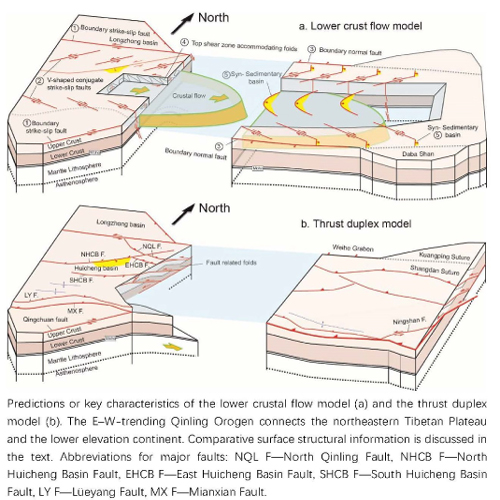
Faults are lithospheric fracture zones that undergo substantial displacement driven by tectonic stress, serving as direct indicators of crustal kinematics. Compared to other fault varieties, normal faults are typically less influenced by multi-stage tectonic superposition. Their relatively straightforward structural styles make them ideal candidates for modeling fault evolution. Modes of fault evolution have long been disputed between the constant-length and tip-propagation models, but questions remain: are traditional frameworks overly reductive, or does the hybrid model offer a more accurate representation of geological reality?

South China underwent two distinct extensional episodes during the Late Mesozoic, resulting in extensional structures and detachment faults. The Yuechengling area preserves a comprehensive record of these events; specifically, the Tianhu Fault and the Ziyuan Detachment Fault correlate closely with these episodes, providing an ideal laboratory for studying detachment fault evolution. Low-temperature geochronology and thermal history inversions reveal that the Tianhu Fault initiated southward propagation at 140 Ma, accompanied by rapid cooling. While the fault's tips transitioned to a slow-cooling phase at 40 Ma, the central segment reached this stage as early as 70 Ma. Conversely, the Ziyuan Detachment Fault initiated at approximately 100 Ma and did not enter a slow-cooling regime until 40 Ma. The evolution of the Tianhu Fault concurs with the hybrid model, whereas the Ziyuan Detachment Fault initiated synchronously across its strike at 100 Ma, arguing for the constant-length model. We attribute this differential evolution to variations in rock mechanical properties, extension rates, and fluid activity.

Although Cenozoic extensional structures in South China are primarily concentrated in southeastern offshore regions—leaving few visible deformation markers—our data suggest that Cenozoic extension was superimposed onto Late Mesozoic faults, driving the continuous uplift and cooling of their hanging walls. This process is consistent with the Late Mesozoic–Cenozoic tectonic migration from the northwest of the South China Block toward the South China Sea. The transition to slow cooling at 40 Ma likely reflects a regional stress field shift: the opening of the South China Sea absorbed major extensional stress, effectively terminating far-field effects within the continental interior.

How to cite: Liu, T. and Chu, Y.: Structural evolution of the Ziyuan detachment of the Yuechengling dome and its tectonic implications to the Late Mesozoic-Cenozoic extension in South China , EGU General Assembly 2026, Vienna, Austria, 3–8 May 2026, EGU26-22619, https://doi.org/10.5194/egusphere-egu26-22619, 2026.

This study investigates the tectonic connection between the southern East China Sea Basin (ECSB) and the opening of the South China Sea (SCS). By integrating sedimentary records, seismic stratigraphy, and detrital zircon geochronological evidence, we propose that the tectono‑sedimentary evolution of the southern ECSB is closely linked to the opening and subsequent contraction of the SCS.

During the Paleocene‒Eocene, the southern ECSB (represented by the Lishui‒Jiaojiang Sag) and the basins around Taiwan exhibited highly similar evolutionary features: synchronous marine transgression, extensive paralic to shallow‑marine deposition, and diffuse extension lacking distinct boundary faults. This pattern contrasts sharply with the narrow, fault‑controlled half‑grabens in the northern ECSB. A key piece of evidence is the development of a major breakup unconformity in both regions during the late Eocene‒early Oligocene. This unconformity is characterized by truncation and tilting without compressional structures and corresponds in time to the initial opening of the SCS.

Detrital zircon U‒Pb dating provides independent support for the tectonic correlation between the two regions. Late Eocene sediments in the southern ECSB display a distinct provenance signature, with age spectra highly consistent with those of the northeast Mindoro block on the southern SCS margin, indicating that both belonged to the same continental block prior to breakup. Furthermore, the subsequent subduction and contraction of the SCS oceanic crust beneath the Philippine Sea Plate has brought the present‑day southern East China Sea into a subduction‑related tectonic setting.

Based on the synchronicity of sedimentary‑tectonic evolution and provenance links, combined with previous reconstructions of subducted slabs, we propose that before the opening of the SCS, its northern passive margin extended eastward, encompassing the southern ECSB. The Paleogene extension, sedimentary infill, development of the breakup unconformity, and subsequent tectonic processes in the southern ECSB were thus predominantly controlled by the rifting/spreading and eventual consumption of the eastern SCS. This understanding provides a new perspective for deciphering the tectonic connectivity of the East Asian continental margin.

How to cite: Fu, X. and Zhu, W.: Tectonic affinity between the southern East China Sea Basin and the northern South China Sea margin, EGU General Assembly 2026, Vienna, Austria, 3–8 May 2026, EGU26-22651, https://doi.org/10.5194/egusphere-egu26-22651, 2026.

EGU26-22862 | Orals | GD2.5

Differential Hydrocarbon Enrichment Patterns in the Eastern Tethys: Insights from Supercontinent Breakup and Assembly 

Weilin Zhu, Xiaowei Fu, Zhao Shijie, Zhou Zengyuan, and Zhu Zhiwei

The Tethyan tectonic domain ranks among the world's most prolific hydrocarbon provinces. However, its eastern segment exhibits comparatively lower petroleum potential, significantly contrasting with the Middle East, with substantial variations in petroleum geological conditions across different basins. However, the fundamental geodynamic controls underlying this disparity remain poorly constrained. Through systematic analysis of the tectonic evolution of the eastern Tethys (including collision, rifting, drift, and accretion of major Gondwana-derived blocks) alongside the developmental characteristics and petroleum geology of associated basins, this study reveals that the nature, morphology, and scale of the underlying continental blocks exert fundamental controls on the formation and preservation of hydrocarbon-rich basins. These blocks are categorized into three types: large cratons, ribbon terranes, and microcontinental blocks. Large cratonic blocks (e.g., India, South China, North China, Tarim) possess high deformation resistance, with major tectonic deformation predominantly confined to their margins. Consequently, they typically preserve multiphase superimposed basins even related to pre-Gondwana rifting, developing multiple petroleum systems with substantial resource potential. In contrast, ribbon terranes (e.g., Lhasa, Qiangtang, Sibumasu) exhibit weak basements and commonly undergo pervasive modification by subsequent collisional and subduction-related tectonism. Only basins formed during the latest tectonic stage are effectively preserved, with locally favorable petroleum geological conditions. Similarly, microcontinental blocks in eastern Indonesia primarily preserve hydrocarbon-rich basins from the latest tectonic phase. However, Australian-affiliated blocks within this group, remaining in the relatively early stages of collision, can additionally retain continental margin deposits from the northern Australian block. The nature of the basement fundamentally dictates the development and modification of overlying petroliferous basins. This study provides a novel perspective for understanding differential hydrocarbon enrichment patterns across macroscopic regions.

How to cite: Zhu, W., Fu, X., Shijie, Z., Zengyuan, Z., and Zhiwei, Z.: Differential Hydrocarbon Enrichment Patterns in the Eastern Tethys: Insights from Supercontinent Breakup and Assembly, EGU General Assembly 2026, Vienna, Austria, 3–8 May 2026, EGU26-22862, https://doi.org/10.5194/egusphere-egu26-22862, 2026.

EGU26-309 | Orals | GD2.6

The Caucasian-Anatolian Geotraverse: sequential terrane accretion and incremental intraplate deformation in the hinterland of the Arabia-Eurasia suture zone. 

William Cavazza, Claudio Faccenna, Massimiliano Zattin, Carla Braitenberg, Paolo Ballato, Aral I. Okay, Gültekin Topuz, Sveva Corrado, Paola Molin, Victor Alania, Onise Enukidze, Thomas Gusmeo, Andrea Schito, Ghazar Galoyan, Nazim Imamverdiyev, Irene Albino, Silvia Cattò, and Andrea Sembroni

We present the main results of a multidisciplinary study assessing geological, geophysical and geomorphological signals induced by lithosphere and/or deep mantle dynamics on the morphotectonic evolution along a ca. 700 km-long traverse stretching from the Greater Caucasus, across the Lesser Caucasus and eastern Anatolia, into the Arabia-Eurasia suture zone and the northernmost Arabian platform. The results define a complex history punctuated by sequential terrane accretion and incremental deformation culminating in the Arabia-Eurasia collision and the coeval deformation of a wide swath of the European hinterland.

The inversion of the prominent positive linear anomalies of the regional gravity field defines discrete crustal density inhomogeneities, which can be interpreted as related to specific tectonic events, thus placing cogent constraints on the accretionary history and the overall anatomy of the eastern Anatolian-Caucasian lithospheric agglomerate. Three linear belts of intracrustal increased density mark the presence of suture zones along (i) the Greater Caucasus, (ii) the Lesser Caucasus, and (iii) a previously unidentified parallel belt ca. 80 km south of the Lesser Caucasus. The latter gravity anomaly delineates the southwestern margin of the South Armenian Block, a lithospheric element (microplate) whose existence has long been a matter of debate.

In the Caucasian domain intraplate deformation was triggered by far-field propagation of plate-margin collisional stress which focused preferentially along rheologically weak zones such as the Greater Caucasus and the adjacent Adjara-Trialeti fold-and-thrust belt of Georgia, two intraplate orogens produced by structural inversion of parallel continental rift zones located on the Eurasian plate. The integration of multiple thermochronometric techniques and peak-temperature determinations shows that structural inversion was punctuated by two incremental steps starting in the Late Cretaceous and the mid-Miocene. The two episodes of intraplate structural inversion, exhumation, and sediment generation are chronologically and physically correlated with the docking of (i) the South Armenian microplate and the Anatolide-Tauride-Armenian terrane (Late Cretaceous - Paleocene) and (ii) Arabia (Miocene hard collision) against the southern Eurasian plate margin.

As to the Lesser Caucasus of Armenia and Azerbaijan, the thermochronologic record of the Late Cretaceous cooling/exhumation event is still present only in a relatively small area of the upper plate of the Amasia-Sevan-Akera (ASA) suture zone where later exhumation has been thermochronologically insignificant. More commonly, rapid cooling/exhumation, which occurred in the Early-Middle Miocene in both the lower and upper plates of the ASA suture zone, has overprinted and obscured previous thermochronologic signatures. Miocene contractional reactivation of the ASA suture zone occurred contemporaneously with the main phase of shortening and exhumation along the Bitlis suture zone marking the Arabia-Eurasia hard collision.

The elevation of marine deposits across the eastern Anatolian Plateau indicates a post-collisional surface uplift of ∼2,000 m. This uplift occurred in two steps: (i) at 10–11 Ma with the opening of a slab window and the concomitant arrival of a mantle flow from Arabia, both processes supporting dynamically the topography, and (ii) at ∼5 Ma with the continued inflow coupled with the isostatic response to the ongoing crustal shortening.

How to cite: Cavazza, W., Faccenna, C., Zattin, M., Braitenberg, C., Ballato, P., Okay, A. I., Topuz, G., Corrado, S., Molin, P., Alania, V., Enukidze, O., Gusmeo, T., Schito, A., Galoyan, G., Imamverdiyev, N., Albino, I., Cattò, S., and Sembroni, A.: The Caucasian-Anatolian Geotraverse: sequential terrane accretion and incremental intraplate deformation in the hinterland of the Arabia-Eurasia suture zone., EGU General Assembly 2026, Vienna, Austria, 3–8 May 2026, EGU26-309, https://doi.org/10.5194/egusphere-egu26-309, 2026.

The E–W-trending Qinling Orogen lies in the transitional zone between the northeastern extent of the Tibetan Plateau and the lower-elevation portion of the continent. This region is suggested to have accommodated flow of the low-viscosity lower crust from the Tibetan Plateau northward around the Sichuan Basin during the Cenozoic Himalayan–Tibetan orogeny. To test this model, we combined field geologic mapping, balanced cross-section construction, thermochronology, and geophysical interpretation to constrain the history of crustal thickening from the Mesozoic to the present. In this study, we obtained new thermochronological data from four samples, which yielded 40Ar/39Ar ages of ~194 Ma for hornblende and 208-151 Ma for biotite and apatite fission track ages of 69-42 Ma. The new thermochronological data and field mapping demonstrate that most shortening structures initially formed in the Mesozoic and underwent minor structural overprinting in the Cenozoic. Systematic structural analyses and restoration of balanced cross-sections demonstrate that the Qinling Orogen was shortened by a minimum of 35% strain (80 km shortening magnitude) after the Mesozoic Paleotethys Ocean closure and continental collision. The crust thickened substantially to >60 km, and the thermochronological data demonstrate that erosion and denudation were minor, such that the crust would have remained thick into the Cenozoic. An additional balanced cross-section across Cenozoic strata suggests >11% Cenozoic shortening, and the observed shortening alone is enough to thicken the crust to the presently observed ~40-45 km. So, we argue that lower crustal flow is not needed to account for the crustal thickness of the Qinling Orogen and that the data do not support the occurrence of processes associated with lower crustal flow beneath the Qinling Orogen. The lower crustal flow model can be excluded because there is no need for allochthonous lower crustal flow to thicken the crust. In this way, the thrust duplex model is the most favored in the Qinling Orogen. In light of the thrust duplex model, the crustal architecture of the Qinling Orogen is best described in the context of crustal-scale shortening, which supports vertically coherent shortening across the crustal column without significant decoupling of the upper and lower crust.

How to cite: Zhang, Y.: How to test lower crustal flow beneath the Qinling Orogen?, EGU General Assembly 2026, Vienna, Austria, 3–8 May 2026, EGU26-1345, https://doi.org/10.5194/egusphere-egu26-1345, 2026.

Deep structure of the Benue Trough and implications for northern Cameroon tectonics from 3D gravity inversion (XGM2016)
Elvira Siphane Chepgwa Tchouando 
The Benue Trough is a major intraplate rift system linking eastern Nigeria to northern Cameroon and plays a key role in the geodynamic evolution of West and Central Africa. Despite decades of research, its subsurface architecture and crust–mantle interactions remain insufficiently constrained. In this study, Bouguer anomalies derived from the Global Gravitational Model XGM2016 are analysed using spectral filtering, structural enhancement, and 3D density inversion to image the deep structure of the trough and assess its geodynamic implications. The results reveal a heterogeneous intracrustal framework dominated by NE–SW and W–E trending lineaments and high-density bodies interpreted as magmatic intrusions. These features indicate a combination of upper-crustal deformation and deeper mantle-related processes associated with syn-rift and post-rift evolution. Implications for northern Cameroon—particularly the Garoua Rift—highlight strong structural inheritance and complex crust–mantle coupling during continental rifting. This study provides new insights into the geodynamic evolution of the Benue Trough and contributes to broader understanding of intracontinental rift systems.

Keywords : Benue Trough ,Gravity modelling ,Bouguer anomalies, Geodynamics, Crust–mantle interactions, Continental rift.    Vérifions ensemble si tout est ok si je peux soumettre cette version finale

How to cite: Chepgwa Tchouando, E. S.:  Deep structure of the Benue Trough and implications for northern Cameroon tectonics from 3D gravity inversion (XGM2016), EGU General Assembly 2026, Vienna, Austria, 3–8 May 2026, EGU26-1471, https://doi.org/10.5194/egusphere-egu26-1471, 2026.

Basin inversion is a key geological process that links extensional basin formation with subsequent compressional or reactivation events. Utilizing integrated 2D/3D seismic, drilling, and well-log data, this study systematically investigates post-rift inversion structures in the northern Songliao Basin. The results reveal: (1) The northern Songliao Basin experienced at least five episodes of tectonic inversion during the post-rift stage. The first episode occurred at the end of Member 1, Qingshankou Formation deposition (~90.4 Ma, boundary Tqn1); the second at the end of Qingshankou Formation deposition (~86.7 Ma, boundary T11); the third at the end of Member 2, Nenjiang Formation deposition (~82.2 Ma, boundary T06); the fourth at the end of Nenjiang Formation deposition (~79.1 Ma, boundary T03); and the fifth at the end of Mingshui Formation deposition (~64.7 Ma, boundary T02). These episodes show a pattern of progressive intensification and westward migration of deformation, indicating an eastern source for the compressional dynamics. The most intense inversion at ~64.7 Ma formed both fault-type and fold-type structures. (2) Numerical models reveal the mechanisms for the ~64.7 Ma inversion event. Two fault-inversion styles are identified: fault-bend inversion, where pre-existing normal faults propagate upward, are reactivated and bent under compression, and finally link with new reverse faults to form anticlines; and fault-propagation inversion, characterized by contraction along reactivated faults with associated hanging-wall folding that evolves into thrust-related folds. Conversely, fold-type inversion is typically detachment-controlled, starting as detachment folds and potentially faulting later. Furthermore, the spatial distribution of different inversion styles suggests that the occurrence of inversion deformation is controlled by the coupling between basement faults or deep rift structures and the compressional direction. Uplifted areas mainly control fault-bend inversion, while rift depressions primarily govern fold-type and fault-propagation inversion. (3) Affected by multi-phase tectonic inversion, the inverted anticlines within the basin underwent relative uplift. In these areas, the intermediate principal stress was reduced, creating a local extensional environment at the anticlinal core. This led to increased fault aperture, thereby facilitating hydrocarbon charging into reservoirs above the source rock. In contrast, inverted synclines experienced deeper burial, accompanied by an increase in intermediate principal stress and the development of a compressional setting at the synclinal core. Consequently, fault aperture was diminished, promoting hydrocarbon migration and accumulation predominantly in reservoirs below the source rock. In non-inverted zones, the opening and sealing of faults are directly governed by the regional maximum horizontal compressive stress. Moreover, following the major inversion at the end of the Mingshui Formation (~64.7 Ma), which coincides with a key hydrocarbon accumulation period, a series of NNE-NE trending positive inversion structural belts developed within the basin. These belts constitute prime traps, thus controlling the spatial distribution of hydrocarbon accumulations.

How to cite: Lu, K., Sun, Y., and Li, J.: Characteristics, formation mechanisms, and control on hydrocarbon accumulation of post‑rift inversion structures: Insights from the Northern Songliao Basin, Northeastern China, EGU General Assembly 2026, Vienna, Austria, 3–8 May 2026, EGU26-2187, https://doi.org/10.5194/egusphere-egu26-2187, 2026.

The Yishu fault zone is the main part of the Tanlu fault zone, located between the Luxi Uplift, Jiaonan Uplift, and the Sulu Orogen. The tectonic environment is highly complex in this region, where the seismic activities are the most intense within the Tanlu fault zone. Studying the distribution of crustal thickness and density structure in this region is of significant practical importance for understanding the seismic mechanisms in the Yishu fault zone. Based on measured gravity data, we utilized regional gravity isostatic analysis and crustal density structure inversion methods to explore and analyze the deep structural characteristics and dynamic significance of the Yishu fault zone and its adjacent areas. The results indicate that the Yishu fault zone, as a lithospheric-scale tectonic boundary, exhibits different gravity anomaly distribution characteristics across the various blocks in the study area. The northern part of this fault zone is in an unbalanced state, exhibiting more frequent tectonic activity. The Xuhuai block and Jiaonan Uplift at the southern end of the Luxi Uplift demonstrate an upward uplift trend. A widespread distribution of high-density anomalies is observed in the lower crust beneath the Yishu fault zone and the Luxi Uplift, likely due to the upwelling of high-density materials from the upper mantle, which causes crustal compression and uplift. It may also reflect the metamorphic rocks formed by high-temperature and high-pressure metamorphism in the deep crust of the Yishu fault zone. Furthermore, earthquakes in the study area are frequently concentrated in the crustal density transition zone and regions where faults intersect. The intersection of the Yishu fault zone with the Mengshan front fault and the Cangni fault creates a deep seismogenic environment with moderate to strong earthquakes.

How to cite: Pang, Q., Wu, Y., and Zhang, Y.: Gravity deep structure and dynamics of Yishu fault zone revealed by land-sea gravity observation, EGU General Assembly 2026, Vienna, Austria, 3–8 May 2026, EGU26-2232, https://doi.org/10.5194/egusphere-egu26-2232, 2026.

EGU26-4111 | Posters on site | GD2.6

Drainage reorganization of the Irrawaddy River constrains the time and magnitude of displacement on the Sagaing Fault, Myanmar 

Yani Najman, Xiwu Luan, Edward Sobel, Ian Millar, Sebastian Zepata, Eduardo Garzanti, Giovanni Vezzoli, Johannes Glodny, Mu Tha Lay Paw, and Day Wa Aung

Information on the amount and timing of displacement on the Sagaing Fault, SE Asia’s longest active strike-slip fault, is required for reconstructions of the eastern margin of Neotethys, and furthering our knowledge of crustal deformation processes associated with India-Asia convergence. However, such information is much debated and very poorly constrained.

One hypothesised approach to determining the magnitude of displacement on the Sagaing Fault is the proposal that the upper Irrawaddy used to flow into the Chindwin River before being beheaded due to strike-slip motion on the fault (Maung, 1987). However, unambiguous evidence to document this proposal has so far not been evidenced, nor the timing of proposed beheading determined. Previous provenance studies have shown the existence of Mogok metamorphic belt (MMB) detritus, characteristic of the Irrawaddy headwaters, in Neogene Chindwin Basin deposits (e.g. Arboit et al., 2021; Licht et al., 2018; Najman et al., 2022; Wang et al., 2014; Westerweel et al., 2020; Zhang et al., 2019). However, the southerly locations of these studies in the Chindwin basin allow for two palaeo-drainage options, one of which does not require drainage reorganisation (Zhang et al., 2021). Our new multi-technique provenance study from a critical northernmost location in the Chindwin Basin, allows differentiation between these two models, indicating that the upper Irrawaddy did previously flow into the upper Chindwin, and therefore the riverine offset can be used to constrain the magnitude of displacement.

Determination of when the riverine headwater beheading occurs is complicated by extensive recycling in the basin, meaning that an MMB-provenance might be retained long after the Irrawaddy ceased to flow into the Chindwin basin.  Recycling was previously only attributed to basin inversion.  However, we show from detrital mineral age data that, at this high latitude, the high topography of the eastern Indo-Burman Ranges (IBR) which make up the western margin of the Chindwin Basin, do not consist of Cretaceous-Eocene strata as commonly mapped. Instead, we validate the less well known mapping of Bannert et al (2011), which represents the eastern IBR at this latitude as Neogene strata. Our provenance data indicate that the eastern IBR at this latitude consist of thrusted Neogene Chindwin basin strata comprising MMB-derived detritus deposited by the Irrawaddy. This region is therefore in all probability the most dominant source of recycled material to the basin; thus a knowledge of the timing of the eastern IBR’s exhumation at this latitude allows us to place maximum constraints on the time after which Irrawaddy detritus in the Chindwin Basin cannot with certainty be attributed to direct deposition from the Upper Irrawaddy. We therefore undertook  an age-elevation low temperature thermochronological study of the adjacent Indo-Burman Ranges to determine the timing of its exhumation, and therefore to ascertain the earliest time that MMB-derived material in the Chindwin basin may be attributed to recycling.

 With our new constraints to the amount and time of displacement on the Sagaing Fault, we calculate its averaged motion and consider its relative importance in the accommodation of motion between India and Sundaland over time.

How to cite: Najman, Y., Luan, X., Sobel, E., Millar, I., Zepata, S., Garzanti, E., Vezzoli, G., Glodny, J., Lay Paw, M. T., and Wa Aung, D.: Drainage reorganization of the Irrawaddy River constrains the time and magnitude of displacement on the Sagaing Fault, Myanmar, EGU General Assembly 2026, Vienna, Austria, 3–8 May 2026, EGU26-4111, https://doi.org/10.5194/egusphere-egu26-4111, 2026.

EGU26-4235 | Posters on site | GD2.6

Kinematic Reconstruction of the Central Tethysides: A major extrusion system of the Tethyan Orogen 

Nalan Lom and Douwe J.J. van Hinsbergen

The region including Iran and Afghanistan constitutes the central part of the Tethyan palaeogeographic domain. Its first-order architecture is defined by continental fragments that are separated from Eurasia by a Triassic suture zone (remains of the Palaeo-Tethys), and by a Cenozoic suture with Mesozoic oceanic rocks (remains of the Neo-Tethys). Along-strike heterogeneity resulting from strain partitioning subdivides the Tethyan system into three segments, from west to east: the Mediterranean, Iranian-Afghan, and Tibetan domains.

Our reconstruction shows that the Central Tethysides share key tectonic elements with the widely studied Mediterranean and Tibetan orogenic systems, while placing particular emphasis on the Iranian and Afghan domains. Restoration of the deformation places these domains within the Pamir/western Tibetan orogen, allowing lateral continuity of tectonic units and structures disrupted by Alpine-Himalayan orogenic processes.

Closure of oceanic basins that opened within the Iranian Cimmerides is closely linked to shortening and westward extrusion in Tibet and the Pamir Mountains. This extrusion is accommodated by Sabzevar-Nain-Baft and Sistan subduction zones during the late Cretaceous. We infer that the opening of the Sistan Ocean was driven by counter-clockwise rotation of Central Iranian units, while the Sabzevar-Nain-Baft oceanic basin developed as a back-arc basin in the upper plate of the Neo-Tethys subduction zone below the Sanandaj-Sirjan Zone. The Waser Suture is proposed as a candidate for the missing link accommodating relative motion between the China blocks and Eurasia until the early Cretaceous.

According to our reconstruction, the amount of extrusion is likely exceeded that of eastern Tibet, reaching more than 1000 km, between ~100 and 45 Ma. Iranian and Afghan tectonic units therefore represent one of the largest extrusion systems within the Tethyan orogen.

How to cite: Lom, N. and van Hinsbergen, D. J. J.: Kinematic Reconstruction of the Central Tethysides: A major extrusion system of the Tethyan Orogen, EGU General Assembly 2026, Vienna, Austria, 3–8 May 2026, EGU26-4235, https://doi.org/10.5194/egusphere-egu26-4235, 2026.

EGU26-4580 | Orals | GD2.6

A Back-arc Basin of Neo-Tethys in Southeastern Tibet 

Di Xin, Tian-Nan Yang, and Ming-Juan Liang

The northward subduction of the Neo-Tethys oceanic plate beneath Eurasia has led to the development of a substantial continental margin arc belt with a length of > 10,000 km along the southern margin of Eurasia. The indentation of India Continent into Eurasia resulted in the widespread segmentation of this substantial Andean-type subduction system. The Gangdése and the Myanmar-Tengchong arc belts are two such segments. A comparison of the subduction process of the Myanmar-Tengchong magmatic belt with that of the Gangdése arc belt reveals a high degree of similarity. However, in the Southeastern Tibet, the formation of the Myanmar-Tengchong magmatic belt from the Jurassic to the late Cretaceous period is debated due to the incomplete tectonic facies succession. Thus, our study focus on the spatial distribution of tectonic facies within the Myanmar-Tengchong belt. The detailed field studies, zircon U-Pb and bulk 40Ar/39Ar dating results, bulk geochemistry, and Sr–Nd isotopic data contributed to the identification of a late Early Cretaceous volcanic succession in a region to the east of the Myanmar-Tengchong magmatic belt. This volcanic succession consists of basalt, basaltic andesite, andesite with minor amount of dacite, intercalated with clastic and limestone rocks. This volcaniclastic succession had previously been interpreted as being of Carboniferous or Triassic age. However, the dating of zircons from five andesite samples and the 40Ar/39Ar dating results of groundmass from two basalt samples suggest that the volcanic succession likely erupted at about 106 Ma, during the Late Cretaceous Albian Age. The basalts from the volcanic succession exhibit characteristics of back-arc basin basalt, while the sedimentary rocks demonstrate features of a shallow marine face. These findings suggest that this succession represents the remnant of a back-arc basin spanning a period from 120 to 106 Ma, which is the northward extension of a Late Cretaceous back-arc basin in the southern part of the southeastern Tibet. The subduction process of the Neo-Tethys well is constrained by the north-south extending back-arc basin and the Myanmar-Tengchong magmatic belt. In the early stage, the Neo-Tethys oceanic plate subducted beneath Eurasia at a normal angle, resulted in a continental margin magmatic arc. Since ca.120 Ma, the rolling back of the subducted oceanic slab produced a back-arc basin behind the continental arc. From ca.106-77 Ma, the hinter segment of the subducted oceanic slab initiated a process of flat subduction, likely due to the break-off of the rolled segment of the subducted oceanic slab. Meanwhile, the arc-magmatism was very weak, and the extensional back-arc basin inverted to a compressional retro-arc foreland basin. After ca.77 Ma, the subduction angle became normal again, marking the onset of another period of intense magmatism started. This tectonic model likely shed lights on the subduction process that defined the Gangdése magmatic arc. It is possible that the back-arc basin, situated east of the Myanmar-Tengchong magmatic belt, is comparable to the northern Lhasa, where the Early Cretaceous marine sequences intercalated with bimodal volcanic rocks are common and have been interpreted as back-arc rift basins by some studies.

How to cite: Xin, D., Yang, T.-N., and Liang, M.-J.: A Back-arc Basin of Neo-Tethys in Southeastern Tibet, EGU General Assembly 2026, Vienna, Austria, 3–8 May 2026, EGU26-4580, https://doi.org/10.5194/egusphere-egu26-4580, 2026.

EGU26-4714 | ECS | Orals | GD2.6

Helium isotope signatures of geothermal fluids across rift-related structures in the Himalaya 

Shubham Choudhary, Mahesh Thakur, Simon Klemperer, Mariano Tantillo, Pierangelo Romano, and Walter D'Alessandro

Geothermal systems in the Himalayan–Tibetan collision belt reflect recent deformation and associated hot-fluid circulation driven by the ongoing Indian–Eurasian plate collision. The geochemical behavior of these geothermal fluids, particularly helium-isotope signatures (R/Ra), records variable source contributions ranging from crustal radiogenic helium (⁴He) to mantle-derived helium (³He), depending on spatial position relative to the hot Tibetan mantle. The influence of the hot Tibetan mantle is well constrained within rift systems of the Lhasa terrane, varying from mantle-dominated signatures in the north to increasingly crustal-dominated signatures toward the south, thereby constraining the spatial position of Tibetan mantle in the region. However, whether this Tibetan mantle influence propagates farther south via younger rift-related normal faults—associated with Late Miocene dome formation processes and via normal faults near the Main Central Thrust (MCT)—remains poorly constrained. Here, we present helium-isotope measurements from six hot springs, including three from the western Leopargil rift system along the Kaurik–Chango Fault in the Spiti River valley and three from sites near Karcham normal fault, which cross-cuts the Main Central Thrust (MCT) in the Sutlej River corridor of the northwestern Himalaya, to evaluate whether younger rifts permit southward transfer of Tibetan mantle-derived fluids. Measured ³He/⁴He ratios (air corrected R/Ra) range from ~0.02 to ~0.07, indicating dominantly crustal radiogenic helium. These results indicate no resolvable southward influence of the Tibetan mantle across these faults and are more consistent with a collisional geometry involving steep Indian lithosphere  subduction rather than with an intra-crustal Asian mantle configuration.

How to cite: Choudhary, S., Thakur, M., Klemperer, S., Tantillo, M., Romano, P., and D'Alessandro, W.: Helium isotope signatures of geothermal fluids across rift-related structures in the Himalaya, EGU General Assembly 2026, Vienna, Austria, 3–8 May 2026, EGU26-4714, https://doi.org/10.5194/egusphere-egu26-4714, 2026.

EGU26-6091 | ECS | Posters on site | GD2.6

The Cameroon Volcanic Line Triggered by Spontaneous Gravitational Instability of the Lithosphere at the Margin of the Congo Craton 

Jiaji Xi, Youqiang Yu, Tim Stern, Dapeng Zhao, Thomas Gernon, and Derek Keir

Over geological timeframes, cratons generally exhibit low rates of surface erosion, a feature attributed to their neutral buoyancy. Nevertheless, certain continental regions—most prominently Africa—feature exceptionally elevated topographic features along numerous craton margins. Associated magmatic activity in such areas can endure for more than 66 million years (Ma), as exemplified by the Cameroon Volcanic Line (CVL) bordering the Congo Craton, though its genetic mechanism remains a subject of intense debate. In this study, we demonstrate that sustained uplift of the CVL at the cratonic margin is driven by Rayleigh-Taylor instability, triggered by a sharp lithospheric boundary generated during the Cretaceous rifting of the Benue Trough—a rift basin situated northwest of the CVL. Seismic observations and geodynamic analyses focused on the CVL have uncovered processes of lithospheric dripping and asthenospheric upwelling, which align with this instability-driven mechanism. Finite element simulations further reveal that the lithosphere in this region possesses a density excess of approximately 25–30 kg/m³ relative to the asthenosphere. This density difference enables convective removal of the lithosphere following rifting, thereby inducing localized magmatism and surface uplift. Critically, the inferred lithospheric viscosity (7.0×10²¹ Pa∙s) allows this instability to persist for at least 66 Ma—six times longer than the duration of typical subduction-associated instability events. These findings challenge conventional paradigms by showing that cratons along passive margins are capable of undergoing long-lived, plume-independent deformation. This points to a robust coupling between the Earth’s upper mantle and its surface, which regulates volcanic and tectonic processes over surprisingly extended timescales.

How to cite: Xi, J., Yu, Y., Stern, T., Zhao, D., Gernon, T., and Keir, D.: The Cameroon Volcanic Line Triggered by Spontaneous Gravitational Instability of the Lithosphere at the Margin of the Congo Craton, EGU General Assembly 2026, Vienna, Austria, 3–8 May 2026, EGU26-6091, https://doi.org/10.5194/egusphere-egu26-6091, 2026.

EGU26-6207 | ECS | Posters on site | GD2.6

Deforming-Plate Reconstructions Reveal Tectonic Regime Controls on Porphyry Copper Formation in the Arabian-Eurasian Tethyan Belt 

Elnaz Heidari, Sabin Zahirovic, Ehsan Farahbakhsh, Brent I. A. McInnes, Fabian Kohlmann, Maria Seton, and R. Dietmar Müller

The western–central Tethyan belt, capturing the Arabian-Eurasian convergence zone, preserves a complex record of subduction, rifting, and continental collision, yet much of this complexity is simplified or omitted in existing global plate reconstructions. This limits our ability to robustly link tectonic evolution with the timing and setting of magmatic–hydrothermal systems such as porphyry copper deposits. Here, we present a new plate reconstruction model of the Arabian-Eurasian convergence system since the latest Jurassic that incorporates both rigid and deforming plates. Our approach re-evaluates the boundaries between continental and oceanic crust, pre-collision margin geometries, and plate affinities by integrating regional geological, geophysical, and geochronological constraints. This integration results in a revised kinematic history that incorporates previously unresolved plate-boundary configurations and deformation patterns into the reconstruction. The model spans 130 Ma to the present, beginning with the initial Iran–Eurasia collision. A key revision occurs in the eastern and northeastern domain, where the Sistan–Sabzevar system is reconstructed as an oceanic basin that opened through rifting between the Lut block and Eurasia, followed by ridge spreading and the development of double-sided subduction systems, culminating in the initial Iran–Eurasia collision at ~54 Ma. West and southwest of the Lut block, Arabia–Iran convergence involves a Cretaceous phase of rifting along the northern Arabian margin, followed by ophiolite obduction and sustained subduction south of the Lut block, before evolving into a sequence of diachronous continental collision stages, beginning with an initial soft collision at ~42 Ma and followed by three hard collision phases at ~35, ~26, and ~16 Ma. Along the southern margin, the Makran region is reconstructed as a long-lived subduction system linked to a migrating island-arc complex that remains active to the present day. Together, these revisions produce a kinematically consistent reconstruction that better reconciles basin development and regional structural shortening. Building on this revised rigid framework, we implement deforming plate networks to represent the distributed strain associated with rifting and continental collision. Time-dependent stretching factors derived from these meshes allow us to distinguish intervals dominated by extension from those dominated by shortening. Comparison with the spatio-temporal distribution of porphyry Cu mineralisation shows that ~62% of deposits formed during extensional or transtensional regimes, whereas ~38% are associated with compressional or transpressional conditions. These results demonstrate that porphyry systems develop across a broader range of tectonic states than commonly assumed. By explicitly linking plate-boundary evolution with time-dependent lithospheric deformation, this reconstruction provides a more realistic framework for evaluating the tectonic controls on magmatic–hydrothermal systems in convergent margins.

How to cite: Heidari, E., Zahirovic, S., Farahbakhsh, E., McInnes, B. I. A., Kohlmann, F., Seton, M., and Müller, R. D.: Deforming-Plate Reconstructions Reveal Tectonic Regime Controls on Porphyry Copper Formation in the Arabian-Eurasian Tethyan Belt, EGU General Assembly 2026, Vienna, Austria, 3–8 May 2026, EGU26-6207, https://doi.org/10.5194/egusphere-egu26-6207, 2026.

EGU26-6293 | Posters on site | GD2.6

Intracontinental underthrusting and lower crustal duplexing drive the uplift of the Qilian Shan 

Huilin Li, Xiaosong Xiong, Xiaoyu Guo, Xingfu Huang, Rui Gao, and Jennifer D. Eccles

The mechanism driving crustal shortening and thickening under the background of intracontinental orogeny has long been a focal point in plate tectonic theory. In particular, the uplift of the Qilian Shan, an intraplate orogenic system that experienced uplift due to the far-field effects of the India–Asia plate collision during the Cenozoic, remains a subject of ongoing debate. In this study, we first report two NE-trending deep seismic reflection profiles of large dynamite shots, totaling ~400 km across the entire Qilian Shan. These two profiles provide high-resolution imaging of the lithospheric architecture beneath the South Qilian Shan and North Qilian Shan. Our results reveal two sets of prominent south-dipping reflections within the middle-lower crust of the Qilian Shan, which are accommodated by two large northward thrust faults. These south-dipping reflections are interpreted as a thrust fault system accompanied by middle-crustal duplexes beneath the South Qilian Shan, while beneath the North Qilian Shan, they represent the middle-lower crustal duplex structures. Additionally, these reflections offset the Moho and extend from the lower crust into the upper mantle. By integrating our seismic findings with available chronological data and prior geological and geophysical research, we propose that the far-field effects of the India–Asia collision induced two distinct phases of passive southward underthrusting of the North China Craton beneath the Qilian Shan. These two phases, along with the formation of multiple duplex structures in the middle-lower crust, played a pivotal role in the Cenozoic crustal shortening and thickening of the Qilian Shan. The Qilian Shan experienced significant uplift as a whole during the mid-Miocene and subsequently expanded towards the Hexi Corridor between 1 and 4 Ma.

How to cite: Li, H., Xiong, X., Guo, X., Huang, X., Gao, R., and D. Eccles, J.: Intracontinental underthrusting and lower crustal duplexing drive the uplift of the Qilian Shan, EGU General Assembly 2026, Vienna, Austria, 3–8 May 2026, EGU26-6293, https://doi.org/10.5194/egusphere-egu26-6293, 2026.

EGU26-6838 | Posters on site | GD2.6

Early Paleozoic subduction initiation in the West Proto-Tethys Ocean:Insights from ophiolitic Speik Complex in the Eastern Alps 

Qingbin Guan, Yongjiang Liu, Boran Liu, Franz Neubauer, and Johann Genser

Subduction initiation is a critical part of the plate tectonic system, but its geodynamic process is still poorly understood due to the lack of well-preserved geological records. Based on new zircon U–Pb–Hf isotopic and whole-rock geochemical data, we report the first discovery of a latest Cambrian–Early Ordovician forearc-arc rock sequence in the Eastern Alps. This sequence includes granitic gneisses, amphibolites, and amphibole plagiogneisses from the ophiolitic Speik Complex and Gleinalpe Complex. These rocks exhibit geochemical affinities with typical oceanic plagiogranites, forearc basalts (FABs), and island arc basalts, respectively. The latest Cambrian plagiogranitic protoliths (491 ± 2 Ma) are shearing-type plagiogranites that were formed in the tectonic setting of forearc spreading. The latest Cambrian FABs (496–489 Ma) have similar geochemical compositions and positive εHf(t) values (+2.5 to +14.9) to the depleted mid-ocean ridge basalts. However, they show depletion in high field strength elements (HFSEs; e.g., Nb, Ta, and Zr) and have relatively low Ti/V ratios. These features suggest that they were derived from a depleted mantle source modified by subducting slab-released components in a forearc environment. The Early Ordovician basaltic protoliths (476–472 Ma) of amphibole plagiogneisses show enrichment in large ion lithophile elements and depletion in HFSEs (e.g. Nb, Ta, Zr, and Hf), implying a mature island arc environment. These metaigneous rocks, along with the coeval boninite-like high-Mg amphibolites near the study area, form a typical rock sequence resembling that of the Izu–Bonin–Mariana (IBM) arc system. The Speik and Gleinalpe complexes document a complete magmatic evolution from subduction initiation to mature arc development within the West Proto-Tethys Ocean. Integrating our new data with published work, we reconstruct the late Ediacaran–early Paleozoic tectonic evolution of the northern Gondwana. During the late Ediacaran–early Cambrian, the rollback of the West Proto-Tethys oceanic plate triggered the separation of the Wechsel-Silvretta-Gleinalpe continental arc from the northern Gondwana. This process led to the formation of the Speik back-arc oceanic basin, a southwestern branch of the West Proto-Tethys Ocean. In the latest Cambrian–Early Ordovician, subduction initiation occurred in the Speik Ocean, which subsequently developed into an intra-oceanic arc system. During the Early Devonian, the Speik Ocean closed and the Wechsel-Silvretta-Gleinalpe continental arc reattached to the Gondwana, as evidenced by the metamorphic event at ca. 400 Ma.

How to cite: Guan, Q., Liu, Y., Liu, B., Neubauer, F., and Genser, J.: Early Paleozoic subduction initiation in the West Proto-Tethys Ocean:Insights from ophiolitic Speik Complex in the Eastern Alps, EGU General Assembly 2026, Vienna, Austria, 3–8 May 2026, EGU26-6838, https://doi.org/10.5194/egusphere-egu26-6838, 2026.

EGU26-7059 | ECS | Posters on site | GD2.6

Diagnosing machine learning for continental geothermal heat flow prediction:Insights from geodynamic synthetic experiments 

Yijun Liu, Ting Yang, Peng Guo, Min Ding, Zefeng Li, and Yufei Xi

Continental geothermal heat flow (CGHF) is a fundamental constraint on lithospheric thermal structure, yet direct measurements remain sparse and unevenly distributed. Machine learning (ML) offers a promising approach for filling these observational gaps by capturing complex, nonlinear relationships between CGHF and multi-dimensional geophysical and geological observables.

To address these questions, we design synthetic experiments that integrate geodynamic forward modeling with ML, enabling systematic diagnosis of the primary controls on prediction accuracy. Specifically, we simulate CGHF under controlled variations in crustal radiogenic heat production (RHP) and interface geometries such as the Moho and lithosphere-asthenosphere boundary. The resulting synthetic datasets, with known ground truth, serve as training and testing grounds for Random Forest algorithms. By comparing model outputs against known solutions, we systematically isolate and quantify the influence of individual factors on ML prediction performance.

Our experiments reveal that inadequate knowledge of spatially variable crustal RHP constitutes the primary bottleneck for prediction accuracy, accounting for the persistent performance ceiling (R² ~ 0.45–0.52) observed when RHP information is unavailable. In contrast, short-wavelength interface variations unresolved by current geophysical observations exert negligible influence on model performance. Moreover, ML models exhibiting benign overfitting, which fit training data closely while maintaining generalization capability, consistently outperform their conventionally regularized counterparts, demonstrating that benign overfitting can enhance rather than impair ML performance in CGHF prediction. Importantly, despite limited RHP constraints, ML models successfully extract the deep lithospheric thermal state from available geophysical features, enabling reliable prediction of large-scale CGHF patterns.

Applying these findings to real-world prediction, we construct a new global CGHF model (0.5°×0.5°) that reproduces large-scale thermal patterns with high fidelity (R² = 0.79, MAE = 5.31 mW.m-2) while resolving plausible regional variations in areas such as Greenland and the Songliao Basin. The moderate point-wise accuracy reflects inherent data limitations, primarily the poor characterization of crustal RHP, with additional degradation from local geological processes and measurement representativeness issues. Our results highlight a pressing need for improved crustal RHP constraints and demonstrate that the synthetic experiment approach developed here provides a transferable diagnostic tool for evaluating and guiding future data-driven CGHF predictions.

How to cite: Liu, Y., Yang, T., Guo, P., Ding, M., Li, Z., and Xi, Y.: Diagnosing machine learning for continental geothermal heat flow prediction:Insights from geodynamic synthetic experiments, EGU General Assembly 2026, Vienna, Austria, 3–8 May 2026, EGU26-7059, https://doi.org/10.5194/egusphere-egu26-7059, 2026.

EGU26-7120 | ECS | Posters on site | GD2.6

Widespread basalt enrichment within the continental lithospheric mantle 

Chunyang Gao, Lijun Liu, Zebin Cao, and Hao Dong

In comparison with oceans, continents are generally difficult to subduct due to the buoyancy of their crust. However, the density structure of the continental lithospheric mantle (CLM) and its effect in the stability of continents remains unclear. Here, we employed geodynamic models based on data assimilation to constrain the density structure of CLM. We first conducted a systematic analytical calculation using diverse observations including topography, heat flow, seafloor age, as well as seismic data to infer the density structure of both continental and oceanic lithosphere. By incorporating contributions from both the convective mantle and the lithosphere using topography, geoid and the model’s consistency with geological constraints, we updated the CLM’s density structure. Our results show that the CLM is consistently denser than the asthenosphere, where the non-cratonic CLM is denser than the cratonic CLM. The average density anomaly of the cratonic CLM is about 1 % while the that of the non-craton CLM can reach 3 %. By quantifying the geochemical compositions of the CLM using thermodynamic calculations, we find that an enrichment of 20wt% basalt can produce a density anomaly of 1% while 50wt% of basalt enrichment produces 3% excess density. We conclude that the CLM is widely enriched in basaltic composition. This implies that the CLM is less gravitational stable than traditionally thought and may actively participate in mantle convection.

How to cite: Gao, C., Liu, L., Cao, Z., and Dong, H.: Widespread basalt enrichment within the continental lithospheric mantle, EGU General Assembly 2026, Vienna, Austria, 3–8 May 2026, EGU26-7120, https://doi.org/10.5194/egusphere-egu26-7120, 2026.

EGU26-8072 | Orals | GD2.6

Kinematic Modeling of Subduction, Obduction, and Mountain-Building Geodynamic Processes in Central Oman 

Mahdi Najafi, Jaume Vergés, David Cruset, Philippe Razin, Marc Viaplana-Muzas, Montserrat Torne, Daniel García-Castellanos, Ana M. Negredo, Vincenzo Spina, Manel Fernàndez, and Ivone Jiménez-Munt

In this study, we present new regional, crustal-scale, balanced and restored cross-sections across the central Oman Mountains to refine the structural style and reconstruct the kinematic evolution of subduction-driven obduction and subsequent mountain building since the Albian–Cenomanian boundary. The present-day cross-section constrains footwall ramp locations in both autochthonous and allochthonous domains, allowing estimates of the minimum original lengths of paleogeographic units. It also identifies four major detachment levels that exert key controls on both allochthonous nappe emplacement and autochthonous crustal deformation: (a) the Semail Ophiolite detachment and its metamorphic sole; (b) the Hawasina detachment developed along the syn-rift to post-rift unconformity within the Hawasina Basin; (c) the mid-crustal flat–ramp–flat, thick-skinned thrust beneath Jabal Akhdar at ~15 km depth, likely inherited from Paleozoic orogenic events; and (d) the Early Cambrian Ara Salt detachment at 4–5 km depth in the Fahud foreland basin. Integration of balanced and restored cross-sections with tectono-stratigraphic, tectono-metamorphic, and geochronological constraints allows the definition of three evolutionary stages: (1) a pre-obduction stage (Albian–Cenomanian boundary to 95.2 Ma), characterized by NE-dipping intra-oceanic subduction and slab rollback (events 1–2); (2) an obduction stage (~95.2–80 Ma), marked by emplacement of the Semail Ophiolite and Hawasina nappes onto the Oman margin (events  3–5); and (3) a post-obduction mountain-building stage since Campanian times (event 6). This kinematically constrained reconstruction of the Semail Ophiolite and Hawasina nappes offers a reference framework for interpreting other obduction systems worldwide, particularly along most segments of the Alpine–Himalayan orogenic belt where geological exposure has been overprinted by subsequent continental collision.

How to cite: Najafi, M., Vergés, J., Cruset, D., Razin, P., Viaplana-Muzas, M., Torne, M., García-Castellanos, D., M. Negredo, A., Spina, V., Fernàndez, M., and Jiménez-Munt, I.: Kinematic Modeling of Subduction, Obduction, and Mountain-Building Geodynamic Processes in Central Oman, EGU General Assembly 2026, Vienna, Austria, 3–8 May 2026, EGU26-8072, https://doi.org/10.5194/egusphere-egu26-8072, 2026.

EGU26-8122 | ECS | Orals | GD2.6

Exploring deep Mesozoic reservoirs in the Lower Kura Basin: neotectonic controls and fluid behavior in the Yevlakh-Agjabadi Depression, Azerbaijan 

Fidan Aslanzade, Beyler Aslanov, Shakhzod Umarov, and Rahimjan Umarzakov

The Central Deep Zone of the Yevlakh-Agjabadi Depression in the Lower Kura Basin (Azerbaijan) represents a promising yet underexplored frontier for reservoir potential within Mesozoic (Cretaceous-Jurassic) sequences. This study integrates regional geophysical data, deep-well logs, and lithostratigraphic analyses to investigate fluid dynamics, neotectonics, and reservoir potential of these deep complexes. Since the mid-20th century, seismic, gravimetric, and magnetometric surveys-complemented by more than 30 deep exploratory wells-have revealed a complex tectonic framework characterized by multi-level dislocations, intense volcanism, and significant stratigraphic variability. Cretaceous-Jurassic successions reach thicknesses of up to 2,000 m and comprise mixed carbonate, terrigenous, volcaniclastic, and effusive lithologies, including basalts, andesites, and porphyrites.
Recent reinterpretation (2019-2020) of 2D/3D seismic profiles acquired by ConocoPhillips (2012) and SOCAR’s POGE (2014-2017) has refined the deep structural architecture, confirming potential structural and stratigraphic traps within buried anticlines and fault-bounded compartments. Stratigraphic analysis indicates that the depositional basin closed during the Paleocene but re-opened and deepened during the Eocene-Maikop, facilitating the accumulation of thick, organic-rich shales that likely serve as both source and seal rocks. The widespread direct contact between Eocene sediments and Cretaceous basement supports this model of renewed subsidence and favorable conditions for hydrocarbon generation and entrapment.
Reservoir quality remains challenging due to low primary porosity (typically <7%) and heterogeneous fracture networks. However, secondary porosity generated by tectonic fracturing, hydrothermal alteration, and weathering of volcanic units enhances storage and flow capacity in localized zones.
Despite extensive exploration, key uncertainties persist regarding trap integrity, migration pathways, and the spatial distribution of effective reservoirs-largely due to structural complexity and limited well control in the central deep zone. This work aims to reduce those uncertainties by synthesizing multidisciplinary datasets to delineate prospective drilling targets. The findings underscore the importance of integrating neotectonic evolution with fluid dynamic modeling to improve exploration success in deeply buried, volcanically influenced Mesozoic systems of the Lower Kura Basin.

How to cite: Aslanzade, F., Aslanov, B., Umarov, S., and Umarzakov, R.: Exploring deep Mesozoic reservoirs in the Lower Kura Basin: neotectonic controls and fluid behavior in the Yevlakh-Agjabadi Depression, Azerbaijan, EGU General Assembly 2026, Vienna, Austria, 3–8 May 2026, EGU26-8122, https://doi.org/10.5194/egusphere-egu26-8122, 2026.

Under continuous continental collision of the Indian and Eurasia plates, several N-S rifts are widely distributed in southern Tibet, indicating the predominant E-W extension. The E-W extension is one of the most remarkable tectonic features in the Tibetan Plateau. Hypotheses including gravitational collapse, India-Eurasia continental collision, underthrusting of Indian lower crust, and crustal flow are proposed. However, the relative roles of each driving force remain controversial due to lack of a unified model. Here, we have developed a high-resolution 3D numerical model, integrating multiple tectonic factors including India-Eurasia continental collision, underthrusting Indian lower crust, gravitational collapse as well as discontinuously distributed weak mid-crustal zones, to simulate the crustal deformation in southern Tibet. The integrated muti-force model produces crustal deformation consistent with GNSS horizontal velocities and strain rates in southern Tibet. In details, India-Eurasia continental collision can cause not only N-S compression but also smaller E-W extension in southern Tibet. The underthrusting process of rigid Indian lower crust could reduce the N-S compression in its overlying upper crust caused by continental collision. Gravitational collapse leads to pronounced extension in southern Tibet, which can not only generate E-W extension, but also resist N-S compression from continental collision along with Indian lower crust underthrusting. Notably, the local weak mid-crustal zones in the east part of southern Tibet flows faster driven by gravitational collapse, which enhances E-W extension in the upper crust and locally decouples the underthrusting Indian lower crust and Tibetan upper crust. Overall, the predominant E-W extension in southern Tibet is jointly controlled by gravitational collapse, India-Eurasia continental collision along with Indian lower crust underthrusting, and local weak mid-crustal zones. India-Eurasia continental collision has contributed to the regional E-W extension throughout the southern Tibet, while gravitational collapse has played a significant role in enhancing E-W extension rates in the east part.

How to cite: Pang, Y.: The formation of E-W extension in southern Tibet: from an integrated geodynamic model, EGU General Assembly 2026, Vienna, Austria, 3–8 May 2026, EGU26-8595, https://doi.org/10.5194/egusphere-egu26-8595, 2026.

EGU26-8689 | ECS | Posters on site | GD2.6

From Thrust to Strike-Slip: A Tentative Model for the Multi-Stage Evolution of the Sumatran Fault 

Lin Guo, Yang Chu, Wei Lin, Iwan Setiawan, Maruf Mukti, Eko Puswanto, Xiaoran Zhang, Lingtong Meng, Qinghua Shang, Ye Deng, and Shuiyue Xue

Obliquity of subduction plays a key role in shaping the tectonic morphology and lithospheric structure of the overriding plate. Globally, 90% of subduction zones are oblique. The Sumatra subduction zone, formed by the oblique subduction of the Indo-Australia Plate beneath the Eurasian Plate, is the most active one that has the strongest deformation and generates numerous destructive megathrust and intracontinental earthquakes. Instead of a widespread forearc basin often developed in orthogonal subduction, a 1900-km-long trench-parallel dextral strike-slip fault—the Sumatran Fault—has greatly modified the overriding Eurasian Plate to accommodate the highly oblique relative plate motion. The Sumatran Fault is a sinusoidal fault with over 20 seismological segments which restrict most earthquake ruptures, while it can also be divided into 3 tectonic segments: the northern, central and southern segments. But it remains unclear how and when the fault initiated or interconnected.

We conducted a systematic study on low-temperature thermochronology of the Sumatran Fault. 17 samples have been collected for zircon and apatite (U-Th)/He (ZHe and AHe) dating. Three age peaks have been recognized, ~90 Ma, ~40 Ma, and 15-10 Ma, and the youngest peak exists in both ZHe and AHe data. One sample from the central segment yields the youngest AHe age at 2.5±0.11 Ma, consistent with previous AHe dating on the Sumatran Fault. To further constrain the tectonic cooling events of the Sumatran Fault, we collected samples along a fault-perpendicular cross-section and revealed age-distance correlation of AHe and ZHe data. Away from the fault, both ZHe and AHe ages increase from 84.2 Ma to 95.7 Ma, and 13 Ma to 19.3 Ma, respectively.

Our new data unravel three rapid cooling events. The first one at ~90 Ma is consistent with the emplacement of the Woyla unit, which thrust this intraoceanic arc northeastward onto the Sumatra basement during the closure of the Neo-Tethys. The second one at ~40 Ma resulted from the Wharton ridge subduction and related tectonic compression on the Sumatra Island. The last one of the Miocene age probably represents the initiation of ongoing compression in the forearc basins. The detailed analysis on the age-distance profile shows part of the Sumatran Fault may have been formed before Late Cretaceous, and it was reactivated or interconnected through rapid movement since late Miocene (~10 Ma).

Finally, we can build a tentative tectonic model for Late Mesozoic-Cenozoic evolution of the Sumatran Fault. The Late Cretaceous closure of the Neo-Tethys Ocean leads to collision of the Woyla intraoceanic arc and the Sumatra Island. This event forms a thrust-system within the Sumatra Island, leaving a weak zone for the Sumatran Fault. A compression occurred in the Eocene but only caused regional cooling. During Middle Miocene, intensive forearc compression interconnected the potential weak zone in crust and initiated the Sumatran Fault as a thrust fault. Since ~2 Ma, the Sumatran Fault became a strike-slip fault to accommodate the oblique component of the subduction.

How to cite: Guo, L., Chu, Y., Lin, W., Setiawan, I., Mukti, M., Puswanto, E., Zhang, X., Meng, L., Shang, Q., Deng, Y., and Xue, S.: From Thrust to Strike-Slip: A Tentative Model for the Multi-Stage Evolution of the Sumatran Fault, EGU General Assembly 2026, Vienna, Austria, 3–8 May 2026, EGU26-8689, https://doi.org/10.5194/egusphere-egu26-8689, 2026.

EGU26-8815 | ECS | Posters on site | GD2.6

Origin and provenance of the Afyon Zone (western Anatolia): Constraints from detrital zircon U–Pb–Hf isotopes and mineral chemistry 

Turgut Duzman, Gültekin Topuz, Aral Okay, Richard Palin, and Andrew Kylander–Clark

The Afyon Zone in western Anatolia represents the northwestern part of the Anatolide–Tauride Block, a Gondwana–derived continental fragment. It comprises a late Neoproterozoic Pan–African basement overlain by Paleozoic to Mesozoic clastic and carbonate successions with minor igneous rocks. The Afyon Zone underwent Late Cretaceous–Paleocene (70–60 Ma) high-pressure/low-temperature metamorphism, indicating that it represents a fragment of subducted continental lithosphere. Despite its tectonic significance, the provenance history of the Afyon Zone remains poorly constrained due to limited geochronological data. In this study, we present new detrital zircon U–Pb–Hf isotopic and mineral chemistry data from metasedimentary sequences to constrain the origin and provenance of the Mount Murat region of the Afyon Zone.

Three metamorphic sequences were distinguished in the Mount Murat region based on depositional age and metamorphic grade: (i) polymetamorphic schists with late Neoproterozoic depositional ages, (ii) greenschist-facies metasandstones with late Permian–Late Triassic depositional ages, and (iii) sub-greenschist-facies metasandstones with Late Cretaceous depositional ages.

Late Neoproterozoic polymetamorphic schists are composed of white mica (phengite and muscovite), quartz, albite, chlorite, and accessory rutile. They contain Ediacaran (615–630 Ma) and subordinate Cryogenian (675–680 Ma) zircon age peaks with variable εHf values, and a minor Tonian–Stenian (987–1008 Ma) peak with predominantly negative εHf values. There are no zircon grains with ages between 1.8 and 1.1 Ga, similar to zircon ages in the Sakarya Zone and the northern margin of the Arabian Platform. Late Permian–Late Triassic metasandstones exhibit Neoproterozoic zircon age spectra that are broadly similar to those of the late Neoproterozoic units. Youngest zircon ages indicate maximum depositional ages of late Permian (259 ± 7 Ma) and Late Triassic (221 ± 7 Ma) for two samples in this sequence. The late Permian metasandstone records a minor Carboniferous (326 Ma) age peak characterized by negative εHf values. The Late Triassic metasandstone displays a prominent Triassic (230 Ma) zircon age peak with negative εHf values, indicating reworked crustal input. In contrast, Late Cretaceous metasandstones are characterized by a dominant Carboniferous (317 Ma) age peak with negative εHf values and a minor Triassic (235–240 Ma) zircon age cluster with predominantly positive εHf values, accompanied by subordinate Devonian (385–410 Ma) and Ordovician (450–470 Ma) ages. The maximum depositional age of the sequence is constrained by a single Late Cretaceous zircon age (77 ± 2 Ma). Zircon age spectra and corresponding εHf values indicate that the late Permian–Late Triassic metasandstones were sourced from the Anatolide–Tauride Block, a Gondwana–derived continental domain; however, the Late Cretaceous metasandstones reflect sediment input from the Sakarya Zone, a Laurasia–derived continental domain.

How to cite: Duzman, T., Topuz, G., Okay, A., Palin, R., and Kylander–Clark, A.: Origin and provenance of the Afyon Zone (western Anatolia): Constraints from detrital zircon U–Pb–Hf isotopes and mineral chemistry, EGU General Assembly 2026, Vienna, Austria, 3–8 May 2026, EGU26-8815, https://doi.org/10.5194/egusphere-egu26-8815, 2026.

The western United States is characterized by an exceptional diversity in volcanic and tectonic styles within a relatively compact region, including active subduction beneath the Cascade Arc, potential hotspot volcanism along the Yellowstone–Snake River Plain track, and widespread extension across the Basin and Range Province. Such diversity settings, along with excellent geophysical data enables quantitative studies on how lithospheric architecture and mantle properties control magma generation. Yet, most existing geophysical studies have treated these provinces in isolation and relied on single-method interpretations that struggle to resolve temperature, composition, melt fraction, and volatile content. 

Multi-scale electrical conductivity models of the United States based on the recently completed USArray magnetotelluric survey have reached a level of maturity and a resolution comparable to that of seismic tomography models offering unique insights into fluids, melts, and compositional variations. In this contribution, we present an integrated analysis of mantle structure across the western US, spanning from the Yellowstone Plateau to the Pacific margin, using complementary constraints from electrical conductivity and seismic tomography models as well as thermal constraints independently-derived from xenolith thermobarometry. Combining these datasets within a probabilistic framework enables us to separate the effects of temperature, water content, composition, and partial melt that individually may produce non-unique signatures. 


How to cite: Ozaydin, S., Munch, F., and Grayver, A.: Integrating Magnetotelluric and Seismic Observations to Constrain Mantle Composition, Hydration, and Melt Distribution Beneath the Western United States., EGU General Assembly 2026, Vienna, Austria, 3–8 May 2026, EGU26-10116, https://doi.org/10.5194/egusphere-egu26-10116, 2026.

EGU26-10934 | Posters on site | GD2.6

Continental plateaux uplift by crustal melting, underplating and eclogitization 

Hans Thybo, Zhipeng Zhou, Gaochun Wang, and Irina Artemieva

The processes causing the uplift of the world’s highest continental plateaux in Tibet, the Andes and East Anatolia are enigmatic. A number of tectonomagmatic processes are proposed, and it is generally believed that the crustal structure is the key to explaining their high topography. Key factors affecting the crustal structure include the metamorphic formation of eclogitic rocks from lower crustal material, underplating and partial melting of the crust.

We show that the whole continental crust has low seismic velocity (<6.7 km/s) in the central Lhasa terrane of Tibet, which indicates that this thickest crust on Earth is felsic down to the Moho at 80 km depth. This formation of overthickened crust may have led to metamorphic formation of large amounts of dense, eclogitic lower crustal rocks immediately after formation with subsequent delamination, leaving behind a purely felsic crust with a thickness of up-to 80 km. This process has contributed significantly to the rise of this part of the Tibetan Plateau1.

Based on our new receiver function interpretation of the East Anatolian Plateau and the transition into the Arabian Shield, integrated with results from seismic tomography, MT and geochemical studies, we demonstrate the presence of an up-to 20 km thick underplated layer and a 10 km thick intra-crustal partially molten layer. The low density of these layers explains isostatically the high topography in eastern Anatolia2. The thicker crust in Tibet and the Andes show similar characteristics, and by a comparative study we show that the high topography of all three plateaux can be explained by isostatic uplift due the low density of these layers containing pockets of partially molten rocks.


1              Wang, G., Thybo, H. & Artemieva, I. M. No mafic layer in 80 km thick Tibetan crust. Nature Communications 12, 1069 (2021). https://doi.org/10.1038/s41467-021-21420-z

2              Zhou, Z., Thybo, H., Artemieva, I. M., Kusky, T. & Tang, C. C. Crustal melting and continent uplift by mafic underplating at convergent boundaries. Nat Commun 15, 9039 (2024). https://doi.org/10.1038/s41467-024-53435-7

How to cite: Thybo, H., Zhou, Z., Wang, G., and Artemieva, I.: Continental plateaux uplift by crustal melting, underplating and eclogitization, EGU General Assembly 2026, Vienna, Austria, 3–8 May 2026, EGU26-10934, https://doi.org/10.5194/egusphere-egu26-10934, 2026.

High seismic velocity keels extending to depths greater than 200 km underlie the oldest parts of continents, the Precambrian cratons. These keels have probably been formed early in Earth’s history, and the preservation of these deep, cold, and highly viscous roots in a convective mantle remains enigmatic. A classical view is that the excess density due to colder temperatures is compensated for by a light composition. Here, we map the magnesium number (Mg#, a proxi for mantle depletion) within cratonic keels, based on the thermochemical interpretation of a global shear velocity model. Our interpretation suggests that depletion is strong above 150 km (Mg#>92), and decreases with depth down to the lithosphere-asthenosphere boundary (LAB). Below the graphite/diamond transition, the combination of depletion with a low volume fraction of diamond (<1% at 150 km) is necessary to explain the very high shear velocities, while maintaining the cratonic lithosphere close to neutral buoyancy. Our results suggest that a small amount of diamonds is present in the deep part of continental roots, particularly beneath Australia, North America, South Africa, Scandinavia, and Antarctica. Their presence is not exclusively linked to volcanism on the periphery of cratons, where they have been discovered at the surface.

How to cite: Debayle, E. and Ricard, Y.: Seismic evidence for the presence of diamonds in the deepest parts of continental roots, EGU General Assembly 2026, Vienna, Austria, 3–8 May 2026, EGU26-11572, https://doi.org/10.5194/egusphere-egu26-11572, 2026.

EGU26-13758 | Posters on site | GD2.6

West Siberian Basin subsidence promoted by the Siberian LIP magmatism 

Irina M. Artemieva and Alexey Shulgin

Geodynamic origin of the world’s largest intracontinental West Siberian Basin (WSB) remains enigmatic, although its subsidence history is well established by borehole data. The basement includes a complex mixture of various tectonic terranes and suspected microcontinents, amalgamated during the Pangea supercontinent assembly, which places the WSB within the Tethyan realm. While rifting is unanimously recognized as the mechanism of the WSB formation, lithosphere stretching was too small to explain the basin subsidence, and thermal subsidence associated with the emplacement of the Siberian traps at ca. 250 Ma, when the WSB subsidence has started, has long been proposed as critical subsidence factor.

Here we present results of 3D tesseroid gravity modeling for the WSB lithospheric mantle, constrained by available detailed geological and borehole data on the sedimentary structure, geophysical data on seismic velocity structure of the WSB crust, and thermal structure, including lithosphere thickness. Our results show large regional variations in density structure of the lithospheric mantle below tectonically heterogeneous WSB basement. We discuss the results in terms of paleotectonics, trap magmatism and various subsidence mechanisms, and attribute the long-lasting basin subsidence to the presence of a large high-density eclogitic body below the major WSB rift system, associated with the Siberian LIP magmatism.

How to cite: Artemieva, I. M. and Shulgin, A.: West Siberian Basin subsidence promoted by the Siberian LIP magmatism, EGU General Assembly 2026, Vienna, Austria, 3–8 May 2026, EGU26-13758, https://doi.org/10.5194/egusphere-egu26-13758, 2026.

EGU26-13868 | Posters on site | GD2.6

The Cenozoic evolution of the South Caspian Basin: application of basin analysis and numerical modeling 

Shalala Huseynova, Vagif Kerimov, Arzu Javadova, and Ibrahim Guliyev

The South Caspian Basin is a part of the northern, Crimean – Caucasian – Kopetdagh branch of the Alpine – Himalayan fold-and-thrust belt. Together with the adjacent Rioni – Kura intermontane depression, it spatially separates the Crimean – Caucasian, Lesser Caucasus – Binalud, and Kopetdagh fold-and-thrust systems. The study concerns the key aspects of structural formation and Cenozoic evolution of the South Caspian basin through application of basin analysis supported by digital modelling.

The tectonic structure of the basin was examined, and the position of its pre-Cenozoic western tectonic boundary was specified. Structural modeling results indicate a high concentration and pronounced variability of fold-related dislocations within the stratigraphic interval extending from the top Mesozoic to the modern seafloor. These deformations are especially developed around the mud volcanoes. The folding exhibits a uniform structural style and consistent geometry across all depth levels, suggesting a common origin related to Pliocene – Pleistocene tectonic activity.

Recent research using high-resolution seismic data does not confirm the existence of the Western Caspian deep fault within the structural framework of the Kura intermontane depression. Accordingly, the Saatly – Talysh zone of Mesozoic uplifts may be interpreted as the western boundary of the South Caspian basin until the end of the Mesozoic, after which this boundary progressively migrated westward in the direction of the Black Sea.

Folding within the South Caspian basin is primarily controlled by the redistribution of the Oligocene – Lower Miocene Maykop Group clayey rocks of low-density and prone to plastic flow under the load of the overlying thick Upper Miocene – Pliocene – Pleistocene succession. Entirely, folding and faulting patterns in the basin are governed by regional geodynamic processes associated with compressional, extensional, and shear stress regimes and their interactions.

The structural configuration of Cenozoic folds which governs both hydrocarbon trap development and the efficiency of fluid migration pathways from source rocks, and together with favorable sedimentary, paleogeographic, thermodynamic, and other geological conditions, accounts for the high hydrocarbon potential of the South Caspian basin. This structural framework is particularly responsible for the exceptional commercial petroleum potential observed in the western part of the basin.

How to cite: Huseynova, S., Kerimov, V., Javadova, A., and Guliyev, I.: The Cenozoic evolution of the South Caspian Basin: application of basin analysis and numerical modeling, EGU General Assembly 2026, Vienna, Austria, 3–8 May 2026, EGU26-13868, https://doi.org/10.5194/egusphere-egu26-13868, 2026.

EGU26-13933 | Posters on site | GD2.6 | Highlight

Lithosphere thickness and thermal state in Asia 

Irina M. Artemieva

Thermal structure of the lithosphere reflects its long-term evolution and controls its rheology, expressed in crustal and mantle anisotropic layering as observed in many seismic tomographic models globally and for Asia. Estimates of lithosphere thermal thickness, which defines lithospheric geotherms, show significant differences depending on the method and the employed lithosphere definition (Artemieva, 2011). While lithosphere thermal structure is often constrained by borehole heat flow values, the approach requires, among other critical things, exclusion of tectonic provinces with non-steady-state thermal state and areas with active tectonics (young magmatism and hots springs) (Artemieva & Mooney, 2001). These requirements are not satisfied for ca. 75% of the Asian continent. Due to data limitations and intrinsic complexity of lithosphere structure and composition, the existing models for lithosphere thermal structure are either of low resolution, or poorly constrained, or unreliable.

This study fills this knowledge gap by presenting lithosphere thermal model for the entire Asia continent (15-50 N/70-135 E) based on an alternative approach (Artemieva, 2019a,b, 2022; Artemieva & Shulgin, 2019; Xia et al., 2023). The results are discussed in relation to regional geological ages (Artemieva, 2006) and geodynamic processes that shaped the region from Archean to present.


Artemieva, I.M. and Mooney, W.D., 2001. Thermal thickness and evolution of Precambrian lithosphere: A global study. JGR, 106(B8): 16387-16414.

Artemieva, I.M., 2006. Global 1o x 1o thermal model TC1 for the continental lithosphere: Implications for lithosphere secular evolution. Tectonophysics, 416(1-4): 245-277.

Artemieva, I.M., 2011. The lithosphere: An interdisciplinary approach. Cambridge University Press, Cambridge, U.K., 794 pp.

Artemieva, I.M., 2019a. Lithosphere structure in Europe from thermal isostasy. Earth-Science Reviews, 188: 454-468.

Artemieva, I.M., 2019b. Lithosphere thermal thickness and geothermal heat flux in Greenland from a new thermal isostasy method. Earth-Science Reviews, 188: 469-481.

Artemieva, I.M., 2022. Antarctica ice sheet basal melting enhanced by high mantle heat. Earth-Science Reviews, 226: 103954.

Artemieva, I.M. and Shulgin, A., 2019. Geodynamics of Anatolia: Lithosphere Thermal Structure and Thickness. Tectonics, 38(12): 4465-4487.

Xia, B., Artemieva, I.M., Thybo, H. and Klemperer, S.L., 2023. Strong Variability in the Thermal Structure of Tibetan Lithosphere. JGR, 128(B): e2022jb026213.

How to cite: Artemieva, I. M.: Lithosphere thickness and thermal state in Asia, EGU General Assembly 2026, Vienna, Austria, 3–8 May 2026, EGU26-13933, https://doi.org/10.5194/egusphere-egu26-13933, 2026.

EGU26-14120 | ECS | Posters on site | GD2.6

Sm–Nd and Rb–Sr isotope systems in migmatites of the Main Range Zone, Greater Caucasus 

Irakli Javakhishvili, Tamara Tsutsunava, David Shengelia, Giorgi Chichinadze, and Giorgi Beridze

The Caucasus belongs to the Mediterranean mobile belt and is located at the junction of the Eurasian and Afro-Arabian plates. In the Elbrus subzone of the Main Range zone of the Greater Caucasus, pre-Alpine metamorphic rocks of a gneiss–migmatite complex are widely exposed. These rocks experienced high-temperature regional metamorphism during the Caledonian orogeny, under P-T conditions of ~650–732°C and 3.37 to 4.17 kbar. This study focuses on migmatites from the Elbrus subzone (Upper Svaneti segment, Nenskra River valley), represented by quartz–feldspar leucosomes and paleosomes containing garnet, biotite, sillimanite, muscovite, plagioclase, and quartz; cordierite is rare, and accessory minerals include zircon, monazite, and apatite. This contribution reports whole-rock isotopic results for the Rb–Sr and Sm–Nd systems of these rocks. Rb–Sr analyses were performed by TIMS, and Nd isotopic compositions were determined by MC-ICP-MS. The Rb–Sr system yielded Rb contents of 127–310 ppm and Sr contents of 59–81 ppm, with a wide range of ⁸⁷Rb/⁸⁶Sr ratios (4.555–15.324) and radiogenic ⁸⁷Sr/⁸⁶Sr values of 0.746614–0.789257. In the Sm–Nd system, Sm contents range from 5.654 to 9.579 ppm and Nd contents from 29.43 to 51.80 ppm, with a narrow range of ¹⁴⁷Sm/¹⁴⁴Nd ratios (0.1111–0.1161). The measured ¹⁴³Nd/¹⁴⁴Nd ratios vary from 0.511843 to 0.511898, and the calculated present-day values εNd(0) = −15.5 to −14.4 are consistently negative for all samples. The Sm–Nd data show closely similar Nd isotopic compositions and uniformly negative εNd(0) values, indicating an evolved continental-crustal isotopic signature with no significant juvenile mantle contribution. In contrast, the large spread in Rb–Sr parameters reflects substantial variations in Rb/Sr ratios among samples and likely redistribution of Rb and Sr during high-temperature processes at the whole-rock scale (i.e., at the level of bulk-rock composition). The combined Sm–Nd and Rb–Sr data are consistent with the formation of migmatites as a result of anatexis of an ancient crustal protolith without significant involvement of juvenile mantle material. The isotopic characteristics correspond to reworked, predominantly metasedimentary sources and reflect crustal recycling under high-temperature conditions.

Acknowledgements: This work was supported by Shota Rustaveli National Science Foundation of Georgia (SRNSFG) [FR-22-11295].

How to cite: Javakhishvili, I., Tsutsunava, T., Shengelia, D., Chichinadze, G., and Beridze, G.: Sm–Nd and Rb–Sr isotope systems in migmatites of the Main Range Zone, Greater Caucasus, EGU General Assembly 2026, Vienna, Austria, 3–8 May 2026, EGU26-14120, https://doi.org/10.5194/egusphere-egu26-14120, 2026.

EGU26-15581 | Orals | GD2.6

Mantle pressure gradient as a novel driver for plate motion and intraplate tectonism 

Lijun Liu, Xinyu Li, Zebin Cao, Yanchong Li, and Bo Wan

Driving forces of plate tectonics remain a fundamental question of geodynamics. Traditional research on this topic heavily replies on theoretical analysis or simple numerical experiments with assumptions that may not be applicable to the real Earth. For example, the concept of slab pull assumes that the total negative buoyancy of the upper-mantle slab readily transmits to the tectonic plate at the surface, while in reality most of this force would be accommodated by the disturbed ambient mantle. In addition, many numerical models evaluating plate driving forces usually assume a regional geometry and neglect the dynamic effects of other subduction systems. More importantly, most previous studies investigating plate driving forces used plate kinematics as key constraints and failed to provide quantitative force measurements.

We revisit the driving mechanisms of plate motion and intraplate tectonism using state-of-the-art 4D global convection models with data assimilation that simultaneously consider all subduction systems according to recent plate reconstructions. These models also utilize realistic rheology and convection vigor, implemented on a high-resolution (locally achieving ~5 km) numerical mesh. We avoided any analytical approximation by directly measuring the values of various forces predicted from the model. We find that most of the negative buoyancy of the slab fails to transmit to the surface plate. On the other hand, lateral pressure gradients widely exist inside the mantle that present a previously unrecognized driving mechanism for various surface tectonism. The pressure gradient across the slab hinge provides a force that usually points in the direction of subduction and plate motion. In major continental collision zones, even without the presence of active subduction, this force may sustain the surface convergence by dragging the underside of lithosphere. Temporally, this lateral pressure gradient grows as subduction continues, reducing the slab dip angel and eventually tearing the young slab. Then prominent landward mantle wind occurs that further interacts with the overriding continent to form complex intraplate processes.

How to cite: Liu, L., Li, X., Cao, Z., Li, Y., and Wan, B.: Mantle pressure gradient as a novel driver for plate motion and intraplate tectonism, EGU General Assembly 2026, Vienna, Austria, 3–8 May 2026, EGU26-15581, https://doi.org/10.5194/egusphere-egu26-15581, 2026.

EGU26-16035 | ECS | Orals | GD2.6

Inferring the Regional Dynamics of Central Songpan-Ganze Terrane Informed by Magnetotelluric Data from the Northern Tibetan Plateau 

Huiyan Zhang, Letian Zhang, Sheng Jin, Wenbo Wei, and Gaofeng Ye

The central Songpan-Ganze terrane is located in the central northern Tibetan Plateau. It borders the Qaidam Basin to the north, with the Kunlun fault marking their boundary. In the south, it is bounded by the Jinsha suture zone and borders the Qiangtang terrane to the south. A large number of left-lateral strike-slip faults have been mapped within the Songpan-Ganze terrane, showing that the shear strain is distributed over the entire block, and the crust shows the trend of eastward migration. Currently, it is still debated whether the mechanism of crust-mantle deformation and material migration of the Songpan-Ganze region is dominated by the vertical process of asthenosphere upwelling or the horizontal shearing process related to lateral extrusion. To further explore the deep dynamic mechanism, 192 broadband and long-period MT sites collected under the SinoProbe and INDEPTH projects are used to investigate the electrical structure of the crust and upper mantle beneath the central Songpan-Ganze terrane. By processing and analyzing the measured MT data, and using the LBFGS algorithm for three-dimensional (3-D) inversion, a reliable 3-D electrical structure model is derived. The deep electrical structure is analyzed and interpreted by integrating with other background geological and geophysical data. The following preliminary conclusions are drawn:  (1) Under the Ganze-Yushu sinistral strike-slip fault within the Songpan-Ganze terrane, there are a series of low-resistivity channels extending northward in the middle and lower crust, which correspond to the "finger" shaped low-resistivity intrusions under the Kunlun fault, indicating that these "finger" shaped conductors have already been developed within the Songpan-Ganze terrane, and may be related to large-scale sinistral strike-slip deformation in the region. (2) These low-resistivity channels exhibit relatively weak lateral connectivity but demonstrate significant vertical extent, indicating that the deformation mechanisms in the vertical direction within the study area cannot be ignored. This phenomenon is likely closely related to the rheological structure of the block and suggests that the upwelling of mantle-derived thermal materials may play a crucial role in the regional tectonic evolution. (3) The low-resistivity body in the central Songpan-Ganze region gradually narrows from west to east, with its eastern portion exhibiting an upward extension into the upper crust. This may indicate that the Songpan-Ganze terrane experienced heterogeneous stress during the process of accommodating tectonic deformation between the Qiangtang terrane and the Qaidam Basin. As a result, the eastern part of the study area was subjected to greater compressive stress, leading to upward thrusting and the formation of a high-angle thrust conductor.

*This research is funded by The China Magnetotelluric Array (Phase I), National Science and Technology Major Project (2024ZD1000202), Deep Earth Probe and Mineral Resources Exploration - National Science and Technology Major Project (2024ZD1000106-04) and NSFC (42074089).

How to cite: Zhang, H., Zhang, L., Jin, S., Wei, W., and Ye, G.: Inferring the Regional Dynamics of Central Songpan-Ganze Terrane Informed by Magnetotelluric Data from the Northern Tibetan Plateau, EGU General Assembly 2026, Vienna, Austria, 3–8 May 2026, EGU26-16035, https://doi.org/10.5194/egusphere-egu26-16035, 2026.

The continental lithosphere has undergone long-term structural evolution through interaction with the underlying viscous asthenosphere, and its stability has commonly been attributed to the presence of thick cratonic roots. However, cratonic stability is not absolute, as cratonic keels can weaken or fail under certain conditions, implying episodic reorganization of the continental lithosphere by mantle dynamics. Most previous discussions have focused on interactions between large, laterally extensive cratonic roots extending deep into the upper mantle and the surrounding asthenospheric mantle. In contrast, small-scale thickness contrasts (< 100 km lateral scale) can induce edge-driven convection (EDC), enhancing basal drag and localizing strain, and thus may plays an important role in the long-term evolution of the continental lithosphere.

Seismic anisotropy records interactions between lithospheric deformation and asthenospheric flow. In this study, we measured seismic anisotropy beneath the southern Korean Peninsula (SKP) using shear-wave splitting analysis and compared the observations with numerical mantle flow simulations. The Korean Peninsula, located on the eastern margin of the southeastward-moving Eurasian plate and adjacent to the western Pacific and Philippine Sea plates, exhibits a small-scale (~50 km lateral scale) lithospheric thickness contrast, with a thick lithosphere (~130 km) in the southwest relative to thinner lithosphere (~80 km) in the east. An average delay time of ~1 s is observed across the SKP, with predominantly N–S fast directions in the eastern SKP and NW–SE fast directions in the southwestern SKP. Numerical mantle flow simulations that explicitly incorporate lateral lithospheric thickness variations generate density-driven asthenospheric flow with corresponding N-S and NW-SE directions, consistent with the observed splitting patterns. In addition, both observations and simulations reveal complex anisotropy patterns localized around the thick lithosphere, characterized by rapid lateral changes in fast direction and flow direction around the lithosphere. Such complexity reflects localized mantle flow perturbations and enhances basal shear generated by lateral lithospheric thickness variations. We suggest that asthenospheric-flow-induced basal drag promotes strain localization within the surrounding lithosphere, potentially enhancing basal lithospheric erosion and weakening long-term cratonic stability.

How to cite: Jo, K., Song, J.-H., and Kim, S.: Strain Localization and Complex Asthenospheric Flow Around Small-Scale Lithospheric Thickness Variations beneath the Korean Peninsula, EGU General Assembly 2026, Vienna, Austria, 3–8 May 2026, EGU26-16327, https://doi.org/10.5194/egusphere-egu26-16327, 2026.

EGU26-16428 | ECS | Posters on site | GD2.6

Lifting the orogenic lid – Assessing the European basement beneath the Alpine wedge using U-Pb geochronology  

Elisabeth Holzner, Bianca Heberer, Veronika Tenczer, Friedrich Finger, Bernhard Salcher, István Dunkl, Axel Gerdes, Hans Egger, Gertrude Friedl, Gabor Tari, and Hubert Putz

Overridden continental margins preserve critical records of crustal growth, magmatic activity, and pre-orogenic topography, yet they are rarely accessible in situ. In the European Alps, the distal southern European margin is only exposed within the Tauern Window. An additional, unique archive of this margin basement is, however, provided by exotic granitoid blocks and boulders preserved in the Ultrahelvetic nappe system in the Alpine fold-and-thrust-belt. In the Ultrahelvetic slope setting at the passive margin, coarse-grained rock fall and debris flow material was deposited in pelagic sediments during opening and closure of the Penninic Ocean. These sedimentary successions were later accreted into the Alpine wedge and transported northwards, allowing the exotic basement clasts to escape subduction and pervasive Alpine metamorphism. As a result, Ultrahelvetic granitoid boulders preserve a unique record of the southernmost European basement.

This archive forms the first sample suite and is complemented by sandstone samples hosting the boulders as well as drillcore samples from beneath the Alpine wedge. Whereas the drillcores sample the autochthonous basement adjacent to the Bohemian Massif, the samples from the Ultrahelvetic nappe system represent the most distal part of the European margin. To explore this largely hidden margin, we carried out U–Pb zircon dating on samples from all three archives.

Drillcores from five basement samples beneath the northern Alpine wedge and the Molasse Basin range from Early Proterozoic orthogneisses (Mank drillcore) to Permian granodiorites (Moosbierbaum and St. Corona drillcores). Ordovician protolith ages (Großgraben and Oberndorf drillcores) correlate with known Bohemian Massif units, while late Variscan granites document post-collisional magmatism beneath the Molasse Zone.

In contrast, the Ultrahelvetic exotic granitoid boulders provide direct information on the distal European margin. Previous geochronological data suggested exclusively Late Devonian ages and, in conjunction with geochemical analyses led to interpretation of these rocks as products of a marginal high (Frasl & Finger, 1988). Our new data reveal a much more differentiated record, with four magmatic pulses: Ordovician (~466–480 Ma), Late Devonian–earliest Carboniferous (~360–380 Ma), Carboniferous (~320–340 Ma), and Permian (~290–280 Ma). Following an Ordovician magmatic event, Late Devonian and Carboniferous ages record Variscan magmatism. Permian ages reflect post-Variscan extension preceding Jurassic rifting. We infer derivation of the exotic boulders from a topographically elevated marginal high, a characteristic feature of rifted passive margins. Notably, the exotic boulders are petrographically and geochronologically similar to the Zentralgneise of the Tauern Window, suggesting that this window exposes an equivalent distal margin basement.

In sum, our Ultrahelvetic samples revealed that the crustal rocks at the southern European margin were formed by multi-stage magmatism between the Ordovician and the Permian. Reworked boulders of these rocks occur in Paleogene slope deposits and can be used as a proxy for crustal domains of the distal European margin, allowing us to reconstruct Penninic rifting, Variscan tectonics, and passive-margin architecture by effectively “lifting the orogenic lid.”

Frasl, G., & Finger, F. (1988). The "Cetic Massif" below the Eastern Alps - characterised by its granitoids. Schweiz. Mineral. Petrogr. Mitt., 68, 433 - 439.

How to cite: Holzner, E., Heberer, B., Tenczer, V., Finger, F., Salcher, B., Dunkl, I., Gerdes, A., Egger, H., Friedl, G., Tari, G., and Putz, H.: Lifting the orogenic lid – Assessing the European basement beneath the Alpine wedge using U-Pb geochronology , EGU General Assembly 2026, Vienna, Austria, 3–8 May 2026, EGU26-16428, https://doi.org/10.5194/egusphere-egu26-16428, 2026.

It is well known that the viscoelastic relaxation of the upper mantle may last a long time after large earthquakes. About forty years after the 1976 M7.8 Tangshan earthquake, the postseismic surface deformation is still up to ~ 2 mm/yr. In this work, we have developed three-dimensional viscoelastic finite element models to study the rheological properties of the lower crust and upper mantle constrained from the postseismic deformation of the 1976 Tangshan earthquake. In our model, the viscoelastic relaxation is represented by the bi-viscous Burgers rheology. Transient Kelvin viscosity is assumed to be one order of magnitude lower than that of the steady Maxwell viscosity. Following previous studies, we simulate the afterslip of the fault through a 2-km weak shear zone attached to the fault. Afterslip plays an important role in controlling the early postseismic deformation, but the decadal postseismic deformation is mostly controlled by the viscoelastic relaxation of the lower crust and upper mantle. Preliminary model results have determined the viscosities of the lower curst and upper mantle to be at the order of 1019 Pa s and 8 x 10¹⁹ Pa s, respectively. Test models indicate that earthquake-induced stresses may last more than eighty years until the surface deformation is less than 1 mm/yr, that is, below the resolution of the modern geodetic method. We further study the stress interactions between the Tangshan fault and neighboring active crustal faults. 

How to cite: Hu, Y. and Tian, Q.: Long-term Postseismic Deformation and Its Implications for Rheological Properties From the 1976 M7.8 Tangshan Earthquake, EGU General Assembly 2026, Vienna, Austria, 3–8 May 2026, EGU26-17185, https://doi.org/10.5194/egusphere-egu26-17185, 2026.

EGU26-17318 | Orals | GD2.6

Tectonic evolution of Proto-Paleo-Tethys Ocean in the eastern Alps 

Yongjiang Liu, Franz Neubauer, Qianwen Huang, Qingbin Guan, Johann Genser, Boran Liu, Sihua Yuan, and Ruihong Chang

The Austroalpine basement in the eastern Alps underwent Proto-Tethys and Paleo-Tethys tectonic evolution. To restore the tectonic processes of Proto-Paleo-Tethys Ocean in the eastern Alps, we carried out a systematic study by U-Pb zircon geochronology and geochemistry. In the Schladming Complex our study shows that the granodioritic gneisses (539-538 Ma) with A2-type geochemical signature and the fine-grained amphibolite (531 Ma) with E-MORB affinity, represent a bimodal magmatism. A medium-grained amphibolite (495 Ma) exhibits OIB-like geochemical features. The monzonite granitic gneiss (464 Ma) and plagioclase gneiss (487 Ma) have volcanic arc geochemical features. In Speik-Gleinalpe Complex the amphibolites (489-496 Ma), granitic gneiss (491 Ma) and plagiogneiss (472-476 Ma) all have subduction-related geochemical signatures. These all magmatism recorded the subduction and back-arc basin tectonic processes of Proto-Tethys Ocean.

In Schladming Complex we found that the overgrowth rims of zircons of the early Paleozoic biotite-plagioclase gneiss and granitic gneisses give a dominantly metamorphic age of ca. 355 Ma. In addition, the zircons from the samples of Speik-Gleinalpe also yield a metamorphic age of ca. 400 Ma. In the Schladming Complex we also dated two granites with crystallization age of 353-355 Ma, which have subduction-related geochemical characteristics. These Devonian-Carboniferous metamorphism and magmatism together indicate that the Austroalpine basement had been overprinted by the Variscan orogeny.

In the southern and western Saualpe crystalline basement, the three amphibolites yield crystallization ages of 415-418 Ma and have similar geochemical signature of OIB. We suggest that the Late Silurian-earliest Devonian OIB-like magmatism was related to a back-arc extension setting along the northern margin of Gondwana and indicating the opening of the Paleo-Tethys Ocean.

In the Plankogel Complex we found two N-MORB amphibolites exhibit late Permian/Early Triassic protolith ages (254-227 Ma), representing the Paleo-Tethys oceanic crust relics. The manganese quartzites are explained as siliceous deep-sea sediments with a large Permian to Early Triassic (244-282 Ma) volcanic components. We interpret the Plankogel Complex as an ophiolitic complex of Paleo-Tethys suture.  

Based on our studies above we restore the tectonic evolution of Proto-Paleo-Tethys Ocean in the eastern Alps: The basement complexes in the eastern Alps had been a part of the active continental margin of Gondwana. With the subduction of the Proto-Tethys oceanic plate to the south, a back-arc rift developed along the northern margin of the Gondwana in the Early Cambrian, resulted in the opening of a back-arc basin (Speik Ocean) and the break-off of the proto-E Alps terranes from Gondwana in the Late Cambrian. In the Early Ordovician the proto-E Alps terranes collided back to the Gondwana with the closure of Speik Ocean. During the Late Silurian-earliest Devonian the Paleo-Tethys Ocean opened as back-arc basin due to southward subduction of Rheic Ocean, resulting in the break-off of the proto-south-Europe marginal terranes from the northern margin of Gondwana. From Late Devonian to Early Carboniferous the break-off terranes drifted northward and accreted to the southern margin of European continent with the consuming and closure of Rheic Ocean. In the Late Permian-Middle Triassic the Paleo-Tethys Ocean was closed after continuing northward subduction.

How to cite: Liu, Y., Neubauer, F., Huang, Q., Guan, Q., Genser, J., Liu, B., Yuan, S., and Chang, R.: Tectonic evolution of Proto-Paleo-Tethys Ocean in the eastern Alps, EGU General Assembly 2026, Vienna, Austria, 3–8 May 2026, EGU26-17318, https://doi.org/10.5194/egusphere-egu26-17318, 2026.

EGU26-17870 | ECS | Posters on site | GD2.6

Evolution of the North China Craton Preserved at Mid-lithospheric Discontinuities 

Lan Lan and Yixian Xu

The North China Craton (NCC) exhibits dramatic lithospheric thinning from west (~200 km) to east (~80 km), providing an ideal context to investigate Mid-Lithospheric Discontinuities (MLDs). In this study, we construct a high-resolution 3-D resistivity model using magnetotelluric data from 249 stations across the Western NCC and Trans-North China Orogen (TNCO) to constrain MLD origins.

Our results reveal that the MLD is not a uniform boundary but records diverse thermo-tectonic processes. Along the 36°N profile, the MLD displays strong heterogeneity: beneath the stable Ordos Block, it marks the transition to a conductive 'fossil' root derived from ancient metasomatism; at the suture zone, it preserves a primitive welding signature; and beneath the extending TNCO, it transforms into a dynamic front of modern asthenospheric melting. In the northern Western NCC, the correlation between the MLD and a massive deep conductor along the N-S profile suggests the MLD represents a sharp lithological interface, likely marking the boundary of buried metamorphic residue. These findings support a multi-genetic model for cratonic MLDs. We demonstrate that integrating electrical structures with other geophysical constraints provides critical insights into the evolution and destruction of continental lithosphere.

How to cite: Lan, L. and Xu, Y.: Evolution of the North China Craton Preserved at Mid-lithospheric Discontinuities, EGU General Assembly 2026, Vienna, Austria, 3–8 May 2026, EGU26-17870, https://doi.org/10.5194/egusphere-egu26-17870, 2026.

EGU26-18334 | ECS | Posters on site | GD2.6

Preliminary geochemical characterization of the gneiss-migmatite complex rocks from the Dzirula crystalline massif (Caucasus) 

Rezo Vekua, Tamara Tsutsunava, Irakli Javakhishvili, and Giorgi Beridze

The Caucasus is a complex mountain system formed at the convergence of the Eurasian and Africa-Arabian tectonic plates and includes the Greater and Lesser Caucasus folded belts with adjacent foredeeps and intermountain troughs. The Dzirula crystalline massif is a key exposure of the pre-Alpine crystalline basement of the Caucasus, situated in an intermountain area and composed of Precambrian rocks of a gneiss-migmatite complex, metabasites of different generations and ages, quartz-diorite orthogneisses, Paleozoic granitoids of the plagiogranite - granite series, and Late Variscan granite-gneisses and granites. The gneiss-migmatite complex comprises crystalline schists, amphibolites, plagiogneisses, and plagiomigmatites. The massif records at least two stages of regional metamorphism: an initial high-temperature progressive metamorphism followed by Late Variscan diaphtoresis, with peak mineral assemblages corresponding to amphibolite- and low-temperature granulite-facies conditions and accompanied by regional plagiomigmatization and formation of the plagiogranite-granite series. U-Pb LA-ICP-MS zircon dating constrains migmatite formation to 530-500 Ma. Biotite-, bi-mica-, andalusite-, sillimanite-, and cordierite-bearing varieties are recognized. Although the complex has been studied in petrological, mineralogical, geochronological, and geodynamic contexts, targeted geochemical work to constrain metamorphic processes and the original protolith has been lacking. Here we present preliminary geochemical data for gneiss-migmatite rocks sampled in the Dzirula massif (Kvirila, Dzirula, Qvadaura, Chkherimela, and Gezrula river valleys). The samples are dominated by quartz, K-feldspar, biotite, plagioclase, sillimanite, cordierite, garnet, and muscovite, with accessory zircon, monazite, and apatite. According to the chemical analyses, the gneiss-migmatites show substantial compositional variation: SiO₂ = 45.9-74.1 wt.%, Al₂O₃ = 11.7-24.9, Fe₂O₃(Total) = 3.35-17.16, CaO = 0.19-5.18, Na₂O = 1.06-3.07, K₂O = 1.77-5.83, and P₂O₅ = 0.04-0.77. Among the most informative trace-element indicators, we note ranges of Rb = 52-240 ppm, Sr = 82-362 ppm, Ba = 278-1454 ppm, Th = 13.7-32.3 ppm, U = 1.78-9.76 ppm, Zr = 140-636 ppm, and Hf = 3.8-16.3 ppm. The REE display wide variations (La = 36.3-87.1 ppm; Ce = 75.1-181 ppm; Nd = 31.5-76.1 ppm; Eu = 1.14-1.88 ppm) and particularly contrasting HREE behavior (Y = 12.2-241 ppm; Yb = 1.04-36.1 ppm; Lu = 0.172-5.66 ppm). On the SiO2-TiO2 diagram (Tarney, 1976), the gneisses plot in the igneous field. The ratios of Nb/Y vs. Zr/TiO2 (Whinchester, Floyd, 1977) were used to determine the type of protolith, and it suggests that they were rhyodacite-andesite. On the diagram Al vs Fe (Frost, 2008) all the rocks are metaluminous, which is consistent with an igneous protolith. Trace-element systematics indicate enrichment of LILEs (Rb, Ba) and Th-U relative to Nb-Ta (e.g., high Ba/Nb and Th/Nb ratios), suggesting relative Nb-Ta depletion. The rocks show a well-defined negative europium anomaly. Collectively, it suggests that the gneisses were meta-igneous rocks, and the protolith might be andesite/dacite. Based on the Th-Hf/3-Ta (Wood et al., 1979) discrimination diagrams, the rocks belong to the calc-alkaline type. The leucosome data on the Rb vs. (Yb+Ta) diagram (Pearce et al., 1984) plot within the field of volcanic arc granites.

How to cite: Vekua, R., Tsutsunava, T., Javakhishvili, I., and Beridze, G.: Preliminary geochemical characterization of the gneiss-migmatite complex rocks from the Dzirula crystalline massif (Caucasus), EGU General Assembly 2026, Vienna, Austria, 3–8 May 2026, EGU26-18334, https://doi.org/10.5194/egusphere-egu26-18334, 2026.

Ophiolitic succession of the Eastern Mediterranean region includes one of the most famous natural H2 leakage spot, globally known as “Chimera Gas Seepage”, noted since ancient times. Geochemical analysis on the seepage revealed that the origin of the gas is abiotic and along CH4, %10-12 of H2 is associated with the seepage due to the serpentinisation process which is widely accepted as one of the main mechanisms for the natural H2 generation.

Radiolysis, considered as another natural H2 generation process, is defined as the decomposition of H2O by decay of 232Th-238U-40K causing an increase in radioactivity levels. Therefore, increasing radioactivity levels can be detected to identify potential natural H2 generating zones by calculating the radiogenic heat generation. This study aims to test this hypothesis by implementing the usually neglected or overlooked 232Th-238U-40K concentration measurements, also known as SGR logs. A-1 well drilled in the onshore portion of the Antalya Bay, SW Turkey, includes 232Th-238U-40K concentration measurements covering an allochthonous ophiolitic section. Penetration into the ophiolites by a well, proximity of well location to the Cirali gas seepage (60 km NE of the seepage) and 2D seismic sections acquired in the region make the study area a perfect spot to test the applicability of integrated methods for natural H2 exploration.

The most significant finding along the ophiolitic section of the A-1 well is the presence of a peak in radiogenic heat generation that might indicate a potential natural H2 generation zone. On the other hand, thermal models derived from the interval velocities of 2D seismic survey nearby indicate that vast majority of generated H2 by serpentinisation process must have migrated from the deepest sections of the ophiolites as temperatures are generally quite low in the area. Apart from that, thermal models also demonstrate the presence of temperature anomalies exhibiting themselves as rapid lateral increases in temperatures that can be associated with the fluids in the sedimentary succession.

As a conclusion, this study provides a unique workflow to reveal potential natural H2 generating zones that can be applied all along the wells if 232Th-238U-40K concentration measurements cover zone of interest not only in the Eastern Mediterranean but for any region. In terms of play fairway, 2 play types have been identified. Naturally generated H2 can accumulate both in the serpentinites as it is already proven by Chimera gas seepage, or it can migrate into Plio-Miocene aged reservoirs in the area. In terms of expulsion mechanism, heavy deformation and compressional tectonic phase controlled by ongoing convergence of African and Anatolian plates create faults and fracture zones that might allow migration of natural H2 from the deeper sections into the shallower structures. However, detailed geomechanical analysis should be performed to understand and prevent potential seal breach risks. The methodologies provided by this study might unlock the path to a potential natural H2 discovery that can turn the Eastern Mediterranean region into a unique natural H2 exploration theatre.

How to cite: Uyanik, A.: Highlighting Natural H2 Generation Potential of the Eastern Mediterranean Ophiolites by Implementing 232Th-238U-40K Concentration Measurements and Thermal Modeling, EGU General Assembly 2026, Vienna, Austria, 3–8 May 2026, EGU26-758, https://doi.org/10.5194/egusphere-egu26-758, 2026.

EGU26-2992 | ECS | Orals | ERE1.8

Exploring Helium in European Rifts: New Insights from the Upper Rhine Graben 

Anna Wallentin, Jesica Murray, Laurent Truche, and Damien Lemarchand

Helium is a critical raw material for medical, industrial, and scientific applications, yet its global supply is largely dependent on hydrocarbon production, linking helium availability to CO₂ emissions and geopolitical constraints. This dependency has driven growing interest in alternative, low-carbon helium sources, particularly radiogenic helium systems associated with N₂-rich and CO₂-poor geological fluids. However, the geological controls on helium generation, migration, and accumulation in such non-hydrocarbon systems remain poorly constrained.

Radiogenic helium systems require the combination of a U–Th-enriched crystalline basement generating helium through alpha decay, sufficient heat to liberate helium from mineral hosts, and fault- and fracture-controlled pathways enabling upward migration while limiting diffusive loss. Where suitable reservoir and seal configurations exist, migrating helium may locally accumulate. Continental rift and geothermal provinces seem especially favourable for these conditions due to elevated heat flow, crustal thinning, and dense fault networks.

In this study, we first compile helium data from the literature to produce a Europe-wide map linking helium occurrence to rifts, sedimentary basins, and Variscan basement exposures, providing a european framework for helium exploration. New helium concentration data from thermal fluids in the Upper Rhine Graben are used to assess the spatial distribution of helium fluxes and their relationship with fault architecture. While near-surface degassing limits shallow accumulation, major fault systems emerge as first-order controls on helium transport. Their deeper continuations beneath sedimentary basins represent promising exploration targets where appropriate reservoir–seal configurations may allow helium retention. This study provides a preliminary framework to guide exploration of helium in European rift and geothermal settings.

How to cite: Wallentin, A., Murray, J., Truche, L., and Lemarchand, D.: Exploring Helium in European Rifts: New Insights from the Upper Rhine Graben, EGU General Assembly 2026, Vienna, Austria, 3–8 May 2026, EGU26-2992, https://doi.org/10.5194/egusphere-egu26-2992, 2026.

EGU26-6527 | ECS | Posters on site | ERE1.8

Understanding natural hydrogen systems: From generation to surface emissions 

Antonio Cremonesi, Lorenzo Borghini, Amerigo Corradetti, Anna Del Ben, Marco Franceschi, and Lorenzo Bonini

Natural hydrogen (H₂), often referred to as white hydrogen, is attracting increasing attention as a potential subsurface energy resource. Its occurrence, migration, and preservation are strongly controlled by faults and fracture networks, which regulate fluid flow, fluid–rock interactions, and overall reservoir integrity. This contribution provides a state-of-the-art review of current research on natural hydrogen systems, with particular focus on the role of fault and fracture zones and on recent advances from Italy as an emerging natural laboratory.

At the global scale, natural hydrogen has been reported in a wide range of structurally complex geological settings, including rift zones, ophiolitic complexes, mid-ocean ridges, sedimentary basins, and fractured crystalline basement (e.g., Zgonnik, 2020; Wang et al., 2023; Sequeira et al., 2025; Gorain, 2025). Hydrogen can be generated through multiple processes—such as serpentinization, radiolysis, organic matter pyrolysis, and mantle degassing—that commonly operate in tectonically active and faulted environments. Owing to its small molecular size and high diffusion coefficient, hydrogen migration is particularly sensitive to fracture connectivity, fault permeability, and fault (re-) activation, making structural architecture a primary control on both accumulation and leakage.

Field observations, well data, and monitoring studies indicate that hydrogen frequently migrates along fault and fracture networks, may accumulate transiently within structurally controlled traps, or is released at the surface through focused seepage (Prinzhofer et al., 2019; Baciu and Etiope, 2024). Recent studies emphasize that circulation of hydrogen-rich fluids within fault zones can significantly modify the mechanical and transport properties of host rocks through fluid–rock interactions, potentially leading to either enhanced or reduced permeability and sealing capacity (Sequeira et al., 2025; Gorain, 2025). These coupled processes have important implications for fault stability, leakage risk, and the long-term viability of subsurface energy systems.

In this context, Italy is a particularly favourable setting for research on natural hydrogen. The country hosts a broad spectrum of geological environments conducive to hydrogen generation and migration, including ophiolites, such as those exposed in the Tuscan–Emilian Apennines, active fault systems, geothermal areas, and sedimentary basins sealed by evaporites. Recent structural, geochemical, and geophysical studies suggest that the occurrence of hydrogen in Italy is closely linked to fault architecture, deformation processes, and multiscale fluid circulation (Azor de Freitas et al., 2025).

By integrating global observations with insights from Italian case studies, this review outlines current research trends, identifies key knowledge gaps, and highlights the need for multidisciplinary approaches combining field investigations, monitoring of potential gas emissions from active fault systems, interpretation of subsurface data and conceptual modelling of potential reservoirs and hydrogen emission areas. These insights are directly relevant to low-carbon energy exploration and to the assessment of fault-controlled leakage, reservoir performance, and system stability in subsurface energy applications.

How to cite: Cremonesi, A., Borghini, L., Corradetti, A., Del Ben, A., Franceschi, M., and Bonini, L.: Understanding natural hydrogen systems: From generation to surface emissions, EGU General Assembly 2026, Vienna, Austria, 3–8 May 2026, EGU26-6527, https://doi.org/10.5194/egusphere-egu26-6527, 2026.

EGU26-7111 | ECS | Posters on site | ERE1.8

Imaging and quantifying ophiolite-hosted natural hydrogen potential in the northern UAE Semail Ophiolite using petrophysically guided joint inversion of geophysical data  

Mohamed Sobh, Mohammed Y. Ali, Hakim Saibi, Ahmed Abdelmaksoud, and Islam Fadel

Natural hydrogen (H₂) emissions in the northern United Arab Emirates (UAE) occur within the northern continuation of the Semail Ophiolite, where serpentinized peridotites, fault permeability, and groundwater circulation jointly control H₂ generation and migration. Recent soil-gas surveys in Ras Al Khaimah (RAK) and the Masafi structural window report systematic H₂ anomalies above a regional background, including locally elevated concentrations along fault corridors and lithological contacts. In parallel, regional geophysical studies in the UAE–Oman mountain belt provide independent constraints on the ophiolite’s three-dimensional architecture, indicating kilometre-scale thickness variations and structural segmentation, while broadband magnetotelluric (MT) models resolve resistivity contrasts and conductive zones consistent with fluid-focused deformation along major fault systems.

Here we develop an integrated, exploration-oriented workflow that constrains depth-resolved ultramafic/serpentinized source geometry and evaluates its spatial consistency with mapped surface H₂ anomalies. We combine available gravity and magnetic datasets with petrophysical constraints and geological priors to perform petrophysically guided joint inversion, targeting (i) the depth extent and volume of ultramafic bodies, (ii) the distribution of serpentinization-related physical property changes, and (iii) structurally controlled corridors that may promote water ingress and gas migration. Where available, MT-derived constraints on conductive pathways and seismic interpretations of basin/foreland structure are used to reduce non-uniqueness and to test competing structural models.

We then translate the recovered 3D ultramafic geometry into bounded H₂ generation estimates by coupling volume-based metrics with physically realistic limits, including temperature constraints informed by regional geothermal/Curie-depth patterns and process caps imposed by hydrogen solubility and water supply. Spatial comparisons between predicted subsurface H₂-favourable domains and mapped soil-gas anomalies provide a quantitative test of whether surface signals preferentially occur above specific ophiolite blocks and fault systems. The results establish a reproducible template for assessing hydrogen in ophiolite-hosted environments under realistic data availability, supporting evidence-based prioritization of targets in the UAE and across the wider Arabian ophiolite belt.

How to cite: Sobh, M., Ali, M. Y., Saibi, H., Abdelmaksoud, A., and Fadel, I.: Imaging and quantifying ophiolite-hosted natural hydrogen potential in the northern UAE Semail Ophiolite using petrophysically guided joint inversion of geophysical data , EGU General Assembly 2026, Vienna, Austria, 3–8 May 2026, EGU26-7111, https://doi.org/10.5194/egusphere-egu26-7111, 2026.

EGU26-8255 | Orals | ERE1.8

The impact of erosion processes on natural H2 resource potential in Alpine-style orogens 

Frank Zwaan, Anne C. Glerum, Sascha Brune, Dylan A. Vasey, John B. Naliboff, Gianreto Manatschal, and Eric C. Gaucher

Natural hydrogen gas (H2) generated through the serpentinization of mantle rocks is a promising source of clean energy. For large-scale serpentinization and natural H2 generation to occur, the mantle rocks need to be brought into a optimal temperature range (the serpentinization window) and into contact with water. Alpine-style rift-inversion orogens, formed during the closure of rift basins, provide excellent environments for serpentinization-related natural H2 generation, while also harbouring extensive volumes of sediments in which natural H2 accumulation could form. In such orogens, erosion is known to have an important impact on exhumation processes and sediment distribution, but to what degree erosion efficiency influences natural H2 resource potential remains poorly understood. We use numerical geodynamic models of rift-inversion to explore and, importantly, quantify the relative roles of erosion and tectonic processes by applying different erosion efficiencies and initial rift phase durations.

Our modelling shows that, regardless of erosion efficiency, initial rift duration is a dominant factor during both the extension and inversion phase. Prolonged rifting causes increased mantle exhumation and thus higher natural H2 generation potential. Erosion efficiency exerts only a secondary effect, in that more efficient erosion modestly reduces H2 generation potential by narrowing the serpentinization window. Inversion of advanced rift basins results in asymmetric orogens in which mantle material is incorporated into the overriding wedge, a configuration that is critical for generating high natural H2 generation potential in these systems. Nevertheless, efficient erosion of otherwise symmetric orogens formed after limited rifting allows for a shift to an asymmetric style, with significant mantle exhumation and natural H2 generation potential.

However, efficient erosion and associated fast exhumation of relatively hot material in orogens can also decrease the vertical extent of the serpentinization window, reducing natural H2 generation potential. Moreover, rapid erosion can remove the otherwise abundant potential reservoir rocks and seals needed for exploitable natural H2 accumulations to form. Still, these negative effects of erosion on “conventional” natural H2 resources (involving H2 accumulation in reservoir rocks), may be favourable for “unconventional” natural H2 resources. Systems with relatively hot mantle material close to the surface may in fact be suitable for stimulated natural H2 exploitation efforts, involving direct drilling of the mantle source rock itself.

Thus, although erosion efficiency is not the dominant factor, it can still have a considerable impact on natural H2 potential in rift-inversion orogens. Therefore, a thorough understanding of the evolution of those orogens targeted for exploration, will be of great importance. This challenge can be aided by numerical geodynamic models such as those presented here, with which we perform a first-order analysis of natural examples from the Pyrenees, Alps, and Betics.

How to cite: Zwaan, F., Glerum, A. C., Brune, S., Vasey, D. A., Naliboff, J. B., Manatschal, G., and Gaucher, E. C.: The impact of erosion processes on natural H2 resource potential in Alpine-style orogens, EGU General Assembly 2026, Vienna, Austria, 3–8 May 2026, EGU26-8255, https://doi.org/10.5194/egusphere-egu26-8255, 2026.

EGU26-9629 | Posters on site | ERE1.8

Deciphering Intermittently Bubbling Degassing Mechanisms of He‐Rich N2 ‐Bubbles at theSedimentary Basin‐Basement Interface by Surface Geophysics and Gas Geochemistry 

Emmanuel Léger, Philippe Sarda, Cédric Bailly, Hermann Zeyen, Marc Pessel, Eric Portier, Gregoire Dupuy, Rémi Lambert, Alexandra Courtin, Damien Guinoiseau, Damien Calmels, Véronique Durand, Gael Monvoisin, Anne Battani, Manuel Moreira, Jocelyn Barbarand, and Benjamin Brigaud

With the growing emphasis on reducing the carbon footprint of transport, there is increasing interest in identifying local sources of hydrogen (H₂) and helium (He) closer to consumers. In this context, we present an integrated approach combining near-surface geophysical imaging, soil gas sampling, and bubbling well gas sampling to investigate fluid and gas pathways near a fault system in the Morvan massif, located in the southeastern Paris Basin. Using electrical resistivity and seismic refraction tomography, we mapped a fault network in the area. Soil gas sampling along these faults revealed a helium hotspot, strongly linked to a specific fault segment, indicating a preferential pathway likely driven by water advection. Additionally, exceptionally high helium concentrations were detected in nitrogen (N₂)-dominated free gas from two nearby bubbling wells, closely associated with the soil helium hotspot. Our geophysical data further suggest the presence of a shallow water reservoir at the basement-sediment interface, containing N₂-He gas bubbles. In contrast, hydrogen (H₂) exhibits a broader spatial distribution, likely due to biological production and consumption processes, as well as soil aeration. A potential geological seep, with diffusion controlled by clay and marls, may also contribute to H₂ dispersion. The distinct spatial patterns observed for He and H₂ reflect their differing transport mechanisms. We propose a simple geochemical model to explain the N₂- and He-rich signature of the bubble gas, attributing it to the exsolution of dissolved atmospheric N₂ during recharge, while radiogenic He originates from the underlying granitic basement.

How to cite: Léger, E., Sarda, P., Bailly, C., Zeyen, H., Pessel, M., Portier, E., Dupuy, G., Lambert, R., Courtin, A., Guinoiseau, D., Calmels, D., Durand, V., Monvoisin, G., Battani, A., Moreira, M., Barbarand, J., and Brigaud, B.: Deciphering Intermittently Bubbling Degassing Mechanisms of He‐Rich N2 ‐Bubbles at theSedimentary Basin‐Basement Interface by Surface Geophysics and Gas Geochemistry, EGU General Assembly 2026, Vienna, Austria, 3–8 May 2026, EGU26-9629, https://doi.org/10.5194/egusphere-egu26-9629, 2026.

EGU26-10130 | Orals | ERE1.8

Assessing potential ‘copper in place’ in subvolcanic brines 

Michele Paulatto, Matthew Jackson, Haiyang Hu, Andrew Berry, Laura Crisp, Roger Beckie, and Adam Pacey

Global copper demand is projected to increase from 22.8 Mt in 2024 to 35 Mt by 2040, driven largely by the transition to green energy technologies. Existing and announced Cu mining projects are forecast to meet only 70% of this demand by 2035, creating a significant supply deficit. Mining of subvolcanic magmatic brines - hypersaline and potentially supercritical fluids enriched in metals – has been proposed as an alternative source (Blundy et al., 2021). Here, we assess the potential mass of Copper Initially in Place (CIIP) in such reservoirs.

Based on published resistivity models from 46 active magmatic-hydrothermal systems, we estimate the typical volume of brine reservoirs to range from 10 to 200 km3 and the average top reservoir depth to be 1.7 km, well within reach of modern drilling technology. Typical reservoir porosity in the shallow sub-critical zone is 8±6% and decreases to 3±3% in the deeper supercritical zone. Copper concentration in the brines is the most uncertain property.  Data from fluid inclusions and Cu solubility modelling suggest that most brine reservoirs will host modest Cu concentration (ca. 10’s to 100’s ppm), but values could exceed 10,000 ppm in the most Cu enriched systems.

We combine these estimates of reservoir volume, porosity and copper concentration using a probabilistic Monte Carlo framework to provide estimates of CIIP. Our analysis indicates a lognormal CIIP distribution with a median (P50) of 8.6 Mt and a P90 of 55 Mt, suggesting that individual magmatic brine resources may be comparable in size to conventional copper porphyry deposits. Moreover, a single high-flow-rate well tapping into a supercritical reservoir could produce approximately 2.4 kt of copper per year. A large-scale operation comprising multiple wells could yield 0.24 Mt/year, equivalent to roughly 1% of current global demand.

A Cu brine mine could extract geothermal energy from the produced fluids. We envisage a self-powered Cu brine mine, with net positive energy per kg of Cu and a minimal environmental footprint. While significant challenges remain regarding exploration for copper-rich brine reservoirs and production of very hot and possibly supercritical brines, brine mining offers a potentially significant source of Cu that could be produced with much lower energy demand and negative environmental impact than conventional mining.

Blundy, J., et al. "The economic potential of metalliferous sub-volcanic brines." Royal Society Open Science 8.6 (2021): 202192.

How to cite: Paulatto, M., Jackson, M., Hu, H., Berry, A., Crisp, L., Beckie, R., and Pacey, A.: Assessing potential ‘copper in place’ in subvolcanic brines, EGU General Assembly 2026, Vienna, Austria, 3–8 May 2026, EGU26-10130, https://doi.org/10.5194/egusphere-egu26-10130, 2026.

EGU26-10381 | ECS | Orals | ERE1.8

The link between deep groundwater flow and serpentinization-sourced H2 production in rift inversion orogens: the example of the Engadine valley (SE Switzerland) 

Quentin Gasser, Gianreto Manatschal, Peter Alt-Epping, Eric C. Gaucher, Samuel Pierre, Francesca Dimasi, and Marc Ulrich

The Engadine valley, located in the Grischun area in SE Switzerland, presents multiple mineralized springs distributed along the Engadine fault. Hydrogen (H2) concentration measured along the Engadine fault can reach up to 1900 ppm, indicating the presence of both, a deep groundwater flow system and a deep-seated 'kitchen'. These observations suggest that the Engadine fault may control the regional hydrodynamics and likely also the hydrogen production along the Engadine valley. A key factor to identify and understand the location of the H2 kitchen, fluid pathways and related water in- and H2 out-flow is the understanding of the nappe stack in the Grischun area and its relation to the Engadine fault. The latter, represents a major SW-NE striking >100km long structure that resulted from post-collisional oblique strike-slip movements during Oligocene-Miocene time. It transects the Late Cretaceous Austroalpine nappe stack, floored by the Pennine, ultramafic rocks bearing ophiolites, inherited from the closure of the Alpine Tethys proto-oceanic domain. Thus, a key question is whether there is a hydrodynamic link between the ultramafic source rocks flooring the rift-inversion nappe stack, the Engadine fault, acting as a possible conduit for deep water circulation, and the occurrence of springs and H2 anomalies in the soil gas. To answer to this question, we constructed a numerical hydrodynamic model of the Engadine and surrounding area, including the Engadine fault. This model allows us to carry out regional-scale simulations to investigate the interplay between topography and a deep, permeable conduit (e.g. Engadine fault) and its control on hydrothermal circulation. The model couples groundwater flow, heat transport and solute transport, and will be calibrated with surface observations (location of springs and chemical anomalies in water and soil gas). First results suggest that fluid upwelling occurs SW of St.Moritz and NE of Scuol along the Engadine valley, whereas the fault-segment between St.Moritz and Scuol corresponds to a region of meteoric recharge. This SW-NE distribution of deep upwelling correlates well with first geochemical field measurements. Future work will include chemical fluid-rock interaction to fully understand the hydro-chemical conditions of H2 formation and H2 pathways to the surface along the Engadine valley. Ultimately, this well-constrained, regional scale model, will serve as an exploration tool, allowing us to quantitatively evaluate the potential for energy-related exploitation (H2 and/or geothermal).

How to cite: Gasser, Q., Manatschal, G., Alt-Epping, P., Gaucher, E. C., Pierre, S., Dimasi, F., and Ulrich, M.: The link between deep groundwater flow and serpentinization-sourced H2 production in rift inversion orogens: the example of the Engadine valley (SE Switzerland), EGU General Assembly 2026, Vienna, Austria, 3–8 May 2026, EGU26-10381, https://doi.org/10.5194/egusphere-egu26-10381, 2026.

EGU26-11903 | Posters on site | ERE1.8

Numerical Modeling of Geothermal Heat and Lithium Co-Production in Fault-Hosted Reservoirs 

Benoit Lamy-Chappuis, Edoardo Pezzulli, and Thomas Driesner

The dual production of geothermal energy and lithium from fault-controlled reservoirs, such as the Rittershoffen doublet in the Upper Rhine Graben (URG), presents a significant opportunity for the energy transition. However, long-term feasibility depends heavily on the complex interplay of fluid flow and chemical transport. We developed a numerical model using a control volume finite element method with embedded discontinuities, calibrated against comprehensive field data (pressure transients, tracers, and thermal profiles).

Our results reveal a highly heterogeneous flow field: a rapid primary path through the major fault/damage zone creates hydraulic "short-circuits," while slower secondary paths sweep the surrounding fractured reservoir. While thermal energy production remains remarkably stable over a 50-year forecast, lithium concentrations are more sensitive to these flow dynamics.

We show that in the absence of active lithium leaching, concentrations decline as lithium-depleted brine recirculates. However, we demonstrate that even modest leaching rates (0.3 g/m3/yr) can sustain concentrations above 100 ppm. These findings highlight that constraining in-situ leaching rates and hydraulic connectivity is not just a geological challenge, but a critical requirement for de-risking the "lithium-from-brine" industry in the URG.

How to cite: Lamy-Chappuis, B., Pezzulli, E., and Driesner, T.: Numerical Modeling of Geothermal Heat and Lithium Co-Production in Fault-Hosted Reservoirs, EGU General Assembly 2026, Vienna, Austria, 3–8 May 2026, EGU26-11903, https://doi.org/10.5194/egusphere-egu26-11903, 2026.

Reliable subsurface temperature models are a key prerequisite for geothermal exploration, reservoir assessment, and broader subsurface energy applications. Within the GeoChaNce research project, we present an integrated geological and thermal characterization of the Bavarian part of the North Alpine Foreland Basin (NAFB), combining petrophysical analyses of a large heterogeneous well dataset with advanced geostatistical modelling approaches.

The thermal analysis focuses on developing a fully volumetric 3D temperature model that covers depths ranging from 300 m to 5000 m true vertical depth. The temperature dataset comprises 196 bottom-hole temperature (BHT) values, which were corrected using Monte Carlo methods to account for uncertainty, and 19 high-quality continuous temperature logs, including wireline and fiber-optic measurements. To robustly account for data heterogeneity and measurement uncertainty, particularly in the error-prone BHT correction methods, Empirical Bayesian Kriging (EBK) was applied within a 3D framework. The model was computed on a 100 × 100 × 100 m voxel grid and provides probabilistic temperature distributions for P10, P50, and P90 scenarios. Cross-validation using a leave-one-out approach yields a mean standard error of 5.6 K, with more than 87% of predictions falling within the modelled 90% confidence interval.

The resulting temperature model reproduces well-known regional thermal anomalies of the Molasse Basin, including positive anomalies in the Munich and Landshut areas and a pronounced negative anomaly associated with the Wasserburg Trough. In addition, a 3D Empirical Bayesian Indicator Kriging approach was used to derive probability maps for reaching specific temperature thresholds (e.g., 80 °C and 100 °C), providing a robust probabilistic framework for geothermal assessment.

Ongoing work focuses on coupling the solely statistical EBK temperature model with lithology-specific thermal conductivity data derived from laboratory measurements, mixing-law models, and petrophysical interpretations of logging data. This will allow calibration of the temperature field, derivation of regional heat-flow densities, and calculation of horizon-based temperature gradients. The GeoChaNce results provide an improved, uncertainty-aware thermal framework for the Bavarian Molasse Basin, contributing to more reliable geothermal resource assessments and forming a key component for a future geothermal decision-support system for the reservoir.

How to cite: Schölderle, F. and Zosseder, K.: From Heterogeneous Well Data to Probabilistic 3D Temperature Modelling of the Bavarian Molasse Basin for Geothermal Exploration, EGU General Assembly 2026, Vienna, Austria, 3–8 May 2026, EGU26-13093, https://doi.org/10.5194/egusphere-egu26-13093, 2026.

EGU26-13177 | Posters on site | ERE1.8

Architecture and controlling factors of intra-salt deformation in diapiric structures: A numerical modelling approach 

Manel Ramos, Ritske Huismans, Leonardo Muniz Pichel, Thomas Theunissen, Jean-Paul Callot, Alexandre Pichat, Naim Célini, Sabine Delahaye, and Claude Gout

Salt tectonics is often simplified with a homogeneous halite rheology, but natural evaporite sequences are heterogeneous, including frictional-plastic anhydrite and low-viscosity K-Mg salts, that can alter the architecture and controlling factors of intra-salt deformations in diapiric structures. We use 2D high-resolution finite-element simulations (FANTOM) to investigate how the vertical position of intra-salt layers controls the formation, geometry, and internal architecture of salt diapirs. The models simulate diapirism driven by sedimentary loading (with varying sedimentation rates and no basal tectonics) and explore different intra-salt stratigraphies. Our results shows that layer position have a first-order control on diapir evolution. When an anhydrite layer is placed at the top of the salt sequence, it acts as a stiff caprock that limits salt flow, resulting in a broad, low-relief salt structure with minimal surface deformation. In contrast, a mid-level anhydrite induces flow partitioning and a bimodal deformation pattern: it decouples movements above and below anhydrite, producing sharp diapir margins and localized folding and disruption of the internal layers. This leads to contrasted intra-diapir complexity. If the strong layer is located near the base of the salt, it initially shows high diapirism from the upper salt but eventually forces the lower salt to flow inside this first diapirs. These tall diapirs are associated with intense rotation of the minibasins and the development of welds where the intra-salt layer breaks and salt flows upward. The presence of low-viscosity K-Mg salt layers further amplifies internal deformation: these weak units flow fast and undergo drastic thinning, creating additional shear zones and irregular internal geometries without significantly impeding diapir growth. Our high-resolution models demonstrate that even thin intra-salt layers significantly influence the localization of deformation, thereby shaping both the external form and internal structure of diapirs. These results are applicable to layered evaporite sequences (LES, e.g. Zechstein Basin) and offer a new way for interpreting complex intra-salt features observed at the seismic scale. These insights have important implications for structural interpretation, resource exploration, and the development of salt formations as effective caprock for CO₂ and for hydrogen storage in salt caverns.

How to cite: Ramos, M., Huismans, R., Pichel, L. M., Theunissen, T., Callot, J.-P., Pichat, A., Célini, N., Delahaye, S., and Gout, C.: Architecture and controlling factors of intra-salt deformation in diapiric structures: A numerical modelling approach, EGU General Assembly 2026, Vienna, Austria, 3–8 May 2026, EGU26-13177, https://doi.org/10.5194/egusphere-egu26-13177, 2026.

EGU26-13651 | ECS | Posters on site | ERE1.8

Building a Picture of the Geological Hydrogen and Helium System in West Texas, USA 

James Thompson, C. Nur Schuba, Gabriel Pasquet, Saad Salah, Edna Rodriguez Calzado, Elizabeth Horne, Rama Arasada, Vincent Mow, Dane Kasperczyk, Jelena Markov, Shuvajit Bhattacharya, Lorena Moscardelli, and Mark Shuster

Geological hydrogen and helium exploration have increased substantially in recent years, driven by requirements for the energy transition and high-tech industries. These efforts have highlighted the need for fundamental understanding of the underlying geologic systems influencing the generation, migration, and storage of these gases. Since hydrogen (H2) and helium (He) are naturally produced in the subsurface via chemical and nuclear reactions involving major igneous rock types that are common in crystalline basements (e.g., mafic/ultramafic for hydrogen and felsic for helium), predicting and mapping basement terranes and lithologies has become a key focus in these new exploration efforts. Further, historical data from oil and gas wells have suggested the presence He and H2 at depth. While these findings offer promising leads, many of these measurements are outdated and require modern verification to assess their current relevance and potential for commercial accumulation.

Our research aims to generate regional-scale interpretations of the He and H2 system across the state of Texas. To this end, we explore field and well data to complement and refine existing basement lithology interpretations previously derived from core and geophysical data. The main contribution of our work is the application of Bayesian analysis as the basis for joint inversion of gravity and aeromagnetic data to produce probabilistic estimates of basement lithologies throughout the state. Secondly, the extensive analysis of soil and well gas samples for determining He and H2 generation and storage. Thirdly, improve well log analysis of basin scale lithological interpretations to increase the accuracy of the hydrogen and helium migration and storage potential across the system. These methods ultimately aim to significantly improve the predictive capability of He and H2 plays based on a suite of geochemical and geophysical data.

The research is currently focusing on the Permian Basin and Ouachita Thrust Belt region in West Texas (USA) that have traditionally been targeted for oil and gas exploration. The Mesoproterozoic basement of the Permian Basin forms an intractonic sag and consists of a complex assemblage of igneous and metamorphic rocks, which are rock types known to generate He and H2. Interestingly, the basin comprises a 300-1200 m thick Permian evaporite sequence, which may act as an effective seal for basement-sourced He and H2. A soil gas survey was conducted to identify potential emission zones and to evaluate the sealing potential of the evaporite sequence. This survey was complemented by well data to investigate gas presence below any overburden. In the most favorable areas, long-term H₂ monitoring was implemented to assess possible cyclicity (e.g., diurnal, seasonal) in gas emissions. Basement rock sampling and well gas analyses provide insights into both past and potentially ongoing reactions beneath the overburden, helping to constrain the He and H2 system and the geological controls.

In this presentation, we demonstrate this approach to generate Texas-wide basement lithology maps. We focus on specific compositions relevant to geologic He and H2 exploration, and highlight the utility of these maps to help focus future exploration and development efforts for this rapidly growing field of study.

How to cite: Thompson, J., Schuba, C. N., Pasquet, G., Salah, S., Rodriguez Calzado, E., Horne, E., Arasada, R., Mow, V., Kasperczyk, D., Markov, J., Bhattacharya, S., Moscardelli, L., and Shuster, M.: Building a Picture of the Geological Hydrogen and Helium System in West Texas, USA, EGU General Assembly 2026, Vienna, Austria, 3–8 May 2026, EGU26-13651, https://doi.org/10.5194/egusphere-egu26-13651, 2026.

EGU26-15257 | Posters on site | ERE1.8

Autothermic Pyrolysis in-situ Conversion Technology and Pilot Test Project 

Wei Guo, Chaofan Zhu, Qiang Li, Sunhua Deng, and Fengtian Bai

Energy consumption and heating efficiency are key bottlenecks constraining the large-scale application of in-situ conversion technology. Autothermic pyrolysis in-situ conversion technology (ATS) proposes an innovative solution: by injecting oxidants such as ambient-temperature air into preheated shale formations, the exothermic oxidation reaction of residual carbon after the thermal cracking of kerogen is utilized to continuously generate substantial heat. This sustains the self-propagating thermal cracking process within the reservoir, significantly reducing the need for external energy supply. Laboratory experiments and numerical simulations show that, through precise control of process dynamics, the technology can achieve an energy efficiency of up to 14.80. With the auxiliary injection of a small amount of hydrocarbon gas, its applicability in shale formations with oil content below 5.0% can also be greatly enhanced.

To advance the engineering application of this technology, our team has developed a series of supporting key technologies, including efficient heating technology, shale complex fracture network construction technology, cross-scale multi-field coupling numerical simulation technology for thermal, fluid, solid, and chemical processes, underground space sealing technology, in-situ catalytic enhancement technology, and an integrated development system combining in-situ conversion, waste heat recovery, and CO₂ sequestration. This has established a comprehensive technological support system. Based on these technologies, our team has conducted two pilot tests in the Qingshankou Formation and Nenjiang Formation of the Songliao Basin in China, at formation depths of 80 meters and 480 meters, respectively. Both tests successfully extracted crude oil and natural gas, verifying the feasibility of this technological approach.

With the growing global demand for cleaner extraction of fossil energy resources, this technology can be widely applied in areas such as in-situ development of oil shale and low-to-moderate maturity shale oil, in-situ coal-to-oil and gasification, in-situ hydrogen production from crude oil, and high-temperature upgrading of heavy oil, demonstrating broad prospects for engineering applications.

How to cite: Guo, W., Zhu, C., Li, Q., Deng, S., and Bai, F.: Autothermic Pyrolysis in-situ Conversion Technology and Pilot Test Project, EGU General Assembly 2026, Vienna, Austria, 3–8 May 2026, EGU26-15257, https://doi.org/10.5194/egusphere-egu26-15257, 2026.

Abstract

Against the backdrop of the global energy transition, hydrogen is gaining prominence as a clean energy carrier due to its zero emissions and high energy density. In-situ gasification of crude oil reservoirs for hydrogen production has thus emerged as a promising technology. However, conventional process of H2 production from crude oil suffer from high operating temperatures and energy consumption. Developing effective catalysts to lower the required reaction temperature is therefore crucial.

In this study, a series of Fe-based catalysts, including Fe-Zn, Fe-Co and Fe-Ni composite catalysts, were developed. Their properties were comprehensively characterized, and their catalytic performance was evaluated through hydrous pyrolysis experiments. The results indicate that all catalysts significantly reduced the initial hydrogen production temperature. The Fe‑Ni catalyst exhibited the best performance, followed by Fe‑Co and Fe‑Zn. The abundant micropores in these catalysts facilitated the cracking of short‑chain hydrocarbon intermediates, thereby enhancing hydrogen yield. Furthermore, the presence of Fe improved the catalysts' resistance to coking. The reaction mechanism during in‑situ catalytic gasification of crude oil was also explored. This work provides theoretical insights and technical guidance for the future engineering application of in‑situ hydrogen production from crude oil gasification.

Keywords: Hydrogen production; Crude oil; In-situ gasification; Fe-based catalyst

How to cite: Deng, S., Liu, H., and Guo, W.: In-situ catalytic hydrogen production from crude oil gasification using Fe-based composite catalyst: An experimental investigation, EGU General Assembly 2026, Vienna, Austria, 3–8 May 2026, EGU26-16296, https://doi.org/10.5194/egusphere-egu26-16296, 2026.

The evidence base for geological hydrogen sources is expanding rapidly, moving from anecdotal reports to systematic surveys, exploration, and focused research that address fundamental knowledge gaps. These efforts will determine whether geological hydrogen remains a small-scale, local energy source or can evolve into a large-scale resource capable of contributing meaningfully to the global energy transition. In this interactive presentation, we aim to present and discuss effective ways of applying thermo-hydro-mechano-chemical (THMC) modelling approaches to geological hydrogen research. The objective is to reduce interdisciplinary barriers and to enable effective discussion that optimizes the use of THMC modelling for constraining fundamental research questions. These questions primarily relate to assessments of geological hydrogen resource potential and to informing exploration strategies and detection methods.

Much of the scientific and technical progress in deep-seated applications in recent decades has benefited from the development of THMC numerical and theoretical models. Such applications range from fossil fuel exploration and recovery to geothermal energy utilization, ore-forming systems, and the assessment and mitigation of induced seismicity. These advances were facilitated by improvements in computational capability and algorithmic development, enabling effective integration of experimental results and field observations into models. This has often enabled the development of a mechanistic understanding of nonlinear and tightly coupled THMC processes operating at depth across wide spatial and temporal scales.

Geological hydrogen systems are similarly governed by crustal processes, which can be described as interconnected components encompassing the generation, migration, accumulation, and preservation of hydrogen. Leveraging established multiphysics modelling approaches to investigate these components can provide valuable insights. Key examples include constraining migration mechanisms of dissolved or free-phase hydrogen from deep source regions toward potentially exploitable reservoirs, and assessing fluxes into and out of hydrogen reservoirs. Assessing the relative timescales  can enable first-order evaluation of losses due to biotic and abiotic reactions, as well as accumulation potential.

How to cite: Aharonov, E., Roded, R., and Toussaint, R.: A cross-disciplinary exchange between modelling, field studies, and industry: How can multiphysics modeling advance geological hydrogen resource development?, EGU General Assembly 2026, Vienna, Austria, 3–8 May 2026, EGU26-16404, https://doi.org/10.5194/egusphere-egu26-16404, 2026.

EGU26-18056 | Orals | ERE1.8

Establishing meaningful soil gas measurements for geological hydrogen research and exploration 

Jelena Markov, Vincent Mow, Dane Kasperczyk, Michael Breedon, Martin Moran, David Down, Michael Camilleri, Julian Strand, and Jiabin Liang

Unlike traditional hydrocarbon and mineral exploration, where decades of empirical data informed threshold values, natural hydrogen exploration requires establishing new baselines for what constitutes an economically significant anomaly. To use soil gas measurements as an effective tool in the geological hydrogen research and exploration we must understand the limitations of the existing instruments, what are background hydrogen values in soil and what other data are required for the reliable interpretation of the soil gas measurements and monitoring data sets.
 Current technology constraints remain a significant challenge in natural hydrogen soil gas sensing. Field-appropriate commercially available sensors exhibit combinations of limited operating ranges, cross-sensitivity to humidity and other gases, baseline drift over time and exposure, and hysteretic dynamics. CSIRO has developed Seeptracker multi-gas (hydrogen, methane, carbon monoxide and carbon dioxide) monitoring device. In this presentation we want to share findings regarding the commercially available hydrogen sensing components comprising Seeptracker and results of deploying this instrument around the world to collect soil gas data in various geological settings. Seeptracker utilises multiple commercially available sensors to measure hydrogen and other gases and the output is enhanced by an extensive calibration routine to improve gas measurement accuracy. Developing Seeptracker revealed the challenge of balancing sensing quality, deployment compatibility, and cost/effort scaling. To achieve suitable long-term large-scale autonomous field deployment requires a clearly and concisely defined study scope, together with a well-characterised sensor package and robust calibration routine to address the multi-variate challenge. 
 Interpreting multi-gas measurements introduces both opportunities and risks for false positives. Effective interpretation of soil gas data for geological hydrogen research requires integration with multiple complementary datasets. Geological mapping identifying serpentinisation fronts, radiolytic source rocks, or fault systems provides essential structural context. Geophysical surveys, particularly magnetotellurics and gravity, can delineate subsurface fluid pathways and potential trap geometries. Geochemical analysis of associated gases, including methane, helium, nitrogen, carbon and noble gas isotopes, potentially enables source discrimination and migration pathway delineation. 
Our work with Seeptracker deployments across diverse geological settings around the world suggests that sustained hydrogen concentrations in soil gas can be used as an effective tool for natural hydrogen exploration, but it cannot be used in isolation. The detailed follow-up investigation is required, particularly when accompanied by spatial coherence and temporal stability and crucially ensuring that measured natural hydrogen is geological. Our studies demonstrate that continuous monitoring data capturing temporal variability, rather than single-point measurements, enhances interpretation confidence. In this presentation we show the performance of the current hydrogen sensors within the CSIRO multi-gas monitoring system Seeptracker, including limitations, and present soil gas monitoring results from various sites around the world. We also show in greater detail soil gas studies from Australia, and the interpretation of the soil gas monitoring results is constrained by geochemical, geophysical and isotope data sets.

How to cite: Markov, J., Mow, V., Kasperczyk, D., Breedon, M., Moran, M., Down, D., Camilleri, M., Strand, J., and Liang, J.: Establishing meaningful soil gas measurements for geological hydrogen research and exploration, EGU General Assembly 2026, Vienna, Austria, 3–8 May 2026, EGU26-18056, https://doi.org/10.5194/egusphere-egu26-18056, 2026.

EGU26-18135 | ECS | Orals | ERE1.8

Sequence-stratigraphic control on facies and karst in Europe’s largest geothermal carbonate reservoir: The Malm Reservoir of the South German Molasse Basin (greater Munich area) 

Aurélia Crinière, Valerie Ernst, Kilian Beichel, Daniel Bendias, Bob Bamberg, Felix Schölderle, Mohamed Nasralla, Daniela Pfrang, Ishani Banerjee, and Kai Zosseder

The Upper Jurassic to Lower Cretaceous (Purbeck) sedimentary succession of the South German Molasse Basin, here referred as the Malm Reservoir, hosts one of the largest hydrothermal resources in continental Europe. It exhibits strong heterogeneity driven by depositional facies variability within a sequence stratigraphic framework, diagenetic overprint including karst horizon development, and structural elements typical for foreland sedimentary basins. The GIGA-M project aims to study the deep geothermal reservoir of the greater Munich area through integrated well data and large-scale 3D seismic interpretation, providing the geological basis for a reservoir management model enabling synergetic geothermal utilisation. Hydraulically active zones in the most productive geothermal wells are commonly observed within karstified intervals (Hörbrand et al., 2025, Schölderle et al., 2023) and are therefore commonly described as one of the main reasons for the exceptional productivity of the reservoir. Facies architecture and Mesozoic to Cenozoic faults further influence reservoir heterogeneity and fluid flow. Karst horizons are unevenly distributed throughout the reservoir, indicating a complex interplay of syn-depositional and diagenetic controls that is common in many karstified carbonate reservoirs worldwide.

This study evaluates how sequence stratigraphy, facies architecture, and karst development control flow zones and matrix porosity in the Malm Reservoir. The analysis focuses on stratigraphic and facies organisation and karst characterisation. Available well data and recent studies indicate that fault systems and fractures play only a minor role in the hydraulic behaviour of the Malm Reservoir; consequently, they are not a primary focus of this study. Our workflow integrates geophysical well logs, mud-log descriptions, and borehole image logs to identify and classify karst features in wells and, where flow data are available, to correlate karst categories with observed flow zones. This approach enables the recognition of karst horizons associated with enhanced porosity and permeability, directly relevant to reservoir quality and well-interference assessment.

A regional sequence stratigraphic framework (Wolpert et al, 2022; Wolpert, 2020) is used to link relative sea-level changes to facies distribution within the carbonate ramp system. Facies associations primarily control matrix porosity and storage properties, whereas sequence boundaries mark exposure surfaces and sedimentary gaps where karst can develop. While early diagenetic karst may initiate at sequence boundaries, the most extensive karst development is interpreted to result from prolonged subaerial exposure of the reservoir during the Cretaceous, highlighting the critical importance of identifying and differentiating sequence boundaries according to their timing and duration of exposure. This Cretaceous karst generation is considered the main candidate for the laterally extensive karst systems that cross-cut facies boundaries and form the main geothermal flow zones, as confirmed by flow observations in wells. These karst horizons exert a first-order control on transmissivity and hydraulic connectivity. Within the GIGA-M project, this stratigraphic and karst framework provides the geological basis for developing facies- and karst-probability maps calibrated with existing and future GIGA-M 3D seismic data, enabling the assessment of flow connectivity and well interference and supporting geothermal reservoir management at the greater Munich area scale.

How to cite: Crinière, A., Ernst, V., Beichel, K., Bendias, D., Bamberg, B., Schölderle, F., Nasralla, M., Pfrang, D., Banerjee, I., and Zosseder, K.: Sequence-stratigraphic control on facies and karst in Europe’s largest geothermal carbonate reservoir: The Malm Reservoir of the South German Molasse Basin (greater Munich area), EGU General Assembly 2026, Vienna, Austria, 3–8 May 2026, EGU26-18135, https://doi.org/10.5194/egusphere-egu26-18135, 2026.

Young igneous geothermal systems recharge by magmatic activity. Due to Iceland’s location on the mid-ocean ridge, repeated dyking compensates here for the spreading. This study examines the impact of intrusive and eruptive events on the thermal evolution of the Krafla geothermal system. The so-called “Krafla fires” in 1975-84 were a volcanic episode comprising 20 intrusive and eruptive events, during which seven of them intersected the geothermal system.

The effects of repeated dyking on temperature, pressure, and enthalpy, as well as steam content, are modelled in simple 2D profiles with HYDROTHERM (USGS). Calculating a heat budget can help to exploit geothermal energy sustainably: How much energy is inputted by the dykes into the geothermal system? How much of this heat is lost to the atmosphere by advection and conduction? How fast is heat transferred in the subsurface?

The total heat input of the dyke into the geothermal system is 0.5-1 x 10¹⁸ J. During, and shortly after the eruptive episode, the dyke nearly cools down to the ambient temperatures of the system. Models and previous analyses of steam clouds in air photos indicate that around 10 % of the heat is lost from the surface to the atmosphere, mostly in the first weeks/months after the dyking event, while 90 % of the dyke’s energy is dissipated into the geothermal reservoir. As the system is already close to the boiling point, the additional heat input by the dyke, leads to steam generation, which rises in the high-permeable lava-hyaloclastite layer. It collects below the clay cap and rises through fissures and fractures. In the lower permeable layer of basement intrusions, the steam is less mobile and stays in the vicinity of the dyke. The main changes in temperature and pressure can be observed in the two-phase and superheated steam regions, where enthalpy increases strongly compared to the initial setting. Long-term simulations indicate that the heat input by the dykes formed in the Krafla fires remains in the reservoir for at least several decades and plays a critical role in maintaining the geothermal system.

How to cite: Fehrentz, P., Gudmundsson, M. T., and Reynolds, H. I.: Thermal effects of intrusive events on geothermal systems: Heat transfer modelling during (and after) the Krafla volcano-tectonic episode 1975-84, NE-Iceland, EGU General Assembly 2026, Vienna, Austria, 3–8 May 2026, EGU26-18250, https://doi.org/10.5194/egusphere-egu26-18250, 2026.

EGU26-18410 | ECS | Orals | ERE1.8 | Highlight

Exploring natural hydrogen in the NW Pyrenees (France) 

Aurore Laurent, Molly Boka-Mene, Thomas De Boisgrollier, Laurent Fontanelli, Sébastien Potel, and Benoît Hauville

Natural hydrogen (H2) is emerging as a promising carbon-free energy source, aligning with France’s ambition for carbon neutrality and energy sovereignty by 2050. Yet, its occurrence, distribution and long-term sustainability remain largely unexplored. In this context, the H2 and helium exploration company 45-8 Energy was granted the “Grand Rieu” exploration license in the northwestern Pyrenees (SW France), to further investigate its natural H2 system prospectivity, with the objective of drilling an exploration well in the near future.

The license covers part of the Mauleon Basin (North-Pyrenean Zone), a Cretaceous hyperextended rift basin inverted during the Tertiary Pyrenean orogeny (e.g. Saspiturry et al., 2020). This region and the adjacent Pyrenean foreland (Arzacq basin) to the north benefit from extensive historical datasets acquired since the 1950s by major academic research programs (e.g. Orogen project) and the Oil & Gas industry (e.g. historical Lacq and Meillon gas fields), including deep exploration wells, 2D/3D seismic reflection surveys and gravimetric and magnetic data.

Our current work aims to integrate and interpret these datasets to characterize each element of the H2 system and perform volumetric and risking evaluations of H2 prospectivity within the Grand Rieu license. Geophysical studies (e.g. Wang et al., 2016; Wehr et al., 2018; Lehujeur et al., 2021; Saspiturry et al., 2024) highlighted gravimetric, magnetic and velocity anomalies suggesting the existence of a large mantle body at depth (8-10 km) under ideal P-T conditions for serpentinization and H2 generation. Numerous active H2 seepages measured at the surface along the North Pyrenean Frontal Thrust system (Lefeuvre et al., 2022) suggest active serpentinization at depth and preferential migration pathways along regional faults. Proven Upper Jurassic and Lower Cretaceous carbonate reservoirs with overlying effective seals are well-known northward in the Pyrenean foreland (Lacq and Meillon gas plays). However, their presence and properties in the Mauleon Basin remain historically poorly studied and therefore needed to be further characterized to improve their predictability. Ongoing seismic interpretation, aiming to identify potential traps and H2 migration pathways at regional scale, reveals a complex structural framework directly linked to Cretaceous hyperextension and following Cenozoic Pyrenean compression. Preliminary results suggest the existence of deep-seated structures suitable for H2 accumulation.

Overall, the Mauleon Basin appears to offer a unique geological setting favorable for natural H2 generation, migration and accumulation. Further characterization of these processes through dynamic numerical modelling is necessary to better constrain the natural H2 system. In addition, volumetric and risking evaluations will guide the selection of a drilling target within the Grand Rieu license, marking a critical step toward assessing the viability of natural hydrogen as a sustainable energy resource in France’s energy transition.

How to cite: Laurent, A., Boka-Mene, M., De Boisgrollier, T., Fontanelli, L., Potel, S., and Hauville, B.: Exploring natural hydrogen in the NW Pyrenees (France), EGU General Assembly 2026, Vienna, Austria, 3–8 May 2026, EGU26-18410, https://doi.org/10.5194/egusphere-egu26-18410, 2026.

EGU26-19864 | ECS | Posters on site | ERE1.8

Coupled chemical and nanostructural evolution of solid bitumen derived from oils with heterogeneous composition 

Qizhang Fan, Peng Cheng, Xianming Xiao, and David Misch

Solid bitumen is an important organic matter (OM) component in shale systems, and its chemical and resulting nanopore structure exert a strong control on unconventional reservoir properties. Solid bitumen is commonly regarded as a product of thermal evolution of primary kerogen or secondary transformation products such as retained oil. The nanoporous structure of post-oil solid bitumen is strongly influenced by the molecular composition of its organic precursors.

In this study, pyrolysis experiments on heterogeneous precursor oil samples were conducted to systematically investigate the coupled chemical and nanostructural evolution of solid bitumen under proceeding thermal maturation. A combination of Fourier-transform infrared spectroscopy (FTIR), X-ray photoelectron spectroscopy (XPS), Raman spectroscopy, optical reflectance measurements, pore structural characterization, and scanning electron microscopy (SEM) was applied.

The results show that the size and arrangement of aromatic structural units and the abundance of functional groups vary for solid bitumen derived from different oil types at comparable thermal maturity level. These nanostructural variations control nanopore development, leading to systematic differences in pore types and pore size distributions among samples. Micropores and small mesopores are closely linked to the growth, stacking, and structural reorganization of aromatic clusters, whereas stress-related processes mainly control larger mesopores and therefore exhibit a weaker coupling with molecular-scale aromatic evolution.

This study suggests that nanopore development in post-oil solid bitumen is not solely governed by thermal maturity but is also strongly influenced by the composition of precursor oils. These findings are important for assessing the fluid storage and transport behavior of fine-grained OM-rich sedimentary rocks. 

How to cite: Fan, Q., Cheng, P., Xiao, X., and Misch, D.: Coupled chemical and nanostructural evolution of solid bitumen derived from oils with heterogeneous composition, EGU General Assembly 2026, Vienna, Austria, 3–8 May 2026, EGU26-19864, https://doi.org/10.5194/egusphere-egu26-19864, 2026.

EGU26-20209 | ECS | Posters on site | ERE1.8

Characterising the Heterogeneity of Transmissibility and Hydraulically Active Zones in the Deep Geothermal Reservoir in Bavaria  

Valerie Ernst, Schölderle Felix, Aurélia Crinière, and Kai Zosseder

The Upper Jurassic-Lower Cretaceous (Malm-Purbeck) reservoir of the North Alpine Foreland Basin (NAFB) in Bavaria represents one of Europe’s most important deep hydrothermal reservoirs for sustainable heat supply. Reservoir transmissibility shows strong spatial variability and remains insufficiently characterized. In particular, the linkage between basin-scale transmissibility, vertically resolved hydraulically active zones, and their sequence stratigraphic context has not yet been systematically investigated. This gap is addressed by integrating transmissibility, hydraulically active zones, and a sequence-stratigraphic framework to provide a comprehensive characterisation of the reservoir.

Transmissibility values were derived from pressure transient analyses of geothermal and research well tests, resulting in a harmonised dataset of 57 high-quality measurements across the NAFB. These data were used to generate a basin-wide probabilistic transmissibility map using Empirical Bayesian Indicator Kriging (EBIK), a geostatistical approach that explicitly accounts for spatial uncertainty and is well-suited for sparse datasets. The resulting map confirms a general decrease in transmissibility with increasing burial depth from north to south, while also revealing regional deviations from this trend.

To resolve reservoir heterogeneity at the vertical scale, flowmeter measurements from 14 wells were analysed to identify hydraulically active zones and quantify their relative contribution to total flow. By distributing total well transmissibility according to flow contribution and zone thickness, transmissibility values were converted into permeability for individual hydraulically active zones. This approach reveals a systematic decrease in permeability with depth, characterized by distinct regional reservoir types previously identified by multivariate statistical analyses.

Hydraulically active zones were further positioned within a sequence-stratigraphic framework, enabling basin-scale correlation. The results demonstrate that hydraulically active zones occur predominantly within specific sequence-stratigraphic intervals, while deeper units contribute progressively less to flow. Although sequence-stratigraphy does not directly control permeability magnitude, it provides a consistent framework for understanding the vertical distribution of flow zones. Overall, this study provides the first integrated basin-scale assessment linking transmissibility, hydraulically active zones, and sequence stratigraphy in the NAFB. The results significantly improve reservoir characterisation, form a robust basis for static and dynamic modelling, and will be a key component of a decision support model for deep geothermal energy in the future.


How to cite: Ernst, V., Felix, S., Crinière, A., and Zosseder, K.: Characterising the Heterogeneity of Transmissibility and Hydraulically Active Zones in the Deep Geothermal Reservoir in Bavaria , EGU General Assembly 2026, Vienna, Austria, 3–8 May 2026, EGU26-20209, https://doi.org/10.5194/egusphere-egu26-20209, 2026.

EGU26-2507 | ECS | Posters on site | ERE4.4

Preliminary lithospheric electrical structure of Southern Greater Khingan Range, North China 

Xiaolei Wu, Bo Yang, Xiaoling Meng, Gang Wen, and Li Jiang

The central–southern Greater Khingan Range (GKAR) is a key polymetallic metallogenic region in China, hosting major deposits such as the Baiyinchagan and Weilasituo deposits (Fig. 1). Tectonically, it lies in the eastern Central Asian Orogenic Belt and has been shaped by the closure of the Paleo-Asian Ocean and Paleo-Pacific Ocean and the ongoing subduction of the Pacific Plate. The region is transected by major deep faults, including the northern boundary of the North China Craton, and the Solonker–Xar Moron fault.

In July 2025, a joint team from the Inner Mongolia Geologic Survey and Research Institute and Zhejiang University acquired 77 broadband magnetotelluric (MT) sites, Each site observed for more than 40 hours, yielding high-quality responses with periods up to 5000 s. A 3D inversion using ModEM produced a preliminary lithospheric resistivity model.

The model reveals high-resistivity bodies beneath the GKAR axial fault down to ~60 km, likely reflecting intense east–west compressional metamorphism. Two dominant low-resistivity anomalies are identified: C1 is situated in the southeastern part of the study area and at depths exceeding 80 km, whereas C2 is located in the northwestern part at a shallower depth but exhibits good connectivity with C1 (shown in Figs. 2 and 3). These features are spatially consistent with localized low-velocity upwellings and regions of moderate-to-high heat flow. We infer that mantle-derived melts and fluids, possibly sourced from Pacific Plate subduction, underlie the region’s metallogeny. The spatial linkage between deep fluid migration and shallow ore systems requires further investigation.

This study was supported by the National Science and Technology Major Project for Deep Earth Exploration and Mineral Resources Exploration(2024ZD1000200) and the National Natural Science Foundation of China (42474103).

Figure 1: Overview map of the study area. White inverted triangles denote MT sites, large orange circles represent major mineral deposits, labeled with numbers as follows, 1: Weilasituo Polymetallic Deposit (WLST), 2: Hegerao La (HGL), 3: Hegen Shan (HGS), 4: Baiyinchagan Pb-Zn-Ag Deposit (BYCG), 5: Zhalageamu Cu Deposit (ZLGM), 6: Daolundaba Cu-W-Sn Deposit (DLDB), 7: Shuangjianzi Shan Ag-Pb-Zn Deposit (SJZ), 8: Baiyinnuo Pb-Zn Deposit (BYN), 9: Haobugao Polymetallic Deposit (HBG), 10: Maodeng-Xiaogushan North Sn-Cu-Zn Deposit (MD-XGSN), 11: Baiyinchagan Dongshan Ag-Sn Polymetallic Deposit (BYCG-DS). Small yellow circles indicate minor mineral occurrences. Black dashed lines show the locations of resistivity profiles, with endpoints of profiles P1 to P4 marked accordingly. Red solid lines represent faults. GKAR: Greater Khingan Range, XMF: Xar-Moron Fault.

Figure 2: Resistivity profiles, red inverted triangles denote MT sites near profiles.

Figure 3: 3D Resistivity model, green surface is 70 Ωm isosurface.

How to cite: Wu, X., Yang, B., Meng, X., Wen, G., and Jiang, L.: Preliminary lithospheric electrical structure of Southern Greater Khingan Range, North China, EGU General Assembly 2026, Vienna, Austria, 3–8 May 2026, EGU26-2507, https://doi.org/10.5194/egusphere-egu26-2507, 2026.

EGU26-3275 | Posters on site | ERE4.4

Assessment of Graphite Potential in the Siikalatva Area, Central Finland 

Jukka Konnunaho, Ilkka Lahti, Anssi Rauhala, and Anne Tuomela

Critical and strategic raw materials have emerged as a focal point of global interest and are increasingly embedded in geopolitical competition among major powers. The European Union (EU) has been identified as reliant on external suppliers for these minerals and has undertaken a range of measures to mitigate this dependency.

As part of this initiative, Siikalatva graphite as a raw material for the green transition project has been launched in Central-Finland by the municipality of Siikalatva, the University of Oulu, and the Geological Survey of Finland (GTK). The project is funded by the EU’s Just Transition Fund (JTF) for 2024–2026, with the objective of mitigating the adverse impacts associated with the transition to a low-carbon economy. The project aims to achieve this goal by supporting the regions and employees most affected by the transition and by promoting a balanced socioeconomic transformation.

The main goal of this project is to investigate the flake graphite potential in a small municipality (Siikalatva) in Central Finland. Flake graphite is, after all, a critical raw material e.g., in battery production. Flake graphite occurs in a Paleoproterozoic metasedimentary environment that has undergone high-grade metamorphism, which increases the size of the graphite flakes. Graphite exhibits strong geophysical conductivity and is frequently associated with iron sulfides, including pyrrhotite and pyrite.

In this presentation, we will examine the geophysical research opportunities offered by the GTK’s geophysical and geological data sets for assessing graphite potential in the municipality of Siikalatva. This also serves as a good example of the possibilities and long-term usefulness of geodata for various purposes.

By processing geophysical data from a high-grade metamorphic area, we can delineate graphite-rich zones and further classify them into sulfide-poor and sulfide-rich types. These zones can then be presented as potential areas and integrated with other land-use planning, existing infrastructure, settlements, and tourism. Similarly, integrating this information with, for example, groundwater resource data provides valuable insights for the potential utilization of flake graphite.

This study provides the municipality of Siikalatva an opportunity to assess the perspectives and potential that the graphite in its area may offer. At the same time, it supports land-use planning and decision-making. The results of the project will be published in the final report in 2026.

How to cite: Konnunaho, J., Lahti, I., Rauhala, A., and Tuomela, A.: Assessment of Graphite Potential in the Siikalatva Area, Central Finland, EGU General Assembly 2026, Vienna, Austria, 3–8 May 2026, EGU26-3275, https://doi.org/10.5194/egusphere-egu26-3275, 2026.

The eastern part of the Sofia Basin hosts proven geothermal occurrences documented by borehole data and elevated temperature gradients; however, the geometry, depth extent, and structural controls of the geothermal system remain poorly constrained. Although geological information and drilling provide important local constraints, an integrated understanding of the geothermal system in the eastern Sofia Basin and its relationship to major structural elements is still lacking.

In 2025, a geophysical investigation was carried out in the eastern Sofia Basin within the tasks of the Geotherm Pro project, funded by the Bulgarian National Recovery and Resilience Plan, complementing existing geological and borehole data. These investigations include ground magnetic surveys, seismic (H/V) measurements, electrical resistivity methods, and the first modern magnetotelluric (MT) survey targeting geothermal systems in this part of the basin.

Magnetic and electrical resistivity methods are primarily used to constrain the layered subsurface structure and resistivity contrasts, contributing to the definition of major lithological units. Seismic H/V measurements further constrain sediment thickness and basin geometry. Magnetotellurics is therefore applied as the key method to investigate deep conductivity variations, the spatial extent and geometry of the geothermal system in the eastern Sofia Basin, and the potential role of faults as fluid pathways. MT data acquisition has been completed, and processing and inversion are currently ongoing. Urban electromagnetic noise represents a significant challenge in the study area and is explicitly addressed during data processing and interpretation.

This contribution presents the conceptual framework, survey design, and integration strategy for an exploratory geological and geophysical procedure, aiming to advance the understanding of geothermal systems in the eastern Sofia Basin and to support future geothermal assessment and utilisation.

How to cite: Hristova, D. and Trifonova, P.: Geophysical investigation of geothermal systems in the eastern Sofia Basin, Bulgaria: integrating existing knowledge with new geophysical data, EGU General Assembly 2026, Vienna, Austria, 3–8 May 2026, EGU26-5162, https://doi.org/10.5194/egusphere-egu26-5162, 2026.

EGU26-5714 | Orals | ERE4.4

Investigating geothermal potential with limited direct measurements 

Emma L. Chambers, Javier Fullea, Duygu Kiyan, Bernard Owusu, and Christopher J. Bean

Understanding the whole system from the mantle to the surface is required to produce accurate subsurface models for geothermal resource assessment, resource exploration, hazard assessment and the understanding of tectonic processes. Variations in lithology and the associated thermal parameters will influence the subsurface thermal structure, which is one of the key parameters for geothermal exploration. This information can be difficult to obtain in areas with limited deep boreholes that directly sample subsurface lithology and physical properties (e.g.  temperature). Furthermore, subsurface temperature signals are intertwined with other variables, requiring approaches to separate the individual contributions within overlapping datasets. One way to achieve this is by utilising complementary datasets such as laterally continuous geophysical datasets (primarily passive seismic), thermal conductivity and heat production, and inverting directly for subsurface temperature with a joint geophysical-petrological inversion.

We use Ireland to test the methodology within the crust and lithospheric mantle, both for the full island and local scale. Ireland has 32 deep (>1 km) boreholes, which are unevenly distributed across the island and have variable quality temperature measurements. In contrast, Ireland has abundant indirect geophysical measurements from seismic, magnetotelluric and gravity data. The output from the inversion includes the lithospheric geotherm, lithospheric thickness and Moho depth, as well as crustal structure parameters such as seismic velocity, density and radiogenic heat production. The resulting temperature models agree well with the existing borehole temperature data and provide information for areas with fewer direct measurements. In addition, the inversion outputs offer insights into the lithological and compositional variations within the crust. We further develop the workflow by incrporating lithological boundaries from detailed 3D subsurface models.

How to cite: Chambers, E. L., Fullea, J., Kiyan, D., Owusu, B., and Bean, C. J.: Investigating geothermal potential with limited direct measurements, EGU General Assembly 2026, Vienna, Austria, 3–8 May 2026, EGU26-5714, https://doi.org/10.5194/egusphere-egu26-5714, 2026.

The southeastern margin of the Tibetan Plateau serves as a key pathway for the outward extrusion of plateau material. The deep crust–upper mantle structure and associated material transport processes in this region are therefore crucial for understanding the mechanisms of tectonic deformation of the plateau. The southern part of the Dianzhong secondary block is located at the junction of the Red River Fault Zone and the Xiaojiang Fault Zone, where tectonic activity is particularly intense. However, existing magnetotelluric (MT) studies in the Dianzhong block have mainly focused on its central and northern sectors, while the three-dimensional lithospheric electrical structure of the southern part and its implications for deep material transport remain poorly constrained.

In this study, a three-dimensional MT investigation was carried out in the southern Dianzhong secondary block to image the electrical structure of the crust and upper mantle and to explore its tectonic significance. A total of 105 MT sites were deployed across the study area. Impedance tensor decomposition and phase tensor analysis were first applied to assess the dominant dimensionality and structural strike of the subsurface. The results indicate that the middle to deep crust is characterized by strong three-dimensional features, supporting the application of three-dimensional inversion.

Three-dimensional MT inversion based on a nonlinear conjugate gradient algorithm was subsequently performed, yielding a resistivity model down to a depth of approximately 80 km. The reliability of the major low-resistivity anomalies was further evaluated through sensitivity tests. The inversion results reveal a complex electrical structure in the upper and middle crust, with high- and low-resistivity bodies distributed in an interlaced pattern. Shallow low-resistivity anomalies show a clear spatial correlation with major active faults in the region.

At greater depths, a prominent low-resistivity anomaly extends from the lower crust into the upper mantle and exhibits a noticeable change in geometry near the Moho. Beneath the Xiaojiang Fault Zone, a low-resistivity channel that crosses the Moho is identified. In combination with regional geological and tectonic information, this deep low-resistivity structure is interpreted to represent a pathway for the ascent of thermal material or fluids controlled by deep-seated fault systems. These results provide new electrical constraints on deep material transport processes beneath the southeastern margin of the Tibetan Plateau and the Dianzhong region.


How to cite: Ren, Z., An, Z., and Yun, Z.: Three-Dimensional Electrical Structure of the Southern Dianzhong Secondary Block, Southeastern Tibetan Plateau, EGU General Assembly 2026, Vienna, Austria, 3–8 May 2026, EGU26-6333, https://doi.org/10.5194/egusphere-egu26-6333, 2026.

EGU26-7932 | ECS | Orals | ERE4.4

Regularization-Based Structural Constraints in Two-Dimensional Magnetotelluric Inversion: Implications for Non-Uniqueness and Uncertainty 

Shengqi Tian, Rongwen Guo, JianXin Liu, YongFei Wang, Jian Li, and Thomas Bodin

In geophysical inversion problems, the model–data misfit between the theoretical responses f(m) and observational data d is quantified by a data misfit function:  Φ(m) =Cd1/2(d- f(m))22, and the inverse problems are inherently non-unique.

To reduce the non-unique, regularization is commonly introduced by adding structural constraint terms that favor smooth models consistent with the data and a prescribed error tolerance. This leads to the minimization of an augmented objective function, Φ(m) =Cd-1/2(d- f(m))22+λCm-1/2(m-m0)22. However, such approaches may suppress legitimate model variability and fail to adequately characterize the inherent non-uniqueness of geophysical inverse problems. Bayesian inversion provides a probabilistic framework to address these challenges by characterizing the posterior probability distribution p(md) through the combination of data likelihood p(dm) and prior information p(m) , p(md)∝ p(dm)  p(m), with p(dm) ∝exp[-Φ(m)]. The posterior distribution can be efficiently explored using reversible-jump Markov chain Monte Carlo (rj-MCMC) methods, which allow both model parameters and model dimensionality to be inferred from the data.

This study examines the impact of smoothing-based structural constraints on two-dimensional magnetotelluric (MT) inversion through a comparison of conventional regularized and Bayesian approaches, using a wavelet-domain, tree-based trans-dimensional  MCMC sampling. Two numerical examples are designed to systematically examine the effects of smoothing-based regularization. In the first example, a synthetic model with anomalies of varying sizes and burial depths is used to compare a Bayesian inversion constrained only by model parameterization and weakly informative priors, without smoothness-based regularization, with a conventional nonlinear conjugate gradient (NLCG) inversion that enforces structural constraints through regularization. In the second example, a single high-conductivity anomaly is inverted to directly compare Bayesian inversions without and with regularization-based structural prior information, where the structural prior is explicitly introduced through smoothness constraints. The  structural prior can be expressed as :pstructure(m)=(1/2πλ2)-Mexp[-λ(Cm-1/2(m-m0)22)].

Results from the first example show that the NLCG inversion produces a smooth conductivity model in which the recovered anomalies are larger than the true anomalies, reflecting the strong influence of smoothness regularization. In contrast, the Bayesian inversion recovers the main anomaly locations while yielding rougher boundaries and a background field that is no longer uniformly smooth, indicating that multiple model realizations are consistent with the observed data. While the NLCG solution provides a stable and easily interpretable model, it may underestimate uncertainty, whereas the Bayesian inversion without regularization-based structural priors offers a more complete characterization of model non-uniqueness through marginal probability density distributions. In the second example, introducing smoothness-based structural priors within the rj-MCMC framework produces smoother posterior samples with reduced uncertainty and improved convergence stability, but at the cost of diminishing the relative contribution of the data in constraining the solution.

Overall, our results demonstrate that prior information plays a critical role in Bayesian MT inversion. While structural priors can reduce non-uniqueness and improve convergence in high-dimensional problems, they must be selected with caution to avoid excessive prior-driven bias when interpreting real data.

How to cite: Tian, S., Guo, R., Liu, J., Wang, Y., Li, J., and Bodin, T.: Regularization-Based Structural Constraints in Two-Dimensional Magnetotelluric Inversion: Implications for Non-Uniqueness and Uncertainty, EGU General Assembly 2026, Vienna, Austria, 3–8 May 2026, EGU26-7932, https://doi.org/10.5194/egusphere-egu26-7932, 2026.

The metallogenic belt in the eastern segment of the South China Block (SCB) ranks among the premier metallogenic provinces in China, characterized by a highly complex and heterogeneous tectonic framework and magmatic activity pattern. This region encompasses three major sub-belts, namely the Middle-Lower Yangtze River Metallogenic Belt, the Qinzhou-Hangzhou Metallogenic Belt, and the Wuyi Mountain Metallogenic Belt, which collectively form an integral component of the tectono-magmatic-mineralization system (TMMS) of the South China continental massif.
Beyond its fundamental significance in geological research, this metallogenic province serves as a critical natural laboratory for investigating the crust-mantle deep structure coupling relationships and the intricate interactions between geodynamic processes and mineralization mechanisms. To advance the understanding of the deep tectonic attributes and mineralization genesis within this region, this study systematically integrated aeromagnetic anomaly datasets with three-dimensional magnetotelluric (MT) inversion results, thereby revealing distinct differential characteristics of the deep electrical and magnetic structures across the study area.
Aeromagnetic data interpretations demonstrate that the magnetic anomaly zones within the region exhibit a prominent bimodal trend distribution, dominated by northwest (NW)- and northeast (NE)-oriented belts. These magnetic anomalies show a strong spatial congruence with the major regional fault tectonic systems, and are thus interpreted to delineate the spatial extent of deep-seated tectonic boundaries or the structural framework of metallogenic belts. Electrical structure inversion results indicate that the upper crust of the eastern SCB is predominantly composed of high-resistivity geological bodies, which are inferred to correspond to granitic intrusive complexes or basement metamorphic rock assemblages— a conclusion that is consistent with the well-documented magmatic intrusion history of the region.
Notably, the spatial distribution of localized banded high-conductivity bodies exhibits a significant correlation with aeromagnetic high-anomaly zones. These conductive anomalies are hypothesized to represent shallow concealed orebodies or geologic units with prospective mineralization indicative value. Within the middle and lower crustal levels, conductive bodies are preferentially concentrated at fault intersection zones. This spatial pattern suggests that tectonic activities have facilitated the upward advection of deep hydrothermal fluids along fault networks, thereby establishing deep-seated mineralization conduits. These hydrothermal flow pathways are intimately linked to the migration and precipitation of ore-forming materials, further underscoring the pivotal regulatory role of geodynamic processes in the mineralization cycle.
Through the synergistic analysis of aeromagnetic and magnetotelluric (MT) geophysical datasets, this study validates the controlling mechanism of the deep tectonic-hydrothermal fluid coupling system on the metallogenic process. The resultant findings provide a refined geophysical framework, which enhances the reliability of deep mineralization potential assessment and mineral prospecting prediction within the study region.

How to cite: Yun, Z., An, Z., Di, Q., and Ren, Z.: Study on the Deep Electrical Structure and Metallogenic Coupling Mechanism of the Metallogenic Belt in the Eastern South China Block: Evidence from Aeromagnetic Data and Magnetotelluric Sounding, EGU General Assembly 2026, Vienna, Austria, 3–8 May 2026, EGU26-8589, https://doi.org/10.5194/egusphere-egu26-8589, 2026.

EGU26-8928 | ECS | Orals | ERE4.4

Lithosphere electrical structure and its implications for the metallogenesis of copper and tungsten in northern Jiangxi, China 

Hui Yu, Juzhi Deng, Yindan Wen, Hui Chen, and Dongxu Du

The tungsten and copper deposits in the northern Jiangxi, China are formed in an intraplate environment, with obvious structural mineralization zoning and prominent coexistence and separation enrichment patterns. It is a “natural laboratory” for understanding the intraplate mineralization. However, the understanding of deep crust mantle interactions regulate shallow tectonic-magmatic-mineralization responses in the study area is still insufficient. An array with 144 broad-band magnetotelluric data this important metallogenic region has been completed to find some possible clues to the metallogenesis of copper and tungsten in northern Jiangxi. The inverted resistivity model from 3-D inversion refines that the lithosphere beneath northern Jiangxi is mainly characterized by high-resistivity, but with an approximately, southeast trending high-conductivity zone that occurs beneath the Ganjiang fault. This high-conductivity zone delineates a lithospheric delamination zone, which is localized on a multiply reactivated ancient plate boundary. There is a southeast trending trans-crustal high-conductivity anomaly beneath the Dahutang tungsten deposits, which is connected to the delamination zone. However, the Dexing copper deposits on the east side is mainly characterized by high-resistivity and lacks a high-conductivity channel similar to that connecting the deep mantle. We speculate that this structural difference is likely a deep-seated controlling factor for the zoning of tungsten and copper deposits. This work provides electrical constraints for the deep processes of massive copper and tungsten mineralization in an intraplate environment.

This work was funded by the China Magnetotelluric Array National Science and Technology Major Project (2024ZD1000204), National Natural Science Foundation of China (42130811, 42304090 and 42374097), the Science and Technology Project of Jiangxi Province (DHSQT42023001 and 20242BAB2014) and by Autonomous Deployment Project of the National Key Laboratory of Uranium Resources Exploration-Mining and Nuclear Remote Sensing (2024QZ-TD-15, 2025QZ-YZZ-03).

How to cite: Yu, H., Deng, J., Wen, Y., Chen, H., and Du, D.: Lithosphere electrical structure and its implications for the metallogenesis of copper and tungsten in northern Jiangxi, China, EGU General Assembly 2026, Vienna, Austria, 3–8 May 2026, EGU26-8928, https://doi.org/10.5194/egusphere-egu26-8928, 2026.

The Xiangshan volcanic basin in South China hosts the world’s third-largest volcanic-type uranium deposit. However, the deep structural framework of the caldera-collapse system and its coupling with mineralization remain poorly constrained. We perform resistivity-model–constrained 3D joint inversion of gravity and magnetic data and apply derivative-based edge detection to enhance imaging of shallow structural boundaries. The recovered density and magnetic-susceptibility models reveal two steep, deeply rooted collapse columns that coincide with volcanic conduits, with a dominant eastern column and a smaller western one. Collapse-related low-density zones extend to depths exceeding 2 km, indicating that magma withdrawal caused depressurization and roof instability that drove multi-center, piecemeal subsidence. Segments of the ring-fault belt closely coincide with belt-like granitic-porphyry emplacement, suggesting that the collapse framework remained permeable after collapse and was repeatedly exploited by subvolcanic magma and hydrothermal fluids. In the northern basin, tight conduit–ring-fault coupling aligns with intense alteration and uranium occurrences, implying more efficient ascent and local focusing of mineralizing fluids, whereas weak shallow alteration above large southern intrusions suggests that prospective targets in the south may lie deeper, within granitic-porphyry bodies, along deeper ring-fault continuations, and at intersections with basement faults.

This work was funded by the National Natural Science Foundation of China (42130811, 42304090, and 42374097), the Autonomous Deployment Project of the National Key Laboratory of Uranium Resources Exploration-Mining and Nuclear Remote Sensing (2025QZ-YZZ-03 and 2024QZ-TD-15), and the Science and Technology Project of Jiangxi Province (20242BAB20143).

How to cite: Deng, J., Feng, M., Yu, H., Chen, H., and Yuan, C.: 3D imaging of the caldera-collapse system: implications for uranium mineralization in the Xiangshan volcanic basin, South China, EGU General Assembly 2026, Vienna, Austria, 3–8 May 2026, EGU26-9436, https://doi.org/10.5194/egusphere-egu26-9436, 2026.

EGU26-9602 | Posters on site | ERE4.4

Trans-Scale Magnetotelluric Inversion via Deep Learning Guided by the Principle of Physical Similarity and Application 

Hui Chen, Chongwei Yuan, Juzhi Deng, Hui Yu, Tuanfu Gui, and Min Yin

Deep learning methods are currently being effectively used by several geophysicists to achieve direct data-to-model mapping in magnetotelluric (MT) inversion. This method enables extremely quick inversion speeds in addition to removing the need on initial models. However, the MT method covers a broad frequency band range, and conventional deep learning inversion requires training separate networks for different frequency bands, leading to inefficiency. Here, we present a trans-scale MT inversion framework guided by the principle of physical similarity, which enables a network trained on a single frequency band to be applied across the entire MT spectrum. We first construct practical 2D smooth geoelectric models as network outputs. Using forward modeling, the apparent resistivities for the TE and TM polarization modes are calculated and used as network inputs. In order to improve network robustness, training samples also take data loss scenarios into account and incorporate random noise. A U-Net architecture based on PyTorch is developed to perform high-precision nonlinear mapping from MT data to resistivity models. Crucially, the principle of physical similarity is then applied to extend the trained network to other frequencies without retraining. Furthermore, using the network's predictions as the initial model for deterministic inversion effectively reduces the reliance on initial model selection, decreases the number of iterations, and enhances the final inversion resolution. Ultimately, by means of numerical model tests and the inversion of MT data from the Tamusu region in Inner Mongolia, we verify the efficacy of this inversion technique, offering useful perspectives and pointers for the implementation of intelligent MT inversion.

This work was funded by the National Natural Science Foundation of China (42130811, 42374097 and 42304090), Autonomous deployment project of National Key Laboratory of Uranium Resources Exploration-Mining and Nuclear Remote Sensing (2025QZ-YZZ-03 and 2024QZ-TD-15) of East China University of Technology, and by the Science and Technology Project of Jiangxi Province (DHSQT42023001, 20242BAB20143 and 20204BCJL23058).


How to cite: Chen, H., Yuan, C., Deng, J., Yu, H., Gui, T., and Yin, M.: Trans-Scale Magnetotelluric Inversion via Deep Learning Guided by the Principle of Physical Similarity and Application, EGU General Assembly 2026, Vienna, Austria, 3–8 May 2026, EGU26-9602, https://doi.org/10.5194/egusphere-egu26-9602, 2026.

The Yidun Island Arc, located along the eastern margin of the Tibetan Plateau, represents a Late Triassic active continental margin arc closely associated with the subduction–collision evolution of the Paleo-Tethys Ocean (Fig. 1). Although previous geochemical and geophysical studies have revealed the presence of deep-seated thermal and material anomalies beneath this region, significant controversies remain regarding the geometry of the subducting slab, the pathways of mantle upwelling, and their coupling with mineralization processes. Gravity anomalies are highly sensitive to subsurface density variations and therefore provide direct constraints on deep structures. In this study, we construct a lithospheric density model of the Yidun Island Arc based on three-dimensional gravity inversion, with a focus on resolving the deep structural characteristics of the suture zone and the associated mantle flow patterns.

Fig. 1: Tectonic–geomorphological features and regional setting of the Yidun Island Arc. (a) Topography and distribution of major tectonic units in the Yidun Island Arc. LCJF, Lancangjiang Fault; NJF, Nujiang Fault; JSJFZ, Jinshajiang Fault Zone; JQF, Jinhe–Qinghe Fault; MYF, Mopan Mountain–Yuanmou Fault; ANHF, Anninghe Fault; LTF, Litang Fault; DLSF, Daliangshan Fault. (b) Geographic location of the Yidun Island Arc within the Tibetan Plateau and surrounding tectonic framework.

This study utilizes high-precision gravity data to construct a lithospheric density model for depths of 0–150 km beneath the study area by removing the Moho effect and performing three-dimensional gravity inversion. The results indicate that: (1) pronounced high-density anomalies (Δρ ≈ +0.02–0.03 g/cm³) occur beneath the Jinsha River Suture (~99°E) and the Ganzi–Litang Suture (100–100.5°E), extending to depths of ~120 km. These anomalies are interpreted as remnants of eclogitized slabs formed during westward subduction of the Paleo-Tethys Ocean; (2) a near-vertical low-density channel (Δρ ≈ −0.08–0.12 g/cm³; width ~50–100 km) is developed between the two sutures, extending continuously from the asthenosphere to the lower crust. This channel spatially coincides with low-velocity zones revealed by seismic tomography and high-conductivity anomalies identified by magnetotelluric data (Fig. 2), suggesting a mantle channel flow induced by blockage from the rigid Yangtze Block; (3) the low-density channel shows strong spatial overlap with the porphyry–skarn Cu–Mo polymetallic mineralization belt in the southern Yidun Island Arc, indicating that deep mantle upwelling provided essential thermal input and fluid sources for shallow ore-forming systems.

This study provides the first direct geophysical evidence, from the perspective of three-dimensional density structure, for westward subduction polarity and a mantle channel flow-controlled metallogenic model in the Yidun Island Arc, thereby advancing our understanding of the coupling between deep geodynamic processes and shallow mineralization in the Tethyan collisional belt.

Fig. 2: Vertical slices of three-dimensional density structure derived from gravity inversion. (a) Locations of three vertical profiles in different orientations; (a.1)–(a.3) Density anomaly sections along profiles AA′, BB′, and CC′ obtained from gravity inversion; (b.1)–(b.3) Density anomaly sections along profiles AA′, BB′, and CC′ converted from seismic velocity models.

Finally, we would like to express our special gratitude to the National Natural Science Foundation of China (Grant No. 4223031) for the financial support of this paper.

How to cite: Zhang, Y., Yang, J., Wang, X., Xu, Z., and Jiang, P.: Deep Lithospheric Density Structure and Tectonic Significance of the Yidun Island Arc in the Tethyan Tectonic Domain: Evidence from 3D Gravity Inversion, EGU General Assembly 2026, Vienna, Austria, 3–8 May 2026, EGU26-11291, https://doi.org/10.5194/egusphere-egu26-11291, 2026.

EGU26-11599 | ECS | Orals | ERE4.4 | Highlight

Country-scale airborne electromagnetic and gamma-ray spectrometric data for mapping sustainable resources in Norway 

Marie-Andrée Dumais, Vikas Baranwal, Tom Kristiansen, Frode Ofstad, Alexandros Stampolidis, and Marco Brönner

The Geological Survey of Norway has collected frequency-domain electromagnetic and gamma-ray spectrometric data through airborne mapping since 1972 on the mainland of Norway. These data were acquired and processed using the technologies available at the time of the campaigns. Consequently, the resolution and quality of individual surveys vary across the country.

Over the years, helicopter-borne frequency-domain electromagnetic data were acquired using various instruments with up to five different frequencies. While today, these data are inverted to determine apparent resistivity using a half-space earth model, inversion has not been consistently carried in the past. To build a homogeneous compilation, we are re-processing and inverting all existing data using modern levelling and noise-reduction tools. By limiting instrumental and environmental noise, we create a country-scale map of conductors. For each frequency, apparent resistivity data from all surveys are merged into a single, seamless compilation.

The primary objective of reprocessing and compilation is to recover the maximum amount of legacy airborne data and produce a uniform coverage map. This unique compilation serves as a crucial tool for identifying conductors in evaluating mineral resources and for general bedrock mapping. The location and continuity of conductive structures are interpreted, across survey boundaries, providing critical insights into the deeper sources of mineral systems at a regional scale.

Similarly, gamma-ray spectrometric data were collected using different instruments with varying detector volumes, leading to discrepancies in large-scale resolution. Presently, these data are corrected for live time, cosmic and aircraft background removal, radon removal, Compton stripping, and height attenuation following the International Atomic Energy Agency (IAEA) recommendations. Since 2002, the final products are the ground concentration for potassium, uranium and thorium. Prior to this, window counts of gamma rays for each respective radioelement were reported. A homogeneous compilation is obtained after a careful data re-processing including noise reduction, levelling and calibration. For surveys where original calibration parameters are missing, data from neighbouring overlapping surveys allow to derive the ground concentration. The final compiled ground concentration maps provide geochemical insight about the top half meter of the ground. Combined with electromagnetic data, links between surface lithology and deeper sources can be studied.

Airborne geophysical operations are capital-intensive. A standardized and homogeneous re-processing of frequency-domain electromagnetic and gamma-ray spectrometric data maximizes the value of Norway’s existing geophysical assets. These new regional datasets will contribute to mineral exploration, effective bedrock mapping, and societal safety by identifying natural and anthropogenic radioactivity, quick clay and rock instabilities, and other environmental hazards.

How to cite: Dumais, M.-A., Baranwal, V., Kristiansen, T., Ofstad, F., Stampolidis, A., and Brönner, M.: Country-scale airborne electromagnetic and gamma-ray spectrometric data for mapping sustainable resources in Norway, EGU General Assembly 2026, Vienna, Austria, 3–8 May 2026, EGU26-11599, https://doi.org/10.5194/egusphere-egu26-11599, 2026.

EGU26-13255 | Orals | ERE4.4

Towards a multiscale geophysical approach for the evaluation of the geothermal energy potential of the Eastern Po Plain (Italy) 

Racine Abigail Basant, Valentina Cortassa, Magdala Tesauro, Gianluca Gola, Thomas Nanni, Pawel Michal Slupski, Antonio Galgaro, and Adele Manzella

To contribute to a secure and low energy carbon future, the InGEO project (Innovation in GEOthermal resources and reserves potential assessment for the decarbonization of power/thermal sectors) seeks to develop an innovative exploration workflow for combining muti-parameter datasets that will help reduce the risks associated with geothermal energy exploitation. The chosen area for the application is the Northern Apennine buried - structures belonging to the Romagna and Ferrara Folds (RFF), Eastern Po Plain (Italy). There, a mapped thermal anomaly was interpreted to be the effect of deep fluids circulation within the deep-seated Mesozoic carbonate sequences (e.g., Pasquale et al., 2013). As part of the workflow, we first developed a consistent geological/geophysical model of the RFF region. The model integrated data from over 200 seismic surveys from the VIDEPI database (www.videpi.com), 700 deep (>1500 m) boreholes (CNR database, www.geothopica.igg.cnr.it), 160 sonic and lithological logs (Livani et al. 2023), recent seismic tomography models (e.g., Brazus et al. 2025; Kästle et al., 2025), and new density models, obtained from the inversion of the the first pan-Alpine surface-gravity database (Zahorec et al., 2021). The Kingdom Suite was used to interpret the 2D seismic lines and well log data, while clustering algorithms (K-means and Fuzzy c-means) were chosen to classify the seismic tomography and density dataset. The results consist of a 3D architecture of shallow and deep geological features of the study region. Shallow features (up to a depth of ~15 km) included eight horizons, ranging in age from the Quaternary to the Permian. Deep features (between ~15 and 50 km depth) included the basement, the upper crust and the Moho depths. The geological/geophysical model was further validated by utilizing thermo-physical measurements on rocks, also obtained as part of the InGEO project (Sulpski, 2025), high temperature and pressure laboratory data on rocks, complied from the literature (Burke and Fountain, 1990; Christensen and Mooney, 1995), and sonic log data, obtained from oil and gas wells, drilled in the RFF region (Livani et al. 2023). Furthermore, a comparison with the temperature data on wells provided a preliminary evaluation of the resource potential of the RFF region. The workflow will further entail a more rigorous assessment of the geothermal energy potential of the region, by implementing a numerical simulation, which uses as main input the consistent geological/geophysical model. The workflow of InGEO project will be also used as a decision support system for developing future geothermal projects in Italy.

Acknowledgments

InGEO is a PRIN 2022 PNRR Project and has received funding from the European Union, Next Generation EU.

References

Braszus, et al., 2025. JGR, 130(10), p.e2025JB031877, https://doi.org/10.1029/2025JB031877.

Burke and Fountain, 1990. Tectonophysics, 182(1-2), 119-146, https://doi.org/10.1016/0040-1951(90)90346-A.

Christensen and Mooney, 1995. JGR, 100(B6), 9761-9788, https://doi.org/10.1029/95JB00259.

Kästle et al., 2025. JGR, 130(2), p.e2024JB030101, https://doi.org/10.1029/2024JB030101.

Livani M. et al., 2023. Earth Syst. Sci. Data, 15, 4261–4293, https://doi.org/10.5194/essd-15-4261-2023.

Pasquale et al., 2013. Tectonophysics, 594, 1-12. https://doi.org/10.1016/j.tecto.2013.03.011.

Slupski et al., 2025. 43° National Conference GNGTS, Bologna, 11-14 February 2025.

Zahorec et al., 2021. Earth Syst. Sci. Data, 13, 2165–2209, https://doi.org/10.5194/essd-13-2165-2021.

How to cite: Basant, R. A., Cortassa, V., Tesauro, M., Gola, G., Nanni, T., Slupski, P. M., Galgaro, A., and Manzella, A.: Towards a multiscale geophysical approach for the evaluation of the geothermal energy potential of the Eastern Po Plain (Italy), EGU General Assembly 2026, Vienna, Austria, 3–8 May 2026, EGU26-13255, https://doi.org/10.5194/egusphere-egu26-13255, 2026.

EGU26-14537 | Orals | ERE4.4

Thermo-profiler: Automated Thermal Property Prediction from Routine Wireline Logs in Sedimentary Basins 

Sven Fuchs, Viktoria Dergunova, Eskil Salis Gross, Maximilian Frick, and Ben Norden

Thermal conductivity, heat capacity, and thermal diffusivity control subsurface temperature and heat-flow estimates and are key inputs for geothermal exploration and basin-scale thermal modelling. In practice, these properties are rarely available as continuous depth profiles because laboratory measurements require core material and are typically sparse. We present an extended thermo-profiler workflow that predicts continuous thermal property profiles directly from standard wireline logs and provides uncertainty-aware outputs for downstream geothermal and heat-flow applications. Thermo-profiler uses multivariate statistics or machine-learning models trained on physically modelled synthetic datasets representing realistic mineralogical and porosity variations in common sedimentary lithologies. The workflow learns relationships between thermal properties and routinely available logs (e.g., sonic velocity, density, neutron porosity, gamma ray). Multiple prediction models and log combinations are evaluated, enabling robust predictions even when only a subset of logs is available and allowing automated model choice based on the input data of a given borehole. Validation with independent laboratory core measurements shows that prediction performance improves with log coverage and with formation-scale averaging. For thermal conductivity, uncertainties are commonly within the ~10–30% range at sample scale, while interval means can be constrained substantially better for larger stratigraphic units. Heat capacity is predicted with higher accuracy in the best-performing models, and thermal diffusivity uncertainties follow are derived  from the combined conductivity and heat-capacity predictions. We illustrate application examples where thermo-profiler outputs are used to generate thermal property profiles for wells in sedimentary settings and to provide consistent inputs for conductive 1D temperature and heat-flow modelling, including geothermal screening in data-limited settings. The workflow is implemented as an automated, FOSS  Python package (thermo-profiler) to support reproducible thermal characterization from legacy and modern wireline datasets.

How to cite: Fuchs, S., Dergunova, V., Salis Gross, E., Frick, M., and Norden, B.: Thermo-profiler: Automated Thermal Property Prediction from Routine Wireline Logs in Sedimentary Basins, EGU General Assembly 2026, Vienna, Austria, 3–8 May 2026, EGU26-14537, https://doi.org/10.5194/egusphere-egu26-14537, 2026.

EGU26-18407 | Posters on site | ERE4.4

Investigating serpentinization in the Samail ophiolite using broad-band magnetotelluric survey 

Dmitry Molodtsov, Colin Hogg, Duygu Kiyan, Thomas Belgrano, and Oakley Turner

Serpentinization reactions in ophiolites naturally generate H2 as well as the excess of aqueous cations (e.g. Mg2+, Ca2+) necessary for permanently binding CO2 into carbonate minerals. For either H2 production or CO2 sequestration to be economically viable either these natural reaction rates must be drastically increased or an existing reservoir of accumulated H2 or evolved hyperalkaline fluid must be located. The magnetotelluric (MT) method, being sensitive to zones of increased electrical conductivity, can provide information for modelling the subsurface H2-generating serpentinization system and for locating hyperalkaline fluid reservoirs as well as monitoring the sequestration process. To explore this potential we have conducted a 2D MT survey of part of the Samail ophiolite. MT data is collected at nine sounding locations along an approximately 20 km long east–west oriented profile across the northwestern edge of the ophiolite. We present results of MT inversion constrained by seismic image and surface and subsurface geological data. Interpretation of the resistivity model provides a revised structural model of the Samail thrust and the sub-surface serpentinization system.

How to cite: Molodtsov, D., Hogg, C., Kiyan, D., Belgrano, T., and Turner, O.: Investigating serpentinization in the Samail ophiolite using broad-band magnetotelluric survey, EGU General Assembly 2026, Vienna, Austria, 3–8 May 2026, EGU26-18407, https://doi.org/10.5194/egusphere-egu26-18407, 2026.

India’s energy demand is increasing rapidly due to its urbanization and economic growth, which necessitates a multi-source energy adaptation, as outlined in the first rule of India’s energy governance. At the same time, India has set a target to achieve net-zero emissions by 2070, which has already led to a shift in policy toward renewable energy resources. The recent launch of the National Policy on Geothermal Energy has transitioned India's nascent geothermal market from an exploratory stage to a structured framework ready for tapping its estimated potential. Despite a long-standing exploratory study of Indian geothermal resources, there is less agreement on the definitive estimate of the current reported potential that requires further research. The current study provides an up-to-date assessment of the country's geothermal surface manifestations and subsurface heat flow. The latest data from the Geological Survey of India reports 381 surface manifestations, including hot springs and geysers. The spatial distribution of these surface features has been mapped within 10 geothermal provinces of India to provide the latest map of India’s geothermal provinces. We have generated the latest Heat-Flow map of peninsular India with the latest borehole data available from the International Heat Flow Commission. The results of this study reveal that most surface geothermal manifestations in India are located along the tectonically active zones. Most of the elevated heat flow regions also follow the same pattern. In addition to tectonically active zones with deep extended faults (i.e., Himalayan Province), radiogenic heat sources (i.e., Ladakh Batholits), hot sedimentary basins (i.e., Cambay and Assam basins), and shallow magma chambers (i.e., Andaman Island) are the major sources of India’s geothermal resources. This study further suggests an exploratory investigation into the enhanced geothermal system, which is expected to be more promising, with an approximate potential of 14 terawatt-hours of electricity.

How to cite: Daqiq, M. T. and Sharma, R.: Geothermal resources of India: A country update from surface manifestation to subsurface heat flow, EGU General Assembly 2026, Vienna, Austria, 3–8 May 2026, EGU26-19203, https://doi.org/10.5194/egusphere-egu26-19203, 2026.

EGU26-22622 | ECS | Posters on site | ERE4.4

Rapid imaging of subsurface media with magnetotellurics based on Pix2Pix GAN 

Ya Gao, Qingyun Di, Changmin Fu, and Yilang Zhang

Rapid imaging of subsurface electrical structures is highly challenging, especially for complex geological formations. Conventional inversion algorithms require repeated solutions of large-scale forward problems, which constitute the main computational expense. To address this limitation, we have developed an underground resistivity imaging method based on the Pix2Pix Generative Adversarial Network (GAN) architecture. Our approach integrates impedance phase information with conventional apparent resistivity observations, significantly improving imaging accuracy. For training data generation, we employ Gaussian random fields to synthesize resistivity models. This practice not only enhances the geological representativeness of the data but also introduces meaningful variability that benefits the generalization capability of the GAN. By systematically comparing the prediction accuracy under different loss functions, we determined the optimal form of the loss function.

Detailed qualitative and quantitative evaluations demonstrate that our multi-parameter joint inversion strategy outperforms methods relying on only a single parameter, such as apparent resistivity or impedance phase alone. To improve the method’s robustness in practical applications, we incorporate the objective function from conventional inversion into the GAN’s loss function to handle noisy data. This geophysically constrained loss function greatly enhances the model’s noise resistance. In synthetic data experiments, compared with the Nonlinear Conjugate Gradient (NLCG) inversion method, our approach not only achieves faster prediction but also exhibits superior capability in resolving high-resistivity bodies beneath low-resistivity layers. Validation using real-world data further confirms the practical applicability and generalization potential of the proposed method.

How to cite: Gao, Y., Di, Q., Fu, C., and Zhang, Y.: Rapid imaging of subsurface media with magnetotellurics based on Pix2Pix GAN, EGU General Assembly 2026, Vienna, Austria, 3–8 May 2026, EGU26-22622, https://doi.org/10.5194/egusphere-egu26-22622, 2026.

EGU26-23041 | ECS | Posters on site | ERE4.4

Thermal and Compositional Architecture of the Antarctic Lithosphere Revealed by Integrated Gravity–Seismic Imaging 

Zijun Zuo, Xiaolei Tu, Fei Ji, and Qingyun Di

Understanding the thermal and compositional structure of the Antarctic lithosphere is fundamental for assessing its tectonic stability, geodynamic evolution, and mantle processes beneath East and West Antarctica. However, interpretations based on single geophysical observables remain highly non-unique due to the coupled effects of temperature and composition on seismic velocity and density. Here we present a multi-physics framework that integrates gravity, seismic velocity, heat flow, and thermodynamic modeling to derive high-resolution density, temperature, and compositional models of the Antarctic lithosphere and lithospheric mantle.


We first perform a three-dimensional parallel gravity inversion constrained by seismic shear-wave velocity structure, using a structurally coupled objective function that combines data misfit, model regularization, and Gramian-based structural consistency. Structural similarity between density and velocity is enforced in the mantle, where seismic constraints are strongest, while thermally corrected density relationships are incorporated within the crust. The inversion is accelerated through a matrix-free implementation with CUDA-enabled forward and adjoint modeling and MPI–GPU parallelization, enabling continental-scale imaging at a resolution of 5 km × 5 km.


The resulting absolute density model reproduces observed Bouguer gravity anomalies with low residuals and reveals pronounced lateral heterogeneity across Antarctica. Building on these results, we further decouple temperature (T) and composition (Mg#) in the upper mantle through joint simulation of seismic velocity and density. Forward models are constructed using Gibbs free energy minimization with Perple_X, incorporating phase equilibria, anelastic attenuation, and rheological effects. A probabilistic grid-search approach with Monte Carlo uncertainty analysis enables robust estimation of T and Mg# and identification of regions where standard solid-state physics fails to explain observations.


Our results indicate a cold, thick, and chemically depleted lithospheric root beneath East Antarctica, consistent with a stable cratonic mantle, while West Antarctica is characterized by elevated temperatures, fertile compositions, and widespread regions exceeding solid-state limits, suggesting active asthenospheric upwelling and possible decompression melting beneath the West Antarctic Rift System. This study demonstrates the power of integrated geophysical–thermodynamic approaches for resolving the thermo-compositional state of continental lithosphere.

How to cite: Zuo, Z., Tu, X., Ji, F., and Di, Q.: Thermal and Compositional Architecture of the Antarctic Lithosphere Revealed by Integrated Gravity–Seismic Imaging, EGU General Assembly 2026, Vienna, Austria, 3–8 May 2026, EGU26-23041, https://doi.org/10.5194/egusphere-egu26-23041, 2026.

EGU26-156 | ECS | Posters on site | TS2.1

Reconstruction of exhumation history along magma-poor rifted margins - Insights from numerical models 

João Pedro Macedo Silva, Victor Sacek, Gianreto Manatschal, and Carlos Eduardo Ganade

Continental rifting gives rise to margins with variable magmatic budgets, producing endmembers that range from magma-poor to magma-rich. At some magma-poor rifted margins like Australia-Antarctica conjugate margins and fossil margins seafloor preserved in Western Alps, portions of the lithospheric mantle were exhumed to the surface during the late phases of rifting. However, the key factors controlling this exhumation remain poorly constrained. From thermomechanical numerical scenarios, we investigated the controlling factors of the mantle exhumation process during rifting by varying crustal thickness, lithospheric mantle structure and rifting velocity. The results show that lower crustal strength and consequent lithospheric coupling drive the formation of exhumed mantle domains at magma-poor rifted margins. The exhumation process distributes different portions of lithospheric mantle along the rifted margins where at the most distal regions corresponding to initially deeper portions of lithospheric mantle. Factor as crustal thickness and mantle lithospheric structure affected the width of exhumed mantle domains. We observe that the stretching processes can exhume mantle particles from different lithospheric depths, sampling both shallow particles near the base of the crust and deeper portions of the lithosphere, especially in scenarios with an initially high degree of coupling between crust and lithospheric mantle. We also tracked the P-T-t paths of lithospheric mantle particles and our results agree with P-T-t paths from Iberian Margin, Diamantina Zone at SW Australian Margin and also from fossil rifted margins of the Western Tethys in the Alps and P-T estimation data for exhumed mantle samples from Newfoundland Margin and Terre Adélie seamount B at Antarctic Margin showing the potential of numerical models to explore the exhumation process in the context of magma-poor rifted margins.

How to cite: Macedo Silva, J. P., Sacek, V., Manatschal, G., and Ganade, C. E.: Reconstruction of exhumation history along magma-poor rifted margins - Insights from numerical models, EGU General Assembly 2026, Vienna, Austria, 3–8 May 2026, EGU26-156, https://doi.org/10.5194/egusphere-egu26-156, 2026.

EGU26-979 | ECS | Posters on site | TS2.1

Flat Moho beneath orogens and extensional regions: What controls it? 

Ömer Bodur, Oğuz Hakan Göğüş, Elif Nihan Çavdar, and Gökhan Çalınak

Flat Moho is a characteristic feature beneath extended continental lithosphere and orogenic plateaus; however, the physical processes that govern their formation remain poorly understood. In particular, the mechanical conditions required for lower crustal flow to effectively suppress Moho deflection are still debated. It has been proposed that lower crustal flow may facilitate lateral mass redistribution, thereby limiting Moho deflection and Moho relief during extension. Here, we compare seismological (receiver function) and gravity data and geodynamic models to identify the controls of Moho variation across various tectonic regions. Namely, we perform two suites of two-dimensional visco-plastic numerical models using the finite element code ASPECT with systematically vary (1) the minimum effective viscosity of the lower crust, and (2) its brittle strength, represented by cohesion. Each model simulates the extension of a 50 km-thick crust overlying a previously thinned lithospheric mantle, allowing us to isolate the rheological controls on Moho geometry and crustal deformation. Our results show that the primary factor governing Moho topography is the viscosity of the lower crust. When the lower crust is weak (≤ 10¹⁸ Pa·s), the viscous flow efficiently redistributes the material, leading to diffuse deformation and flat Moho (ΔMoho < 5 km). In contrast, high-viscosity models (≥ 10²¹ Pa·s) exhibit localized crustal thinning and pronounced Moho deflection, with relief up to 50 km and slopes exceeding 0.04 km/km. Varying the cohesion of the upper crust influences the distribution of brittle strain, but has a limited effect on Moho morphology. We conclude that flat Moho geometries arise from the integrated mechanical response of the crustal column where a sufficiently weak lower crust accommodates crust-mantle decoupling. These findings provide a quantitative framework to interpret observed flat Moho patterns in extensional settings such as the western Anatolia, the Basin and Range Province, and Tibetan Plateau.

How to cite: Bodur, Ö., Göğüş, O. H., Çavdar, E. N., and Çalınak, G.: Flat Moho beneath orogens and extensional regions: What controls it?, EGU General Assembly 2026, Vienna, Austria, 3–8 May 2026, EGU26-979, https://doi.org/10.5194/egusphere-egu26-979, 2026.

EGU26-1035 | ECS | Posters on site | TS2.1

Neotectonics of the Central Kenya Rift 

Daniel Botha, Alastair Sloan, Simon Kübler, and Beth Kahle

The Central Kenya RIft (CKR) is one of the fastest deforming sections of the Eastern African Rift System (EARS). Extensive tectonic research has been performed on the rift in northern and southern Kenya, but the modern tectonic geomorphology of the CKR remains understudied. Existing fault maps show a change in the orientation of the EARS within the CKR, although faults have not been mapped in detail with modern techniques. Despite the numerous fault scarps that offset the rift floor, few large earthquakes have been recorded in the recent past, with the exception of a MS 6.9 event in 1928. Maturing rifts demonstrate a shift from border fault seismicity to increased aseismic deformation dsitributed along intra-rift faults. This study aims to map active fault scarps within the CKR to better understand the modern tectonics, which may give insights into seismic hazard for an area with a high population growth rate. Rigorous examination of the high resolution TanDEM-X Digital Elevation Model (DEM) was used to formulate a digital fault database, which includes attributes about individual fault lengths and orientations. The NNW-SSE orientated CKR represents an intersection between NNE-SSW orientated EARS rifts to the north and south, and older NNW-SSE orientated structural fabrics. While the CKR itself shows a traditional mature rift morphology containing a developed inner graben with recent volcanism, the junction between the CKR and Northern Kenya Rift appears to be less mature. The 1928 earthquake, which occurred along a border fault in this junction, challenges the theory of axial strain concentration in an aging rift. Calculations on the balance of extension accommodated by larger border faults vs younger intra-rift grid faults allows for the possibility of continued border fault slip. The lack of large earthquakes in the CKR itself suggests an aseismic model to describe deformation, while seismic hazard appears to be greater in the junctions between rift segments of alternate orientations. 

How to cite: Botha, D., Sloan, A., Kübler, S., and Kahle, B.: Neotectonics of the Central Kenya Rift, EGU General Assembly 2026, Vienna, Austria, 3–8 May 2026, EGU26-1035, https://doi.org/10.5194/egusphere-egu26-1035, 2026.

EGU26-1953 | Orals | TS2.1

Diagnostic criteria for mapping rifted margin architecture using seismic reflection profiles 

Gianreto Manatschal and Gwenn Peron-Pinvidic

Rifted margins result from the complex interaction between tectonic, magmatic and sedimentary processes. Conceptual models explaining their evolution have changed considerably over the last few decades, moving from simple stretching models to more complex polyphase rift models that distinguish between structural domains (proximal, necking, distal) and distinct rift modes. Advances in dynamic numerical modelling have made it possible to not only reproduce the predicted sequential evolution of rift modes and the related rift domains, but also to create complex 2D and even 3D computer-generated simulations, which must be compared with real world examples. While increasingly sophisticated 2D and 3D seismic images of rifted margins allow theoretically to rigorously test and calibrate the models, the problem resides that their geological interpretations are none unique. It is therefore more important than ever to develop a ‘protocol’ which allows for objective, verifiable, consistent and reproducible geological interpretations of seismic data.


Rifted margins present, indeed, first- and second-order diagnostic geometries and seismic facies that can be mapped on seismic reflection profiles. Our contribution aims to synthesise current knowledge on margin architecture and present a systematic approach to seismic interpretation, supported by representative “champion” seismic lines. For each domain, we describe the main structural and stratigraphic characteristics and provide diagnostic criteria commonly observable on seismic reflection profiles. Rather than revisiting the mechanisms of margin formation, we assess whether first- and second-order observational features capture the full range of architectures between existing endmember models. While using the magma-rich/magma-poor dichotomy aids communication, natural rift systems span a continuum of intermediate and hybrid configurations. Our approach accommodates this variability and promotes standardized, reproducible interpretations, allowing to close the loop between increasingly sophisticated modelling and imaging techniques and their testable, reproducible, across-scales coherent geological interpretation.

How to cite: Manatschal, G. and Peron-Pinvidic, G.: Diagnostic criteria for mapping rifted margin architecture using seismic reflection profiles, EGU General Assembly 2026, Vienna, Austria, 3–8 May 2026, EGU26-1953, https://doi.org/10.5194/egusphere-egu26-1953, 2026.

Many rift-related triple-junctions from various geological periods have been previously investigated worldwide. Some of these large extensional lithospheric phenomena even involved complex circular configurations composed of numerous omnidirectionally spaced radial and arcuate elements, thereby having a general multi-junction character. Although pointing to close association of horizontal plate kinematics with centrally directed vertical updoming as two conjugated significant geodynamic phenomena, such annular dichotomy of features penetrating and segmenting the surrounding upper Earth's mass has yet been addressed only poorly.

Based on spatial analysis of regional topography and/or hydrography, an extensive Cenozoic circular structure (> 6,000 km in diameter) even including recently active tectonic elements appears to have developed in whole Europe and some adjacent areas of Africa and Asia centred at a common intersection point of the Upper Rhine Graben, Lower Rhine grabens (with significant Roer structure), Hessian grabens (involving Leine structure), and more distant Eger Graben current axes. The pervasive surface fracturing of both higher / lower topographic levels was taken into account (numerous concentric boundaries between mountain summit blocks visualized by closed contours / ubiquitous multi-arc- and fan-shaped geometries within piedmonts and lowlands indicated in continental river network, less along important block-bounding slopes, and locally on sea floor). The fairly regular annular lithospheric fragmentation is expressed by a wide-scale spectrum of features from general mountain or basin belt orientations through trends of circumferential, centrifugal, or centripetal river sections and corresponding valleys to consistent sets of sharp stream bends.

Using a similar research approach, several analogous circular phenomena were detected within the Red Sea rift system. Despite possible links to various known geometrically consistent geological structures including magma plumbings or mantle plumes, it is yet hard to determine the main evolutionary processes and the closer time constraints of the circular systems. Their role should be considered and discussed on a broad disciplinary basis, among others, because similar surface configurations seem to exist in different tectonic settings such as large uplifting basement massifs or arcuate orogenic belts and intermontane basins. An attempt to invoke related communication is made also by means of this contribution.

How to cite: Roštínský, P.: Rhine Graben rift system-related multi-junction and other analogs: Large-scale circular lithospheric segmentation indicated in regional topographic and hydrographic data, EGU General Assembly 2026, Vienna, Austria, 3–8 May 2026, EGU26-2582, https://doi.org/10.5194/egusphere-egu26-2582, 2026.

The massive Orphan Basin, offshore Newfoundland, preserves evidence of a complex, multiphase rift history influenced by structural inheritance tied to the Appalachian-Caledonian orogen. Despite recent advances in plate kinematic reconstructions of the Southern North Atlantic, the tectonic evolution of the Orphan Basin remains poorly constrained, largely due to limited seismic and well coverage. As a result, the contributions of structural constraints on deformation have been oversimplified, leading to the misrepresentation of their influence on continental breakup.

This study prioritizes the interpretation of recently available 2D seismic reflection datasets acquired by TGS/PGS and ION Geophysical, developing stratigraphic and structural constraints to inform plate kinematic modelling. An analysis of the spatial distribution of Jurassic to Early Cretaceous syn-rift sediments and the geometries of major fault systems provide new insights into rift migration and the temporal variability of strain localization in the Orphan Basin during continental breakup.

Seismic interpretation and fault analysis identify two temporally distinct hyperextended rift basins separated by a region of thick crust, highlighting the importance of mechanically rigid blocks, such as the Orphan Knoll, in focusing strain, controlling basin development, and influencing the timing and geometry of rift propagation. While previous reconstructions have represented extension within the Orphan Basin as continuous and uniform, our analysis indicates that strain was instead focused within discrete extensional corridors controlled by large detachment faults.

Using GPlates, these seismic constraints are integrated into a deformable plate tectonic reconstruction, refining the kinematic plate model of the Southern North Atlantic while improving its geological accuracy and reducing the reliance on uniform crustal stretching assumptions. The updated reconstruction aims to provide a significant step towards a reproducible analogue model for hyperextended rift basins during magma-poor continental breakup. 

How to cite: Nickson, T. and Welford, J. K.: Integrating Seismic Interpretation of the Orphan Basin, Offshore Newfoundland, with Deformable Plate Tectonic Modelling of the Southern North Atlantic, EGU General Assembly 2026, Vienna, Austria, 3–8 May 2026, EGU26-3101, https://doi.org/10.5194/egusphere-egu26-3101, 2026.

Stretching of the crust, seafloor spreading, and volcanism commonly affect the overriding plate above retreating slabs in subduction settings. The Vavilov Basin (Tyrrhenian Sea) is a Pliocene–Quaternary back-arc basin formed in response to the eastward rollback of the Apennine–Tyrrhenian subduction system. The basin has a roughly triangular shape and it is bounded by major escarpments (e.g. the Selli Line) separating it from the continental margins (Cornaglia Terrace, De Marchi Seamount and Flavio Gioia Seamount). Its western sector is characterized by N–S–oriented ridges interpreted as the surface expression of basaltic magma injections during, or shortly after, mantle exhumation (e.g. the Gortani and the D’Ancona Ridges).

Near the centre of the basin, the Vavilov Volcano (VAV), a large volcanic edifice ~60 km long and ~32 km wide, rises from ~3600 m below sea level (b.s.l.) to a minimum depth of ~795 m b.s.l. The VAV consists of three main volcanic units: (i) west-tilted pillow lava flows below ~1500 m b.s.l., (ii) radial lava flows between ~1500 and 1000 m b.s.l., and (iii) scoriaceous lava flows from ~1000 m b.s.l. to the summit. K–Ar dating of pillow lavas sampled along the eastern flank at ~1000 m depth yields Pleistocene ages of 0.37 and 0.09 Ma, consistent with the observed magnetic pattern. Magnetic data show a positive anomaly over the shallow part of the volcano related to the Brunhes geomagnetic chron, and contrasting with negative anomalies on the outer flanks and surrounding basin.

Here we present an integrated magnetic and morphologic analysis of VAV aimed at constraining its internal plumbing system and the relationship with surface volcanic and tectonic structures. We develop an inverse magnetic model that images subsurface structural elements related to both an early spreading ridge and a later central volcanic system. Our results indicate that intervening intrusive ridges in small back-arc basins may evolve following a polyphasic evolution with a transition from fissural to central-type volcanism and developing a multi-level plumbing system. The VAV morphological asymmetry reflects an eastward migration of volcanic activity through time, possibly associated with asymmetric basin opening. The shallow plumbing system comprises: (a) an early NNE–SSW–elongated dike sheet feeding fissural volcanism along the summit ridge, and (b) a younger central magma reservoir beneath the summit feeding central vents. A NW–SE–oriented apophysis extending southeastward from the central reservoir likely supplied volcanic cones on the eastern flank.


How to cite: Cocchi, L., Muccini, F., Palmiotto, C., and Ventura, G.: Reconstructing the plumbing system of the Vavilov Seamount (southern Tyrrhenian Sea): insights into the transition from fissural to central-type volcanism back-arcs , EGU General Assembly 2026, Vienna, Austria, 3–8 May 2026, EGU26-3400, https://doi.org/10.5194/egusphere-egu26-3400, 2026.

EGU26-4342 | ECS | Posters on site | TS2.1

Geological structure related to the Mienhua Submarine Volcano in southern Okinawa Trough from High-Resolution Sparker Seismic profiles  

Hsin-Wen Li, Shu-Kun Hsu, Lien-Kai Lin, and Ching-Hui Tsai

Located in the northern margin of the southern Okinawa Trough, the Mienhua Submarine Volcano (MSV) is probably formed during the post-collision of the former Taiwan orogeny. The MSV is accompanied by vigorous hydrothermal activities. To understand the related tectonic faults, volcanic intrusions, and hydrothermal activity of the MSV, we have collected several high-resolution sparker seismic profiles surrounding the MSV. Our results show that the east and west sides of the MSV show different features. In the east side, we have found unconformities, high-amplitude seismic reflectors, and acoustic blanking zones. The acoustic blanking zones indicate that hydrothermal fluid has penetrated the strata and migrated upwards and laterally. Many hydrothermal plumes are also found in the water column. In other words, hydrothermal activity is active in the eastern region. In contrast, in the west side of MSV, few unconformities or hydrothermal activities were found. Besides, large-scale mass-transport deposits (MTDs) are formed, possibly due to submarine landslides.

How to cite: Li, H.-W., Hsu, S.-K., Lin, L.-K., and Tsai, C.-H.: Geological structure related to the Mienhua Submarine Volcano in southern Okinawa Trough from High-Resolution Sparker Seismic profiles , EGU General Assembly 2026, Vienna, Austria, 3–8 May 2026, EGU26-4342, https://doi.org/10.5194/egusphere-egu26-4342, 2026.

We present a new first-approach methodology, applicable to thermally re-equilibrated rifted margins, to determine margin crustal architecture and magmatic type from the TWTT of top basement of time-domain seismic reflection data. The method invokes Warner’s 10s Moho rule (Warner, 1987) to give the TWTT crustal basement thickness from top basement TWTT from which we determine crustal basement thickness. It does not require the Moho to be seismically imaged or sediment thickness to be known.

Determining rifted margin crustal thickness and assessing whether a margin is magma-normal, magma-starved or magma-rich is fundamental to understanding margin structure and formation processes. This is often a difficult task compounded by the absence of clear or unambiguous seismic Moho.

Warner observed that, for a thermally re-equilibrated margin, the Moho seismic reflection is approximately flat at ~10s TWTT and is constant irrespective of the complexity of geology above. Moho TWTT is at 10s for unthinned continental crust, oceanic crust, and for crust in between, and applies equally to magma-rich, magma-starved and magma-normal rifted margins.

We apply the new methodology using Warner’s 10s Moho rule to map crustal basement thickness for the Campos and Santos rifted margins offshore Brazil from TWTT of top basement observed on seismic reflection data. We show that the resulting map of crustal thickness determined from top basement TWTT shows a good correlation with that determined using gravity inversion.

Modelling shows that different magmatic-margin types have distinct shapes of top basement TWTT that is independent of sediment thickness. The lateral transition from downward-sloping to flat top basement TWTT corresponds to the oceanward taper of thinned continental crust to boxed-shaped oceanic crust, providing an estimate of the landward-limit of oceanic crust (LaLOC). Magma-starved margins show a step-up of top basement TWTT onto oceanic crust. For margins with magma, lateral inflections in the TWTT of base sediment provide information of the onset of magmatic-volcanic addition and the formation of hybrid crust consisting of thinned continental crust plus new magmatic crust. For magma-normal margins this lateral inflections of TWTT corresponds to the start of deep-water volcanics (SDRs) at 6-7s TWTT. For magma-rich margins (with sub-aerially erupted volcanic SDRs) this TWTT inflection occurs at 2-3s.

We interpret the top basement TWTT profiles on the Southern Campos Margin to indicate a slightly magma-poor margin. The thinnest crust occurs between thinned continental crust and normal-thickness oceanic crust, consistent with a simple isostatic model where maximum decompression melting to form oceanic crust does not occur until after continental crust separation.

On the SW Santos Margin, we interpret the top basement TWTT profiles to indicate a slightly magma-rich margin. A broad region separates the end of the crustal thinning taper and the LaLOC. A simple isostatic model can generate this top basement TWTT shape as a broad region of hybrid crust or thicker-than-normal early oceanic crust.

Top basement TWTT cannot reliably identify the margin domain transition between the necking zone and hyperextended crust. This transition coincides with the onset of normal decompression melting and the start of hybrid crust.

How to cite: Graça, M., Kusznir, N., and Manatschal, G.: Rifted Margin Crustal Architecture and Magmatic Type from Time-Domain Seismic Reflection Data Using the Warner 10 second Moho TWTT Rule: A New First-Approach Methodology , EGU General Assembly 2026, Vienna, Austria, 3–8 May 2026, EGU26-4961, https://doi.org/10.5194/egusphere-egu26-4961, 2026.

The Newfoundland rifted margin (NLRM) exhibits complex lithospheric features, including failed rifts, continental ribbons, transfer zones, and along-strike segmentation. Although the spatial variability of these tectonic features is central to understanding the region’s tectonic evolution, their interactions and broader implications remain debated. In this study, drawing on an unprecedented deep multichannel seismic dataset, we interpret a grid of margin-scale seismic reflection profiles to examine the variability of crustal necking and rift domain architectures along the NLRM and the associated Orphan Basin–Flemish Pass failed rift. Our interpretation reveals asymmetrical crustal necking on the conjugate sides of the failed rift, consistent with published numerical modelling studies, which suggest that asymmetric rifting is an early-stage process, potentially occurring before the necking phase. We observe more gradual crustal necking in regions of thinned and inferred weaker crust. In contrast, more abrupt crustal necking is associated with areas of thicker, inferred stronger crust, where transcrustal faults extending to depths greater than 20 km are imaged. Mantle serpentinization interpreted beneath both the NLRM and the failed rift zone indicates that serpentinization is not contingent on rift success or failure but is primarily governed by rheology and the availability of transcrustal faults. For magma-poor rifted margins, in contrast to magma-assisted rifting, transcrustal faulting linked with mantle serpentinization appears to facilitate continental breakup. Our systematic mapping reveals pronounced across-strike and along-strike variations in rift domain distributions, predominantly controlled by inherited transfer zones that segment the margin and that range from localized to diffuse, accommodating extension and giving rise to alternating strong and weak margin segments.  

How to cite: Alehegn, W. N. and Welford, J. K.: Nature of Crustal Necking and Rift Domain Architecture Along the Newfoundland Margin, Eastern Canada: Improved Seismic Perspectives and Interpretational Uncertainties, EGU General Assembly 2026, Vienna, Austria, 3–8 May 2026, EGU26-5349, https://doi.org/10.5194/egusphere-egu26-5349, 2026.

Tectonic inheritance often plays a significant role in the evolution from continental rifts to passive rifted margins in extensional settings. Continental ribbons, which constitute intact continental fragments that remain tethered to their parent plates within rift systems, can form through interacting propagating rifts in pristine lithosphere but can also represent the lasting manifestation of pre-rift lithospheric heterogeneity. In the southern North Atlantic rift system, which transects the vestiges of the older Paleozoic Appalachian-Caledonian orogen, large continental ribbons are plentiful, arguably more so than anywhere else in the entire Atlantic Ocean. The spatial distribution of these ribbons, wrenched away from the North American, European, and Iberian plates during Mesozoic rifting and breakup of the Pangean supercontinent, provides insights into the pre-rift orogenic architecture of the lithosphere. This complex inheritance would go on to influence strain partitioning and sedimentary basin evolution during subsequent rifting and extensional reactivation. Studying these key components of rift systems and their consequences is often complicated by sparse seismic coverage due to their limited resource potential and their more distal locations. Yet, the characterization of continental ribbons at the lithospheric scale is necessary for their faithful incorporation into basin and plate reconstructions. To that end, alternate and complementary geophysical methodologies, such as potential field analysis, are needed to infill sparse seismic constraints and properly capture the physical characteristics of these impactful features. In this presentation, I will discuss the continental ribbons of the southern North Atlantic, the methods used to characterize their attributes, their likely tectonic origins, and how this information can be used to improve and quantify their contribution to reconstructions of the region.

How to cite: Welford, J. K.: Continental ribbons within the southern North Atlantic rift system: attributes, origins, and consequences, EGU General Assembly 2026, Vienna, Austria, 3–8 May 2026, EGU26-5429, https://doi.org/10.5194/egusphere-egu26-5429, 2026.

EGU26-5886 | ECS | Posters on site | TS2.1

Unified Mapping of the African Rift System: Lithospheric Strength and Magmatic Evolution 

Margaret Maenner, Jean-Joel Legre, D Sarah Stamps, Aubreya Adams, and Tolulope Olugboji

The interaction between mantle plumes and continental lithosphere results in a complex spectrum of rifting outcomes, ranging from magma-rich breakups to failed rifts. Current research in the Turkana Depression posits a "Refractory Paradox," suggesting that failed rifts like the Anza Graben remain "dead zones" because prior melting events extracted volatiles, leaving behind a mechanically strong, dried-out lithosphere resistant to modification. However, it remains unclear if this "baked-dry" signature is a global requirement for rift failure or a local anomaly. We investigate this hypothesis by mapping the subtle architectural differences—specifically Moho sharpness and seismic lid preservation—that distinguish magma-poor regions from their magma-rich counterparts. To overcome the limitations of standard receiver function (RF) analysis, which is often degraded by noise and reverberations, we apply a rigorous, high-resolution workflow. We first denoise seismic data using the CRISP-RF algorithm, employing sparsity-promoting Radon transforms to suppress incoherent noise while preserving full-wavefield phases. These clean data are then inverted alongside surface wave dispersion measurements using a transdimensional probabilistic Bayesian  framework. This approach allows us to quantify non-uniqueness and robustly constrain multi-layered crustal properties (Vp/Vs ratios) and lithospheric velocity structure without placing limiting assumptions on elastic properties. By integrating these refined seismic constraints with common-conversion-point (CCP) stacking, we resolve the trade-off between magmatic underplating (gradational Moho, Vp/Vs > 1.8) and tectonic thinning (sharp Moho, Vp/Vs ~1.74). Finally, we pair these structural observations with thermo-chemical modeling (WINTERC-G/PerPleX) to convert velocities into temperature and composition. This study aims to determine if the lithospheric strength beneath the African Rift is governed by volatile depletion or alternative weakening mechanisms, such as anisotropy or eclogitization.

How to cite: Maenner, M., Legre, J.-J., Stamps, D. S., Adams, A., and Olugboji, T.: Unified Mapping of the African Rift System: Lithospheric Strength and Magmatic Evolution, EGU General Assembly 2026, Vienna, Austria, 3–8 May 2026, EGU26-5886, https://doi.org/10.5194/egusphere-egu26-5886, 2026.

The Continent-Ocean Transition (COT) in the young Tyrrhenian basin documents mantle exhumation punctuated with multiple episodes of discrete oceanic crust formation. This observation challenges prevailing models of magma-poor COTs, which typically describe mantle exhumation preceding the emplacement of oceanic crust. Notably, this COT developed without the conventional conditions associated with magma-poor rifted margins, such as slow rifting velocities and chemically depleted mantle sources. A key observation is the low shear-wave velocity observed in the uppermost mantle of the Tyrrhenian basin and its adjacent onshore regions correlates with subduction-related volcanism, suggesting the presence of a hydrated mantle wedge with low rheological strength. Here we show that, based on 3D magmatic-thermomechanical numerical modeling, the episodic formation of oceanic crust within the Tyrrhenian basin’s COT results from the mechanical weakness of the mantle. The lithospheric mantle is exhumed to the surface through exhumation channels initiated within the weak mantle zone. The subsequent flow of partially molten mantle toward these channels leads to the development of multiple short-lived spreading centers. Our findings shed light on characteristics and mechanisms shaping the COT of marginal basins, where their opening is influenced by subduction processes.

How to cite: Su, H. and Leng, W.: Weak mantle wedge causes mantle exhumation punctuated with discrete oceanic crust in the Tyrrhenian basin, EGU General Assembly 2026, Vienna, Austria, 3–8 May 2026, EGU26-7005, https://doi.org/10.5194/egusphere-egu26-7005, 2026.

EGU26-7229 | ECS | Posters on site | TS2.1

New constraints on active normal faulting in the South Gulf of Evia, Greece 

Saoirse Coveney, Alex Whittaker, Rebecca Bell, James Wood, Haris Kranis, and Athanassios Ganas

In many areas of active faulting, the continuity of normal faults with a short or incomplete historical earthquake record and subtle topographic expression is not fully understood: as a result the seismic potential of these faults is often underestimated. The Southern Gulf of Evia rift, Greece is an example of a poorly explored normal fault bounded system, where the location and spatiotemporal evolution of the major basin bounding faults is not well constrained. We integrate geomorphic and structural field data, topographic analyses and geodetic data to constrain the locations, footwall geometries and structural evolution of 8 major extensional structures bounding the Southern margin of the South Gulf of Evia. We propose that this fault system comprises two isolated fault groups containing both partially and fully linked segments. These fault linkage scenarios suggest that the eastern fault group may have a total linked length of ca. 40 km with a maximum credible earthquake size of Mw 7.0. Further, we reconcile new analysis of vintage sparker seismic reflection data previously acquired and interpreted in the 1980s, with onshore geomorphic indicators of tectonic uplift to provide new constraints on the continuity of active normal faults offshore, including the major normal fault zones bounding the northern margin of the rift. By comparing our reconstructions of footwall relief with the seismic reflection and Ocean Bottom Seismometer (OBS) data, we suggest footwall uplift to hanging wall subsidence ratios of 1:2-1:3 and total slip rates in the order of 2-3 mm/yr. Finally, based on the correlation of seismic stratigraphy with a global eustatic sea level curve and a comparison of estimated sediment fluxes into the Gulf with measured sediment volumes in the South Gulf, we propose updated Pleistocene-Holocene ages for the basin stratigraphy and suggest possible timescales for fault evolution and linkage along the rift margins.

How to cite: Coveney, S., Whittaker, A., Bell, R., Wood, J., Kranis, H., and Ganas, A.: New constraints on active normal faulting in the South Gulf of Evia, Greece, EGU General Assembly 2026, Vienna, Austria, 3–8 May 2026, EGU26-7229, https://doi.org/10.5194/egusphere-egu26-7229, 2026.

EGU26-7348 | ECS | Posters on site | TS2.1

Normal fault migration and basin evolution in complex rift settings: insights from the North Gulf of Evia, Central Greece 

James Wood, Rebecca Bell, Alexander Whittaker, Saoirse Coveney, Frank Chanier, Fabien Caroir, Haralambos Kranis, and Athanassios Ganas

The North Gulf of Evia is a young, active continental rift system located in Central Greece. Extension of 2-4 mm/yr is accommodated by large normal fault systems, such as the onshore Coastal Faults near Kammena Vourla, but slip rates and timing of initiation of these structures and intrabasinal offshore faults are poorly constrained. Extension is also coupled with strong rotational and strike-slip influence from the westward-propagating North Anatolian Fault, providing contrast to the nearby, orthogonal rifting in the Gulf of Corinth. The geodynamic setting of the rift has resulted in a complex configuration of normal, oblique and strike-slip faults across the North Gulf of Evia rift system. Detailed, high resolution study of faulting processes (initiation, linkage and migration) and the temporal evolution of such systems requires a high-resolution age model of syn-kinematic sedimentation. To date, no pre-Holocene sedimentary correlation has been proposed for the North Gulf of Evia, restricting the temporal scope of evolutionary studies.

We aim to unlock the temporal evolution of late-Quaternary (0-~325 ka) sedimentation and faulting in the North Gulf of Evia through the development of a syn-tectonic depositional age model for the Western Basin of the Gulf. To do this, we exploit a high resolution, high density 2D seismic reflection dataset (WATER I and II) to identify three key mappable horizons across the semi-enclosed basin using seismic stratigraphic principles including reflection terminations and onlap relationships. Based on observed late-Pleistocene deltaic clinoform packages, ages of ~12 ka (MIS 2), ~130 ka (MIS 6) and ~325 ka (MIS 9) are attributed to these horizons within our sequence stratigraphic model. The age model is applied across the Western Basin alongside a new network of offshore faults to determine the major structural components, depocentres and evolutionary history of the rift system for the first time.

We resolve the major modern structural controls on the basin to be the Kalypso Fault at the southern margin of the rift and the axial Central Graben. Holocene throw on the extensional Kalypso Fault is ~3.75 mm/yr with faults of the Central Graben deforming at throw rates of ~0.9 - 1.7 mm/yr. We show that the Kalypso Fault is linked to the western part of the onshore Coastal Fault System, widely considered the most active fault zone of the North Gulf of Evia and uplifts the hanging wall of the active Arkitsa Fault, where a sequence of uplifted Pleistocene marine terraces is preserved. Initiation of the Kalypso Fault is temporally constrained to ~325 ka from thickening relationships of syn-kinematic sediment packages following a strain migration event from the Arkitsa Fault. This migration event occurs across non-parallel structures with evolving strike of >20°, likely reflecting the regional rotational influence of the North Anatolian Fault on Central Greece. The Kalypso Fault represents the most active resolved normal fault in the Western North Gulf of Evia and presents significant, previously unrecognised seismic hazard.

How to cite: Wood, J., Bell, R., Whittaker, A., Coveney, S., Chanier, F., Caroir, F., Kranis, H., and Ganas, A.: Normal fault migration and basin evolution in complex rift settings: insights from the North Gulf of Evia, Central Greece, EGU General Assembly 2026, Vienna, Austria, 3–8 May 2026, EGU26-7348, https://doi.org/10.5194/egusphere-egu26-7348, 2026.

EGU26-7459 | ECS | Posters on site | TS2.1

Basement Inheritance and Its Influence on Rift Evolution and Rifted Margin Architecture: The North Sea and Mid-Norwegian Margin. 

Chloé Castagné, Gwenn Péron-Pinvidic, and Gianreto Manatschal

The Mid-Norwegian margin and the North Sea rift are among the most extensively studied regions in the world, owing to their abundant geological and geophysical datasets. Their basement architecture is complex, having been shaped by the Silurian Caledonian orogeny and subsequent gravitational collapse during the Devonian. This was followed by multiple rifting episodes, separated by periods of tectonic quiescence. While the North Sea subsequently entered a post-rift phase dominated by thermal subsidence, rifting along the Mid-Norwegian margin persisted until continental breakup in the early Eocene.

Despite these studies, the mechanisms by which remnants of the Caledonian orogeny influenced later rifting stages remain unclear. For many years, seismic imaging could not penetrate to the depths required to investigate the complete basement architecture. Recent advances in seismic reflection imaging, however, have enabled the acquisition of long-offset, deep, high-resolution profiles extending up to 16 seconds two-way travel time (s-TWTT). The GeoexMCG Regional Deep Imaging (RDI) dataset thus provides an unprecedented opportunity to study the entire basement architecture, including the lower crust and lithospheric mantle.

This contribution summarizes the first results of a PhD study focused on a large-scale interpretation of the RDI dataset, supported by offshore-onshore geological correlations and gravity and magnetic modelling. Units with distinct seismic facies -i.e., zones of consistent reflectivity characterized by amplitude, frequency, and continuity - were defined in Petrel after multiple mapping iterations. Based on these results, the aim of the PhD study is to explore how inherited basement structures influence continental rifting and the formation of rifted margins at large scales.

How to cite: Castagné, C., Péron-Pinvidic, G., and Manatschal, G.: Basement Inheritance and Its Influence on Rift Evolution and Rifted Margin Architecture: The North Sea and Mid-Norwegian Margin., EGU General Assembly 2026, Vienna, Austria, 3–8 May 2026, EGU26-7459, https://doi.org/10.5194/egusphere-egu26-7459, 2026.

Plate motion directions, and the orientations of rift zones and oceanic spreading ridges, and of transform faults and fracture zones that are perpendicular to these ridges, are generally controlled by tectonic forces such as slab pull, mantle convection, and mantle plumes. Here, it is hypothesized that within the confines of these general orientations, the exact orientations of these structures, and therefore plate motion directions, are partially controlled by suitably oriented sets of steep continental lithospheric discontinuities (CLDs), which work in concert with these larger tectonic forces.

Previously, the observation has been made that oceanic fracture zones are contiguous with CLDs, such as suture zones and other lithospheric fault zones. Based on high-resolution bathymetry, geological and geophysical data, it is demonstrated here that continents have multiple sets of lineaments parallel to such CLDs, or contiguous with CLDs where they occur farther inland and do not reach the ocean. Published analog experiments suggest that the orientations of transform faults and fracture zones are controlled by these CLDs if the angle between the spreading direction and the CLDs is no more than ~45°. Spreading ridge segments evolve in an orientation perpendicular to these transform faults and fracture zones, so that the spreading direction becomes parallel to the transform faults and fracture zones. The implication is that the exact plate motion directions are controlled by CLDs, if a set of CLDs is orientated at low angle with the spreading direction. When plate motion directions need to change due to tectonic forces, the new hypothesis predicts that the exact directions may be controlled by a different set of suitably orientated CLDs. During later stages of oceanic spreading, the larger tectonic forces such as slab pull, mantle convection, and mantle plumes become increasingly dominant and plate motion directions may no longer be controlled by the CLDs.

While the hypothesis needs further testing, it has potentially far-reaching implications. For example, Euler pole reconstructions are commonly based on small circle patterns formed by fracture zones and transform faults in the oceanic lithosphere. Oceanic crust older than ~200 Ma is typically destroyed by subduction, and pre-Mesozoic Euler poles can therefore not be reconstructed based on that method. If the hypothesis presented above is correct, the orientations of CLDs and associated lineament sets may be used as proxies for orientations of past transform faults and fracture zones, at least during early oceanic spreading. The locations of past Euler poles may thus be better estimated based on these CLDs and lineaments, and pre-Mesozoic plate tectonic reconstructions may be much improved in deep geologic time.

How to cite: Kuiper, Y.: Do continental lithospheric discontinuities exert control on tectonic plate motion directions?, EGU General Assembly 2026, Vienna, Austria, 3–8 May 2026, EGU26-8469, https://doi.org/10.5194/egusphere-egu26-8469, 2026.

The Meso-Neoproterozoic period is sometimes referred to as the “Boring Billion” or “Earth’s Middle Age,” spanning the time between the formation of the Columbia supercontinent and the Rodinia supercontinent. This period records a key transition in the supercontinent cycle, shaping the global tectonic regime and paleogeographic pattern. In this study, laser ablation inductively coupled plasma mass spectrometry (LA-ICP-MS) zircon U-Pb geochronological analysis was conducted on five sandstone samples from the Ordos Rift Zone in the western North China Craton to constrain the regional tectonic evolution and basin development processes. The detrital zircon ages can be divided into multiple age groups, with zircon grains older than 1.8 Ga derived from the basement of the North China Craton, while the younger zircon populations (< 1.8 Ga) are associated with Mesoproterozoic magmatic events. Through an integrated approach combining zircon geochronology, major and trace element analysis, and sandstone modal analysis, the tectonic setting and parent rock properties of the provenance area were identified. The tripartite sedimentary cycle of volcanic rocks, continental-margin clastic rocks, and marine carbonate rocks in the Changcheng Period of the Ordos Rift Zone was finely delineated, and the response times (2.0  Ga, 1.8  Ga, and 1.6  Ga) of the assembly, consolidation, and breakup processes of the Columbia supercontinent in the western North China Craton were calibrated, respectively. The results show that the vertical sedimentary sequence of the Changcheng System in the Ordos Rift Zone corresponds to the rift evolution stages, forming a tripartite evolutionary cycle of igneous rocks–continental-margin clastic rocks–marine carbonate rocks, which records the transition process of tectonic activity from intense to stable. Three distinct stages of basin evolution during 1.8–1.4 Ga were defined: the initial rift stage and the rift expansion stage correspond to the disintegration of the Columbia supercontinent (1.8–1.6 Ga), and the passive continental margin stage coincides with a slowdown of the late supercontinent breakup rate (1.6–1.4 Ga). The detailed characterization of the regional tectonic evolution and rift zone sedimentary filling process during the Changcheng Period in the Ordos Basin reveals the source‑to‑sink spatiotemporal sedimentary pattern controlled by the rift system, providing key constraints for the evolution of the western margin of the North China Craton during the Precambrian supercontinent transition and offering new insights into the response of the North China Craton to global-scale geodynamic processes.

How to cite: Liu, G.: Detrital Zircon Records and Tectono-Sedimentary Evolution of the Mesoproterozoic Changcheng Period Strata in the Ordos Rift Zone, Western North China Craton, EGU General Assembly 2026, Vienna, Austria, 3–8 May 2026, EGU26-8574, https://doi.org/10.5194/egusphere-egu26-8574, 2026.

EGU26-8746 | ECS | Posters on site | TS2.1

Effects of inheritance and surface processes on strain localization during the early stages of the Corinth Rift system development  

Ingra Barbosa, Ritske Huismans, Casey Nixon, Robert Gawthorpe, and Delphine Rouby

From 5 to ca. 2 million years ago, faulting in the Corinth Rift, in central Greece, was concentrated onshore, to the south of the present-day Gulf of Corinth. Between 2 to 1.8 Ma the active fault network migrated northward, accompanied by footwall uplift, which led to active faulting and the rift being localized offshore in the present-day Gulf of Corinth. The factors controlling this fault migration remain unknown. Overall rift evolution is controlled by tectonics, but climate-driven surface processes affect rift topography, the development and longevity of normal faults, and overall rift evolution. A simple yet effective method for assessing strain distribution within a fractured region is the Kuiper’s test, which quantifies how much a line sampled through a faulted area deviates from a uniform distribution. By calculating the cumulative extension of faults distributed along a line, it is possible to infer if the strain in this section is distributed homogeneously throughout the fractures (values close to the uniform distribution) or if the strain is localized in few large faults (large departure of the uniform distribution), and whether this variation is statistically significant. We use the finite element thermo‐mechanical numerical model Fantom-2D coupled with the landscape evolution model FastScape to investigate how inheritance and surface processes control rift faulting and progressive localization during the early stages of continental rift evolution. We test different values of crustal strength and of frictional-plastic strain weakening to evaluate the response of the models. We tested each model without surface processes, and with different aggradation and progradation rates. We evaluated fault distribution, depocenter migration and rift localization through time and compared them to high resolution datasets from the present-day Corinth Rift and central Greece. The degree of localization obtained through the Kuiper’s test for five regions in the Corinth Rift were used to further validate the models. Using datasets of a rift system with a relatively simple extension history such as the Corinth Rift helps to better constrain numerical modelling parameters and improve rift evolution models.

How to cite: Barbosa, I., Huismans, R., Nixon, C., Gawthorpe, R., and Rouby, D.: Effects of inheritance and surface processes on strain localization during the early stages of the Corinth Rift system development , EGU General Assembly 2026, Vienna, Austria, 3–8 May 2026, EGU26-8746, https://doi.org/10.5194/egusphere-egu26-8746, 2026.

EGU26-9303 | Posters on site | TS2.1

A New Approach to Rift Kinematics During the Formation of the Black Sea Basin 

Armagan Kaykun and Russell Pysklywec

As recent hydrocarbon discoveries rekindle exploration activities in the Black Sea Basin (BSB), efforts to understand the geodynamic processes that led to the formation and evolution of the basin have started to play a significant role in understanding the structural trends formed during rifting. The debate on whether the basin rifted open as one east-west oriented basin, or as two separate basins named the Eastern and Western Black Sea Basins, has been discussed in numerous models. Evidence for the two-basin hypothesis focuses on the basin's semi-parallel ridge and depression architecture, which trends NW-SE in the east and W-E in the west. Conversely, the single-basin model is supported by the correspondence between the regional structure and geodynamic rifting models, specifically those involving an asymmetrical rift pivoting on an eastern hinge caused by slab roll-back of the subducting plate located in the south of the basin.
To address existing tectonic uncertainties, we established a new structural framework for the BSB by reinterpreting 24 long-offset 2D seismic lines. These structural constraints enabled the development of two 2D computational models, allowing us to simulate the distinct kinematic evolution of the basin's western and eastern sections. Our 2D sectioned models show that rift velocities vary significantly in the east-west direction. This contradicts previous analog models showing that the formation of the BSB was related to a simple asymmetrical rift with constantly increasing velocities towards the west from a hinge point located at the eastern margin of the basin. The complex velocity changes throughout the rift axis suggest an uneven movement throughout the subduction zone that drives the back-arc rift. Ultimately, proposing a new complex kinematic history during the evolution of the rift and alternating rift velocities throughout the rift axis, provide a better understanding of the timing of all tectonic events and the final ridge depression geometry observed throughout the BSB.

How to cite: Kaykun, A. and Pysklywec, R.: A New Approach to Rift Kinematics During the Formation of the Black Sea Basin, EGU General Assembly 2026, Vienna, Austria, 3–8 May 2026, EGU26-9303, https://doi.org/10.5194/egusphere-egu26-9303, 2026.

The kinematic of the southern North Atlantic is still debated and new kinematic markers are needed to improve our knowledge of the earliest movements. In this frame, we focus on the location of the first evidence of steady-state oceanic spreading offshore Galicia Bank. Such marker is a spatial criterion that can be used to propose refined new kinematic models. Galicia Bank is part of the magma-poor rifted margins of the southern North Atlantic. The margin is located west of Iberia and is conjugated to the southeastern margin of Flemish Cap. These plate corners are key for understanding the kinematics of the Iberia plate, as they are suspected to act as microplates with complex movements during the Late Jurassic – Early Cretaceous. Studies already proposed domains of exhumed continental and oceanic mantle along a seismic reflection and wide-angle profile offshore Galicia Bank (Dean et al., 2015; Davy et al., 2016) but this boundary is poorly defined on a large scale along the margin. As rift phases occurred during the ‘Cretaceous Quiet Zone’ (118–83 Ma), it is not possible to identify the first oceanic crust using Earth's magnetic field reversal. We propose to interpret several E/W to NW/SE oriented seismic reflection profiles from the BREOGHAM-2005 cruise (P.I. Luis Somoza) to better constrain these areas of exhumed mantle. We based our interpretation method on previous studies of the eastern part of the Southwest Indian Ridge (SWIR) that described a domain of exhumed mantle with successive detachment faults on either side of the ridge axis occurring over the last 11 million years (e.g. Sauter et al., 2013; Reston et al., 2018). In addition, recent seismic reflection data allowed the definition of new criteria for characterising ultra-slow nearly amagmatic spreading ridges. We therefore map these criteria in order to locate this domain along the West Iberia margin. We provide new spatial observations of landward-dipping reflectors and exhumed mantle ridges. They are interpreted as seismic indicators of the presence of flipping detachments. A new boundary is thus proposed along the West Iberia margin separating continental mantle exhumation from steady-state ultra-slow oceanic spreading, which could serve as a constraint in kinematic constructions. The indicators of early steady-state oceanic spreading may be applied to other magma-poor rifted margins. This study may indeed be supported by the presence of the same flip-flop structures in symmetry offshore the Flemish Cap southeast margin.

How to cite: Etcheverry, L., Autin, J., and Somoza, L.: Localisation of steady-state ultra-slow oceanic spreading along magma-poor rifted margins: Case example offshore Galicia Bank (West Iberia)., EGU General Assembly 2026, Vienna, Austria, 3–8 May 2026, EGU26-9482, https://doi.org/10.5194/egusphere-egu26-9482, 2026.

EGU26-9582 | ECS | Posters on site | TS2.1

Integrated Seismic–Potential Field Constraints on the Evolution of the Dniepr–Donets Rift Basin 

Ali Nasiri, Randell Stephenson, Sergiy Stovba, Sergey Drachev, Łukasz Słonka, and Stanisław Mazur

The Dniepr–Donets Basin (DDB) is one of the largest and best-preserved intracontinental rift systems in Europe, yet the geodynamic processes responsible for its formation remain uncertain. There are two end-member models possible: (1) passive rifting driven by far-field tectonic stresses transmitted through the lithosphere, such as back-arc extension or plate boundary forces, and (2) active rifting associated with localized thermal anomalies in the mantle, potentially linked to plume-like upwellings. Distinguishing between these mechanisms is important for understanding why some continental rifts evolve toward oceanic break-up, whereas others, such as the DDB, remain confined within continental interiors.

This study aims to reassess the tectonic evolution of the DDB by integrating regional-scale seismic, borehole, gravity, and magnetic datasets into a coherent crustal and lithospheric framework. The core of the analysis is based on the interpretation of approximately 40 regional seismic reflection and refraction profiles, including classical and widely used datasets such as DOBRE’99 and Georift-2013. These seismic data are calibrated using stratigraphic, lithological, and velocity information from nearly 1,900 boreholes distributed across the basin. Fourteen key stratigraphic horizons are mapped consistently throughout the DDB, covering an area of ~76,900 km² and spanning the pre-rift, syn-rift, and post-rift sedimentary sequences.

Seismic interpretation is complemented by gravity and magnetic anomaly data, which are used to refine the geometry and continuity of major fault systems and crustal domains. The combined datasets allow the timing and kinematics of major faulting episodes and regional unconformities to be constrained with improved confidence. Balanced cross-section analysis along selected regional profiles provides quantitative estimates of crustal extension, fault displacement, and basin asymmetry, offering direct tests of competing rift models.

A three-dimensional structural model of the DDB that integrates seismic surfaces with borehole stratigraphy and velocity data is a key outcome of the work. Although still under development, this model reveals the three-dimensional architecture of the basin, including variations in sediment thickness, fault segmentation, and structural asymmetry along strike. Particular attention is paid to identifying systematic asymmetries in fault geometry and basin fill, which may indicate simple-shear deformation and lithospheric-scale detachment processes commonly associated with passive rifting. Linking shallow geological observations with deep crustal reflectivity patterns enables a more robust reconstruction of the basin’s long-term evolution.

Potential field data further provide constraints on the role of mantle processes during rifting. Spatial variations in gravity and magnetic anomalies are analyzed to detect possible mafic intrusions, high-density lower-crustal bodies, or anomalous mantle domains. These observations are used to evaluate whether thermal weakening of the lithosphere and magmatic underplating played a primary role, or whether rifting was dominated by mechanical stretching of a relatively cold lithosphere.

Overall, this ongoing research integrates crustal- and mantle-scale observations to explore the interplay between mantle dynamics, faulting, sedimentation, and basin subsidence. The results are expected to refine models of intracontinental rifting and clarify the conditions under which continental rifts either progress toward break-up or remain long-lived but abortive systems, as exemplified by the Dniepr–Donets Basin.

How to cite: Nasiri, A., Stephenson, R., Stovba, S., Drachev, S., Słonka, Ł., and Mazur, S.: Integrated Seismic–Potential Field Constraints on the Evolution of the Dniepr–Donets Rift Basin, EGU General Assembly 2026, Vienna, Austria, 3–8 May 2026, EGU26-9582, https://doi.org/10.5194/egusphere-egu26-9582, 2026.

EGU26-9953 | ECS | Posters on site | TS2.1

Controls on the spatio-temporal distribution of plume-related excess melting during continental rifting 

Abigail Plimmer, Ritske Huismans, and Sebastian Wolf

The complexity in the relationship between mantle and lithosphere processes may be most directly exemplified in the coupling between upwelling plumes and extending lithosphere at rifted margins, and the distribution of excess melting across these regions through space and time. Rifted margins are often described in two end-member classes; magma-rich and magma-poor, typified by the emplacement of seaward dipping reflector sequences (SDRs) and high velocity lower crustal bodies (HVLC) or the exhumation of serpentinised mantle with little extrusive melt, respectively. Previous studies have linked margin architecture and magmatic budget to extension velocity, lithosphere thickness, and rheology. The role of mantle plumes remains poorly constrained, with plumes associated with both magma-poor and magma-rich margins, implying that their influence on excess melt production is not straightforward. Our study aims to better constrain the relationship between mantle plumes and excess melting at rifted margins by exploring the interaction of plumes originating from the mantle transition zone and rifting.

We present two-dimensional numerical simulations to investigate how mantle plumes interact with lithosphere extension during continental rifting. Rifting is simulation using the ALE finite-element code FANTOM, incorporating a thermal anomaly at the base of the upper mantle to represent a stalled plume source. We systematically vary velocity, plume temperature anomaly, and plume position relative to the rift axis to explore how these parameters control the timing, magnitude, and spatial distribution of excess melting during breakup.

Our results indicate that excess melting associated with mantle plumes is both transient and spatially distributed. The timing, magnitude and lateral distribution of excess melting depends non-linearly on the interaction between plume buoyancy and lithospheric extension rate, with the strongest plume influence occurring at intermediate extension velocities. Plumes residing directly beneath the rift axis focus melt, producing temporally concentrated, focussed melt zones that promote earlier rift breakup whereas plumes which lie adjacent to the rift axis produce spatially offset and temporally delayed melt focussing, resulting in narrower but less efficiently coupled melt zones. These results demonstrate that plume-driven excess melting may be highly time-dependent with an evolving spatial distribution that reflects the efficiency of melt focussing relative to the thinning lithosphere.

How to cite: Plimmer, A., Huismans, R., and Wolf, S.: Controls on the spatio-temporal distribution of plume-related excess melting during continental rifting, EGU General Assembly 2026, Vienna, Austria, 3–8 May 2026, EGU26-9953, https://doi.org/10.5194/egusphere-egu26-9953, 2026.

EGU26-10165 | ECS | Posters on site | TS2.1

Fault activity along the western margin of the Argos Gulf (Peloponnese, Greece) revealed by tectonic geomorphology analysis 

Amélie Viger, Haralambos Kranis, Alexander Whittaker, Rebecca Bell, and Athanassios Ganas

The Gulf of Argos, Greece, is a post-Miocene basin at the north-western extremity of the Cretan Sea (southern Aegean). Its formation is attributed to NE-SW-oriented back-arc extension, induced by rollback of the subducting slab in the Hellenic arc.

The western margin of the Gulf of Argos is marked by the almost linear coastline of the eastern Peloponnese, and is related to a c.100 km long, NNW-SSE normal fault system, stretching from Kiveri to Ariana. Despite it being a recognizable structure, there are few, if any, constraints related to its degree of activity, possible segmentation, and seismic hazard potential. The immediate footwall to this fault system, which we name Western Argos Fault System (WAFS), hosts several similarly striking high-angle normal faults, whose Quaternary degree of activity is also poorly understood.

To better understand fault activity and evolution in the Gulf of Argos, we study the mid- to long-term (several kyr to a few Myr) development of the footwall of the West Argos Fault System. Our study focuses on how drainage river long profiles and footwall relief have responded dynamically to tectonic activity. We estimate an uplift rate for each footwall catchment along the WAFS from knickpoint analysis and estimates of bedrock erodibility. We then compare these results with vertical motion data collected in the field and topographical data along the western margin of the Gulf of Argos.

We propose a throw rate of 0.9-2.4 mm/yr along the WAFS, which comprises at least four segments and an overall southward migration of fault activity, as the northernmost segments appear to be significantly less active than the southern ones.

How to cite: Viger, A., Kranis, H., Whittaker, A., Bell, R., and Ganas, A.: Fault activity along the western margin of the Argos Gulf (Peloponnese, Greece) revealed by tectonic geomorphology analysis, EGU General Assembly 2026, Vienna, Austria, 3–8 May 2026, EGU26-10165, https://doi.org/10.5194/egusphere-egu26-10165, 2026.

EGU26-10868 | ECS | Posters on site | TS2.1

Early opening of the Central Atlantic and its connection to the Western Tethys 

Benjamin Heudes, Julie Tugend, Geoffroy Mohn, and Nick Kusznir

                Deciphering the dynamics of continental breakup is fundamental to understanding how oceanic basins initiate, segment, propagate and connect to the global oceanic system. However, constraining the spatial and temporal evolution of continental rupture is challenging as it precedes the establishment of continuous oceanic spreading and reliable kinematic markers such as marine magnetic anomalies. Here we focus on the earliest stage of Pangea breakup, with the aim of constraining basin segmentation during the initial opening of the Central Atlantic Ocean (CAO), prior to its connection with the main Panthalassa Ocean through the Western Tethys.

                The CAO corresponds to the earliest opened branch of the Atlantic.  The timing of its continental breakup and onset of oceanic spreading remains debated, with proposed breakup ages ranging from 195 Ma to 175 Ma. This uncertainty leads to major ambiguities in the geodynamic context of continental rupture, with consequences for the interpretation of rifted and nascent oceanic basins segmentation, connectivity, and associated depositional environments. It also affects the interpretation of major Jurassic magnetic anomalies identified across the CAO: the East Coast Magnetic Anomaly (ECMA) and Blake Spur Magnetic Anomaly (BSMA), which are commonly used as kinematic markers in early Atlantic reconstruction.

                To address these issues, we have compiled a regional database to integrate major rift structures and basins, Upper Triassic salt distribution, and variations in the nature of the ocean-continent-transition and magmatic type. We present interpretations of seismic reflection data along the Central Atlantic rifted margins, calibrated using available drilling results. These data allow us to constrain rift basin age and architecture, fault system development and the distribution of rift-related salt provinces. In parallel, regional crustal thickness maps derived from gravity inversion are used to investigate along-strike variations in magmatic budget during continental breakup and the early stages of oceanic accretion, relation with the spatial distribution of the ECMA and BSMA.

                Our first results confirm pronounced along-strike variations in magmatic volumes emplaced during continental breakup and the initial phases of oceanic spreading. The newly compiled database will provide key constraints for paleogeographic reconstructions, with the aim of clarifying the duration of oceanic basin isolation, the timing of basin connectivity through the Western Tethys and sedimentation pathways associated with the early Atlantic evolution.

How to cite: Heudes, B., Tugend, J., Mohn, G., and Kusznir, N.: Early opening of the Central Atlantic and its connection to the Western Tethys, EGU General Assembly 2026, Vienna, Austria, 3–8 May 2026, EGU26-10868, https://doi.org/10.5194/egusphere-egu26-10868, 2026.

EGU26-11130 | ECS | Posters on site | TS2.1

Strain partitioning in the Natron Basin, East African Rift: Insights from geodetic and seismic moment rates. 

Ivan Navarrete, Jean-Arthur Olive, Eric Calais, Derek Keir, and Manon Dalaison

The Natron Basin is located within the eastern branch of the East African Rift, a segment characterized by greater magmatic activity compared to the western branch. This activity has been shown to play a key role in accommodating deformation in the eastern rift, alongside crustal-scale faulting. The Natron Basin represents a particularly suitable natural laboratory to investigate the interaction between active tectonic and magmatic deformation, as previous studies have documented magmatic intrusion events associated with active rifting episodes in the region.

In this study, we use new geodetic observations acquired during a GNSS campaign conducted in the Natron Basin in summer 2025, and started in 2013, to investigate present-day deformation patterns. Campaign-derived horizontal (and vertical) velocities are used to estimate regional strain rates and to derive geodetic moment rates under standard mechanical assumptions. These geodetic estimates provide an integrated measure of ongoing extension across the basin.

To assess how this deformation is released seismically, we compare geodetic moment rates with seismic moment rates inferred from global earthquake catalogs, including NEIC and ISC; over comparable spatial and temporal scales. This comparison allows us to place bounds on the seismic coupling coefficient of rift normal faults.

The observed mismatch between geodetic and seismic moment rates suggest that a significant fraction of present-day deformation in the Natron Basin is accommodated though aseismic processes. These may include distributed crustal deformation and contributions from magma intrusions, which are known to influence rift evolution in magma-rich segments of the East African Rift. These observations illustrate the potential of combined geodetic and seismic analyses to investigate strain partitioning in magma-rich segments of continental rifts.

How to cite: Navarrete, I., Olive, J.-A., Calais, E., Keir, D., and Dalaison, M.: Strain partitioning in the Natron Basin, East African Rift: Insights from geodetic and seismic moment rates., EGU General Assembly 2026, Vienna, Austria, 3–8 May 2026, EGU26-11130, https://doi.org/10.5194/egusphere-egu26-11130, 2026.

EGU26-11281 | Orals | TS2.1

Reassessing modes of Plume-Rift Magmatism 

Jason P. Morgan and César R. Ranero

Several types of magmatism are typically associated with continental stretching and rift formation. The South Atlantic Rifted Margin is a particularly well-studied system that exhibits: (1) Thousands-km-long massive dike swarms – likely linked to the Tristan Plume/hotspot; (2) the Parana-Etendeka continental flood basalt (CFB); and (3) the formation of extensive seaward dipping reflector sequences (SDRs) along the southern portion of this rifted margin. Here we review the distribution, timing, and volumes of these different modes of rift-related magmatism in relation to rift evolution.

Great dike swarms formed prior to, during, and soon after the Parana-Etendeka flood basalt event at 136.5-135.5 Ma. Although comparable in spatial extent and volume to the well-known Proterozoic Mackenzie dike swarm that similarly extended from a continental flood basalt, summed dike volumes appear to only be ~10% (0.15e6 km^3) of the Parana CFB magmatism (~1.5e6) and ~2% of total magmatism (~6e6) associated with South Atlantic Rifting including SDR provinces.

The defining characteristic of the CFB event is that it occurred very rapidly, which appears most consistent with a sudden lithospheric thinning event (e.g. lower lithospheric delamination) in the presence of hot plume material. A plume-head rising under thick continental lithosphere simply could not create this sudden burst of volcanic activity, thus an abrupt lithospheric thinning event appears needed to explain this melting anomaly. Note that there is seismic evidence consistent with such a delamination event both in the thinned lower lithosphere beneath Parana and the presence of a delaminated lithospheric fragment in the transition zone near the site of the modern Tristan Plume.

Finally, the largest volcanism associated with South Atlantic rifting is linked to the SDR province including associated underplated magmas offshore the southern margins of South American and Africa. This post-CFB magmatic activity can be quantitatively explained by more extensive melting of southward flowing Tristan Plume material after extensive rifting has thinned the extending lithosphere to <~80km. The later timing of this activity (~130-125 Ma) relative to the CFB (136.5-135.5 Ma) suggests that it, too, was not linked to the arrival of a plume head, but rather the persistent ‘tail’ of the Tristan Plume.  We will also briefly discuss potential implications for the epeirogeny linked to plume-rift evolution.


How to cite: Morgan, J. P. and Ranero, C. R.: Reassessing modes of Plume-Rift Magmatism, EGU General Assembly 2026, Vienna, Austria, 3–8 May 2026, EGU26-11281, https://doi.org/10.5194/egusphere-egu26-11281, 2026.

EGU26-11555 | Orals | TS2.1

Styles of extensional reactivation in rifted margins – comparing numerical modeling results to nature 

Zoltán Erdős, Gwenn Peron-Pinvidic, Susanne Buiter, and Joya Tetreault

Many rifted margins develop in regions that previously experienced oceanic subduction and continent–continent collision. This implies that continental rifting commonly occurs in a lithosphere that contains significant inherited features, rather than in a homogeneous medium. Such inheritance can be broadly classified into three categories – structural, rheological, and thermal – which typically coexist. Inherited features may strongly influence rift evolution and resulting margin architecture.

In this study, we use 2D thermo-mechanical numerical models to investigate how complex inheritance, featuring structural, rheological and thermal components, affects subsequent phases of continental rifting. Our models simulate rifting following orogenesis that occurs through oceanic subduction, microcontinent accretion, and continental collision. By varying the size and complexity of the pre-rift orogen, we evaluate the relative importance of different types of inheritance in the development of rifted margins. We compare the resulting margin architectures with natural examples.

We find that a dynamic interplay exists between structural, rheological, and thermal inheritance, strongly influencing the resulting rifted margin architectures. In small, cold orogens, structural inheritance is predominant, whereas in large, warm orogens, thermal and rheological inheritance play more significant roles. The relative importance of thermal and rheological inheritance is particularly challenging to assess, but we propose that the former plays the more prominent role. To illustrate these contrasts, we compare conjugate rifted margin architectures of two end-member models with natural examples from the opening of the North and South Atlantic Oceans. Our experiments reproduce a diverse array of features observed in the natural examples, including the formation of continental fragments and allochthons. They illustrate the complex deformation pathways through which rifted margin structures may have been achieved. Our results thus highlight the critical role of deformation history in shaping the evolution of continental rifting.

How to cite: Erdős, Z., Peron-Pinvidic, G., Buiter, S., and Tetreault, J.: Styles of extensional reactivation in rifted margins – comparing numerical modeling results to nature, EGU General Assembly 2026, Vienna, Austria, 3–8 May 2026, EGU26-11555, https://doi.org/10.5194/egusphere-egu26-11555, 2026.

EGU26-12670 | Posters on site | TS2.1

Intermediate-complexity modeling of magma–tectonic interaction in continental rifts 

Menno Fraters, Sascha Brune, Eleonora Rivalta, Rene Gassmöller, Sibiao Liu, Ameha Atnafu Muluneh, and Cedric Thieulot

Continental rifting often induces decompression melting and the ascent of magma that intrudes into the brittle crust in the form of dikes and sills and that extrudes along volcanic fields. At the same time, continental rifts experience stress from topographic loading due to rift flank uplift. It is clear that these two processes interact in magmatic rifts such as the Kenya Rift, the Main Ethiopian Rift, the Afar triple junction, and at the Icelandic plate boundary. However, separating the interplay between tectonic and magmatic processes, the evolving topography and the rift-related stress field, as well as the impact of these processes on dike-fault interactions from field observations alone remains difficult.


Previous modeling studies of time-dependent magma-tectonic interactions in extensional tectonic settings generally fall into two categories: (1) Simple models (e.g. Buck et al., 2005) represent diking by a prescribed fixed rectangular zone of horizontal divergence. While this approach can be applied to model tens of millions of years of dike injection along spreading ridges, its simplicity prevents applications to continental rifts where magmatism manifests over broad areas. (2) More complex setups simulating magma ascent via porous flow and fluid-driven fracture (e.g., Li et al. 2023). This approach allows to study the evolution of individual dikes, but its computational costs prevent application to lithosphere-scale rifts over geological time scales. 

Here, we present a numerical workflow that can be categorized as a model of intermediate complexity. The dikes are nucleated at the brittle-ductile transition above zones of partial melt. They are then propagated perpendicular to the minimum compressive stress, similar to the approach of Maccaferri et al. (2014), until they reach their freezing depth or the surface. In this presentation, we show how we  approach this problem and how we implement it in the open-source community geodynamics model ASPECT. We demonstrate that the generated dikes are being focused in specific regions, and how the directional dilation and heat injection during magma intrusion through dikes influence the long-term rifting evolution. 

References:

Buck, W. Roger, Luc L. Lavier, and Alexei N. B. Poliakov. “Modes of Faulting at Mid-Ocean Ridges.” Nature 434, no. 7034 (April 2005): 719–23. https://doi.org/10.1038/nature03358.

Li, Yuan, Adina E Pusok, Timothy Davis, Dave A May, and Richard F Katz. “Continuum Approximation of Dyking with a Theory for Poro-Viscoelastic–Viscoplastic Deformation.” Geophysical Journal International 234, no. 3 (September 1, 2023): 2007–31. https://doi.org/10.1093/gji/ggad173.

Maccaferri, Francesco, Eleonora Rivalta, Derek Keir, and Valerio Acocella. “Off-Rift Volcanism in Rift Zones Determined by Crustal Unloading.” Nature Geoscience 7, no. 4 (April 2014): 297–300. https://doi.org/10.1038/ngeo2110.

How to cite: Fraters, M., Brune, S., Rivalta, E., Gassmöller, R., Liu, S., Muluneh, A. A., and Thieulot, C.: Intermediate-complexity modeling of magma–tectonic interaction in continental rifts, EGU General Assembly 2026, Vienna, Austria, 3–8 May 2026, EGU26-12670, https://doi.org/10.5194/egusphere-egu26-12670, 2026.

The presence of pre- to early synrift salt leads to varying degrees of decoupling between supra- and subsalt deformation during rifting. Decoupling is favored by thick salt or small fault displacement. This has been examined in detail in low-𝛽settings such as the southern and central North Sea and is applicable to the proximal domains of rifted margins. In addition, the role of late syn-rift salt on margins has been extensively studied. But the behavior of pre- to early synrift salt in the high-𝛽 necking, hyperextended, and exhumed mantle domains remains poorly understood.

A common suprasalt geometry in the necking and hyperextended domains of the western Iberian margin is that of strata that dip and thicken basinward. These might be mistaken for growth strata adjacent to a landward-dipping fault bounding a horst or for salt evacuation structures in a half graben, with both interpretations invoking low-𝛽, high-angle normal faults. However, they more likely record extension associated with large-offset detachment faults, but with thickening onto the top of the hanging wall instead of the fault. Slip ceases on the low-angle, basinward-dipping fault between the hanging- and footwall cutoffs of the salt, with continued extension on the deeper part of the fault transferred to slip on the steeper, landward-dipping hanging-wall salt in a zig-zag pattern like that of fish-tail thrusts. This simple concept can guide interpretations in areas with inadequate imaging.

The same idea also explains the presence of significant volumes of pre- to early synrift salt in the exhumed mantle domain, as seen in the Mauléon Basin of the NW Pyrenees. This relationship is enigmatic because mantle represents new real estate that formed after salt deposition and, moreover, any salt should be highly attenuated. The solution is that as mantle is exhumed from beneath the upper plate, extension on the landward-dipping exhumation detachment is transferred to the basinward-dipping salt detachment on that upper plate, thereby generating a zig-zag fault geometry. Effectively, the upper plate moves out from between both detachments, which merge at the hanging-wall cutoff of the upper plate such that salt and suprasalt strata end up juxtaposed above the footwall of the exhumation detachment. That part of the detachment becomes locked and the salt above the mantle does not get attenuated by further extension.

How to cite: Rowan, M., Chenin, P., and Manatschal, G.: Using stratal geometries above prerift to early synrift salt to constrain crustal fault interpretations in the distal domains of magma-poor rifted margins, EGU General Assembly 2026, Vienna, Austria, 3–8 May 2026, EGU26-12780, https://doi.org/10.5194/egusphere-egu26-12780, 2026.

The Meso-Neoproterozoic Yanliao Aulacogen in the northern North China Craton (NCC) preserves a critical sedimentary record of the Columbia supercontinent breakup. However, the geodynamic mechanism driving its episodic subsidence and distinct asymmetric architecture (e.g., the "north-faulted, south-overlapping" geometry) remains debated. Specifically, how the rigid cratonic lithosphere accommodated significant extension under the hotter thermal conditions of the Mesoproterozoic represents a geodynamic paradox. To address this, we integrate geological prototype basin reconstruction with 2D thermo-mechanical modeling (ASPECT).

Constrained by stratigraphic correlations and detrital zircon provenance data from the Yanliao and Liaodong areas, we performed a systematic parametric study to test the sensitivity of rift evolution to mantle potential temperature (Tp) and lithospheric rheology. Our reconstruction reveals a rapid subsidence phase coincident with regional magmatism (~1.38 Ga). Correspondingly, numerical results indicate that simple mechanical stretching is insufficient to localize strain within the thick cratonic keel. Instead, a melt- or fluid-induced rheological weakening mechanism is required to reproduce the observed lithospheric thinning and basin depth. We propose that the Yanliao Aulacogen marks a transition in tectonic style, where the interplay between a hot, weak lower crust and magmatic pulses controlled basin evolution. This study provides new quantitative constraints on the geodynamic regime of NCC and highlights the necessity of incorporating Precambrian-specific rheological laws in ancient basin analysis. It not only reconstructs the paleogeography of the Yanliao Aulacogen but also provides quantitative constraints on the geodynamic regime of the NCC during the supercontinent cycle.

How to cite: Liu, J.: Rheological Controls on Intracratonic Rifting: Insights from Stratigraphic Reconstruction and Geodynamic Modeling of the Mesoproterozoic Yanliao Aulacogen, EGU General Assembly 2026, Vienna, Austria, 3–8 May 2026, EGU26-13025, https://doi.org/10.5194/egusphere-egu26-13025, 2026.

EGU26-13086 | Posters on site | TS2.1

Magma-poor spreading at the Southwest Indian ridge: new insights from multichannel seismic reflection data and implications for magma-poor rifted margins 

Julia Autin, Daniel Sauter, Sylvie Leroy, Mathilde Cannat, and Victor Cabiativa Pico

Observations at active magma-poor mid-oceanic ridges during ultraslow spreading (< 20 km/Myr full rate) are crucial for understanding the oceanization processes taking place during tectonic plate breakup. Particularly along magma-poor rifted margins, where subcontinental mantle is exhumed prior to the onset of oceanic spreading. It is hypothesized that this exhumation, occurring along detachment faults, is accompanied by a progressive increase in the magmatic budget, ultimately leading to the formation of a spreading ridge. These exhumation processes are believed to be similar to those observed in magma-poor areas along ultra-slow-spreading ridges, such as the easternmost part of the Southwest Indian Ridge (SWIR).

There, dredging revealed an oceanic basement composed of serpentinized exhumed mantle intruded by gabbros and locally overlain by variable amounts of basalts (Sauter et al., 2013). The morphology of the serpentinite ridges allowed to propose a "flip-flop" evolution of the detachment faults, characterized by alternating fault vergences. In this study, we analyse large-scale seismic reflection profiles of the Sismosmooth cruise (2014), over a series of peridotite ridges formed by flip-flop detachment processes. The absence of sedimentary cover allows for direct observation and ground-truthing of the nature of the exhumed basement at the seafloor (dredges, sub-marine images, bathymetry, TOBI side-scan sonar data). However, seismic reflection data are challenging to interpret due to the high impedance contrast between the water column and the basement, which limits wave penetration in the basement (Canales et al., 2004).

Our objective is to identify new criteria for identifying flip-flop detachment faults in contexts where the basement surface is covered by sediments, i.e. at continental margins. We also aim at identifying differences between flip-flop faulting at mid-ocean ridges and magma-poor rifted-margins. Detachment fault blocks in the easternmost SWIR form large amplitude, regularly spaced (11-18 km), mostly rounded and asymmetric ridges that expose serpentinized peridotites, locally with a thin basaltic cover. Seismic reflection data shows that the reflective top basement is locally affected by normal faults dipping mostly toward the ridge axis. Deep reflectors parallel to the top basement (~0.8 s TWT below top basement) occur locally, mostly beneath the inward-facing slopes of ridges, where the basement top is concave. We propose that they result from magma entrapment in the axial rift, when a new, antithetic, detachment fault cuts the previous one. Higher heat flow and hydrothermalism in the fault damage zone could prevent melt ascension to the seafloor.

We next look for these features (smooth reflective top basement ridges and reflectors ~0.8 s TWT below top basement) in seismic reflection profiles acquired across magma-poor rifted margins where flip-flop processes are suspected. We propose an interpretation of smooth basement ridges in the most distal magma-poor rifted margins as proto-oceanic or oceanic domains. We apply this approach to the Iberia and Antarctica fossil margins and show how this new criteria, allowing us to propose that flip-flop detachment processes took place during or directly after the final breakup of the lithospheric mantle, may help map and interpret key domains of the most distal part of magma-poor rifted margins.

How to cite: Autin, J., Sauter, D., Leroy, S., Cannat, M., and Cabiativa Pico, V.: Magma-poor spreading at the Southwest Indian ridge: new insights from multichannel seismic reflection data and implications for magma-poor rifted margins, EGU General Assembly 2026, Vienna, Austria, 3–8 May 2026, EGU26-13086, https://doi.org/10.5194/egusphere-egu26-13086, 2026.

EGU26-13194 | ECS | Posters on site | TS2.1

Mapping the Moho Geometry around the exhumated mantle in the Tyrrhenian Sea: A Synthesis of Multi-vintage Seismic Data and DSDP/ODP/IODP Drilling Results 

Lining Yang, Manel Prada, César R. Ranero, Maria Filomena Loreto, and Nevio Zitellini

The Tyrrhenian Sea is a young back-arc basin that began to open in the Langhian/Serravallian (15.97-13.82 Ma). Its formation was driven by the eastward roll-back of the Apennine-Maghrebide subduction system, leading to the exhumation of the mantle in the Vavilov Basin. The spatio-temporal evolution of this exhumation occurred just after the Messinian Salinity Crisis (MSC). Consequently, the distribution and thickness of Messinian evaporites (5.97–5.33 Ma) provide a chronostratigraphic marker to constrain the transition from continental rifting to mantle exhumation. Within this framework, the present study aims to reconstruct a refined 3D Moho topography to reveal the relationship between crustal thinning and mantle exhumation.

In the Tyrrhenian Sea, we analysed a comprehensive suite of legacy seismic lines, including the SITHERE (1985), CS (1989), CROP (1995), and MEDOC and CHIANTI (2010 and 2015) surveys. We then converted Two-Way Travel time (TWT) into depth, integrating a robust velocity-depth model generated from five 2D seismic reflection profiles with coincident refraction data collected during the Spanish Survey MEDOC/CHIANTI. The resulting Moho geometry and the boundaries of mantle exhumation are validated and constrained by a synthesis of borehole data from DSDP, ODP (Sites 651 and 655), and the recent IODP Expedition 402 (Sites U1612, U1615, and U1616).

Our mapping reveals that a prominent, high-amplitude reflector is consistently observed across the region, typically occurring around 7s TWT. Once converted into depth, this interface deepens toward the continental margins and shallows toward the basin centres. In the Vavilov Basin, where mantle exhumation has been confirmed by drilling (U1614, U1616, and 651), we have identified reflectors within the exhumed basement. Notably, as imaged by the MEDOC-9 seismic profile crossing the heterogeneous exhumed domain at IODP Site U1612, one of these reflectors is sub-horizontal and truncates a set of rotated reflectors, suggesting a possible complex fault-like feature within the mantle.

The identified reflectors occurring within the mantle may be either a tectonic or hydrothermal boundary, such as a serpentinization front or a major detachment fault within the exhumed domains. Spatial correlations between Moho shallowing and the thinning of Messinian units indicate that the most intense phase of crustal thinning and mantle exhumation in the Vavilov Basin occurred shortly after the Messinian. Our new 3D Moho contour map provides a refined geodynamic framework for constraining the timing and magnitude of lithospheric extension in this back-arc region and for guiding future geodynamic modelling.   

How to cite: Yang, L., Prada, M., Ranero, C. R., Loreto, M. F., and Zitellini, N.: Mapping the Moho Geometry around the exhumated mantle in the Tyrrhenian Sea: A Synthesis of Multi-vintage Seismic Data and DSDP/ODP/IODP Drilling Results, EGU General Assembly 2026, Vienna, Austria, 3–8 May 2026, EGU26-13194, https://doi.org/10.5194/egusphere-egu26-13194, 2026.

EGU26-13499 | Posters on site | TS2.1

Consequences of Elevated Pre-Rift Lithosphere Geotherm on the Rifting and Breakup of the South China Sea 

Nick Kusznir, Brian Taylor, Francois Sapin, Cuimei Zhang, Gianreto Manatschal, and Pauline Chenin

Before Oligocene continental breakup at ~30 Ma, the South China Sea (SCS) lithosphere had an elevated geotherm following Cretaceous northward subduction of Pacific or Proto-SCS oceanic lithosphere under the continental South China block resulting in an Andean style orogeny and volcanic arc. We examine the consequences of this elevated geotherm on SCS crustal thickness determined from gravity inversion and determine the amount of lithosphere extension required for continental breakup and sea-floor spreading initiation.

Subsidence analysis of the northern SCS rifted margin shows up to 2 km subsidence of the base Oligocene unconformity to the present day that cannot be explained by observed extensional faulting and that we attribute to thermal subsidence from a very large pre-breakup lithosphere thermal perturbation. Parameterising the magnitude of this thermal perturbation by a McKenzie β factor requires a very large β factor > 4.

SCS crustal thickness predicted from gravity inversion incorporating an elevated pre-Oligocene lithosphere geotherm (GI model P3) is compared with that produced using an equilibrium initial lithosphere (GI model K1b). For very thinned continental crust and oceanic crust, GI models K1b and P3 give similar Moho depths that calibrate well against seismic reflection Moho depth. GI model K1b produces Moho depths consistently too deep (~ 5 km) for the northern SCS margin. In contrast GI model P3 with an elevated pre-rift geotherm produces Moho depths that calibrate well against seismic observations.

We examine profiles crossing the SCS to determine how much extension is required to stretch and thin continental lithosphere to generate continental breakup and initiate sea-floor spreading? Cumulative extension is calculated by integrating lithosphere thinning factor (1-1/β) determined by gravity inversion using GI model P3. Measured lithosphere extension prior to continental breakup and sea-floor spreading initiation in the SCS ranges between 303 km in the east and 558 km in the west predicted by GI model P3. In contrast measured lithosphere extension prior to rupture and separation of continental crust on the Iberia-Newfoundland conjugate rifted margins is 180 +/-20 km. Substantially more extension of continental crust (>200%) occurs before continental crustal breakup in the SCS compared with that between the Iberia and Newfoundland Atlantic margins

Our gravity inversion predicts a very wide region of continental crust with thicknesses between 25 and 10 km in the SCS, very much wider than for Atlantic type margins, due to a weak inherited SCS lithosphere rheology. The hot lithosphere geotherm prior to rifting and breakup gives a weak lithosphere rheology favouring extensional boudinage of the continental crust rather than crustal rupture and separation. Hot SCS lithosphere deformation contrasts with colder Atlantic Ocean type margins (e.g. Iberia-Newfoundland) where colder and stronger lithosphere rheology generates necking and focussing of lithosphere stretching and thinning.

How to cite: Kusznir, N., Taylor, B., Sapin, F., Zhang, C., Manatschal, G., and Chenin, P.: Consequences of Elevated Pre-Rift Lithosphere Geotherm on the Rifting and Breakup of the South China Sea, EGU General Assembly 2026, Vienna, Austria, 3–8 May 2026, EGU26-13499, https://doi.org/10.5194/egusphere-egu26-13499, 2026.

EGU26-13577 | Posters on site | TS2.1

SOSEM, South Santos Seismic and modelling experiment: analyzing rift-plume interaction during break-up - Preliminary results. 

Marta Perez-Gussinye, Jenny S. Collier, Yuhan Li, Tim Minshull, Jenny Duckworth, Yuan Nie, Sergio Fontes, Adelvison Alves, Gilberto Neto, Ingo Grevemeyer, Mario Araujo, Maryline Moulin, and Daniel Aslanian

What are the factors that control the generation and emplacement of magma during the rifting and breakup of continents? The Southeastern margin of Brazil along the South Atlantic Ocean offers an unprecedented opportunity to analyze this question. Here, the Tristan mantle plume appears to have exerted a significant influence on the magmatic processes associated with rifting. Yet, the influence of the plume on magmatism was spatially variable and heterogeneous along the margin. The basins south of the Rio Grande Fracture Zone (RGFZ) show clear evidence of magma-rich rifting, characterised by seaward-dipping reflectors and lower crustal magmatic intrusions emplaced during rifting. However, to the north of the RGFZ, the Santos and Campos Basins, generally lack the typical features of magma-rich margins. This asymmetric distribution of magmatism around the original plume head, differs from the classical view of plume-rift interaction which assumes that volcanism should be symmetrically distributed with respect to the plume head, as observed in the North Atlantic1.

To unravel the geological controls on the spatio-temporal distribution of magmatism during rifting, we carried out a wide-angle seismic experiment across the transitional zone between the Santos and Pelotas basins in November 2025. This area has been well-imaged with deep commercial MCS imaging (e.g. [2]). However, information on the nature of the crust is currently lacking and questions persist on the compositional nature of the São Paulo plateau, which has been interpreted as either extended and potentially intruded continental crust (e.g. [3], [4]) or as an oceanic plateau5.

During cruise MSM141 on board the R/V Maria S. Merian we acquired three wide-angle lines overlapping with pre-existing ION-GXT multichannel seismic lines 150 and 140 across the margin and 220 across the RGFZ. In total, 126 stations were deployed at ~8.5 km spacing. Simultaneously, 29 onshore stations were deployed along a ~200-km-long transect aligned with line 150. These three-component broadband stations were spaced 5-10 km apart and operated continuously at 250 Hz for up to 42 days. During shooting, an airgun array with a total volume of 64 L (4,160 in3) was used as the seismic source. The seismic experiment aims to reveal how magmatism changed with distance from the RGFZ, and the crustal nature of the Abimael Ridge and of the São Paulo Plateau. Our specific goals are to understand the 3D kinematic history of the area, and the role of the preexisting lithospheric structure and the RGFZ in controlling the spatio-temporal distribution of magmatism. The project has been funded by DFG and Petrobras and will include seismic tomography of the wide angle data and numerical modelling of the opening of this area of the South Atlantic.

References

Morgan, J. P. et al. (2020). PNAS, 117(45), 27877-27883. doi:10.1073/pnas.2012246117

McDermott et al. (2019). EPSL, 521, 14-24. doi:10.1016/j.epsl.2019.05.049

Evain et al., 2015. JGR, v. 120, p. 5401–5431.

Araujo et al. (2022). Geol. Soc. Lon. Spec. Publ., 524(1). doi:10.1144/SP524-2021-123

Karner et al. 2021, in Marcio R. Mello, Pinar O. Yilmaz, and Barry J. Katz, eds., AAPG Memoir 124, p.215–256.

How to cite: Perez-Gussinye, M., Collier, J. S., Li, Y., Minshull, T., Duckworth, J., Nie, Y., Fontes, S., Alves, A., Neto, G., Grevemeyer, I., Araujo, M., Moulin, M., and Aslanian, D.: SOSEM, South Santos Seismic and modelling experiment: analyzing rift-plume interaction during break-up - Preliminary results., EGU General Assembly 2026, Vienna, Austria, 3–8 May 2026, EGU26-13577, https://doi.org/10.5194/egusphere-egu26-13577, 2026.

EGU26-13740 | Orals | TS2.1

Multi-Physics Imaging of the Goban Spur Magma-Poor Rifted Margin: New Constraints on Breakup Processes Across the Continent–Ocean Transition 

Gaye Bayrakci, Tim A. Minshull, Steven Constable, Kyle Ivey, Raghu Ram, Alexander Lane, Marta Perez-Gussinye, and Javier Garcia-Pintado

Magma-poor rifted margins record late-stage continental breakup characterised by extreme thinning, mantle exhumation and serpentinisation, and variable magmatic addition across the continent–ocean transition. Disentangling these processes remains challenging using seismic P-wave velocities alone, because serpentinisation and mafic additions can produce overlapping velocity signatures. Electrical resistivity provides a complementary constraint because serpentinisation is thought to increase conductivity, while mafic additions are expected to generate resistive structures.

In September 2023, we acquired a ~200 km multi-physics geophysical profile across the Goban Spur magma-poor rifted margin offshore Ireland, which records continental breakup and the opening of the Atlantic basin at ~100–125 Ma. We deployed 49 multi-sensor seafloor instruments, most of which recorded wide-angle controlled-source seismic, controlled-source electromagnetic (CSEM), and magnetotelluric (MT) data. All data were sampled at 250 Hz. The profile is collinear with two high-quality multichannel seismic (MCS) reflection profiles acquired in 2013 and 2024.

Seismic traveltime tomography images a sharp transition from >10 km-thick continental crust to an exhumed mantle domain where pristine peridotite velocities are reached at ~4 km below the seabed, implying the presence of a ~3-4 km-thick zone comprising of serpentinised peridotite beneath the thin (< 1 km) sediment cover. Additional tomographic constraints come from refracted arrivals in the MCS streamer data. This transition coincides with a lateral decrease in resistivity inferred from MT inversions. Toward the oceanward end of the profile, magnetic anomaly C33r marks the transition to oceanic crust; oceanward of C33r, velocities indicate a more complex structure than typical mature oceanic crust, remaining similar to those in the exhumed mantle domain. MT inversions at the oceanward end further reveal a shallow lithosphere–asthenosphere boundary (LAB) at ~55–60 km depth expressed as a sharp increase in conductivity, which we interpret as due to the presence of partial melt. This shallow LAB is consistent with independent surface-wave constraints and is potentially sustained by ongoing small-scale convection as suggested by geodynamic modelling. These multi-physics results provide new constraints on lithospheric structure and breakup processes at a magma-poor rifted margin.

How to cite: Bayrakci, G., Minshull, T. A., Constable, S., Ivey, K., Ram, R., Lane, A., Perez-Gussinye, M., and Garcia-Pintado, J.: Multi-Physics Imaging of the Goban Spur Magma-Poor Rifted Margin: New Constraints on Breakup Processes Across the Continent–Ocean Transition, EGU General Assembly 2026, Vienna, Austria, 3–8 May 2026, EGU26-13740, https://doi.org/10.5194/egusphere-egu26-13740, 2026.

EGU26-13752 | ECS | Orals | TS2.1

Along-rift variations in magma system geometry observed using Sentinel-1 InSAR data from the East African Rift System 

Ben Ireland, Juliet Biggs, Fabien Albino, and William Hutchison

Volcano deformation signals detected using InSAR can be used to infer and contrast magmatic system geometry between volcanoes, although their observations present only a brief ‘snapshot’ of the system in geological time. Thus, whilst varying deformation signals may reflect ‘permanent’ differences in magmatic system architecture between systems, they may also simply reflect temporal variability in activity within otherwise similar systems. On geological timescales, magmatic system processes are controlled by tectonics, chiefly crustal properties and mantle melt supply, whereas their shorter-term activity is controlled by the relative strengths of the interacting mafic, tectonic, and silicic parts of the system, varying on timescales of 10s, 100s and 1000s of years, respectively.

Here, using this framework, we combine systematic InSAR-based analytical modelling with additional geochemical and geophysical observations to 16 deforming volcanoes in the Eastern Branch of the East African Rift System (EARS), to assess the prevalence and ‘permanence’ of along-rift variations in magma system geometry. The EARS is characterised by a wide variety of volcanism, rift tectonics, and deformation signals; mature continental rifts with large, central silicic caldera systems, thick crust (25-40 km), and low spreading rates (2-5 mm/yr) further south give way to nascent seafloor spreading ridges further north predominantly mafic volcanism, thinner crust (15-25 km), and higher spreading rates (10-17 mm/yr). The impacts of these variations on volcano deformation signals are important for understanding how architecture and activity of magmatic systems varies along-rift, and for the first time, routinely acquired and processed Sentinel-1 InSAR data presents the opportunity assess them.

To model each signal, we compare up to 9 possible source geometries, assessing model preference using Bayesian Information Criterion (BIC). The modelled deformation sources show a systematic change in melt geometry from dominantly horizontal in the mature continental rifts to vertical in the Erta Ale Volcanic Range (EAVR), indicating structural differences in magmatic system architecture. The extent and magnitude of deformation signals in the Kenyan Rift and Central Main Ethiopian Rift (MER) are also generally larger than in the EAVR during this period. Elsewhere, differences between the Northern and Central MER are attributed to temporal variability. Overall, along-rift differences in deformation patterns are attributed to both temporal variability and permanent differences in magmatic system architecture, with the latter influenced by crustal thickness and melt supply, impacting melt residence times and fractionation.

How to cite: Ireland, B., Biggs, J., Albino, F., and Hutchison, W.: Along-rift variations in magma system geometry observed using Sentinel-1 InSAR data from the East African Rift System, EGU General Assembly 2026, Vienna, Austria, 3–8 May 2026, EGU26-13752, https://doi.org/10.5194/egusphere-egu26-13752, 2026.

EGU26-13890 | Orals | TS2.1

A method to check the structural coherence of magma-poor rifted margins seismic interpretations: application to the Iberian margin 

Pauline Chenin, Nick J. Kusznir, Mark G. Rowan, and Gianreto Manatschal

During continental rifting, two main types of faults accommodate crustal extension and thinning, namely high-angle normal faults and large-offset (“low-angle”) detachment faults. Classical interpretations of Atlantic-type rifted margins assume a predominance of high-angle normal faults in the proximal margin and of extensional detachment faults in the most distal domain; however, the structural interpretation of the so-called necking domain in between remains disputed.

Identifying high-angle faults and extensional detachment faults at rifted margins is challenging because: (1) seismic reflection images may not allow interpreters to indisputably locate the top basement and/or recognize syn-tectonic sedimentary sequences; and (2) the interpretation of extensional detachment faults is often debatable due to their faint topographic and stratigraphic expressions and the common overprint of their exhumed footwall by high-angle normal faults or erosion. Yet, the accurate identification of high-angle and extensional detachment faults is crucial for understanding the stratigraphic, thermal and isostatic evolutions of rift systems, all of which are fundamental to successful predictions.

We present a methodology to interpret crustal-scale seismic reflection images of magma-poor rifted margins and test the reliability of structural interpretations via geometrical criteria. We use TGS line 140 located offshore Portugal, north of the Peniche peninsula, as a case study. 

How to cite: Chenin, P., Kusznir, N. J., Rowan, M. G., and Manatschal, G.: A method to check the structural coherence of magma-poor rifted margins seismic interpretations: application to the Iberian margin, EGU General Assembly 2026, Vienna, Austria, 3–8 May 2026, EGU26-13890, https://doi.org/10.5194/egusphere-egu26-13890, 2026.

EGU26-14128 | Posters on site | TS2.1

 The Newfoundland margin crust: Understanding the Atlantic rifting. 

Laura Gómez de la Peña, César R. Ranero, Manel Prada, Irene Merino, Donna Shillington, and Valentí Sallarès

The structure of the Newfoundland–West Iberian conjugate margins has been extensively studied during the past 50 years in hundreds of papers. The crustal structure has been evaluated through seismic surveys and drilling expeditions, but those are not equally distributed in Iberia and Newfoundland. More work, and in particular recent studies on the West Iberian margin, have identified a complex crustal architecture characterised by continental, oceanic, and exhumed mantle domains that vary along the margin. This structural complexity has only been recently documented with modern data that allow to image the basement domains in detail.

In contrast, the Newfoundland basement remains comparatively less well understood due to a relative scarcity of seismic and drilling data. The main wide-angle and streamer data for this area, the SCREECH survey, were acquired in 2000 and modelled under the computational limitations of that time. The resulting models and images have been subject to debate and failed to unequivocally define the nature of the basement domains of the margins. This uncertainty has left open key questions regarding the evolution of deformation during rifting and, thus, also the degree of symmetry of this conjugate pair of margins.

The SCREECH acquisition parameters were similar to modern marine acquisition standards. We leveraged their inherent data quality with the current computational facilities and up-to-date methodologies to re-process the data, imaging the structure and modelling seismic phases. Recent advancements in parallel computing and novel geophysical techniques now allow for enhanced-resolution seismic models and a mathematically robust uncertainty analysis—tasks that were previously very computationally demanding.

Our study utilises the original SCREECH field data, consisting of three transects with coincident multichannel seismic (MCS) reflection data (6-km streamer) and wide-angle data recorded by short-period OBS and OBH stations at ~15 km spacing. By performing a joint inversion of the streamer and wide-angle data (utilising both reflection and refraction arrivals), we significantly improved the definition of geological units and the spatial resolution of the velocity models. A statistical uncertainty analysis was conducted to validate the reliability of these observed features.

Our findings reveal previously unrecognised crustal heterogeneity at the Newfoundland margin, including significant variations in thickness and composition along the margin. Notably, we challenge prior classifications of the crustal domains and the location and dimensions of the Continent-Ocean Transition (COT). Previous models identified an intra-basement deep reflector as the Moho, defining a 4–5 km thick layer interpreted as continental crust. However, our results suggest this reflector may not represent the Moho, as the observed crustal properties are inconsistent with typical continental or oceanic crust, and rather support a COT formed by >250 km of exhumed mantle. By integrating MCS imagery with these new velocity models, we provide a re-interpretation of the margin’s crustal structure and propose a refined evolutionary model for the West Iberian–Newfoundland conjugate system.

How to cite: Gómez de la Peña, L., R. Ranero, C., Prada, M., Merino, I., Shillington, D., and Sallarès, V.:  The Newfoundland margin crust: Understanding the Atlantic rifting., EGU General Assembly 2026, Vienna, Austria, 3–8 May 2026, EGU26-14128, https://doi.org/10.5194/egusphere-egu26-14128, 2026.

We investigate the magnetic structure of the M-series and J-anomaly oceanic crust in the Central Atlantic with the integration of seismic data in magnetic anomaly modelling. We find that traditional magnetic models of oceanic crust, which assume uniform layers with constant magnetization and geomagnetic polarity reversals, fail to explain the observed anomalies, especially the lack of high-frequency reversals. This suggests that the complex 3D crustal structure created at slow to intermediate spreading rates plays a significant role in the anomaly patterns, because faulting and magmatic processes act as geological filters. Our new modelling approach includes defining the magnetic structure using the crustal seismic structure to adjust the magnetic layer thickness, and laterally varying the magnetization intensity. We explain the high amplitude of the J-anomaly due to a Fe-Ti enrichment in the magma and not to increases in layer thickness as previously proposed. We also discover a previously unrecognized K-anomaly, younger than the J-anomaly. We provide a new kinematic reconstruction of the central Atlantic showing asymmetry in the magnetic and crustal structure between the African and American plates. These findings emphasize the importance of combining seismic data to realistically model magnetic data and better understand crustal formation at slow-spreading ridges.

This work has been funded by the Spanish Ministry of Science and Innovation MCIN/AEI under project ATLANTIS (ref. PID2019-109559RB-I00), and by the Portuguese Fundação para a Ciência e Tecnologia FCT, I.P. / MCTES under project LISA (https://doi.org/10.54499/PTDC/CTA-GEF/1666/2020) and through national funds (PIDDAC): LA/P/0068/2020 (https://doi.org/10.54499/LA/P/0068/2020), UID/50019/2025  (https://doi.org /10.54499/UID/PRR/50019/2025), UID/PRR2/50019/2025.

How to cite: Neres, M. and Ranero, C.: Magnetic modelling of the J-anomaly in the Central Atlantic constrains the structure of slow-spreading oceanic crust, EGU General Assembly 2026, Vienna, Austria, 3–8 May 2026, EGU26-15111, https://doi.org/10.5194/egusphere-egu26-15111, 2026.

As the proximal zone of the passive continental margin in the northern South China Sea, the Zhu I Depression developed on the complex basement of the pre-Cenozoic active continental margin. It has long been located at the intersection of the West Pacific and Paleo-Tethys tectonic domains, characterized by a complex basin-forming setting, multiple stages of tectonic evolution, and significant spatiotemporal differences in its fault system. Based on seismic data interpretation, tectonic physical modeling, and regional tectonic analysis, this study systematically explores the controlling effect of the matching relationship between pre-existing faults and late-stage Cenozoic regional stress field on the fault system. Results show that: (1) Multiple superimposed "compression-extension-strike-slip" tectonic movements during the Mesozoic Indosinian and Yanshanian periods generated NE- and NW-trending pre-existing faults in the Cenozoic basement of the Zhu I Depression. The distribution density and strike of these basement faults controlled the spatial pattern of the Cenozoic fault system, with pre-existing faults being "dense in the east and sparse in the west" and Cenozoic faults "abundant in the northeast and scarce in the southwest", showing an orderly strike transition from NE to E-W to NWW from southwest to northeast. (2) The Cenozoic regional stress field of the Zhu I Depression underwent a clockwise transition: NW-SE extensional (Eocene) → nearly N-S extensional (early Oligocene) → NE-SW extensional (post-late Oligocene). Correspondingly, the dominant strike of the fault system changed from NE (Eocene) to nearly E-W (early Oligocene) and then to NW (post-late Oligocene). (3) Tectonic physical modeling reveals that stage-specific and direction-selective reactivation of NE- and NW-trending pre-existing faults under varying regional stress conditions caused the spatiotemporal differences in the Cenozoic fault system. Under Eocene NW-SE extension, NE-trending pre-existing faults were reactivated as depression-controlling faults, while NW-trending basement faults acted as weak vertical transfer zones, leading to segmented NE-trending faults with slight strike-slip components.During early Oligocene nearly N-S extension, NE-trending faults continued normal faulting with weakened intensity, while NW-trending faults intensified. Under oblique extension, both showed combined strike-slip-extensional characteristics, with new nearly E-W extensional faults or "arc-shaped" faults formed at conjugate positions. Post-late Oligocene, with NE-SW extension, NW-trending faults became dominant with enhanced activity, while NE- and NEE-trending faults diminished and became extinct.This indicates that selective reactivation of NE- and NW-trending basement pre-existing faults during the clockwise transition of the regional stress field from the Wenchang to Enping periods is the primary factor controlling the differential development of the Cenozoic fault system in the Zhu I Depression.

How to cite: Ma, C. and Wu, Z.: Matching Relationship Between Pre-existing Faults and Regional Stress Field Controls the Differential Development of the Cenozoic Fault System in the Zhu I Depression, EGU General Assembly 2026, Vienna, Austria, 3–8 May 2026, EGU26-15587, https://doi.org/10.5194/egusphere-egu26-15587, 2026.

   The growth and linkage of basin-bounding normal faults play a pivotal role in controlling the structural architecture and tectono-stratigraphic evolution of rift basins. High quality, well-constrained 3D seismic data from the Xihu sag, East China Sea Basin document the growth history and transtensional reactivation of the basin-bounding fault system along the Western Slope Zone. The Pinghu fault system in the Xihu Sag is characterized by pronounced segmentation and progressive segment linkage, comprising six major fault segments that together define an overall “X”-shaped fault zone. 
   Our analysis identifies three distinct evolutionary stages: (1) isolated segment growth, characterized by independently evolving NNE-striking segments; (2) soft linkage, during which interactions between overlapping segments led to the formation of relay ramps; and (3) hard linkage, when continued displacement accumulation resulted in the breaching of relay ramps and the development of a through-going basin-bounding fault zone. This multi-stage fault evolution was jointly controlled by segmented fault growth during Eocene rifting and subsequent rotation of the regional stress field.
   The spatiotemporal evolution of the Pinghu fault exerted a first-order control on syn-rift sedimentation within the Pinghu Formation. During the fault linkage stage, intact relay ramps functioned as a key sediment entry pathways, channeling sediment supply into the basin and controlling the distribution of deltaic sandbodies. Progressive fault growth and linkage strongly influenced syn-depositional architectures: variations in thickness and facies within the Pinghu Formation record shifting depocenters and sedimentary responses to evolving fault activity.
   This study demonstrates the critical importance of basin-bounding fault segmentation and linkage histories in controlling sand-body distribution and understanding the tectono-sedimentary coupling processes in continental marginal rift basins.

How to cite: Zheng, J., Wu, Z., and Miocic, J.: Growth and Linkage of a Basin-Bounding Normal Fault System: Insights from the Pinghu Fault, Xihu Sag, East China Sea Basin, EGU General Assembly 2026, Vienna, Austria, 3–8 May 2026, EGU26-16764, https://doi.org/10.5194/egusphere-egu26-16764, 2026.

EGU26-16781 | ECS | Orals | TS2.1 | Highlight

The Importance of Past Rifting in Large Igneous Province Development: Insights from the Turkana Depression, East Africa  

Rita Kounoudis, Ian Bastow, Cindy Ebinger, Saskia Goes, Pengzhe Zhou, Martin Musila, Christopher Ogden, and Atalay Ayele

Lithospheric thin zones, such as recently failed rifts, are generally assumed to be weak spots where magmatism and deformation can concentrate during rifting and large igneous province development. Yet, the Turkana Depression in East Africa, the site of the failed 66-million-year-old Anza Rift, did not experience the widespread flood magmatism seen on the adjacent Ethiopian Plateau, despite being a lithospheric thin spot when the region encountered hot plume material around 45 million years ago. Using data from the 2019-2021 Turkana Rift Arrays Investigating Lithospheric Structure (TRAILS) project and surrounding seismograph networks we jointly invert surface-wave and receiver function data to constrain crustal and upper-mantle seismic structure and evaluate lithospheric thermo-mechanical modification. Evidence for thick lower crustal intrusions, ubiquitous below the uplifted Ethiopian Plateau, is comparatively lacking below the Depression’s failed Anza Rift system, which ongoing East African rifting is circumnavigating, not exploiting. The mantle lithosphere below the Depression has also retained its cool, fast-wavespeed ‘lid’ character, contrasting the Ethiopian Plateau. Volatile depletion during failed Anza rifting probably rendered the thinned lithosphere refractory without later rejuvenation. Subsequent rifting and magmatism thus initiated away from the still-thin Anza Rift, in regions where fertile lithosphere enabled melting and the sufficient lowering of plate yield strength. Areas of thinned lithosphere are thus not necessarily persistent weak zones where significant extension and magmatic provinces will develop.


Kounoudis, R., Bastow, I.D., Ebinger, C.J. et al. The importance of past rifting in large igneous province development. Nature 647, 115–120 (2025). https://doi.org/10.1038/s41586-025-09668-7

How to cite: Kounoudis, R., Bastow, I., Ebinger, C., Goes, S., Zhou, P., Musila, M., Ogden, C., and Ayele, A.: The Importance of Past Rifting in Large Igneous Province Development: Insights from the Turkana Depression, East Africa , EGU General Assembly 2026, Vienna, Austria, 3–8 May 2026, EGU26-16781, https://doi.org/10.5194/egusphere-egu26-16781, 2026.

EGU26-17705 | ECS | Posters on site | TS2.1

LAB depth constraints from the Turkana Depression, East African Rift: implications for rifting and magmatism development in lithospheric thin spots, from S-to-p receiver functions 

Laurene Ville, Ian Bastow, Meghan Miller, Rita Kounoudis, Bryony Renwick, and Cynthia Ebinger

The East African Rift provides a natural laboratory to study the influence of pre-existing lithospheric thin spots on the development of rifting and hotspot tectonism. Below the Ethiopian Rift and elevated Ethiopian Plateau, extensive magmatic and thermal modification due to Eocene-Oligocene flood basalt magmatism and Miocene-Recent rifting has resulted in slow lithospheric mantle velocities (< 4.1km/s; Dugda et al., 2007, JGR). In contrast, below the previously rifted, lower-lying Turkana Depression to the south, the lithospheric mantle appears relatively unmodified (4.2-4.8 km/s; Kounoudis et al., 2023, EPSL), despite being underlain by hot, mantle plume material. Important in this picture are detailed constraints on the lithosphere-asthenosphere boundary (LAB).

Why the Turkana Depression, and particularly the failed Anza Rift terranes, remained resistant to thermal and magmatic modification, is debated. Although the Turkana Depression was a lithospheric thin spot at the onset of plume magmatism, Cenozoic rifting is now circumnavigating, not exploiting, the Anza Rift terranes (Musila et al., 2023, G3). Lithospheric thin spots therefore don't necessarily mark weak zones that are exploited by subsequent rifting and magmatism. One hypothesis for the apparently refractory nature of the Anza lithosphere is that Mesozoic rifting removed easily fusible phases, suppressing subsequent melting and associated strain localisation (Kounoudis et al., 2025, Nature).

To test this geodynamic scenario, we calculated teleseismic S-to-p receiver functions and examined lithospheric thickness variations in the Turkana Depression, where the contrast between fast, relatively unmodified lithospheric mantle and slow, partially molten, plume-infiltrated asthenosphere is expected to provide impulsive S-to-p conversions at the LAB. We observe that the least impulsive and shallowest LAB conversions are associated with Miocene-Recent rift zones, and isolated shield volcanoes. Elsewhere, sharper and deeper S-to-p conversions attest to a lithosphere that has resisted thermo-mechanical modification.

How to cite: Ville, L., Bastow, I., Miller, M., Kounoudis, R., Renwick, B., and Ebinger, C.: LAB depth constraints from the Turkana Depression, East African Rift: implications for rifting and magmatism development in lithospheric thin spots, from S-to-p receiver functions, EGU General Assembly 2026, Vienna, Austria, 3–8 May 2026, EGU26-17705, https://doi.org/10.5194/egusphere-egu26-17705, 2026.

EGU26-17798 | ECS | Posters on site | TS2.1

Global rift analysis of tectonic and magmatic characteristics: towards constraining rift-related CO₂ degassing over geological timescales 

Luisa Hirche, Sascha Brune, Christian Heine, Simon Williams, and Anna Jentsch

The release of carbon at plate boundaries strongly influences Earth’s long-term climate over geological timescales. Continental rifts, in particular, are thought to play a major role in CO₂ degassing by activating carbon reservoirs in the deep lithosphere, with magmatic rifting enabling efficient CO₂ transport via carbonate-rich melts, especially during the early stages of rift development (Foley and Fischer, 2017). Substantial uncertainties in global degassing rates remain, as the incomplete geological record limits precise constraints on the timing, magnitude, and controlling factors of rift-related CO₂ release.

To reduce these uncertainties and enable time-dependent estimates of CO₂ degassing at continental rifts worldwide, we quantify first-order rift characteristics that are expected to control CO₂ degassing. Our analysis employs automated geoinformation workflows and builds on a newly compiled global database of more than 1500 Phanerozoic rifting events, providing a systematic framework for quantifying rift properties.

Here, we focus on three key characteristics: (I) proximity to cratonic lithosphere as an indicator of access to deep carbon reservoirs, (II) crustal thickness as a proxy for rift maturity and tectonic evolution, and (III) the distinction between magmatic and non-magmatic rifting styles, as provided by the global rift database, reflecting differences in the role of magma and volatile transport pathways. Crustal thickness and craton proximity are evaluated using multiple global crustal models and alternative craton boundary interpretations. These characteristics are linked to published present-day CO₂ flux measurements from active rift systems to derive relationships between rift properties and degassing rates. In the future, we aim to use these relationships in conjunction with plate tectonic reconstructions to derive global, time-dependent CO₂ degassing estimates throughout Phanerozoic times.


References:
Foley, S. F., & Fischer, T. P. (2017). An essential role for continental rifts and lithosphere in the deep carbon cycle. Nature Geoscience, 1. https://doi.org/10.1038/s41561-017-0002-7

How to cite: Hirche, L., Brune, S., Heine, C., Williams, S., and Jentsch, A.: Global rift analysis of tectonic and magmatic characteristics: towards constraining rift-related CO₂ degassing over geological timescales, EGU General Assembly 2026, Vienna, Austria, 3–8 May 2026, EGU26-17798, https://doi.org/10.5194/egusphere-egu26-17798, 2026.

EGU26-18129 | ECS | Posters on site | TS2.1

Factors controlling the rift basin formation in the Black sea region inferred from geodynamic models 

Ceyda Tonguç, Oğuz Hakan Göğüş, Ömer Bodur, Elif Nihan Çavdar, Can Aslan, and Özge Dinç Göğüş

Geodynamic modeling studies have shown that rift basin formation and their transition to sea floor spreading is controlled by tectonic deformation and surface processes. Furthermore, models are used to identify the controlling factors of symmetric vs asymmetric characteristics of the rift basins and the fault network patterns. Here, we use Black sea rift basin as a case study to test how varying model parameters can help to understand rapid subsidence and crustal stretching as well as up to 14 km of sediment thickness in the region. Namely,  we use high-resolution 2D geodynamic models (ASPECT) coupled with a landscape evolution code (FastScape) to investigate rift development under changing model parameters. We also reconcile model results against a number of geological and seismic reflection data where different types of stretching modes, such as pure vs simple have been described in the eastern and western sub basins. Our geodynamic model results provide important insight into how rifting has evolved in the black sea where thick sedimentary deposits are accumulated and possibly delayed continental break up.  That is, the thick sedimentary cover (Maykop) probably impeded serpentinization (sediment blanket) by modifying thermal structure of the crust. Models also explain the pure shear stretching (basin symmetry) in the eastern sub-basin compared to the west where migration of rift axis has been suggested and causing a broad zone of hyperextended crust.

How to cite: Tonguç, C., Göğüş, O. H., Bodur, Ö., Çavdar, E. N., Aslan, C., and Dinç Göğüş, Ö.: Factors controlling the rift basin formation in the Black sea region inferred from geodynamic models, EGU General Assembly 2026, Vienna, Austria, 3–8 May 2026, EGU26-18129, https://doi.org/10.5194/egusphere-egu26-18129, 2026.

EGU26-18234 | Orals | TS2.1

Magmatic-tectonic interactions in the Natron rift revealed by seismic anisotropy 

Frederik Link and Miriam Christina Reiss

Oldoinyo Lengai volcano is located the Natron Basin, a young (~3 Ma) magmatic rift segment of the East African Rift System. In this setting, magma transport, lithospheric deformation, and stress distribution are closely coupled, yet their relative roles in controlling volcanic and tectonic processes remain poorly constrained. The coexistence of an unusual natrocarbonatitic magmatic system with nearby silicic and basaltic volcanism points to a complex and evolving magma plumbing architecture that may both respond to and modify the regional stress field. Seismic anisotropy provides a sensitive indicator of stress-aligned fabric, deformation, and melt distribution within the crust and uppermost mantle.

Here, we combine local shear-wave splitting measurements with an inversion of anisotropic receiver functions to investigate stress modification and lithospheric deformation beneath Oldoinyo Lengai and the Natron Rift. We use data from the dense SEISVOL seismic network, spanning the region from Lake Natron to the extinct Gelai shield volcano, the monogentetic cone field Naibor Soito and active Oldoinyo Lengai volcano. We use the eigenvalue minimization method to analyze shear wave splitting of over ~10 000 volcano tectonic earthquakes. This provides a unique data set of shallow crustal anisotropy at unprecedented resolution. Azimuthally varying receiver-function signals are decomposed using harmonic regression and inverted within a probabilistic Bayesian framework, allowing us to resolve complex anisotropic layering and quantify uncertainties.

Our results reveal distinct anisotropic domains within the upper and mid-crust. Across much of the study area, fast-axis orientations align parallel to the rift axis, consistent with regional extensional stress. In contrast, pronounced lateral and depth-dependent variations in fast-axis orientation are observed beneath Oldoinyo Lengai and above a previously imaged sill complex underneath Naibor Soito, indicating localized stress perturbations associated with magmatic processes. These patterns closely correspond to the tension axes derived from focal mechanism solutions and stress modeling. However, local shear-wave splitting provides a much better spatial resolution of stress orientations at the scale of individual earthquake–station pairs and may even be susceptible to temporal changes of the magmatic plumbing system. Together, the combined anisotropic observations provide new constraints on the interaction between rift-related deformation and magmatic plumbing in the Natron Basin highlighting how seismic anisotropy offers substantial advantages to study these processes at high spatial and temporal resolution.

How to cite: Link, F. and Reiss, M. C.: Magmatic-tectonic interactions in the Natron rift revealed by seismic anisotropy, EGU General Assembly 2026, Vienna, Austria, 3–8 May 2026, EGU26-18234, https://doi.org/10.5194/egusphere-egu26-18234, 2026.

EGU26-18425 | ECS | Orals | TS2.1

Early development of a transform fault in a young ocean basin: insights from the Zabargad Fracture Zone, Northern Red Sea 

Margherita Fittipaldi, Adrien Moulin, Daniele Trippanera, Nico Augustin, Froukje van der Zwan, Laura Parisi, Hasbi Shiddiqi, and Sigurjon Jónsson

The Red Sea hosts a young (< 13 Ma) ultra-slow spreading ridge organized into right-stepping segments. The largest ridge offset, about 100 km in the N–S direction, occurs at the transition between the northern and central Red Sea and is known as the Zabargad Fracture Zone (ZFZ). However, its precise geometry and tectonic structure remain poorly determined owing to widespread Miocene evaporites that obscure basement structures. This limited knowledge prevents addressing first-order questions such as: What can we learn about the early development of large ridge offsets from the structure of the ZFZ and its relationships with inherited continental fabrics? What is the seismic hazard posed by this structure for coastal communities, and how does it relate to a reported Mw ~6.5 historical earthquake? To address these questions, we acquired new high-resolution bathymetric data of the ZFZ seafloor, performed detailed mapping of a range of different seafloor structures, and analyzed the outcome in combination with existing geophysical and geological studies. Our results indicate that the ZFZ is composed of one 50-km-long and seismically active transform fault along with smaller non-transform offsets that gradually connect to the Mabahiss Deep spreading center in the northern Red Sea. Moreover, the transform fault runs in continuity with a seismically inactive shear zone that is marked by highly deformed seafloor and extends towards the Saudi coastline before apparently connecting with an inherited Proterozoic shear zone onshore. We propose that this inactive shear zone acted as a transfer zone during the continental rifting phase of the Red Sea. We further reconstructed the early development of the ZFZ by sequentially restoring the oceanic basin to specific time periods. This reconstruction suggests that the initiation of the transform fault was delayed by a few million years relative to the onset of oceanic spreading along nearby ridge segments, an interval during which plate motion was accommodated through an evolving ridge-offset geometry initiated from the transfer zone.

How to cite: Fittipaldi, M., Moulin, A., Trippanera, D., Augustin, N., van der Zwan, F., Parisi, L., Shiddiqi, H., and Jónsson, S.: Early development of a transform fault in a young ocean basin: insights from the Zabargad Fracture Zone, Northern Red Sea, EGU General Assembly 2026, Vienna, Austria, 3–8 May 2026, EGU26-18425, https://doi.org/10.5194/egusphere-egu26-18425, 2026.

EGU26-19254 | ECS | Posters on site | TS2.1

Dynamics of detachment faulting at North Atlantic magma-poor rifted margins 

Irene Merino and Leila Mezri

At continent–ocean transition zones (COTs) of magma-poor rifted margins, the basement is typically shaped by highs and large domes with variable elevation and spacing. These features expose large portions of serpentinized mantle, locally intruded by variable volumes of gabbroic bodies. In these environments, the mantle is exhumed to the seafloor through detachment faulting, which promotes deep hydrothermal fluid circulation and pervasive alteration. However, how hydrothermal processes, magmatic accretion, and detachment faulting interact and evolve over geological timescales remains poorly understood. We address this problem using a 2-D geodynamic model coupled with thermodynamic calculations of water–rock interactions. The model accounts for sedimentation, magmatic accretion, and hydrothermal processes. We focus on the well-documented magma-poor Iberia margin, one of the best documented COTs, supported by extensive geophysical data and deep drilling results. Our simulations reproduce the observed basement morphology through successive episodes of detachment faulting. We find, however, that the development of multiple detachments does not necessarily take place following a flip-flop mode, in which, alternately, oppositely dipping detachments sequentially cut through their predecessors. Instead, deformation may evolve through sequential non-flipping detachment faulting, where polarity remains constant. While the flip-flop mode leads to a geologically symmetrical architecture between conjugate margins, the sequential non-flipping mode results in an asymmetric lithosphere structure, characterized by larger volumes of gabbros on one conjugate margin. The development of one mode or the other depends on the depth at which magma is partitioned across the lithosphere axis and on how faulting redistributes accreted magma and weaker serpentinized mantle. Model predictions for both symmetric (flip-flop) and asymmetric (sequential non-flipping) deformation modes closely match observations, reproducing basement morphology, P-wave velocity (Vp) structure, and the petrological architecture consistent with geological IODP samples from Iberia. This suggests that, in magma-poor settings, first-order Vp variations within the oceanic crust primarily reflect alteration paragenesis and fault geometries rather than mafic-ultramafic distinctions. Consequently, alteration may mask underlying geological differences, with a potentially non-flipping detachment mode that leads to widely spaced domes of exhumed serpentinized mantle at COTs. The choice between these modes hinges on the long-term interplay of axial magma-partitioning, detachment faulting, and hydration processes.

How to cite: Merino, I. and Mezri, L.: Dynamics of detachment faulting at North Atlantic magma-poor rifted margins, EGU General Assembly 2026, Vienna, Austria, 3–8 May 2026, EGU26-19254, https://doi.org/10.5194/egusphere-egu26-19254, 2026.

The Permo-Triassic Gondwana rift basins of Eastern India formed after the East Gondwana amalgamation, resulting from the collision of India, East Antarctica, and Australia. This study investigates the roles of longitudinal and transverse drainages in supplying Permo-Triassic sediments and delineates the sources that contributed towards sedimentation. Paleocurrent data, petrography of sandstones, heavy mineral chemistry, and monazite geochronology track the axial drainage to the Shillong-Meghalaya Complex, southwest Australia, and transverse drainage to the Chhotanagpur Gneissic Complex, East Antarctica, and Eastern Ghat Metamorphic Belt. Modal analysis of sandstones, along with the mineral chemistry of detrital rutile, tourmaline, and garnet, suggests that granitoids and metamorphic rocks are the primary sources of sediment. The detrital garnet of almandine variety exhibits maximum similarity with that of the Shillong-Meghalaya Complex, East Antarctica, and southwest Australia. The detrital tourmalines of the dravite variety show compositional similarity with the Chhotanagpur Gneissic Complex. The detrital monazites give four age populations: 500-400 Ma, 700-600 Ma, 900-800 Ma, and 1100-1000 Ma. The 900-800 Ma age population is dominant and occurs in all the formations. The 1100-1000 Ma and 500-400 Ma age populations are the second most abundant and show considerable variation in appearance. The age populations of detrital monazite from 500-400 Ma and 1100-900 Ma, as well as the similarity in garnet chemistry with the Shillong Meghalaya Granite Complex in East Antarctica and southwestern Australia, indicate that the sediment supply was dominated by longitudinal drainage during the early Permian Barakar Formation. The absence of 500-400 Ma age groups in the overlying middle Permian Barren Measures Formations suggests that supply from longitudinal drainage became subordinate. The late Permian Raniganj Formation, with the reappearance of Cambrian ages, indicates axial drainage became active again. The Triassic Panchet Formation, with age groups of 500-400 Ma, 700-600 Ma, and 1100-900 Ma, suggests that supply came from both proximal and distal sources actively. This study, therefore, establishes that the interplay of axial and transverse drainages brought sediments into the Permo-Triassic Gondwana Basins of Eastern India from a unified East Gondwana.

How to cite: Dutta, A. and Banerjee, S.: Role of axial and transverse drainages in sedimentation of the Permo-Triassic rift basins at the eastern continental margin of India: Implications for East-Gondwana reconstruction, EGU General Assembly 2026, Vienna, Austria, 3–8 May 2026, EGU26-20195, https://doi.org/10.5194/egusphere-egu26-20195, 2026.

EGU26-21605 | Posters on site | TS2.1

Current and past state of the Reykjanes ridge, from Bight to Langjökull SW Iceland. Magmatic and tectonic evolution 

Armann Hoskuldsson, Fernando Martinez, Ingibjörg Jónsdóttir, and Þorvaldur Þordarson

In this presentation, we shall present results from studies of the Reykjanes Ridge (RR). RR is a continuous plate boundary extending some 1200 km from the Bight in the south to the north of Langjökull, Iceland. The boundary is oblique to the current plate motion. The RR has been mapped by multibeam techniques from the Bight fracture zone in the south to the Reykjanes peninsula. On land, however, the part of it that includes Reykjanes and extends to the Langjökull area in SW Iceland has been mapped by satellite techniques and photogrammetry. Thus, we have compiled all data for a morphometric study of its evolution. In this presentation, we shall focus on the past 1 Ma. The southernmost part of RR is characterised by a deep, well-defined rift valley, about 15 km wide, populated by en-echelon AVRs, extending to about 59° north. From there to Reykjanes (63.8° north), rift valleys are discontinuous and shallow, with densely populated and overlapping AVRs. On Reykjanes itself, the plate boundary becomes highly oblique, characterised by en-echelon fissures and AVRs, until it reaches the Hengill area (64° north). From Hengill to Langjökull (64.9° north), the system comprises shallow-to-deep rift valleys that widen to the north (13 → 30 km wide), with parallel AVRs. North of Langjökull, there is no clear evidence of RR continuation. The heading of different segments of the RR varies: from Bight to the Icelandic continental shelf at ~36°, on the continental shelf at ~50°, on the Reykjanes peninsula at ~65°, and from Hengill to its end at ~36°. At the same time, the spreading along the RR is at ~99°. The number of AVRs and thus magma production varies along the RR, being smallest in the south and increasing towards the north.

How to cite: Hoskuldsson, A., Martinez, F., Jónsdóttir, I., and Þordarson, Þ.: Current and past state of the Reykjanes ridge, from Bight to Langjökull SW Iceland. Magmatic and tectonic evolution, EGU General Assembly 2026, Vienna, Austria, 3–8 May 2026, EGU26-21605, https://doi.org/10.5194/egusphere-egu26-21605, 2026.

EGU26-23214 | ECS | Posters on site | TS2.1

Mechanical evolution of the wide diamond-shaped Española linkage zone, Rio Grande Rift: insights from structural analysis and analogue modelling 

Nicolas Dall Asta, Yoann Denèle, Monica Hernandez Leal, Vincent Regard, Anne Frayssignes, Bastien Hermant, Stéphane Bonnet, Mael Derian, Delphine Rouby, Paul Angrand, and Mathieu Bellanger

In heterogeneous continental lithosphere, rifts propagate by growth and linkage of discrete segments. Linkage zone geometries reflect this process with different segment overlaps, kinematics, and mechanical properties. Recently, analogue and numerical models compared to natural examples (East African and West European rifts) have allowed significant progresses in understanding the localized transfer zones. Here, we focus instead on wide linkage zones in exceptionally hot crust settings, which is relevant for geothermal exploration.

The Rio Grande Rift is a relatively narrow intra-mountainous system, active since the Miocene, contemporaneous with the Basin and Range extension. Despite substantial extension, rift basins remain at high elevations (>1000 m) with inherited rift shoulders reaching up to ~3700 m. These high elevations and Moho temperatures (800-900°C), indicate significant dynamic support.

To investigate linkage kinematics and strain distribution, we compared analogue models inspired from and structural analysis from DEM-derived fault trajectories and published slip data of the Española basin, a 60-km-wide linkage zone connecting the San Luis and Albuquerque segments. We tested various model rheologies (sand-silicone ratios) and extension velocities to assess their impact on the rift architecture, strain partitioning and fault network.  Our approach aims to constrain the 3D strain field evolution in the linkage zones and highlight the role of crustal rheology and inherited structures on the linkage zone geometry.

The NE-SW trending Española basin comprises early-rift grabens and half-grabens preserved, beneath younger volcano-sedimentary deposits, as ‘embayments’ along the basin margins. Seismic data reveals a two-stage evolution. The early wide rift stage (30-15 Ma) produced distributed shallow basins above low-angle normal faults, consistent with the extension of a thermally weakened crust after the Oligocene magmatism. The late narrow-rift stage (15 Ma-present) showed higher extension rates and high-angle normal faults, with thicker and narrower basins. Española basin is bounded by the NE-SW trending Embudo and Tijeras left-lateral fault systems. Within the linkage zone, fault traces are both concave and convex, indicating a rotational strain component. Late-rift faulting forms multi-scale en-echelon patterns resulting from interaction between the N-S intra-basin faults and the oblique border faults.

Xenolith studies documented Miocene crustal rheological changes: Oligocene crustal melting produced progressive granulitization and mechanical strengthening of the lower crust, which could have caused the localization of deformation during late rifting.

Analogue sand-silicone models with a brittle-ductile transition at 5-10 km depth reproduced the Española basin architecture. The distributed deformation across then multiple N-S to NE-SW sub-basins, matching the observed alternation of narrow half-graben and graben tips forming ‘embayment’. Rotational strain in the linkage zone, produce convex-concave faults similar to those observed in the Española basin. Increasing extension velocity promotes strain localization, particularly along the NE-SW left-lateral fault, replicating the present-day strain pattern.

These results demonstrate that the Española basin formed by rift segment linkage under simple orthogonal extension with increasing strain rate and progressive strengthening of the crust. Segment propagation drove a progressive tip rotation, oblique faulting, and localized strike-slip motion. The models reveal high fault connectivity within the linkage zones, with significant implications for geothermal exploration.

How to cite: Dall Asta, N., Denèle, Y., Hernandez Leal, M., Regard, V., Frayssignes, A., Hermant, B., Bonnet, S., Derian, M., Rouby, D., Angrand, P., and Bellanger, M.: Mechanical evolution of the wide diamond-shaped Española linkage zone, Rio Grande Rift: insights from structural analysis and analogue modelling, EGU General Assembly 2026, Vienna, Austria, 3–8 May 2026, EGU26-23214, https://doi.org/10.5194/egusphere-egu26-23214, 2026.

EGU26-596 | ECS | Posters on site | TS2.3

Multi-stage detachment localization and evolution of the Akapnou Forest Oceanic Core Complex, Troodos Ophiolite, Cyprus 

Marit Jeijsman, Peter Hegeman, Richard Wessels, Vasilis Symeou, and Anouk Beniest

Oceanic core complexes (OCCs) are key features of the oceanic crust, yet their geometry and formation remain poorly constrained as the oceanic crust is largely submerged. While the Troodos Ophiolite is one of the most well-preserved ophiolites in the world, the tectonic origin of the Southern Troodos Fault Zone (STFZ) remains contested, with interpretations suggesting either a leaky transform fault zone or an OCC setting. This study investigates the kinematics and structure of the tectonic contacts surrounding the Akapnou Forest Complex (AFC) in the STFZ by field mapping and drone photogrammetric models. Fieldwork reveals that domed mantle material, interpreted as an OCC, is bounded by a high-angle serpentinite shear zone (HASSZ), interpreted as the segment end of a mid-oceanic ridge, and multiple low-angle serpentinite shear zones (LASSZs), interpreted as detachment faults. The LASSZs have a consistent top-to-WNW movement. Three distinct LASSZs were identified, suggesting the detachment system evolved through multiple stages. Initial detachment localized along the ultramafic cumulates that subsequently isostatically folded, causing the detachment to step up to a shallower rheological horizon through the sheeted dike-gabbro transition. This younger detachment underwent multiple locking events, creating rafted blocks of the hanging wall. Laterally, fault locking may have varied. Lower friction closer to the segment end allowed for continuous slip, facilitating mantle exhumation to the surface. We conclude that the AFC represents a fossil OCC, and the derived conceptual model provides key insights into the multi-stage dynamics of mantle exhumation along sequentially localized detachment zones.

How to cite: Jeijsman, M., Hegeman, P., Wessels, R., Symeou, V., and Beniest, A.: Multi-stage detachment localization and evolution of the Akapnou Forest Oceanic Core Complex, Troodos Ophiolite, Cyprus, EGU General Assembly 2026, Vienna, Austria, 3–8 May 2026, EGU26-596, https://doi.org/10.5194/egusphere-egu26-596, 2026.

EGU26-986 | ECS | Posters on site | TS2.3

Understanding crustal strain and seismicity in normal faults and shear zones 

Elif Nihan Çavdar, Oğuz Hakan Göğüş, Sascha Brune, and Ömer Bodur

The Western Anatolia–Aegean region is characterized by active extension and well-documented seismicity. Yet the relationships among fault geometries, the depth distribution of earthquakes, and crustal strain patterns remain poorly understood. In particular, the existence of two outward-dipping low-angle normal faults in the central Menderes Massif poses a challenge to current geodynamic and seismological interpretations. In this study, we investigate the evolution of low-angle ductile–brittle shear zones using high-resolution viscoplastic thermo-mechanical forward models. Employing the finite-element code ASPECT, we simulate the initiation and development of shear zones in extensional settings, explicitly coupling surface processes and syn-extensional sedimentation to assess how progressive sediment loading may influence fault evolution. The model domain spans 500 km in width and 150 km in depth, and we explore two sets of models that vary in extension velocity and crustal layering. Our results show that shear zones initiate as high-angle (50°–55°) structures and progressively rotate to lower angles (30°–35°) as deformation localizes, suggesting that low-angle fault geometries may arise through time-dependent processes rather than pre-existing configurations. The models further indicate that the brittle–ductile transition extends into the upper portions of the lower crust, consistent with observed seismicity depths of 20–25 km beneath the Gediz Graben. By integrating model predictions with regional seismicity patterns, this work provides new constraints on the mechanical stratification and fault-system evolution of extended terranes, offering improved insight into active faulting and the characterization of seismogenic zones.

How to cite: Çavdar, E. N., Göğüş, O. H., Brune, S., and Bodur, Ö.: Understanding crustal strain and seismicity in normal faults and shear zones, EGU General Assembly 2026, Vienna, Austria, 3–8 May 2026, EGU26-986, https://doi.org/10.5194/egusphere-egu26-986, 2026.

Over the past decade, high-quality industrial 3D seismic surveys acquired along both the northern (Lei et al., 2018; Zhang et al., 2020) and southern (Legeay et al., 2024) rifted margins of the South China Sea (SCS) have imaged and documented the development of low-angle normal faults (<30°) locally accommodating the formation of metamorphic core complexes. Such structures had previously been recognized only in field analogues, such as the Aegean region or the Basin and Range Province. In this contribution, we present new high-resolution 3D seismic data that enable us to map, observe, and characterize the tectono-sedimentary evolution of hyper-extended rift basins associated with crustal thinning and deformation.

The SCS exhibits a wide rift domain characterized by large-scale crustal boudinage, expressed as a series of hyper-extended basins separated by basement highs. Rifting in the SCS initiated during the early Cenozoic and evolved with a NE–SW-oriented oceanic propagation between 32 and 16 Ma. This extensional event overprinted a pre-existing Andean-type orogenic system, defined by a Mesozoic magmatic arc extending from Borneo to Korea above the west-dipping Pacific subduction zone. A major tectonic reorganization occurred during the Late Cretaceous following the collision of the Luconia block with the active Eurasian margin. This pre-rift configuration resulted in a highly heterogeneous basement composition, including remnants of the magmatic arc, the Luconia block, and intervening thrust wedges.

Our observations across several hyper-extended rift basins from both the northern and southern SCS margins highlight the three-dimensional geometry of low-angle fault systems characterized by corrugated and domal morphologies. The hanging walls are composed of extensional allochthonous blocks consisting of pre-rift sediments and basement rocks, while the syn-rift infill is organized into alternating wedges bounded by antithetic faults relative to the main low-angle detachment systems.

At depth, the footwalls display shallow-dipping seismic reflections interpreted as reactivated thrust wedges that likely facilitated the development of low-angle extensional structures.

The exhumation of deeper crustal levels is spatially correlated with zones of maximum displacement along the normal faults, which locally exhibit domal geometries and evidence for sheath folding.

How to cite: Ringenbach, J.-C. R. and Mohn, G.: 3D Seismic observations into the Development of Extensional Low-Angle Normal Faults and Metamorphic Core Complexes: South China Sea, Malaysia , EGU General Assembly 2026, Vienna, Austria, 3–8 May 2026, EGU26-3541, https://doi.org/10.5194/egusphere-egu26-3541, 2026.

EGU26-7952 | ECS | Posters on site | TS2.3

Tectonic exhumation of the Corinth Rift (Greece): preliminary results from low-temperature carbonate luminescence thermochronology 

Giorgio Arriga, Francesca Rossetti, Maria Giuditta Fellin, Silvia Crosetto, Paolo Ballato, Junjie Zhang, Sumiko Tsukamoto, and Claudio Faccenna

Understanding how continental rifts propagate requires resolving the interactions between tectonic and geodynamic processes operating over different timescales. The Corinth Rift in southern Greece provides a natural laboratory in which active subduction, back-arc extension, and inherited crustal structures interact within a rapidly evolving continental rift system. The rift architecture is characterized by shallow-dipping low-angle normal faults (LANFs), such as the Chelmos Fault, in the south, and a series of high-angle normal faults (HANFs) that developed in the hanging walls of the LANFs toward the north. Stratigraphic and volcanic records suggest two main rifting phases: an early phase between ~5.0 and ~2.0 Ma and a younger phase from ~2.0 Ma to the present. However, the timing and propagation of fault development remain poorly constrained due to the lack of direct tectonic and exhumation data from carbonate rocks. Here, we apply low-temperature carbonate thermochronology to footwall samples from major faults to quantitatively constrain tectonic exhumation across the Corinth Rift. Our preliminary results suggest that rifting initiated during the Early Pliocene with activity along low-angle detachments and subsequently migrated northward to distributed high-angle normal faulting since the Early Pleistocene. Consistent with stratigraphic and volcanic constraints, our data support a two-stage rift evolution and provide independent constraints on the timing and spatial propagation of faulting. More broadly, this study demonstrates the potential of carbonate thermochronology as a quantitative tool for constraining tectonic exhumation in carbonate-dominated rift systems worldwide.

How to cite: Arriga, G., Rossetti, F., Fellin, M. G., Crosetto, S., Ballato, P., Zhang, J., Tsukamoto, S., and Faccenna, C.: Tectonic exhumation of the Corinth Rift (Greece): preliminary results from low-temperature carbonate luminescence thermochronology, EGU General Assembly 2026, Vienna, Austria, 3–8 May 2026, EGU26-7952, https://doi.org/10.5194/egusphere-egu26-7952, 2026.

EGU26-8084 | ECS | Posters on site | TS2.3

Co-seismic selective rock pulverization in the footwall of a Miocene low-angle normal fault 

Simone Masoch and Christie Rowe

Large-magnitude earthquakes capable of rupturing to the surface have rarely occurred along detachment faults or low-angle normal faults (LANFs), leaving their seismic potential and related co-seismic damage poorly constrained. Here we document the presence of pulverized rocks formed during final slip stages of the Miocene Waterman Hills detachment (Mojave extensional belt, California).

The Waterman Hills detachment accommodated ~40-50 km of top-to-NE extension and juxtaposes syn-extensional Miocene volcanic and sedimentary sequences onto syn-extensional granodiorites intruded into amphibolite-facies meta-sedimentary and meta-igneous rocks. Early bivergent doming of the metamorphic core complex initiated at amphibolite-facies conditions and localized into NE-dipping mylonites in the greenschist facies, coevally with intrusion and stretching of the granodioritic pluton at ~7-10 km depths. Progressive strain localization led to greenschist-facies mylonitic and ultramylonitic horizons that were overprinted by brittle faulting. The latter includes: (i) gently-dipping (≤30°) anastomosing foliated cataclasites and breccias cemented by chlorite + quartz + epidote ± calcite ± albite, crosscut by (ii) pseudotachylytes and tourmaline-cemented ultracataclasites and fault surfaces, crosscut by (iii) steeply-dipping (>60°) calcite-hematite-cemented faults and veins. The tourmaline- and calcite-cemented faults crosscut both the footwall and hanging wall rocks, pinning the current juxtaposition during final stages of the detachment slip.

Patchy meter-thick lenses of pulverized siliceous rocks are found in the uppermost ~11 m of the footwall damage zone and show very little evidence of post-pulverization displacement. Pulverization occurred at the latest, shallowest stage of detachment faulting, only in the stiffest, fine-grained siliceous footwall lithologies, consistent with the inference that co-seismic tensile stress perturbation due to propagating seismic ruptures caused rock pulverization. The pulverized rocks recorded repeated events of extensional fracturing and healing.

We interpret these pulverized rocks to have recorded the cumulative effects of multiple MW 5-6 earthquakes propagating to depths ≤ 2 km, in agreement with experimental constraints on dynamic rock pulverization. Our discovery represents the first documentation of dynamic off-fault damage in the footwall of a LANF and demonstrates that shallow portions of LANFs can locally experience co-seismic stress conditions sufficient to induce pulverization, despite their unfavorable orientation for slip.

How to cite: Masoch, S. and Rowe, C.: Co-seismic selective rock pulverization in the footwall of a Miocene low-angle normal fault, EGU General Assembly 2026, Vienna, Austria, 3–8 May 2026, EGU26-8084, https://doi.org/10.5194/egusphere-egu26-8084, 2026.

EGU26-8477 | ECS | Posters on site | TS2.3

Friction or fiction: seismic indicators along the Okanagan Valley Shear Zone (Western Canada) 

Olivia Rolfe and Renelle Dubosq

Paleo-seismic indicators, such as pseudotachylytes and ultracataclasites, provide direct insight into the weakening mechanisms that promote deformation along shear zones during the co- and interseismic cycles. These structures are particularly relevant along low-angle normal faults, where the fault geometry necessitates efficient weakening mechanisms to enable seismic slip. The Okanagan Valley Shear Zone (OVSZ) is a crustal-scale low-angle normal fault that facilitated Eocene exhumation of the Shuswap metamorphic core complex, the largest core complex in North America. Although previous work has reported the presence of pseudotachylyte veins along the detachment, their origin and significance have yet to be investigated. We conducted fieldwork at a central exposure of the OVSZ footwall in the southern Okanagan Valley (British Columbia, Canada), where amphibolite and quartzofeldspathic gneisses display a strong WNW-trending stretching lineation and S-C and S-C-C' fabrics indicating top-to-W kinematics. Apparent pseudotachylyte veins hosted within the gneiss were identified and sampled for 2D microstructural and geochemical characterization. These analyses provide the foundation for evaluating the deformation mechanisms governing strain localization along the OVSZ. In outcrop, the "pseudotachylytes" occur as thick (5 mm–16 cm), laterally continuous layers of black, glassy material that are sub-parallel to the host-rock foliation (~069/14) and lack offshoot injection veins or vein networks typical of pseudotachylytes. Preliminary scanning electron microscopy (SEM) imaging and energy-dispersive spectroscopy (EDS) of the veins reveal an ultra-fine-grained matrix (<0.5µm–5µm) primarily composed of anhedral biotite (~65%), quartz (~22%), and plagioclase (~13%) grains, with curved to irregular grain boundaries. The vein matrix exhibits a strong foliation defined by aligned biotite grains. This foliation wraps around heavily rounded, equant to elongated host-rock porphyroclasts (30 µm–2.2 mm) of plagioclase and quartz, with minor apatite and monazite. Many plagioclase porphyroclasts display δ- and σ-type mantles that record a top-to-the-west sense of shear. Bands of dynamically recrystallized quartz (grain diameters of <10–120 µm; band widths of 45–220 µm) commonly form quarter fold structures around feldspar porphyroclasts. Contacts between the veins and host rock range from sharp boundaries, locally marked by recrystallized quartz bands (up to 0.74 mm), to transitional zones characterized by progressive grain-size reduction from ~1.8 mm to ~2 µm toward the vein boundary. Collectively, these preliminary microstructural observations are more consistent with ultramylonitic layers produced by intense localized ductile deformation than with frictional melts. These results suggest that slip along low-angle normal faults may involve limited frictional heating and instead be accommodated predominantly by solid-state processes, producing seismic indicators that differ from classical pseudotachylyte structures associated with steeper faults. 

How to cite: Rolfe, O. and Dubosq, R.: Friction or fiction: seismic indicators along the Okanagan Valley Shear Zone (Western Canada), EGU General Assembly 2026, Vienna, Austria, 3–8 May 2026, EGU26-8477, https://doi.org/10.5194/egusphere-egu26-8477, 2026.

EGU26-10064 * | Posters on site | TS2.3 | Highlight

How detachments connect shallow and deep crust during mass redistribution in orogens 

Donna Whitney, Christian Teyssier, and Patrice Rey

The thermal, physical, and chemical processes of detachment faults profoundly influence the dynamics of continental lithosphere far beyond the fault zones. The conditions and timing of deformation in detachment fault zones are therefore important to investigate in order to evaluate how these faults are dynamically linked to tectonic processes over a wide range of spatial scales, laterally and vertically.

Detachments are exhuming structures in which the amount of exhumation accommodated by a particular fault ranges from a few to tens of kilometers. This magnitude depends primarily on the total extension, its spatial distribution/localization, and the buoyancy of the exhumed crust. Exhumation-related deformation is accompanied by (hydro)thermal processes that may be recorded in the composition and zoning of minerals such as quartz and micas, particularly in lithologies such as quartzites that may preserve a diachronous record of deformation in incompletely-overprinted domains. These minerals provide pressure-temperature-time-deformation information, as well as serving as geochemical tracers of syn-tectonic fluid-rock interaction. Excellent examples are the detachment-footwall quartzites of metamorphic core complexes (mcc) in the North American Cordillera. Results of integrated microstructure, thermobarometry, geochemistry, and thermochronology studies track the conditions and timing of deformation during exhumation and cooling. In cases of detachment faults bounding exhumed deep crust, footwall rocks display a sharp metamorphic gradient caused by a combination of thinning and shearing. Metamorphic conditions and paths may reflect exhumation trajectories rather than maximum temperature/depth; this is supported by numerical models that predict that rocks from similar pre-extension depths can be exhumed during extension to create an apparent progressive metamorphic sequence from detachment faults into mcc footwalls.

Integrated studies from nature and numerical experiments also give insights at a larger scale, indicating that regions of thickened continental crust flow towards regions of thinner crust, driving contraction in the latter. Formation of detachment faults may be driven actively by extension of the lithosphere and/or by gravitational crustal flow away from the orogenic core and towards the foreland, where coeval thrusting may occur. In this case also, pressure-temperature-time-deformation studies coupled with geochemistry provide insights into the mechanisms, conditions, and timing/rates of mass redistribution in orogens. The significance of this phenomenon is indicated by the prevalence in orogens of coeval domains of extension (detachment faulting / metamorphic core complexes) and contraction (fold-and-thrust belts).

How to cite: Whitney, D., Teyssier, C., and Rey, P.: How detachments connect shallow and deep crust during mass redistribution in orogens, EGU General Assembly 2026, Vienna, Austria, 3–8 May 2026, EGU26-10064, https://doi.org/10.5194/egusphere-egu26-10064, 2026.

EGU26-10273 | ECS | Posters on site | TS2.3

Formation and dismantling of rider blocks related to low-angle normal faults in rifted margins 

Leïla Morzelle, Geoffroy Mohn, Julie Tugend, Peter Betlem, and Jean-Claude Ringenbach

Rider blocks (or extensional allochthonous blocks) represent small blocks of pre-rift sediments and/or basement rocks transported over long-offset extensional fault zones. They are often related to low-angle normal faults (LANFs), with dips of less than 30°, and are commonly observed in post orogenic context and in rifted margins. However, the mechanisms controlling the formation, transport, and dismantling of rider blocks along LANFs remain poorly constrained. This raises critical questions regarding the origin of the blocks (hanging wall versus footwall), the influence of rheology, their three-dimensional geometry, and their evolution during extension. Addressing these issues is essential for improving our understanding of extensional processes, including continental crust thinning and the overall architecture, tectonic and sedimentary evolution of sedimentary basins.

Here, we present new observations from both active and fossil extensional systems: southern South China Sea rifted margin offshore Malaysia, and a fossil analogue preserved in Err and Bernina LANF systems within the lower Austroalpine nappes of the Central Alps, investigated through new fieldwork approaches.

To bridge the scale gap between seismic and field observations, we created Digital Outcrop Models (DOMs) in the Err and Bernina units, covering an area of 42.925 km². These DOMs are based on Structure-from-Motion photogrammetry and constitute the FATDOM database, which is openly available under FAIR (Findable, Accessible, Interoperable, and Reusable) conditions. The high resolution of the 12 DOMs enables centimetre- to decimetre-scale analysis, allowing detailed mapping of the spatial evolution of LANFs and the tectono-sedimentary architecture of the overlying rider blocks.

Based on these new observations, we present a new classification of rider blocks and identify three different types defined by their size, geometry, and mode of formation. The first type consists of blocks composed of pre-rift sediments that are passively transported along the LANFs and locally dismembered. The second type, either hanging-wall or footwall derived, preserves both basement and pre-rift sediments. Finally, the third type corresponds to break-away blocks in-between two LANF systems. For each type, we provide a detailed interpretation of their internal structure, including lithological variations, deformation patterns, and fault architecture across multiple scales. These field-based observations are further illustrated by examples from 3D reflection seismic data from the southern South China Sea rifted margin.

Our iterative comparison between present-day rifted margins and fossil analogues enables us to propose a conceptual model for the formation of rider blocks related to LANFs, applicable to extensional systems worldwide (e.g., Basin and range, Papua New Guinea…), and providing new insights into the dynamics of LANFs.

How to cite: Morzelle, L., Mohn, G., Tugend, J., Betlem, P., and Ringenbach, J.-C.: Formation and dismantling of rider blocks related to low-angle normal faults in rifted margins, EGU General Assembly 2026, Vienna, Austria, 3–8 May 2026, EGU26-10273, https://doi.org/10.5194/egusphere-egu26-10273, 2026.

EGU26-14895 | ECS | Posters on site | TS2.3

Complex Kinematics During Exhumation of the Atlantis Massif: New Paleomagnetic Evidence from Hole U1601C 

Ethan Lopes, Sonia Tikoo, Andrew Parsons, Rebecca Kuehn, Barbara John, and Jeremy Deans

Large-offset oceanic detachment faults play a key role in accommodating asymmetric plate spreading at slow and ultraslow mid-ocean ridges. IODP Expedition 399 drilled a 1268-m-deep borehole (Hole U1601C; 30°N, Mid-Atlantic Ridge) into the footwall of an oceanic detachment near the southern wall of Atlantis Massif, recovering variably serpentinized peridotites (~70%) with lesser gabbro (~30%). In contrast, Hole U1309D (IODP Expeditions 304/305), drilled ~5 km to the north toward the segment center, predominantly recovering gabbros (99%).

Previous paleomagnetic analyses of reoriented, declination-constrained samples from Hole U1309D (Morris et al., 2009) document ≥46±6° of anticlockwise footwall rotation around a horizontal, ridge–parallel axis; the majority of this rotation occurred after the C1r.1r chron (i.e. within the past 781k years). The magnitude of this rotation is consistent with predictions from conventional single-axis flexural rotation models that use the average site inclination (–38° for U1309D) as input. In contrast, our new paleomagnetic analyses of Hole U1601C show characteristic remanent magnetizations with inclinations that match the site-specific expected geomagnetic field at the time of magnetization acquisition (~ –49°, independent of rock type). Applying single-axis rotation models to these U1601C inclinations implies minimal horizontal-axis rotation (~<20°), despite the site lying in the same footwall beneath the same detachment surface, some 5 km from U1309D. The consistent inclinations recorded by serpentinized peridotites and gabbros at U1601C constrain the timing of deformation, indicating that <20° rotation occurred below ~350 °C, after formation of magnetite during serpentinization, and little to no rotation between gabbroic remanence acquisition (~580°C), and later magnetite-forming serpentinization.

These contrasting inclination results (U1309D vs U1601C) indicate that both sites are not easily explained by a simple, single rotation axis, and instead imply that vertical transport dominated footwall exhumation at U1601C. A vertically dominated component may reflect the mechanical influence of the adjacent transform fault, which could act to shallow rotation axes. Together, these paleomagnetic findings point to spatially heterogeneous structural evolution within a single oceanic core complex. Possible structural frameworks and evolutionary pathways for the Atlantis Massif will be discussed.

How to cite: Lopes, E., Tikoo, S., Parsons, A., Kuehn, R., John, B., and Deans, J.: Complex Kinematics During Exhumation of the Atlantis Massif: New Paleomagnetic Evidence from Hole U1601C, EGU General Assembly 2026, Vienna, Austria, 3–8 May 2026, EGU26-14895, https://doi.org/10.5194/egusphere-egu26-14895, 2026.

The classical two end-member classification of continental rifting (magma-rich vs. magma-poor) fails to explain the atypical thermo-mechanical conditions of the Qiongdongnan Basin (QDNB), located southeast of Hainan Island along the northern margin of the South China Sea. The basin is surrounded by Late Cenozoic magmatism commonly linked to deep-seated mantle upwelling associated with the putative Hainan mantle plume. The QDNB exhibits pronounced west–east variations in deformation style, reflecting strong spatial heterogeneity in lithospheric strength. These characteristics suggest that time-dependent mantle-lithosphere interactions played a critical role in controlling rift evolution.

Integrated analyses of multiple seismic profiles reveal strong along-strike contrasts in structural style and subsidence history within the QDNB. Following the onset of South China Sea break-up in the early Oligocene (~32-30 Ma), the QDNB rifted diachronously from east to west and subsequently transitioned into the post-rift stage in the same direction, culminating at ~23 Ma. The western QDNB displays a strongly asymmetric architecture with a mid-crustal detachment system and records a relatively late onset of rapid subsidence at ~5.5 Ma. In contrast, the eastern QDNB is characterized by a more symmetric structure approaching complete continental rupture, accompanied by an earlier phase of rapid subsidence at ~10.5 Ma. These contrasting detachment styles and subsidence histories indicate distinct thermo-mechanical regimes, with rapid extension and cooling promoting lower-crustal embrittlement in the east, whereas more prolonged extension under longer-lived thermal weakening conditions maintained ductile lower-crustal behavior in the west.

To test these interpretations quantitatively, we perform a series of two-dimensional thermo-mechanical numerical models that explicitly incorporate westward migration of a secondary mantle plume associated with the Hainan mantle plume together with slab-pull forces from subduction of the Proto-South China Sea. By systematically varying plume migration contributions, the models evaluate its relative role in generating along-strike heterogeneity in extension style, subsidence history, and lower-crustal rheology within the QDNB. The modelling results highlight that plume migration exerts a first-order control on the thermal field of the QDNB, providing a key mechanism for the observed non-uniform lithospheric extension.

How to cite: Li, C., Koptev, A., Pons, M., and Brune, S.: Non-uniform lithospheric extension of the Qiongdongnan Basin driven by Hainan mantle plume migration: Insights from thermo-mechanical 2D modelling, EGU General Assembly 2026, Vienna, Austria, 3–8 May 2026, EGU26-15610, https://doi.org/10.5194/egusphere-egu26-15610, 2026.

EGU26-17121 | Posters on site | TS2.3

Emergent Low-Angle Detachments in 3D Transtension: Influence of Crustal Inheritance and Strike-Slip Partitioning 

Laetitia Le Pourhiet, Anthony Jourdon, Alexis Plunder, and Mathis Bergogne

Low-angle normal faults (LANFs) and extensional detachments commonly nucleate and evolve within complex three-dimensional strain fields, especially where strike-slip motion interacts with extension in post-orogenic settings. In many orogens (Norway, the Aegean, Turkey, Variscan Europe), field evidence shows that transtensional transfer zones exert a first-order control on the geometry of metamorphic core complexes and on the activation of low-angle shear zones. Despite this, the mechanics allowing LANFs to initiate, rotate, and exhume deep crustal rocks in oblique strike-slip systems remain poorly constrained, and existing numerical studies rarely allow detachment localisation to emerge without kinematic prescription.

We present new three-dimensional thermo-mechanical models that track the spontaneous development of LANFs and metamorphic core complexes in transtensional right-lateral systems. Boundary conditions impose only far-field oblique motion; the location and orientation of strike-slip faults and low-angle detachments are not prescribed but arise from crustal rheology and stress evolution. We test three end-member crustal architectures capturing different forms of tectonic inheritance: a homogeneous reference column (REF), a vertically heterogeneous but continuous Buckling column, and a Nappe Stack column containing a weak décollement inherited from crustal-scale nappe stacking.

The models reveal that tectonic inheritance exerts the primary control on LANF initiation and MCC geometry in 3D transtension. Nappe Stack configurations produce large low-angle detachments and a-type metamorphic domes with significant exhumation, whereas Buckling configurations generate oblique wide rifts with incomplete exhumation, and REF architectures form non-detached spreading domes. These results show that the evolution of LANFs and detachment systems in transtensional environments strongly depends on inherited crustal layering, the 3D strain field, and the degree of strike-slip partitioning.

How to cite: Le Pourhiet, L., Jourdon, A., Plunder, A., and Bergogne, M.: Emergent Low-Angle Detachments in 3D Transtension: Influence of Crustal Inheritance and Strike-Slip Partitioning, EGU General Assembly 2026, Vienna, Austria, 3–8 May 2026, EGU26-17121, https://doi.org/10.5194/egusphere-egu26-17121, 2026.

EGU26-19229 | Posters on site | TS2.3

3D seismic anatomy of a low angle normal fault in the southern South China Sea rifted margin 

Geoffroy Mohn and Jean-Claude Ringenbach

This study investigates the fault zones of a low-angle extensional structure along the southern South China Sea (SCS) rifted margin. The SCS in Southeast Asia is the best-known marginal basin. It is characterized by a V-shaped oceanic domain formed by seafloor spreading propagating from northwest to southeast between the earliest Oligocene and middle Miocene. Rifting produced broad margins (>600 km) with hyper-extended basins exhibiting varying degrees of crustal thinning. Our study focuses on the southern edge of Dangerous Grounds, in the proximal domain of the southern SCS margin, at its transition to the Sabah Trough.

High-resolution 3D seismic data reveal a well-defined top-basement low-angle normal fault zone. The continental basement preserves evidence of a former orogenic wedge characterized by succession of shallow dipping reflectors similar to thrust sheets. Although not drilled, this geometrical relationship is consistent with imbricated thrust sheets of metasediments likely associated with the Yanshan orogen.

The fault surface exhibits pronounced corrugations with wavelengths of 500m-1 km and a fault zone thickness of up to several 500-700m meters based on seismic resolution. Seismic reflections immediately beneath the fault surface show shear zones of variable thickness with phacoidal blocks, analogous to structures observed in oceanic core complexes.

Overlying the fault surface, we identify dismembered blocks ranging from tens of meters to kilometers in size. They are interpreted as basement material scrapped from the underlying basement made of imbricated thrust sheets. These “rider blocks” are associated with seismic facies consistent with breccias, forming a discontinuous cover over the fault plane. Breccias are interpreted in two categories: mechanical breccias dragged as a tail downdip of the allochthons and classical sedimentary breccias associated with the fault scarps.

These observations provide new insights into the geometry, kinematics, and lateral variability of low-angle normal fault systems, with implications for the evolution of hyper-extended rifted margins.

How to cite: Mohn, G. and Ringenbach, J.-C.: 3D seismic anatomy of a low angle normal fault in the southern South China Sea rifted margin, EGU General Assembly 2026, Vienna, Austria, 3–8 May 2026, EGU26-19229, https://doi.org/10.5194/egusphere-egu26-19229, 2026.

A significant portion of deformation accommodated during continent–continent collision is localized within mechanically weak domains, particularly those inherited from earlier tectonic phases. While previous studies have highlighted the role of rift-inherited thermal and structural heterogeneities in controlling collision dynamics, the mechanical strength of the continental crust itself is expected to exert a first-order control on crustal accretion, burial, and exhumation processes. In particular, variations in crustal strength may strongly influence the pressure–temperature (P–T) evolution of accreted continental material during collision.

In this study, I investigate the effect of continental crustal strength on the thermo-mechanical evolution of accreted crust using two-dimensional geodynamic numerical modelling. I employ the finite-difference code Norma, using a fully staggered Eulerian grid coupled with a Lagrangian marker field to track material properties and P–T histories. The numerical experiments consist of an initial phase of lithospheric extension, followed by tectonic quiescence and subsequent convergence leading to continental collision. All experiments use an identical rifted margin architecture and thermal setup, while systematically varying the rheological strength of the continental crust.

The parametric study explores a range of crustal strength profiles depending on published crustal flow laws, thereby isolating the mechanical effect of crustal rheology on collision dynamics. The resulting models reveal pronounced differences in deformation style, crustal accretion mechanisms, and P–T paths of accreted crustal slivers. Weaker crust promotes distributed deformation, enhanced crustal thickening, and prolonged residence at mid- to lower-crustal pressures and temperatures, whereas stronger crust favors localized accretion, steeper burial trajectories, and more efficient exhumation along discrete shear zones.

How to cite: Ruh, J. B.: The role of continental crustal strength in controlling deformation and P–T evolution during collision, EGU General Assembly 2026, Vienna, Austria, 3–8 May 2026, EGU26-3847, https://doi.org/10.5194/egusphere-egu26-3847, 2026.

EGU26-10963 | ECS | Posters on site | TS2.4

The influence of pre-collisional rift linkage on mountain building – a 3D geodynamic modelling study 

Sebastian G. Wolf, Ritske S. Huismans, Josep Anton Muñoz, and Dave A. May

It is well documented that many mountain belts - such as the Pyrenees, European Alps, Greater Caucasus, or Atlas - form through inversion of pre-collisional extensional basins. Looking in plan-view at these mountain belts, we observe along-strike variations in topography, orientation, and deformation patterns. However, the relationship between these characteristics and the inherited extensional architecture remains poorly known. Here, we use the 3D thermo-mechanical geodynamic model pTatin3D coupled to the landscape evolution model FastScape to investigate how pre-collisional rift-linkage influences rift inversion and mountain belt evolution. Presenting numerical models and a work minimization analysis, we show that rift basin offset and pre-existing weaknesses determine mountain belt evolution, which can be divided into a juvenile and mature stage. In the juvenile stage, extensional structures are reactivated, creating an orogen that resembles the rift structure. During the mature stage, the evolution depends on the subduction polarity, which is controlled by basin offset and existing structural weaknesses. Same polarity subduction retains the inherited basin configuration and creates an orogen with continuous high topography. Opposite polarity subduction overprints the pre-existing rift configuration and creates a discontinuous mountain belt with a characteristic topographic low in the transition zone. Comparison with the Greater Caucasus, Atlas, and Pyrenees suggests that the Greater Caucasus is a mature same-polarity orogen, the Atlas is a juvenile inversion orogen where subduction polarity plays no significant role, and the Pyrenees are a mature same-polarity orogen in which lateral variabilty is overprinted by differences in the amount of crustal shortening. Based on our results, we propose a simple diagnostic framework that establishes a direct link between topography and deep lithospheric structures, showing how extensional inheritance influences mountain building on Earth.

Associated article:
Wolf, S.G., Huismans, R.S., Muñoz, J.A., May, D.A. (2026) Rift linkage and inheritance determine collisional mountain belt evolution. Nature Communications 17, 84. https://doi.org/10.1038/s41467-025-66695-8

How to cite: Wolf, S. G., Huismans, R. S., Muñoz, J. A., and May, D. A.: The influence of pre-collisional rift linkage on mountain building – a 3D geodynamic modelling study, EGU General Assembly 2026, Vienna, Austria, 3–8 May 2026, EGU26-10963, https://doi.org/10.5194/egusphere-egu26-10963, 2026.

EGU26-14081 | Posters on site | TS2.4 | Highlight

The Role of Rift Structure on the Contractional Deformation of Magma-Poor Rifted Margins: Insights from the Reactivated Iberian Atlantic Margins 

Patricia Cadenas, Gianreto Manatschal, Gabriela Fernández-Viejo, J. Kim Welford, João C. Duarte, and Luis Somoza

Intraplate lithospheric contractional deformation followed by subduction and continent collision affect oceanic basins and rifted margins during a complete cycle of positive tectonic inversion. Magma-poor rifted margins, in particular, display significant compositional and structural contrasts from continent to ocean that strongly influence the distribution of tectonic structures, especially during the early stages of contractional deformation that precede and/or accompany subduction initiation. The Mesozoic magma-poor Iberian Atlantic margins uniquely recorded contractional lithospheric deformation and aborted, incipient subduction in the Bay of Biscay during the Alpine Orogeny, enabling the investigation of the influence of inherited rift structures in governing the type and spatial distribution of contractional structures. Using seismic images, we map contractional tectonic structures, basement domains, extensional faults and rift basins along the North and West Iberian margins to analyse the rift parameters that conditioned deformation distribution and localisation, with particular emphasis on thrust emplacement.

Along the North Iberian margin, we identified three overlapped multi-stage Mesozoic rift systems that accommodated distinctive types of contractional structures, amplifying the inherited margin segmentation. Halokynetic-related structures developed within a diffuse rift system, whereas mild inversion of pre-existing extensional faults and the formation of reverse faults deforming the sedimentary cover occurred in a transtensional rift system. In contrast, thrusting developed distinctly within a hyperextended rift, consisting of two segments. Continentward-dipping thrusts that sole out in the pre-rift sediments and in the basement, along with inverted oceanward-dipping extensional faults, affected thinned continental crust. Continentward-dipping thrusts deformed and decoupled in the deeper transitional basement, consisting of highly thinned crust and exhumed serpentinized mantle, resulting in basement duplication and thickening. We mapped large thrusts that caused basement and sediment uplift, erosion, and landward backtilting, as well as large thrusts that produced erosion in the frontal part of the thrust sheet. The former are confined to regions of sharp top-basement deepening, suggesting significant crustal thickness variations, while the second are localised in zones of basement-structure changes that may correspond to transitions between different basement types. Distributed thrusts, however, internally deformed the upper part of ultra-thinned transitional basement and soled out at highly reflective levels that may correspond to relicts of ductile lower crust or serpentinized levels within the exhumed mantle. The West Iberian margin exhibits comparable patterns of reverse-fault formation and pre-existing faults reactivation, with extensional faults reactivated within thinned continental crust, and large, newly formed landward- and oceanward-dipping thrusts deforming the transitional basement. Our results show that rift segmentation conditions the type of reactivation along magma-poor rifted margins. Segment boundaries, together with internal variations in crustal thickness and the structure of weak transitional basement along hyperextended rift systems, localise large thrusts that may accommodate significant and potentially underestimated intraplate contractional deformation.  

How to cite: Cadenas, P., Manatschal, G., Fernández-Viejo, G., Welford, J. K., C. Duarte, J., and Somoza, L.: The Role of Rift Structure on the Contractional Deformation of Magma-Poor Rifted Margins: Insights from the Reactivated Iberian Atlantic Margins, EGU General Assembly 2026, Vienna, Austria, 3–8 May 2026, EGU26-14081, https://doi.org/10.5194/egusphere-egu26-14081, 2026.

EGU26-14841 | Posters on site | TS2.4

Rift inheritance controls ramp-dominated thrusting and Quaternary normal-fault geometry in the Umbria–Marche Apennines (Italy 

Matteo Pedini, Stefano Mazzoli, Pietro Paolo Pierantoni, Federico Cella, Claudio Di Celma, and Miller Zambrano

Continental collision commonly overprints rifted continental margins, such that inherited extensional architecture and mechanical stratigraphy exert first-order controls on strain partitioning during shortening and on the structural pathways exploited during subsequent extension. The Umbria–Marche sector of the Northern Apennines constitutes a well-constrained natural laboratory for addressing these issues, as Neogene shortening of the Adria passive-margin multilayer produced a fold-and-thrust belt that was later dissected by Quaternary normal faulting.

We integrate field structural constraints with regional seismic interpretation tied to boreholes, balanced and restored cross-sections, gravity modelling, and 3D structural modelling. We further quantify fault-system kinematics using along-strike length–displacement profiles and displacement–length scaling derived from the 3D framework. This integrated workflow constrains shortening partitioning between the sedimentary cover and the upper crust and assesses the extent to which inherited rift structures and stratigraphic thickness variations governed thrust segmentation and the subsequent extensional overprint.

Our reconstruction indicates a ramp-dominated contractional style. Shortening was mainly accommodated on moderately dipping thrust ramps that cut through the sedimentary succession and link downwards into the upper crust, without requiring large displacements along a laterally continuous basal décollement within – or at the base of – the sedimentary cover. Thrust-related folding and progressive ramp linkage generated pronounced along-strike segmentation, while shortening was distributed between thrust slip, associated folding, and subsidiary distributed deformation. Along-strike variability is systematic and reflects the interaction between inherited Mesozoic extensional discontinuities and lateral stratigraphic heterogeneity, which preconditioned ramp nucleation, guided linkage pathways, and modulated cover–basement coupling during Neogene shortening. This framework reconciles surface structures with deep crustal architecture independently supported by gravity constraints and is consistent with progressive cover–upper crust coupling and strain localisation within a mechanically heterogeneous carbonate–siliciclastic multilayer.

Quaternary extension is expressed by segmented, high-angle normal fault systems that dissect the pre-existing thrust stack and penetrate the upper crust. Their 3D geometry and segmentation indicate that extension is superposed on – but does not represent a kinematic reversal of – contractional structures. Cross-cutting relationships document limited systematic reactivation of thrust faults under extension, whereas extensional structures are primarily guided by inherited crustal anisotropies and mechanical layering.

Overall, the Umbria–Marche Apennines show how rift-related inheritance promotes ramp-dominated thrusting and segmented fold-and-thrust belt development, while also conditioning the localisation and segmentation of late-orogenic normal faults within a mechanically layered, anisotropic crustal architecture.

How to cite: Pedini, M., Mazzoli, S., Pierantoni, P. P., Cella, F., Di Celma, C., and Zambrano, M.: Rift inheritance controls ramp-dominated thrusting and Quaternary normal-fault geometry in the Umbria–Marche Apennines (Italy, EGU General Assembly 2026, Vienna, Austria, 3–8 May 2026, EGU26-14841, https://doi.org/10.5194/egusphere-egu26-14841, 2026.

EGU26-18797 | ECS | Posters on site | TS2.4

Force changes in response to fault growth and out-of-sequence thrusting in brittle compressional analogue models 

Joris Didden, Ehsan Kosari, and Ernst Willingshofer

Much of our current understanding of fold-and-thrust belt (FTB) structure and evolution is based on the critical taper theory. Even though this concept successfully explains the first-order relationship between FTB dynamics and shape via certain physical parameters, it does not account for transient force changes associated with the FTB's internal dynamics, including lateral fault growth or out-of-sequence thrusting. We implement a novel measurement technique to analogue modelling that uses an array of five force sensors aligned at the backstop to characterize the evolution of force. Combined with optical data that monitors surface deformation, this approach provides a methodological framework for capturing second-order force variations associated with non-coaxial deformation within FTBs.

This novel approach enables the prediction of lateral thrust fault growth prior to surface emergence and of out-of-sequence reactivation of earlier-formed thrusts, thereby informing FTB evolution.  We examine these relationships by assessing force responses to thrust propagation across pre-existing basement steps, with the ramp angle as the main variable. Our results indicate that a 90° ramp angle generates a pronounced second-order force component, which correlates with enhanced lateral fault variability and associated out-of-sequence thrusting driven by back-thrust activation. A similar structural and force response is observed for a 25° ramp angle, whereas 60° ramp angles produce negligible force disturbances and almost no out-of-sequence thrusting. These results demonstrate the sensitivity of FTB dynamics to structural inheritance.

How to cite: Didden, J., Kosari, E., and Willingshofer, E.: Force changes in response to fault growth and out-of-sequence thrusting in brittle compressional analogue models, EGU General Assembly 2026, Vienna, Austria, 3–8 May 2026, EGU26-18797, https://doi.org/10.5194/egusphere-egu26-18797, 2026.

EGU26-19157 | Posters on site | TS2.4

Contrasting fault reactivation patterns along the Betic foreland (Gibraltar arc, southern Spain) 

Alejandro Jiménez-Bonilla, Manuel Díaz-Azpíroz, Juan Carlos Balanyá, Lucía Alonso, Pablo Nadal, Alfredo Vázquez, Jalil Shahsavar, and Inmaculada Expósito

During the Miocene formation of the Gibraltar Arc (western Mediterranean), the orogenic load on the SSE margin of the Betics (northern branch) foreland basin led to the formation of an ENE-WSW flexural relief on the foreland (forebulge), producing orthogonal extension accommodated by normal faults oriented parallel to the forebulge strike. However, structural and geomorphic results point to Quaternary relief rejuvenation of the Betics foreland that would account for buckling of the Iberian lithosphere, produced by mechanical coupling and strain transfer from the orogenic wedge to the under-thrusted foreland. This process has been attributed to the Africa-Eurasia convergence and/or to the westward migration of the arc.

In detail, relief rejuvenation of the Betic foreland is mostly accommodated through reactivation of inherited structures, although shows significant differences along strike. In the westernmost sector of the study area, most reactivated structures strike ca. NW-SE to WNW-ESE, which track the Variscan-Paleozoic structural pattern (folds and reverse and left-lateral tanspressional shear zones) of the foreland as well as transfer faults of the Triassic rifting event, and show a main reverse-lateral kinematics. By contrast, in the easternmost sector of the study area, former NE-SW to ENE-WSW extensional faults, likely inherited from the Triassic rifted margin, were reactivated with reverse kinematics.

Other differences between these two sectors are: (1) the eastern sector presents Triassic marly and evaporitic deposits, suggesting a more pronounced extension during the rifting event; (2) the boundary between the foreland basin and the foreland is NE-SW in the eastern sector and ENE-WSW in the western one; (3) the fold-and-thrust in front of the eastern sector defines a rough NE-SW striking secondary arc (the Cazorla arc) with orthogonal convergence kinematics, whereas in front of the western sector, it corresponds to a transitional zone (the Algodonales-Torcal zone) between two secondary arcs and shows dextral transpressional kinematics.

The transitional zone between these two sectors of the foreland shows a hybrid reactivation pattern. The fold-and-thrust in front of this intermediate segment is a ca. E-W striking secondary arc (the Central Betics) with orthogonal convergence kinematics.

The geometrical relationship between the two main sets of inherited structures of the foreland (WNW-ESE and NE-SW to ENE-WSW) and the tentative bulk convergence vector (WNW-ESE) in both sectors is very similar, thus it cannot account for the observed differences between them. Alternatively, in both sectors, the main reactivated structures seem to localize at former extensional faults regardless their age (e.g., the faults controlling the Miocene Bailén and Andújar basins in the eastern sector and the Permian Viar basin and other minor ones of the same age in the western sector). Ongoing research on the architecture of the reactivated faults and numerical modeling will contribute to constrain the main parameters responsible for the observed differences between the two studied sectors of the Betic foreland.

How to cite: Jiménez-Bonilla, A., Díaz-Azpíroz, M., Balanyá, J. C., Alonso, L., Nadal, P., Vázquez, A., Shahsavar, J., and Expósito, I.: Contrasting fault reactivation patterns along the Betic foreland (Gibraltar arc, southern Spain), EGU General Assembly 2026, Vienna, Austria, 3–8 May 2026, EGU26-19157, https://doi.org/10.5194/egusphere-egu26-19157, 2026.

EGU26-21735 | Posters on site | TS2.4

Geometry of a foreland basin over an inherited diffuse rift transfer zone: the western Jaca-Pamplona Basin 

Esther Izquierdo Llavall, Josep Anton Muñoz, Pablo Santolaria, Emilio L. Pueyo, and Juan Cruz Larrasoaña

The geometry and evolution of foreland basins in orogenic systems that overprint earlier rifts largely depends on the distribution of rift inheritance. Particularly, the inversion of inherited rift transfer zones drives regional-scale non-cylindrical geometries which impose strong constraints on the 3D distribution of shortening, orogenic topography and syn-orogenic sedimentary depocenters and dispersal patterns. This work addresses the 3D geometrical study of the western part of the Jaca-Pamplona Basin (southern Pyrenees), which represents the early South Pyrenean foreland basin. At its western part, the foreland basin transitions and overlaps the Pamplona transfer zone, a major fringe of oblique structures that resulted from the inversion of a Cretaceous, diffuse rift transfer zone. While basement and cover geometries have been recently revisited in the central and eastern Jaca–Pamplona Basin, the western basin segment remains comparatively underexplored.

To tackle this gap in subsurface characterization, we compiled and interpreted available seismic information. Seismic profiles extend along ~ 3500 km and provide an acceptable 3D coverage of the study area. They are tied by 13 exploration wells, seven of them with associated delta time well log data. The integration of surface geology, seismic surveys and exploration wells has allowed a regional-scale characterization of basement geometries and syn-orogenic depocenters across the study area. Seismic profiles depict a basement that is involved in the deep structure of the western Jaca-Pamplona Basin. Basement units are affected by numerous thrusts that partly result from the reactivation of inherited Permian-Triassic and Early Cretaceous extensional faults. Inverted basement structures are neither cylindrical nor coaxial within the study area, resulting in oblique basement thrust ramps and an along-strike partitioning of outcropping folds and thrusts.

How to cite: Izquierdo Llavall, E., Muñoz, J. A., Santolaria, P., Pueyo, E. L., and Larrasoaña, J. C.: Geometry of a foreland basin over an inherited diffuse rift transfer zone: the western Jaca-Pamplona Basin, EGU General Assembly 2026, Vienna, Austria, 3–8 May 2026, EGU26-21735, https://doi.org/10.5194/egusphere-egu26-21735, 2026.

EGU26-425 | ECS | Orals | TS2.5

Of slabs, sutures and ophiolites: Reinterpreting the Mesozoic geodynamics of the Balkan peninsula supported by numerical modelling 

Nikola Stanković, Vladica Cvetković, Attila Balázs, Dejan Prelević, Ana Mladenović, Vesna Cvetkov, and Taras Gerya

For decades, the Mesozoic geodynamics of the Balkan sector of the Alpine–Himalayan orogenic belt has been interpreted through contrasting geological and geodynamic models. Key debates have focused on the number of oceanic domains, the mode and timing of their closure, the mechanisms responsible for the emplacement of the Vardar Zone ophiolites, and the very existence of the enigmatic Sava-Vardar Zone (SVZ). In this contribution, we provide a synthesis of our recently published results together with ongoing numerical modelling efforts aimed at resolving the full complexity of Mesozoic Balkan geodynamics. To this end, we have used both 2D and 3D numerical geodynamic modelling based on the I2VIS and I3VIS codes, utilizing conservative finite-differences and marker-in-cell approach for solving the continuity, momentum and temperature equations.
While earlier models frequently invoked multiple oceanic basins, more recent studies have largely converged on a more parsimonious single-ocean scenario. Nevertheless, a major question persisted: how could compositionally and structurally distinct yet contemporaneous ophiolite belts have formed within a single Tethyan ocean? Our numerical models address this issue by demonstrating that a single NE-dipping subduction system can account for these contrasts, consistent with geological evidence indicating similar obduction ages on both the Europe- and Adria-derived continental units. In our models, this configuration leads to complete consumption of the ocean by the end of the Jurassic.
These results, however, stand in contrast to the widely held interpretation that a separate oceanic domain persisted into the Cretaceous – the so-called Cretaceous Sava Ocean. This idea came to prominence with the discovery of Upper Cretaceous basalts in the SVZ, initially interpreted as parts of ophiolite sequences. Subsequent work has shown this interpretation to be erroneous, leaving the subduction-like geochemical affinity of the Upper Cretaceous Apuseni–Banat–Timok–Srednogorie (ABTS) magmatic and metallogenic belt as the primary remaining argument. Our modelling demonstrates that the complex dynamics of an already-subducted Jurassic slab can generate this post-obduction magmatism, removing the need to invoke an active Cretaceous subduction zone. The model shows that in a post-obduction stage, a hydrated subducted slab undergoes detachment, rebound and subsequent partial melting, allowing for delayed subduction-like magmatism to occur after ocean closure.
The final unresolved issue concerns the origin of the Upper Cretaceous magmatism within the SVZ. We propose that these occurrences reflect localized reactivation of the suture in response to strike-slip motion between the European and Adriatic plates, producing zones of transtensional opening along the former plate boundary. New 3D numerical models support this interpretation, demonstrating that transtension can indeed reactivate a suture and generate mantle-derived magmatism within associated pull-apart basins.

How to cite: Stanković, N., Cvetković, V., Balázs, A., Prelević, D., Mladenović, A., Cvetkov, V., and Gerya, T.: Of slabs, sutures and ophiolites: Reinterpreting the Mesozoic geodynamics of the Balkan peninsula supported by numerical modelling, EGU General Assembly 2026, Vienna, Austria, 3–8 May 2026, EGU26-425, https://doi.org/10.5194/egusphere-egu26-425, 2026.

EGU26-1054 | ECS | Posters on site | TS2.5

Geodynamics of the Western Anatolia-Aegean Region: Linking tectonics and seismicity 

Can Aslan, Oğuz Hakan Göğüş, Sascha Brune, Ömer Bodur, Kai Li, Ethem Görgün, and Kıvanç Kekovalı

Active continental extension in the western Anatolia-Aegean (since approximately 25 Ma) drives exhumation of several metamorphic core complexes, low angle normal (detachment) faulting, and NE-SW and NW-SE trending strike-slip tectonics. However, the causative relationships among these processes and structures remain poorly understood. Here, we use 3-D thermomechanical numerical models to investigate how strain localization evolves in a stretching continent with plate rotations along a vertical axis. Namely, we test the obliquity of extension between 15° and 60°, the extension velocity of 1–2 cm/yr applied at the plate boundary, an initial crustal thickness of 50 km and a lithospheric thickness of 130 km, as well as the temperature gradient. To characterize the geometry of the fault systems, we calculate the Regime Stress Ratio (RSR) from the stress tensor and evaluate it in regions of high strain rate. We reconcile our model results with up-to-date structural features, including velocity fields from GPS, InSAR data, seismic receiver functions, and regional earthquake datasets from various sources. Preliminary results show that obliquity angle and initial layer thicknesses are first order parameters controlling strain localization, while simultaneously generating significant conjugate strike-slip tectonics. This is in accord with the formation of NE-SW and an array of NW-SE trending faults and clustering of earthquakes (relocated between 2010–2025) along the boundaries of the Gediz, Büyük Menderes and Simav grabens. These findings provide a modeling framework that links fault geometries, metamorphic core complex exhumation, and strike-slip deformation to the extensional tectonics and deeper lithospheric structure beneath the region.

How to cite: Aslan, C., Göğüş, O. H., Brune, S., Bodur, Ö., Li, K., Görgün, E., and Kekovalı, K.: Geodynamics of the Western Anatolia-Aegean Region: Linking tectonics and seismicity, EGU General Assembly 2026, Vienna, Austria, 3–8 May 2026, EGU26-1054, https://doi.org/10.5194/egusphere-egu26-1054, 2026.

EGU26-1729 | Posters on site | TS2.5

Late-orogenic extension ceases with waning plate convergence: The case of the Simplon normal fault (Swiss Alps) 

Reinhard Wolff, Ralf Hetzel, Kyra Hölzer, István Dunkl, and Aneta A. Anczkiewicz

Abstract

The Simplon normal fault in the Western Alps caused tens of kilometers of orogen-parallel extension during convergence of the European and Adriatic plates, but the slip rate of the fault and the time when normal faulting ended are still debated. Here, we constrain the slip history of the Simplon fault with low-T thermochronology and thermo-kinematic modeling (Wolff et al. 2024). Closely spaced samples from an elevation profile in the center of the fault yield zircon (U-Th)/He ages (ZHe) that are nearly invariant over an altitude of 1.4 km and cluster around ~6 Ma. In contrast, apatite (U-Th)/He ages (AHe) increase with altitude from 3.4±0.3 to 4.6±0.7 Ma, while the AFT ages range from 4.4±0.7 to 5.8±1.5 Ma. In addition, recently published 40Ar/39Ar ages constrain that our samples moved through the brittle-ductile transition (i.e., ~300°C) at 8–10 Ma. Our thermo-kinematic inverse modeling shows that these age data can be explained by a single phase of normal faulting, which lasted from 19.8±1.8 to 5.3±0.3 Ma and caused 45±10 km of extension. The slip rate of the 30°-dipping model fault is 3.5±0.3 km/Myr and equivalent to an exhumation rate of ~1.8 km/Myr. Our modeling reveals that the altitude-dependent difference between ZHe and AHe ages reflects the thermal relaxation after faulting stopped at ~5.3 Ma. Since then, exhumation by erosion continued at a rate of ~0.5 km/Myr. Remarkably, the end of slip on the Simplon fault coincides with the cessation of reverse faulting at 6±2 Ma in the external crystalline massifs of the Alps (Aar, Mont Blanc, Aiguilles Rouges) and with a decrease in strain rate by one order of magnitude at 5-4 Ma in the Swiss molasse basin and the Jura mountains. This temporal coincidence suggests that normal faulting in the internal part of the Alps ceased when plate convergence waned and the under-thrusting of European continental lithosphere beneath the Adriatic plate came to an end.

References

Wolff, R., Hölzer, K., Hetzel, R., Dunkl, I., Anczkiewicz, A.A. 2024. Late-orogenic extension ceases with waning plate convergence: The case of the Simplon normal fault (Swiss Alps). Journal of Structural Geology 179, 105049. https://www.doi.org/10.1016/j.jsg.2024.105049

How to cite: Wolff, R., Hetzel, R., Hölzer, K., Dunkl, I., and A. Anczkiewicz, A.: Late-orogenic extension ceases with waning plate convergence: The case of the Simplon normal fault (Swiss Alps), EGU General Assembly 2026, Vienna, Austria, 3–8 May 2026, EGU26-1729, https://doi.org/10.5194/egusphere-egu26-1729, 2026.

Accurate understanding of the tectonic architecture from early in the evolution of orogenic belts is important for charting how they amplify into modern-day structures. However, this understanding is hampered by this subsequent deformation. But, as collision mountain belts generally initiate underwater, early synorogenic turbidite systems can reveal this architecture as represented not only by the connectivity and relative bathymetry ahead and across orogens but also by detecting deformation ahead of the main orogenic “front”. This presentation shows how sand fairway mapping is a key, but under-used, tool for understanding basin configuration in evolving convergent plate boundaries. It is underpinned by a simple statement: turbidity currents go downhill. Arguably the most useful are turbidite systems developed early in the evolution of orogenic belts where sand, derived external to the orogen, is flushed across substrates largely comprising pre-orogenic limestones and basinal marls and clays. This allows detection of potential contamination by entrained substrate particles and hence justify long-range correlations along fairways that are subsequently deformed during progressive orogenesis. Modern research has shown that turbidity currents, when confined by seafloor bathymetry, can run out for hundreds of km along rather low bathymetric gradients. The application of modern depositional understanding of confined turbidites provides a diagnostic suite of observations and facies associations to test correlations and detect active basin-floor deformation structures. Two examples are discussed from circum-Mediterranean orogens – the Numidian (early Miocene) of the Maghreb-Apennine orogen and the Annot-Champsaur (early Oligocene) of the Western Alps.

The Numidian sand fairway, derived from North Africa, extends for over 300 km in the central Mediterranean into modern-day central Italy. Turbidites deposited along confined sinuous corridors created by active submarine thrusting. Palaeobathymetry across the submarine thrust belt increased northwards into the future Apennines. The sands overlying various substrate facies, from deep-water clays to platform carbonates – indicating the designations of Mesozoic blocks and basins are unreliable guide for subsequent intra-Mediterranean palaeogeography. It is the down-system palaeobathymetry that benchmarks the water-depth back up-system. The composite Apennine–Calabrian–Maghrebian orogen with its submarine thrust belt had occluded deep-water Tethyan connections through the central Mediterranean by early Miocene times.

The Annot system can be mapped northwards from its source (Corsica-Maures-Esterel) around the Alpine arc, along what is generally interpreted to be a foredeep ahead of the orogen.  However, the turbidites are confined by active basin-floor structures, indicating their setting as thrust-top. Both the Ecrins and Argentera basement massifs were over-flowed by Annot turbidites. They are indicative of active crustal shortening partitioned ahead of the main orogen while other tracts of European continental crust were being subducted. This challenges conventional over-simplified descriptions of orogens as “foreland-migrating” and the use of transgressive unconformities in charting this migration.

Although both case-studies are classically-described orogenic “flysch” systems, their deformed segments now caught up in the orogens have, until now, been under-represented. These studies illustrate the utility of turbidite sedimentology, especially reconstructing sand fairways, in building the palaeogeographical reconstructions necessary to characterise the complex, early tectonic regimes of Mediterranean orogens. The results challenge convention.

How to cite: Butler, R.: Early orogenic turbidite systems as tectonic tracers – examples from circum-Mediterranean orogens , EGU General Assembly 2026, Vienna, Austria, 3–8 May 2026, EGU26-3521, https://doi.org/10.5194/egusphere-egu26-3521, 2026.

EGU26-4097 | ECS | Orals | TS2.5

What does radial anisotropy tell us about the Alpine collision? 

Henrique Berger Roisenberg, Felix Eckel, Amr El-Sharkawy, Claudio Rosenberg, Lapo Boschi, Thomas Meier, and Fabio Cammarano

The Alpine–Apennine–Dinaric system records the complex interaction between continental collision, subduction, slab rollback, and lithospheric deformation involving the Eurasian and Adriatic plates. While isotropic seismic velocity models have significantly advanced our understanding of Alpine deep structure, they often fail to uniquely resolve deformation styles, slab geometry, and crust–mantle coupling. Here we use seismic radial anisotropy as a tool to investigate how deformation is distributed from the upper crust to the upper mantle across the Alpine collision zone.

Using the AlpRA25 model, a new high-resolution 3-D shear-wave velocity and radial anisotropy model derived from joint inversion of Rayleigh and Love surface waves, we image systematic variations in the radial anisotropy parameter ξ = Vsh²/Vsv² from 5 to 250 km depth. The AlpRA25 model reveals spatially coherent variations in radial anisotropy that correlate with major tectonic features and deformation domains.

In the upper crust, negative radial anisotropy (ξ < 1) spatially correlates with major fold-and-thrust belts, steeply dipping fault systems, and the Eurasian–Adriatic plate interface, indicating the dominance of subvertical fabrics produced by shortening and tectonic stacking. Similar signatures are observed in regions of extended or oceanic crust in the western Mediterranean, consistent with steep faults and dyke intrusions formed during rifting and back-arc extension. In the Northern Apennines, radial anisotropy in the upper crust reflects the overprint by extensional structures in the Tyrrhenian domain (ξ > 1), and the compressive tectonic structures in the Adriatic domain (ξ < 1). 

The lower crust beneath much of the Alps and Northern Apennines is characterized by strong positive radial anisotropy (ξ > 1) likely of Eurasian origin, indicating pervasive subhorizontal fabrics and ductile deformation, consistent with lower-crustal flow and, locally, with crustal thickening related to delamination.

In the upper mantle, pronounced negative radial anisotropy is imaged within the subvertical segments of recent Eurasian and Apenninic slabs, consistent with vertically oriented olivine fabrics produced by slab descent. Surrounding mantle domains including the western Alps, are dominated by positive radial anisotropy.

Overall, radial anisotropy provides independent constraints on deformation geometry, slab dynamics, and crust–mantle coupling in the Alpine region, demonstrating that anisotropy is essential for discriminating between competing geodynamic models of continental collision that cannot be resolved using isotropic velocities alone.

How to cite: Berger Roisenberg, H., Eckel, F., El-Sharkawy, A., Rosenberg, C., Boschi, L., Meier, T., and Cammarano, F.: What does radial anisotropy tell us about the Alpine collision?, EGU General Assembly 2026, Vienna, Austria, 3–8 May 2026, EGU26-4097, https://doi.org/10.5194/egusphere-egu26-4097, 2026.

EGU26-5396 | ECS | Orals | TS2.5

Reconstructing the Alpine crustal architecture of the Ligurian Flysch Nappes through integrated structural cross-sections, RSCM and constrained thermo-kinematic modeling 

Lorys Tigroudja, Nicolas Espurt, Bruno Scalabrino, Abdeltif Lahfid, Carole Petit, and Bertrand Fasentieux

The structural and thermal architecture of the Ligurian Flysch Nappes in the southwestern Alps remains poorly constrained, despite their key role in late Alpine wedge construction. Reconstructing their burial history and kinematic evolution requires an integrated approach combining structural geometry, independent thermal constraints, and physically consistent numerical modeling. Here, we couple balanced and restored geological cross-sections with Raman Spectroscopy of Carbonaceous Material (RSCM) thermometry to tightly constrain 1D thermo-kinematic modeling of nappe emplacement. Three NE-SW-trending balanced cross-sections (30 to 46.5 km long) were constructed across the para-autochthonous Subalpine foreland, the four main Ligurian Flysch Nappes (Sanremo, Moglio-Testico, Borghetto-Colla Domenica, and Albenga), and the internal Briançonnais domain. Structural restorations provide quantitative constraints on nappe geometries, burial depths, shortening, and kinematics, which are used as boundary conditions for thermal modeling. RSCM thermometry performed on 71 samples yields peak temperatures (TRSCM) ranging from 140 ± 20 °C to 341 ± 10 °C, systematically increasing with structural depth and toward internal domains. Maximum temperatures are recorded in the inner Subalpine footwall, the deeper nappes (notably the Albenga Nappe), and the Briançonnais units. The thermal overprint in the Subalpine Zone is interpreted as syn-orogenic tectonic burial, supported by the Eocene–Oligocene age of the sampled formations and the thermal continuity observed between nappes and para-autochthonous units. In contrast, a marked thermal inversion in the southwestern frontal sector, where a structural window exposes colder para-autochthonous rocks (~180 °C) beneath the warmer Sanremo Nappe (~250 °C), indicates inherited thermal contrasts during nappe emplacement. These structural and thermal constraints are used to parameterize a 1D thermo-kinematic model of nappe emplacement, in which geometries, thicknesses, and velocities are directly derived from the restored cross-sections. The model accounts for crustal heat production, conductive heat transfer, and basal shear heating. Model results show that the measured TRSCM values can be fully reproduced by syn-tectonic burial associated with thrust nappe emplacement, assuming a constant geothermal gradient of ~30 °C/km, consistent with independent estimates of paleo-burial depths and eroded overburden. Achieving a satisfactory fit between modeled and measured temperatures requires basal shear heating localized within a finite shear zone, with effective thicknesses ranging from ~4 to 35 m and systematically increasing toward the frontal parts of the orogenic wedge (foreland). The models imply up to ~11 km of eroded overburden in the hinterland and ~6 km in the foreland. Overall, this study demonstrates that structurally and thermally constrained 1D modeling provides a robust and internally consistent framework to quantify nappe emplacement, tectonic burial, and the kinematic architecture of the southwestern Alpine orogenic wedge.

How to cite: Tigroudja, L., Espurt, N., Scalabrino, B., Lahfid, A., Petit, C., and Fasentieux, B.: Reconstructing the Alpine crustal architecture of the Ligurian Flysch Nappes through integrated structural cross-sections, RSCM and constrained thermo-kinematic modeling, EGU General Assembly 2026, Vienna, Austria, 3–8 May 2026, EGU26-5396, https://doi.org/10.5194/egusphere-egu26-5396, 2026.

EGU26-5400 | Orals | TS2.5

Don’t leave me hanging: Where is the hanging wall in the western Cyclades (Greece)? 

Bernhard Grasemann, David A. Schneider, Konstantinos Soukis, Benjamin Huet, Karoline Lindner, Johannes Loisl, Alexander H.N. Rice, Stelios Lozios, Erich Draganits, and Anna Rogowitz

Miocene crustal extension in the Cyclades resulted in the development of major low-angle detachment systems, typically juxtaposing the Cycladic Blueschist Unit (CBU) in the footwall against the Pelagonian Unit (PU) in the hanging wall. Although the footwall CBU is well-documented, the PU hanging wall remains poorly understood in the western Cyclades due to extensive erosion. This study presents new geological, geochronological, and thermochronological data from two uninhabited islands, Makronisos and Agios Georgios, to better constrain the architecture and displacement of the West Cycladic Detachment System (WCDS). Our results demonstrate that Makronisos constitutes part of the WCDS footwall, with Raman spectroscopy of carbonaceous material temperatures of ~450°C indicating it belongs to the Lower Cycladic Nappe of the CBU. The island preserves intense top-to-SSW shear strain localized within marble ultramylonites, correlative with structures on neighboring Kea. New white mica 40Ar/39Ar ages indicate Middle to Late Miocene deformation, consistent with CBU exhumation documented elsewhere along the WCDS. Conversely, Agios Georgios represents a hanging-wall remnant situated structurally above the WCDS. It comprises Triassic granitic orthogneiss and metasediments that underwent upper greenschist to amphibolite facies metamorphism. New U-Pb zircon dating confirms an Early Triassic magmatic protolith, and 40Ar/39Ar and zircon (U-Th)/He data reveal a Late Cretaceous-Paleogene metamorphic overprint followed by cooling to shallow crustal levels by c. 20 Ma. The lithological and tectonometamorphic evolution of Agios Georgios closely matches the Vari and Akrotiri units of Syros and Tinos, respectively. This correlation extends the known distribution of Late Cretaceous-Paleogene Pelagonian domain remnants ~100 km westward. The divergent thermal histories, Miocene cooling in the footwall versus Paleogene cooling in the hanging wall, constrain a total WCDS displacement of 20-30 km between 20 Ma and 8 Ma, yielding an estimated slip rate of 1.5-2.5 mm/yr.

How to cite: Grasemann, B., Schneider, D. A., Soukis, K., Huet, B., Lindner, K., Loisl, J., Rice, A. H. N., Lozios, S., Draganits, E., and Rogowitz, A.: Don’t leave me hanging: Where is the hanging wall in the western Cyclades (Greece)?, EGU General Assembly 2026, Vienna, Austria, 3–8 May 2026, EGU26-5400, https://doi.org/10.5194/egusphere-egu26-5400, 2026.

EGU26-5855 | ECS | Orals | TS2.5

Resolving the chronological gap in the Olympos-Ossa-Pelion transect: New Rb-Sr constraints on Cycladic Blueschist Unit subduction and exhumation in mainland Greece 

Yangbaihe Hong,  Johannes  Glodny, Rolf Romer, Alasdair Skelton, Alexandre Peillod, and Uwe Ring

The Cycladic Blueschist Unit (CBU) records Eocene-Oligocene high-pressure/low-temperature metamorphism across the Aegean, providing critical constraints on subduction-exhumation processes during Hellenic orogenesis. While extensively studied in the Cycladic islands, the CBU's northern continuation through the Olympos-Ossa-Pelion transect in mainland Greece remains poorly constrained, resulting in conflicting tectonic models regarding nappe emplacement mechanisms, thrust transport direction, and the timing of exhumation.

Multi-mineral Rb-Sr isochrons of syn-kinematic white mica allows us to link isotopic ages to specific deformation events. To resolve the four-dimensional tectonic evolution of the Olympos-Ossa-Pelion transect, we present 34 new Rb-Sr ages integrated with detailed structural and metamorphic analysis. Our results reveal three distinct episodes of high-pressure metamorphism with systematic along-strike variations: (1) In the Olympos-Ossa region, the Ampelakia Unit (CBU equivalent) records peak metamorphism at 48–41 Ma with top-to-SW kinematics and syn-orogenic exhumation at ~40 Ma, correlating with the Middle-CBU nappe in the Cyclades; (2) The underlying Olympos-Ossa Unit (Basal Unit equivalent) experienced high-pressure metamorphism at 34–26 Ma during continued SW-wards underthrusting, with syn-orogenic exhumation starting at ~28 Ma; (3) In the Pelion region, the Pelion Blueschist Unit (also a CBU equivalent) yields preliminary high-pressure metamorphic ages of ~27 Ma, followed by (sub)greenschist-facies top-to-NE shearing at 22 Ma and 14 Ma, potentially representing the equivalent of the Bottom-CBU nappe in the Cyclades. Exhumation of the CBU in the Olympos-Ossa-Pelion transect occurred in two stages: (1) Eocene to Oligocene syn-orogenic extrusion driven by simultaneous top-to-NE normal faulting above and top-to-SW out-of-sequence thrusting below; followed by (2) Miocene post-orogenic extension accommodated by top-to-the-NE detachment faults synchronous with Aegean-wide slab rollback. These findings bridge the geochronological gap of CBU nappes between mainland Greece and the Cyclades, providing direct age constraints on the timing of underthrusting and exhumation for the northern sector of the Hellenic high-pressure metamorphic belt.

How to cite: Hong, Y.,  Glodny,  ., Romer, R., Skelton, A., Peillod, A., and Ring, U.: Resolving the chronological gap in the Olympos-Ossa-Pelion transect: New Rb-Sr constraints on Cycladic Blueschist Unit subduction and exhumation in mainland Greece, EGU General Assembly 2026, Vienna, Austria, 3–8 May 2026, EGU26-5855, https://doi.org/10.5194/egusphere-egu26-5855, 2026.

The Main Marmara Fault - a segment of the active North Anatolian Fault Zone - poses significant seismic hazard to the metropolitan area of Istanbul, where a potentially hazardous earthquake of M>7 is overdue.  This part of the larger strike slip system extends across the northern Sea of Marmara and exhibits a still poorly understood segmentation along‐strike, with creeping and locked parts.  Continuous research in the recent years using data collected in the GONAF observatory initiated by the ICDP and results obtained in the frame of the DFG-ICDP priority program enabled the construction of a new 3D lithospheric‐scale model of the Sea of Marmara. We combined gravity modelling and seismic tomography analysis with thermal and rheological modelling to derive the crustal density structure to gain insights into the temperature and density configuration of the uppermost mantle, and the geometry of the 1330°C isotherm. We find a lower‐density crust over the western and creeping part of the Main Marmara Fault, and a denser crust below the locked part of the Main Marmara Fault at the Istanbul Zone and analyse and discuss the implications of these structural heterogeneities.

How to cite: Scheck-Wenderoth, L., Fernandez, N., Cacace, M., and Rodriguez Piceda, C.: Thermal and rheological characteristics of the Main Marmara Fault - a segment of the North Anatolian Fault - and its surrounding regions in the Eastern Mediterranean, EGU General Assembly 2026, Vienna, Austria, 3–8 May 2026, EGU26-6464, https://doi.org/10.5194/egusphere-egu26-6464, 2026.

EGU26-6587 | Orals | TS2.5

Revisiting the Late Permian – Jurassic paleogeography of the Eastern Alps and Western Carpathians and tectonic implications  

Oscar Fernandez, Szilvia Köver, László Fodor, Tomáš Potočný, Lajos Adam Csicsek, Hugo Ortner, Diethard Sanders, Marína Molčan-Matejová, Dušan Plašienka, Stanisław Mazur, Tanishka Soni, Mark G. Rowan, Josep Anton Muñoz, Gianreto Manatschal, and Bernhard Grasemann

The ALCAPA (Alps-Carpathians-Pannonia) megaunit, encompassing most of the Eastern Alps (Austroalpine units) and the Western Carpathians (Inner and Central part), has traditionally been interpreted to represent the Neo-Tethys-facing Permo-Triassic passive margin of Pangaea. Multiple tectonic units within the ALCAPA and wider Dinaridic-Balkanic domain have been regarded as continental sutures formed during the closure of the Neo-Tethyan Ocean. A long-standing debate concerns whether the Neo-Tethys comprised a single or multiple oceanic basins. In the ALCAPA region, the Neo-Tethys is commonly called the Meliata-Hallstatt Ocean and considered to represent an oceanic branch located south (in present-day coordinates) of the salt-rich Austroalpine-Carpathian passive margins. This interpretation assumes a simple and linear arrangement of Permo-Triassic facies, from shallow water platforms in the north to pelagic and bathyal deposits in the south. This facies scheme has been generally used as the basis to explain the distribution of Permo-Triassic units in the present-day fold-and-thrust belts.

Recent advances in the understanding of salt tectonics and passive margin geodynamics, however, calls this linear paleogeographic model into question. In this contribution we present new observations from the Inner Western Carpathians and a reevaluation of the Austroalpine domain and argue that the Permo-Triassic palegeography of ALCAPA was far more complex than previously assumed. We propose that the Permo-Triassic rift system formed an anastomosing network of rift branches, some of which remained aborted while others progressed to continental breakup and mantle exhumation. This evolution produced a complex mosaic of microcontinental blocks separated by rift basins and domains of exhumed subcontinental mantle, in stark contrast to the conventional linear continent-to-ocean model. This revised paleogeographic framework has significant implications for deciphering the distribution of Permo-Triassic facies in the pre-orogenic setting. Understanding the role of continental hyperextension in the ALCAPA also satisfactorily explains the frequent (and apparently incongruous) contacts of shallow crustal units on sub-continental mantle (e.g., evaporites or platform carbonates on serpentinized mantle).

We argue that Jurassic subduction nucleated preferentially along domains of Triassic exhumed mantle, and that recognizing the complex paleogeographic architecture substantially simplifies the tectonic interpretation of the subsequent Mesozoic evolution of the region. These observations further call for a redefinition of what is considered the Neo-Tethys Ocean within the ALCAPA domain.

How to cite: Fernandez, O., Köver, S., Fodor, L., Potočný, T., Csicsek, L. A., Ortner, H., Sanders, D., Molčan-Matejová, M., Plašienka, D., Mazur, S., Soni, T., Rowan, M. G., Muñoz, J. A., Manatschal, G., and Grasemann, B.: Revisiting the Late Permian – Jurassic paleogeography of the Eastern Alps and Western Carpathians and tectonic implications , EGU General Assembly 2026, Vienna, Austria, 3–8 May 2026, EGU26-6587, https://doi.org/10.5194/egusphere-egu26-6587, 2026.

EGU26-6876 | ECS | Posters on site | TS2.5

Timing of rotation and kinematic evolution of the Albano-Hellenides within the Aegean orocline 

Fabio Feriozzi, Fabio Speranza, Gaia Siravo, Eline Le Breton, Paola Cipollari, Claudio Faccenna, and Lilla Spagnuolo

The Aegean arc represents the most prominent salient in the Mediterranean region and is characterized by large vertical-axis rotations along its limbs. Paleomagnetic studies along its western limb indicate that the external Ionian and Kruja zones of the Albano-Hellenides experienced ~40° of clockwise (CW) rotation relative to Africa/Adria, yet the timing of this rotation remains controversial. Previous interpretations have proposed either two (Miocene and Plio–Pleistocene) rotation episodes, or a single post mid-Miocene rotation accelerating along time. These uncertainties partly reflect the contribution of local thrust tectonics and/or strike-slip faults biasing the regional rotational trend.
We present new paleomagnetic data from 41 sites located in the virtually continuous Eocene-Early Pliocene sedimentary succession of the Tragjasi thrust sheet (Ionian zone, SW Albania). Sampled layers lie on the backlimb of a 50 km-long anticline subparallel to the regional orogenic trend and located away from major strike-slip faults. Eocene to early Early Pliocene sediments consistently record a 35°±9° CW rotation, demonstrating that rotation in the external Albanides began not earlier than the late Early Pliocene (~4 Ma).
Such new timing constraints were integrated into a quantitative kinematic reconstruction of the Aegean orocline over the last 20 Myr, developed in GPlates by combining paleomagnetic rotations with published kinematic models of the Peloponnese–Aegean domain. The reconstruction further integrates geophysical constraints on slab geometry and the amount of subducted oceanic lithosphere, allowing us to propose an updated kinematic evolution of the Aegean orocline.
Our results show that the post-Messinian tectonic evolution was characterized by synchronous CW rotation of the Albano-Hellenides and the Peloponnese, accompanied by a marked acceleration of subduction rates. We interpret this kinematic reorganization as due to multiple geodynamic processes, including (i) enhanced slab pull driven by the subduction of ~150 km of negatively buoyant Ionian (Neo-Tethys) oceanic lithosphere, (ii) mechanical coupling across the Kefalonia-Lefkada Fault, (iii) westward propagation of the North Anatolian Fault into the Aegean region, and (iv) the progressive development of a slab tear beneath the southern Dinarides. Together, these results highlight the tight coupling between slab dynamics and oroclinal bending in the late Cenozoic evolution of the Aegean orocline.

How to cite: Feriozzi, F., Speranza, F., Siravo, G., Le Breton, E., Cipollari, P., Faccenna, C., and Spagnuolo, L.: Timing of rotation and kinematic evolution of the Albano-Hellenides within the Aegean orocline, EGU General Assembly 2026, Vienna, Austria, 3–8 May 2026, EGU26-6876, https://doi.org/10.5194/egusphere-egu26-6876, 2026.

EGU26-7872 | Posters on site | TS2.5

A quiet surface above a noisy slab: Eocene-Oligocene switch from shortening to extension on Astypalaia island, Aegean Sea, Greece 

David Schneider, Vincent Roche, Bernhard Grasemann, and Kostis Soukis

A correlation of the tectonostratigraphy and tectonic structures across the Attic-Cycladic belt to the Dodecanese islands and the western Menderes massif is required to reconstruct the pre-Eocene high pressure-subduction crustal architecture of the eastern Mediterranean. Notable, the transition from Cyclades to Dodecanese resides above a subduction slab tear that formed in the Miocene, which has offset the downgoing plate by >100 km, yet few tectonic structures exposed at the surface record the deeper geodynamic phenomenon. Residing along the NE-SW striking Santorini-Amorgos Fault Zone, the Astypalaia Platform exposes unmetamorphosed to weakly metamorphosed Triassic-Cretaceous neritic limestones, including Rudist- and Megalodont-bearing units. Unconformably above the limestone is an Eocene Nummulitic limestone-flysch package that contains km-scale marble and mafic volcanic olistoliths. The sequence, here named Analipsi subunit, was deformed into a series of NW-SE trending upright folds that preserves ductile top-to-N structures. The Vardia subunit, a weakly deformed Jurassic(?)-Cretaceous marble and limestone sequence capped by Eocene flysch, was thrust northward over the Analipsi subunit along the Vardia Thrust. This contact is characterized by a ductile strain gradient that increases toward the base of the hanging wall, marked by several tens of meters of marble ultramylonites on top of cataclasites. Top-to-S cataclasis overprints the earlier shortening structures localizing at the base of the Vardia Thrust. Unlike the other Dodecanese islands to the east, neither Variscan nor Paleozoic rocks are exposed on Astypalaia, indicating a higher structural level is present. Zircon (U-Th)/He dates from eight Eocene Analipsi flysch samples are partially reset, yielding single crystal ages of 130 Ma to 30 Ma, lacking a correlation to effective uranium concentrations, and exhibiting a dominant Paleocene-Early Eocene population. The overlap of the younger ZHe cooling dates and the depositional age of the Nummulite-bearing flysch suggests deposition, lithification, and subsequent deformation occurred rapidly in the Middle to Upper Eocene and under shallow crustal (<200°C) conditions. We propose that the Analipsi and Vardia subunits are part of the Pelagonian domain, which were imbricated after deposition of the Eocene flysch as the high pressure Cycladic Blueschist Unit was subducted beneath it. Although the magnitude of top-to-S extension on Astypalaia is significantly lower than the displacements recorded along the Oligocene Kalymnos and Kos detachments to the east, we correlate these events to argue that the transition from subduction to extension is constrained to 35-30 Ma, which occurred 20 Myr before the slab tear. This timing coincides with the onset of slab retreat throughout the Aegean region, mainly inferred from the migration of the volcanic arc.

How to cite: Schneider, D., Roche, V., Grasemann, B., and Soukis, K.: A quiet surface above a noisy slab: Eocene-Oligocene switch from shortening to extension on Astypalaia island, Aegean Sea, Greece, EGU General Assembly 2026, Vienna, Austria, 3–8 May 2026, EGU26-7872, https://doi.org/10.5194/egusphere-egu26-7872, 2026.

EGU26-9471 | ECS | Posters on site | TS2.5

New Insights into the Adria lithosphere from Joint Inversion of Teleseismic and Ambient-Noise Surface-Wave Dispersion 

Irene Menichelli, Irene Molinari, Fabio Cammarano, Lapo Boschi, Fabrizio Magrini, and Claudia Piromallo

The central Mediterranean’s complex tectonic evolution is driven by the geodynamic interplay of the Adriatic microplate within the Eurasian-African convergence. Adria plays a pivotal role in the development of the surrounding orogenic systems, including the Alps, Apennines, Dinarides, and Hellenides.

So far, the sparse seismic station coverage in the western Balkans and eastern Mediterranean has limited the resolution of the tomographic models throughout that area. Today,  with the deployment of the dense, high quality, AdriaArray network, the improved seismic coverage affords an unprecedented opportunity to image the lithospheric and mantle structure beneath Adria. These images provide new constraints on the mechanisms governing the complex double-sided subduction of Adria, particularly beneath the Dinarides and the Albanides–Hellenides system, where several key geodynamic questions remain debated and unsolved.

Here, we present the results of a preliminary analysis of continuous seismic data recorded at more than 1,500 stations, with the aim of inferring a new three-dimensional shear-wave velocity model. Using SeisLib, a Python framework developed by Magrini et al. (2022),  we extracted teleseismic and ambient noise surface-wave dispersion curves and then inverted them jointly to obtain phase velocity and group velocity maps for Rayleigh and Love waves over a wide time range (3–150 s). Through a Bayesian-probabilistic inversion approach (Magrini et al., 2025), the dispersion maps are converted into a large-scale, high-resolution 3D Vs model. In this framework, multiple data types with complementary sensitivity are inverted jointly, yielding a new image and a more robust characterization of the Adria lithosphere.

How to cite: Menichelli, I., Molinari, I., Cammarano, F., Boschi, L., Magrini, F., and Piromallo, C.: New Insights into the Adria lithosphere from Joint Inversion of Teleseismic and Ambient-Noise Surface-Wave Dispersion, EGU General Assembly 2026, Vienna, Austria, 3–8 May 2026, EGU26-9471, https://doi.org/10.5194/egusphere-egu26-9471, 2026.

EGU26-9565 | ECS | Orals | TS2.5

Sequential restoration of a thrust system constrained by cross-section balancing and U-Pb calcite dating: the Cannet-des-Maures structure, Eastern Provence, France 

mohamed amine Mskine, Nicolas Espurt, laurent beccaletto, Nathalie Marçot, Christophe Matonti, Abel Guihou, Pierre Deschamps, Abdeltif Lahfid, and Oriane Parizot

The eastern Provence in southeastern France comprises a complex fold-thrust system developed in a Mesozoic sedimentary cover detached above ductile Triassic evaporitic-carbonate levels. The timing of deformation is difficult to constrain due to the absence of syntectonic sedimentary strata. In this study, we investigate the Cannet-des-Maures structure, a key example of the eastern Provence fold-thrust belt, by integrating a balanced, sequentially restored cross-section with U-Pb calcite dating to reconstruct its structural evolution and quantify the time-dependent vertical partitioning of shortening. The present-day geometry of the structure is characterized by a large-scale NE-verging overturned anticline, with second-order SW-verging thrusts developed in its forelimb, that were subsequently tilted and sheared by anticline growth. This architecture reflects limited frontal propagation and strong internal strain localization, kinematically linked to the presence of Triassic evaporitic-carbonate layers in the core of the structure. Theses ductile units acted as décollement levels promoting vertical partitioning of the shortening (from 0.14 to 2.7km) and disharmonic folding between the basement and the overlying Jurassic cover. Structural restoration reveals that the current geometry results from the inversion of an inherited Jurassic rollover structure initially shaped by listric normal fault rooted in Triassic evaporitic-carbonate layers. The basement displays a reactivated, south-dipping extensional fault, which originally controlled the development of the rollover geometry.  U-Pb ages of syn-kinematic calcite range from 94 to 4 Ma, providing a robust temporal framework linking Cretaceous extension to Provençal and Alpine compressions. These absolute ages validate the structural interpretation of inverted extensional geometries and demonstrate a long-lived deformation from Provençal to Alpine tectonic regimes. Based on these deformation ages, we propose a five-stage kinematic model identified through sequential restoration between the Late Cenomanian to the Eocene. This reconstruction highlights that the highest shortening rate occurred during the Eocene. Kinematic relationships reveal a combination of thin- and thick-skinned tectonic styles during the Provençal orogeny, later overprinted by reactivation of the Triassic décollement levels during the Alpine phase. By integrating absolute geochronology with structural restoration, this study refines the timing and mechanical understanding of tectonic inversion processes and emphasizes the long-term control of inherited basement structures and ductile Triassic units. The results further indicate southwestward propagation of Alpine deformation into the European foreland, expressed in Provence as a far-field Alpine overprint.

How to cite: Mskine, M. A., Espurt, N., beccaletto, L., Marçot, N., Matonti, C., Guihou, A., Deschamps, P., Lahfid, A., and Parizot, O.: Sequential restoration of a thrust system constrained by cross-section balancing and U-Pb calcite dating: the Cannet-des-Maures structure, Eastern Provence, France, EGU General Assembly 2026, Vienna, Austria, 3–8 May 2026, EGU26-9565, https://doi.org/10.5194/egusphere-egu26-9565, 2026.

EGU26-11321 | Orals | TS2.5

Slab Evolution in the Early Pliocene Establishment of the Modern Tectonic Regime in the Adria-Aegean-Anatolian Region 

Taylor Schildgen, Claudio Faccenna, Laurent Jolivet, Paolo Ballato, Ebru Şengül, Cengiz Yıldırım, and Domenico Cosentino

The Eastern Mediterranean marks a region of ongoing ocean closure, starting when Arabia collided with Eurasia around Eocene-Oligocene time, but the modern tectonic configuration has only been established since ca. 4 to 5 Ma. To identify the main drivers of this tectonic evolution and explain delays between apparent drivers and responses, we review evidence for how crustal deformation, surface elevations, and volcanism in the upper plate spanning the Dinarides-Hellenides to Eastern Anatolia evolved in the context of plate reconstructions. We also use geophysical observations to guide a reconstruction of the modern slab geometries and the positions of oceanic-continental lithosphere transitions within the slabs. We then infer how the slabs evolved through time in three dimensions, using the plate reconstructions and geologic history as guides for changes in slab geometry. From this review, we reconstruct a series of paleographic maps (15, 9, and 5 Ma) and cartoons illustrating the 3D geometry of slabs at the same time frames.

Following break-off of the Bitlis slab at least 20 million years ago, the next major event in establishing the modern tectonic regime was the acceleration of Hellenic Trench retreat around 15 Ma, likely associated with the initiation of a trench-orthogonal tear along the east side of the Aegean slab. We show that initiation of the tear could relate to entrance of the Ionian oceanic lithosphere into the subduction zone, as well as the presence of Pindos oceanic lithosphere at greater depths within the slab. The trench-orthogonal tear in turn induced accelerated Hellenic Trench retreat, faster extension in the Aegean, and the start of a “proto-escape” phase of Anatolia. At 5 to 4 Ma, segmentation of the slab beneath the Kefalonia Transfer Fault Zone and further acceleration in Hellenic Trench retreat likely facilitated the localization of the North Anatolian Fault western Turkey, the formation of the East Anatolian Fault, and independent motion of the Adria plate, establishing the modern tectonic regime. Our reconstructions highlight the role of slab dynamics in driving not only the long-term, progressive tectonic evolution of the region, but also sudden plate reconfigurations.

How to cite: Schildgen, T., Faccenna, C., Jolivet, L., Ballato, P., Şengül, E., Yıldırım, C., and Cosentino, D.: Slab Evolution in the Early Pliocene Establishment of the Modern Tectonic Regime in the Adria-Aegean-Anatolian Region, EGU General Assembly 2026, Vienna, Austria, 3–8 May 2026, EGU26-11321, https://doi.org/10.5194/egusphere-egu26-11321, 2026.

EGU26-11455 | ECS | Orals | TS2.5

Tracing Slabs and Mantle Flow in the Mediterranean with 3D Anisotropic Tomography 

Rosalia Lo Bue, Francesco Rappisi, Brandon Paul VanderBeek, Judith Confal, Ceyhun Erman, Paola Baccheschi, Silvia Pondrelli, Tuna Eken, Seda Yolsal-Cevikbilen, and Manuele Faccenda

We present the first comprehensive three-dimensional anisotropic tomographic model of the entire Mediterranean mantle (ani-MR25, Rappisi et al., 2025), obtained through the simultaneous inversion of teleseismic and regional P-wave travel-time combined with SKS splitting intensity measurements. This dual input dataset approach allows us to resolve both isotropic velocity structures and the directional properties of mantle anisotropy, providing a detailed view of lithospheric slabs and surrounding asthenospheric flow. Our results identify fast anomalies associated with retreating, stagnant, and detached slab segments,—including the Alboran, Apennine, Alpine, Dinaric, Carpathian, and Hellenic systems—and slower regions associated with slab windows and back-arc basins, such as in the Tyrrhenian and Hellenic areas. The recovered anisotropic patterns provide crucial markers of the region's tectonic history. We observe a wide range of P-wave fast axis plunge angles, with steeply dipping fabrics correlating with slab tearing, detachment zones, and volcanic provinces. Trench-parallel anisotropy beneath slabs and trench-perpendicular orientations in back-arc regions reflect the imprint of trench retreat and subduction-driven corner flow.

By integrating isotropic and anisotropic observations, we construct a detailed 3-D model of Mediterranean slab geometries and surrounding mantle flow, offering new insights into the tectonic evolution and geodynamic processes of this complex region.


Rappisi, F., Lo Bue, R., Vanderbeek, B. P., Confal, J. M., Erman, C., Baccheschi, P., ... & Faccenda, M. (2025). 3‐D mantle flow and structure of the Mediterranean from combined P‐wave and splitting intensity anisotropic tomography. Journal of Geophysical Research: Solid Earth130(6), e2024JB030883.

How to cite: Lo Bue, R., Rappisi, F., VanderBeek, B. P., Confal, J., Erman, C., Baccheschi, P., Pondrelli, S., Eken, T., Yolsal-Cevikbilen, S., and Faccenda, M.: Tracing Slabs and Mantle Flow in the Mediterranean with 3D Anisotropic Tomography, EGU General Assembly 2026, Vienna, Austria, 3–8 May 2026, EGU26-11455, https://doi.org/10.5194/egusphere-egu26-11455, 2026.

EGU26-12040 | Orals | TS2.5

The opening of the Ligurian Sea seen through combined deep seismic, gravity and kinematic analyses 

Jean-Xavier Dessa, Nicolas Chamot-Rooke, Albane Canva, Matthias Delescluse, Ribodetti Alessandra, Beslier Marie-Odile, Schenini Laure, Asti Riccardo, Thinon Isabelle, and Bulois Cédric

The Western Mediterranean is constituted by a series of back-arc basins that opened in response to the African slab rollback throughout the Alpine orogenies. The Ligurian Basin occupies the northeastern termination of this realm and resulted from the rifting and subsequent drift of the Corsica-Sardinia block, between Oligocene and Burdigalian-Langhian times, coevally with the neighbouring Western Alpine collision. The nature of its basement, beneath thick sedimentary deposits, has long remained elusive. The SEFASILS cruise acquired deep penetrating wide angle seismic data from densely deployed ocean bottom sensors, as well as long offset reflection and gravity data. The obtained tomographic images unequivocally reveal a large expanse of exhumed mantle flooring the northern half of the basin beneath basinal deposits. Further south, intermediate crustal velocities are found and the nature of the basement is more ambiguous. Using satellite-derived gravity measurements and taking into account the documented kinematics of the main phase of the Ligurian opening, we show that most of the seafloor—if not all—is indeed of oceanic origin and that the observed mantle tract was emplaced from an accretion centre inside the basin rather than from under the flanking margin. In particular, the extinct spreading axis is revealed by free-air gravity anomalies. These results thus show that, albeit significant opening rates of ~4 cm/yr or more are inferred here, seafloor spreading consisted essentially in mantle unroofing with little to no melt production. Moreover, a domain of ultrathinned continental crust is also evidenced at the toe of the northern margin, that is evocative of some ductile-dominant deformation immediately prior to breakup. Mantle exhumation seems to have occurred successively and somewhat continuously throughout the basin formation on opposite-verging continental and oceanic detachment systems, active prior to and after breakup respectively.

How to cite: Dessa, J.-X., Chamot-Rooke, N., Canva, A., Delescluse, M., Alessandra, R., Marie-Odile, B., Laure, S., Riccardo, A., Isabelle, T., and Cédric, B.: The opening of the Ligurian Sea seen through combined deep seismic, gravity and kinematic analyses, EGU General Assembly 2026, Vienna, Austria, 3–8 May 2026, EGU26-12040, https://doi.org/10.5194/egusphere-egu26-12040, 2026.

EGU26-12256 | Orals | TS2.5

Mapping large-scale thickness variations in the Helvetic domain (Switzerland) using a new semi-automated method 

Lukas Nibourel, Thomas Galfetti, Ferdinando Musso-Piantelli, Matteo Furlan, and Stefan Heuberger

We present semi-automatically generated maps showing the variability of the stratigraphic thickness of the Helvetic Kieselkalk, a siliceous limestone-dominated geological unit which is widely exposed across different Helvetic nappes over more than 300 km along the Swiss Alps. The Helvetic Kieselkalk is commonly extracted to produce hard rock aggregates for the national road and railway infrastructure. The deposition of this unit onto the European (Helvetic) continental margin during the Early Cretaceous was affected by normal faulting, which lead to strong lateral thickness variations.

The Python and MATLAB approach used to create the thickness maps was developed as part of a Switzerland-wide mineral resource mapping project, funded by the Swiss Geological Survey (swisstopo). It is designed to rapidly generate large-scale map overviews of the stratigraphic thickness by analysing geological vector data such as the GeoCover dataset in Switzerland. The same approach is currently used in the framework of the swisstopo-funded Swiss Alps 3D project. There, automatically extracted and validated thickness data are used to improve the quality of the large-scale 3D geological model of the Swiss Alps.

Our results highlight an increase in thickness of the Helvetic Kieselkalk along the strike of the Alps from ca. 100 m in the western Helvetics (Wildhorn Nappe) to up to 1000 m in the eastern Helvetics (Drusberg and Säntis nappes). The depositional thickness was certainly affected by burial, folding and faulting during the formation of the Helvetic nappes. Nevertheless, two distinct thickness jumps indicate the presence of three sedimentary basins in east-west direction with a half-graben-like geometry. These thickness jumps coincide with present-day nappe boundaries and suggest that the inherited basin geometry influenced the formation of the Helvetic nappes.

The large-scale thickness maps and the improved undestanding of the paleogeography and tectonic evolution are helpful to identify stratiform mineral occurrences with favourable geometry and to refine 3D geological models.

How to cite: Nibourel, L., Galfetti, T., Musso-Piantelli, F., Furlan, M., and Heuberger, S.: Mapping large-scale thickness variations in the Helvetic domain (Switzerland) using a new semi-automated method, EGU General Assembly 2026, Vienna, Austria, 3–8 May 2026, EGU26-12256, https://doi.org/10.5194/egusphere-egu26-12256, 2026.

EGU26-12419 | ECS | Posters on site | TS2.5

Characterisation of the pre-Mesozoic basement within the Tell Orogeny (Northwestern Algeria ): Implications for the Tethys realm 

Margot Patry, Rémi Leprêtre, Moulley Charaf Chabou, Oubaida Hachemaoui, and Geoffroy Mohn

The Alpine Tell and Rif orogenic belts of northern Algeria and Morocco formed in response to the southward closure of the Tethys Ocean from the Late Cretaceous onward. During the Cenozoic, it was associated with the coeval opening of the western Mediterranean basin and the collision between the AlKaPeCa blocks and the North African rifted margin.

While the pre-Mesozoic basement is accessible south of the Tell-Rif front, this basement is poorly exposed within the Tell-Rif orogenic belt where it remains largely unknown. Yet, the Tell-Rif basement bears key informations : (1) on the late Variscan collision between European blocks and Gondwana mainland with the potential existence of a Paleotethyan domain, and (2) on the Maghrebian Tethys evolution from Triassic rifting to Cenozoic closure.

In the Western Tell, especially in the Oran region, remnants of the North African margin basement occur in two types of outcrops: (1) a variety of xenoliths from the basement, including metamorphic and mafic rocks, that can be found within the Triassic salt-related structures and brought to the surface by the salt and (2) the “external metamorphic massifs”, affected by a subduction-related metamorphism of maximum Oligocene age, often associated with ultramafic rocks. Although these two complementary features offer a rare opportunity to sample the North African margin basement, it has almost never been studied.

In this work, we focused first on the xenoliths. An extensive sampling has been done within a dozen of Triassic salt related structures in the Oran region. These rocks are ranging from magmatic to high-temperature metamorphic rocks and can be either mafic or felsic. This vast diversity allowed us to do petrological studies as well as geochronological work (U-Pb on zircons) to characterise the basement, with a particular interest to the highest grade metamorphic rocks such as sillimanite-rich micaschists,  kinzigites and mafic granulites.

The results provide a unique opportunity to better understand the North African margin basement composition and its Palaeozoic to Cenozoic geodynamic evolution.

How to cite: Patry, M., Leprêtre, R., Chabou, M. C., Hachemaoui, O., and Mohn, G.: Characterisation of the pre-Mesozoic basement within the Tell Orogeny (Northwestern Algeria ): Implications for the Tethys realm, EGU General Assembly 2026, Vienna, Austria, 3–8 May 2026, EGU26-12419, https://doi.org/10.5194/egusphere-egu26-12419, 2026.

EGU26-12576 | ECS | Posters on site | TS2.5

Basement-cover thermochronological coupling reveals lithospheric-scale geodynamics in the Western Mediterranean realm (South-East France) 

Louise Boschetti, Frederic Mouthereau, Stephane Schwartz, and Yann Rolland

The thermo-tectonic evolution of the Western Mediterranean realm reflects the superimposition of several orogenic phases inclusing the Pyrenean convergence, the Alpine collision and subsequent back-arc extension related to the opening of the Liguro-Provençal Basin. However, the long-wavelength geodynamic forcing driving this evolution remains debated. Most reconstructions rely either on basement-derived thermochronology or on basin-scale stratigraphic records, leading to segmented and sometimes conflicting interpretations. Here, we present a coupled thermochronological approach integrating crystalline basement massifs and their sedimentary cover to reconstruct the continuous geodynamic evolution of southeastern France within the Western Mediterranean realm from the Cretaceous to the Oligo-Miocene. We combine apatite and zircon fission-track and (U–Th)/He data from the Maures–Tanneron and Pelvoux crystalline massifs with new oxy-hydroxide (U–Th)/He constraints from karst-hosted bauxites and subalpine sedimentary systems of the Vocontian Basin. These datasets are jointly interpreted to derive regionally consistent time–temperature paths.

Results reveal a coherent lithospheric-scale thermal signal characterized by (i) mid-Cretaceous oxide crystallization related to Durancian Isthmus uplift, coeval with heating of the crystalline massifs, (ii) Late Cretaceous to Paleogene heating followed by cooling of bauxites driven by flexural and tectonic burial during Pyrenean convergence, synchronous with exhumation of adjacent crystalline massifs, and (iii) Oligo-Miocene heating and cooling associated with Liguro-Provençal back-arc rifting. These thermal trends are independently supported by U-Pb calcite ages documenting brittle deformation and fluid circulation within subalpine and Vocontian basins.

Basement and cover record synchronous thermal responses, while U-Pb calcite ages constrain the brittle response of sedimentary basins to the same lithospheric-scale deformation, indicating that sedimentary basins acted as passive recorders of lithospheric-scale forcing rather than isolated depocenters. This coupled approach demonstrates that long-wavelength geodynamic forcing controlled both exhumation of crystalline massifs and subsidence of adjacent basins, providing a unified thermo-tectonic framework for the Western Mediterranean realm.

How to cite: Boschetti, L., Mouthereau, F., Schwartz, S., and Rolland, Y.: Basement-cover thermochronological coupling reveals lithospheric-scale geodynamics in the Western Mediterranean realm (South-East France), EGU General Assembly 2026, Vienna, Austria, 3–8 May 2026, EGU26-12576, https://doi.org/10.5194/egusphere-egu26-12576, 2026.

EGU26-12737 | Posters on site | TS2.5

 Adria Microplate Structure and its Geodynamic History Since Early Mesozoic  

Jaume Vergés, Estefania Bravo-Gutiérrez, Montserrat Torne, Daniel García-Castellanos, Ana Maria Negredo, Wentao Zhang, David Cruset, Marc Viaplana-Muzas, Mahdi Najafi, and Ivone Jiménez-Munt

Despite decades of extensive research, the precise lithospheric architecture and evolutionary trajectory of the Adria microplate, sandwiched between the converging Eurasian and African plates, remain subjects of intense geological debate. Although numerous paleotectonic models have been proposed over the last 100 years, the crustal evolution and dimensions of the Adria remain subjects of significant debate, often yielding conflicting results.

Conducted within the framework of the GeoAdria project, this study addresses existing tectonic uncertainties by integrating crustal-scale balanced and restored cross-sections with numerical lithospheric models. We investigate the structural architecture of the Apennine and Dinaride fold-and-thrust belts and their shared Adriatic foreland. Our numerical modeling results reveal a deep-seated lithospheric structure defined by two distinct lithospheric slabs with opposite dips. We interpret the slab beneath the Apennines as the western Adriatic continental lithosphere, which was originally contiguous with the Ionian Ocean. Conversely, the slab beneath the Dinarides represents the eastern continental margin of Adria, formerly adjacent to the consumed Vardar Ocean. These opposing slabs are interpreted as the products of continental delamination triggered at the end of oceanic subduction.

Quantitative analysis of a 758-km-long transect across southern Adria, indicates a minimum total shortening of 291 km (~28%). Of this total, 148 km (31%) was accommodated within the Southern Apennines, while 143 km (25%) occurred in the Southern Dinarides. Based on these numbers, we conclude that the Adria microplate had a minimum NE-SW width of 1050 km during the Jurassic, and thus between 126 and 621 km narrower than suggested by previous paleogeographic reconstructions.

By assuming basement area preservation, we calculated a restored Jurassic crustal thickness of 23–28 km for the central and eastern Adria domains. This crustal framework facilitated a paleogeography of shallow-water carbonate platforms limited from deep basins steep slopes analogous to the modern Bahamas Carbonate Platform.

In this geodynamic frame, we reconstruct the Adria microplate as an integral part of the African plate prior to the breakup of Pangea (~250 Ma). In this configuration, Adria was situated south of the subducting Paleo-Tethys Ocean, allowing for a direct connection between the shelf-basin systems of Southern Adria and the Pelagian Basin offshore Tunisia. Following the fragmentation of the African margin, Adria drifted toward the NNE, eventually reaching a position near the Eurasian margin as Paleo-Tethys subduction was almost consumed at this paleolatitude. This migration occurred during the Early­–Middle Jurassic, preceding the Middle–Late Jurassic opening of the Ligurian-Tethys Ocean between Iberia-Eurasia and Africa.

This research is funded by the GEOADRIA (PID2022-139943NB-I00) project from the Spanish Government

How to cite: Vergés, J., Bravo-Gutiérrez, E., Torne, M., García-Castellanos, D., Negredo, A. M., Zhang, W., Cruset, D., Viaplana-Muzas, M., Najafi, M., and Jiménez-Munt, I.:  Adria Microplate Structure and its Geodynamic History Since Early Mesozoic , EGU General Assembly 2026, Vienna, Austria, 3–8 May 2026, EGU26-12737, https://doi.org/10.5194/egusphere-egu26-12737, 2026.

EGU26-13468 | Orals | TS2.5

Setting the sequence of deep slicing events along the Hellenic subduction zone from the P-T-t evolution of the HP-LT Cretan paleo-accretionary duplex (Greece) 

Armel Menant, Johannes Glodny, Samuel Angiboust, Edward Sobel, Eloïse Bessière, Laurent Jolivet, Romain Augier, and Onno Oncken

Subduction dynamics in the Mediterranean realm is largely controlled by the Eurasia-Africa convergence and by the protracted accretion, since the late Cretaceous, of successive oceanic domains and microcontinents to the overriding Eurasian margin. Among these processes, basal accretion of coherent tectonic slices at the base of the forearc domain is one of the most difficult to investigate, as it occurs at high depth along the subduction interface and is only rarely preserved in the geological record. Yet, basal accretion is of prime importance, as it is suspected to remain active beneath active Mediterranean subduction zones and to contribute to the deformation and topographic signals monitored along them. To assess the spatial and temporal scales of the accretion-controlled forearc dynamics, it is therefore crucial to constrain the sequence of slicing episodes forming deep accretionary duplexes.

We address this issue through an integrated structural, petro-metamorphic and geochronological study of a high-pressure/low-temperature paleo-duplex exposed in western Crete and formed along the Hellenic subduction zone during the Oligocene–Miocene. We combine field-based structural mapping, petrological characterization, Raman spectroscopy on carbonaceous material, thermodynamic modelling, Rb/Sr multi-mineral geochronology and zircon (U–Th–Sm)/He thermochronology to identify distinct tectono-metamorphic slices, quantify their peak pressure–temperature conditions and constrain their timing of accretion and exhumation.

Our results reveal a dome-shaped nappe stack composed of five tectono-metamorphic units bounded by major shear zones, with a systematic down-stepping of peak temperatures (~450 to ~350 °C), pressures (17–18 to 7–8.5 kbar) and Rb/Sr ages (~26 Ma and ~15 Ma) toward lower structural levels. These indicate five basal-accretion episodes that successively migrated to shallower depths (~55–60 km to ~25–30 km) between the late Oligocene and middle Miocene. Subsequent fast exhumation of the duplex, with rates of ~3-11 mm/yr, decreasing to ~2-4 mm/yr at shallow levels, was mainly accommodated by top-to-the-N and subordinate top-to-the-S detachments associated with trench-perpendicular extension, intermittently overprinted by trench-parallel deformation.

This study further suggests a sequence of ~2-3-Myr-long deep slicing events, providing a critical timescale for trackingthe tectonic and topographic signatures of deep mass fluxes along active forearc margins in the Mediterranean region and beyond.

How to cite: Menant, A., Glodny, J., Angiboust, S., Sobel, E., Bessière, E., Jolivet, L., Augier, R., and Oncken, O.: Setting the sequence of deep slicing events along the Hellenic subduction zone from the P-T-t evolution of the HP-LT Cretan paleo-accretionary duplex (Greece), EGU General Assembly 2026, Vienna, Austria, 3–8 May 2026, EGU26-13468, https://doi.org/10.5194/egusphere-egu26-13468, 2026.

In the Tauern Window of the Eastern Alps, Miocene exhumation is commonly linked to erosion driven by relatively high topography coupled to structural doming, yet erosion alone cannot account for the observed magnitude of unroofing of the once deep-seated rocks. Recent work by our group in the eastern Tauern sub-dome identified the Eastern Tauern Detachment System (ETDS), an Oligo-Miocene crustal-scale extensional fault network, but its contribution to the overall exhumation remains unresolved. We report eleven new apatite fission track (AFT) ages from a north-south transect in the footwall of the Schuhflicker Detachment that yield three distinct age domains: i) early Miocene dates in the northern limb of the sub-dome, separating younger late Miocene dates in the ii) sub-dome core and iii) the northern edge of the window. Because AFT dates can be biased by partial annealing and kinetic heterogeneity, apatite grain-specific chemistry was quantified via electron microprobe to calculate rmr0, a proxy for fission track annealing kinetics. Thermal history models incorporating rmr0 were generated for one representative sample from each of the three domains. Models yield plausible cooling rates in the sub-dome core from c. 11-7 Ma at ~17°C/Myr, whereas the northern limb cooled earlier and slightly more slowly (c. 19-13 Ma at ~12°C/Myr). Although Miocene cooling in the sub-dome core fits the tectonic model of unroofing via erosion during doming, the older AFT ages in the northern limb record cooling associated with exhumation of the footwall of the Oligocene Schuhflicker Detachment, suggesting ductile thinning and east-directed extension contributed to tectonic exhumation prior to, and synchronous with, Miocene doming. Based on this model, 19-22 km of exhumation has occurred in the eastern Tauern sub-dome between 30 Ma and 19 Ma. Our model attempts to account for the proposed >20 km of exhumation since the Oligocene that has been proposed for parts of the Tauern Window, and supports accelerated unroofing during the Oligocene to earliest Miocene. These results indicate a complex exhumation history that involves tectonic unroofing and surface processes, and demonstrate both the utility and limitations of incorporating apatite chemistry into thermal history modeling.

How to cite: Spalding, J., Schneider, D., Huet, B., and Grasemann, B.: More than erosion: Oligo-Miocene tectonic unroofing of the eastern Tauern Window resolved via AFT thermal history models accounting for grain-specific annealing kinetics, EGU General Assembly 2026, Vienna, Austria, 3–8 May 2026, EGU26-13681, https://doi.org/10.5194/egusphere-egu26-13681, 2026.

EGU26-13695 | Posters on site | TS2.5

Primary and tectonic mélange in the eclogitic Zermatt-Saas Zone, Western Alps 

Davide Zanoni, Thomas Gusmeo, Pietro Luoni, Gisella Rebay, and Maria Iole Spalla

Within the Alpine nappe stack of the Western European Alps, the Zermatt-Saas Zone (ZSZ) is a remnant of the Piedmont-Ligurian Ocean. The oceanic lithosphere formed in Middle-to-Late Jurassic times and was subducted during the Alpine convergence up to UHP-to-HP metamorphic conditions, between the Late Cretaceous and middle Eocene. The ZSZ consists of serpentinite, metabasite, and metasedimentary rocks that are interpreted as a metamorphosed ophiolitic assemblage. This rock assemblage records multiple stages of ductile deformation that developed during the Alpine subduction, collision, and exhumation. In this assemblage, chaotic complexes consist of metasediments with a matrix containing variable amount of carbonatic and quarzitic components, including metabasite (some with gabbro texture) and ultramafite elements. In this kind of rocks, clear primary structures are hardly preserved due to intense transposition developed under UHP and HP conditions. However, we detected poorly preserved primary features that allow to define this metasedimentary matrix as a former sedimentary mélange. Additionally, we envisaged some primary genetic processes for the protoliths formation such as: tabular basalt flows disrupted within ocean floor sediments; mass transport at the ocean floor, possibly from serpentinite and gabbro exposed at structural highs; mass transport from the continental margins and/or interaction with trench sediments. Close to serpentinite, some portions of this metasedimentary matrix are interpreted as metasomatic products. Alpine transposition affected also serpentinite and metabasite and determined pervasive reorganization of the lithostratigraphy, with the formation of hectometer-sized meta-gabbro bodies forming lenses wrapped by the UHP/HP transposition foliation of serpentinite. Serpentinite also includes meter-sized rodingite lenses and layers that are variably folded and disrupted into the dominant foliation, deriving from former gabbro dykes metasomatized at the ocean floor. Serpentinite contains millimeter-sized clinopyroxene and micrometer-sized zircon porphyroclasts that are partially recrystallized during transposition. Clinopyroxene and zircon porphyroclasts show trace element composition consistent with gabbro protoliths and therefore are actually interpreted as remnants of mafic veinlets that percolated serpentinite during ocean floor evolution. On the other hand, serpentinite also preserves Ti-condrodite porphyroclasts that formed during UHP metamorphism predating the pervasive foliation development. In addition, the tectono-metamorphic history predating the dominant fabric at the regional scale is composite and variable in adjacent portions of the ZSZ. These lithostratigraphic, structural and metamorphic data are compatible with the existence of a tectonic mélange, in which the metasedimentary cover displays preserved original features that are consistent with various types of deformed and transformed primary sedimentary mélanges. Thus, the ZSZ can be regarded as an ophiolitic polygenetic mélange formed by HP pressure transposition, which almost completely obliterated primary and tectono-metamorphic features.

How to cite: Zanoni, D., Gusmeo, T., Luoni, P., Rebay, G., and Spalla, M. I.: Primary and tectonic mélange in the eclogitic Zermatt-Saas Zone, Western Alps, EGU General Assembly 2026, Vienna, Austria, 3–8 May 2026, EGU26-13695, https://doi.org/10.5194/egusphere-egu26-13695, 2026.

EGU26-13720 | Orals | TS2.5

The lithosphere and upper mantle of Adria microplate from integrated geophysical-geochemical and geodynamic modeling 

Ivone Jiménez Munt, Jaume Verges, Wentao Zhang, Ana Maria Negredo, Mahdi Najafi, Angela Maria Gómez-García, Daniel García-Castellanos, Marc Viaplana-Muzas, Olga Ortega-Gelabert, David Cruset, and Montserrat Torné

The Central Mediterranean region is characterized by a wide diversity of geodynamic processes in the context of the long-term plate convergence between Africa and Eurasia during the entire Alpine Cycle. The Adria microplate, deformed amid the two major converging plates of Africa and Eurasia, results in a key piece for the reconstruction of this complex tectonic region. Adria is surrounded by highly deformed converging margins involving three plate subductions with different polarity and with Adria acting as both upper plate in the Alps and lower plate in the Apennines and Dinarides. One of the striking aspects of these subducted/delaminated slabs is their conspicuous segmentation at depth, as observed in tomographic studies, separated by lithospheric gaps that have been commonly interpreted as occurring during the subduction processes. Moreover, the NW-dipping Ionian subduction under the Calabrian Arc seems to be connected with the SE termination of the slab beneath the Apennines. Unveiling the lithospheric structure of the Calabrian subduction zone, one of the narrowest arcs on Earth, is crucial for understanding the geodynamic evolution of the Mediterranean and adjacent marginal seas.

In this presentation, we will show our findings of a geophysical-geochemical model of the lithosphere and uppermost sublithospheric mantle of the Adria microplate and its surroundings. We will present the lithospheric structure of the Adria microplate and the two opposing mantle slabs along its NE and SW margins. The modeling shows the presence of two asthenospheric mantle wedges aligning with the Apennine and Dinaride continental mantle slab rollback, along with cold sublithospheric anomalies beneath the NE and SW margins of Adria. The structure of the northern Adria region, is consistent with the northeastward rollback of the SW Adriatic slab (beneath Northern Apennines), leading to subsequent delamination of the continental mantle. In the southern Adria region (southern Apennines), the complex deep structure results from the variably oriented lithospheric slabs, and nearly 90-degree shift of the tectonic grain between the southern Apennines and the Calabrian Arc. At the SW Adria margin, beneath the northern Apennines, we interpret the subducting slab attached to the shallower lithosphere, while a slab gap is modeled in the southern Apennines. Our studies suggest that they may represent inherited segments of the Mesozoic Adria plate margins. Underneath the Ionian Sea, our results show a thick crust and a relatively deep Lithosphere-Asthenosphere Boundary (LAB), contrasting with the thinner magmatic crust and lithospheric mantle of the Tyrrhenian Basin. The sharp change in lithosphere thickness, from the Calabrian accretionary wedge to the Tyrrhenian back-arc basin, contrasts with the greater lithosphere thickening below the subduction zone. Our results confirm the presence of an attached Ionian slab beneath the Calabrian Arc. The slab is colder and denser than the surrounding mantle and has a more fertile composition than the lithospheric mantle of the Southern Tyrrhenian.

This research is funded by the GEOADRIA (PID2022-139943NB-I00) project from the Spanish Government

How to cite: Jiménez Munt, I., Verges, J., Zhang, W., Negredo, A. M., Najafi, M., Gómez-García, A. M., García-Castellanos, D., Viaplana-Muzas, M., Ortega-Gelabert, O., Cruset, D., and Torné, M.: The lithosphere and upper mantle of Adria microplate from integrated geophysical-geochemical and geodynamic modeling, EGU General Assembly 2026, Vienna, Austria, 3–8 May 2026, EGU26-13720, https://doi.org/10.5194/egusphere-egu26-13720, 2026.

EGU26-13747 | ECS | Orals | TS2.5

Unveiling the crustal structure of the central-eastern Betic Cordillera, Southern Spain: a potential geological hazard? 

Víctor Mora-Bajén, Jesús Galindo-Zaldívar, Gemma Ercilla, Salvador Baena-Ortola, and Lourdes González-Castillo

The Gibraltar Arc, comprising a northern branch in southern Spain and a southern limb in northern Africa separated by the back-arc Alboran Sea basin, is a key sector of the plate boundary between Africa and Eurasia, which represents the most tectonically active region of the western Mediterranean. In this region, plate convergence is accommodated through a complex pattern of deformation involving compressional and extensional regimes. In the central Betic Cordillera, deformation is dominated by WSW-directed extension and normal faulting, producing moderate seismicity in the Granada basin. In contrast, NNW–SSE compression prevails in the northern Alboran Sea. The interaction and mechanical coupling between these contrasting deformation styles occur across a structurally complex zone defined by two major antiforms, the Sierra Nevada to the north and the coastal Sierra de Lújar–Contraviesa–Gádor to the south, separated by a synformal domain, whose roles in stress transfer and seismicity remain poorly understood. Seismicity propagates onshore northward from the marine faults, yet no major surface structures have been identified on land that could account for this activity. To the west, significant seismicity is absent until reaching the southernmost normal faults of the Granada Basin, located approximately 50 km away. In this sector, the Padul fault accommodates most of the WSW extension, characterized by a significant creep component.

In this study, magnetic data have been collected along several N-S profiles, revealing a prominent regional E-W elongated dipole, consistent with existing aeromagnetic data. Moreover, a well-defined N-S dipole suggests the existence of a shallower conductive body. Preliminary processing and modelling of long-period magnetoteluric data from a dense survey of 20 sites further indicate the existence of conductive bodies at multiple crustal depths. Incipient field reconnaissance identifies widely spread NW-SE trending joints affecting marble lithologies, consistent with dominant regional extension NE-SW. Peridotite bodies crop out in the central-western Betic Cordillera, suggesting that similar lithologies and their associated high conductivity may also be present in depth in the study area. Our results point to the existence of a hidden crustal structure, expressed as conductive anomalies at different crustal levels, which localize brittle deformation and act as a mechanical link between these contrasting deformation styles. This hidden structure plays a key role in focusing deformation and controlling the propagation of seismicity onshore, despite the absence of major mapped surface faults, with important implications for seismic hazard assessment in the region.

Acknowledgements

This publication is part of the PID2022-136678NB-I00 project, funded by Spanish Ministry of Science, Innovation and Universities/State Research Agency MICIU/AEI (10.13039/501100011033) and by the European Regional Development Fund (ERDF), EU. In addition, the author V.M.B. gratefully acknowledges the pre-doctoral fellowship associated with grant PREP2022-000591, financed by MICIU/AEI (10.13039/501100011033) and by the European Social Fund (ESF+).

How to cite: Mora-Bajén, V., Galindo-Zaldívar, J., Ercilla, G., Baena-Ortola, S., and González-Castillo, L.: Unveiling the crustal structure of the central-eastern Betic Cordillera, Southern Spain: a potential geological hazard?, EGU General Assembly 2026, Vienna, Austria, 3–8 May 2026, EGU26-13747, https://doi.org/10.5194/egusphere-egu26-13747, 2026.

EGU26-14050 | ECS | Orals | TS2.5

Delamination of Continental Mantle Lithosphere driving volcanism at Mount Etna 

Felix Eckel, Amr El-Sharkawy, Luciano Scarfì, Graziella Barberi, Giovanni Barreca, Horst Langer, Thor Hansteen, Sergei Lebedev, and Thomas Meier

As one of Europe’s most active volcanoes, Mount Etna poses a significant geohazard, with recurrent eruptive activity directly affecting a population of over a million in eastern Sicily. Accordingly, Mount Etna has been the in the focus of enduring scientific research concerning the relation of the volcano to the subduction of the Ionian Sea beneath the Calabrian Arc. Contrary to its famous neighbors in the Aeolian archipelago like Stromboli or Vulcano, Mount Etna is not a back-arc volcano. However, during the Holocene its overall intraplate-type geochemical composition has increasingly been influenced by subduction-related magma geochemistry. Its location and compositional anomalies have been explained with asthenospheric flows at the Ionian slab edge, slab windows in the region or oceanic slab brake-offs beneath Sicily.

This research is based on a combined inversion of ambient noise and earthquake-derived data to develop a comprehensive 3D shear-wave velocity model for the broader southern Central Mediterranean resolving the crust and upper mantle. The inversion utilizes an extensive dataset comprising 95,000 Rayleigh wave phase velocity dispersion curves and 40,000 Love wave curves from ambient noise and teleseismic earthquake measurements. Azimuthally anisotropic phase velocity maps were generated using a regularized least-squares approach and then inverted for depth using a stochastic inversion.

The resulting radially anisotropic 3D velocity model reveals a segment of delaminated but still attached African continental mantle lithosphere beneath Western and Central Sicily. A vertical tear beneath Mount Etna separates the delaminated lithosphere from the Ionian slab in the East. These two lithospheric units form a funnel allowing asthenospheric mantle to flow towards the crust beneath Mount Etna, picking up the subduction related contamination of its geochemical composition on its way. Where the mantle flow connects to the crust, we can evidence – together with local seismicity – the crustal pathways of magmatic fluids fueling Mount Etna. Our model not only explains the particular geochemical signature of Mount Etna but also relevant tectonic processes in the crust as surface expressions of the delamination and tearing processes like deep-seated thrusting in Central Sicily or observed uplift in northern Sicily.

How to cite: Eckel, F., El-Sharkawy, A., Scarfì, L., Barberi, G., Barreca, G., Langer, H., Hansteen, T., Lebedev, S., and Meier, T.: Delamination of Continental Mantle Lithosphere driving volcanism at Mount Etna, EGU General Assembly 2026, Vienna, Austria, 3–8 May 2026, EGU26-14050, https://doi.org/10.5194/egusphere-egu26-14050, 2026.

EGU26-14417 | Posters on site | TS2.5

Early Miocene tectono-sedimentary shift in the eastern North Alpine Foreland Basin and its relation to changes in tectonic style of the Eastern Alps 

Eline Le Breton, Anne Bernhardt, Robert Neumeister, Claudia Heismann, Julian Hülscher, Richard Sanders, Patrick Grunert, and Mark Handy

A striking difference along the Alpine Orogen is the style of collisional tectonics during the Oligo-Miocene, with the onset of escape tectonics in the Eastern Alps. The indentation of the Adriatic Plate into the Eastern Alpine Orogen resulted in the formation of conjugate dextral and sinistral strike-slip faults in the vicinity of the Tauern Window. Moreover, major changes occurred in the foreland of the Eastern and Southern Alps in the Early Miocene, with the cessation of the northern Alpine front propagation and the onset of thrusting along the Southern Alpine Front. In this study, we present new results from structural, stratigraphic and subsidence analyses of the eastern North Alpine Foreland Basin (NAFB).

Our results show an initial phase of foreland sedimentation in the eastern NAFB between ca. 33-28 Ma, followed by a period of strong, tectonically driven subsidence between ca. 28-25 Ma, ending with a phase of erosion and formation of the basin-wide erosional unconformity, the Northern Slope Unconformity (NSU). During this time, the rift-related Mesozoic normal faults of the European platform were reactivated and then capped by the NSU. We interpret this phase as an increase in the flexure of the subducting European Plate under the growing Alpine Orogen. Between 25-19 Ma, the eastern NAFB remained in a deep-marine, underfilled state with a gentle increase in subsidence. A major shift took place around 19-17 Ma with tectonic uplift, ranging from 200 m (absolute minimum) to 1200 m depending on uncertainties on paleo-water depths, and rapid sedimentary infill of the basin. We discuss the possible causes for this major tectono-sedimentary shift in the eastern NAFB in relation to changes in collisional tectonics within the Eastern and Southern Alps, including a potential Early Miocene slab break-off event beneath the Eastern Alps.

How to cite: Le Breton, E., Bernhardt, A., Neumeister, R., Heismann, C., Hülscher, J., Sanders, R., Grunert, P., and Handy, M.: Early Miocene tectono-sedimentary shift in the eastern North Alpine Foreland Basin and its relation to changes in tectonic style of the Eastern Alps, EGU General Assembly 2026, Vienna, Austria, 3–8 May 2026, EGU26-14417, https://doi.org/10.5194/egusphere-egu26-14417, 2026.

The initiation of a subduction zone is commonly characterized by rapid dynamic refrigeration of the subduction channel, resulting in an inverted thermal gradient due to underthrusting of the cold oceanic slab. This rapid initial cooling after subduction initiation is recorded by metamorphic rocks, referred to as the metamorphic sole, that were progressively accreted along the base of the upper-plate mantle wedge. The metamorphic sole is often characterized by highly attenuated, discrete tectonic slivers of early underplated material commonly classified as an upper high-temperature granulite or amphibolite and a lower low-temperature greenschist. Determining the metamorphic ages of the different slivers of the metamorphic sole itself and the associated surrounding HP-LT schists provide critical insights into subduction initiation.

A high-temperature and low-temperature metamorphic sole has been proposed on in Tinos Island, Greece, above the Attic-Cycladic Crystalline Complex, allowing for the study of subduction initiation and early stages of the Cycladic Subduction Complex (CSC). This metamorphic sole lies beneath the metamorphosed late Jurassic Tsiknias Ophiolite suite (161.9 ± 2.8 Ma) and above the early Eocene HP-LT metamorphosed Cycladic Blueschist Unit (CBU). This proposed metamorphic sole was likely further sheared and attenuated during Miocene crustal-scale extension, accommodated along the North Cycladic Detachment system.

Samples from the Tinos metamorphic sole at the base of the Tsiknias Ophiolite are characterized by garnet amphiboles above greenschists. Petrochronological data from the metamorphic sole is scarce but provides important information. Previous work has dated a leucodioritic vein within the metamorphic sole as Late Cretaceous (74 ± 3.5 Ma). This study provides new U-Pb petrochronological data for both the high- and low-temperature metamorphic sole rocks that provide new insights into the early tectono-metamorphic evolution of the Cycladic subduction complex prior to early Eocene peak HP-LT metamorphism.

How to cite: Turek, S., Stockli, D., Soukis, K., and Laskari, S.: Determining the Timing and Type of Subduction Initiation Along the Cycladic Subduction Complex: The High and Low Temperature Sole in Tinos Island, Greece., EGU General Assembly 2026, Vienna, Austria, 3–8 May 2026, EGU26-14858, https://doi.org/10.5194/egusphere-egu26-14858, 2026.

EGU26-16412 | ECS | Posters on site | TS2.5

Tectonic control of the petroleum system characteristics in the South Caspian Basin 

Israfil Asgarov, Elchin Bagirov, Aziz Farajov, and Ulviya Bagirova

The South Caspian Basin (SCB) is known as prolific petroleum province. The proven petroleum system is related with Oligocene-Miocene (Maikopian) marine type source rocks and Pliocene fluvial-deltaic sands, as a reservoir. Rich oil and gas fields are known in the northern and central part of the basin. At the same time in the south-western part of the basin a number of dry holes were drilled in early 2000’s. Overall the main reason of the failure was related with lack of charge.

Simultaneously, there is a distinct difference in structural shapes in two zones. The anticlines of the southern-south-western part of the basins have smaller wavelengths comparing with the anticlinal structures of the central South Caspian. This observation led to the question whether the difference in hydrocarbon behavior was related to the geodynamic nature.

South Caspian is genetically classified as a back-arc basin, whose evolution is closely linked to the subduction of the Neotethys oceanic lithosphere beneath the Eurasian continental margin during the Early Jurassic. Basin opening persisted until the early Late Cretaceous, followed by the progressive closure of the Neotethys Ocean. The subsequent collision of the Arabian Plate with the Eurasian Plate in the Late Cretaceous initiated a regional compressional tectonic regime, resulting in further subsidence and structural reorganization of the basin.

Tectonically, the basin can be subdivided into two distinct domains: an arc-distal zone, characterized by relatively wide and gently deformed structures, and an arc-proximal zone, marked by narrow, asymmetric, and intensely folded structural geometries. Variations in the thickness, burial depth, and rheological properties of the Maikop detachment layer exert primary control on this structural differentiation. In the central, deeply buried parts of the basin, increased gas saturation within the Maikop sequence reduces effective viscosity, facilitating detachment-controlled deformation.

From north to south, the detachment layer thins by more than a factor of two and becomes progressively shallower. This systematic variation governs the width and geometry of anticlinal structures: thin and shallow detachments favor the development of narrow and asymmetric folds, whereas thick and deeply buried detachments promote broader and more laterally extensive structures. Overall, arc-distal areas are characterized by a thick sedimentary cover and relatively low tectonic stress, while arc-proximal zones exhibit higher stress regimes and more intense deformation. Thus, the thickness and depth of the source interval in the southern portion of the basin lead to the lack of charge in that area.

How to cite: Asgarov, I., Bagirov, E., Farajov, A., and Bagirova, U.: Tectonic control of the petroleum system characteristics in the South Caspian Basin, EGU General Assembly 2026, Vienna, Austria, 3–8 May 2026, EGU26-16412, https://doi.org/10.5194/egusphere-egu26-16412, 2026.

EGU26-17118 | Posters on site | TS2.5

Tools for the joint interpretation of geoscientific datasets: the AdriaArray GeometryPicker 

Marcel Thielmann and Amr El-Sharkawy

Creating data-driven realistic numerical models of certain regions on Earth is a challenging task, as a large number of input parameters are required to constrain the subsurface structure. These input parameters range from geometric parameters describing e.g. slab configurations to rheological input parameters.

With the advent of AdriaArray and related scientific initiatives, a large amount of geophysical, geodetic and geological datasets will become available. Interpreting these datasets together to create consistent interpretations and to facilitate meaningful data-driven numerical models remains problematic. This is due several issues: 1) formats of geoscientific datasets range from ASCII files to netCDF files, with the data often being ordered in different ways and 2) different datasets may have different spatial dimensions, depending on whether they relate to volume, surface or point data. With the julia-based open-source package GeophysicalModelGenerator.jl, a toolbox to merge and process such diverse datasets has been recently become available.

However, to interpret these merged datasets in an efficient manner, additional tools are required. Here we present the software package AdriaArrayGeometryPicker.jl that allows to visualize and interpret a large variety of datasets with a graphical user interface. We show how taking into account different datasets may help their interpretation, but also how different datasets may result in vastly different interpretations.

How to cite: Thielmann, M. and El-Sharkawy, A.: Tools for the joint interpretation of geoscientific datasets: the AdriaArray GeometryPicker, EGU General Assembly 2026, Vienna, Austria, 3–8 May 2026, EGU26-17118, https://doi.org/10.5194/egusphere-egu26-17118, 2026.

EGU26-17352 | ECS | Orals | TS2.5

GNSS velocities and kenematic block model in Tunisia : quantifying present-day active deformation along the Africa-Eurasia plate boundary 

Hamza Kristou, Frederic Masson, Najib Bahrouni, Mustapha Meghraoui, and Patrice Ulrich

Tunisia occupies a critical position at the eastern termination of the Atlas system, within the central Mediterranean plate boundary zone. The oblique convergence between the Nubian and Eurasian plates is here accommodated by a network of strike-slip and thrust faults that characterize transpressio tectonics. Moderate but persistent seismicity marks the occurrence of destructive historical earthquakes (Utique 408 AD, Kairouan 859 AD) and damaging instrumental events such as Metlaoui 2023 (Mw 5)  and Meknassy 2025  (Mw 4.8)  underscoring the need to quantify present-day deformation for seismic hazard assessment.

To address this need, the collaborative ONM-ITES project has built a multi-scale GNSS network. It integrates data from 21 stations of the OTC (Office de Topographie et Cadastre) network with 6 days of record per year from 2012 to 2019, an expanded national campaign grid of 24 TU stations (with 3 days of record per campaign 2019, 2021, 2023 and 2025), five new permanent stations strategically installed since June 2023, and two dense temporary networks of 16 stations each on the Gafsa-Metlaoui (TG) and Kairouan (TK) fault zones (with 3 days of record per campaign each year from 2021 to 2025) totaling 82 GNSS stations with known precise velocities in Tunisia. Processing is done in ITRF2020 with respect to a fixed Eurasia reference frame yields a robust horizontal velocity field.

Our velocity field reveals a non-linear south-to-north decreasing gradient, with rates ranging from 5.8 mm/yr in the south to as low as 0.8 mm/yr in the far north. This pattern reflects the partitioning of Nubia-Eurasia convergence across Tunisia's distinct tectonic domains. The derived strain rate field shows a striking spatial correlation between areas of high strain concentration and zones of intense historical and instrumental seismicity. The strain pattern provides independent validation and precise location of major deformation boundaries.

Building on this, we present a first order block model developed to interpret the observed velocity field and active tectonics. This model delineates the main tectonic blocks and strain distribution of Tunisia based on residual velocity analysis and quantifies the slip rates along their bounding faults. It provides the first geodetically-derived estimates of long-term slip rates in agreement with key seismogenic fault systems in Tunisia.

This integrated analysis synthesizes the geodetic deformation and related seismic cycle from the derived slip rates and localized strain concentrations. It provides critical constraints to assess the seismic potential and seismic hazard evaluation in Tunisia.

How to cite: Kristou, H., Masson, F., Bahrouni, N., Meghraoui, M., and Ulrich, P.: GNSS velocities and kenematic block model in Tunisia : quantifying present-day active deformation along the Africa-Eurasia plate boundary, EGU General Assembly 2026, Vienna, Austria, 3–8 May 2026, EGU26-17352, https://doi.org/10.5194/egusphere-egu26-17352, 2026.

EGU26-18811 | Orals | TS2.5

The structure and evolution of the Santorini-Amorgos basin: numerical modelling simulation of the interplay between extensional deformation and magmatism 

Konstantinos Soukis, Stavropoulou Maria, Kranis Haralambos, Skourtsos Emmanuel, and Exadaktylos George

In areas of prolonged extensional deformation, subsequent crustal thinning creates pathways for magma to ascend to shallow crustal levels, leading to a complex interplay between extensional deformation and magmatism with strong feedback. Numerical modeling can provide valuable insights into the involved processes and their temporal evolution.

The Attic-Cycladic Crystalline Complex (ACCC, central Aegean, Greece) formed as a result of prolonged syn- to late-orogenic exhumation, the latter associated with subduction zone retreat in the Neogene to recent. Late-orogenic exhumation was achieved through low-angle crustal-scale detachment systems rooted in the brittle-ductile transition. At present, the central part of the ACCC is generally aseismic, with major active faults and earthquake activity located along the north and, especially, the southern margins. The southern margin also hosts a large part of the modern volcanic arc, which has been established since the Pliocene. At the southeastern margin, the NE-SW Santorini–Amorgos basin represents a complex horst-and-graben structure with sediments exceeding 1000m in thickness. It is characterized by marginal and internal NE-SW oblique-slip normal faults with a significant dextral sense of motion, such as the Santorini–Amorgos Fault Zone, where the > 7 Mw 1956 Amorgos  earthquake occurred. In January-March 2025, swarm-type earthquakes with magnitudes 1≤M≤5.2 were recorded, with hypocenters at depths mainly between 4 km and 15 km, concentrated along a narrow zone extending offshore of Santorini near the Columbo volcanic center towards the NE and south of Amorgos Island.

A plane-strain numerical model was constructed in the NW-SE extension direction to investigate the structural evolution of the region, driven by combined tectonic forces and magmatism. Simulations were performed using a large-strain finite-difference software in two stages. The first stage of the simulation aimed to recreate the basin's structure without interference from magmatic activity. In the second stage, a magmatic chamber was introduced at the weakest point within the obtained structural configuration of the first sequence. The application of this numerical model highlighted key aspects of the interplay between tectonics and magmatism. It successfully simulated the present structural configuration of the Santorini-Amorgos basin and the January-March 2025 swarm-type earthquakes resulting from the initiation and propagation of new cracks, above the brittle-ductile transition.

How to cite: Soukis, K., Maria, S., Haralambos, K., Emmanuel, S., and George, E.: The structure and evolution of the Santorini-Amorgos basin: numerical modelling simulation of the interplay between extensional deformation and magmatism, EGU General Assembly 2026, Vienna, Austria, 3–8 May 2026, EGU26-18811, https://doi.org/10.5194/egusphere-egu26-18811, 2026.

EGU26-18953 | ECS | Orals | TS2.5

Combining automatic detection of maximum gravity gradients with seismology and geodetic data to illuminate the crustal architecture of the Mediterranean 

Oluwatimilehin Benjamin Balogun, Matthew Agius, Sabrina Metzger, and Sebastiano D'Amico

The Mediterranean constitutes a complex plate boundary between converging continental plates marked by a wide range of deformation mechanisms, the presence of multiple micro-blocks, and extensional and compressional tectonics. While seismicity and surface kinematics from geodesy highlight (onshore) active plate boundaries and faults, we mostly rely on bathymetry to identify offshore tectonic segmentation. In this work, we explore the potential of automatic detection of maximum gravity gradients to complement our existing seismotectonic databases.

We present a holistic examination of the Mediterranean that integrates gravity, seismology and geodesy to localize weak zones and how they align with the current seismicity and highly-strained areas. We first extracted linear geological features and calculated the Moho depth from Bouguer and free-air anomaly gravity data through gradient computations and minimum-structure inversion modelling, respectively. Then, we synthesized published seismic catalogs, focal mechanisms and surface deformation rates to qualitatively assess the state of crustal stress/strain. We also included a quantitative approach that makes use of clustering. Areas bounded by large-scale gravitational lineaments that agree with large-scale faults and potential kinematic boundaries were classified as tectonic units.

Seismicity, geodesy and delineated maximum gravity gradients agree – to first order – well in highlighting the tectonic boundaries in the region. The maximum gravity gradients showed high potential in accentuating some overprinted/inherited geological structures in the eastern Mediterranean and particularly identified the fault system separating the West Anatolian Graben System and the Cyprian unit, the Aksu-Dinar fault system, which was found to extend to Samsun, Northern Türkiye. We also reproduce the full stretch of the South Levantine Sea fault system whose western end only was previously identified as the North Cyrenaica fault system. While more prominent in Northern Türkiye, the North Anatolian Fault zone was found to extend from Kermanshah, Iran to Vasilevo, Macedonia, covering about 2473 km.

This project has received funding from the European Union's Horizon Europe research and innovation programme under the Marie Skłodowska-Curie grant agreement No. 101180812.

How to cite: Balogun, O. B., Agius, M., Metzger, S., and D'Amico, S.: Combining automatic detection of maximum gravity gradients with seismology and geodetic data to illuminate the crustal architecture of the Mediterranean, EGU General Assembly 2026, Vienna, Austria, 3–8 May 2026, EGU26-18953, https://doi.org/10.5194/egusphere-egu26-18953, 2026.

EGU26-19848 | ECS | Posters on site | TS2.5

Dynamics of the Adria region using mantle tomography, geophysical-petrological modeling and mantle flow 

Olga Ortega-Gelabert, Ivone Jiménez‐Munt, Ajay Kumar, Daniel García‐Castellanos, Judith Bott, Mahdi Najafi, Maria-Gema Llorens, and Sergio Zlotnik

Mantle dynamics beneath the Adria region are characterized by a complex interaction of lithospheric and sublithospheric processes, reflecting its role within the broader geodynamic framework of the Central Mediterranean. Seismic tomography provides valuable constraints on present-day mantle structure. On other hand, recent geophysical-petrological studies also inferred the slab geometry beneath the Apennines, Dinarides and Calabrian. However, linking these observations to mantle flow and surface expressions remains a challenging task.

In this study, we establish a numerical framework linking regional seismic tomography and geophysical-petrological models with simulations of instantaneous viscous flow of the mantle, to evaluate their contributions to present-day dynamic topography. Our approach consists of two main steps. First, isotropic shear-wave velocity anomalies from a selected tomographic model are converted into three-dimensional temperature and density fields. Second, these density anomalies, together with prescribed rheological laws, are used to compute instantaneous mantle flow by solving the Stokes equations, from which normal stresses at the surface are derived to estimate dynamic topography. In this second stage, we consider the previously modeled slab geometries to better define the viscosity boundaries.

The model domain is defined as a three-dimensional Cartesian volume extending from 30°N to 51°N in latitude, from 10°W to 36°E in longitude, and down to a depth of 660 km. The conversion from seismic velocities to temperature and density is performed using the V2RhoT_gibbs Python tool, which relies on Gibbs free-energy minimization and pre-computed thermodynamic lookup tables for a given mantle composition. Several material models are explored in order to better capture both lithospheric and asthenospheric structures.

The resulting density fields are implemented in the open-source geodynamic code ASPECT to compute the instantaneous mantle flow and its surface response. Different rheological scenarios are investigated, ranging from constant viscosity to temperature- and stress-dependent diffusion–dislocation creep laws. We present preliminary results illustrating the inferred mantle flow patterns and associated dynamic topography, and discuss their implications for the present-day dynamics of the Adria region.

How to cite: Ortega-Gelabert, O., Jiménez‐Munt, I., Kumar, A., García‐Castellanos, D., Bott, J., Najafi, M., Llorens, M.-G., and Zlotnik, S.: Dynamics of the Adria region using mantle tomography, geophysical-petrological modeling and mantle flow, EGU General Assembly 2026, Vienna, Austria, 3–8 May 2026, EGU26-19848, https://doi.org/10.5194/egusphere-egu26-19848, 2026.

EGU26-21815 | Posters on site | TS2.5

The Malta Graben: Insight into recent tectonic activity in the Sicily Channel (Central Mediterranean Sea) in response to Africa-Eurasia convergence  

Andrea Artoni, Nicolò Chizzini, Aasiya Qadir, Simona Bongiovanni, Mimmo Palano, Alina Polonia, Eline Le Breton, Luca Gasperini, Mariagiada Maiorana, and Attilio Sulli

The NW-SE-trending Malta Graben is one of the main extensional structures of the Sicily Channel, whose tectonic evolution within the broader Africa-Eurasia convergent setting remains debated. We reconstruct the tectono-stratigraphic evolution of the Malta Graben since the Pliocene through the interpretation of seismic reflection profiles, integrated with bathymetric, geodetic, and seismological data. The Plio–Pleistocene succession is organized into syn-extensional sequences, which are bounded by unconformities and record the progressive development of the rift above a Miocene–Mesozoic basement. The structural architecture is dominated by high-angle normal faults and negative flower structures, which controlled the growth of the graben. Moreover, some normal faults remain active today, while some have been locally inverted, producing folding and a prominent seafloor bulge in the northern part of the Malta Graben. The geometry and distribution of these inverted structures indicate that contractional reactivation occurred in recent geological times, since the Upper Pliocene-Lower Pleistocene. We propose that these coeval extensional and contractional structures reflect differential foreland deformation style within the Sicily Channel in response to the Africa–Eurasia plate convergence. The Malta Graben is therefore a valuable natural laboratory for better understanding how foreland region responds locally to competing tectonic forces at major plate boundaries. 

How to cite: Artoni, A., Chizzini, N., Qadir, A., Bongiovanni, S., Palano, M., Polonia, A., Le Breton, E., Gasperini, L., Maiorana, M., and Sulli, A.: The Malta Graben: Insight into recent tectonic activity in the Sicily Channel (Central Mediterranean Sea) in response to Africa-Eurasia convergence , EGU General Assembly 2026, Vienna, Austria, 3–8 May 2026, EGU26-21815, https://doi.org/10.5194/egusphere-egu26-21815, 2026.

EGU26-489 | ECS | Posters on site | TS2.6

Solving the western European Rheic Puzzle Through Orogenic Architecture Diagrams 

Alice Maremmani, Daniel Pastor-Galán, and Ana Negredo

The Rheic ocean is one of the many oceanic basins inferred to form part of the intricate puzzle of continents and microcontinents in the Paleozoic. It opened in the Early Ordovician, separating the microcontinent Avalonia from Gondwana, and subsequently closed in the late Paleozoic with the amalgamation of the supercontinent Pangea, playing a major role in the Variscan orogeny. The existence of the Rheic ocean is accepted and required in plate reconstructions. However, its actual width, along-strike length, and relationships with other oceans and seaways (e.g., the Rhenohercynian, Galicia-Moldanubian, Saxo-Thuringian oceans) are unconstrained and controversial.

To address these issues, we perform a detailed review of available data on lithostratigraphy, magmatism, geochronology, geochemistry, structural geology, and metamorphism of tectonostratigraphic units in Iberia and the British Isles, where the Variscan belt comprises accreted units of Gondwana, Avalonia and their intervening ocean(s). We compile these datasets in orogenic architecture diagrams, with the aim of objectively assessing the current state of knowledge on the paleogeographic limits and evolution of the Rheic ocean and on the nature and continuity of its suture. Through our preliminary compilation, we identify what data constitutes solid evidence for the existence of the Rheic ocean and whether gaps in the current knowledge exist that have been filled by interpretative work, and discuss tectonic implications and potential paths forward.

How to cite: Maremmani, A., Pastor-Galán, D., and Negredo, A.: Solving the western European Rheic Puzzle Through Orogenic Architecture Diagrams, EGU General Assembly 2026, Vienna, Austria, 3–8 May 2026, EGU26-489, https://doi.org/10.5194/egusphere-egu26-489, 2026.

Lithogeochemical and Sr-Nd-Pb isotope data obtained on gabbro, metagabbro, amphibolite, garnet amphibolite and diorite from the Palaeozoic Odenwald basement, Mid-German Crystalline Rise, Germany, show that their protolithic melts formed from different mantle source regions and were emplaced in different tectonic environments. Four geochemically different rock groups can be distinguished. The calc-alkaline Group I (mostly gabbro and amphibolite) and Group IV rocks (diorite) have low TiO2 and high to intermediate Mg#, whereas the tholeiitic Group II and III rocks (predominantly garnet amphibolite) have intermediate to very high TiO2 and low to intermediate Mg#. The Group I and II rocks have N- to E-MORB affinities, with the N-MORB type rocks having depleted Nd isotope compositions of eNd, initial =4.5-7.7. The precursor melts of all Group I and II rocks formed by partial melting in the shallow depleted mid-ocean ridge mantle and were emplaced in a divergent setting, possibly in a back-arc environment. Group III garnet amphibolite is strongly enriched in TiO2, FeOtotal and V (TiO2 of up to 4 wt. % and FeOtotal ranging from 14.4-17.6 wt. %). The parental melts of these high Ti-Fe rocks formed most likely by low-degree melting from a deep-seated, fractionated magma source. We propose that the melts were generated in an extensional setting, possibly in a continental rift environment during incipient rifting. The protolithic melts of the Group IV diorite formed by partial melting in the subcontinental lithospheric mantle in a supra-subduction setting (mature volcanic arc). The chemical features of the diorite are virtually identical to those of 340 Ma old western Odenwald and Spessart diorite. Thus, we propose that all diorite from the Spessart-Odenwald basement are part of one coherent intrusion that underlies the whole area. We think it likely that diorite formation was related to the presence of a mantle plume, which was also responsible for the widespread late Carboniferous magmatism and the associated high-temperature metamorphism in the Mid-German Crystalline Rise and other areas of the Variscan orogen. Most likely, this marks the beginning of lithospheric extension in the central European Variscides and may correlate with the incipient break-up of Pangaea.

How to cite: Will, T. and Schmädicke, E.: Mantle sources of Palaeozoic mafic rocks from the eastern Odenwald basement, Mid-German Crystalline Rise, Germany, EGU General Assembly 2026, Vienna, Austria, 3–8 May 2026, EGU26-3387, https://doi.org/10.5194/egusphere-egu26-3387, 2026.

EGU26-4548 | Posters on site | TS2.6

Repeated recycling of sedimentary continental margin sequences during extensional and contractional orogenic episodes (Cenerian and Variscan orogenic cycles, Central Alps) 

Urs Schaltegger, Alfons Berger, Eliana Noroña Muñoz, Axel Gerdes, Jürgen Abrecht, and Michael Wiederkehr

Gneisses, granites and migmatites of the Central Alpine basement (Aar Massif and Gotthard Nappe, Helvetic Zone of the Swiss Alps) record a long-lasting geological history over several hundred million years. This complex history is resolved through detailed zircon U-Pb geochronology and Hf isotope analysis:

(1) Inherited cores in zircon record a 750-550 Ma old orogenic and magmatic history during Rodinia disintegration and Gondwana amalgamation. The cores reflect zircon crystallization during the Pan-African and Cadomian orogenies with the involvement of cratonic and oceanic materials, leading to scattering initial epsilon Hf values of +10 to -15. (2) The Cenerian orogeny caused widespread melting of sedimentary wedge material consisting of this Pan-African and Cadomian siliciclastic detritus during a phase of lithospheric thinning along an accretionary continental margin. Large volumes of anatectic melts formed at ca. 460-440 Ma, which occur today as gneisses, migmatites and metagranites. The Hf isotope systematics of the detrital precursor zircon was recycled into the new magmatic zircon and homogenized. (3) Some of the quartz-feldspar rich Ordovician-age migmatites and granites were remelted at a late stage of the Variscan orogeny at around 315 Ma, facilitated by addition of several volume percent of water to a near-minimum melt quartz-feldspar composition. The resulting anatectic melts formed heterogeneous granite bodies with diffuse borders. Newly grown U-rich zircon rims around older zircon again recycled and somewhat homogenized the initial epsilon Hf composition of partially consumed previous zircon generations. This generation of anatectic granites is coeval with more deeply sourced intrusive suites at 335 and 300 Ma. High-temperature metamorphism and magmatism are explained by late-orogenic lithospheric thinning in the back-arc area of the retreating Paleotethys subduction. (4) Alpine deformation in greenschist facies at around 25 Ma partly reactivated existing structures and led to low-temperature hydrous alteration of previous mineral assemblages.

The new data confirm existing hypotheses that the Variscan orogeny mainly recycled fertile igneous protoliths of early to late Ordovician age, which ultimately originated to a overwhelming extent from the melting of Neoproterozoic and Cambrian siliciclastic orogenic detritus. The Variscan orogeny is thus characterized by abundant crustal recycling and little juvenile addition.

How to cite: Schaltegger, U., Berger, A., Noroña Muñoz, E., Gerdes, A., Abrecht, J., and Wiederkehr, M.: Repeated recycling of sedimentary continental margin sequences during extensional and contractional orogenic episodes (Cenerian and Variscan orogenic cycles, Central Alps), EGU General Assembly 2026, Vienna, Austria, 3–8 May 2026, EGU26-4548, https://doi.org/10.5194/egusphere-egu26-4548, 2026.

EGU26-6494 | ECS | Posters on site | TS2.6

Polyphase metamorphism of Austroalpine basement units in the Eastern Alps: hints to Early Devonian subduction 

Kevin Karner-Ruehl, Walter Kurz, Hauzenberger Christoph A., Fritz Harald, Gallhofer Daniela, Schuster Ralf, and Mali Heinrich

The Austroalpine nappe stack includes basement units with a partly polyphase pre-Alpine history that were part of the northern Gondwana margin before the Variscan orogeny. Although Alpine metamorphism strongly overprinted many of these units, parts of the Silvretta-Seckau Nappe System preserve a complex record of earlier metamorphic events. This study reconstructs the pressure-temperature-time (P-T-t) evolution of the Seckau and Speik complexes, two key elements of the Silvretta-Seckau Nappe System, to refine models for the tectonic evolution of the Eastern Alps.

Metapelitic rocks of the Seckau Complex (Glaneck Metamorphic Suite) document a polyphase metamorphic evolution. Garnet textures and compositions record two distinct growth stages. Early garnet nucleation occurred at approximately 550°C and 0.4-0.5 GPa, followed by rim growth at higher pressures (1.1-1.4 GPa) and temperatures of 570-620°C, the latter being characteristic for conditions of Eo-Alpine metamorphism. Zr-in-rutile thermometry consistently yields temperatures around 600°C, corroborating these estimates. Locally, EPMA monazite ages of metapelites in the range of ~68-64 Ma indicate Late Cretaceous metamorphic overprinting, suggesting a tectonic affinity of parts of the Seckau Complex with the adjacent Koralpe-Wölz Nappe System. The Glaneck Metamorphic Suite is associated with plutonic suites, that are related to magmatic episodes from the late Cambrian-Early Ordovician (Mandl et al., 2018) through early Carboniferous to the late Permian, as constrained by U-Pb zircon ages from calc-alkaline and predominantly peraluminous metagranitoids with I- to S-type characteristics.

In contrast, the Speik Complex preserves evidence of high-pressure metamorphism related to Early Devonian oceanic subduction. This ophiolitic unit comprises serpentinized ultramafics, (garnet-) amphibolites, rare eclogites, and subordinate gneisses and marbles. Eclogites contain garnet, omphacite/clinopyroxene, amphibole and zoisite, typical of high-pressure metamorphism. Garnet textures show homogeneous compositions with spessartine-rich cores, while others display two-stage growth with rims having higher grossular and pyrope contents. Geothermobarometry and thermodynamic modelling indicate peak conditions of 600-650°C at 1.3-2.0 GPa. Whole-rock geochemistry shows a tholeiitic trend, with dominantly MORB, but also arc-related affinities, confirming an oceanic protolith. U-Pb zircon ages from metabasaltic dikes within serpentinite (403-395 Ma), together with Sm-Nd garnet-whole rock isochrons on amphibolite (413-406 Ma) and 40Ar/39Ar amphibole cooling ages of ~397 Ma (Faryad et al., 2002) constrain high-pressure metamorphism in the Early Devonian, preceding Variscan continental collision. Metagranitoids of the Speik Complex yield late Cambrian (503-493 Ma) ages, consistent with recently published ages from Guan et al. (2025). However, a metagranitoid sample from the same area yields a middle Permian age of 272.3 ± 3.2 Ma.

Together, these results indicate that the Seckau Complex preserves a polyphase metamorphic history from pre-Variscan to Alpine times, whereas the Speik Complex represents remnants of oceanic lithosphere as part of an Early Devonian suture zone, related to subduction of an oceanic basin that formed along the northern Gondwana margin (Neubauer et al., 2022; Finger & Riegler, 2023). Their combined P-T-t paths highlight a complex mosaic of continental and oceanic domains later assembled during Alpine orogeny.

How to cite: Karner-Ruehl, K., Kurz, W., Christoph A., H., Harald, F., Daniela, G., Ralf, S., and Heinrich, M.: Polyphase metamorphism of Austroalpine basement units in the Eastern Alps: hints to Early Devonian subduction, EGU General Assembly 2026, Vienna, Austria, 3–8 May 2026, EGU26-6494, https://doi.org/10.5194/egusphere-egu26-6494, 2026.

EGU26-6700 | Orals | TS2.6

Palaeoceanographic constraints on the Devonian evolution of the north-western Gondwana margin 

Michal Jakubowicz, Jolanta Dopieralska, Michael Joachimski, Aleksandra Walczak-Parus, and Zdzislaw Belka

The palaeogeographic configuration of the continental fragments and seaways that developed during the Devonian evolution of the Rheic Ocean remains insufficiently understood. One of the elusive elements is the palaeogeography of north-western Gondwana, and most notably the position of the Moroccan Meseta – the central part of the Moroccan Variscides, comprising a collage of blocks once located at the northern periphery of Gondwana. While some reconstructions place the Meseta as a distal, continuous segment of the Gondwana margin, others depict a very different scenario, envisaging that at some point the Meseta became separated from Gondwana by a wide oceanic basin. Here, we aim to better understand the Late Devonian position of the Meseta using a novel approach that combines two palaeoceanographic tracers: neodymium (Nd) and oxygen isotopes. These proxies, applied together on conodont apatite – an established archive of the composition (Nd and O isotopes) and temperature (O isotopes) of past seawater – provide new constraints on the pre-Variscan oceanography of the Gondwana margin. The analysed, uppermost Givetian-lower Famennian sections, which are representative of the Gondwana mainland (eastern Anti-Atlas) and the cratonward part of the Western Meseta (Middle Atlas) show similar, relatively unradiogenic εNd values. These signatures point to dominance of continental weathering-derived Nd sources in the epicontinental seas of northwestern Gondwana. The temporal trends observed in the studied sections also show notable similarities, which are primarily interpreted as reflecting variations in the continental-runoff vs. open-oceanic contributions to the local marine Nd isotope budget. These variations were controlled by changes in sea level, local tectonic movements, and the evolution of vascular plants on land. The distal, outboard margin of the Western Meseta exhibits less variable and more radiogenic εNd values, indicating a greater contribution from open-oceanic seawater. While the observed trends in  oxygen isotope signatures are generally consistent with global records, the δ18O values are significantly lower than those reported from other parts of the Rheic realm. The most likely explanation for the observed 18O depletion is the increased role of freshwater input in the relatively high-latitude, semi-restricted epicontinental basins. Overall, the observed εNd–δ18O signatures are consistent with the location of Moroccan Meseta at the northern Gondwana margin. Some local variations in the isotope signals can be attributed to the semi-isolated nature of the studied basins, rather than to a presence of an extensive Late Devonian oceanic seaway between the Anti-Atlas and Meseta domains.

This work was supported by the National Science Centre, Poland, grant No. 2022/47/ST10/00205.

How to cite: Jakubowicz, M., Dopieralska, J., Joachimski, M., Walczak-Parus, A., and Belka, Z.: Palaeoceanographic constraints on the Devonian evolution of the north-western Gondwana margin, EGU General Assembly 2026, Vienna, Austria, 3–8 May 2026, EGU26-6700, https://doi.org/10.5194/egusphere-egu26-6700, 2026.

EGU26-8021 | Orals | TS2.6

Indenters and Ribbons: Cratonic Lithosphere in the Variscan Belt 

Stanislaw Mazur, Stephen Collett, Imma Palomeras, Christian Schiffer, and Olivier Vanderhaeghe

The Variscan orogen of Europe and northwestern Africa represents one of the most complex collisional systems on Earth, assembled during the diachronous convergence of Laurussia and Gondwana in the late Palaeozoic. Unlike classic continent–continent collisions dominated by the interaction of two large cratonic masses, the Variscan belt developed through the progressive accretion, reworking, and collision of numerous continental fragments derived mainly from Gondwana. Here, we synthesize geological, geophysical, and provenance data to evaluate how the inherited architecture of cratonic and transitional lithosphere controlled the construction, geometry, and internal differentiation of the Variscan orogen.

Our compilation integrates crustal thickness models, lithosphere–asthenosphere boundary (LAB) depth estimates, lithospheric mantle–to–crust thickness ratios, and detrital zircon provenance constraints across western and central Europe and adjacent Gondwanan domains. These datasets allow us to distinguish preserved cratonic lithosphere from zones that experienced partial or complete destruction of their cratonic character during rifting and collision-tectonic accretion. Particular emphasis is placed on the contrasting behaviour of Baltica, Brunia, Avalonia, Armorica, and Gondwana-derived terranes such as Saxo–Thuringia, Teplá–Barrandia, and the Variscan Internal Zone.

The results show that Baltica is the only cratonic block involved in the European Variscides that fully retained its thick, cold lithospheric mantle, with a LAB reaching depths of ~250 km. This cratonic lithosphere directly underthrust the Variscan orogen for distances of up to 100–150 km and acted as a rigid mechanical buttress, exerting a first-order control on the curvature and reorientation of the Variscan belt from a NE–SW trend in western Europe to a NW–SE trend in central Europe. In contrast, Gondwana-derived terranes are characterized by systematically thinned lithospheric mantle and shallow LAB depths, reflecting extensive pre-Variscan lithospheric modification during Ordovician rifting along the northern Gondwana margin. These terranes preserve widespread Gondwanan zircon age signatures, yet their lithospheric architecture indicates that they were already detached from the Gondwanan craton prior to collision.

Avalonia and Armorica occupy an intermediate position. Avalonia retained a relatively deep LAB inherited from its cratonic ancestry, but its moderately thin and reflective crust suggests significant pre-Variscan thinning. Armorica is the only Gondwana-derived terrane with a deep LAB comparable to cratonic domains, although its crustal structure resembles that of transitional lithosphere. The Variscan Internal Zone represents the most intensely reworked segment of the orogen, where Gondwana-derived lithosphere underwent profound crust–mantle decoupling, subduction, and syn- to post-collisional reworking.

We conclude that the European Variscan belt is fundamentally shaped by inherited lithospheric heterogeneity. Rigid cratonic blocks of Laurussian and peri-Gondwanan affinity acted as indenters, while mechanically weakened Gondwana-derived ribbons localized deformation, metamorphism, and magmatism. This dominance of reworked Gondwanan lithosphere distinguishes the Variscan system from other major collisional orogens and highlights the critical role of cratonic lithosphere and inherited rift architecture in the assembly of Pangaea.

How to cite: Mazur, S., Collett, S., Palomeras, I., Schiffer, C., and Vanderhaeghe, O.: Indenters and Ribbons: Cratonic Lithosphere in the Variscan Belt, EGU General Assembly 2026, Vienna, Austria, 3–8 May 2026, EGU26-8021, https://doi.org/10.5194/egusphere-egu26-8021, 2026.

EGU26-8483 | Orals | TS2.6

Assembling Pangaea – The Complex Morphology of the Laurussia – Gondwana Collision 

Yvette Kuiper, Brendan Murphy, Damian Nance, Karel Schulmann, and José Martínez Catalán

The Late Paleozoic convergence and collision between Gondwana and Laurentia resulted in along-strike variations in the Alleghanian–Mauritanide–Variscan orogeny during the assembly of the greater part of Pangaea. A series of ca. 380–290 Ma events segmented the orogen into two principal geodynamic domains with contrasting tectonic evolutions. In the northeast, the European Variscan belt records multiple subduction–collisional tectonic events, including indentation by Laurussian and later Gondwanan promontories and by Gondwana-derived terranes. Late-stage events (330–290 Ma) produced strongly curved deformation belts (oroclines), and late- to postorogenic extension. In contrast, the southern Appalachians formed southwest of the promontory collisions where subduction of Rheic Ocean remnants produced a continuous Andean-style orogenic arc that preceded ca. 290 Ma terminal collision. We explain Pangaea amalgamation using a global model of mantle convection like that of modern Earth.

How to cite: Kuiper, Y., Murphy, B., Nance, D., Schulmann, K., and Martínez Catalán, J.: Assembling Pangaea – The Complex Morphology of the Laurussia – Gondwana Collision, EGU General Assembly 2026, Vienna, Austria, 3–8 May 2026, EGU26-8483, https://doi.org/10.5194/egusphere-egu26-8483, 2026.

The main Variscan phase in Northwest Africa occurred in the late Carboniferous-Permian, which is a late event compared to Western Europe. Yet, an early tectono-metamorphic event is recorded in so-called “Eovariscan” outcrops, mainly in Morocco. In spite of the debate that exists on the tectonic meaning of the Eovariscan event, its P-T conditions and timing are still poorly precised. In only one case are LP-HT conditions recognized and estimated (High Moulouya, Morocco) at 2–4 kbar and 450–650 °C (Filali et al., 1999).

The Mekkam inlier (Northeast Morocco) shows Eovariscan deformation affecting Upper Devonian rocks, sealed below unconformable late Visean sedimentary rocks. This deformation overprints inherited metamorphic cordierite and biotite, originally formed during contact metamorphism due to a granodiorite intrusion. The P-T conditions of the deformation have been evaluated through the use of classical metamorphic petrology in addition with Raman Spectroscopy on Carbonaceous Matter for independent temperature estimates. These conditions were then compared to the P-T conditions of emplacement of the granodiorite, determined using the Al-in-amphibole geobarometer (Mutch et al., 2016) and the Holland & Blundy (1994) amphibole-plagioclase geothermometer. P-T conditions for both the granodiorite emplacement and the cordierite-bearing mica schists largely overlap those recorded in the High Moulouya inlier. At last, zircon U-Pb dating on the granodiorite and a late leucogranite have been carried out, whose results are used in order to precise the chronology of events in the Mekkam inlier.

The P-T conditions do not support a compressive tectonic context and are more consistent with an extensional one. Our new data confirm the peculiarity of the Eovariscan event in Northwest Africa, which is significantly distinct from the late Carboniferous-Cisuralian Variscan phase. The classical Eovariscan compressional context must be significantly modified because it cannot account for our results and suggest that Northwest Africa behaved in a different manner than Western Europe at the same time. A generalized early Carboniferous rifting context is more suitable to explain our results and data from literature. This could be related to the opening of the Paleotethys, whose influence would be effective as far as northern Morocco and northern Algeria.

How to cite: Leprêtre, R., El Houicha, M., and Chopin, F.: The Eovariscan in the Northwest Africa Variscan belt, a key to Paleozoic Africa-Europe connexions: Example of the Mekkam inlier, Morocco, EGU General Assembly 2026, Vienna, Austria, 3–8 May 2026, EGU26-10151, https://doi.org/10.5194/egusphere-egu26-10151, 2026.

EGU26-13688 | ECS | Posters on site | TS2.6

 Late Ediacaran adakites from Middle Köli Nappe Complex in Northern Caledonides of Sweden 

Gabriel Gitter-Dentz, Katarzyna Walczak, Simon Cuthbert, Karol Greczyński, Isabel Carter, and Jiři Sláma

The Scandinavian Caledonides consist of a stack of thrust nappes emplaced during the Caledonian Orogeny. The Upper Allochthon of the Caledonides in Norway and Sweden is dominated by Iapetus derived rocks of the Köli Nappe Complex (KNC), which is traditionally separated into the Lower, Middle, and Upper KNC. In the Hammaren-Stáddátjåhkkå region, located to the North of the Sulitjelma ophiolite, the Middle KNC is composed of metasedimentary rocks of Cryogenian to early Ordovician age (Stephens et al. 1985), intruded by various igneous rocks including gabbros, trondhjemites and diabase dikes of unknown age.

Hereby we report new geochemical and geochronological results from three adakite samples, previously believed to be trondhjemites, from the region, and reveal unusually old magmatic ages within zircon grains. Collected samples were originally mapped as trondhjemite (Thelander 2009). However, bulk-rock geochemical data suggests that two of the samples are high-silica adakites related to a supra-subduction environment, which formed on an active continental margin or intra-oceanic arc, and the third is an adakite-like trachyandesite with the geochemical signature of a subduction-related environment. 

The absence of an Eu anomaly in zircon trace element patterns indicates that the source of melt was feldspar-free, while the low Ce anomaly suggests reducing conditions during melt formation. Such features also corroborate the thesis that the melt was derived from eclogitized oceanic crust in a subduction environment. In each sample, 14 zircons were analysed for 206Pb/U238 dating, and the calculated concordia ages are 549.3 ± 2.4 Ma (n=8), 551.9 ± 1.7 (n=13), and 559.8 ± 2.8 Ma (n=5), respectively. 

Both the geochemical signatures and the age of the adakites are quite rare in the Caledonides. Similar ages were only reported from the Seiland Igneous Province, however, they are believed to have formed in extensional settings. Regarding the age of the Northern branch of Iapetus opening (starting c. 590 Ma), it is highly improbable to develop a subduction zone in such a short time.  Thus, we claim the Middle KNC of the Hammaren-Stáddátjåhkkå area to be of exotic, possibly Timanian origin. However, the possibility that Iapetus was “infected” with early subduction, by a process similar to that described by Waldron et al. (2014), cannot be excluded.

This study underlines the importance of geochronological work on igneous and sedimentary rocks from the Hammaren area, which is emerging as a key locality to yield novel insights about the origin of the Iapetus terranes of the Northern Caledonides. 


Stephens, M.B., Furnes, H., Robins, B. and Sturt, B.A. 1985a. Igneous activity within the Scandinavian Caledonides. In: Gee, D. G. and Sturt, B. A. (eds) The Caledonide Orogen – Scandinavia and Related Areas, pp. 623–656.

Thelander, T., 2009: Berggrundskartan Kaledoniderna i norra Sverige, skala 1:250 000. Södra delen. Sveriges geologiska undersökning K 222:2.

Waldron J.W.F., Schofield D.I., Murphy J.B., Thomas C.W., 2014. How was the Iapetus Ocean infected with subduction? Geology  42 (12): 1095–1098.

How to cite: Gitter-Dentz, G., Walczak, K., Cuthbert, S., Greczyński, K., Carter, I., and Sláma, J.:  Late Ediacaran adakites from Middle Köli Nappe Complex in Northern Caledonides of Sweden, EGU General Assembly 2026, Vienna, Austria, 3–8 May 2026, EGU26-13688, https://doi.org/10.5194/egusphere-egu26-13688, 2026.

EGU26-14033 | Orals | TS2.6

The Afterlife of the Svalbard Caledonides 

Jaroslaw Majka

Traditionally, the Early Devonian Scandian collision of Baltica and Laurentia is considered to mark the dusk of the Caledonian Orogeny. However, in the High Arctic, the deformation and metamorphism continued at least into the Mississippian. The rock complexes affected by the aforementioned Late Devonian to Mississippian tectonic event, known as the Ellesmerian Orogeny, can be traced within an up to 400 km wide fold-and-thrust belt extending from the Canadian Arctic Islands through North Greenland to Svalbard. It is proposed that the Ellesmerian event resulted from the docking of the Pearya Terrane (currently northern Ellesmere Island), Svalbard, and other equivalent terranes to the northern Laurentian margin. However, until recently, a geochronological record of this event was largely obscure and based mostly on observations rather than radiometric data. This has changed since an amphibolite facies metamorphic complex in Prins Karls Forland of Svalbard was dated to c. 359–355 Ma (Kośmińska et al. 2020, JMetGeol). The latter discovery prompted further geochronological campaigns to define the extent of age-equivalent crystalline units in Svalbard and triggered a critical evaluation of all possible Middle/Late Devonian to Mississippian equivalents elsewhere in the High Arctic.

In this contribution, the current state of knowledge on the so-called Ellesmerian orogenic event in Svalbard will be presented. This synthesis is anchored in a broader High Arctic perspective, including new insights from the Pearya Terrane and the East Greenland Caledonides. The ultimate question arising from this summary is whether the dusk of the Caledonian orogeny and the dawn of the Ellesmerian orogeny merely overlap in time and space, or whether the two orogenic events form mutually connected subsystems of a much larger superorogenic cycle that ultimately led to the amalgamation of Pangea.

How to cite: Majka, J.: The Afterlife of the Svalbard Caledonides, EGU General Assembly 2026, Vienna, Austria, 3–8 May 2026, EGU26-14033, https://doi.org/10.5194/egusphere-egu26-14033, 2026.

EGU26-15562 | ECS | Posters on site | TS2.6

New mapping and geochronology constraints on the Variscan plutonism, metamorphism and deformation in the Ossa-Morena Zone (SW Iberian Massif) 

Lourenço Steel Hart, Aitor Cambeses, Manuel Francisco Pereira, Antonio García Casco, João C. Duarte, and Ícaro Dias da Silva

The western-central European Variscan orogen developed during the Upper Devonian to Carboniferous continental collision between Gondwana and Laurussia, culminating in the assembly of Pangea. This orogen records a complex sequence of tectono-thermal events providing insights into continental crustal evolution and lithospheric deformation mechanisms. Late Devonian D1 contractional deformation is associated with crustal thickening, Mississippian D2 extensional deformation was probably caused by gravitational collapse of the mountain range, and Pennsylvanian D3 contractional deformation represents subsequent crustal shortening. The Iberian Massif, located at the core of the Variscan Orogen, offers exceptional conditions for detailed analysis of deep-to-shallow crustal Variscan tectono-thermal processes, preserving these three superimposed deformation events.

In the Ossa-Morena Zone (SW Iberian Massif), the youngest Variscan orogenic activity is associated with the emplacement of syn- to late-D3 plutons. We present new geological mapping, whole-rock geochemistry, and zircon U-Pb geochronology from the Pennsylvanian Figueira e Barros-Ervedal and Fronteira plutons (west-central Ossa-Morena Zone). These shallow-crustal, calc-alkaline, peraluminous granodioritic to granitic intrusions are syn- to late-D3 because they crosscut D2-D3. SHRIMP U-Pb zircon dating indicates crystallisation ages of 307 ± 3 Ma and 308 ± 2 Ma for the Figueira e Barros-Ervedal and Fronteira plutons, respectively.

Their host metamorphic succession consists of Silurian-Devonian siliciclastic flysch, containing olistostromes and olistoliths, overlying a bimodal volcanic-sedimentary complex assigned to the Cambrian-Ordovician (?). Both stratigraphic units underwent post-kinematic contact metamorphism associated with the emplacement of these Pennsylvanian plutons, producing pelitic hornfels, dominated by spotted mica schists with post-kinematic porphyroblasts. Prior to this contact metamorphism, regional M2 Buchan-type metamorphism produced pre- to syn-kinematic garnet porphyroblasts and syn-kinematic andalusite and staurolite porphyroblasts. These mineral assemblages are associated with the development of a flat-lying pervasive S2 foliation and mineral lineation, defined by biotite and muscovite (after sillimanite?), which is comparable to that observed in the hanging-wall blocks of Mississippian gneiss domes in the Iberian Massif, including in nearby sectors of the Ossa-Morena Zone. It should also be noted that locally, pre-early-kinematic garnets preserved as cores or as isolated minerals, together with possible high-pressure/low-temperature mineral assemblages in the kyanite zone, were also identified, pointing to a pre-D2 process of regional pressurisation (Barrovian metamorphism), which possibly represents D1-M1(?). About 20 km northwest of the Pennsylvanian Figueira e Barros-Ervedal and Fronteira plutons, the Mississippian Ponte-de-Sôr gneiss dome exhibits a pervasive S2 foliation and top-to-the-SE tectonic transport synchronous with M2 Buchan-type metamorphism. We propose that a comparable, though cryptic, D2 gneiss dome developed in the study area prior to the emplacement of the syn- to late-D3 Figueira e Barros-Ervedal and Fronteira plutons.

Work supported by FCT, I.P./MCTES through national funds (PIDDAC): LA/P/0068/2020- https://doi.org/10.54499/LA/P/0068/2020, UID/50019/2025, https://doi.org/10.54499/UID/PRR/50019/2025, UID/PRR2/50019/2025, and by the Spanish Ministerio de Ciencia e Innovación, Fondos Feder, PID2023-149105NA-I00. L.S.H. benefits from the FCT PhD scholarship UI/BD/154616/2023, I.D.S from the FCT research contract DL57/2016/CP1479/CT0030 (https://doi.org/10.54499/DL57/2016/CP1479/CT0030), J.C.D. from FCT contract CEECINST/00032/2018/CP1523/CT0002  (https://doi.org/10.54499/CEECINST/00032/2018/CP1523/CT0002), and M.F.P. from grant Nº. FCT/UIDB/06107-Center for Sci-Tech Research in Earth System and Energy-CREATE.

How to cite: Steel Hart, L., Cambeses, A., Pereira, M. F., García Casco, A., C. Duarte, J., and Dias da Silva, Í.: New mapping and geochronology constraints on the Variscan plutonism, metamorphism and deformation in the Ossa-Morena Zone (SW Iberian Massif), EGU General Assembly 2026, Vienna, Austria, 3–8 May 2026, EGU26-15562, https://doi.org/10.5194/egusphere-egu26-15562, 2026.

EGU26-15589 | ECS | Orals | TS2.6

From Variscan to Neotethyan tectonic processes in the Central Srednogorie and Sakar-Strandja Zones in Bulgaria: Evidence from Geochronology and Geochemistry 

Lirong Tao, Shuyun Cao, Franz Neubauer, Christoph von Hagke, Lefan Zhan, Xuemei Cheng, and Shuting Wang

The Apuseni-Banat-Timok-Srednogorie (ABTS) belt, located in east-central Europe, forms part of the Alpine-Mediterranean orogenic system and represents a continental margin magmatic arc. Its development is generally interpreted to be closely related to the northwestward subduction of the Neotethyan Vardar Ocean beneath the Serbo-Macedonian-Rhodope Massif. The Srednogorie Zone is composed of a Variscan basement overlain by a Permo–Mesozoic cover sequence and an Upper Cretaceous sedimentary basin. To the south, the Sakar-Strandja Zone is exposed and consists of a crystalline basement intruded by Permian to Triassic granites, which relate to Paleotethys subduction processes. However, detailed geochronological constraints and sedimentary provenance data for both tectonic zones remain scarce. Based on systematic field investigations in the Srednogorie and Sakar-Strandja zones, this study presents integrated petrological, geochemical, and geochronological analyses of basement gneisses, Upper Cretaceous sedimentary rocks, and granites. Geochemical analyses reveal that the granites in both zones are peraluminous, exhibiting similar rare earth element distribution patterns characterized by relative fractionation of light rare earth elements over heavy rare earth elements and distinct negative Eu anomalies (δEu = 0.08–0.46). They are consistently enriched in Rb, Pb, and Th but depleted in Ba, Nd, and Eu. Geochronological results show that the basement gneisses in the central Srednogorie zone have crystallization ages of Ediacaran (612.6±2.2 Ma) and Ordovician (475.0–454.8 Ma), and record a distinct Variscan metamorphic age (351.4–327.7 Ma). Detrital zircon ages from Upper Cretaceous sandstones indicate that their provenance is the Srednogorie basement, with dominant ages of Ordovician and Carboniferous. Additionally, their Ediacaran and Late Cambrian age components constrain connections the link to the Cadomian-Avalonian belts. The Upper Cretaceous sheared granites in the southern Srednogorie tectonic belt have ages of 85 and 83 Ma, and their formation is related to the subduction of the Vardar Ocean, which also constrain a second stage of the ductile overprint at the boundary to Rhodopes in the south. In contrast, the Sakar granite yielded an Early Triassic age (248 Ma), indicative of magmatism associated with Paleotethys subduction.

How to cite: Tao, L., Cao, S., Neubauer, F., von Hagke, C., Zhan, L., Cheng, X., and Wang, S.: From Variscan to Neotethyan tectonic processes in the Central Srednogorie and Sakar-Strandja Zones in Bulgaria: Evidence from Geochronology and Geochemistry, EGU General Assembly 2026, Vienna, Austria, 3–8 May 2026, EGU26-15589, https://doi.org/10.5194/egusphere-egu26-15589, 2026.

EGU26-16159 | Posters on site | TS2.6

Recent insights into the metamorphic evolution of high-pressure rocks from Svalbard 

Karolina Kośmińska, Jarosław Majka, Christopher Barnes, and Mattia Gilio

Metamorphic rocks exposed on Svalbard document a complex tectonothermal history associated with the early stages of the Caledonian orogeny. Particularly high-pressure (HP) rocks are key-targets for reconstructing the geodynamic evolution of the Arctic. Two HP units crop out on Svalbard, namely the Richarddalen and Vestgötabreen complexes. Although the rocks have been recognized since the 1960s, the age of the HP metamorphism was not unequivocally resolved. Here, we present new petrochronological data for both units.

The Richarddalen Complex comprises HP orthogneisses, eclogites, and metagabbros. Peak conditions for the eclogite reached 2.4–2.5 GPa and 720–740°C, followed by decompression to ~1.2 GPa (Elvevold et al. 2013, GSL, Spec Pub). The prograde conditions estimated using quartz in garnet and Zr in rutile thermometry yield 1.7–1.8 GPa at 700°C for eclogite and 1.2–1.4 GPa at 700°C for orthogneiss. In-situ Lu-Hf dating of garnet from augen gneiss and mylonitic orthogneiss yields Tonian ages of 967±44 Ma and 959±28, respectively. Smaller, II-generation garnet yields a poorly constrained age of 477±98 Ma. In-situ Rb-Sr dating provides Early Ordovician ages of 470±12 Ma for white mica from mylonitic orthogneiss, and 473±4 Ma for biotite from augen gneiss. A recent geochronological study constrained Neoproterozoic age of HP metamorphism based on U-Pb zircon dating (Koglin et al., 2022, JGSL), while Mazur et al. (2022, Terra Nova) presented Ar-Ar dating of white mica interpreted as cooling after HP event and further deformation and tectonic assembly with lower-P units at ca. 440–438 Ma. The latter ages together with the new geochronological data presented here, rule out the Neoproterozoic age of HP metamorphism proposed by Koglin et al. (2022). Additionally, Lu-Hf data further confirm the Tonian age of the protoliths (e.g. Pettersson et al. 2009, JGSL; Gromet&Gee 1998, GFF).

The Vestgötabreen Complex represents HP low-temperature units composed of eclogites, blueschists, schists, and serpentinites. Geothermobarometry defines three stages for eclogite: prograde at 1.6±0.3 GPa and 460±60°C, peak-P at 2.3±0.3 GPa and 507±60°C, and peak-temperature at 2.1±0.3 GPa and 553±60°C (Kośmińska et al. 2023, ConMinPet). U-Pb zircon age of 482±10 Ma records prograde growth, whereas U-Pb monazite age of 471±6 Ma is interpreted as post-peak P growth. Peak-P conditions of 2.0±0.03 GPa and 500±30 °C were estimated for blueschist. Lu-Hf garnet dating yields 471±4 Ma for blueschist. Barnes et al. (2021, Minerals) presented an extended dataset of Ar-Ar ages and interpreted age populations as: cooling after HP metamorphism at 476±2 Ma, assembling the Upper and Lower units at 454±6 Ma, and late deformation in the Lower Unit at c. 430–400 Ma. This data provides further support for an early Ordovician subduction system along the Baltican margin in the High Arctic sector of the orogen.

The recent studies are extending our understanding of the geological evolution of this part of the Arctic during the early stages of the Caledonian orogeny. However, further integrated field and analytical studies are needed to help develop the geodynamic reconstructions for the Arctic. This study was supported by the NCN projects 2021/43/D/ST10/02305 (KK) and 2019/33/B/ST10/01728 (JM).

How to cite: Kośmińska, K., Majka, J., Barnes, C., and Gilio, M.: Recent insights into the metamorphic evolution of high-pressure rocks from Svalbard, EGU General Assembly 2026, Vienna, Austria, 3–8 May 2026, EGU26-16159, https://doi.org/10.5194/egusphere-egu26-16159, 2026.

EGU26-16185 | ECS | Orals | TS2.6

Variscan tectonism in the Eastern Alps: Insights from the Schladming Complex in the Austroalpine mega-unit 

Qianwen Huang, Yongjiang Liu, Franz Neubauer, Johann Genser, Sihua Yuan, Qingbin Guan, Boran Liu, and Ruihong Chang

        The last known supercontinent, Pangea, formed through the Variscan orogeny as the result of closure of Rheic ocean and collision between Gondwana and Laurussia. The Schladming Complex is the key part of the arc-like Silvetta-Gleinalpe basement of the Austroalpine Unit in the Eastern Alps (Neubauer et al., 2022). The Devonian to Carboniferous magmatism/metamorphism in the Schladming Complex record the Variscan orogeny that collision between Laurasia and assembly of Paleo-Adria and Galatian terranes (Neubauer et al., 2022). The continental arc like granitic gneisses in the southeast Schladming Complex have protolith ages of 485 – 483 Ma, and records the three metamorphic ages: ca. 420 Ma, ca. 380 Ma, and ca. 350 Ma. In addition, subduction related hornblendites, amphibolites, and granites have crystallization ages of 380 – 350 Ma, and host the metamorphic ages of 330 – 300 Ma. Therefore, our new data of Schladming Complex reveal three Variscan stages in the Eastern Alps: an early stage at ~ 420 – 380 Ma, high-grade metamorphism at ~380 – 330 Ma, and second metamorphism at ~330 – 300 Ma.

To sum up, we combine the regional geological evidences, geochemical features and distribution characteristics of the samples, to reconstruct tectonic evolution history of the Eastern Alps during the Devonian to Late Corboniferous. The subduction and rollback of the Rheic Ocean crust led to opening of the Paleo-Tethys Ocean and its brunch ocean (Balkan-Carpathians ocean) in the Early Devonian (~420 Ma; Guan et al., 2025). In the Late Devonian (~380 Ma), with the southward subduction of the Rheic Ocean and the northward subduction of Paleo-Tethys Ocean, the Eastern Alps and the Western Carpathians in extension setting and instruded by instensive continental arc-related magma. The Tournaisian (~350 Ma) magmatism marking the initial closure of Balkan-Carpathians ocean, which cause collision between the Paleo-Adria and the Galatia hosting Schladming. After Tournaisian (~350 Ma), the Paleo-Adria and the Galatia initially collided with the Laurasia, which marking the closure of Rheic Ocean and beginning of Variscan orogeny, followed by syn-collision stage in the Late Carboniferous. Our study suggest that the basement of Eastern Alps had been strongly overprinted by the Variscan orogeny.


References

Guan, Q.B., Liu, Y.J., Neubauer, F., Genser, J., Chang, R.H., Liu, B.R., Li, S.Z., Huang, Q.W., Yuan, S.H., 2025. Early Paleozoic subduction initiation in the West Proto-Tethys Ocean: Insights from ophiolitic Speik Complex in the Eastern Alps. Geoscience Frontiers 16, 102121. https://doi.org/10.1016/j.gsf.2025.102121

Neubauer, F., Liu, Y.J, Dong, Y.P., Chang, R.H., Genser, J., Yuan, S.H., 2022. Pre-Alpine tectonic evolution of the Eastern Alps: From Prototethys to Paleotethys. Earth-Science Reviews 226, 103923. https://doi.org/10.1016/j.earscirev.2022.103923

How to cite: Huang, Q., Liu, Y., Neubauer, F., Genser, J., Yuan, S., Guan, Q., Liu, B., and Chang, R.: Variscan tectonism in the Eastern Alps: Insights from the Schladming Complex in the Austroalpine mega-unit, EGU General Assembly 2026, Vienna, Austria, 3–8 May 2026, EGU26-16185, https://doi.org/10.5194/egusphere-egu26-16185, 2026.

EGU26-16586 | Orals | TS2.6

Pre-Variscan tectonics in Sardinia: insight into Lower Palaeozoic geodynamic processes along the Gondwanan margin 

Fabrizio Cocco, Alfredo Loi, Antonio Funedda, Leonardo Casini, and Giacomo Oggiano

The tectonic evolution of continental palaeo-margins involved in the Variscan Orogeny remain debated. Along the northern Gondwana margin, contrasting Ordovician geodynamic settings have been proposed, including rifting, ocean spreading, passive margins, subduction–accretion complexes, non-collisional orogens, and volcanic arcs. Southern Sardinia represents a key area to investigate these processes, owing to the very low-grade Variscan metamorphic overprint and the limited post-Variscan deformation.

Here we reconstruct the Ordovician tectonic evolution of the Variscan basement of southern Sardinia through the analysis of stratigraphic architectures and structural features of the External and Nappe zones, which record two distinct but partly coeval geodynamic scenarios.

The External Zone is characterized by two main stratigraphic successions separated by the regional Sardic angular unconformity. The lower succession (Cambrian–Lower Ordovician) comprises a basal terrigenous unit with minor limestone intercalations, overlain by a thick carbonate platform and upper siliciclastic deposits. The overlying Upper Ordovician succession starts with coarse conglomerates that grade upward into finer-grained siliciclastic deposits.

The Nappe Zone consists of three stratigraphic successions separated by the Sarrabese angular unconformity and the Katian nonconformity. These include: (i) a Cambrian–Lower Ordovician terrigenous succession with interlayered volcanic levels; (ii) a Middle–Upper Ordovician volcano-sedimentary succession; and (iii) an Upper Ordovician succession dominated by siliciclastic deposits. In both zones, Silurian–Devonian black shales and limestones are overlain by syn-orogenic Lower Carboniferous deposits.

The Sardic and Sarrabese unconformities are interpreted as the result of folding events (Sardic and Sarrabese tectonic phases) affecting the Cambrian–Lower Ordovician successions. Their precise ages remain poorly constrained and are likely not synchronous, as suggested by the different durations of the associated stratigraphic gaps (ca. 17 Ma for the Sardic unconformity and ca. 6 Ma for the Sarrabese unconformity).

The post-Sardic stratigraphic evolution of the External Zone is consistent with non-volcanic rifting, which initiated approximately 10 Ma after the onset of subduction-related volcanic arc activity recorded in the Nappe Zone. These contrasting geodynamic settings coexisted for at least ~8 Ma during the Sandbian to early Katian. During this interval, the External Zone evolved along a divergent margin, whereas the Nappe Zone was part of a convergent margin characterized by active arc magmatism. Volcanic activity ceased during the middle Katian, marking the transition to passive margin conditions above the former arc.

The coexistence of contrasting tectonic evolutions in coeval stratigraphic successions suggests that the External and Nappe zones occupied distinct palaeogeographic positions along the same continental margin, likely separated by large distances along the northern Gondwana margin, without evidence for intervening oceanic basin closure. During the Early Carboniferous, Variscan tectonics ultimately assembled these domains into their present configuration, with the Nappe Zone thrust above the External Zone.

How to cite: Cocco, F., Loi, A., Funedda, A., Casini, L., and Oggiano, G.: Pre-Variscan tectonics in Sardinia: insight into Lower Palaeozoic geodynamic processes along the Gondwanan margin, EGU General Assembly 2026, Vienna, Austria, 3–8 May 2026, EGU26-16586, https://doi.org/10.5194/egusphere-egu26-16586, 2026.

EGU26-21025 | ECS | Posters on site | TS2.6

In situ Lu-Hf dating of garnets: reconstructing subduction zone histories in the Seve Nappe Complex, Scandinavian Caledonides 

Antonia Roos, Christopher J. Barnes, Riccardo Callegari, Iwona Klonowska, and Jarosław Majka

The Seve Nappe Complex (SNC) of the Scandinavian Caledonides preserves a record of HP-UHP metamorphism related to continental subduction along the Baltican margin. Geochronological studies traditionally identified a late Cambrian (c. 490–480 Ma) (U)HP event in the northern SNC, whereas the southern SNC was interpreted to record younger Ordovician metamorphism at c. 470–455 Ma (Gee et al. 2020, and references therein), leading to models of localized late Cambrian subduction restricted to the north.

In this contribution, we present a new approach using in situ Lu-Hf geochronology on polymetamorphic garnets to further constrain the subduction histories in the SNC. It is a powerful tool to directly date garnet growth associated with (U)HP conditions and allows recovery of early metamorphic histories in the Scandinavian Caledonides.

Preliminary results show ages of 495-480 Ma for a paragneiss in Marsfjället, a garnet schist in Avardo, two garnet schists in Lillfjället, two eclogites in Sjouten, and a schist in EASU. This extends the late Cambrian-early Ordovician subduction record to the central SNC. Furthermore, three Avardo eclogites yield ages of 460-450 Ma, indicating that the central SNC was affected by two metamorphic events, both possibly (U)HP.

In the ongoing project, in situ Lu-Hf dating will be applied on garnets farther south in the SNC to constrain the spatial extent of late Cambrian subduction of Baltica.


References:

Gee, D.G., Klonowska, I., Andréasson, P.G. and Stephens, M.B. 2020. Middle thrust sheets in the Caledonide orogen, Sweden: the outer margin of Baltica, the continent–ocean transition zone and late Cambrian–Ordovician subduction–accretion. Geological Society Memoir, 50, 517–548, https://doi.org/10. 1144/M50-2018-73

How to cite: Roos, A., Barnes, C. J., Callegari, R., Klonowska, I., and Majka, J.: In situ Lu-Hf dating of garnets: reconstructing subduction zone histories in the Seve Nappe Complex, Scandinavian Caledonides, EGU General Assembly 2026, Vienna, Austria, 3–8 May 2026, EGU26-21025, https://doi.org/10.5194/egusphere-egu26-21025, 2026.

EGU26-21576 | ECS | Orals | TS2.6

Variscan to late-Variscan record in Lesser Kabylia (Northeastern Algeria) 

Cerine Bouadani, Francis Chopin, Pavla Stipska, Abderrahmane Bendaoud, El-Hocine Fettous, Karel Schulmann, Andrew RC Kylander-Clark, and Remi Leprêtre

AlKaPeCa terranes—comprising the Alboran, Kabylia, Peloritani, and Calabria domains—represent Mesozoic terranes involving Paleozoic metamorphic basement that was dispersed to form the allochthonous internal zones of peri-Mediterranean orogens (Betics and Maghrebides). Our study focuses on the Lesser Kabylia Massif (Algerian Tell), where a granitoid-gneiss-schist high-grade basement divides structurally into the Texenna-Skikda Upper Nappe (TS-UN) overthrust onto the Beni-Ferguen Lower Nappe, both with Alpine overprint on Variscan basement.

To update the petro-geochronological framework, we combined petrological analysis, thermodynamic modelling, in-situ LA-ICP-MS U-Th-Pb dating of zircon and monazite, and LA-SS-ICP-MS U-Pb monazite      dating in key lithologies. The high-grade rocks in TS-UN comprise felsic migmatites (Grt–Pl–Kfs–Qtz–Bt ± Sill/F ± Sp) cross-cut by Permian Grt–Trm-bearing Beni Khettab granitoid and enclosing mafic-to-ultramafic granulite lenses, including Opx–Cpx–Amp–Pl–Qtz–Ilm mafic granulites. Pseudosection modelling of Sill–Grt-bearing felsic migmatite constrains peak conditions to ~7.5–6 kbar and ~790–770 °Cand mafic granulite records comparable high-grade conditions of ~7–6.4 kbar) and ~830–780 °C. Monazite U–Pb dates form a ca. 30 Myr spread from ca. 290 to 260 Ma. The monazite textures and compositional maps show embayment into high Y monazite core and porosity, textures typical of coupled dissolution–precipitation (CDP) replacement. The age spread is therefore interpreted as a result of monazite growth at ca. 300–290 Ma and its replacement at ca. 280–270 Ma rather than continuous monazite growth over ca. 30 Myr. This age continuum coincides with those first order one obtained from zircons  .

We note that no significant Alpine metamorphic imprint occurs in the migmatites of TS-UN, except one xenotime grain (ca. 17 Ma). In contrast, the underlying kinzigities of the TS-UN and Beni-Ferguen Lower Nappe record HP Alpine reworking at ~28 Ma and retrogression at ~25 Ma. This bimodality matches Rif observations (Bakili et al., 2024).

Our results will be integrated into a compilation at the scale of the AlKaPeCa blocks. Together with a comparison to the rest of the Variscan orogen, this will help decipher the Variscan versus Alpine imprint and improve our understanding of the role of these blocks in the final closure of the Paleotethys Ocean and the amalgamation of Pangea

How to cite: Bouadani, C., Chopin, F., Stipska, P., Bendaoud, A., Fettous, E.-H., Schulmann, K., Kylander-Clark, A. R., and Leprêtre, R.: Variscan to late-Variscan record in Lesser Kabylia (Northeastern Algeria), EGU General Assembly 2026, Vienna, Austria, 3–8 May 2026, EGU26-21576, https://doi.org/10.5194/egusphere-egu26-21576, 2026.

EGU26-21996 | Orals | TS2.6

Granites and the nature of the Variscan Crust 

Jean-François Moyen, Alexandra Guy, Patrizia Fiannacca, Vojtech Janoušek, Carlos Villaseca, and Puy Ayarza Arribas

Unlike the neighbouring cratonic crust, the orogenic crust of the European Variscan belt is granite-rich and seldom has a mafic lower layer. In this work, we compiled a database of ca. 1500 plutons, classified by type, to elucidate the evolution of the Belt and the origin of this uncommon crust. The core of the belt originated by massive melting of fertile quartzo-feldspathic sources (felsic meta-igneous or meta-sediments) derived from an Ediacaran–Ordovician accretionary system. As a consequence of Variscan processes, an unusually felsic lower crust formed either by relamination or by extensive crustal anatexis producing a granitic upper crust and a laminated, restitic lower crust. This is in strong contrast to conventional models, formulated mainly in magmatic arcs, assuming mafic lower crustal compositions. Thus, global estimates on nature and evolution of the continental crust should take into account the specificity of orogenic systems resulting in distinct crustal structures and compositions.

How to cite: Moyen, J.-F., Guy, A., Fiannacca, P., Janoušek, V., Villaseca, C., and Ayarza Arribas, P.: Granites and the nature of the Variscan Crust, EGU General Assembly 2026, Vienna, Austria, 3–8 May 2026, EGU26-21996, https://doi.org/10.5194/egusphere-egu26-21996, 2026.

Closure of the Iapetus and Rheic oceans occurred diachronously along the Appalachian orogen, and documentation of sutures is complicated by post-collisional deformation and by irregularities in the original Laurentian margin along which accretion of terranes occurred. In Nova Scotia, at least four cryptic terrane boundaries involved ocean closures but do not show the typical geological assemblages associated with subduction-related accretion of terranes. Three collisions discussed here are (i) between two Ganderian terranes (Aspy and Bras d’Or), (ii) between the Ganderian Bras d’Or terrane and Avalonian Mira terrane, and (iii) between the Meguma terrane and Avalonia in northern mainland Nova Scotia. In Cape Breton Island arc magmatism spanned the Ediacaran to Cambrian (620 Ma – 530 Ma) in both Aspy and Bras d’Or terranes, but only the Aspy terrane records arc magmatism in the Ordovician to Silurian. The Eastern Highlands shear zone (EHSZ) juxtaposed the Ganderian Aspy and Bras d’Or terranes at ca. 420-390 Ma. Minor magmatism at ca. 402 Ma likely occurred in a syn-collisional pull-apart basin that formed in an overall transpressional environment. No evidence is preserved in Nova Scotia of a magmatic or metamorphic event associated with collision of the Ganderian Bras d’Or terrane with the Avalonian Mira terrane, and the suture is not exposed at the surface. Geophysical data and clasts in a conglomerate overlying the suture constrain the location and age of the boundary, but its nature is not well understood. However, in Newfoundland this collision is marked by extensive subduction-related Silurian to Devonian magmatism and metamorphism, suggesting that in the Nova Scotian segment the collision was mainly transpressional. The accretion of the Meguma terrane to the southern Avalonian margin in Nova Scotia is also a well- documented transpressional collision. No subduction-related magmatism has been associated with the collision, but it was coeval with voluminous S-type magmatism throughout the Meguma terrane.  The transpressional character of these three accretionary events in Nova Scotia, in contrast to the equivalent events elsewhere in the northern Appalachians, suggests that the Nova Scotian segments of each collision may have repeatedly developed as transform boundaries.

How to cite: Barr, S., van Rooyen, D., and White, C.: A tale of three collisions: terrane accretions and cryptic ocean closures in the Nova Scotia segment of the Appalachian orogen, EGU General Assembly 2026, Vienna, Austria, 3–8 May 2026, EGU26-22522, https://doi.org/10.5194/egusphere-egu26-22522, 2026.

EGU26-22526 | Posters on site | TS2.6

Deconstructing the Iapetus Suture: Terrane assemblage map of the northern Appalachians and western Caledonides 

John Waldron, Sandra Barr, Phil McCausland, David Schofield, Chunzeng Wang, Martin Schwangler, Deanne van Rooyen, Chris White, and Shawna White

Maps of the Appalachian–Caledonide Orogen have sought to identify a unique Iapetus suture marking either a collision between Laurentian and Gondwanan crust, or final closure of the Iapetus Ocean. However, orogen syntheses based in Britain and Ireland show the Iapetus suture as Silurian; those in Newfoundland show a Late Ordovician suture; those in Cape Breton Island show no Iapetus suture, and those in southern New England show closure in the Early Ordovician. The provenance and the timing of accretion can be examined using detrital zircon distributions and stratigraphic relationships. For example, the approach of a Ganderian terrane to the Laurentian margin is typically marked by an influx of ~1 Ga zircon from the Grenville Orogen. The end of accretion is typically bracketed by an angular unconformity, above which forearc basin sedimentary and volcanic rocks contain both Laurentian and non-Laurentian zircon. This approach allows identification of terrane assembages separated by multiple anastomosing sutures, ranging in age from Early Ordovician to Devonian. Terranes derived from peri-Gondwanan Ganderia arrived diachronously, such that the Laurentia–Gondwana boundary is marked by sutures of different age along the orogen. We therefore argue that efforts to identify a single Appalachian–Caledonide "Iapetus suture" are not worthwhile.


How to cite: Waldron, J., Barr, S., McCausland, P., Schofield, D., Wang, C., Schwangler, M., van Rooyen, D., White, C., and White, S.: Deconstructing the Iapetus Suture: Terrane assemblage map of the northern Appalachians and western Caledonides, EGU General Assembly 2026, Vienna, Austria, 3–8 May 2026, EGU26-22526, https://doi.org/10.5194/egusphere-egu26-22526, 2026.

EGU26-22775 | ECS | Posters on site | TS2.6

Petrology and geochronology of the Handöl mélange lithologies, Köli Nappe Complex, Scandinavian Caledonides: deciphering orogenic and post-orogenic signatures  

Cornelia Nilsson, Iwona Klonowska, Daniel Buczko, and Jaroslaw Majka

The Scandinavian Caledonides formed as a result of plate convergence, closing of the Iapetus Ocean, and continental collision between Baltica and Laurentia. The orogen is composed of allochthonous units, situated on top of the autochthonous basement of Baltica. The Köli Nappe Complex (KNC) of the Upper Allochthon and Seve Nappe Complex (SNC) of the Middle Allochthon of the Scandinavian Caledonides represent a transition between the oceanic terranes of the Iapetus Ocean and Baltica’s outer margin, respectively. Located at the interface between the KNC and the SNC is the Bunnerviken soapstone quarry in Handöl (west-central Jämtland, Sweden), interpreted as mélange-like lithology (Bergman, 1993) containing abundant lithic fragments. The suite of fragments is commonly deformed and reworked together with the host rock, showing a range of textural and compositional characteristics. Up to five groups are currently recognized, possibly reflecting different origins.

This preliminary study focuses on the characterization of the lithic fragments within the soapstone. Special emphasis is put on a single sample representing heavily altered amphibolite with an albite + amphibole + chlorite + calcite + titanite + Fe-Ti phase assemblage. Amphibole and albite are widespread throughout all zones of this lithology, suggesting they are a primary mineral assemblage. However, chemical zoning in amphibole and euhedral to subhedral titanite, dominantly associated with chlorite + calcite, indicates alteration and metamorphic record. U–Pb geochronology of titanite reveals a young, post-Caledonian lower-intercept age of 382 ±10 Ma.

The obtained age is younger than the Scandian collisional phase of the Caledonian orogeny. However, extensional, post-orogenic collapse of the orogen offers an alternative explanation. Normal faulting, thinning of the crust and the development of a post-orogenic metamorphic core complexes (Fossen et al. 2024) in the area could explain intense, prolonged heating, resulting in re-opening of the U-Pb system and the recorded post-Caledonian, Middle to Late Devonian age. The record from Bunnerviken quarry is consistent with earlier local observations by Sjöström et al. (1991) on the Röragen Detachment and may offer additional evidence for post-collisional evolution of the Caledonian allochthons.

References

Bergman, S. (1993). Geology and geochemistry of mafic-ultramafic rocks (Köli) in the Handöl area, central Scandinavian Caledonides. Norsk Geologisk Tidskrift, 73(1), 21-42.

Fossen, H., Polonio, I., Bauck, M.S., Cavalcante, C. (2024). The North Sea rift basement records extensional collapse of the Caledonian orogen. Commun Earth Environ, 5, 206. https://doi.org/10.1038/s43247-024-01374-y

Sjöström, H., Bergman, S., & Sokoutis, D. (1991). Nappe geometry, basement structure and normal faulting in the central Scandinavian Caledonides; kinematic implications. Geologiska Föreningen i Stockholm Förhandlingar, 113(2–3), 265–269. https://doi.org/10.1080/11035899109453877

How to cite: Nilsson, C., Klonowska, I., Buczko, D., and Majka, J.: Petrology and geochronology of the Handöl mélange lithologies, Köli Nappe Complex, Scandinavian Caledonides: deciphering orogenic and post-orogenic signatures , EGU General Assembly 2026, Vienna, Austria, 3–8 May 2026, EGU26-22775, https://doi.org/10.5194/egusphere-egu26-22775, 2026.

EGU26-3595 | ECS | Orals | TS3.5

Understanding Chaos: Fabric-Forming Processes from the Kampos Belt "Mélange" (Syros) and Implications for Megathrust Rheology 

Jesús Munoz-Montecinos, Whitney Behr, Dominic hildebrandt, and Leif Tokle

The architecture of deep subduction zones governs the mechanical behavior and rheology of the subduction interface, influencing processes from long-term mountain building to earthquake rupture dynamics. Traditionally, mélanges have been considered chaotic assemblages resulting from high-strain tectonic mixing, yet recent studies challenge this view. The Kampos Belt on Syros Island has been regarded as a prime example of a subduction mélange, where high-viscosity eclgoties, blueschsits and metagabbros are embedded in a lower-viscosity metasomatic matrix composed of chlorite tremolite schist. However, the formation mechanisms of this structure remain debated. This has significant implications for understanding how, where and when strain is accommodated along megathrust shear zones.


In this study, we present new high-resolution field mapping, structural and petrological analyses, along with thermodynamic modeling to refine the spatial distribution of lithologies, deformation styles, and metasomatic processes that contributed to the structure of the Kampos Belt. Our findings suggest that rather than a chaotic mélange, the Kampos Belt represents a coherent stack of variably deformed metamafic slivers juxtaposed due to localized deformation along shear zones, where lithological variations largely reflect pre-subduction heterogeneities. These localized shear zones originate from different sources, including: metasedimentary slivers (mica schist), relict peridotitic lenses (antigorite schist), and metasomatic horizons associated with relict mafic lenses (chlorite-tremolite schist). Moderate- to high-strain domains are preferentially localized along metasomatic chlorite tremolite schist shear zones, which formed through fluid-assisted reactions at prograde to early-exhumation conditions. These metasomatic zones played a key role in strain localization, weakening the subduction interface and shaping the observed shear zone architecture. Our results challenge the classical interpretation of Kampos as a mélange. We suggest that the architecture of the belt is unlikely to have formed through large-scale tectonic mixing, instead we support a model where pre-existing lithological heterogeneity and fluid-assisted deformation (e.g., continued metasomatism along fractures) controlled the shear zone fabric. These findings have broad implications for subduction zone rheology, as they highlight the role of lithology dependent strain partitioning and fluid-induced weakening in deep megathrust shear zones.

How to cite: Munoz-Montecinos, J., Behr, W., hildebrandt, D., and Tokle, L.: Understanding Chaos: Fabric-Forming Processes from the Kampos Belt "Mélange" (Syros) and Implications for Megathrust Rheology, EGU General Assembly 2026, Vienna, Austria, 3–8 May 2026, EGU26-3595, https://doi.org/10.5194/egusphere-egu26-3595, 2026.

EGU26-4431 | ECS | Posters on site | TS3.5

Scale-dependent seismic velocity and permeability in subduction zones caused by mesoscale fractures 

Yuya Akamatsu, Hanaya Okuda, Manami Kitamura, and Michiyo Sawai

Numerous seismic surveys have been conducted to uncover the geophysical structure and fluid distribution in subduction zones, since seismic velocities are primarily influenced by pore fluids within rocks. To link seismic velocity and the pore fluid state, laboratory measurements of elastic wave velocity using rocks samples from subduction zone environments have been conducted, revealing the role of microscopic pores and cracks in controlling seismic velocity. However, natural geological systems are heterogeneous and contain defects of different scales at each scale of observation. Therefore, the velocities observed at in situ scales should be affected not only by microscopic pore structures but also by larger-scale defects, such as fractures and faults. Such large-scale defects should also play a role in fluid drainage system, since permeability of rocks depends strongly on the dimensions of conduits. In this study, we compare laboratory-measured ultrasonic velocity measured on core samples from the Susaki area in the Shimanto accretionary complex, SW Japan, with sonic velocity measured by borehole logging experiments. P-wave velocities were measured at a frequency of 1 MHz under dry conditions at 5 cm intervals along core sections spanning a total length of 128 m. The measured values were then converted to velocities under wet conditions using an effective medium model, enabling comparison with sonic velocities acquired under groundwater-saturated conditions. Results show that P-wave velocity decreases from the laboratory (~6 km/s) to the borehole scales (~5 km/s). This scale-variant effect can be explained by an effective medium model whereby mesoscale porosity that is undetectable at the ultrasonic wavelength is introduced into the matrix phase with microscale porosity. Assuming typical apertures for micro- and mesoscale fractures, we estimate that the effective permeability can increase to 10–12–10–11 m2 with increasing in the mesoscale porosity and decreasing P-wave velocity down to 4–5 km/s. These results indicate that seismic velocity anomalies and related seismic activity are associated with the presence of mesoscale fractures in subduction zones.

How to cite: Akamatsu, Y., Okuda, H., Kitamura, M., and Sawai, M.: Scale-dependent seismic velocity and permeability in subduction zones caused by mesoscale fractures, EGU General Assembly 2026, Vienna, Austria, 3–8 May 2026, EGU26-4431, https://doi.org/10.5194/egusphere-egu26-4431, 2026.

EGU26-6595 | ECS | Posters on site | TS3.5

Spatial extent of deep slab slicing events:  Insights from the Phyllite-Quartzite paleo-accretionary wedge (Hellenic subduction zone) 

Maïlys Bouhot, Armel Menant, Clément Ganino, Samuel Angiboust, Onno Oncken, Damien Deldicque, Laurent Jolivet, and Nikolaos Skarpelis

The transfer of material from the downgoing plate to the overriding plate at depth exerts a first-order control on the mechanical and thermal evolution of subduction zones. However, the geometry, size, and temporal organization of deep tectonic slices formed during basal accretion remain poorly constrained, due to the limited resolution of geophysical imaging and the rarity of geological analogues preserving deep accretionary architectures formed during continental subduction.

Here, we investigate the spatial extent and stacking dynamics of tectonic slices by reconstructing the architecture of the deep paleo-accretionary wedge through the study of the exhumed Phyllite-Quartzite (PQ) nappe, derived from microcontinental protoliths, which was formed by basal accretion during the Oligo-Miocene along the Hellenic subduction zone. We carried out a multidisciplinary study of this now-exhumed PQ nappe, which crops out discontinuously from Crete to the Peloponnese (Greece). Preserved in a fore-arc position and weakly overprinted by later tectonic events, this natural laboratory provides direct access to deep accretionary processes.

An integrated petro-structural study conducted across southeastern Peloponnese and Kythira combines detailed mapping, structural analysis, petrological observations, Raman spectroscopy of carbonaceous material, and thermobarometric modeling. This approach allows us to distinguish several tectono-metamorphic sub-units within the PQ nappe stack, each recording a distinct P-T evolution that constrains the depth of basal accretion for successive episodes. Hypotheses of lateral continuity between these sub-units provide first-order constraints on their present-day spatial extent and on the minimum size of individual accretionary slices.

In southeastern Peloponnese, two HP-LT sub-units are identified within the PQ nappe stack, while at least two equivalent sub-units are recognized on Kythira. These sub-units record a systematic increase in peak temperature from the base to the top of the HP-LT nappe stack, consistent with successive episodes of basal accretion. Reconstructed P-T conditions indicate that basal accretion occurred at depths of ~50-60 km along the subduction interface. Based on spatial correlations between structurally equivalent HP–LT sub-units exposed in neighboring regions along strike, we infer a minimum present-day lateral continuity of individual accretionary slices. On this basis, deep tectonic slices formed during basal accretion are inferred to currently extend over several tens of kilometers in the trench-perpendicular direction and up to a hundred kilometers along strike.

This study provides new quantitative constraints on the depth, lateral extent, and dynamics of tectonic underplating, with direct relevance for the Hellenic margin, where such processes may still be active, and for active subduction zones worldwide.

How to cite: Bouhot, M., Menant, A., Ganino, C., Angiboust, S., Oncken, O., Deldicque, D., Jolivet, L., and Skarpelis, N.: Spatial extent of deep slab slicing events:  Insights from the Phyllite-Quartzite paleo-accretionary wedge (Hellenic subduction zone), EGU General Assembly 2026, Vienna, Austria, 3–8 May 2026, EGU26-6595, https://doi.org/10.5194/egusphere-egu26-6595, 2026.

EGU26-7758 | ECS | Orals | TS3.5

Linking geodynamic simulations of seamount subduction to seismic cycle modeling 

Alexis Gauthier, Dave May, Nadaya Cubas, Alice Gabriel, and Laetitia Le Pourhiet

Seamounts are ubiquitous features of oceanic plates and are commonly subducted at convergent margins, where they can significantly deform the overriding plate. Numerous studies have proposed that subducting seamounts can influence megathrust slip behavior, either by promoting aseismic creep or acting as persistent barriers to earthquake rupture propagation. However, the interplay between long-term structural evolution and short-term seismicity remains poorly understood.

To investigate this relationship, we couple the long-term geodynamic code pTatin2d with the seismic cycle code Tandem. We first perform long-term geodynamic simulations with pTatin2d, focusing on the effects of subducting multiple seamounts. These simulations allow us to track the evolution of fault geometries, stress fields, and structural complexities in the upper plate over millions of years. At selected stages of seamount subduction, we extract the geometry of faults and the associated stress distribution to initialize seismic cycle simulations with Tandem.

To elucidate the role of each extracted parameter, and thereby develop a methodology linking geodynamic simulations to seismic cycle models, we systematically and independently investigate the effects of normal stress heterogeneity, topography, basal fault geometry, and upper-plate faulting on the seismic cycle. Specifically, we observe that variations in normal stress can act both as barriers to earthquake propagation and as asperities where earthquakes can nucleate. The upper plate faults also play an important role. Our simulations show that multiple splay faults can be activated during a single megathrust event. Rupture can also nucleate on a splay fault and subsequently propagate onto the main fault.

We then consider the combined influence of all extracted parameters, allowing us to assess how inherited structural and stress conditions control earthquake recurrence, magnitude, and the spatial distribution of seismic events. Our results provide new insights into how bathymetric highs modulate seismic behavior in subduction zones, bridging long-term geodynamics and short-term seismic processes.

How to cite: Gauthier, A., May, D., Cubas, N., Gabriel, A., and Le Pourhiet, L.: Linking geodynamic simulations of seamount subduction to seismic cycle modeling, EGU General Assembly 2026, Vienna, Austria, 3–8 May 2026, EGU26-7758, https://doi.org/10.5194/egusphere-egu26-7758, 2026.

EGU26-8339 | ECS | Posters on site | TS3.5

Slow Slip Accommodates the Full Plate Convergence Budget at the Northern Hikurangi Subduction Zone 

McKenzie Carlson, Laura Wallace, Demian Saffer, and Charles Williams

Accurately assessing strain accumulation and release in subduction zones is contingent upon robust detection and characterization of locking and slip along the megathrust. However, the distribution of slip on shallow, offshore plate boundaries is not well-resolved with onshore GNSS networks. At the Hikurangi Subduction Zone offshore Aotearoa-New Zealand, extensive investment has been made into seafloor geodetic techniques such as seafloor pressure and GNSS-acoustic, which have significantly improved observation and characterization of offshore SSEs. Despite their utility, oceanographic noise limits the ability of these seafloor techniques to detect SSEs. Formation pore pressure changes (as a proxy for volumetric strain) detected in borehole observatories have an enhanced signal-to-noise ratio and can reliably resolve deformation at the 10s of nanostrain-level, providing an improved view of shallow crustal deformation offshore.

Here, we report on a suite of SSEs observed in two IODP borehole observatories in the northern Hikurangi Subduction Zone between 2018 and 2023 and model their slip distribution and magnitude. During this time, five SSEs were clearly recorded in the borehole pore pressure data. Four of these occurred spontaneously, and the borehole pressure changes correlate with surface displacement observed at onshore GNSS stations. In contrast, in early 2021, the Mw 7.2 East Cape earthquake triggered a near-trench SSE that was only captured by the observatories. We jointly invert changes in pore pressure with onshore GNSS displacements and seafloor pressure (when available) for slip distribution along a 2D transect for each of the events. Our inversions incorporate realistic elastic properties constrained by high-resolution seismic velocity models and logging-while-drilling data, which is crucial for accurately resolving slip distribution and magnitude. We find large differences in slip initiation and evolution characteristics during the 2021 triggered SSE compared to the spontaneous events. We also find that, in total, SSEs accommodate most (>80%) of the plate convergence budget along the shallow (<10 km) megathrust. The 2021 triggered event was particularly important for filling in a slip deficit near the trench. Our results have implications for the role of SSEs in accommodating the megathrust strain budget near the trench at subduction zones.

How to cite: Carlson, M., Wallace, L., Saffer, D., and Williams, C.: Slow Slip Accommodates the Full Plate Convergence Budget at the Northern Hikurangi Subduction Zone, EGU General Assembly 2026, Vienna, Austria, 3–8 May 2026, EGU26-8339, https://doi.org/10.5194/egusphere-egu26-8339, 2026.

EGU26-8678 * | Orals | TS3.5 | Highlight

Do coupled megathrusts rupture? A Global Comparison of Megathrust Coupling and Earthquake Slip 

Bar Oryan and Alice Gabriel

To assess seismic hazard along subduction zones, which host Earth’s largest earthquakes, geodesists routinely measure interseismic surface deformation rates and invert them to estimate distributions of slip deficit along the plate interface. The resulting geodetic coupling models highlight portions of the megathrust that are “locked” and accumulating strain, thus identifying  likely candidates for future rupture. However, inherent limitations in these models arise due to poor resolution of offshore observations leading to substantial uncertainty in shallow coupling estimates. Furthermore, recent geodetic records indicate that coupling can change significantly over just a few years, challenging the assumption that it remains stationary over interseismic periods, a critical caveat given that geodetic measurements typically span only a few decades. Beyond these observational challenges, studies have shown that high coupling is not necessarily a prerequisite for dynamic rupture: slip can penetrate creeping regions, and strongly coupled fault segments may act as rupture barriers.

To evaluate whether, and to what extent, geodetically inferred coupling correlates with coseismic slip, we perform a global comparison of slip deficit models and finite-fault slip distributions. We compile the first unified dataset of coupling models including twelve subduction zones and 61 finite-fault models of megathrust earthquakes that ruptured these margins, with a cumulative moment magnitude of 470. We discretize each slip model into a point cloud reflecting its slip distribution, allowing us to quantitatively link slip with coupling values to evaluate their correlation.

Our slip-coupling analysis reveals consistent global patterns: large megathrust earthquakes (Mw ≥ 7.5) preferentially rupture highly coupled regions, whereas smaller events show weaker coupling-slip correlations. Comparison with the null hypothesis in which slip-coupling correlation is completely random highlight that observed slip-coupling correlations are statistically significant. These findings highlight the complex interplay between coupling and rupture behavior, demonstrating that strong coupling alone does not unequivocally predict future earthquake slip patterns.

How to cite: Oryan, B. and Gabriel, A.: Do coupled megathrusts rupture? A Global Comparison of Megathrust Coupling and Earthquake Slip, EGU General Assembly 2026, Vienna, Austria, 3–8 May 2026, EGU26-8678, https://doi.org/10.5194/egusphere-egu26-8678, 2026.

EGU26-9476 | ECS | Posters on site | TS3.5

Spatial Patterns of Megathrust Seismogenic Behavior Modulated by a Subducting Seamount 

Huiwen Tan, Ehsan Kosari, Matthias Rosenau, Xiang Gao, and Onno Oncken

Subducting bathymetric reliefs, such as seamounts, modify the slip behavior of megathrusts, thereby potentially dictating seismic segmentation, rupture dynamics, and the structural evolution of the subduction channel and upper plate. While geodetic data often suggest that the megathrust near subducting seamounts is weakly coupled and dominated by aseismic creep or microseismicity, several "seamount earthquakes" have been documented. The role of subducting topography in governing fault coupling, rupture dynamics, and the spatial distribution of rupture remains poorly understood.

Laboratory seismotectonic experiments provide an effective means of simulating earthquake cycles and observing fault slip behaviour with high spatiotemporal precision, thereby overcoming the limitations of sparse onshore and missing offshore geodetic networks, as well as short historical records. In our experiments, a topographic high with seamount geometry was subducted along a 15° dipping, velocity-weakening seismogenic zone accompanied by hundreds of analogue earthquake cycles. The model upper plate is a wedge composed of an elastoplastic granular material that can respond to seismic cycles and seamount-induced stresses. We constrained the interface slip distribution by combining analogue geodetic slip inversion of surface displacement with direct monitoring of the interface via side-view imaging.

The results reveal that during the early stages of seamount subduction, when the seamount has partially subducted beneath the upper plate, along-strike rupture propagation is arrested at the seamount, which acts as a barrier, producing partial ruptures. Progressively, as the main portion or the entire seamount becomes subducted, another consistent spatial pattern emerges: coseismic slip concentrates at the leading downdip edge of the seamount, while the center and updip regions remain largely aseismic, with minor shallow slip reflecting slope instabilities triggered by upper-plate extensional structures. This pattern aligns well with interseismic high-coupling patches, which can also extend to the deep flank of the seamount.

Our findings indicate that, while subducting seamounts inhibit earthquake nucleation and broadly arrest rupture propagation, they still allow slip to extend onto the seamount-bearing interface. This explains why the deeper flank of a subducting seamount or ridge remains seismically active. A series of earthquakes (1996 Mw 6.7 and Mw 6.8; 2024 Mw 7.1; 2025 Mw 6.8) systematically occurred around the downdip edge of a Kyushu-Palau Ridge. Similar rupture behavior has been documented for a series of Mw ~ 7 events in the southern Japan Trench and for the two Mw > 8 events in central Nankai. This spatial pattern is further supported by geological evidence of pseudotachylytes, which are only localized on the downdip side of the exhumed fossil seamount.

Beyond slip kinematics, our experiments demonstrate that subducting seamounts perturb the megathrust stress field, leading to heterogeneous stress accumulation along dip, consistent with previous numerical mechanical-hydrological modeling studies. This suggests that seamount-induced coupling enhances upper-plate deformation and long-term structural features, including forearc uplift, fault reactivation, and localized fracturing. The short- and long-term upper-plate deformation patterns provide a key means of identifying subducted topographic features and assessing their impact on earthquake and tsunami hazards.

How to cite: Tan, H., Kosari, E., Rosenau, M., Gao, X., and Oncken, O.: Spatial Patterns of Megathrust Seismogenic Behavior Modulated by a Subducting Seamount, EGU General Assembly 2026, Vienna, Austria, 3–8 May 2026, EGU26-9476, https://doi.org/10.5194/egusphere-egu26-9476, 2026.

EGU26-9477 | Posters on site | TS3.5

Investigating Block-in-Matrix Formation in Accretionary Prisms  

Francesca Remitti, Andrea Festa, Armin Dielforder, Paola Vannucchi, Giuseppe Nirta, and Gianni Balestro

The block-in-matrix fabric observed in modern and ancient accretionary prisms throughout the world has been studied in recent years with respect to mixed brittle-ductile deformation processes, which in turn may be associated with slow earthquakes phenomena. Many studies focus on slow earthquakes near the downdip limit of the seismogenic zone (~350°C) and implicitly assume that most of the deformation observed in outcrops predominantly developed at metamorphic depths or during subsequent exhumation.  However, field observations indicate that the block-in-matrix fabric is not exclusively metamorphic in origin, but may also form through sedimentary or tectonic processes, already in the very frontal part of accretionary prisms and under diagenetic conditions.  We present three examples from the exhumed accretionary prisms of the Northern Apennines and Western Alps. From the shallowest to the deepest, the case examples are: (i) the Ligurian Units in the Northern Apennines, Italy (Tmax <100-150 °C), (ii) the Sestola-Vidiciatico and Subligurian tectonic units in the Northern Apennines, Italy (Tmax ~100–200 °C) , (iii) the Infrahelvetic Units in the Western Alps, Switzerland (Tmax ~170-320°C). Our comparison of these examples suggests that block-in-matrix fabrics can record a prolonged deformation history and are not necessarily indicative of distinct pressure-temperature conditions. A pervasive mixed brittle-ductile block-in-matrix fabric can form at shallow structural levels due to sediment accretion and isoclinal folding before complete lithification. The eventual lithification of accreted sediments promotes strain localization and results in a brittle-frictional overprint on the block-in-matrix fabric. Upward migration of the plate interface and out-of-sequence thrusting can cause the deep burial of frontally accreted sediments, eventually leading to metamorphism. Temperature-dependent ductile deformation processes can further overprint inherited structures and amplify the block-in-matrix fabric. Competence contrasts between blocks and matrix can evolve with changing pressure–temperature conditions, allowing either activation or “freezing” of mixed brittle–ductile deformation at different depths. The shallow formation of the block-in-matrix fabric may be related to shallow slow earthquake phenomena in the upper plate accretionary wedge but also contributing to mechanical heterogeneities that later influence deeper earthquake behaviour.

How to cite: Remitti, F., Festa, A., Dielforder, A., Vannucchi, P., Nirta, G., and Balestro, G.: Investigating Block-in-Matrix Formation in Accretionary Prisms , EGU General Assembly 2026, Vienna, Austria, 3–8 May 2026, EGU26-9477, https://doi.org/10.5194/egusphere-egu26-9477, 2026.

EGU26-9894 | Posters on site | TS3.5

Petrological and Geochemical Evidence for a Subducted Off-Axis Seamount Chain Beneath the Japan Trench Plate Boundary Fault Zone 

Amy Gough, María-José Jurado, Tsuyoshi Ishikawa, Rina Fukuchi, Max Webb, Yasuyuki Nakamura, Asuka Yamaguchi, Marianne Conin, Uisdean Nicholson, Derya Gürer, Troy Rasbury, Patrick Fulton, Jamie Kirkpatrick, Shuichi Kodaira, Christine Regalla, Kohtaro Ujiie, Nobu Eguchi, Lena Maeda, Natsumi Okutsu, and Sean Toczko and the Expedition 405 Scientists

Understanding the structure of the incoming Pacific Plate is essential for reconstructing the tectonic evolution of the Japan Trench. International Ocean Discovery Program Expedition 405, “JTRACK,” drilled through the frontal prism and plate boundary fault zone of the Japan Trench and into the underlying Pacific Plate at Site-C0019, located close to the hypocentre of the 2011 Mw 9.0 Tohoku‑Oki earthquake. Here, we present new petrographic and geochemical results from five basaltic samples recovered from below the plate boundary fault zone (930–946 mbsf), which show the first direct geological evidence for a subducted volcanic body beneath this segment of the margin.

Core and image logs from Expedition 405 indicate that the drilled interval comprises a repeated sequence of sheeted dykes, massive basalts, and pillow lavas, with at least one interbedded sedimentary horizon separating the successions. This architecture is incompatible with simple ocean-plate stratigraphy and instead indicates a later phase of volcanic activity interacting with pre-existing crust. Of the five samples analysed, one was taken from below the intercalated sedimentary horizon and four from above it. The four samples from above the sediments are systematically more evolved than the sample below. In the samples above, plagioclase shows anorthitic cores overprinted by albitised rims, pyroxenes are Mg-rich, and ilmenite is abundant. Several samples contain K-rich clays, disseminated sulphides, and Zr-rich domains, including possible baddeleyite. These features suggest interaction with sedimentary cover and progressive evolution of magma chemistry during the later stages of emplacement, alongside post-emplacement hydrothermal alteration. Whole-rock major and trace element data show enrichment in incompatible elements (K, Pb, Cs, Rb, Ba, Th, U) relative to typical MORB. K-metasomatism discrimination diagrams indicate that these signatures are not produced by alteration, supporting a primary magmatic origin. Together, the mineralogical and chemical characteristics point to a volcanic body formed off-axis on the Pacific Plate rather than at a spreading ridge.

Integration with seismic interpretations suggests that this volcanic body, likely a seamount chain, was faulted prior to subduction and now lies partially perched on a horst, forming a structural high directly beneath the plate boundary fault zone. These results provide the first physical confirmation of a subducted, faulted seamount chain beneath the Japan Trench, offering new constraints on the structure and evolution of the incoming Pacific Plate.

How to cite: Gough, A., Jurado, M.-J., Ishikawa, T., Fukuchi, R., Webb, M., Nakamura, Y., Yamaguchi, A., Conin, M., Nicholson, U., Gürer, D., Rasbury, T., Fulton, P., Kirkpatrick, J., Kodaira, S., Regalla, C., Ujiie, K., Eguchi, N., Maeda, L., Okutsu, N., and Toczko, S. and the Expedition 405 Scientists: Petrological and Geochemical Evidence for a Subducted Off-Axis Seamount Chain Beneath the Japan Trench Plate Boundary Fault Zone, EGU General Assembly 2026, Vienna, Austria, 3–8 May 2026, EGU26-9894, https://doi.org/10.5194/egusphere-egu26-9894, 2026.

EGU26-11054 | ECS | Posters on site | TS3.5

An unsupervised classification scheme for seismic facies mapping of sediment input in Nankai Trough using reflection amplitudes from 2D profiles 

Paul Caesar Flores, Gou Fujie, Kazuya Shiraishi, Yasuyuki Nakamura, Gaku Kimura, Jun Su, Ryoichiro Agata, and Shuichi Kodaira

Slip behavior on the shallowest part of the subduction zone is heavily influenced by the lithostratigraphy of the incoming plate. Coseismic slip that propagates toward the seafloor is a major tsunami hazard as seen in the 2011 Tohoku-Oki earthquake. In Nankai Trough, scientific drilling combined with seismic facies mapping has allowed scientists to characterize the lithostratigraphy of the Shikoku Basin which in turn have been linked with the geotechnical properties, structural architecture, and seismicity. Seismic reflection surveys have been conducted here for more than 25 years covering over 730 x 150 km and mapping the sediment input using the traditional visual interpretation at this scale is inefficient. Taking advantage of this large seismic dataset combined with scientific drilling to map the fault properties can help improve hazard assessments. This study presents a framework for a semi-automatic classification using 2D seismic reflection profiles acquired by different surveys. Three trench-parallel lines within the accretionary wedge acquired by three different surveys were used for the case study. The amplitudes of the western and eastern profiles were first scaled based on the seafloor reflection of the central profile. Features were extracted using a rectangular window measuring 500 m above the top of the oceanic basement with varying widths measuring 1 km, 3 km, and 5 km. A total of 121 features divided into three groups were extracted. The statistical group (13) describes the strength of reflections, the spectral group (30) describes the presence or absence of internal reflections, and textural group (78) describes the continuity of reflections. The three principal components of each group were extracted and altogether subjected to K-Means clustering with 6 clusters. The 5 km window showed the most comparable classification with visual interpretation and the consistent classification in the overlap between profiles indicate a satisfactory performance of our method. Comparing the classification with previous drilling, Cluster 0 located in the overlap between the central and eastern profile is associated with turbidites occurring in basement lows. Cluster 1 is classified as noise. Cluster 2 in the western and central profile are likely siliciclastic turbidites from the Kyushu Fan. Cluster 3 and 4 in the eastern profile appears to have no drilling analog. Cluster 5 in the central profile is associated with hemipelagic mudstones. These initial results appear promising and will be tested in larger datasets and other subduction zones in the future.

How to cite: Flores, P. C., Fujie, G., Shiraishi, K., Nakamura, Y., Kimura, G., Su, J., Agata, R., and Kodaira, S.: An unsupervised classification scheme for seismic facies mapping of sediment input in Nankai Trough using reflection amplitudes from 2D profiles, EGU General Assembly 2026, Vienna, Austria, 3–8 May 2026, EGU26-11054, https://doi.org/10.5194/egusphere-egu26-11054, 2026.

EGU26-11699 | ECS | Orals | TS3.5

Tracking fluid sources in mantle wedge jadeitites: petro-geochemical constraints and implications for fluid venting above the subduction interface 

Clothilde Minnaert, Samuel Angiboust, Clément Herviou, Raphael Melis, Johannes Glodny, Aitor Cambeses, Tom Raimondo, and Antonio Garcia-Casco

Jadeitites are commonly found in serpentinite mélanges and form by fluid flow across the subduction interface. Petrological analysis of jadeitites from various localities (Myanmar, Guatemala, Cuba, Russia, and Iran) coupled with structural characterization enabled the identification of successive jadeite/omphacite generations with subordinate amphibole and mica. These parageneses reflect metasomatism coeval with brittle and/or ductile deformation and complex crosscutting relationships. The composition of fluid inclusions (salinity, gas, δ18O, δD) reveals a wide range of fluid species pointing to a diversity of jadeitite-forming metasomatism. In situ trace element analysis and isotopic measurements (δ11B, 87Sr/86Sr, δ18O) indicate a fluid source dominated by altered oceanic crust (AOC) with a minor sedimentary component. Despite marked changes in major element content during protracted metasomatism, trace elements evolve only moderately while isotopes are virtually homogeneous, recording only small variations of fluid composition over time. Jadeitite evolution is strongly related to the ongoing serpentinization of the mantle wedge, promoting a longer fluid time-residence at the interface associated with chemical exchange and pore-pressure build-up. This suggests that (i) First jadeite generations formed by percolation of highly channelized AOC-derived-fluids in a dry mantle wedge, while later generations record fluid interaction with sediments and the serpentinized mantle. (ii) Fluid pulses across the subduction interface and rheological behavior of the near interface mantle wedge are not controlled by drastic changes in the nature of the slab input, but rather by the cooling of the serpentinizing subduction environment. (iii) The re-use of the same fluid pathways above the slab promotes the re-equilibration of isotopic signatures. (iv) Overpressures may build up upon jadeitite formation and promote brittle deformation events. This may lead to switches in deformation style and variations in permeability, thus changing fluid flow mode along the base of the mantle wedge.

How to cite: Minnaert, C., Angiboust, S., Herviou, C., Melis, R., Glodny, J., Cambeses, A., Raimondo, T., and Garcia-Casco, A.: Tracking fluid sources in mantle wedge jadeitites: petro-geochemical constraints and implications for fluid venting above the subduction interface, EGU General Assembly 2026, Vienna, Austria, 3–8 May 2026, EGU26-11699, https://doi.org/10.5194/egusphere-egu26-11699, 2026.

EGU26-12829 | ECS | Posters on site | TS3.5

Geostatistical characterisation of internal deformation of the Japan Trench frontal prism using seismic and logging-while-drilling data (Site C0019) 

Jonathan Ford, Yasuyuki Nakamura, Maria-Jose Jurado, Kaitlin Schaible, Uisdean Nicholson, Mai-Linh Doan, Pei Pei, Yohei Hamada, Ayumu Miyakawa, Marianne Conin, Patrick Fulton, Jamie Kirkpatrick, Shuichi Kodaira, Christine Regalla, Kohtaro Ujiie, Nobu Eguchi, Lena Maeda, Natsumi Okutsu, and Sean Toczko and the Expedition 405 Scientists

Understanding how deformation is distributed within accretionary prisms is essential to constrain their structural evolution, internal organisation and seismo-tsunamigenic potential. Researchers would typically use seismic images to characterise large-scale subsurface structure, but accretionary prisms often appear internally chaotic-to-transparent in such data, lacking coherent reflectors. This is likely due to strong lateral heterogeneity and stratal disruption around the scale of the seismic resolution, resulting from intense deformation of accreted sediments and remobilised mass transport deposits.

IODP Expedition 405 “JTRACK” (October-December 2024) drilled the frontal prism of the Japan Trench subduction zone at Site C0019, targeting the decollement that hosted extremely large slip (>50 m) to the trench during the 2011 Mw 9.1 Tohoku-Oki earthquake. The expedition involved continuous coring and logging-while-drilling (LWD) through the prism, resulting in an improved time-depth tie with regional 2-D seismic profiles. At this site the seismic images show a highly chaotic internal prism, which introduces large uncertainties in structural interpretation and inhibits the upscaling and lateral extrapolation of borehole-scale observations from Site C0019.

Here we present an approach to characterise this heterogeneous internal structure by inverting for scale-independent geostatistical parameters (vertical and lateral correlation lengths, dip) from the combined seismic image and LWD sonic velocity data. We use a Bayesian Markov Chain Monte Carlo approach that gives spatially varying, probabilistic estimates of the geostatistical parameters. The lateral correlation length, specifically, can be used as a proxy for the degree of stratal disruption/deformation, as shorter correlation lengths reflect more intense deformation. While the aspect ratio of the correlation lengths is generally well-constrained for seismic data, the estimate of vertical correlation length from the borehole logs is necessary to resolve the other individual geostatistical parameters away from the borehole.

Initial results reveal that the degree of deformation varies significantly within the frontal prism, with the lateral correlation length varying between around 10-50 m. The degree of deformation appears to be compartmentalised by steeply dipping structures that could correspond to fault zones also observed in cores from C0019. These distinct changes in lateral correlation length correspond to lithological units interpreted from core observations. They also coincide with significant changes in vertical correlation length from the sonic log, anisotropy of seismic velocity from core samples and bedding orientation from borehole images. The results demonstrate that seismically-derived geostatistical parameters can delineate internal compartmentalisation of the frontal prism, providing a framework for tectonic and mass transport deposit interpretation and for the extrapolation of core-scale observations. Future work will extend this analysis using parallel profiles along the Japan Trench axis, allowing for mapping of frontal prism internal deformation in three dimensions away from existing drill sites.

How to cite: Ford, J., Nakamura, Y., Jurado, M.-J., Schaible, K., Nicholson, U., Doan, M.-L., Pei, P., Hamada, Y., Miyakawa, A., Conin, M., Fulton, P., Kirkpatrick, J., Kodaira, S., Regalla, C., Ujiie, K., Eguchi, N., Maeda, L., Okutsu, N., and Toczko, S. and the Expedition 405 Scientists: Geostatistical characterisation of internal deformation of the Japan Trench frontal prism using seismic and logging-while-drilling data (Site C0019), EGU General Assembly 2026, Vienna, Austria, 3–8 May 2026, EGU26-12829, https://doi.org/10.5194/egusphere-egu26-12829, 2026.

EGU26-13387 | Posters on site | TS3.5

Cenozoic Subduction Polarity Reversal Within the Celebes Sea Inferred from Teleseismic Tomography 

Nicholas Rawlinson, Yingbo Li, Simone Pilia, Lintang Kesumastuti, Chuanchuan Lü, Sri Widiyantoro, and Tianyao Hao

Sulawesi and Borneo are tectonically complex islands in South East Asia that were assembled from numerous crustal fragments throughout the Cenozoic. Past P wave tomography studies of this region have used land stations and hence image seismic velocity structure primarily beneath the two islands. By adding data from Ocean Bottom Seismometers deployed between 2019 and 2020 in the Makassar Strait, which lies between Sulawesi and Borneo, and incorporating core-going converted P phases with steeper ray paths (PKP and PKIKP), we illuminate the mantle beneath this offshore region to depths of around 800 km. The new tomographic velocity model robustly images a high-velocity north-west dipping tabular anomaly at depths between ~300 and ~660 km beneath the strait, which is interpreted as an aseismic ancient slab. By combining a slab age-depth relationship with a plate tectonic reconstruction, we uncover the palaeosubduction boundary responsible for this slab, thereby providing conclusive evidence for the previously hypothesised north-westward subduction of the Celebes Sea beneath Northern Borneo around ~15 Ma (plus/minus a few million years). Following slab break-off and northward plate migration of Sulawesi, sinking of this northwest Celebes Sea slab may have contributed to the initiation of subduction of the Celebes Sea southwards beneath Northern Sulawesi, which today is confidently imaged by a Benioff zone in addition to seismic tomography.

How to cite: Rawlinson, N., Li, Y., Pilia, S., Kesumastuti, L., Lü, C., Widiyantoro, S., and Hao, T.: Cenozoic Subduction Polarity Reversal Within the Celebes Sea Inferred from Teleseismic Tomography, EGU General Assembly 2026, Vienna, Austria, 3–8 May 2026, EGU26-13387, https://doi.org/10.5194/egusphere-egu26-13387, 2026.

EGU26-13415 | ECS | Posters on site | TS3.5

Lithology-related hydraulic properties of subduction zone sediments at Japan Trench, IODP Exp.405 Site C0026 

Pei Pei and Mai-Linh Doan and the Expedition 405 Scientists

Making a link between hydraulic properties and lithology is important for understanding fluid flow and pore pressure evolution in subduction zone sediments. However, it's a difficult challenge to get the in-situ downhole hydraulic responses due to the complex lithological variations and strong vertical heterogeneity.  IODP Expedition 405 - JTRACK, drilled Site C0026 in the Japan Trench, penetrating a thick sedimentary sequence by hemipelagic mud, pelagic clay, chert and basalt intervals. Continuous logging-while-drilling (LWD) and coring operations provide a unique opportunity to examine lithology-related hydraulic properties in the sedimentary structures.

In this study, we integrate the interpretated downhole annular pressure (DHAP) from LWD time series dataset and other physical properties, including gamma ray, resistivity, sonic velocity, and caliper logs, together with interpretated lithogical logging units. Comparing forward-modelled DHAP with measured DHAP data, the results indicates that the in-situ fluid pressure evolution is highly correlated with lithological variability. In the hemipelagic mud at shallow depth, apparent inflow is largely influenced by borehole enlargement, where caliper increases strongly affect flow modelling and make it difficult to identify the real formation inflow. In the pelagic clay interval, little to no fluid inflow or loss is observed, indicating the absence of significant overpressure or under pressure. Localized fluid loss is identified within chert layers, consistent with their brittle behaviour and increased caliper values, suggesting fracture-controlled fluid escape. In contrast, a clear and active inflow is observed in the basalt interval, where fractures identified from borehole image logs provide efficient pathways for fluid flow to the borehole.

These observations indicate that hydraulic properties at Site C0026 are strongly controlled by lithological contrasts, leading to vertically variations fluid flow behavior. This study highlights the importance of integrating with borehole logs lithological information to constrain fluid transport processes in subduction zone sedimentary sequences.

How to cite: Pei, P. and Doan, M.-L. and the Expedition 405 Scientists: Lithology-related hydraulic properties of subduction zone sediments at Japan Trench, IODP Exp.405 Site C0026, EGU General Assembly 2026, Vienna, Austria, 3–8 May 2026, EGU26-13415, https://doi.org/10.5194/egusphere-egu26-13415, 2026.

EGU26-14028 | Posters on site | TS3.5

The effect of pressure-temperature dependent material properties on thermal evolution of the slab 

Andrea Piccolo, Timothy J. Craig, Iris Van Zelst, and Cedric Thieulot

The rheological and compositional evolution of a subducting plate critically depends on its thermal structure. The temperature evolution of the subducting plate depends on its history prior to subduction, on its interaction with the overriding plate, and on how it interacts with the ambient mantle. Many processes that are associated with subduction such as deep seismicity and fluid release, which are responsible for arc-volcanism, can be understood through the temperature evolution of the slab. Studying the temperature evolution of the subducting slab, however, is not straightforward because of the lack of direct observations and a complete subduction record. Thus, to assist the interpretation of the available data it is necessary to use forward geodynamic modelling (FWG).

FWG can either study a full dynamic system or study the evolution of the slab using a kinematic model, in which the slab geometry and velocity are fully prescribed as boundary conditions. Kinematic models are more suitable to study specific subduction zones, as the dynamic models would require high computational cost to fit the available data. However, kinematic models suffer from several assumptions that oversimplify the complexity of the subduction process. For example, kinematic models are frequently performed with constant convergence velocity, age of subducting plate, and thermal properties. 

In this contribution, we aim to test whether the pressure- and temperature-dependent thermal properties improve our ability to interpret the natural data, and if the improvements are worth the additional complexity.  

How to cite: Piccolo, A., Craig, T. J., Van Zelst, I., and Thieulot, C.: The effect of pressure-temperature dependent material properties on thermal evolution of the slab, EGU General Assembly 2026, Vienna, Austria, 3–8 May 2026, EGU26-14028, https://doi.org/10.5194/egusphere-egu26-14028, 2026.

EGU26-14561 | ECS | Posters on site | TS3.5

Deformation and alteration during seamount subduction: Insights from an exhumed intra-oceanic accretionary complex 

Elisha Jane Maglalang, Ake Fagereng, David Buchs, and Giovanni Toffol

Current studies on seamount subduction propose contrasting effects on megathrust behavior. Some suggest that subducting seamounts increase normal stress and promote large earthquakes, while others argue that seamounts fracture the upper plate, enhancing microseismicity and aseismic creep that may inhibit major ruptures. Field- and microscale observations from the Azuero Accretionary Complex, an exhumed intra-oceanic accretionary complex in Panama, provide new constraints on the deformation processes associated with seamount subduction.

Coastal exposures on the Azuero Peninsula expose the contact between the autochthonous Azuero Plateau and the allochthonous Azuero Accretionary Complex. The Azuero Plateau forms part of the Caribbean Large Igneous Province and consists mainly of massive to pillowed oceanic plateau basalts with minor Upper Cretaceous chert. In contrast, the accretionary complex comprises massive to pillowed basalts and volcanic breccias with ocean island affinity, locally interbedded with Paleogene carbonates. A ~3 km wide deformation zone, the Azuero Mélange, separates these units, and is inferred to be a deformed portion of the plateau based on new field observations and geochemical data.

The accreted seamount lithologies show pervasive faulting, cataclasites, abundant zeolite veins, and a chlorite-rich shear zone located ~60 m below the mélange. These rocks lack evidence for large displacement through-going faults. In contrast, plateau-derived rocks record both brittle faulting and ductile deformation. Ductile strain localized within the Azuero Mélange, where clay-rich cataclasites accommodated deformation through cataclastic flow and dissolution–precipitation creep. At the structural base of the mélange, a ~10 m thick shear zone composed of foliated cataclasites with basalt and limestone clasts within a clay-rich matrix is observed, interpreted to be sheared seamount lithologies.  

Fluids and alteration played a crucial role in localizing strain within the upper plate and the décollement, enhancing mechanical weakening and diffusive mass transfer. Cataclasis increased permeability, enabling fluid infiltration and the formation of mechanically weak phases such as clays and chlorite. These processes promoted strain localization and facilitated deformation by cataclastic flow and dissolution-precipitation creep. The interplay between these alteration and deformation processes likely favored aseismic creep during seamount subduction.

How to cite: Maglalang, E. J., Fagereng, A., Buchs, D., and Toffol, G.: Deformation and alteration during seamount subduction: Insights from an exhumed intra-oceanic accretionary complex, EGU General Assembly 2026, Vienna, Austria, 3–8 May 2026, EGU26-14561, https://doi.org/10.5194/egusphere-egu26-14561, 2026.

EGU26-15285 | Orals | TS3.5

Sustained Cabled Seafloor Observations of the Cascadia Subduction Zone off Central Oregon 

William Wilcock, Michael Harrington, David Schmidt, Deborah Kelley, Harold Tobin, Marine Denolle, Mika Thompson, Dana Manalang, Geoff Cram, Chuck McGuire, James Tilley, Mark Zumberge, Glenn Sasagawa, Matthew Cook, Bradley Lipovsky, Zoe Krauss, Renate Hartog, and Paul Bodin

Long-term submarine observations are critical for understanding subduction zones because the slip of great earthquakes occurs offshore.  Geophysical observations suggest that the Cascadia megathrust is locked from the coastline to the deformation front in many places, but off central Oregon they are consistent with a narrowly locked megathrust near the deformation front and creeping behavior beneath the shelf where there are two clusters of earthquakes near the plate boundary, including repeating and very low frequency earthquakes.  In this region, scientific objectives include understanding how megathrust locking transitions between the deformation front and the coastline, determining whether there is transient slip behavior, improving constraints on how shallow offshore earthquake clusters are linked to the megathrust, and characterizing the baseline deformation rate and fault slip behavior of the accretionary prism. This summer, the Cascadia Offshore Subduction Zone Observatory (COSZO), an infrastructure project funded by the US National Science Foundation, will add seismic and geodetic instruments to the Ocean Observatories Initiative (OOI) Regional Cabled Array (RCA) off Newport, Oregon. New seafloor science junction boxes, with updates to the RCA design, will be connected to three primary nodes on the continental slope and shelf that currently do not support seafloor geophysical observations. At each new junction box and a fourth site on the shelf where there is an existing science junction box but no geophysical instruments, COSZO will install a Nanometrics Atlantis Cabled Observatory ocean bottom seismic package comprising a buried broadband seismometer, a strong-motion accelerometer, a low-frequency hydrophone, and a differential pressure gauge. The project incorporates two types of calibrated absolute pressure gauges that utilize Paroscientific resonant quartz crystal sensors. The Geodetic and Seismic Sensor Module combines a triaxial accelerometer with two pressure gauges that are periodically calibrated against the internal pressure of the housing measured by a barometer. The Self-Calibrating Pressure Recorder also includes two pressure gauges but performs calibrations with a reference pressure close to ambient generated by a piston gauge. COSZO will also install uncalibrated absolute pressure gauges and Nortek Vector 3-component ocean current meters. Together with sensors already on the OOI RCA at the Slope Base and Hydrate Ridge sites and autonomous long-term geodetic observations, the COSZO infrastructure will form a critical mass observatory on the Cascadia Subduction Zone to support scientific studies and efforts to prototype offshore earthquake and tsunami early warning. COSZO will stream data into EarthScope Data Services and a workshop is planned for spring 2027 to engage early career scientists.  Looking forward, each science junction box includes open ports and any unspent COSZO funds and independent PI-driven proposals can add to the suite of cabled instruments. The OOI RCA has also hosted three short fiber sensing experiments, demonstrating the potential for single- and multi-span distributed acoustic sensing concurrent with observatory operations. Implementing permanent fiber sensing on the OOI RCA would complement COSZO by adding additional observations over an expanded footprint.

How to cite: Wilcock, W., Harrington, M., Schmidt, D., Kelley, D., Tobin, H., Denolle, M., Thompson, M., Manalang, D., Cram, G., McGuire, C., Tilley, J., Zumberge, M., Sasagawa, G., Cook, M., Lipovsky, B., Krauss, Z., Hartog, R., and Bodin, P.: Sustained Cabled Seafloor Observations of the Cascadia Subduction Zone off Central Oregon, EGU General Assembly 2026, Vienna, Austria, 3–8 May 2026, EGU26-15285, https://doi.org/10.5194/egusphere-egu26-15285, 2026.

EGU26-16928 | ECS | Posters on site | TS3.5

Timescales of metasomatism in a hot subduction channel: a microstructural and (radio-)isotopic study of Sierra del Convento jade 

Taylor Ducharme, Samuel Angiboust, Aitor Cambeses, Veronica Peverelli, Tom Raimondo, Kenya Núñez-Cambra, Idael Francisco Blanco-Quintero, Juan Cárdenas-Párraga, and Antonio Garcia-Casco

The Sierra del Convento mélange in southeastern Cuba is one of a limited number of jadeite jade occurrences worldwide. This exhumed, pervasively serpentinized fossil subduction interface hosts tectonic blocks up to several tens of meters in scale that were reworked during intense metasomatism. The flat-lying mélange spans a 300 m thick vertical exposure, progressing from a block-rich lower portion toward a block free, serpentinite-dominated upper region. We conducted structurally-controlled sampling of blocks and matrix to produce a spatially-resolved geochemical and microstructural profile through the thickness of the Convento mélange. Pale green, nearly pure jadeitite constitutes the dominant block population in the southern part of this mélange, and may contain up to 30% epidote and/or white mica by volume. Minor metasedimentary and metamafic block populations, recording variable degrees of HP metamorphism, coexist alongside the jade blocks. We report a newly identified metre-scale zoning within the jadeitite bodies, consistent with that documented in other jade localities. Green jadeitite locally occurs surrounding an older core of zoisitite containing relict jadeite crystals rimmed by omphacite. Green jade is cross-cut by fractures infilled by dark-colored brecciated jade, which is in turn rimmed by a late, pyroxene-free rind composed mainly of weakly foliated phengite + albite ± epidote. The latter facies occupies a similar position to chloritite blackwalls previously described from the Convento jade occurrence. All jade varieties except for these latest phengite-albite rinds and chloritite blackwalls are cross-cut by fractures infilled by jadeite and omphacite. Parts of the main jade bodies exhibit prismatic radial and comb jadeite microstructures, consistent with descriptions of P-type jade, which precipitate directly into open fractures from hydrothermal fluids. However, Convento jade contains paragonite with up to 2 wt.% K2O and jadeite-omphacite exsolution domains brecciated into jigsaw-like fragments recemented by jadeite and/or omphacite. These observations are consistent with at least part of the jade in the Sierra del Convento mélange representing near-total high-temperature metasomatic replacement of high-pressure anatectic trondhjemite protoliths, which originated as partial melts of garnet amphibolite at ~15 kbar, resembling an R-type (replacement) jade paragenesis. To overcome the considerable ambiguity inherent to geochronology datasets from HP igneous and metasomatic rocks from this locality (105 to 115 Ma, U-Pb zircon), we are conducting detailed multi-mineral and multi-system geochronology, including further U-Pb on zircon, titanite, and apatite, Ar/Ar on white mica, and Rb-Sr on white mica. This multi-chronometric approach will establish relative and numerical chronology for the diverse jade facies of the Convento occurrence, resolving timescales of the multiple associated fluidization events within the subduction channel.

How to cite: Ducharme, T., Angiboust, S., Cambeses, A., Peverelli, V., Raimondo, T., Núñez-Cambra, K., Blanco-Quintero, I. F., Cárdenas-Párraga, J., and Garcia-Casco, A.: Timescales of metasomatism in a hot subduction channel: a microstructural and (radio-)isotopic study of Sierra del Convento jade, EGU General Assembly 2026, Vienna, Austria, 3–8 May 2026, EGU26-16928, https://doi.org/10.5194/egusphere-egu26-16928, 2026.

EGU26-18257 | Orals | TS3.5

Tectonic shortening in the subduction trench and outer wedge, southern Hikurangi margin, New Zealand 

Gareth Crutchley, Dirk Klaeschen, Brook Tozer, Laura Wallace, and Demian Saffer

Subduction zones generate the largest and most devastating earthquakes and tsunamis on Earth as a result of seismic slip on the megathrust fault. In addition to being capable of generating magnitude 8+ earthquakes, megathrusts also accommodate plate convergence via aseismic creep processes including episodic slow slip events. Above the megathrust, a portion of the overall plate convergence is accommodated as finite permanent strain (shortening) via slip along upper plate faults, tectonic folding, and reduction of sediment porosity (compaction). The most seaward expression of tectonic shortening in a subduction zone is focused within the outer accretionary wedge, but can also extend seaward of the main frontal thrust into sediments of the trench. Quantifying the strain budget among these different processes is essential for a better understanding of the partitioning between permanent inelastic strain and elastic strain accumulation as part of the seismic cycle – and thus ultimately toward an improved picture of subduction zone behavior and tsunami hazard. In this study, we use exceptionally detailed seismic reflection depth imaging and P-wave velocities to characterize sediment compaction within the outer wedge and trench along a profile of the southern Hikurangi subduction margin. Complementing these data with new constraints on stratigraphy, lithology and sediment physical properties, we provide the first quantifications of tectonic shortening attributable to sediment compaction on the Hikurangi margin. Our results demonstrate a broad region of compaction that extends more than 15 km seaward of the outermost faults. Future work beyond this study will explore relationships between pore scale compaction, proto-thrust development and active creep near the trench, in an attempt to provide a holistic understanding of strain accumulation in the outer wedge and trench.

How to cite: Crutchley, G., Klaeschen, D., Tozer, B., Wallace, L., and Saffer, D.: Tectonic shortening in the subduction trench and outer wedge, southern Hikurangi margin, New Zealand, EGU General Assembly 2026, Vienna, Austria, 3–8 May 2026, EGU26-18257, https://doi.org/10.5194/egusphere-egu26-18257, 2026.

EGU26-18355 | Orals | TS3.5

Maximum Decoupling Depths in Subduction Zones From the Rock Record 

Simon Wallis, Hikaru Hoshi, and Taisuke Ito

The maximum depth of decoupling or MDD is the depth at which subducting oceanic plates—or slabs—become fully viscously coupled with the overlying mantle wedge and has a strong influence on the thermal structure of subduction zones. In many models, this depth is assumed to be around 80 km, based on comparisons between model results and measured surface heat flow data. However, very few convergent margins have a dense enough network of heat flow measurements to provide reliable constraints on this depth. As a result, the range of possible MDD for different regions and different times remains poorly constrained and the suitability of using a fixed value for Dc in thermal models of subduction in unclear.

We propose an alternative method for estimating MDD based on the rock record of subduction-type metamorphic belts. As rocks move along the subduction interface and pass through this depth, they transition from a cold domain—where the thermal structure is dominated by the advection of cool lithosphere—to a much hotter domain, where induced inflow of hot mantle towards the subduction interface leads to significant warming. This transition should result in a sharp increase in temperature over a relatively small increase in depth. If this thermal bend can be recognized in subduction-type metamorphic belts, its depth can serve as a valuable MDD indicator in ancient subduction zones. An important caveat to our proposed approach is that high thermal gradients can also result from shear heating at shallower depths, and these must be distinguished to make a reliable estimate.

We have identified several examples of thermal bends from ancient subduction zone settings. These all suggest that MDD occurs at depths 70–90 km. Our results support the idea that MDD varies little between different subduction zones or over geological time.

How to cite: Wallis, S., Hoshi, H., and Ito, T.: Maximum Decoupling Depths in Subduction Zones From the Rock Record, EGU General Assembly 2026, Vienna, Austria, 3–8 May 2026, EGU26-18355, https://doi.org/10.5194/egusphere-egu26-18355, 2026.

EGU26-19871 | ECS | Posters on site | TS3.5

The Impact of Viscoelastic Earthquake Cycles and Elastic Heterogeneity on Interseismic Coupling 

Elizabeth Sherrill and Kaj Johnson

Some of the most commonly used tools for estimating the size and spatial distribution of future megathrust earthquakes are interseismic coupling models. These models estimate the degree to which a fault is interseismically coupled (i.e., not slipping at the full plate convergence rate between earthquakes) and thus accumulating strain to be released in future earthquakes. The accuracy of interseismic coupling models depends heavily on the coverage of the interseismic surface deformation data utilized and on the quality of the Earth model used to relate slip on the fault to surface deformation. For the latter, most interseismic coupling inversions assume a homogeneous elastic half-space model, despite the fact that it has been understood for decades that viscous mantle relaxation contributes significantly to surface deformation in the years and decades following subduction megathrust earthquakes.

We present here updates to previous homogeneous elastic probabilistic interseismic coupling models for Cascadia and Nankai subduction zones. Using a Green’s function approach and the spectral element code, visco3d [Pollitz, 2025], we integrate elastic heterogeneity and viscoelastic earthquake cycles into our boundary inversion framework. The earthquake cycle model consists of imposed period earthquakes on a steady backslip history and the heterogeneous elastic models are based on regional seismic velocity models. Additionally, because postseismic studies suggest that vertical velocities are more sensitive to the contribution of viscous mantle flow than horizontal velocities, we incorporate vertical surface deformation data for both subduction zones.

We find that the spatial coverage and quality of the surface deformation data is the most critical factor in constraining interseismic coupling, as evidenced by the limited change in coupling distribution at the highly instrumented Nankai subduction zone. We also find that viscosity has a first-order effect on modeled surface velocities and coupling estimates, while geometric variations in plate thicknesses, cold wedge depth, and cold wedge angle are secondary. When compared to a homogeneous elastic model, incorporating elastic heterogeneity shifts interseismic coupling landward and reduces overall moment accumulation rates, while incorporating a simple viscoelastic earthquake cycle model has the opposite effect at both subduction zones. Therefore, combining both elastic heterogeneity and viscoelastic earthquake cycles results in coupling and moment accumulation rate estimates not too dissimilar to homogeneous models. Further testing is required to determine if these results hold with higher resolution elastic heterogeneity models and more complex viscosity models.

How to cite: Sherrill, E. and Johnson, K.: The Impact of Viscoelastic Earthquake Cycles and Elastic Heterogeneity on Interseismic Coupling, EGU General Assembly 2026, Vienna, Austria, 3–8 May 2026, EGU26-19871, https://doi.org/10.5194/egusphere-egu26-19871, 2026.

EGU26-21059 | Orals | TS3.5

On the Secondary Zone of Interseismic Subsidence and the Mechanics of Subduction 

Ylona van Dinther, Ehsan Kosari, Alexander Koelzer, Christian Sippl, and Dominika Godová

Vertical deformation is the most discriminating observable of the seismic cycle in subduction zones, but its complex measurement and contamination by multiple controlling processes have limited its exploitation. While horizontal displacements primarily reflect interplate coupling, vertical signals encode the competition among elastic megathrust loading, plate tectonic forcing, mantle flow and relaxation, and long-wavelength mass redistribution within the upper plate and forearc. Advances in satellite geodesy now allow vertical deformation rates to be resolved with sufficient precision and spatial coherence to provide new constraints on long-standing conceptual models of interseismic deformation. Recent observations reveal the existence of a secondary zone of interseismic subsidence (SZIS) in Cascadia, Nankai, Japan Trench, and Southern Chile. We use new data and models to assess the persistence of a SZIS and quantify and unravel its physical controls.

Using multi-track InSAR rate maps in northern Chile, we identify an inter-seismic secondary zone of subsidence landward of the primary coastal uplift belt. The presence of this SZIS supports the existence of a persistent secondary zone of interseismic subsidence. However, within the classical backslip framework, the elastic half-space predicts a slow monotonic transition from coastal uplift to inland subsidence. We show that it cannot reproduce the observed secondary trough without invoking unphysical coupling distributions or implausible fault geometries. The discrepancy is therefore not parametric, but conceptual. Interestingly, the existence of a SZIS was first predicted by our numerical seismotectonic models (van Dinther et al., PAGEO, 2019). We use these cross-scale visco-elasto-plastic models to demonstrate the critical role of a visco-elastic lower crust, which allows for an elastic upper crust that is thin enough to bulge under compression transferred across a coupled megathrust. We find that this mechanism is important, but it is not the only relevant mechanism. To quantify and detangle the physical mechanisms in more detail, we build a data-driven model of Northern Chile and aim to explain lateral variations along our observed segment. We integrate high-resolution earthquake catalogue, seismic tomography, and gravity anomaly observations to constrain slab geometry, forearc rheology, density structure, and seismogenic zone dimensions. Our fully dynamic visco-elasto-plastic earthquake cycle model with invariant rate-and-state friction resolves sequences of quasi-periodic earthquakes and can build topography over them. Through that, we aim to explain the presence of a SZIS also in our early geomorphic and geological interpretations of upper-plate deformation. Those multi-scale observations support that vertical surface displacements are not only governed by elastic rebound of megathrust faulting but also include a long-term long-wavelength deformation signal possibly related to position-dependent buckling of the upper plate.

We argue that, together with the existence of a persistent secondary zone of coseismic uplift of the largest earthquakes, such a secondary zone of deformation is a persistent and characteristic feature of seismic cycle deformation in subduction zones. This primary diagnostic will allow for a reinterpretation of the mechanics of subduction through an extension of the canonical backslip surface-deformation model.

How to cite: van Dinther, Y., Kosari, E., Koelzer, A., Sippl, C., and Godová, D.: On the Secondary Zone of Interseismic Subsidence and the Mechanics of Subduction, EGU General Assembly 2026, Vienna, Austria, 3–8 May 2026, EGU26-21059, https://doi.org/10.5194/egusphere-egu26-21059, 2026.

EGU26-22560 | Orals | TS3.5

Thermal evolution of the subduction interface: Coupled petrologic and geodynamic study of high-pressure rocks of the Rio San Juan Complex, Dominican Republic 

Sarah Penniston-Dorland, Ikuko Wada, Kayleigh Harvey, Emma Bullock, Besim Dragovic, and Peter van Keken
Pressure-temperature (P-T) estimates from subduction-related metamorphic rocks such as eclogites and blueschists are often used to constrain the thermal conditions of fossil subduction zone plate interfaces. However, the metamorphic rock record indicates peak temperatures 100-300°C warmer on average than those predicted by geodynamic models for modern subduction zones.. To shed light on the difference in the fossil and modern subduction zone thermal structures, we compare newly acquired P-T estimates using quartz-in-garnet and zircon-in-garnet elastic thermobarometry combined with Zr-in-rutile thermometry to newly constructed geodynamic models for the thermal evolution of the Rio San Juan Complex, Dominican Republic. The geodynamic models are 2-D coupled kinematic-dynamic models that use the fossil subduction parameters, such as time-dependent convergence velocity and plate age. Global plate reconstruction models provide constraints on these parameters. Data from regional geological and petrological studies constrain the duration of subduction and the thermal history of the subducting plate. New analyses on an eclogite sample reveal a counter-clockwise pressure-temperature (P-T) path, with peak conditions at ~1.7 GPa and ~650ºC. Previous thermobarometric studies on the same sample indicate similar temperatures but significantly higher peak pressures, up to ~2.3 GPa, during the early stage of subduction around 110–104 Ma. In contrast, lower-grade blocks indicate isobaric cooling to ~400ºC and clockwise P-T paths during a later stage (80–62 Ma). Our thermal modeling results indicate that subduction initiation between two relatively young tectonic plates (< 30 Ma) can explain the relatively low-P, high-T data from both new and previous analyses. However, the highest pressures derived by the previous study require a rapid deepening of the maximum depth of slab-mantle decoupling during the early stages of subduction. Such deepening can be explained by a plate velocity increase around 110 Ma. Our modeling results further indicate the subduction rate increase results in significant cooling of the interface at a given depth, consistent with the isobaric cooling observed in the rock record. Migration of the spreading center across the study area may explain the change from counter-clockwise to clockwise paths, and higher temperature gradients of some of the blocks.  

How to cite: Penniston-Dorland, S., Wada, I., Harvey, K., Bullock, E., Dragovic, B., and van Keken, P.: Thermal evolution of the subduction interface: Coupled petrologic and geodynamic study of high-pressure rocks of the Rio San Juan Complex, Dominican Republic, EGU General Assembly 2026, Vienna, Austria, 3–8 May 2026, EGU26-22560, https://doi.org/10.5194/egusphere-egu26-22560, 2026.

On February 6, 2023, two significant earthquakes (MW 7.8 and MW 7.6) impacted the Kahramanmaras region, rupturing 340 km of the East Anatolian Fault (EAF) and 150 km of the Cardak Fault (CF). To investigate the relationship between pre-event fault coupling and coseismic slip, a three-dimensional kinematic model comprising 38 blocks was developed, incorporating mesh-based representations of the EAF and CF. The model utilizes approximately 50,000 InSAR velocities and represents slip rates using distance-weighted eigenmodes. Coupling is estimated through bounded quadratic programming. Pearson and Procrustes analyses are employed to compare pre-event coupling with observed coseismic slip. Along the western, approximately 75% of the EAF rupture, correlation is higher than in the easternmost 25% (east of the Surgu fault at 38.2 degrees longitude). Alignment tests indicate that the offsets required to maximize correlation vary along the fault, suggesting imperfect alignment of kinematic model patterns. Consequently, the actual correlation between coseismic slip and interseismic coupling remains equivocal.

How to cite: Carrero Mustelier, E. and Meade, B.: Spatial relations between pre-event interseismic fault coupling and coseismic fault slip associated with the 2023 Turkey-Syria Earthquake sequence., EGU General Assembly 2026, Vienna, Austria, 3–8 May 2026, EGU26-220, https://doi.org/10.5194/egusphere-egu26-220, 2026.

A major open question in earthquake science is how crustal deformation is partitioned between elastic strain accumulation on known faults and distributed deformation in the surrounding crust throughout the earthquake cycle. This distinction is critical for seismic hazard assessment but remains difficult to resolve because surface deformation reflects contributions from both sources. Here, we implement a framework that jointly estimates slip deficit rates on three dimensional faults and distributed moment rate sources in the crust, providing internally consistent estimates of their relative contributions and posterior uncertainties. Applying this approach across the western United States, eastern Mediterranean, Tibet, and New Zealand reveals a systematic dependence of deformation partitioning on fault system complexity. Mature, localized fault systems, including the Main Himalayan Thrust, San Andreas, North Anatolian, and Alpine faults, accommodate 70 to 90 percent of deformation between earthquakes on faults. In contrast, immature or diffuse systems, such as the Basin and Range, Tibetan Plateau, Intermountain Seismic Belt, western Anatolia, and northern New Zealand, accommodate only 30 to 60 percent on faults, with the remainder distributed off-fault. These results demonstrate that off-fault deformation is a fundamental component of geodetic strain rates, with its relative contribution governed by fault system complexity. Moreover, in light of recent evidence that cumulative fault-length distributions follow a power law with an exponent near -2 (Zou and Fialko, 2024), our results suggest that a significant fraction of off-fault deformation may be accommodated aseismically throughout the earthquake cycle.

How to cite: Castro-Perdomo, N. and Johnson, K.: Global evidence that fault complexity controls on-fault and off-fault deformation partitioning throughout the earthquake cycle, EGU General Assembly 2026, Vienna, Austria, 3–8 May 2026, EGU26-259, https://doi.org/10.5194/egusphere-egu26-259, 2026.

EGU26-759 | ECS | Posters on site | TS3.6

Rheological Segmentation and Distributed Strain Partitioning in the Korean Peninsula Revealed by Fusion of InSAR–GNSS Velocity Fields 

Raj Sunil Kandregula, Sang-Yeol Bae, Jun-Yeop Kim, and Young-Seog Kim

The Korean Peninsula provides a unique natural setting to investigate intraplate deformation driven by far-field Pacific and Philippine Sea plate forces. Despite its location along the nominally stable interior of the Eurasian Plate, the region hosts frequent seismicity and historical Mw ≥ 5.5 earthquakes, yet the spatial distribution and mechanisms of strain accumulation remain insufficiently constrained. Here we fuse multi-frame Sentinel-1 InSAR time series with dense GNSS observations (2017–2024) to produce a peninsula-scale, three-component surface deformation field. After rigorous frame corrections, GPS filtering, and removal of the Eurasia-fixed plate motion, the resulting velocity field reveals a sharp rheological and kinematic segmentation across the peninsula.

The fused horizontal field identifies a rigid western domain—the Gyeonggi Massif and western Okcheon Belt—with negligible residual motion, contrasted by a kinematically mobile southeastern domain (Yeongnam Massif and Gyeongsang Basin) showing coherent SW–WSW residual flow up to 3.5 mm/yr. Independent InSAR-derived vertical and E–W velocity components exhibit strong lateral gradients that correspond with mapped active faults and clusters of seismicity. Strain-tensor inversion indicates peninsula-wide ENE–WSW shortening, locally partitioned into dextral transpression along the Yangsan Fault System and distributed shear throughout the southeastern crust.

Integrating these geodetic observations with published crustal seismic-velocity models, we propose a rheology-driven strain-partitioning mechanism. The western peninsula is underlain by strong, felsic, low-Vp/Vs crust and acts as a continental backstop, whereas the southeastern block comprises weaker, mafic and magmatically modified crust that responds more readily to far-field compression. This lithospheric contrast explains the concentration of deformation, shear localization, and seismic strain accumulation within the southeastern block.

Our findings demonstrate that inherited crustal rheology—not block rotation alone—controls present-day intraplate deformation in Korea, offering a unified framework for understanding its seismicity distribution and improving seismic hazard assessment in slowly deforming continental interiors.

How to cite: Kandregula, R. S., Bae, S.-Y., Kim, J.-Y., and Kim, Y.-S.: Rheological Segmentation and Distributed Strain Partitioning in the Korean Peninsula Revealed by Fusion of InSAR–GNSS Velocity Fields, EGU General Assembly 2026, Vienna, Austria, 3–8 May 2026, EGU26-759, https://doi.org/10.5194/egusphere-egu26-759, 2026.

EGU26-2883 | Orals | TS3.6

Seafloor deformation in Taiwan revealed by GNSS-acoustic measurements  

Ya-Ju Hsu, Hsin Tung, Chi-Hsien Tang, Horng-Yue Chen, Ryoya Ikuta, and Motoyuki Kido

Taiwan sits at the junction of the Ryukyu and Manila subduction zones, where a rapid convergence rate of ~90 mm/yr drives intense seismic and tsunami hazards. However, land-based geodetic networks provide insufficient resolution for monitoring offshore deformation. To address this, we have developed and deployed GNSS-Acoustic (GNSS-A) systems to monitor seafloor deformation. A total of six GNSS-A sites were established along the southern Ryukyu subduction zone near Taiwan, with three additional sites located near the northern tip of the Manila Trench. GNSS-A data in the southernmost Ryukyu margin reveal an eastward increase in convergence rate, from 92 mm/yr offshore Hualien to 123 mm/yr near the Gagua Ridge, indicating the potential to generate Mw 7.5–8.4 earthquakes. The 2024 Mw 7.3 Hualien earthquake ruptured a deep 70° east-dipping Longitudinal Valley fault and a 35° west-dipping offshore fault. At seafloor site ORY2, ~ 40 km east of the epicenter, we recorded coseismic displacements of 9.1±12.1 cm eastward and 12.3±11.4 cm southward motions, along with 52.9±13.5 cm uplift. These observations are consistent with coseismic dislocation modeling results. Additionally, multiple slow slip events on fault systems in eastern Taiwan appear to have preceded the 2024 Mw 7.3 Hualien earthquake.

Offshore southern Taiwan, geodetic data reveal N–S-oriented extension in the Tainan Basin and NE–SW extension between the northern Manila Trench and the North Luzon Trough. These strain axes align with the focal mechanisms of the 1994 M 6.5 and 2006 Mw 7.0 earthquakes. Notably, deformation and seismicity patterns shift distinctly across the Eurasian Plate–South China Sea continent–ocean boundary near 20°N. Together, these integrated observations provide new insights into fault segmentation, strain accumulation, and regional seismic and tsunami hazards.

How to cite: Hsu, Y.-J., Tung, H., Tang, C.-H., Chen, H.-Y., Ikuta, R., and Kido, M.: Seafloor deformation in Taiwan revealed by GNSS-acoustic measurements , EGU General Assembly 2026, Vienna, Austria, 3–8 May 2026, EGU26-2883, https://doi.org/10.5194/egusphere-egu26-2883, 2026.

EGU26-3318 | ECS | Posters on site | TS3.6

High-Definition Strain-Rate Mapping of Japan from a Public–Private GNSS Network  

Miku Ohtate, Yusaku Ohta, Mako Ohzono, and Hiroaki Takahashi

The interseismic crustal strain-rate distribution in Japan has traditionally been estimated from coordinate time series derived from GEONET, the nationwide GNSS network operated by the Geospatial Information Authority of Japan (GSI). Beginning with Sagiya et al. (2000) and subsequent studies, these analyses have revealed the existence and broad extent of inland strain-concentration zones. However, because the average spacing of GEONET stations is ~20 km, its ability to resolve highly localized deformation, such as strain accumulation associated with individual active faults, has remained limited.

In contrast, SoftBank Corp. (hereafter SoftBank), a Japanese telecommunications company, has operated an independent nationwide GNSS network of more than 3,300 stations since late 2019, nearly three times the number of GEONET stations. The suitability of SoftBank stations for crustal deformation monitoring was demonstrated by Ohta and Ohzono (2022).

By integrating GNSS data from GEONET and SoftBank, we constructed an unprecedentedly dense observation network and estimated interseismic crustal strain-rate fields at substantially higher spatial resolution. The integrated network achieves an effective station spacing of <10 km, enabling us to resolve localized strain features that are not captured by GEONET-only solutions. For example, our results suggest that the Niigata–Kobe Tectonic Zone, previously interpreted as a continuous belt, may instead comprise a series of smaller, spatially localized strain-concentration zones.

Moreover, the improved resolution enables a more direct comparison between the strain-rate field and the spatial distribution of earthquake epicenters. We find that seismicity tends to be more active along the margins of strain-concentration zones rather than directly above their cores. This pattern is consistent with the interpretation of Hasegawa et al. (2004), which proposes that stress preferentially accumulates at boundaries between regions undergoing rapid inelastic deformation and surrounding regions deforming more slowly, thereby promoting earthquake occurrence along the edges of strain-concentration zones. 

Acknowledgments: The SoftBank's GNSS observation data used in this study was provided by SoftBank Corp. and ALES Corp. through the framework of the "Consortium to utilize the SoftBank original reference sites for Earth and Space Science".

How to cite: Ohtate, M., Ohta, Y., Ohzono, M., and Takahashi, H.: High-Definition Strain-Rate Mapping of Japan from a Public–Private GNSS Network , EGU General Assembly 2026, Vienna, Austria, 3–8 May 2026, EGU26-3318, https://doi.org/10.5194/egusphere-egu26-3318, 2026.

EGU26-3716 | ECS | Posters on site | TS3.6 | Highlight

Hydrologically induced crustal stress changes and their impact on seismicity in Greece 

Batakrushna Senapati and Konstantinos Konstantinou

The response of seismic activity to external stress perturbations provides important insights into the physical processes governing earthquake triggering, nucleation, and rupture. Among various perturbations, annual hydrological loading is ubiquitous and offers an opportunity for investigating earthquake triggering processes. However, the physical mechanisms governing seismic responses to such periodic stress variations are not yet fully understood. Here, we explore the hydrologically induced crustal stress changes and their impact on seismicity in Greece by integrating a ~14-year earthquake catalog, GNSS time series, and GRACE-derived hydrological loading. We find that a significant variation in the rate of seismicity in Mainland Greece at annual time scale coincide with hydrological loading. The surface displacements predicted from GRACE-based loading models show good agreement with observed GNSS displacements, confirming that hydrological mass redistribution produces geodetically detectable crustal deformation. Our results demonstrate that hydrological loading produces geodetically observable surface deformation and induces stress perturbations that, although small in amplitude, modulate seismicity rates in Mainland Greece. We further find that historical earthquakes from 424 BC to 1903 (Mw > 5) exhibit a seasonal pattern, with peak seismicity occurring during the May–June period, consistent with the present-day seismicity modulation. The observed correlation among surface deformation, hydrological loading, and seismicity rates indicates that elastic stresses induced by hydrological loading play a key role in modulating seismic activity in Mainland Greece.

How to cite: Senapati, B. and Konstantinou, K.: Hydrologically induced crustal stress changes and their impact on seismicity in Greece, EGU General Assembly 2026, Vienna, Austria, 3–8 May 2026, EGU26-3716, https://doi.org/10.5194/egusphere-egu26-3716, 2026.

The 2025 MW 7.0 Dingri earthquake in southern Tibet provides a unique opportunity to investigate normal-faulting mechanisms within an active rift zone. By integrating geodetic (GNSS and InSAR) and field observations, we investigate the event’s interseismic and coseismic deformation and quantify the impact of the 2015 MW 7.8 Gorkha earthquake. Our principal findings are: (1) The epicentral extensional strain rate is (1.5 ± 0.2) × 10-8/yr, notably lower than in the northern aftershock zone, indicating strain partitioning. (2) The coseismic slip model reveals a graben structure formed by two near N-S striking normal faults, with a maximum slip of 4.1 m and a seismic moment of 4.2×10¹⁹ N·m. (3) Field measurements confirm a segmented surface rupture, where the central segment’s vertical slip (2.1–2.2 m) aligns precisely with the InSAR-derived Line-of-Sight deformation maximum (2.04 m), validating the geodetic model. (4) Critically, deformation analysis demonstrates that the 2015 Gorkha earthquake significantly promoted the rupture of the Dingri earthquake, potentially accelerating its seismic cycle by ~20 years. This event exemplifies rift propagation along the Shenzha-Dingjie system and offers crucial insights into post-seismic stress transfer, rift evolution, and deep crustal processes in southern Tibet.

How to cite: Guo, N.: Deformation Process and Mechanism of the 2025 Ms 6.8 Dingri Earthquake in Southern Tibet constrained by GNSS and InSAR, EGU General Assembly 2026, Vienna, Austria, 3–8 May 2026, EGU26-4673, https://doi.org/10.5194/egusphere-egu26-4673, 2026.

EGU26-4678 | ECS | Posters on site | TS3.6

Evidence of strong plate coupling in the Uttarakhand Himalayas: Constraints from GNSS and ALOS-2 InSAR observations 

Dibyashakti Panda, Mridul Yadav, Eric O. Lindsey, and G Srinivasa Rao

Long-term convergence across the Himalayan megathrust continues to pose a significant seismic threat to the adjoining Indo-Gangetic plains, one of the world’s most densely populated regions. Parts of the megathrust have not ruptured in the last 200 years and have been identified as seismic gaps. The Uttarakhand Himalayas are considered part of the central Himalayan seismic gap, and differing opinions exist on the strength of interseismic plate coupling along the Main Himalayan Thrust (MHT). This has led to varying assessments of the associated seismic hazards. The present study focuses on the kinematic status of the MHT in the Uttarakhand Himalaya using Global Navigation Satellite System (GNSS) data, along with Interferometric Synthetic Aperture Radar (InSAR) satellite imagery, to estimate the elastic strain accumulation. GNSS-derived horizontal displacements indicate a slip deficit of ~18 mm/year, with an MHT that is locked up to a width of ~115 km. ALOS-2 InSAR imagery shows interseismic vertical deformation with a peak uplift of 4–6 mm/year. Consideration of an Elastic Subducting Plate Model (ESPM) predicts well both horizontal and vertical displacement without introducing any artifacts. Both the GNSS and InSAR measurements indicate that the megathrust across the Uttarakhand Himalaya is highly coupled, and the accumulated strain energy is equivalent to one Mw 8.1 megathrust earthquake every 100 years.

How to cite: Panda, D., Yadav, M., Lindsey, E. O., and Rao, G. S.: Evidence of strong plate coupling in the Uttarakhand Himalayas: Constraints from GNSS and ALOS-2 InSAR observations, EGU General Assembly 2026, Vienna, Austria, 3–8 May 2026, EGU26-4678, https://doi.org/10.5194/egusphere-egu26-4678, 2026.

EGU26-5297 | ECS | Posters on site | TS3.6

Influence of temperature-controlled non-linear viscoelastic rheology on interseismic surface deformation signals in subduction zones. 

Lucas Crisosto, Carlos Peña, Oliver Heidbach, David Schmidt, Andrés Tassara, and Fabrice Cotton

The earthquake seismic cycle consists of the gradual accumulation of elastic energy at plate boundaries during the interseismic period, followed by its release mainly during the coseismic and postseismic stages. Therefore, for the evaluation of the seismic moment accumulate rate along the plate boundary, we need to quantify the processes and rheologies that control the interseismic surface deformation that is observed by GNSS stations. 

Recent studies have shown that during the late interseismic phase, the GNSS-observed surface velocities can be explained by a combination of aseismic fault slip and viscoelastic deformation in the upper mantle. These works also demonstrate that the vertical GNSS component is particularly crucial for distinguishing between different rheological processes acting at depth. However, most of these deformation studies neglect the thermal structure of the lithosphere-asthenosphere system and its impact on the viscoelastic deformation processes in the upper mantle, and especially within the lower continental crust.

To explore the impact of the temperature field, we investigate four subduction zones with contrasting incoming plate geometries, ages, dips, and convergence rates. We use 2D interseismic deformation models  based on the Finite Element Method (FEM) with temperature-controlled viscoelastic power-law rheology that represent the Nankai, Japan, Cascadia, and northern Chile subduction systems.  We systematically compare linear and nonlinear rheological formulations across distinct thermal and tectonic environments to assess their impact on the interseismic deformation process. Our preliminary results indicate that thermally-controlled nonlinear viscoelasticity can alter both the magnitude and spatial distribution of vertical interseismic deformation. In regions with higher temperatures in the continental mantle (e.g., Nankai, Japan, and northern Chile) the nonlinear rheology can produce uplift and subsidence patterns that diverge from those predicted by linear viscoelastic models. This highlights the sensitivity of vertical deformation to the chosen rheological formulation and suggests that models with linear viscoelastic rheology may not always be sufficient to represent the details of the processes controlling the interseismic deformation signal. However, when the interseismic deformation signal is small (e.g. Cascadia), the difference between linear and non-linear rheology is too little to be resolved within the GNSS data uncertainty. 

Furthermore, our models predict differences in vertical surface deformation of ~20% near the trench and exceeding 100% in the far-field back-arc region between linear and nonlinear viscoelastic models, regions where GNSS data are generally absent or where there is poor coverage. Here seafloor geodetic observations from acoustic-GNSS and pressure gauges are especially valuable, as they provide direct constraints on near-trench deformation that cannot be resolved from land-based networks alone.

In this context, our models can help in identifying regions where nonlinear rheological effects are most likely to be observable and therefore offer guidance for the strategic deployment of offshore geodetic instrumentation to better resolve interseismic deformation processes in subduction zones.

How to cite: Crisosto, L., Peña, C., Heidbach, O., Schmidt, D., Tassara, A., and Cotton, F.: Influence of temperature-controlled non-linear viscoelastic rheology on interseismic surface deformation signals in subduction zones., EGU General Assembly 2026, Vienna, Austria, 3–8 May 2026, EGU26-5297, https://doi.org/10.5194/egusphere-egu26-5297, 2026.

The lack of dense geodetic data near the trench of most subduction zones has made it challenging to accurately infer the pattern of interseismic deformation and, consequently, seismic and tsunami hazard estimates. Most kinematic coupling models ignore the effects of realistic boundary conditions and material properties. Here, we develop a 2D finite element model that incorporates realistic slab thickness and variable shear modulus values to quantify potential biases in these models.

We show that models that do not incorporate a finite slab thickness and variable material properties potentially under-estimate uncertainty about shallow creep rates compared to a more realistic model, while exhibiting a bias toward shallower locking, especially on megathrusts that lack offshore geodetic data. This observation potentially explains a reported gap between the inferred down-dip edge of kinematic locking and the location of episodic tremor and slip in Cascadia. These results highlight the importance of using realistic material properties when estimating the pattern of locking on megathrusts.

How to cite: Chong, J. H. and Lindsey, E.: Improving geodetic constraints on subduction zone coupling using accurate physics-based models with variable elastic properties , EGU General Assembly 2026, Vienna, Austria, 3–8 May 2026, EGU26-5733, https://doi.org/10.5194/egusphere-egu26-5733, 2026.

EGU26-6624 | ECS | Posters on site | TS3.6

Stress regimes analysis in Northeast India, Indo-Burma Ranges: Stress field implications based on Moment Tensor solution data 

Ravi Ranjan, Mohd Shahabuddin, and William Kumar Mohanty

The Northeast India plate boundary is a globally significant convergence zone where the Indian, Eurasian, and Burmese plates interact. This area comprises two tectonic regions: the Himalayan collision zone in the north and the Indo-Burma Ranges to the east. Numerous major earthquakes have struck this region, such as the 1897 Shillong event (Mw ≥ 8.1) and 1950 Assam-Tibet earthquake (Mw ≥ 8.6). Despite its high seismicity, a comprehensive depth resolved stress analysis, across the area remains poorly defined. This research fills the gap by performing seismotectonic stress analysis using 377 focal mechanism solutions (Mw ≥ 4.0) between 1950 and 2025 gathered from global earthquake catalogues and major published sources. To identify lateral and vertical variations in the stress field, the study region (85°E-98°E, 13°N-31°N) was spatially subdivided into 21 seismotectonic zones based on seismicity clustering, focal depth distribution, slab geometry, and structural boundaries. The Hardebeck-Michael method is applied for linear stress tensor inversion, resolving fault plane uncertainty by rotational optimization and Mohr-Coulomb instability criteria. Iterative inversion was performed with Shape ratio (R)=0-1 and Friction coefficient (μ)=0.2-0.8, retaining only solutions where misfit angles are less than 45°, ensuring accurate determination of principal stress axes and Maximum horizontal compressive stress (SHmax) directions. The results indicate a N-S compressional stress regime extending from the Eastern Himalayas to the Bengal Basin aligning with the India-Eurasia convergence. This stress state is associated with major tectonic structures including the Main Central Thrust (MCT), the Main Boundary Thrust (MBT), the Dauki Fault, and Brahmaputra Fault. However, the Indo-Burma Ranges show strong depth-dependent stress heterogeneity. Shallow to intermediate depth earthquakes exhibit arc-perpendicular extension (ENE-WSW to ESE-WNW), interpreted as a response to slab pull and upward convex bending of the subducting Indian lithosphere. Deep focus events (>70 km) indicate slab parallel N-S compression, which shows lithospheric shortening within the descending plate rather than solely due to India-Eurasia collision. A separate NE-SW compressional regime appears in the northern Indo-Burma arc and Sagaing Fault region, indicating stress-strain partitioning between Indian, Burmese, and Sunda plates. The clockwise rotation of SHmax along the arc from NNE-SSW in the inner segment to ENE-WSW in the outer foreland supports a transition from dextral strike slip motion to arc-perpendicular shortening. In the Shillong Plateau and Assam Valley, the coexistence of N-S and E-W compression indicates eastward extrusion of a crustal block, consistent with geodetic measurements and borehole breakout results. The results indicate that the stress regime is influenced not only by India-Eurasia convergence, but also by slab geometry, crust-mantle interaction, and block extrusion processes. These insights will be helpful for seismic hazard assessment and tectonic modelling in one of the most seismically active complex convergent plate boundary zones.

How to cite: Ranjan, R., Shahabuddin, M., and Kumar Mohanty, W.: Stress regimes analysis in Northeast India, Indo-Burma Ranges: Stress field implications based on Moment Tensor solution data, EGU General Assembly 2026, Vienna, Austria, 3–8 May 2026, EGU26-6624, https://doi.org/10.5194/egusphere-egu26-6624, 2026.

EGU26-8420 | Orals | TS3.6

Seeing Japan's Crust in Finer Detail with Ultra-Dense GNSS Networks 

Yusaku Ohta and Miku Ohtate

Monitoring Earth’s surface deformation is fundamental to many areas of geoscience. To support such monitoring, GNSS networks have been deployed worldwide at national and regional scales. In Japan, the Geospatial Information Authority of Japan operates the GNSS Earth Observation Network System (GEONET), a continuous nationwide array that has underpinned a wide range of Earth-science advances. However, the typical spacing of GEONET stations can limit our ability to resolve deformation signals with short spatial wavelengths.

Over the last decade, Japanese mobile network operators have also constructed their own GNSS reference-site networks, primarily to improve positioning services. Ohta and Ohzono (Earth, Planets and Space, 2022) evaluated the SoftBank Corp. network from the perspective of crustal deformation monitoring. With more than 3,300 sites, about 2.5 times as many as GEONET, the network offers an exceptionally dense sampling of the Japanese islands. Their study showed that, with appropriate quality control, private-sector GNSS data can provide robust information for geodetic applications.

Building on these efforts, the Graduate School of Science at Tohoku University, together with SoftBank Corp. and ALES Corporation, launched an academic–industry consortium, “the Consortium to Utilize the SoftBank Original Reference Sites for Earth and Space Science”, to facilitate geoscientific use of SoftBank GNSS observations. Results obtained through this framework demonstrate the value of ultra-dense GNSS coverage for capturing diverse deformation processes, including aseismic deformation in the Noto Peninsula (Nishimura et al., Sci. Rep., 2023), coseismic slip associated with the 2024 Noto Peninsula earthquake (Yamada et al., EPS, 2025), and afterslip off western Sado Island (Ohtate et al., EPS, 2025). The same dense coverage is also enabling unusually detailed characterization of interseismic strain accumulation across Japan (Ohtate et al., in revision). In addition, a comprehensive assessment of the accuracy of the underlying coordinate time series has been conducted, demonstrating that the quality of the daily coordinates from GEONET and the SoftBank network is nearly equivalent (Ohta and Ohtate, EPS, 2026).

In this presentation, we summarize these recent outcomes and discuss how ultra-dense GNSS networks can expand the scope and resolution of crustal deformation research.

Acknowledgments: The SoftBank's GNSS observation data used in this study was provided by SoftBank Corp. and ALES Corp. through the framework of the "Consortium to utilize the SoftBank original reference sites for Earth and Space Science".

How to cite: Ohta, Y. and Ohtate, M.: Seeing Japan's Crust in Finer Detail with Ultra-Dense GNSS Networks, EGU General Assembly 2026, Vienna, Austria, 3–8 May 2026, EGU26-8420, https://doi.org/10.5194/egusphere-egu26-8420, 2026.

EGU26-8897 | Posters on site | TS3.6

Assessing small-scale Surface Deformation zones in Europe 

Benjamin Männel and Cornelis Kreemer

Dense GNSS station networks and derived highly accurate 3D velocities offer the potential to image small-scale surface deformation fields. The robustness and sensitivity of the applied algorithm are crucial for the reliable detection of local and potentially small horizontal or vertical deformation zones. Based on a multivariate median estimation of strain rate and plate rotation, the imaging approach R3DI (Robust 3D Imaging) enables robust estimation, with the achieved spatial resolution dependent solely on the density of the station network and the local strain rate.

In this contribution we will discuss the impact of significance tests applied to the second invariant of the strain rate tensor and to the dilatational rate. The achievable spatial resolutions will be tested using synthetic deformation patterns (checkerboard tests) and real GNSS velocity fields in Europe. In a second step, the optimal grid spacing as trade-off between surface deformation recovery, density of the GNSS station network, and computational costs will be investigated.

How to cite: Männel, B. and Kreemer, C.: Assessing small-scale Surface Deformation zones in Europe, EGU General Assembly 2026, Vienna, Austria, 3–8 May 2026, EGU26-8897, https://doi.org/10.5194/egusphere-egu26-8897, 2026.

EGU26-11881 | ECS | Posters on site | TS3.6

Tectonic stress estimates for Europe through Bayesian inversion of GNSS velocities 

Renato Gutierrez Escobar and Rob Govers

Natural stress magnitudes are a basis for informed decisions on the safety of underground activities, but they are incompletely constrained. As natural stresses are the consequence of tectonic processes, a physically consistent force model of the entire Eurasian lithosphere is used to constrain the intraplate stress field based on observed GNSS velocities.

We consider forces due to lateral gradients in gravitational potential energy, tractions by bounding plates, and mantle convective tractions. Our thin sheet model includes variable lithosphere thickness, major fault zones and viscoelastic geological provinces. We use a Metropolis-Hastings algorithm to sample fault resistive shear tractions, slip rates, viscosities and magnitudes of driving and resistive tractions.

Our median model fits observed velocities well in many regions. Trench suction along the Ryukyu and Hellenic forearcs in conjunction with resistive shear tractions on the Makran, Himalayan, Sumatra, Philippine and Nankai megathrust reproduce the complex observed velocities in these regions. However, significant misfit remains in other regions. Fault slip rakes and rates agree with observations along most fault zones. The satisfactory fit in Western Europe can be attributed to plate boundary tractions from Nubia convergence.

Some model parameters are well constrained. Low resistive shear traction rates (<3 MPa/m) are obtained for faults involved in the clockwise velocity rotation of the East Himalayan Syntaxis (Xianshuihe, Kunlun and Sagain). Higher resistive shear traction rates (>8 MPa/m) are estimated for faults that accommodate the India-Eurasia convergence (Karakorum, Main Pamir, and Altyn Tagh).

The median model matches maximum horizontal compressive directions from the World Stress Map fairly well. It shows high maximum shear stresses (50 MPa) in the Pannonian-Aegean-Anatolian region and Fennoscandian shield. Contrasting lithospheric thicknesses between the East European Craton and western Europe result in a stress contrast. Low maximum shear stresses (10 MPa) are estimated in the Pyrenees region, Ligurian-Provençal basin, Northern Apennines, Armoriscan massif, and the Massif central.

How to cite: Gutierrez Escobar, R. and Govers, R.: Tectonic stress estimates for Europe through Bayesian inversion of GNSS velocities, EGU General Assembly 2026, Vienna, Austria, 3–8 May 2026, EGU26-11881, https://doi.org/10.5194/egusphere-egu26-11881, 2026.

EGU26-12465 | ECS | Orals | TS3.6

Bayesian inference of interseismic coupling along the East Anatolian Fault using geodetic data 

Emile Denise, Romain Jolivet, Volkan Özbey, Paul Dérand, and Angélique Marck

Historically, the East Anatolian Fault Zone (EAFZ) has regularly produced MW ~ 7 earthquakes, but has also occasionally ruptured in MW ~ 8 events. After a century without any significant earthquake, the MW 6.8 Elazığ (24 Jan. 2020), MW 7.8 and MW 7.6 Kahramanmaraş (6 Feb. 2023) events occured in a new sequence of major earthquakes. Understanding the recurrence pattern of earthquakes in this complex fault network, as well as assessing seismic hazard and strain accumulation in the region, requires careful estimation of the spatial distribution of interseismic coupling (defined as the degree of locking of a fault between earthquakes) along the EAFZ. Previous attempts focus on restricted segments of the fault system or did not include all available geodetic data.

We use GNSS and InSAR interseismic velocity fields to derive a map of interseismic coupling along the EAFZ applying the linear elastic block modelling framework. The GNSS velocity field is a combination of previous compilations (Ergintav et al., 2023; Özbey et al., 2024). We obtained InSAR velocities by postprocessing time series computed by the FLATSIM initiative (Thollard et al., 2021), to remove coseismic signals and seasonal oscillations. We use a Bayesian approach to invert for interseismic coupling to carefully quantify associated uncertainties and assess the minimum complexity required for the block model.

We find that eastern Anatolia mostly behaves as a unique block with slip rates standing out of uncertainties for a limited number of identified active faults. The portions of the EAFZ that ruptured during the Elazığ and Kahramanmaraş earthquakes are strongly locked during the interseismic period, as expected. The inferred locked asperities are also consistent with evidence for large historical earthquakes. To the north, the EAFZ is mostly weakly coupled and exhibits shallow creeping segments that delimit the northern boundaries of the 2020 and 2023 ruptures. As creeping segments may be related to the initiation and termination of seismic ruptures, it is crucial to estimate these sections precisely to fully assess the earthquake potential of a fault.

How to cite: Denise, E., Jolivet, R., Özbey, V., Dérand, P., and Marck, A.: Bayesian inference of interseismic coupling along the East Anatolian Fault using geodetic data, EGU General Assembly 2026, Vienna, Austria, 3–8 May 2026, EGU26-12465, https://doi.org/10.5194/egusphere-egu26-12465, 2026.

EGU26-13054 | ECS | Posters on site | TS3.6

Block Kinematics and Interseismic Coupling of Major Subduction Systems in the Central Mediterranean 

Riccardo Nucci, Enrico Serpelloni, and Alberto Armigliato

The Mediterranean is a broad continental deformation zone at the junction between the African and Eurasian plates, where plate convergence is accommodated by distributed faulting, subduction, and transform systems associated with significant seismic and tsunami hazard. Despite the rapid densification of GNSS networks, how plate motion is partitioned into elastic strain accumulation versus aseismic deformation across this region remains unresolved or largely debated, particularly along offshore subduction interfaces, such as the Hellenic and Calabrian subduction zones, and the Dinarides-Albanides thrust front. We present a new regional kinematic block model constrained by an integrated horizontal GNSS velocity field obtained by merging multiple solutions to achieve dense, homogeneous spatial coverage. We implement three-dimensional geometries of the subduction interfaces and thrust systems within a unified block-model framework, allowing surface velocities to be jointly inverted for rigid block rotations, fault slip rates, volcanic deformation, and interseismic coupling (IC), enabling a regional-scale assessment of where elastic strain accumulates along major plate-boundary structures. The model is more detailed in the southern Adriatic and Ionian domains and across the Calabrian and Aegean arcs, including the Albanides–Dinarides margin. We present a first attempt toward a synoptic mapping of interseismic coupling for the Central Mediterranean, providing new insights into strain buildup and associated seismogenic potential of the involved structures. Low but non-zero coupling is inferred along the Hellenic subduction zone beneath Crete, while higher coupling patches are identified along the Cephalonia Transform Fault, and locally along the Albanian and Montenegrin coasts. These regions represent zones of enhanced elastic strain accumulation with implications for future earthquake and tsunami potential. IC along the Calabrian subduction zone is also investigated; however, its spatial distribution remains weakly constrained due to the lack of offshore geodetic observations. Our results highlight the critical role of the poorly defined Nubia–Apulia plate boundary in controlling block kinematics, strain partitioning, and coupling patterns in the Calabrian subduction zone.

How to cite: Nucci, R., Serpelloni, E., and Armigliato, A.: Block Kinematics and Interseismic Coupling of Major Subduction Systems in the Central Mediterranean, EGU General Assembly 2026, Vienna, Austria, 3–8 May 2026, EGU26-13054, https://doi.org/10.5194/egusphere-egu26-13054, 2026.

EGU26-13446 | ECS | Orals | TS3.6

Extension of Tian Shan along a nascent shear zone 

Qi Ou, John Elliott, Yasser Maghsoudi, Chris Rollins, Milan Lazecky, and Tim Wright

Our understanding of the dynamics of mountain belt growth is hampered by the lack of high-resolution kinematic observations spanning entire orogenic belts. This is particularly the case for the structurally complex and nascent Tian Shan plateau. Here we use 8 years of Sentinel-1 data across 2 million square kilometres of the Tian Shan to show that the mountain range is extending along its strike, predominantly by shearing along a newly identified northeast-trending distributed shear zone. This zone is conjugate to the range strike but aligned with fast axes of shear-wave splitting measurements and a band of strike-slip earthquakes. We interpret this broad zone of shear be resulting from the rotation of the indenting Tarim Basin, facilitated by the conjugate strike-slip components on numerous basin-bounding faults with favourable strikes. The present-day vertical deformation of Tian Shan results from a mix of tectonic, climatic, and anthropogenic forcings, with uplift of the highest peak facilitated by thrust along a south-dipping Nalati fault that could be promoted by deglaciation.

How to cite: Ou, Q., Elliott, J., Maghsoudi, Y., Rollins, C., Lazecky, M., and Wright, T.: Extension of Tian Shan along a nascent shear zone, EGU General Assembly 2026, Vienna, Austria, 3–8 May 2026, EGU26-13446, https://doi.org/10.5194/egusphere-egu26-13446, 2026.

The Main Himalayan Thrust (MHT) is a strongly coupled continental megathrust that accommodates India-Eurasia convergence and drives the largest seismic hazard across the Himalayan arc. Existing geodetic coupling models broadly agree that the shallow MHT is highly locked, but they make conflicting inferences about (i) the downdip extent and sharpness of the locking-creep transition and (ii) along-strike segmentation, differences that largely reflect assumed block kinematics, inversion regularization, and the frequent neglect of time-dependent lower-crustal and mantle deformation. Given these divergent inferences, key questions remain about which portions of the fault interface are truly locked and whether viscous flow beneath the Himalaya-southern Tibet systematically biases geodetic coupling estimates. We re-evaluate MHT interseismic coupling by inverting GNSS baseline length-change rates for the depths of the upper and lower locked boundaries, using a physically constrained, boundary-based inversion that permits non-stationary locking by gradual erosion of locked areas through creep-front propagation, represented by negative stressing rates (Johnson & Sherrill, 2026 in prep.). Using interseismic GNSS velocities from Lindsey et al. (2018) and a viscoelastic earthquake-cycle model, we invert for the locked-zone boundaries, spatially variable interseismic creep, and creep-front-driven stress-drop rates along the locked-zone edges. We couple this physics-regularized kinematic locking model to a viscoelastic earthquake-cycle framework to capture interseismic stress redistribution by Maxwell relaxation in the lower crust and upper mantle. Uncertainties and epistemic tradeoffs are quantified with Bayesian MCMC and a 20-model ensemble spanning published block-kinematic configurations and viscosity structures (10¹⁹-10²¹ Pa·s). Across the ensemble, coupling is consistently concentrated above mid-crustal ramp-flat transitions, with robust locking to ~15–20 km depth, most strongly between ~77° and 86°E, and limited evidence for significant locking below ~20 km. Lower viscosities favor shallower, narrower locked zones, whereas higher viscosities permit deeper and wider locking. The non-stationary creep-front models better reproduce observed baseline rates than a stationary locking model (reduced χ² ≈ 1.17 vs. 1.58) and predict peak creep rates near the downdip edge of locked asperities, where seismicity is concentrated. These results present a physically grounded interseismic coupling model with quantified uncertainties that refines Himalayan seismic moment budgets. The inferred locked zone accumulates moment at ~ 5-15*1019 N·m/yr, consistent with the long-term potential for an Mw>9 earthquake on a 1000-year recurrence interval, and delineates persistently locked segments, particularly in western Nepal, capable of hosting future great megathrust ruptures.

How to cite: Acharya, D., Johnson, K., and Sherrill, E.: Non-Stationary Locked-Boundary Inversions for the Main Himalayan Thrust: Creep-Front Propagation and Viscoelastic Stress Redistribution, EGU General Assembly 2026, Vienna, Austria, 3–8 May 2026, EGU26-13954, https://doi.org/10.5194/egusphere-egu26-13954, 2026.

EGU26-14372 | Posters on site | TS3.6

Non-stationary Creep Modeling on the Northern California Fault Systems  

Kaj Johnson and Durga Acharya

Fault creep along Northern California strike-slip faults is widespread but strongly variable in space and time. This heterogeneity complicates seismic-hazard models that assume steady interseismic coupling derived from kinematically smoothed slip inversions. Commonly used steady-state, stress-controlled creep formulations (e.g., Johnson et al., 2022) assume stressing rate is either zero or positive and tend to favor gradual spatial creep rate variations and therefore do not easily represent abrupt locking-creep transitions. This is a problem for capturing abrupt changes in creep rate due to creep fronts intruding into the locked zone, generating locally negative stress-rate changes. Independent observations and physical arguments suggest that transitions from locked to creeping behavior can be sharp, for example, through progressive asperity erosion. Here, we apply the asperity-erosion, non-stationary asperity inversion framework of Johnson and Sherrill (2026) to jointly estimate interseismic creep rates and distributions of locked asperities on the central San Andreas, Hayward, and Maacama faults. We integrate GNSS velocities and surface creep rates from InSAR, creepmeter records, and alignment array measurements, following the observational dataset used by Johnson et al. (2022). Fault geometry is represented with triangulated dislocation surfaces in an elastic half-space and evaluated using a backslip formulation. Physics-regularized constraints on locking-stress evolution allow for creep fronts to erode locked regions through time. The models reproduce the observed along-strike variability in surface creep rates and fit the GNSS-derived velocities with residuals generally below 3 mm/yr. Compared with steady-state approaches, the non-stationary inversion resolves larger locked areas and quantifies their uncertainties, consistent with recent applications of similar physics-regularized frameworks in subduction and continental collision environments (Acharya et al., 2026, in prep.; Johnson & Sherrill, 2026, in prep.). Interseismic creep varies widely with depth along strike, reaching more than 30 mm/yr on actively creeping sections of the Central San Andreas faults. At the same time, we resolve discrete embedded eroding asperities that persist at depths of roughly 10-20 km on the Hayward and Central San Andreas faults. These asperities show high locking probabilities (>0.8) and host localized slip-deficit accumulation that is low across most creeping reaches but increases to about 20-30 mm/yr within locked patches and near segment transitions. On the Hayward Fault, our results indicate a persistent central low-slip patch accompanied by enhanced shallow creep to the north, consistent with mixed locked-creeping behavior. By explicitly mapping where and how slip deficit concentrates within dominantly creeping fault systems, this approach refines moment-deficit estimates relative to steady-state creep models. 

How to cite: Johnson, K. and Acharya, D.: Non-stationary Creep Modeling on the Northern California Fault Systems , EGU General Assembly 2026, Vienna, Austria, 3–8 May 2026, EGU26-14372, https://doi.org/10.5194/egusphere-egu26-14372, 2026.

EGU26-14539 | ECS | Orals | TS3.6

Quantifying plate interface coupling in the Mexican subduction zone from InSAR and GNSS using Bayesian inversion methods 

Islam Touzout, Mathilde Radiguet, Erwan Pathier, Thea Ragon, Vladimir Kostoglodov, and Ekaterina Kazachkina

The Mexican subduction zone, characterized by intense tectonic activity, constitutes a natural laboratory for investigating the mechanisms controlling seismic-cycle dynamics. This margin has experienced both large, devastating earthquakes (e.g., Michoacán 1985 ; Tehuantepec 2017) and frequent episodes of slow slip. Quantifying interseismic coupling along the subduction interface is therefore essential to better understand the interaction between seismic and aseismic processes and to refine seismic hazard assessment models.

In this study, we establish an interseismic coupling map over nearly 1000 km of the Mexican subduction margin using six years of geodetic observations (2015–2022). Our analysis relies on the joint integration of GNSS velocities from 72 carefully selected stations and ten Sentinel-1 tracks (descending andascending) covering the subduction zone from Jalisco to Oaxaca. Velocity maps derived from FLATSIM (ForM@Ter LArge-scale multi-Temporal Sentinel-1 InterferoMetry) processing were corrected for coseismic offsets, cleaned of non-tectonic signals, and referenced to GNSS interseismic velocities. To reduce noise and computational cost while preserving essential information, the InSAR data were spatially downsampled.

The resulting interseismic velocities were then used as input for a joint coupling inversion.The inversion is performed within a Bayesian framework (AlTar/CATMIP) and relies on a forward model of dislocations in a homogeneous elastic medium, with a 3D subduction interface discretized into triangular elements. Data uncertainties are incorporated through the covariance matrix, enhancing the robustness of the results. This probabilistic approach, applied for the first time to this study area, allows exploration of the model space and estimation of both the most probable coupling distribution and its posterior uncertainties.

The results reveal strong and well-constrained coupling in the Jalisco and Michoacán regions, indicating high seismogenic potential. In contrast, coupling in the Guerrero and Oaxaca regions is more heterogeneous and locally appears negative over the observation period, due to the presence of recurrent slow-slip events and post-seismic deformation, whose transient contributions may exceed the plate-convergence rate.

How to cite: Touzout, I., Radiguet, M., Pathier, E., Ragon, T., Kostoglodov, V., and Kazachkina, E.: Quantifying plate interface coupling in the Mexican subduction zone from InSAR and GNSS using Bayesian inversion methods, EGU General Assembly 2026, Vienna, Austria, 3–8 May 2026, EGU26-14539, https://doi.org/10.5194/egusphere-egu26-14539, 2026.

It is well established that we can estimate the spatially continuous 3D velocity field of the Earth’s surface by combining InSAR and GNSS. One notable example is the VELMAP1 approach which solves for the surface 3D motions in addition to reference frame alignment parameters and topography-correlated atmospheric noise. With this 3D surface velocity model, it is then a trivial step to convert to a strain map containing the spatial details of tectonic processes. One key challenge for our community is to extend such strain analysis as a function of time. This is because we know that tectonic velocities change significantly over human observable timescales, especially after moderate to large earthquakes and sometimes during interseismic periods.

In this EGU 2026 contribution, I will be showing the progress made in characterizing continental surface strain as a function of time by applying trajectory models2 and a variation of the VELMAP approach to time series of InSAR displacements and GNSS coordinates. InSAR displacements come from the multi-interferogram time series processing of the European Ground Motion Service3, while the GNSS coordinates come from the European Plate Observing System GNSS community (EPOS-GNSS4).


References:

[1] Wang, H. and Wright, T.J., 2012. Satellite geodetic imaging reveals internal deformation of western Tibet. Geophysical Research Letters, 39(7).

[2] Bedford, J. and Bevis, M., 2018. Greedy automatic signal decomposition and its application to daily GPS time series. Journal of Geophysical Research: Solid Earth, 123(8), pp.6992-7003.  [https://github.com/TectonicGeodesy-RUB/Gratsid]

[3] European Ground Motion Service: Basic 2019-2023 (vector), Europe, yearly. European Union's Copernicus Land Monitoring Service information, https://land.copernicus.eu/en/products/european-ground-motion-service/egms-basic (Accessed on 15.01.2026). DOI: doi 10.2909/7eb207d6-0a62-4280-b1ca-f4ad1d9f91c3

[4] Fernandes, R., Bruyninx, C., Crocker, P., Menut, J.L., Socquet, A., Vergnolle, M., Avallone, A., Bos, M., Bruni, S., Cardoso, R. and Carvalho, L., 2022. A new European service to share GNSS Data and Products. Annals of Geophysics, 65(3), p.DM317.

How to cite: Bedford, J.: Tracking tectonic strain changes over time using InSAR, GNSS, and trajectory models, EGU General Assembly 2026, Vienna, Austria, 3–8 May 2026, EGU26-15224, https://doi.org/10.5194/egusphere-egu26-15224, 2026.

EGU26-18409 | Posters on site | TS3.6

Loading rate changes following megathrust earthquakes explored with viscoelastic models 

Mathilde Radiguet, Juliette Cresseaux, Bertrand Lovery, Marcos Moreno, and Anne Socquet

Viscoelastic relaxation following large subduction earthquakes is known to last from years to decades, and affect the interseismic loading rate up to hundreds of kilometers in the trench perpendicular direction. Post seismic relaxation also generates a rotation pattern close to the edges of the ruptured asperity. Recently, several observations reported an accelerated loading rate coeval with megathrust ruptures, at along-trench distances from the epicenter of hundreds of kilometers.

Proposed models involved so far viscoelastic relaxation in the mantle wedge and the oceanic mantle, as well as a weak oceanic LAB layer. However those models often fail to explain simultaneously the amplitude and the spatio-temporal patterns of the observations.

Here, we perform 3D viscoelastic models of post seismic relaxation and explore a range of structural and rheological settings to investigate the mechanisms responsible for the complex loading variations observed. The tested scenarios include a Burgers rheology, viscosity contrasts between the continental and oceanic mantles, a weak LAB, and a low-viscosity layer overlying the subducting slab.

The relevance of these different models is evaluated by comparing their predictions with geodetic observations following several large earthquakes along the Chile–Peru subduction zone, allowing us to assess to assess the relative importance of the proposed mechanisms.

How to cite: Radiguet, M., Cresseaux, J., Lovery, B., Moreno, M., and Socquet, A.: Loading rate changes following megathrust earthquakes explored with viscoelastic models, EGU General Assembly 2026, Vienna, Austria, 3–8 May 2026, EGU26-18409, https://doi.org/10.5194/egusphere-egu26-18409, 2026.

EGU26-21446 | Posters on site | TS3.6

Exploring tectonic strain accumulation and release patterns in the Pamir region using Sentinel-1 InSAR data 

Robert Zinke, Sabrina Metzger, Claudio Faccenna, Giorgio Gomba, and Lisa Mollinnier

The Pamir Range in Central Asia accommodates a significant portion of deformation resulting from the ongoing collision of India with Eurasia. The region hosts active faults that are fast-slipping and geomorphically well-expressed, and that have witnessed large- and moderate-magnitude earthquakes during the instrumental period. For example, the Vakhsh and Darvaz faults that bound the Pamir to the north and west, respectively, are characterized by some of the fastest slip rates in continental Asia (> 10 mm/year during Holocene time). Several large-magnitude earthquakes have been recorded within the Pamir, including the 1911 M 7.7 Sarez Lake and 2015 M 7.2 Sarez/Murghab earthquakes. These features and events present a natural laboratory in which to test fundamental questions regarding the nature of strain accumulation and release at collisional plate boundaries. Yet the region remains under-explored from both ground-based and remote sensing perspectives due to its relative inaccessibility, steep terrain, and seasonal changes in snow cover. In this study, we use 7 years of Copernicus Sentinel-1 satellite radar interferometry (InSAR) data processed using a combined permanent scatterer (PS) and distributed scatterer (DS) approach. This approach is more robust in the Pamir ranges where areas of low coherence (e.g., due to snow) can lead to errors in the timeseries displacement measurements.

We use the ground surface velocity maps (averaged over the 7-year observation period) computed from the InSAR data to explore tectonic strain accumulation and release patterns. Spatial patterns of deformation will better constrain the kinematics and relative activity of different faults in the region. Comparison of the geodetic data to paleoseismic earthquake records and offset geomorphic features will provide insights into the temporal behavior the fault network. These combined datasets will address questions including: What portion of the India-Eurasia strain budget is accommodated on mapped, throughgoing tectonic structures such as the Vakhsh and Darvaz faults? What effects have recent, large-magnitude earthquakes (e.g., along the Sarez-Karakul fault system) had on the interseismic strain accumulation rates of surrounding faults? Have the faults experienced significant changes in strain accumulation and release rates over time, as indicated by discrepancies between geodetic and geologic slip rates?

How to cite: Zinke, R., Metzger, S., Faccenna, C., Gomba, G., and Mollinnier, L.: Exploring tectonic strain accumulation and release patterns in the Pamir region using Sentinel-1 InSAR data, EGU General Assembly 2026, Vienna, Austria, 3–8 May 2026, EGU26-21446, https://doi.org/10.5194/egusphere-egu26-21446, 2026.

EGU26-22101 | ECS | Orals | TS3.6

Consistency between a Strain Rate Model and the ESHM20Earthquake Rate Forecast in Europe: insights for seismic hazard 

Bénédicte Donniol Jouve, Anne Socquet, Céline Beauval, Jesus Piña Valdès, and Laurentiu Danciu

Most national and international seismic regulations require quantifying seismic hazard based on probabilistic seismic hazard assessment (PSHA) methods. The probabilities of exceeding ground-motion levels at sites of interest over a future time window are determined by combining a source model and a ground-motion model. Earthquake catalogs, merging instrumental and historical data, are usually used to establish earthquake recurrence models. Although these catalogs extend over several centuries, the observation time windows are often short with respect to the recurrence times of moderate-to-large events and in some regions the recurrence models can be weakly constrained.

In the present work, we take advantage of two new studies conducted at the scale of Europe: the latest release of the probabilistic seismic hazard model for Europe (ESHM20, Danciu et al. 2021); and the strain rate maps computed by Piña-Valdés et al. (2022). Our objective is to test the compatibility between the ESHM20 model and the geodetic dataset from a moment comparison perspective, examining how geodetically-observed deformation relates to seismic strain release.

We computed the seismic and geodetic moment distributions, as well as the overlap between them in polygons, called source zones, defined in ESHM20. We assume that an overlap higher than 35% indicates compatibility between the two models.

Our results show that in areas characterized by high activity, such as the Betics, the Apennines, the Dinarides, and the eastern Mediterranean, the moment rates derived by both methods are generally compatible. In these regions, the different spatial scales between geodesy and seismicity can trigger local incompatibility, but this effect can be neglected with the use of wider zones.

However, areas characterized by low to moderate activity show different behavior. In the Fennoscandia source zones affected by GIA, the two models are not compatible. In the rest of intracontinental Europe, the compatibility between the two models depends on whether they are well-constrained or not.

These findings contribute to understanding what portion of tectonic deformation results in earthquakes across different tectonic contexts, and how spatial scale and data constraints affect this assessment.


How to cite: Donniol Jouve, B., Socquet, A., Beauval, C., Piña Valdès, J., and Danciu, L.: Consistency between a Strain Rate Model and the ESHM20Earthquake Rate Forecast in Europe: insights for seismic hazard, EGU General Assembly 2026, Vienna, Austria, 3–8 May 2026, EGU26-22101, https://doi.org/10.5194/egusphere-egu26-22101, 2026.

The Büyük Menderes Graben (BMG) is a major E-W-oriented extensional basin in Western Anatolia, which exhibits along-strike variability. Yet, the factors controlling its internal asymmetry and the dominant boundary fault remain unresolved, mostly because previous studies of the BMG lack a three-dimensional perspective. This study integrates 2D seismic reflection data, well-log information, and 3D structural modeling between Aydın and Kuyucak to reassess the kinematic evolution of the graben.

Seismic reflection data reveal a distinctly asymmetric basin infill geometry, where early syn-rift deposits form clear wedge geometries and onlap patterns directed toward the southern graben-bounding fault, indicating that accommodation was primarily created along the southern margin. Overlying units show draping, subtle rollover structures, and thickening toward the south, further supporting continuous activity on the southern boundary fault throughout basin development, resembling a rift-climax system tracts described in the literature for half-grabens. The stratigraphic architecture and fault-sediment relationships observed on the N-S seismic sections are consistent with sandbox experiments and conceptual models depicting how major listric faults control the evolution of extensional basins.

A key outcome of this study is the recognition of a second control on basin asymmetry: a series of transverse, consistently east-dipping normal faults with dominant fault polarity is imaged on E-W seismic lines across the BMG. These structures generate localized depocenters, divergent reflection patterns, and westward-increasing thickness trends associated with progradational sediment input. When combined with GPS and InSAR results, both of which indicate a westward increase in extension rates across the BMG, the transverse faults are interpreted as the structural response to spatially variable extension, accompanied by a delta progradation throughout basin evolution.

The apparent symmetry observed on 2D seismic sections is primarily the result of the activation of high-angle normal faults along the northern margin during the Quaternary, which locally produced a more symmetrical basin infill geometry. The 3D structural model, on the other hand, further demonstrates that the basin deepens toward the southern boundary fault, whereas the northern fault retains its irregular geometry and limited subsidence. Geodetic slip-rate modeling also favors a north-dipping, active structure, aligning with the southern boundary fault. These observations suggest that the low-angle normal fault on the northern margin, commonly referred to as the Büyük Menderes Detachment Fault, is a relic structure of an earlier extensional phase, predating the formation of the current basin.

Overall, stratigraphic geometries, structural characteristics, and geodetic data converge on a coherent conclusion: the BMG evolved through multi-phase extension, dominated by the southern boundary fault, while transverse east-dipping faults and delta progradation enhanced internal basin asymmetry. These results refine the current understanding of rift evolution and faulting history in Western Anatolia and emphasize the role of spatially variable extension in shaping extensional basins.

Keywords: Eastern Mediterranean tectonics, Büyük Menderes Graben, extensional basin evolution, seismic reflection data, normal fault kinematics, active deformation.

How to cite: Oğuz, R., Kaymakcı, N., and Uzel, B.: Asymmetric Basin Evolution and Fault Kinematics in the Büyük Menderes Graben (Western Anatolia): Insights from 2D Seismic Reflection Data, EGU General Assembly 2026, Vienna, Austria, 3–8 May 2026, EGU26-602, https://doi.org/10.5194/egusphere-egu26-602, 2026.

EGU26-1084 | ECS | Posters on site | TS3.7

Multistage back-arc extension, basin tectonics and normal faulting in the eastern Mediterranean 

Onur Şencer, Oğuz Hakan Göğüş, Ömer Bodur, and Özge Dinç Göğüş

Geodynamic models have been used to explore the controlling factors for rift and supradetachment basin formations. For the latter, a large (kms) scale (detachment) low angle normal shear zone accommodate the extension and an array of normal faults grow in various geometries and scales. Within the exception of few studies, extension velocities imposed on the lithospheric margins are considered to be constant throughout the model evolution.  Nevertheless, this parameter can vary  based on regional geodynamic factors, for example, during the lifetime of back-arc basins. Here we explore,  how different speed functions can describe the extension rate and influence the tectonic deformation patterns within the lithosphere. ASPECT mantle convection models are used with varying speed functions, such as Vx = constant, linear, logarithmic, and parabolic. Namely,  2D approach provides a simple and focused way to study extension without adding extra complexity where models predict varying speed functions can change stress, the amount of lithosphere thinning, ductile-brittle high strain regions, and the overall deformation patterns. For example, the asymmetric nature of basin architecture can be transformed into symmetric style where both basin margins are controlled by rotating normal faults along horizontal axis. This condition is more favorable with logarithmic change in speed function.  This study offers a simple first step toward understanding characterics of extension and basin tectonics in the eastern Mediterranean where trench retreat in the Aegean has accelerated from 1.7 cm/yr to 3.2 cm/yr during the last approximately 20 Ma.

How to cite: Şencer, O., Göğüş, O. H., Bodur, Ö., and Göğüş, Ö. D.: Multistage back-arc extension, basin tectonics and normal faulting in the eastern Mediterranean, EGU General Assembly 2026, Vienna, Austria, 3–8 May 2026, EGU26-1084, https://doi.org/10.5194/egusphere-egu26-1084, 2026.

EGU26-1446 | ECS | Posters on site | TS3.7

New Magnetotelluric Study of the East Anatolian Fault Zone and Malatya Fault in Türkiye 

Xiangyu Sun, Lingqiang Zhao, Binali Bilal Beytut, Peng Su, Taylan Sançar, Zhanyu Wei, Cengiz Zabcı, Feng Shi, and Yuxin Bao

The East Anatolian Fault Zone and Malatya Fault are located in eastern Türkiye and are among the most seismically hazardous faults in the region. After the 2023 M7.8  Kahramanmaraş/Pazarcik earthquake, the seismic risk in this area has further increased. We conducted magnetotelluric surveys in this region and obtained a profile containing 33 magnetotelluric measurement points. The apparent resistivity in this region is generally low, with an average apparent resistivity of several tens of Ωm, and shows little variation with depth. We used phase tensor technology to obtain two-dimensional deviation and phase tensor rotation invariants along the profile, and the conclusion is that the structure shows strong two-dimensionality in most areas along the profile, with only local areas showing strong three-dimensionality. We used the ModEM ADORA (Liu et al., 2024) magnetotelluric three-dimensional inversion system with arbitrary data rotation angles to invert the data, where the data maintained the acquisition direction and the grid was rotated 60°. This method can reduce the number of grid divisions, which not only saves computational time but also reduces the underdetermination of inversion. After calculations using different parameters and different grid divisions, we selected the result with better fitting degree and ultimately obtained the electrical structure profile across the Malatya Fault and East Anatolian Fault. The electrical structure reveals that the East Anatolian Fault is underlain by a boundary between high and low resistivity bodies. The formation of the Malatya Fault zone may be related to low-resistivity structures from deep sources that may be associated with fluids or high-temperature materials.

How to cite: Sun, X., Zhao, L., Beytut, B. B., Su, P., Sançar, T., Wei, Z., Zabcı, C., Shi, F., and Bao, Y.: New Magnetotelluric Study of the East Anatolian Fault Zone and Malatya Fault in Türkiye, EGU General Assembly 2026, Vienna, Austria, 3–8 May 2026, EGU26-1446, https://doi.org/10.5194/egusphere-egu26-1446, 2026.

EGU26-2322 | Orals | TS3.7

Geophysics Based Ideas on Structural Setting of 2023 Seismic Sequence SW South Carpathians, Romania 

Lucian Besutiu, Luminita Zlăgnean, and Anca Isac

RATIONALE

Following the 2023 February 6 disastrous earthquakes (Mw7.8 & Mw 7.7) that struck southern & central Türkiye, and northern & western Syria, an intense crust seismic sequence was triggered southwestern South Carpathians, Romania.

Hosted by Gorj County, north Târgu Jiu city, its capital, the sequence started with twin unusual high magnitude earthquake (ML5.2 on February 13, and ML5.7 on February 14) and continued for months with more than 4000 seismic events.

The area was known for quasi-continuous seismic activity, but surprising was the unusual intensity of earthquakes triggered and time extent of the sequence, which had a strong societal impact by scarring the population and provoking economic loss.

The paper brings some geophysics inferred ideas about tectonic circumstances for triggering and maintaining the long-lasting seismic sequence.


METHOD

Objective of the undertaken research was twofold: (i) to outline the overall tectonic setting of the area were the seismic sequence occurred, and (ii) to unveil more detailed structural circumstances of the largest magnitude earthquakes.

The approach was mainly based on gravity data mining and interpretation. In a first step, various filters were applied to the complete Bouguer anomaly, like low pass filtering and upward continuation for separating regional and local effects, horizontal and vertical gradients, for emphasising the faults track, etc.

In a second step, more advanced data processing, including inversion and forward modelling was conducted especially in areas of interest.

For better interpreting/understanding the obtained results, data provided by other geophysical investigations, like e.g., geomagnetism, seismology, or seismic tomography were also employed.


RESULTS

Among the main results it is worth mentioning: (i) overall location of seismicity along the northern flank of the westernmost segment of Getic Depression; (ii) earthquakes triggering mainly along faults striking WSW – ENE, as crustal echoes of the lithospheric contact between Moesian microplate (MoP) and Intra-alpine microplate (IaP); (iii) some earthquakes were also triggered along sub meridional faults.

The most active area appears as a highly fractured zone, overlaying an underground mass excess with high magnetisation, echoed by a gravity high associated with a geomagnetic anomaly. The basalt dykes cropping out in the area suggest the in-depth presence of mafic/ultramafic intrusive. The assumption is supported by the existence of a hidden high velocity body unveiled by seismic tomography.


FINAL REMARKS

To conclude, the unusual intense earthquakes of the Gorj sequence were likely triggered by a sudden increase of tectonic stress in the area due to an acceleration of the Black Sea microplate acting upon MoP. The NW push was WSW redirected along the transform contact between MoP and IaP. Among the others, the strain activated a seismic prone structure generated by the magmatic “diapirism” of an in-depth hidden mafic intrusive, likely belonging to Severine Nappe. The uplift of the mafic dome, had intensively fractured its crustal roof, creating a complex fault system along which earthquakes were triggered.

How to cite: Besutiu, L., Zlăgnean, L., and Isac, A.: Geophysics Based Ideas on Structural Setting of 2023 Seismic Sequence SW South Carpathians, Romania, EGU General Assembly 2026, Vienna, Austria, 3–8 May 2026, EGU26-2322, https://doi.org/10.5194/egusphere-egu26-2322, 2026.

Basins along continental strike-slip plate-boundary fault systems, such as the N-trending Dead Sea Fault (DSF), are key sites of strain partitioning, where regional motion is accommodated by a variable combination of along-strike slip, across-fault shortening or extension, and vertical movements. The Sea of Galilee (Kinneret) basin developed along the DSF in three main tectonic stages: it was first hijacked from the predecessor NW-trending Irbid rift during the Early Miocene, then deepened and reorganized as a pull-apart basin during the Late Miocene–Pliocene while being filled by local sedimentation, marine incursions and extensive basaltic infill, and since the Early Pleistocene it has evolved into a breached basin, expressed today as a narrow, asymmetric E–W-trending syncline bounded by the Eastern Marginal Fault and the Kinneret Diagonal Fault within a generally transpressive DSF regime.

​Our new seismological analysis focuses on the mechanical behavior of the Kinneret Western Border Fault and its role in internal basin deformation. Using a high-resolution, relocated earthquake catalogue for 2018–2024 and Principal Component Analysis of hypocentral clusters, the study resolves active fault geometries and slip tendencies at unprecedented detail. Long-term seismicity aligns with the regional N–S tectonic grain (mean strike 187.5°, dip 59.2°), consistent with the broader DSF strike-slip kinematics, whereas the 2018 Sea of Galilee swarm activated a localized, rotated, low-angle bypass structure (strike 221.3°, dip 33.8°) that departs markedly from the conventional steep fault-plane models for the diagonal system. Existing tectonic models that infer a single, steeply dipping (~70°E) diagonal fault capture only part of the active structure; a nearly constant seismogenic thickness of ~150 m in both the long-term and swarm datasets indicates that the KWBF–diagonal system is better described as a volumetric damage zone rather than a discrete surface. These results demonstrate a structural decoupling between steady-state plate-boundary deformation and transient swarm dynamics and provide a new seismological framework for how evolving internal architectures of a breached pull-apart basin facilitate strain partitioning and ongoing development along the Dead Sea Fault.

How to cite: Nelaev, A., Lellouch, A., and Schattner, U.: Evolving architecture of a breached pull-apart basin: seismological constraints on the Kinneret Western Border Fault along the Dead Sea Fault, EGU General Assembly 2026, Vienna, Austria, 3–8 May 2026, EGU26-3192, https://doi.org/10.5194/egusphere-egu26-3192, 2026.

Two very strong earthquakes and many aftershocks spread havoc in southeast Turkey in February 2023, and indeed southeast Anatolia is an intricate geological region where two tectonic processes coincide, creating a complicated setting of the motion of the crustal blocks of the Levant and Anatolia and generating strong seismic activity. GPS measurements show clearly that not only does Anatolia move westwards, but that the velocity of that displacement increases westwards from ca. 20 mm/year to more than 30 mm/year. Furthermore, in the Aegean domain the offset changes its direction to southwest and its velocity continues to increase. It seems that the tectonic cause of Anatolia's westwards migration is the rollback of the Hellenic subduction front, which exerts a significant on the entire Anatolian crustal block. Geological and geophysical evidence for that pull is abundant throughout the Aegean domain. The Anatolian migration is accommodated along its large boundary faults, the North and East Anatolian Faults, which are very active seismically and converge in eastern Anatolia near Karliova.

The tectonics of the Levant is dominated by the Levant (Dead Sea) Rift and its mountainous flanks and oblique extension, where the left-lateral displacement along it is ca. 5 mm/yr. The tectonic regime there is dominated by the northwards propagation of the edge of the Red Sea incipient ocean, which changes its direction of advancement from northwestwards to northwards south of Sinai Peninsula. It seems that the Levant Rift ends its northwards propagation in north Lebanon, where its orientation shifts to the NE and the large fault is split into at least five secondary faults, and ends with the north edge of the Lebanese Baqa'a and its double mountain chains.

The tectonics of the terrain between the Lebanese mountainous domain and the East Anatolian Fault is controversial. Many researchers propose linkage of the Levant Rift and the East Anatolian Fault, which are both sinistral fault systems, by connecting the Yammouneh Fault, one of the Lebanese faults splay, with Masyaf Fault, a southwards extension of the East Anatolian Fault, and the eastern boundary of El-Ghab Rift.

Overall, it seems that the complex structural geology of the domain of eastern Anatolia and northern Levant reflects the complicated tectonics of the closure of NeoTethys Seaway, where the convergence of the Arabian segment of the African and the Eurasian tectonic plates take place. The eastern branch of the Seaway evolved into a collision zone between Arabia and the Bitlis-Zagros mountain belt, whereas subduction still prevails along the western NeoTethys between Africa and Europe. While the old ocean approaches its terminal stages, a new ocean is emerging in the Red Sea. The tectonic displacements indicate that the concept of "escape tectonics" seems poorly supported.

How to cite: Mart, Y.: The Hellenic subduction and the tectonics of the 2023 earthquakes of SE Anatolia, EGU General Assembly 2026, Vienna, Austria, 3–8 May 2026, EGU26-3543, https://doi.org/10.5194/egusphere-egu26-3543, 2026.

EGU26-3752 | Orals | TS3.7

Stress field and megathrust strength in the Western Hellenic subduction system: insights from the 2024 Mw 5.9 Strofades earthquake sequence, Greece. 

Gian Maria Bocchini, David Essing, Ioanna Nikolopoulou, Armin Dielforder, Marco P. Roth, Anna Serpetsidaki, Efthimios Sokos, Christos P. Evangelidis, and Rebecca M. Harrington

An offshore M5.9 earthquake occurred on 29 March 2024 in the western Hellenic subduction system near the Strofades Islands. The mainshock and the related sequence occurred during a period of unusually dense onshore broadband seismic station coverage across the Peloponnese, including a temporary station deployment operated by the Ruhr University Bochum, Adria Array temporary stations, and permanent stations from the Hellenic Unified Seismological Network. Here we present a study of the seismotectonic context of the M5.9 sequence that capitalizes on the dense coverage and its fortuitous location to investigate subduction dynamics in the region, including interactions between the upper and lower plates and the strength of the megathrust. We compute high-resolution hypocentral locations and focal mechanism solutions that point to an association of the earthquake sequence with the lower plate. The absence of triggered upper-plate seismicity, together with contrasting stress orientations between the overriding and subducting plates, are consistent with a decoupled stress field between the two plates and suggest a weak megathrust interface.
Our analysis of the distribution of high-precision hypocenter locations and focal mechanism solutions is coupled with an interpretation in the context of local stress field and previously mapped intraslab faults. High-precision hypocenter locations and focal mechanisms indicate rupture on a NNE–SSW striking, left-lateral strike-slip fault within the slab. P- and T-axis focal mechanism orientations differ from those of nearby interplate and upper-plate earthquakes, consistent with the intraslab nature of the sequence and indicative of a distinct stress regime. The stress pattern of the M5.9 earthquake sequence lies approximately orthogonal to the NE–SW shortening direction of the upper plate and reflects arc-parallel shortening within the lower plate, similar to that observed for intermediate-depth earthquakes in the Aegean. The orientation of the intraslab stress field relative to the plate margin suggests that slab rollback controls the intraslab stress regime by reducing horizontal compressional stress normal to the margin. Our results suggest that previously mapped intraslab faults, if present, play a limited role in controlling the intraslab stress field, and that a weak megathrust limits interaction and stress transfer between the lower and upper plates in the shallow portion of the subduction zone.

How to cite: Bocchini, G. M., Essing, D., Nikolopoulou, I., Dielforder, A., Roth, M. P., Serpetsidaki, A., Sokos, E., Evangelidis, C. P., and Harrington, R. M.: Stress field and megathrust strength in the Western Hellenic subduction system: insights from the 2024 Mw 5.9 Strofades earthquake sequence, Greece., EGU General Assembly 2026, Vienna, Austria, 3–8 May 2026, EGU26-3752, https://doi.org/10.5194/egusphere-egu26-3752, 2026.

EGU26-3828 | ECS | Posters on site | TS3.7

Monitoring of Crustal Movements in the Eastern Gulf of Gokova with GNSS Measurements 

Muhammed Turgut, Uğur Doğan, Seda Özarpacı, Alpay Özdemir, Efe Turan Ayruk, İlay Farımaz Ayruk, Binali Bilal Beytut, and Aynur Dikbaş

As a result of the interaction between the Anatolian Plate and the African Plate to the south, and the Aegean microplate to the west, a complex extensional regime has developed across Western Anatolia. This dynamic tectonic framework causes significant crustal deformation and temporal strain accumulation, particularly along the active Fethiye–Burdur and Gökova fault zones. The Aegean region is considered one of the most seismically active areas worldwide. The Mw 6.7 earthquake that occurred within the Gulf of Gökova on 21 July 2017 represents one of the most recent destructive earthquakes in the region. Despite the pronounced seismic activity in this area, no active fault zones are mapped in this section of the Turkish Active Fault Map. The absence of mapped active structures has highlighted the necessity of detailed investigations into the region’s present-day tectonic deformation characteristics. Within the scope of this study, the aim is to determine crustal deformation and temporal strain accumulation based on Global Navigation Satellite System (GNSS) observations. For this purpose, the region has been monitored since 2021 through campaign-based GNSS measurements and data obtained from continuously operating GNSS stations.

In the study, GNSS data has been collected from 6 CORS-TR (Turkey National Permanent GNSS Network- Active) stations, 7 Turkey National Fundamental GNSS Network (TNFGN) sites, and 16 campaign GNSS sites. Four GNSS campaign measurements were carried out between 2021 and 2024 .The GNSS data were processed to generate coordinate time series and estimate station velocities using with Bernese GNSS Software version 5.4. Based on these results, a statistically significant velocity field was identified across the region, with horizontal southwest-directed velocities ranging from a maximum of 41.67 ± 1.76 mm/yr to a minimum of 22.05 ± 2.95 mm/yr. Also, temporal strain accumulation in the region was computed using a finite element method . The results indicate that the eastern and western parts of the region are characterized by different strain fields, and that the amount of strain has increased and expanded spatially over the observations.

This work is supported by TUBITAK CAYDAG Project Number 121Y300

How to cite: Turgut, M., Doğan, U., Özarpacı, S., Özdemir, A., Ayruk, E. T., Farımaz Ayruk, İ., Beytut, B. B., and Dikbaş, A.: Monitoring of Crustal Movements in the Eastern Gulf of Gokova with GNSS Measurements, EGU General Assembly 2026, Vienna, Austria, 3–8 May 2026, EGU26-3828, https://doi.org/10.5194/egusphere-egu26-3828, 2026.

EGU26-4896 | ECS | Posters on site | TS3.7

Ground Penetrating Radar Survey Revealing Pre-Event Earthquakes on the 6 February 2023 Mw 7.5 Elbistan Earthquake Surface Rupture, Türkiye 

Peng Su, Cengiz Zabcı, Taylan Sançar, Xiangyu Sun, Honglin He, Yunfan Zhang, and Yunying Zhang

Earthquakes occasionally rupture faults that were not previously recognised, raising the question of whether such structures represent newly formed faults or previously unidentified active faults with a history of repeated rupture. This debate is particularly relevant for the NE-striking eastern section of the 6 February 2023 Mw 7.5 Elbistan Earthquake rupture, referred to as the Yeşilyurt Fault. Unlike the better-known Çardak Fault to the west, the Yeşilyurt Fault was not mapped in the official Active Fault Map of Türkiye and lacks data regarding its paleoseismicity and morphotectonic evolution.

In this study, we introduce a novel, high-resolution, non-invasive, and relatively time- and cost-effective approach to investigate the rupture history at a surface-rupture site of the Elbistan earthquake. The method integrates unmanned aerial vehicle (UAV)–based topographic surveying with ground-penetrating radar (GPR) profiling across an earthquake surface rupture site. UAV surveys yielded high-resolution topography that reveals multiple surface-rupture strands. Some strands coincide with pre-existing topographic scarps, whereas others cut across bedrock highs. We then acquired three GPR profiles near the scarped area: two profiles crossing two parallel surface-rupture strands, and one profile oriented parallel to and between them (Figure 1). The GPR data image multiple pre-event offsets and deformation within late Quaternary sediments, indicating that the Yeşilyurt Fault at the study site has hosted multiple large earthquakes prior to the 2023 Elbistan event. Together, the UAV and GPR results suggest that the Yeşilyurt Fault at this location is a previously unidentified active fault segment rather than a newly generated fault. This study demonstrates the utility of combining UAV-based topography and GPR imaging for evaluating the activity and rupture history of “hidden” faults that emerge during large earthquakes.

Figure 1.  (a) Surface ruptures of the 2023 Mw 7.6 Elbistan earthquake superposed on the UAV DSM-based topographic map. Surface ruptures are constrained based on our field investigation and the UAV-derived DSM and orthoimage. The black rectangle shows the location of the study site (b and c). (b) The topographic map shows the study site and the locations of the GPR lines. Arrows show the GPR survey directions. (c) Geological interpretation of (b). 

How to cite: Su, P., Zabcı, C., Sançar, T., Sun, X., He, H., Zhang, Y., and Zhang, Y.: Ground Penetrating Radar Survey Revealing Pre-Event Earthquakes on the 6 February 2023 Mw 7.5 Elbistan Earthquake Surface Rupture, Türkiye, EGU General Assembly 2026, Vienna, Austria, 3–8 May 2026, EGU26-4896, https://doi.org/10.5194/egusphere-egu26-4896, 2026.

EGU26-4914 | Orals | TS3.7

The Hellenic Subduction System: A revised view of its structure and kinematics 

Vasiliki Mouslopoulou, John Begg, Alina Polonia, Andy Nicol, Tim Reston, Simone Cesca, and Luca Gasperini

The Hellenic forearc is one of the least understood forearc systems globally due to limited availability of high-resolution imagery of its deep structure, especially landward of the Mediterranean Ridge. This has resulted to ambiguity about the origin of its key structural and morphotectonic features, the location of the active subduction trench, the relationship between different fault types within its forearc and to whether this system is capable of generating large (M>8) subduction earthquakes and associated tsunamis. Here, we combine widely spaced high-resolution multichannel seismic-reflection profiles with seafloor morpho-bathymetric analysis and earthquake moment-tensors to investigate the structure and post-Messinian (0–5.9 Ma) fault kinematics in the Hellenic forearc. Our work provides, for the first time, strong evidence for the presence of active thrust faults along the inner forearc, from the backstop of the Mediterranean Ridge to the Hellenic Trough. Many thrusts are imaged to splay from the subduction plate-interface, at depths of 6–8 s (TWT), while normal and strike-slip faults commonly form in the upper-crust landward of the 20 km slab-isodepth, and abut against thrust hanging-walls. Observed fault patterns are supported by seabed fault-scarp analysis and are consistent with the distribution and kinematics of earthquake moment-tensors. Analysis of fault-intersections at depth suggests that forearc kinematics are characterized by a fault hierarchy, in which normal and strike-slip faults commonly form as secondary structures above active thrusts, accommodating oblique plate-convergence. Our analysis also highlights a structural division of the forearc into landward- and seaward-verging thrusts, similar to that recorded along the Cascadia and Sumatra margin, with the Hellenic troughs accommodating their geometric transition. Thrust vergence variability likely results from the northward steepening of the underlying plate-interface and marks the across-forearc transition from aseismic to seismic-slip. These significant revisions in understanding of the Hellenic Subduction System and its upper-plate structures are expected to flow into future geodynamic, hydrocarbon-exploration and earthquake hazard models.

How to cite: Mouslopoulou, V., Begg, J., Polonia, A., Nicol, A., Reston, T., Cesca, S., and Gasperini, L.: The Hellenic Subduction System: A revised view of its structure and kinematics, EGU General Assembly 2026, Vienna, Austria, 3–8 May 2026, EGU26-4914, https://doi.org/10.5194/egusphere-egu26-4914, 2026.

Coseismic displacement and deformation patterns near seismic rupture zones are crucial for understanding earthquake rupture processes, fault behaviors, and the relationship between active faults and topographic features. Recent advances in sub-meter accuracy digital terrain data derived from high-resolution optical satellite stereo imagery have provided new geodetic approaches for differential topography studies, including three-dimensional coseismic surface displacement field acquisition. This study generated pre- and post-earthquake topographic point cloud data (average point density: 1.2 points/m²) using GF-7 satellite stereo imagery, and obtained a 25-meter spatial resolution three-dimensional coseismic surface displacement field in the near-fault area of the 2025 Dingri, Tibet Mw7.1 earthquake through a window-based (50-meter window size) Iterative Closest Point (ICP) algorithm. The results reveal that the surface rupture of the Dingri earthquake was dominated by vertical displacement with insignificant horizontal motion, consistent with the focal mechanism solutions and field investigations of the rupture zone. The vertical displacement distribution extracted from ICP displacement field exhibits a "high central section with decreasing values northward and southward" pattern, reaching a maximum vertical displacement of ~2.5 m near the central Nixiacuo area, decaying to ~1.2 m northward and ~0.5 m southward. Compared with field measurements, ICP-derived vertical displacements generally exceed field observations, indicating that surface dislocation markers only reflect the minimum coseismic displacement along the rupture zone. The ICP method quantifies cumulative displacement across hundreds of meters on both sides of the rupture, providing critical constraints for studying shallow slip deficit mechanisms and facilitating future investigations of fault slip transfer processes from deep to shallow levels. This study demonstrates the unique advantages of new high-resolution optical satellites in long-term pre-seismic data accumulation, rapid post-seismic data acquisition, and comprehensive coverage of surface deformation zones. These capabilities enable timely construction of near-field 3D coseismic displacement fields, allowing differential topography techniques to measure 3D coseismic deformation in areas inaccessible for LiDAR surveys. This approach effectively compensates for limitations of conventional InSAR and sub-pixel correlation techniques near surface ruptures, where large deformation gradients or insensitivity to vertical displacements often cause measurement failures.

How to cite: Wei, Z., Ma, C., and Deng, Y.: Coseismic Surface Displacements Derived From High-Resolution GF-7 Stereogrammetric Terrain Differencing: The 2025 Tibet Dingri Mw7.1 Earthquake, EGU General Assembly 2026, Vienna, Austria, 3–8 May 2026, EGU26-6289, https://doi.org/10.5194/egusphere-egu26-6289, 2026.

EGU26-6526 | ECS | Posters on site | TS3.7

Host-Rock Rheology Controls Seismicity Segmentation along the Red River Fault 

zekang Yang, lei Zhang, Sylvain Barbot, and qingbao Duan

The Red River Fault (RRF) presents a significant seismological paradox: its northern segment hosts frequent large earthquakes, whereas its southern segment remains largely quiescent despite similar tectonic loading. To investigate how fault-zone structure and frictional properties govern this seismicity contrast, we sampled outcrops where mylonitic shear zones host multiple layers of cataclasite within the fault core. In the northern segment, the mylonites are dominated by quartz and feldspar, by contrast, the mylonite is hornblende rich in the southern segment. Hydrothermal friction experiments are then conducted on the sampled mylonite and cataclasite fault rocks at 100–500 °C, fluid pressures of 50–100 MPa, and confining pressures of 150–200 MPa, approximating upper-midcrustal earthquake nucleation conditions.

Our experimental results reveal a critical rheological contrast between the two segments. In the aseismic southern segment, the fault core cataclasites exhibit a transition to velocity weakening at intermediate temperatures; however, the surrounding mylonitic host rocks display stable velocity strengthening behavior across nearly the entire temperature range. Conversely, mylonitic host rocks from the seismically active northern segment exhibit unstable velocity weakening behavior over a wide temperature range of 150–500°C. Based on the architecture of the fault and numerical modeling, we propose that the frictional stability of the surrounding mylonitic rock acts as a rheological gate for earthquake propagation. In the south, although nucleation may initiate within the relatively weak and velocity-weakening cataclasite (μ=0.53-0.62), the contrasting stable response of the surrounding mylonite acts as a damper, arresting rupture and suppressing large events. In the north, the unstable velocity-weakening nature of the host rock promotes a "runaway" rupture process, amplifying nucleation events into large earthquakes. These results challenge models focused only on single fault rock properties, highlighting how host-rock rheology modulates seismic hazard along major continental faults.

How to cite: Yang, Z., Zhang, L., Barbot, S., and Duan, Q.: Host-Rock Rheology Controls Seismicity Segmentation along the Red River Fault, EGU General Assembly 2026, Vienna, Austria, 3–8 May 2026, EGU26-6526, https://doi.org/10.5194/egusphere-egu26-6526, 2026.

EGU26-7442 | Posters on site | TS3.7

Sea-Land correlation of the main seismogenic faults shaping the central Ionian Islands, Greece 

Manon Puisne, Maria Filomena Loreto, Cesar R. Ranero, Athanassios Ganas, Valentina Ferrante, and Paraskevi Nomikou

The central Ionian Islands exhibit the highest seismogenic potential in the central Mediterranean and have therefore been extensively studied to mitigate the seismic risk. Despite numerous investigations over recent decades, the actual seismic hazard affecting the islands remains incompletely constrained.

The work was carried out within the framework of the internship project “Hazard assessment combining geological, geophysical and seismological data offshore Ionian Islands, Greece”, and aims to investigate the location and geometry of the main faults in the offshore area between Zakynthos and Cephalonia and to correlate offshore faults segments identified in the marine domain with their onshore counterparts. Particular attention is given to the Ionian Thrust and to the fault that was responsible for the destructive August 1953 earthquake that devastated Cephalonia Island.

We analyzed a comprehensive geophysical dataset acquired during two marine geophysical surveys: IONIANS 2022 (CNR project) and POSEIDON 2023 (Eurofleet+ project). The dataset includes three high-resolution and two high-penetration multichannel seismic profiles, several kilometers of TOPAS sub-bottom profiles and high-resolution swath bathymetry. Seismic interpretation allowed us to map the Ionian Thrust from south of Zakynthos to Cephalonia and its intersection with the main trace of the Cephalonia strike-slip fault. In the offshore domain, the Ionian Thrust is expressed as west-verging anticline with local transcurrent component. Moreover, in the narrow marine passage between Cephalonia and Zakynthos, we identified a west-verging anticline with transcurrent component which aligns well with the hypothesized epicenter of the 1953 earthquake.

Our interpretations were integrated and compared with existing geological and geophysical models from the literature, enabling the identification of the offshore continuations of fault systems responsible for several historical and instrumental seismic events. By further integrating offshore data with the onshore geology of both islands, we achieved a robust land–sea correlation of the dominant tectonic structure in the area, namely the Ionian Thrust.

Finally, the combined analysis of newly-identified tectonic structures and regional seismicity, allowed us to draw the position and trend of the seismogenic fault source of the 1953 earthquake as well as the active segments of the Ionian Thrust. These new findings strongly improve our understanding of the tectonic framework of the marine area surrounding the central Ionian Islands and provide crucial input for future seismic hazard modeling and risk assessment in this area of the western Hellenic Arc.

How to cite: Puisne, M., Loreto, M. F., Ranero, C. R., Ganas, A., Ferrante, V., and Nomikou, P.: Sea-Land correlation of the main seismogenic faults shaping the central Ionian Islands, Greece, EGU General Assembly 2026, Vienna, Austria, 3–8 May 2026, EGU26-7442, https://doi.org/10.5194/egusphere-egu26-7442, 2026.

EGU26-7615 | ECS | Posters on site | TS3.7

Lithospheric Density Structure of the Aegean Region Constrained by 3D Gravity Modelling 

Zsuzsanna Vatai, Magdalena Scheck-Wenderoth, Judith Bott, Mauro Cacace, and Ritske S. Huismans

The region of the Aegean Sea, shaped by the subduction of the African plate beneath the Eurasian plate with the intervening Aegean microplate, is one of the most actively deforming areas in the Mediterranean. This system is characterized by strong lateral variations in its tectonic style, where extension in the back arc region has created rifts like the Rifts of Corinth and Evia; volcanic activity in the Southern Aegean Active Volcanic Arc is associated with active subduction along the Hellenic trench; the lateral ocean–continent transition along the Western Hellenic subduction lead to strain partitioning and the formation of Kefalonia strike slip zone, and major strike-slip deformation accommodated by the North Anatolian transform fault associated with west ward motion of Anatolia. Past and ongoing tectonics resulted in a highly heterogeneous lithospheric configuration, which controls the degree of deformation and its localization as reflected by variations in physical properties of the lithosphere.

We present an updated 3D geological model of the Aegean Sea and Hellenic subduction system, which we use to map first-order rheological contrasts in the lithosphere, being constrained by available seismic and seismological observations and by 3D gravity modelling. The model integrates several datasets, including the EPcrust crustal model, available seismic sections, mantle and crustal tomographies, and observed gravity anomalies. The S- and P- wave velocities of the tomographic datasets were converted to densities in order to consistently map 3D density variations in the lithospheric mantle and the crust.

Preliminary gravity modelling results show a good match with observed gravity, fitting regional trends in gravity anomalies across the study area. In a second stage, we carried out a sensitivity analysis to investigate in more details the effect of lithospheric density variations. Specifically, we focused on the transitional domain between the Moho and the upper mantle, where uncertainties in converting seismic velocities to density remain significant.

The model provides new constraints on density variations in the lithosphere, which, especially with the derived strength and temperature contrasts, help to better understand how deformation localizes in the Aegean region.

How to cite: Vatai, Z., Scheck-Wenderoth, M., Bott, J., Cacace, M., and Huismans, R. S.: Lithospheric Density Structure of the Aegean Region Constrained by 3D Gravity Modelling, EGU General Assembly 2026, Vienna, Austria, 3–8 May 2026, EGU26-7615, https://doi.org/10.5194/egusphere-egu26-7615, 2026.

The marine area between Chios, Ikaria and Samos islands occupies a key position within the Central Aegean extensional domain, encompassing the offshore segments of several active fault systems, including those responsible for the 30 October 2020 Mw 7.0 Samos earthquake. Despite the significant seismic and tsunami hazards, the subsurface stratigraphic architecture and three-dimensional geometry of active faults in this region are remain poorly constrained. The aim of this study is to present preliminary results of an integrated seismic stratigraphic and structural interpretation based on five multichannel seismic reflection profiles (total length ~364 km) obtained by MTA and reprocessed into SEG-Y format. The study also includes previously published seismic profiles reinterpreted within a tectonostratigraphic framework, as well as high-resolution bathymetric data compiled from SHOD and international sources.

The seismic profiles indicate the presence of a prominent acoustic basement, overlain by a thick Neogene-Quaternary sedimentary succession, characterised by laterally continuous to locally progradational reflector packages. The basement surface exhibits significant relief, featuring a complex network of high-angle normal faults that form a system of asymmetric basins and structural highs. Above the basement, the sedimentary architecture displays a variety of reflector geometries, including parallel, divergent and clinoform patterns. These patterns are indicative of deltaic or slope-related depositional architectures, particularly in the western part of the study area.

Both newly processed and literature seismic sections demonstrate a predominant orientation of NW-SE and NE-SW-striking faults, which is consistent with the present-day Aegean extensional regime. Several of these faults clearly intersect with the shallowest reflectors, thereby indicating Quaternary to potentially present-day activity. The North Ikaria Basin, in particular, exhibits notable fault-controlled subsidence, expressed by thickened sedimentary packages and cumulative vertical displacements. These observations suggest the presence of long-lived tectonic control on basin development.

The three-dimensional correlation of fault planes and key stratigraphic reflectors enables the characterization of the geometry of the basin-bounding structures, and the evaluation of their possible kinematic linkage with the onshore fault systems of western Anatolia and the eastern Aegean islands. The integrated interpretation highlights the role of segmented normal fault systems in controlling basin architecture, sediment distribution patterns and accommodation space during the Neogene-Quaternary evolution of the Central Aegean back-arc domain.

These results provide a first-order seismic stratigraphic and structural framework for the offshore region between Chios, Ikaria and Samos. This framework is the result of the combination of newly reprocessed and legacy seismic datasets, which have been evaluated within a consistent tectonic context. The ongoing analysis will form the basis for detailed fault mapping, thickness distribution and kinematic reconstructions, and will contribute to a better understanding of the relationship between active crustal deformation and seismic hazard in the eastern Aegean region.

How to cite: Elitez, İ.: Active Tectonic Framework and Seismic Stratigraphy of the Central Aegean: The Chios-Ikaria-Samos Marine Area, EGU General Assembly 2026, Vienna, Austria, 3–8 May 2026, EGU26-8235, https://doi.org/10.5194/egusphere-egu26-8235, 2026.

Modeling crustal deformation induced by fault slip is a fundamental problem in structural geology and seismology. However, the challenges of data sparsity and spatial discontinuity impose significant limitations on conventional forward and inverse methods, often resulting in low computational efficiency and limited accuracy. Although AI-based approaches such as Physics-Informed Neural Networks (PINNs) and Physics-Encoded Finite Element Networks (PEFEN) offer new solutions for sparse-data problems governed by physical laws, their underlying assumption of spatial continuity conflicts with the inherent displacement discontinuities of fault-slip fields. To address this limitation, we propose a novel method—the Split-Node Physics-Encoded Finite Element Network (SN-PEFEN)—which integrates the node-splitting mechanism into the PEFEN framework. By explicitly encoding spatial discontinuities into the nodal topology during mesh preprocessing, SN-PEFEN not only overcomes the theoretical limitations of existing PEFEN models in handling discontinuous fields but also maintains the physical consistency. We apply SN-PEFEN to perform forward and inverse modeling of deformation fields induced by complex fault slip in both 2D and 3D heterogeneous media. For a model with over one million degrees of freedom, the forward simulation achieves over 40× speedup compared to traditional FEM (~1,800s vs. 42s), while maintaining comparable accuracy. In inverse modeling, the solution converges within only 100 iterations, with a total runtime of approximately 2,000 s, demonstrating high computational efficiency. This method establishes a new high-efficiency paradigm for analyzing complex discontinuous deformation in geomechanics, offering promising applications in multi-fault system analysis and fault-slip inversion. Furthermore, SN-PEFEN facilitates rapid, physics-based assessments for emergency seismic response and disaster management, while laying the groundwork for next-generation data-driven regional earthquake early warning systems.

How to cite: Tao, W. and Yang, X.: Split-Node Physics-Encoded Finite-Element Network for Forward and Inverse Modeling of Fault-Slip-Induced Discontinuous Deformation, EGU General Assembly 2026, Vienna, Austria, 3–8 May 2026, EGU26-8731, https://doi.org/10.5194/egusphere-egu26-8731, 2026.

The Xiadian Fault is a major active fault along the northern margin of the North China Plain and is widely considered to be closely associated with the 1679 Sanhe–Pinggu M8.0 earthquake. Compared with its central and southern segments, the northern segment of the Xiadian Fault—particularly within the Pinggu area—remains poorly constrained in terms of its spatial distribution, strike variations, and geometric characteristics, which hampers a comprehensive understanding of its tectonic role and seismic hazard implications. In this region, thick Quaternary deposits extensively cover the surface, and the fault is predominantly concealed, resulting in a lack of clear and continuous surface expressions and increased uncertainty in fault identification and precise location.

In this study, the northern segment of the Xiadian Fault is investigated based on a systematic analysis of regional geological and tectonic settings, combined with multiple shallow seismic reflection profiles oriented in different directions. The seismic responses of the fault within Quaternary strata are analyzed to constrain its planar location, strike changes, and spatial continuity in the Pinggu area. The geometric features and possible segmentation of the fault are further examined, and the tectonic mechanisms responsible for observed strike deflections are discussed in the context of the regional stress field and inherited basement structures. The results provide new geophysical constraints on the detailed geometry of the northern segment of the Xiadian Fault and contribute to an improved understanding of seismotectonics and seismic hazard assessment along the northern margin of the North China Plain.

How to cite: Sun, J.: Spatial Distribution and Geometric Characteristics of the Northern Segment of the Xiadian Fault, EGU General Assembly 2026, Vienna, Austria, 3–8 May 2026, EGU26-9590, https://doi.org/10.5194/egusphere-egu26-9590, 2026.

EGU26-10261 | ECS | Posters on site | TS3.7

Slip asymmetry of the Yedisu Segment of the North Anatolian Fault from GPS velocity fields 

Oguzhan Tecel, Huseyin Duman, Bekir Poyraz, Fatih Poyraz, Kemal Ozgur Hastaoglu, Fikret Kocbulut, Yavuz Gul, and Abdullah Kapicioglu

The Yedisu Segment is one of the most significant seismic gaps of the North Anatolian Fault Zone (NAFZ), following the segments located near Istanbul. This segment is approximately 80 km long and has remained seismically quiet for about 242 years. It has the potential to generate an earthquake magnitude of greater than Mw 7. The Tercan and Nazımiye dextral faults are located in the vicinity of the Yedisu Segment and exhibit similar strikes of approximately N70–75°W. In this study, slip rates and locking depths of the Yedisu Segment and its neighboring Tercan and Nazımiye faults are estimated by inverting GNSS-derived Eurasia-fixed velocity fields using elastic half-space dislocation models. Velocities from Turkish Real-Time Kinematic GNSS Network (CORS-TR, including a few older stations), Turkish National Fundamental GPS Network (TNFGN), and previously published regional GNSS networks are used, and the inversions are performed using fault-parallel velocity components while accounting for differences in fault strike. Two different forms of elastic half-space dislocation model are tested for the Yedisu Segment: (i) symmetric and (ii) asymmetric fault-slip behavior. The symmetric model yields a Yedisu slip rate of approximately 18.7 mm/yr, while the Nazımiye and Tercan faults contribute only minor deformation to the regional velocity field. The asymmetric model conversely discloses a difference between the south- and north-side of the Yedisu Segment, with slip rates of about 6.5 and 11.9 mm/yr, respectively. The fault slip rate asymmetry correspondes to a ratio of 1.83. The asymmetric model explicits a significantly better fit to the GNSS velocity field than the symmetric approach. Assuming a long-term average slip rate of 18.4 mm/yr, the Yedisu Segment has accumulated approximately 4.45 m of slip deficit over the past 242 years, consistent with the potential for a large, destructive earthquake. These results indicate that the Yedisu seismic gap is highlighting its critical importance for seismic hazard assessment in eastern Türkiye. This research is supported by the TÜBİTAK project No. 124Y204.

Keywords: North Anatolian Fault, Yedisu Segment, GNSS, Fault slip asymmetry, Seismic gap

How to cite: Tecel, O., Duman, H., Poyraz, B., Poyraz, F., Hastaoglu, K. O., Kocbulut, F., Gul, Y., and Kapicioglu, A.: Slip asymmetry of the Yedisu Segment of the North Anatolian Fault from GPS velocity fields, EGU General Assembly 2026, Vienna, Austria, 3–8 May 2026, EGU26-10261, https://doi.org/10.5194/egusphere-egu26-10261, 2026.

EGU26-10612 | ECS | Posters on site | TS3.7

Neighboring but Different: Linking Ground Motions to Source Properties of the November 2025 Cyprus Doublet 

Savvas Marcou, Taka'aki Taira, Iordanis Dimitriadis, Nikolas Papadimitriou, and Sylvana Pilidou

Tectonically complex areas can give rise to large heterogeneity in source properties, which have a direct impact on observed ground motion. On November 12, 2025, the Eastern Mediterranean island of Cyprus experienced two M5+ earthquakes just 5 hours apart. Initial locations by the Cyprus Geological Survey Department put the two epicenters within 2 km of each other, but 10 km apart in depth.  Moment tensor inversions from long-period waveform data show the first event had a magnitude around Mw5.1, with the second event measured at Mw5.4. However, observed peak ground velocity and acceleration amplitudes were almost indistinguishable between the two events. In this work, we revisit these observations and try to reconcile them using joint analyses of earthquake relocations, moment tensors, observed ground motions, and finite fault modeling. We relocate the events using a non-linear, probabilistic location algorithm and model point source moment tensors, showing the events occurred close in space and at a very similar depth. We derive relative moment rate functions (MRFs) for the two events via empirical Green’s function deconvolution. We find the Mw5.1 shows simple, sub-second duration MRFs. On the other hand, the Mw5.4 exhibits multi-peaked, complex MRFs with pulse durations up to 4 times longer than those of the Mw5.1. This suggests a simple, fast rupture in the first event contrasting with a likely slow, sluggish, and complex rupture in the second. We run finite fault modeling to reconcile observed ground shaking with source properties. Finally, we interpret the ruptures in the context of the highly complex tectonics of the Cyprus arc.

How to cite: Marcou, S., Taira, T., Dimitriadis, I., Papadimitriou, N., and Pilidou, S.: Neighboring but Different: Linking Ground Motions to Source Properties of the November 2025 Cyprus Doublet, EGU General Assembly 2026, Vienna, Austria, 3–8 May 2026, EGU26-10612, https://doi.org/10.5194/egusphere-egu26-10612, 2026.

EGU26-11248 | ECS | Orals | TS3.7

Far-field postseismic deformation of the 2023 Kahramanmaraş earthquake doublet 

Volkan Özbey, Henry Pierre, Romain Jolivet, Sylvain Barbot, Paul Derand, Mehmet Sinan Özeren, Sylvain Michel, Konstantinos Chousinatis, and Semih Ergintav

On 6 February 2023, a major earthquake doublet (Mw 7.8 and Mw 7.6) ruptured the Anatolian plate boundary system. The first event occurred on the East Anatolian Fault (EAF), the principal plate-boundary zone between the Arabian and Eurasian plates, and the second ruptured the Çardak fault north of the western termination of the EAF. Continuous GNSS observations acquired in the months following the sequence indicate that deformation is not confined to the near-fault region: GNSS time series reveal substantial changes relative to pre-event interseismic velocities over distances of several hundred kilometers. These deviations extend northward across the North Anatolian Fault toward the Black Sea coast and westward across the Central Anatolian Plateau. Furthermore, seismicity rates appear to have been perturbed at locations far from the rupture area, and early postseismic investigations have suggested a measurable far-field signal, particularly to the west of the main rupture zones. Given the magnitude of the sequence and the dense regional geodetic coverage, this earthquake doublet provides an exceptional opportunity to investigate earthquake-cycle processes and to constrain spatial variations in rheological properties of fault zones and the surrounding lithosphere within an actively deforming tectonic setting.

We characterize the postseismic deformation of the far-field domain spanning from eastern Anatolia to the western Hellenic trench using regional GNSS networks. For each station, we isolate the transient component by removing the secular (interseismic) contribution using interseismic velocity fields estimated from long-duration pre-earthquake time series. We then extract coherent postseismic signals from the GNSS residuals using Independent Component Analysis (ICA) implemented in a variational Bayesian framework. To interpret the recovered far-field transients, we perform forward viscoelastic modeling to evaluate contrasts in crustal and lithospheric structure and rheology, and we test sensitivity to alternative coseismic rupture models derived primarily from space-geodetic constraints employing different strategies. We further examine the role of major far-field tectonic structures, particularly the Hellenic trench to the southwest and the Cyprus arc to the southeast, on the observed deformation patterns. Finally, we assess the relationship between postseismic deformation and seismicity by comparing far-field seismic activity with postseismic strain-rate fields inferred from the GNSS displacements, using the VDoHS (Vertical Derivatives of Horizontal Stress rates) approach.

How to cite: Özbey, V., Pierre, H., Jolivet, R., Barbot, S., Derand, P., Özeren, M. S., Michel, S., Chousinatis, K., and Ergintav, S.: Far-field postseismic deformation of the 2023 Kahramanmaraş earthquake doublet, EGU General Assembly 2026, Vienna, Austria, 3–8 May 2026, EGU26-11248, https://doi.org/10.5194/egusphere-egu26-11248, 2026.

EGU26-11444 | Orals | TS3.7

On the potential seasonality of seismicity along the North Anatolian Fault, Marmara region 

Jorge Jara, Patricia Martínez-Garzón, Muharren Hilmi Erkoç, and Ugur Dogan

Seasonal modulation of seismicity has been reported in several regions worldwide, suggesting that earthquake occurrence may be sensitive to small, time-dependent stress perturbations. Such observations point to a range of hydro-meteorological processes that can generate seasonal stress changes, including variations in groundwater storage, rainfall, snow accumulation and melt, and sea-level fluctuations. Although the associated stress amplitudes are typically small, often of the order of a few kilopascals, they may influence the temporal distribution of seismicity. The mechanical response of faults to such forcings may involve different processes, including elastic loading and unloading, as well as poro-elastic and thermo-elastic effects.

Recently, seismicity associated with an active hydro-thermal system in the eastern Marmara Sea has been shown to respond to temporal variations in sea level. In this setting, sea-level changes induce small vertical loading variations that generate stress perturbations of a few kilopascals, sufficient to modulate seismicity timing in a critically stressed, fluid-rich crust. Here, we extend the study area to examine whether seasonal variations in the Marmara Sea level are associated with seismicity variations across the entire Marmara region, with a particular focus on seismic activity along the North Anatolian Fault Zone.

We analyze seismicity using an earthquake catalog covering the Marmara region for the period 2006–2024. The catalog is declustered using an adaptable Random Forest–based approach to isolate background seismicity and reduce the influence of aftershock sequences. Temporal variations in background seismicity are then examined using Multichannel Singular Spectrum Analysis (MSSA) and Multi-Seasonal Trend decomposition using Loess (MSTL), enabling the identification of independent seasonal components in seismicity rates. The resulting seasonal signals are compared with independent observations of surface loading, including GRACE-derived mass variations and Marmara Sea level changes derived from satellite altimetry and local tide-gauge records. We use these comparisons to assess the mechanisms controlling the seasonal variability observed in the seismicity catalog.


How to cite: Jara, J., Martínez-Garzón, P., Erkoç, M. H., and Dogan, U.: On the potential seasonality of seismicity along the North Anatolian Fault, Marmara region, EGU General Assembly 2026, Vienna, Austria, 3–8 May 2026, EGU26-11444, https://doi.org/10.5194/egusphere-egu26-11444, 2026.

The double earthquakes (Mw 7.8 and Mw 7.5) that occurred in eastern Turkey on February 6, 2023, caused heavy casualties and economic losses, and significantly altered the regional tectonic stress environment. The Malatya Fault, as a key active structure in the area, has experienced a 2,500-year gap without surface-rupturing large earthquakes, raising concerns about its potential seismic hazard. This study, based on high-precision relocated aftershock data from the Turkish double earthquakes and multi-source geological and geophysical data, precisely constructed the three-dimensional geometric structure of the Malatya Fault and the fault that generated the earthquakes. On this basis, combined with geodetic data constraints, a three-dimensional viscoelastic finite element model of the eastern Turkey region was established. This study aims to quantitatively calculate the coseismic and postseismic viscoelastic relaxation effects of the double earthquakes on the Coulomb stress loading characteristics of the Malatya Fault through numerical simulation methods, and analyze the spatiotemporal distribution patterns of stress along the fault strike and at depth. By integrating the fault's own seismogenic background and tectonic loading environment, a comprehensive assessment of the current seismic hazard of the Malatya Fault is conducted, providing a scientific basis for understanding the stress interaction between faults and regional earthquake prevention and disaster reduction.

How to cite: Li, H.: Numerical Simulation Study on Seismic Hazard of the Malatya Fault, EGU General Assembly 2026, Vienna, Austria, 3–8 May 2026, EGU26-11516, https://doi.org/10.5194/egusphere-egu26-11516, 2026.

EGU26-13575 | Posters on site | TS3.7

High-Resolution Seismic Analysis of the Marmara Sea: Microseismic Activity from OBS Data and Nearly-Repeating Earthquakes 

Nilay Basarir Basturk, Hayrullah Karabulut, and Nurcan Meral Özel

The Main Marmara Fault beneath the Marmara Sea constitutes a major seismic gap capable of generating a large earthquake, posing a serious hazard to the region and its surroundings. Consequently, detailed characterization of seismicity and its relationship to fault-zone deformation is essential. One of the primary objectives of this study is to compile a seismicity database for the Marmara Sea covering the period 2014–2016, based primarily on data recorded by ocean-bottom seismometers.

The detected and relocated seismicity reveals distinct spatial and depth-dependent patterns among the Marmara basins. The Tekirdağ Basin is characterized by diffuse seismicity at depths of approximately 7–18 km. In contrast, the Central Basin exhibits a high rate of microearthquake activity between 3 and 15 km depth. The Kumburgaz Basin and the western part of the Çınarcık Basin, show sparse seismicity within depth ranges of 5–19 km and 3–18 km, respectively.

Previously identified repeating earthquakes were searched  using a template-matching approach applied to continuous seismic waveforms spanning a larger time frame of 2008–2021. Clusters of highly correlated earthquakes that occur closely in time or partially overlap are classified as near-repeating events. The Central Basin displays clear signatures of seismic creep, marked by both elevated seismicity rates and the presence of nine near-repeating earthquake clusters. Focal mechanisms of these clusters indicate dominantly strike-slip motion, consistent with the kinematics  of the Main Marmara Fault. Two distinct recurrence patterns are observed among the near-repeaters, representing short-term and long-term repeating behaviors. Slip-rate estimates derived from these clusters vary spatially but are broadly comparable to geodetic slip rates. 

How to cite: Basarir Basturk, N., Karabulut, H., and Meral Özel, N.: High-Resolution Seismic Analysis of the Marmara Sea: Microseismic Activity from OBS Data and Nearly-Repeating Earthquakes, EGU General Assembly 2026, Vienna, Austria, 3–8 May 2026, EGU26-13575, https://doi.org/10.5194/egusphere-egu26-13575, 2026.

Natural processes such as tectonic movements, subsidence, erosion, and hydrological variability continuously modify the coastline and basin morphology. Understanding these changes is essential for interpreting the dynamics of coastal and lacustrine systems and their responses to both gradual and sudden events. In this study, basin-scale deformation and environmental dynamics of Lake Golbasi (Adiyaman, Türkiye) were investigated within the East Anatolian Fault Zone (EAFZ), where one of the main fault branches passes directly through the Golbasi district. The Mw 7.8 Kahramanmaras earthquake that occurred on February 6, 2023, caused significant surface deformation, coastline reconfiguration, and localized subsidence, highlighting the strong coupling between tectonic activity and surface processes in the region. Time-dependent ground deformation was monitored using InSAR time-series analysis based on Sentinel-1 C-band SAR data acquired in both ascending and descending geometries and processed through the LiCSBAS framework and the ASF HyP3 cloud-based processing system, covering the period from 2021 to 2025. This temporal coverage allows the investigation of pre- and post-earthquake deformation and coastline changes, as well as their spatial and temporal relationship with the active fault system in the Golbasi Basin. The tectonic interpretation of the observed deformation features was further supported through an evaluation of the orientation and spatial position of the identified surface deformation patterns relative to mapped fault traces, post-earthquake surface ruptures, and the distribution of seismic activity. The Normalized Difference Water Index (NDWI) was applied to optical Sentinel-2 imagery to better characterize the basin’s dynamic environmental conditions and to support the interpretation of the observed deformation signals. Seasonal NDWI variations between dry and wet periods were examined to assess changes in water extent and shoreline position. This information was essential for distinguishing surface variability related to hydrological processes from deformation driven by tectonic activity. The integrated analysis reveals a complex interaction between tectonic deformation, seasonal water-level fluctuations, and basin-scale environmental dynamics. These findings improve our understanding of post-earthquake changes in the Golbasi Basin and offer explanations for how fault-controlled lakes and wetlands evolve and gradually stabilize following major seismic events.

How to cite: Uçar, A. and Ergintav, S.: InSAR Time-Series Analysis of Basin-Scale Deformation and Environmental Dynamics in the Golbasi Basin (Adiyaman, Türkiye), EGU General Assembly 2026, Vienna, Austria, 3–8 May 2026, EGU26-17323, https://doi.org/10.5194/egusphere-egu26-17323, 2026.

Co-seismic deformation in fault damage zones manifests as a combination of localized slip and distributed deformation. Accurately quantifying the ratio between these two components is essential for understanding displacement partitioning and assessing near-fault seismic damage. Focusing on the widespread ruptures caused by the 2023 Turkey-Syria earthquake doublet (Mw 7.8 and Mw 7.6), this study utilizes optical satellite geodesy to dissect the deformation characteristics of the East Anatolian Fault Zone. We integrated high-resolution GaoFen-7 orthophotos (0.8 m) and Sentinel-2 imagery to distinguish between on-fault and off-fault deformation. Localized slip was measured by tracing displaced linear markers (e.g., roads, ridges), while the total horizontal displacement field was reconstructed using optical displacement tracking. By comparing total displacement across dense profiles against localized slip, we isolated the distributed component. Results show that for the Mw 7.8 event, 80% of displacement was localized, with 20% distributed across a 203-meter-wide zone. Similarly, the Mw 7.6 event exhibited 17% distributed deformation within a 141-meter-wide zone. Notably, we observe that the spatial heterogeneity of deformation is strongly controlled by the pre-existing geometric complexity of the fault system. These findings provide critical constraints for fault displacement hazard models.

How to cite: xi, X., li, C., li, T., and wei, Z.: Characteristics of Distributed Deformation in the 2023 Turkey Earthquake Doublet Fault Zone Revealed by Optical Geodesy, EGU General Assembly 2026, Vienna, Austria, 3–8 May 2026, EGU26-17537, https://doi.org/10.5194/egusphere-egu26-17537, 2026.

EGU26-18830 | ECS | Posters on site | TS3.7

Highlights of current activity along EAF-Palu, NAF-Yedisu segments and Karlıova Triple Junction:Following the 2020 (Mw 6.8 Sivrice) and 2023 (Mw 7.8-7.6 Kahramanmaras) earthquakes 

Figen Eskikoy, Semih Ergintav, Taylan Sancar, Alpay Ozdemir, Ziyadin Cakir, Onur Tan, Rahsan Cakmak, Efe Turan Ayruk, Muhammed Turgut, Binali Bilal Beytut, and Ugur Dogan

Recent studies have shown that large earthquakes can induce deformation at distances significantly greater than those predicted by simple elastic half-space models. This observation indicates that regional-scale effects must be considered when assessing post-earthquake deformation and seismic hazard. Several studies have demonstrated that the 6 February 2023 Kahramanmaraş earthquake doublet (Mw 7.8 and Mw 7.6) affected distant regions in addition to the immediately ruptured faults.

Within the scope of our project, supported by TÜBİTAK 1001 (Project No. 123Y350), we investigate the current fault activity and seismic hazard of fault segments located north of the 2020 Mw 6.8 Sivrice earthquake and the 2023 Mw 7.8–7.6 Kahramanmaraş earthquakes. Our approach integrates multidisciplinary datasets, including seismology, geodesy (GNSS, InSAR, and creepmeters), and geology (morphometric analyses). The study area comprises the East Anatolian Fault (EAF)–Palu segment, the North Anatolian Fault (NAF)–Yedisu segment, and the Karlıova Triple Junction (KTJ).

Following the 2020 Mw 6.8 Sivrice earthquake, seismicity increased along several sections of the EAF. Initially, aftershocks were concentrated within the rupture zone and subsequently migrated southwestward, while no significant increase in seismicity was observed along the Palu segment to the north. Approximately three years later, the Kahramanmaraş earthquake sequence (Mw 7.8 and Mw 7.6) occurred on 6 February 2023, after which seismic activity expanded over a broad region along the EAF. Compared to the ruptured areas and their immediate surroundings, seismicity remained relatively sparse along the northern sections of the EAF, where our study area is located.

The Palu segment lies adjacent to the NE the Sivrice earthquake rupture zone and forms part of the EAF, whereas the Yedisu segment, located on the NAF, is characterized by a long-term slip deficit and is considered a seismic gap. The Karlıova Triple Junction represents the intersection of the North and East Anatolian faults and exhibits a complex faulting system resulting from active continental collision. Each of these fault segments displays distinct kinematic characteristics and has been affected by the 2020 and 2023 earthquakes to varying degrees.

The current seismicity distribution within the study area (Palu, Yedisu, and KTJ) indicates that earthquake clusters observed prior to these large events remain active, with no anomalous seismic behavior identified to date. Despite the relatively low level of seismicity along the Palu segment compared to the main rupture zones, geodetic observations suggest that its well-known creep velocity has accelerated following the 2020 and 2023 earthquakes. In addition, we investigate the relationship between long-term and present-day geodetic deformation rates, morphological indicators, and slip deficits along active fault branches using continuous and campaign GNSS measurements together with InSAR data. These multidisciplinary datasets, currently under preparation, will be integrated intofault interaction modeling and seismic hazard assessments for the region at the conclusion of the project.

How to cite: Eskikoy, F., Ergintav, S., Sancar, T., Ozdemir, A., Cakir, Z., Tan, O., Cakmak, R., Ayruk, E. T., Turgut, M., Beytut, B. B., and Dogan, U.: Highlights of current activity along EAF-Palu, NAF-Yedisu segments and Karlıova Triple Junction:Following the 2020 (Mw 6.8 Sivrice) and 2023 (Mw 7.8-7.6 Kahramanmaras) earthquakes, EGU General Assembly 2026, Vienna, Austria, 3–8 May 2026, EGU26-18830, https://doi.org/10.5194/egusphere-egu26-18830, 2026.

EGU26-19632 | Orals | TS3.7

Potential interactions between seismicity, fluid behaviours and aseismic deformation in the Western Sea of Marmara 

Jean-Baptiste Tary, Louis Géli, Chastity Aiken, Clement Rayer, Yojiro Yamamoto, Dogan Kalafat, Ali Pinar, and Nurcan Meral Özel

The northern strand of the North Anatolian Fault (NAF) in the Sea of Marmara show a high seismic activity, including the recent Mw 6.2 earthquake of April 23, 2025, situated southwest of Istanbul. This fault zone is also characterized by different mechanical behaviours (i.e., locked vs creeping) and often associated with fluid evidences. In this study, we focus on the western part of the NAF in the Sea of Marmara, where aseismic deformation has often been reported to be at work. We use recordings from two piezometers, three ocean bottom seismometers (OBSs) from INGV, and three OBSs from KOERI, deployed around the Western High and the Tekirdağ Basin, to analyse the seismic activity between October 2013 and August 2014, and study potential links with pore pressure variations, a slow-slip event (SSE) that could have occurred during this period, and a Mw 4.6 earthquake that took place on November 27, 2013.This seismic network is completed by 11 land seismological stations to improve the microseismicity location accuracy.

In total, 2079 events were detected during the recording period, of which 409 events remained after double-difference relocation. We here identify a sequence of 21 highly-similar foreshocks during the week preceding the Mw 4.6 mainshock, aligned along sidewall faults in the Central Basin. This sequence coincides with the possible existence of a several months-long SSE propagating westwards, based on the interpretation of onshore geodetic data and offshore surface sediment pore pressure data. The foreshock occurrence, as well as the timing of the pore pressure variations measured within the fault valley, are compatible with the hypothesis that the modelled SSE impacted first the foreshock-mainshock sequence, and then fluid conditions within the NAF valley at the piezometer locations. Our results demonstrate that the combination of seafloor piezometry and seismology may prove very useful to study interactions between fluids and fault zone deformation, including preparatory phases of earthquakes.

How to cite: Tary, J.-B., Géli, L., Aiken, C., Rayer, C., Yamamoto, Y., Kalafat, D., Pinar, A., and Meral Özel, N.: Potential interactions between seismicity, fluid behaviours and aseismic deformation in the Western Sea of Marmara, EGU General Assembly 2026, Vienna, Austria, 3–8 May 2026, EGU26-19632, https://doi.org/10.5194/egusphere-egu26-19632, 2026.

EGU26-20058 | ECS | Posters on site | TS3.7

The Crucial Link Between Sedimentation and the Activity of the Pull - Apart Basins Revealed by Models and Observations Over Aegean-Anatolia 

Ali Koçak, Oğuz Hakan Göğüş, Ömer Bodur, and Can Aslan
Large scale strike slip (transform or transfer) faults are associated with releasing bends that evolve into deep, asymmetric pull-apart basins/rhomb grabens. While kinematics and the geometric characteristics of these basins are well-understood in the context of regional stress field, within the exception of few studies, geological and geophysical constraints are not often compared and contrasted against geodynamic models. Here we investigate the tectonic controls on the formation of several pull apart basins in the Aegean-Anatolia region through integrating high resolution geodynamic models into a large number of geological (structural) data. Specifically, we investigate the evolution of transtensional basins using high-resolution 3D geodynamic models (ASPECT) coupled with a landscape evolution code (FastScape). Model results show that the  development of the transtentional basins over million years are function of several primary factors, including the interaction between pace of sedimentation, and the faulting (shear zone formation). In some cases, especially in the Kocaçay basin of the western Anatolia extended terrane, shallow dipping detachment faults control the supra detachment basin formation where continuous sedimentation of the Miocene deposits (1300 m thick) possibly kept the basin active. Overall, the sediment loading amplifies crustal thinning and this explains the evolution of pull-aparts of the North Anatolian fault, for example Erzincan basin in the east where thick alluvial and lacustrine sedimentary cover is not a passive feature rather control the driver of the basin’s structural persistence.
 

How to cite: Koçak, A., Göğüş, O. H., Bodur, Ö., and Aslan, C.: The Crucial Link Between Sedimentation and the Activity of the Pull - Apart Basins Revealed by Models and Observations Over Aegean-Anatolia, EGU General Assembly 2026, Vienna, Austria, 3–8 May 2026, EGU26-20058, https://doi.org/10.5194/egusphere-egu26-20058, 2026.

EGU26-20258 | Orals | TS3.7

The 2025 Balıkesir Sındırgı (Türkiye) Mw 6.1 Doublet:  Insights from InSAR and Seismology 

Ahmet M. Akoğlu, Ahmet Ökeler, Mehmet Ergin, Ekrem Zor, M. Cengiz Tapırdamaz, Fatih Sevim, Cem Açıkgöz, Mustafa Koşma, and Adil Tarancıoğlu

The recent 2025 sequence that occurred near Sındırgı, a town in Balıkesir (western Türkiye) started with a Mw 6.1 earthquake on August 10th (Sunday, 19:53 local time) on the westernmost part of the Simav graben. The normal faulting event was initially reported to be on the Sındırgı fault since the epicentre was located along its surface trace. As per the Turkish Active Faults Database, the fault is considered as one of the seven active segments of the Simav Fault Zone. Initial coseismic models calculated using the Sentinel-1 radar images acquired 24 hours after the earthquake revealed that the event could not have occurred on the proposed Sındırgı fault but on an unknown fault either to its south or its north. However, it also became evident that fault plane ambiguity could not be resolved using InSAR alone.

To aid in resolving this ambiguity and to monitor the distribution of the aftershocks TÜBİTAK Marmara Research Center’s Earth Sciences Research Group installed a temporary 16-station seismic network in the area. Using artificial intelligence techniques the spatiotemporal evolution of the seismic activity was determined using >30.000 relocated aftershocks. The seismic data favors the north dipping fault plane which intersects the surface about 7 km south of the Sındırgı fault.

A second Mw 6.1 event took place about two months later on October 27th (Monday, 22:48 local time).  Both InSAR and the aftershocks distribution clearly exhibit that the event had occurred this time on a portion of a known fault to the east of the first mainshock. The coseismic models validate the strike slip dominant nature of the faulting that took place again within a depth range of 5 to 12 km on a ~60° south dipping fault.

The two earthquakes are the biggest to occur along the Simav Fault Zone since the 1970 M7.1 Gediz earthquake. In this study, the spatiotemporal evolution of the sequence will be discussed using both InSAR time series and seismic data as well as the elevated seismic hazard in the region where the activity was still continuing as of January 2026.


How to cite: Akoğlu, A. M., Ökeler, A., Ergin, M., Zor, E., Tapırdamaz, M. C., Sevim, F., Açıkgöz, C., Koşma, M., and Tarancıoğlu, A.: The 2025 Balıkesir Sındırgı (Türkiye) Mw 6.1 Doublet:  Insights from InSAR and Seismology, EGU General Assembly 2026, Vienna, Austria, 3–8 May 2026, EGU26-20258, https://doi.org/10.5194/egusphere-egu26-20258, 2026.

EGU26-20721 | Posters on site | TS3.7

The Active Fault Database of Türkiye: Framework, Methodology, and Ongoing Revisions by the General Directorate of Mineral Research and Exploration (MTA 

Hasan Elmacı, Akın Kürçer, Gözde Altuntaş, Hakan Aydoğan, Ali Atalay Yüce, Hasret Ozan Avcı, Ozan Karayazı, Ahmet Bayrak, Ahmet Rasimcan Öztürker, Çağatay Çal, Oğuzhan Yalvaç, Can Güven, and Selim Özalp

Active fault mapping and fault databases are fundamental components of seismic hazard assessment, land-use planning, and disaster risk reduction in tectonically active regions. The effectiveness of such databases critically depends on their ability to integrate paleoseismological evidence, surface rupture observations, and consistent fault characterization across multiple spatial scales. Türkiye, located within the actively deforming Alpine–Himalayan orogenic belt, provides an important natural laboratory for evaluating how national-scale active fault databases can be systematically updated and improved.
The General Directorate of Mineral Research and Exploration (MTA), the national geological survey of Türkiye, has conducted active fault and paleoseismological investigations since the 1970s. These efforts led to the publication of successive editions of the Active Fault Map of Türkiye, first at a scale of 1:1.000,000 in 1992 and later updated to 1:1.250.000 in 2013 following the 1999 Gölcük (Mw 7.4) and Düzce (Mw 7.2) earthquakes. The 2013 map has since served as the primary reference for seismic hazard studies in Türkiye.
Within the framework of nationwide paleoseismology and crustal research projects, trench-based investigations had been completed by the end of 2025 on approximately 250 faults or fault segments included in the 2013 database. These studies resulted in revised fault activity classifications, updated segmentation models, and the identification of nearly 100 previously unmapped active faults. In addition, major surface-rupturing earthquakes, including the 2020 Sivrice (Mw 6.8) event and the catastrophic 2023 Kahramanmaraş doublet earthquakes (Mw 7.8 and Mw 7.6), produced more than 600 km of surface ruptures that were systematically documented and mapped by MTA.
In order to incorporate these new datasets, MTA conducted the “Revision and Improvement of the Active Fault Map of Türkiye Project” between 2022 and 2025. This project integrated paleoseismological data, detailed surface rupture mapping, and 1:25.000-scale active fault maps into a unified digital Active Fault Database. The resulting 1:1,000,000-scale Active Fault Map of Türkiye was generated through the digitization and integration of high-resolution fault data.
This contribution presents the methodological framework, data structure, and revision strategy of the Active Fault Database of Türkiye, emphasizing approaches that are applicable to other tectonically active regions worldwide. The results demonstrate how integrating paleoseismology, earthquake surface ruptures, and multi-scale fault mapping significantly enhances the reliability of active fault databases, with direct implications for seismic hazard assessment, urban resilience, and disaster risk mitigation in regions affected by distributed deformation.

How to cite: Elmacı, H., Kürçer, A., Altuntaş, G., Aydoğan, H., Yüce, A. A., Avcı, H. O., Karayazı, O., Bayrak, A., Öztürker, A. R., Çal, Ç., Yalvaç, O., Güven, C., and Özalp, S.: The Active Fault Database of Türkiye: Framework, Methodology, and Ongoing Revisions by the General Directorate of Mineral Research and Exploration (MTA, EGU General Assembly 2026, Vienna, Austria, 3–8 May 2026, EGU26-20721, https://doi.org/10.5194/egusphere-egu26-20721, 2026.

Salt rich margins are characterised by complex structural and thermal regimes due to the high thermal conductivity of evaporites (~6.5 Wm-1K-1) and their interaction with the insulating sedimentary cover (~2.0 Wm-1K-1). Observational evidence and well data demonstrate the existence of thermal anomalies in proximity to salt structures in salt-bearing basins. Furthermore, these rocks exhibit extremely low viscosity and an absence of shear strength, thus allowing for the occurrence of highly non-linear salt tectonics, otherwise referred to as halokinesis. While the structural mechanics of halokinesis are well-documented, the dynamic feedback between sedimentation rates, salt geometry, and the basin's thermal evolution remains under-explored in geodynamic models.

In this work, we investigate this interplay using a 2D thermo-mechanical numerical code (Mandyoc). A rifted margin was modelled under three post-salt sedimentation rates, with realistic salt thermal properties being compared against control scenarios where salt is thermally equivalent to the crust. Our models replicate the expected behaviour of the salt tectonics, with depocentre migration, diapirism, nappes and welds. The structures in the sediments are marked by extension in the proximal domain, and compression in the distal domain. The results obtained demonstrate that the thermal field is strongly affected by the sedimentation rate, since it is the primary cause of halokinesis. 

In low sedimentation regimes, the effect of the salt high conductivity dominates. Diapirism and allochthonous nappes efficiently conduct heat to the surface, cooling the sub-salt section and depressing isotherms, potentially retarding source rock maturation. In the moderate sedimentation rate scenario, the salt movement creates more complex structures and the isotherms are modified depending on the structure thickness and range. In a high-sedimentation regime, the rapid progradation suppresses vertical salt tectonics and creates a thick, low-conductivity clastic wedge. In this instance, the sedimentary blanketing effect is more significant than the salt cooling effect, which results in heat trapping and accelerated thermal maturation in the pre-salt layers.

Our findings point that the salt layer acts not only as a structural seal or a detachment layer but as a dynamic thermal modulator. The effectiveness of the salt as a "radiator" is strictly controlled by the competition between the halokinesis and progradation rate. Disregarding this coupling in basin modelling may lead to significant misinterpretations of the oil maturation window and the thermomechanical evolution of the distal margin.

This work has been by Petrobras Project 2022/00157-6 and has been financially supported by the Human Resources Program of the Brazilian National Agency for Petroleum, Natural Gas, and Biofuels – PRH/ANP43 (2025/21407-9). We also would like to express our fully gratitude to Leonardo M. Pichel and the Bergen Research Group because of its extensive collaboration with us.

How to cite: Bueno, J., Almeida, R. P., and Sacek, V.: How post-salt sedimentation rates control the thermal evolution of salt-bearing margins: The interplay between thermal blanketing and salt effects, EGU General Assembly 2026, Vienna, Austria, 3–8 May 2026, EGU26-2795, https://doi.org/10.5194/egusphere-egu26-2795, 2026.

EGU26-3093 | Posters on site | TS4.2

Simulation of the Permian Source-to-Sink System in the Junggar Basin 

Xu Chen and Jian Wang

To overcome the long-standing limitations of source-to-sink (S2S) studies of the Permian in the Junggar Basin—namely an overemphasis on static characterization and a lack of constraints from numerical sedimentary modeling—this study aims to develop an integrated, basin–mountain coupled forward-modeling workflow for the S2S system of the Lower Permian Wuerhe Formation. The goal is to achieve a dynamic, quantitative reconstruction of source-area surface processes, sediment supply, and basin depositional responses, and to predict sandbody distribution. The research includes: (1) within a unified spatial framework, characterizing accommodation-space evolution controlled by source-area tectonic evolution, rainfall and erosion-driven sediment supply, as well as depositional-area subsidence and lake-level variations; (2) deriving key surface-process and paleogeomorphic parameters, including paleoflow directions, time-varying runoff and sediment fluxes, and background geomorphic attributes (paleoslope, paleo-elevation, and paleowater depth); and (3) simulating sediment transport and deposition within the lacustrine basin to establish spatiotemporal evolution of geologically interpretable products—lithology, water depth, facies belts, sandbody distribution, depositional thickness, and stratigraphic architecture and sequence-filling styles—and constraining these results with geological observations.

Methodologically, we first prescribe initial topography and uplift rates in the source area, the spatiotemporal distribution of rainfall intensity, erosion rates of the source rocks, and a lake-level curve, while assigning a basement subsidence rate in the depositional area to jointly constrain the temporal evolution of accommodation space. We then run Badlands to obtain key outputs from topographic evolution and drainage/flow-routing calculations, and use these outputs as boundary conditions for Sedsim to perform depositional forward modeling and generate sedimentary results directly comparable to geological interpretation. Finally, the forward-model outputs are calibrated against well, seismic, and outcrop data; sensitivity analyses and iterative updates are conducted for critical parameters (uplift, erosion, rainfall, lake level, and subsidence) to obtain an optimal parameter set that is both process-consistent and consistent with observations.

The results indicate that the coupled Badlands–Sedsim forward-modeling workflow effectively transfers quantitative signals of source-area surface processes into basin-scale depositional responses, enabling a shift in S2S studies from “static description” to “process-based dynamic constraint.” Through data calibration and sensitivity-driven iteration, the workflow significantly improves the geological consistency and interpretability of the simulation results, providing a reproducible quantitative approach for understanding sedimentary evolution, sequence-filling mechanisms, and predicting favorable sandbody fairways in the Permian Junggar Basin, particularly for the Lower Permian Wuerhe Formation.

How to cite: Chen, X. and Wang, J.: Simulation of the Permian Source-to-Sink System in the Junggar Basin, EGU General Assembly 2026, Vienna, Austria, 3–8 May 2026, EGU26-3093, https://doi.org/10.5194/egusphere-egu26-3093, 2026.

The paleoenvironmental and provenance evolution of the Campanian Gosau Group sediments at Grünbach-Neue Welt in the Eastern Alps of Austria was investigated across a continuous transition from terrestrial to marine settings during the depositional period, coinciding with the boundary between the Lower and Upper Gosau subgroups. This transition was primarily driven by tectonic subsidence triggered by the northward subduction of the Penninic Ocean along the northern margin of the Austroalpine microplate. The sedimentary successions record depositional and environmental changes associated with subsidence. Integrated lithological, petrographic, paleontological, mineralogical, and geochemical analyses were performed to reconstruct the paleoenvironmental conditions and trace the sedimentary provenance. Paleoenvironmental analysis implied that the Grünbach Formation (upper Santonian to lower Campanian) represents a terrestrial-dominated setting with episodic marine incursions while the overlying lower Piesting Formation (upper Campanian) is dominantly shallow-marine setting with terrestrial input. The shift toward less weathered, coarser detritus sediments across the two formations suggests changes in sediment transport pathways and sources, likely influenced by subsidence, marine transgression, and source areas’ uplift. This study provides valuable insights into the Campanian paleoenvironment and provenance shifts of the Gosau Group, highlighting the complex interplay between subsidence, sea-level fluctuations, and sediment supply. Furthermore, it advances our understanding of how coupled environmental and tectonic processes influenced basin evolution.

How to cite: Xiang, X., Lee, E. Y., and Wagreich, M.: Paleoenvironmental Evolution and Provenance Shifts in Campanian Marginal Gosau Basins: Evidence from Sedimentary and Geochemical Records, EGU General Assembly 2026, Vienna, Austria, 3–8 May 2026, EGU26-3851, https://doi.org/10.5194/egusphere-egu26-3851, 2026.

EGU26-4164 | ECS | Posters on site | TS4.2

Surface Forcing of Moho Topography in an Intra-Plateau Deep Basin 

Honghao Xiong, Haibin Yang, and Lei Wu

Unlike the wedge-shaped geometry typical of foreland basins, the interior of the Tibetan Plateau contains a series of large, closed basins. These basins are defined by thick sedimentary fills, a dish-shaped structural geometry, and a distinctly flattened to downward-convex morphology of the sub-basin Moho interface. However, the mechanisms governing their evolution remain debated. To address this, we employed numerical models that couple surface processes with lithospheric rheology to simulate the Cenozoic evolution of the Qaidam Basin, the largest sedimentary basin within the Tibetan Plateau, which has continuously accommodated substantial sediments derived from the surrounding mountain ranges throughout the Cenozoic. By systematically varying parameters from high to low erosion rates and from normal to strong mantle rheology, we compared model outcomes and successfully reproduced the observed geometry, topography, sedimentary sequence, and sub-basin Moho morphology of the Qaidam Basin. Our models reveal that dish-shaped basin evolution is controlled by three key factors: substantial sediment loading, a low crustal convergence rate, and a persistent centripetal sediment routing system. The sediment loading suppresses crustal deformation within the basin and drives downward deflection of the sub-basin Moho. Concurrently, a stronger mantle lithosphere localizes the deformation, resulting in a shorter-wavelength basin geometry. Our findings provide a new perspective for understanding deep intra-plateau basins by highlighting the governing role of coupled surface processes and lithospheric rheology. This mechanism not only explains basins within the Tibetan Plateau but also accounts for analogous settings, such as the Altiplano Basin in the Altiplano-Puna Plateau. Furthermore, the model is applicable to other dish-shaped basins formed under similar coupling conditions, exemplified by the Junggar Basin. Another key finding is that active surface processes can drive subsurface exhumation even under stable tectonic conditions. This suggests that accelerated cooling signals recorded by low-temperature thermochronology may not solely represent tectonic uplift acceleration, thereby implying that such data require careful reinterpretation.

How to cite: Xiong, H., Yang, H., and Wu, L.: Surface Forcing of Moho Topography in an Intra-Plateau Deep Basin, EGU General Assembly 2026, Vienna, Austria, 3–8 May 2026, EGU26-4164, https://doi.org/10.5194/egusphere-egu26-4164, 2026.

The microscopic pore systems in clastic reservoirs the margins of foreland basins are complex and heterogeneous, primarily controlled by the superimposition of burial diagenesis and tectonic diagenesis. These reservoirs have experienced not only vertical burial compaction but also intense lateral tectonic compression, accompanied by varying degrees of microfracture development and multiphase alteration by diverse diagenetic fluids. This study focuses on the Cretaceous Bashijiqike Formation in the Kushen area of the Kuqa Depression, Tarim Basin, which mainly consists of low-porosity and low-permeability to tight sandstone reservoirs deposited in a braided river delta environment. By systematically comparing burial depth, maximum paleo-stress, diagenesis, and microscopic pore characteristics across different tectonic positions, the study reveals how different reservoir-controlling factors combine to create different reservoir characteristics.

North to the Kelasu Fault, the reservoirs experienced relatively shallow burial (<4000 m) under strong tectonic stress. Diagenetic processes include compaction, calcite cementation, and meteoric water dissolution. Reservoir pores are dominated by primary pores with minor dissolution pores, accompanied by abundant microfractures. Between the Kelasu and Keshen Faults, reservoirs underwent deeper burial (6500-7000 m) under moderate tectonic stress. Diagenesis includes compaction, multi-type cementation (dolomite > quartz > albite > calcite > anhydrite), and multi-phase dissolution. Reservoir pores consist of mixed primary and dissolution pores, with dissolution pores exceeding primary pores in abundance, and local microfracture development. Between the Keshen and Baicheng Faults, reservoirs are characterized by ultra-deep burial (~7500 m) and low tectonic stress. Diagenesis includes compaction, multi-type cementation (dolomite > calcite > anhydrite > albite > quartz), and multi-phase dissolution. Reservoir pores are mainly primary pores with subordinate dissolution pores, and microfractures are rarely developed.

From north (foreland basin margin) to south (basin interior), increasing burial depth enhances vertical compaction, while decreasing tectonic stress reduces tectonic compaction and microfracture development. Concurrently, diagenetic fluids evolve from dominantly meteoric water in the north to multi-phase complex fluids including meteoric water, lagoon water, and organic acids in the south. These factors collectively control the diagenetic evolution and heterogeneity of microscopic reservoir pores in the study area.

Keywords: Tectonic stress; Diagenesis; Microscopic pore; Bashijiqike Formation; Kuqa Depression

How to cite: Zheng, X. and Sun, X.: Microscopic reservoir pores heterogeneity and its controlling factors of the Bashijiqike Formation in the Kuqa Depression, EGU General Assembly 2026, Vienna, Austria, 3–8 May 2026, EGU26-4210, https://doi.org/10.5194/egusphere-egu26-4210, 2026.

The western Baiyun area in the northern South China Sea, particularly within the central Pearl River Mouth Basin (Zhu‐II Depression), hosts a complex detachment system. This study elucidates the tectonic control of a detachment-convergent transfer zone on the spatiotemporal evolution of the sedimentary basin system during the Eocene rifting. Integration of borehole and high-resolution 3D seismic data reveals that magmatic activity and reactivated pre-existing faults governed initial basin subsidence and the early development of high-angle normal faults in the upper crust. A fundamental shift occurred around ∼43 Ma (late Wenchang stage), when deformation transitioned to lower-crustal ductile thinning. This drove the formation of ductile‐crust domes, the rotation of faults into low-angle detachments, and ultimately, the establishment of the detachment-convergent transfer zone. This structural reorganization directly controlled basin geometry, transforming it from isolated, narrow, and deep lacustrine depocenters into a unified, wide, and shallow basin. Consequently, the sedimentary system evolved from fan delta‐braided river delta assemblages to braided river
delta‐beach bar systems. Constraining this tectonically dictated basin-fill architecture provides critical insights for predicting potential reservoirs in deep-water continental margins.

How to cite: Jia, Y., Xu, S., and Liu, Q.: Tectonic Control on Basin-Fill Architecture in a Detachment-Convergent Transfer Zone: The Pearl River Mouth Basin Example, EGU General Assembly 2026, Vienna, Austria, 3–8 May 2026, EGU26-4660, https://doi.org/10.5194/egusphere-egu26-4660, 2026.

EGU26-5339 | ECS | Posters on site | TS4.2

How normal faults control delta deposition: Insights from analogue modelling 

Nemanja Krstekanic, Duco H. van der Woude, Ernst Willingshofer, Maarten Kleinhans, and Liviu Matenco

In many natural systems, normal faults induce sedimentation in basins by creating depositional space that is gradually filled by incoming sedimentary infill. In this study, we investigated the response of deltaic systems to normal faulting through a novel analogue modelling approach integrating fluvial and tectonic processes. The models were built in a flume where the engine-driven extension was coeval with a river system controlled by water discharge and sediment feed. The river feeds the tectonically controlled basin where the deltaic lobes form. In the models, we varied engine velocity (i.e., extension/subsidence rate), while keeping the sediment influx and water discharge constant. Faulting of the model sand layers, representing the uppermost crust, is implemented in the flume by a mobile basal sheet, which is pulled from underneath a fixed block at constant velocity. The basin side (i.e., hanging wall) of the main normal fault is filled with water, while a predefined channel guides sediment-rich water towards the basin during early river incision. The river system scaling was done by discharge for the channel dimensions and by sediment mobility number for the sediment transport rate, while the fault slip rates were scaled based on natural fault-controlled basins such as the Roer Valley Graben or the Gulf of Corinth. The difference between natural temporal and spatial scales at which surface and tectonic processes operate was bridged by calculating the ratio between the creation of the accommodation space due to normal fault slip and the average sedimentation rate in the basin. This ratio is calculated for the entire basin and for a single lobe, and is ultimately the key parameter controlling the delta evolution.

The modelling results showed that the active faulting led to progradation and retrogradation of the delta. When the subsidence rate exceeds the sedimentation rate, the delta retrogrades early, and the branching of the delta lobes occurs later. In the model with similar subsidence and sedimentation rates over a lobe, the delta mainly experiences aggradation with several moderate prograding and retrograding cycles. In this situation, there is a minor lateral migration of the delta lobes without branching and significant avulsion. With low subsidence rates, the number of progradation-retrogradation cycles is increasing, the delta progrades farther into the basin, and can cross the conjugate basin-bounding fault(s). Such progradation-retrogradation cycles are often accompanied by local hiatuses, river avulsion, delta lobe branching and lateral migration, which are controlled by an interplay of external forcing and internal delta dynamics.

These findings facilitate understanding of the relationship between tectonics and delta dynamics in natural systems. For instance, due to the slow subsidence and a high sediment supply, the Roer Valley Graben is being overfilled in the early stages, with deltaic formations reaching the other side of the basin before shifting to a late-stage basin-parallel progradation. Contrastingly, the fast subsiding Gulf of Corinth, accompanied by a low sediment supply, has multiple small individual coeval delta lobes, which, presently, do not reach far into the graben and are unable to fill the created accommodation space.

How to cite: Krstekanic, N., van der Woude, D. H., Willingshofer, E., Kleinhans, M., and Matenco, L.: How normal faults control delta deposition: Insights from analogue modelling, EGU General Assembly 2026, Vienna, Austria, 3–8 May 2026, EGU26-5339, https://doi.org/10.5194/egusphere-egu26-5339, 2026.

Back-arc extension is commonly assumed to be a steady, long-term process. However, geological records from the Japan Sea reveal a short-lived phase of rapid opening during the early–middle Miocene, followed by abrupt cessation. The geodynamic origin of this transient behaviour remains debated. This study employs three-dimensional geodynamic numerical models to investigate how oblique subduction geometry influences slab dynamics, mantle flow, and back-arc extension.

Our results show that a sufficiently high trench obliquity promotes slab breakoff at shallow upper mantle depths, forming a slab window and triggering a short-lived episode of strong lateral (toroidal) mantle flow. This flow dramatically accelerates back-arc extension and generates pronounced along-strike variations in spreading rates. As the slab window sinks into the mantle transition zone, the associated lateral mantle flow rapidly weakens, leading to a sharp decrease and eventual termination of back-arc spreading.

In contrast, models with lower subduction obliquity exhibit no slab breakoff, lack significant lateral mantle flow, and fail to reproduce rapid back-arc extension. These results suggest that slab breakoff induced by oblique subduction provides an efficient yet transient mechanism for focusing back-arc extension. Our findings offer a unified geodynamic explanation for the timing, spatial pattern, and abrupt end of Japan Sea opening. The proposed mechanism may also help explain slab window formation and episodic back-arc activity in other obliquely convergent margins.

How to cite: Luo, P. and Li, Z.-H.: Transient Acceleration and Termination of Japan Sea Opening Controlled by Oblique-Subduction-Induced Slab Window, EGU General Assembly 2026, Vienna, Austria, 3–8 May 2026, EGU26-6108, https://doi.org/10.5194/egusphere-egu26-6108, 2026.

The Panalesis model consists of global maps created every 10 million years or so from the Neoproterozoic to the present. These maps rely on a maximum of data from multiple sources (paleomagnetism, fossils, lithofacies, geochemistry, etc.) and comply with the rules of plate tectonics, following our Dual Control Approach methodology.

Once the global plate tectonics model has been defined, it is possible to derive many other types of maps. The first type of maps to be derived are palæogeographic maps. We supplement them however by maps of the age of the sea-floor, maps of accretion / subduction rates, maps of volume of subducted lithosphere, maps of hydrothermal alteration at mid-oceanic ridges, maps of crustal and lithospheric thickness, etc., which constitute the Panalesis Atlas. Associated with climate models, we show here an example of maps depicting the evolution of the drainage system at global scale through time and estimates of sediment fluxes over the Phanerozoic.

How to cite: Vérard, C. and Franziskakis, F.: The Panalesis model and its derivative maps: Implications for global long-term interaction between geodynamics and surface processes , EGU General Assembly 2026, Vienna, Austria, 3–8 May 2026, EGU26-7294, https://doi.org/10.5194/egusphere-egu26-7294, 2026.

EGU26-8291 | Orals | TS4.2

Deformational Corridors along the San Andreas Plate Boundary: Evidence from Lithospheric Depths to the Surface 

Kevin P. Furlong, Kirsty A. McKenzie, and Matthew Herman

With the systematics migration of the Mendocino Triple Junction (MTJ), the San Andreas plate boundary forms within lithosphere transitioning from a convergent (subduction) to translation tectonic regime.  How that transition occurs, and what crustal/lithospheric deformation is associated with the fundamental plate boundary change has not been well understood. Through the combined analysis of a detailed 3-D lithospheric structure in the vicinity of the MTJ (from seismic tomography) in conjunction with geodetic data, seismicity, regional thermochronology, surficial geomorphic characteristics, and observed heat flow we are able to delineate two distinct deformational corridors defining the tectonics of plate boundary transition. A well recognized consequence of MTJ migration is the development of a slab window in its wake. Our seismic tomographic imagery helps us define the extent of that slab window - in particular ion western boundary. We are also able to image a fragment of former Farallon plate (which we term the Pioneer fragment), now accreted to the Pacific plate,  that has migrated with the MTJ, that also has served as the western boundary of the slab window. Geodetic data indicates the primary lithospheric-scale plate boundary structure forms along that Pioneer - slab window transition. The result is two distinctive corridors with quite discordant tectonic histories that lie on either side of the nascent plate boundary.

The Pioneer Corridor, which bounds the San Andreas Plate boundary on the west has experienced a coupled burial/erosion sequence as the MTJ migrates. This involves rapid rates of burial (Eel River Basin) followed by a short lived, but extremely rapid unroofing (~ 10 mm/yr) followed by subsequent, but slow exhumation. This results in major changes in observed surface heat flow, a complex pattern of low-T thermochronolgy ages, and a relatively subdued landscape (except in the region of rapid exhumation).

The Mendocino Crustal Conveyor (MCC) Corridor overlies the slab window, bounding the San Andreas boundary on the east. It has a distinctly different tectonic history involving a sequence of crustal thickening (uplift) followed by crustal thinning, with a complex lower bounding thermal evolution . The result is a quite different thermal-chronologic history, a variation in heat flow consistent with the crustal evolution, and a much more rugged landscape reflecting the long-lived uplift/exhumation history driven by slab-window processes.

Although the development of the San Andreas in the wake of the MTJ is oftentimes thought to be a tectonically simple process. This analysis indicates a very discordant history recorded in the thermal and surficial data of the two corridors bounding the nascent plate boundary.

How to cite: Furlong, K. P., McKenzie, K. A., and Herman, M.: Deformational Corridors along the San Andreas Plate Boundary: Evidence from Lithospheric Depths to the Surface, EGU General Assembly 2026, Vienna, Austria, 3–8 May 2026, EGU26-8291, https://doi.org/10.5194/egusphere-egu26-8291, 2026.

EGU26-9873 | ECS | Posters on site | TS4.2

Tectonic and Climatic Controls on Himalayan Topographic Evolution: Numerical modelling of tectonics-erosion-precipitation interactions 

Samantak Kundu, Sascha Brune, Dirk Scherler, Derek Neuharth, Xiaoping Yuan, and Sanjay Kumar Mandal

Topography and erosion in active convergent mountain belts arise from coupled feedbacks between
tectonics, climate, and surface processes. Tectonic deformation generates topography through crustal
shortening and thickening, which modifies precipitation via orographic effects. Enhanced precipitation
drives river incision, mass wasting, and sediment transport that erode the landscape, feeding back into
topography and precipitation patterns over geological timescales.
In the Himalaya, crustal shortening produces an orogenic wedge above the Main Himalayan Thrust, the
basal décollement with a flat-ramp-flat geometry where sub-horizontal flats at different crustal levels are
connected by inclined mid-crustal ramps. Wedge growth occurs primarily through basal accretion, whereby
material from the subducting Indian plate is scraped off and emplaced beneath the wedge as thrust-bounded
rock slices (horses) between a floor thrust and roof thrust, forming a mid-crustal duplex. As convergence
continues, this process operates episodically: new horses are sequentially accreted through footwall
imbrication, punctuated by phases when breakthrough ramps form to transfer slip between décollement
levels. This temporal cyclicity in basal accretion creates alternating phases of duplex thickening and ramp
activation. However, how this cyclic process modulates climate-tectonic feedbacks—specifically, how
episodic duplex growth and ramp activation influence topographic evolution, precipitation distribution, and
erosion rates across the wedge—remains poorly constrained over tens of millions of years.

To investigate these feedbacks, we employ a 2D coupled lithosphere-scale numerical framework that
captures the physics of climate–tectonic–surface interactions, building on the coupled modelling approach
developed by Yuan et al. (2024). This framework integrates a thermomechanical geodynamic model
(ASPECT) to account for tectonic deformation and uplift, a landscape evolution model (FastScape) to
simulate surface processes and an orographic precipitation model (LFPM) to evaluate climate–topography
feedbacks. We reproduce first-order geometries of the India-Eurasia collision zone by introducing crustal
décollements as pre-defined horizontal weaknesses in the Indian pate.
Preliminary results indicate that variations in basal décollement strength modulate tectonic style and ramp
cyclicity, controlling mountain-belt width and, in turn, precipitation patterns and surface erosion across
different ramp phases. A stronger basal décollement relative to an intermediate décollement leads to the
development of distinct inner and outer wedges. The outer wedge thereby grows laterally by frontal
accretion while uplift of the inner wedge occurs via duplex formation. Uplift of the inner wedge produces a
highly elevated, low-relief landscape, suggesting a transient geomorphic response to ongoing duplex uplift,
as observed in parts of the Himalaya. In these zones, two distinct rainfall maxima are observed, associated
with the inner and outer wedges, along with corresponding dual bands of high relief and enhanced channel
steepness. We find that variations in erosional parameters, together with crustal rheology, can substantially
influence the geometry of the Himalayan wedge, thereby modulating crustal deformation, topography
changes and the climate.


Reference: Yuan, X., Li, Y., Brune, S. et al. Coordination between deformation, precipitation, and erosion
during orogenic growth. Nat Commun 15, 10362 (2024). https://doi.org/10.1038/s41467-024-54690-4

How to cite: Kundu, S., Brune, S., Scherler, D., Neuharth, D., Yuan, X., and Mandal, S. K.: Tectonic and Climatic Controls on Himalayan Topographic Evolution: Numerical modelling of tectonics-erosion-precipitation interactions, EGU General Assembly 2026, Vienna, Austria, 3–8 May 2026, EGU26-9873, https://doi.org/10.5194/egusphere-egu26-9873, 2026.

The evolution of orogens and sedimentary basins, together with associated vertical motions and thermal fields, is controlled by crustal and lithospheric thickness variations, linked to plate kinematics and rheological properties. All these factors are tightly coupled to surface processes such as erosion and sedimentation, and they are linked to climatic variations. However, understanding the distinct effects and complex interplay between tectonic and surface processes requires new, coupled approaches.

Here we present results from three-dimensional numerical models based on the thermo-mechanical code I3ELVIS, which uses finite differences and marker-in-cell methods and incorporates elasto-visco-plastic rheologies of compressible and thermally expanding/contracting rocks and parametrized partial melting, coupled to a newly developed erosion–sedimentation module. Mass is conserved between eroded and deposited material at each time step. Surface evolution is governed by advection, onshore hillslope diffusion, fluvial incision following a stream-power law, sediment diffusion from river mouths into the sea and pelagic sedimentation, and is described by

∂h/∂t + uHH h = uV + ∇H(κ ∇H h) - K Qm Sn + D

where h is the elevation, t is time, u is the velocity, H and V denotes horizontal and vertical quantities or operators, respectively, κ is diffusivity, K, m and n are stream power parameters, Q is water discharge, S is the local slope and D is a pelagic sediment source term. A node-based drainage network is built by steepest-descent flow routing, with discharge accumulated from laterally variable rainfall. Sediment delivered at river mouths is transported into the marine domain by a two-stage diffusive process, using a low diffusivity in proximal shelf environments and a higher diffusivity offshore to represent more efficient gravity-driven and pelagic redistribution.

Using this fully coupled framework, we investigate the effects of climate variability and mantle potential temperature during rifting and subsequent tectonic inversion. The models allow us to analyze strain localization, fault longevity, degrees of partial melting, and the spatial and temporal distribution of syn-tectonic sedimentary successions.

How to cite: Balázs, A., May, D., and Gerya, T.: Tectonics - erosion - sedimentation interactions during structural inversion: insights from fully coupled 3D numerical models, EGU General Assembly 2026, Vienna, Austria, 3–8 May 2026, EGU26-11962, https://doi.org/10.5194/egusphere-egu26-11962, 2026.

The structural style of foreland fold-and-thrust belts (FTBs) is highly sensitive to variations in pre-existing structures, three-dimensional décollement distribution, and syn-tectonic sedimentation. However, the relative importance of these factors and their influence on 2D and 3D structural variability remain poorly constrained. The pronounced along-strike variability of the Andean foreland FTB makes this region an ideal natural laboratory to investigate these interactions. We use the thermo-mechanically coupled tectonic model FANTOM 2D to produce high-resolution, fold-and-thrust belt–scale simulations that explore the interaction between internal properties of the wedge and surface processes. We systematically vary the strength of the two décollement horizons, combined with syn-tectonic sedimentation, and explore how this controls variability in structural styles of FTB formation. Our results show that a strong basal décollement combined with a weaker upper décollement leads to a steeper wedge taper and the development of an antiformal stack in the internal part of the fold-and-thrust belt and, in the foreland, all thrusts detach on the upper décollement, involving only the upper layer. In contrast, models with a weak basal and stronger upper décollement produce a lower-taper wedge, with thrust sheets detached solely on the basal décollement, propagating toward the foreland in a piggyback sequence. Structural complexity and kinematic variability increase when both décollements have similar low to intermediate strengths and interact with syn-tectonic sedimentation. Thrusts originate simultaneously in both décollements, involving the lower and upper layer in an alternating sequence, leading to a complex interaction between thrust propagation in the two layers. The onset of each structure—commonly pop-ups and triangular zones—and their subsequent diverse evolution can serve as diagnostic indicators of the relative strength between décollements. These modeled structures are comparable to the along-strike structural variability observed in the Bolivian fold-and-thrust belt. While syn-tectonic sedimentation primarily controls the number and length of thrusts, our results emphasize the first-order role of décollement rheology in shaping foreland fold-and-thrust belt architecture and its kinematic evolution.

How to cite: Saiz, F., S. Huismans, R., and G. Wolf, S.: 2D models exploring factors controlling N-S variation of external foreland fold and thrust belt of the Andes (Southern Bolivia -Northwest Argentina), EGU General Assembly 2026, Vienna, Austria, 3–8 May 2026, EGU26-12043, https://doi.org/10.5194/egusphere-egu26-12043, 2026.

The existence of weak and shallow intra-crustal (salt) layers, syn-tectonic sedimentation as well as extensional inheritance have been shown to play a major role on deformational style and structural geometry of mountain belts on Earth. The Pyrenean orogen provides a well-constrained natural example of an inversion orogen strongly influenced by salt-detached foreland-fold-thrust belts. This study investigates the influence of pre-contractional salt and of syn-contractional salt deposition, together with inherited extensional structures, on crustal-scale mountain-building and associated foreland fold and thrust belt formation. To this end we use high-resolution thermo-mechanical numerical simulations based on the finite-element code FANTOM 2D, and explore the influence of salt viscosity, crustal flexural rigidity, extensional inheritance, crustal strength, and syntectonic sedimentation. By systematically varying those parameters, we can assess the impact of syn-tectonic salt deposition on the localization of deformation, thrust system evolution (both thick- and thin-skinned), and overall orogenic geometry. Comparison with the Pyrenees and other similar orogenic settings emphasizes the importance of extensional inheritance, syn-tectonic sedimentation and salt-tectonics during mountain building. Our models provide new insights into the mechanical role of evaporites in fold-and-thrust belt development.

How to cite: Gibellini, A., Huismans, R. S., and Wolf, S. G.: Effect of rift inheritance and salt layers on mountain building – a numerical modelling study motivated by the southern Pyrenean foreland fold-and-thrust belt, EGU General Assembly 2026, Vienna, Austria, 3–8 May 2026, EGU26-12231, https://doi.org/10.5194/egusphere-egu26-12231, 2026.

Based on the latest drilling, logging, and seismic data, and using key tectonic interfaces as markers, this study divides tectonic strata in combination with regional tectonic movements, establishes a vertical stratigraphic framework, and reconstructs erosion amounts. It clarifies the present-day preservation, post-depositional erosion, original distribution characteristics, and their spatiotemporal variations for each stratum, systematically revealing how their development features respond to the basin's tectonic evolution. The results indicate that the Mesozoic tectonic layer in the Jiyang Depression can be subdivided into three sublayers: Early-Middle Triassic, Early-Middle Jurassic, and Early Cretaceous. The Cenozoic tectonic layer can be subdivided into five sublayers: Kongdian–Lower Es4, Upper Es4–Lower Es2, Upper Es2–Dongying, Guantao–Minghuazhen, and Pingyuan Formations. The distribution of preserved strata from bottom to top is uneven, with significant variations among different tectonic units and layers, reflecting the combined effects of original deposition and subsequent erosion. The Early-Middle Triassic period inherited the tectonic framework and sedimentary characteristics since the Late Hercynian, forming a large-scale inland depositional system. The Early-Middle Jurassic represented a transitional period from the Paleo-Asian tectonic domain to the circum-Pacific tectonic domain, characterized by early-stage filling and late-stage draping. The Early Cretaceous exhibited reverse fault depression, trending northwest, with greater depositional thickness near the Zhangjiakou–Penglai fault zone. The Cenozoic was marked by mantle upwelling and lithospheric thinning, with the Paleogene characterized by multi-episodic extensional fault depression and the Neogene–Quaternary by regional sag depression. The Jiyang Depression underwent multiple phases of complex tectonic evolution during the Mesozoic and Cenozoic, leading to widespread erosion at the tops of the Late Triassic, Late Jurassic, Late Cretaceous, Lower Es4, and other tectonic sublayers.

How to cite: Jia-xin, L.: Development Characteristics of Mesozoic-Cenozoic Tectonic Strata in the Jiyang Depression and Their Response to Tectonic Evolution, EGU General Assembly 2026, Vienna, Austria, 3–8 May 2026, EGU26-13391, https://doi.org/10.5194/egusphere-egu26-13391, 2026.

EGU26-14294 | Posters on site | TS4.2

The Southern Apennine front: evidences of recent activity at the Gulf of Taranto (Italy). 

Bruno Massa, Agostino Meo, Sabatino Ciarcia, and Maria Rosaria Senatore

The Southern Apennines collisional belt is connected to the Calabrian Arc subduction system across the Gulf of Taranto area (Southern Italy).  The role of active deformation during the late Pleistocene-Holocene time is a matter of debate. Our research focused on the feeding area of the Taranto Canyon, the main morphological feature of the continental slope in the study area. The headwall canyon incises the continental margin from the shelf break, at about 30 m b.s.l., down to 450 m depth,  covering an area of  about 50 km². A novel, high-resolution multibeam bathymetry was acquired using a Multibeam Echo-Sounder system. A total of approximately 1600 km² of high-resolution bathymetric data were collected, with a final gridded resolution of 10 × 10 m, referenced to Mean Sea Level. Bathymetry was used to generate a Digital Elevation Model (DEM), allowing  reliable morpho-structural and hydrographic analysis. In addition, a total of 650 km of seismic lines were collected across the outer continental shelf and slope in the north-eastern sector of the Gulf of Taranto, using the GeoResources Geo Spark 200 Sparker system, operating at 1 kJ. The adopted configuration allowed a dominant frequency range between 500 and 2000 Hz, a pulse length of ~0.5 ms, allowing imaging depths between 200 and 400 ms, two-way travel time. These acquisition parameters ensured a high-resolution imaging of buried sedimentary units, stratigraphy and tectonics. The interpretation of seismic sparker profiles, along with the high-resolution bathymetry, reveal deformations and small-scale thickness variations within Pleistocene–Holocene units. The integration of morphostructural and geophysical data suggests that present-day deformation exerts a primary control on canyon evolution and slope dynamics of the north-eastern Gulf of Taranto. These results provide new insights into the recent geodynamic evolution of the Southern Apennine front and highlight its implications for potential geohazard assessment.

How to cite: Massa, B., Meo, A., Ciarcia, S., and Senatore, M. R.: The Southern Apennine front: evidences of recent activity at the Gulf of Taranto (Italy)., EGU General Assembly 2026, Vienna, Austria, 3–8 May 2026, EGU26-14294, https://doi.org/10.5194/egusphere-egu26-14294, 2026.

Exhumation strongly influences the structural, pressure and temperature evolution of sedimentary basins, and thus the formation and distribution of mineral and energy resources. It is commonly quantified using compaction-based methods that rely on sonic, porosity and thermal data to reconstruct uplift from maximum burial depths, typically via empirical relationships. However, these relationships are often calibrated for specific geological settings and then transferred elsewhere, and even region-specific models use parameters that vary within measurable ranges but are usually treated as exact. Data errors and unquantified parameter uncertainties can therefore propagate through the calculations, significantly compromising the reliability of exhumation estimates.

We previously developed a probabilistic compaction model for the Northern Carnarvon Basin (NCB) in the Australian North West Shelf (NWS) using sonic data from normally compacted, unexhumed intervals. Research shows that the dynamic evolution of the NWS basins has been shaped by multiple rifting and extensional phases and magmatic activities associated with Gondwana dispersal, and by later regional tilting linked to subduction along the northern margin. These complex histories imply significant basin-scale variability in subsidence and exhumation patterns, suggesting that NCB compaction behaviour may differ substantially from that in neighbouring basins such as Browse, Roebuck and Bonaparte. Here we extend probabilistic compaction analysis across these basins, deriving basin-specific shale compaction trends and comparing them to identify key similarities, differences and their geological controls. In doing so, we explicitly test whether a single “regional” compaction model is sufficient for exhumation analysis on the NWS, or whether basin-scale models are required.

Model robustness is evaluated using Markov chain Monte Carlo (MCMC) sampling, and uncertainty propagation is used to quantify the effect of parameter uncertainty on exhumation estimates. The NCB model shows strong similarity to Roebuck Basin trends but diverges from those of the Vulcan Sub-basin in the Bonaparte Basin. We attribute these differences to contrasting tectono-thermal histories, particularly the stronger influence of proximal subduction on the Bonaparte Basin. Our results indicate that while the NCB model may be cautiously transferable to the nearby Roebuck and parts of the Browse Basin, applying it to the distal Bonaparte Basin introduces substantial uncertainty. We demonstrate that, wherever data permit, basin-specific probabilistic compaction models are preferable to regional or global models for reliable exhumation analysis on complex passive margins such as the NWS.

How to cite: Makuluni, P., Hauser, J., and Clark, S.: Basin-specific versus regional compaction models: quantifying uncertainty in exhumation estimates on the Australian North West Shelf, EGU General Assembly 2026, Vienna, Austria, 3–8 May 2026, EGU26-16214, https://doi.org/10.5194/egusphere-egu26-16214, 2026.

The Cascadia forearc is unique among global subduction zones because of the accretion of a large igneous province (Siletzia) and continuous clockwise rotation of the margin due to oblique subduction of the Juan de Fuca plate. We reconstruct the stratigraphic architecture and sediment accumulation history in the forearc by investigating multiple, along-strike forearc basins. Integrating potential-field models, 2D seismic reflections, and deep borehole data, our 3D mapping allows us to track basin depocenters through space and time, revealing a fundamental structural shift in the Miocene that significantly reshaped the forearc.

During the Paleogene, the Cascadia forearc was a broad, marine basin characterized by high sediment accumulation rates and unrestricted accommodation space. Our results show that during the Miocene in the central forearc (Portland-Tualatin Basin), what was once a single continuous basin was subdivided as transpressional stress structurally inverted older Paleogene normal faults. Similarly, in the Chehalis Basin to the north, clockwise rotation reoriented fault systems relative to the regional stress field, pushing the basin depocenter northward as deformation shifted from northwest-striking to west-striking faults. This structural transition occurred as the outer-arc high (Coast Range) emerged, causing depositional environments to shift from marine to terrestrial. It is also coincided with a steep drop in sediment accumulation rates: a 7-fold decrease in the Chehalis Basin (196 to 27 m/Myr) and a 10-fold decrease in the Portland-Tualatin basins (305 to 29 m/Myr) to the south.

We propose that along-strike variations in subduction geometry also impact basin evolution. In the southern and central forearc, a relatively steep subduction angle and clockwise rotation pushed the outer-arc high close to the magmatic arc, leaving minimal accommodation space. In contrast, shallower subduction to the north near the Seattle Basin maintained a wider separation, allowing high sediment accumulation rates to persist through the Neogene (211 m/Myr).

By integrating basin analysis with regional tectonics, we constrain along-strike variation in Cascadia forearc geometry through the Cenozoic. We find that sustained rotation and the influence of Siletzia basement, not just sedimentary accretion, have controlled the evolution of fault systems and Cascadia forearc deposition. Accordingly, this work provides a framework for understanding the evolution of forearc basins where long-term rotation and strain-partitioning dominate.

How to cite: Bershaw, J., Moe, R., and Scanlon, D.: Cascadia’s Mid-Life Crisis: Miocene Changes in the Forearc due to Rotation and Subduction Dynamics, EGU General Assembly 2026, Vienna, Austria, 3–8 May 2026, EGU26-17015, https://doi.org/10.5194/egusphere-egu26-17015, 2026.

EGU26-17238 | ECS | Posters on site | TS4.2

Contrasting Tectonic and Hydrodynamic Controls on the Infill of the Toukoshan Formation: A Seismic Stratigraphic Study Offshore Central Taiwan 

Ming-Yen Tsai, Ho-Han Hsu, Tzu-Ting Chen, Char-Shine Liu, Liang-Fu Lin, and Arif Mirza

Understanding the origin of high-frequency stratigraphic heterogeneity in active orogenic basins is essential for distinguishing the relative contributions of regional tectonics and local environmental forcings. In the offshore areas of central Taiwan, the Early Pleistocene to present Toukoshan Formation exhibits complex architectural variations that challenge singular tectonic interpretations. This study utilizes multichannel seismic reflection profiles and borehole data to dissect the evolutionary mechanisms driving these stratigraphic shifts. While the underlying Late Miocene to Early Pleistocene sequences exhibit architectural stability as well-stratified reflections, the Toukoshan Formation marks a transition to highly discontinuous geometries, reflecting a switch in dominant drivers toward localized hydrodynamic forcing. The lower Toukoshan Formation features co-existing parallel and progradational clinoform geometries, indicating significant lateral variations. These progradational structures are vertically overlain by continuous, sub-parallel reflections, recording a low-to-high-to-low energy transition. While tectonic subsidence typically produces laterally continuous stratigraphic geometries, the observed progradational sets in this study exhibit marked vertical and lateral discontinuities. This suggests that localized stratigraphic architecture is decoupled from the gradual tectonic trend, reflecting a switch in dominant drivers toward rapid hydrodynamic forcing. Such features likely record wave-driven sediment redistribution and the development of localized barrier complexes under high-energy conditions during relative sea-level fluctuations, rather than being a direct response to tectonic loading. Correlation of key time horizons across multiple seismic profiles reveals a southward migration of the depocenter within the Toukoshan Formation. This spatial pattern is consistent with the southward propagation of the orogenic belt and the resulting higher subsidence rates in the south as noted in previous studies, indicating that such regional-scale sediment redistribution is primarily governed by foreland basin subsidence. Our findings reveal a decoupling of stratigraphic drivers: while isopach maps confirm sustained tectonic control over regional accommodation, the internal architecture of the Toukoshan Formation marks a switch to localized hydrodynamic forcing. Wave-driven sediment supply and reworking overrides the tectonic signal, creating high-frequency heterogeneity and proving that even under active tectonics, environmental energy can be the primary sculptor of the depositional landscape.

How to cite: Tsai, M.-Y., Hsu, H.-H., Chen, T.-T., Liu, C.-S., Lin, L.-F., and Mirza, A.: Contrasting Tectonic and Hydrodynamic Controls on the Infill of the Toukoshan Formation: A Seismic Stratigraphic Study Offshore Central Taiwan, EGU General Assembly 2026, Vienna, Austria, 3–8 May 2026, EGU26-17238, https://doi.org/10.5194/egusphere-egu26-17238, 2026.

EGU26-17421 | Orals | TS4.2

Crustal deformation of Gondwana during the Late Palaeozoic Ice Age 

Yiorgos Galanis and David Bridgland

It is widely documented in the fluvial terrace and the sedimentary archive that Late Cenozoic landscapes have experienced an increase in non-steady-state uplift. With stepwise increase in uplift with climate transitions, this naturally led research to link uplift and climate. Further documented was the influence of crustal domain in controlling rates, where younger crust appears to react with greater intensity than its older, Archaean and Proterozoic counterparts. We began this project questioning that if Late Cenozoic crustal deformation is related in some way to increasing climate deterioration, then we should expect similar patterns during analogous periods. The selected period was the Late Palaeozoic Ice Age. Both exhibit similar low modelled CO2, high δ18O, high-frequency and high-magnitude oscillations in sea level, direct evidence of glaciation and, in comparison to earlier glacial episodes, biological complexity. Thermochronology data was compiled from terranes across Gondwana to provide a regional perspective of the nature of exhumation. The results are as follows. A pattern was evident of higher exhumation rates from Gondwanan-aged crustal domains in contrast to earlier Proterozoic and Archaean domains. Although expected and fitting with theory of how the crust deforms, this pattern is most curious. Linking the timing of exhumation with stages of climate deterioration proved difficult due to the resolution at which thermochronology describes exhumation. The presentation will explore the validity of assumptions and limitations of methodology and preservation of evidence, with discussion of avenues for further research on the topic.

How to cite: Galanis, Y. and Bridgland, D.: Crustal deformation of Gondwana during the Late Palaeozoic Ice Age, EGU General Assembly 2026, Vienna, Austria, 3–8 May 2026, EGU26-17421, https://doi.org/10.5194/egusphere-egu26-17421, 2026.

EGU26-17804 | Orals | TS4.2

Neotectonic vertical motions based on syn-volcanic palaeosurfaces and geochronological data: inferences for crustal and mantle processes (Pannonian Basin, Central Europe) 

László Fodor, Gábor Csillag, Károly Németh, Zsófia Ruszkiczay-Rüdiger, Krisztina Sebe, Tamás Telbisz, Gábor Kovács, and Sierd Cloetingh

Rate and timing of neotectonic vertical motions represent an ongoing research topic in inverted sedimentary basins. This presentation offers new data concerning the uplift history of the western part of the Miocene Pannonian Basin system, (Central Europe) which is bordering the Alpine orogenic belt. After the syn-rift phase of ~21–15Ma, the area underwent the post-rift phase which involved differential subsidence reaching several kilometres in basin centres. Parallel to post-rift subsidence process, the basin inversion started during the Late Miocene and resulted in differential uplift, fluvial and aeolian denudation, and river incision.

The late post-rift and the early neotectonic phases were accompanied by extensive basalt volcanism, resulting in the activity of two distinct phreatomagmatic monogenetic volcanic fields, the Bakony-Balaton Highland and Little Hungarian Plain Volcanic Fields (BBHVF and LHPVF) through the Late Miocene to earliest Quaternary (7.96–2.61 Ma). The volcanic fields comprise diverse volcanic landforms, including shield volcanoes, maar diatremes, volcanic plugs and erosional remnants of scoria and spatter cones.

Detailed analysis of volcanic facies was used to reconstruct the topographic position of the syn-volcanic palaeosurface upon which the volcanoes developed. Using the previously published ages of the volcanic rocks and the palaeo-elevations of the volcanic surfaces, averaged uplift rates were derived for all observation points. In addition, previously published exposure age data and geomorphological data were used to constrain the uplift rates.

The reconstructed palaeosurfaces and the calculated rock uplift rates show spatial and temporal variations from ~20 to ~100 m/Ma. Before ~3.5 Ma the two volcanic fields showed opposite differential vertical motions having been positive in the eastern basin margin (Transdanubian Range) and negative in the neighbouring basin centre (Kisalföld/Danube Basin); variations were due to differential post-rift subsidence and the onset of minor neotectonic uplift. After ~3.5 Ma all the studied areas underwent uplift, but the south-western part of the volcanic fields exhibits larger uplift values than the north-eastern one triggering a regional drainage pattern reorganisation. Moving west from the volcanic areas, toward the foothills of the Alps, the uplift rates increased even more and approximating values obtained in the Alpine orogenic belt.

This variable differential vertical motion history points to the interplay of complex governing processes. These could involve the intraplate compressional stress related to neotectonic basin inversion, lower-crustal flow of the weakened crust, and more importantly, mantle processes at depth. This latter could involve lithospheric folding, mantle convection-induced development of a dynamic topography, and the eventual effect of secondary plumes. In addition, uplift could be coupled with surface processes like variable unloading by denudation and loading by sedimentation in the axial and marginal parts of the area, respectively.

The research was supported by the Hungarian National Research, Development and Innovation Office, project 134873 and the HUN-REN Research Grant Hungary project RGH531001.

How to cite: Fodor, L., Csillag, G., Németh, K., Ruszkiczay-Rüdiger, Z., Sebe, K., Telbisz, T., Kovács, G., and Cloetingh, S.: Neotectonic vertical motions based on syn-volcanic palaeosurfaces and geochronological data: inferences for crustal and mantle processes (Pannonian Basin, Central Europe), EGU General Assembly 2026, Vienna, Austria, 3–8 May 2026, EGU26-17804, https://doi.org/10.5194/egusphere-egu26-17804, 2026.

EGU26-17815 | Posters on site | TS4.2

Integrated Geological and Geophysical Investigation of Al-Shout Valley, Saudi Arabia 

Saad AlHumidan and Suhail Alhejji

This study of the subsurface conditions within a fluvial system impacted by the Red Sea rift tectonics offers an integration of geological and geophysical observations from Al-Shout Valley in western Saudi Arabia. Two primary fracture orientations are revealed by structural measurements, suggesting regional tectonic control. While Vertical Electrical Sounding (VES) data define the transition from unconsolidated sediments to gravel layers and underlying bedrock, high-resolution Ground Penetrating Radar (GPR) profiles show varying sediment thickness and shallow subsurface heterogeneity. The significant sediment variability and a strong tectonic influence on the valley evolution are shown by the combined dataset. These findings will advance our knowledge of near-surface architecture and fluvial stratigraphy in environments associated with arid rifts.

How to cite: AlHumidan, S. and Alhejji, S.: Integrated Geological and Geophysical Investigation of Al-Shout Valley, Saudi Arabia, EGU General Assembly 2026, Vienna, Austria, 3–8 May 2026, EGU26-17815, https://doi.org/10.5194/egusphere-egu26-17815, 2026.

EGU26-18447 | Posters on site | TS4.2

Thermomechanical models of Taiwan’s orogeny with along-strike variability 

Ming Jun Zheng, Yuan-Hsi Lee, and Eh Tan

Taiwan is situated within an active arc–continent collision zone and represents one of the most rapidly exhuming orogens on Earth, characterized by complex structural architecture. In our previous work, we developed a comprehensive thermomechanical model that incorporates the depth-dependent transition from brittle to ductile deformation, lithology-controlled erosion, and observed geometries of the basal decollement and backstop. The model successfully reproduces the key structural features of the northern Taiwan orogen and is consistent with metamorphic temperature profiles, thermochronological constraints, spatial patterns of strain, and the observed rates of exhumation and cooling. The results further demonstrate the critical roles of ductile deformation and ramp structures in the formation of the Hsuehshan Range and the Western fold-and-thrust belt.

Structural styles, however, vary systematically from north to south across the Taiwan orogen. Notably, the Hsuehshan Range is absent in southern Taiwan, and total crustal shortening decreases significantly toward the southern tip of the island.

Here, we apply the same thermomechanical framework under varying boundary conditions to reconstruct the along-strike evolution of mountain building across Taiwan.

Our results indicate that the timing of orogenic onset is comparable along strike, whereas the rate of shortening decreases progressively from north to south. The basal decollement extends to approximately 20 km depth and exhibits variable ramp–flat geometries, leading to distinct structural styles along the orogen. The model successfully captures the development of the Pingtung Basin and the structural evolution of the Hengchun Peninsula, providing a unified framework for understanding the along-strike variability of Taiwan’s orogeny.

How to cite: Zheng, M. J., Lee, Y.-H., and Tan, E.: Thermomechanical models of Taiwan’s orogeny with along-strike variability, EGU General Assembly 2026, Vienna, Austria, 3–8 May 2026, EGU26-18447, https://doi.org/10.5194/egusphere-egu26-18447, 2026.

EGU26-20363 | ECS | Posters on site | TS4.2

Eocene – Miocene geologic evolution of the Alps-Apennines junction wedge top basin in northwest Italy 

Maria Isabel Vidal Reyes, Mattia Marini, Chiara Amadori, Simone Reguzzi, Matteo Maino, Niccolo Menegoni, Fadi H. Nader, and Magdala Tesauro

The sedimentary fill of foreland wedge-top basins is characterized by an intricated depositional architecture, resulting from superposition of tectonics and sedimentation. This study explores the relationship between tectonics and basin evolution through the analysis of the Eocene-Miocene depositional systems formed in the Alps-Apennines junction wedge-top basin (northwest Italy). We implemented a 3D geologic model, providing thickness and lateral facies variations, as well as the architecture of these systems. To this aim, we analysed subsurface and surface data, including seismic reflection profiles, field observations, and facies analysis of the outcropping successions. Five major units were identified within the basin, which are representative of key stages in its tectonic evolution. An initial phase of basin subsidence (Eocene-Oligocene) culminated in the establishment of a widespread deep-water environment, characterized by high efficiency turbidite systems (Burdigalian). Afterwards, the progression of Apennine deformation led first to basin tilting and then basin inversion and progressive shallowing (Middle to Late Miocene). The 3D model is the basis for a quantitative characterization of the relationship between tectonic subsidence and sediment accumulation, useful to understand the complex evolution of this and analogue sedimentary basins.

How to cite: Vidal Reyes, M. I., Marini, M., Amadori, C., Reguzzi, S., Maino, M., Menegoni, N., Nader, F. H., and Tesauro, M.: Eocene – Miocene geologic evolution of the Alps-Apennines junction wedge top basin in northwest Italy, EGU General Assembly 2026, Vienna, Austria, 3–8 May 2026, EGU26-20363, https://doi.org/10.5194/egusphere-egu26-20363, 2026.

The Yaziluo Aulacogen, developed on the northern margin of the Paleo-Tethys Ocean, has become a strategic breakthrough area for shale gas exploration in southern China's complex tectonic regions due to the discovery of Carboniferous industrial gas flow. However, prior to this study, the region had been poorly studied, with limited thermal indicator data, well-developed carbonate strata, and was affected by the superimposed effects of multi-phase tectonic movements. A single type of thermal indicator could not accurately reconstruct its thermal history, leading to uncertainties in hydrocarbon source rock maturity evolution and hydrocarbon generation phases, thus hindering the evaluation of shale gas potential. To address the challenge of accurately reconstructing thermal history in complex tectonic regions, this study focused on the Yaziluo Aulacogen, which preserves abundant stratigraphic records. We reconstructed the thermal history of the aulacogen since the Late Paleozoic using a multi-method coupling approach, including the combination of carbonate clumped isotope with U-Pb dating, low-temperature thermochronology, and organic thermal indicators. This work established a thermal history reconstruction technique for complex tectonic regions and quantitatively analyzed the spatio-temporal superimposition effects of multi-phase tectono-thermal events. Furthermore, we identified the controlling factors influencing the maturity evolution of the Lower Carboniferous source rocks and clarified the relationship between regional tectono-thermal evolution and critical hydrocarbon generation periods. The results have provided geothermal constraints for geodynamic studies of passive continental margin rift basins along the northern Paleo-Tethys margin and offered key technical support for hydrocarbon resource assessment in similar complex tectonic regions across the Paleo-Tethyan domain.

How to cite: Gao, P.: Thermal History Reconstruction of the Yaziluo Aulacogen, Paleo-Tethyan Complex Tectonic Domain: Coupled Constraints from Multitype Thermal Indicators, EGU General Assembly 2026, Vienna, Austria, 3–8 May 2026, EGU26-20539, https://doi.org/10.5194/egusphere-egu26-20539, 2026.

The interplay between tectonic shortening and surface erosion critically influences mountain building, yet their combined effects on vertical orogenic growth remain unclear. Here we present a suite of tectonic-geomorphology analogue experiments that combine brittle deformation with controlled rainfall-driven erosion. Under a certain shortening rate, we find that wedge height does not monotonically decrease with increasing erosion. Instead, the maximum orogenic wedge height occurs at a moderate rainfall/erosion rate, rather than under no or low erosion. To quantify this relationship, we introduce a dimensionless parameter, the rainfall-to-shortening ratio (R2S), and show that wedge height peaks at R2S ≈ 1. Compilation of data from 28 natural orogenic belts shows a similar bell-shaped trend, with maximum average elevations occurring at R2S ≈ 100, supporting the experimental results. The R2S difference between modeled and natural results likely represents the scaling difference of rainfall rate relative to shortening rate. We suggest that moderate erosion promotes vertical growth by reducing internal wedge strength and allowing the development of steeper critical surface slopes. These findings underscore the dynamic coupling between tectonics and surface processes and offer a scalable, physically grounded framework for understanding and predicting variations in mountain height across both experimental and natural systems.

How to cite: Wu, L. and Yang, B.: Moderate Erosion relative to Shortening Maximizes Mountain Heights in Active Orogenic Belts: Insight from tectonic-geomorphology analogue modelling, EGU General Assembly 2026, Vienna, Austria, 3–8 May 2026, EGU26-21847, https://doi.org/10.5194/egusphere-egu26-21847, 2026.

EGU26-2549 | PICO | TS8.2

Novel crustal stress profiling based on the criticality of natural fractures – a KTB example 

Xiaodong Ma, Haonan Wang, and Mark Zoback

Determination of in situ stress magnitude and orientation is fundamental for understanding crustal mechanics and facilitating subsurface exploration and development as well as hazard assessment. At present, in situ stress at depth is mainly estimated from borehole observations. Traditional methods, such as hydraulic fracturing tests, are mature and practical, yielding reliable estimates of the least principal stress but usually at a limited number of depths. Estimates of the maximum horizontal stress (SHmax) and stress orientation rely on observations of compressive or tensile failure of the borehole but can have considerable uncertainty depending on borehole conditions. Therefore, new approaches to estimate in situ stress magnitudes effectively are desired in stress characterization.
In this study, we extend a novel approach for stress determination that utilizes the natural fractures identified in deep boreholes. Critically-stressed natural fractures exhibit distinct thermal anomaly identifiable on temperature logs, whereas non-critically stressed fractures do not. Given an abundant and diverse set of natural fractures, inversion is feasible to estimate the magnitude of the maximum and minimum horizontal stresses utilizing the knowledge of the vertical stress (estimated from density logs).
We illustrate this novel approach with the KTB borehole data set. The classification facilitated a two-stage stress inversion that efficiently inverts the in situ stress orientation and absolute magnitude. The inverted stress matches well with independent borehole observations. The maximum discrepancy between the inversion results and the SHmax derived from wellbore failures is 26.6 MPa at 7 km depth, which is lower than the uncertainty of estimated SHmax magnitude (~47 MPa). The inverted SHmax orientation is N161.3°E, which is quite consistent with the observed SHmax orientation obtained from wellbore failures (~N160°E). To investigate stress heterogeneity over finer scales, the inversion was also applied to selected subsets of fractures along the KTB borehole. We evaluate the limitations and scale-dependence of this approach by considering the fracture distribution and fault perturbations. Our results demonstrate that profiling in situ stress via natural fractures is feasible and complementary to existing approaches, and can offer new insights on the characteristics of crustal stress, its spatial heterogeneity, and its interactions with geological discontinuities.

How to cite: Ma, X., Wang, H., and Zoback, M.: Novel crustal stress profiling based on the criticality of natural fractures – a KTB example, EGU General Assembly 2026, Vienna, Austria, 3–8 May 2026, EGU26-2549, https://doi.org/10.5194/egusphere-egu26-2549, 2026.

Intersecting normal faults that depart from ideal Andersonian orientations in a rapidly extending rift, subject to both orthogonal and rotational opening as well as magmatic activity, generate complex patterns of stress interaction. We investigate these processes in the Wairakei Geothermal Field, the oldest and largest electricity producer within the Taupō Rift, Aotearoa New Zealand. There, boreholes show pervasive fracturing both near faults and in intervening blocks. We developed three-dimensional forward finite element models (FEM) with the Adeli open-source code which accounts for elasto-visco-plastic behaviour (pressure dependent Drucker-Prager plasticity and temperature dependent viscosity). We simulate far-field extension applied on a simplified crustal scale, synthetic fault system consistent with the structural settings. Three steeply dipping (70°) pre-existing faults are set mechanically weaker than the surrounding bedrock. One fault aligns with Andersonian strike, while two intersecting faults are misoriented by –15° and +30°.

Modeled fault displacements and stress rotations broadly agree with paleoseismic slip rates and with the limited but clear stress rotations observed in geothermal boreholes. Preliminary results provide indicators to explain enhanced crustal permeability and the exceptionally productive Wairakei Geothermal Field : zones of strain localisation where fracturing concentrates; stress ratio reflecting how faults behave kinematically with respect to the applied regional stress field; domains undergoing stress rotations and creating conditions where fractures of various orientations become optimally oriented for slip and dilation, most pronounced in domains within 1 km of the pre-existing faults.

Alternating boundary conditions between orthogonal and oblique rift extension (representing rotational rift opening or nearby magma deflation) further enhances the opening of fractures of different orientations at different times. We also tested the influence of the main faults dip and relative strength on resulting slip and dilation tendencies patterns.

This approach provides new insights into stress evolution in magmatic rifts, with implications for seismic and volcanic hazard assessment and for improving the targeting of permeable zones in geothermal reservoirs.

How to cite: Gerbault, M., Massiot, C., Ellis, S., and Villamor, P.: Modeling Stress and Deformation Near Intersecting Misoriented Normal Faults in the Taupō Rift, Aotearoa New Zealand: A New Approach to Target Geothermal Permeability?, EGU General Assembly 2026, Vienna, Austria, 3–8 May 2026, EGU26-2731, https://doi.org/10.5194/egusphere-egu26-2731, 2026.

This study presents a novel iterative method for inverting regional stress fields from focal mechanism data. Building upon key techniques in homogeneous stress inversion, the method enhances the accuracy of stress estimation. The procedure involves clustering seismic events based on spatial distribution to define discrete stress domains, followed by fault plane identification via a fault instability criterion, thereby relaxing the conventional assumption of uniform shear stress across all planes. Stress continuity between adjacent domains is imposed to ensure a smoothly varying stress field. The method is applied to both synthetic tests and earthquake data from the seismically active Sichuan–Yunnan region of China. Results demonstrate that, while principal stress orientations remain consistent with those obtained from conventional approaches, the proposed method provides more reliable estimates of the stress shape ratio, which align more closely with the regional tectonic framework.

How to cite: Guo, X. and Li, Z.: An Improved Method for Inverting the Spatiotemporal Stress Field Using Focal Mechanism Data and Its Application in Sichuan–Yunnan Region, China, EGU General Assembly 2026, Vienna, Austria, 3–8 May 2026, EGU26-4589, https://doi.org/10.5194/egusphere-egu26-4589, 2026.

EGU26-5185 | PICO | TS8.2

Crustal stress state from combined anisotropic seismic imaging and geomechanical modeling 

Manuele Faccenda, Brandon Paul VanderBeek, and Gianmarco Del Piccolo

The Earth’s crust is a mechanically heterogeneous system in which stress, fractures, and geofluids are tightly coupled and jointly control deformation. Quantifying the present-day crustal stress state remains challenging, as it is commonly inferred from indirect and spatially sparse observations and often relies on simplifying assumptions in seismic imaging and mechanical models.

We present a methodological framework that combines probabilisitic anisotropic seismic imaging with geomechanical modeling to constrain the crustal stress state in a physically consistent manner. Seismic anisotropy in the upper crust, expressed through directional variations in elastic properties, is used as a proxy for fracture orientation, fracture density, and fluid-induced compliance, which are intrinsically linked to the ambient stress field. Incorporating anisotropic parameters into seismic imaging reduces inversion artifacts and enables a more robust characterization of stress-aligned fracture networks.

These seismic constraints are integrated into geomechanical models that simulate the stress field under realistic boundary conditions and rheological properties, and calibrated by direct comparison between observed stress indicators (e.g. seismic T-axes, surface faulting patterns, fast shear wave polarisations), anisotropy patterns and model-predicted stress orientations. This combined approach improves stress-state quantification by leveraging seismically-inferred 3D fracture patterns while also providing a framework to assess uncertainties arising from seismic imaging assumptions and mechanical parameter choices.

The proposed methodology is broadly applicable to tectonic and volcanic settings, as well as geothermal and oil fields, and offers a transferable strategy for improving stress-state estimates in regions where direct measurements are limited.

How to cite: Faccenda, M., VanderBeek, B. P., and Del Piccolo, G.: Crustal stress state from combined anisotropic seismic imaging and geomechanical modeling, EGU General Assembly 2026, Vienna, Austria, 3–8 May 2026, EGU26-5185, https://doi.org/10.5194/egusphere-egu26-5185, 2026.

EGU26-7235 | ECS | PICO | TS8.2

Characterization of stress heterogeneity around a fault zone based on inversion of hydraulic fracturing tests  

Barnabás Kövér, Valentin Gischig, Kai Bröker, Jordan Aaron, Men-Andrin Meier, Marian Hertrich, Domenico Giardini, and Stefan Wiemer

Characterization of the in-situ state of stress is critically important in many geoscience applications, including understanding fault mechanics. In-situ stresses can exhibit strong spatial heterogeneities, due to the influence of factors such as surface topography, slip along faults and fractures, as well as lithological contrasts. Our understanding of these factors has been limited by our inability to characterize the full stress tensor and its variability at high spatial resolution. Additionally, studying the relationship between fault mechanics and the heterogeneous stresses has been prevented by the lack of in-situ observations of fault slip in rock volumes well-characterized in terms of stress. The FEAR project provides a unique opportunity to tackle these gaps in our knowledge. As part of this project, a series of hydraulic stimulation experiments are performed in a fractured granitic rock mass intersected by major faults in ETH’s BedrettoLab. The induced seismicity and hydromechanical processes are monitored using a dense sensor network.

To characterize the stress field in the rock mass of interest, a detailed hydraulic fracturing campaign was performed in three vertical and eight inclined boreholes. We developed a new stress inversion method that can infer an arbitrarily inclined primary stress tensor from hydraulic fracturing tests performed in arbitrarily inclined boreholes. The method uses a grid search approach to invert the generalized Kirsch Solution and allows us to quantify the uncertainty of the solution (i.e. its sensitivity to error in the measured input data) both in terms of principal stress magnitudes and orientations. The required input data are fracture orientation from image logs, shut-in pressure, breakdown and fracture reopening pressure.

Applying our inversion technique to the data collected in the BedrettoLab resulted in 32 stress tensor solutions (including uncertainty) corresponding to different locations within the rock volume, as well as 14 additional data points of the S3 magnitude. Our results show that S3 is (sub-)horizontal in the entire rock volume, and its azimuth ranges from N147.8 to 211.4°E. The rock mass can be divided into two domains based on the stress regime: a normal faulting domain in the SSE portion of the rock volume and a strike-slip faulting domain in the NNW portion. Potential causes for the observed abrupt transition from normal to strikes-slip faulting may be compliance contrasts within the rock volume as well as fault slip along different geological structures. The normal faulting domain extends a few meters into the northern side of a major, SSW-ENE oriented fault, and it is unclear whether the transition is related to this fault.

Our high-resolution stress dataset will enable us to investigate the causes of the observed stress heterogeneity using numerical modeling tools, and to determine which faults are likely to slip and open during hydraulic stimulations. Once available, the experimental data of hydraulic stimulations will be compared to our predictions. This will provide an unprecedented opportunity to study the relationship between in-situ stresses and fault dislocation, ultimately resulting in an improved understanding of earthquake physics in general.

How to cite: Kövér, B., Gischig, V., Bröker, K., Aaron, J., Meier, M.-A., Hertrich, M., Giardini, D., and Wiemer, S.: Characterization of stress heterogeneity around a fault zone based on inversion of hydraulic fracturing tests , EGU General Assembly 2026, Vienna, Austria, 3–8 May 2026, EGU26-7235, https://doi.org/10.5194/egusphere-egu26-7235, 2026.

EGU26-7920 | ECS | PICO | TS8.2

3D Geomechanical Model of the Lower Rhine Graben in the Cross-Boarder Region (BE–DE–NL) 

Adam Jones, Michal Kruszewski, Moritz Ziegler, and Florian Amann

Subsurface exploration for geoenergy resources within the seismically-active Lower Rhine Graben (LRG) in the cross-boarder region of Belgium, Germany and the Netherlands (NW Europe) needs to consider the tendency for induced seismic events as well as the effect of subsurface operations to the present-day crustal stresses. Regionally, geomechanical investigations are challenged by inconsistent coverage of reliable geologic and stress data below the Tertiary Rhineish lignite deposits. As deep geothermal exploration is currently focused entirely below these formations within marine sediments from Lower Carboniferous to the Devonian period, a first order 3D regional stress model to seismogenic depths up to 10 km is developed using a newly compiled 3D structural geological model combining data from three national datasets of the cross-boarder region. The structural geological model is distilled to a parameterized FEM mesh and used as input for numerical simulations of crustal stresses based on linear elasticity theory using the open-source MOOSE framework. Calibration of the resulting geomechanical model is completed using focal mechanisms from seismic catalogues, borehole failure observations, and hydraulic fracturing tests in boreholes within the LRG. 3D geomechanical model results of the LRG region provide a quantitative footing to support deep geothermal development through a spatially-continuous characterization of in situ stresses, even in greenfield prospects with little to no stress information, and an improved assessment of the reactivation potential of major faults in the region targeted for future geothermal development. 

How to cite: Jones, A., Kruszewski, M., Ziegler, M., and Amann, F.: 3D Geomechanical Model of the Lower Rhine Graben in the Cross-Boarder Region (BE–DE–NL), EGU General Assembly 2026, Vienna, Austria, 3–8 May 2026, EGU26-7920, https://doi.org/10.5194/egusphere-egu26-7920, 2026.

EGU26-8840 | PICO | TS8.2

A Comparative Study of Conventional and Non-Destructive Methods of In-Situ Stress Measurement 

Zulfiqar Ali, Murat Karakus, and Giang D. Nguyen

Over the past many decades, in-situ stress measurement using overcoring (OC) and hydraulic fracturing (HF) methods has been scientifically accepted and commercially adopted worldwide as the benchmark techniques for quantifying in-situ stress in rock masses. However, with the increase in depth of mining operations, the application of OC and HF has become more cumbersome and costlier, requiring substantial drilling, specialized equipment, and favorable borehole conditions for reliable data collection. This paper investigates the potential of non-destructive techniques (NDTs) for in-situ stress estimation as practical alternatives to conventional methods. A structured comparison of the non-destructive techniques including AE, Deformation Rate Analysis (DRA), Secant Modulus Method (SMM) is presented with the conventional OC and HF methods based on the published literature. To validate these techniques further, non-destructive tests were conducted on oriented rock cores retrieved from a mine site in South Australia where conventional overcoring had been previously applied. The SMM and AE analyses were used to determine the stress tensor and magnitude & direction of principal stresses. The results show a good correlation with the OC data, reinforcing the reliability of NDTs of stress estimation. These findings suggest that integrated non-destructive methods can provide cost-effective alternatives to traditional in-situ stress measurement techniques, offering significant implications for deep mining projects and early-stage stress characterization where borehole access is limited.

How to cite: Ali, Z., Karakus, M., and D. Nguyen, G.: A Comparative Study of Conventional and Non-Destructive Methods of In-Situ Stress Measurement, EGU General Assembly 2026, Vienna, Austria, 3–8 May 2026, EGU26-8840, https://doi.org/10.5194/egusphere-egu26-8840, 2026.

EGU26-12437 | PICO | TS8.2

Lithospheric Driving Forces From Recent Global Density Models 

Nicolai Nijholt, Renato Gutierrez Escobar, Marius Wouters, and Rob Govers

The motion and deformation of the lithosphere result from forces and stresses that are driven by lateral variations in gravitational potential energy (GPE). In turn, GPE variations derive from lateral differences in the thermal or lithological density distribution. The recent development of global lithospheric models allows us to take a step forward towards consistent estimates of Horizontal Gravitational Tractions (HGTs) that arise from lateral gradients in GPE. We find that lithospheric model LithoRef18 [Afonso et al. 2019] yields unrealistic GPE and HGT results. Our preferred HGT field uses lithosphere model WINTERC-G [Fullea et al. 2021] to incorporate horizontal GPE gradients with a laterally variable Lithosphere-Asthenosphere Boundary (LAB). The azimuth of HGTs is most strongly correlated with the azimuth of topographic gradients, while the HGT magnitudes correlates best with topography gradient magnitude for HGTs larger than 10MPa. The most significant HGT magnitudes, exceeding 100 MPa, occur along the edges of the Andes and Tibetan plateaus. Tractions in cratonic regions are generally low, except where surface, Moho, or LAB topology gradients are large. Our attempt to isolate the HGT of the overriding plate yields moderate oceanward HGTs in the forearc along all convergence zones, which may be interpreted as trench suction. We explore the sensitivity of the HGT to classical integration limits of the deepest Moho or 100km depth to find that HGT magnitudes are markedly different and that HGT directions are relatively insensitive to integration depth.


Afonso, J.C., Salajegheh, F., Szwillus, W., Ebbing, J. Gaina, C. (2019), A global reference model of the lithosphere and upper mantle from joint inversion and analysis of multiple data sets, Geophys. J. Int., 217(3), 1602–1628.

Fullea, J., Lebedev, S., Martinec, Z., Celli, N.L. (2021), WINTERC-G: mapping the upper mantle thermochemical heterogeneity from coupled geophysical–petrological inversion of seismic waveforms, heat flow, surface elevation and gravity satellite data, Geophys. J. Int., 226(1), 146–19.

How to cite: Nijholt, N., Gutierrez Escobar, R., Wouters, M., and Govers, R.: Lithospheric Driving Forces From Recent Global Density Models, EGU General Assembly 2026, Vienna, Austria, 3–8 May 2026, EGU26-12437, https://doi.org/10.5194/egusphere-egu26-12437, 2026.

EGU26-12678 | PICO | TS8.2

Application of seismic strain tensor shape analysis to global tectonics 

José A. Alvarez-Gómez, Jorge Alonso-Henar, and José L. Sánchez-Roldán

The analysis of earthquake focal mechanisms is a key tool for studying active tectonic deformation. Various stress inversion methods are frequently used based on this data to obtain stress tensors by making a series of assumptions that can compromise the reliability of the results. On the other hand, obtaining seismic deformation tensors from the summation of seismic moment tensors offers a solid alternative for characterising seismic strain tensors without the uncertainties inherent in stress-based approaches. In this work, we study the global distribution and shape of these combined seismic strain tensors, with special emphasis on their geometric properties and non-double-couple (NDC) components. Our results show systematic patterns in the shape of the tensor in different tectonic contexts. Shallow seismicity, predominantly associated with plate boundaries, shows alternating ellipsoid shapes between prolate and oblate along oceanic ridges, while subduction zones show planar-type strains (near the double-couple) in interface events and departures from this double-couple in back-arc zones. In contrast, deep seismicity within subduction slabs shows greater variability, with some slabs characterised by oblate ellipsoids and others by prolate geometries, indicating diverse deformation modes at depth. Continental collision zones, such as the Himalayan front and the Zagros belt, are dominated by oblate tensor shapes, while adjacent regions, such as the Tibetan plateau, exhibit prolate geometries, reflecting a significant component of uniaxial extension or constriction. Error estimation is addressed through probabilistic weighting of focal mechanisms based on uncertainties in event location and through a Monte Carlo perturbation scheme of the tensor components. This characterisation of aleatory errors ensures a robust evaluation of eigenvalues, eigenvectors, and parameters derived from them. The observed correlation between the tensor shape and the tectonic context highlights the usefulness of strain tensor-based approaches for seismotectonic studies. By characterising instantaneous seismic strain, the methodology proposed in this work complements the study of both brittle and ductile finite strain. These results contribute to improving global models of lithospheric deformation and show the importance of incorporating the geometry of seismic strain tensors into tectonic and geodynamic analysis, as well as their potential application to seismic risk.

How to cite: Alvarez-Gómez, J. A., Alonso-Henar, J., and Sánchez-Roldán, J. L.: Application of seismic strain tensor shape analysis to global tectonics, EGU General Assembly 2026, Vienna, Austria, 3–8 May 2026, EGU26-12678, https://doi.org/10.5194/egusphere-egu26-12678, 2026.

EGU26-12818 | ECS | PICO | TS8.2

Towards a global and quality-ranked pore pressure magnitude database - World Pressure Map 

Indira Shatyrbayeva, Florian Duschl, Julian Breitsameter, Malte J. Ziebarth, Oliver Heidbach, Birgit Müller, and Michael C. Drews

Deformation of the Earth’s crust is fundamentally governed by subsurface stress and pore fluid pressure, which together define effective stress as the difference between total stress and pore pressure. Effective stress controls a wide range of processes, such as fluid migration, sediment compaction, subsidence, fault reactivation and the earthquake cycle. It is also a key parameter for the design of subsurface engineering such as drilling operations, fluid and heat production as well as storage of CO2, radioactive waste, hydrogen and energy. For the safe exploration and operation of georeservoirs and for the development of mitigation strategies of induced hazard such as borehole failure, leakage due to fault reactivation, or induced seismicity a reliable quantification of the effective stress is essential.

Over the past four decades, subsurface horizontal stress orientations and, more recently, stress magnitudes have been systematically compiled and analysed using dedicated quality-ranking schemes. The data are publicly available through the World Stress Map (WSM) database. In contrast, pore pressure data remain fragmented and inconsistently documented. Where available, pore pressure information is typically dispersed across national, regional, commercial or private databases, as well as scientific publications and technical reports. Publicly accessible pore pressure databases are rare and generally lack standardised formats or the application of a common quality assessment. Furthermore, although pore pressure measurements have been collected since the early development of deep drilling primarily by the petroleum industry, most datasets have not been published due to confidentiality concerns. Consequently, pore pressure information is often limited to isolated case studies or regional analyses that neither provide digital data nor precise spatial referencing.

As a result, a global database with quality-ranked pore pressure data complementary to the WSM does not yet exist. This absence represents a major limitation for both fundamental geoscience research and practical application in reservoir management required for a sustainable energy future. To address this gap, this contribution aims to initiate the development of a global database using a quality-ranking scheme for direct pore pressure measurements and indirect pore pressure indicators. The proposed open-access resource referred to as the World Pressure Map is intended to combine data from different methods to make them comparable and to ensure long-term data availability.

How to cite: Shatyrbayeva, I., Duschl, F., Breitsameter, J., Ziebarth, M. J., Heidbach, O., Müller, B., and Drews, M. C.: Towards a global and quality-ranked pore pressure magnitude database - World Pressure Map, EGU General Assembly 2026, Vienna, Austria, 3–8 May 2026, EGU26-12818, https://doi.org/10.5194/egusphere-egu26-12818, 2026.

EGU26-13001 | ECS | PICO | TS8.2

Geomechanical model calibration in the absence of in-situ stress magnitude data 

Louison Laruelle, Moritz O. Ziegler, Oliver Heidbach, Lalit Sai Aditya Reddy Velagala, Karsten Reiter, Silvio Giger, Mojtaba Rajabi, Denise Degen, and Fabrice Cotton

Geomechanical modeling aims to predict the 3D in-situ stress state of the Earth’s crust and to assess the stability of subsurface rock volumes for applications such as radioactive waste disposal, energy storage, or CO₂ geo-sequestration. However, model calibration typically relies on sparse in-situ stress magnitude data which are expensive to acquire, limited in spatial coverage, and may not represent stress conditions over larger rock volumes, away from the measurement sites. Here we present a probabilistic forward-calibration framework that uses the borehole failure interpreted from routinely acquired borehole-image logs as indirect stress data and formation integrity tests (FIT) to calibrate 3D geomechanical models.

Our approach integrates four types of indirect stress observations: the occurrence of borehole breakouts (BO), drilling-induced tensile fractures (DITF), formation integrity tests (FIT), and the documented absence of both BO and DITF at micro-hydraulic fracturing (MHF) stations. Although these indirect data provide only upper and lower limits on the stress state, they offer the critical advantage of scanning the entire borehole trajectory with high resolution, yielding far more extensive spatial coverage than point measurements. The absence of borehole failure provides simultaneous upper and lower bounds on horizontal stress magnitudes, addressing a key limitation in previous approaches that struggled to constrain the maximum horizontal stress magnitude. We developed a forward uncertainty quantification framework that explores hundreds of thousands of model scenarios at each observation point using linear elastic principles and compares the agreement between predicted and observed stress indicators through a probabilistic assessment.

In the Zürich Nordost siting region for a potential deep geological repository for radioactive waste in northern Switzerland, we leverage an exceptional stress magnitude dataset from two deep boreholes. This dataset comprises 30 high-quality microhydraulic fracturing tests and 15 dry sleeve reopening tests, accompanied by comprehensive borehole image logs and detailed laboratory measurements of Young's modulus and rock strength. Using the stress magnitude data alone to calibrate the geomechanical model yields accurate stress predictions with well-constrained uncertainties, providing a rigorous benchmark against which to evaluate models calibrated solely with indirect stress indicators.

Our results demonstrate that stress predictions based solely on indirect observations achieve comparable accuracy to those calibrated with an exceptionally large and robust dataset of in-situ stress magnitude data. For the magnitude of the minimum horizontal stress Shmin, high-agreement scenarios reproduce the reference stress predictions throughout most of the stratigraphic section, with uncertainties dominated by natural rock property variability rather than stress magnitude uncertainty. For the magnitude of the maximum horizontal stress SHmax, the approach successfully delivers constrains within physically realistic ranges, though systematic overestimation of 2–3 MPa in some formations suggests remaining model limitations. This work demonstrates that indirect stress data, readily available during routine drilling operations, can provide reliable, uncertainty-quantified stress predictions without requiring expensive in-situ stress measurement campaigns, opening new possibilities for stress field characterization in subsurface projects worldwide.

How to cite: Laruelle, L., Ziegler, M. O., Heidbach, O., Velagala, L. S. A. R., Reiter, K., Giger, S., Rajabi, M., Degen, D., and Cotton, F.: Geomechanical model calibration in the absence of in-situ stress magnitude data, EGU General Assembly 2026, Vienna, Austria, 3–8 May 2026, EGU26-13001, https://doi.org/10.5194/egusphere-egu26-13001, 2026.

EGU26-17493 | ECS | PICO | TS8.2

New borehole-based techniques for in situ stress measurement and related thermo-hydro-mechanical processes 

Kai Bröker, Benoît Valley, Marian Hertrich, Nathan Dutler, Patrick Steiner, Florian Soom, Paul Cook, and Yves Guglielmi

Accurate in situ stress characterization is essential for predicting the subsurface response to interventions such as underground construction, fluid injection, and fluid extraction. At depths of 2–5 km, which are typical of many such projects, the stress field is often heterogeneous and influenced by complex geological features. This makes reliable stress measurement both operationally critical and technically challenging. Borehole stability is another key concern, as deep boreholes are prone to stress-induced deformations such as breakouts that can damage equipment, impede drilling, and even lead to borehole collapse.

We present results and ongoing developments from two projects focused on novel in situ stress measurement techniques and thermo-hydro-mechanical processes around boreholes. These projects are based on experiments conducted at the Bedretto Underground Laboratory (BedrettoLab) in Switzerland (Ma et al., 2022). The BedrettoLab offers multiple boreholes, up to 400 m in length, located within a fractured granitic rock mass with an overburden of more than 1000 m.

The first project developed an improved technique to estimate the full stress tensor by inverting three-dimensional displacement data obtained during fluid injections in isolated borehole intervals (Bröker et al., 2025). A total of eleven test intervals were investigated, with displacements measured using a SIMFIP (Step-rate Injection Method for Fracture In situ Properties) probe. The results yield a complete stress profile obtained along approximately 60 m of an inclined borehole, revealing significant stress heterogeneity and rotations around an intersected fault zone.

In the second project, we developed a novel borehole probe to investigate the formation of thermally induced breakouts, which are strongly controlled by the in situ stress field. The probe can heat a packed-off borehole section while measuring borehole wall displacement. After extensive calibration in the laboratory, the probe was deployed in the BedrettoLab, and three in situ heating tests were successfully conducted up to 140 °C. Although no borehole breakouts were induced, the experiments provide valuable insight into thermo-hydro-mechanical coupling at borehole walls and its role in breakout initiation and borehole stability.

References:

Bröker, K., Guglielmi, Y., Soom, F., Cook, P., Hertrich, M., & Valley, B. (2025). In situ quantification of fracture slip induced by hydraulic injections in a deep borehole: A comparison of two different borehole techniques. Submitted to IJRMMS. https://doi.org/10.2139/ssrn.5967430

Ma, X., Hertrich, M., Amann, F., Bröker, K., Gholizadeh Doonechaly, N., Gischig, V., Hochreutener, R., Kästli, P., Krietsch, H., Marti, M., Nägeli, B., Nejati, M., Obermann, A., Plenkers, K., Rinaldi, A. P., Shakas, A., Villiger, L., Wenning, Q., Zappone, A., et al. (2022). Multi-disciplinary characterizations of the BedrettoLab – a new underground geoscience research facility. Solid Earth, 13(2), 301–322. https://doi.org/10.5194/se-13-301-2022

How to cite: Bröker, K., Valley, B., Hertrich, M., Dutler, N., Steiner, P., Soom, F., Cook, P., and Guglielmi, Y.: New borehole-based techniques for in situ stress measurement and related thermo-hydro-mechanical processes, EGU General Assembly 2026, Vienna, Austria, 3–8 May 2026, EGU26-17493, https://doi.org/10.5194/egusphere-egu26-17493, 2026.

EGU26-18531 | ECS | PICO | TS8.2

Crustal Stress Field Variations and Fault Reactivation Potential in the Lower Rhine Graben and its Adjacent Regions 

Michal Kruszewski, Adam Jones, Alessandro Verdecchia, Sebastián Carrasco Morales, Thomas Oswald, Rebecca Harrington, and Florian Amann

Characterizing the crustal stress state and its spatial variability is essential for the safe and sustainable development of structurally controlled deep geothermal systems. The seismically active Lower Rhine Graben (LRG), spanning parts of Germany, Belgium, and the Netherlands, is a promising target for geothermal exploitation in fault-controlled, karstified carbonate reservoirs of Lower Carboniferous and Devonian age. However, at drillable depths, the stress field remains poorly constrained, raising concerns regarding fault reactivation and induced seismicity, as highlighted by moderate induced events at recent deep geothermal projects in Belgium and the Netherlands.

We present a quality-rated crustal stress database for the LRG and adjacent regions, integrating legacy and newly acquired stress indicators from earthquakes and recently drilled exploratory boreholes. Stress tensor inversion was performed using recent earthquake focal mechanisms, while borehole-based indicators from hydraulic fracturing tests and borehole deformation analyses provided direct constraints on stress orientations and absolute stress magnitudes at reservoir-relevant depths. These data were combined with publicly available present-day stress indicators from existing databases, and interpolated onto a regular 0.1° grid to generate a gridded stress field capturing regional-scale, long-wavelength variability.

The spatially variable stress field was integrated with mapped major faults to evaluate their reactivation potential by assigning stress orientations to individual fault segments. Our results indicate a clockwise rotation of the maximum horizontal stress from WNW–ESE in the Hohe Venn area west of the graben to NNW–SSE in the Rhenish Massif to the east. At geothermal reservoir depths, NW–SE-striking normal faults show elevated potential for shear reactivation and dilation, whereas NE–SW-striking thrust faults exhibit low potential for both mechanisms.

By integrating more than 135 stress indicators into a spatially resolved fault reactivation analysis, this study substantially increases stress data coverage in the region and provides quantitative constraints on fault stability and seismic hazard relevant for geothermal development, supporting site selection and risk-informed reservoir management in the tectonically active LRG.

How to cite: Kruszewski, M., Jones, A., Verdecchia, A., Carrasco Morales, S., Oswald, T., Harrington, R., and Amann, F.: Crustal Stress Field Variations and Fault Reactivation Potential in the Lower Rhine Graben and its Adjacent Regions, EGU General Assembly 2026, Vienna, Austria, 3–8 May 2026, EGU26-18531, https://doi.org/10.5194/egusphere-egu26-18531, 2026.

EGU26-19338 | PICO | TS8.2

PyFracTend: an Accessible Tool for 3D Stress-State Visualisation and Fault/Fracture Stability Assessment 

Roberto Emanuele Rizzo, Brian Burnham, Gonçalo Benitez Cunha, and David Healy

Accurate quantification of the subsurface stress state, and of its resolved components on faults and fractures, is critical for de-risking applications ranging from geothermal energy and subsurface storage to nuclear waste disposal. While the governing mechanics are well established—reactivation depends on resolved normal and shear stresses, pore-fluid pressure, and frictional resistance—practical barriers remain to accessible, reproducible tools for 3D stress-state visualisation and systematic evaluation of stress–structure interactions.

We present PyFracTend, an open-source Python implementation of the MATLAB-based workflow developed by Stephens et al. (2018), packaged with a cross-platform graphical user interface (GUI) to support reproducible analysis in both research and applied workflows. PyFracTend takes as input principal stress magnitudes and orientations (3D), pore-fluid pressure, and fault/fracture orientation datasets (azimuth and dip), together with user-defined mechanical parameters (e.g., coefficient of friction and cohesion, where applicable). The toolbox computes commonly used stability indicators—including slip tendency, dilation tendency, and related measures—and visualises results on stereonets and Mohr diagrams. All inputs and outputs are exported as analysis-ready tables, enabling straightforward integration with third-party software and downstream modelling.

To ensure consistency with established practice, we benchmark PyFracTend against the original MATLAB implementation, demonstrating agreement across representative stress states and discontinuity datasets. Finally, responding to the growing need for uncertainty-aware stress characterisation, PyFracTend integrates seamlessly with the pfs Python code (Healy & Hicks, 2022) for uncertainty quantification (e.g., Monte Carlo sampling of stress tensor parameters), thereby propagating stress uncertainties into probabilistic fault/fracture stability metrics.

References:

Stephens, T. L., Walker, R. J., Healy, D., Bubeck, A., & England, R. W. (2018). Solid Earth, 9, 847–858.

Healy, D. and Hicks, S. P. (2022). Solid Earth, 13, 15–39.

How to cite: Rizzo, R. E., Burnham, B., Benitez Cunha, G., and Healy, D.: PyFracTend: an Accessible Tool for 3D Stress-State Visualisation and Fault/Fracture Stability Assessment, EGU General Assembly 2026, Vienna, Austria, 3–8 May 2026, EGU26-19338, https://doi.org/10.5194/egusphere-egu26-19338, 2026.

EGU26-421 | ECS | Posters on site | SM6.1

3D Crustal Density Distribution of Northeast India from Seismically-Constrained Gravity Inversion 

Priyank Pathak, Jörg Ebbing, Peter Haas, and William Kumar Mohanty

The Northeast India is a tectonically active region situated at the complex junction of the Indian, Eurasian, and Burmese plates. This area, encompassing the eastern Himalayas, the Indo-Burmese Ranges, the Shillong Plateau, the Assam Valley and Bengal Basin, exhibits a highly heterogeneous crustal structure and composition resulting from the continental collision and ongoing subduction of the Indian plate. The objective of this study is to present the first 3D crustal density model for northeast India, obtained through a novel tesseroid-based gravity inversion that accounts for the curvature of the Earth and utilises a Gauss-Newton optimization scheme. This framework is initialised and constrained by a local seismic tomography-based 3D reference density model. The inversion employs a tesseroid mesh parameterisation, in which each density contrast of the tesseroid is solved to minimise a composite objective function that balances data misfit, depth-weighted regularization, and 3D smoothness relative to the seismic reference model. The inversion utilizes the filtered residual gravity anomaly, derived by systematically removing the upper-mantle gravitational effects from the observed Bouguer anomaly and isolating the crustal signal using third-order regional-residual separation, enabling stable recovery of short-wavelength density contrasts.
The resulting 3D crustal density structure reveals: (i) High-density material within the upper crust (~10 km) and the lower crust of the Shillong Plateau indicates the presence of basic intrusions, while the uplifted structural configuration suggests a rigid Archean-Proterozoic basement of the Shillong Plateau exhumed through pop-up tectonics. (ii) Thickened, low-density crust beneath the Eastern Himalaya and Indo-Burmese Ranges reflects ongoing Indian-plate underthrusting and subduction, supported by density gradients that dip north to ~25°N and east to ~93°E, imaging the progressive burial of the Indian crust beneath the Eastern Himalayan arc and Indo-Burmese Ranges, respectively. (iii) Pronounced low-density zones beneath the Indo-Burmese Ranges, indicative of crustal weakening and hydrated fabrics. (iv) Adjacent low-density anomalies within the upper crust of the Assam Valley and the Bengal Basin clearly image the sedimentary fill, while high density at ~25 km depth beneath the Bengal Basin is associated with the presence of oceanic crust (or continental to oceanic transition). These contrasting signatures collectively highlight strong vertical and lateral density variations across the region.
These first-order results provide new quantitative constraints on the crustal density characteristics of major tectonic features in Northeast India, significantly contributing to the understanding of the regional stress field and geodynamic setting of this seismically active region.

How to cite: Pathak, P., Ebbing, J., Haas, P., and Mohanty, W. K.: 3D Crustal Density Distribution of Northeast India from Seismically-Constrained Gravity Inversion, EGU General Assembly 2026, Vienna, Austria, 3–8 May 2026, EGU26-421, https://doi.org/10.5194/egusphere-egu26-421, 2026.

EGU26-769 | ECS | Orals | SM6.1

Crustal imaging of the seismic velocity structure in the Emilia region 

Majed Abyat, Debora Presti, Barbara Orecchio, Silvia Scolaro, and Cristina Totaro

The 2012 Emilia seismic sequence in the central sector of the Ferrara arc included the 20 May (Mw 6.1) and 29 May 2012 (Mw 6.0) mainshocks, followed by thousands of aftershocks, and ruptured thrust faults belonging to the Ferrara and Mirandola systems buried beneath the Po Plain (Carannante et al., 2015). Several studies have demonstrated the exceptional value of this sequence for crustal imaging: refined aftershock relocations highlighted the activation of adjacent blind thrusts and the structural complexity of the Apennines frontal belt (Govoni et al., 2014), while additional analyses revealed significant lateral heterogeneity along the Ferrara arc (Chiarabba et al., 2014). The dense permanent/temporary network deployed during the crisis produced one of the most complete seismic datasets for northern Italy.

Within this framework, we construct a new three-dimensional a-priori P-wave velocity model for the Emilia–Romagna region, spanning 10–13°E and 44–46°N and parametrised on a 15-km horizontal grid with 3-km vertical spacing. The workflow follows a multi-dataset integration strategy, in which velocity–depth functions are extracted at each node of a horizontal grid and lateral continuity is ensured through spatial smoothing. The model assimilates multiple complementary datasets: Vp control points from the 3-D Po Basin model of Molinari et al. (2015), regional geological cross-sections from the ER3D model (Klin et al., 2019) used as qualitative constraints on basin and thrust geometry, crustal and lithospheric information from published tomographic models (Di Stefano et al., 2011; De Gori et al., 2014) together with the recent adjoint tomography model of the Italian lithosphere (Im25; Magnoni et al., 2022), and structural and seismogenic constraints derived from analyses of the 2012 sequence (Govoni et al., 2014). This multi-source integration produces a geologically coherent three-dimensional starting model that better represents the strong lateral variations of the Po Plain than conventional one-dimensional or poorly constrained three-dimensional initial models.

The resulting model (the a-priori model) is employed as the initial structure for 3-D travel-time tomography, implemented through an iterative inversion approach adapted to the characteristics of the Emilia region. High-quality P- and S-wave arrival times recorded by the seismic network operating during the 2012 sequence offer favourable ray coverage especially in the upper and middle crust. This helps mitigate typical limitations introduced by sharp lateral velocity contrasts and irregular station spacing, improving the reliability and resolution of the final tomographic images.

This work contributes to refine seismic imaging and hazard assessment in the Po Plain. By demonstrating the advantages of constructing a detailed a-priori velocity model in a structurally complex region, it highlights the importance of integrating multiple geophysical datasets to obtain a stable foundation for tomographic inversion. A refined starting model enhances the ability to resolve lateral heterogeneities within the sedimentary basin and better define the geometry of deep thrust systems. The resulting framework supports future investigations of ground-motion amplification, fault interaction and crustal structure along the Apennines front in one of the most industrialised and densely populated regions of northern Italy.

How to cite: Abyat, M., Presti, D., Orecchio, B., Scolaro, S., and Totaro, C.: Crustal imaging of the seismic velocity structure in the Emilia region, EGU General Assembly 2026, Vienna, Austria, 3–8 May 2026, EGU26-769, https://doi.org/10.5194/egusphere-egu26-769, 2026.

EGU26-829 | ECS | Posters on site | SM6.1

Geoelectric Architecture of Eastern Ladakh: New Insights from Magnetotelluric Imaging Across the Trans-Himalayan Suture System 

Akashdeep Barman, Pavankumar Gayatri, Ajay Manglik, Demudu Babu Molli, Raj Sunil Kandregula, and Chakravarthi N Narasimha

The eastern Ladakh region, forming a key segment of the Trans-Himalaya, preserves the tectonic archive of the India–Eurasia collision that led to the closure of the Tethys Ocean, subduction of the Indian lithosphere, and subsequent growth of the Himalayan orogen. Despite its tectonic relevance and geothermal potential, the crustal geophysical framework of this region has remained poorly constrained. To fill this gap, we conducted detailed magnetotelluric (MT) investigations along two strategically positioned profiles: Ukdungle–Hanle–Koyul and the Tso Moriri–Pangong corridor, covering the major suture zones and associated lithotectonic units. Results from the Ukdungle–Hanle–Koyul profile delineate a steeply dipping Indus Suture Zone (ISZ), an 8–10 km thick Ladakh batholith, and a prominent ~6 km-wide conductive body at ~4 km depth beneath the Tso Moriri Crystalline (TMC) complex, with an upward extension along the ISZ. Three-dimensional modelling further reveals that these shallow conductors merge downward into a laterally extensive deep conductive zone interpreted as partial melt underlying southern Tibet and extending into eastern Ladakh. The second MT profile from the TMC complex toward the Pangong metamorphics highlights additional crustal transitions, including the shift from highly resistive Indian crust to moderately resistive crust across the ISZ, the deeper root of the Ladakh batholith at ~18–20 km, and a major 20–25 km deep conductor beneath the Shyok Suture Zone (SSZ), interpreted as a fossil magma chamber. A systematic geoelectric-strike rotation from NW–SE to E–W northward reflects the transition from Himalayan tectonics to the plateau-dominated regime of western Tibet. Together, the profiles also indicate an eastward thinning of the Ladakh batholith, refining the regional crustal architecture.
Keywords: Trans Himalaya, Tso Moriri Crystalline (TMC), Pangong metamorphics, Ladakh Batholith

How to cite: Barman, A., Gayatri, P., Manglik, A., Molli, D. B., Kandregula, R. S., and Narasimha, C. N.: Geoelectric Architecture of Eastern Ladakh: New Insights from Magnetotelluric Imaging Across the Trans-Himalayan Suture System, EGU General Assembly 2026, Vienna, Austria, 3–8 May 2026, EGU26-829, https://doi.org/10.5194/egusphere-egu26-829, 2026.

EGU26-1378 | ECS | Posters on site | SM6.1

 Crustal Structure Beneath the Carpathian–Pannonian Region Using Ambient Noise Tomography 

Hari Ram Thapa, Gordana Vlahovic, Shiba Subedi, and Lok Bijay Adhikari

The Carpathian–Pannonian Region (CPR) is one of the most seismically active areas in Central Europe, as evidenced by destructive events such as the Mw 7.7 Vrancea earthquake of 1940. Understanding the crustal structure beneath the CPR is essential for understanding earthquake processes, improving high-resolution earthquake location, and mitigating seismic hazard. In this study, we present a 3-D S-wave velocity model of the CPR obtained by jointly inverting group and phase velocity dispersion data using a trans-dimensional Bayesian approach. This method provides a more robust, well-resolved crustal and uppermost-mantle structure than previous studies relying solely on group-velocity inversion. Our results show low velocities at 5–10 km depth beneath the Pannonian Basin, and elevated velocities at ~30 km depth beneath the Great Hungarian Plain, while surrounding mountain regions exhibit relatively low velocities at ~40 km depth. Velocities become nearly uniform by a depth of 50 km. Cross-sections reveal a pronounced upper-crustal low-velocity zone beneath the basin and a mid-crustal low-velocity layer at ~20 km depth along the Tisza–Dacia profile, producing a layered geometry resembling the “crocodile” pattern reported in other tectonically complex regions. Importantly, the Moho is expressed at different S-wave velocity levels across the CPR: the 3.8 km/s isoline is close to the Moho beneath the basin, whereas the 4.2 km/s isoline better represents the deeper Moho beneath the surrounding mountains reported by previous studies (Thapa & Vlahovic, 2025). Identifying the Moho using region-appropriate Vs iso-velocity values highlights how variations in crustal composition and thermal structure influence the Moho’s seismic velocity signature. Our study provides a refined crustal framework of the CPR, providing critical constraints for understanding its tectonic evolution and improving regional seismic hazard assessment.

How to cite: Thapa, H. R., Vlahovic, G., Subedi, S., and Adhikari, L. B.:  Crustal Structure Beneath the Carpathian–Pannonian Region Using Ambient Noise Tomography, EGU General Assembly 2026, Vienna, Austria, 3–8 May 2026, EGU26-1378, https://doi.org/10.5194/egusphere-egu26-1378, 2026.

EGU26-2362 | ECS | Posters on site | SM6.1

S-wave velocity and radial anisotropy structure of the Southern Italy from probabilistic tomography inversion 

Titouan Muzellec, Clément Estève, Richard Kramer, and Götz Bokelmann

Southern Italy is a tectonically active region presenting a high seismic risk. The convergence between the African and European plates has produced intense crustal deformation, widespread active faulting zones, and a highly complex tectonic architecture. Developing 3-D seismic tomography models in such a setting is essential for improving our understanding of the crustal heterogeneity and its impact on seismic hazard. Here we measure the dispersion properties of cross-correlation functions obtained from ambient noise interferometry for 69 broadband stations for the period between 2020 to 2024. To improve the azimuthal coverage and address data gaps, we extract group velocities of surface waves from 28 regional earthquakes (M>5). We jointly invert the earthquake and ambient noise dispersion data to obtain Rayleigh and Love wave group velocity maps at periods ranging from 5 to 23 s in a probabilistic framework. We then perform 1-D depth inversions of both surface wave types to retrieve depth-dependent isotropic Voigt velocity (VVoigt) and radial anisotropy models. The resulting surface-wave group velocity distributions, together with the 3D VVoigt and shear-wave radial anisotropy models, reveal pronounced seismic signatures associated with the Lagonegro Basin unit, located between the Apennine chain and the Apulian carbonate platforms. These findings provide new constraints on the crustal structure of Southern Italy and contribute to a more refined understanding of its tectonic and seismic behavior.

How to cite: Muzellec, T., Estève, C., Kramer, R., and Bokelmann, G.: S-wave velocity and radial anisotropy structure of the Southern Italy from probabilistic tomography inversion, EGU General Assembly 2026, Vienna, Austria, 3–8 May 2026, EGU26-2362, https://doi.org/10.5194/egusphere-egu26-2362, 2026.

EGU26-3535 | Orals | SM6.1

The Lithosphere of the Mackenzie Mountains in northwest Canada 

Derek Schutt, Aziz Bankher, Sherif Sanusi, Naeim Mousavi, Clément Estève, Christian Schiffer, Javier Fullea, and Pascal Audet

The Mackenzie Mountains are an enigmatic mountain range in northwestern Canada.  Earthquake focal mechanisms show the mountain range is actively building, even though it is 700 km from the nearest plate boundary, and there is little deformation closer to the plate boundary.  In this study, we present new results from the region, including joint local, Pn and teleseismic P tomography, crustal thickness from the Virtual Deep Seismic Sounding method and joint ambient noise/receiver function inversion, and temperatures inferred from earthquake-based and ambient noise-based Rayleigh wave phase velocities.  We find a thin lithosphere under the Mackenzies surrounded by a thick lithosphere, suggesting that mantle viscosity variations are contributing to the ongoing deformation.  However, we also find only a small increase in crustal thickness in the area which suggests the Mackenzies have not experienced significant contraction, despite several instances of uplift since about 100 Ma.  Velocity structure shows a plume-like low velocity structure ascending under the central Mackenzies.  The nature of the plume remains a mystery, as it is continuous from the mantle into the crust, but there is no evidence of magmatism at the surface.   It may be fluids, magma that hasn’t reached the surface, or a sub-solidus thermal anomaly. 

How to cite: Schutt, D., Bankher, A., Sanusi, S., Mousavi, N., Estève, C., Schiffer, C., Fullea, J., and Audet, P.: The Lithosphere of the Mackenzie Mountains in northwest Canada, EGU General Assembly 2026, Vienna, Austria, 3–8 May 2026, EGU26-3535, https://doi.org/10.5194/egusphere-egu26-3535, 2026.

Gangwon Province exhibits strong topographic relief and significant variations in Moho depth, necessitating the use of a 3D reference model for reliable crustal velocity imaging. To construct this model, we incorporated ETOPO1 topography, Moho depth estimates from receiver functions, and near-surface sedimentary layers constrained by P-wave polarization angle inversion essential for improved fitting of short-period dispersion curves. Rayleigh-wave phase and group velocities were measured from ambient-noise cross-correlation functions using data from 101 broadband seismometers and accelerometers for periods of 1–16 s. To extend sensitivity to deeper structures, we also included longer-period (10–40 s) Rayleigh-wave phase velocities derived from regional Helmholtz tomography. These three complementary datasets were jointly inverted to produce a high-resolution 3D S-wave crustal velocity model of Gangwon Province. The resulting model reveals pronounced low-velocity anomalies bounded by the Inje and Geumwang faults, suggesting the presence of compositional heterogeneity and mechanically weak zones. These results provide quantitative 3D constraints on major fault systems and crust–uppermost mantle structure in Gangwon Province.

How to cite: Kim, M., Chang, S.-J., Sohn, Y. J., and Kim, K.-H.: Joint Inversion of Rayleigh-Wave Phase/Group Velocities Using a 3D Reference Model for Crustal Velocity Structure of Gangwon Province in the Korean Peninsula, EGU General Assembly 2026, Vienna, Austria, 3–8 May 2026, EGU26-4724, https://doi.org/10.5194/egusphere-egu26-4724, 2026.

We present a joint full-waveform inversion (FWI) method that integrates ambient noise, teleseismic, and local earthquake data to image lithospheric structure. Synthetic experiments demonstrate that the joint inversion outperforms inversions using individual data types by leveraging the complementary sensitivities of surface waves, body waves and scattering waves, yielding a more coherent and internally consistent multiparameter lithospheric model that includes compressional-wave velocity (Vp), shear-wave velocity (Vs), and density.

We apply the joint inversion method to investigate the lithospheric structure beneath central California, producing a new three-dimensional shear-wave velocity (Vs) model that reaches a depth of 200 km. Our final model delineates a sharp crustal interface between the Great Valley (GV) and the western Sierra Nevada Batholith (SNB), and clearly images the lithosphere–asthenosphere boundary (LAB) beneath the western coast. These large-scale structural features are in good agreement with recent receiver function and traveltime tomography studies, while our model further resolves small-scale heterogeneities that were poorly constrained in previous single-datatype inversions.

How to cite: Luo, Z. and Wang, K.: Joint Full-Waveform Inversion of Ambient Noise, Teleseismic, and Local Earthquake Data to image the Lithospheric Structure Beneath Central California, EGU General Assembly 2026, Vienna, Austria, 3–8 May 2026, EGU26-6056, https://doi.org/10.5194/egusphere-egu26-6056, 2026.

Receiver functions derived from teleseismic events are sensitive to subsurface structural effects beneath a seismic station and are therefore useful for estimating crustal thickness. More than 300 seismometers have been installed on the Korean Peninsula since the 2016 Gyeongju earthquake (ML 5.8), the largest instrumentally recorded earthquake in the region. This monitoring environment is suitable for obtaining high-resolution estimates of Moho depth and Vp/Vs ratios, considering the spatial resolution of receiver function analysis. Receiver functions were computed from 2,361 teleseismic events (Mw 5.5–7.0; epicentral distances of 30°–90°) recorded between January 2003 and January 2024. Azimuthal corrections were applied to the receiver functions by searching for the direction that minimizes energy on the transverse component. For specific stations, temporal variations in the azimuth angle were observed. Consequently, a moving-average technique was applied, and only periods with stable azimuth angles were used for the analysis. Subsequently, the Moho depth and Vp/Vs ratio were determined at the location of the maximum stacking amplitude in the H–κ domain. For stations exhibiting double peaks in the H–κ domain, normalized receiver functions were clustered based on the sum of Euclidean distances, and the H–κ analysis was repeated. The derived Moho depths indicate that crustal thickness is thinnest (~30 km) beneath the Gyeonggi Massif and thickest (~34 km) beneath the Yeongnam Massif. In the eastern Korean Peninsula, the observed crustal thickness is inconsistent with isostatic equilibrium, suggesting the influence of dynamic-topography-related downwelling. A Moho depth exceeding 34 km is also observed in the southwestern Okcheon Belt. The Gyeonggi Massif shows the lowest Vp/Vs ratio (1.72), whereas higher values (>1.78) occur in the eastern Gyeongsang Basin and the northeastern Gyeonggi Massif. High Vp/Vs ratios are interpreted to be related to the emplacement of Cretaceous Bulguksa granites.

How to cite: Lee, D. and Kim, S.: Estimation of the high-resolution Moho discontinuity beneath the Korean peninsula by receiver function analysis, EGU General Assembly 2026, Vienna, Austria, 3–8 May 2026, EGU26-6423, https://doi.org/10.5194/egusphere-egu26-6423, 2026.

EGU26-6605 | ECS | Posters on site | SM6.1

Crustal Structure of the Intra-cratonic Chhattisgarh Basin and the Adjacent Eastern Ghats Mobile Belt, East-Central India 

Miss Maitreyi, Arun Singh, and Chandrani Singh

The Chhattisgarh Basin in central India is one of the largest Meso-Neoproterozoic intra-cratonic Purana basins. This basin has long been the subject of debate concerning its origin and tectonic evolution. Although its geological and depositional framework are relatively well constrained, the deep crustal architecture and present-day tectonic setting remain less understood. In this study, we employ broadband seismic data from a temporary network of 30 seismic stations deployed across Chhattisgarh Basin and the adjoining Eastern Ghats Mobile Belt (EGMB) to investigate the crustal structure beneath the Chhattisgarh Basin, adjoining Gondwana sediments, the Bastar Craton and the EGMB. Receiver function analysis yields several key observations such as (a) a thin, sharp and nearly flat Moho beneath the Chhattisgarh Basin and Bastar Craton, with an average depth of ~ 37 km and clear multiples, indicating a relatively undisturbed crustal fabric; (b) seismic images beneath the Chhattisgarh Basin do not support models of intra-cratonic rifting or foreland basin development, but instead suggest that sedimentation was possibly due to sea-level fluctuations and the progressive infilling of localized topographic depressions within the Bastar Craton; (c) the Central Indian Shear (CIS) exerts a strong influence on Moho geometry, expressed as a gentle northward dip into the Archean craton segment across the basin–craton boundary, and slightly reduced average shear-wave velocities within the basin; (d) a gradational Moho is detected beneath Gondwana sediments along the north-eastern fringe of the basin; and (e) beneath the EGMB, pronounced Moho offsets of up to ~ 5 km and an eastward dipping gradational Moho delineate significant crustal heterogeneity and bear signatures of an ancient subduction system. These findings provide new constraints on the crustal architecture of the Chhattisgarh Basin and its adjoining tectonic domains, offering valuable insights into the geodynamic processes that shaped central India’s intra-cratonic basins.

How to cite: Maitreyi, M., Singh, A., and Singh, C.: Crustal Structure of the Intra-cratonic Chhattisgarh Basin and the Adjacent Eastern Ghats Mobile Belt, East-Central India, EGU General Assembly 2026, Vienna, Austria, 3–8 May 2026, EGU26-6605, https://doi.org/10.5194/egusphere-egu26-6605, 2026.

EGU26-9653 * | Orals | SM6.1 | Highlight

GUESS: a 3D crustal model of Central Italy for geoneutrino physics 

Virginia Strati, Lorenzo Rossi, Alberta Albertella, Mauro Buttinelli, Martina Capponi, Paolo Conti, Andrea Ermini, Francesco Emanuele Maesano, Roberta Maffucci, Fabio Mantovani, Luca Pagano, Sabah Ramouz, Kassandra Giulia Cristina Raptis, Mirko Reguzzoni, Riccardo Salvini, Daniele Sampietro, Pegah Solemani Dinani, and Mara Monica Tiberti

Geoneutrinos, electron antineutrinos produced by the radioactive decay of Uranium (U) and Thorium (Th), offer a unique real-time window into the Earth’s interior composition and radiogenic heat budget. These particles are detected by large-volume underground scintillators where cosmic ray backgrounds are minimized. However, the lack of directional sensitivity in current liquid scintillator detectors, such as Borexino (Gran Sasso massif, Italy), results in a signal degeneracy that necessitates highly accurate models of the local lithosphere to isolate the mantle contribution.

In the framework of the GUESS project (GeoneUtrinos: mESSengers of the Earth's interior), we present a high-resolution 3D geophysical model of Central Italy specifically tailored for geoneutrino signal prediction. Addressing the limitations of previous models, this work adopts a joint multi-disciplinary approach.

The "GUESS model" is computed inverting ground gravity data integrating heterogeneous datasets as prior information in a Bayesian framework. The geological and geophysical prior datasets include: 1D stratigraphic data from deep exploration wells; 2D interpreted seismic profiles and geological cross-sections; 3D passive seismic data (receiver functions) to constrain the Moho discontinuity. This probabilistic framework discretizes the crust into six lithological units, from Quaternary volcanics to the Lower Crust, and explores high-dimensional solution spaces in terms of both geometry and density distribution via simulated annealing. This methodology not only optimizes mass and volume estimates according to both gravity and geophysical data but also provides a quantification of estimation uncertainties by Monte Carlo samples. This workflow demonstrates how the integration of potential field data with seismic and geological constraints provides a robust, geodynamically realistic architecture, advancing both neutrino geoscience and our understanding of complex lithospheric structures.


This study was supported by the project GUESS (GeoneUtrinos: mESSengers of the Earth's interior) funded by European Union – NextGenerationEU, Missione 4, Componente 1(CUP: F53D23001280006).

How to cite: Strati, V., Rossi, L., Albertella, A., Buttinelli, M., Capponi, M., Conti, P., Ermini, A., Maesano, F. E., Maffucci, R., Mantovani, F., Pagano, L., Ramouz, S., Raptis, K. G. C., Reguzzoni, M., Salvini, R., Sampietro, D., Solemani Dinani, P., and Tiberti, M. M.: GUESS: a 3D crustal model of Central Italy for geoneutrino physics, EGU General Assembly 2026, Vienna, Austria, 3–8 May 2026, EGU26-9653, https://doi.org/10.5194/egusphere-egu26-9653, 2026.

EGU26-10874 | ECS | Posters on site | SM6.1

High Resolution Joint Inversion of the Greater Alpine Region using the AlpArray Seismic and Gravity Datasets 

Ariane Maharaj, György Hetényi, and Steven Roecker

The Alps is a complex and dynamic region and although it has been extensively studied and has provided crucial information in understanding orogenic processes, there is still much that is continually debated in this region, such as the interactions and variations between crustal and mantle processes and structures. The AlpArray seismic network was deployed with the intention of providing a dataset that could help resolve some of these debates. It is made up of 628 stations (352 permanent and 276 temporary) deployed across 11 countries covering the greater Alpine region. The density and spatial consistency of this network provides a unique opportunity to examine the seismicity in the Alps as well as to apply geophysical methods such as tomography to provide high resolution images of this area allowing for a better understanding of these crustal and mantle dynamics. Previous studies have used this rich dataset to implement these methods such as local earthquake tomography, ambient noise tomography and teleseismic tomography. However, none have jointly inverted local and teleseismic datasets with gravity, which is what we undertake with this research. We are in the process of creating an augmented catalogue of P and S wave arrivals using an automated algorithm called REST which has already been successfully used in another orogenic region, the Andes. This catalogue will be used in the joint inversion with previously compiled teleseismic and gravity datasets to give a comprehensive image of the subsurface structure down to mantle depths consistent with these 3 datasets.

How to cite: Maharaj, A., Hetényi, G., and Roecker, S.: High Resolution Joint Inversion of the Greater Alpine Region using the AlpArray Seismic and Gravity Datasets, EGU General Assembly 2026, Vienna, Austria, 3–8 May 2026, EGU26-10874, https://doi.org/10.5194/egusphere-egu26-10874, 2026.

Joint gravity–seismic inversion is a strong approach for imaging crustal and lithospheric structure, yet its success  highly depends on the formulation of the gravimetric direct problem and the quality of input datasets. Here, we investigate how commonly used global and regional grids affect forward gravimetric modelling and the subsequent interpretation of crustal structure in complex tectonic environments.

Following the methodology of Uieda et al. (2017), we construct forward gravimetric models for the Moho depth, based on multiple datasets: SGG-UGM2 gravity measurements, CRUST1.0 crustal thickness models, GlobSed sediment grids, and Gebco bathymetry. We explore the effects of grid resolution, interpolation strategies, and reference model choices on the gravity response, highlighting their influence on the information available to joint inversion schemes.

Previous applications to passive margins provide an example for assessing robustness and sensitivity of the forward-modelling strategy. Extending the approach to a tectonically and magmatically complex region – Azores triple junction – demonstrates how variations in input datasets reveal lateral and vertical heterogeneities. Forward-model experiments indicate which features of the crust are robustly resolvable and how gravity inversion with a seismic constraint can illuminate the nature of the crust, including magmatic additions and crustal thickening.

Our results emphasize that careful selection and treatment of gravity and auxiliary datasets is crucial to maximize geological information from inversions. Explicit consideration of forward-model assumptions, grid effects, and seismic constraints enhances confidence in inferred lithospheric structures, providing a practical framework for integrating multidisciplinary geophysical data in tectonically complex regions.

In addition to regional-scale studies, this methodology can be applied in platform extension projects, providing a cost- and time-efficient preliminary assessment of extensive areas. By highlighting lateral and vertical heterogeneities and identifying zones where gravity responses are most sensitive to subsurface structure, forward-model experiments can guide the prioritization of future data acquisition. Such an approach allows for targeted deployment of more detailed seismic or geophysical surveys, reducing overall exploration effort while maximizing geological insight across large and complex tectonic domains.

How to cite: Gonçalves, S. and Roque, C.: Limitations of gravimetric forward modelling in gravity inversion with seismic constraint: lithospheric studies, EGU General Assembly 2026, Vienna, Austria, 3–8 May 2026, EGU26-12140, https://doi.org/10.5194/egusphere-egu26-12140, 2026.

EGU26-15602 | ECS | Posters on site | SM6.1

Fluids Involved in the Occurrence of the 1975 Ms 7.3 Haicheng Earthquake Evidenced From Seismic Velocity Anomalies 

Junjie Hao, Haijiang Zhang, Yuqi Huang, Liang Wang, and Max Moorkamp

The 1975 Ms 7.3 Haicheng earthquake in the Liaodong Peninsula is well-known worldwide to be the first successful short-term earthquake prediction. To understand the physical basis why this earthquake can be predicted and to elucidate the detailed seismogenic structure of the Haicheng earthquake, in this study we incorporate the variation of information constraints (VI) into body-wave travel-time tomography to determine high-resolution Vp, Vs and Vp/Vs models around mainshock and aftershocks. Compared to previous tomographic methods, the VI-based method can enhance the intrinsic correlation between Vp and Vp/Vs models, thus better resolving regional geological processes and lithological compositions.

We assembled seismic arrival times recorded by permanent and temporary seismic stations in the region. Our results reveal pronounced low-velocity and high Vp/Vs anomalies in the middle to lower crust beneath the seismogenic fault, indicating a mechanically weakened zone likely associated with fluids. Seismic velocities along the fault plane further show that the mainshock nucleated within a transitional zone between brittle, competent granitic rocks featured by low Vp/Vs values and adjacent fluid-rich domains associated with high Vp/Vs values. The spatial distribution of aftershocks along the seismogenic fault shows a strong correlation with zones of high Vp/Vs anomalies. We propose that deep-sourced fluids, most likely originating from the upper mantle upwelling, migrated upward along pre-existing lithospheric-scale fault systems. This progressive fluid infiltration reduced the effective normal stress and mechanically weakened the fault zone. Under sustained tectonic loading, stress became locally concentrated on the strong blocks in the fault plane until fluid overpressure acted as an efficient trigger for rupture initiation. Before the mainshock, the infiltration of fluids can induce intensive foreshocks, which were used as precursors for the prediction of the Haicheng earthquake.

This study highlights the coupled effects of stress evolution, fluid migration, and fault structure in controlling intraplate earthquake occurrence, providing new insights into the physical mechanisms governing seismic hazard in continental interiors.

How to cite: Hao, J., Zhang, H., Huang, Y., Wang, L., and Moorkamp, M.: Fluids Involved in the Occurrence of the 1975 Ms 7.3 Haicheng Earthquake Evidenced From Seismic Velocity Anomalies, EGU General Assembly 2026, Vienna, Austria, 3–8 May 2026, EGU26-15602, https://doi.org/10.5194/egusphere-egu26-15602, 2026.

The Changbaishan volcanic field (CVF), situated in the southeastern Central Asian Orogenic Belt, hosts a Cenozoic volcanic group including Changbaishan, Longgang, and Jingpohu volcanoes which exhibit distinct activities and surface rock compositions. To understand factors controlling their different behaviors, it is important to conduct integrated analysis of lithospheric thermal, compositional, and rheological structures. Here, we employ a probabilistic joint inversion incorporating surface heat flow, topography, geoid heights and Rayleigh wave phase and group velocity dispersion data to construct the thermal, compositional, and rheological structures of the lithosphere beneath the CVF. Joint inversion results indicate that lithospheric thickness beneath Changbaishan and Longgang volcanoes (~55 km) is significantly thinner than that beneath Jingpohu volcano (~85 km). In addition, a pronounced ~200 km wide asthenospheric thermal anomaly exists beneath the Changbaishan volcano, while it is absent beneath Longgang and Jingpohu volcanoes. Crustal compositions beneath the Changbaishan volcano are dominated by felsic rocks, while they are restricted to the lower crust beneath Jingpohu. Rheological weakening (viscosity <10²¹ Pa·s) extends from the crust to the upper mantle beneath the Changbaishan volcano, whereas the Jingpohu volcano exhibits weak zones only in the lower crust. We propose that the Changbaishan volcano retains a multilevel magmatic system linking the asthenosphere to the shallow crust, sustaining its high activity and diverse eruptive rocks. In contrast, Longgang and Jingpohu volcanoes lack sustained mantle-crust connectivity, resulting in low activity and predominantly alkali basalt eruptions.

How to cite: Zhou, W. and Zhang, H.: Thermal, compositional, and rheological structures of the lithosphere beneath the Changbaishan volcanic field and their controls on volcanic activity, EGU General Assembly 2026, Vienna, Austria, 3–8 May 2026, EGU26-15689, https://doi.org/10.5194/egusphere-egu26-15689, 2026.

EGU26-17405 | ECS | Orals | SM6.1

Impact of thermal property variability and structural layering in the lower crust on the continental geotherm and heat flow estimates 

Kim Lemke, György Hetényi, Zheng Luo, Klaus Holliger, and Stefan Schmalholz

The thermal structure of the lower continental crust (LCC) is poorly constrained due to the lack of sufficient data on thermal properties, such as thermal conductivity (TC) and radiogenic heat production (A). However, this is essential for modelling the continental geotherm and heat flow as well as associated temperature-dependent processes and properties. Therefore, the few existing models that calculate the geotherm beneath the upper crustal level simplify the natural variability of TC and A of the lower crust by using averages of only few lithologies or even for an entire crustal section. Notably, individual crustal sections are defined as single thick layers, sometimes tens of km thick, which mismatch the evidence regarding the structure of the LCC. This makes heat flow and temperature calculations prone to errors and may lead to inaccurate and/or biased estimates of absolute values. A recent comprehensive study on the thermal properties of lower crustal lithologies (Lemke et al., 2026), carried out as part of the ICDP-DIVE (Drilling the Ivrea-Verbano zonE) project (Greenwood et al., 2025), fills this data gap and enables us to assess the impact of the variability of thermal properties in the LCC on geothermal and heat flow estimates.


To this end, we set up a 1D steady-state heat flow model of the continental crust, which is divided into an upper crust with constant properties and a lower crust with variable properties. The thermal property structure for the LCC is randomly drawn from lithology-specific A and TCdistributions (Lemke et al., 2026). Similarly, the thicknesses of the individual layers (d) are also drawn from predefined statistical distributions. Based on the available evidence, these distributions are typically Gaussian for the thermal properties (A, TC) and hyperbolic for the layer thicknesses (d), but we also test uniform distributions for these parameters. To assess the influence of the variabilities of TC, A, and d, model types are defined, for which each individual parameter as well as the combined effects of all three parameters are assessed. We compute geotherms upwards and downwards, starting with basal and surface heat flow values, respectively.  We test various lower crustal compositions: an intermediate one based on project DIVE as well as mafic and felsic endmembers. By performing numerous realisations for each model setup, the variability, as quantified by two standard deviations of temperature and heat flow is assessed.


The results show that the variability of thermal properties and layer thicknesses has a significant impact on temperature and heat flow. TC variability has the greatest influence on temperature uncertainties, while A variability has the greatest influence on heat flow uncertainties. Thicker layers, and layers with more widely varying thicknesses cause increasing uncertainties. The uncertainties reach ~10% for the heat flow while the temperature uncertainties are comparable to common corrections e.g. related to paleoclimatic signals. The chemical composition of the LCC determines the absolute value of the geotherm, but there is no significant impact on temperature variability. This work thus provides the basis for assessing geotherm and heat flow uncertainties in future models.

How to cite: Lemke, K., Hetényi, G., Luo, Z., Holliger, K., and Schmalholz, S.: Impact of thermal property variability and structural layering in the lower crust on the continental geotherm and heat flow estimates, EGU General Assembly 2026, Vienna, Austria, 3–8 May 2026, EGU26-17405, https://doi.org/10.5194/egusphere-egu26-17405, 2026.

EGU26-17527 | ECS | Orals | SM6.1

Lithospheric density and thermal structure of the Tibetan Plateau 

Jiakuan Wan and Zhicai Luo

We developed a density model of the lithosphere beneath the Tibet Plateau using the joint inversion of gravity and seismic surface wave data. Based on density and seismic velocity, we revealed the lithospheric thermal structure. Simulation tests show that the lateral resolution of the density model from the joint inversion is 1°, which is higher than that from surface wave inversion. The lithospheric temperature field from the joint inversion of density and seismic velocity shows an uncertainty of ~50°C beneath the Tibetan Plateau, which is much lower than that constrained by seismic velocity alone. Our density and thermal models show that: (1) The lower crust of the Tibetan Plateau has a low density and a high temperature, indicating crustal partial melting and crustal flow. (2) The lithosphere mantle beneath the plateau shows high density and high temperature, indicating partial melting and underplating of the upper mantle. (3) Low-density anomalies appear in the lithospheric mantle of the Bangonghu-Nujiang and Longmucuo-Shuanghu sutures, consistent with low Vs anomalies, possibly caused by the hydration of peridotite in the lithospheric mantle. (4) Low-density and low-temperature anomalies are found in the lithospheric mantle beneath the Yungui Plateau, the Sichuan Basin and the Ordos Block. These anomalies are consistent with the characteristics of cratonic lithospheric mantle. 

How to cite: Wan, J. and Luo, Z.: Lithospheric density and thermal structure of the Tibetan Plateau, EGU General Assembly 2026, Vienna, Austria, 3–8 May 2026, EGU26-17527, https://doi.org/10.5194/egusphere-egu26-17527, 2026.

EGU26-19008 | Posters on site | SM6.1

Imaging of Serpentinites beneath the Münchberg Massif (Germany) using Joint Gravity and Magnetic Inversion 

Peter Klitzke, Mohamed Sobh, Antonia Ruppel, Meike Bagge, Nikola Koglin, Maximilian Hasch, Rodolfo Christiansen, Hamed Fazlikhani, Jan-Felix Goldmann, Ingo Heyde, and Alexander Löwer

Serpentinisation is a water–rock reaction in ultramafic lithologies that can generate natural hydrogen and strongly modifies rock density and magnetic susceptibility. Quantifying the spatial distribution of serpentinized bodies is therefore essential for assessing the subsurface potential of natural hydrogen systems.

The Münchberg Massif (northern Bavaria, Germany) is an exhumed stack of tectonic nappes of different metamorphic grades that hosts several outcropping serpentinite bodies. This provides a rare opportunity to study serpentinisation in a setting that is typically buried at considerable crustal depths. The serpentinites are mainly exposed in the southern and southeastern part of the massif and coincide with pronounced, high-amplitude magnetic anomalies attributed to elevated magnetite contents. Despite detailed petrological and geochemical studies, the structural continuation of these bodies toward the north and northwest beneath overlying nappes remains poorly constrained.

We address this problem through joint inversion of gravity and magnetic data, exploiting the characteristic properties of reduced bulk density and elevated magnetic susceptibility in serpentinized ultramafic rocks relative to the surrounding crystalline basement. We integrate newly acquired high-resolution airborne gravity and magnetic observations with vintage seismic reflection constraints and site-specific petrophysical measurements (density and magnetic susceptibility) conducted on samples collected from surface outcrops. We used topography-aware forward modelling and wavelet compression to efficiently handle dense airborne datasets. Geological and petrophysical information is incorporated through bound/interval constraints, while seismic reflectors provide structural guidance to steer the inversion toward geologically plausible geometries and reduce non-uniqueness.

Preliminary joint inversion results of serpentinites reproduce the observed magnetic anomaly patterns consistent with outcrop-based measurements. First joint gravity–magnetic models indicate that combining density and susceptibility constraints with structural guidance from vintage seismic reflection data improves the robustness of inferred serpentinite geometries compared to magnetic-only inversions, particularly with respect to thickness distribution and subsurface continuity beneath the massif.

The Münchberg Massif thus serves as a natural test site for developing and validating geophysical workflows to characterize potential natural hydrogen systems in settings where serpentinites are concealed beneath crystalline or sedimentary cover.

How to cite: Klitzke, P., Sobh, M., Ruppel, A., Bagge, M., Koglin, N., Hasch, M., Christiansen, R., Fazlikhani, H., Goldmann, J.-F., Heyde, I., and Löwer, A.: Imaging of Serpentinites beneath the Münchberg Massif (Germany) using Joint Gravity and Magnetic Inversion, EGU General Assembly 2026, Vienna, Austria, 3–8 May 2026, EGU26-19008, https://doi.org/10.5194/egusphere-egu26-19008, 2026.

EGU26-19424 | ECS | Orals | SM6.1

Delhi-Haridwar Ridge – from Foreland Basin to the Himalayan – an insight through Passive and Active Seismic study 

Aakash Anand, Kethavath B. Naik, and Dibakar Ghosal

The convergence of Delhi-Haridwar Ridge (DHR) plays a vital role in understanding the Delhi-Rohtak seismicity and plate segmentation along the Himalaya. The study focuses three segments adjacent to: (i)  Indo-Tibetan Suture Zone (ITSZ), (ii) Mohand anticline, (iii) Rohtak in Haryana. Near ITSZ, we have estimated Lithospheric shear-wave velocity (Vs) structure by jointly inverting receiver function, computed using earthquake data from 30 stations of Y2 network, with high-resolution group velocity dispersion data computed using ambient noise and earthquake tomography. A profile along the DHR shows the presence of high velocity material (Vs ~3.6 km/s) at ~38 km depth, with relatively steeper Main Himalayan Thrust (MHT), providing the preliminary impression of the remnants of the ridge. Downwrapping of Moho along the eastern margin of DHR provides insights on the possible segmentation in the region. For Mohand anticline, we recorded seismic ambient noise using a three-component portable seismograph (Tromino) with a natural frequency of 0.1 Hz. We conduct an HVSR (horizontal-to-vertical spectral ratio) study on the recorded data using the Nakamura Method, a technique for estimating the resonance frequency and site amplification caused by different stratigraphic units underlain by the top of the bedrock. Using nine measuring points, variable resonance frequency has been identified in the range of 0.42 to 4.8 Hz, which indicates this region is prone to site amplification as overlain by Doon fan deposits. We further invert the P-velocity (Vp), S-velocity (Vs), and density (ρ) by using Monte Carlo inversion method and identify three different stratigraphic units. The top has a thickness of 3 m with a mean Vs, Vp, and ρ of 218 m/s, 385 m/s, and 1.17 g/cm3, respectively. The second layer has a thickness of 6 m with a mean Vs, Vp, and ρ of 406 m/s, 725 m/s, and 1.7 g/cm3, respectively. The bedrock depth in this region is 127 m with a mean Vs, Vp, and ρ of 582 m/s, 1238 m/s, and 1.8 g/cm3, respectively. Further south in the Rohtak region, we have conducted an active seismic study along five profiles over the DHR with a cumulative length of ~34 km. We have applied the conventional seismic processing techniques to produce the migrated image, in which we observe the presence of structural discontinuities associated with the buried faults. The findings from this study will be essential for seismic hazard assessment and able to explain the seismicity observed in the Delhi-Rohtak region.

How to cite: Anand, A., B. Naik, K., and Ghosal, D.: Delhi-Haridwar Ridge – from Foreland Basin to the Himalayan – an insight through Passive and Active Seismic study, EGU General Assembly 2026, Vienna, Austria, 3–8 May 2026, EGU26-19424, https://doi.org/10.5194/egusphere-egu26-19424, 2026.

EGU26-21032 | ECS | Posters on site | SM6.1

Sub-Basaltic Sediment Imaging with Teleseismic Earthquakes using a Transdimensional Bayesian Approach 

A Manikho Rajina and Satish Maurya

The thick Deccan Traps in the Saurashtra Peninsula pose significant challenges for sub-basaltic sediment imaging using conventional seismic methods. To offer a reliable alternative, we employed a transdimensional Bayesian joint inversion of teleseismic P-wave polarizations and receiver functions. Using Bayesian inversion, which offers greater flexibility in incorporating data variance into the objective function due to its probabilistic framework, we obtain 1-D velocity models beneath five broadband stations. The resulting 1-D shear-wave velocity models indicate sub-basaltic sediment thicknesses of ~1.3 km at KHER, 1.6 km at MANK, and 1.4 km at TANA, overlain by high-velocity shear-wave layers (Vs ~2.8–3.0 km/s) with thicknesses of ~0.7–0.9 km. In contrast, no evidence of sub-basaltic sediments was observed at SONT and MORK. The exceptionally low near-surface Vs (~0.85 km/s) and the gradual increase in Vs at SONT suggest the presence of unconsolidated thick sediments (~2.3 km) overlying high-velocity basement rocks (Vs ~3.4 km/s), likely corresponding to exposed Mesozoic formations with no indication of basaltic traps. Meanwhile, MORK exhibits relatively higher near-surface Vs (~2.2 km/s), indicating more compacted sediments with a thinner sediment layer (~0.8 km)  overlying ~1.4 km thick volcanic rocks (Vs ~3.1 km/s). This study highlights the potential of passive seismic exploration in imaging sedimentary formations hidden beneath thick volcanic rock layers, offering a cost-effective alternative to conventional geophysical methods.

How to cite: Rajina, A. M. and Maurya, S.: Sub-Basaltic Sediment Imaging with Teleseismic Earthquakes using a Transdimensional Bayesian Approach, EGU General Assembly 2026, Vienna, Austria, 3–8 May 2026, EGU26-21032, https://doi.org/10.5194/egusphere-egu26-21032, 2026.

EGU26-21510 | ECS | Orals | SM6.1

Three-Dimensional Velocity Model Of Lake Van 

Mehveş Feyza Akkoyunlu, Bülent Kaypak, and Bülent Oruç

The Mw 7.1 earthquake east of Lake Van on 23 October 2011 triggered intense aftershock activity, with over 10,000 earthquakes recorded between 2011 and 2015. Accurate earthquake locations are essential for reliable seismological studies, and they depend on station coverage, phase-picking quality, and the use of robust velocity models. In this study, waveform data from temporary and permanent seismic networks were combined into a unified dataset. P- and S-wave phases were manually picked, and earthquakes were systematically relocated. A high-quality subset of events was used to derive a one-dimensional (1-D) velocity model, which served as the reference for three-dimensional (3-D) VP and VP/VS inversion. The resulting 3-D velocity models reveal strong lateral and vertical variations along fault zones. Near the mainshock, high- and low-velocity anomalies are observed at multiple depths and extend predominantly in east–west and NE–SW directions. These anomalies reflect the influence of the compressional tectonic regime, complex faulting, and magmatic structures in the region. Our results highlight the value of integrated earthquake relocation and 3-D velocity modeling for understanding seismicity and crustal structure in complex continental collision zones such as Lake Van. Keywords: Earthquake relocation, seismic tomography, inversion, three-dimensional velocity model, seismicity

How to cite: Akkoyunlu, M. F., Kaypak, B., and Oruç, B.: Three-Dimensional Velocity Model Of Lake Van, EGU General Assembly 2026, Vienna, Austria, 3–8 May 2026, EGU26-21510, https://doi.org/10.5194/egusphere-egu26-21510, 2026.

GD3 – Rheology and Multiscale Mineralogy in Geodynamics

EGU26-1431 | ECS | Posters on site | GD3.1

Flow through a slab tear? Lateral variations in seismic anisotropy beneath the Colombian Andes 

Christopher Carchedi, Lara Wagner, and Gaspar Monsalve

Slab tears are observed around the globe with increasing frequency as datasets and imaging methodologies improve, though the interactions between slab tears and the surrounding mantle flow remain enigmatic. Constraints on mantle flow around and through slab tears are crucial to a comprehensive understanding of slab-mantle interactions, as (1) cross-tear flow may allow mixing between upper mantle reservoirs otherwise separated by subducting slabs, and (2) cross-tear flow may impact the strength of nearby corner flow and therefore influence regional dynamic topography. However, the ability to study slab tears and their impact on mantle flow is limited by the number of slabs with clearly observed tearing and sufficient measurement density to capture lateral variations in mantle flow across the tear. On both counts, the Colombian Andes serve as an ideal region to study the interplay between slab tears and mantle dynamics.

The Colombian Andes are shaped by complex interactions between the subducting Nazca and Caribbean plates, as most clearly manifested by the Caldas Tear—a sharp lateral offset in slab seismicity near 5.5°N spanning more than 150 km. Using data collected across this boundary during the recent MUSICA (Modeling, Uplift, Seismicity, and Igneous geochemistry of the Colombian Andes) broadband seismic deployment, we investigate lateral variations in seismic anisotropy across the Colombian Andes by measuring shear-wave splitting of SKS and SKKS phases from teleseismic earthquakes.

Measurements of shear-wave splitting offer direct observational constraints on seismic anisotropy. Seismic anisotropy in the upper mantle forms primarily from the deformation-induced alignment of intrinsically anisotropic olivine crystals. Under various ambient stress and hydration conditions, different olivine petrofabrics develop that relate the bulk anisotropic fast direction to the orientation of maximum extensional strain. By inferring petrofabric type, shear-wave splitting measurements can directly constrain the geometry of deformation in the upper mantle and thus provide insight into the impact of complex slab geometry on mantle dynamics.

Our findings detail a complex regional pattern of mantle flow as the result of three interacting flow components: (1) entrained trench-perpendicular corner flow in the mantle wedges above sinking plates, (2) mantle flow through the Caldas Tear, and (3) trench-parallel flow far east of both subducting plates. Measured splitting delay times far exceed those expected from lithospheric anisotropy alone and thus support a deeper anisotropic source. Additionally, we observe strong back azimuthal variations in splitting measurement quality and quantity that demand further investigation. Future work will explore constraining lateral and vertical anisotropic complexity simultaneously using splitting intensity tomography.

How to cite: Carchedi, C., Wagner, L., and Monsalve, G.: Flow through a slab tear? Lateral variations in seismic anisotropy beneath the Colombian Andes, EGU General Assembly 2026, Vienna, Austria, 3–8 May 2026, EGU26-1431, https://doi.org/10.5194/egusphere-egu26-1431, 2026.

EGU26-2307 | ECS | Orals | GD3.1

Depth rotations of azimuthal seismic anisotropy associated with relative importance of Couette/Poiseuille flow in the asthenosphere 

Zhirui Ray Wang, Clinton P. Conrad, Sergei Lebedev, Giampiero Iaffaldano, and John R. Hopper

Azimuthal seismic anisotropy in the upper mantle is crucial for understanding the spatial patterns of past and present upper mantle deformation. Traditional interpretation of such anisotropy attributes to relative shear between surface plates and mantle. This requires the orientation of anisotropy azimuths to remain constant with depth. However, inferences of azimuthal anisotropy based on surface wave tomographic models often reveals depth-dependent azimuths. To this end, the existence of mechanically weak, thin asthenosphere beneath the lithosphere facilitates the channelization of plate-driven Couette flow and pressure-driven Poiseuille flow. The combination of two flows, especially when misaligned, yields depth rotations of asthenospheric shear. This provides a geodynamically plausible link between asthenospheric flow properties and depth rotations of azimuthal seismic anisotropy. In this submission, we utilize publicly available azimuthal seismic anisotropy models together with predictions from a global mantle flow model that incorporates Couette/Poiseuille flow. We find that Poiseuille flow profoundly affects depth rotations of seismically inferred azimuthal anisotropy. Prominent depth rotations are under the Atlantic basin and the Nazca plate, where Poiseuille flow dominates the modeled asthenospheric flow regime. Significant Poiseuille flow may exist beneath the Indian basin, yet with small depth rotation, probably because of its directional alignment with Couette flow. Our results indicate that interpretation of azimuthal seismic anisotropy cannot be simply tied to relative shearing between plates and mantle. Instead, the relative importance of Couette and Poiseuille flows must be taken into account.

How to cite: Wang, Z. R., Conrad, C. P., Lebedev, S., Iaffaldano, G., and Hopper, J. R.: Depth rotations of azimuthal seismic anisotropy associated with relative importance of Couette/Poiseuille flow in the asthenosphere, EGU General Assembly 2026, Vienna, Austria, 3–8 May 2026, EGU26-2307, https://doi.org/10.5194/egusphere-egu26-2307, 2026.

EGU26-3092 | Orals | GD3.1 | Highlight

Seismic anisotropy measurements within AdriaArray: a review of previous and new data 

Silvia Pondrelli, Julia Rewers, Piotr Środa, Katarina Zailac, Josip Stipčević, and Simone Salimbeni

The central Mediterranean area is a place where seismic anisotropy measurements have been collected for years, mainly along the Italian peninsula. Several different techniques have been applied to obtain this information, that carries relevant indications on the state of deformation at depth, both in the Earth’s crust and in the mantle. The most common type of measurements comes from the analysis of shear wave splitting of core phases (*KS), and from splitting intensity measurements. Seismic anisotropy patterns are a major support in answering questions such as where tectonic plates are actively deforming and which processes drive plate deformation. These are some of the questions addressed by the AdriaArray project. The seismic experiment AdriaArray aimed to densify the collection of seismographic data to the east with respect to the Adriatic microplate. The area covered by the project spans from southern France to the Black Sea in longitude and from Central Europe to the central Mediterranean in latitude, reaching the Sicily channel and the Hellenic Trench. Part of this wide area is already well studied for seismic anisotropy, as previously obtained data show. However, AdriaArray acquired data from 950 permanent and temporary broad-band stations thanks to the cooperation of nearly 40 institutions (https://orfeus.readthedocs.io/en/latest/adria_array_main.html) and most of them, located in the eastern part of AdriaArray study region, are now under analysis. Within the project, a Collaborative Research Group dedicated to seismic anisotropy has been created. It is working on building a dataset of shear-wave splitting measurements by improving already produced results with new data. The same has been done with splitting intensity measurements, with ongoing analyses for regions such as Sardinia, the eastern Adriatic coast and further east.

How to cite: Pondrelli, S., Rewers, J., Środa, P., Zailac, K., Stipčević, J., and Salimbeni, S.: Seismic anisotropy measurements within AdriaArray: a review of previous and new data, EGU General Assembly 2026, Vienna, Austria, 3–8 May 2026, EGU26-3092, https://doi.org/10.5194/egusphere-egu26-3092, 2026.

The Slave craton in northwest Canada is characterized by thick, cold, depleted lithosphere, and its surface geology includes some of the oldest rocks on the planet. In addition, the central Slave has proven economic importance, with a thriving diamond industry fed by suites of Miocene kimberlites. Previous studies of Slave craton architecture and anisotropy suggested a stratified lithosphere within the central Slave, likely associated with craton formation processes and subsequent metasomatism.

Since the original shear-wave splitting studies carried out in the central Slave craton, new seismograph installations have been carried out which permit an expanded view of the architecture of the craton as a whole, as well as its margins. Here we measure (or remeasure) shear wave splitting parameters for the complete dataset, which spans up to three decades for the longest-running stations. This systematic approach allows for a comprehensive comparison of anisotropic parameters across the craton.

Preliminary results suggest that NE-SW fast-polarization orientations dominate the craton at a large scale, though with significant local variability in the central Slave, suggesting lateral variability in lithospheric properties. We look for azimuthal variations in splitting measurements that may indicate stratified anisotropy, and we compare the results with models of azimuthal anisotropy from recent surface wave tomography studies.

How to cite: Darbyshire, F. and Dave, R.: Seismic anisotropy in the Slave craton, northern Canada: inferences from a new shear-wave splitting compilation, EGU General Assembly 2026, Vienna, Austria, 3–8 May 2026, EGU26-3197, https://doi.org/10.5194/egusphere-egu26-3197, 2026.

EGU26-3264 | Posters on site | GD3.1

Crustal structural and anisotropy in northeastern Tibetan Plateau from receiver functions 

Ruiqing Zhang and Yixiong Hua

Abstract

Deformation in northern (NE) Tibet is essential for understanding the geodynamic processes of crustal thickening and outward growth associated with the Indo-Asian collision. We analyze receiver function data recorded by the regional seismic array of ChinArray-Ⅱ and permanent stations of the study region. The crustal thickness and Vp/Vs ratio are estimated using the H–κ grid searching technique (Zhu et al., 2000) . We also perform a joint analysis of Pms from radial and tangential receiver functions to measure fast polarization direction and splitting time (Liu et al., 2012). The harmonic analysis is adopted to obtain reliable crustal azimuthal anisotropy (Sun et al., 2012). Our result shows that the crust is significantly thickened (≥50 km) west of ~103°, while the Vp/Vs ratio is relatively low (~1.73) beneath the Qilian orogeny. We also found measurements of crustal azimuthal anisotropy beneath 71 stations in which the Pms arrivals with a dominant degree-2 back azimuth variations. The crustal anisotropy shows a north-south change across the Longshoushan fault. The measured splitting time in the region south of the Longshoushan fault is 0.22-1.02 s (with an average of 0.46 s). The fast direction mainly along the NW direction is roughly close to the fast polarization from XKS (Chang et al., 2021), which is parallel to the trending of the Qian orogenic belt, indicating a vertically coherent lithospheric deformation beneath the NE Tibet. To the north, the Alxa block exhibits a NNE-NE fast polarization with an average delay time of ~0.47s. Such observation differs from the fast-axis direction of mantle anisotropy, indicating that the crust and lithospheric mantle are decoupled. The north-south variation in crustal anisotropy of our study area may suggest that the growth front of the northeastern Tibetan Plateau may have extended to the Longshoushan fault.


Acknowledgments

Seismic data of the ChinArray was provided by the International Earthquake Science Data Center at Institute of Geophysics, China Earthquake Administration (https://doi.org/10.11998/ IESDC). Seismic waveforms recorded by the permanent stations of the China National Seismic Networks can be downloaded from the National Earthquake Data Center, China Earthquake Administration (https://data.earthquake.cn/) (Zheng et al., 2010). This research was supported by the NSF of China (42030310, 42474133).


References

Zhu, L., & Kanamori, H. 2000. Moho depth variation in southern California from teleseismic receiver functions. J. Geophys. Res., 105(B2), 2969–2980.

Liu H., Niu F., 2012. Estimating crustal seismic anisotropy with a joint analysis of radial and transverse receiver function data. Geophys. J. Int., 188: 144–164.

Sun Y., Niu F., Liu H., et al. 2012. Crustal structure and deformation of the SE Tibetan plateau revealed by receiver function data. Earth Planet. Sci. Lett., 349-350: 186–197.

Chang L., Ding Z., Wang C., 2021. Upper mantle anisotropy and implications beneath the central and western North China and the NE margin of Tibetan Plateau. Chin. J. Geophys. (in Chinese), 64(1):114-130.

How to cite: Zhang, R. and Hua, Y.: Crustal structural and anisotropy in northeastern Tibetan Plateau from receiver functions, EGU General Assembly 2026, Vienna, Austria, 3–8 May 2026, EGU26-3264, https://doi.org/10.5194/egusphere-egu26-3264, 2026.

EGU26-3503 | Posters on site | GD3.1

Singularity points in multi-layered anisotropic medium  

Alexey Stovas

The slowness surfaces for P, S1 and S2 waves in anisotropic medium are defined by solving the Christoffel equation. The regular point on the slowness surface can be mapped on corresponding group velocity surface. The irregular (singularity) point on the slowness surface results in the plane curve in the group velocity domain (Stovas et al., 2024).

The characteristic equations for double and triple singularity points define the tangent cone of second and third order, respectively. If the plane wave passes through singularity points in some layers of multilayered model, the effective characteristic equation has order given by product of orders of characteristic equations from individual layers. Therefore, the order of effective characteristic equation can be computed as N=2K3L, where K and L are the number of layers with double and triple singularity points, respectively. The effective characteristic polynomial FN(Δp1,Δp2,Δp3)  (the N-th order tangential cone) for multi-layered model can be computed by resultant of individual characteristic polynomials,where Δpj,j=1,2,3, are the increments in slowness projections.The number of individual branches is given by J=Floor[(N+1)/2]. The dual curve ΦM (V1,V2,V3)=0 is the group velocity umage of Nth-order singularity point, where M=N(N-1)-2n-3c (Quine, 1982), with n and c being respectively the number of nodes and cusps for curve FN=0. It is shown that the tangential cone does not have cusps (c=0) but can have nodes if N≥6. The inflection points and bitangents for curve FN=0 respectively result in cusps and nodes for dual curve ΦM=0. The cusps affect the Gaussian curvature computed in vicinity of singularity point (Stovas et al., 2025). The irregularities in phase and group domain are illustrated in Figure by dots for two-layer model with double singularity points in both layers (N=4, J=2, n=2 and M=8).

Figure. Two-layer model with double singularity points. a) Curve F4=0 in affine plane (phase domain). Four inflection points on converted wave branch are shown by black dots. Two bitangents are shown by dotted lines limited by gray dots. b) Group velocity image (Φ8=0) of quartic singularity point (dual curve). Four cusps are shown by black dots, and two nodes are shown by gray dots. Solid and dashed lines stand for pure wave modes (S1S1 and S2S2) and converted (S1S2 and S2S1) waves, respectively.

References

Stovas, A., Roganov, Yu., and V. Roganov, 2024, Singularity points and their degeneracies in anisotropic media, Geophysical Journal International 238 (2), 881- 901.

Stovas, A., Roganov, Yu., and V. Roganov, 2025, Gaussian curvature of the slowness surface in vicinity of singularity point in anisotropic media, Geophysical Journal International 240 (3), 1917-1934.                                                                    

Quine, J.R., 1982, A Plücker equation for curves in real projective space, Proceedings of the American Mathematical Society, 85, no.1, 103-107.

How to cite: Stovas, A.: Singularity points in multi-layered anisotropic medium , EGU General Assembly 2026, Vienna, Austria, 3–8 May 2026, EGU26-3503, https://doi.org/10.5194/egusphere-egu26-3503, 2026.

EGU26-4099 | Orals | GD3.1

Mapping upper-mantle fabric at continental scale: frozen tectonics and active flow patterns in western Canada 

Andrew Frederiksen, Christian Phillips, and Yu Gu

Teleseismic shear-wave splitting is a widely-used technique for measuring oriented fabric in the crust and upper mantle; such fabric is an important marker for current or past deformation. The technique yields both the orientation (fast direction) and cumulative intensity (split time) of the net fabric. However, published splitting results, particularly split times, can have puzzling inconsistencies that make mapping splitting over large areas challenging; semivariograms of compiled splitting results show a lack of spatial coherence in split time measurement when studies using different methods are combined. I present modelling work that demonstrates that these inconsistencies result from an inherent bias in splitting measurement, particularly pronounced for split time, that is sensitive to details of the data processing methods and is amplified by averaging single-event measurements. With a correct choice of averaging method (error-surface stacking), this bias can be mitigated sufficiently to allow split time to be mapped over large areas, as demonstrated using compiled data from western Canada. The results show strong spatially-coherent variations along the strike of the Cordillera, which may represent regions of dominant vertical vs. horizontal flow in the upper mantle, driven by complex Cordilleran active tectonics.

How to cite: Frederiksen, A., Phillips, C., and Gu, Y.: Mapping upper-mantle fabric at continental scale: frozen tectonics and active flow patterns in western Canada, EGU General Assembly 2026, Vienna, Austria, 3–8 May 2026, EGU26-4099, https://doi.org/10.5194/egusphere-egu26-4099, 2026.

EGU26-4243 | Orals | GD3.1

Subslab flow beneath subduction zones revealed by multiple-layer shear wave splitting inversion 

Ban-Yuan Kuo, Cheng-Chien Peng, and Jean-Paul Montagner

Shear wave splitting is widely used to probe seismic anisotropy, but its depth resolution is limited. Building on the formulation of Silver and Savage (1994), we apply a Bayesian inversion that explicitly accounts for uncertainty in shear-wave polarization orientation (θ) to resolve multilayer anisotropy from splitting parameters. We apply this approach to source-side S and SKS data from the Cocos subduction zone, and to SKS data from station NNA above the South America subduction zone and station SNZO at the southern Hikurangi margin. Subduction in all three regions is shallow to flat, minimizing dip-angle effects on SKS. The inversion yields tightly constrained fast directions for both upper and lower anisotropic layers. Three-layer inversions show progressive rotation with depth consistent with two-layer solutions, but are not required by the data. In the Cocos system, the upper-layer fast direction is unambiguously aligned with Cocos plate motion in the NNR reference frame, consistent with subduction-entrained flow. In contrast, beneath NNA and SNZO, the upper and lower layers exhibit trench-subparallel and trench-normal anisotropy, respectively—opposite in layering sense to the poloidal–toroidal flow structure predicted by dynamic models. If both layers reside in the subslab mantle, the trench-parallel upper layer flow would decouple the deeper mantle from the slab, raising questions about how the apparent subduction-driven flow is maintained at depth. Alternatively, the upper layer may reflect deformation within or above the slab. Possible sources of trench-parallel anisotropy include frozen-in oceanic lithospheric fabrics, trench-parallel mantle-wedge flow, or inherited fabrics related to nearby continental shear zones. These results highlight the complexity of subslab dynamics and demonstrate the value of probabilistic multilayer inversion for interpreting shear-wave splitting.


How to cite: Kuo, B.-Y., Peng, C.-C., and Montagner, J.-P.: Subslab flow beneath subduction zones revealed by multiple-layer shear wave splitting inversion, EGU General Assembly 2026, Vienna, Austria, 3–8 May 2026, EGU26-4243, https://doi.org/10.5194/egusphere-egu26-4243, 2026.

The recent increase in seismic activity in the southern Sichuan Basin has attracted substantial public interest and simultaneously provides an important opportunity to investigate upper crustal anisotropy, which offers key constraints on the regional stress field and crustal deformation. In this study, we obtained 1,845 high-quality local shear-wave splitting measurements from 15 stations, along with 2,027 null measurements from 19 stations. The results reveal a single anisotropic layer characterized by a horizontal symmetry axis at depths of approximately 3–7 km. The fast polarization directions exhibit clear spatial variability, which is primarily controlled by the spatial distribution of earthquakes rather than temporal evolution. Near the Baimazhen Syncline, the fast polarization directions align with the strike of the strata and form a circular pattern around the synclinal core, indicating that the anisotropy in this region is dominantly structure-controlled. In contrast, stations located in the southern Weiyuan Anticline and the western Baimazhen Syncline display fast directions of N171.7°E and N45.9°E, respectively. These orientations are consistent with the P axes derived from earthquake focal mechanisms, suggesting that anisotropy in these areas is primarily governed by the regional stress field. Overall, this study enhances our understanding of the complex geological framework of the southern Sichuan Basin and underscores the need for caution when interpreting potential temporal variations in seismic anisotropy in future investigations. This work was supported by the National Natural Science Foundation of China (Grant 42374124).

How to cite: Qiang, Z., Wu, Q., and Li, Y.: Spatial Heterogeneity of Upper Crustal Anisotropy in the Southern Sichuan Basin (China) Revealed by Local Shear-Wave Splitting, EGU General Assembly 2026, Vienna, Austria, 3–8 May 2026, EGU26-4419, https://doi.org/10.5194/egusphere-egu26-4419, 2026.

EGU26-4571 | ECS | Posters on site | GD3.1

Seismic anisotropy analysis across Southwestern Australia reveals ENE‐trending lithospheric architecture linked to Archean Yilgarn Craton formation 

Miriam Gauntlett, Caroline Eakin, Nitarani Bishoyi, Ping Zhang, John-Paul O'Donnell, Ruth Murdie, Meghan Miller, Robert Pickle, and Reza Ebrahimi

The southwest region of Western Australia is one of the oldest continental regions on Earth, hosting the Archean Yilgarn Craton, bounded by the Proterozoic Albany-Fraser and Pinjarra orogens. Here we calculate shear wave splitting of the PKS and SKS teleseismic phases using stations from Phases 1 and 2 of the WA Array (average station spacing 40 km), as well as other temporary and permanent networks in the study region. We find evidence for coherent seismic anisotropy, with the regional average delay time (1.24 ± 0.62 s) comparable to the global average, δt = 1 s. Although fast polarization orientations show variation, they are not aligned with current plate motion and the expected asthenospheric flow direction. In the South West Terrane, fast polarization orientations match the trend of ancient structural faults. By contrast, structural faults in the Youanmi Terrane and the Eastern Goldfields Superterrane are oriented at an angle compared to the E–W and NE–SW fast polarizations. Instead, the seismic anisotropy pattern shows a striking similarity to E–W trending Precambrian (2.42 Ga) dykes that extend uninterrupted across the Yilgarn Craton. We propose that lithospheric fabrics frozen-in at the time of craton formation (~2.76–2.65 Ga) generated a mechanical weakness which subsequently influenced the orientation and emplacement of the dykes. Further evidence for a similar, ancient (~2.73 Ga) architectural fabric comes from recent isotope geochemistry analysis of primary ENE-trends within the Yilgarn Craton. Overall, these results point toward large-scale, fossilized lithospheric fabric within the Yilgarn Craton, preserved for over two billion years, offering a unique window into the formation and early evolution of the continent. 

How to cite: Gauntlett, M., Eakin, C., Bishoyi, N., Zhang, P., O'Donnell, J.-P., Murdie, R., Miller, M., Pickle, R., and Ebrahimi, R.: Seismic anisotropy analysis across Southwestern Australia reveals ENE‐trending lithospheric architecture linked to Archean Yilgarn Craton formation, EGU General Assembly 2026, Vienna, Austria, 3–8 May 2026, EGU26-4571, https://doi.org/10.5194/egusphere-egu26-4571, 2026.

EGU26-5755 | Posters on site | GD3.1

Mapping the Ivrea Geophysical Body and its anisotropic properties beneath the Western Alps using receiver functions analysis 

Judith Confal, Silvia Pondrelli, Simone Salimbeni, and Nicola Piana Agostinetti

We constrain the extent and anisotropic properties of the Ivrea Geophysical Body (IGB) beneath the Western Alps using receiver function (RF) analysis of 66 teleseismic datasets. The IGB represents one of the most prominent examples of shallow mantle material within continental crust, yet its geometry, composition, and tectonic significance remain debated beyond its well-known positive gravity anomaly. Using teleseismic waves recorded from temporary seismic deployments and permanent seismic networks across the western Alps, we perform a comprehensive receiver function (RF) analysis that indicates the presence of anisotropic mantle materials at shallow depth, associated with the occurrence of the IGB, in terms of P-to-s converted energy out of the radial plane. We characterise the anisotropic rock volumes solving an inverse problem using a Neighbourhood Algorithm. The results indicate that 35 out of 66 RF data-sets from this study, together with five additional stations from a previous study, display coherent anisotropic characteristics directly above the high-gravity anomaly and can be associated with the IGB. These stations exhibit strong anisotropy (~15%) and a coherent fast-axis pattern that systematically rotates from south to north, following the arcuate geometry of the Alpine trench. The depth distribution of the anisotropic interfaces constrains the IGB as a continuous lithospheric-scale body approximately 170 km long, 30-50 km wide, and 20-45 km thick, with its upper boundary as shallow as 1 km depth. The whole body is slightly dipping towards the East. Seismic velocities and anisotropy magnitudes indicate a dominantly mantle-derived composition, consistent with a peridotitic protolith variably overprinted by serpentinite-rich shear zones. Our results refine the three-dimensional extent of the IGB and demonstrate that its anisotropic fabric records the deformation associated with Alpine subduction, slab rollback, and subsequent exhumation, providing new constraints on the tectonic evolution of the western Alpine lithosphere.

How to cite: Confal, J., Pondrelli, S., Salimbeni, S., and Piana Agostinetti, N.: Mapping the Ivrea Geophysical Body and its anisotropic properties beneath the Western Alps using receiver functions analysis, EGU General Assembly 2026, Vienna, Austria, 3–8 May 2026, EGU26-5755, https://doi.org/10.5194/egusphere-egu26-5755, 2026.

EGU26-5995 | Orals | GD3.1

Radial anisotropy of the upper mantle 

Sergei Lebedev, François Lavoué, Nicolas L. Celli, and Andrew J. Schaeffer

The enigmatic radial anisotropy of the upper mantle remains difficult to resolve. Recent global models show strong disagreements and suggest different inferences on mantle dynamics and evolution. Here, we present a new radially and azimuthally anisotropic shear-wave velocity model of the upper mantle, LLCS-2026, and validate its key patterns using independent seismic and thermodynamic phase-velocity inversions for tectonic-type-average 1D profiles. LLCS-2026 is computed using waveform fits of 1,630,432 seismograms (1,252,717 vertical; 377,715 transverse components). Automated multimode waveform inversion is used to extract structural information from surface and S waveforms in very broad period ranges, from 11 to 450 s, with most data sampling in the 20–350 s period range. The vertical and transverse component waveforms are jointly inverted for the isotropic average shear-wave velocities, their pi-periodic and pi/2-periodic azimuthal anisotropy, and radial anisotropy. Statistical and manual outlier analysis yields a final dataset of 1,009,038 seismograms (765,302 vertical, 243,736 transverse components) that constrains the final model, which captures complex patterns of seismic isotropic and anisotropic structure within the Earth. In agreement with previously published models, prominent low-velocity anomalies indicative of thin lithosphere and partial melting are observed at 20-150 km depth beneath mid-ocean ridges. At 300-400 km, however, high isotropic-average velocities are present in the vicinity of some of the ridges in the Indian and Atlantic oceans. They suggest drips of cold, lithospheric mantle material, probably related to rapid lithospheric cooling in the complex 3D context of triple junctions and ridge-hotspot systems. Radial anisotropy is positive (Vsh > Vsv) at 100-150 km depth everywhere in the mantle, with cratons showing smaller anisotropy compared to other units. Below 200-250 km depth, radial anisotropy is negative (Vsv > Vsh) nearly everywhere. The depth at which the anisotropy sign changes varies with tectonic region. The anisotropy sign flips at the shallowest depth (~200 km) beneath young oceans and continents and at the greatest depth (~250 km, on average) beneath cratons. Radial anisotropy is also negative in the top 50 km of the oceanic lithosphere. Together with azimuthal anisotropy observations, this indicates a complex pattern of crystallographic preferred orientations created by mantle flow beneath mid-ocean ridges, with an interplay between the alignment of crystals due to the vertical flow below the ridge and the lateral flow away from it. Independent seismic (Civiero et al. 2024) and thermodynamic (Lebedev et al. 2024; Xu et al. 2025) inversions of phase-velocity data confirm and validate the anisotropy-sign-flip observations and inferences.

References

Civiero, C., Lebedev, S., Xu, Y., Bonadio, R. and Lavoué, F., 2024. Toward tectonic‐type and global 1D seismic models of the upper mantle constrained by broadband surface waves. Bulletin of the Seismological Society of America, 114, 1321-1346.

Lebedev, S., Fullea, J., Xu, Y. and Bonadio, R., 2024. Seismic thermography. Bulletin of the Seismological Society of America, 114, 1227-1242.

Xu, Y., Lebedev, S. and Fullea, J., 2025. Average physical structure of cratonic lithosphere, from thermodynamic inversion of global surface-wave data. Mineralogy and Petrology, 1-12.

How to cite: Lebedev, S., Lavoué, F., Celli, N. L., and Schaeffer, A. J.: Radial anisotropy of the upper mantle, EGU General Assembly 2026, Vienna, Austria, 3–8 May 2026, EGU26-5995, https://doi.org/10.5194/egusphere-egu26-5995, 2026.

EGU26-7464 | Posters on site | GD3.1

AlpRA25: a new radial anisotropy model of the Alps from ambient noise and earthquake surface waves 

Thomas Meier, Henrique Berger Roisenberg, Felix Eckel, Amr El-Sharkawy, Claudio Rosenberg, Lapo Boschi, and Fabio Cammarano

The Alps, together with the Northern Apennines and the Northern Dinarides, represent one of the most complex and best-studied examples of continental collision in the world. Over the years, several active and passive seismic experiments have been deployed in the Alpine region. More recently, the installation of large and dense seismic arrays, such as AlpArray and AdriaArray, has provided unprecedented spatial coverage, enabling the development of increasingly detailed seismic velocity models. However, most existing regional models of the Alps primarily rely on isotropic seismic velocities. Radially anisotropic models, which map the parameter ξ = Vsh²/Vsv², provide complementary information by revealing the preferential orientation of anisotropic minerals and structural fabrics produced by past and ongoing tectonic processes.

In this study, we combine ambient noise and earthquake surface-wave data from more than 3,300 permanent and temporary broadband seismic stations to construct a high-resolution Alpine Radial Anisotropy model (AlpRA25) of the crust and upper mantle. Ambient noise data collected between 2017 and 2019 from approximately 700 seismic stations were used to calculate ~46,000 Rayleigh- and ~40,000 Love-wave dispersion curves. These were merged with ~295,000 Rayleigh- and ~200,000 Love-wave dispersion curves obtained from about 6,000 earthquakes recorded at approximately 3,300 broadband seismic stations between 1990 and 2022, resulting in a total of ~295,000 Rayleigh and ~240,000 Love dispersion curves spanning periods from 3 to 250 s.

These data were inverted for phase-velocity maps using a least-squares algorithm with an average knot spacing of 30 km. An a posteriori outlier analysis discarded 15% of the interstation measurements with the highest residuals, after which the model was recomputed. Local dispersion curves were then extracted at each grid node and evaluated for their frequency-dependent roughness. The Rayleigh and Love local dispersion curves were jointly inverted for 1-D shear-wave velocity structure using a particle swarm optimization algorithm, yielding vertical and horizontal shear-wave velocities (Vsv and Vsh, respectively). The final AlpRA25 model is a high-resolution 3-D model of Vsv, Vsh, and ξ from 5 to 250 km depth, covering the Alps, the Northern Apennines, the Northern Dinarides, and the adjacent foreland and back-arc basins. AlpRA25 provides new constraints on the lithospheric architecture and deformation of the Alpine region, highlighting the role of radial anisotropy in imaging tectonic processes from the crust to the upper mantle.

How to cite: Meier, T., Berger Roisenberg, H., Eckel, F., El-Sharkawy, A., Rosenberg, C., Boschi, L., and Cammarano, F.: AlpRA25: a new radial anisotropy model of the Alps from ambient noise and earthquake surface waves, EGU General Assembly 2026, Vienna, Austria, 3–8 May 2026, EGU26-7464, https://doi.org/10.5194/egusphere-egu26-7464, 2026.

The Haiyuan Fault, a major strike-slip structure in the northeastern Tibetan Plateau margin, is bounded by the first-order Tibetan Plateau and South China blocks, plus the second-order Ordos and Alxa blocks. Seismic anisotropy serves as a robust proxy for probing deep crustal deformation, geodynamic processes, and subsurface seismic structures. We conducted receiver function analyses on teleseismic data from two dense profiles and five broadband stations across the study area; crustal thickness (42–56 km) and Vp/Vs ratios (1.60–1.88) were quantified by the H-κ domain search algorithm, while common conversion point (CCP) imaging delineated the Moho discontinuity across the Haiyuan Arc Fault Zone. Crustal thickening reflects shortening driven by Tibetan-Eurasian collision, with the Haiyuan tectonic evolution linked to high-temperature/pressure regimes induced by Indo-Asian convergence. CCP images reveal a distinct Moho offset and ambiguous continuity beneath the fault zone, confirming it as a Moho-penetrating transcrustal structure associated with intense crustal extrusion from the plateau interior. We characterized multi-scale crustal anisotropy via shear-wave splitting (SWS) analysis of local earthquake data. SWS parameters exhibit clear zoning controlled by the Haiyuan Fault: fast polarization orientations are NNE–NE north of the fault and WNW–EW south of it. Within ~10 km of the fault, fast orientations align with the fault strike (WNW), indicating the fault’s stress influence range spans dozens of kilometers. Enhanced normalized time-delays near the fault signal stronger anisotropy along this strike-slip belt. Upper crustal anisotropy likely arises from crack-induced fabric, whereas middle-lower crustal anisotropy reflects deformation-controlled fabric. Spatial anisotropy patterns imply the combined effects of stress, faulting, and local tectonics. Notably, SWS results suggest the Haiyuan Fault constitutes the actual crustal boundary of the northeastern Tibetan Plateau, ~200 km north of the previously reported plateau block boundary.

How to cite: Shi, Y. and Gao, Y.: Crustal Deformation of the Haiyuan Fault Zone Inferred from Dense Seismic Array Observations, EGU General Assembly 2026, Vienna, Austria, 3–8 May 2026, EGU26-8643, https://doi.org/10.5194/egusphere-egu26-8643, 2026.

EGU26-8791 | Posters on site | GD3.1

Crustal Anisotropy Characteristics in the North China Craton 

Qiong Wang, Yuan Gao, and Geng Liu

    The North China Craton (NCC) exhibits a marked east-west contrast in its present-day tectonic framework. The eastern region  features a thinned lithosphere hosting extensional basins like the Zhangjiakou-Bohai seismic belt and the Shanxi Graben. This area experiences intense crustal deformation and frequent seismicity. Conversely, the western region possesses a thicker lithosphere, greater crustal stability, and weak seismic activity. The central orogenic belt acts as a transitional zone in crust-mantle structure, characterized by dramatic crustal thickness variations, evidence of lithospheric modification, remnants of ancient structures, and is key for studying crust-mantle coupling/decoupling. 
    Crustal anisotropy serves as a crucial indicator for revealing lithospheric deformation. Analysis of seismic wave velocity anisotropy quantitatively constrains crustal stress, assesses fault activity, and infers deep material flow. This provides  essential constraints for seismic hazard assessment and tectonic dynamics research.
    This study utilized local-earthquake data (M>1) from the National Fixed Seismic Network to investigate crustal anisotropy across the NCC using the SAM (Shear-wave splitting Analysis Method) method. The extensive dataset, covering multiple temporal windows of seismic activity, provides strong temporal continuity and spatial coverage for analyzing anisotropy characteristics. Results reveal complex fast-wave polarization directions (FPDs) across the study area. The average FPD (~73°) aligns well with the regional mean maximum horizontal compressive stress (SHmax) direction in the NCC. However, the FPDs also display distinct local features correlating with specific structures, indicating significant local variability in the regional stress field. This manifestation of localized crustal anisotropy characteristics is vital for understanding the region's geodynamic activity. The local stress field variations suggest a heterogeneous crustal stress distribution, likely influenced by multiple geological factors.

How to cite: Wang, Q., Gao, Y., and Liu, G.: Crustal Anisotropy Characteristics in the North China Craton, EGU General Assembly 2026, Vienna, Austria, 3–8 May 2026, EGU26-8791, https://doi.org/10.5194/egusphere-egu26-8791, 2026.

EGU26-9651 | ECS | Orals | GD3.1

Multi-scale Seismic Anisotropy of the Rotondo Granite: Linking Deformation Fabrics to Wave Propagation 

Emily Hinshaw, Alberto Ceccato, Alba Zappone, Whitney Behr, and Anne Obermann

We investigate the seismic anisotropy of the Rotondo granite (Gotthard Massif, Swiss Alps) by integrating geological and geophysical data from lab to field scale. We compare our modeled anisotropic properties with decameter measurements from boreholes and kilometer-scale regional seismicity data from the Bedretto Underground Laboratory for Geosciences and Geoenergies, demonstrating clear links between deformation fabrics and observed seismic anisotropy across scales. 

Using field- and micro-scale analyses of deformation styles and fabric orientations, we delineate discrete structural domains characterized by varying strain intensities and fabric types, ranging from isotropic granite to fractured zones or proto-mylonitic shear zones. Proto-mylonitic zones exhibit strong phyllosilicate SPO and higher percentage of Vp anisotropy (~8-27%, range is dependent on compositional variations). Fractured zones vary in frequency within the Rotondo massif and also exhibit elevated Vp anisotropy (>7.5%). For each structural domain, we compute effective elastic stiffness tensors (or 'rock recipes') to characterize their intrinsic seismic velocities. We introduce a new approach for combining multiple lithological “rock recipes” that emphasizes collective impact on bulk anisotropy and spatial context, rather than volume-weighted averaging. 

We observe a scale-dependent shift in anisotropic influence, where the control of ductile fabrics (<20 m) is progressively superseded by fractures as the observational scale increases. When these heterogeneous fabrics are aggregated, destructive interference among strongly anisotropic components reduces the bulk anisotropy to ~2.5%, which is below laboratory measured values. We find good agreement between our theoretical results and cross-borehole effective Vp measurements within the Bedretto Lab. We also find qualitative evidence for anisotropy between event relocation models (e.g. Double Difference or NonLinLoc) of background seismicity in the region at the 1-5 kilometer scale. These results demonstrate consistency in seismic anisotropy estimation across methods and scales, and show the utility of geologically-based anisotropy characterization.

How to cite: Hinshaw, E., Ceccato, A., Zappone, A., Behr, W., and Obermann, A.: Multi-scale Seismic Anisotropy of the Rotondo Granite: Linking Deformation Fabrics to Wave Propagation, EGU General Assembly 2026, Vienna, Austria, 3–8 May 2026, EGU26-9651, https://doi.org/10.5194/egusphere-egu26-9651, 2026.

EGU26-10259 | ECS | Orals | GD3.1

Seismic Anisotropy in the Subducting Slab and Mantle Wedge of the Western Hellenic Subduction Zone from Receiver Functions 

Josefine Ziegler, Stéphane Rondenay, and Nicola Piana Agostinetti

The Western Hellenic Subduction Zone is characterized by a transition from oceanic to continental subduction. The change occurs at the Kephalonian transform fault. However, how this transition takes place at depth remains a topic of discussion. This setting thus provides us with an ideal natural laboratory to investigate how differences in subduction regimes affect the structure and dynamics of the system.
To this end, we compute receiver functions across two seismic arrays from the MEDUSA broadband network, one imaging the oceanic subduction and the other imaging the continental subduction. We computed teleseismic receiver functions and performed harmonic decomposition along both lines. We then inverted these results to image the overriding crust, mantle wedge and slab, in terms of their velocity and anisotropic properties. By comparing the seismic properties of the continental and oceanic slabs, we aim to identify key differences in slab structure, seismic anisotropy, dehydration, and metamorphism between the two subduction regimes.
Preliminary results confirm a dipping low velocity zone in both regimes, corresponding to the slab's crust. Its signal is lost below 60 km in the isotropic component but remains visible to greater depths in the anisotropic component. Furthermore, we identify a low velocity layer within the mantle wedge which could resemble the altered LAB of the overriding plate. What sets the two domains apart is the cutoff depth of the isotropic component of the slab – it can be traced 10 km deeper in the South than in the North – and a generally lower anisotropy in the southern mantle wedge.
Until now the LAB has rarely been observed through conventional receiver function analysis or tomography in subduction zones. We therefore suggest that anisotropic inversion may provide unique insight into the structure of the mantle wedge and the subducting slab.

How to cite: Ziegler, J., Rondenay, S., and Piana Agostinetti, N.: Seismic Anisotropy in the Subducting Slab and Mantle Wedge of the Western Hellenic Subduction Zone from Receiver Functions, EGU General Assembly 2026, Vienna, Austria, 3–8 May 2026, EGU26-10259, https://doi.org/10.5194/egusphere-egu26-10259, 2026.

EGU26-10489 | ECS | Posters on site | GD3.1

3-D Anisotropic Structure of the Upper Mantle beneath the Iranian Plateau Using SKS Splitting Intensity Tomography 

Shiva Arvin, Haiqiang Lan, Ling Chen, Zhaoke Ke, Yi Lin, Li Zhao, and Morteza Talebian

The Iranian plateau, characterized by the Arabia-Eurasia continental collision in the Zagros and the Makran oceanic subduction system, presents a unique opportunity to investigate the underlying processes of lithospheric deformation and upper-mantle dynamics. Previous studies of upper mantle seismic anisotropy, mostly using SK(K)S splitting and occasionally direct S waves revealed complex patterns for the fast axes. The observed rotations of fast axis obtained from S and SK(K)S waves along different tectonic setting, the difference in fast directions between S and SK(K)S phases in central Iran, evidence for two-layer anisotropy, and ambiguity regarding the depth origin of observed anisotropy emphasize the need for further studies. These challenges, together with the pronounced tectonic heterogeneity of the Iranian plateau, call for tomographic approaches that allows for the localization of anisotropic structure. In this study, we utilize SKS splitting intensity tomography to elucidate the depth distribution of the anisotropic properties of the upper mantle beneath the Iranian plateau. Our dataset includes teleseismic events with magnitude above 5.5 and epicentral distances between 90 and 130 degrees recorded by 151 permanent (2015-2021) and 296 temporary seismic stations (2003-2021). We employ a three-dimensional full-wave anisotropy tomography method using splitting intensity, which provides enhanced depth resolution compared to traditional shear wave splitting methods. This method utilizes perturbation theory to establish the linear relationship between splitting intensity and anisotropic parameters, including the azimuth of fast axis and anisotropy strength, and incorporates Green's function databases to efficiently compute the sensitivity or Fréchet kernels. Splitting intensity measurements are inverted to construct a three-dimensional model of upper-mantle azimuthally anisotropic structure beneath the study area. Results show clear lateral differences in anisotropic strength and fast-axis orientation specifically between the Zagros and Alborz regions, as well as the adjacent domains. Vertical profiles illustrate depth-dependent heterogeneous anisotropic structures across the lithosphere–asthenosphere boundary into the asthenospheric upper mantle. These variations likely reflect the combined influence of regional tectonic processes, continental collision, lithospheric deformation, and present-day mantle flow patterns beneath the Iranian plateau. Our results highlight the potential of SKS splitting intensity tomography to resolve complex mantle anisotropy and shed new light on the three-dimensional deformation structure of the upper mantle. The observed lateral and depth variations in anisotropy provide new insights into how the relationship between surface tectonics and upper-mantle deformation varies spatially across major tectonic domains such as the Zagros, Makran, Central Iran, and the Alborz.

How to cite: Arvin, S., Lan, H., Chen, L., Ke, Z., Lin, Y., Zhao, L., and Talebian, M.: 3-D Anisotropic Structure of the Upper Mantle beneath the Iranian Plateau Using SKS Splitting Intensity Tomography, EGU General Assembly 2026, Vienna, Austria, 3–8 May 2026, EGU26-10489, https://doi.org/10.5194/egusphere-egu26-10489, 2026.

EGU26-10589 | ECS | Posters on site | GD3.1

Seismic Anisotropy Beneath the Dinarides: Implications for Adria-Eurasia Convergence 

Katarina Zailac, Silvia Pondrelli, Simone Salimbeni, and Josip Stipčević

Seismic anisotropy can provide important constraints about deformation processes within the lithosphere and underlying asthenosphere, as well as mantle flow patterns in tectonically complex regions. This study presents observations of seismic anisotropy in the upper mantle beneath the Dinarides and adjacent regions based on teleseismic SKS phase recordings from the AdriaArray temporary deployment, complemented by selected stations from the Croatian permanent seismic network and other available stations in the region. The combined datasets provide improved spatial coverage and allow for a more continuous regional assessment of anisotropic structure beneath the Dinarides.

Seismic anisotropy is investigated using a splitting-intensity approach, applied to teleseismic SKS phases. The splitting intensity quantifies the relative amplitude of the transverse component with respect to the radial component and provides a more robust measure of anisotropic effects. From the azimuthal variation of splitting intensity, the splitting parameters, fast-axis orientation and delay time, can be estimated, enabling direct comparison with earlier shear-wave splitting studies.

The inferred anisotropic pattern beneath the southern Dinarides is regionally coherent with fast axes in the direction perpendicular to the strike of the mountain chain. The fast axes in the Internal Dinarides, on the other hand, are generally pointing in the direction parallel to the strike of the mountain chain, which is also supporting previously published results. New and previously unpublished measurements are presented for stations in the northern Dinarides and in the transitional zone between the Dinarides and the Pannonian Basin, providing improved spatial coverage across this geodynamically important boundary.

This study highlights the importance of dense seismic observations and complementary analysis approaches for resolving anisotropic structures in complex orogenic settings. The expanded dataset and inclusion of splitting intensity measurements provide new constraints on upper-mantle deformation beneath the Dinarides and contribute to a more comprehensive understanding of the coupling between lithospheric tectonics and mantle dynamics in the central Mediterranean region. 

How to cite: Zailac, K., Pondrelli, S., Salimbeni, S., and Stipčević, J.: Seismic Anisotropy Beneath the Dinarides: Implications for Adria-Eurasia Convergence, EGU General Assembly 2026, Vienna, Austria, 3–8 May 2026, EGU26-10589, https://doi.org/10.5194/egusphere-egu26-10589, 2026.

EGU26-11156 | Orals | GD3.1

A review of the sensitivity of seismic wave velocity and attenuation to fracturing 

Nicolas Barbosa, German Rubino, Eva Caspari, and Klaus Holliger

Fractures are ubiquitous throughout the Earth’s upper crust, spanning scales from microscopic cracks to large fault systems. Their hydromechanical behavior plays a critical role in controlling fluid migration in hydrocarbon, geothermal, and groundwater reservoirs, which, in turn, makes fracture detection, characterization, and monitoring an important objective in geoscience and engineering applications. Seismic methods, as indirect and non-invasive tools, have become central to this effort due to their ability to probe fractured media with adequate resolution and depth penetration. This work synthesizes our recent experimental and theoretical advances in the study of seismic characterization of fractured rocks, driven by several key observations. First, most fractured reservoirs exhibit effective seismic anisotropy because fractures often develop preferentially aligned with the local principal stress directions, leading to direction-dependent wave propagation. This anisotropy can be estimated using techniques such as shear-wave splitting, azimuthal velocity variations, and amplitude variations with offset and azimuth. Furthermore, we show that incorporating both fracture-induced and intrinsic background anisotropy, a rather common scenario in fractured environments, into inversion workflows is essential for a robust interpretation. Second, when a seismic wave propagates through a fluid-saturated fractured reservoir, it will be significantly attenuated and dispersed as a result of multiple intrinsic (e.g., inelastic effects due to solid and/or fluid friction effects) and extrinsic (e.g., geometrical spreading) mechanisms. In particular, when a seismic wave propagates through a fluid-saturated porous rock containing fractures, it produces fluid pressure gradients between the more compliant fractures and the stiffer embedding rock as well as between hydraulically connected fractures with different orientations and/or properties. Consequently, fluid flows until the pressure equilibrates, a phenomenon commonly referred to as wave-induced fluid flow (WIFF). This mechanism can alter the effective compliance of the fractures. Such compliance changes can significantly influence velocity and attenuation anisotropy across the seismic frequency range. The dependence of this type of mechanism on the petrophysical properties, fracture-geometry, and distribution makes the analysis of frequency-dependent seismic attributes particularly informative with regard to the hydromechanical properties. [NB2] Third, seismic responses in fractured media are highly sensitive to changes in their stress state, fluid saturation, and geometrical properties, thus, facilitating corresponding monitoring efforts through time-lapse seismic surveys. Finally, highly permeable fractures can often be directly imaged since open fractures with partial surface contacts generally have large mechanical compliance, which, in turn, produces strong scattering of seismic waves. Indeed, there is evidence from full-waveform sonic log data to suggest that the fracture mechanical compliance obtained from P-wave velocity changes and transmission losses correlates with the degree to which fractures are hydraulically open.

How to cite: Barbosa, N., Rubino, G., Caspari, E., and Holliger, K.: A review of the sensitivity of seismic wave velocity and attenuation to fracturing, EGU General Assembly 2026, Vienna, Austria, 3–8 May 2026, EGU26-11156, https://doi.org/10.5194/egusphere-egu26-11156, 2026.

EGU26-12795 | ECS | Posters on site | GD3.1

Crustal Anisotropy Variations Revealed by Local S-wave Splitting in the Source Region of 2023 Kahramanmaraş Earthquakes along the East Anatolian Fault Zone 

Ceyhun Erman, Paola Baccheschi, Seda Yolsal-Çevikbilen, Tuna Eken, and Tuncay Taymaz

The 2023 Kahramanmaraş earthquake doublet (Mw 7.8 and Mw 7.7) produced an extensive rupture along several segments of the East Anatolian Faults (EAF), and triggered intense aftershock activity in southeastern Türkiye. This seismic sequence therefore provides an exceptional dataset to investigate the crustal anisotropy in such a complex tectonic area. In this study, we evaluated the crustal anisotropy in the source region of these catastrophic earthquakes by conducting a detailed local S-wave splitting (SWS) analysis on a relocated earthquake catalogue. We have performed shear-wave splitting measurements over several thousand local-S waveforms recordings of 31 permanent broadband seismic stations operated by AFAD (Turkish Earthquake Data Center) that were extracted using precise relocation of aftershock activity. After a visual quality control procedure for each splitting analysis, a total of 486 high-quality measurements were obtained. The results reveal a highly heterogeneous anisotropic pattern, with fast direction oriented from N80°W to N79°E and mean fast direction for the whole dataset of N16°E, reflecting the lateral variations in the regional stress field along the EAF, the Sürgü-Çardak Fault (SÇF), and the Malatya Fault. A transition between stress-induced and structure-related anisotropy is clearly identified across different segments of the EAF. Stations in close proximity to the EAF exhibit a dominant structure-induced anisotropic signature, characterized by the strict alignment of FPDs parallel to the fault geometry. Overall, the obtained results provide a comprehensive perspective on how the upper crust responds to substantial stress release, thus offering critical insights into the mechanical behaviour of complex fault networks where the regional collisional stress regimes and strike-slip faulting systems converge.

How to cite: Erman, C., Baccheschi, P., Yolsal-Çevikbilen, S., Eken, T., and Taymaz, T.: Crustal Anisotropy Variations Revealed by Local S-wave Splitting in the Source Region of 2023 Kahramanmaraş Earthquakes along the East Anatolian Fault Zone, EGU General Assembly 2026, Vienna, Austria, 3–8 May 2026, EGU26-12795, https://doi.org/10.5194/egusphere-egu26-12795, 2026.

EGU26-13229 | ECS | Posters on site | GD3.1

Joint body- and surface-wave probabilistic transdimensional tomography of upper mantle seismic anisotropy 

Gianmarco Del Piccolo, Joseph Byrnes, James Gaherty, Brandon VanderBeek, Manuele Faccenda, and Andrea Morelli

Body- and surface-wave seismic data provide complementary sensitivities to the anisotropic elastic structure of the Earth, and the potential constraints of a simultaneous inversion would extend significantly beyond those of the individual phases. However, joint body- and surface-wave anisotropic imaging remains limited, mainly because of the high nonlinearity of the problem and the different inversion methods traditionally adopted for body- and surface-wave phases. Here, we implement a nonlinear transdimensional stochastic solver based on the reversible-jump Markov chain Monte Carlo (RJMCMC) algorithm to simultaneously invert P-, S- and Rayleigh-wave data. By sampling irregularly meshed anisotropic velocity models for the upper mantle, with different mesh configurations and complexities adaptable to the heterogeneous data constraints, we populate an ensemble of variable solutions describing the data within the uncertainties. The method is validated using independent synthetic seismograms simulated with SPECFEM3D Globe in an anisotropic upper mantle plume model. We show how the different sensitivities of the data translate into different constraints on upper mantle seismic structure, and we analyze metrics to quantitatively assess uncertainties in the inferred solutions.

How to cite: Del Piccolo, G., Byrnes, J., Gaherty, J., VanderBeek, B., Faccenda, M., and Morelli, A.: Joint body- and surface-wave probabilistic transdimensional tomography of upper mantle seismic anisotropy, EGU General Assembly 2026, Vienna, Austria, 3–8 May 2026, EGU26-13229, https://doi.org/10.5194/egusphere-egu26-13229, 2026.

Bridgmanite is the most abundant intrinsically-anisotropic constituent of the lower mantle. Its deformation, thus, potentially translates to large-scale anisotropy that would accumulate in high-stress regions, particularly the interaction between subducted materials and the surrounding mantle. While most of the lower mantle is generally considered well-mixed, recent observations suggest structures at mid-mantle depths (800 – 1500 km). Their origin, however, often remains enigmatic. Recent state-of-the-art deformation experiments in bridgmanite at lower-mantle temperatures and pressures reveal a depth-dependent behavior of anisotropy. Coupled with realistic geodynamic models of mantle convection, the large-scale imprint of the depth-dependent fabric reveals a purely deformation-driven seismic discontinuity between 1000 – 1400 km depth that matches observations. The discontinuity appears sharpest in actively deforming regions, and becomes negligible closer to neutral ones. In this work, we investigate its seismic detectability around a subduction zone using three-dimensional global waveform modeling via AxiSEM3D. Given its likely presence across a broad range of frequencies, we assess the suitability of SS precursors for detecting this feature. Enhanced using array seismological methods, results show the presence of SS precursors in the transverse component generated by the anisotropic discontinuity. In addition, a flattened slab geometry produces a shallower SS precursor due to the interface formed between an overlying isotropic slab and an underlying strongly anisotropic (VSH>VSV) layer. We examine the azimuthal dependence of precursor amplitudes and their frequency dependence, with particular emphasis on the microseismic frequency band (~0.05 – 0.25 Hz). In light of these recent findings, we discuss its implications on the nature and origin of mid-mantle discontinuities.

How to cite: Magali, J. K., Yuan, Y., and Thomas, C.: Seismic detectability of a deformation-induced anisotropic discontinuity in the Earth’s lower mantle around a subduction zone using synthetic global modeling of SS precursors, EGU General Assembly 2026, Vienna, Austria, 3–8 May 2026, EGU26-19103, https://doi.org/10.5194/egusphere-egu26-19103, 2026.

EGU26-868 | ECS | Orals | GD3.2

Insights into uppermost mantle deformation and tectonic evolution from the Horoman peridotite complex, Japan 

Kazuki Matsuyama and Katsuyoshi Michibayashi

The lithospheric mantle is crucial in influencing the dynamics at plate boundaries and in forming the geophysical signatures observed on the Earth's surface, although it is not directly observable. To comprehend its deformation history, it is necessary to employ methods that connect scales ranging from microstructures to orogenic belts. The Horoman peridotite complex in Hokkaido, Japan, provides an outstanding natural laboratory for such investigations, offering direct access to fragments of the upper mantle with well-preserved structures. 
In this study, we conducted quantitative microstructural and intracrystalline analyses using EBSD dataset (Matsuyama & Michibayashi, 2024), combined with rheological modeling. The complex exhibits systematic variations from mylonitic to equigranular textures and from E to A to AG type olivine crystallographic preferred orientations (CPOs) upward through the structural sequence. The microstructural parameters (grain size, aspect ratio, and shape factor) of olivine and orthopyroxene showed a fine-grained microstructure and high intracrystalline strain in the E type samples, consistent with deformation dominated by dislocation creep. In contrast, AG type samples displayed polygonal grain shapes and lower intracrystalline strain, suggesting deformation by diffusion creep.
Rheological modeling based on olivine flow laws (e.g., Hirth & Kohlstedt, 2003) indicates that E type CPOs develop through water-assisted dislocation creep involving the activation of specific slip systems, whereas AG type CPOs formed through melt-induced strain partitioning during diffusion creep. Integrating these results and the tectonics of the surrounding metamorphic belt (e.g., Toyosihma et al., 1997), we propose a three-stage deformation history: (1) early high-temperature, dry deformation producing A type CPOs; (2) syn-kinematic melt infiltration leading to AG type CPOs via diffusion creep; and (3) later water infiltration and thrusting generating E type CPOs through hydrous dislocation creep.
Comparison with other orogenic and ophiolitic peridotites suggests that the A–E and A–AG CPO transitions observed in the complex represent general upper-mantle processes involving water and melt. Our study highlights that the coexistence and transition of multiple deformation mechanisms—modulated by fluid and melt interactions—play a fundamental role in controlling mantle rheology and the evolution of lattice-preferred orientations.

How to cite: Matsuyama, K. and Michibayashi, K.: Insights into uppermost mantle deformation and tectonic evolution from the Horoman peridotite complex, Japan, EGU General Assembly 2026, Vienna, Austria, 3–8 May 2026, EGU26-868, https://doi.org/10.5194/egusphere-egu26-868, 2026.

EGU26-3003 | ECS | Orals | GD3.2

A Fully Conservative Formulation of Hydromechanical Processes in Deforming Porous Media 

Yury Alkhimenkov and Yury Podladchikov

Hydromechanical coupling in fluid-saturated porous media governs a wide range of geological processes, including compaction-driven fluid flow, strain localization, and fault activation. Many existing numerical approaches rely on non-conservative formulations expressed in terms of fluid and total pressures. While effective for smooth solutions, such formulations become inconsistent in the presence of sharp porosity gradients, compaction fronts, and shock-like structures, which promote strain localization into shear bands, where mass conservation and correct jump conditions are essential.

Here, we present a fully conservative hydromechanical formulation based on the conservation of fluid mass, total mass, and an explicit porosity evolution equation. This framework provides a physically consistent description of coupled flow–deformation processes, making it particularly suited for problems involving discontinuities, porosity waves, and localized deformation. We demonstrate that classical solitary porosity waves arise directly from the conservative equations and that fluid overpressure associated with channelized flow can trigger shear band formation through poro-visco-elasto-plastic yielding. We further extend the conservative formulation to two-phase flow with capillary pressure, showing that strain localization fundamentally alters phase pressure evolution and fluid distribution. The formulation is implemented in a GPU-accelerated framework, enabling high-resolution three-dimensional simulations of strongly nonlinear hydromechanical instabilities.

These results establish conservative hydromechanics as a foundation for modeling flow-driven localization, porosity waves, and multiphase transport in deforming geological media, with implications for fluid-induced seismicity and fault mechanics.

How to cite: Alkhimenkov, Y. and Podladchikov, Y.: A Fully Conservative Formulation of Hydromechanical Processes in Deforming Porous Media, EGU General Assembly 2026, Vienna, Austria, 3–8 May 2026, EGU26-3003, https://doi.org/10.5194/egusphere-egu26-3003, 2026.

EGU26-3531 | Posters on site | GD3.2

Space-time methods for poroviscoelastic flow and mass transport 

Simon Boisserée, Evangelos Moulas, and Markus Bachmayr

The flow of fluids within porous rocks is an important process with numerous applications in Earth sciences. Modeling the compaction-driven fluid flow requires solving coupled nonlinear partial differential equations that account for the fluid flow and the solid deformation within the porous medium. Despite the commonly encountered nonlinear relationshipt between porosity and permeability, natural data shows evidence of channelized fluid flow in layered rock formations. Layers of different rock types often have discontinuous hydraulic and mechanical properties, which influences the distribution of chemical trace elements within these rocks.
We present numerical results [1] obtained by a novel space-time method [2] based on a fixed-point scheme inspired by the mathematical analysis [3], combined with a space-time least-squares formulation. This approach can handle discontinuous initial porosity (and hence permeability) distributions without losing its optimal convergence rate. Furthermore, it enables a straightforward coupling to models of mass transport for trace elements as the entire evolution history stored efficiently. Our results show the influence of different kinds of layering in the development of fluid-rich channels and, consequently, on the subsequent mass transport processes [1].


References

[1] Fluid flow channeling and mass transport with discontinuous porosity distribution, S. Boisserée, E. Moulas and M. Bachmayr, Geoscientific Model Development (2025), https://doi.org/10.5194/gmd-18-8143-2025.

[2] An adaptive space-time method for nonlinear poroviscoelastic flows with discontinuous porosities, M. Bachmayr and S. Boisserée, Journal of Numerical Mathematics (2025), https://doi.org/10.1515/jnma-2024-0150.

[3] Analysis of nonlinear poroviscoelastic flows with discontinuous porosities, M. Bachmayr, S. Boisserée and L. M. Kreusser, Nonlinearity (2023), https://doi.org/10.1088/1361-6544/ad0871.

How to cite: Boisserée, S., Moulas, E., and Bachmayr, M.: Space-time methods for poroviscoelastic flow and mass transport, EGU General Assembly 2026, Vienna, Austria, 3–8 May 2026, EGU26-3531, https://doi.org/10.5194/egusphere-egu26-3531, 2026.

The ongoing energy transition and technological advancements present increasingly complex challenges for numerical modeling, necessitating the development of multi-physics, multi-scale approaches. Recent progress in high-performance computing has catalyzed the rapid evolution of a new generation of numerical codes designed to tackle these complex problems. However, this progress demands revisiting and refining constitutive models to ensure they are rigorous, thermodynamically consistent, and suitable for computational implementation. In this work, we present a thermodynamic framework for coupled thermo-hydro-mechano-chemical processes in porous media undergoing elastic, viscous, and plastic deformation. The formulation is developed in an Eulerian description and assumes local thermodynamic equilibrium for each phase. By enforcing the second law of thermodynamics through non-negative entropy production, we derive a complete and thermodynamically admissible set of governing equations and closure relations for visco-elasto-plastic porous materials with thermal and chemical coupling. A key result is the identification of the conjugate thermodynamic force associated with porosity, which provides a consistent basis for formulating viscous, plastic, and reaction-induced porosity evolution. The equilibrium (elastic) closure relations are derived from the symmetry properties of the thermodynamic potentials, yielding a compliance matrix that unifies poroelastic, thermoelastic, and thermo-porous couplings. Classical limits are recovered naturally, including Biot and Gassmann relations for homogeneous matrices, Brown–Korringa relations for heterogeneous solids, and Darcy’s law as the low-frequency limit of the dynamic momentum balance. The framework also clarifies the role of inertial (added-mass) effects and relates them to pore-scale tortuosity. The derived equations are implemented in a numerical code, and a numerical example illustrating the propagation of a porosity wave in a viscoelastic medium is presented.

How to cite: Yarushina, V. and Podladchikov, Y.: Thermodynamic foundations of coupled thermo-hydro-mechano-chemical processes in geological and geoengineering materials with complex rheology, EGU General Assembly 2026, Vienna, Austria, 3–8 May 2026, EGU26-3831, https://doi.org/10.5194/egusphere-egu26-3831, 2026.

EGU26-4193 | ECS | Orals | GD3.2

Understanding the physics of thermal runaway and ductile rupture propagation 

Arne Spang, Marcel Thielmann, Albert de Montserrat, and Thibault Duretz

Ductile deformation is commonly associated with slow and uniform deformation which unfolds over thousands to hundreds of millions of years. Nevertheless, ductile instabilities can result in the localization of deformation into narrow shear zones which operate on much shorter time scales. Mylonites are one example of ductile localization, and events such as slow slip events and deep earthquakes are also associated with fast ductile deformation. The latter are reported up to depths of 700 km and are difficult to reconcile with our understanding of brittle failure which suggests that they are driven by a ductile localization mechanism instead.

One such mechanism is thermal runaway, a feedback loop of shear heating, temperature-dependent viscosity and deformation. Several one-dimensional (1D) studies support the viability of thermal runaway as a driver of deep earthquakes. Here, we present two-dimensional (2D) thermomechanical models of thermal runaway in olivine under simple and pure shear conditions in line with the cold cores of subducting slabs. The models employ a composite visco-elastic rheology including diffusion creep, dislocation creep, and low-temperature plasticity.

The code is written in the Julia programming language and utilizes the package ParallelStencil.jl for GPU parallelization as well as JustPIC.jl for particle-in-cell advection. We employ an accelerated pseudo-transient (APT) solver which makes use of recent developments in automatic tuning of numerical parameters such as pseudo-time steps and damping coefficients. These features enable us to locally employ strong grid refinement (factor 100) without destabilizing the solver which allows us to use model domains spanning tens of kilometers with local grid resolutions of up to one meter.

Our models capture the nucleation and transient propagation of ductile ruptures through a previously intact host rock. The ruptures initiate in zones of reduced grain size and under plate tectonic deformation rates (10 cm yr-1). During propagation, they self-localize and accelerate to reach slip velocities in the range of earthquakes (> 1 mm s-1). The magnitude of maximum slip velocity is strongly coupled to the stress in the host rock prior to rupture nucleation, and the ruptures self-consistently run out in the high-temperature/low-stress areas of the model domain. This behavior is consistent with scaling laws derived from 1D models and the occurrence of deep-focus earthquakes in the cold olivine cores of subducting slabs. As we consider the latent heat of melting, our models demonstrate that the local temperature surge due to thermal runaway is fast enough to completely melt a thin layer of olivine during rupture propagation, indicating a link between deep earthquakes and pseudotachylytes.

How to cite: Spang, A., Thielmann, M., de Montserrat, A., and Duretz, T.: Understanding the physics of thermal runaway and ductile rupture propagation, EGU General Assembly 2026, Vienna, Austria, 3–8 May 2026, EGU26-4193, https://doi.org/10.5194/egusphere-egu26-4193, 2026.

EGU26-4267 | Orals | GD3.2

A microstructural rheological model for transient creep in polycrystalline ice 

Justin Burton, Alex Vargas, and Ranjiangshang Ran

The slow creep of glacial ice plays a key role in sea-level rise, yet its transient deformation remains poorly understood. Glen’s flow law, where strain rate is simply a function of stress, cannot predict the time-dependent creep behavior observed in experiments. Here we present a physics-based rheological model that captures all three regimes of transient creep in polycrystalline ice. The key components of the model are a series of Kelvin-Voigt mechanical elements that produce a power-law (Andrade) creep, and a single viscous element with microstructure and stress dependence that represents reorientation in the polycrystalline grains. The interplay between these components produces a minimum in the strain rate at approximately 1% strain, which is a universal but unexplained feature reported in experiments. Due to its transient nature, the model exhibits fractional power-law exponents in the stress dependence of the strain rate minimum, which has been conventionally interpreted as independent physical processes. Taken together, we provide a compact, mechanistic framework for transient ice rheology that generalizes to other polycrystalline materials and can be integrated into constitutive laws for ice-sheet models.

How to cite: Burton, J., Vargas, A., and Ran, R.: A microstructural rheological model for transient creep in polycrystalline ice, EGU General Assembly 2026, Vienna, Austria, 3–8 May 2026, EGU26-4267, https://doi.org/10.5194/egusphere-egu26-4267, 2026.

EGU26-5170 | ECS | Posters on site | GD3.2

Strain localization within polymineralic mid- to lower-crustal rocks: from melt injection to fluid-present solid-state flow 

Kingshuk Kapuri, Marco Herwegh, Alfons Berger, Jörg Hermann, and Daniela Rubatto

Mid- to lower-crustal shear zones accommodate large strains by high-temperature viscous flow. Yet, strain localization is strongly modulated by transient thermal and chemical perturbations such as the presence of syn-kinematic melts or fluids.

We aim at unravelling the general strain localization behavior, the role of fluid/melt presence on the rheology of polymineralic shear zones, with focus on potential changes from mid- to lower-crustal levels.

For this purpose, we use the Cossato-Mergozzo-Brissago (CMB) and the Pogallo shear zone systems in the Southern Alps, Northern Italy (Handy, 1987) as a natural laboratory. Field observations and targeted sampling were combined with quantitative microstructural analysis of polymineralic mylonites and ultramylonites. Quartz paleopiezometry (monomineralic quartz bands) provides differential stress and Ti-in-biotite (Henry et al., 2005) provides temperature for felsic lithologies. Such data from natural mylonites are used as input for granitoid shear-zone flow laws (Nevskaya et al., 2025b) to derive strain rates and compare rheology across crustal depths.

Field and microstructural observations indicate two endmember microfabric types. Type I (CMB) fabrics occur within a broad (~2-3 km) belt of felsic mylonites (grain size ~50-100 µm). Inside the mylonites, many dykes developed with episodic pulses of melt injection and syn-kinematic back veining (Handy and Streit, 1999). These mylonites commonly contain quartz-feldspars-mica domains with steady-state grain sizes stabilized by pinning and dissolution-precipitation processes. Ti-in-biotite thermometry indicates lower-crustal temperatures of ~680-730 °C.

Type II (Pogallo) fabrics also represent microstructural steady states characterized by fine- to ultrafine-grained ultramylonites (grain size <5 µm). These fabrics developed in narrower (~500 m) shear zones, where dykes are clearly pre-kinematic boudinaged/lenticular, indicating pure solid-state deformation. Recrystallization of hydrous phases (sheet silicates) and the occurrence of syn-kinematic quartz veins indicate presence of aqueous fluids during shearing. Type II fabrics are consistent with deformation at lower temperatures and/or higher strain rates relative to Type I fabrics. New geo-thermobarometry data yields pressure-temperature estimates indicating deformation at ~5-6 kbar and ~550-600 °C.

In sum, both Type I and Type II polymineralic fabrics record microstructural steady states in which grain size is stabilized by cycles of nucleation and growth, grain-boundary pinning by neighbouring phases, and dissolution-precipitation processes. Systematic decreases in steady-state grain size correlate with changing deformation conditions (temperature and differential stress). These observations are consistent with recent deformation experiments on granitoid ultramylonites, in which pinning-controlled dissolution-precipitation creep (pc-DPC) was identified as a dominant deformation mechanism (Nevskaya et al., 2025a, b). By combining our constraints on deformation conditions and microstructural parameters with the granitoid flow law of Nevskaya et al. (2025b), we assess how strain localization and effective rheology evolve from mid- to lower-crustal levels.

How to cite: Kapuri, K., Herwegh, M., Berger, A., Hermann, J., and Rubatto, D.: Strain localization within polymineralic mid- to lower-crustal rocks: from melt injection to fluid-present solid-state flow, EGU General Assembly 2026, Vienna, Austria, 3–8 May 2026, EGU26-5170, https://doi.org/10.5194/egusphere-egu26-5170, 2026.

EGU26-7189 | ECS | Orals | GD3.2

From Atoms to Continuum: Stress Control of Thermodynamic Equilibrium in Deforming Systems 

Mattia L. Mazzucchelli, Evangelos Moulas, and Stefan M. Schmalholz

The coupling between deformation, phase transformations, and chemical reactions governs key Earth processes, including mountain building, earthquakes, magma transport, reservoir stability, and glacier flow. Deformation of solids such as rocks, minerals, and ice generates non-hydrostatic stresses, yet fundamental disagreements persist on how stress controls the thermodynamics of solid–fluid equilibria and reactions. This knowledge gap limits our ability to predict the long-term stability of subsurface reservoirs critical to the energy transition, including nuclear waste repositories, CO₂ and hydrogen storage, and geothermal systems.

Thermodynamic equilibrium requires mechanical equilibrium. However, non-hydrostatic thermodynamic frameworks typically rely on simplified conceptual models that assume stresses within deforming solid grains are always homogeneous and equal to the far-field stress [1]. When extended to multigrain assemblages, the assumption of homogeneous stress in the solid matrix violates mechanical equilibrium and creates apparent inconsistencies between conditions of thermodynamic and mechanical equilibrium [2]. Such inconsistencies are often addressed by invoking the presence of fluid phases in rocks capable of sustaining non-hydrostatic stresses, as in pressure-solution theories [3].

Here, we show that atomistic molecular dynamics (MD) simulations provide an independent framework that avoids such assumptions by self-consistently simulating dissolution, precipitation, and stress evolution from atomic interactions [4,5]. By embedding meshes in large-scale MD simulations, we directly compute the continuum Cauchy stress field from atomic forces and velocities. These simulations reveal that stresses within solid phases of deforming multiphase systems are inherently heterogeneous. Stress patterns obtained from atomistic simulations quantitatively match analytical solutions and numerical continuum models, such as finite-element simulations, demonstrating that continuum mechanics accurately captures the stress state in agreement with atomistic descriptions.

MD simulations naturally capture elastic anisotropy, defect nucleation, stress heterogeneity, and interfacial instabilities, allowing mechanical and thermodynamic equilibrium to emerge spontaneously. Our results show that equilibrium in deforming rocks cannot be explained by normal-stress-only models. Instead, they confirm thermodynamic formulations [6,7] in which local equilibrium is governed by the full local stress state, resolving the apparent conflict between thermodynamics and mechanics and suggesting a significant shift in our understanding of deformation–reaction coupling in Earth materials.

References

1. Wheeler J (2020) Contrib Mineral Petrol 175:116

2. Hobbs BE, Ord A (2016) Earth-Sci Rev 163:190–233

3. Gratier J-P, Dysthe DK, Renard F (2013) Adv Geophys 54:47–179

4. Mazzucchelli ML, Moulas E, Kaus BJP, Speck T (2024) Am J Sci 324

5. Mazzucchelli ML, Moulas E, Schmalholz SM, et al. (2025) ESS Open Archive

6. Gibbs JW (1876) Trans Conn Acad Arts Sci 3:108–248

7. Frolov T, Mishin Y (2010) Phys Rev B 82(17), 1–14.


How to cite: Mazzucchelli, M. L., Moulas, E., and Schmalholz, S. M.: From Atoms to Continuum: Stress Control of Thermodynamic Equilibrium in Deforming Systems, EGU General Assembly 2026, Vienna, Austria, 3–8 May 2026, EGU26-7189, https://doi.org/10.5194/egusphere-egu26-7189, 2026.

EGU26-7527 | ECS | Orals | GD3.2

Eclogitization front propagation in a layered lower crust: Insights from Hydro-Chemical numerical modeling 

Anaïs Cochet, Philippe Yamato, Thibault Duretz, Stefan Schmalholz, and Yury Podladchikov

Hydration reactions play a key role in controlling fluid transport and deformation in subduction zones. These reactions are associated with changes in material properties (mainly permeability, density and strength) that can strongly influence their propagation in rocks. However, the mechanisms controlling their development remain poorly understood. The granulite-to-eclogite transformation is a striking example of a pressure- and fluid-driven metamorphic reaction and is characterized by a significant increase in density. On the island of Holsnøy (Norway), incipient eclogitization affects continental granulites and forms characteristic finger-like structures. Field observations show that these eclogite fingers are systematically aligned with the pre-existing granulite foliation, and that the orientation of this foliation appears to control the way the eclogite front propagates. However, it remains unclear whether this preferential propagation arises from mechanical anisotropy, permeability anisotropy alone, or a combination of both.

In this study, we investigate the influence of the initial granulite foliation, in terms of permeability only, on the propagation of eclogitization. We use a hydro-chemical numerical model to simulate the evolution of eclogitization in a granulitic matrix where fluid flow and pressure variations govern metamorphic reactions. For this, we solve a fully coupled system of equations (conservation of mass and Darcy's law) using Kozeny-Carman formulation for permeability associated with an equation of state. The eclogite transformation is simulated by a density increase occurring when fluid pressure is higher than the pressure of the reaction.

We propose a parametric study allowing us to assess the role of permeability layering in the initial granulite on the development and propagation of eclogite fingers. Our results are then discussed and compared with field observations from Holsnøy, providing new insights on fluid-mediated metamorphic transformations in subduction-related settings.

How to cite: Cochet, A., Yamato, P., Duretz, T., Schmalholz, S., and Podladchikov, Y.: Eclogitization front propagation in a layered lower crust: Insights from Hydro-Chemical numerical modeling, EGU General Assembly 2026, Vienna, Austria, 3–8 May 2026, EGU26-7527, https://doi.org/10.5194/egusphere-egu26-7527, 2026.

EGU26-10421 | ECS | Posters on site | GD3.2

D-Rex++: A new and improved tool to bridge microstructure evolution in mantle-scale geodynamics models 

Srivatsan Vedavyas, Menno Fraters, Yuval Boneh, and Magali Billen

Olivine, the most ubiquitous mineral in the upper mantle, is believed to control the mantle’s rheological properties, and its evolution of crystallographic preferred orientation (CPO) is the primary cause of the mantle’s seismic anisotropy. However, tracking microstructural and textural evolution of olivine-rich mediums in a large-scale geodynamic model has proven to be challenging. The mean-field, kinematic modeling algorithm ‘D-Rex’ has been widely used to simulate CPO evolution in geodynamic models of mantle flow. Despite D-Rex being able to successfully simulate the evolution and formation of CPO, it lacks important microstructural properties. A key limitation of D-Rex has been its lack of dimensionalization and inability to predict a dimensional grain size evolution, which yields an unrealistic evolution of grain size, and over-predicting CPO strength when run to strains where steady-state is expected (>5).

Here, we present D-Rex++, a mean-field CPO evolution framework built upon D-Rex and embedded with the large-scale geodynamic model ASPECT, which enables the simulation of the co-evolution of CPO and the dimensionalized grain sizes of olivine aggregates deformed to high strains. Evolution of grain size results from the competition between nucleation of strain-free grains during dynamic recrystallization and subsequent recovery, driven either by strain energy gradients (strain-induced grain boundary migration, SIGBM) or by grain boundary curvature (grain coarsening). The model's prediction is influenced by the choice of two major free parameters: Mb, which represents the grain boundary mobility and controls the degree of grain size evolution during SIGBM, and Δrx, the rate of dynamic recrystallization.

To benchmark the free parameters, Δrx and Mb, we compared the results from simple shear-box models with existing data from laboratory shear experiments. We observe that increasing Mb increases the strength of the predicted pole figure and increases the range of the grain size distribution (GSD). The value of Δrx serves to decrease the strength of the CPO due to the influx of grains whose orientations are dispersed from their parent grain (i.e., recrystallized). Simulations were conducted to assess the model's ability to predict the impact of pre-existing fabric. In addition, models run under tectonic-scale strain rates were able to simulate the natural occurrence of CPO evolution in response to accumulated shear strain.

A key aspect of the new model is its ability to account for the evolution of the GSD in conjunction with the texture and deformation history. This enables the use of a composite diffusion–dislocation creep viscosity formulation with varying evolving grain size within ASPECT and coupling of microstructural evolution with large-scale geodynamic models. To conclude, the dimensional treatment of microstructural parameters provides a physically interpretable framework that enables systematic calibration and direct integration with the prediction of rheology and viscosity evolution in geodynamic models. D-Rex++ thus provides a pathway toward mantle convection models in which grain size and CPO can evolve consistently, and can be progressively grounded in realistic microstructure evolution.

How to cite: Vedavyas, S., Fraters, M., Boneh, Y., and Billen, M.: D-Rex++: A new and improved tool to bridge microstructure evolution in mantle-scale geodynamics models, EGU General Assembly 2026, Vienna, Austria, 3–8 May 2026, EGU26-10421, https://doi.org/10.5194/egusphere-egu26-10421, 2026.

EGU26-10960 | ECS | Posters on site | GD3.2

Coupling of shear banding and dehydration in serpentinite: a numerical study 

Guillaume Gasche, Samuel Cingari, Liudmila Khakimova, Thibault Duretz, and Stefan Schmalholz

Serpentinites are hydrous rocks with a wide pressure-temperature stability field that play a key role in geodynamic settings such as subduction zones and associated seismic regions, and strongly influence the deep-water cycle. Field observations and laboratory experiments indicate that dehydration of serpentinites may be caused locally due to deformation, or conversely that dehydration may induce deformation. However, the mechanical-chemical coupling between serpentinite dehydration and deformation remains poorly constrained.

Metamorphic olivine veins observed in antigorite serpentinites are interpreted as dehydration bands, and similar structures have been reproduced in laboratory experiments under uniaxial shortening and differential stress. These observations raise fundamental questions about the role of deformation in controlling serpentinite dehydration, its influence on reaction kinetics, and the impact of shear bands on fluid transport pathways. In addition to laboratory studies, numerical modelling provides a powerful approach to address these questions and to investigate dehydration processes in deforming serpentinites. However, the numerical coupling of dehydration reactions, fluid flow, and rock deformation remains challenging.

Here, we present a mathematical framework that couples poromechanical deformation, Darcy flow and a thermodynamic model for serpentinite dehydration. Based on this framework, we develop a two-dimensional numerical model using finite-difference discretization and an accelerated pseudo-transient solution method based on an iterative, matrix-free approach. The model simulates dehydration reactions driven by deformation-induced pressure variations in mechanically heterogeneous rocks. We benchmark the numerical algorithm by comparing fluid and total pressure variations around mechanically weak inclusions with results from alternative numerical methods, and by validating numerically-modelled reaction-front propagation against a new analytical solution. We then aim to investigate the relationship between shear band formation and serpentinite dehydration. Shear bands are generated using a nonlinear viscous flow law, a pressure-insensitive von Mises criterion, or a pressure-sensitive Drucker–Prager criterion. Our primary objective is to assess whether shear band-related pressure variations can localize dehydration reactions and promote the formation of fluid pathways. Finally, we incorporate a simplified reaction-kinetics model to explore the potential impact of localized deformation within shear bands on the development of dehydration bands.

How to cite: Gasche, G., Cingari, S., Khakimova, L., Duretz, T., and Schmalholz, S.: Coupling of shear banding and dehydration in serpentinite: a numerical study, EGU General Assembly 2026, Vienna, Austria, 3–8 May 2026, EGU26-10960, https://doi.org/10.5194/egusphere-egu26-10960, 2026.

EGU26-10961 | ECS | Posters on site | GD3.2

Mechanical-chemical coupling during chemically driven dehydration in serpentinite: numerical and analytical solutions 

Samuel Cingari, Guillaume Gasche, Liudmila Khakimova, Viktoriya Yarushina, and Stefan Schmalholz

Serpentinites are hydrous rocks with a wide pressure-temperature stability range and play a key role in subduction zone dynamics and fluid transfer within the downgoing slab. During subduction, progressive metamorphic reactions transform hydrous mineral assemblages into anhydrous phases. For example, the breakdown of brucite through reactions with antigorite, followed by the terminal breakdown of antigorite to olivine and enstatite, releases aqueous fluids that influence the deep-water cycle and induce major changes in rock density, porosity, permeability, and mechanical strength. Field observations and numerical studies suggest that chemical heterogeneities and variations in fluid composition can localize dehydration reactions and generate fluid pathways. The mechanical-chemical coupling during such fluid pathway generation can be studied with hydro-mechanical-chemical (HMC) numerical models, however, such HMC modelling remains challenging.

Here, we present a HMC model that couples poromechanical deformation and Darcy flow with a thermodynamic model for chemically driven serpentinite dehydration. We develop a two-dimensional numerical HMC model using finite-difference discretization and an accelerated pseudo-transient solution method based on an iterative, matrix-free approach. A particular focus is to make the HMC model conservative to guarantee accurate mass conservation during chemical transport. The numerical implementation integrates thermodynamically constrained look-up tables that relate chemical concentrations with solid and fluid densities to simulate the temporal and spatial evolution of reaction-induced density changes.

We use a new analytical solution for chemically driven reaction-front propagation to test the numerical model. This analytical solution has been validated with laboratory experiments. Initial applications focus on simplified configurations in which a homogeneous medium with a characteristic chemical composition is infiltrated by a fluid with a different silica content, thereby controlling the initiation and propagation of dehydration reactions. The first numerical experiments investigate how dehydration reaction fronts evolve in response to chemical variations. A primary objective of this contribution is to quantify the fundamental controls of chemical heterogeneity on dehydration dynamics and reaction-front propagation as well as the impact of mechanical deformation on such dehydration.

How to cite: Cingari, S., Gasche, G., Khakimova, L., Yarushina, V., and Schmalholz, S.: Mechanical-chemical coupling during chemically driven dehydration in serpentinite: numerical and analytical solutions, EGU General Assembly 2026, Vienna, Austria, 3–8 May 2026, EGU26-10961, https://doi.org/10.5194/egusphere-egu26-10961, 2026.

EGU26-11705 | ECS | Posters on site | GD3.2

Upscaling methods for effective permeability estimation of large digital rock models 

Iskander Akmanov, Pavel Lutsenko, Maxim Yakovlev, and Liudmila Khakimova

In recent decades, Digital Rock Physics (DRP) has gained significant attention as an alternative to traditional experimental core analysis. Within the DRP workflow, the absolute permeability of a digital rock sample, reconstructed from micro-computed tomography data, is determined through direct numerical simulation (DNS) by solving the Navier-Stokes equations within the pore space. However, performing full-scale DNS on large digital rock models can demand prohibitive computational resources [1]. A common strategy to mitigate this is to simulate fluid dynamics in smaller subdomains, assuming they constitute a Representative Elementary Volume (REV). But, this is challenging for tight sandstones, an important type of unconventional reservoirs characterized by complex pore structures, narrow and tortuous flow channels, and pronounced heterogeneity. For such digital models, the adequate REV size often becomes so large that its direct simulation exceeds available computational capacities. This limitation necessitates the use of robust numerical upscaling methods to bridge the gap between detailed pore-scale simulations and the macro-scale flow properties of the entire rock.

This work implements and compares two upscaling approaches to predict the effective permeability of full-scale digital rocks: hierarchical homogenization and an analytical method based on an analogy between porous media and electrical resistor networks. Both methods are based on the domain decomposition into smaller subdomains and subsequently calculating local permeability via high-resolution pore-scale DNS. The pore-scale flow simulations are performed using an efficient GPU-accelerated finite difference solver based on the matrix-free relaxation method [2, 3]. The key distinction between the approaches lies in the integration step for obtaining the effective permeability: hierarchical homogenization estimates the overall permeability by considering the rock as a composite medium of homogenized cells, governed by upscaled parameters, while the resistor-network method employs analytical summation based on resistor-network summation rules. 

This work is supported by the Russian Science Foundation under grant 24-77-10022.

1. Yakovlev, M., & Konovalov, D. (2023). Multiscale geomechanical modeling under finite strains using finite element method. Continuum Mechanics and Thermodynamics, 35(4), 1223–1234.

2. Räss, L., Utkin, I., Duretz, T., Omlin, S., & Podladchikov, Y. Y. (2022). Assessing the robustness and scalability of the accelerated pseudo-transient method towards exascale computing. Geoscientific Model Development, 15(14), 5757–

3. Alkhimenkov, Y., & Podladchikov, Y. Y. (2025). Accelerated pseudo-transient method for elastic, viscoelastic, and coupled hydro-mechanical problems  with applications. Geoscientific Model Development, 18(2), 563–583.

How to cite: Akmanov, I., Lutsenko, P., Yakovlev, M., and Khakimova, L.: Upscaling methods for effective permeability estimation of large digital rock models, EGU General Assembly 2026, Vienna, Austria, 3–8 May 2026, EGU26-11705, https://doi.org/10.5194/egusphere-egu26-11705, 2026.

EGU26-12637 | ECS | Posters on site | GD3.2

A full-field flowline framework including dynamic recrystallization to predict viscoplastic anisotropy in temperate glacier 

Antonin Hilzheber, Thomas Chauve, Maurine Montagnat, and FLorent Gimbert

Ice is a polycrystalline material whose microstructure can induce strong viscoplastic anisotropy. Ice fabric (i.e  preferred crystal orientations) and ice flow are closely linked: strong anisotropy of a polycristal develops as a result of its deformation history. Strong fabrics have indeed been observed both in nature and in laboratory experiments. In a glacier flow, such anisotropy can modify the directional viscosity of ice, making it locally harder or softer. Preferred crystal orientations may therefore influence glacier flow at large scale.

To better characterize this influence, several models have been developed to predict fabric evolution coupled with glacier flow. However, the impact of fabric under near-melting temperature remains poorly quantified. In such conditions, dynamic recrystallization (DRX) is expected to strongly affect fabric evolution. Moreover, field observations that could constrain and validate fabric-evolution models in warm and highly dynamic flow are still scarce, leaving the role of ice textures in glacier dynamics unconstrained. As a result most large-scale glacier simulations still rely on isotropic rheologies combined with enhancement factors, which cannot adequately represent local anisotropy induced by evolving fabrics.

R3iCe [1] is a full-field model using a finite element method that couples both the mechanical behavior and the texture evolution of polycrystalline ice. It was recently developed to predict the evolution of crystal orientations under constant strain rate or deviatoric stress, driven by viscoplastic deformation and dynamic recrystallization. R3iCe has been validated against different laboratory creep experiments, where it successfully reproduces both texture evolution and the associated mechanical softening during tertiary creep. However, the model remains untested under more complex deformation cases, such as those experienced by ice particles within real glacier flows.

In this contribution, we extend the validated R3iCe model toward glacier-scale applications by constructing a R3iCe Flow Line (RFL) approach. It extracts the deformation history of Lagrangian ice parcels from large-scale glacier flow simulations, such as Elmer/ice, and provides the kinematic inputs required to drive R3iCe along glacier flow lines. The scheme is first validated using torsion experiments, which allow us to quantify the errors involved in predicting fabric evolution along a flow line in this controlled setting.

R3iCe Flow Line is then applied to Argentière Glacier (French Alps), which is a temperate glacier. Near-surface samples collected in the ablation area are assumed to represent end-of-flow line fabrics, and are compared with RFL predictions driven by a transient Elmer/Ice flow simulation.

By combining R3iCe Flow Line, a state-of-the-art Elmer/Ice simulation of Argentière Glacier flow, and field observations, this work aims to demonstrate the importance of accounting for fabric and its evolution under temperate, highly deforming conditions, where DRX is at play.

[1] T.Chauve; M. Montagnat; V. Dansereau; P. Saramito; K. Fourteau; A. Tommasi. Comptes Rendus. Mécanique, Volume 352 (2024), pp. 99-134. doi: 10.5802/crmeca.243

How to cite: Hilzheber, A., Chauve, T., Montagnat, M., and Gimbert, F.: A full-field flowline framework including dynamic recrystallization to predict viscoplastic anisotropy in temperate glacier, EGU General Assembly 2026, Vienna, Austria, 3–8 May 2026, EGU26-12637, https://doi.org/10.5194/egusphere-egu26-12637, 2026.

EGU26-12734 | Posters on site | GD3.2

Numerical modeling of solid precipitation from multicomponent hydrothermal solutions 

Anna Isaeva, Lyudmila Khakimova, and Yury Podladchikov

Geothermal energy is gaining increasing attention as a promising alternative to fossil fuels. The advantage of geothermal power plants over thermal power plants that operate by burning fossil fuels is considered to be the low level of greenhouse gas emissions, primarily carbon dioxide. Another advantage of geothermal power plants is their stable electricity generation, unaffected by time of day or seasonal fluctuations. This distinguishes the use of geothermal resources for electricity generation from solar or wind energy.

At the same time, implementing geothermal energy projects is fraught with a number of challenges. A common problem with geothermal power plants is the precipitation of solids from hydrothermal solutions. Hydrothermal solutions are aqueous solutions that are chemically rich in various substances. When temperature or pressure changes, when minerals dissolve further, or when pH changes, solid precipitates may fall out of such solutions. These processes can have a negative effect and occur in production and reinjection wells, in surface equipment and heat exchangers, as well as in the porous rocks of the geothermal reservoir. Since all of this affects the ultimate efficiency of geothermal energy projects, it is important to study these geochemical processes, including through numerical modeling.

We discuss a mathematical model that can describe the process of solid precipitation from multicomponent hydrothermal solutions moving under the action of a pressure gradient (in a wellbore or in a porous reservoir rock). We show that the considered mathematical model allows us to draw correct conclusions about the growth of solid deposits in wells of a geothermal field in Kamchatka (Russia), consistent with empirical data.

This work is supported by the Russian Science Foundation under grant 24-77-10022.

How to cite: Isaeva, A., Khakimova, L., and Podladchikov, Y.: Numerical modeling of solid precipitation from multicomponent hydrothermal solutions, EGU General Assembly 2026, Vienna, Austria, 3–8 May 2026, EGU26-12734, https://doi.org/10.5194/egusphere-egu26-12734, 2026.

EGU26-13314 | Posters on site | GD3.2

Modelled mantle texture evolution during periodic geodynamic cycles 

Ágnes Király, Theo Häußler, and Clinton P. Conrad

Many geodynamic processes on Earth occur with a certain periodicity, which can range from decades to centuries for earthquake cycles to hundreds of millennia for glacial cycles and up to hundreds of millions of years for plate tectonic cycles. From the simplified view of a rock, all of these geodynamic cycles induce a deformation during a loading/opening phase followed by deformation in the opposite direction during the unloading/closing phase. These periodic cycles thus produce deformation without any net strain on the rock.

In this work, we use simple models to determine the types of rock texture that can develop within mantle rocks after multiple cycles of dynamic processes, and to understand how such textures can influence the effective viscosity of the mantle.

Our simplified setup consists of an olivine polycrystal aggregate ( = our mantle rock) that has an initial (either isotropic or anisotropic) texture at the start of the model. We impose a velocity gradient representing either simple or pure shear in a given direction. The aggregate is sheared with the given velocity gradient for a prescribed amount of strain and then the deformation is reversed. To be impartial, we test the same setting with multiple texture evolution models, including the MDM, the D-REX, the SpecFab and the VPSC models.

Our results show that the frequency of deformation cycling and the magnitude of the deformation (in the measure of strain) can dramatically impact both the stability and the type of texture that forms after a few or many deformation cycles.  Because these textures are viscously anisotropic, the strain achieved in a deformation cycle thus greatly influences how the mechanical anisotropy of the mantle evolves, and in turn, influences different geodynamic processes.


As an example, during glacial cycles one expects small amounts of strain in the mantle ranging from 0.0001 to a maximum of 0.01 units of strain during loading and unloading of ice on the surface. Our results suggest that i) a given piece of mantle needs to experience the same glacial-interglacial cycles hundreds to thousands of times to experience enough strain cycles to develop a significant texture, and ii) when this happens the developed texture is very different than what one would get for continuously deforming the mantle in the same direction. Instead of developing a point maximum in the shear direction, we observe a girdle-type texture with a small maxima normal to the shear plane that remains stable once developed. At lower frequencies, for which shear direction reversals occur less frequently and with larger amounts of strain, the texture does not stabilize. Instead, the texture initially develops toward a point maxima that becomes partially destroyed by the subsequent reverse deformation.


Given these trends, we conclude that periodic geodynamic processes may significantly influence the formation of upper mantle rock textures, and that the deformation frequency exerts a particularly important control on the eventual rock texture.

How to cite: Király, Á., Häußler, T., and Conrad, C. P.: Modelled mantle texture evolution during periodic geodynamic cycles, EGU General Assembly 2026, Vienna, Austria, 3–8 May 2026, EGU26-13314, https://doi.org/10.5194/egusphere-egu26-13314, 2026.

EGU26-13756 | Orals | GD3.2

Deformation partitioning and insights on crustal fluid migration from models of fault intersections in the compressional margin of the Southern Volcanic Zone, Chile 

Muriel Gerbault, Gabriela Zanartu Torres, José Cembrano, Jorge Crempien, Diego Torres Bunzli, Ashley Stanton-Yonge, John Browning, Pablo Iturrieta, and Felipe Saez-Leiva

Fault zones exert first-order control on crustal fluid migration, and fault intersections further enhance permeability both "structurally," via damage, and "geometrically," by partitioning crustal deformation. This study examines how fault intersections affect strain localization and stress regimes during far-field tectonic transpression through two case studies in the Southern Volcanic Zone, Chile (SVZ). Three-dimensional, temperature-dependent, visco-elasto-plastic models simulate the mechanical response of an upper crust segment containing intersecting, pre-existing, weak fault zones set immediatetly above hot, reactive and partially molten domains.

Geometry Type I consists of a margin-parallel vertical fault intersected by a high-angle transverse fault (ATF), while Type II includes two orthogonal, margin-oblique vertical faults; these are inspired by the Puyehue-Cordón Caulle and Nevados de Chillán volcanic complexes (33°S–46°S), respectively. Model results reveal deformation partitioning: NW-striking faults preferentially localize shear strain, whereas NE-trending faults concentrate volumetric strain. In both geometries, fault intersections display local transitions from compressional to strike-slip or transtensional stress regimes within a roughly 2 km radius and down to depths of approximately 2 km. Type I intersections produce nearly twice the dilation of Type II, emphasizing how intersection orientations influence long-term rock damage.

These modeled stress and strain patterns offer a mechanical framework for understanding the spatial distribution of volcanic and hydrothermal features, including the location of the Puyehue stratovolcano and the contrasting alignments of dikes and monogenetic cones at Nevados de Chillán. Further tests incorporating (i) plastic dilatancy and (ii) poro-elasticity illustrate their importance in controlling fluid flow toward the surface. These results provide foundation for future, more evolved self-consistent and coupled fluid-solid rheologies to help understand: (i) why upward magmatic and geothermal fluid migration in the upper crust may not be vertical under transpressional conditions, particularly near fault intersections, and (ii) the link between deformation and geoflluids flow over timescales intermediate between volcanic and geological scales.

How to cite: Gerbault, M., Zanartu Torres, G., Cembrano, J., Crempien, J., Torres Bunzli, D., Stanton-Yonge, A., Browning, J., Iturrieta, P., and Saez-Leiva, F.: Deformation partitioning and insights on crustal fluid migration from models of fault intersections in the compressional margin of the Southern Volcanic Zone, Chile, EGU General Assembly 2026, Vienna, Austria, 3–8 May 2026, EGU26-13756, https://doi.org/10.5194/egusphere-egu26-13756, 2026.

EGU26-14416 | Posters on site | GD3.2

Metamorphic evidence of rapid heat production during geological information 

Evangelos Moulas

The advent of inverse diffusion modelling in minerals has allowed the quantification of effective timescales and cooling rates of metamorphic assemblages. Such information can be proven very useful if combined with information from conventional thermobarometry. This is because, cooling rates at various geologic conditions can provide essential constraints on the temporal character of geodynamic models. Constraining the temporal character of metamorphic processes from natural data provides us with non-unique solutions because of the nature of the data examined. However, considering additional constraints from geophysical/geodynamic models helps reducing the uncertainty of the results since it allows the incorporation of additional (and independent) constraints. Additional constraints include, but are not limited to, erosion rates, maximum topography and maximum surface heat flux.

In this work I present a systematic study from thermo-kinematic and thermo-mechanical models that aims in identifying the key parameters responsible for the preservation of steep compositional gradients in minerals. Results show that in active tectonic environments, fast advection is essential for the rapid transient cooling of metamorphic assemblages. However, for the same type of data, less extreme velocity values can be used if the effects of dissipative heating are included. Therefore, apart from the thermodynamic consistency, the consideration of dissipative heating during geological deformation allows the use of more realistic parameters in geodynamic models.

How to cite: Moulas, E.: Metamorphic evidence of rapid heat production during geological information, EGU General Assembly 2026, Vienna, Austria, 3–8 May 2026, EGU26-14416, https://doi.org/10.5194/egusphere-egu26-14416, 2026.

EGU26-15601 | ECS | Posters on site | GD3.2

Shear-zone development in nominally anhydrous single-crystals of quartz 

Rellie Goddard, Noah Phillips, Andreas Kronenberg, Megan Ryan, Brendan V. Dyck, Diede Hein, and Peter Hollings

Earth is unique in that it exhibits plate tectonics, where weak localised zones of deformation enable the relative movement of rigid plates. At depth, shear deformation predominantly occurs on narrow zones of fine-grained ultramylonites thought to be both a product of, and contributor to, localisation. In natural rocks, most shear localisation is linked to grain-size sensitive creep, which is facilitated by grain-size reduction and phase mixing. However, the mechanisms of strain localization in large crystals or monomineralic materials (e.g., glaciers, quartz veins, the mantle) are less clear. We deformed nominally dry, synthetic single-crystals of quartz, a major component of the continental crust, at a pressure of 1.5 GPa and temperature of 900°C using a solid salt assembly (SSA) Griggs apparatus at Texas A&M University to examine the mechanisms of strain localization in monomineralic materials. Quartz crystals were cored parallel to <m1> to promote slip of <a> on {m}, that is, prism-<a> slip. Slices of quartz were then cut at 45° to the long axis of the cylinder and deformed in general shear at an approximate shear strain rate of 10−5 s−1. To explore how strain varied both throughout the sample and with progressive deformation, a gold foil was inserted into the centre of the quartz slice perpendicular to the shear direction prior to sample assembly to act as a passive strain marker. We stopped experiments at a variety of macroscopic shear strains ranging from 1.5 to 5.4. Despite being nominally dry, samples deformed pervasively by dislocation creep with extensive recrystallisation. After a critical strain threshold (Ɣ = ~ 1), deformation progressively localised to the central region of the sample with increasing strain. The highest strain experiments (Ɣ ≥ 4.4)  display local variations in strain of over two orders of magnitude. Although yield stress varied greatly between experiments, the sample fabric consistently evolved with increasing strain, with more deformed samples evolving ever finer grain sizes and a fabric orientation (defined by elongate grains or ribbons of quartz) which progressively rotated towards the shear plane. Interestingly, grain size seems to evolve as a function of strain rather than stress in these experiments. Our study provides a critical new dataset for exploring shear strain evolution, demonstrating that strain rates are non uniform in general shear experiments (like natural shear zones) following a critical strain threshold. Studies which assume a single steady-state experimental strain rate (e.g., flow laws, experimental studies of microstructural development in rocks) may need to be re-evaluated.

How to cite: Goddard, R., Phillips, N., Kronenberg, A., Ryan, M., V. Dyck, B., Hein, D., and Hollings, P.: Shear-zone development in nominally anhydrous single-crystals of quartz, EGU General Assembly 2026, Vienna, Austria, 3–8 May 2026, EGU26-15601, https://doi.org/10.5194/egusphere-egu26-15601, 2026.

Geological carbon storage must simultaneously address two practical challenges: (i) realistic CO₂ streams that contain impurities from capture and transport, and (ii) highly nonlinear subsurface reactions that can modify porosity, permeability, and stress, ultimately controlling injectivity and long-term containment. We present an integrated modeling strategy that links multicomponent thermodynamic evaluation of CO₂-impurity mixtures with fully coupled hydro-mechanical-chemical (HMC) simulations of reactive flow in deformable rocks. 

Our framework resolves the mutual feedbacks between fluid migration, chemical re-equilibration, and evolving pore space, capturing localized mineral alteration and the emergence of sharp reaction fronts. A key outcome is that mineral trapping and pH evolution are strongly localized: carbonation and dissolution tend to occur within a narrow front whose migration speed is dictated by the interplay of pressure gradients and evolving permeability. Importantly, we find that simplified chemistry can severely over-acidify predicted fluids, whereas explicit treatment of aqueous speciation and host-rock buffering stabilizes pH at realistic values, even in the presence of acid-forming impurities. 

Accurate prediction of rock-fluid equilibria and pH fields demands shock-resolving spatial resolution together with full aqueous speciation. Under-resolved meshes and simplified reaction networks artificially diffuse concentration discontinuities, leading to large errors in acidity, mineral alteration extent, and permeability evolution. Benchmarking against laboratory-scale observations and illustrative field-scale scenarios confirms that GPU-accelerated, fully coupled HMC simulations are essential to capture extreme localization and front propagation dynamics. 

In summary, impurity-bearing CO₂ storage is controlled by sharply localized reactive fronts, where pH buffering, mineral alteration, and porosity–permeability evolution are tightly coupled. Only conservative, fully coupled high-performance HMC simulations with explicit multicomponent speciation (neutral and charged species) can resolve this localization and provide robust guidance for impurity-tolerant injection design and long-term containment, delivering the predictive capability required for reliable geological CCS. 

How to cite: Podladchikov, Y.: Reactive rock-fluid dynamics under impurity-bearing CO₂ injection:  toward predictive geological CCS , EGU General Assembly 2026, Vienna, Austria, 3–8 May 2026, EGU26-16898, https://doi.org/10.5194/egusphere-egu26-16898, 2026.

We present a thermodynamically admissible modelling and simulation framework for hydro-mechanical-chemical (HMC) processes in deformable porous rocks undergoing mineral reactions. The approach targets regimes with extreme localization in time and space, where sharp reaction fronts (shocks) propagate and where reaction-induced property contrasts (e.g., density, porosity, permeability) strongly impact flow.

The model couples multicomponent reactive transport to local equilibrium thermodynamics and is designed to remain robust under large reaction-driven density changes typical of (de)hydration/(de)carbonation, and impurity-driven acidification during CO₂ storage. The numerical algorithm is conservative, ensuring stable solutions in the presence of discontinuities and steep gradients, and is implemented using accelerated solvers with GPU-optimized kernels for high throughput in memory-bound reactive transport problems.

We provide a suite of verification benchmarks for the numerical scheme, including comparisons against analytical solutions for chemically driven metamorphic fronts, as well as compaction-driven infiltration scenarios. Demonstration cases cover: (i) compaction-driven fluid focusing, (ii) (de)carbonation waves, and (iii) multicomponent aqueous systems relevant to CCS, including more than 50 charged species. For CO₂ storage applications, we explicitly evaluate impurity-bearing injection streams and show how buffering by mineral assemblages controls pH and limits unrealistic acidification predicted by reduced-chemistry models.

Overall, the framework enables high-resolution, physically consistent HMC simulations that resolve steep fronts without numerical errors and provide a basis for predictive assessment of injectivity evolution, reaction localization, and trapping efficiency for impurity-tolerant CO₂ injection strategies.

How to cite: Khakimova, L. and Podladchikov, Y.: Rock-fluid dynamics under impurity-bearing CO₂ injection: conservative shock-capturing simulations of reactive fronts, EGU General Assembly 2026, Vienna, Austria, 3–8 May 2026, EGU26-18952, https://doi.org/10.5194/egusphere-egu26-18952, 2026.

EGU26-19655 | Posters on site | GD3.2

Effective moduli of porous elastoplastic rocks: micromechanical modeling and numerical verification 

Maxim Yakovlev, Victoriya Yarushina, Ivan Bystrov, Leonid Nikitin, and Yury Podladchikov

The macroscopic properties of porous rocks are governed by their complex microstructure and the constitutive behavior of the solid matrix. Traditional effective media models, often based on analytical solutions for isolated cavities or inclusions, are typically limited to linear elastic or viscous rheologies. However, the elastic-plastic response characteristic of rocks is rarely captured by these approaches. Building on our previous work [1], which provided an analytical solution for elastoplastic compaction and revealed how the effective bulk modulus depends on both elastic properties and yield strength, we extend the framework to include shear effects. Our model demonstrates that plastic yielding couples shear and volumetric responses, leading to phenomena such as shear-enhanced compaction and significant deviations from traditional linear predictions.

Here, we extend this framework [1] by deriving the effective shear modulus and exploring how plastic yielding jointly controls both bulk and shear responses [2]. We systematically test the limits of the analytical solution against high-resolution numerical models of multiple interacting voids, in both 2D (cylindrical/elliptical voids) and 3D (spherical voids) geometries. Our results show that the elastoplastic analytical solution remains valid for rocks with higher porosities of up to 20%, extending beyond typical dilute-distribution assumptions. For cylindrical voids in the 2D case, the merging of plastic zones leads to a sharp decrease in the effective bulk modulus and the onset of full pore collapse. The analytical solution for the critical pressure at which full pore collapse occurs agrees well with the numerical results. For spherical voids arranged in 3D configurations, plastic zone merging leads to a more gradual reduction in the effective bulk modulus. Furthermore, under the influence of shear stresses, the development of aligned plastic zones leads to stress-induced anisotropy in initially isotropic materials.

For numerical homogenization, we employ two complementary approaches: a GPU‑accelerated finite‑difference solver (dynamic relaxation method) and a finite/spectral‑element solver (based on CAE Fidesys [3] computational kernel). To ensure the reliability of the calculated effective moduli, we implement periodic boundary conditions, which we find essential for minimizing spurious boundary effects in both 2D and 3D simulations. The developed numerical tools are capable of handling complex rock microstructures, broadening the potential applications of this modeling approach.

MY acknowledges the support by the Russian Science Foundation under grant 24-77-10022.


1. Yarushina, V.M., Podladchikov Y.Y., & Wang L.H. (2020). Model for (de)compaction and porosity waves in porous rocks under shear stresses. Journal of Geophysical Research: Solid Earth, 125(8), e2020JB019683.

2. Yakovlev, M.Ya., Yarushina, V.M., Bystrov, I.D., Nikitin, L.S., & Podladchikov, Yu.Yu. (2025). Benchmarking effective moduli in porous elastoplastic materials. International Journal of Mechanical Sciences, 306, 110854.

3. https://cae-fidesys.com/ 

How to cite: Yakovlev, M., Yarushina, V., Bystrov, I., Nikitin, L., and Podladchikov, Y.: Effective moduli of porous elastoplastic rocks: micromechanical modeling and numerical verification, EGU General Assembly 2026, Vienna, Austria, 3–8 May 2026, EGU26-19655, https://doi.org/10.5194/egusphere-egu26-19655, 2026.

EGU26-20834 | ECS | Orals | GD3.2

From atomic defects to microcracks: Tracing damage with EPR  

Nikita Bondarenko, Adam Altenhof, Martin Saar, and Xiang-Zhao Kong

The accumulation of microdamage fundamentally controls the rheological behavior and dynamic permeability of the lithosphere. However, quantifying the internal subcritical damage that precedes macroscopic failure remains a challenge even during controlled laboratory experiments. We present a proof-of-concept study using Electron Paramagnetic Resonance (EPR) spectroscopy to bridge the gap between atomic-scale defects and rock-scale failure. 

EPR provides a direct, chemically specific measure of unpaired electron spins associated with broken atomic bonds, effectively serving as a proxy of lattice-scale damage. To test this, we subjected quartz-rich sandstone to intermittent mechanical loading (brazilian splitting and uniaxial compression) and thermal treatment (300°C) to track the evolution of paramagnetic defects. 

Preliminary results indicate that the EPR signal is highly sensitive to damage accumulation. Heat-treated specimens show a substantial signal increase, likely reflecting microfracturing driven by thermal expansion of mineral grains. Furthermore, under mechanical loading, the spectral intensity scales with the imposed load level. This suggests that the concentration of paramagnetic defects can track the progression of strain accumulation. We conclude that solid-state spectroscopy offers a promising non-destructive method to probe the fundamental microprocesses accompanying rock deformation, shedding light on the atomic-to-granular mechanisms that ultimately govern rock strength and permeability. 

How to cite: Bondarenko, N., Altenhof, A., Saar, M., and Kong, X.-Z.: From atomic defects to microcracks: Tracing damage with EPR , EGU General Assembly 2026, Vienna, Austria, 3–8 May 2026, EGU26-20834, https://doi.org/10.5194/egusphere-egu26-20834, 2026.

EGU26-21410 | Posters on site | GD3.2

Multiphase сompressible mantle convection – model formulation  

Leonid Aranovich, Evangelos Moulas, Liudmila Khakimova, and Yury Podladchikov

Mantle convection governs the thermal and mechanical evolution of terrestrial planets and provides the long-wavelength engine for plate tectonics and upper-mantle deformation. While early geodynamic models treated the mantle as an incompressible, isoviscous fluid, realistic predictions require non-linear rheology and, in many settings, an explicit treatment of compressibility. Nevertheless, the Boussinesq approximation remains widely used because it neglects volumetric deformation and retains density variations only in the buoyancy term, simplifying the solution procedure. Recent studies indicate that Boussinesq models can reproduce first-order flow speeds in simple cases, but may introduce non-negligible errors in temperature and energetics, motivating the use of compressible formulations. In parallel, Earth’s mantle is inherently multiphase and reactive: mineral phase transitions and solid-solid reactions exchange latent heat and volume, modify buoyancy forces and dissipation patterns, and can alter the style and vigor of convection. Incorporating reaction effects into compressible mantle convection remains challenging, because governing equations are well established for single-phase fluids, but their upscaling and closure assumptions are not straightforward for polymineralic rocks.

Here we present a model formulation for the convection of a multiphase material with applications to the Earth’s mantle. Starting from classical compressible thermomechanical balance laws, we explicitly state the assumptions leading to several compressible approximations used in geodynamics. We then derive the additional closures required to extend the system to reactive polymineralic rocks under a single-velocity approximation (i.e., without explicit melt/fluid percolation), enabling inclusion of both reaction enthalpy and reaction-induced volume change effects.

We compute new two-dimensional solutions of fully compressible convection on Cartesian grids using a pseudo-transient iterative strategy that stabilizes the strongly coupled, highly non-linear system. The simulations confirm the strongly localized nature of adiabatic and dissipative heating and show that mineral reactions can further amplify this localization. Endothermic reactions generally damp convective vigor and can promote transient layering; however, for realistic mantle compositions, layering tends to be intermittent rather than persistent over long times.

Finally, the same framework can be extended to coupled models of multicomponent aqueous-fluid migration with (de)hydration reactions, where fluid-rock interactions within vein networks are tracked together with density and composition changes of the coexisting phases; thermodynamic calculations show that fluid SiO₂ strongly controls the reacting mineral assemblage, and, for example, decompression from 2.5 to 0.2 GPa at 700 °C can shift a six-mineral system to a three-phase assemblage, increasing the fluid Si/O ratio and pre-conditioning the mantle protolith for felsic melt generation.

How to cite: Aranovich, L., Moulas, E., Khakimova, L., and Podladchikov, Y.: Multiphase сompressible mantle convection – model formulation , EGU General Assembly 2026, Vienna, Austria, 3–8 May 2026, EGU26-21410, https://doi.org/10.5194/egusphere-egu26-21410, 2026.

EGU26-1143 | ECS | PICO | TS1.2

Strength Reversal in Recrystallisation: an EBSD-based Study in a Naturally Deformed Granitic Vein 

Anamitra Sikdar, David Wallis, and Santanu Misra

Strain partitioning in quartzo-feldspathic rock is closely related to the degree of phase mixing. Both quartz and feldspar tend to form the load-bearing framework (LBF) in naturally deformed rocks, provided there are softer phases such as mica, which behaves as the interconnected weak layer (IWL). In cases where mica is absent, the scenario becomes complicated. Quartz in augen gneisses often behaves as the IWL and feldspar takes the role of the LBF. However, the relative degree of weakening in deformed quartz and feldspar depends on their respective deformation mechanisms. As the mechanisms are different, there is a possibility of dissimilar weaking, followed by a strength reversal.

We have studied a deformed quartzo-feldspathic vein from the Bundelkhand Craton in central India. Despite being Archean, this craton experienced long hiatuses between deformation events, which makes the delineation between different events simpler. The sample we collected from this craton is the result of the latest stage of deformation. A high-temperature fluid entered through fractures and softened the granitic country rock. The fluid, being syn-tectonic, allowed the granitic vein to facilitate different deformation mechanisms in quartz and feldspars.

We investigated the crystal-plastic behaviour of quartz and two feldspars in the deformed vein via electron backscatter diffraction. The quartz crystallographic preferred orientation (CPO) and misorientation index (M) is strongest when quartz grains are adjacent to each other. There is no significant difference in CPO strength in feldspars when the proportion of similar neighbouring phases changes. Additionally, a monomineralic quartz layer exhibits a class 3 buckling fold, implying a higher competency than the adjacent matrix, which contains recrystallised feldspar grains. However, the microstructural evidence suggests that the parent feldspar porphyroclasts are stronger than the recrystallised monomineralic quartz bands. From the inverse pole figure of low-angle (2–10°) misorientation axes in quartz, prism <a> activity is observed which is dominant in the temperature range of 500–650°C. Hence, we infer a deformation temperature of at most 650°C, although it can be lower depending upon the water weakening as such weakening activates prism <a> at lower temperatures. Randomised CPO in feldspar suggests strain accommodation via diffusion creep, followed by grain boundary sliding mechanism might have operated in feldspars. These processes could result in greater softening than that in quartz, which deformed by dislocation creep. Isolated quartz grains existing in the triple junctions of feldspars are not part of such pure dislocation creep; rather, it is more likely that they are byproducts of albitic transformation reactions. Hence, higher strength in quartz is limited to the monomineralic bands, which are purely affected by dislocation creep in the deformed quartzo-feldspathic vein of the Bundelkhand Craton.

How to cite: Sikdar, A., Wallis, D., and Misra, S.: Strength Reversal in Recrystallisation: an EBSD-based Study in a Naturally Deformed Granitic Vein, EGU General Assembly 2026, Vienna, Austria, 3–8 May 2026, EGU26-1143, https://doi.org/10.5194/egusphere-egu26-1143, 2026.

EGU26-4322 | ECS | PICO | TS1.2

Seismic twinning in monazite: Microstructural records of deep crustal earthquakes 

Renelle Dubosq, Alfredo Camacho, and Ben Britton

Earthquake records preserved in rocks provide key insights into the processes that govern crustal deformation and seismic energy dissipation. This manuscript presents new approaches for identifying mineralogical signatures of paleoearthquakes using advanced microstructural analyses, including electron backscatter diffraction (EBSD) and electron channeling contrast imaging (ECCI). These techniques enable observations from the millimetre to nanometre scale of features associated with plastic deformation, including crystal reorientation and deformation twinning. Here, we investigate deformation microstructures in monazite, a key geochronometer, with the aim of assessing the impact of deformation on geochronological interpretations, as deformation-induced crystallographic defects can act as high-diffusivity pathways leading to Pb loss. Understanding the deformational behaviour of monazite is therefore critical for interpreting geochronological data. We examine monazite from an eclogite facies mylonite in the Musgrave Province (central Australia) to elucidate mechanisms of seismic deformation under dry (<0.002 wt% H₂O), lower-crustal conditions. The studied monazite grain is directly cross-cut by a pseudotachylite vein, indicating that the observed microstructures formed during the associated seismic event. EBSD and ECCI analyses reveal crystal-plastic deformation in the form of twinning with three distinct orientations: 180° <100>, 180° <001>, and 95° <201>. The latter is associated with dynamic recrystallization via subgrain boundary rotation. ECCI further reveals nanometre-scale (<15 nm) porosity within both parent grains and twins. These microstructures are consistent with those reported in monazite deformed during impact events. Recent studies of shocked monazite have shown that deformation by twinning can liberate Pb during rupture of rare-earth-element–oxygen (REE–O) bonds, enabling rapid diffusion along crystallographic defects and complete expulsion from the crystal, effectively resetting the geochronometer. The new insight provided by these microstructural focussed observations likely accounts for the disparity of electron probe microanalysis (EPMA)-based geochronology on the same monazite grain, which yielded ages of 1309 to 691 Ma. Seismicity in the Musgrave Province is primarily associated with the Petermann Orogeny (~550 Ma), suggesting that the younger EPMA ages were partially reset as a result of the twinning. Our results demonstrate the potential for monazite to record and date seismicity, opening new avenues for reconstructing paleoearthquake histories from deep crustal rocks.

How to cite: Dubosq, R., Camacho, A., and Britton, B.: Seismic twinning in monazite: Microstructural records of deep crustal earthquakes, EGU General Assembly 2026, Vienna, Austria, 3–8 May 2026, EGU26-4322, https://doi.org/10.5194/egusphere-egu26-4322, 2026.

EGU26-4517 | ECS | PICO | TS1.2

The complex evolution of elasticity during metamorphic transformation 

Damien Freitas, James Gilgannon, Danielle Duggins, Ian Butler, Roberto Rizzo, Leonard Turpin, Bengang Chen, Christina Reinhard, and Neil Bourne

Prograde metamorphic reactions that reduce solid volume are common in subduction zones and orogenic settings [1]. These reductions are often linked to irreversible deformation such as viscous compaction and deep mantle earthquakes [2]. Viscous compaction involves permanent closure of reaction-generated porosity and fluid release, making porosity transient property of metamorphic reactions [3]. The pore closure observation is often linked to the intuitive loss of the elastic strength of the rock leading to permanent strains [4, 5], but these assumptions are very rarely demonstrated experimentally. In most cases, the nature of field relationships and the design of experiments do not allow for such an assessment to be made. Time-resolved in situ experiments enable the observation of a sample volume undergoing metamorphic transformation to check such assumptions at every stage of the reaction (loading, heating, cooling and unloading).

In this contribution, we provide preliminary visual and quantitative strain mapping during the metamorphic reaction cycle of a rock sample at various stress states and reaction extent.

Using Mjolnir, an X-ray transparent miniature triaxial deformation rig, we performed a series of gypsum (Ca2SO4·2H2O) dehydration experiments into bassanite (Ca2SO4·1/2H2O) at constant confining pressure of 20 MPa, pore fluid pressure (5 MPa) and subjected to similar temperature paths (up to 125ºC).  We used a series of differential stresses (radial, hydrostatic and axial principal stresses) to explore how the rock volume responds mechanically while also displaying different reaction fabrics (see [6]). This dehydration reaction produces a solid volume reduction of ~30% [4] enabling the investigation of the evolution of elasticity by unloading fully and partially transformed samples.

Using synchrotron microtomography at the I13-2 beamline of the Diamond Light Source (MG34156), we performed high resolution imaging (1.625 microns/ voxel edge) during gradual unloading to observe and quantify the elastic behaviour both using the mechanical data from the Mjolnir rig [7], sample dimensions (using stitched images; [8]) and digital volume correlation (DVC) techniques (Avizo). 

Our results show the complexity of strain distribution and partial preservation in metamorphic rocks with:

  • Significant elastic strain preservation during metamorphic reactions and its apparent minimisation during the ultimate stages of the reaction (textural “maturation” via pressure/solution).
  • Complex strain distribution influenced by bassanite anisotropy, sample fabric, geometry, and stress state.

These experiments enable to visualise in 4D the grain-scale development of a complex porous network during the reaction. It opens pathways to document the emergence of poro-elasticity (initial solid has very low porosity) and then the release of the elastic strains. This dataset further demonstrates the importance and the complexity of elasticity in metamorphic systems, with complex displacement vector fields under relatively simple boundary conditions.

References:

[1] Brown & Johnson (2019). https://doi.org/ https://doi.org/10.2138/am-2019-6956

[2] van Keken & Wilson (2023). https://doi.org/10.1186/s40645-023-00573-z

[3] Putnis (2015). https://doi.org/10.2138/rmg.2015.80.01

[4] Leclère et al. (2018). https://doi.org/10.1016/j.epsl.2018.05.005

[5] Llana-Fúnez et al. (2012). https://doi.org/10.1007/s00410-012-0726-8

[6] Gilgannon et al. (2024). https://doi.org/10.1130/G51612.1

[7] Butler et al. (2020). https://doi.org/ 10.1107/S160057752001173X

[8] Turpin et al. in prep

How to cite: Freitas, D., Gilgannon, J., Duggins, D., Butler, I., Rizzo, R., Turpin, L., Chen, B., Reinhard, C., and Bourne, N.: The complex evolution of elasticity during metamorphic transformation, EGU General Assembly 2026, Vienna, Austria, 3–8 May 2026, EGU26-4517, https://doi.org/10.5194/egusphere-egu26-4517, 2026.

EGU26-6735 | ECS | PICO | TS1.2

The material-independent effect of a differential stress on metamorphic kinetics 

James Gilgannon, Eilidh Vass Payne, Ian Butler, Damien Freitas, and Florian Fusseis

Deformation and metamorphism are fundamental processes that act synchronously throughout the Earth; however, their interaction remains unclear. Theoretical models predict that an applied tectonic stress has both a dramatic effect or no effect at all. While the small set of deformation experiments that document the interaction between reaction and deformation are either hard to compare or cannot provide the necessary time resolution to test the various theories. These disagreements of predictions and the gap in data invites new time-resolved experiments to be run that can probe details of model predictions and connect existing datasets from different materials deforming at a range of metamorphic conditions. To this end, we use state-of-the-art time-resolved synchrotron-based x-ray microtomography (4DSµCT) deformation experiments to map out the effect of a differential stress on the kinetics of the dehydration of polycrystalline gypsum samples. Our experiments are highly resolved in space (µm) and time (s), which allows us to track and contrast the emergence of the first small crystals (~100 µm3) and their growth through time in hydrostatic and differentially stressed conditions. We find that the kinetics of a metamorphic reaction are profoundly affected by the addition of deformational energy. Differentially stressed samples transform up to ~90% sooner than in the hydrostatic case, and reaction rates increase by a factor of ~5 with increasing differential stress. Importantly, our findings can be expanded to other published data for reactions occurring in the lower crust and the mantle to show that it is changes in the elastic strain energy that drive accelerated metamorphic kinetics. We find that, when we compare kinetic data from these different reactions and normalise the differential stress to each material’s yield strength, a trend emerges that shows stresses larger than the yield do not contribute to accelerating a reaction. Our results showcase the material-independent effect of a differential stress on metamorphic reactions and support theoretical models which place emphasis on the role of changes in stored energy. Current geodynamic models largely ignore the role of stored energy because it is assumed that it is not relevant at long time scales, our results show that its effect is important and should be accounted for when coupling deformation and metamorphism.

How to cite: Gilgannon, J., Vass Payne, E., Butler, I., Freitas, D., and Fusseis, F.: The material-independent effect of a differential stress on metamorphic kinetics, EGU General Assembly 2026, Vienna, Austria, 3–8 May 2026, EGU26-6735, https://doi.org/10.5194/egusphere-egu26-6735, 2026.

EGU26-7324 | PICO | TS1.2

Neutron and X-ray µ-tomography-based 3D imaging of alteration phases in faulted granodiorite at Nojima (Japan) 

Maxime Jamet, Fabien Baron, Daniel Beaufort, Baptiste Dazas, Patricia Patrier, Alessandro Tengattini, Romain Iaquinta, Mai-Linh Doan, Philippe Pezard, Benoît Gibert, and Linda Luquot

The study of the evolution of petrophysical properties and alteration of host rock in an active fault system is essential for understanding the mechanisms of deformation localization. The distribution of alterations is closely linked to fluid flow paths, while the formation of new deformation structures depends on the mechanical contrasts induced by these alterations. Our study focuses on granodiorite samples from a borehole drilled in 1996 at Hirabayashi by the Geological Survey of Japan, one year after the Nanbu-Kobe earthquake. Crossing the active Nojima fault, this borehole intersects the fault core at 625 m. The analyses include imaging of samples using neutron and X-ray microtomography (ILL – NeXT) and thin sections, as well as mineralogical quantification by X-ray diffraction (XRD). X-ray diffractograms on oriented slides and Rietveld analyses of XRD data acquired on disoriented powders reveal the presence of secondary mineral phases (e.g., montmorillonite, kaolinite, laumontite, siderite, ankerite), representative of different fluid-rock interaction conditions during the exhumation of the massif. Their proportions, which increase as they approach the fault, reach more than 30% of the volume of a sample at 625 m. Whereas X-ray µ-tomography imaging allows us to observe density contrasts within the samples (e.g., mineral phases and fracture network). On the other hand, neutron imaging allows us to observe the distribution of hydrated mineral phases due to the high neutron absorption coefficient of hydrogen (e.g. for 25 meV neutrons, hydrogen attenuation is 3.44 vs 0.17 and 0.11 for oxygen and silicon, respectively). Neutron and X-ray image registration in the same reference frame allows us to perform joint image segmentation, using gaussian-mixture-model to quantify uncertainties, based on the neutron and X-ray coefficients of absorption of the pre-identified mineral phases. The volumes segmented in this way enable us to (i) quantify in a non-destructive way the volume of secondary mineral phases present in the samples along the fault damage profile and (ii) obtain their spatial distribution and assess the anisotropies of distribution in relation to the deformation structures. This work will subsequently enable us to understand the impact of both the distribution of secondary mineral phases and the network of microfractures on the evolution of the petrophysical and mechanical properties of a seismogenic fault.

How to cite: Jamet, M., Baron, F., Beaufort, D., Dazas, B., Patrier, P., Tengattini, A., Iaquinta, R., Doan, M.-L., Pezard, P., Gibert, B., and Luquot, L.: Neutron and X-ray µ-tomography-based 3D imaging of alteration phases in faulted granodiorite at Nojima (Japan), EGU General Assembly 2026, Vienna, Austria, 3–8 May 2026, EGU26-7324, https://doi.org/10.5194/egusphere-egu26-7324, 2026.

EGU26-7733 | PICO | TS1.2

A new concept of Messinian Salinity Crisis based on physical properties from the IODP Exp.402 in the Tyrrhenian Sea 

Maria Filomena Loreto, Marco Ligi, Irina Y. Filina, Noriaki Abe, Brandon D. Shuck, Philippe A. Pezard, Emily R. Estes, Alberto Malinverno, Cesar R. Ranero, Lining Yang, and Nevio Zitellini

During the International Ocean Discovery Program (IODP) Expedition 402 in the Tyrrhenian Sea, two of the six drilled sites, the U1613 and U1617, were located on the thinned continental crust of the Cornaglia and Campania terraces, where the deposition of evaporites during the Messinian Salinity Crisis (MSC) had been imaged with seismic data. Expedition 402 recovered Messinian evaporites beneath a relatively thin sedimentary cover at both drill sites. At Site U1613, the Messinian section is extremely thin (a few meters only). In contrast, at Site U1617, a complete 102 m-thick evaporitic sequence ranging from gypsum-enriched terrigenous sediments through anhydrite to halite layers was sampled. This scientific drilling site is the only one in the Mediterranean that penetrated the complete Messinian evaporitic sequence, providing a unique opportunity to study the properties of the so-called Upper, Mobile and Lower units. A series of physical property measurements was performed on these cores on board of the JOIDES Resolution drillship, including P-wave velocity, density, magnetic susceptibility, natural gamma ray and thermal conductivity. In addition, we collected representative discrete samples to measure P-wave velocity (Vp), bulk density, grain density and porosity. These data allowed us to analyze the sealing properties of the halite unit and its interaction with salt-induced tectonics. Furthermore, from Vp and density used as input to calculate reflection coefficients, we generated a 1D synthetic seismogram at Site U1617. We compared this synthetic seismogram with the multi-channel seismic data acquired across the drill site, namely the Medoc 6 line. These new data allowed us to compare the Messinian units recovered in situ with multichannel seismic data and thereby revise seismic interpretation of these units. Thanks to the unique opportunity offered by the IODP Expedition 402, we now have reliable data on the physical properties of Messinian evaporites and we are able to provide new constraints on the interpretation of Messinian facies.

How to cite: Loreto, M. F., Ligi, M., Filina, I. Y., Abe, N., Shuck, B. D., Pezard, P. A., Estes, E. R., Malinverno, A., Ranero, C. R., Yang, L., and Zitellini, N.: A new concept of Messinian Salinity Crisis based on physical properties from the IODP Exp.402 in the Tyrrhenian Sea, EGU General Assembly 2026, Vienna, Austria, 3–8 May 2026, EGU26-7733, https://doi.org/10.5194/egusphere-egu26-7733, 2026.

EGU26-7751 | PICO | TS1.2

In situ observation of faulting in olivine at high pressures and high temperatures using high-flux synchrotron X-rays 

Tomohiro Ohuchi, Yuji Higo, Noriyoshi Tsujino, Sho Kakizawa, Hiroyuki Ohsumi, and Makina Yabashi

The mechanisms of intraslab earthquakes at depths of > 40 km are fundamentally different from those of shallow earthquakes because the frictional strength of silicate rocks is proportional to the confining pressure. To understand the process triggering intraslab earthquakes, many experimental studies on faulting of slab-forming rocks have been conducted at upper mantle pressures. Previous studies have revealed that shear localization induced by dehydration of hydrous minerals (e.g., Okazaki & Hirth, 2016) or adiabatic shear heating (e.g., Kelemen & Hirth, 2007) is essential for the occurrence of faulting at high pressures. Although acoustic emission (AE) monitoring technique for D-DIA apparatuses enabled us to discuss the process of microcracking at high pressures, mechanical behavior at the onset of faulting is still unclear due to low time-resolution stress/strain measurements using synchrotron X-rays. The cause of bottleneck in stress/strain measurements is a long exposure time required for the acquisition of a two-dimensional X-ray diffraction pattern of minerals. Considering that the timescale of stress drop associating faulting is on the order of 0.01 sec (e.g., Okazaki & Katayama, 2015), a significant improvement for time resolution of stress/strain measurements is required. To improve the time resolution of stress/strain measurements, we installed a series of new devices at BL15XU, SPring-8.

We conducted in situ triaxial deformation experiments on olivine aggregates at pressures of 1-3 GPa and temperatures of 700-1250 K under nominally dry conditions using a D-DIA apparatus, installed at BL15XU, SPring-8. Two-dimensional radial X-ray diffraction patterns and radiographic images were alternately acquired by adjusting sizes of the incident slit and operating a flatpanel detector and a CCD camera using a high-flux pink beam (energy 100 keV) from an undulator source (0.2 s of exposure time for both ones). Pressure and differential stress were determined from the d-spacing of olivine. Strains of deforming samples were evaluated from the distance between platinum strain markers. AEs were recorded continuously on six sensors glued on the rear side of the 2nd-stage anvils, and three-dimensional AE source location were determined.

Stress increased with strain at the beginning of sample deformation, and it reached the yielding point at strains of ~0.1 or less. AEs from the deforming sample were detected when stress exceeded ~1 GPa and the amplitude of AE is positively correlated with the magnitude of stress. At strains higher than 0.1 (i.e., beyond the yielding point), both softening (i.e., decrease in stress and/or increase in strain rate) and a decrease in AE rate were observed prior to the occurrence of faulting. Faulting was observed at 880-1150 K. Most of unstable slips proceeded within 1 s and associated a sudden stress drop (~0.5 GPa) and temporal radiation of large AEs. In contrast, neither stress drops nor AEs were associated with a few “aseismic” unstable slips. Differential stress continuously increased when stable slip proceeded and the stable slip was terminated by the occurrence of another unstable slip. Our observations suggest that unstable slips can be divided into two types (i.e., seismic and aseismic ones) under the P-T conditions of shallow subducting slabs.

How to cite: Ohuchi, T., Higo, Y., Tsujino, N., Kakizawa, S., Ohsumi, H., and Yabashi, M.: In situ observation of faulting in olivine at high pressures and high temperatures using high-flux synchrotron X-rays, EGU General Assembly 2026, Vienna, Austria, 3–8 May 2026, EGU26-7751, https://doi.org/10.5194/egusphere-egu26-7751, 2026.

EGU26-7796 | PICO | TS1.2

Abnormal grain growth in carbonate samples from the North Anatolian Fault: Microstructural evidence of the seismic cycle 

Yuval Boneh, Tsafrir Levi, Perah Nuriel, and Ram weinberger

Evidence for the nature of fault slip across the seismic cycle is hard to decipher. Fault-related deformation near the fault surface develops over the seismic cycle, characterized by rapid coseismic slip and intense deformation, followed by slower interseismic slip and stress accumulation. While considerable focus has been placed on characterizing deformation through fracturing and mesoscale structures, the analysis of grain-scale plastic processes has been largely neglected. However, transient temperature increases due to frictional heating, combined with the ability of calcite-bearing rocks to deform plastically at relatively low temperatures, suggest that microstructural damage and subsequent recovery processes could leave diagnostic evidence in carbonate fault rocks. Indeed, Pozzi et al. (2019) demonstrated that shearing gouge at seismic rates (~1 m/s) develops a crystallographic preferred orientation (CPO), accompanied by grain growth and sintering. These observations, however, were confined to nanometer-scale grains, localized at the fault surface.

Here, we present a detailed microstructural analysis of carbonate samples from the North Anatolian Fault Zone. We used Electron Backscatter Diffraction to map the calcite grains' orientations and characterize intragrain deformation and grain-boundary morphologies. We identify three distinct layers extending from the fault surface to a distance of ~4 mm. Layer I, with a thickness of tens of µm to 0.5 mm, exhibits predominantly angular grains with grain sizes ranging from unresolved (<1 µm) to tens of µm. Layer II, with a thickness of 0-200 µm, is comprised of small equant grains (1-5 µm) and some larger grains (10-30 µm), characterized by wavy grain boundaries, suggesting active grain boundary migration. No CPO was observed in layers I and II. Layer III, with a thickness of ~2-3 mm, contains large grains (hundreds of µm) that can be divided into two populations of grains. Rounded grains with wavy grain boundaries indicate the progressive consumption of smaller grains. At the core of the layer, grains contain faceted boundaries and are elongated parallel to the fault surface. This layer is the only one to exhibit a distinct CPO with the c-axis oriented normal to oblique to the slip surface. Importantly, the large grains in layer III also comprise small, isolated ‘islands’ of finer grains.

We infer that deformation mechanisms vary systematically with distance from the fault surface. Layer I records cataclastic flow at the fault surface, whereas layer II, characterized by very small grain sizes, exhibits shearing by grain boundary sliding that resulted in grains with low intragrain misorientation and the absence of CPO. The most striking microstructural record is preserved in layer III, which initially shows strong evidence for recovery processes by abnormal grain growth. We propose that this latter process occurred during or immediately after coseismic frictional heating, resulting in the consumption of previously deformed grains, which maintains the CPO record of deformation and provides a microstructural record of the seismic cycle at millimeter-scale distances from the fault surface.

Pozzi, et al., 2019. Coseismic ultramylonites: An investigation of nanoscale viscous flow and fault weakening during seismic slip. Earth and Planetary Science Letters.

How to cite: Boneh, Y., Levi, T., Nuriel, P., and weinberger, R.: Abnormal grain growth in carbonate samples from the North Anatolian Fault: Microstructural evidence of the seismic cycle, EGU General Assembly 2026, Vienna, Austria, 3–8 May 2026, EGU26-7796, https://doi.org/10.5194/egusphere-egu26-7796, 2026.

EGU26-8362 | PICO | TS1.2

Nano- and micro-scale imaging of rocks with X-ray ptychography 

Christoph E. Schrank, Michael W. M. Jones, Cameron M. Kewish, Grant A. van Riessen, Gerard Hinsley, Alfons Berger, Marco Herwegh, Berit Schwichtenberg, Nicole D. Bishop, Daryl Howard, Andrew D. Langendam, and David J. Paterson

X-ray ptychography is a lensless, coherent-diffraction imaging technique developed over the last 20 years that affords 10-nm resolution for optically thick specimens1. It reconstructs the optical transmission function (OTF) of a sample from raster-scanned overlapping 2D transmission diffraction patterns through iterative phase retrieval algorithms1,2. The OTF projects the refractive index of the sample along the incident beam and thus quantifies the phase shift and amplitude attenuation of the transmitted beam2, which in turn relate to the projected electron density of the specimen. X-ray ptychography is therefore an ultramicroscopy technique that is very well suited to mapping nano- and micron-sized objects with significant density differences relative to the bulk such as pores and dense accessory minerals.   

In this contribution, we present a primer for the application of X-ray ptychography to nano- and micro-scale studies of rocks. First, we illustrate the underlying physical principles that guide the data processing and interpretation of ptychographs. Then, we show exemplary applications to a wide range of rock samples (e.g., seismogenic brittle fault rocks, mylonites, veins, shale, and micrite) imaged at the XFM beamline of the Australian Synchrotron3 over the last 5 years4,5. Application examples include the measurement of sample surface roughness, imaging of cracks and pores, 3D porosity measurements, and the detection of buried accessory phases.

References

1          Pfeiffer, F. X-ray ptychography. Nature Photonics 12, 9-17, doi:10.1038/s41566-017-0072-5 (2018).

2          Wittwer, F., Hagemann, J., Brückner, D., Flenner, S. & Schroer, C. G. Phase retrieval framework for direct reconstruction of the projected refractive index applied to ptychography and holography. Optica 9, 295-302, doi:10.1364/OPTICA.447021 (2022).

3          Howard, D. L. et al. The XFM beamline at the Australian Synchrotron. Journal of Synchrotron Radiation 27, 1447-1458, doi:doi:10.1107/S1600577520010152 (2020).

4          Jones, M. W. M. et al. High-speed free-run ptychography at the Australian Synchrotron. Journal of Synchrotron Radiation 29, 480-487, doi:https://doi.org/10.1107/S1600577521012856 (2022).

5          Schrank, C. E. et al. Micro-scale dissolution seams mobilise carbon in deep-sea limestones. Communications Earth & Environment 2, 174, doi:10.1038/s43247-021-00257-w (2021).

How to cite: Schrank, C. E., Jones, M. W. M., Kewish, C. M., van Riessen, G. A., Hinsley, G., Berger, A., Herwegh, M., Schwichtenberg, B., Bishop, N. D., Howard, D., Langendam, A. D., and Paterson, D. J.: Nano- and micro-scale imaging of rocks with X-ray ptychography, EGU General Assembly 2026, Vienna, Austria, 3–8 May 2026, EGU26-8362, https://doi.org/10.5194/egusphere-egu26-8362, 2026.

EGU26-9434 | ECS | PICO | TS1.2

Localized dehydration of antigorite during experimental deformation at subduction zone conditions 

Danielle Silva Souza, Marcel Thielmann, Florian Heidelbach, and Daniel Frost

Dehydration embrittlement is the dominant mechanism proposed to explain deep-focus earthquakes between 100–350 km in depth. Antigorite dehydration was extensively investigated in previous experimental studies, which demonstrated contrasting results regarding the seismic potential of antigorite dehydration. Additionally, microstructural aspects of antigorite dehydration and their implications for deep seismicity are scarce. Localized dehydration, on the other hand, might generate strain weakening, potentially leading to failure at depths relevant to deep earthquakes. Localized antigorite dehydration is demonstrated to occur in nature and the laboratory; however, it is not clear if this is a passive or dynamic process.

To better understand the micro-mechanisms of localized antigorite dehydration, we conducted high-pressure, high-temperature experiments under isostatic and non-isostatic conditions. Experiments were run at 3 GPa and temperatures within and above the antigorite stability field (530 °C–800 °C). Antigorite cores with 2 mm diameter were mounted in cubic assemblies and deformed in a 6-ram multi-anvil press at the Bayerisches Geoinstitute. Pure shear deformation was applied by inserting one pair of anvils while simultaneously removing the remaining two pairs orthogonal to it.

Results show that isostatic dehydration of antigorite at 3 GPa starts at ~530 °C and completes at ~800 °C. Localized dehydration occurs in isostatic and non-isostatic conditions within the antigorite stability field. It is enhanced during deformation experiments, resulting in the formation of nanocrystalline veins and networks containing olivine and pyroxene. These results demonstrate that localized dehydration might occur through passive and dynamic processes with the development of different microstructures.

How to cite: Silva Souza, D., Thielmann, M., Heidelbach, F., and Frost, D.: Localized dehydration of antigorite during experimental deformation at subduction zone conditions, EGU General Assembly 2026, Vienna, Austria, 3–8 May 2026, EGU26-9434, https://doi.org/10.5194/egusphere-egu26-9434, 2026.

EGU26-9614 | ECS | PICO | TS1.2

Trace element mapping in vein calcite with synchrotron XFM: implications for U-Pb geochronology 

Ismay Vénice Akker, Christoph E. Schrank, Michael W. M. Jones, Daryl Howard, Lorenzo Tavazzani, and Luiz Morales

U-Pb geochronology via Laser Ablation-Inductively Coupled Plasma-Mass Spectrometry (LA-ICP-MS) is a fast and reliable method for in-situ dating of calcite that is used across disciplines in earth science. However, the heterogeneous distribution of U (and Pb) in individual calcite crystals represents a yet unmitigated challenge and identifying zones of sufficiently high U concentrations that can provide precise constraints on timing of calcite precipitation is an inefficient “hit or miss” process. Moreover, it is challenging to confirm that targeted domains of a calcite crystal retain their pristine geochemical signature, given the range of post-crystallization dissolution-reprecipitation and solid diffusion processes that can affect this mineral. There is thus an urgent need to understand the spatial and temporal mechanisms of U incorporation and mobilization in calcite to ultimately improve this key geochronological tool. To determine where specific trace elements are located within calcite crystals, investigate how they are incorporated during crystal growth and how they are affected by post-crystallization fluid-assisted deformation processes, we applied Synchrotron X-Ray Fluorescence Microscopy (XFM) with emphasis on U mapping, Electron Backscatter Diffraction (EBSD), and LA-ICP-MS to a set of calcite veins. Samples were collected from drillcores through the Middle and Upper Jurassic carbonates and marls (max. 85°C) in the Neogene Molasse Basin in central northern Switzerland. By combining high-resolution trace element maps with information on the crystal lattice structure of calcite we show two main textural types of trace element distributions within syntaxial calcite veins: 1) oscillatory crystal growth zonations that reflect preferential incorporation of trace elements into structurally different growth steps and faces of growing calcite crystals during growth and, 2) complete overprint of the initial growth zonation upon potential secondary fluid infiltration and trace element replacement. The anti-correlation between Fe, Mn and Sr, U demonstrates the role of kinetic factors during trace element partitioning between fluid and calcite, pointing to the inhibition of Fe incorporation at higher growth rates. Where the Sr uptake during calcite growth is generally enhanced with growth rate. The results of this project give valuable insights in the complexity of fluid overprint during multi-staged deformation cycles in the modification of trace elements in calcite, with clear implications for the applicability and reliability of U-Pb geochronometer in calcite.

How to cite: Akker, I. V., Schrank, C. E., Jones, M. W. M., Howard, D., Tavazzani, L., and Morales, L.: Trace element mapping in vein calcite with synchrotron XFM: implications for U-Pb geochronology, EGU General Assembly 2026, Vienna, Austria, 3–8 May 2026, EGU26-9614, https://doi.org/10.5194/egusphere-egu26-9614, 2026.

EGU26-9678 | ECS | PICO | TS1.2

An experimental investigation of dynamic recrystallisation processes and their influence on the mechanical properties of natural rock salt samples 

Evangelos Dialeismas, Hans de Bresser, Suzanne Hangx, and Jan ter Heege

Salt caverns are formed in the subsurface during solution mining of salt. After the end of salt production, caverns need to be safely abandoned or may be repurposed for storage of energy carriers such as hydrogen. Salt caverns locally disturb subsurface stresses, leading to creep of the surrounding rock salt. Creep can cause cavern convergence at depth and may result in surface subsidence, with consequences for infrastructure and public safety. Accurate forecasting of cavern stability during abandonment or assessment of suitability for storage requires a deep understanding of the grain scale deformation mechanisms and processes controlling rock salt strength and creep rate. For rock salt, important deformation mechanisms are dislocation creep and pressure solution creep. Laboratory experiments have shown that dynamic recrystallization (DRX) associated with dislocation creep can be activated and contribute to mechanical weakening. However, the weakening effect of DRX is not included in engineering constitutive laws used in salt cavern numerical models. These laws are commonly based on low-strain laboratory experiments, where the influence of DRX is limited, and microstructural data are relatively rarely reported. The aim of this study is to experimentally investigate the dominant DRX process in deforming natural rock salt and its effect on the mechanical behaviour.

Lab experiments have been carried out on natural wet salt samples from the Zechstein formation. We conducted constant strain rate experiments using a triaxial compression apparatus. Experiments were performed at a confining pressure of 20 MPa and a temperature of 125 °C, using constant displacement rates corresponding to strain rates of approximately 5 × 10⁻⁵ s⁻¹ and 5 × 10⁻⁷ s⁻¹, up to 30–40% axial strain. After the experiment, all samples were studied using optical microscopy. Electron backscatter diffraction (EBSD) analysis was performed on the starting material and on two deformed samples, one from each strain-rate condition.

For all samples, we observed an initial transient creep stage followed by a quasi-steady state stage. The transition to quasi-steady occurred at a strain of about 10% for samples deformed at a strain rate of ~5 × 10⁻⁷ s-1. For samples deformed at the faster strain rate of ~5 × 10⁻⁵ s-1, continuous hardening occurred up to axial strains of 30%, with a gradually decreasing hardening rate approaching steady state. Light optical and EBSD microstructural analysis revealed grains with a dense substructure including subgrain walls, euhedral shape grains with low to no substructure, and grains with irregular shaped grain boundaries including bulges. We infer that the dominant deformation mechanism in the tested natural samples was dislocation creep, providing sufficient local differences in dislocation density to activate DRX dominated by grain boundary migration processes. DRX led to rheological weakening and quasi-steady deformation. We are working on robust understanding of the parameters controlling DRX as this is essential to evaluate the zones prone to weakening by DRX around salt caverns.

How to cite: Dialeismas, E., de Bresser, H., Hangx, S., and ter Heege, J.: An experimental investigation of dynamic recrystallisation processes and their influence on the mechanical properties of natural rock salt samples, EGU General Assembly 2026, Vienna, Austria, 3–8 May 2026, EGU26-9678, https://doi.org/10.5194/egusphere-egu26-9678, 2026.

EGU26-11242 | ECS | PICO | TS1.2

High-resolution microstructural study of calcite crystals precipitated through bio-cementation under different conditions 

Marilyn Sarkis, Carsten Detlefs, Michela La Bella, Antoine Naillon, Christian Geindreau, Fabrice Emeriault, Yves Watier, James A. D. Ball, and Can Yildirim

Bio-cementation is a new, environmentally-friendly soil-reinforcement process. It is used for civil engineering purposes, such as the fabrication of construction materials, as well as the preservation of monuments. This process uses bacterial activity, mainly that of Sporosarcina Pasteurii, that is capable of  hydrolysing the urea present in the medium, leading to the precipitation of CaCO3 (calcite) crystals between sand grains, therefore binding them together, and reinforcing the soil. The macro and micro (contact scale) mechanical properties of bio-cememted sand have been extensively studied. However, the microstructure of the precipitated calcite crystals remains undiscovered, which induces mechanical differences under different conditions of cementation. The goal of this study is to investigate the microstructure of biogenic calcite, issued from bio-cementation of sand, and how it varies under different cementation conditions. For this, high resolution synchrotron diffraction imaging at the ESRF was performed, utilizing scanning 3DXRD (s-3DXRD) on ID11 and Dark-Field X-ray Microscopy (DFXM) on ID03. For this, the main experiment was performed on three samples that consist of 3D printed resin cells in which cementation was performed under different conditions, by varying the substrate on which the calcite was grown (between sand grains and glass beads), as well as varying the salinity of the medium. After each cementation cycle, and for each sample, layer measurements were acquired using s-3DXRD. A significant difference was observed between the sand and glass bead cases: the precipitated crystals on the glass beads were much smaller than those precipitated on the sand grains. DFXM measurements showed defects that are only present in the case of high concentration of NaCl in the medium, which could potentially alter the mechanical properties of the material. These two complementary techniques allowed for an in-depth study of the microstructure of the precipitated calcite crystals.

How to cite: Sarkis, M., Detlefs, C., La Bella, M., Naillon, A., Geindreau, C., Emeriault, F., Watier, Y., Ball, J. A. D., and Yildirim, C.: High-resolution microstructural study of calcite crystals precipitated through bio-cementation under different conditions, EGU General Assembly 2026, Vienna, Austria, 3–8 May 2026, EGU26-11242, https://doi.org/10.5194/egusphere-egu26-11242, 2026.

EGU26-11671 | PICO | TS1.2

Olivine Deformation: to B Slip or not to B Slip, that is the Question 

John Wheeler, Simon Hunt, Alexander Eggeman, Jack Donoghue, Ali Gholinia, Yizhe Li, Evan Tillotson, and Sarah Haigh

When deformed by dislocation creep the dominant slip (Burgers) vectors of olivine dislocations are parallel to [100] or [001]. Dislocations with an [010] Burgers vector component (b dislocations) have been recorded rarely. Here we show an experimentally deformed olivine sample has a substantial population (17%) of b dislocations. Electron Backscatter Diffraction maps of crystal orientations provided information on dislocations from the orientation gradients. Maps show the b dislocations form subgrain walls like those formed by other dislocation types and are interpreted to form similarly by glide and climb, so b dislocations are mobile. To confirm our approach, we used EBSD maps to select an area for Transmission Electron Microscopy imaging, down to an atomic scale image of a b dislocation. Our sample was deformed within range of subduction zone conditions; our approach can be used to investigate the scale and conditions of b slip in the mantle more widely.

How to cite: Wheeler, J., Hunt, S., Eggeman, A., Donoghue, J., Gholinia, A., Li, Y., Tillotson, E., and Haigh, S.: Olivine Deformation: to B Slip or not to B Slip, that is the Question, EGU General Assembly 2026, Vienna, Austria, 3–8 May 2026, EGU26-11671, https://doi.org/10.5194/egusphere-egu26-11671, 2026.

EGU26-11961 | PICO | TS1.2

Combining X-ray absorption and Induced Polarization Spectroscopies for in situ monitoring of Cation Exchange in clay materials 

Alexandra Courtin, Damien Jougnot, Erwan Paineau, Damien Roy, Delphine Vantelon, Augustin Dallaporta, and Emmanuel Léger

The Cation Exchange Capacity (CEC) of clay minerals has been extensively studied in wide applications / purposes, using various imaging techniques to highlight changes of the clay sheet chargeability. Among the clay minerals, swelling clays such as smectite or vermiculite are particularly interesting regarding their adsorption-desorption properties strongly related to their high CEC (80-150 to 100-150 meq/100g respectively). To better monitor and predict cation exchange processes, the CEC has been investigated by different methodological approaches, including X-ray absorption spectroscopy (XAS) and geoelectrical methods. The Spectral Induced Polarization (SIP) is particularly well designed to quantify CEC because its complex conductivity measurements (in phase and quadrature) characterizes the electrical conduction of charge carriers (liquid) and the polarization phenomenon resulting from the local accumulation of electrical charge carriers in the porous medium (mineral interface).

The aim of this work is to investigate in situ how K cations are incorporated within the interlayer of a Ca-montmorillonite by coupling XAS and SIP experimental methods. This novel approach brings multi-scale information at the atomic and clay-sheet levels, providing new insights on enhancing the understanding of CEC mechanisms in terms of time and space and our ability to monitor it with SIP. The experiment was carried out on LUCIA (Soleil synchrotron), at the low energy of potassium K-edge with a microbeam size (2.5 x 2.5 µm²).

We used a 1.7 mm3 cell filled with 0.1 g of Ca-Montmorillonite isolated in a 0.8 µm sieve to avoid flushing of the clay sample during the experiment. The cell was subjected to a solution flux of a few cc per minute with 4 different KCl salinities (0.01, 0.05, 0.1, 1 M of KCl).  In situ SIP spectra are compared with XAS to conjointly monitor the CEC exchange at different scales. Preliminary results are shown to test-proof the methods as a new in situ / in operando cross-scale methods for CEC spatio-temporal characterization. Overall,this work is the first step of a technological development project, merging the approaches of geophysicists, mineralogists and physicists to monitor in real time the cation exchange processes of a Ca-montmorillonite by K in swelling clay minerals. 

How to cite: Courtin, A., Jougnot, D., Paineau, E., Roy, D., Vantelon, D., Dallaporta, A., and Léger, E.: Combining X-ray absorption and Induced Polarization Spectroscopies for in situ monitoring of Cation Exchange in clay materials, EGU General Assembly 2026, Vienna, Austria, 3–8 May 2026, EGU26-11961, https://doi.org/10.5194/egusphere-egu26-11961, 2026.

The evolution of orogens is steered by complex deformation processes that act at several crustal levels, evolving over time from syn- to post-orogenic. Investigating how strain and deformation localize in the ductile domains of the deep crust and brittle domains of the shallow crust can improve our understanding of the processes ultimately controlling the exhumation of deeply seated rocks. Within this framework, the Sestri-Voltaggio Zone (SVZ) of the Italian Ligurian Alps provides a record of rocks and structures attesting to the complete subduction-exhumation cycle during the Europe-Adria convergence. The SVZ is a mature fault zone characterized by a polyphase tectonic evolution and a high lithological variability, which tectonically juxtaposes high-pressure (HP) metamorphic units to non-metamorphic rocks. It also represents an abrupt structural-metamorphic boundary between the Voltri Massif (an eclogitic domain defining a southern culmination of the Western Alps) to west, and the Northern Apennines units (anchi-metamorphic or non-metamorphic) to east. The exhumation processes that led to the current outcropping units of the SVZ occurred following a multi-stage progression from early ductile to later brittle conditions. However, open questions remain reflecting the generalized lack of systematic descriptions of structural fabrics formed during the exhumation-related events of the SVZ units. In this recently launched study we further explore the exhumation mechanisms of the SVZ by investigating how the pre-existing metamorphic fabrics helped localize the brittle deformation that occurred at later stages at shallow crustal levels. Preliminary field observations and structural analyses document N-S to NNE-SSW-striking brittle faults separating lenses of HP-mafic (metagabbros and metabasalts) and carbonate lithotypes from the enveloping phylladic schists and serpentinites. The enclosed lenses exhibit a pervasive internal schistosity that strikes either parallel or at high angle to the orientation of the main SVZ boundaries. By mapping the orientation of the rock fabric as a function of distance, perpendicular to the main tectonic boundaries, it is possible to identify systematic geometric trends between the metamorphic foliations and the bounding brittle faults. Within the matrix, the metamorphic schistosity wraps around the lenses, varying both in strike and dip. Brittle faults, with dominant oblique kinematics, are characterized by a double behavior: they truncate the metamorphic schistosity when approaching massive lenses; but they tend to rework the schistosity within the phylladic matrix. The overall structural record of the investigated units highlights the distribution of strain localization within the deeply exhumed units, suggesting a distinction between episodic vs. progressive transition from ductile to brittle during exhumation. In this sense, the SVG can be considered a useful example of the deformation history of the Western Alps-Northern Apennines tectonic junction, with noteworthy implications on the first-order mechanisms leading to the exhumation of deeply seated rocks.

How to cite: Generi, A., Viola, G., and Vignaroli, G.: Characterizing ductile-to-brittle exhumation of polymetamorphic units along the Sestri-Voltaggio Zone (Ligurian Alps, Italy)., EGU General Assembly 2026, Vienna, Austria, 3–8 May 2026, EGU26-13049, https://doi.org/10.5194/egusphere-egu26-13049, 2026.

Microstructural investigations of halite are essential for understanding deformation mechanisms relevant to salt tectonics and underground storage applications, including radioactive waste disposal and salt caverns. However, the identification of subgrain boundaries, dislocation structures, acting creep mechanisms and fluid-related features remains challenging due to the optical transparency and inherently low defect contrast of halite. Gamma decoration provides a powerful solution by inducing radiation-related colour centers that selectively highlight lattice defects and deformation structures.

At the Forschungs-Neutronenquelle Heinz Maier-Leibnitz (FRM II, TUM), gamma decoration has been implemented since over a decade, recently we re-established and systematically optimized it using older spent fuel elements characterized by comparatively low dose rates. This contribution focuses on methodological developments and parametric studies that enable reliable gamma decoration under these conditions, extending the applicability of the technique beyond high-dose irradiation facilities.

We present results from controlled irradiation experiments on halite thin sections covering a wide range of total doses, irradiation times, and temperatures, combined with post-irradiation optical microscopy, spectroscopy, and digital colorimetry to quantify and optimize suitable optical contrast. Our experimental results from long-term irradiations are compared with theoretical models describing dose-rate-dependent radiation effects on defect formation in natural rock salt. This parametric approach allows identification of threshold conditions required for effective defect visualization, as well as optimization strategies to compensate for reduced dose rates, including extended irradiation times and temperature control.

These results establish gamma decoration at FRM II as a robust and versatile experimental method for salt-rock research, providing a valuable link between laboratory testing, microstructural analysis, and mechanical modelling, and ensuring continued applicability of this technique with ageing irradiation infrastructure.

How to cite: Hutanu, V., Li, X., and Schmatz, J.: Gamma decoration at FRM II: recent optimisations and parametric studies for microstructural investigations of halite, EGU General Assembly 2026, Vienna, Austria, 3–8 May 2026, EGU26-13462, https://doi.org/10.5194/egusphere-egu26-13462, 2026.

EGU26-13669 | PICO | TS1.2

Spatial phase distribution and deformation processes 

Rüdiger Kilian

Spatial phase distributions can be grouped into random, clustered or anticorrelated/distributed based on the probability to encounter a given nearest neighbour. This property can also be probed with respect to intervals of directions, frequently revealing an anisotropy in the spatial phase distribution. In this study, several high temperature ultramylonites with variable composition from felsic to ultramafic as well as coarse grained deformed rocks (e.g. eclogite from Münchberg, Germany) were investigated. Measurements of phase distribution anisotropy frequently manifest in a pronounced direction of phase clustering and one direction of anticorrelation. Especially in the investigated ultramylonites but also in deformed eclogites and amphibolites, those two directions are found not to be orthogonal and not to coincide with finite strain axes (as far as manifested by foliation and stretching lineation). Clustering phases (e.g. qtz, plg or grt, depending on the rock type) form stacks antithetically tilted against the sense of shear. These stacks are separated by phases such as kfs, bt or cpx. Below a certain volume threshold of the stack-forming phase, stacking is not observed.

In addition to the phase distribution, truncated chemical zonations and/or indications of directed growth are frequently observed. On the other hand, there is a lack of microstructures which can reasonabley be associated with steady state dislocation creep.

It is suggested that the observed microstructures in combination indicate deformation by a mechanism best described by dissolution-precipitation accommodated granular flow (or "diffusion creep" in the broadest sense). Stack-forming phases undergo mostly rigid-body rotation and translation temporarily forming transient force chains before being disintegrated again. Since these stacks can be observed in the rock record, the residence time in the force chain position must be greater than in a randomly distributed position, compatible with jamming of particles during granular flow.

The presence of this particular type of anisotropic spatial phase distribution may not only serve as a shear sense indicator but could in general be useful for the identification of deformation mechanisms.

How to cite: Kilian, R.: Spatial phase distribution and deformation processes, EGU General Assembly 2026, Vienna, Austria, 3–8 May 2026, EGU26-13669, https://doi.org/10.5194/egusphere-egu26-13669, 2026.

EGU26-14234 | PICO | TS1.2

Dissolution-Precipitation dominated deformation in (ultra)high-pressure serpentinites from the Zermatt-Saas Meta-Ophiolite 

Luiz F. G. Morales, Jesus Muñoz-Montecinos, Alberto Ceccato, Rüdiger Kilian, and Silvia Volante

Serpentinites are key components in subduction zones, acting as primary carriers of water into the deep Earth and critically influencing seismic behavior. Several studies suggest that fluid-saturated deformation in serpentinized subduction channels may control a variety of processes associated with Intermediate-depth seismicity (~50 to 300 km depth) . A key problem in their rheology is the discrepancy between experimentally deformed serpentinites, which exhibit predominantly brittle behavior, and their naturally deformed counterparts, which show ductile fabrics. While the dominant deformation mechanism in subduction settings—whether crystal plasticity, dissolution-precipitation, or a combination— also remains poorly documented. Moreover, there is a lack of constraints on how serpentinites deform during and after partial dehydration at (ultra)high-pressure conditions and transformation to olivine and pyroxene-dominated assemblages. To address these issues, we present an integrated microstructural and geochemical study of serpentinites across a hectometer-scale strain gradient within the Zermatt-Saas meta-ophiolite, documenting the evolution of deformation and major element mobility during subduction and exhumation. In low-strain samples, dehydration forms coarse-grained olivine-diopside-clinohumite-magnetite veins. Host antigorite shows weak crystallographic preferred orientations (CPOs) and twinning. With increasing strain, deformation localizes around these veins, where olivine develops a weak B-type CPO, but with grains showing no evidence of intracrystalline deformation. Progressively, antigorite develops a strong, penetrative foliation with a (001) maximum normal to foliation and grain size reduction, while olivine veins are folded and boudinaged. Low angle grain boundaries are related to fracturing of olivine. In high-strain serpentinite mylonites, transposed olivine veins form isoclinal folds, and S-C' fabrics develop. Antigorite CPO strength increases considerably, something that is not observed for olivine. Whole thin section XRF mapping reveals an increase of Ni and S in the more deformed serpentinites, where pentlandite defines the C' fabric and wraps around olivine porphyroclasts. Antigorite mm thick bands show Cr depletion accompanied by grain size reduction, while Fe-Mn occur normally associated with each other. In the transposed olivine veins there is an increase of Fe content in comparison to the original olivine vein composition.  When present, Al-rich phases such as chlorite are mostly undeformed but can breakdown locally and transform into tremolite + magnetite in late shear bands. Our data document a fluid-assisted progression from localized brittle-ductile to distributed ductile deformation. Microstructural and chemical evidence indicate that deformation was primarily controlled by dissolution-precipitation processes, with limited crystal plasticity in antigorite and predominantly brittle olivine deformation. This study provides a rare dataset on metamorphic olivine deformation in subduction zones and highlights the fundamental coupling between element mobility, metamorphic reactions, and strain localization in the subduction interface and mantle wedge.

How to cite: Morales, L. F. G., Muñoz-Montecinos, J., Ceccato, A., Kilian, R., and Volante, S.: Dissolution-Precipitation dominated deformation in (ultra)high-pressure serpentinites from the Zermatt-Saas Meta-Ophiolite, EGU General Assembly 2026, Vienna, Austria, 3–8 May 2026, EGU26-14234, https://doi.org/10.5194/egusphere-egu26-14234, 2026.

EGU26-15191 | ECS | PICO | TS1.2

 Microstructure Across Deformation Regimes: 3D Imaging of Olivine by Dark-Field X-ray Microscopy 

Yaozhu Li, Phil McCaulsand, Roberta Flemming, Can Yildirim, and Carsten Detlefts

Olivine is a fundamental rock-forming mineral for which microstructures are closely tied to deformation conditions. However, visualization of olivine deformation has traditionally been limited to two-dimensional observations, ranging from petrographic microscopy at the millimetre– to micrometre scale to electron-based techniques probing crystallographic distortion and ordering at the micro- to nanometre scale (e.g., EBSD and TEM). Here, we introduce dark-field X-ray microscopy (DFXM) and present its first application to geological materials, conducted at beamline ID03 of the ESRF.

Using a focused line beam produced by compound refractive lenses, DFXM enables non- destructive, in-situ imaging with spatial resolution down to ~35 nm. By selectively illuminating a ~500 nm thick volume with the line beam, DFXM allows “slicing” through depth of the crystal volume. By translating the sample through the X-ray beam, the layers can be stacked and reconstructed into full 3D datasets.

In this work, we reconstruct the 3D microstructures of the mineral olivine across a range of deformation settings, spanning from hydrothermal single crystal olivine, to olivine in Åheim orogenic peridotite which experienced long-term dislocation creep, to olivine in heavily shock-metamorphosed martian basalt with relict crustal strain. We observe individual static dislocations and associated lattice strain field in the hydrothermal olivine single crystal, to arranged low-angle boundaries (LABs) formed by geometrically necessary dislocations (GNDs) in the Åheim peridotite, to chaotic dislocation networks connected by dense, short, and randomized LABs in shocked martian basalts.

By bridging conventional 2D crystallographic observations with volumetric 3D microstructural reconstructions, our work enables robust observations of microstructures developed in distinctive deformation conditions, providing a powerful and advanced 3D imaging technique for geological materials. Our study expands the application of DFXM to Earth and planetary materials and demonstrates the power of multi-scale, three-dimensional imaging for resolving complex deformation histories in geological systems.

How to cite: Li, Y., McCaulsand, P., Flemming, R., Yildirim, C., and Detlefts, C.:  Microstructure Across Deformation Regimes: 3D Imaging of Olivine by Dark-Field X-ray Microscopy, EGU General Assembly 2026, Vienna, Austria, 3–8 May 2026, EGU26-15191, https://doi.org/10.5194/egusphere-egu26-15191, 2026.

EGU26-15835 | PICO | TS1.2

Microanalytic characteristics of extremely fractured quartz in fault damage zone and implications 

Wen-Jie Wu, Po-ying Lien, Teng-Huei Huang, Wyan Chiu, Ching-Yu Chiang, and Li-Wei Kuo

The fault damage zone of the active Milun Fault in eastern Taiwan exhibits fractured and altered fault-rock textures, including spotted schist, serpentinite, and associated gouge. In the vicinity of the upper boundary of the damage zone, the recovered drill core hosts a non-cohesive, pulverized quartz body (~20-30 cm in length) within the fault rocks. The pulverized quartz is sandwiched between fractured schist and millimetre-scale laminae subparallel to the zone boundary. Microanalytical observations show that the quartz is shattered into a fine powder without an evident shear sense or preferred fracture orientation. No shear-induced amorphous phase is detected, whereas Laue diffraction indicates pronounced lattice distortion and elevated residual stress. The pulverized quartz displays a dense tensile fracture network, a feature commonly reported for seismically pulverized rocks along seismogenic faults, suggesting a dilatational, tensile-dominated fragmentation mechanism rather than progressive shear comminution. We propose that the quartz pulverization resulted from high strain rates associated with transient tensile stresses during coseismic rupture, potentially favoured by specific lithologic conditions.

How to cite: Wu, W.-J., Lien, P., Huang, T.-H., Chiu, W., Chiang, C.-Y., and Kuo, L.-W.: Microanalytic characteristics of extremely fractured quartz in fault damage zone and implications, EGU General Assembly 2026, Vienna, Austria, 3–8 May 2026, EGU26-15835, https://doi.org/10.5194/egusphere-egu26-15835, 2026.

EGU26-16278 | ECS | PICO | TS1.2

Memory of brittle-ductile yielding within near surface fault zone sediments 

Jhardel Dasent, Ming Chang, Kenneth Su, Vashan Wright, and Michael Manga

The interactions between fluid and solids in fault zones are governed by slip, slip rate, and constituent properties. These interactions are recorded by particle shape and size distributions, fracture patterns, and the geochemical composition of material within the deformation zone. The evolution of near-surface sediment microstructures and yielding behaviors under tectonic loading and at variable fluid saturation remains an open question. We collect undisturbed 10 x 40 mm cores from unconsolidated silt-sized sediments (fines) surrounding, and along, a fault strand that slipped while saturated, and likely experienced aseismic slip under variable saturation over the past 300 years. We use X-ray microtomography to analyze voids within the fines and found that they are ellipsoidal, have volume distributions that are best fit by a truncated power-law, orient sub-parallel to the fault strike, and sometimes merge into tabular or irregularly shaped fractures. The volume range for power-law scaling in the distributions separates a smaller population of voids with markedly different distributions in sphericity, tortuosity, aspect ratio, and minor/major axis lengths from a larger population of voids. The power-law truncation is likely due to the finite core size. We interpret the voids as initially small gas bubbles that nucleated where cavities existed within the fines and then grew via diffusion of immiscible gases when saturated, or via brittle/ductile yielding of the fines under variable saturation. Several fractures cross-cut or branch off some voids, indicating multiple deformation events and suggesting that the void boundaries are weak spots within the fines that accommodate tectonic strain. Similar growth mechanisms have been observed in magmatic systems, where ductile yielding of the melt occurs from the merging of bubbles that primarily orient at acute angles from the maximum extension direction. These findings suggest that, in addition to sands, pore structures in finer-grained sediments preserve a record of near-surface aseismic slip and may provide a relative estimate of near-surface strain. The findings further imply that a process akin to ductile yielding deformed the fines and, in turn, the pore voids. 

How to cite: Dasent, J., Chang, M., Su, K., Wright, V., and Manga, M.: Memory of brittle-ductile yielding within near surface fault zone sediments, EGU General Assembly 2026, Vienna, Austria, 3–8 May 2026, EGU26-16278, https://doi.org/10.5194/egusphere-egu26-16278, 2026.

EGU26-17303 | PICO | TS1.2

Combined geochemical and textural analyses of halite: First results of non-destructive µXRF measurements 

Wilhelm Nikonow, Michael Mertineit, and Michael Schramm

The mineralogical-geochemical composition and texture of salt rocks plays an important role for the site selection and construction of a repository for heat-generating, highly active radioactive waste. As the bromide content in halite depends on the degree of evaporation and subsequent processes, Br is frequently analyzed to estimate the genetic history of the rocks (Braitsch 1971). Typically, geochemical analytical methods are applied on powder samples (e.g. ICP-OES, XRF), and textural analyses (e.g. using EBSD) require extensive sample preparation. In this study, first results of diapiric Upper Permian rock salt samples are presented using non-destructive µXRF on polished rock samples.

The µXRF Bruker M4 Tornado Plus (Nikonow & Rammlmair 2016) was used to map and quantify element distributions in rock salt. For calibration, in a first step, a certified reference material (CGL), consisting of mostly halite (NaCl) with minor content of anhydrite (CaSO4), and sylvite (KCl), was pressed into pellets of 2 g and 1 cm diameter. For representativity, three spot measurements and a mapping of the center (1 cm²) were chemically quantified. The µXRF measurements correlate with the certified values yielding an R² of 0.995. In a second step, pressed pellets with a range of defined concentrations of Br in halite and Rb in sylvite were prepared to estimate the concentration ranges measurable by µXRF. For Br, the concentrations range from 1 to 0.005 wt.% Br in halite, and for Rb the concentrations range from 0.4 to 0.005 wt.% Rb in sylvite. Both data sets show a good correlation with R² of 0.99 (n=21 for Br and n=17 for Rb). Therefore, µXRF seems suitable for quantification of Rb and Br in salt rocks.

Furthermore, naturally deformed halite samples were analyzed simultaneously for their geochemically and textural properties, which were previously analyzed using “conventional” methods (ICP-OES and EBSD, respectively; Mertineit et al. 2023). The bromide content in halite is ca. 200 µg/g and thus comparable to the known values. The textural results show misorientations of few degrees within single halite grains and pronounced misorientations at halite grain boundaries, indicating bending of the crystals, but no pronounced texture of the bulk rock.

Although the results are in good agreement with published data, further test should follow, especially on the textural analyses including the misorientation angle resolution and the indexing of the halite crystal axis. However, the application of µXRF on salt rocks offers a fast, non-destructive method providing reliable combined geochemical and textural information.

References

Braitsch 1971. Springer-Verlag, https://doi.org/10.1007/978-3-642-65083-3

Mertineit et al. 2023. Tectonophysics 847, https://doi.org/10.1016/j.tecto.2023.229703

Nikonow & Rammlmair. 2016. Spectrochim Acta B 125, https://doi.org/10.1016/j.sab.2016.09.018

How to cite: Nikonow, W., Mertineit, M., and Schramm, M.: Combined geochemical and textural analyses of halite: First results of non-destructive µXRF measurements, EGU General Assembly 2026, Vienna, Austria, 3–8 May 2026, EGU26-17303, https://doi.org/10.5194/egusphere-egu26-17303, 2026.

EGU26-17416 | PICO | TS1.2

Advanced Microscopy and Machine Learning for Multiscale Analysis of Porosity and Mineralogy 

Joyce Schmatz, Mingze Jiang, and Julia Schmitz

Recent advances in microanalytical imaging and machine learning enable quantitative, multiscale characterization of geological materials with direct relevance for subsurface energy storage. This study presents an integrated workflow combining Broad Ion Beam (BIB) sample preparation, Scanning Electron Microscopy (SEM), Energy Dispersive X-ray Spectroscopy (EDX), and advanced machine learning to quantify pore structures, mineralogy, and their spatial relationships from the micrometre to nanometre scale (Klaver et al. 2021).

High-resolution secondary electron (SE2) and backscattered electron (BSE) imaging, complemented by low-resolution EDX data, provides multimodal datasets for automated analysis. Pore networks are segmented using a pre-trained U-Net deep learning model, enabling efficient and accurate porosity quantification. Mineralogical phases are identified and quantified through a semi-automatic, decision-tree–based segmentation approach. The alignment of SE2 and BSE datasets allows porosity to be directly correlated with specific mineral phases, establishing a robust link between microstructure, mineral composition, and petrophysical properties (Jiang et al, 2021).

The applicability of this technology-driven approach is demonstrated through two case studies. Case study 1 investigates geological hydrogen storage in underground salt caverns, focusing on the impact of biotic and abiotic reactions on anhydrite. Flow-cell experiments combined with cryogenic BIB-SEM analyses enable early detection of microstructural, mineralogical, and pore-space changes induced by hydrogen, hydrogen sulfide, and microbial sulfate reduction. Despite slow reaction kinetics, microstructural observations reveal the substantial onset of chemical alteration, biofilm formation, and evolving pore connectivity at the submicron scale, providing essential constraints for geochemical and hydraulic models (Berest et al., 2024).

Case study 2 examines fault sealing in mechanically layered limestone–marl successions. Oriented transfer samples from normal fault systems were analysed using multiscale microanalytical workflows to capture marl smearing, mechanical mixing, fracturing, and cementation processes. High-quality microstructural datasets serve as ground truth for training machine learning algorithms for efficient interpretation of 2D image data. The results show that fault cores are composed of recurrent structural building blocks whose distribution and sealing capacity are strongly controlled by the presence and properties of marly interbeds (Schmatz et al., 2022).

Overall, the integrated microscopy–machine learning framework provides a transferable, data-driven approach for quantifying coupled structural, hydraulic, and geochemical processes in complex geological systems.

References

Berest et al.,2024. Risk assessment of hydrogen storage in a conglomerate of salt caverns in the Netherlands. KEM-28 report. https://www.kemprogramma.nl/documenten/2024/04/03/kem-28-project-rapportfinal-report-kem-28-h2c3-240403_v2

Jiang et al., 2021.Workflow for high-resolution phase segmentation of cement clinker from combined BSE image and EDX spectral data. Journal of Microscopy, 1-7.

Klaver et al., 2021. Automated carbonate reservoir pore and fracture classification by multiscale imaging and deep learning. 82nd EAGE Annual Conference & Exhibition, Oct 2021, Volume 2021, p.1 – 5.

Schmatz et al., 2022. Prediction of Fault Rock Permeability With Deep Learning: Training Data from Transfer Samples of Fault Cores. 83rd EAGE Annual Conference & Exhibition, Jun 2022, Volume 2022, p.1 – 5.


How to cite: Schmatz, J., Jiang, M., and Schmitz, J.: Advanced Microscopy and Machine Learning for Multiscale Analysis of Porosity and Mineralogy, EGU General Assembly 2026, Vienna, Austria, 3–8 May 2026, EGU26-17416, https://doi.org/10.5194/egusphere-egu26-17416, 2026.

The investigation of microstructural characteristics in concrete constitutes a fundamental basis for advancing its performance in civil engineering construction. Existing expertise in digital rock physics (DRP), developed for natural rock materials, is transferred and adapted for concrete. DRP utilizes non-destructive X-ray computed tomography (XRCT) to examine the internal microstructure of concrete, allowing for the visualization of features such as phase distributions, pore space, and microcracks. In this study, high-resolution digital concrete twins are created to capture and quantify internal microstructural changes induced by external mechanical loading. To overcome limitations in phase and microstructure identification caused by the restricted resolution of XRCT, these digital investigations are complemented by detailed microstructural analyses using standard polarization microscopy and scanning electron microscopy (SEM). The results show that externally applied stresses significantly influence the microstructural response of concrete and thus affect the accuracy of physical measurements conducted under high-pressure conditions.

XRCT datasets with varying spatial resolutions were acquired under in-situ confining pressures ranging from 0.1 MPa to 46 MPa. CT images of concrete in unloaded and mechanically loaded states were subsequently analyzed and compared to identify stress-induced microstructural changes, with particular emphasis on the segmentation workflow. Here, particular focus is on large and small concrete aggregates, grain/phase boundaries within the aggregates, (micro-)porosity, and especially the interfacial transition zone (ITZ), which represents a major source of uncertainty in phase assignment during segmentation.

Image quality was first assessed by identifying artifacts and evaluating grayscale histograms. Subsequently, global thresholding was applied for phase assignment and initial segmentation, which was iteratively refined using complementary microscopic analyses of thin sections, including SEM, as reference data. The resulting segmentation of the concrete subvolume (600x600x769) distinguishes large and small aggregates (<80 % quartz, ca. 20 % phyllosilicates), pore space, phyllosilicate-composed matrix, silica-composed matrix, and inclusions (mainly rutile, zircon, apatite, iron oxides). Small changes can be seen in the distribution of the individual phases at the different pressures. With increasing pressure, the porosity decreases, and partially areas with characteristic phase arrangements arise along the large aggregates, potentially indicating the influence of the ITZ.

However, the quantitative determination of the interfacial transition zone remains challenging using XRCT data, and microcracks are likewise difficult to reliably resolve and segment. Therefore, the high-resolution microstructural investigations are also required to adequately capture these features. Overall, the study highlights the necessity of detailed microstructural characterization for the reliable interpretation of XRCT data and the assessment of stress-induced changes in concrete.

How to cite: Beiers, L. M., Balcewicz, M., Lebedev, M., and Saenger, E. H.: Digital Concrete Physics – Microstructural Characterization of Concrete under Confining Pressure: Insights from X-ray Computed Tomography and Microscopy , EGU General Assembly 2026, Vienna, Austria, 3–8 May 2026, EGU26-17609, https://doi.org/10.5194/egusphere-egu26-17609, 2026.

EGU26-18276 | ECS | PICO | TS1.2

Deformation and reaction in the microstructural record of oceanic serpentinites 

Rebecca Kühn, Luisa Schlickum, Rüdiger Kilian, Luiz Morales, Andy Parsons, Barbara John, and Jeremy Deans

Ultramafic rocks exposed adjacent to mid-ocean ridges in the footwall to large slip oceanic detachment faults provide unique insight into deformation and reaction when transforming from peridotite to serpentinite. In contrast to orogenic serpentinites, oceanic serpentinites have not subjected to superposed metamorphic and/or tectonic overprinting. A suite of samples from mostly fresh peridotites (~20% alteration), with preserved olivine and pyroxene, to completely serpentinized rocks (100% alteration), dominated by serpentine (lizardite) and magnetite, were collected from a ~1.2 km long drill core from IODP Expedition 399 at the Atlantis Massif oceanic core complex.

A combined approach of synchrotron diffraction and electron backscatter diffraction in order to analyze the crystallographic preferred orientation (CPO), and micro X-ray fluorescence mapping and optical microscopy in order to image and analyze the microstructure, is used to explore the variable microstructures.

Magnetite forms polycrystalline aggregates defining a foliation, which ranges from anastomosing to highly parallel. In partially serpentinized, mylonitic peridotites showing olivine grain size reduction and CPO development; magnetite aggregates trace the preexisting mylonitic fabric. Lizardite and magnetite both have a variable CPO strength and different CPO types, suggesting that different processes and parameters influence the formation of these microstructures. Further, late stage deformation, is evident from microfaulting, sheared serpentine veins and dissolution features. The individual contributions of deformation and serpentinization reaction to the final microstructure will be evaluated and discussed.

How to cite: Kühn, R., Schlickum, L., Kilian, R., Morales, L., Parsons, A., John, B., and Deans, J.: Deformation and reaction in the microstructural record of oceanic serpentinites, EGU General Assembly 2026, Vienna, Austria, 3–8 May 2026, EGU26-18276, https://doi.org/10.5194/egusphere-egu26-18276, 2026.

EGU26-18322 | PICO | TS1.2

Lithium content and mineralogical composition of fractured salt clay (Upper Permian) 

Michael Mertineit, Michael Schramm, Wilhelm Nikonow, and Jeannet Meima

Lithium is a trace component, which is frequently observed in salt deposits and salt solutions collected in salt mines, respectively (Mertineit & Schramm 2019). So far, no naturally formed Li-bearing salt mineral is known, thus, the origin of Li in salt deposits must be related to other sources, e.g. to detrital phyllosilicates (Braitsch 1971). Detailed investigations on the Li content, the occurrence within a mine and the mineralogical composition of specific stratigraphic layers enable the reconstruction of rock-fluid interaction and fluid migration pathways. This is important for the construction, design and dimensions for a repository for radioactive waste in rock salt.

To verify which minerals are Li-hosts, diapiric Upper Permian (Zechstein) samples from the uppermost Staßfurt-Formation and the lower Leine-Formation were investigated for their mineralogical-geochemical composition. The succession contains salt clays, anhydrite and carbonate rocks as these rocks reveal the highest Li content (up to 159 µg/g bulk rock). The samples were previously investigated using ICP-OES, ICP-MS, XRD, SEM and thin section microscopy. Beside typical salt minerals in varying amounts (halite, anhydrite, magnesite, sylvite, carnallite), most samples consist of quartz, illite-muscovite, chlorite (clinochlore) and biotite, all of them with a grain size of ≤100 µm, often <20 µm. Only few samples contain traces of kaolinite, koenenite, hydrotalcite, anatase and tourmaline.

Additionally, µXRF and imaging LIBS (Laser Induced Breakdown Spectroscopy) analyses were performed at the same specimen to obtain detailed information of the element distribution including Li on thick section scale (Nikonow et al. 2019).

The clay containing rocks are intensively deformed by boudinage and subsequent brittle fracturing. The fractures are oriented in different directions and are filled with halite and/or carnallite and single grains of anhydrite and magnesite. Relics of bedding are present, but the phyllosilicates do not show a pronounced shape-preferred orientation. Shear strain is indicated by a slight rotation of single rock fragments. The spatial distribution of Li shows that Li is enriched in certain areas. Li accumulations are observed in single silicate grains, which are unequally distributed in a very fine-grained clay matrix. Furthermore, Li is enriched at the fracture rims, often associated with seams of Fe-bearing phases and probably organic matter.

Depending on the mineralogical composition of the investigated rocks, the Li content varies significantly. Li probably originates from illite-muscovite and a Li-bearing variety of a tourmaline (elbaite). Li was mobilized during brine-host rock interaction and precipitated in fracture infill, probably at reducing geochemical conditions. However, due to the limited spatial resolution of most used methods compared to the very small grain size of the rocks, a distinct relation of Li content to a specific mineral phase requires further analysis.


Braitsch 1971. Springer-Verlag, https://doi.org/10.1007/978-3-642-65083-3

Mertineit & Schramm 2019. Minerals 9, 766; doi:10.3390/min9120766.

Nikonow et al. 2019. Mineralogy & Petrology 113, https://doi.org/10.1007/s00710-019-00657-z

How to cite: Mertineit, M., Schramm, M., Nikonow, W., and Meima, J.: Lithium content and mineralogical composition of fractured salt clay (Upper Permian), EGU General Assembly 2026, Vienna, Austria, 3–8 May 2026, EGU26-18322, https://doi.org/10.5194/egusphere-egu26-18322, 2026.

EGU26-18619 | PICO | TS1.2

Recent Developments in 4D X-ray Tomography for Real-Time Observation of Fault Slip and Gouge Evolution 

Eranga Jayawickrama, Nick Harpers, Berit Schwichtenberg, Andrew Bell, Arthur Ng, Roberto Rizzi, Benoit Cordonnier, Marco Herwegh, and Florian Fusseis

The properties of fault slip surfaces, gouge characteristics, and fluid-rock reactions are tightly coupled and control earthquake mechanics. To visualise and quantify the role of this coupling, we have developed a new operando imaging approach that allows the documentation of fast direct-shear deformation experiments in time-resolved 2- and 3-dimensional image data at low single-digit micrometer resolution. A direct-shear inset developed for the X-ray transparent Heitt Mjölnir triaxial deformation apparatus enables experiments at 20 MPa normal stress under fluid-pressurised conditions and allows real-time permeability measurements.

We apply this platform to three fault systems: 1) Slip surfaces in basaltic rocks, imaged while sliding at 1 mm.s-1, reveal how asperities, phenocrysts, and surface roughness control stick-slip behavior and damage localization during fast slip. 2) Reactive quartz-gypsum gouges imaged during velocity stepping and healing experiments, enable the direct linking of evolving frictional properties to microphysical developments. 3) A shearing, dehydrating gypsum gouge provides insights into transient rheologies and the resulting strain distributions.

These datasets demonstrate that 4D imaging resolves coupled mechanical, chemical, and hydraulic fault evolution in real time. Our approach allows documenting microphysical processes underlying the frictional properties of faults and thereby constitutes a potent tool for studying faults in a variety of tectonic settings.

How to cite: Jayawickrama, E., Harpers, N., Schwichtenberg, B., Bell, A., Ng, A., Rizzi, R., Cordonnier, B., Herwegh, M., and Fusseis, F.: Recent Developments in 4D X-ray Tomography for Real-Time Observation of Fault Slip and Gouge Evolution, EGU General Assembly 2026, Vienna, Austria, 3–8 May 2026, EGU26-18619, https://doi.org/10.5194/egusphere-egu26-18619, 2026.

The deformation and interaction of amphibole grains are crucial for comprehending the rheological behavior and physical properties of middle to lower crust. However, the mechanisms of strain accommodation and grain boundary processes in amphibolites are poorly studied. In this study, we analyzed a naturally deformed amphibolite from an exhumed continental strike-slip shear zone. The amphibole grains can be categorized into two distinct types: type I and type II, with the type II being embedded within type I. Type I amphibole grains exhibit typical plastic deformation behavior, distinguished by the presence of discernible dislocation arrays and formation of subgrains. In contrast, type II amphibole grains predominantly display microfractures in the middle of grains and voids occur in their elongated tails. Meanwhile, we identified three types of low-angle boundaries in amphibole grains with varying microstructural and nanoscale characteristics. Our findings indicate that low-angle boundaries in minerals are not exclusively associated with crystal-plastic deformation. Furthermore, the deformation characteristics in type II amphibole grains are related to grain boundary sliding (GBS) process. To relieve stress concentration during grain boundary sliding in type II amphibole grains, two accommodation mechanisms are proposed: (i) Grain boundary diffusion with elimination of grain boundary irregularities. (ii) Intragranular deformation of adjacent grains through either a brittle or a ductile process. Our findings hold significant implications for understanding the stress concentration and accommodation during deformation process in amphibolite

How to cite: Liu, J., Cao, S., and Cheng, X.: Development of low-angle boundaries in amphibole and their implications for accommodating grain boundary sliding in naturally deformed amphibolite, EGU General Assembly 2026, Vienna, Austria, 3–8 May 2026, EGU26-20317, https://doi.org/10.5194/egusphere-egu26-20317, 2026.

EGU26-21052 | ECS | PICO | TS1.2

3D Fractal Analysis of Co-seismic Damage in the Nojima Fault Using X-Ray Tomography and SHPB Experiments 

Romain Iaquinta, Mai-Linh Doan, and Frederic Victor Donze

The origin of the intense damage found in active fault cores is still a matter of debate. We investigated the potential co-seismic contribution to this damage by studying the Nojima fault, which ruptured during the 1995 Kobe earthquake (Mw 6.9). Drilled just a year after the event, the Hirabayashi borehole offers a snapshot of the fault zone’s state shortly after a major rupture.

Working within the French ANR AlterAction, we analyzed drill core samples using X-ray computed tomography (CT) at a resolution of ~50 μm. Instead of relying on complex segmentation of fracture geometries, we applied a 3D fractal analysis to the spatial distribution of voids (empty space) versus the rock matrix. This method allowed us to quantify damage intensity and organization using the fractal dimension D. This metric, ranging from 2 (highly clustered voids) to 3 (homogeneous distribution), tracks the transition from localized fracture networks to diffuse pulverization and correlates well with fracture porosity.

We observed a damage zone extending roughly 70 m on either side of the fault core. While open fracture density generally spikes toward the core, it drops sharply in the immediate vicinity, likely due to rapid post-seismic healing. Our analysis shows D values near 2 in clustered zones, rising toward 3 where damage becomes volumetric. Interestingly, some samples display intense micro-fracturing but lack significant macroscopic deformation, resembling the "pulverized rock" seen at other active faults. This texture suggests high strain-rate loading occurred during the earthquake.

To test the dynamic origin of this damage, we ran Split Hopkinson Pressure Bar (SHPB) experiments on intact borehole samples to reproduce pulverization in the lab. We found a linear link between strain rate and absorbed energy. When combined with the CT data, this relationship helps distinguish two modes of propagation: diffuse pulverization (matching near-fault observations) and sparse, poorly connected networks. Crucially, the fractal dimensions of the experimental samples confirm these contrasting morphologies.

These results suggest that the intense damage in the Nojima fault core likely stems from co-seismic processes, marked by specific fractal patterns associated with high strain rates. We conclude that 3D fractal analysis of void space offers a robust tool, independent of geometry, for identifying the dynamic origins of fault zone damage.

How to cite: Iaquinta, R., Doan, M.-L., and Donze, F. V.: 3D Fractal Analysis of Co-seismic Damage in the Nojima Fault Using X-Ray Tomography and SHPB Experiments, EGU General Assembly 2026, Vienna, Austria, 3–8 May 2026, EGU26-21052, https://doi.org/10.5194/egusphere-egu26-21052, 2026.

EGU26-21418 | ECS | PICO | TS1.2

Probing active deformation - Fault healing through the lens of 4D operando imaging 

Berit Schwichtenberg, Florian Fusseis, Eranga Jayawickrama, Benoit Cordonnier, Nick Harpers, and Marco Herwegh

Direct observations of geological processes are often limited by available observation time, the spatial resolution of imaging techniques or the accessibility of active sites. These limitations also apply to fault healing, whereby faults progressively regain strength throughout the interseismic phase of the earthquake cycle. Here, conventional approaches either capture a static snapshot of the final microstructure in exhumed natural fault rocks or focus on the bulk mechanical behaviour through slide–hold–slide or direct shear experiments. However, these approaches generally fail to resolve the dynamic evolution of the microstructural record, and the associated chemo-mechanical feedback that controls a rock’s hydraulic properties. To overcome these limitations and constrain the spatiotemporal coupling between mechanical, chemical, and hydraulic processes in healing fault gouges, we conducted a series of direct shear experiments on analogue fault gouges composed of a quartz–hemihydrate mixture. We then monitored their microstructural evolution using operando 4D synchrotron-based X-ray CT imaging.

Our experiments, performed at constant shear rates of 0.3–1 µm/s, were designed to mimic gouge-rich faults in the uppermost continental crust during the interseismic phase. In the presence of a reactive pore fluid, we simulated chemical fault healing through dissolution-reprecipitation and cementation, which are associated with the hydration reaction of CaSO₄ hemihydrate to gypsum. In our deforming samples, these time-dependent healing processes compete with mechanical weakening processes, such as frictional granular flow.

Our novel approach combines an innovative experimental setup [1, 2] with high-resolution 4D imaging and advanced image analysis techniques, including digital volume correlation (DVC). In this contribution we discuss the benefits of integrating micromechanical data with high-resolution 4D imaging by linking active deformation mechanisms to the evolving mechanical and hydraulic response of the simulated fault gouge. Further, we demonstrate a shear-rate-dependent competition between time-dependent healing processes and mechanical weakening.   


[1] Freitas, D. et al. (2024): Heitt Mjölnir: a heated miniature triaxial apparatus for 4D synchrotron microtomography. Journal of Synchrotron Radiation 31, 150-161. doi.org/10.1107/S1600577523009876 

[2] Jayawickrama, E. et al. (2026): Recent Developments in 4D X-ray Tomography for Real-Time Observation of Fault Slip and Gouge Evolution, EGU General Assembly 2026, Vienna, Austria, 3–8 May 2026, EGU26-18619.

How to cite: Schwichtenberg, B., Fusseis, F., Jayawickrama, E., Cordonnier, B., Harpers, N., and Herwegh, M.: Probing active deformation - Fault healing through the lens of 4D operando imaging, EGU General Assembly 2026, Vienna, Austria, 3–8 May 2026, EGU26-21418, https://doi.org/10.5194/egusphere-egu26-21418, 2026.

The evolution of rift-related fault systems is strongly influenced by pre-existing structural weaknesses, yet the role of their spatial arrangement in shaping fault patterns during multiphase non-coaxial extension remains unclear. To address this, we conducted a series of brittle–viscous analogue experiments to examine how left-stepping and right-stepping configurations of parallel weaknesses affect fault propagation, linkage, and orientation under two successive phases of orthogonal and oblique extension. We find that (1) fault orientation is jointly controlled by extension direction, weakness orientation, and the relative positioning of pre-existing weaknesses; (2) left-stepping and right-stepping systems, though geometrically identical, evolve differently under the same boundary conditions—left-stepping configurations develop greater fault linkage, strike diversity, and overall structural complexity; and (3) inherited weaknesses reduce the direct control of extension direction on fault strikes, implying that present-day fault patterns may not simply reflect paleostress orientations. Furthermore, our results suggest that apparent strike variability in multiphase rift systems can arise without local stress rotation, emerging instead from the interaction between regional stress and the spatial arrangement of inherited structures. Mechanistically, left-stepping configurations behave analogously to releasing steps in strike-slip systems, promoting more distributed deformation and strike-slip components, whereas right-stepping systems resemble restraining steps, producing simpler and more localized fault networks. Our findings provide new insights into how pre-existing structural configurations modulate rift fault evolution, highlighting the need to consider structural inheritance when reconstructing tectonic histories of multiphase extensional basins.

How to cite: Zhang, Y. and Huang, L.:  Fault System Evolution Controlled by Weakness Arrangement under Multiphase Non-Coaxial Extension:Analogue Modeling Insights, EGU General Assembly 2026, Vienna, Austria, 3–8 May 2026, EGU26-106, https://doi.org/10.5194/egusphere-egu26-106, 2026.

EGU26-999 | ECS | Posters on site | TS1.1

Geometry of conjugate shears with conflicting shear-sense indicators in the western Palghat–Cauvery Shear Zone, Southern India 

Nanditha Nandan Thayyilunnithiri and Sreejith Chettootty

Shear zones are the areas of localised deformation that contain differential movement within the lithosphere. As such it plays a vital role in the tectonic evolution of continental margins and orogenic belts. The formation, geometry and kinematics of these zones are important for reconstructing the tectonic history. The Indian subcontinent exposes several crustal-scale shear zones, which are major zones of deformation that accommodate the movement of tectonic plates. Among these, the ~30 km wide east-west trending Palghat-Cauvery Shear Zone (PCSZ) forms one of the major transpressive dextral systems in the Southern Indian Granulite Terrain (SGT).

The PCSZ records D1–S1 fabrics that were overprinted by widespread dextral D2 mylonitisation (S2). This structural configuration is altered by brittle to brittle–ductile D3 structures, indicating significant structural heterogeneity in the area. On close examinations, the region is found to preserve evidence of conflicting nature of shears with brittle, brittle-ductile and ductile signatures. The structural complexity of the PCSZ is envisaged as a product of multiple deformation events, tectonic reworking and the overprinting of successive fabrics. The dextral and sinistral senses of shears include σ- and δ-type porphyroclasts, folds, minor faults, and fractures. The ductile dextral shears are characterised by well-developed S-C fabrics, σ- and δ-type porphyroclasts, and mica fish and folds that have oriented nearly in the E-W direction, while both the ductile and brittle sinistral shears are oriented mainly in the NNE to NNW direction. The younger brittle shears such as minor faults and fractures overlap the earlier ductile, which is oriented in the NW-SE direction. The structural analysis of the western PCSZ reveals that two principal stress regimes were in operation in this region. The early N-S compressive stress is associated with the collision of the Madurai and Madras blocks, producing E-W trending foliations, folds and σ- and δ-type porphyroclasts. The later E-W-oriented stress developed due to the transpressional movements leads to the development of conjugate brittle and brittle-ductile shear sets. Thus, the PCSZ form an ideal section to understand how alternating stress orientations and multiple deformations can form conjugate conflicting shear systems, exhibiting the interplay of ductile flow, strain partitioning, and brittle fracture in the deep crustal response to orogenic processes.


How to cite: Nandan Thayyilunnithiri, N. and Chettootty, S.: Geometry of conjugate shears with conflicting shear-sense indicators in the western Palghat–Cauvery Shear Zone, Southern India, EGU General Assembly 2026, Vienna, Austria, 3–8 May 2026, EGU26-999, https://doi.org/10.5194/egusphere-egu26-999, 2026.

The Central Indian Tectonic Zone (CITZ) records the Proterozoic collision between the Bundelkhand and Bastar cratons, with the adjacent Vindhyan Basin preserving evidence of deformation during the N-S convergence across CITZ. Previous interpretations associated the structural features in the Lower Vindhyan Group (LVG) to synsedimentary or seismic processes. To investigate the structural evolution of LVG and its relationship with CITZ, we conducted detailed litho-structural analysis of both the LVG and the Mahakoshal Supracrustal Belt (MSB) within the CITZ, specifically focusing on their mechanical coupling during Mesoproterozoic collisional deformation.

Our field investigations revealed polyphase deformation within the MSB, characterized by three distinct phases: (D1) E-W trending regional foliation (S1) and diversely oriented folds, (D2) E-W oriented steep folds associated with a crustal-scale shear zone along the Son-Narmada South Fault, and (D3) local cross-folds. In the LVG, we report, for the first time, characteristic fold-and-thrust belt features including buckle folds, kink bands, reverse faults, fault-related folds, and notably, 5-20 meters long outcrops of pop-up structures. The deformation style in the LVG was dominantly controlled by a mechanically weak detachment layer comprising the Kajrahat Limestone and Arangi Shale units, which enabled thin-skinned deformation within the overlying competent units of Porcellanite, Kheinjua Shale, and Chorhat Sandstone.

Based on geometric and kinematic analysis, we demonstrate that deformation in the LVG occurred between the D3 event in the MSB and the deposition of the Upper Vindhyan Group (1.5–1.2 Ga). Cross-sectional analysis reveals that the LVG deformation patterns closely mimic sandbox experiments of fold-and-thrust belt evolution, particularly in the sequential development of pop-up structures above a weak detachment horizon. We propose a tectonic model wherein the Vindhyan Basin initially developed as a peripheral foreland basin, followed by northward propagation of deformation through detachment folding mechanisms. The model involves initial northward subduction followed by polarity reversal to southward subduction, explaining both the basin formation and subsequent deformation patterns. Our findings also highlight the significance of thin-skinned tectonics in shaping structural architecture of Central India during the Mesoproterozoic period and reveal the far-field effects of cratonic collisions on basin evolution.

How to cite: Todkar, T., Saha, P., Dutta, D., and Misra, S.: Development of Mesoproterozoic Fold-and-Thrust Belt Structures in Central India: New Evidence from Detachment-Controlled Deformation in the Lower Vindhyan Basin, EGU General Assembly 2026, Vienna, Austria, 3–8 May 2026, EGU26-1062, https://doi.org/10.5194/egusphere-egu26-1062, 2026.

Lamprophyre dykes are enigmatic volatile-rich, mantle-derived igneous melts that are often contemporary with lithospheric extension. Despite a rich literature on the petrology and geodynamic implications of lamprophyre intrusions into the continental crust, the emplacement mechanisms of these dykes (i.e. structural relationship with the host rock and structures, mode of intrusion, speed of magma ascent, etc) into the dry mid–lower crust is poorly constrained.

In the Jotun Nappe of south-central Norway, Proterozoic gabbro gneisses are overprinted locally by mutually crosscutting lamprophyre dykes, pseudotachylytes (coseismic-derived quenched frictional melts), and mylonitized pseudotachylytes. Mylonitized pseudotachylytes form networks of small-scale (cm- to dm-scale) ductile shear zones, orientated in roughly three sets of orientations, that separate relatively undeformed gabbro gneiss blocks, while pristine pseudotachylytes dissect these blocks and are bounded by the ductile shear zones – akin to observations from Lofoten, Norway (e.g. Jostling Block; Campbell et al., 2020). Pseudotachylytes and mylonitized pseudotachylytes have similar mineral assemblages containing plagioclase, K-feldspar, clinopyroxene, amphibole, Fe-Ti-oxides, with the mylonitized versions also containing garnet porphyroblasts and biotite in addition. Lamprophyre dykes (<1.5m wide), strike dominantly NW-SE, are either undeformed or are incorporated into viscous shear zones that are comprised primarily of mylonitized pseudotachylytes. Many of the undeformed lamprophyres show some amount of viscous shearing localized to <5 cm at the contact with the host rock, otherwise pristine undeformed dykes display primary igneous fabrics and textures. Injection veins of the dyke into the host rock are common, while dyke tips form sharp <45° indentations into the gabbro gneiss. The host rock around jogs is bleached and exhibits numerous small shear fractures filled with dyke material that can easily be misidentified for pseudotachylytes. Lamprophyres have a matrix composed of biotite, plagioclase, dolomite, orthopyroxene, amphibole, Fe-Ti-oxides, and apatite with xenocrysts of orthopyroxene surrounded by a corona of clinopyroxene, amphibole, biotite. Pristine pseudotachylytes crosscut the dykes, offsetting them by up to an apparent ~50 cm and dragging dyke material along the length of the pseudotachylyte surface.

Structural relationships between mylonitized pseudotachylytes and pseudotachylytes suggest that viscous creep along the shear zone network concentrated stresses towards the interior of the gabbro gneiss blocks, which resulted in failure of the blocks and the formation of pristine pseudotachylytes (Zertani et al., 2025). Because the dominant orientation of the lamprophyre dykes is orthogonal to the most dominant orientation of the ductile shear zones, we suggest the lamprophyres exploited transient crustal weaknesses caused by the stress drops during rupturing of the blocks, which created permeably fracture networks for the dykes to ascend through the gneiss. This study demonstrates through field and microstructural observations that lamprophyre intrusions are fundamentally linked to seismicity in the dry mid–lower crust.

Campbell et al., (2020). Nature Communications,  https://doi.org/10.1038/s41467-020-15150-x

Zertani et al., (2025). Geophysical Research Letters,  https://doi.org/10.1029/2024GL114350

How to cite: Michalchuk, S. P. and Augland, L. E.: Field and microstructural evidence demonstrating the interplay between seismicity and the emplacement of lamprophyres in the dry mid to lower crust, EGU General Assembly 2026, Vienna, Austria, 3–8 May 2026, EGU26-1099, https://doi.org/10.5194/egusphere-egu26-1099, 2026.

Microstructural observations such as grain and subgrain sizes, pole figures (CPO), grain boundary irregularities, and thermometry (opening angles, Ti-in-Quartz) from the mineral quartz have become one of the most reliable proxies for deciphering the mechanical properties, including stress, strain rate, and deformation conditions (temperature) of the continental crust. These relationships were constrained from experimental studies on monomineralic quartz aggregates. Consequently, many field-based studies from continental shear zones focus on analyzing sporadically occurring quartzites and quartz veins. However, crustal rocks are predominantly polymineralic, yet, for simplification, most rheological models rely on homogeneous single-phase approximations. Interactions among multiple mineral phases can disrupt steady-state grain sizes, leading to violations of the piezometric relationships commonly applied to quartz mylonites. Experimental studies further show that polymineralic aggregates deform at significantly lower stresses than their monomineralic counterparts, implying that previous studies have likely overestimated the strength of the crust. In addition, experiments demonstrate that the presence of a secondary phase results in markedly different quartz CPO from that expected in single-phase quartzite. These observations raise an important question: to what extent can quantitative microstructural data from polymineralic rocks be used to infer realistic mechanical properties of the continental crust? Addressing this gap is crucial for developing rheological models that accurately reflect the deformation processes occurring in nature.

In this study, we focus on performing high-resolution EBSD analysis of quartz-bearing mylonites formed from metapelites and granites during thrust-sense shearing along the Main Central Thrust (MCT) shear zone (Western Himalaya, India), which runs along the entire Himalayan Mountain belt. From south to north, these samples record an increasing peak-metamorphic temperature and pressure condition; from 535 °C and 5.8 kbar to 683 °C and 11 kbar. Although strain is inhomogeneously distributed within the ~4 km thick shear zone, an overall increase in deformation intensity is recorded towards the north. The Crystallographic Vorticity Axis (CVA) analysis of quartz reveals monoclinic simple-shear flow kinematics consistent with earlier studies; however, the secondary phases (plagioclase) exhibit pure shear-dominated deformation. Depending on the proportion of the secondary phase (30 to 70%), quartz grains form either continuous layers (monophase domain) or isolated quartz aggregates (polyphase domain). Overall, the CPO pattern in the monophase domain exhibits a transition from a type-II crossed-girdle to an asymmetric type-I pattern, towards the north. The mixed polyphase domain exhibits a random CPO. Within the monophase domains, the fabric strength (M-index, B-index) is higher for the thicker domains (> 163μm). Thereafter, we segregate our analysis into two types of quartz grains: (i) quartz surrounded by quartz grains (Q-Q), and (ii) quartz surrounded by other phases (Q-S). Within a thin section, the Q-Q grains exhibit higher fabric strength, larger recrystallized grain sizes, but lower aspect ratios compared to the Q-S grains. The low-angle boundary density increases towards the north (0.0042 to 0.0095µm-1), but the density is always higher for Q-Q grains than Q-S grains. Our study suggests Q-Q grains can be used for piezometry. We will discuss these results in terms of deformation mechanisms and strain partitioning between mono and polyphase domains.

How to cite: Ghosh, S. and Saha, S.: Quantifying the Rheology of Quartz-bearing Polyphase aggregates deformed under mid-crustal conditions: An EBSD-based Application, EGU General Assembly 2026, Vienna, Austria, 3–8 May 2026, EGU26-1321, https://doi.org/10.5194/egusphere-egu26-1321, 2026.

Temperature-dependent rheological changes control the long-term brittle-ductile transition, but several other factors may control the transient and localized switching between brittle and ductile rheology in the continental crust during orogen build-up. Rheological transients are inferred from, for example, mutual overprinting relationship between localized ductile and brittle deformation features (faults, veins, foliations, and shear zones) in the field. These occurrences are commonly used as a starting point for developing models of the mechanisms controlling seismicity outside the upper-crustal schizosphere, including lower-crustal earthquakes, intermediate-depth seismicity, and slow seismic phenomena such as tremor and slow slip. Current geophysical/seismological investigations show indeed the occurrence of different types of seismicity potentially related to continental subduction; however, most recorded seismicity appears to be linked to collision and exhumation processes. Based on field observations from subducted and exhumed Alpine continental units (Corsica and the Central Alps), this contribution addresses key challenges in interpreting brittle–ductile transient rheology from the geological record, discussing how structural inheritance, metamorphic overprinting, and fluid composition complicate interpretations of seismic versus aseismic deformation.

During prograde subduction, increasing temperature and pressure should promote a progressive transition from brittle to ductile rheology. The blueschist-ecogitic facies continental units of Alpine Corsica, prime example of continental subduction, show indeed a general brittle-to-ductile (and potentially seismic-to-aseismic) evolution, with distinct deformation features developed across increasing metamorphic grades. However, the post-kinematic increment in metamorphic conditions may overprint brittle structures with higher-grade assemblages, precluding us to understand if these field occurrences are really representative of (seismic) rheological transients during deep subduction, or if they simply result from structural inheritance from the pre-orogenic stages. New field observations from the Crystalline Massifs of the Central Alps (Aar massif, Gotthard nappe) further demonstrate the role of inherited structures in steering the retrograde rheological evolution of the continental crust during Alpine collision and exhumation, challenging models for mid-crustal seismicity and strain localization. Rheological transients are commonly associated with fluid flow and fluid pressure fluctuations, manifested in the field as mineralised veins precipitating from metamorphic fluids. Yet, the polyphase nature of metamorphic fluids (e.g., CO2-, CH4-bearing fluids), and the resulting variability in chemo-physical properties are rarely considered in rheological models. CO2-rich fluids and the resulting carbonate-bearing mineral veins might lead to transient rheological switches in both the brittle and ductile fields, as documented by sheared carbonate-bearing breccias in several Alpine crystalline units and plutons.

Together, these observations highlight that brittle–ductile transients inferred from the geological record require careful evaluation of inheritance, metamorphic overprinting, and fluid composition before being extrapolated to crustal rheology and seismicity models.

How to cite: Ceccato, A.: Brittle–ductile transients during continental subduction and exhumation: inheritance, fluids, and implications for seismicity, EGU General Assembly 2026, Vienna, Austria, 3–8 May 2026, EGU26-4445, https://doi.org/10.5194/egusphere-egu26-4445, 2026.

Continental subduction is a fundamental stage in the tectonic evolution of convergent plate margins, accommodating the transition from oceanic subduction to continental collision and orogenic build up. Despite the elevated seismic hazard currently posed by destructive earthquakes in continental subduction settings (e.g., Taiwan 1999 Chi Chi MW = 7.6, 2024 Hualien MW = 7.4; Nepal 2015 Gorkha MW = 7.8; Albania 2019 Durres MW = 6.4), our understanding of the processes steering the seismogenic behaviour during prograde subduction of the buoyant, dry, quartzo-feldspathic continental lithosphere remains limited. With the Maria Skłodowska Curie Action SEISMI-COS, we aim at providing quantitative estimates of the stress state, rheology and petrophysical properties of natural deformation zones developed during progressive subduction of continental lithosphere. We will focus on fossil deformation zones exposed in the metamorphic units of Northern Corsica, where the former crystalline basement of the European continental margin has been coherently subducted to and exhumed from different depths during Eocene Alpine orogenesis. Different metamorphic units preserve pristine deformation structures developed at increasing subduction depth, making Northern Corsica the perfect natural laboratory to track the prograde rheological evolution and seismogenic behaviour of the subducted continental lithosphere from shallow seismogenic depths all the way down to conditions at intermediate-depth earthquakes are expected. Preliminary results show that units subducted at progressive depths show different structural features, from pseudotachylyte-bearing fault zones and brittle-ductile shear bands and veins in the outermost continental slices (Corte blueschist units), to high-pressure ductile shear zones (Tenda blueschist phyllonites) involving cycles of fluid pressure variation and veining (Centuri shear zones). This plethora of mesostructures represent the variable seismogenic behaviour during subduction of crystalline continental units subducted at different depths. Field, microstructural, and laboratory analyses will provide us with fundamental insights on how rheology and petrophysics control seismogenic deformation.

How to cite: Ceccato, A., Vannucchi, P., and Molli, G.: SEISMogenic behavIour of COntinental Subduction (SEISMI-COS): insights from rheology and petrophysics of Corsica blueschist and eclogite-facies continental units, EGU General Assembly 2026, Vienna, Austria, 3–8 May 2026, EGU26-4448, https://doi.org/10.5194/egusphere-egu26-4448, 2026.

EGU26-5415 | ECS | Orals | TS1.1

Giant pseudotachylyte breccias of Valsesia (Ivrea Zone, Western Italian Alps) 

Silvia Aldrighetti, Gianluca D'Ippolito, Giorgio Pennacchioni, Rodrigo Gomila, Paola Baccheschi, and Giulio Di Toro

Pseudotachylytes are solidified frictional melts produced in silicatic rocks during an earthquake (Sibson, 1975). They usually form fault and injection veins with thicknesses ranging from few millimeters to several centimeters. Still, exposures of meter-thick pseudotachylyte breccias with evidence of a single melt pulse and associated with seismic faulting have been documented (i.e., Musgrave Ranges, Australia; Lofoten Islands, Norway; Outer Hebrides, Scotland; Greenland; Ivrea-Verbano Zone, Italy).

In the present study, we perform field, microstructural and mineralogical investigations of both “normal” (i.e., mm- to cm-scale) pseudotachylytes and “giant” pseudotachylyte breccias outcropping in the Ivrea-Verbano Zone moving away from the Canavese Line, a segment of the Insubric Line, the main tectonic lineament of the Alps. The giant pseudotachylyte breccias reach up to ~2 m in thickness, and up to 8 m in length, limited by the outcrop extension, and possibly fill pull-aparts. Despite pseudotachylytes in this area have already been studied in detail, giant pseudotachylyte breccias were somehow overlooked (Techmer et al., 1992; Ueda et al., 2008; Souquière and Fabbri, 2010; Ferrand et al., 2018). We aim to determine (i) the ambient P-T conditions of formation (discussed here), (ii) their geodynamic and seismogenic environment, and (iii) their formation mechanism.

We selected four main outcrops along the Sesia River for detailed field mapping and sampling, moving eastward from the Canavese Line for ~9 km. In fact, no giant pseudotachylyte breccias have been found to the west of the lineament. In detail:

Outcrop I, <500 m from the Canavese Line (altered greenschist facies gabbros) shows:

  • multiple generations of pseudotachylyte-bearing faults, including giant pseudotachylyte breccias subparallel to the NNE-SSW striking Canavese Line, containing clasts of the altered host rock;
  • matrix of the pseudotachylytes overprinted by greenschist facies minerals (epidote, chlorite, albite);
  • late quartz-epidote- and chlorite-bearing faults cutting the pseudotachylyte-bearing faults and breccias.

Outcrop II, ~1 km from the Canavese Line (unaltered gabbros) shows:

  • multiple generations of pseudotachylyte veins and giant breccias, the latter subparallel to the Canavese Line;
  • cataclasite- and graphite-bearing faults cut by giant pseudotachylyte breccia;
  • late quartz-epidote- and chlorite-bearing faults cutting the pseudotachylytes.

Outcrop III, ~2 km from the Canavese Line (Balmuccia peridotite) shows:

  • multiple giant pseudotachylyte breccias cutting cataclasite-bearing faults;
  • serpentine-bearing veins and pseudotachylytes mutually cross-cutting each other;
  • giant pseudotachylyte breccias subparallel to the Canavese line; their matrix includes microlites of olivine, enstatite, and vesicles.

Outcrop IV, ~9 km from the Canavese Line (unaltered tonalite) shows:

  • only thin pseudotachylytes overprinting foliated cataclasite-bearing faults;
  • well-preserved matrix of the pseudotachylytes (microlites, chilled margins, flow structures).

In conclusion, giant pseudotachylyte breccias are (i) mostly subparallel and only outcropping close to the Canavese Line (<2 km), (ii) made of a relatively homogenous matrix, resulting from the solidification of a continuous melt layer, (iii) not reactivated by ductile deformation, (iv) cut and are cut by brittle faults and, (v) cut by quartz-epidote, chlorite-, serpentine- bearing faults and veins. Thus, they were possibly generated in a shallow (~15 km depth) and cold (<350°C) environment by individual earthquakes of large magnitude, associated with the activity of the Canavese Line.

How to cite: Aldrighetti, S., D'Ippolito, G., Pennacchioni, G., Gomila, R., Baccheschi, P., and Di Toro, G.: Giant pseudotachylyte breccias of Valsesia (Ivrea Zone, Western Italian Alps), EGU General Assembly 2026, Vienna, Austria, 3–8 May 2026, EGU26-5415, https://doi.org/10.5194/egusphere-egu26-5415, 2026.

EGU26-5725 | ECS | Posters on site | TS1.1

Brittle-ductile deformation of granulitic clinopyroxene during incipient eclogitisation 

Larissa Lenz, Sascha Zertani, Bernhard Grasemann, Roland Stalder, Luca Menegon, and Anna Rogowitz

In the mafic lower crust, clinopyroxene is among the main rock-forming minerals. Based on experimental investigations, clinopyroxene is considered to be strong and to deform in a brittle manner at dry lower crustal conditions. However, field observations on Holsnøy, Norway, indicate ductile deformation of coarse-grained clinopyroxene in the mafic lower crust, reflected by bending of the granulitic foliation adjacent to eclogitic shear zones.

This study focusses on the strain accommodating processes of the granulitic clinopyroxene during incipient eclogitisation. Representative samples of deformed weakly eclogitised granulite were analysed via scanning electron microscopy, electron back-scattered diffraction mapping, electron probe micro analysis and Fourier-transform infrared spectroscopy.

Microstructural analysis reveals the formation of garnet lamellae along the {010} planes of the diopsidic clinopyroxene. Initial bending of this anisotropic clinopyroxene is accommodated by the development of en échelon microcracks at a high angle to the {010} planes. The micro-cracks are traced by garnet with similar composition as the lamellae, suggesting that both formed at similar pressure-temperature conditions. With ongoing strain, the cracks start to link and evolve into micro-shear zones, which systematically widen with strain and eventually connect forming networks. This widening is accompanied by the nucleation of amphibole and a second clinopyroxene with higher magnesium and lower aluminium concentration when compared to the host clinopyroxene, facilitating further macroscopic bending of the granulitic foliation. Increased intracrystalline misorientation and formation of subgrains adjacent to the micro-shear zone indicate that the diopsidic clinopyroxene host grain deforms by crystal plastic processes. In contrast, shape-preferred orientation and minor chemical zoning of the newly crystallised grains related to the micro-shear zone suggest that diffusion-related processes predominately accommodated the strain in the micro-shear zones.

In recent literature, low-permeable granulite has been described as dry. The observed deformation style as well as the formation of amphibole in the micro-shear zones indicate the presence of water, either in form of external fluids, infiltrating through en échelon microcracks, or as minor amounts of OH-groups occurring in the nominally anhydrous clinopyroxene. First Fourier-transform infrared spectroscopy results suggest that the nucleation of amphibole might be facilitated by the incorporated OH in the diopsidic clinopyroxene.

The observed microstructures and mineral compositions suggest that the micro-shear zones form at an early deformation stage throughout the eclogitisation process on Holsnøy. Our investigations show the complex interplay of brittle and ductile processes on a microscopic scale during macroscopically ductile flow.

How to cite: Lenz, L., Zertani, S., Grasemann, B., Stalder, R., Menegon, L., and Rogowitz, A.: Brittle-ductile deformation of granulitic clinopyroxene during incipient eclogitisation, EGU General Assembly 2026, Vienna, Austria, 3–8 May 2026, EGU26-5725, https://doi.org/10.5194/egusphere-egu26-5725, 2026.

A monocline fold forming in a sedimentary cover above a fault in a rigid basement is an example of fault-related folding and is often associated with fault propagation. We developed a custom implementation of finite element method model of folding in a viscous medium above a fault with an arbitrary dip (θ) and sense of slip. We explored three rheological scenarios: (1) a homogeneous isotropic cover, (2) a heterogeneous cover consisting of initially flat, alternating low- and high-viscosity (denoted by µ1 and µ2 respectively) isotropic layers, (3) an initially homogeneous anisotropic cover. Anisotropic fluids are characterised by shear and normal viscosity, i.e., viscosity under layer-parallel shearing and layer parallel shortening or extension, respectively. The model of an anisotropic fluid approximates the behaviour of a layered media in the limit of fine layering.

We performed systematic numerical experiments for fault dip angles ranging from θ=10° to θ=90°, number of layers n=8, 16, 32, 64, 128, viscosity ratios µ2/ µ1=10, 25, 50, 100 and shortening or extensional regime. Results demonstrated that an anisotropic viscous medium effectively approximates a finely layered sedimentary cover at both the onset of deformation and under large finite strain. However, the observations regarding the trends of structure evolution (e.g., fold amplitude growth rate) made at the onset or after a few initial time steps of deformation cannot be extrapolated for further stages of deformation. For sufficiently fine layering (e.g., n=64, 128), the simulated folds tend to be chevron-like. Two major geometrical types of folds can be described in the reverse fault case, i.e. in the shortening regime. A forelimb monocline alone forms above a basement fault with dip angles larger than θ=30-40°, but an additional pop-up anticline emerges in the case of a gentler dipping fault. In general, greater viscosity contrasts favour the amplification of the pop-up anticline. The anticline grows in time for most of studied cases, but its evolution is more complex for folds formed above a fault dipping close to the threshold value between two geometrical types. In these cases, the amplitude of the pop-up anticline decreases with progressive shortening at late stages of deformation. In the normal fault case (extensional regime), the covering layers tend to deform more or less parallel to the top basement boundary and fold geometries are rather similar regardless of the fault dip angle.

The work was supported by the National Science Centre, Poland, under research project “Numerical and field studies of anisotropic rocks under large strain: applying micro-POLAR mechanIcS in structural geology (POLARIS)”, no UMO-2020/39/I/ST10/00818.

How to cite: Mol, S. and Dabrowski, M.: Numerical modelling of viscous folding in a layered sedimentary cover above a basement fault, EGU General Assembly 2026, Vienna, Austria, 3–8 May 2026, EGU26-6922, https://doi.org/10.5194/egusphere-egu26-6922, 2026.

EGU26-8935 | ECS | Posters on site | TS1.1

Controls on Deformation Style in a Neoarchean Crustal-Scale Shear Zone: Evidence from the Dharwar Craton 

Lakshmanan Sreehari, Manato Urakawa, Yoshihiro Nakamura, Madhusoodhan Satish-Kumar, and Krishnan Sajeev

Variations in rock deformation style across crustal levels are a fundamental topic in structural geology, yet the factors controlling strain localization in long-lived shear zones remain debated. Here we present a detailed field-scale and microstructural study of the >200 km-long Neoarchean Gadag–Mandya shear zone in the Dharwar Craton, southern India, based on a continuous along-transect observations.

The significance of this shear zone lies in its pronounced metamorphic gradient, from dominantly greenschist-facies assemblages in the northern Western Dharwar Craton to amphibolite- and granulite-facies assemblages in the south. This framework allows us to investigate variations in deformation mechanisms and the factors governing deformation style at different crustal levels, dominantly within granitic basement rocks. The shear zone has also been interpreted as a major tectonic boundary related to Neoarchean subduction, making its internal architecture critical for understanding the tectonic evolution of the Dharwar Craton.

Our results show that shear-zone width varies markedly along the transect, from centimetre- to metre-scale zones in the greenschist-facies domain to kilometre-scale zones near the amphibolite–granulite transition. The wider domains are characterized by (i) strong strain localization within granitic intrusions, (ii) the presence of pseudotachylytes, ultramylonites, and hydrous mineral assemblages, and (iii) pervasive overprinting relationships. EBSD data and quartz microstructural analyses indicate overprinting of earlier high-temperature deformation by lower-temperature deformation, particularly in the southern sector, where amphibolite-facies assemblages are locally retrogressed to chlorite–muscovite-bearing fabrics.

Beyond the amphibolite–granulite transition, marked by the appearance of clinopyroxene within the foliation, the main shear zone becomes difficult to trace as a single continuous structure. Instead, multiple metre-scale shear zones with variable orientations are observed, commonly spatially associated with melt-rich domains. These observations highlight the critical role of rheological heterogeneity, melt and fluid infiltration, and inherited thermal structure in controlling shear-zone width, strain localization, and deformation style in Neoarchean crustal-scale shear zones. Rather than recording a simple depth-controlled transition, the Gadag–Mandya shear zone preserves a composite record of spatially and temporally variable deformation processes, in which localized seismic slip, viscous flow, and melt-assisted deformation coexist and overprint each other. This integrated field–microstructural dataset provides new constraints on the mechanical behavior of long-lived lithospheric shear zones in Archean continental crust.

How to cite: Sreehari, L., Urakawa, M., Nakamura, Y., Satish-Kumar, M., and Sajeev, K.: Controls on Deformation Style in a Neoarchean Crustal-Scale Shear Zone: Evidence from the Dharwar Craton, EGU General Assembly 2026, Vienna, Austria, 3–8 May 2026, EGU26-8935, https://doi.org/10.5194/egusphere-egu26-8935, 2026.

EGU26-9776 | ECS | Orals | TS1.1

The memory of crystals: microstructures in UHP garnets from Dora Maira 

Alessia Tagliaferri, Lucie Tajčmanová, and Thibault Duretz

Microstructures within rocks and crystals describe their past deformation conditions, which may vary in time and space even within a single rock sample. This variation depends on pressure, temperature and strain rate, and determines whether minerals deform in a brittle or ductile manner. Investigating deformation mechanisms under extreme conditions, such as ultra-high-pressure (UHP), is particularly useful. Indeed, the analysis of well-preserved UHP rocks provides insights into crystal’s behavior over a wider range of pressures. For these reasons, we studied Dora Maira whiteschists, and specifically the pyrope crystals forming these rocks.

Dora Maira is one of the internal crystalline massifs of the European Western Alps, formed by HP and UHP units. The latter is famous for the presence of coesite-bearing whiteschists. These rocks are foliated, with a spatially variable foliation defined by the shape preferred orientation of phengite and garnet crystals. Garnet grains can be either rounded or elongated and show different sets of fractures. Moreover, garnet crystals are locally recrystallized.

The first set of garnet fractures is represented by parallel fractures oriented at high angle with respect to the main rock schistosity and affecting garnet crystals in the entire outcrop. These fractures are locally associated with another set developed at ca. 45°, formed together with small (µm-scale) rotating volumes of garnet. The parallel fractures are dislocated by the local recrystallization of some garnet grains and by radial fractures developed around coesite/palisade quartz inclusions. These radial fractures formed due to the large volumetric change happening at the coesite-quartz transition.

We analyzed the described microstructures using optical microscope and SEM in (HR)-EBSD mode. Additionally, we investigated garnet crystals’ composition with SEM-EDS and microprobe. In this contribution, we show the results of this combined analysis.

Our results provide new microstructural evidence that garnet can record alternating brittle and ductile deformation under UHP conditions. Besides, we document a correlation between deformation-related microstructures and major-element redistribution within garnet, highlighting the deep connection between these two aspects which was previously underestimated.

How to cite: Tagliaferri, A., Tajčmanová, L., and Duretz, T.: The memory of crystals: microstructures in UHP garnets from Dora Maira, EGU General Assembly 2026, Vienna, Austria, 3–8 May 2026, EGU26-9776, https://doi.org/10.5194/egusphere-egu26-9776, 2026.

EGU26-9812 | ECS | Posters on site | TS1.1

Coupled interaction between fluid and deformation mechanisms in quartz 

Shuting Wang, Shuyun Cao, Christoph von Hagke, and Lefan Zhan

Fluids are widely recognized to weaken quartz and to be redistributed during deformation. However, integrated constraints that link water partitioning in natural quartz (fluid inclusions, grain boundaries, and crystal defects) to the evolution of dynamic recrystallization mechanisms (from SGR-dominated recrystallization, through increasing grain-boundary involvement, to GBM-dominated recrystallization) are still limited. Three types of quartz veins that are (sub-)parallel to foliation in the Xuelongshan metamorphic complex record a progressive shift in recrystallization style, providing an ideal natural laboratory to compare deformation mechanisms and fluid reservoirs.

We integrate field observations, microstructure, electron backscatter diffraction (EBSD), fluid inclusion (FI), laser Raman microspectroscopy (LRM), and Fourier-transform infrared spectroscopy (FTIR) to constrain coupled deformation-fluid evolution. All three quartz veins display widespread grain-size reduction and strong crystallographic fabrics. EBSD indicates dominant dislocation creep, with dynamic recrystallization evolving from subgrain rotation (SGR; Type I) through a transitional regime with enhanced grain boundary processes (Type II) toward grain boundary migration (GBM; Type III).

Fluid inclusions are mainly small, irregular, and are preferentially aligned along grain boundaries. Raman spectra from Types I and II quartz reveal a multicomponent fluid system including CO₂, SO₂, CH₄, and CO₃²⁻. FTIR spectra and spatial maps of bulk H₂O and Al-related OH demonstrate a systematic, mechanism-dependent redistribution of water among microstructural reservoirs. In SGR dominant quartz, water exist mainly as inclusion H₂O concentrated along (sub)grain boundaries, and inclusion deformation and rupture promote leakage so that recrystallized grains contain more bulk H₂O than porphyroclasts. Toward GBM, crystal defect OH increases significantly and the relative contribution of inclusion water decreases. In GBM dominant quartz, however, the proportion of defect water declines again as migrating boundaries efficiently sweep out dislocations and reduce the capacity for crystal defect H, despite continued high bulk H₂O.

Overall, our results suggest quartz deformed mechanism transitions are linked not only to the bulk water budget, but more critically to the redistribution of water among microstructural reservoirs (inclusions, grain boundaries, and defects), and to the evolving capacity of the microstructure to store mechanically effective water.

How to cite: Wang, S., Cao, S., von Hagke, C., and Zhan, L.: Coupled interaction between fluid and deformation mechanisms in quartz, EGU General Assembly 2026, Vienna, Austria, 3–8 May 2026, EGU26-9812, https://doi.org/10.5194/egusphere-egu26-9812, 2026.

EGU26-9871 | ECS | Orals | TS1.1

Multiphase deformation and stress field evolution of the Yuanmou metamorphic complex, SW China 

Xuemei Cheng, Shuyun Cao, Shaoyong Jiang, and Christoph von Hagke

Metamorphic complexes preserve well-recorded evidence of multistage deformation, metamorphism, magmatism, and fluid-rock interactions. However, the structural relationships between microstructurally constrained ductile deformation and later brittle fault kinematics and stress fields remain insufficiently constrained. The Yuanmou Complex, located in the central–southern Kangdian region along the southwestern margin of the Yangtze Block, China, provides an ideal site to address these issues.  In this study, we combine field investigations with optical microscopy–cathodoluminescence (OM–CL), electron backscatter diffraction (EBSD) and paleostress inversion of fault-slip data to investigate the deformation process and stress fields of later brittle faulting in the Yuanmou Complex.

Microstructures and EBSD fabric results indicate that the Yuanmou Complex experienced multistage deformation, evolving from early high-temperature ductile deformation to low-temperature ductile deformation, followed by brittle deformation during exhumation to shallow crustal levels. EBSD fabric analyses of deformed quartz reveal a systematic transition in dominant slip systems, from high-temperature prism slip (>650 °C), through intermediate–high temperature prism

Paleostress inversion reveals the coexistence of compressional, extensional and strike-slip stress regimes. An early stress regime dominated by NNE–SSW-oriented compression is identified, whereas a later stage is characterized by a NW–NWW-oriented principal stress field, under which fault kinematics gradually evolved from thrusting to strike-slip–dominated deformation, accompanied by local extensional activity. Linking ductile deformation processes with subsequent brittle fault kinematics and stress fields, our results reveal their structural connection and reflect regional Cenozoic responses to eastward extrusion of the Tibetan Plateau and southeastward escape of the Sichuan-Yunnan rhombic block.

How to cite: Cheng, X., Cao, S., Jiang, S., and von Hagke, C.: Multiphase deformation and stress field evolution of the Yuanmou metamorphic complex, SW China, EGU General Assembly 2026, Vienna, Austria, 3–8 May 2026, EGU26-9871, https://doi.org/10.5194/egusphere-egu26-9871, 2026.

EGU26-10275 | Orals | TS1.1

Deformation, fluid circulation, and strain localization during mantle exhumation in the Tyrrhenian back-arc basin 

Paola Vannucchi, Manon Bickert, Eirini M. Poulaki, Chiara Montemagni, Edoardo Baroncini, Roberto E. Rizzo, and Alessio Sanfilippo

The exhumation of lithospheric mantle at magma-poor rifted margins requires efficient strain localization and sustained weakening of ultramafic rocks. In the Tyrrhenian back-arc basin, recent IODP drilling by Expedition 402 has provided unprecedented access to mantle exhumed ≤4 Ma, revealing a complex interplay between deformation, magmatic intrusions, and hydrothermal fluid circulation.

We assess how hydrothermal fluids and syn-rift intrusions influence the mechanical evolution of the exhumed mantle in the Tyrrhenian Sea. Structural and microstructural observations from drilled mantle sections document a transition from high-temperature ductile deformation (mylonitization) to brittle faulting (e.g., brecciation). This evolution is accompanied by serpentinization and localized carbonation veins. These veins follow pre-existing lithological contacts such as felsic and mafic intrusions, which probably act as rheological barriers and as preferential pathways for fluid flow.

We integrate structural analysis, microstructural characterization and mineralogical constraints, and 3D tomography (synchrotron µCT) to evaluate how porosity distribution, connectivity of veins, reaction front, linked to fluid infiltration and fluid-driven mineral transformations, modify mantle rheology. Fluid-assisted weakening and reaction-induced volume changes may promote the development of localized shear zones and, ultimately, detachment faults. Preliminary observations indicate that magmatic intrusions (felsic and mafic) localize strain; subsequent serpentinization further reduces rock strength and facilitates the late stages of exhumation.

Our results suggest that mantle exhumation in the Tyrrhenian basin reflects complex coupled deformation-magmatism- fluid processes rather than  tectonic extension alone. This provides new constraints on strain localization mechanisms at magma-poor rifted margins and on the mechanical evolution of continent–ocean transitions.

How to cite: Vannucchi, P., Bickert, M., Poulaki, E. M., Montemagni, C., Baroncini, E., Rizzo, R. E., and Sanfilippo, A.: Deformation, fluid circulation, and strain localization during mantle exhumation in the Tyrrhenian back-arc basin, EGU General Assembly 2026, Vienna, Austria, 3–8 May 2026, EGU26-10275, https://doi.org/10.5194/egusphere-egu26-10275, 2026.

EGU26-10360 | Posters on site | TS1.1

Microlites of natural and experimental peraluminous pseudotachylytes: a comparison 

Giorgio Pennacchioni, Giovanni Toffol, Pawel Slupski, Lea Pennacchioni, Richard Wirth, Anja Schreiber, and Georg Cerwenka

Pseudotachylyte is a quenched coseismic frictional melt. As such, pseudotachylyte may provide invaluable information on the processes occurring on fault at hypocentre depths. Of particular interest are pseudotachylytes hosted in high-grade rocks, as they may record seismic ruptures propagated in the middle and lower crust. However, pseudotachylyte in high-grade rocks may also result from shallow deformation after uplift, thus constraining ambient conditions of faulting is crucial although not trivial.

The mineralogy of pseudotachylyte includes microlites crystallized during melt quenching, glass recrystallization products and, for deep-seated pseudotachylytes, minerals reflecting re-equilibration to the ambient metamorphic conditions. In absence of ductile deformation of pseudotachylyte promoting re-equilibration, the estimate of P–T conditions is typically based on the microlites. For example, the presence of microlitic ‘cauliflower’ garnet has been interpreted to reflect high-grade ambient conditions of faulting. However, Papa et al. (2023), described cauliflower-garnet-bearing pseudotachylytes hosted in granulite facies garnet-sillimanite-rich gneiss from Calabria and proposed shallow faulting conditions based on radiometric dating, suggesting that garnet can be transiently stable during quenching at shallow conditions.

Here we quenched at room conditions superheated (>2100 °C) melts produced by instantaneous laser-heating of the same peraluminous gneisses hosting the natural pseudotachylyte and compare the microlite population of the experimental glass with the microlites of the natural pseudotachylyte. Both the natural pseudotachylyte and the experimental glass contain: (i) acicular-shaped corundum microlites; (ii) sillimanite/mullite microlites overgrowing sillimanite clasts; (iii) skeletal-, dendritic-shaped spinel microlites, spatially associated with garnet, epitaxially nucleating on sillimanite/mullite and dispersed in the glass; (iv) microlitic cordierite, present in the natural pseudotachylyte as spherulitic aggregates and in the experimental glass as plumose microlites in melt-filled fractures of the wall-rock garnet; (v) newly formed euhedral rims of garnet epitaxial on garnet clasts and wall-rock garnet. The observed microlites crystallized during melt quenching following the same sequence, with slight differences due to the faster cooling rate of the experiments.

By comparing natural pseudotachylytes and experimentally produced analogues, we show that the mineralogy of natural microlites is essentially constituted by high-melting point phases and it is controlled by the local availability of chemical constituents and nucleation seeds (i.e. host-rock clasts). The experiments also prove that garnet can crystallize during quenching even at room conditions if seeds are available and the melt has the right composition. This observation calls for caution when using the mineralogy of pseudotachylytes, and in particular the presence of cauliflower garnet, to infer the depth of faulting. Finally, the melting experiments under static conditions highlight the relevance of thermal fracturing as deformation process aiding pseudotachylyte formation.

Papa et al. (2023), Lithos 460, 107375

How to cite: Pennacchioni, G., Toffol, G., Slupski, P., Pennacchioni, L., Wirth, R., Schreiber, A., and Cerwenka, G.: Microlites of natural and experimental peraluminous pseudotachylytes: a comparison, EGU General Assembly 2026, Vienna, Austria, 3–8 May 2026, EGU26-10360, https://doi.org/10.5194/egusphere-egu26-10360, 2026.

EGU26-11126 | Orals | TS1.1

Duration, thermal regime and argon behavior in continental shear zones: a synthesis from the Aegean domain, Menderes Massif and Alpine Corsica 

Valentin Laurent, Vincent Roche, Laurent Jolivet, Romain Augier, Hugues Raimbourg, Armel Menant, Laurent Arbaret, and Loïc Labrousse

Large continental shear zones play a fundamental role in crustal deformation, exhumation and lithosphere-scale tectonics, yet their duration of activity and the controls exerted by thermal regime on their geochronological record remain debated. Over the past decade, studies conducted in the Aegean domain, Menderes Massif and Alpine Corsica have generated a large and internally consistent set of geochronological data acquired across several major shear-zone systems. These datasets are dominated by 40Ar/39Ar ages complemented by U–Pb, Rb–Sr and low-temperature thermochronology.

Here we propose a synthesis of these datasets, integrating published results from different types of shear zones developed under contrasting P–T conditions, ranging from cold HP–LT subduction zone to Barrovian metamorphism in collisional environment and hot metamorphic core complex settings. We aim to compare age–distance relationships across shear zones, assess the temporal distribution and duration of deformation events recorded by argon systems, and place these observations in a broader tectono-thermal framework. Preliminary observations suggest systematic differences between cold and hot shear zones: cold systems tend to preserve a broad spectrum of argon ages spanning most of the deformation history, whereas hot shear zones commonly record shorter durations and younger ages biased toward the final stages of activity. These patterns appear to be robust across different tectonic settings and may reflect fundamental differences in deformation mechanisms, fluid circulation and argon mobility.

By combining shear-zone geochronology with independent constraints from magmatic intrusions, partial melting and tectono-metamorphic evolution, this synthesis identifies common timescales for shear-zone activity and clarifies how thermal regime controls both deformation processes and the geochronological record. Beyond regional implications for the dynamics of the Aegean and surrounding domains, this study provides first-order constraints on the mechanisms and longevity of continental shear zones and on the interpretation of geochronological datasets acquired in deformed rocks.

How to cite: Laurent, V., Roche, V., Jolivet, L., Augier, R., Raimbourg, H., Menant, A., Arbaret, L., and Labrousse, L.: Duration, thermal regime and argon behavior in continental shear zones: a synthesis from the Aegean domain, Menderes Massif and Alpine Corsica, EGU General Assembly 2026, Vienna, Austria, 3–8 May 2026, EGU26-11126, https://doi.org/10.5194/egusphere-egu26-11126, 2026.

EGU26-11270 | Posters on site | TS1.1

The Other Ductile – Brittle Transition Zone: Syn-Deformational Lithification Within the Shallow Subduction Shear Zone and its Implications for Earthquake Nucleation 

Alex P. Clarke, Selina Di Vincenzo, Mara Weiler, Friedrich Hawemann, Thomas M. Mitchell, and Virginia G. Toy

Subduction zones are uniquely direct pathways in which originally unconsolidated sediment is conveyed to great depths, all while experiencing continuous shear as it lithifies and metamorphoses. The largest earthquakes on our planet occur within these zones, along with other seismic and aseismic phenomena. The products of these processes are accreted mélanges which provide ‘windows’ into the otherwise inaccessible plate boundary interface at depth. The bulk physical behaviour of these subduction shear zones is controlled by the geometries of the blocks, the proportions of blocks to matrix, and the relative mechanical properties of blocks and matrix. Here we provide a structural and mechanical characterisation of the Chrystalls Beach Mélange, New Zealand, and trace its rheological evolution from the surface to the shallow seismogenic zone. We conducted a detailed 3D macro- and micro-structural investigation coupled with in-situ and laboratory-based rock mechanics to measure sub-block-scale heterogeneities and explain their origins.

The Chrystalls Beach Mélange formed within a Mesozoic Gondwanan–Pacific subduction zone, achieving maximum metamorphic conditions of <600 MPa/<300°C, within the shallow seismogenic zone and below the conditions required for quartz crystal-plasticity. This mélange is composed of subducted seafloor sediments that form decametre- to millimetre-sized blocks of sandstone and chert within a pelitic matrix, mixed with minor exotic blocks of altered basalt. These blocks display overprinting relationships showing a progression from ductile to brittle deformation as they transition from soft sediment to low-grade metamorphosed rock coincident with burial and pervasive shearing.

Four distinct rheological and tectonic regimes were responsible for the structural features we documented:

1) Layer-parallel shortening and fluidisation in the frontal toe of the subduction zone. Unconsolidated interbedded sand, mud, and siliceous ooze experienced ductile deformation producing isoclinal folds and injectites.

2) Layer-parallel extension of poorly consolidated ductile sediments resulted in boudinage and dismemberment in the shallowest subduction channel. This produced blocks with moderate – high aspect ratios, sharp tips, and asymmetric profiles.

3) Continued layer-parallel extension as the blocks lithified and embrittled. Internal stresses transferred from the matrix exceeded the yield stresses of the still-weak blocks, resulting in pervasive brecciation, followed by fragmentation as fluidised matrix injected into these fractures. This produced sub-rounded – sub-angular blocks with low – moderate aspect ratios, blunt tips, and irregular profiles. As blocks continued to indurate to the point that they could no longer be broken by stresses imparted by the matrix, they may still have been broken as they jostled and temporarily jammed the shear zone. At the same time, exotic blocks of basalt entered the mélange as rigid inclusions but underwent progressive weakening during subduction as they experienced brecciation and altered to clay minerals.

4) Localisation of strain previously distributed in the matrix towards more localised shear zones and veins in anastomosing networks.

In-situ Schmidt hammer strength tests show that block margins are systematically weaker than block cores across all lithologies. This is consistent with the increased fracture density towards block margins.  As such, mélange blocks within the shallow seismogenic zone display significant internal heterogeneity and should not be considered as two-phase mixtures.

How to cite: Clarke, A. P., Di Vincenzo, S., Weiler, M., Hawemann, F., Mitchell, T. M., and Toy, V. G.: The Other Ductile – Brittle Transition Zone: Syn-Deformational Lithification Within the Shallow Subduction Shear Zone and its Implications for Earthquake Nucleation, EGU General Assembly 2026, Vienna, Austria, 3–8 May 2026, EGU26-11270, https://doi.org/10.5194/egusphere-egu26-11270, 2026.

EGU26-12335 | ECS | Posters on site | TS1.1

Semi-brittle deformation of Solnhofen limestone: Initial porosity effects on strength 

Wei Feng and Nicolas Brantut

Semi-brittle deformation, characterized by the concurrent operation of cataclasis and crystal plasticity, plays a key role in constraining the strength of the middle crust. While the effects of temperature, pressure, fluid-abundance/pressure, and material properties (e.g., grain size) have been relatively well studied, the role of initial porosity in semi-brittle deformation remains poorly understood. Here, we performed a series of triaxial compression experiments on dry samples of Solnhofen limestone, which has an initial porosity of ~5.6% and an isotropic texture. Experiments were conducted at a range of confining pressures (Pc=30-300 MPa), temperatures (T=25 to 600 °C) and a constant strain rate of 1×10⁻⁵ s-1. Under these conditions, Solnhofen limestone mainly deforms in the semi-brittle regime associated with strain hardening, and brittle fracturing only occurs at low pressures (Pc≤50 MPa) and T <200 °C.

The strength, expressed as differential stress at a given strain, of Solnhofen limestone varies with imposed conditions. At 5% strain, the strength decreases with increasing temperature at all investigated pressures. In contrast, the pressure dependence of strength is temperature sensitive. At T =400 °C, the strength decreases significantly with increasing pressure from 30 to 300 MPa, in contrast to the positive pressure dependence observed for low porosity (~0.5%) Carrara Marble in the similar semi-brittle regime. This pressure sensitivity becomes less pronounced at 600 °C. Changes in porosity, determined from the pre- and post- deformation measurements, show that dilation and compaction are closely related to deformation mode. The extent in sample compaction correlates with the deformation ductility and becomes more marked with increasing temperature and pressure.

We speculate that the observed negative pressure dependence of strength during semi-brittle deformation arises from the presence of initial porosity and can be explained by the increasingly dominant role of plastic pore collapse. This hypothesis is supported by an additional experiment conducted at 400 °C, in which samples pre-compacted at 300 MPa for 3 h and subsequently deformed at 30 MPa exhibited higher strength than samples deformed directly at 30 MPa without a pre-compaction stage. Ongoing microstructural investigations will provide a basis for developing a microphysical model to better interpret deformation processes in rocks with intermediate porosity in the semi-brittle deformation regime.

How to cite: Feng, W. and Brantut, N.: Semi-brittle deformation of Solnhofen limestone: Initial porosity effects on strength, EGU General Assembly 2026, Vienna, Austria, 3–8 May 2026, EGU26-12335, https://doi.org/10.5194/egusphere-egu26-12335, 2026.

EGU26-12353 | ECS | Posters on site | TS1.1

Deformation in great detail: A nanoindentation workflow for investigating low-temperature plasticity in silicate minerals 

Hugo van Schrojenstein Lantman and Alissa Kotowski

Nanoindentation is a mechanical testing technique used to quantify material properties (e.g., hardness) and deformation behaviour (e.g., plasticity). By controlling the indenter tip with great precision in all dimensions, the range of available methods can be expanded to include rapid property mapping, constant-stiffness stress-strain curves, topography mapping, and scratch and frictional testing. We have set up a complete, affordable, and fast workflow centred around nanoindentation with a Bruker Hysitron TriboIndenter 990 and complemented by electron microscopy to tackle a variety of research questions concerning the behaviour of earth materials.

This contribution showcases this workflow as applied to several common rock-forming high-pressure metamorphic minerals. We begin with first-order sample characterisation of thin sections using optical microscopy and electron backscatter diffraction to quantify crystal orientations to determine which crystal axes are being indented. Transitioning to the mechanical testing phase, we use spherical tips to obtain stress-strain curves to analyse the transition from elastic deformation to low-temperature plasticity, and to quantify the yield hardness. Stress-strain curves can be calculated from regular constant loading rate indentation experiments, only valid within the elastic domain, or with constant stiffness measurements using tip oscillations to provide a full stress-strain curve including plastic behaviour. We image the residual indent sites with surface probe mapping, which measures surface topography with a vertical resolution down to 0.1 nm and thus produces 3D maps with which we can quantify the dimensions and geometries of indent pits.

The results of our case studies on glaucophane, omphacite, and garnet show that plastic yielding is controlled by the availability of nucleation points for dislocations, provided by pre-existing defects. The degree of this effect varies per mineral, and further depends on crystal orientation. Overall, we demonstrate an efficient workflow for mechanical and microstructural characterization of low-temperature plasticity with nanoindentation applicable to most silicates and other minerals. This workflow can also be adjusted to analyse and quantify many other aspects of the properties and behaviour of earth materials.

How to cite: van Schrojenstein Lantman, H. and Kotowski, A.: Deformation in great detail: A nanoindentation workflow for investigating low-temperature plasticity in silicate minerals, EGU General Assembly 2026, Vienna, Austria, 3–8 May 2026, EGU26-12353, https://doi.org/10.5194/egusphere-egu26-12353, 2026.

EGU26-15192 | ECS | Posters on site | TS1.1

Viscous folding of multilayer rocks under layer-parallel shortening: discrete layering vs. anisotropic models 

Jerzy Gamdzyk and Marcin Dąbrowski

Layer-parallel shortening of multilayer rocks results in the formation of folds. Using linear stability analysis, we obtain a growth rate curve. It allows us to determine the dominant wavelength during the initial stage of viscous folding. We derive an analytical expression for the growth rate curve of a single layer embedded in an anisotropic host, including confinement effects. The analytical results obtained for an anisotropic medium are compared to the growth rates obtained numerically for the corresponding cases of a finely laminated host. These cases split into two groups depending on whether a low- or high-viscosity layer borders perturbed interfaces of the central layer. However, in the limit of fine layering, their arithmetic mean tends to the results obtained for the anisotropic host. In search of an explanation, we calculate growth rates of the laminated host case analytically and show where the anisotropic approximation breaks down.

Next, we investigate an anisotropic rock medium under shortening along the anisotropy direction, with a locally perturbed axis of anisotropy orientation. It is a mean-field upscaled approximation to a multilayer system, which can tackle arbitrarily perturbed layer interfaces. In addition to the analytical approach, we use numerical simulations to study folding instability in such multilayer systems based on the direct (discretely layered medium) and upscaled (anisotropic medium) approaches. As a limiting case, we find the evolution of chevron fold amplitudes and study the convergence of the bilaminate dominant eigenmode to that obtained for the anisotropic medium.

Those results shed light on the limitations of the effective anisotropic models of layered rock systems, and provide a framework for more accurate mean-field approximations.


The work was supported by the National Science Centre, Poland, under research project “Numerical and field studies of anisotropic rocks under large strain: applying micro-POLAR mechanIcS in structural geology (POLARIS)”, no UMO-2020/39/I/ST10/00818.

How to cite: Gamdzyk, J. and Dąbrowski, M.: Viscous folding of multilayer rocks under layer-parallel shortening: discrete layering vs. anisotropic models, EGU General Assembly 2026, Vienna, Austria, 3–8 May 2026, EGU26-15192, https://doi.org/10.5194/egusphere-egu26-15192, 2026.

EGU26-15465 | Orals | TS1.1

The microstructural legacy of mantle deformation during orogenic reactivation  

Julie Newman, Basil Tikoff, and Vasileios Chatzaras

Studies of multiple mantle exposures indicate that a fundamental shift occurs in polymineralic peridotites at ~850° C.  At these temperatures, there is a shift from dislocation creep (plus or minus dislocation accommodated grain boundary sliding) to reaction-facilitated grain-size sensitive creep.  This reaction results in a fine-grained matrix produced by neocrystallization.  The fine-grained shear zones that formed by dislocation creep dynamic recrystallization create increased grain-boundary surface area that localize the reaction-enhanced deformation.  Because the grains are formed by reaction, grain boundary pinning of the different mineral phases occurs.  Moreover, these fine-grain sizes are preserved during exhumation, because of the grain boundary pinning.  Thus, the fine-grain size – once it has been formed by reaction-facilitated deformation – continues to exist even if there is a change in temperature.  

This rheological behavior is not typically shown in deformation strength profiles, because monophase olivine does not show these effects.  Yet, the lithospheric mantle is polyphase, and we have observed evidence for reaction-facilitated deformation that occurred below ~850° C.  Once grain size reduction has occurred in a polyphase material, it is not expected to grow large grain sizes again, due to the role of grain boundary pinning.  Thus, once formed, a reaction-facilitated shear zone with smaller grain size relative to the surrounding mantle rocks would remain a lithospheric “scar”.  The fine-grain shear zones would preferentially reactivate because the zone can deform by grain-size sensitive creep at lower stress conditions that the surrounding mantle material can deform by dislocation creep.  This interpretation could explain the common reactivation of transform faults, and perhaps even extensional faults, in orogenic belts.  Reactivation of transform faults in the mantle may explain:  1) the Neoproterozoic transform faults of the eastern and western United States, which are reactivated by Pennsylvanian and Cretaceous deformation, respectively; and 2) the modern San Andreas System reactivating a Cretaceous – Paleogene proto San Andreas Fault. 

How to cite: Newman, J., Tikoff, B., and Chatzaras, V.: The microstructural legacy of mantle deformation during orogenic reactivation , EGU General Assembly 2026, Vienna, Austria, 3–8 May 2026, EGU26-15465, https://doi.org/10.5194/egusphere-egu26-15465, 2026.

EGU26-17196 | ECS | Posters on site | TS1.1

Progressive evolution of paleostress in the Hutti-Maski Greenstone belt, Eastern Dharwar Craton, southern India 

Shalini Goswami and Manish A. Mamtani

This study presents a paleostress reconstruction of the metavolcanic and granitoid rocks of the Hutti-Maski greentone belt, Eastern Dharwar Craton (EDC), southern India, aimed at evaluating progressive changes in the regional stress field at ca. 2.5 Ga. Paleostress was constrained using quartz vein orientations, Anisotropy of Magnetic Susceptibility (AMS) fabrics, and fault–slip data from metavolcanic and granitoid rocks.

Anisotropy of Magnetic Susceptibility (AMS) data from granitoids reveal a dominant NNW–SSE–striking magnetic fabric developed during earlier D1/D2 deformation. Paleostress analysis using vein orientations of dilational quartz veins in the granitoids yields an apparent NE–SW compressional stress field. However, kinematic analysis demonstrates that these veins in the granitoids were formed by dextral simple shear along the pre-existing NNW–SSE–oriented fabric under a regional N–S–directed D3 compression. From previous studies it is already well established that this regional N–S–directed D3 compression was responsible for D3 folds with E–W–striking axial planes found in different parts of EDC. N-S-oriented dilational quartz veins in the metavolcanic rocks of this greenstone belt were also formed due to this N-S oriented D3 compression. This interpretation is further supported by comparable stress ratio values obtained from three-dimensional Mohr circle analyses of vein populations in both lithologies.

Fault–slip analysis of displaced veins in granitoids reveals a late-stage NNE–SSW compressional stress field, indicating localised brittle deformation during the final stages of D3. This late brittle overprint is interpreted as resulting from late-D3 brittle deformation during the cratonization of the Dharwar Craton at approximately 2.5 Ga.

Therefore, this study demonstrates that there are pitfalls in the direct evaluation of paleostress using only vein orientations and that it is crucial to integrate kinematic constraints with vein orientation data during paleostress analysis of dilational veins.

How to cite: Goswami, S. and Mamtani, M. A.: Progressive evolution of paleostress in the Hutti-Maski Greenstone belt, Eastern Dharwar Craton, southern India, EGU General Assembly 2026, Vienna, Austria, 3–8 May 2026, EGU26-17196, https://doi.org/10.5194/egusphere-egu26-17196, 2026.

EGU26-17384 | Posters on site | TS1.1

Linking metamorphic transformations and the brittle–ductile transition: Insights from numerical modeling of the granulite-to-eclogite transformation 

Philippe Yamato, Marie Baïsset, Anaïs Cochet, Thibault Duretz, Stefan Schmalholz, Yury Podladchikov, and Loïc Labrousse

Geophysical observations combined with detailed petro-structural analyses conducted in the field and in the laboratory indicate that « brittle » deformation occurs within subduction zones in rocks that are otherwise expected to deform in a « ductile » manner under the associated pressure–temperature conditions. These brittle events are most commonly localized in regions where metamorphic transformations are predicted to occur. Because such reactions may induce substantial changes in density and strength, they are frequently invoked as a primary mechanism driving the ductile-to-brittle switch in subducting rocks. However, the physical processes that link metamorphic transformations to changes in deformation style remain incompletely understood.

This contribution addresses this issue through the emblematic example of the granulite-to-eclogite transformation exposed at Holsnøy (Bergen Arcs, Norway). We combine field-based structural and petrological observations with numerical modeling developed over the past several years to investigate the mechanical and rheological consequences of this transformation.

We specifically examine whether eclogitization necessarily initiates along pre-existing brittle precursors or whether the reaction itself can trigger faulting, how the transformation propagates through the rock, and the extent to which the inherited granulitic foliation influences reaction localization. We further discuss the mechanisms leading to the formation of eclogitic shear zones as opposed to static eclogites (commonly referred to as eclogite fingers). Finally, we assess the relative roles of fluid availability and far field stress in controlling the spatial distribution and mechanical impact of the reaction.

By confronting field observations with numerical modeling, this presentation aims to show that the answers to these questions may not be unique, and that much remains to be done to fully understand the impact of metamorphic reactions on the rheological behavior of rocks.

How to cite: Yamato, P., Baïsset, M., Cochet, A., Duretz, T., Schmalholz, S., Podladchikov, Y., and Labrousse, L.: Linking metamorphic transformations and the brittle–ductile transition: Insights from numerical modeling of the granulite-to-eclogite transformation, EGU General Assembly 2026, Vienna, Austria, 3–8 May 2026, EGU26-17384, https://doi.org/10.5194/egusphere-egu26-17384, 2026.

EGU26-17819 | Posters on site | TS1.1

Insights into deformation mechanisms of exhuming brittle-ductile shear zones (Oman Mountains) 

Francesco Giuntoli, Alessandro Petroccia, Laura Airaghi, Jacques Précigout, Hugues Raimbourg, and Jan Kulhánek

Exhuming shear zones are key structures in the dynamic evolution of orogens. Such shear zones accommodate most of the shear-related exhumation within relatively small rock volumes. This is possible due to major strain partitioning occurring along weak rocks, frequently represented by phyllosilicate-rich rocks. Thus, the study of phyllosilicate-rich mylonites can provide fundamental insights into exhumation mechanisms responsible for the architecture of orogens.

The Hulw Shear Zone in the Saih Hatat Window of Oman (Agard et al., 2010) is one of these exhuming shear zones juxtaposing two subducted continental tectonic units. This tectonic contact experienced sustained shearing, accommodating a delta pressure of circa 0.8 GPa between 1.2 and 0.4 GPa at a relatively constant temperature of circa 400 °C (Petroccia et al., 2025) between 77 and 74 Ma (Ring et al., 2024).

In the field, micaschist belonging to the footwall displays a strain gradient moving toward the contact with the hanging wall, corresponding to a development of a S-C-C’ fabric and a modal enrichment in K-rich white mica and pyrophyllite matched by a progressive increase in the physical interconnectivity of these phyllosilicates. Microstructural analysis suggests that interconnected C planes were formed due to an interplay of fracturing allowing fluid to preferentially flow along the newly formed fractures and precipitating phyllosilicates, and preferential grain boundary sliding and glide of the quartz-phyllosilicate grain boundaries, with additional precipitation of new phyllosilicates in dilatant sites.

Hyperspectral cathodoluminescence highlights different luminescence for the larger (several hundreds of µm) detrital quartz grains, producing a bright signal and containing yielded cracks, and smaller equant quartz grains (less than 70 µm), darker in cathodoluminescence and devoid of cracks. Electron backscatter diffraction analyses suggest that large quartz grains experienced grain size reduction by subgrain rotation recrystallization to form smaller equant grains. Interconnected chains of small quartz grains are located in contact with the phyllosilicates, suggesting preferential recrystallization along these planes.

Transmission Electron Microscope analyses highlight pyrophyllite-muscovite intergrowths at the submicron scale as small as 300-500 nm, with truncated boundaries likely reflecting dissolution and precipitation mechanisms. Muscovite and pyrophyllite appear to deform differently, suggesting that strain partitioning occurred down to the submicron scale.

Summarising, these results suggest that strain localization and weakening of this rock volume was achieved by an interplay of the following mechanisms: I) diffuse microcracking and subgrain rotation recrystallization leading to a finer grain size of quartz, II) synkinematic nucleation of retrograde mineral phases along discrete C and C’ planes, III) preferential recrystallization along the shear planes and IV) dissolution and precipitation processes of phyllosilicates. Concluding, this intimate and polyphase interplay between deformation and metamorphism is responsible for the formation and evolution of exhuming shear zones and the related structure of orogens.


Giuntoli acknowledges financial support of grant N° MUR 2022X88W2Y _002.


References

Agard, et al., (2010). Tectonics, 29(5). https://doi.org/10.1029/2010TC002669

Petroccia, et al., (2025). Journal of Structural Geology, 191. https://doi.org/10.1016/j.jsg.2024.105328

Ring, et al., (2024). Earth-Science Reviews, 250, 104711. https://doi.org/https://doi.org/10.1016/j.earscirev.2024.104711 

How to cite: Giuntoli, F., Petroccia, A., Airaghi, L., Précigout, J., Raimbourg, H., and Kulhánek, J.: Insights into deformation mechanisms of exhuming brittle-ductile shear zones (Oman Mountains), EGU General Assembly 2026, Vienna, Austria, 3–8 May 2026, EGU26-17819, https://doi.org/10.5194/egusphere-egu26-17819, 2026.

EGU26-18356 | Posters on site | TS1.1

 Connectivity and fabric evolution with strain in eclogites : in-situ X-ray tomography under UHP conditions 

Nadège Hilairet, Chloé Molines, Tommaso Mandolini, Julien Chantel, Ahmed Addad, Alexandre Fadel, David Troadec, Yann Le Godec, Zoé Turpin, and Nicolas Guignot

Eclogites are a major lithology of the subducting oceanic crust, and the strength contrasts between and with lithologies such as blueschists, serpentinites and peridotites, at depths, is likely what commands the timing and style of HP rocks exhumation, within subduction zones (Agard et al., 2016). These contrasts also influence the roughness and stress at the interface between the subducting slab and the overlying mantle wedge (Agard et al., 2018), and therefore may play a role in the stress relaxation and intermediate depths earthquakes sequences. Deformation mechanisms of the main minerals of eclogite, pyroxene and garnet, have been studied individually under high pressure and temperature. The rheology of eclogites themselves has received some attention using high pressure experiments (e.g. Zhang and Green, 2007, Farla et al., 2017, Rogowitz et al, 2023, Molines et al., EGU25-5696). These works and numerical models (e.g. Yamato et al, 2019, Angiboust et al, 2024) underline the importance of the interplay between brittle vs. ductile mechanisms in eclogites rheology at experimental strain rates. The garnet vs. pyroxene volume fractions are expected to have a major effect on brittleness and strength, since the spatial contiguity of the strongest component, or connectivity of the weakest component, may lead to transitions in the control of the deformation.

Until now the effect of shear strain on phases connectivities under GPa pressures has not been quantified, while it is one path to achieve connections between strong or weak domains. Here, we will present results from torsion experiments on two-phase aggregates of garnet and pyroxene as a proxy for eclogites, with garnet fractions from 15% vol. to 85% vol. We use in-situ absorption contrast tomography at the PSICHE beamline (synchrotron SOLEIL), under pressures of 2 to 5 GPa and temperatures of 850°C, to characterize quantitatively the fabric/microstructure of the aggregates under increasing shear strain (up to ca. 5).

We will discuss these microstructural quantifications with respect to 1) recent in-situ mechanical measurements in the same aggregates compositions, by Molines et al. (EGU25-5696), and 2) similar in situ characterizations during torsion experiments of serpentine+olivine aggregates – hence a different strength contrast between phases – by Mandolini et al. (e.g. EGU25-13729).

How to cite: Hilairet, N., Molines, C., Mandolini, T., Chantel, J., Addad, A., Fadel, A., Troadec, D., Le Godec, Y., Turpin, Z., and Guignot, N.:  Connectivity and fabric evolution with strain in eclogites : in-situ X-ray tomography under UHP conditions, EGU General Assembly 2026, Vienna, Austria, 3–8 May 2026, EGU26-18356, https://doi.org/10.5194/egusphere-egu26-18356, 2026.

EGU26-18458 | ECS | Posters on site | TS1.1

Recrystallization and intracrystalline crystal-plastic deformation of naturally deformed hornblende 

Bhupesh Meher, Sarah Incel, Jörg Renner, Anna Rogowitz, and Yuval Boneh

Despite hornblende’s widespread occurrence in deformed rocks from exhumed crustal shear zones and metamorphic soles, its dominant deformation mechanism(s) and the respective microstructural fingerprints remain poorly constrained. Several deformation mechanisms have been documented in hornblende, including cataclastic flow, twinning, dissolution–precipitation, and dislocation-mediated deformation. Hornblende’s easy slip system, (100)[001], can be inferred from observations of intragrain misorientation axes (MOA) or crystallographic rotation about the [010] axis (Meher et al., 2026). Notably, even where some contribution from dislocation-mediated deformation is observed, hornblende is rarely deformed solely by dislocation creep. While crystallographic preferred orientation (CPO) and recrystallization suggest dislocation creep for most minerals (e.g., calcite, quartz, and olivine), in hornblende, these features seldom arise from alternative mechanisms.

We used electron backscatter diffraction (EBSD) to analyze microstructures in four natural hornblende-rich samples spanning a range of P-T conditions: (1) Mamonia complex, Cyprus (0.5 GPa, ~ 600 °C), comprising mm-scale conjugated kink bands. (2) Koralpe, Austrian Alps (~2.1 GPa, 750 °C), dominated by sigmoidal hornblende porphyroclasts surrounded by smaller, tabular grains. (3) Mayodiya, India (0.78–0.82 GPa, 770–820 °C), containing large grains with high intragrain misorientations and some twinning, and smaller needle-shaped grains with serrated boundaries between large grains. And (4) Koraput, India (0.76–0.84 GPa, 860–883 °C), which exhibits recrystallization of a centimeter-scale porphyroclast with smaller grains with lobate boundaries forming a core–mantle microstructure. By examining both CPO and MOA using detailed EBSD analysis, our goal is to (i) constrain the underlying deformation mechanism in these samples, and (ii) identify temperature-dependent transitions under natural conditions.

The Mamonia sample that experienced the lowest deformation temperatures exhibits deformation through fractures and kink bands, with no evidence of recrystallization. However, the MOA cluster is oriented toward [010], consistent with dislocation glide, suggesting semi-brittle deformation (e.g., Meher et al., 2026). The Koralpe sample exhibits a characteristic recrystallization microstructure, strain-free grains around large and highly strained porphyroclasts, and an MOA clustering around [101], which fits the orientation of (-101) twin planes and suggests twinning-driven recrystallization. The Mayodiya sample exhibits elongated recrystallized grains with MOA clustering around [001], while the porphyroclast exhibits MOA toward [010], again indicating twinning-driven recrystallization. The Koraput sample displays recrystallized grains that are slightly rotated compared to the parent porpyroclast with rotation around [010], consistent with hornblende’s easy slip system, (100)[001].

We infer that at low P-T conditions, hornblende deforms through semi-brittle deformation. At intermediate temperatures (Koralpe and Mayodiya), twinning-driven recrystallization dominates, activated via the (-101)[101] and (100)[001] twinning systems, respectively. At the highest temperatures (Koraput), hornblende undergoes grain-size reduction via dislocation-driven recrystallization. Together, those samples suggest a temperature-controlled transition from semi-brittle to dislocation creep mediated deformation between < 600 to > 850 °C.  


Meher, B., Incel, S., Renner, J. and Boneh, Y., 2026. Experimental deformation of textured amphibolites in the semi‐brittle regime: Microstructural signatures of dislocation‐mediated deformation. Journal of Geophysical Research: Solid Earth131(1), p.e2025JB031852.

How to cite: Meher, B., Incel, S., Renner, J., Rogowitz, A., and Boneh, Y.: Recrystallization and intracrystalline crystal-plastic deformation of naturally deformed hornblende, EGU General Assembly 2026, Vienna, Austria, 3–8 May 2026, EGU26-18458, https://doi.org/10.5194/egusphere-egu26-18458, 2026.

EGU26-20441 | ECS | Posters on site | TS1.1

Mechanical-anisotropy controlled strain-localisation in garnet-mica domains of the Plattengneis Shear Zone (Koralpe, Eastern Alps) 

Luke Hill, Michel Bestmann, Bernhard Grasemann, Florian Fusseis, and Marcin Dąbrowksi

Deformation microstructures in mylonites from the Plattengneis Shear Zone (PGSZ), Eastern Alps, provide new constraints on how mechanically anisotropic mid‑crustal rocks accommodate ductile strain. Although the PGSZ exhibits a strong Eo-Alpine N–S stretching fabric, it lacks many macroscopic structures typically associated with amphibolite facies deformation in anisotropic rocks. To determine where and how the high finite strains were localised, we investigate the microstructures of PGSZ mylonites with a focus on the polyphase ‘garnet–mica’ domains. Within these microstructural sites, locally elevated mechanical anisotropies form ideal conditions for nucleating and concentrating deformation structures. Importantly, this contrasts the relatively weaker mechanical strength contrasts observed in PGSZ quartz-feldspar domains, where localised deformation microstructures are scarce. Optical microscopy, back-scattered electron microscopy (SEM-BSE), and synchrotron microtomography (S‑µCT) were used to characterise both 2D microfabrics and the 3D architectures of garnet clusters. With this data, we present newly-described deformation microstructures in the PGSZ, discuss the importance of their spatial distributions, and consider the possible deformation processes involved.

SEM-BSE imaging uncovered a range of micro-scale shear bands, boudinage, and pinch‑and‑swell structures occurring exclusively within garnet–mica layers. Their restriction to these domains reflects the locally elevated mechanical strength contrast between competent garnet grains and weaker white-mica and biotite. Deformation is channelled into mica-rich areas, nucleating localised shear structures and rarely propagating further into quartz–feldspar domains. Garnet undergoes microcrack–induced fragmentation during producing synkinematic redistribution of garnet grains and fragments within the mica-rich matrix regions. This redistribution generates a range of (dis)aggregate cluster morphologies and biotite-infilled boudinage structures that align with the kinematic flow geometries predicted for the established D1 + D2 polyphase deformation history (Hill et al., in review). S‑µCT imaging resolved the 3D geometry of garnet clusters and revealed how fragmentation and redistribution record the cumulative kinematic evolution of the PGSZ. In more detail, the 3D data shows garnet forming complex clusters of both interconnected and disconnected grains elongated in the N-S direction, which are subsequently transposed in the E-W plane, in concordance with the D1 and D2 kinematic flow trajectories.

These results demonstrate that deformation in the PGSZ is highly localised within rheologically complex garnet–mica domains, where the elevated mechanical strength contrasts play a central role in the development of micro‑scale shear structures. Restricted development of shear bands exclusively within garnet-mica microstructural sites contributes to the apparent absence of larger-scale macrostructure development in the PGSZ, demonstrating the importance of a multi-scale approach to structural and kinematic analyses of ductile shear zones. Lastly, the (re)distribution of garnet in the PGSZ is proposed to be controlled by synkinematic growth and disaggregation during polyphase deformation, with the redistribution geometries potentially providing as a means of tracing strain histories in mechanically heterogeneous shear zones.

How to cite: Hill, L., Bestmann, M., Grasemann, B., Fusseis, F., and Dąbrowksi, M.: Mechanical-anisotropy controlled strain-localisation in garnet-mica domains of the Plattengneis Shear Zone (Koralpe, Eastern Alps), EGU General Assembly 2026, Vienna, Austria, 3–8 May 2026, EGU26-20441, https://doi.org/10.5194/egusphere-egu26-20441, 2026.

The South-Central Zone of the Damara Belt records a history of intense, complex deformation resulting from the collision between the Congo and Kalahari cratons during the Pan-African Orogeny. Structural models have typically focused on multiphase deformation with inherent changes in the stress field and, to a lesser degree, on progressive deformation driven by a stress field with less variation. One example of the latter is a model that separates the crust in the South-Central Zone into two structural domains, a higher crustal level and a deeper crustal level. This allows the existence of orthogonal fabric domains resulting from different strain fields within the same orogenic zone, without the need for major changes in the regional tectonic stress orientation.

To date, geological maps and cross-sections have been used widely to graphically present the geological geometries of large areas in the Central Damara Belt. However, unlike 2D geological maps and sections, 3D models are more representative, providing additional insight to complex geometries and structural relationships. These complement and test traditional interpretations that often fail to account for the complexity and uncertainty of geological geometries.

This study provides the first large-scale 3D lithostructural modelling of the deeper structural levels of the South-Central Zone of the Damara Belt, south and east of the Rossing Dome. The different rock units in this area display kinematic and geometric features that support large scale constrictional-type strain characteristics and top-to-the-southwest displacement. In addition to field mapping data, digital elevation models, satellite imagery and published geological maps were used to delineate the regional geometry of folded lithological units. The resulting 3D model contributes to a better understanding of the deformation of the deeper crust during the collision of continental fragments and the development of large-scale fold geometries.

How to cite: Tuitz, C. and Uken, R.: Regional-scale 3D modelling of deep-crustal constrictional strain geometries within the Central Damara Belt, EGU General Assembly 2026, Vienna, Austria, 3–8 May 2026, EGU26-21778, https://doi.org/10.5194/egusphere-egu26-21778, 2026.

Recrystallization of plagioclase is induced by deformation and/or chemical disequilibrium. It can be accomplished by several deformation mechanisms or their combination and it is typically accompanied by a change in plagioclase composition. The known agents facilitating the recrystallization are dislocations, mechanical twinning and cracking. In this contribution, we present incipient stages of dynamic recrystallization imposed on the magmatic plagioclase crystals in metagabbro from the Teplá-Barrandian Unit in the Bohemian Massif. The plagioclase crystals show chemically and mechanically heterogeneous internal structure related to its metamorphic-deformation transformation.

The chemical heterogeneity is manifested by decomposition of magmatic porphyroblasts of labradorite composition to the mixture of randomly oriented laths of bytownite and surrounding andesine. Crystallographically the laths are perfectly coherent with the rest of the crystal. The mechanical heterogenity is due to subsequent deformation that led to mechanical twinning followed by recrystallization. The initial low angle boundaries of the newly developing grains follow the network of bytownite laths while the later high angle boundaries are based on the original laths together with segmented twin boundaries. The resulting recrystallized microstructure shows small individual grains with andesine cores and bytownite rims. The misorientation analysis of the low angle boundaries indicate the geometry of till and twist boundaries resulting from dislocation glide and operation of (010)[001] slip system. Once the high angle boundaries are established they start to migrate and equillibrate, driven by chemical disequilibrium at the bytownite-andesine interfaces. The resulting fine-grained plagioclase shows evidence for grain size sensitive creep during subsequent deformation. Our findings indicate that crystal heterogeneity in feldspars may be an important parameter in the grain refinement process thus influencing the switch from dislocation creep to viscous flow.

How to cite: Jeřábek, P. and Racek, M.: Crystal heterogeneity controlling the grain size of dynamically recrystallized plagioclase, EGU General Assembly 2026, Vienna, Austria, 3–8 May 2026, EGU26-21988, https://doi.org/10.5194/egusphere-egu26-21988, 2026.

EGU26-23091 | ECS | Posters on site | TS1.1

Contrasting frictional Stability of Olivine and Quartz: Rotary ShearExperiments under Hydrothermal Conditions 

Hossein Shahabi, Hadrien Rattez, Telemaco Tesei, Rodrigo Gomila, and Giulio Di Toro

In this study, we conducted rotary shear experiments to examine the frictional stability of Olivine and Quartz gouges over a range of temperatures (25–350 °C), slip velocities (100 μm s−1 to 1 mm s−1), and under a constant normal stress of 50 MPa. The two minerals exhibit contrasting stability behaviors: Olivine remains frictionally stable at room temperature but develops pronounced stick–slip instabilities at 350 °C. This unstable behavior persists at the velocity of 1 mm s−1, although peak friction decreases slightly, indicating minor weakening. Quartz, by contrast, displays repeated stick–slip events at 25 °C, with stress drops that grow progressively larger with slip and are accompanied by continuous compaction, consistent with ongoing grain crushing. At 350 °C, Quartz behavior evolves from strong stick–slip at low velocities to stable sliding at higher velocities. These observations suggest that frictional stability is likely governed by a competition between the rate of tectonic loading, the specific healing kinetics, and the localization state of each mineral.

How to cite: Shahabi, H., Rattez, H., Tesei, T., Gomila, R., and Di Toro, G.: Contrasting frictional Stability of Olivine and Quartz: Rotary ShearExperiments under Hydrothermal Conditions, EGU General Assembly 2026, Vienna, Austria, 3–8 May 2026, EGU26-23091, https://doi.org/10.5194/egusphere-egu26-23091, 2026.

GD4 – Modelling, Data collection and Inversion

EGU26-3772 | Orals | GD4.1

RheologyCalculator.jl: automatically solving arbitrary constitutive relationships 

Albert de Montserrat Navarro, Boris Kaus, and Thibault Duretz
Much of the challenges in simulating geoscientific processes stems from the (often) non-linear nature and complexity of the constitutive equations. Rheological behavior is often modeled as combinations of individual elements (such as linear elastic springs, viscous dashpots, and plastic sliders), each representing a simple (nonlinear) constitutive relation. These elements are assembled in series and/or parallel to form more complex rheological systems. Solving the resulting constitutive equations typically requires iterative methods, such as Newton-type schemes, which rely on the assembly of local Jacobian matrices.

In most existing codes, constitutive relationships and their corresponding Jacobians are hard-coded, making the implementation of new rheologies a challenging task, as it requires deep modifications to the codebase. Here, we present RheologyCalculator.jl, a Julia package designed to solve constitutive relationships constructed from arbitrary combinations of rheological elements. The package statically determines the computational graph of the constitutive model at compile time, enabling efficient assembly of local Jacobian matrices and the use of local direct solvers without heap allocations, which is crucial for maintaining high performance when employed in large-scale simulations, as the system of equations must be solved in a large number of grid points. RheologyCalculator.jl is also fully differentiable, allowing it to, for example, compute consistent tangent operators or to be differentiated through entire forward simulations for gradient-based analyses. The package is designed for seamless integration into existing geoscientific modeling frameworks, providing a flexible and efficient approach for implementing and experimenting with complex rheological models without extensive code modifications.

How to cite: de Montserrat Navarro, A., Kaus, B., and Duretz, T.: RheologyCalculator.jl: automatically solving arbitrary constitutive relationships, EGU General Assembly 2026, Vienna, Austria, 3–8 May 2026, EGU26-3772, https://doi.org/10.5194/egusphere-egu26-3772, 2026.

EGU26-3952 | ECS | Posters on site | GD4.1

Faults and fractures: Implications of ultra-high-resolution models for shear bands around magmatic chambers 

Pascal Aellig, Albert de Montserrat, Thibault Duretz, Boris J.P. Kaus, and Ludovic Räss

Strain localization in the crust surrounding magmatic systems plays a critical role in controlling magma storage, transport, and eruption pathways. In geoscientific modeling, plastic deformation remains a topic of active discussion, with studies focusing on reducing mesh-dependence of shear bands, implementing tensile (mode-1) plasticity, or analyzing fault orientations. While large-scale geodynamic models typically resolve shear zones on the order of kilometers, e.g., in subduction zones, the faults around magma chambers or sills occur at much smaller scales. These smaller-scale structures are crucial, as they form open pathways through which magma can propagate upward, potentially producing fissure eruptions (e.g., Iceland) or major explosive eruptions through a central conduit (e.g., Krakatoa).
Until recently, resolving these different scales in a single simulation was computationally expensive and nearly impossible. However, with the improvement of Graphical Processing Units (GPUs) and the focus on GPU-accelerated high-performance computing (HPC), these fine scales are now accessible at feasible computational cost. In this study, we use the thermo-mechanical visco-elasto-plastic code JustRelax.jl to model evolving shear bands around a circular inclusion in 2D. We simulate different grid resolutions ranging from 64x64 to ultra-high 81920x81920 cells with the latter resulting in a spatial resolution of 0.5 m if applied to a crustal scale model of 40 km. The resulting shear bands are then analyzed using the Fast Fourier Transform (FFT) to extract dominant wavelengths and power spectra, revealing features only captured at ultra-high resolution. We demonstrate the applicability of FFT analysis to a nonlinear visco-elasto-plastic setup representing a magma chamber experiencing thermal stresses during cooling and pressure deviations due to eruptions and recharge.

How to cite: Aellig, P., de Montserrat, A., Duretz, T., Kaus, B. J. P., and Räss, L.: Faults and fractures: Implications of ultra-high-resolution models for shear bands around magmatic chambers, EGU General Assembly 2026, Vienna, Austria, 3–8 May 2026, EGU26-3952, https://doi.org/10.5194/egusphere-egu26-3952, 2026.

EGU26-6917 | ECS | Orals | GD4.1

Improving the performance of the adjoint inversion scheme for mantle convection with the particle-in-cell method 

Guohao Liu, Lijun Liu, Hongxin Zhao, Zebin Cao, and Hao Dong

Mantle convection ultimately drives Earth’s tectonics. Therefore, it is key to truthfully reconstruct the past mantle flow and associated dynamic evolution. Mathematically, mantle convection could be approximated as an advection-diffusion problem with a high effective viscosity. When supplemented with appropriate initial and boundary conditions, the past mantle flow can be numerically reconstructed. However, constructing physically and geologically valid initial conditions for Earth remains challenging due to the lack of direct observations. The adjoint inversion scheme demonstrates great potential for constraining such valid initial conditions through assimilating present-day mantle structures revealed by seismic tomography and other geophysical and geological observations. In practice, this method iteratively solves the forward and adjoint conservation equations until the mismatch between the model prediction and observation becomes small enough. 

However, traditional grid-based energy equation solvers suffer from numerical oscillations due to instability of the advection term. Numerical errors will accumulate through the iterative process, resulting in a final mismatch locked to a local minimum rather than the global minimum. To address this problem, we introduce the particle-in-cell (PIC) method, which solves the advection problem using Lagrangian tracers, to improve the solutions to both the forward and adjoint energy equations. Here, we present a series of synthetic experiments to validate the new method while exploring its limitations. Our preliminary results show that incorporating the PIC method into the adjoint inversion scheme significantly reduces numerical oscillations, thus improving the reliability of the reconstructed initial conditions. Further experiments show that the updated adjoint inversion scheme converges much faster and produces a smaller mismatch between the prediction and observation, thereby reducing computational cost while improving the validity of numerical results. This updated adjoint scheme will be applied to real Earth problems and the result will improve our understanding of complex geodynamic problems.


How to cite: Liu, G., Liu, L., Zhao, H., Cao, Z., and Dong, H.: Improving the performance of the adjoint inversion scheme for mantle convection with the particle-in-cell method, EGU General Assembly 2026, Vienna, Austria, 3–8 May 2026, EGU26-6917, https://doi.org/10.5194/egusphere-egu26-6917, 2026.

EGU26-7979 | ECS | Orals | GD4.1

Matrix-free, robust linear solvers for realistic, large scale, high-contrast forward mantle convection simulations 

Andreas Burkhart, Barbara Wohlmuth, Bernhard Schuberth, Gabriel Robl, Isabel Papanagnou, Nils Kohl, and Jan Zawallich
In order to accurately capture the physics of mantle convection, nonlinear, compressible flow models and high resolution numerical simulations are required. The viscosity inside the Earth's mantle exhibits strong gradients and in general depends on the pressure, temperature and strain rate, leading to numerically challenging high-contrast problems. Since the parameters governing geophysical models for mantle convection are often fraught with uncertainties, a major goal is to solve inverse problems (usually facilitated via the adjoint method), which require computationally expensive feedback loops. These requirements put a significant emphasis on the development of robust, iterative solvers for the associated linear systems and a highly scalable, parallel implementation usable on distributed memory HPC systems. Additionally, the prohibitive memory requirements of matrix assembly necessitate a matrix-free approach in order to make high resolution models feasible.
In this talk, we employ the finite element framework HyTeG that has successfully been applied to problems with 10^12 unknowns and consider two compressible forward mantle convection models, respectively with the truncated anelastic liquid approximation (TALA) and projected density approximation (PDA). The models feature high-contrast temperature-dependent viscosities together with realistic plate motion reconstructions as boundary conditions at Earth's surface. For the PDA model, we also consider the take-up and release of the latent heat that occurs at mineral phase boundaries by means of effective thermal expansivity and effective specific heat capacity stored on high-resolution lookup tables precomputed with a thermodynamics framework.
For the TALA model, as presented in [Burkhart et al. 2026], we consider the quasi-stationary Stokes system coupled with a time dependent advection diffusion equation, solved in a Gauss-Seidel like alternating fashion as part of a semi implicit scheme. To handle the advection dominated energy conservation equation we use a novel operator splitting approach, combining the BDF2 method with a particle method, resulting in an overall second order time discretisation. Due to handling the compressibility term implicitly (in contrast to a frozen velocity approach) the Stokes system admits an asymmetrical generalised saddle point problem, which we solve by the application of an outer FMGRES solver loop combined with an Uzawa type block precondtioner. As part of the block preconditioner we use geometric multigrid approaches and a new kind of BFBT type Schur complement approximation.
Due to the high contrast in thermal expansivity and specific heat capacity along mineral phase transitions, we discuss adaptations of this solving strategy for the PDA model and aim for a comparison with the entropy formulation introduced in [Dannberg et al. 2022].

How to cite: Burkhart, A., Wohlmuth, B., Schuberth, B., Robl, G., Papanagnou, I., Kohl, N., and Zawallich, J.: Matrix-free, robust linear solvers for realistic, large scale, high-contrast forward mantle convection simulations, EGU General Assembly 2026, Vienna, Austria, 3–8 May 2026, EGU26-7979, https://doi.org/10.5194/egusphere-egu26-7979, 2026.

EGU26-8105 | Orals | GD4.1

A Three-Dimensional Solifluction Model: From Governing Equations to a Numerical Model Package 

Saeb Faraji Gargari, Daniel Draebing, Rens van Beek, Oliver Schmitz, Derek Karssenberg, and Jana Eichel

Solifluction is an important geomorphological process, mainly driven by seasonal freeze–thaw cycles that mobilize the upper soil layers and contribute significantly to landscape evolution. Despite its relevance, there is currently no numerical package available for simulating solifluction in a physically based manner. In this study, we present a new three-dimensional numerical model, soli3d, developed to simulate this phenomenon by deriving the governing physical partial differential equations and explicitly solving them using numerical discretization.

The model integrates mass conservation, momentum conservation, and heat transfer. The thawed soil layer is treated as a viscous fluid, and the corresponding momentum equations are derived following principles from fluid mechanics. Topographic evolution is tracked using a Volume of Fluid (VOF) method. Soil temperature profiles are computed by solving the heat transfer equation in the vertical direction. The viscosity of the thawed soil is assumed to depend on temperature, soil and vegetation properties. The soli3d software package uses the finite difference method (FDM) to discretize and solve the governing equations. The vertical domain is represented by multiple layers, while the horizontal plane is discretized using uniform, structured rectangular grids. The soli3d model (see soli3d link [https://github.com/computationalgeography/soli3d]) is available as an open-source Python implementation utilizing the LUE environmental modelling framework (see link [https://zenodo.org/records/16792016]) for efficient parallel and distributed computing.

To assess the model performance, soli3d is validated using a set of benchmark test cases. The results demonstrate the capability of the model to reproduce key characteristics of solifluction processes and provide a foundation for future applications.

How to cite: Faraji Gargari, S., Draebing, D., van Beek, R., Schmitz, O., Karssenberg, D., and Eichel, J.: A Three-Dimensional Solifluction Model: From Governing Equations to a Numerical Model Package, EGU General Assembly 2026, Vienna, Austria, 3–8 May 2026, EGU26-8105, https://doi.org/10.5194/egusphere-egu26-8105, 2026.

The solid Earth is a complex system characterized by dynamic interactions among various tectonic components. Global mantle convection models equipped with data assimilation can effectively reproduce past subduction and associated mantle flow, providing a realistic framework for evaluating the intricate dynamic processes within the solid Earth. Despite recent advancements of data assimilation methods, their widespread application has been hindered by high computational costs due to the need for increasing model resolution and nonlinear rheology. Here, leveraging the mantle convection code ASPECT, we develop a multiscale global mantle convection model featuring adaptive data assimilation and employing nonlinear visco-plastic rheology. Our model successfully reproduces complex mantle evolution and structures, consistent with both observational constraints and previous model results. This represents the first published global mantle flow model built using ASPECT to achieve Earth-like subduction, with the aid of nonlinear rheology and adaptive data assimilation. Furthermore, the incorporation of adaptive mesh refinement and high-order finite element ensures high resolution and accuracy of model results. These advancements will contribute to a better understanding of plate tectonics and continental evolution.

How to cite: Li, X., Liu, L., and Cao, Z.: Four-dimensional multiscale global subduction models with data assimilation and realistic rheology using ASPECT, EGU General Assembly 2026, Vienna, Austria, 3–8 May 2026, EGU26-9034, https://doi.org/10.5194/egusphere-egu26-9034, 2026.

EGU26-9406 | Posters on site | GD4.1

Automatic geological mapping from geodynamic models using offline Lagrangian tracers and Radial Basis Function interpolation 

Anthony Jourdon, Dave A. May, and Nicolas Coltice

A major symptom of the dynamic evolution of planets is their geological map. Rock types express the imprint of the deep and surface processes. Structures often represent the tectonic styles of planets. Fossil content provides clues on past life evolution and environments. Although geologic maps are among the most used tool to infer planetary evolution, we still miss quantitative systemic links between planetary scale processes and the structure and nature of the maps. Also, the nature of rocks at the surface determines the chemistry of atmosphere-ocean composition.

The development of Earth system models that integrate geodynamic models open the possibility of generating synthetic geological mapping, a major step to link maps to dynamic evolution. Global geodynamic, climate and surface processes models provide analogous synthetic data. However, tracking these quantities through space and time and building progressively a geological map remains challenging, primarily due to the enormous quantity of information to proceed and interpret.

Here, we present an automated approach to produce geological maps from geodynamic models based on “offline” Lagrangian tracers. Tracers are introduced during post-processing and advected using a fifth-order Dormand-Prince scheme, while physical quantities are interpolated using radial basis functions (RBF). The mesh-free nature of RBF interpolation provides large flexibility in handling data of variable spatial resolution and discretization. This is particularly advantageous for coupling geodynamic models with surface processes, climate or biological evolution models, each relying on distinct spatial representation.

Like geologists combine observations to produce geological maps and interpret geodynamic systems, we integrate synthetic data to produce synthetic geological maps evolving over time. The developed software is parallel and HPC-ready, enabling efficient processing of large-scale models. Beyond geological mapping, the framework is fully generic and can interpolate and advect arbitrary fields defined on arbitrary discretizations, making it a versatile tool for multi-physics Earth system modelling.

How to cite: Jourdon, A., May, D. A., and Coltice, N.: Automatic geological mapping from geodynamic models using offline Lagrangian tracers and Radial Basis Function interpolation, EGU General Assembly 2026, Vienna, Austria, 3–8 May 2026, EGU26-9406, https://doi.org/10.5194/egusphere-egu26-9406, 2026.

EGU26-9491 | ECS | Orals | GD4.1

A material model for compositional resetting due to coupled mechanical and chemical effects 

Hendrik Holger Haddenhorst, Johanna Waimann, Sumit Chakraborty, and Klaus Hackl

The compositional record in mineral grains is used to characterize temperatures (geothermometry), pressures (geobarometry), dates (geochronology) and durations (diffusion chronometry). However, the accessible record is limited by the timing of formation of a grain, either by primary crystallization or by recrystallization due to mechanical or chemical influences. In this presentation we would like to focus on recrystallization. One effect which causes recrystallization is the effect of lattice strain caused by the diffusion of ions of a different size in a mineral. While the lattice strain itself has been studied [1] in detail, the effect on recrystallization has only been shown qualitatively in experimental settings [2, 3] and field observations [4]. A model for a single crystal has been developed recently [5], but the effect on a polycrystalline rock has not been studied yet.

In this presentation we build on the model introduced by Haddenhorst et al. [5] for the evolution of a single olivine crystal. We simulate multiple crystals simultaneously and introduce a maximum volume constraint. This enables us to predict the composition and crystal sizes in a rock bearing multiple olivine crystals in a small volume (e.g. a dunite). Results of simulations and comparisons with real world examples will be shown.


References:

[1]: Blundy, J., & Wood, B. (1994). Prediction of crystal–melt partition coefficients from elastic moduli. Nature, 372 (6505), 452–454.

[2]: Bestmann, M., Pennacchioni, G., Grasemann, B., Huet, B., Jones, M. W. M., & Kewish, C. M. (2021). Influence of deformation and fluids on ti exchange in natural quartz. Journal of Geophysical Research: Solid Earth, 126 (12), e2021JB022548. Retrieved from https://agupubs.onlinelibrary.wiley.com/doi/abs/10.1029/2021JB022548

[3]: Beyer, C., & Chakraborty, S. (2021). Internal stress-induced recrystallization and diffusive transport in catio3-pbtio3 solid solutions: A new transport mechanism in geomaterials and its implications for thermobarometry, geochronology, and geospeedometry. American Mineralogist: Journal of Earth and Planetary Materials, 106 (12), 1940–1949.

[4]: Nachlas, W., & Hirth, G. (2015). Experimental constraints on the role of dynamic recrystallization on resetting the ti-in-quartz thermobarometer. Journal of Geophysical Research: Solid Earth, 120 (12), 8120–8137.

[5]: Haddenhorst, H. H., Chakraborty, S., & Hackl, K. (2023). A model for the evolution size and composition of olivine crystals. Proceedings in Applied Mathematics and Mechanics, 00, e202300081. https://doi.org/10.1002/pamm.202300081

How to cite: Haddenhorst, H. H., Waimann, J., Chakraborty, S., and Hackl, K.: A material model for compositional resetting due to coupled mechanical and chemical effects, EGU General Assembly 2026, Vienna, Austria, 3–8 May 2026, EGU26-9491, https://doi.org/10.5194/egusphere-egu26-9491, 2026.

EGU26-9493 | ECS | Posters on site | GD4.1

Hamiltonian Monte Carlo applied to inverse petrological problems 

Dimitrios Moutzouris, Annalena Stroh, Simon Schorn, and Evangelos Moulas

The petrogenesis of rocks can be investigated by integrating multiple datasets and numerical methods. Petrology benefits from the abundance of field, petrographic, geochronological and geochemical data. Moreover, the growing number of numerical methods opens new opportunities for inversion. Inversion allows the quantification of useful parameters, offering deeper insights into natural processes. However, an increasing number of parameters to invert for is accompanied by significant computational costs. Therefore, relevant algorithms are needed to perform inversion and uncertainty quantification in high-dimensional spaces. Here, we demonstrate the use of Hamiltonian Monte Carlo for inverse diffusion modeling in a petrological framework. Hamiltonian Monte Carlo is a gradient-based method that efficiently explores high-dimensional parameter spaces. We implemented it using the Turing.jl package in Julia which makes use of Automatic Differentiation to efficiently explore the parameter space. Our analysis focused on the calculation of the initial cooling rate, equilibration temperature and effective mineral grain size. We fit compositional garnet data and Ar-muscovite geochronological data from the Pindos metamorphic sole (Greece) by using two different forward diffusion models. Our joint inversion shows an initial equilibration temperature of 632.3 ± 9.3 °C and a cooling rate of 202.6 ± 72.0 °C/Myr. These values reproduce not only thermobarometric and geochronological observations but also fit the garnet composition profiles and the 40Ar/39Ar age of muscovite. We finally aim to highlight the potential of Hamiltonian Monte Carlo as a robust method to perform high-dimensional inversion and constrain complex petrological processes.

How to cite: Moutzouris, D., Stroh, A., Schorn, S., and Moulas, E.: Hamiltonian Monte Carlo applied to inverse petrological problems, EGU General Assembly 2026, Vienna, Austria, 3–8 May 2026, EGU26-9493, https://doi.org/10.5194/egusphere-egu26-9493, 2026.

EGU26-9897 | ECS | Posters on site | GD4.1

NormaJ: An efficient numerical code for geodynamic modeling of tectonic processes 

Haiqing Wu and Jonas Ruh

Geodynamic numerical modelling is a common approach for investigating the mechanical evolution of large-scale tectonic features such as accretionary wedges, foreland fold-and-thrust belts, and continental rifting. Several numerical techniques have been applied in the field of geodynamics, such as the finite difference method, the finite volume method, the finite element method, and the spectral method. The long-term mechanical behaviours of large-scale tectonic processes are usually represented by the implementation of visco-elasto-plastic constitutive models to mimic the rheological mechanisms of geomaterials. However, such often nonlinear rock behaviours result in computational challenges in geodynamic numerical modeling, especially when considering the geological time scale. Here, we aim at developing and presenting an efficient numerical code (NormaJ) that acknowledges visco-elasto-plastic rheology to study large-scale tectonic processes. We apply the finite difference method with a fully staggered Eulerian grid strategy to solve nonlinear partial differential equations, integrating the marker-in-cell technique to track deformation. The code was programmed in Julia, which provides a better computational performance and data organization than Matlab and Python, while it is more user-friendly than C and Fortran. Thus, Julia is particularly suitable for large-scale geodynamics modeling. We have benchmarked our new code NormaJ with the existing fully-vectorized Matlab code Norma (https://github.com/Norma-VEP) using a baseline example, demonstrating an increase in time efficiency by a factor of about two. Such improvement indicates a good prospect for future applications and development. NormaJ will be openly available, providing the geodynamics community an easy-to-run and accessible tool to solve tectonic evolution problems.

How to cite: Wu, H. and Ruh, J.: NormaJ: An efficient numerical code for geodynamic modeling of tectonic processes, EGU General Assembly 2026, Vienna, Austria, 3–8 May 2026, EGU26-9897, https://doi.org/10.5194/egusphere-egu26-9897, 2026.

EGU26-10044 | Posters on site | GD4.1

Optimally accurate operators for arbitrary PDEs using interpolated Taylor expansions 

Nobuaki Fuji and Thibault Duretz

We present a modified version of optimally accurate operators for partial differential equations of arbitrary order and arbitrary dimension. Optimally accurate operators were originally proposed for seismic wave propagation in homogeneous media by Geller and Takeuchi (1995), who derived compact operator coefficients for specific wave equations in specific dimensions. Fuji and Duretz (2025) showed that these coefficients can be obtained by formulating a weak form of the PDE using basis functions defined as Taylor expansions about the centred grid point, yielding a reduction of the error by a factor of 100 for the 1D Poisson equation with three collocated grid points. However, the convergence rate varies from O4 to O2 depending on the degree of heterogeneity. Here, we generalise the theory by using Taylor expansions at all grid points involved as basis functions. The construction of symbolic expressions for the resulting coefficients requires nested loops over all grid points in space and time, which becomes intractable without GPU acceleration. In this contribution, we present the theoretical framework, benchmark results, and a Julia notebook implementing the proposed method.

How to cite: Fuji, N. and Duretz, T.: Optimally accurate operators for arbitrary PDEs using interpolated Taylor expansions, EGU General Assembly 2026, Vienna, Austria, 3–8 May 2026, EGU26-10044, https://doi.org/10.5194/egusphere-egu26-10044, 2026.

EGU26-10695 | ECS | Posters on site | GD4.1

Forward and Adjoint Modeling of Coupled Fluid Flow, Heat Transport, and Deformation in Geothermal Reservoirs 

Jacob Frasunkiewicz, Boris Kaus, and Anton Popov

Geothermal reservoirs are governed by tightly coupled interactions between fluid flow, heat transport, and deformation of the host rock, posing significant challenges for numerical modeling and inversion. Capturing these processes is essential for understanding reservoir evolution, permeability development, and fluid circulation in high‐enthalpy systems. We present a forward and inverse modeling framework designed to simulate fluid migration in deforming, porous media under geothermal conditions.

The framework is implemented in the Julia programming language, exploiting its high performance and native support for automatic differentiation (AD). Forward simulations are solved on a staggered-grid, using an implicit finite-difference discretization where the jacobian matrix is assembled using AD and accelerated by automatic sparsity pattern detection. The model solves Darcy flow coupled to incompressible Stokes deformation and includes visco-elasto-viscoplastic rheology with both shear and tensile yielding, enabling the simulation of fracture-like permeability enhancement driven by thermo-mechanical stresses.

AD enables efficient adjoint-based sensitivity analysis, substantially reducing the computational cost of parameter estimation compared to traditional approaches. The resulting gradients provide the foundation for gradient-based optimization and adjoint inversions of geothermal reservoir properties. We demonstrate the capabilities of the framework through representative numerical experiments relevant to geothermal systems, illustrating its ability to capture the coupled thermal, hydraulic, and mechanical processes that control reservoir dynamics.

How to cite: Frasunkiewicz, J., Kaus, B., and Popov, A.: Forward and Adjoint Modeling of Coupled Fluid Flow, Heat Transport, and Deformation in Geothermal Reservoirs, EGU General Assembly 2026, Vienna, Austria, 3–8 May 2026, EGU26-10695, https://doi.org/10.5194/egusphere-egu26-10695, 2026.

EGU26-12685 | ECS | Orals | GD4.1

A Multi-Component Entropy Method for Modeling Phase Transitions in a Heterogeneous Mantle 

Ranpeng Li, Juliane Dannberg, Rene Gassmöller, and Robert Myhill

Accurately incorporating realistic phase transitions in geodynamic models is crucial but challenging. Phase transitions strongly influence mantle convection, as their effects on buoyancy can hinder or accelerate slabs and plumes. In a heterogeneous mantle, different mineral assemblages undergo phase transitions at different depths, leading to lateral buoyancy variations that can cause specific compositions to stagnate or accumulate within characteristic depth ranges. However, complex phase relations, abrupt changes in material properties, and the release or absorption of latent heat pose significant challenges for modeling phase transitions. Dannberg et al. (2022) addressed these challenges by solving the energy equation in terms of entropy rather than temperature, allowing it to capture realistic phase changes in geodynamic models. However, this method was limited to chemically homogeneous systems.

Building on our earlier work, we now present a new multi-component formulation that extends the entropy method to systems with compositional heterogeneities. Our formulation assumes thermal equilibrium below the scales resolved by our mesh, i.e., all components share a single temperature at each point represented in the model. Pressure changes during advection produce an isentropic temperature change. As different chemical components may have different isentropic temperature gradients, which would imply different temperatures for each component at the same location, our multicomponent formulation involves a thermal equilibration step. Using a series of benchmarks and test cases, we show that our implementation in the geodynamic modeling software ASPECT satisfies the conservation of total energy and captures phase transitions self-consistently, regardless of their sharpness, during advection of chemical heterogeneities.

We show the applicability of our new formulation in a series of global convection models. We compare: (1) a single-component pyrolite model, and (2) a two-component mechanical mixture of basalt and harzburgite with the same pyrolitic bulk composition. Our results reveal that small differences in the ringwoodite to bridgmanite + ferropericlase transition between these assemblages with the same composition can significantly affect slab and plume stagnation. Our results highlight the importance of accurately capturing the full effects of phase transitions in a chemically heterogeneous mantle, and our approach enables new investigations into how planetary mantles evolve.


References: Dannberg, J., Gassmöller, R., Li, R., Lithgow-Bertelloni, C., & Stixrude, L. (2022). An entropy method for geodynamic modelling of phase transitions: capturing sharp and broad transitions in a multiphase assemblage. Geophysical Journal International, 231(3), 1833-1849.

How to cite: Li, R., Dannberg, J., Gassmöller, R., and Myhill, R.: A Multi-Component Entropy Method for Modeling Phase Transitions in a Heterogeneous Mantle, EGU General Assembly 2026, Vienna, Austria, 3–8 May 2026, EGU26-12685, https://doi.org/10.5194/egusphere-egu26-12685, 2026.

PETSc is a widely used scientific computing library that allows you to write software that runs on massively parallel supercomputers.  PETSc is written in C but provides interfaces for Fortran and Python. Here, I present PETSc.jl, which is a Julia interface to the (nearly) full PETSc library.

There are a number of advantages compared to other attempts:

  • It can be very easily installed by typing "add PETSc" in the Julia package manager and is distributed with precompiled PETSc binaries and MPI.
  • We provide both a high-level and a low-level interface. The low-level interface automatically wraps nearly the full PETSc library with over 3000 functions, whereas the high-level interface gives a more Julia-like experience but is currently limited to part of the library.
  • Automatic testing and CI/CD is performed with currently >50’000 tests.
  • Users can combine features from Julia, the Julia ecosystem, such as automatic differentiation and plotting with PETSc solvers.
  • The resulting codes are much more compact than their counterparts in lower-level languages; yet, users still have access to all PETSc features, such as multigrid solvers for DMDA or DMStag grids.
  • It allows running code on both a local workstation and on a large HPC system.

In the presentation, I will summarise some of the work done to achieve this and show scalability results of typical codes. I will also compare the timing with native compiled code.

How to cite: Kaus, B.: PETSc.jl - a julia interface to the Portable, Extensible Toolkit for Scientific Computation, EGU General Assembly 2026, Vienna, Austria, 3–8 May 2026, EGU26-13531, https://doi.org/10.5194/egusphere-egu26-13531, 2026.

EGU26-13625 | Posters on site | GD4.1

Surrogate models for transient phenomena in poromechanics 

Alberto García González, Sergio Zlotnik, and Alba Muixí

Tailing dams constitute critical geotechnical infrastructure designed for the containment of mining waste. Its stability is governed by the complex coupling between pore fluid pressures and soil deformation [1]. Accurately modelling this behavior requires coupled porous hydro-mechanical simulations; however, the computational cost associated with high-fidelity finite element models is often unaffordable for extensive sensitivity analyses or real-time monitoring.

To overcome this bottleneck, dimensionality reduction techniques offer a robust and efficient alternative. The application of these techniques involves two phases: i) creation of a training set via a sampling of the parameter space, and ii) creation of a reduced space where to find new solutions within the family.

In this work, we explore the use of Singular Value Decomposition (SVD) and, specifically, High Order Singular Value Decomposition (HOSVD), to build multidimensional surrogates of the transient-hydromechanical models capable of accurately reproducing solutions within a fraction of the computational time.


REFERENCES

  • Nasika C., P. Díez, P. Gerard, T.J. Massart and S. Zlotnik. Towards real time assessment of earthfill dams via Model Order Reduction. Finite Elements in Analysis & Design, Vol. 199, 103666, doi:10.1016/j.finel.2021.103666, 2022.


How to cite: García González, A., Zlotnik, S., and Muixí, A.: Surrogate models for transient phenomena in poromechanics, EGU General Assembly 2026, Vienna, Austria, 3–8 May 2026, EGU26-13625, https://doi.org/10.5194/egusphere-egu26-13625, 2026.

EGU26-17242 | ECS | Posters on site | GD4.1

Multi-material forward and inverse modelling in G-ADOPT via the conservative level-set approach 

Thomas Duvernay, Rhodri Davies, Sia Ghelichkhan, Fanny Garel, William Scott, Stephan Kramer, Dale Roberts, and Angus Gibson
The geodynamic evolution of Earth's mantle is often studied via the thermochemical convection of a heterogeneous, highly viscous fluid using high-performance numerical methods. Implicit in this approach is the presence of immiscible fluid parcels with contrasting physical properties, such as density and viscosity, which persist throughout the system’s entire convective evolution. Classic examples of such parcels are those derived from subducting lithospheric plates, as subduction dynamics effectively introduce a considerable volume of crustal rocks into Earth's mantle circulation over billions of years. To effectively model the joint evolution of contrasting rock parcels, geodynamicists have often employed interface-capturing, multi-phase flow approaches, also referred to as multi-material methods, such as the volume-of-fluid, level-set, phase-field, and particle-in-cell techniques. In G-ADOPT, a next-generation computational platform for simulating geoscientific flows using adjoint-based methods, we have implemented a conservative level-set approach. In addition to the Stokes and energy systems, we solve the advection and reinitialisation steps for as many level-set fields as material interfaces tracked in the numerical evolution. We employ a discontinuous Galerkin spatial discretisation on finite elements and rely on a strong stability-preserving Runge-Kutta scheme for temporal integration. We verify the accuracy and performance of our framework by reproducing several benchmarks from the geodynamics community. Moreover, we showcase the robustness of the framework in a visco-plastic subduction incorporating a range of viscous creep mechanisms, a yield criterion, and a free surface. Finally, we demonstrate the compatibility of our approach with the inversion framework built into G-ADOPT, leveraging an adjoint-based method, which opens an avenue to reconstruct thermochemical convective history.

How to cite: Duvernay, T., Davies, R., Ghelichkhan, S., Garel, F., Scott, W., Kramer, S., Roberts, D., and Gibson, A.: Multi-material forward and inverse modelling in G-ADOPT via the conservative level-set approach, EGU General Assembly 2026, Vienna, Austria, 3–8 May 2026, EGU26-17242, https://doi.org/10.5194/egusphere-egu26-17242, 2026.

EGU26-18386 | ECS | Orals | GD4.1

Sensitivity of neutrino oscillations to the Earth’s interior properties 

Isabel Astrid Goos, Nobuaki Fuji, Véronique Van Elewyck, Stephanie Durand, João A. B. Coelho, Eric Mittelstaedt, and Yael Armando Deniz

Understanding the Earth’s internal structure remains a major challenge, as traditional geophysical methods face ambiguities in linking seismic observations to temperature, composition, or mass density variations. Atmospheric neutrinos offer a complementary probe: while traversing the Earth, they undergo flavor oscillations that depend on the local electron density, which reflects both mass density and composition. Here, we present EarthProbe, a forward-modeling framework for neutrino propagation and detection, providing a methodology to quantify neutrino sensitivities to the Earth’s interior. Using EarthProbe, we assess the detectability of localized electron-density perturbations, taking the Mantle Transition Zone (410–670 km depth) and the core as case studies. We consider idealized next-generation detectors representing fundamental sensitivity limits and the state-of-the-art instruments KM3NeT/ORCA, Hyper-Kamiokande, and DUNE. While studying the core is within reach of current detector capabilities, probing the MTZ would require improved detector performance. Our methodology lays the foundation for future joint inversion of neutrino and seismic data, providing a framework to advance Earth tomography with neutrinos.

How to cite: Goos, I. A., Fuji, N., Van Elewyck, V., Durand, S., Coelho, J. A. B., Mittelstaedt, E., and Deniz, Y. A.: Sensitivity of neutrino oscillations to the Earth’s interior properties, EGU General Assembly 2026, Vienna, Austria, 3–8 May 2026, EGU26-18386, https://doi.org/10.5194/egusphere-egu26-18386, 2026.

EGU26-19510 | ECS | Posters on site | GD4.1

Integrating Earthquake Cycles, Plate Tectonics and Mantle Dynamics Using Scalable GPU-accelerated Pseudo-transient Simulations 

Iskander Ibragimov, Alexander Koezler, Albert van Amerongen, and Ylona van Dinther

Earthquakes are often treated as isolated ruptures in simplified media. Growing geodetic, seismological, and geological datasets reveal deformation that extend far beyond individual events and reflect interactions between fault slip, plate motion, and mantle dynamics. Our objective is to adapt a High-Performance-Computing geodynamic code base to resolve earthquake rupture, plate tectonics forces, and mantle dynamics consistently across time scales withing a single modeling framework. Our new framework QuakeSystem.jl is being built upon an efficient and scalable matrix-free thermo-mechanical pseudo-transient framework JustRelax.jl. This requires updates to an advanced time-stepping algorithm, invariant rate-and-state dependent friction and the use of inertia. This approach allows us to explore system-scale interactions at high spatial resolution in 2D and 3D, including episodic variations in subduction rates, a flexural response of the overriding plate, and transient changes in mantle flow associated with large earthquakes. Matrix-free pseudo-transient code will significantly reduce computational cost and memory requirements while enabling massively parallel simulations on GPU architectures. This will allow us to produce many forward models efficiently, which will be incorporated in and adjoint-based inversion of megathrust slip and bulk rheological parameters from satellite-derived and ground-based deformation data, without requiring separate simulations for each parameter. By integrating observations across pre-, co-, and post-seismic periods, the framework enforces temporal and mechanical consistency and reduces non-uniqueness. 

How to cite: Ibragimov, I., Koezler, A., van Amerongen, A., and van Dinther, Y.: Integrating Earthquake Cycles, Plate Tectonics and Mantle Dynamics Using Scalable GPU-accelerated Pseudo-transient Simulations, EGU General Assembly 2026, Vienna, Austria, 3–8 May 2026, EGU26-19510, https://doi.org/10.5194/egusphere-egu26-19510, 2026.

EGU26-19587 | ECS | Posters on site | GD4.1

Assessing high-performance GPU programming in a high-level language 

Ludovic Räss, Samuel Omlin, and Ivan Utkin

We are developing differentiable multi-physics solvers for extreme-scale geophysical simulations on GPUs (∂GPU4GEO project). These solvers exploit the massive parallelism of graphics processing units to significantly accelerate computations in geodynamic and related modelling applications.

As the hardware landscape evolves rapidly and GPUs are continuously enhanced with new capabilities, systematic performance benchmarking is required to better understand performance opportunities and limitations, particularly for complex workloads such as coupled Stokes and multi-physics solvers.

The Julia programming language, together with the JuliaGPU GitHub organisation, provides a unified framework for GPU programming in a high-level language. Owing to its expressive syntax and flexible compiler infrastructure, Julia enables productive development of GPU-accelerated codes without compromising performance.

We present performance benchmark results for GPUs from major vendors and assess their relative performance. We investigate benchmarks relevant for Geodynamics and ice flow codes, and consider forward and reverse passes on kernels as this is relevant for automatic gradient generation using automatic differentiation (AD). We further discuss performance per GPU price, which is relevant when evaluating the acquisition of local research computing infrastructure.

How to cite: Räss, L., Omlin, S., and Utkin, I.: Assessing high-performance GPU programming in a high-level language, EGU General Assembly 2026, Vienna, Austria, 3–8 May 2026, EGU26-19587, https://doi.org/10.5194/egusphere-egu26-19587, 2026.

EGU26-20015 | ECS | Orals | GD4.1

Physics-based machine learning for mantle convection  

Siddhant Agarwal, Ali Bekar, Christian Hüttig, David Greenberg, and Nicola Tosi

Mantle convection simulations are central to understanding the thermal evolution of rocky planets. However, their high computational cost limits the feasibility of extensive parameter studies needed to constrain models with observations. While scaling laws provide low-cost alternatives, they are limited in the physical processes they can capture and typically predict only reduced quantities rather than the full spatio-temporal fields.

Machine learning (ML) promises to accelerate mantle convection simulations, yet purely data-driven approaches can fail to match the accuracy and stability of numerical solvers, even when trained on thousands of simulations. To address this, we propose a physics-based ML framework that combines neural networks with numerical time integration. The ML model predicts creeping-flow velocities as a function of temperature, thereby bypassing the numerical solution of the Stokes equations, which poses the primary computational bottleneck in mantle convection simulations. Mass conservation is enforced as a hard constraint through a stream-function formulation. The predicted velocity field is then used by a finite-volume solver to advect and diffuse temperature forward in time.

The model is trained on temperature–velocity snapshots from 94 two-dimensional simulations of statistically steady mantle convection, where three parameters are varied: internal heating as well as pressure- and temperature-dependence of viscosity. Compared to the direct numerical solver, our model is 89 times faster. For some parameter combinations, the model outperforms an under-relaxed iterative numerical solver in speed and accuracy, further underscoring the potential of ML in geodynamics. Ablation studies demonstrate the importance of mass conservation, learned boundary padding, and loss scaling in achieving stable and accurate predictions over long time-integration scales.

Despite being trained exclusively on snapshots from statistically steady simulations, the model successfully performs thermal evolution, demonstrating generalization in this unseen setting. Performance degrades, however, when additional compressibility effects are introduced at inference or when initial conditions deviate substantially from the training data, highlighting directions for future improvements.

How to cite: Agarwal, S., Bekar, A., Hüttig, C., Greenberg, D., and Tosi, N.: Physics-based machine learning for mantle convection , EGU General Assembly 2026, Vienna, Austria, 3–8 May 2026, EGU26-20015, https://doi.org/10.5194/egusphere-egu26-20015, 2026.

EGU26-20424 | ECS | Orals | GD4.1

A simple, conservative, staggered grid-based pseudo-transient scheme implemented on GPUs to solve two-fluid phase flow in porous reservoirs 

Dániel Kiss, Lawrence Hongliang Wang, and Viktoriya Yarushina

Understanding and quantifying the flow of multiple pore fluid phases is a key component to understanding many natural and engineered reservoir processes. A well-known example is the migration of hydrocarbon phases in sedimentary reservoirs, including natural migration, conventional production, and enhanced hydrocarbon recovery. As Carbon Capture and Storage (CCS) emerged as a potential strategy to combat climate change, understanding multiphase flow processes of supercritical CO2 and the various pore fluids is at the forefront of scientific interest.

Our governing equations are based on the conservation of mass and momentum in two immiscible fluid phases. The fluid phases may be compressible or incompressible. We assume the inertial terms to be negligible in both phases and momentum transfer to happen in the Darcy-flow regime. Multiple fluid phase effects are introduced in the mathematical model by saturation-dependent relative permeabilities and fluid viscosities, which uniquely determine the total mobility, relative mobility, and fractional fluid flow curves. Here we consider capillary effects negligible. This results in two independent equations: an elliptic equation for fluid pressure and a hyperbolic equation for saturation.

We choose a staggered-grid-based finite-difference discretization. The elliptic fluid pressure equation is solved using pseudo-transient iterations. The hyperbolic saturation equation is solved using a conservative first-order upwind scheme. Multiple coupling and time-stepping options (e.g., explicit/implicit, first order/higher order) are tested against an analytical solution. The numerical scheme can be implemented on GPUs in a straightforward manner using the ParallelStencil.jl package in Julia. We will provide some examples of various reservoir applications, which will also be used as performance benchmarks. Finally, we will discuss the potential of the presented numerical scheme to be implemented in a broader THMC framework.

How to cite: Kiss, D., Wang, L. H., and Yarushina, V.: A simple, conservative, staggered grid-based pseudo-transient scheme implemented on GPUs to solve two-fluid phase flow in porous reservoirs, EGU General Assembly 2026, Vienna, Austria, 3–8 May 2026, EGU26-20424, https://doi.org/10.5194/egusphere-egu26-20424, 2026.

EGU26-22075 | Posters on site | GD4.1

Lithosphere and Mantle Evolution Model (LaMEM): v3.0.0 

Anton Popov and Boris Kaus

The Lithosphere and Mantle Evolution Model (LaMEM; Kaus et al., 2016) is a parallel thermo-mechanical code designed for a wide range of geomechanical and geotechnical applications involving rocks and soils with highly nonlinear visco-elasto-plastic rheologies. The code primarily targets the simulation of geological processes related to crustal dynamics and lithosphere-mantle interactions, while also supporting several geotechnical applications. LaMEM employs a stable, lightweight staggered-grid finite-difference discretization combined with a marker-in-cell technique for material advection. The code is built on the highly efficient PETSc (Portable, Extensible Toolkit for Scientific Computation) library (Balay et al., 2025), enabling near-optimal scaling on massively parallel computing architectures. PETSc further provides a comprehensive suite of algorithms and data structures for the solution of linear and nonlinear systems. To accelerate large-scale simulations, custom Galerkin coarsening operators have been integrated into the PETSc multigrid framework. LaMEM is distributed under the MIT license and is openly available on GitHub at https://github.com/UniMainzGeo/LaMEM.

In this contribution, we announce an upcoming major release of LaMEM (v3.0.0), which introduces substantial enhancements in both functionality and computational performance. We provide a concise overview of the key developments in this release, including: periodic boundary conditions; a hybrid Galerkin/matrix-free multigrid framework; two-dimensional multigrid coarsening; block factorization and wBFBT preconditioners; improved default solver configurations; and automatic stopping tolerances.

References

Balay, S., Abhyankar, S., Adams, M. F., Benson, S., Brown, J., Brune, P., Buschelman, K., Constantinescu, E., Dalcin, L., Dener, A., Eijkhout, V., Faibussowitsch, J., Gropp, W. D., Hapla, V., Isaac, T., Jolivet, P., Karpeev, D., Kaushik, D., Knepley, M. G., Kong, F., Kruger, S., May, D. A., McInnes, L. C., Mills, R. T., Mitchell, L., Munson, T., Roman, J. E., Rupp, K., Sanan, P., Sarich, J., Smith, B. F., Suh, H., Zampini, S., Zhang, H., Zhang, H., Zhang, J., 2025. PETSc/TAO Users Manual, Tech. Rep. ANL-21/39 - Revision 3.23. Argonne National Laboratory.

Kaus, B. J. P., Popov, A. A., Baumann, T. S., Pusok, A. E., Bauville, A., Fernandez, N., Collignon, M., 2016. Forward and Inverse Modelling of Lithospheric Deformation on Geological Timescales. NIC Series, 48, 299-307.

How to cite: Popov, A. and Kaus, B.: Lithosphere and Mantle Evolution Model (LaMEM): v3.0.0, EGU General Assembly 2026, Vienna, Austria, 3–8 May 2026, EGU26-22075, https://doi.org/10.5194/egusphere-egu26-22075, 2026.

  The conventional hydrocarbon accumulation model in the Xihu Depression is predominantly characterized by “late-stage accumulation.” However, with advancing exploration, the potential occurrence of commercially significant early hydrocarbon charging events in the Paleogene Pinghu Formation has become a subject of considerable debate. This study examines the accumulation mechanisms of natural gas in the Pinghu Formation through an integrated approach incorporating scanning electron microscopy (SEM), systematic fluid inclusion analysis, and natural gas carbon isotope geochemistry, with a particular focus on the evolutionary patterns of authigenic illite within the reservoir.

  SEM observations reveal three distinct morphological types of authigenic illite in the Pinghu Formation reservoirs: honeycomb, bridge-like, and fibrous. The crystallization of these illite types is primarily governed by diagenetic temperature and pore fluid pH: honeycomb illite forms at low temperatures (60 to 110°C) via smectite transformation; bridge-like illite develops at 120 to 140°C in association with acidic dissolution of K-feldspar; and fibrous illite requires temperatures above 140°C and alkaline conditions for the illitization of kaolinite. A key anomaly contradicting conventional diagenetic sequences was identified: in the shallower and cooler Huagang Formation reservoirs, fibrous illite constitutes up to 76% of the illite assemblage, whereas in the deeper and presumably hotter Pinghu Formation reservoirs, honeycomb and bridge-like types dominate (collectively 65%), with markedly reduced overall abundance. This inverse distribution with depth is interpreted as evidence of early hydrocarbon charging during deep burial of the Pinghu Formation. The introduction of acidic hydrocarbons inhibited the transformation of kaolinite to fibrous illite, thereby preserving the earlier illite morphologies and providing direct mineralogical evidence for an early accumulation event during the Huagang Movement.

  Geological analysis further supports the coupling of key elements conducive to early accumulation: during the Huagang Movement, source rocks had reached burial depths sufficient for hydrocarbon generation (Ro ≥ 0.5%), providing a material basis for large-scale expulsion. Concurrently, the superposition of the Yuquan and Huagang movements facilitated the development of structural–lithologic traps. At this stage, the average porosity of the Pinghu Formation reservoirs was approximately 21%, not yet entering the tightening phase, providing high-quality reservoir space for early hydrocarbon filling and accumulation.

  Fluid geochemical data provide additional robust evidence: hydrocarbon inclusions exhibiting yellow fluorescence with homogenization temperatures peaking between 105 and 135°C record an early hydrocarbon charging event. Furthermore, the methane δ¹³C values of Pinghu Formation natural gas (–38‰ to -34‰) are significantly lighter than those of the overlying Huagang Formation (–34‰ to 29‰), consistent with an early-generated, low-maturity gas source, effectively distinguishing fluid origins between early and late accumulation phases.

  Based on the above research, an early accumulation model governed by the combined effects of “paleo-highs and high-quality reservoirs” is established for the Pinghu Formation. This provides a key predictive model for early-stage reservoir exploration in basins with similar geological conditions worldwide, thereby further expanding new exploration frontiers.

How to cite: Li, L. and chen, Z.: Evidence from Illite Crystal Evolution: Exposing the Early Phases and Patterns of Hydrocarbon Accumulation in the Pinghu Formation of the Xihu Depression in the East China Sea., EGU General Assembly 2026, Vienna, Austria, 3–8 May 2026, EGU26-58, https://doi.org/10.5194/egusphere-egu26-58, 2026.

Rare-earth elements (REE) form indispensable components of daily life, as they are essential constituents of the modern high-technology applications, including clean energy, high-tech electronics, and ultimately to achieve the sustainable development goals of the United Nations. With a growth rate of approximately 10–15% per year, the demand for REE has been increased significantly. However, production and supply chains of REEs are very limited, especially due to the rare occurrences and/or discoveries of REE-enriched deposits. It also invokes an alarming situation, since the REE industry is largely controlled by a small number of countries across the globe, with one holding the dominant position in both mining and processing. Consequently, there is an increasing interest in the REE exploration studies across the globe for finding out new potential sources.

Granitic pegmatites are considered as important sources of rare metals, such as REEs, and other high-field strength elements (HSFE) such as U, Th, Y, Zr, Hf, Nb, Ta and large-ion lithophile element (LILE) such as Li, Rb, and Cs. Here, we report the occurrence of rare-metal granitic pegmatites associated with alkaline granite complex of Munnar in the southern Indian shield. The mineralized pegmatites are intruded along and across the shear planes of granites. The pegmatites are composed of quartz, K-feldspar, plagioclase, biotite and muscovite. Several veins also contain magnetite, pyrite and pyrrhotite. They are characterized by high ΣREEs contents ranging from 1318 ppm to 7682 (avge. 3992 ppm). The chondrite-normalized REE patterns of the pegmatites are characterized by a strong enrichment of LREE over HREE, with a (La/Yb)N ratio between 42 and 1000, with characteristic negative Eu anomalies. The ΣREE of host granites ranges between118 and 6502 ppm. The REE patterns of the pegmatites suggest that the pegmatites are formed from LREE enriched melt, generated possibly during the shearing of host granitic rock. During this process the incompatible REEs are concentrated in the melt causing LREE enrichment, which eventually intruded into the lower curst as granitic pegmatites. This indicates enhanced mobility of REE during alteration of host granites. Thus, the study imposes important insights into the sources and enrichment mechanisms of REEs in the parent rocks as well as their remobilization during alteration processes forming ion-adsorption REE deposits in their weathered crusts.

How to cite: Chettootty, S., Sivankutty, R., and Vasundharan, K.: Rare earth element (REE) enriched granitic pegmatites associated with alkaline granite complex of southern India: Source characteristics, enrichment mechanisms, and insights into potential ion-adsorption REE deposits, EGU General Assembly 2026, Vienna, Austria, 3–8 May 2026, EGU26-790, https://doi.org/10.5194/egusphere-egu26-790, 2026.

EGU26-3352 | Orals | GD4.2

Numerical geodynamic modelling for natural H2 resource exploration 

Frank Zwaan, Anne C. Glerum, Sascha Brune, Dylan A. Vasey, John B. Naliboff, Gianreto Manatschal, and Eric C. Gaucher

A key challenge in the 21st century is the successful implementation of the energy transition, which hinges on the development of sustainable (energy) resources. In this context, hydrogen gas (H2) generated by natural processes is a promising source of clean energy. However, we urgently need to develop the concepts and exploration strategies for this promise of natural H2 energy to become a reality.

The most likely mechanism of large-scale natural H2 generation in nature is the serpentinization of ultramafic mantle rocks during their chemical reaction with water. In order to predict the bulk serpentinization and natural H2 generation that may lead to the development of exploitable H2 deposits, we consider the following “recipe” for efficient serpentinization, which involves three main ingredients: (1) (fresh) mantle rocks that need to be at (2) optimal temperatures between ca. 200-350˚C (the serpentinization window), and (3) in contact with ample water for the reaction to take place. The serpentinization window can be expected at 8-12 kilometers below the Earth’s surface. However, mantle rocks are normally found at much greater depth; thus these rocks must be brought closer to the surface (exhumed) through geodynamic processes. Moreover, water needs to reach such depths along large faults or other structures that cut into the exhumed mantle. The challenge we are faced with is to understand where (and when) these ingredients may come together in nature, and how much natural H2 may be generated.

Numerical geodynamic modelling is an ideal means to tackle this issue since it allows us not only to test how mantle rocks can be exhumed, but also to trace the temperature conditions and potential water availabilitiy (Zwaan et al. 2025). By combining this information, we assess favorable settings and timing of bulk natural H2 generation in different geodynamic systems. Subsequently, we consider where the natural H2 could be exploited. The serpentinizing mantle source rocks at 8-12 km depth cannot be directly targeted. Ideally, the natural H2 would instead migrate and accumulate in sedimentary reservoir rocks at depths of only a couple of kilometers that are connected with the mantle source rocks via migration pathways (e.g., faults). Importantly, all key elements need to be in place for the system to work.

Our first-order modelling work and the development of natural H2 system concepts greatly helps to direct natural H2 resource exploration efforts, for example in the Alps and Pyrenees. Moreover, substantial opportunity lies in refining both the geodynamic modelling and natural H2 system analysis, in field- and laboratory testing of our H2 system concepts, and in extending such a “mineral system” modelling approach to other types of natural resources that are crucial to the energy transition. 

Reference:

Zwaan, F., Brune, S., Glerum, A.C., Vasey, D.A., Naliboff, J.B., Manatschal, G., & Gaucher, E.C. 2025: Rift-inversion orogens are potential hot spots for natural H2 generation, Science Advances, 11, eadr3418. https://doi.org/10.1126/sciadv.adr3418

How to cite: Zwaan, F., Glerum, A. C., Brune, S., Vasey, D. A., Naliboff, J. B., Manatschal, G., and Gaucher, E. C.: Numerical geodynamic modelling for natural H2 resource exploration, EGU General Assembly 2026, Vienna, Austria, 3–8 May 2026, EGU26-3352, https://doi.org/10.5194/egusphere-egu26-3352, 2026.

EGU26-5509 | ECS | Orals | GD4.2

Numerical modeling of magma migration in lithospheric rocks 

Nima Hosseinian, Juan Carlos Afonso, Alberto García-González, and Sergio Zlotnik

Magma migration is a complex natural process that controls volcanism, the formation of many types of ore deposits, the development of geothermal reservoirs and the thermal structure, and long-term evolution of the lithosphere [1-3]. Because the dynamics of magma migration are difficult to observe directly, numerical simulations provide a powerful tool to investigate magmatic systems, the coupled physiochemical processes involved, and the range of spatial and temporal scales over which these processes operate.

In this study, we present a new multi-phase numerical framework to study magma migration within the Earth, with a particular emphasis on the mechanical interactions between melt and solid. The framework is based on multiphase flow in porous media and it incorporates realistic rheological descriptions of lithospheric rocks, including visco-elasto-viscoplastic behavior, damage, strain weakening and the generation of porosity due to plastic deformation. Interaction between the fluid (magma) and solid (host rock) phases are described via a set of equations derived from a formal phase-averaging framework. An arbitrary Eulerian-Lagrangian solver is used to discretize the equations and solve the fully-coupled system. The validity of the model, and its potential to study multi-scale magmatic systems, are demonstrated using well-known benchmark tests and targeted numerical experiments.

Keywords: Dynamics of lithosphere and mantle, Mechanics, Numerical modeling, Physics of magma, Plasticity

REFERENCES

  • [1] Keller, D. A. May, and B. J. Kaus, “Numerical modelling of magma dynamics coupled to tectonic deformation of lithosphere and crust,” Geophys. J. Int., Vol. 195, pp. 1406-1442, (2013).
  • [2] Li, A. E. Pusok, T. Davis, D. A. May, and R. F. Katz, “Continuum approximation of dyking with a theory for poro-viscoelastic-viscoplastic deformation,” Geophys. J. Int., Vol. 234, pp. 2007-2031, (2023).
  • [3] Oliveira, J. C. Afonso, S. Zlotnik, and P. Diez, “Numerical modelling of multiphase multicomponent reactive transport in the Earth’s interior,” Geophys. J. Int., Vol. 212, pp. 345-388, (2018).


Acknowledgment

EarthSafe Doctoral Network has received funding from the European Union’s Horizon Europe research and innovation programme under the Marie Skłodowska-Curie grant agreement No. 101120556.

How to cite: Hosseinian, N., Afonso, J. C., García-González, A., and Zlotnik, S.: Numerical modeling of magma migration in lithospheric rocks, EGU General Assembly 2026, Vienna, Austria, 3–8 May 2026, EGU26-5509, https://doi.org/10.5194/egusphere-egu26-5509, 2026.

Eduardo Monsalvea, Claudia Pavez-Orregob, Ángela Floresa, Nicolás Barbosab, Eckner Chaljuba, Rodrigo Palma-Behnkea, Nikolai H. Gaukåsd, Didrik R. Småbråtend, Diana Comtec*.

  • a) Department of Electrical Engineering / Energy Center, Faculty of Mathematical and Physical Sciences, University of Chile, Santiago, Chile
  • b) Department of Applied Geosciences, Geophysics, SINTEF Industry, Trondheim, Norway
  • c) Advanced Mining Technology Center, Faculty of Mathematical and Physical Sciences, University of Chile, Santiago, Chile
  • d) Department of Sustainable Energy Technology, SINTEF Industry, Oslo, Norway

In a global context marked by increasing energy demand and growing constraints on the large-scale deployment of conventional renewable sources, the exploration of alternative energy pathways has become increasingly relevant. Within this framework, vibrational energy harvesting (VEH) has garnered attention due to its potential to exploit ambient energy sources that are typically overlooked, such as mechanical vibrations. In particular, seismic vibrations, both natural and anthropogenic, represent a persistent and spatially distributed energy resource in regions characterized by intense industrial activity and significant seismicity.

This study presents a systematic and replicable methodology for assessing the energy harvesting potential from real seismic vibrations, with a specific focus on high-vibration environments, such as mining areas and urban settings. The proposed framework aims to quantify both the theoretical potential of the vibrational resource, understood as the maximum energy available in the environment, and the technical potential, defined by the current capability of electromagnetic energy harvesters (EMEHs) to capture and convert this energy into usable electrical power.

The developed methodology consists of six main stages: (i) seismic data acquisition, (ii) signal preprocessing, (iii) event identification, (iv) event characterization and classification, (v) device selection, and (vi) dynamic simulation for harvested power estimation. Continuous seismic records are analyzed to detect and isolate energetically relevant events of both natural and anthropogenic origin, including earthquakes, microseisms, blasting activities, and vehicular traffic. These events are characterized in terms of amplitude, frequency content, and duration, providing objective criteria to evaluate their relevance for energy harvesting applications. Representative seismic excitations are subsequently used as non-stationary inputs to a dynamic model of an EMH, enabling the estimation of the harvested power associated with each event type without parameter optimization. This approach allows for a direct comparison between different vibrational sources under realistic operating conditions and highlights the influence of site-specific factors such as local geology, proximity to vibration sources, and spectral characteristics of ground motion.

The application of the proposed framework to a mining environment in northern Chile reveals distinct, yet partially overlapping, ranges of harvestable power across different classes of seismic events. The results demonstrate a strong spatial dependence on the vibrational energy resource and emphasize the necessity of localized assessments when evaluating the feasibility and robustness of vibrational energy harvesting systems. This work contributes a methodological foundation for resource-oriented evaluation, providing quantitative insight into whether seismic vibrations can realistically support low-power applications such as autonomous sensors and monitoring systems.

How to cite: Monsalve, E.: Evaluating Seismic Vibrations as an Energy Resource in Mining and Urban Environments, EGU General Assembly 2026, Vienna, Austria, 3–8 May 2026, EGU26-5931, https://doi.org/10.5194/egusphere-egu26-5931, 2026.

EGU26-6024 | ECS | Orals | GD4.2

Toward Efficient Stokes Flow Simulations in Multi-Observable Thermo-Chemical Tomography Using Model Order Reduction 

Mustafa Ramadan, Federico Pichi, and Gianluigi Rozza

The prevalence of viscous-dominated regimes within the Earth’s interior gives rise to Stokes-like flow systems in numerous geodynamical applications. A prominent example is sublithospheric mantle convection, which constitutes the primary driving mechanism behind the evolution of dynamic topography. In this context, numerical simulations provide more physically consistent estimates of the Lithosphere–Asthenosphere Boundary (LAB) depth than those derived from first-order isostatic approximations [1].

However, the associated computational overburden is exceptionally high, particularly when accounting for material nonlinearities. The challenge is further complicated when attempting to incorporate them within a Markov Chain Monte Carlo (MCMC) framework that requires an exceptionally large number of evaluations [2], limiting their applicability to large-scale studies and underscores the need for novel and computationally efficient Reduced-Order Modeling (ROM) methodologies [3].

Results from linear Model Order Reduction (MOR) techniques indicate that the complexity of the problem surpasses the capabilities of projection-based ROMs designed to produce globally accurate solutions. This work introduces a localized, goal-oriented criterion to enhance linear reducibility and employs Neural Network (NN) surrogates to replace high-fidelity solver evaluations. These methodological advances jointly underpin the development of a hybrid offline–online reduction framework that efficiently reduces computational complexity while preserving the required levels of accuracy, enabling seamless model updates during parameter-space exploration.


REFERENCES

[1] Afonso, J. C., Rawlinson, N., Yang, Y., Schutt, D. L., Jones, A. G., Fullea, J., & Griffin, W. L. (2016). 3-D multiobservable probabilistic inversion for the compositional and thermal structure of the lithosphere and upper mantle: III. Thermochemical tomography in the Western-Central U.S. Journal of Geophysical Research: Solid Earth, 121(10), 7337–7370. https://doi.org/10. 1002/2016jb013049

[2] Ortega-Gelabert, O., Zlotnik, S., Afonso, J. C., & Diez, P. (2020). Fast Stokes Flow Simulations for Geophysical-Geodynamic Inverse Problems and Sensitivity Analyses Based on Reduced Order Modeling. Journal of Geophysical Research: Solid Earth, 125(3). https://doi.org/10.1029/ 2019jb018314

[3] Hesthaven, J.S., Rozza, G., Stamm, B. (2015). Certified Reduced Basis Methods for Parametrized Partial Differential Equations. SpringerBriefs in Mathematics. Springer International Publishing AG, Cham. https://doi.org/10.1007/978-3-319-22470-1

How to cite: Ramadan, M., Pichi, F., and Rozza, G.: Toward Efficient Stokes Flow Simulations in Multi-Observable Thermo-Chemical Tomography Using Model Order Reduction, EGU General Assembly 2026, Vienna, Austria, 3–8 May 2026, EGU26-6024, https://doi.org/10.5194/egusphere-egu26-6024, 2026.

EGU26-8341 | ECS | Orals | GD4.2

Coupling Bayesian Inversion and Reduced-Order Modeling: Application to Lithosphere–Asthenosphere Boundary Estimation 

Mir Shahzaib, Pedro Díez, Sergio Zlotnik, Alba Muixí, and Macarena Amaya

Geophysical inverse problems are inherently ill-posed due to sparse, noisy, and indirect observations, making Uncertainty Quantification (UQ) a fundamental requirement for reliable subsurface characterization. Bayesian inversion provides a comprehensive probabilistic framework for inferring subsurface parameters by coherently combining prior knowledge with observational data through the likelihood function. However, the practical deployment of Bayesian methods in large-scale geophysical settings is often hampered by the prohibitive computational cost of repeated forward model evaluations. In this context, uncertainty is often not solely driven by observational noise; a substantial and sometimes dominant contribution arises from model error, resulting from simplified physical descriptions, numerical discretization, and uncertain boundary conditions. When these sources of uncertainty are neglected or inadequately represented, Bayesian inversions may yield biased posterior estimates and unrealistically narrow uncertainty bounds. These limitations are particularly acute in deep Earth applications, where complex rheologies, poorly constrained geometries, and computationally intensive forward models coexist.

A key challenge is the accurate delineation of the Lithosphere–Asthenosphere Boundary (LAB), which plays a central role in controlling mantle dynamics, lithospheric deformation, and deep geothermal processes. Despite the necessity of relying on Bayesian approaches to estimate the LAB and its associated uncertainties, the high computational cost of repeated evaluations of the forward solver makes this unfeasible within realistic time frames [1]. To address these limitations, this work investigates Reduced-Order Modeling (ROM) techniques to enable efficient Bayesian inversion of LAB geometry in geodynamical Stokes flow models. ROMs construct low-dimensional surrogates of high-fidelity solvers, allowing rapid forward simulations while preserving the dominant physical behavior of mantle flow. By integrating ROMs with Bayesian inference, the proposed framework enables effective and reliable UQ for LAB characterization.
Keywords: Geophysical inverse problems; Bayesian inversion; Uncertainty Quantification; Reduced-Order Modeling; Lithosphere–Asthenosphere Boundary

Acknowledgement This research was conducted within the EarthSafe Doctoral Network and has received funding from the European Union’s Horizon Europe research and innovation programme under the Marie Sklodowska-Curie grant agreement No. 101120556.

References [1] Olga Ortega-Gelabert, Sergio Zlotnik, Juan Carlos Afonso, and Pedro D´ıez. Fast stokes flow simulations for geophysical-geodynamic inverse problems and sensitivity analyses based on reduced order modeling. Journal of Geophysical Research: Solid Earth, 125(3):e2019JB018314, 2020.

How to cite: Shahzaib, M., Díez, P., Zlotnik, S., Muixí, A., and Amaya, M.: Coupling Bayesian Inversion and Reduced-Order Modeling: Application to Lithosphere–Asthenosphere Boundary Estimation, EGU General Assembly 2026, Vienna, Austria, 3–8 May 2026, EGU26-8341, https://doi.org/10.5194/egusphere-egu26-8341, 2026.

EGU26-9853 | ECS | Posters on site | GD4.2

Toward integrated geodynamic-petrological modelling: coupling ASPECT with thermodynamic calculations  

Arijit Chakraborty, Jeroen van Hunen, Andrew Valentine, Sergio Zlotnik, and Alberto García González

The concentration of critical minerals and metals occurs within 200 km of the transition between thick and thin lithosphere(Hoggard et al., 2020). Understanding the mechanisms behind this distribution requires characterizing a variety of deep Earth processes of different scales and nature. Among these processes, mantle melting is a critical initial step, controlling compositions of early melts and to the stability of cratonic lithosphere. These melting processes are governed by complex phase equilibria which determines proportions and compositions of mineral assemblages, depending on pressure, temperature and bulk composition. 

 We investigate computational strategies for coupling mantle convection codes such as ASPECT with thermodynamic equilibrium calculations tools like MAGEMin. While a direct coupling would provide accurate phase equilibria predictions, it comes at a significant computational cost for large-scale geodynamic models. Our research explores developing surrogate models using machine learning and neural network techniques to approximate these thermodynamic calculations more efficiently. 

We present our preliminary research involving methodological approaches and discuss the computational trade-offs involved in different coupling strategies. A simplified geodynamic model demonstrates potential workflows for this approach. This research is a step towards a more integrated computational framework for a thermo-chemical geodynamic model, which will have important implications for modelling critical mineral formation in complex geodynamic settings. 

References:

  • Hoggard, Mark J., Karol Czarnota, Fred D. Richards, David L. Huston, A. Lynton Jaques, and Sia Ghelichkhan. “Global Distribution of Sediment-Hosted Metals Controlled by Craton Edge Stability.” Nature Geoscience 13, no. 7 (July 2020):504–10.https://doi.org/10.1038/s41561-020-0593-2 

How to cite: Chakraborty, A., van Hunen, J., Valentine, A., Zlotnik, S., and García González, A.: Toward integrated geodynamic-petrological modelling: coupling ASPECT with thermodynamic calculations , EGU General Assembly 2026, Vienna, Austria, 3–8 May 2026, EGU26-9853, https://doi.org/10.5194/egusphere-egu26-9853, 2026.

EGU26-10570 | ECS | Orals | GD4.2

Reducing Computational Costs in 3D Magnetotelluric Simulations via Domain Decomposition and Reduced-Order Modeling 

Luis Tao, Sergio Zlotnik, Alba Muixí, Fabio Ivan Zyserman, Juan Carlos Afonso, and Pedro Diez

Three-dimensional (3D) Magnetotelluric (MT) probabilistic inversion remains rare in real-world applications because it requires solving the forward problem thousands to millions of times, often making the computational cost prohibitive. Since the total duration of an inversion is directly controlled by the performance of the forward solver, the high computational overhead of 3D MT modeling remains a significant challenge, particularly for large-scale problems requiring high mesh resolutions. To address the poor scaling of existing strategies, we introduce DD–POD, a hybrid framework that integrates Domain Decomposition (DD) with Proper Orthogonal Decomposition (POD). The DD formulation partitions the global problem into subdomains, bypassing the memory limitations of traditional direct solvers and enabling simulations with substantially finer discretizations. Implementing this distributed architecture alone yields simulations that are at least 50% faster than global full-order approaches. Building on this foundation, the integration of POD eliminates the need for repeated large-scale linear system solves within the iterative DD process, delivering total forward-solver speed-ups exceeding 90%. Benchmark experiments and a real-world case study demonstrate that DD–POD consistently outperforms standard global POD strategies in computational efficiency with an acceptable trade-off in numerical accuracy.

(This work was supported by the Marie Sklodowska-Curie Actions (Doctoral Network with Grant agreement No. 101120556))

How to cite: Tao, L., Zlotnik, S., Muixí, A., Zyserman, F. I., Afonso, J. C., and Diez, P.: Reducing Computational Costs in 3D Magnetotelluric Simulations via Domain Decomposition and Reduced-Order Modeling, EGU General Assembly 2026, Vienna, Austria, 3–8 May 2026, EGU26-10570, https://doi.org/10.5194/egusphere-egu26-10570, 2026.

EGU26-12436 | ECS | Orals | GD4.2

Adaptive parameterization in Bayesian inversions using transdimensional methods 

Arnau Dols, Macarena Amaya, Sergio Zlotnik, and Pedro Díez

Geothermal energy is a crucial component of the global transition to sustainable and green energy systems due to its renewable and long-term availability. In order to study potential resources, we need to describe the subsurface by solving inverse problems. The complexity and uncertainty of these problems require the use of probabilistic inversion approaches that repeatedly solve partial differential equations over a grid of parameters describing the subsurface domain. Frequently, the high dimensionality of the parameter space to be inferred implies prohibitive computational times and reduces the sensitivity of each parameter as the grid is refined. In this work, we implement and discuss adaptive parametrization strategies in Bayesian inversions. We model the thermal conductivity structure of 2D sections of the Earth's upper mantle and perform Markov chain Monte Carlo (MCMC) inversions to recover the thermal conductivity as a probability distribution based on the likelihood of the temperature measurements. To verify the solution, we first parametrize the physical properties of the subsurface domain equal to the high-dimensional finite element grid. In order to determine the optimal metaparameters on the run we rely on adaptive MCMC techniques that accelerate the convergence and reduce the risk of getting trapped in local minima. We then use a new parametrization based on the physical structure of the geological faults of the mantle that reduces the dimensionality of the problem. By relying on transdimensional sampling through reversible-jump MCMC, we consider the number of parameters as an unknown of the inversion. In these methods, the algorithm is allowed to increase the number of parameters to invert when the solutions found are not accurate enough and to decrease it when the accuracy of the solution is not significantly affected. Our results show that we recover the thermal conductivity structure both with and without adaptive parametrization, and the performance is improved when using transdimensionality. Moreover, the proposed transdimensional inversion decreases or increases the number of parameters locally, thereby providing an efficient and robust method for addressing the often challenging lack of information on subsurface heterogeneity.

Keywords: geothermal energy; Markov chain Monte Carlo; reversible jump MCMC; transdimensional inversion; adaptive parametrization; finite elements; Poisson equation.

How to cite: Dols, A., Amaya, M., Zlotnik, S., and Díez, P.: Adaptive parameterization in Bayesian inversions using transdimensional methods, EGU General Assembly 2026, Vienna, Austria, 3–8 May 2026, EGU26-12436, https://doi.org/10.5194/egusphere-egu26-12436, 2026.

EGU26-13256 | Orals | GD4.2

Non-Intrusive POD–RBF Reduced OrderModeling for Parametric and Transient MantleConvection 

Qusain Haider, Niccolò Tonicello, Michele Girfoglio, and Gianluigi Rozza

Mantle convection plays a fundamental role in governing the thermal and dynamical
evolution of terrestrial planets, yet its numerical simulation remains computationally ex-
pensive due to strong nonlinearities, high Rayleigh numbers, and the presence of thin
thermal boundary layers. In this work, we present a non-intrusive reduced-order modeling
(ROM) framework for two-dimensional mantle convection based on Proper Orthogonal
Decomposition combined with Radial Basis Function interpolation (POD–RBF).
High-fidelity full-order model (FOM) simulations are first performed using a finite-
volume discretization of the incompressible Boussinesq equations under the infinite-Prandtl-
number approximation. The FOM is carefully validated across a wide range of Rayleigh
numbers. Particular attention is devoted to high-Rayleigh-number regimes, where mesh
refinement studies are conducted to improve accuracy and ensure reliable reference solu-
tions.
The ROM is constructed from snapshot data of velocity and temperature fields. POD
analysis reveals a rapid decay of singular values, indicating a low-dimensional structure
of the solution manifold. The parametric dependence of the reduced coefficients is recon-
structed using RBF interpolation, yielding a fully data-driven and non-intrusive ROM.
To rigorously assess predictive capability, the ROM is validated using test points ex-
cluded from the training dataset. Leave-One-Out cross-validation demonstrates that the
ROM accurately predicts unseen solutions across the parameter space, with low relative
L2 errors for both velocity and temperature fields. Field-level comparisons confirm that
the dominant flow structures and thermal patterns are faithfully reproduced.
The framework is further extended to transient simulations, where both time and
Rayleigh number are treated as parameters. This two-dimensional parametric unsteady
ROM successfully captures time-dependent dynamics while providing significant compu-
tational speed-up. The proposed approach offers a robust and efficient tool for parametric
mantle convection modeling and provides a solid basis for future extensions toward three-
dimensional configurations and uncertainty quantification.

How to cite: Haider, Q., Tonicello, N., Girfoglio, M., and Rozza, G.: Non-Intrusive POD–RBF Reduced OrderModeling for Parametric and Transient MantleConvection, EGU General Assembly 2026, Vienna, Austria, 3–8 May 2026, EGU26-13256, https://doi.org/10.5194/egusphere-egu26-13256, 2026.

EGU26-13298 | ECS | Orals | GD4.2

Enabling Probabilistic Full Waveform Inversion in Multi-Observable Thermochemical Tomography through Reduced-Order Spectral Element Modeling 

Ali Jamasb, Juan-Carlos Afonso, Alberto Garcia Gonzalez, Gianluigi Rozza, Federico Pichi, Sergio Zlotnik, Mark van der Meijde, and Islam Fadel

Multi-Observable Thermochemical Tomography (MTT) is a simulation-driven, joint probabilistic inversion framework designed to estimate the thermochemical state of the Earth’s lithosphere by integrating geophysical datasets with complementary sensitivities. By jointly inverting observables such as gravity and geoid anomalies, surface heat flow, seismic dispersion, body-wave data, and magnetotelluric responses, MTT directly estimates primary thermodynamic variables, including temperature, pressure, and bulk composition, from which all secondary physical properties are derived through internally consistent thermodynamic models. This bottom-up approach provides physically-consistent constraints on lithospheric structure across regional to prospect scales.

Within this framework, MTT offers a powerful basis for characterizing lithospheric architecture and compositional domains that are commonly examined in mineral systems studies. In particular, MTT can help delineate major crustal- and lithospheric-scale structures, identify metasomatized/altered domains, and map thermochemical contrasts that serve as lithospheric-scale proxies commonly associated with specific classes of magmatic and hydrothermal mineral systems.

Despite recent advances incorporating ray-based seismic tomography solvers (Fomin, I., Afonso, J. C., Gorbatov, A., Salajegheh, F., Dave, R., Darbyshire, F. A., et al. (2026). Multi-observable thermochemical tomography: New advances and applications to the superior and North Australian cratons. Journal of Geophysical Research: Solid Earth, 131, e2025JB031939. https://doi.org/10.1029/2025JB031939 ), the integration of full-waveform seismic solvers within the MTT framework has not yet been achieved. Full-waveform inversion (FWI) offers enhanced sensitivity to both seismic velocity and density and the potential for improved spatial resolution relative to traditional tomography approaches. However, the computational cost of FWI remains prohibitive, particularly in probabilistic or ensemble-based inversion settings required for uncertainty quantification.

This contribution presents a computational strategy aimed at reducing the cost of full wavefield simulations to enable probabilistic seismic FWI within the MTT framework. We extend reduced-order modeling (ROM) techniques to the spectral element method (SEM), which is widely used for accurate time-domain seismic wave propagation in complex geological settings. Specifically, we consider projection (Galerkin)–based ROMs in which the SEM wavefield is approximated in a low-dimensional reduced basis constructed from representative high-fidelity solutions. While ROM approaches are well established for simpler formulations, their application to SEM-based elastic wave simulations remains challenging due to the method’s high dimensionality and complex operator structure. Beyond MTT, such reductions are also relevant to SEM-based workflows that require large numbers of forward simulations, including ground motion studies and FWI with many sources at regional-to-global scales.

We develop and test a reduced-order SEM formulation using synthetic benchmark models relevant to lithospheric-scale imaging. Results demonstrate computational speed-ups of up to two orders of magnitude relative to full SEM simulations, while retaining sufficient accuracy in simulated wavefields for inversion purposes. These results represent a first proof of concept toward incorporating probabilistic FWI into multi-observable thermochemical tomography and reducing a key computational barrier to uncertainty-aware, physics-based lithospheric imaging.

How to cite: Jamasb, A., Afonso, J.-C., Garcia Gonzalez, A., Rozza, G., Pichi, F., Zlotnik, S., Meijde, M. V. D., and Fadel, I.: Enabling Probabilistic Full Waveform Inversion in Multi-Observable Thermochemical Tomography through Reduced-Order Spectral Element Modeling, EGU General Assembly 2026, Vienna, Austria, 3–8 May 2026, EGU26-13298, https://doi.org/10.5194/egusphere-egu26-13298, 2026.

EGU26-13600 | Posters on site | GD4.2

 Hydro-mechanical parameter estimation in earthfill dams using reduced-order models 

Sergio Zlotnik, Jan Schrader, Jarin Beatrice, Alberto García González, and Alba Muixí

The identification of hydro-mechanical parameters governing earthfill dam behaviour under transient loading conditions is essential for reliable interpretation of monitoring data and predictive analysis. Although coupled flow–deformation models can represent these processes in detail, their direct use in inverse analyses is often prohibitive due to the large number of forward simulations required. This work addresses the efficient estimation of material parameters in earthfill dams by integrating a reduced-order formulation of the problem into an inverse strategy.

A transient, nonlinear hydro-mechanical model for unsaturated soils is considered in the context of a sensor-driven inverse problem, where piezometric measurements are used to constrain model parameters. Reduced-order models based on proper orthogonal decomposition (POD) are introduced to enable repeated model evaluations within the inversion procedure while retaining the key features of the hydro-mechanical response. The framework targets the estimation of relevant soil properties, such as hydraulic conductivity, water retention characteristics, and mechanical stiffness, and is illustrated using both synthetic observations and field piezometer data from the Glen Shira dam during rapid drawdown events.

REFERENCES

[1]  Pinyol, N. M., Alonso, E. E., Olivella, S. (2008). Rapid drawdown in slopes and embankments. Water Resources Resarch, 44(5). doi: 10.1029/2007WR006525

[2]   Nasika, C., Díez, P., Gerard, P., Massart, T.J., Zlotnik, S. (2022). Towards real time assessment of earthfill dams via Model Order Reduction. Finite Elements in Analysis & Design, 199: 103666. doi: 10.1016/j.finel.2021.103666

How to cite: Zlotnik, S., Schrader, J., Beatrice, J., García González, A., and Muixí, A.:  Hydro-mechanical parameter estimation in earthfill dams using reduced-order models, EGU General Assembly 2026, Vienna, Austria, 3–8 May 2026, EGU26-13600, https://doi.org/10.5194/egusphere-egu26-13600, 2026.

EGU26-13610 | ECS | Posters on site | GD4.2

Hyper-reduced POD formulation for the hydro-mechanical assessment of tailings dams 

Alba Muixí, Lluís Monforte, Alberto García-González, and Sergio Zlotnik

The reliable assessment of tailings dam response under transient hydro-mechanical loading is a key challenge for mining infrastructure safety and risk management. High-fidelity numerical models capable of representing coupled groundwater flow and deformation in partially saturated soils provide valuable insight into internal states of the dam, but their computational demands often limit their use in operational settings, such as scenario analysis or near–real-time monitoring.

We consider a transient, nonlinear hydro-mechanical finite element model describing groundwater flow in unsaturated soils and apply a proper orthogonal decomposition (POD)–based reduced-basis formulation to accelerate simulations. While POD effectively reduces the number of unknowns, the computational cost of assembling nonlinear operators remains tied to the full-order mesh dimension, limiting efficiency gains. To address this bottleneck, hyper-reduction techniques are investigated that construct reduced approximation spaces for the nonlinear terms themselves, with the goal of alleviating computational cost relative to standard full-order finite element simulations.

How to cite: Muixí, A., Monforte, L., García-González, A., and Zlotnik, S.: Hyper-reduced POD formulation for the hydro-mechanical assessment of tailings dams, EGU General Assembly 2026, Vienna, Austria, 3–8 May 2026, EGU26-13610, https://doi.org/10.5194/egusphere-egu26-13610, 2026.

EGU26-15494 | ECS | Posters on site | GD4.2

Seismic Super-resolution Leveraging Machine Learning Techniques  

Mukthar Opeyemi Mahmud, Andrew P. Valentine, Anne K. Reinarz, and Jeroen van Hunen

Earth imaging is central to our ability to understand our planet and is important for exploration of critical minerals, geothermal energy resources detection, and mitigation of natural hazards such as earthquakes and the study of plate tectonics. As a result, there is a need for more precise images of the earth’s interior. However, as this imaging process is ill-posed and lossy, the images obtained are inevitably a blurry version of the truth. This makes it challenging to robustly interpret results and draw inferences about geophysical systems.  


The full waveform inversion (FWI) has been the state-of -the-art for high-fidelity and physically consistent subsurface imaging, however, its computational expense has driven exploration into machine learning (ML) techniques. These data-driven ML techniques can perform seismic inversion, directly mapping seismic data to subsurface properties without executing the iterative physics modelling loop of FWI. While their success is highly dependent on the availability of comprehensive, high-quality training data, they have proven capable of delivering subsurface predictions orders of magnitude faster than traditional methods.


In our attempt to obtain physically consistent subsurface images while ensuring cheap inferences, we will explore opportunities for ‘seismic super-resolution’: generation of higher-resolution images by combining observed data with prior knowledge about likely structures and the physics of wave propagation. Our approach involves the combination of machine learning techniques for numerical upscaling and physics – informed neural networks ensuring that the underlying laws of physics are embedded within results.  


In this presentation, we will highlight some of the challenges and opportunities in this approach  

and present some early results from numerical experiments.

How to cite: Mahmud, M. O., Valentine, A. P., Reinarz, A. K., and Hunen, J. V.: Seismic Super-resolution Leveraging Machine Learning Techniques , EGU General Assembly 2026, Vienna, Austria, 3–8 May 2026, EGU26-15494, https://doi.org/10.5194/egusphere-egu26-15494, 2026.

In mineral exploration, on-site analytical techniques provide tools for real-time data acquisition, supporting informed decision-making. Portable instruments such as handheld X-ray fluorescence (pXRF) and short-wave infrared (SWIR) hyperspectral spectrometers enable rapid, non-destructive collection of geochemical and mineralogical information directly from drill cores. When effectively integrated and interpreted, these datasets offer powerful tools for advancing geological understanding and refining 3D models, ultimately improving vectoring toward mineralization and supporting more efficient, sustainable exploration

Where traditional interpretation methods are often subjective and time-consuming, data-driven approaches, particularly machine learning, can identify patterns and correlations within large datasets, accelerating analysis. In this study, we propose a machine learning framework for fusing drill-core hyperspectral and geochemical point data to enhance geological modeling.

Methodologies were applied and tested in two gold target sites hosted by an Archean Ilomantsi Greenstone Belt in eastern Finland. The geology at the selected sites is dominated by visually homogeneous schistose metasediments exhibiting intense sericite–chlorite alteration. Hence, these target areas provide an ideal natural environment for evaluating machine-learning approaches aimed at refining lithological and lithogeochemical discrimination and alteration mineralogy interpretations. The data-fusion and predictive modeling approach has the potential to significantly extend the data-driven geological models in 3D to enhance geological understanding and controls of the Au mineralization.

Lithogeochemical data were first partitioned into distinct compositional groups using the K-means clustering algorithm. The resulting cluster assignments served as training labels for a supervised learning framework aimed at linking geochemical classes to hyperspectral signatures. Selected SWIR spectral parameters corresponding to geochemical sampling points, together with their assigned labels, were used to train a Random Forest (RT) classifier. The trained model was applied to unclassified spectral data to infer lithogeochemical classes to produce a predictive model.

Despite the generally noisy nature of both pXRF and spectral point data and overall, rather poor probability measures of the RT model (< 50% for most classes), in 3D, a clear and spatially reasonable model is produced. Along-strike continuation of lithogeochemical stratigraphy provides a validation argument supporting the success of the predictive model beyond areas with both lithogeochemical and hyperspectral data.

This approach leverages existing drill holes in a fast and cost-efficient manner by utilizing portable data-acquisition technologies. Machine-learning-based integration of multi-sourced datasets is demonstrated to improve lithological/lithogeochemical discrimination and predict subsurface geological features. This aids in the delineation of drilling targets more accurately, supporting dynamic, data-driven decision-making in mineral exploration.

How to cite: Luolavirta, K. and Ojala, J.: Machine learning framework for the integration of drill-core hyperspectral and geochemical point data to enhance geological modeling, EGU General Assembly 2026, Vienna, Austria, 3–8 May 2026, EGU26-19052, https://doi.org/10.5194/egusphere-egu26-19052, 2026.

EGU26-1897 | ECS | Posters on site | EOS4.4

The Unreliable Narrator: LSTM Internal States Fluctuate with Software Environments Despite Robust Predictions 

Ryosuke Nagumo, Ross Woods, and Miguel Rico-Ramirez

Since the robust performance of Long Short-Term Memory (LSTM) networks was established, their physics-awareness and interpretability have become central topics in hydrology. Seminal works (e.g., Lees et al. (2022)) have argued that LSTM internal states spontaneously capture hydrological concepts, and suggested that cell states can represent soil moisture dynamics despite not being explicitly trained on such data. Conversely, more recent studies (e.g., Fuente et al. (2024)) demonstrated that mathematical equifinality causes non-unique LSTM representations with different initialisations.

In this work, we report an arguably more systematic "bug" in the software environment that causes instability in internal states. We initially aimed to investigate how internal states behave differently when trained with or without historical observation data. We encountered this issue while reassembling a computational stack and attempting to replicate the initial results, as the original Docker environment was not preserved. While random seeds have been indicated to lead to different internal state trajectories, we found the computational backend (e.g., changing CUDA versions, PyTorch releases, or dependent libraries) also produces them. These are the findings:

  • In gauged catchments: Discharge predictions remained stable (in one catchment, NSE was 0.88 ± 0.01) across computational environments, yet the internal temporal variations (e.g., silhouette, mean, and std of cell states) fluctuated noticeably.
  • In pseudo-ungauged scenarios: The prediction performance itself became more reliant on the computational environment (in the same catchment, NSE dropped to 0.31 ± 0.15), yet the internal temporal variations of the cell states fluctuated only as much as they did during the gauged scenario.

These findings suggests that instability in the computational environment poses not only a risk of altering interpretability in training (by altering internal states) but also casts doubt on reliability in extrapolation (by altering outputs).

It is worth mentioning that we confirmed this is not a replicability issue; completely identical cell states and predictions are produced when the computational environment, seeds, and training data are held constant. We argue that such stability must be established as a standard benchmark before assigning physical meaning to deep learning internals.

How to cite: Nagumo, R., Woods, R., and Rico-Ramirez, M.: The Unreliable Narrator: LSTM Internal States Fluctuate with Software Environments Despite Robust Predictions, EGU General Assembly 2026, Vienna, Austria, 3–8 May 2026, EGU26-1897, https://doi.org/10.5194/egusphere-egu26-1897, 2026.

EGU26-2771 | Posters on site | EOS4.4

New EGU Manuscript Types: Limitations, Errors, Surprises, and Shortcomings as Opportunities for New Science (LESSONS) 

John Hillier, Ulrike Proske, Stefan Gaillard, Theresa Blume, and Eduardo Queiroz Alves

Moments or periods of struggle not only propel scientists forward, but sharing these experiences can also provide valuable lessons for others. Indeed, the current bias towards only publishing ‘positive’ results arguably impedes scientific progress as mistakes that are not learnt from are simply repeated. Here we present a new article type in EGU journals covering LESSONS learnt to help overcome this publishing bias. LESSONS articles describe the Limitations, Errors, Surprises, Shortcomings, and Opportunities for New Science emerging from the scientific process, including non-confirmatory and null results. Unforeseen complications in investigations, plausible methods that failed, and technical issues are also in scope. LESSONS thus fit the content of the BUGS session and can provide an outlet for articles based on session contributions. Importantly, a LESSONS Report will offer a substantial, valuable insight. LESSONS Reports are typically short (1,000-2,000 words) to help lower the barrier to journal publication, whilst LESSONS Posts (not peer-reviewed, but with a DOI on EGUsphere) can be as short as 500 words to allow early-stage reporting. LESSONS aim to destigmatise limitations, errors, surprises and shortcomings and to add these to the published literature as opportunities for new science – we invite you to share your LESSONS learnt.


Finally, a big thank you from this paper’s ‘core’ writing team to the wider group who have helped shape the LESSONS idea since EGU GA in 2025, including PubCom and in particular its Chair Barbara Ervens.

How to cite: Hillier, J., Proske, U., Gaillard, S., Blume, T., and Queiroz Alves, E.: New EGU Manuscript Types: Limitations, Errors, Surprises, and Shortcomings as Opportunities for New Science (LESSONS), EGU General Assembly 2026, Vienna, Austria, 3–8 May 2026, EGU26-2771, https://doi.org/10.5194/egusphere-egu26-2771, 2026.

EGU26-3077 | ECS | Posters on site | EOS4.4

False Starts and Silver Linings: A Photocatalytic Journey with Layered Double Hydroxides 

Anna Jędras and Jakub Matusik

Photocatalysis is frequently presented in the literature as a straightforward route toward efficient degradation of pollutants, provided that the “right” material is selected. Layered double hydroxides (LDH) are often highlighted as promising photocatalysts due to their tunable composition and reported activity in dye degradation. Motivated by these claims, this study evaluated LDH as mineral analogs for photocatalytic water treatment, ultimately uncovering a series of unexpected limitations, methodological pitfalls, and productive surprises.

In the first stage, Zn/Cr, Co/Cr, Cu/Cr, and Ni/Cr LDHs were synthesized and tested for photocatalytic degradation of methylene blue (0.02 mM) and Acid Blue Dye 129 (0.3 mM). Contrary to expectations,1 photocatalytic performance was consistently low. After one hour of irradiation, concentration losses attributable to photocatalysis did not exceed 15%, while most dye removal resulted from adsorption. Despite extensive efforts to optimize synthesis protocols, catalyst composition, and experimental conditions, this discrepancy with previously published studies could not be resolved.

To overcome limitations related to particle dispersion, surface accessibility, and charge-carrier separation, a second strategy was pursued by incorporating clay minerals as supports.2 Zn/Cr LDH, identified as the most active composition in preliminary tests, was coprecipitated with kaolinite, halloysite, and montmorillonite. Experiments with methylene blue (0.1 mM) and Acid Blue 129 (0.3 mM) demonstrated enhanced adsorption capacities. However, photocatalytic degradation efficiencies remained poor, typically below 10% after one hour, indicating that apparent performance gains were largely adsorption-driven rather than photochemical.

This failure proved to be a turning point. Instead of abandoning LDH entirely, they were combined with graphitic carbon nitride (GCN) to form a heterostructure.3 This approach resulted in a dramatic improvement: after optimization of the synthesis protocol, 99.5% of 1 ppm estrone was degraded within one hour.4 Further modifications were explored by introducing Cu, Fe, and Ag into the LDH/GCN system. While Cu and Fe suppressed photocatalytic activity, silver, at an optimized loading, reduced estrone concentrations below the detection limit within 40 minutes.5

This contribution presents a full experimental arc - from promising hypotheses that failed, through misleading adsorption-driven “successes,” to an ultimately effective but non-intuitive solution - highlighting the value of negative results and surprises as drivers of scientific progress.

This research was funded by the AGH University of Krakow, grant number 16.16.140.315.

Literature:

1            N. Baliarsingh, K. M. Parida and G. C. Pradhan, Ind. Eng. Chem. Res., 2014, 53, 3834–3841.

2            A. Í. S. Morais, W. V. Oliveira, V. V. De Oliveira, L. M. C. Honorio, F. P. Araujo, R. D. S. Bezerra, P. B. A. Fechine, B. C. Viana, M. B. Furtini,
              E. C. Silva-Filho and J. A. Osajima, Journal of Environmental Chemical Engineering, 2019, 7, 103431.

3            B. Song, Z. Zeng, G. Zeng, J. Gong, R. Xiao, S. Ye, M. Chen, C. Lai, P. Xu and X. Tang, Advances in Colloid and Interface Science, 2019, 272, 101999.

4            A. Jędras, J. Matusik, E. Dhanaraman, Y.-P. Fu and G. Cempura, Langmuir, 2024, 40, 18163–18175.

5            A. Jędras, J. Matusik, J. Kuncewicz and K. Sobańska, Catal. Sci. Technol., 2025, 15, 6792–6804.

How to cite: Jędras, A. and Matusik, J.: False Starts and Silver Linings: A Photocatalytic Journey with Layered Double Hydroxides, EGU General Assembly 2026, Vienna, Austria, 3–8 May 2026, EGU26-3077, https://doi.org/10.5194/egusphere-egu26-3077, 2026.

EGU26-4074 | Orals | EOS4.4

Instructive surprises in the hydrological functioning of landscapes 

James Kirchner, Paolo Benettin, and Ilja van Meerveld

BUGS can arise in individual research projects, but also at the level of communities of researchers, leading to shifts in the scientific consensus.  These community-level BUGS typically arise from observations that are surprising to (or previously overlooked by) substantial fractions of the research community.  In this presentation, we summarize several community-level BUGS in our field: specifically, key surprises that have transformed the hydrological community's understanding of hillslope and catchment processes in recent decades.  

Here are some examples.  (1) Students used to learn (and some still do today) that storm runoff is dominated by overland flow.  But stable isotope tracers have convincingly shown instead that even during storm peaks, streamflow is composed mostly of water that has been stored in the landscape for weeks, months, or years.  (2) Maps, and most hydrological theories, have typically depicted streams as fixed features of the landscape.  But field mapping studies have shown that stream networks are surprisingly dynamic, with up to 80% of stream channels going dry sometime during the year.  (3) Textbooks have traditionally represented catchment storage as a well-mixed box.  But tracer time series show fractal scaling that cannot be generated by well-mixed boxes, forcing a re-think of our conceptualization of subsurface storage and mixing.  (4) Waters stored in aquifers, and the waters that drain from them, have traditionally been assumed to share the same age.  But tracers show that waters draining from aquifers are often much younger than the groundwaters that are left behind, and this was subsequently shown to be an inevitable result of aquifer heterogeneity. 

Several examples like these, and their implications, will be briefly discussed, with an eye to the question: how can we maximize the chances for future instructive surprises?

How to cite: Kirchner, J., Benettin, P., and van Meerveld, I.: Instructive surprises in the hydrological functioning of landscapes, EGU General Assembly 2026, Vienna, Austria, 3–8 May 2026, EGU26-4074, https://doi.org/10.5194/egusphere-egu26-4074, 2026.

Coming from geosciences, we hopefully know what we want to do. Coming from numerics, however, we often know quite well what we are able to do and look for a way to sell it to the community. A few years ago, deep-learning techniques brought new life into the glaciology community. These approaches  allowed for simulations of glacier dynamics at an unprecedented computational performance and motivated several researchers to tackle the numerous open questions about past and present glacier dynamics, particularly in alpine regions. From another point of view, however, it was also tempting to demonstrate that the human brain is still more powerful than artificial intelligence by developing a new classical numerical scheme that can compete with deep-learning techniques concerning its efficiency.

Starting point was, of course, the simplest approximation to the full 3-D Stokes equations, the so-called shallow ice approximation (SIA). Progress was fast and the numerical performance was even better than expected. The new numerical scheme enabled simulations with spatial resolutions of 25 m on a desktop PC, while previous schemes did not reach simulations below a few hundred meters.

However, the enthusiasm pushed the known limitations of the SIA a bit out of sight. Physically, the approximation is quite bad on rugged terrain, particularly in narrow valleys. So the previous computational limitations have been replaced by physical limitations since high resolutions are particularly useful for rugged topographies. In other words, a shabby house has a really good roof now.

What are the options in such a situation?

  • Accept that there is no free lunch and avoid contact to the glacialogy community in the future.
  • Continue the endless discussion about the reviewers' opinion that a spatial resolution of 1 km is better than 25 m.
  • Find a real-world data set that matches the results of the model and helps to talk the problems away.
  • Keep the roof and build a new house beneath. Practically, this would be developing a new approximation to the full 3-D Stokes equations that is compatible to the numerical scheme and reaches an accuracy similar to those of the existing approximations.
  • Take the roof and put it on one of the existing solid houses. Practically, this would be an extension of the numerical scheme towards more complicated systems of differential equations. Unfortunately, efficient numerical schemes are typically very specific. So the roof will not fit easily and it might leak.

The story is open-ended, but there will be at least a preliminary answer in the presentation.


How to cite: Hergarten, S.: How useful is a new roof on a shabby house? An example from glacier modeling, EGU General Assembly 2026, Vienna, Austria, 3–8 May 2026, EGU26-4196, https://doi.org/10.5194/egusphere-egu26-4196, 2026.

EGU26-4587 | Posters on site | EOS4.4

The importance of describing simple methods in climate sensitivity literature 

Anna Zehrung, Andrew King, Zebedee Nicholls, Mark Zelinka, and Malte Meinshausen

“Show your working!” – is the universal phrase drilled into science and maths students to show a clear demonstration of the steps and thought processes used to reach a solution (and to be awarded full marks on the exam). 

Beyond the classroom, “show your working” becomes the methods section on every scientific paper, and is critical for the transparency and replicability of the study. However, what happens if parts of the method are considered assumed knowledge, or cut in the interests of a word count? 

An inability to fully replicate the results of a study became the unexpected glitch at the start of my PhD. Eager to familiarise myself with global climate model datasets, I set out to replicate the results of a widely cited paper which calculates the equilibrium climate sensitivity (ECS) across 27 climate models. The ECS is the theoretical global mean temperature response to a doubling of atmospheric CO2 relative to preindustrial levels. A commonly used method to calculate the ECS is to apply an ordinary least squares regression to global annual mean temperature and radiative flux anomalies. 

Despite the simplicity of a linear regression between two variables, we obtained ECS estimates for some climate models that differed from those reported in the original study, even though we followed the described methodology. However, the methodology provided only limited detail on how the raw climate model output – available at regional and monthly scales – was processed to obtain global annual mean anomalies. Differences in these intermediate processing steps can, in turn, lead to differences in ECS estimates.

Limited reporting of data-processing steps is common in the ECS literature. Whether these steps are considered assumed knowledge or deemed too simple to warrant explicit description, we demonstrate that, for some models, they can materially affect the resulting ECS estimate. While the primary aim of our study is to recommend a standardised data-processing pathway for ECS calculations, a secondary aim is to highlight the lack of transparency in key methodological details across the literature. A central takeaway is the importance of clearly documenting all processing steps – effectively, to “show your working” – and to emphasise the critical role of a detailed methods section.

How to cite: Zehrung, A., King, A., Nicholls, Z., Zelinka, M., and Meinshausen, M.: The importance of describing simple methods in climate sensitivity literature, EGU General Assembly 2026, Vienna, Austria, 3–8 May 2026, EGU26-4587, https://doi.org/10.5194/egusphere-egu26-4587, 2026.

Observation of atmospheric constituents and processes is not easy. As atmospheric chemists, we use sensitive equipment, for example mass spectrometers, that we often set up in a (remote) location or on a moving platform for a few-weeks campaign to make in-situ observations. All this with the goal of explaining more and more atmospheric processes, and to verify and improve atmospheric models. However, glitches can happen anywhere in an experiment, be it in the experimental design, setup, or instrumental performance. Thus, complete data coverage during such a campaign is not always a given, resulting in gaps in (published) datasets. And the issue with air is that you can never go back and measure the exact same air again. Here, I would like to share some stories behind such gaps, and what we learned from them. This presentation aims to encourage early career researchers who might be struggling with feelings of failure when bugs, blunders and glitches happen in their experiments - you are not alone! I will share what we learned from these setbacks and how each of them improved our experimental approaches.

How to cite: Pfannerstill, E. Y.: Why are there gaps in your measurements? Sharing the stories behind the missing datapoints, EGU General Assembly 2026, Vienna, Austria, 3–8 May 2026, EGU26-5494, https://doi.org/10.5194/egusphere-egu26-5494, 2026.

Over a 24-year research period, three successive experimental investigations led to three publications, each of which falsified the author’s preceding hypothesis and proposed a revised conceptual framework. Despite an initial confidence in having identified definitive solutions, subsequent experimental evidence consistently demonstrated the limitations and inaccuracies of earlier interpretations. This iterative process ultimately revealed that samples, in particular geological reference materials, sharing identical petrographic or mineralogical descriptions are not necessarily chemically equivalent and can exhibit markedly different behaviors during chemical digestion procedures. These findings underscore the critical importance of continuous hypothesis testing, self-falsification, and experimental verification in scientific research, particularly when working with reference materials assumed to be identical. I will be presenting data on the analysis of platinum group elements (PGE) and osmium isotopes in geological reference materials (chromitites, ultramafic rocks and basalts), which demonstrates the need for challenging matrices for method validation. 

How to cite: Meisel, T. C.: Self-falsification as a driver of scientific progress: Insights from long-term experimental research, EGU General Assembly 2026, Vienna, Austria, 3–8 May 2026, EGU26-5771, https://doi.org/10.5194/egusphere-egu26-5771, 2026.

EGU26-6794 | ECS | Orals | EOS4.4

Back to square one (again and again): Finding a bug in a complex global atmospheric model   

Nadja Omanovic, Sylvaine Ferrachat, and Ulrike Lohmann

In atmospheric sciences, a central tool to test hypotheses are numerical models, which aim to represent (part of) our environment. One such model is the weather and climate model ICON [1], which solves the Navier-Stokes equation for capturing the dynamics and parameterizes subgrid-scale processes, such as radiation, cloud microphysics, and aerosol processes. Specifically, for the latter exists the so-called Hamburg Aerosol Module (HAM [2]), which is coupled to ICON [3] and predicts the evolution of aerosol populations using two moments (mass mixing ratio and number concentration). The high complexity of aerosols is reflected in the number of aerosol species (total of 5), number of modes (total of 4), and their mixing state and solubility. The module calculates aerosol composition and number concentration, their optical properties, their sources and sinks, and their interactions with clouds via microphysical processes. Aerosol emissions are sector-specific and based on global emission inventories or dynamically computed.

Within our work, we stumbled upon an interesting pattern occurrence in our simulations upon changing/turning off single emission sectors. If we, e.g., removed black carbon from aircraft emissions, the strongest changes emerged over the African continent, which is not the region where we were expecting to see the strongest response. Further investigations revealed that this pattern emerges independently of the emission sector as well as species, confirming our suspicion that we are facing a bug within HAM. Here, we want to present how we approached the challenge of identifying and tackling a bug within a complex module with several thousand lines of code.


[1] G. Zängl, D. Reinert, P. Ripodas, and M. Baldauf, “The ICON (ICOsahedral Non-hydrostatic) modelling framework of DWD and MPI-M: Description of the non-hydrostatic dynamical core,” Quarterly Journal of the Royal Meteorological Society, vol. 141, no. 687, pp. 563–579, 2015, ISSN: 1477-870X. DOI: 10.1002/qj.2378

[2] P. Stier, J. Feichter, S. Kinne, S. Kloster, E. Vignati, J. Wilson, L. Ganzeveld, I. Tegen, M. Werner, Y. Balkanski, M. Schulz, O. Boucher, A. Minikin, and A. Petzold, “The aerosol-climate model ECHAM5-HAM,” Atmospheric Chemistry and Physics, 2005. DOI: 10.5194/acp-5-1125-2005

[3] M. Salzmann, S. Ferrachat, C. Tully, S. M¨ unch, D. Watson-Parris, D. Neubauer, C. Siegenthaler-Le Drian, S. Rast, B. Heinold, T. Crueger, R. Brokopf, J. Mülmenstädt, J. Quaas, H. Wan, K. Zhang, U. Lohmann, P. Stier, and I. Tegen, “The Global Atmosphere-aerosol Model ICON-A-HAM2.3–Initial Model Evaluation and Effects of Radiation Balance Tuning on Aerosol Optical Thickness,” Journal of Advances in Modeling Earth Systems, vol. 14, no. 4,e2021MS002699, 2022, ISSN: 1942-2466. DOI: 10.1029/2021MS002699

How to cite: Omanovic, N., Ferrachat, S., and Lohmann, U.: Back to square one (again and again): Finding a bug in a complex global atmospheric model  , EGU General Assembly 2026, Vienna, Austria, 3–8 May 2026, EGU26-6794, https://doi.org/10.5194/egusphere-egu26-6794, 2026.

In situ cloud measurements are essential for understanding atmospheric processes and establishing a reliable ground truth. Obtaining these data is rarely straightforward. Challenges range from accessing clouds in the first place to ensuring that the instrument or environment does not bias the sample. This contribution explores several blunders and unexpected glitches encountered over fifteen years of field campaigns.

I will share stories of mountain top observations where blowing snow was measured instead of cloud ice crystals and the ambitious but failed attempt to use motorized paragliders for sampling. I also reflect on winter campaigns where the primary obstacles were flooding and mud rather than cold and snow. While these experiences were often frustrating, they frequently yielded useful data or led to new insights. One such example is the realization that drone icing is not just a crash risk but can also serve as a method for measuring liquid water content. By highlighting these setbacks and the successful data that emerged despite them, I aim to foster a discussion on the value of trial and error and persistence in atmospheric physics.

How to cite: Henneberger, J.: How Not to Measure a Cloud: Lessons from Fifteen Years of Fieldwork Failures, EGU General Assembly 2026, Vienna, Austria, 3–8 May 2026, EGU26-8228, https://doi.org/10.5194/egusphere-egu26-8228, 2026.

EGU26-8359 | ECS | Posters on site | EOS4.4

Do trees save lives under climate change? It’s complicated  

Nils Hohmuth, Nora L. S. Fahrenbach (presenting), Yibiao Zou (presenting), Josephine Reek, Felix Specker, Tom Crowther, and Constantin M. Zohner

Forests are powerful climate regulators: Their CO2 uptake provides a global biogeochemical cooling effect, and in the tropics, this cooling is further strengthened by evapotranspiration. Given that temperature-related mortality is a relevant global health burden, which is expected to increase under climate change, we set out to test what we thought was a promising hypothesis: Can forests reduce human temperature-related mortality from climate change? 

To test this, we used simulated temperature changes to reforestation from six different Earth System Models (ESMs) under a future high-emission scenario, and paired them with age-specific population data and three methodologically different temperature-mortality frameworks (Cromar et al. 2022, Lee et al. 2019, and Carleton et al. 2022). We expected to find a plausible range of temperature-related mortality outcomes attributable to global future forests conservation efforts.

Instead, our idea ran head-first into a messy reality. Firstly, rather than showing a clear consensus, the ESMs produced a wide range of temperature responses to reforestation, varying both in magnitude and sign. This is likely due to the albedo effect, varying climatological tree cover and land use processes implemented by the models, in addition to internal variability which we could not reduce due to the existence of only one ensemble member per model. Consequently, the models disagreed in many regions on whether global forest conservation and reforestation would increase or decrease temperature by the end of the century.

The uncertainties deepened when we incorporated the mortality data. Mortality estimates varied by up to a factor of 10 depending on the ESM and mortality framework used. Therefore, in the end, the models could not even agree on whether forests increased or decreased temperature-related mortality. We found ourselves with a pipeline that amplified uncertainties of both the ESM and mortality datasets.

For now, the question remains wide open: Do trees save us from temperature-related deaths in a warming world, and if so, by how much?


* The first two authors contributed equally to this work.

How to cite: Hohmuth, N., Fahrenbach (presenting), N. L. S., Zou (presenting), Y., Reek, J., Specker, F., Crowther, T., and Zohner, C. M.: Do trees save lives under climate change? It’s complicated , EGU General Assembly 2026, Vienna, Austria, 3–8 May 2026, EGU26-8359, https://doi.org/10.5194/egusphere-egu26-8359, 2026.

EGU26-10401 | ECS | Orals | EOS4.4

The empty mine: Why better tools do not help you find new diamonds 

Ralf Loritz, Alexander Dolich, and Benedikt Heudorfer

Hydrological modelling has long been shaped by a steady drive toward ever more sophisticated models. In the era of machine learning, this race has turned into a relentless pursuit of complexity: deeper networks and ever more elaborate architectures that often feel outdated by the time the ink on the paper is dry. Motivated by a genuine belief in methodological progress, I, like many others, spent considerable effort exploring this direction, driven by the assumption that finding the “right” architecture or model would inevitably lead to better performance. This talk is a reflection on that journey; you could say my own Leidensweg. Over several years, together with excellent collaborators, I explored a wide range of state-of-the-art deep-learning approaches for rainfall–runoff modelling and other hydrological modelling challenges. Yet, regardless of the architecture or training strategy, I repeatedly encountered the same performance ceiling. In parallel, the literature appeared to tell a different story, with “new” models regularly claiming improvements over established baselines. A closer inspection, however, revealed that rigorous and standardized benchmarking is far from common practice in hydrology, making it difficult to disentangle genuine progress from artefacts of experimental design. What initially felt like a failure to improve my models turned out to be a confrontation with reality. The limiting factor was not the architecture, but the problem itself. We have reached a point where predictive skill is increasingly bounded by the information content of our benchmark datasets and maybe more importantly by the way we frame our modelling challenges, rather than by model design. Like many others, I have come to believe that if we want to move beyond the current performance plateau, the next breakthroughs are unlikely to come from ever more complex models alone. Instead, as a community, we need well-designed model challenges, better benchmarks, and datasets that meaningfully expand the information available to our models to make model comparisons more informative.

How to cite: Loritz, R., Dolich, A., and Heudorfer, B.: The empty mine: Why better tools do not help you find new diamonds, EGU General Assembly 2026, Vienna, Austria, 3–8 May 2026, EGU26-10401, https://doi.org/10.5194/egusphere-egu26-10401, 2026.

EGU26-13630 | ECS | Orals | EOS4.4

How NOT to identify streamflow events? 

Larisa Tarasova and Paul Astagneau

Examining catchment response to precipitation at event scale is useful for understanding how various hydrological systems store and release water. Many of such event scale characteristics, for example event runoff coefficient and event time scale are also important engineering metrics used for design. However, deriving these characteristics requires identification of discrete precipitation-streamflow events from continuous hydrometeorological time series.

Event identification is not at all a trivial task. It becomes even more challenging when working with very large datasets that encompass a wide range of spatial and temporal dynamics. Approaches range from visual expert judgement to baseflow-separation-based methods and objective methods based on the coupled dynamics of precipitation and streamflow. Here, we would like to present our experience in the quest to devise the “ideal” method for large datasets – and trust us, we tried, a lot. We demonstrate that expert-based methods can be seriously flawed simply by changing a few meta parameters, such as the length of displayed periods, baseflow-separation-based methods deliver completely opposite results when different underlying separation methods are selected, and objective methods suddenly fail when dynamics with different temporal scales are simultaneously present.

Ultimately, we realized that finding a one-size-fits-all method was not possible and that compromises had to be made to select sufficiently representative events across large datasets. Therefore, we advocate for pragmatic case-specific evaluation criteria and for transparency in event identification to make study results reproducible and fit for purpose, if not perfect.

How to cite: Tarasova, L. and Astagneau, P.: How NOT to identify streamflow events?, EGU General Assembly 2026, Vienna, Austria, 3–8 May 2026, EGU26-13630, https://doi.org/10.5194/egusphere-egu26-13630, 2026.

EGU26-14148 | Orals | EOS4.4 | Highlight

Buggy benefits of more fundamental climate models 

Bjorn Stevens, Marco Giorgetta, and Hans Segura

A defining attribute of global-storm resolving models is that modelling is replaced by simulation.  In addition to overloading the word “model”  this avails the developer of a much larger variety of tests, and brings about a richer interplay with their intuition.  This has proven helpful in identifying and correcting many mistakes in global-storm resolving models that traditional climate models find difficult to identify, and usually compensate by “tuning.”  It also means that storm-resolving models are built and tested in a fundamentally different way than are traditional climate models. In this talk I will review the development of ICON as a global storm resolving model to illustrate how this feature, of trying to simulate rather than model the climate system, has helped identify a large number of long-standing bugs in code bases inherited from traditional models; how this can support open development; and how sometimes these advantages also prove to be buggy.

How to cite: Stevens, B., Giorgetta, M., and Segura, H.: Buggy benefits of more fundamental climate models, EGU General Assembly 2026, Vienna, Austria, 3–8 May 2026, EGU26-14148, https://doi.org/10.5194/egusphere-egu26-14148, 2026.

EGU26-14374 | Orals | EOS4.4

The dangerous temptation of optimality in hydrological and water resources modelling 

Thorsten Wagener and Francesca Pianosi

Hydrological and water systems modelling has long been driven by the search for better models. We do so by searching for models or at least parameter combinations that provide the best fit to given observations. We ourselves have contributed to this effort by developing new methods and by publishing diverse case studies. However, we repeatedly find that searching for and finding an optimal model is highly fraught in the presence of unclear signal-to-noise ratios in our observations, of incomplete models and of highly imbalanced databases. We present examples of our own work through which we have realized that achieving optimality was possible but futile unless we give equal consideration to issues of consistency, robustness and problem framing. We argue here that the strong focus on optimality continues to be a hindrance for advancing hydrologic science and for transferring research achievements into practice – probably more so than in other areas of the geosciences.

How to cite: Wagener, T. and Pianosi, F.: The dangerous temptation of optimality in hydrological and water resources modelling, EGU General Assembly 2026, Vienna, Austria, 3–8 May 2026, EGU26-14374, https://doi.org/10.5194/egusphere-egu26-14374, 2026.

Among soil physical analyses, determination of the soil particle-size distribution (PSD) is arguably the most fundamental. The standard methodology combines sieve analysis for sand fractions with sedimentation-based techniques for silt and clay. Established sedimentation methods include the pipette and hydrometer techniques. More recently, the Integral Suspension Pressure (ISP) method has become available, which derives PSD by inverse modeling of the temporal evolution of suspension pressure measured at a fixed depth in a sedimentation cylinder. Since ISP is based on the same physical principles as the pipette and hydrometer methods, their results should, in principle, agree.

The ISP methodology has been implemented in the commercial instrument PARIO (METER Group, Munich). While elegant, the method relies on pressure change measurements with a resolution of 0.1 Pa (equivalent to 0.01 mm of water column). Consequently, the PARIO manual strongly advises avoiding any mechanical disturbance such as thumping, bumping, clapping, vibration, or other shock events. This warning is essentially precautionary, because to date no systematic experimental investigation of such disturbances has been reported.

To explore this issue, we prepared a single 30 g soil sample following standard PSD procedures and subjected it to 26 PARIO repeated measurement runs over a period of five months, each run lasting 12 h. Between runs, the suspension was remixed but otherwise not altered. The first ten runs (over ten days) were conducted without intentional disturbance to establish baseline repeatability. This was followed by eight runs with deliberately imposed and timed disturbances that generated single or repeated vibrations (“rocking and shocking”). After approximately two and five months, we conducted additional sets of five and three undisturbed runs, respectively.

We report how these mechanical disturbances, along with temperature variations during measurement and the time elapsed since sample pre-treatment, affected the derived PSD. The results provide a first quantitative assessment of how fragile—or robust—the ISP method and PARIO system really are when reality refuses to sit perfectly still.


How to cite: Nemes, A. and Durner, W.: Rocking and Shocking the PARIOTM: How Sensitive Is ISP-Based Particle-Size Analysis to Mechanical Disturbance?, EGU General Assembly 2026, Vienna, Austria, 3–8 May 2026, EGU26-14763, https://doi.org/10.5194/egusphere-egu26-14763, 2026.

EGU26-14852 | Posters on site | EOS4.4

Some Norwegian soils behave differently: is it an inheritance from marine sedimentation? 

Attila Nemes, Pietro Bazzocchi, Sinja Weiland, and Martine van der Ploeg

Predicting soil hydraulic behavior is necessary for the modeling of catchments and agricultural planning, particularly for a country like Norway where only 3% of land is suitable for farming. Soil texture is an important and easily accessible parameter for the prediction of soil hydraulic behavior. However, some Norwegian farmland soils, which formed as glacio-marine sediments and are characterized by a medium texture, have shown the hydraulic behavior of heavy textured soils. Coined by the theory behind well-established sedimentation-enhancing technology used in waste water treatment, we hypothesized that sedimentation under marine conditions may result in specific particle sorting and as a result specific pore system characteristics. To test this, we designed four custom-built devices to produce artificially re-sedimented columns of soil material to help characterize the influence of sedimentation conditions. We successfully produced column samples of the same homogeneous mixture of fine-sand, silt, and clay particles obtained by physically crushing and sieving (< 200 µm) subsoil material collected at the Skuterud catchment in South-East Norway, differing only in sedimentation conditions (deionized water vs 35 g per liter NaCl solution). Then, the inability of standard laboratory methods to measure the saturated hydraulic conductivity of such fine material, led us to “MacGyver” (design and custom-build) two alternative methodologies to measure that property, i.e. i) by adapting a pressure plate extractor for a constant head measurement and ii) by building a 10 m tall pipe-system in a common open area of the office, in order to increase the hydraulic head on the samples. There was a learning curve with both of those methods, but we have found that the salt-water re-sedimented columns were about five times more permeable than the freshwater ones, which was the complete opposite of our expectations. However, an unexpected blunder in the conservation of our samples suggests that our hypothesis should be further explored rather than dismissed. These contributions hint about the mechanisms that may underlie the anomalous hydraulic behaviour of certain Norwegian soils and raise new questions on the formation of marine clays, improving knowledge available for land managers and modellers.


How to cite: Nemes, A., Bazzocchi, P., Weiland, S., and van der Ploeg, M.: Some Norwegian soils behave differently: is it an inheritance from marine sedimentation?, EGU General Assembly 2026, Vienna, Austria, 3–8 May 2026, EGU26-14852, https://doi.org/10.5194/egusphere-egu26-14852, 2026.

EGU26-16619 | Orals | EOS4.4

The unknown knowns – the inconvenient knowledge in hydrogeology we do not like to use 

Okke Batelaan, Joost Herweijer, Steven Young, and Phil Hayes

“It is in the tentative stage that the affections enter with their blinding influence. Love was long since represented as blind…The moment one has offered an original explanation for a phenomenon which seems satisfactory, that moment affection for his intellectual child springs into existence…To guard against this, the method of multiple working hypotheses is urged. … The effort is to bring up into view every rational explanation of new phenomena, and to develop every tenable hypothesis respecting their cause and history. The investigator thus becomes the parent of a family of hypothesis: and, by his parental relation to all, he is forbidden to fasten his affections unduly upon any one” (Chamberlin, 1890).

The MADE (macro-dispersion) natural-gradient tracer field experiments were conducted more than 35 years ago. It aimed to determine field-scale dispersion parameters based on detailed hydraulic conductivity measurements to support transport simulation. A decade of field experiments produced a 30-year paper trail of modelling studies with no clear resolution of a successful simulation approach for practical use in transport problems.  As a result, accurately simulating contaminant transport in the subsurface remains a formidable challenge in hydrogeology.

What went awry, and why do we often miss the mark?

Herweijer et al. (2026) conducted a ‘back to basics’ review of the original MADE reports and concluded that there are significant inconvenient and unexplored issues that influenced the migration of the tracer plume and or biased observations. These issues include unreliable measurement of hydraulic conductivity, biased tracer concentrations, and underestimation of sedimentological heterogeneity and non-stationarity of the flow field. Many studies simulating the tracer plumes appeared to have ignored, sidestepped, or been unaware of these issues, raising doubts about the validity of the results.

Our analysis shows that there is a persistent drive among researchers to conceptually oversimplify natural complexity to enable testing of single-method modelling, mostly driven by parametric stochastic approaches. Researchers tend to be anchored to a specialised, numerically driven methodology and have difficulty in unearthing highly relevant information from ‘unknown known’ data or applying approaches outside their own specialised scientific sub-discipline. Another important aspect of these ‘unkowns knowns’ is the tendency to accept published data verbatim. Too often, there is no rigorous investigation of the original measurement methods and reporting, and, if need be, additional testing to examine the root cause of data issues.

Following the good old advice of Chamberlin (1890), we used a knowledge framework to systematically assess knowns, unknowns, and associated confidence levels, yielding a set of multi-conceptual models. Based on identified 'unknowns', these multi-models can be tested against reliable 'knowns' such as piezometric data and mass balance calculations.  

Chamberlin, T.C., 1890, The method of multiple working hypotheses. Science 15(366): 92-96. doi:10.1126/science.ns-15.366.92.

Herweijer J.C., S. C Young, P. Hayes, and O. Batelaan, 2026, A multi-conceptual model approach to untangling the MADE experiment, Accepted for Publication in Groundwater.

How to cite: Batelaan, O., Herweijer, J., Young, S., and Hayes, P.: The unknown knowns – the inconvenient knowledge in hydrogeology we do not like to use, EGU General Assembly 2026, Vienna, Austria, 3–8 May 2026, EGU26-16619, https://doi.org/10.5194/egusphere-egu26-16619, 2026.

EGU26-17373 | Posters on site | EOS4.4

The Hidden Propagator: How Free-Slip Boundaries Corrupt 3D Simulations 

Laetitia Le Pourhiet

Free-slip boundary conditions are routinely used in 3D geodynamic modelling because they reduce computational cost, avoid artificial shear zones at domain edges, and simplify the implementation of large-scale kinematic forcing. However, despite their apparent neutrality, our experiments show that free-slip boundaries systematically generate first-order artefacts that propagate deep into the model interior and can severely distort the interpretation of continental rifting simulations.

Here we present a set of 3D visco-plastic models inspired by the South China Sea (SCS) that were originally designed to study the effect of steady-state thermal inheritance and pluton-controlled crustal weakening. Unexpectedly, in all simulations except those with a very particular inverted rheological profile (POLC), the free-slip boundary on the “Vietnam side” of the domain generated a persistent secondary propagator, producing unrealistic amounts of lithospheric thinning in the southwest corner. This artefact appeared irrespective of crustal rheology, seeding strategy, or the presence of thermal heterogeneities.

We identify three systematic behaviours induced by free-slip boundaries in 3D:
(1) forced rift nucleation at boundary-adjacent thermal gradients,
(2) artificial propagator formation that competes with the intended first-order rifting, and
(3) rotation or shearing of micro-blocks not predicted by tectonic reconstructions.

These artefacts originate from the inability of free-slip boundaries to transmit shear traction, which artificially channels deformation parallel to the boundary when lateral thermal or mechanical contrasts exist. In 3D, unlike in 2D, the combination of oblique extension and boundary-parallel velocity freedom leads to emergent pseudo-transform behaviour that is entirely numerical.

Our results highlight a key negative outcome: free-slip boundaries cannot be assumed neutral in 3D rift models, especially when studying localisation, obliquity, multi-propagator dynamics, or the competition between structural and thermal inheritance. We argue that many published 3D rift models may unknowingly include such artefacts.


How to cite: Le Pourhiet, L.: The Hidden Propagator: How Free-Slip Boundaries Corrupt 3D Simulations, EGU General Assembly 2026, Vienna, Austria, 3–8 May 2026, EGU26-17373, https://doi.org/10.5194/egusphere-egu26-17373, 2026.

EGU26-18600 | Posters on site | EOS4.4

Data Disaster to Data Resilience: Lessons from CEDA’s Data Recovery  

Edward Williamson, Matt Pritchard, Alan Iwi, Sam Pepler, and Graham Parton

On 18 November 2025, a small error during internal data migration of between storage systems of the JASMIN data analysis platform in the UK led to a substantial part of the CEDA Archive being made temporarily unavailable online (but not lost!). The unfortunate incident caused serious disruption to a large community of users (and additional workload and stress for the team), it provided important learning points for the team in terms of:  

  • enhancing data security,  
  • importance of mutual support among professional colleagues,  
  • the value of clear and transparent communications with your users 
  • a unique opportunity to showcase the capabilities of a cutting-edge digital research infrastructure in the recovery and return to service with this “unscheduled disaster recovery exercise”. 


We report on the circumstances leading to the incident, the lessons learned, and the technical capabilities employed in the recovery. One example shows, nearly 800 Terabytes of data transferred from a partner institution in the USA in just over 27 hours, at a rate of over 8 Gigabytes per second using Globus. The ability to orchestrate such a transfer is the result of many years of international collaboration to support large-scale environmental science, and highlights the benefits of a federated, replicated data infrastructure built on well-engineered technologies.

How to cite: Williamson, E., Pritchard, M., Iwi, A., Pepler, S., and Parton, G.: Data Disaster to Data Resilience: Lessons from CEDA’s Data Recovery , EGU General Assembly 2026, Vienna, Austria, 3–8 May 2026, EGU26-18600, https://doi.org/10.5194/egusphere-egu26-18600, 2026.

EGU26-19755 | ECS | Posters on site | EOS4.4

Opposite cloud responses to extreme Arctic pollution: sensitivity to cloud microphysics, or a bug? 

Rémy Lapere, Ruth Price, Louis Marelle, Lucas Bastien, and Jennie Thomas

Aerosol-cloud interactions remain one of the largest uncertainties in global climate modelling. This uncertainty arises because of the dependence of aerosol-cloud interactions on many tightly coupled atmospheric processes; the non-linear response of clouds to aerosol perturbations across different regimes; and the challenge of extracting robust signals from noisy meteorological observations. The problem is particularly acute in the Arctic, where sparse observational coverage limits model constraints, pristine conditions can lead to unexpected behaviour, and key processes remain poorly understood.

A common way to tackle the challenge of uncertainties arising from aerosol-cloud interactions in climate simulations is to conduct sensitivity experiments using cloud and aerosol microphysics schemes based on different assumptions and parameterisations. By comparing these experiments, key results can be constrained by sampling the range of unavoidable structural uncertainties in the models. Here, we apply this approach to a case study of an extreme, polluted warm air mass in the Arctic that was measured during the MOSAiC Arctic expedition in 2020. We simulated the event in the WRF-Chem-Polar regional climate model both with and without the anthropogenic aerosols from the strong pollution event to study the response of clouds and surface radiative balance. To understand the sensitivity of our results to the choice of model configuration, we tested two distinct, widely-used cloud microphysics schemes.

Initial results showed that the two schemes simulated opposite cloud responses: one predicted a surface cooling from the pollution that was reasonably in line with our expectations of the event, while the other predicted the opposite behaviour in the cloud response and an associated surface warming. These opposing effects seemed to suggest that structural uncertainties in the two schemes relating to clean, Arctic conditions was so strong that it even obscured our ability to understand the overall sign of the surface radiative response to the pollution.

However, since significant model development was required to couple these two cloud microphysics schemes to the aerosol fields in our model, there was another explanation that we couldn’t rule out: a bug in the scheme that was producing the more unexpected results. In this talk, we will explore the challenges of simulating the Arctic climate with a state-of-the-art chemistry-climate model and highlight how examples like this underscore the value of our recent efforts to align our collaborative model development with software engineering principles and Open Science best practices.

How to cite: Lapere, R., Price, R., Marelle, L., Bastien, L., and Thomas, J.: Opposite cloud responses to extreme Arctic pollution: sensitivity to cloud microphysics, or a bug?, EGU General Assembly 2026, Vienna, Austria, 3–8 May 2026, EGU26-19755, https://doi.org/10.5194/egusphere-egu26-19755, 2026.

All statistical tools come with assumptions. Yet many scientists treat statistics like a collection of black-box methods without learning the assumptions. Here I illustrate this problem using dozens of studies that claim to show that solar variability is a dominant driver of climate. I find that linear regression approaches are widely misused among these studies. In particular, they often violate the assumption of ‘no autocorrelation’ of the time series used, though it is common for studies to violate several or all of the assumptions of linear regression. The misuse of statistical tools has been a common problem across all fields of science for decades. This presentation serves as an important cautionary tale for the Earth Sciences and highlights the need for better statistical education and for statistical software that automatically checks input data for assumptions.

How to cite: Steiger, N.: Pervasive violation of statistical assumptions in studies linking solar variability to climate, EGU General Assembly 2026, Vienna, Austria, 3–8 May 2026, EGU26-19776, https://doi.org/10.5194/egusphere-egu26-19776, 2026.

EGU26-20122 | ECS | Posters on site | EOS4.4

Developing Matrix-Matched Empirical Calibrations for EDXRF Analysis of Peat-Alternative Growth Media 

Thulani De Silva, Carmela Tupaz, Maame Croffie, Karen Daly, Michael Gaffney, Michael Stock, and Eoghan Corbett

A key reason for the widespread use of peat-based growth media in horticulture is their reliable nutrient availability when supplemented with fertilisers. However, due to environmental concerns over continued peat-extraction and use, peat-alternatives (e.g., coir, wood fibre, composted bark, biochar) are increasingly being used commercially. These alternative media often blend multiple materials, making it crucial to understand elemental composition and nutrient interactions between components. This study evaluates whether benchtop Energy Dispersive X-ray Fluorescence (EDXRF) can provide a rapid method for determining the elemental composition of peat-alternative components.

Representative growing media components (peat, coir, wood fibre, composted bark, biochar, horticultural lime, perlite, slow-release fertilisers, and trace-element fertiliser) were blended in different ratios to generate industry-representative mixes. Individual components and prepared mixes were dried and milled to ≤80 μm. An industry-representative mix (QC-50: 50% peat, 30% wood fibre, 10% composted bark, 10% coir, with fertiliser and lime additions) and 100% peat were analysed by EDXRF (Rigaku NEX-CG) for P, K, Mg, Ca, S, Fe, Mn, Zn, Cu and Mo, and compared against ICP-OES reference measurements. The instrument’s fundamental parameters (FP) method using a plant-based organic materials library showed large discrepancies relative to ICP-OES (relative differences: 268–390 084%) for most elements in both QC-50 and peat, with the exception of Ca in QC-50 (11%). These results confirm that the FP approach combined with loose-powder preparation is unsuitable for accurate elemental analysis of organic growing media.

An empirical calibration was subsequently developed using 18 matrix-matched standards (CRMs, in-house growing media and individual component standards). Matrix matching is challenging because mixes are mostly organic by volume, yet variable inorganic amendments (e.g., lime, fertilisers, and sometimes perlite) can strongly influence XRF absorption/enhancement effects. Calibration performance was optimised iteratively using QC-50 as the validation sample, until relative differences were <15% for all elements. When applied to 100% peat, agreement with ICP-OES results improved substantially for some macro-elements (e.g. Mg 10%, Ca 1%, S 19%) but remained poor for most trace elements (28–96%), demonstrating limited transferability of this calibration method across different elements and matrices tested.

Overall, these results demonstrate that loose powder preparation does not provide sufficiently robust accuracy for EDXRF analysis of organic growing media even with meticulous empirical matrix-matched calibration. We are therefore developing a pressed pellet method using a low-cost wax binder to improve sample homogeneity (packing density) and calibration transferability. Twenty unknown mixes will be analysed using both loose powder and pressed-pellet calibrations, and agreement with reference data (ICP-OES) will confirm method validation, supporting the development of EDXRF as a novel approach for growing media analysis.

How to cite: De Silva, T., Tupaz, C., Croffie, M., Daly, K., Gaffney, M., Stock, M., and Corbett, E.: Developing Matrix-Matched Empirical Calibrations for EDXRF Analysis of Peat-Alternative Growth Media, EGU General Assembly 2026, Vienna, Austria, 3–8 May 2026, EGU26-20122, https://doi.org/10.5194/egusphere-egu26-20122, 2026.

EGU26-20375 | ECS | Posters on site | EOS4.4

From Field to File: challenges and recommendations for handling hydrological data 

Karin Bremer, Maria Staudinger, Jan Seibert, and Ilja van Meerveld

In catchment hydrology, long-term data collection often starts as part of a (doctoral) research project. In some cases, the data collection continues on a limited budget, often using the field protocol and data management plan designed for the initial short-term project. Challenges and issues with the continued data collection are likely to arise, especially when there are multiple changes in the people involved. It is especially difficult for researchers who were not directly involved in the fieldwork to understand the data and must therefore rely on field notes and archived data. They then often encounter issues related to inconsistent metadata, such as inconsistent date-time formats and inconsistent or missing units, missing calibration files, and unclear file and processing script organization.

While the specific issues may sound very case-dependent, based on our own and other’s experiences from various research projects, it appears that many issues recur more frequently than one might expect (or be willing to admit). In this presentation, we will share our experiences with bringing spatially distributed groundwater level data collected in Sweden and Switzerland from the field to ready-to-use files. Additionally, we provide recommendations for overcoming the challenges during field data collection, data organization, documentation, and data processing using scripts. These include having a clear, detailed protocol for in the fieldwork and the data processing steps, and ensuring it is followed. Although protocols are often used, they are frequently not detailed enough or are not used as designed. The protocols might also not take into account the further use of the data, such as for hydrological modelling, beyond field collection. 

How to cite: Bremer, K., Staudinger, M., Seibert, J., and van Meerveld, I.: From Field to File: challenges and recommendations for handling hydrological data, EGU General Assembly 2026, Vienna, Austria, 3–8 May 2026, EGU26-20375, https://doi.org/10.5194/egusphere-egu26-20375, 2026.

In 2014 we developed the Wageningen Lowland Runoff Simulator (WALRUS), a conceptual rainfall-runoff model for catchments with shallow groundwater. Water managers and consultants were involved in model development. In addition, they sponsored the steps necessary for application: making an R package, user manual and tutorial, publishing these on GitHub and organising user days. WALRUS is now used operationally by several Dutch water authorities and for scientific studies in the Netherlands and abroad. When developing the model, we made certain design choices. Now, after twelve years of application in water management, science and education, we re-evaluate the consequences of those choices.

The lessons can be divided into things we learned about the model’s functioning and things we learned from how people use the model. Concerning the model’s functioning, we found that keeping the model representation close to reality has advantages and disadvantages. It makes it easy to understand what happens and why, but it also causes unrealistic expectations. Certain physically based relations hampered model performance because they contained thresholds, and deriving parameter values from field observations resulted in uncertainty and discussions about spatial representativeness.

Concerning the practical use, we found that the easy-to-use, open source R package with manual was indispensable for new users. Nearly all users preferred default options over the implemented user-defined functions to allow tailor-made solutions. Parameter calibration was more difficult than expected because the feedbacks necessary to simulate the hydrological processes in lowlands increase the risk of equifinality. In addition, lack of suitable discharge data for calibration prompted the request for default parameter values. Finally, the model was subject to unintended model use, sometimes violating basic assumptions and sometimes showing unique opportunities we had not thought of ourselves.

C.C. Brauer, A.J. Teuling, P.J.J.F. Torfs, R. Uijlenhoet (2014): The Wageningen Lowland Runoff Simulator (WALRUS): a lumped rainfall-runoff model for catchments with shallow groundwater, Geosci. Model Dev., 7, 2313-2332, doi:10.5194/gmd-7-2313-2014

How to cite: Brauer, C.: Re-evaluating the WALRUS rainfall-runoff model design after twelve years of application, EGU General Assembly 2026, Vienna, Austria, 3–8 May 2026, EGU26-21915, https://doi.org/10.5194/egusphere-egu26-21915, 2026.

EGU26-1392 | ECS | PICO | GMPV12.1

Correlative X-ray Micro-CT and Surface Profilometry for Multiscale 3D Characterization of Sandstone 

Zhaoyuan Zhang, Sharon Ellman, Laurenz Schröer, and Veerle Cnudde

X-ray micro-computed tomography (micro-CT) has become a widely used non-destructive technique in geosciences for three-dimensional visualization and quantitative analysis of geomaterials. However, in laboratory-based systems, spatial resolution is constrained by a trade-off between sample size, X-ray flux, and focal spot size, with the highest achievable resolutions typically in the micrometer range. In addition, near-surface regions are often affected by imaging artifacts such as beam hardening, cone-beam artifacts, and partial volume effects, which complicate accurate surface characterization. This constraint is particularly significant because many key physical and chemical processes are highly sensitive to the details of surface geometry. Surface properties—including roughness and pore morphology—play a critical role in governing fluid flow, chemical reactions, and mechanical behavior in rocks, making precise measurement essential for understanding geomaterials at multiple scales. 

High-resolution techniques such as FIB-SEM can provide detailed three-dimensional information, but they are destructive and time-consuming. Synchrotron-based X-ray CT offers a non-destructive alternative with higher spatial resolution, although access to synchrotron facilities is limited. Surface profilometry, particularly when combining confocal microscopy and focus variation microscopy, provides an additional non-destructive and time-efficient approach for acquiring high-resolution three-dimensional surface topography. 

This study presents a correlative imaging workflow that integrates laboratory X-ray micro-CT with surface profilometry measurements on Bentheimer sandstone. The micro-CT dataset was acquired at the Ghent University's Center for X-ray Tomography (UGCT) using the CoreTOM (Tescan) with a voxel size of 6.5 μm, while the surface profilometer S neox (Sensofar) achieved a lateral spatial resolution of up to 0.34 μm. The workflow includes data acquisition, registration, and combined multiscale visualization. 

The applicability of this approach is demonstrated by comparing surface modifications before and after nano-silica treatment of Bentheimer sandstone. The correlative dataset reveals morphological changes that cannot be resolved by micro-CT alone, including reduced surface roughness and partial infilling of surface-connected pores. At the same time, micro-CT captures complementary information on the penetration depth and spatial distribution of the treatment products. Together, these observations highlight the added value of integrating surface profilometry with micro-CT for quantitative near-surface characterization of geomaterials. 

Acknowledgment: This abstract is part of project Fluidcontrol (with project number G065224N) which is financed by Research Foundation–Flanders (FWO). Ghent University's Center for X-ray Tomography (BOF.COR.2022.008) and IOF (project FaCT F2021/IOF-Equip/021) are also acknowledged. 

How to cite: Zhang, Z., Ellman, S., Schröer, L., and Cnudde, V.: Correlative X-ray Micro-CT and Surface Profilometry for Multiscale 3D Characterization of Sandstone, EGU General Assembly 2026, Vienna, Austria, 3–8 May 2026, EGU26-1392, https://doi.org/10.5194/egusphere-egu26-1392, 2026.

Abstract: The second member of the Kongdian Formation (Ek2) in the Cangdong Sag, Bohai Bay Basin, China, develops thick organic-rich shale sequences with significant resource exploration potential. However, a systematic understanding of the coupling relationship between shale lithofacies and pore structure remains unclear, hindering in-depth analysis of shale oil enrichment mechanisms.

To clarify the microscopic pore structure characteristics of different shale lithofacies, this study takes the Ek2 shales in the Cangdong Sag as the research subject, the samples were collected from wells GX, G, G1, GD, and GY in the Cangdong Sag. Multiple techniques, including X-ray diffraction (XRD), total organic carbon (TOC) analysis, field emission-scanning electron microscopy (FE-SEM), gas adsorption (N2 and CO2), advanced mineral identification and characterization system (AMICS) mineral quantitative analysis, and focused ion beam-scanning electron microscopy (FIB-SEM) 3-D reconstruction, were employed for multi-scale characterization of the microscopic pore structure.

The results indicate: (1) Five shale lithofacies types are developed in the study area: laminated felsic shale, laminated mixed shale, massive mixed shale, laminated carbonate shale, and massive carbonate shale. (2) Different lithofacies exhibit various reservoir space types, including inorganic pores, organic matter pores, and micro-fractures, with significant differences in pore structure. The dominant pore size range for all shale lithofacies is 2–200 nm, indicating that nanoscale pores serve as the primary contributors to storage capacity. Among them, the laminated felsic shale and laminated mixed shale lithofacies possess larger pore volumes due to the presence of macropores and micro-fractures. The connectivity of organic-rich laminated shale facies is superior to other shale lithofacies. (3) Syngenetic organic matter, interstitial organic matter, and organic matter-clay composites exhibit different morphologies and contact relationships with minerals, leading to differential contributions to pore volume, connectivity, and development. Syngenetic organic matter in high-frequency laminated shales can enhance pore structure. (4) The deposition and evolution of organic matter and mineral components control the modification of the reservoir pore system: the pressure resistance of the felsic mineral framework favors pore preservation; dissolution pores are widely developed in laminated carbonate shale and massive carbonate shale lithofacies, but mineral cementation restricts their porosity and pore connectivity; moderate TOC content and corrosive fluids generated during thermal evolution migrating along lamina interfaces and micro-fracture channels are significant factors causing differences in reservoir properties among different lithofacies.

Keywords: Shale lithofacies; Pore structure; Controlling factors; Second member of Kongdian Formation; Cangdong Sag

How to cite: Feng, G., Chen, S., Yan, J., Zhang, L., and Pu, X.: Lithofacies-Based Analysis of Pore Structure Characteristics and Controlling Factors of Shale Reservoirs: A Case Study of the Second Member of the Kongdian Formation in the Cangdong Sag, Bohai Bay Basin, China, EGU General Assembly 2026, Vienna, Austria, 3–8 May 2026, EGU26-1974, https://doi.org/10.5194/egusphere-egu26-1974, 2026.

EGU26-5065 | ECS | PICO | GMPV12.1

Quantifying Reaction-Induced Porosity During KBr–KCl Replacement: 4D Synchrotron Tomography and Statistical Microstructure Descriptors 

Hamed Amiri, Vangelis Dialeismas, Damien Freitas, Roberto Rizzo, Florian Fusseis, and Oliver Pleumper

Fluid-induced mineral replacement reactions play a key role in controlling porosity generation and permeability evolution in geologic systems. However, the dynamic feedback between pore structure development and fluid transport remains poorly quantified. This study investigates the spatiotemporal evolution of reaction-induced pore space in the fluid-driven KBr–KCl system using time-resolved synchrotron X-ray tomography. Due to its high solubility and rapid reaction kinetics, the KBr–KCl system serves as an effective analogue for fluid–rock interactions in natural settings. We performed two operando experiments at the TOMCAT beamline (Swiss Light Source): one with direct KCl solution flow over a KBr crystal, and another using a pressurized X-ray-transparent cell. Machine-learning-based segmentation enabled quantitative analysis of porosity evolution through spatiotemporal correlation functions and transport property estimation. We identified a three-stage pore evolution process: (1) rapid pore channel formation along crystallographic axes with high reaction rates and a rough interface; (2) a transitional stage characterised by smoother interfaces and enhanced lateral connectivity; and (3) a steady-state regime where permeability continues to increase due to pore coarsening and reduced tortuosity. These results advance our quantitative understanding of how reaction-induced porosity governs dynamic fluid–rock interactions.

How to cite: Amiri, H., Dialeismas, V., Freitas, D., Rizzo, R., Fusseis, F., and Pleumper, O.: Quantifying Reaction-Induced Porosity During KBr–KCl Replacement: 4D Synchrotron Tomography and Statistical Microstructure Descriptors, EGU General Assembly 2026, Vienna, Austria, 3–8 May 2026, EGU26-5065, https://doi.org/10.5194/egusphere-egu26-5065, 2026.

EGU26-5134 | PICO | GMPV12.1

Numerical modeling of lava flows at Mount Etna: Influence of lava rheology on flow morphology 

Alik Ismail-Zadeh, Natalya Zeinalova, and Igor Tsepelev

Numerical modelling is an essential approach for investigating the rheological, thermal, and dynamical processes that control lava flow behaviour. In this study, we present a numerical analysis of lava flows emplaced during the 6–8 December 2015 eruption of Mount Etna, employing a shallow-water-approximation model solved using a finite-volume method. We assess the influence of temperature-dependent, as opposed to isothermal, Newtonian, Bingham, and Herschel–Bulkley rheologies on lava flow morphology, together with the effects of discharge-rate variability, vent location, and the post-eruption phase of flow propagation. The results demonstrate that temperature plays a dominant role in governing lava flow advancement. Thermal Newtonian and Bingham models successfully reproduce the observed flow dynamics and runout distances, whereas the nonlinear Herschel–Bulkley model, with a temperature-dependent power-law index, underestimates the flow extent. Simulated thickness distributions closely agree with field observations, accurately capturing lava accumulation near the vent and at the flow front. By contrast, isothermal models significantly overestimate lateral spreading and fail to replicate the observed emplacement patterns. Post-eruption simulations indicate that cooling controls lava flow evolution following the cessation of effusion, resulting in increased viscosity, flow starvation, and eventual arrest. Sensitivity analyses further reveal that small variations in vent position and discharge-rate distribution can substantially alter lava flow pathways.

How to cite: Ismail-Zadeh, A., Zeinalova, N., and Tsepelev, I.: Numerical modeling of lava flows at Mount Etna: Influence of lava rheology on flow morphology, EGU General Assembly 2026, Vienna, Austria, 3–8 May 2026, EGU26-5134, https://doi.org/10.5194/egusphere-egu26-5134, 2026.

EGU26-6173 | ECS | PICO | GMPV12.1

Plucked Apart: Grain-Scale Mechanics of Mafic Enclave Disintegration 

Jakob Scheel, Michael Gardner, and Philipp Ruprecht

Mafic magmatic enclaves are common in silicic magmatic systems and often signal recharge of shallowly stored magma with basaltic magma from depth. They are associated with volcanic eruption triggers and help sustain shallow magma systems. After formation, enclaves may settle, erupt, or remain mobile, but their fate is mostly unknown. Textures like glassy rims and high crystallinity reflect their response to mixing and flow. Convective motion can disrupt boundaries between magmas, and over time, the magma body can hybridize through diffusion and mechanical breakdown.
This study investigates how mechanical disintegration affects the survival of mafic enclaves during mixing. The enclave interface can erode as crystals are plucked away by fluid-solid interactions, gradually shrinking the enclave. We use a new numerical model (LBM-DEM) to simulate the mechanical response of crystals at the enclave boundary and explore how these interactions influence the rate of enclave breakup.
Our simulations show that at high viscosities, the breakup process becomes independent of viscosity. Instead, fluid influx and the initial position of crystals mainly control the rate of enclave disintegration.

How to cite: Scheel, J., Gardner, M., and Ruprecht, P.: Plucked Apart: Grain-Scale Mechanics of Mafic Enclave Disintegration, EGU General Assembly 2026, Vienna, Austria, 3–8 May 2026, EGU26-6173, https://doi.org/10.5194/egusphere-egu26-6173, 2026.

EGU26-10604 | PICO | GMPV12.1

Visualising Garnets: Linking complex microstructures through a multi-modal approach to reveal metamorphic history 

Valby van Schijndel, Gary Stevens, Elis J. Hoffmann, Christina Günter, Oliver Plümper, and Hamed Amiri

The 3.46- 3.1 Ga Dwalile Supracrustal Suite (DSS) of the Ancient Gneiss Complex in Eswatini constitutes one of the world’s oldest greenstone belts, recording a prolonged crustal evolution from the Palaeoarchaean to Mesoarchaean. Archaean metasediments are commonly poorly preserved, with matrix minerals frequently altered or no longer in equilibrium with garnet porphyroblasts due to superimposed metamorphic events. Consequently, garnet textures, when integrated with petrological observations and both major- and trace-element geochemistry, may provide valuable insights into the entire metamorphic history.

Garnet-staurolite schists of the DSS mainly differ in their garnet and staurolite modes and their unusual garnet microstructures. In some samples, the almandine garnets are distributed as thin boudinaged layers consisting of elongated ribbons, with local resorption textures and peninsular features surrounded by coarse recrystallised quartz. The euhedral garnet cores are only visible in compositional maps. Other schists consist of staurolite-mica rich layers intertwined with garnetite layers containing almandine garnet.

The complexity of these garnet grains cannot be adequately captured by spot analyses using techniques such as electron probe microanalysis (EMPA) and laser ablation inductively coupled plasma mass spectrometry (LA-ICP-MS). Instead, the polyphase nature of the microstructures is investigated by a multi-scale, multi-modal imaging approach that integrates complementary techniques, including X-ray micro–computed tomography for three-dimensional structural information and electron backscattered diffraction, EMPA major element, and LA-ICP-MS trace element mapping.

The EBSD maps show distinct microsctructural differences between the samples. Many of the garnetite porphyroblasts are consisting of polycrystals with distinct crystal orientations, evidence for aggregation due to pervasive fluid influx which has accelerated garnet nucleation. Whereas, the garnet banding surrounding older euhedral cores often show the same preferred orientation as the cores themselves, but distinct differences in orientation occur between individual cores and between sections of the garnet banding. This may be the result of accelerated garnet growth due to channelled fluid flow during metamorphism.

The garnet growth is mainly associated with amphibolite-facies metamorphism recorded by monazite at ca. 3.16 Ga, at maximum pressures of ~4 kbar and temperatures of 510–540 °C. However, to better resolve the complexity of the microstructures, additional geochronology targeting distinct garnet generations and other mineral phases associated with fluid activity may be necessary.

How to cite: van Schijndel, V., Stevens, G., Hoffmann, E. J., Günter, C., Plümper, O., and Amiri, H.: Visualising Garnets: Linking complex microstructures through a multi-modal approach to reveal metamorphic history, EGU General Assembly 2026, Vienna, Austria, 3–8 May 2026, EGU26-10604, https://doi.org/10.5194/egusphere-egu26-10604, 2026.

Surface deformation measured from satellites has provided useful information about the magma plumbing system at active volcanoes. Observed deformation results from complex interactions and coupling between the magma and the host rock. Fracturing of the crust during its deformation can make the pattern of surface displacement even more complex. Models taking into account both the fluid and solid phases of natural systems and linking them are a crucial next step for a better understanding of natural systems and observed deformation. We use the software MFiX (Multiphase Flow with Interphase eXchanges) which considers two phases: a fluid phase computed with a Computational Fluid Dynamics (CFD) method, and a solid phase discretized as spherical particles computed using Discrete Element Methods (DEM) method. Spherical particles are bonded together. Bonds can break at any time step, such that actual fractures can develop through the simulations. We present here the modified drag force between fluid and particles that allows us to model a bonded packing of particles impermeable to a fluid phase. Reproducing a set of analogue experiments, we simulate the injection of fluid in a spherical cavity. Rock tests implemented in MFiX allow us the precise calibration of the packing to the gelatine mechanical properties. The injected volume, the cavity dilatation, the fluid pressure evolution and the surface deformation are measured in the numerical modelling and compared to analogue experiment for benchmarking. We show that this new model has the potential to model the magmatic phase and coupling it to the elastic and brittle deformation of the surrounding rock.

How to cite: Morand, A., Burgisser, A., Rust, A., Zmajkovic, G., and Biggs, J.: Coupling a fluid phase with a discretised solid phase: Benchmarking a Computational Fluid Dynamics-Discrete Element Methods (CFD-DEM) model with analogue experiments, EGU General Assembly 2026, Vienna, Austria, 3–8 May 2026, EGU26-10820, https://doi.org/10.5194/egusphere-egu26-10820, 2026.

Magma bodies play a critical role in Earth's geological evolution across a wide range of scales from local-scale volcanic activity to crustal-scale petrogenesis, and planetary-scale magma ocean solidification. The internal flow dynamics of melt-dominated magma bodies are dominated by crystal-driven convection where flow is driven by the significant density contrast between crystalline solid phases and their carrier melt. The same density difference can also cause crystals to settle/float and sediment into cumulate/flotation layers with important implications for the compositional and structural evolution of magma bodies and resulting igneous rocks. 

As magma bodies range in size from metre-scale crustal chambers to thousand kilometre-scale planetary magma oceans, the resulting dynamics cover a wide range of flow regimes. Here we present the mathematical derivation, scaling analysis, and two-dimensional numerical implementation of a model for crystal settling and crystal-driven convection with a focus on two characteristic length-scales: the crystal size governing crystal settling relative to the magma, and the layer depth governing the convective vigour of the magma as a particulate suspension.  

We adapt standard approaches from particle sedimentation and turbulent flow theories to produce a model framework which treats the magmatic suspension as a continuum mixture fluid applicable across the entire range of relevant crystal sizes and layer depths. As mixture continuum models resolve dynamics at the system scale, some critical aspects of local scale dynamics remain unresolved. Here, we focus on two: the fluctuating motion of particles during sedimentation, and the development of eddies cascading down to small scales in turbulent convection. Our continuum model represents both processes by an effective diffusivity, i.e., the settling and eddy diffusivities, which enhance mixing. Two random noise flux fields are then added proportional to these diffusivities to reintroduce some stochasticity which is lost by not resolving the underlying fluctuating processes. Whereas this type of treatment based on statistical mechanics has long been adopted in general fluid mechanics, it has not received much attention in geodynamic modelling. 

We find that crystal size matters most in 1–10 m crustal magma bodies where the crystal settling speed comes to within one to two orders of magnitude of the convective speed and the settling diffusivity is dominant. For moderately sized (>10–100 m) crustal magma bodies up to planetary-sized magma oceans laminar to turbulent convection regimes dominate where the flow behaviour converges towards that of a single fluid with crystallinity behaving as a buoyancy-carrying scalar field like temperature or chemical concentration with eddy diffusivity dominating over settling diffusivity. Whereas our model does not consider thermo-chemical evolution and phase change we expect similar behaviours to pertain to fully coupled thermo-chemical-mechanical magma flow problems. 

How to cite: Keller, T. and Aellig, P.: Modelling crystal settling and crystal-driven convection from crustal to planetary scales , EGU General Assembly 2026, Vienna, Austria, 3–8 May 2026, EGU26-10859, https://doi.org/10.5194/egusphere-egu26-10859, 2026.

EGU26-13045 | ECS | PICO | GMPV12.1

 A Two-Phase, Multi-Component Geochemical Model of Mid-Ocean Ridge Magmatism 

Shona Swan, Tobias Keller, Derek Keir, and Thomas Gernon

Understanding melt generation, transport, and crust formation within a mid-ocean ridge context is a compelling challenge in geoscience. These systems are indirectly observable, both spatially and temporally, and our current understanding therefore relies on poorly resolved geophysical imaging and geochemical signatures preserved in erupted products.  Previous numerical studies incorporating two-phase melt transport have greatly improved our understanding of melt migration and focusing beneath mid-ocean ridges [1,2,3]. However, these models typically simplify the treatment of crustal formation and have a limited ability to make a direct comparison between model predictions and observed mid-ocean ridge basalt (MORB) compositions.  

We present a new two-dimensional staggered-grid finite-difference model based on the framework of [3,4]. Implemented in MATLAB, the model is designed to simulate magmatic systems at mid-ocean ridges. The model solves fully compressible solid-state mantle flow coupled to two-phase melt transport and includes a novel multi-component model of mantle melting and crust formation. 

A key advance of this framework is an in-situ melt extraction and crust formation algorithm that conserves mass and enables the development of a crustal layer along the seafloor rather than artificially removing melt from the ridge axis as most previous models do. The model further includes a multi-component model of major, trace, and isotopic composition to understand petrogenesis and geochemical evolution through melt production, focusing, and extraction. This allows for a more detailed comparison with real-world geochemical datasets.

The petrogenesis component of the model is calibrated to allow for the prediction of MORB compositions based on the underlying physical dynamics. This enables us to test the sensitivity of crustal production and composition to variations in physical parameters such as spreading rate, mantle potential temperature, mantle composition, and mantle rheology. Additionally, it allows us to assess whether different melt focusing end members from active to passive flow regimes result in a detectable geochemical signature.

The primary aim of this work is to develop a flexible modelling framework that can be used to explore the parameter space governing passive and active melt focusing and understand how mantle and melt dynamic regimes are expressed in petrological and geochemical observables. 

[1] Katz, 2008: https://doi.org/10.1093/petrology/egn058 

[2] Katz, 2010: https://doi.org/10.1029/2010GC003282

[3] Keller et al., 2017: https://doi.org/10.1016/j.epsl.2017.02.006 

[4] Keller and Suckale, 2019: https://doi.org/10.1093/gji/ggz287 


How to cite: Swan, S., Keller, T., Keir, D., and Gernon, T.:  A Two-Phase, Multi-Component Geochemical Model of Mid-Ocean Ridge Magmatism, EGU General Assembly 2026, Vienna, Austria, 3–8 May 2026, EGU26-13045, https://doi.org/10.5194/egusphere-egu26-13045, 2026.

EGU26-15083 | ECS | PICO | GMPV12.1

Interoperable Geochemical Data Infrastructures for Computational Magmatic Studies through Controlled Vocabularies 

Leander Kallas, Marie Katrine Traun, Axel D. Renno, Dieter Garbe-Schönberg, Bärbel Sarbas, Adrian Sturm, Stefan Möller-McNett, Daniel Kurzawe, Matthias Willbold, Kerstin Lehnert, and Gerhard Wörner

Computational approaches in geochemistry are increasingly central to advancing our understanding of magmatic and volcanic systems as well as general Earth System processes. These methods rely on the integration of heterogeneous geochemical datasets spanning multiple spatial and temporal scales, analytical techniques, and material types. However, the effective reuse of such data remains limited by inconsistent metadata, ambiguous terminology, and insufficient interoperability between major geochemical data resources.

The Digital Geochemical Data Infrastructure (DIGIS) addresses these challenges as part of the "OneGeochemistry Initiative" by modernizing and integrating two foundational geochemical databases: GEOROC (Geochemistry of Rocks of the Oceans and Continents) and GeoReM (Geological and Environmental Reference Materials). GEOROC and other databases provided to the community through the EarthChem Portal provide open access to millions of geochemical analyses of igneous and metamorphic rocks, minerals, and glasses, while GeoReM curates critically evaluated data on reference materials used for calibration, quality control, and uncertainty assessment in geoanalytical laboratories worldwide. Re-establishing and strengthening interoperability between these complementary resources is essential for computational studies that require traceable, reproducible, and quantitatively robust input data.

This effort requires development and implementation of shared, machine-readable controlled vocabularies covering sample descriptions, lithology, mineralogy, geological setting, analytes, material matrices, methods, and reference materials. These vocabularies harmonize legacy data in GEOROC and GeoReM, while remaining compatible with international data standards developed by the OneGeochemistry Initiative. By linking observational data and rich metadata, the integrated system enables more flexible data filtering, uncertainty-aware model input, and reproducible benchmarking of computational results.

Recent computational studies illustrate the scientific value of such harmonized geochemical data infrastructures. Machine-learning approaches have successfully leveraged large global GEOROC data compilations to quantitatively discriminate tectono-magmatic settings and extract compositional features related to magma generation and evolution. Combining volcanic eruption histories with interoperable GEOROC and PetDB datasets from the EarthChem portal has further enabled data-driven exploration of magma compositional variability across tectonic environments. In parallel, emerging machine-learning-based petrological models, such as thermobarometers trained on large, standardized compositional melt and mineral datasets, demonstrate how consistent geochemical input data are critical for inferring magma storage conditions and differentiation.

This contribution highlights how sustained investment in FAIR-aligned geochemical data infrastructures directly support advances in computational magmatic studies. By improving interoperability of international geochemical databases, such as GEOROC and GeoReM, through controlled vocabularies, we provide a foundation for computational volcanic and magmatic studies, uncertainty-aware analysis, and quantitative modelling.

How to cite: Kallas, L., Traun, M. K., Renno, A. D., Garbe-Schönberg, D., Sarbas, B., Sturm, A., Möller-McNett, S., Kurzawe, D., Willbold, M., Lehnert, K., and Wörner, G.: Interoperable Geochemical Data Infrastructures for Computational Magmatic Studies through Controlled Vocabularies, EGU General Assembly 2026, Vienna, Austria, 3–8 May 2026, EGU26-15083, https://doi.org/10.5194/egusphere-egu26-15083, 2026.

EGU26-15118 | ECS | PICO | GMPV12.1

Reactive melt channelization in an upwelling mantle 

Min Huang, John Rudge, and David Rees Jones

Partial melting occurs in the upwelling mantle due to adiabatic decompression, and melt is thought to be transported through a channelized network formed by reaction-infiltration instability. Earlier studies of melt channelization primarily focused on melt transport while neglecting the melt production process, whereas recent models that incorporate decompression melting argue that adiabatic melting stabilizes reactive flow and suppresses channel formation. Therefore, how reactive flow interacts with decompression melting remains poorly understood for the mantle melt transport problem.

To better understand this problem, we present a two-phase flow model in an upwelling, compacting, and chemically reactive medium, based on conservation of mass, momentum, and composition for a solid-melt system. The mass transfer rate from solid to melt includes contributions from both chemical reaction and adiabatic decompression melting. Using this framework, we first derive a vertical, one-dimensional steady-state melting model. We then introduce small perturbations to this base state and perform two-dimensional, time-dependent simulations. The results demonstrate that significant melt channelization can occur in the presence of melting driven by adiabatic decompression.

We further explore the evolution of magmatic channels across parameter space and identify the key controls on this behaviour. In particular, we find that the porosity-dependent bulk viscosity, which controls the solid compaction, is a key stabilizing mechanism in the system. We analyse the balance between reactive melting and compaction associated with decompression melting, and explore the parameter regime under which melt channelization may occur in the mid-ocean ridge system dominated by decompression melting.

How to cite: Huang, M., Rudge, J., and Rees Jones, D.: Reactive melt channelization in an upwelling mantle, EGU General Assembly 2026, Vienna, Austria, 3–8 May 2026, EGU26-15118, https://doi.org/10.5194/egusphere-egu26-15118, 2026.

EGU26-16947 | PICO | GMPV12.1

Physics-informed and data-driven eruption forecasting from seismic tremor 

Társilo Girona, David Fee, Vanesa Burgos Delgado, Matthew Haney, John Power, and Taryn Lopez

Understanding how pre-eruptive processes manifest in geophysical observables remains a central challenge in volcanology and volcanic hazard assessment. Among these observables, seismic tremor, a persistent ground vibration commonly recorded at active volcanoes, holds strong potential for eruption forecasting, yet its temporal evolution is notoriously difficult to interpret. Bridging tremor observations with eruption forecasting therefore requires computational frameworks that explicitly link tremor characteristics to the degree of volcanic unrest and the likelihood of eruption. Here, we present two complementary computational frameworks for eruption forecasting from continuous seismic tremor data that integrate physics-based forward modeling, inverse methods, and machine learning. Both approaches are tested using the 13 paroxysms of Shishaldin Volcano (Alaska) that occurred between July and November 2023. The first framework is physics-informed and relies on data assimilation to invert tremor observations and retrieve subsurface pressure evolution. It couples a physical model of tremor generation, rooted in multiphase gas accumulation and porous-media flow within the upper conduit, with genetic algorithm optimization and Monte Carlo simulations. This approach captures the effects of magma ascent, volatile exsolution, partial conduit sealing, and gas transport on transient tremor signals, revealing pressure increases of several MPa and a systematic rise in eruption probability hours before each paroxysm. The second framework is data-driven and applies pattern-recognition techniques to extract physically motivated seismic features (e.g., dominant frequency, amplitude, kurtosis, entropy), which are combined with a supervised machine-learning classifier (random forest) to estimate eruption probabilities. Despite their differing philosophies, both frameworks consistently relate pre-eruptive tremor evolution to probabilistic eruption forecasts. Together, these results demonstrate how computational approaches can enhance the interpretation of seismic tremor, provide quantitative insight into magma–volatile interactions, and advance eruption forecasting and volcanic hazard assessment strategies.

How to cite: Girona, T., Fee, D., Burgos Delgado, V., Haney, M., Power, J., and Lopez, T.: Physics-informed and data-driven eruption forecasting from seismic tremor, EGU General Assembly 2026, Vienna, Austria, 3–8 May 2026, EGU26-16947, https://doi.org/10.5194/egusphere-egu26-16947, 2026.

EGU26-17364 | ECS | PICO | GMPV12.1

Filling the Gaps: Machine Learning Prediction of Sparse Mineral Phase Data 

Julia Schmitz, Joyce Schmatz, Mingze Jiang, Eva Wellmann, Mara Weiler, Friedrich Hawemann, and Virginia Toy

Mineral phase information derived from scanning electron microscopy (SEM) combined with energy-dispersive spectroscopy (EDS) is commonly restricted to selected imaged areas, while large parts of a sample remain unmapped. The main challenge is to predict mineral phase information from the locally measured EDS regions to the full sample surface, relying on BSE imaging that can cover the entire sample because of its short acquisition times. In this study, we analyze three distinct lithologies - granite, marl (Muschelkalk), and sandstone (Bundsandstein) - using the MaPro software (Jiang et al., 2022). MaPro applies a physics-informed decision tree to analyze EDS data in conjunction with high-resolution backscattered electron (BSE) data for each lithology. After thresholding, mineral phases are segmented from the EDS maps, generating pixel-based phase maps that are used as ground truth for subsequent predictions. In comparison with the original EDS data, the ground truth allows pixel-wise phase analysis, which is essential for subsequent data processing. A random forest–based machine learning (ML) model was trained using MaPro phase analyses to predict phases across broader sample areas. The predicted phase distributions show very good agreement with the MaPro ground truth. Prediction accuracy is higher for relatively homogeneous lithologies such as sandstone and granite, and decreases for a more heterogeneous sample such as the marl. The fine-grained domains produce the largest errors in the MaPro analysis and, consequently, in the ML predictions. In these areas, mineral phases with similar compositions are more difficult for the ML classifier to distinguish and therefore require more ground-truth data than compositionally distinct phases. The results enable a reliable assessment of mineral phases across the entire sandstone sample and across large areas of the granite and marl samples, achieving extensive coverage with short analytical times.

How to cite: Schmitz, J., Schmatz, J., Jiang, M., Wellmann, E., Weiler, M., Hawemann, F., and Toy, V.: Filling the Gaps: Machine Learning Prediction of Sparse Mineral Phase Data, EGU General Assembly 2026, Vienna, Austria, 3–8 May 2026, EGU26-17364, https://doi.org/10.5194/egusphere-egu26-17364, 2026.

EGU26-19176 | ECS | PICO | GMPV12.1

Modelling volcanic eruptions from the volcano to the atmosphere 

Hugo Dominguez, Boris Kaus, Hendrik Ranocha, Evangelos Moulas, and Ivan Utkin

Volcanic eruptions are complex processes involving multiple interacting phases, such as ascending magma, exsolved gases, deformation of the host rock and atmospheric dynamics. Typically, numerical models treat the sub-aerial eruptive column and the subsurface rock deformation as distinct domains due to the different timescales and material properties involved. This study presents a 2D numerical framework that couples the propagation of atmospheric waves with the elastic deformation of the host rock via a unified formulation. Using a finite volume method to solve the conservative form of the mass and momentum equations on a staggered grid, we demonstrate that this formulation can correctly predict the localisation of shock waves in the atmosphere, as well as the propagation of elastic waves in the host rock. Furthermore, we show that a single discretisation can capture both the conversion of acoustic waves into elastic waves from the atmosphere to the host rock, and the reverse process. This provides a foundation for fully coupled models of explosive volcanic events to potentially offers new insights into the interaction between the subsurface and the atmosphere during these processes.

How to cite: Dominguez, H., Kaus, B., Ranocha, H., Moulas, E., and Utkin, I.: Modelling volcanic eruptions from the volcano to the atmosphere, EGU General Assembly 2026, Vienna, Austria, 3–8 May 2026, EGU26-19176, https://doi.org/10.5194/egusphere-egu26-19176, 2026.

EGU26-19574 | ECS | PICO | GMPV12.1

The challenge of correlating imaging datasets in geoscience 

Rosa de Boer, Daan Wielens, and Lennart de Groot

A broad range of microscopy tools and imaging techniques is available for studying geoscientific samples. Often, multiple imaging datasets are correlated to connect chemical and/or physical information to investigate complex systems. However, combining datasets obtained from different imaging techniques remains challenging. They often cannot be directly matched due to differences in resolution, scale, or instrument calibration.

One solution is the application of markers on samples. Several techniques exist for applying markers on the surface of polished geoscientific samples, such as thin sections. These markers can be used during sample handling to identify the area of interest and ensure reproducible sample placement. After data acquisition, they enable accurate scaling and co-registration of different imaging datasets during data processing. Marker application techniques range from accessible, simple, and cost-effective approaches to more complex, specialized, and expensive methods, depending on the intended purpose.

I will provide a brief overview of the available techniques and highlight the use of microlithography on thin sections, a technique that enables writing nano- to microsized symbols on sample surfaces. These markers provide a practical solution for simplifying the correlation of multiple datasets and support a deeper understanding in geoscientific research.

How to cite: de Boer, R., Wielens, D., and de Groot, L.: The challenge of correlating imaging datasets in geoscience, EGU General Assembly 2026, Vienna, Austria, 3–8 May 2026, EGU26-19574, https://doi.org/10.5194/egusphere-egu26-19574, 2026.

EGU26-21832 * | PICO | GMPV12.1 | Highlight

The EXCITE² Network 

Selene van der Poel

The EXCITE² Network

Seléne van der Poel, Geertje W. ter Maat, Oliver Plümper, Richard J.F. Wessels & the EXCITE team

The EXCITE² Network is transforming Earth and environmental material science with transnational access to 40 worldclass European imaging facilities in 22 research institutes across 14 European and partner countries. Researchers anywhere can now explore complex processes in Earth materials across scales ranging from nanometers to decimeters. This yields unprecedented insights into critical areas such as environmental toxicity and human health, sustainable extraction of critical metals for renewable energy, and safe long-term storage of climate-relevant gases.

EXCITE² also brings together expertise and pioneers innovative services, tools, and training, to enhance the ability of users to address complex scientific challenges. The ‘EXCITE Academy’ offers an open community and collaborative platform for sharing knowledge, tools, experiences and expertise though monthly EXCITE Academy Webinars, live events and the online searchable database ‘Academy Hub’. Innovative services and tools include AI-driven data analysis and next-generation imaging technologies.

By fostering interdisciplinary collaboration between academia, industry, and diverse scientific fields, EXCITE² accelerates innovation and strengthens Europe's position in global sustainability efforts. The initiative actively supports capacity building through tailored training programs for early-career researchers, fully embedded within the principles of European open science.

Through its commitment to scientific excellence, sustainability, and societal impact, EXCITE² is shaping the future of Earth and environmental research. Interested in joining the network? Apply for transnational access via our open call! Visit the EXCITE² website (https://excite-network.eu) for more information.

How to cite: van der Poel, S.: The EXCITE² Network, EGU General Assembly 2026, Vienna, Austria, 3–8 May 2026, EGU26-21832, https://doi.org/10.5194/egusphere-egu26-21832, 2026.

EGU26-780 | ECS | Posters on site | SM2.3

Uncertainty Quantification in Full Waveform Inversion: Linearised versus Fully Nonlinear Methods 

Xuebin Zhao and Andrew Curtis

Seismic full waveform inversion (FWI) is a powerful technique that uses seismic waveform data to generate high resolution images of the Earth's interior. However, significant uncertainties exist in FWI solutions due to imperfect acquisition geometries, inherent noise in the data, and the nonlinearity of the forward problem. Probabilistic Bayesian FWI estimates the family of all possible model solutions and quantifies their uncertainties by calculating the so-called posterior probability density function (pdf) of model parameter values of interest. In a linearised framework, the posterior pdf can be represented as a Gaussian distribution centred around the maximum a posteriori (MAP) solution, and the associated uncertainties are described by an a posteriori covariance matrix derived from the inverse Hessian matrix. Recent advancements have introduced nonlinear methods, such as variational inference, to solve Bayesian FWI problems efficiently. Their solutions quantify full uncertainties including those created by the nonlinearity of the problem. In this study, we apply both linearised and fully nonlinear methods to 2D acoustic Bayesian FWI problems. In particular, we use a physically structured variational inference algorithm for the nonlinear case, in which a transformed Gaussian distribution is optimised to approximate the full posterior pdf, such that the results can be compared fairly with those from the linearised, Gaussian-based method. We also employ an independent nonlinear variational algorithm – Stein variational gradient descent – for validation. The results show that while both linearised and nonlinear methods adequately recover the posterior mean models, they exhibit significantly different posterior uncertainty structures, especially at layer interfaces, due to the linearisation of wave physics. In addition, we show that linearised uncertainties are inaccurate since they can not fit observed waveform data and they yield biased estimates of inferred meta-properties such as volumes of geological bodies. This work therefore justifies the application of fully nonlinear inversion methods in Bayesian FWI if accurate uncertainty estimates are needed.

How to cite: Zhao, X. and Curtis, A.: Uncertainty Quantification in Full Waveform Inversion: Linearised versus Fully Nonlinear Methods, EGU General Assembly 2026, Vienna, Austria, 3–8 May 2026, EGU26-780, https://doi.org/10.5194/egusphere-egu26-780, 2026.

EGU26-1022 | ECS | Posters on site | SM2.3

Bayesian Model Comparison of Inner Core Anisotropy Models 

Auggie Marignier, Ben Lambert, Malcolm Sambridge, and Paula Koelemeijer

Tomography models of the inner core commonly assume a model of anisotropy that is transversely isotropic with a fast direction parallel to the Earth's rotation axis.  However, decades of debate have proposed various forms of this anisotropy, including the presence of a distinct innermost inner core or rotations of the direction of the fast axis.  These assumputions have yet to be directly compared to determine which is best supported by the available data.  Bayesian model comparison via the Bayesian Evidence provides this assessment but has historically been difficult to calculate, particularly in high-dimesional settings, and thus largely ignored in seismic tomography. New machine learning-based techniques can now be used to estimate the Evidence with greater stability and less uncertainty. In this work I demonstrate various methods, including the Savage-Dickey Density Ratio, the learnt harmonic mean estimator and trans-conceptual sampling, applied to the comparison of inner core anisotropy tomography models.

How to cite: Marignier, A., Lambert, B., Sambridge, M., and Koelemeijer, P.: Bayesian Model Comparison of Inner Core Anisotropy Models, EGU General Assembly 2026, Vienna, Austria, 3–8 May 2026, EGU26-1022, https://doi.org/10.5194/egusphere-egu26-1022, 2026.

EGU26-1642 | ECS | Posters on site | SM2.3

A Community Monte Carlo Approach for Quantifying Subjectivity-Driven Ensemble Uncertainty in Inverse Problems  

Noami Kaplunov and Andreas Fichtner

Solving inverse problems allows for the estimation of system properties or model parameters that cannot be measured directly. However, the models arising from various experts differ more than their individual uncertainty estimates might suggest [1]. A crucial reason for this is the combined impact of many small subjective choices undertaken during the inversion procedure. This includes a) the selected subset of data, b) the model space parametrisation, c) the type of forward model, d) the chosen numerical and optimisation methods, and e) regularisation.

In this work, we present an adapted Bayesian inference method that explicitly incorporates these subjective choices – collectively referred to as the control parameters – as a random variable to obtain estimates of ensemble statistics. It can be shown that, while the ensemble model me may be computed simply by averaging over N individual models mi (i = 1, 2, ..., N), the ensemble covariance Ce consists of a sum of two terms,

The first term represents the mean of individual posterior covariances Ci, and the second term represents the variance of the mean models.

The theoretical developments are illustrated with a novel small-scale "Community Monte Carlo" experiment, where a group of experts was asked to select suitable regularisation (tuning) parameters to obtain a solution to a linear straight-ray tomography problem. The regularisation parameters include, e.g., the data prior standard deviation σD and the model prior standard deviation σM.

Crucially, the computation of ensemble estimates reveals that the average of individual covariances – the first term in eq. (1) – dominates the ensemble covariance. This is due to individuals favouring smaller values of σM, resulting in similar-looking models that deviate minimally from the prior, and larger data errors σD, leading to comparatively large posterior covariance matrices tending towards the prior model covariance.

Our proof-of-concept suggests that the field of seismic tomography should not strive for consensus among models, which risks condensing the ensemble and producing overly optimistic uncertainty estimates. Instead, the diversity of expert-derived models can be seen as an opportunity for "Community Monte Carlo," emphasising the need to actively explore a broader range of plausible subjective choices and rigorously quantify their effect on model uncertainty.

References:

[1] Andreas Fichtner, Jeroen Ritsema, Solvi Thrastarson; A high-resolution discourse on seismic tomography. Proc. A 1 August 2025; 481 (2320): 20240955. https://doi.org/10.1098/rspa.2024.0955

How to cite: Kaplunov, N. and Fichtner, A.: A Community Monte Carlo Approach for Quantifying Subjectivity-Driven Ensemble Uncertainty in Inverse Problems , EGU General Assembly 2026, Vienna, Austria, 3–8 May 2026, EGU26-1642, https://doi.org/10.5194/egusphere-egu26-1642, 2026.

EGU26-2663 | Posters on site | SM2.3

Trans-Conceptual Inversion: Bayesian Inference with Competing Assumptions 

Malcolm Sambridge, Andrew Valentine, and Juerg Hauser

Over the past several decades Trans-dimensional Bayesian sampling has been widely applied in the geosciences. Most implementations have used the Reversible-jump Markov chain Monte Carlo (Rj-McMC) algorithm. This approach allows sampling across variably dimensioned model parameterizations and hierarchical noise models. Due to practical limitations Reversible-Jump is restricted to cases where the number of free parameters changes in a regular sequence, usually by addition or subtraction of a single variable. Furthermore, jumps between model dimensions rely on bespoke mathematical transformations that are only valid within a particular parametrization class. As a result, the range of model classes that can be practically considered is limited, and McMC balance conditions must be rederived for each class of problem. A framework for Trans-conceptual Bayesian sampling, which is a generalization of trans-dimensional sampling, is presented. Trans-C Bayesian inversion allows exploration across a finite, but arbitrary, set of conceptual models, i.e. ones where the number of variables, the type of model basis function, nature of the forward problem, and even assumptions on the class of measurement noise statistics, may all vary independently.

A key feature of the new framework is that it avoids parameter transformations and thereby lends itself to development of automatic McMC algorithms, i.e. where the details of the sampler do not require knowledge of the parameterization details. Algorithms implementing Bayesian conceptual model sampling are illustrated with examples drawn from geophysics, using real and synthetic data. Comparison with reversible-jump illustrates that trans-C sampling produces statistically identical results for situations where the former is applicable, but also allows sampling in situations where trans-D would be impractical, including asking the data to choose between competing forward models.

How to cite: Sambridge, M., Valentine, A., and Hauser, J.: Trans-Conceptual Inversion: Bayesian Inference with Competing Assumptions, EGU General Assembly 2026, Vienna, Austria, 3–8 May 2026, EGU26-2663, https://doi.org/10.5194/egusphere-egu26-2663, 2026.

EGU26-3644 | Posters on site | SM2.3

CoFI - The Common Framework for Inference: A software platform for experimentation, education and application of geophysical inversion tools 

Malcolm Sambridge, Jiawen He, Kit Chaivannacoopt, Juerg Hauser, Michael Koch, Fabrizio Magrini, Augustin Marignier, and Andrew Valentine

Inference problems within the geosciences vary considerably in terms of size and scope, ranging from the detection of changepoints in 1D time/depth models, to the construction of complex 3D or 4D models of the Earth. Solving an inverse problem typically requires fusing various classes of data, each associated with its own forward model. The choice of an appropriate inference method is itself not obvious. An investment of much time effort and is required in software development and education. Many researchers have developed bespoke inversion and parameter estimation algorithms tailored to their specific needs. Associated software is then typically bespoke to the particular application, often requiring significant investment by new researchers to master with minimal documentation. This is entirely understandable as generalisation and ongoing support of inference codes requires significant time and effort that is frequently beyond the primary objectives of the research. As a result the all important experimentation often required to choose an appropriate inversion method for a new data set or domain, is often not practical. Furthermore design choices made in existing software implementations often dictate those by subsequent researchers and influence the scientific direction taken.


The Common Framework for Inference, CoFI, is an open source project which aims to capture inherent commonalities present in all types of inverse problems, independent of the specific methods employed to solve them. CoFl is codifies the definition of an inference problem and then provides an interface to reliable and sophisticated third-party packages, such as SciPy and PyTorch, to tackle inverse problems across a broad range. The modular and object-oriented design of CoFI, supplemented by a comprehensive suite of tutorials and practical examples, ensures its accessibility to users of all skill levels, from experts to novices. This not only has the potential to streamline research and promote best practice but also to support education and STEM training. This poster gives an overview of CoFl through domain relevant examples, from optimisation to probabilistic sampling.  With a focus on CoFI’s modular approach we hope to foster collaboration centred around interaction by expanding the set of inference algorithms and domain-relevant examples.


How to cite: Sambridge, M., He, J., Chaivannacoopt, K., Hauser, J., Koch, M., Magrini, F., Marignier, A., and Valentine, A.: CoFI - The Common Framework for Inference: A software platform for experimentation, education and application of geophysical inversion tools, EGU General Assembly 2026, Vienna, Austria, 3–8 May 2026, EGU26-3644, https://doi.org/10.5194/egusphere-egu26-3644, 2026.

EGU26-5013 | ECS | Posters on site | SM2.3

Think first, discretize later 

Marin Adrian Mag, David Al-Attar, Paula Koelemeijer, and Christophe Zaroli

A fundamental challenge in inverse problems is non-uniqueness: many models may fit a given data set exactly, or within observational uncertainty. A common remedy is the introduction of additional constraints encoding prior beliefs about the true model. Such explicit regularization mechanisms typically receive the most attention in inverse-problem research. However, it is well known that inversions may also be influenced by implicit sources of regularization. Discretization is perhaps the most prominent example, often introducing unintended and opaque prior assumptions.


Discretizations are commonly adopted for computational convenience and to avoid the theoretical complexities associated with models defined as functions. This practice, if done too early, can obscure fundamental questions concerning probabilities, regularity, and boundary behavior of the model. Although discretization may appear to eliminate these difficulties, it in fact makes choices for us that are often left unexamined.


In this contribution, we demonstrate that for linear(ised) problems in seismology, the undiscretized formulation can be treated rigorously using well-established theoretical tools. This perspective exposes hidden assumptions embedded in standard inversion workflows and allows prior choices to be made explicit and transparent. Although discretization is unavoidable in practice, we show that how and when it is introduced plays a crucial role, both for ensuring correct convergence and for computational efficiency.


Rather than attempting a fully rigorous solution of infinite-dimensional inverse problems—which can be expensive—we focus instead on probabilistic linear inference. Unlike classical inversion, linear inference targets specific properties of the model rather than a particular model realization. These quantities of interest are exactly representable in finite-dimensional spaces without discretizing the model itself. As a result, our framework delivers complete and mathematically consistent answers at reduced computational cost. We illustrate the proposed approach with synthetic inversion and inference examples in 1D.


How to cite: Mag, M. A., Al-Attar, D., Koelemeijer, P., and Zaroli, C.: Think first, discretize later, EGU General Assembly 2026, Vienna, Austria, 3–8 May 2026, EGU26-5013, https://doi.org/10.5194/egusphere-egu26-5013, 2026.

EGU26-7770 | ECS | Posters on site | SM2.3

Earth’s Mid-mantle via Probabilistic Array Imaging  

Steve Carr and Tolulope Olugboji

The Earth’s mid-mantle (800–1200 km depth) hosts enigmatic seismic discontinuities whose physical origins remain debated. Competing hypotheses attribute these features to either thermal anomalies, such as partial melting due to volatile transport, or compositional heterogeneities associated with ancient subducted crust. However, distinguishing between these scenarios remains a challenge; standard imaging techniques often fail to robustly resolve the polarity of weak seismic reflections amidst noise and reverberations that contaminate mid-mantle reflections. Consequently, previous global surveys relying on linear time-domain stacking have yielded only a fragmented perspective, where the global connectivity, topography, and distinct physical origin of mid-mantle discontinuities remain debated. To address these limitations, we present a new global imaging framework that integrates curvelet-based wavefield separation and deconvolution, with probabilistic array processing. Rather than relying on traditional linear stacking, we develop "probabilistic vespagrams" that rigorously account for uncertainties in signal coherence and wavelet estimation. This approach allows us to distinguish robust structural features from processing artifacts. We apply this workflow to a global dataset of SS and PP precursors to construct a probability map of mid-mantle discontinuities. By systematically quantifying the likelihood of positive (eclogitic/compositional) versus negative (thermal/melt) impedance contrasts globally, we aim to resolve the global distribution of mid-mantle heterogeneities and determine the relative dominance of compositional stratification versus partial melting by water transport in controlling deep-Earth dynamics

How to cite: Carr, S. and Olugboji, T.: Earth’s Mid-mantle via Probabilistic Array Imaging , EGU General Assembly 2026, Vienna, Austria, 3–8 May 2026, EGU26-7770, https://doi.org/10.5194/egusphere-egu26-7770, 2026.

EGU26-11966 | Posters on site | SM2.3

Reverend Bayes, we have a problem - and a solution 

Andrew Curtis, Klaus Mosegaard, and Xuebin Zhao

Geoscientists often solve inverse problems to estimate values of parameters of interest given relevant data sets. Bayesian inference solves these problems by combining probability distributions that describe uncertainties in both observations and unknown parameters, and we require that the solution provides unbiased uncertainty estimates in order to inform evidence- or risk-based decisions. It has been known for over a century that employing different, but equivalent parametrisations of the same information can yield conditional probabilities that are mathematically inconsistent, a property referred to as the BK-inconsistency. Recently this inconsistency was shown to invalidate the solutions to physical problems found using several well-established methods of Bayesian inference. This talk explores the extent to which this inconsistency affects solutions to common geophysical problems. We demonstrate that changes in parametrisations result in inconsistent conditional prior probability densities, even though they represent exactly the same prior information. These inconsistent prior distributions can change Bayesian posterior solutions dramatically across various geoscientific problems including seismic impedance inversion, surface wave dispersion inversion, and travel time tomography, using real and synthetic data. Significantly different posterior statistics are obtained, including for maximum a posteriori (MAP) solutions, mean estimates, standard deviations, and full posterior distributions. Given that deterministic inversion is often equivalent to finding the MAP solution to specific Bayesian problems (the mathematical equations to be solved are identical), the BK-inconsistency also results in inconsistent solutions to deterministic inverse problems. Indeed, we show that solutions can potentially be designed, simply by changing the parametrisation. This study highlights that a careful rethinking of Bayesian inference and deterministic inversion may be required in physical problems, and we present one possible consistent method of solution.

How to cite: Curtis, A., Mosegaard, K., and Zhao, X.: Reverend Bayes, we have a problem - and a solution, EGU General Assembly 2026, Vienna, Austria, 3–8 May 2026, EGU26-11966, https://doi.org/10.5194/egusphere-egu26-11966, 2026.

EGU26-21245 | ECS | Posters on site | SM2.3

A reverse-time source-point gather framework for evaluating 3-D crustal velocity models using ambient-noise surface waves 

Tong Li, Xi Li, Xinsong Wang, Wei Zhang, Ying Liu, and Huajian Yao

Reliable evaluation of three-dimensional seismic velocity models is critical for wave-propagation simulations and seismic hazard assessment, yet remains challenging in tectonically complex regions where source-related uncertainties and strong lateral heterogeneity limit conventional validation approaches. Here we present a propagation-centered framework for velocity-model evaluation based on reverse-time source-point gathers constructed from ambient-noise–derived surface waves.

Empirical Green’s functions are retrieved from ambient-noise cross correlations and reverse-time propagated under candidate velocity models to virtual source locations. If a velocity model adequately captures the kinematic characteristics of wave propagation, back-propagated wavefields from different azimuths and offsets refocus coherently near the zero-time reference. Systematic time shifts in the reverse-time source-point gathers indicate kinematic inconsistencies and reveal velocity biases. We quantify this behavior using the arrival-time deviation, Δt, and analyze its dependence on period, offset, and azimuth.

We apply this framework to evaluate four recently developed three-dimensional S-wave velocity models in the Sichuan–Yunnan region, southwest China. The results reveal clear model-dependent patterns in back-propagated arrivals across multiple period bands. At short periods (5–10 s), the back-propagated arrivals are more scattered in time and exhibit stronger directional variability, indicating that the tested velocity models still have limited accuracy in representing shallow structures and local-scale heterogeneity. In contrast, at longer-period waves (15–45 s), the back-propagated wavefields refocus more coherently at the virtual source, with arrival times clustering closer to zero, suggesting that the models are able to reproduce the large-scale characteristics of wave propagation more consistently. Consistent trends observed across multiple virtual source locations highlight both regional-scale performance differences and azimuth-dependent kinematic biases among the tested models.

The proposed reverse-time source-point gather approach offers a source-robust and physically intuitive perspective for velocity-model evaluation. By emphasizing kinematic self-consistency of wave propagation rather than detailed waveform matching, this framework complements existing evaluation methods and provides a flexible tool for diagnosing the strengths and limitations of three-dimensional velocity models in structurally complex regions.

How to cite: Li, T., Li, X., Wang, X., Zhang, W., Liu, Y., and Yao, H.: A reverse-time source-point gather framework for evaluating 3-D crustal velocity models using ambient-noise surface waves, EGU General Assembly 2026, Vienna, Austria, 3–8 May 2026, EGU26-21245, https://doi.org/10.5194/egusphere-egu26-21245, 2026.

EGU26-21968 | ECS | Posters on site | SM2.3

Rank-reduction based standard deviation estimation and shuttling for FWI 

Scott Keating, Andrea Zunino, and Andreas Fichtner

Full-waveform inversion (FWI) is capable of providing high-resolution Earth models, but quantifying uncertainty in these models remains a challenging and costly endeavour. The computational limitations of FWI mean that practical uncertainty estimates are necessarily based on highly incomplete information. This makes significant the difference between aggressive approaches, which systematically underestimate uncertainty, and conservative approaches, which systematically overestimate it. Here, we investigate an approach for inexpensive, conservative uncertainty quantification for high-dimensional FWI problems [1].  


This uncertainty quantification strategy is based on truncated singular value decomposition of the inverse problem Hessian. It takes as input a set of model and gradient pairs, which can, but do not have to be the inversion update history. This machinery can be used for both standard deviation estimation and hypothesis testing, using a targeted nullspace shuttling approach. In addition to its flexibility,  comparatively low cost and large-problem scaling, a key advantage of this approach is its conservativism; it provides a guarantee that the estimated uncertainty is greater than that which would be achieved with a full-rank Hessian estimate.


[1] Keating, S., Zunino, A., & Fichtner A, 2026. A comparison of rank-reduction strategies for uncertainty estimation in full-waveform inversion. Accepted for publication in Geophysical Journal International

How to cite: Keating, S., Zunino, A., and Fichtner, A.: Rank-reduction based standard deviation estimation and shuttling for FWI, EGU General Assembly 2026, Vienna, Austria, 3–8 May 2026, EGU26-21968, https://doi.org/10.5194/egusphere-egu26-21968, 2026.

This study investigated the complex temporal behavior of cosmogenic Beryllium-7 (7Be) by analyzing daily activity concentrations from 21 monitoring stations in the CTBTO network, spanning the years 2010 through 2017. By applying multifractal detrended fluctuation analysis (MF-DFA), it was established that 7Be time series exhibit significant nonlinear scaling behaviors. The results indicate a broad multifractal spectrum (Δα ranging from 0.17 to 0.66), with statistically significant multifractality observed at all locations except RN45 and RN47. Leveraging the extracted spectral width and Hölder exponents, current study utilized the K-means algorithm to categorize the global stations into three distinct clusters based on their dynamic signatures. Furthermore, this study assessed the external forcing of 7Be variations via multifractal cross-correlation analysis against five major indices: the Southern Oscillation Index (SOI), North Atlantic Oscillation (NAO), and solar activity markers (Total, Northern, and Southern hemisphere sunspot numbers). While cross-correlations varied across indices, the NAO emerged as the dominant driver. Notably, station RN16 (Yellowknife, Canada) displayed the highest sensitivity to these external drivers, suggesting a unique coupling between atmospheric/solar indices and isotope concentration at this latitude.

How to cite: Ogunjo, S.: Global Beryllium-7 Dynamics: Nonlinear Scaling Properties, Spatial Classification, and Sensitivity to Atmospheric Teleconnections, EGU General Assembly 2026, Vienna, Austria, 3–8 May 2026, EGU26-963, https://doi.org/10.5194/egusphere-egu26-963, 2026.

Various empirical methods exist to calculate fractal dimension of geospatial objects with the box-counting principle being a popular one. However, these methods generally require geospatial data to be projected to Euclidean space. While this works fine at small geographic scales, computation at larger or global scales introduces distortions inevitable with projection due to the curvature of the earth. I show from mathematical principles how Discrete Global Grid Systems (DGGSs) – hierarchical spatial data structures composed of polygonal cells that are increasingly being used for modelling geospatial data – can be employed creatively to act as the covering set for calculating the Minkowski-Bouligand dimension using the box-counting principle. This enables computation of the fractal dimension of geospatial data in spherical coordinates without having to project the data in question on a planar surface. Results on synthetic datasets are within 1% of their theoretical fractal dimensions. A case study on opaque cloud fields obtained from a geostationary meteorological remote sensing satellite image yields a result of 1.577±0.0207 when aggregated using three different geodesic DGGSs based on the Icosahedral Snyder Equal Area (ISEA) projection, in line with values reported in the literature. As the cells of a DGGS are generally pre-defined and fixed to the earth, this method also brings some relief associated with the box-counting method in general, particularly the choice of cell-sizes to be sampled as well as the placement and orientation of the grid that acts as the covering set – issues that are usually circumvented by rules of thumb and conventions. I comment on the possibility to extend the method for use with raster data.  Ways to improve the method using low-aperture DGGSs to better capture the self-similarity and possibilities of developing custom DGGSs for this purpose are also noted. Being a computationally intensive method, development of software libraries making use of parallel computing to enhance performance and scalability is also proposed. With climatic variables exhibiting spatiotemporal autocorrelation with long-range effects, I believe this method would be of interest to climate scientists interested in studying their fractal properties at continental and global scales.

How to cite: Ghosh, P.: Computing fractal dimension at large geographic scales using Discrete Global Grid Systems, EGU General Assembly 2026, Vienna, Austria, 3–8 May 2026, EGU26-4299, https://doi.org/10.5194/egusphere-egu26-4299, 2026.

EGU26-4711 | ECS | Orals | NP3.3

Numerical Study on the Path-Dependent Evolution of the Excavation Damage Zone under Transient Unloading 

Gongliang Xiang, Ming Tao, Xibing Li, Qi Zhao, Linqi Huang, Tubing Yin, Rui Zhao, and Jiangzhan Chen

Excavation and unloading of deep rock mass under varying in-situ stress levels is a typical non-linear geomechanical process, Specifically, in the context of the widely used drilling and blasting (D&B) method, the excavation damage zone (EDZ) around underground opening induced by transient unloading represents a dynamic response problem governed by multiple factors. While the exact theoretical solution of stress state in surrounding rock during transient excavation can describe the stress state and eventually converge to the Kirsch solution after rock mass excavation completed, it cannot fully capture the dynamic damage process. Therefore, a circular tunnel model for transient excavation was established in this study using a dynamic finite element code LS-DYNA. An equivalent released nodal force method was implemented to stably control the transient unloading path under non-hydrostatic in-situ stress conditions after stress initiation, which realizing the synchronous release of radial and tangential stresses in the excavated zone. Moreover, the validity of the linear elastic transient excavation model was verified through comparison with an analytical solution. Then the dynamic stress redistribution, as well as the EDZ evolution process were numerically simulated under various stress unloading paths and lateral pressure coefficients, utilizing an elastoplastic constitutive model. This study provides a basis for simulating transient excavation under various paths and understanding failure of surrounding rock in non-hydrostatic stress states.

How to cite: Xiang, G., Tao, M., Li, X., Zhao, Q., Huang, L., Yin, T., Zhao, R., and Chen, J.: Numerical Study on the Path-Dependent Evolution of the Excavation Damage Zone under Transient Unloading, EGU General Assembly 2026, Vienna, Austria, 3–8 May 2026, EGU26-4711, https://doi.org/10.5194/egusphere-egu26-4711, 2026.

EGU26-7074 | Posters on site | NP3.3

Global-scale multidecadal climate variability: The stadium wave 

Sergey Kravtsov, Andrew Westgate, and Andrei Gavrilov

A significant fraction of multidecadal fluctuations in the reanalysis-based gridded estimates of the observed climate variability over the past century and a half lie outside of the envelope generated by ensembles of climate-model historical simulations. Several pattern-recognition methods have been previously used to map out a truly global reach of the observed vs. simulated climate-data differences; in our own work we dubbed these global discrepancies the stadium wave to highlight their most striking spatiotemporal characteristic. Here we used a novel combination of such methods in conjunction with a large multi-model ensemble and two popular twentieth-century reanalysis products to: (i) succinctly describe the geographical evolution of the observed stadium wave in the annually sampled near-surface atmospheric temperature and mean sea-level pressure fields in terms of three basic patterns; (ii) show the robustness of this identification with respect to methodological details, including the demonstration of the truly global character of the stadium wave; and (iii) provide essential clues to its dynamical origin. All input time series were first decomposed into the forced signal and the residual internal variability; multi-model forced-signal estimates were also decomposed into their common-evolution part and the individual-model residuals. Analysis of the latter residuals suggests a contribution to the stadium-wave dynamics from a delayed climate response to variable external forcing despite the observed stadium-wave patterns’ exhibiting the magnitudes and the level of global teleconnectivity unmatched by the forced-signal residuals.

How to cite: Kravtsov, S., Westgate, A., and Gavrilov, A.: Global-scale multidecadal climate variability: The stadium wave, EGU General Assembly 2026, Vienna, Austria, 3–8 May 2026, EGU26-7074, https://doi.org/10.5194/egusphere-egu26-7074, 2026.

Scaling dynamics, intermittency, and multifractality in complex natural systems remain a central challenge across physics, geoscience, and hazard science. Earth system dynamics exhibit strongly non-equilibrium behaviour, long-range codependences, irreversible energy and information flows, and multiscale spatiotemporal coevolution, including dynamically adaptive interactions across spatial, temporal, and organizational domains.

The present contribution introduces and explores our latest advances in information physical intelligence for addressing these challenges, further building from our recent developments in non-ergodic nonlinear open quantum systems, where systems non-recurrently exchange energy, matter and information with structural-functional coevolutionary environments. In this setting, entropy production, information backflow, coherence, and decoherence are anchored on cross-scaling organizing principles spanning from microphysical foundations to emergent macrophysical behaviour, dynamically traceable and solvable through our novel nonlinear quantum developments.

Our new nonlinear quantum intelligence framework is then equipped with our latest non-ergodic information physical categorical algebraic infrastructure and associated mathematical physics apparatus, underlying the natural emergence of coevolutionary cyber-physical cognitive systems. These are then tested in controlled synthetic and free-range natural experiments, in order to provide operational insights on their ability to autonomously unfold and shape structural-functional emergence of complex system dynamics including scaling mechanisms in nonlinear non-ergodic multiscale stochastic-dynamical systems exhibiting scale-dependent entropy production rates, anomalous dissipation, and multidirectional cascades, on an inherent information physical thermodynamic process for far-from-equilibrium coevolutionary multifractal scaling.

One of the advances herein brings out a novel coevolutionary far-from-equilibrium thermodynamic renormalization of non-ergodic open quantum dynamics, where delocalization and aggregation across scales induces effective non-Markovianity, memory kernels, and scale-dependent effective energetics. These features are then shown to map naturally onto formal multifractal signatures observed in turbulence, precipitation fields, seismicity, geomagnetic activity, and climate variability.

Within this framework, coevolutionary multifractality emerges as a signature of competing irreversible processes operating across coevolving subsystems, rather than as a purely statistical or kinematic geometric construct. The corresponding generalization of information-theoretic quantities, including quantum relative entropy, Fisher information, and entropy production fluctuations, provide structural descriptors of scaling regimes and phase-transition-like behaviour in Earth system dynamics.

From theory to operation, we demonstrate how these information physical foundations and developments enable cross-domain integration in multiscale, multidomain Earth system modeling and more broadly across our System-of-Systems for Multi-Hazard Risk Intelligence Networks (SoS4MHRIN) platform. In doing so, we unveil and elicit coevolutionary scaling mechanisms linking traditional quantum information to meso and macroscale complexity, and harness elusive predictability pertaining to far-from-equilibrium non-ergodic non-recurrent emergence, intermittence and persistence of structural-functional changes, critical transitions and extreme events, along with their interactions and impacts.

This is particularly relevant for compound, cascading, coevolutionary and synergistic multi-hazards, where earthquakes, volcanic eruptions, extreme weather, floods, wildfires, and landslides interact across scales and domains. Far-from-equilibrium entropy production and information physical flows act as early warning indicators and organizing variables for multi-hazard interactions and tipping dynamics.

By synergistically articulating non-ergodic information physics, nonlinear open quantum thermodynamics, scaling theory, and Earth system science, this work provides a physically grounded, scale-aware framework for better understanding and operating on complexity, predictability, and resilience in the Earth system under ongoing structural-functional multiscale coevolution.


How to cite: Perdigão, R. A. P. and Hall, J.: Nonlinear Quantum Intelligence Framework for Coevolutionary Scaling and Multifractality across Far-from-Equilibrium Earth System Dynamics and Multi-Hazards, EGU General Assembly 2026, Vienna, Austria, 3–8 May 2026, EGU26-7773, https://doi.org/10.5194/egusphere-egu26-7773, 2026.

EGU26-8215 | ECS | Orals | NP3.3

Accounting for spatially autocorrelated errors is necessary to infer cross-scale biodiversity–ecosystem functioning patterns in natural world 

Zibo Wang, Yunfei Li, Fen Zhang, Jianye Yu, Chongshan Wang, Long Chen, and Xiaohua Gou

Cross-scale biodiversity–ecosystem functioning (BEF) relationships are widely used to evaluate how biodiversity relates to ecosystem functioning across space. Theory predicts that when species turnover is incomplete across space, the BEF slope follows a characteristic hump-shaped scaling pattern, strengthening with increasing scale before weakening at broader scales. In real landscapes, however, biodiversity and ecosystem function often co-vary along environmental gradients, and spatial autocorrelation naturally increases with scale, potentially confounding regression-based BEF inference.

We combined simulations and field data to quantify how explicitly accounting for spatial autocorrelation (SAC) affects BEF scaling. In simulations, biodiversity and ecosystem function were generated under joint control of an environmental gradient and a spatial stochastic component, allowing SAC to emerge in both predictors and responses. In empirical analyses, we used forest inventory data from two temperate forests. We constructed a sequence of spatial scales by aggregating plots using a k-nearest-neighbor procedure, with k increasing from small to large neighborhoods. At each scale, we estimated BEF as the slope of species richness (SR) on biomass increment, while controlling for climate, soil, and trait covariates. We then contrasted non-spatial models with spatial models that include SAC in the residual structure, and quantified ΔBEF as the difference in SR slopes between spatial and non-spatial fits.

Across simulations and observations, ignoring SAC produced an apparently monotonic strengthening of BEF with scale. However, when SAC was included, the BEF scaling curve followed the predicted hump-shaped pattern. Moreover, ΔBEF increased with residual Moran’s I, indicating that stronger spatial dependence systematically inflates non-spatial BEF estimates as scale increases. Finally, the BEF slopes were negatively correlated with excess species richness and positively correlated with species turnover after correcting for SAC, consistent with the theory that species turnover plays a key role in BEF scaling. Our study emphasizes that accounting for SAC is essential for accurate BEF scaling and provides a useful approach for future studies.

How to cite: Wang, Z., Li, Y., Zhang, F., Yu, J., Wang, C., Chen, L., and Gou, X.: Accounting for spatially autocorrelated errors is necessary to infer cross-scale biodiversity–ecosystem functioning patterns in natural world, EGU General Assembly 2026, Vienna, Austria, 3–8 May 2026, EGU26-8215, https://doi.org/10.5194/egusphere-egu26-8215, 2026.

EGU26-9513 | ECS | Posters on site | NP3.3

CMIP6 simulations overestimate historical decadal temperature variability over most land areas 

Tom Schürmann and Kira Rehfeld

A robust understanding of the potential range of Earth system dynamics is essential for effectively simulating future climate change. Previous studies have reported increasing discrepancies in modelled temperature variability from global to local scale, and beyond decadal timescales, based on paleoclimate reconstructions. The instrumental record is most complete for the last 145 years. This limits a spatio-temporal assessment of historical temperature variability to multidecadal timescales at the upper end.  To this day, model-observation comparisons of regional climate variability have mostly focused on sea surface temperature. 

Here, we compare historical near-surface air temperatures from an ensemble of 50 CMIP6 models with similar initial conditions and two single-model initial-condition large ensembles (SMILE) with reanalysis and observation datasets. Following a robust like-for-like approach, all datasets are interpolated to a common grid of about 2.8 degrees and compared over the period of 1880 to 2015. Spectral analysis and filters reveal the structure of temperature variability over different spatial and temporal scales. Specifically, we focus on temperature variability on timescales of 10 to 30 years from global to local scale.  

On the global scale, models consistently display higher temperature variance in bands from 10 to 30 years than reanalysis data. Masking the analysis to regions with a consistent observational record confirms this trend. On the local scale, observed temperature variability can deviate substantially from the mean of stacked model standard deviation fields. For example, observed temperature variability in Europe lies in the lower tail of the model distribution. Vice versa, observed temperature in the southern Atlantic is representative of the model distributions' upper tail. Consistently over the multi-model ensemble and two SMILEs, decadal temperature variability is overestimated on land, but underestimated over the ocean. Nevertheless, there are exceptions to this pattern. For example, in the northern Atlantic, modelled variability overestimates observations consistent with the literature. Overall, these regional inconsistencies suggest that multiple, regionally heterogeneous processes are involved. 

How to cite: Schürmann, T. and Rehfeld, K.: CMIP6 simulations overestimate historical decadal temperature variability over most land areas, EGU General Assembly 2026, Vienna, Austria, 3–8 May 2026, EGU26-9513, https://doi.org/10.5194/egusphere-egu26-9513, 2026.

Empirical, data-driven models provide a complementary approach to dynamical models for simulating and forecasting weather and climate variability across daily to subseasonal timescales. We present ongoing work toward the development of a global, data-driven weather emulator for temperature and precipitation based on higher-order Linear Inverse Models (LIMs) formulated within the Empirical Model Reduction (EMR) framework. This formulation enables the representation of effective low-order dynamics, memory effects, and scale-dependent variability embedded in high-dimensional atmospheric fields. Rather than relying on a fixed EOF-based spatial decomposition, we explore a state-space approach in which the spatial basis is parameterized and optimized using Kalman filtering, thereby learning an optimal dynamical representation directly from the data.

The model is trained using a combination of NASA satellite observations and atmospheric reanalysis products. Near-surface temperature is modeled directly, while precipitation is represented using a pseudo-precipitation variable: precipitation equals observed rainfall where it occurs and otherwise corresponds to the negative air-column integrated water-vapor saturation deficit, defined as the amount of water vapor required to bring the atmospheric column to saturation at each vertical level. This formulation yields a continuous and dynamically meaningful representation of moist processes that facilitates the analysis of variability statistics across scales.

Model performance is evaluated in terms of its ability to reproduce observed variability statistics, temporal persistence, and subseasonal prediction skill, while dynamical diagnostics will be used to investigate the underlying sources of forecast skill. By focusing on the statistical and dynamical representation of variability, this work contributes to ongoing efforts to bridge data-driven modeling and theoretical perspectives on weather to climate variability across scales.

How to cite: Hébert, R. and Kravtsov, S.: A Global Data-Driven Weather Emulator for Temperature and Precipitation Based on Higher-Order Linear Inverse Modeling, EGU General Assembly 2026, Vienna, Austria, 3–8 May 2026, EGU26-10397, https://doi.org/10.5194/egusphere-egu26-10397, 2026.

EGU26-11706 | ECS | Posters on site | NP3.3

Atlantic Multidecadal Variability-like behaviour since 1850 is largely externally forced 

Yongyao Liang, Ed Hawkins, Gerard McCarthy, and Peter Thorne

Whether observed Atlantic Multidecadal variability (AMV) is truly an intrinsic internal mode of climate variability or an externally forced response remains contentious, with conflicting literature that North Atlantic SST variability arises from internal dynamics or external forcing. The availability of several single-model initial-condition large ensembles (SMILEs) and new insights into potential biases in sea surface temperature (SST) variations offer a fresh opportunity to reassess this question. We show that SMILE ensembles provide strong evidence that AMV-like variability is largely externally forced. New insights into potential SST biases also raise questions about apparent early 20th-century oscillatory behaviour, suggesting that discrepancies between observations and climate model simulations may not arise solely from model deficiencies. SMILE models with stronger multidecadal variability show weaker agreement with observed AMV phasing, even in the best-performing individual ensemble members, suggesting that large internal model variability may obscure the forced signal. We conclude that future variations in North Atlantic SST will very likely be driven primarily by future anthropogenic activities.

How to cite: Liang, Y., Hawkins, E., McCarthy, G., and Thorne, P.: Atlantic Multidecadal Variability-like behaviour since 1850 is largely externally forced, EGU General Assembly 2026, Vienna, Austria, 3–8 May 2026, EGU26-11706, https://doi.org/10.5194/egusphere-egu26-11706, 2026.

EGU26-12081 | ECS | Posters on site | NP3.3

Universal Multifractals characterization of high-resolution rainfall in the Paris region 

Atheeswaran Balamurugan, Auguste Gires, Daniel Schertzer, and Ioulia Tchiguirinskaia

Rainfall exhibits strong variability, intermittency and a heavy-tailed distributions across a wide range of scales. Understanding and characterizing these features is needed for numerous applications such as quantifying the extremes or merging measurements from various sensors operating at different space-time scales. 

This study presents a comprehensive multifractal analysis of high-resolution (30 s) 1D rainfall time series from the Paris region (2018 – 2024) using the Universal Multifractals (UM) framework. The data was collected with the help of optical disdrometers installed on the campus of Ecole nationale des Ponts et chausséee campus (https://hmco.enpc.fr/portfolio-archive/taranis-observatory/) UM framework has been widely used to characterize and simulate rainfall across wide range of scales with the help of only three parameters: the mean intermittency C₁, the multifractality index α and  the non-conservation parameter H. 

Spectral analysis identifies a clear scale break around 1 h, separating two distinct regimes. Coarse scales (>1h) are characterized by smooth, low-intermittency variability (spectral slope β ≈ 0.4), while fine scales (<1h) exhibit stronger spectral slope (β > 1). Accordingly, a regime-dependent analysis strategy is adopted: actual rainfall series are used at coarse scales to preserve large scale structure, while absolute values of fluctuation series are preferred at fine scales to reduce to study underlying conservative field and obtain cleaner scaling behaviour.

Analyses reveal strong multifractality (α ≈ 1.6 –1.7) and moderate intermittency (C₁ ≈ 0.12 – 0.45) at fine scale regimes. At coarser scale regimes, rainfall exhibits smoother variability with moderate multifractality (α < 1)and lower intermittency (C₁ ≈ 0.15–0.18). The UM parameters display good inter annual stability over 2018 – 2024, mild seasonal modulation (slightly higher C₁ in summer), and individual rain-event analyses were performed to examine event-to-event variability, indicating substantial heterogeneity between events.  

These results demonstrate the relevance of the UM framework for quantitatively characterizing rainfall variability in the Paris region. Initial attempts to interpret the observed differences between fine and coarse scales regimes using a unique model will be presented. 

Authors acknowledge partial financial support by the European Union as part of the Horizon Europe programme, Marie Skłodowska-Curie Actions, call COFUND-2022 and under grant agreement number 101126720; the France-Taiwan Ra2DW project (grant number by the French National Research Agency – ANR-23-CE01-0019-01).

How to cite: Balamurugan, A., Gires, A., Schertzer, D., and Tchiguirinskaia, I.: Universal Multifractals characterization of high-resolution rainfall in the Paris region, EGU General Assembly 2026, Vienna, Austria, 3–8 May 2026, EGU26-12081, https://doi.org/10.5194/egusphere-egu26-12081, 2026.

EGU26-12716 | ECS | Posters on site | NP3.3

Linking meteorological extremes to clay shrink–swell hazard: Insights from 65 years of climate data 

Carl Tixier, Pierre-Antoine Versini, and Benjamin Dardé

Clay shrink-swell (CSS) behavior arises from fluctuations in soil moisture driven by seasonal cycles of rainfall and drought. This phenomenon causes ground movements that can damage building foundations and infrastructure. In France, where approximately 54% of constructions are exposed to this hazard, CSS ranks as the second most significant category of natural disaster insurance claims.

The French central reinsurance fund reports that the average annual cost, calculated over a five-year sliding window, remained below €300 million in 2016. Since 2017, this figure has increased, reaching about €1.35 billion as of 2025. Climate change is expected to amplify droughts, heatwaves, and precipitation extremes, further intensifying CSS processes and potentially rendering their financial burden unsustainable for insurers.

To address this issue, we analyze meteorological data from the SAFRAN reanalysis provided by Météo-France, which offers daily observations at an 8 km spatial resolution across France since 1958. Our study applies geostatistical and multifractal techniques to characterize spatiotemporal variability, identify scale breaks, estimate extreme values, and examine spectral properties of key climatic variables. Specifically, we compute:

  • Multifractality index (α): It measures the speed of change in intermittency;
  • Mean singularity (C₁): Average singularity, characterizes intermittency;
  • Maximum probable singularity (γₛ): maximum probable singularity.

Tracking these parameters from 1958 to 2025 enables us to identify regions most affected by changes in extremes. Analyses focus on variables influencing CSS behavior, including precipitation, temperature, evapotranspiration, and soil moisture index.

Finally, we compare the evolution of extremes in these climatic parameters with trends in CSS occurrence, quantified through insurance claims. This spatial and temporal comparison between multifractal indicators and affected areas provides insights into the relationship between the intensification of extreme meteorological events and the dynamics of clay shrink-swell processes.

This work is part of the IRGAK (inhibition of clay shrinkage-swelling by K+ ion injection) project, founded by the French Agency for Ecological Transition (ADEME). Its objective is to model the link between climate variability and CSS, and to propose adaptation strategies to mitigate a risk that is expected to increase significantly with climate change, leading to escalating insurance costs and growing socio-economic impacts.

How to cite: Tixier, C., Versini, P.-A., and Dardé, B.: Linking meteorological extremes to clay shrink–swell hazard: Insights from 65 years of climate data, EGU General Assembly 2026, Vienna, Austria, 3–8 May 2026, EGU26-12716, https://doi.org/10.5194/egusphere-egu26-12716, 2026.

EGU26-14920 | Orals | NP3.3

Understanding extreme heat: Causes and time scales revealed by Rényi information transfer 

Milan Paluš, Pouya Manshour, Anupam Ghosh, Zlata Tabachová, Eva Holtanová, and Jiří Mikšovský

Recently, Paluš et al. (2024) demonstrated that information-theoretic generalization of Granger causality – based on conditional mutual information/transfer entropy – when reformulated in terms of Rényi entropy, provides a time-series analysis tool suitable for identifying the causes of extreme values in affected variables.

Investigating the causes of warm summer surface air temperature extremes in Europe, Rényi information transfer highlights the role of blocking events among large-scale circulation patterns and modes of variability. Soil moisture interacts with air temperature on a daily scale, exhibiting bidirectional causal effects on the mean, whereas its influence on temperature extremes emerges over longer time scales, from a fortnight to a month. In contrast, the causal effect of blocking on temperature extremes is primarily observed at the daily scale. Using tools from Rényi information theory, we aim to disentangle this complex, multicausal, multiscale phenomenon and identify the regions in Europe where these factors modulate the probability of extreme summer heat.


This research was supported by the Johannes Amos Comenius Programme (P JAC), project No. CZ.02.01.01/00/22_008/0004605, Natural and anthropogenic georisks; and by the Czech Science Foundation, Project No. 25-18105S.

Paluš, M., Chvosteková, M., & Manshour, P. (2024). Causes of extreme events revealed by Rényi information transfer. Science Advances, 10(30), eadn1721.


How to cite: Paluš, M., Manshour, P., Ghosh, A., Tabachová, Z., Holtanová, E., and Mikšovský, J.: Understanding extreme heat: Causes and time scales revealed by Rényi information transfer, EGU General Assembly 2026, Vienna, Austria, 3–8 May 2026, EGU26-14920, https://doi.org/10.5194/egusphere-egu26-14920, 2026.

EGU26-14999 | Orals | NP3.3

From Eons to Epochs: multifractal  Geological Time and a compound multifractal-Poisson model 

Shaun Lovejoy, Andrej Spiridonov, Raphael Hebert, and Fabrice Lambert

Geological time is punctuated by events that define biostrata and the Geological Time Scale’s (GTS) hierarchy of eons, eras, periods, epochs, ages. Paleotemperatures and macroevolution rates, have already indicated that the range ≈ 1 Myr to (at least) several hundred Myrs) is a scaling (hence hierarchical) “megaclimate” regime.  We apply analysis techniques including Haar fluctuations, structure functions trace moment and extended self-similarity to the temporal density of the boundary events (r(t)) of two global and four zonal series.  We show that r(t) itself is a new paleoindicator and we determine the fundamental multifractal exponents characterizing the mean fluctuations, the intermittency and the degree of multifractality.  The strong intermittency allows us to show that the (largest) megaclimate  scale is at least  ≈ 0.5 Gyr.  We also analyze a Precambrian series going back 3.4Gyrs directly confirming this limit and allowing us to quantatively compare the Phanerozoic with the Proterozoic eons.

We find that the probability distribution of the intervals (“gaps”) between boundaries and find that its tail is also scaling with an exponent qD≈ 3.3 indicating huge variability with occasional very large gaps such that it’s third order statistical moment barely converges.  The scaling in time implies that record incompleteness increases with its resolution (the “Resolution Sadler effect”), while scaling in probability space implies that incompleteness increases with sample length (the “Length Sadler effect”). 

The density description of event boundaries is only a useful characterization over time intervals long enough for there to be typically one or more events.  In order to model the full range of scales (and low to high r(t)), we introduce a compound Poisson-multifractal model in which the multifractal process determines the probability of a Poisson event.   The model well reproduces all the observed statistics.

Scaling changes our understanding of life and the planet and it is needed for unbiasing many statistical paleobiological and geological analyses, including unbiasing spectral analysis of the bulk of geodata that are derived from cores.

How to cite: Lovejoy, S., Spiridonov, A., Hebert, R., and Lambert, F.: From Eons to Epochs: multifractal  Geological Time and a compound multifractal-Poisson model, EGU General Assembly 2026, Vienna, Austria, 3–8 May 2026, EGU26-14999, https://doi.org/10.5194/egusphere-egu26-14999, 2026.

EGU26-15166 | ECS | Orals | NP3.3 | Highlight

Global sonde datasets do not support a mesoscale transition in the turbulent energy cascade 

Thomas DeWitt, Tim Garrett, Karlie Rees, and Stephen Oppong

The dynamics driving Earth's weather are commonly presumed to be governed by a hierarchy of distinct dynamical mechanisms, each operating over some limited range of spatial scales. The largest scales are argued to be driven by quasi-two-dimensional turbulence, the mesoscales by gravity waves, and the smallest scales by 3D isotropic turbulence. In principle, such a hierarchy should result in observable breaks in atmospheric kinetic energy spectra at discrete points as one mechanism transitions to the next. Using global radiosonde and dropsonde datasets, we show that this view is not supported in observations. Between 200m and 8km, we find that structure functions calculated along the vertical direction display a Hurst exponent of H_v \approx 0.6, which is inconsistent with either gravity waves (H_v = 1) or 3D turbulence (H_v = 1/3). In the horizontal directions, large-scale structure functions between 200km and 1800km display a Hurst exponent of H_h \approx 0.4, which is inconsistent with quasi-geostrophic dynamics (H_h = 1). We show that these observations are instead consistent with a lesser-known theory of stratified turbulence proposed by Lovejoy and Schertzer in 1985, where at all scales the dynamics obey a single anisotropic turbulent cascade with H_v=3/5 and H_h =1/3.

Our results suggest a reinterpretation of atmospheric dynamics: rather than being controlled by a hierarchy of distinct dynamical elements, atmospheric flow should instead be thought of as a superposition of anisotropic turbulent eddies that continually cascade from large scales to small scales. We show how this view may be interpreted literally and used to construct photorealistic and quantitatively accurate simulations of atmospheric volumes, and without integration of the hydrodynamic equations. We argue that the model also provides a more intuitive basis for interpreting both the intermittent and the anisotropic aspects of the observed statistics of the atmosphere.

How to cite: DeWitt, T., Garrett, T., Rees, K., and Oppong, S.: Global sonde datasets do not support a mesoscale transition in the turbulent energy cascade, EGU General Assembly 2026, Vienna, Austria, 3–8 May 2026, EGU26-15166, https://doi.org/10.5194/egusphere-egu26-15166, 2026.

The background continuum of climate variability recorded in proxy records is often modelled using parametric spectral models, such as power-laws, auto-regressive processes, or stochastic differential equations.

However, fitting such models to proxy data is usually done in an ad-hoc manner, such as by using least-squares fitting in log-log space.

Here I will discuss two formal Bayesian methods for fitting parametric stochastic models to proxy data. One is a spectral-domain approach based the Whittle likelihood. The other is a time-domain approach based on Gaussian Processes.

In both cases, I show how the standard approaches can be modified to account for some of the ways in which climate proxies alter spectral slopes: measurement error, time uncertainty, uneven sampling, and smoothing (e.g. from diffusion or bioturbation). Finally, I use synthetic data generated from power-law and Matern processes, and proxy-system models, to show expected skill of the two approaches for different proxies.

I find that these formal approaches provide significant bias reduction relative to typical ad-hoc approaches, allowing for much more accurate calibration of stochastic models of climate variability across scales.

How to cite: Proistosescu, C.: Bayesian methods for fitting spectral models to noisy, sparse, proxy data, EGU General Assembly 2026, Vienna, Austria, 3–8 May 2026, EGU26-15967, https://doi.org/10.5194/egusphere-egu26-15967, 2026.

EGU26-19188 | ECS | Orals | NP3.3

New classes of climate model emulators to improve paleoclimate reconstructions 

Auguste Gaudin and Myriam Khodri

It is well known that the predictability of the climate varies over time and will depend on the initial conditions, especially when considering non-linear systems such as El Niño Southern Oscillation (ENSO). While recent decades have seen a few extreme ENSO events, proxy data reveal a large amplitude in tropical Pacific sea surface temperatures low frequency modulations over past millennia. To better interpret what is observed in proxies, a useful approach is to combine the climate information derived from natural archives with the physics of GCMs using paleoclimate data assimilation (PDA). Recently, efficient online ensemble-based data assimilation techniques have been developed relying on climate model emulators and the predictable components of the climate system. The skill of these ensemble forecasts is a key factor for the success of PDA especially when considering Particle Filters. Such predictability may however change according to the host-GCM, the emulator skills in capturing the host-GCM non-linear behaviours and the dimension of the problem. In this study, we explore these issues in a perfect model framework across PMIP3 and PMIP4 climate model simulations for the past millennium, relying on various types of architectures and climate model emulators. Our results indicate that relying on such a hierarchy of multi-model approaches provides a promising way to better quantify uncertainties and decipher the relative contribution from internal dynamics and external forcings embedded in proxy records, particularly regarding ENSO.

How to cite: Gaudin, A. and Khodri, M.: New classes of climate model emulators to improve paleoclimate reconstructions, EGU General Assembly 2026, Vienna, Austria, 3–8 May 2026, EGU26-19188, https://doi.org/10.5194/egusphere-egu26-19188, 2026.

EGU26-19829 | Posters on site | NP3.3

Extending the Fresnel Platform with a 3D Isometric Graphical Interface for Land-Use Scenario Design in Hydrological Modeling   

Guillaume Drouen, Daniel Schertzer, Auguste Gires, Pierre-Antoine Versini, and Ioulia Tchiguirinskaia

Urban areas are increasingly exposed to localized extreme rainfall events, with evidence suggesting a trend toward higher precipitation volumes and more frequent short-duration, high-intensity storms, posing major challenges to infrastructure resilience and public safety. 

Urban hydrometeorology is characterized by highly nonlinear processes, strong interactions with geophysical systems, and pronounced variability across spatial and temporal scales, making both scientific understanding and operational management particularly demanding. 

Within this context, the Fresnel platform is a state-of-the-art urban hydrometeorological observatory combining conceptual modeling approaches with extensive field measurements. One of its components, RadX, is a Software-as-a-Service (SaaS) platform that provides real-time and historical data from high-resolution sensors, together with a graphical user interface (GUI) for Multi-Hydro, a fully distributed and physically based hydrological model developed at École nationale des ponts et chaussées (ENPC). Multi-Hydro relies on four open-source software components representing different processes of the urban water cycle. The RadX GUI allows users to efficiently run simulations using dedicated high-performance computing resources, configure multiple scenarios for a given catchment, modify land-use parameters, and assess their impacts on drainage system discharges. 

The originality of this contribution lies in the development of a new 3D isometric graphical interface based on an open-source game engine. Unlike conventional interfaces relying on the editing of raster matrices, this approach provides a more intuitive and spatially explicit visualization of land-use configurations. It enables a clearer representation and manipulation of Nature-based Solutions (NbS), such as porous pavements, whose implementation often remains abstract when expressed solely through raster data. 

Beyond hydrological modeling, RadX also supports integrating shared value principles into business models to enhance resilience and sustainability. Within the PIA3 TIGA-CFHF project (“Construire au futur, habiter le futur”), it promotes an integrated vision where economic activities are situated within a complex socio-environmental system, aligning economic performance with environmental and societal objectives. 

To support this transition, RadX aims to incorporates multifractal and advanced socio-economic analysis tools that enable organizations to assess performance and develop shared value–oriented strategies aligned with measurable environmental objectives. 

The RadX platform is continuously improved through an iterative development process driven by feedback from students, academic researchers, and industry practitioners, and may integrate additional visualization or forecasting components in future developments. 

How to cite: Drouen, G., Schertzer, D., Gires, A., Versini, P.-A., and Tchiguirinskaia, I.: Extending the Fresnel Platform with a 3D Isometric Graphical Interface for Land-Use Scenario Design in Hydrological Modeling  , EGU General Assembly 2026, Vienna, Austria, 3–8 May 2026, EGU26-19829, https://doi.org/10.5194/egusphere-egu26-19829, 2026.

EGU26-20114 | Orals | NP3.3

Geophysical extremes, scaling and fractal support induced by zero-values 

Ioulia Tchiguirinskaia, Auguste Gires, and Daniel Schertzer

In the era of the data-driven research, the zero-values of geophysical fields require increased attention in order to improve understanding of their effective impacts on the prediction of extreme geophysical phenomena.

In everyday life, we use the idea that zero denotes the absence of quantity, whereas in geophysics, it refers to a chosen reference point, not necessarily the absence of a physical phenomenon.  It then results from the removal of the background field, either by design of the measured quantity or due to the current limitations of empirical detection.

Regardless of their origin, the presence of zeros in data significantly alters the resulting statistical distributions and influences the estimates of statistical parameter. Regarding universal multifractals (UM), two approaches have been favoured over the last thirty years to mimic the appearance of zeros and/or quantify their influence on the resulting UM estimates. The first, among the most widely used, relies on multiplying of a UM field by an independent fractal model, the ‘beta-model’, i.e. to assume the field has physically a fractal support. The second consist of thresholding the UM singularities and ignoring the fluctuations below the threshold, i.e. assuming that there is a detection of low field values.

This presentation will revisit these two approaches, emphasizing the significant resulting differences in the theoretical behaviour of the multifractal phase transitions, which are responsible for the behaviour of multifractal extremes. Then practical methods for preliminary detection of the most appropriate zero-creation mechanism within the data will be illustrated with concrete examples from geophysical fields.

How to cite: Tchiguirinskaia, I., Gires, A., and Schertzer, D.: Geophysical extremes, scaling and fractal support induced by zero-values, EGU General Assembly 2026, Vienna, Austria, 3–8 May 2026, EGU26-20114, https://doi.org/10.5194/egusphere-egu26-20114, 2026.

EGU26-20699 | ECS | Orals | NP3.3

Multifractal Analysis of the Large-Scale Galaxy Distribution 

Dariusz Wójcik and Wiesław M. Macek

This study examines the large-scale structure of the visible universe to determine if fractal scaling laws offer a plausible explanation for the distribution of galaxies. Using the extensive Updated CfA Redshift (Z) CATalog (UZCAT) compilation, which includes redshift data for around one million galaxies, we identify a reliable multifractal spectrum of the galaxy distribution on cosmological scales.

By calculating the generalized dimensions Dq and the singularity spectrum f (α), we demonstrate that the observed distribution is consistent with the weighted Cantor set model, indicative of nonlinear multifractal scaling. We find that the one-scale model parameter (p ≈ 0.45) relates to the presence of voids in the large-scale distribution of matter. Furthermore, the observed asymmetry in the spectrum may be explained by variations from the Hubble law for ideal uniform expansion

Interestingly, the overall shape of the multifractal spectrum resembles that observed by NASA's Voyager missions at the heliospheric boundaries, suggesting some universal properties of scaling across these different physical systems. However, the degree of multifractality for galaxies (Δ ≈ 0.1 – 0.17) is notably smaller than that found in heliospheric turbulence, indicating distinct underlying physical constraints despite the shared mathematical methodology.

Acknowledgments: This work has been supported by the National Science Centre, Poland (NCN), through grant No. 2021/41/B/ST10/00823.


[1] W. M. Macek and D. Wójcik, 2026, Fractal Nature of Galaxy Clustering in the Updated CfA Redshift Catalog, Sci. Rep., https://doi.org/10.1038/s41598-026-36013-3.

[2] W. M. Macek, A. Wawrzaszek, and L. F. Burlaga, 2014, Multifractal structures detected by Voyager 1 at the heliospheric boundaries.
Astrophys. J. Lett. 793, L30. https://doi.org/10.1088/2041-8205/793/2/L30.

How to cite: Wójcik, D. and Macek, W. M.: Multifractal Analysis of the Large-Scale Galaxy Distribution, EGU General Assembly 2026, Vienna, Austria, 3–8 May 2026, EGU26-20699, https://doi.org/10.5194/egusphere-egu26-20699, 2026.

EGU26-21023 | ECS | Posters on site | NP3.3

A Dye-Tracer Forward-Modeling Framework for Deglacial Meltwater Reconstruction 

Laura Endres, Ruza Ivanovic, Yvan Romé, and Heather Stoll

Freshwater input from melting polar ice sheets can profoundly alter ocean circulation, in particular the Atlantic Meridional Overturning Circulation (AMOC), with far-reaching climatic consequences. Yet the sensitivity of the AMOC to freshwater forcing remains highly uncertain: models exhibit divergent responses depending on source location, background climate state, and circulation regime, while the instrumental record is too short to unambiguously detect and characterise a melt-driven weakening.

Palaeoclimate archives, especially from the last deglaciation, provide ample evidence of melt events through indicators such as surface-ocean δ¹⁸O and biomarkers (e.g. BIX) in sediment cores and speleothems. However, the spatial and temporal characteristics of the underlying meltwater forcing remain poorly constrained. While meltwater discharge into the North Atlantic may be local, rapid, and event-like, its redistribution and impact on the AMOC unfold over centuries, complicating direct inference from surface-ocean proxies. Consequently, in deglacial general circulation model simulations, meltwater forcing is typically inferred indirectly from ice-sheet reconstructions or expected climate responses, resulting in a wide spread of applied forcings that propagates into substantial uncertainty.

Here we introduce a new forward-modelling approach aimed at strengthening the estimation and detection of regionally distinct and temporally evolving surface-ocean meltwater signals in proxy archives. We develop an empirical Green’s-function (impulse-response) framework based on a new suite of HadCM3 simulations, in which conservative tracers track meltwater originating from different source regions under distinct AMOC modes representative of deglacial conditions. Signals at terrestrial proxy sites are inferred using atmospheric back-trajectory analysis. The resulting kernels encode the system’s response for different source regions across multiple time lags, allowing any transient meltwater history to be reconstructed through discrete convolution with a derived 500-year response function. Applied to the last deglaciation, the framework demonstrates how differences between ice-sheet reconstructions (e.g. GLAC-1D versus ICE-6G) translate into distinct surface-ocean meltwater anomalies in the North Atlantic. The model highlights the critical role of meltwater amount, timing, and injection location, as well as the underlying AMOC circulation mode, in shaping surface-ocean proxy signals. It further provides quantitative estimates of how meltwater-related surface anomalies propagate to proxy sites distributed across the North Atlantic. Notably, transitions between AMOC modes can effectively mask even massive meltwater pulses, such as Meltwater Pulse 1A, at certain proxy locations. This forward-modelling approach thus offers an alternative perspective on deglacial freshwater forcing in the proxy realm and represents a step towards data-constrained reconstructions of past surface-ocean freshening and AMOC resilience.

How to cite: Endres, L., Ivanovic, R., Romé, Y., and Stoll, H.: A Dye-Tracer Forward-Modeling Framework for Deglacial Meltwater Reconstruction, EGU General Assembly 2026, Vienna, Austria, 3–8 May 2026, EGU26-21023, https://doi.org/10.5194/egusphere-egu26-21023, 2026.

GD5 – Co-listed Tectonophysics sessions relevant to geodynamics

As the key mechanism of shallow earthquakes, the fault stick-slip behavior is usually explored under the assumption of constant normal stress. However, dynamic natural processes (tides, far-field earthquakes, etc.) and human activities (blasting, water injection, mining, etc.) generate periodic stress disturbances in the fault zone. So far the coupled results of fault seismic slips under variable normal stress are poorly understood.

We performed laboratory direct shear tests on saw-cut granite joints under constant and cyclic normal stress (σn), considering the role of load point velocity (Vlp), normal stress oscillation amplitude (ε) and normal stress oscillation frequency (f). Under constant normal stress, the joint exhibits a spontaneous stick-slip phenomenon for different Vlp. The shear stress drops and recurrence timespans of stick-slip events are reduced with faster Vlp. Under equivalent σn level, the cyclic σn weakens the frictional strength when Vlp is small and enhances the strength when Vlp is large. As ε grows, the joint slip style switches from regular stick-slip to chaotic slip, and eventually to compound stick-slip. The frictional strength is first increased and later weakened. In respect to effect of f: when f is small, one σn cycle can produce several stick-slip events. When f is medium, the period of the stick-slip event is equal to the cyclic σn period. For further increase of f , the recurrence period of stick-slip events becomes double the cyclic σn period. The frictional strength is decreasing or increasing at the critical point for frictional resonance.

The improved spring-block model equipped with rate-and-state friction framework matches the lab observations satisfactorily. Especially, the introduction of a stiffness response coefficient (Ψ) allows the model to reflect realistic fault frictional behavior, where shear stiffness varies with σn. A new parameter Θ is defined whose symbol (+ or -) directly determines the compression/relaxation status of the spring, and satisfactorily explains transitions in shear stress trends. Comparative analysis with the conventional Linker-Dieterich model highlights the improved physical consistency of our new approach, particularly in preserving the physical interpretation of the state variable, θ. The model also demonstrates that under large σn disturbances, a frictional system can effectively exhibit stick-slip behavior even in the velocity-strengthening scope. More importantly, the modeling implies that fast slip events greatly reduce the contact density of the fault interface. The contact state of the stick-slip joint/fault cannot be judged solely by σn. The contact area during the shear process is determined by both, the real-time σn level and the state variable θ.

How to cite: Tao, K. and Konietzky, H.: Experimental and modeling insights into fault stick-slip behavior under dynamic normal stress condition, EGU General Assembly 2026, Vienna, Austria, 3–8 May 2026, EGU26-2318, https://doi.org/10.5194/egusphere-egu26-2318, 2026.

EGU26-3420 | ECS | Posters on site | TS1.8

How an extensional pull-apart basin modulates fault slip and earthquake rupture on the Main Marmara Fault 

Deborah Osei-Tutu, Eyup Sopaci, and Luca Dal Zilio

Pull-apart basins introduce extensional bends and strong along-strike heterogeneity into otherwise strike-slip systems, potentially altering slow slip, earthquake nucleation, and multi-segment rupture. The Princes Islands segment of the Main Marmara Fault (MMF) hosts a ~30-40 km pull-apart basin within the Marmara seismic gap south of Istanbul, where geodetic and geological observations suggest partial unlocking and complex rupture behavior. Yet the mechanical role of this extensional geometry in controlling fault slip and rupture remains poorly constrained. We perform three-dimensional quasi-dynamic simulations using PyQuake3D (Tang et al., 2025) to quantify the impact of the Princes Islands pull-apart basin on interseismic loading, slow-slip transients, dynamic rupture propagation, and earthquake recurrence along the MMF. We model a continuous fault surface with variable dip, bends, and segmentation, and prescribe depth-dependent effective normal stress, spatial frictional contrasts, and stress heterogeneity representative of extensional basin environments, guided by published geophysical constraints. Our results show that the basin exerts a first-order control on slip style and rupture outcomes through the competition between geometric unclamping, frictional heterogeneity, and stress structure. Extensional bends favor localized unlocking and recurrent aseismic or slow-slip episodes, which in turn modulate where dynamic ruptures nucleate. At the event scale, the basin can behave either as a rupture barrier or a rupture accelerator: in many realizations, ruptures do not continue smoothly across the basin but instead produce triggered seismicity via static stress transfer and re-nucleation near segment boundaries. Stress concentrations at geometric transitions primarily govern nucleation locations, while frictional contrasts regulate rupture persistence and arrest. These findings highlight that explicitly representing extensional fault structures is critical for assessing multi-segment rupture potential and time-dependent seismic hazard on the MMF near Istanbul.


Tang, R., Gan, L., Li, F., & Dal Zilio, L. (2025). PyQuake3D: A Python tool for 3‐D earthquake sequence simulations of seismic and aseismic slip. Journal of Geophysical Research: Machine Learning and Computation, 2(4), e2025JH000871.

How to cite: Osei-Tutu, D., Sopaci, E., and Dal Zilio, L.: How an extensional pull-apart basin modulates fault slip and earthquake rupture on the Main Marmara Fault, EGU General Assembly 2026, Vienna, Austria, 3–8 May 2026, EGU26-3420, https://doi.org/10.5194/egusphere-egu26-3420, 2026.

EGU26-3472 | ECS | Orals | TS1.8

Spontaneous complexity in the dynamics of slow laboratory earthquakes. 

Giacomo Pozzi, Giuseppe Volpe, Jacopo Taddeucci, Massimo Cocco, Chris Marone, and Cristiano Collettini

Rock deformation experiments play a key role in our understanding of earthquake physics and friction constitutive laws. These laws commonly describe the response of analogue laboratory faults as a simple and homogeneous system, without accounting for the spatial-temporal evolution of structures in the sample. However, increasing experimental evidence suggests that slip instability is closely tied to heterogeneity, complex rheologies, and inhomogeneous boundary conditions. To address this, we designed a novel transparent setup to observe real-time deformation, track the spatial-temporal evolution of shear fabric, and document unstable slip in experimental faults. Our video documentation reveals that the progressive development of fault fabrics results in heterogeneous but not random stress redistribution. We show that stress and structural heterogeneities play a key role in the nucleation, propagation, and arrest of slip instabilities, raising questions about the robustness of scaling laboratory frictional laws to nature.

How to cite: Pozzi, G., Volpe, G., Taddeucci, J., Cocco, M., Marone, C., and Collettini, C.: Spontaneous complexity in the dynamics of slow laboratory earthquakes., EGU General Assembly 2026, Vienna, Austria, 3–8 May 2026, EGU26-3472, https://doi.org/10.5194/egusphere-egu26-3472, 2026.

EGU26-4626 | Posters on site | TS1.8

Fluid-Driven Injection and Pressurization of Clay-Rich Gouge in the Yangsan Fault: Implications for the Long-Term Seismic Cycle 

Chang-Min Kim, Sangwoo Woo, Jiah Lee, and Jiwoong Choi

Elucidating fault zone processes during long-term seismic cycles is critical for mitigating earthquake hazards in intraplate regions. We investigated the hydro-mechanical evolution of a strike-slip branch of the Yangsan Fault, SE Korea, which bounds Triassic and Jurassic granites. By integrating multiscale observation with high-velocity rotary shear experiments and XRD, we characterized the fault architecture, which consists of a <35 m thick damage zone surrounding a <1 m thick core. The core contains breccia and foliated gouge rich in clay minerals (43 wt.%), specifically dominated by illite (21.2 wt.%) and smectite (13.3 wt.%). Shear experiments on the foliated gouge revealed a consistently low friction coefficient (μss<0.17). Notably, instantaneous flash dilation of the mixed smectite/illite gouge was observed at seismic slip rates (1.3 m/s) when total displacement exceeded ~5 m. Microstructural cross-cutting relationships indicate a distinct sequence of events: (1) vigorous injection of pressurized fluids from wall rocks into the densely packed, low-permeability gouge directly; (2) precipitation of fibrous calcite veins along foliation planes and perpendicular to the Y-shear direction; and (3) subsequent injection of fluidized gouge material into the damaged wall rock. These observations suggest that cyclic coseismic and aseismic faulting occurred following the low-temperature formation of expanding clay minerals. We conclude that the dynamic interplay between fluid pressurization and the fluidization properties of clay gouge acts as a primary driver of mechanical instability, playing a key role in the long-term seismic evolution of intraplate granitic fault zones.

How to cite: Kim, C.-M., Woo, S., Lee, J., and Choi, J.: Fluid-Driven Injection and Pressurization of Clay-Rich Gouge in the Yangsan Fault: Implications for the Long-Term Seismic Cycle, EGU General Assembly 2026, Vienna, Austria, 3–8 May 2026, EGU26-4626, https://doi.org/10.5194/egusphere-egu26-4626, 2026.

EGU26-4788 | ECS | Posters on site | TS1.8

Seismic Fault Identification Based on Vision Transformer 

Haoran Pei and Guangzhi Zhang

To address the limitations of traditional convolutional neural networks (CNNs) in seismic fault identification—such as restricted local receptive fields, limited capability for modeling long-range structural correlations, and low sensitivity to small or subtle faults—this study proposes a seismic fault identification framework based on a Vision Transformer (ViT) architecture combined with self-supervised pretraining and transfer learning. Self-supervised pretraining is first conducted on large volumes of unlabeled three-dimensional seismic data to learn general representations of geological structures, thereby reducing the dependence on manually labeled samples. The pretrained ViT model is subsequently transferred to the fault identification task and systematically compared with a conventional U-Net architecture. Experiments on a publicly available synthetic seismic dataset show that the ViT-based model achieves improved fault localization accuracy, spatial continuity, and robustness to noise compared to U-Net. Application to real 3D seismic data from an oilfield further demonstrates that the proposed method is capable of detecting a larger number of small-scale faults with enhanced structural continuity, highlighting its applicability in structurally complex settings. The results suggest that Transformer-based global modeling provides an effective alternative for automated seismic fault interpretation.

How to cite: Pei, H. and Zhang, G.: Seismic Fault Identification Based on Vision Transformer, EGU General Assembly 2026, Vienna, Austria, 3–8 May 2026, EGU26-4788, https://doi.org/10.5194/egusphere-egu26-4788, 2026.

EGU26-6156 | ECS | Orals | TS1.8

Hydraulic control of the foreshocks and mainshock of the 2017 Valparaiso earthquake in central Chile 

Carlos Peña, Leoncio Cabrera, Jesús Muñoz-Montecinos, Sergio Ruiz, and Oliver Heidbach

Slow-slip events (SSEs) are a well-known mode of aseismic deformation in subduction zones. Seismological and geological studies further suggest that SSEs enhance fault-zone permeability, enabling fluid migration from overpressured oceanic crust into the plate interface. However, it remains unclear whether the resulting pore-pressure changes dominate stress transfer and promote the commonly observed increase in seismicity during SSEs and, although less commonly, the occurrence of larger megathrust earthquakes. Here, we investigate the impact of an SSE that occurred three days before the 2017 Mw 6.9 Valparaíso earthquake in central Chile. We use a forward 4D hydromechanical (poroelastic) model and compare the resulting spatial stress changes with a high-resolution seismicity catalog of the foreshock sequence.

We simulate the SSE by prescribing a geodetically inferred slip distribution on the fault interface and assume an overpressured oceanic crust, together with transient permeability enhancement due to SSE-induced local fracturing of the plate interface. We compute stress transfer driven by these pore-pressure changes along the plate interface and compare the results with widely used models that consider elastic stress changes only. Our results show that fluid migration into the plate-interface zone generates stress changes of ~1–10 MPa, overwhelmingly dominated by pore-pressure variations. The largest stress (and pore-pressure) changes spatially correlate with zones of increased seismicity, repeating earthquakes, and the mainshock. In contrast, the elastic-only scenario produces stress changes that are two to three orders of magnitude smaller and shows a much weaker spatial correspondence with the observed seismicity.

Our modeling results indicate that transient permeability enhancement during SSEs enables fluid redistribution that fundamentally controls stress transfer along the plate interface. We conclude that pore-pressure changes exert first-order control on earthquake precursors in subduction zones, offering a physical explanation for foreshock clustering and the triggering of large earthquakes during SSEs. These findings highlight the importance of incorporating fluid–rock interactions in models of seismic hazard and earthquake nucleation.

How to cite: Peña, C., Cabrera, L., Muñoz-Montecinos, J., Ruiz, S., and Heidbach, O.: Hydraulic control of the foreshocks and mainshock of the 2017 Valparaiso earthquake in central Chile, EGU General Assembly 2026, Vienna, Austria, 3–8 May 2026, EGU26-6156, https://doi.org/10.5194/egusphere-egu26-6156, 2026.

EGU26-9583 | ECS | Posters on site | TS1.8

Fluid induced fault slip behavior: frictional healing vs velocity dependence of friction 

Luca Coppola, Giuseppe Volpe, Carolina Giorgetti, Giacomo Pozzi, Christopher Wibberley, Frédéric Bourgeois, and Cristiano Collettini

Fluid-induced fault reactivation and associated seismicity is a critical process in reservoir exploitation and emerging geo-energy activities such as Carbon Capture and Storage (CCS), Enhanced Geothermal Systems (EGS) and wastewater disposal. During fluid injection, the fault stress state progressively approaches the failure criterion τ = (σₙ - Pf) * µ + C , where τ is shear stress, σₙ normal stress, Pf fluid pressure, µ friction, and C cohesion. Once the stress state reaches the failure envelope, faults may reactivate either seismically or aseismically. However, the mechanisms governing aseismic versus seismic fault reactivation during fluid injection remain debated.

Previous laboratory studies suggest that this seismic vs. aseismic deformation may be influenced by fault frictional properties influenced by mineralogy, fault zone structure, stress state, and injection rate, yet the relative contribution of these factors remains unclear. To address this issue, we present an experimental study on binary and ternary fault gouges with variable fractions of quartz, calcite, and illite. These are minerals found along faults zones and within reservoir rocks commonly exploited for geo-energy applications.

For each mineralogical composition, two experimental datasets were acquired. In the first dataset, we performed slide–hold–slide and velocity-step tests to measure friction, frictional healing and the velocity dependence of friction. In the second dataset, we investigated fault slip behavior during fluid pressure-induced reactivation at three different stress states.

The frictional properties reveal a pronounced contrast between granular and platy phyllosilicate-rich gouges. Granular materials exhibit high friction (µ ≈ 0.6), positive frictional healing, and low a–b values, indicating velocity-weakening and potentially seismogenic behavior. In contrast, illite-rich gouges (illite > 40%) display low friction (0.28 < µ < 0.4), low to negative healing, and strongly positive a–b values, indicative of velocity-strengthening and aseismic behavior. Duringfluid injection induced-reactivation, granular-rich gouges reactivate through an exponential increase in slip velocity, mimicking seismic-like instability. Conversely, illite-rich gouges reactivate through aseismic but accelerated creep that does not evolve into dynamic failure.

Notably, reactivation in granular gouges is abrupt and occurs at stress states well above the predicted failure envelope, whereas in illite-rich gouges reactivation is gradual and occurs at or before the predicted failure envelope. In addition, at constant illite content, quartz-rich gouges reactivate faster than calcite-rich fault gouges.

The integration of these results suggests a conceptual framework in which fluid-induced fault reactivation is governed by the interplay between frictional healing and rate dependence, with mineralogy exerting a first-order control. In granular gouges, strong healing dominates the the fluid induced reactivation process, leading to delayed but abrupt fault reactivation that can overcome the stabilizing slight rate-strengthening effect, promoting an exponential acceleration under fluid pressurization. In contrast, in phyllosilicate-rich gouges, weak or negative healing combined with a marked rate strengthening behavior stabilizes slip, favoring continuous aseismic creep.

This framework demonstrates that the balance between healing and rate dependence, strongly linked to fault mineralogy, governs whether fluid-induced fault reactivation produces seismic slip or aseismic creep.


How to cite: Coppola, L., Volpe, G., Giorgetti, C., Pozzi, G., Wibberley, C., Bourgeois, F., and Collettini, C.: Fluid induced fault slip behavior: frictional healing vs velocity dependence of friction, EGU General Assembly 2026, Vienna, Austria, 3–8 May 2026, EGU26-9583, https://doi.org/10.5194/egusphere-egu26-9583, 2026.

EGU26-9842 | ECS | Posters on site | TS1.8

The role of seamounts, fluids, and normal faults in slow slip regions: seismological insights from the northern Hikurangi margin 

Amy Woodward, Ian Bastow, Rebecca Bell, Laura Wallace, Katrina Jacobs, Stuart Henrys, Bill Fry, Thomas Merry, Victoria Lane, Laurene Ville, Phoebe Houldsworth-Bianek, and Luke Broadley

At the northern Hikurangi margin, Aotearoa New Zealand, slow slip events (SSEs) recur every 6-24 months to ~30 km depth. While shallow SSEs (0-10 km) are well-studied offshore, the deeper portion (10-30 km) remains poorly understood, limiting insight into SSE initiation. In Woodward et al. 2026 we investigate the relationships between newly resolved SSEs and seismicity. We combine passive seismological, geodetic, geochemical and seismic reflection data to analyse the relationships between seismicity and slow slip events, and the mechanisms that invoke them. Using time-dependent inversions, we resolve two small SSEs (MW 6.2 and 6.4), one of which extends unusually deeply from 15 to 30 km depth. Using data from a dense onshore seismograph network, deployed directly above this deeper portion from December 2017 to October 2018, we construct a catalog of 3,071 high-quality earthquakes with hypocentral uncertainties ≤5 km, located with a 3-D velocity model and our new 1-D model. Focal mechanisms reveal numerous normal-faulting earthquakes, including some within the slab mantle. Seismicity distributions and normal-faulting earthquakes occur along vertically aligned pathways that link the subducting slab mantle to surface seeps, where fluids show mantle-derived signatures. We infer that normal faults form due to slab bending and localized uplift of subducting seamounts, which enhance plate interface roughness, damage the upper plate, and promote fluid migration. Landward of ~100 km from the trench, both surface seeps and normal-faulting mechanisms cease, coinciding with the downdip limit of shallow SSEs. Together, these results suggest that the Hikurangi margin’s rough subducting plate interface exerts strong control on forearc dewatering and SSE genesis.

How to cite: Woodward, A., Bastow, I., Bell, R., Wallace, L., Jacobs, K., Henrys, S., Fry, B., Merry, T., Lane, V., Ville, L., Houldsworth-Bianek, P., and Broadley, L.: The role of seamounts, fluids, and normal faults in slow slip regions: seismological insights from the northern Hikurangi margin, EGU General Assembly 2026, Vienna, Austria, 3–8 May 2026, EGU26-9842, https://doi.org/10.5194/egusphere-egu26-9842, 2026.

EGU26-12718 | ECS | Orals | TS1.8

Investigating seismic and aseismic fault motion caused by the 2024-2025 Fentale dyke intrusions in Ethiopia 

Simon Orrego, Juliet Biggs, Sam Wimpenny, Weiyu Zheng, Lin Way, Martin Vallée, Raphaël Grandin, and Elias Lewi

The faulting caused by dyke intrusions provide a novel opportunity to study the way natural fault systems respond to time-varying changes to the stress field. The recent 2024-2025 Fentale-Dofen dyking episode in the northern Main Ethiopian Rift (NMER) offers a rare opportunity to investigate these processes, as the surface deformation was captured in unusually high spatial and temporal resolution by satellite radar. 

In our study, we combine Interferometric Synthetic Aperture Radar (InSAR) data from the COSMO-SkyMed satellite, high resolution Digital Elevation Model (DEM), with a catalogue of >150 relocated moderated-sized earthquakes (M4.5-6) to study the spatio-temporal evolution of seismic and aseismic fault slip linked to dyking in the NMER. We focus on an area ~15 km north of the tip of the dyke, where we find fault patches showing both repeated seismic and aseismic slip occurring in close proximity, associated with surface deformation of <13 cm in 3 months. We consider three possible mechanisms for the observed fault behaviour: (1) that this is normal mainshock-aftershock sequence on faults governed by rate-and-state friction, (2) that elastic stress perturbations from the ongoing dyke intrusions reloaded the fault patches, or (3) that elevated pore-fluid pressure caused transient reductions in effective normal stress on the faults. Using slip and stress modelling, we will test these hypotheses and quantify how much seismic/aseismic strain is accommodated by pre-existing and newly formed faults, as well as the relative contribution of seismic/aseismic strain to accommodating shallow crustal extension during the dyking episode.

These findings provide new constraints on fault mechanics and the interaction with magmatic processes in rifting environments, improving our understanding of dyke-induced seismicity and the evolving nature of faults with repeated earthquakes. 

How to cite: Orrego, S., Biggs, J., Wimpenny, S., Zheng, W., Way, L., Vallée, M., Grandin, R., and Lewi, E.: Investigating seismic and aseismic fault motion caused by the 2024-2025 Fentale dyke intrusions in Ethiopia, EGU General Assembly 2026, Vienna, Austria, 3–8 May 2026, EGU26-12718, https://doi.org/10.5194/egusphere-egu26-12718, 2026.

EGU26-12855 | ECS | Posters on site | TS1.8

Fluids and Creeping Faults: Insights From Local Earthquake Tomography of the Creeping Section of the North Anatolian Fault 

Joel Szrek, Romain Jolivet, Bernd Schurr, Dirk Becker, Patricia Martínez-Garzón, Jorge Jara, and Ziyadin Çakir

Aseismic slip plays a key role in earthquake dynamics, but we currently do not fully understand why some faults slide aseismically. Aseismic slip is largely influenced by the fault zone's frictional behaviour, by its material composition, the presence of fluids, the geometry of the fault, and the fault zone fabric. Recent research has focused on the material composition, and more specifically on the evolution of resistance to slip with slip speed for different types of rocks. Generally, faults with rate-weakening behavior tend to host earthquakes, while faults with rate-strengthening behavior accommodate stress through aseismic slip. However, even in rate-weakening materials, low effective normal stress, induced by high pore fluid pressure, makes it unlikely for a slip instability to reach the critical size needed to nucleate regular earthquakes. Hence, the presence of high pressure fluid within fault zones may explain the presence of shallow aseismic slip along faults. However, we lack direct evidence of the presence of fluids along various faults where aseismic slip has been identified.

We use data from a dense network of seismometers along the North Anatolian Fault Zone SEISMENET1 to investigate spatial changes in seismic velocity along the section hosting aseismic slip. This section slips aseismically since at least 1944 and is the epicentral region of the last two large earthquakes that have struck the area, namely the 1944 M7.3 Bolu-Gerede and the 1943 M7.6 Tosia-Ladik earthquakes. Using local earthquake tomography, we test for a possible presence of fluids in the fault zone and a damage zone surrounding the epicentral region of the 1943 and 1944 earthquakes.

Our network includes 5 broadband seismometers and 10 geophones deployed around the creeping section along a narrow swath paralleling the fault trace. In addition to data from these 15 temporary stations, seismic data from 5 permanent broadband stations were collected. The final dataset includes 24,756 P arrivals and 21,311 S arrivals from 2,272 earthquakes, with magnitudes ranging from Mw0 to Mw4. We use the simul2023 code2 to simultaneously determine the 3D structure of the shallow crust and relocate the earthquake hypocenters.

We find kilometer-scale shallow high vp/vs anomalies (values in range of 1.8 up to 1.95), consistent with a damage asymmetry aligned with the observed rupture directions of historical earthquakes, indicating long-term preferred rupture directions along this segment of the NAF. Additionally, the creeping section of the North Anatolian Fault is shown to correspond to a 30-km-long zone of vp/vs above 1.8, consistent with the presence of high pore fluid pressure within the fault zone. The findings provide compelling evidence that fluid processes, rather than fault zone rheology alone, significantly influence aseismic slip behavior along the NAF. Together, these results suggest a dynamic interplay between structural damage, rupture history, and fluid migration in controlling fault zone mechanics, with implications for improving seismic hazard assessment in creeping fault segments.


1https://geofon.gfz.de/waveform/archive/network.php?ncode=1O&year=2022

2https://doi.org/10.5281/zenodo.10695070

How to cite: Szrek, J., Jolivet, R., Schurr, B., Becker, D., Martínez-Garzón, P., Jara, J., and Çakir, Z.: Fluids and Creeping Faults: Insights From Local Earthquake Tomography of the Creeping Section of the North Anatolian Fault, EGU General Assembly 2026, Vienna, Austria, 3–8 May 2026, EGU26-12855, https://doi.org/10.5194/egusphere-egu26-12855, 2026.

Understanding the physical mechanisms governing megathrust seismicity and the geodynamic feedback between the megathrust and the overriding accretionary wedge remains critical in subduction zone geophysics. The structural complexity of accretionary wedges—characterized by heterogeneous porosity, permeability, and fault networks—critically influences the configuration of pore fluid pressure and frictional properties along the megathrust interface. To investigate these interactions, we employ a fully coupled hydro-mechanical numerical model (Gerya, 2019) that simulates two distinct timescales within a single, consistent rheological framework. Our approach incorporates temperature-dependent dehydration reactions, including smectite-to-illite and zeolite-to-greenschist transitions, to evaluate how fluid production and migration evolve during both subduction and seismic processes. Additionally, we implement a dynamic fault-valving mechanism where reference permeability evolves transiently to mimic fracture-induced permeability enhancement during fast slip. The simulation follows a two-stage workflow: first, we conduct long-term wedge accretion modeling with adaptive time steps (10–500 years) using a higher stress tolerance to construct realistic wedge architectures. Subsequently, we switch to a rupture simulation mode by reducing the stress tolerance, allowing the adaptive time-stepping scheme to automatically resolve short-term seismic cycles (from days to years). This methodology successfully introduces the structural and hydrological complexity inherited from long-term geological evolution into the analysis of short-term megathrust slip behaviors. Results indicate that fast slip events preferentially initiate at the transition zones between low and high overpressure regions, whereas domains characterized by high pore fluid pressure ratios () predominantly host slow slip events. Furthermore, we find that hydraulic properties control the spatiotemporal stability of rupture nucleation: higher permeability promotes significant temporal pore pressure variability, resulting in scattered initiation depths, while lower permeability maintains stable pressure configurations, leading to spatially consistent rupture nucleation. We conclude that the long-term hydro-mechanical evolution of the wedge governs megathrust nucleation and slip segmentation. 

How to cite: Lin, C.-H. and Tan, E.: Hydro-Mechanical Modeling of Fluid-Regulated Deformation in Accretionary Wedges and Its Implications for Megathrust Slip, EGU General Assembly 2026, Vienna, Austria, 3–8 May 2026, EGU26-12927, https://doi.org/10.5194/egusphere-egu26-12927, 2026.

Independent lines of seismic evidence suggest that pore fluid pressure at the depth range of episodic slow slip events (SSEs) may undergo periodic fluctuations synced with the SSE slip cycles.  Here we develop a numerical simulation framework that integrates the SSE model governed by the rate- and state-dependent friction with Bayesian data assimilation to optimize time-variable fault friction parameters, using constraints from the northern Cascadia GNSS time series.  We first conduct synthetic experiments to calculate surface displacement time series from the rate-state SSE model generated fault slip history with imposed Gaussian noise. Both frictional parameters, effective normal stress (normal stress minus pore pressure) and characteristic slip distance, converge to their true values in 5-10 iterations from the initial guesses that are 10-20% off from the true values, demonstrating the feasibility of the data assimilation framework. We then apply this framework to 2009-2020 GNSS time series that encompasses SSE cycles recorded at ~ 30 stations along the northern Cascadia subduction zone.  We use a GNSS time series of 1000 days (~3 SSE cycles) in each inversion run to fully resolve the temporal changes in stress or friction; longer time series will cause inversion convergence issues due to the system nonlinearity. Within an inversion run, we choose a sliding time window of 9 months for each optimization epoch, which is a trade-off that on one hand includes sufficient information for the prediction of fault slip in the next time step and on the other hand allows temporal distinctions between the inter- versus intra-SSE time periods. Our inversion results show clear cyclic fluctuations in the optimized characteristic distance and effective normal stress values during SSE cycles. Specifically, effective normal stress increases (pore pressure drops) during the intra-SSE period; effective normal stress decreases (pore pressure increases) during the inter-SSE period.  The pore pressure oscillation pattern is independent of whether the characteristic slip distance is time-invariant during data assimilation, but the converse does not hold. Our results are thus consistent with the proposed pore pressure build-up and release processes, i.e., fault-valve model, at the SSE depth range. 

How to cite: Liu, Y. and Zhang, W.: Fault-valve behavior during slow slip cycles constrained using Bayesian data assimilation for a Cascadia subduction fault slip model, EGU General Assembly 2026, Vienna, Austria, 3–8 May 2026, EGU26-13013, https://doi.org/10.5194/egusphere-egu26-13013, 2026.

EGU26-14122 | ECS | Posters on site | TS1.8

Fault state evolution governed by cumulative slip history. 

Joaquin Julve Lillo, Ake Fagereng, Jean-Paul Ampuero, Martijn van den Ende, and Giovanni Toffol

Given the significant risk that earthquakes pose to society, understanding the spatiotemporal evolution of slip rates on natural faults has been a central research objective over recent decades. Geological and geophysical observations indicate that fault slip is accommodated by multiple deformation mechanisms operating both on the fault plane and within the surrounding damage zone. At the outcrop scale, structures formed by seismic and aseismic slip commonly coexist within the same fault system, implying that fault displacement involves a combination of deformation processes controlled by mineral-specific rheology. At larger scales, however, these processes may be masked by the limited spatial and temporal resolution of geophysical and geodetic observations.

From a theoretical and experimental perspective, rate-and-state friction (RSF) laws have been widely used to explain unstable fault slip through velocity-weakening behaviour, in which fault strength decreases with increasing slip rate. In this framework, fault friction is governed by slip velocity and a single state parameter that evolves with time and slip, commonly expressed either through an aging law, where fault healing occurs primarily during stationary contact, or a slip law, where state evolution is driven by slip-dependent renewal of contacts. Because both formulations are typically expressed as local, slip-rate-dependent laws, the explicit role of cumulative slip history in controlling the fault state remains implicit.

To investigate the effect of cumulative slip history, we perform a suite of 3D quasi-dynamic simulations assuming a homogeneous distribution of rate-weakening frictional properties, in which fault slip is governed by a classical RSF formulation. By systematically decreasing effective normal stress from 50 to 10 MPa and explicitly rewriting the aging law in a slip-dependent, event-integrated form, we show that the well-documented transition from characteristic earthquake behaviour to deterministic chaotic slip (e.g., Rubin, 2008; Cattania, 2019; Barbot, 2019) is accompanied by a change in the role of the state variable. Specifically, state evolution becomes increasingly governed by cumulative slip history and slip-filtered healing, which inhibits convergence toward a unique healed state and results in incomplete state recovery between successive events. Importantly, this behaviour arises without prescribing any spatial heterogeneity in frictional properties or fault-zone structure.

These results have direct implications for the interpretation of fault kinematics. While regions where slip rates remain below the prescribed background velocity may persist constant over interseismic periods, the shear stress within those regions in models of low effective normal stress need not be stationary. Instead, shear stress can evolve significantly because of incomplete state recovery driven by cumulative slip history and slip-limited healing, leading to temporally heterogeneous mechanical behaviour despite stable kinematic expression.

References

Rubin, A. M. (2008). Episodic slow slip events and rate‐and‐state friction. Journal of Geophysical Research: Solid Earth, 113(B11).

Cattania, C. (2019). Complex earthquake sequences on simple faults. Geophysical Research Letters, 46(17-18), 10384-10393.

Barbot, S. (2019). Slow-slip, slow earthquakes, period-two cycles, full and partial ruptures, and deterministic chaos in a single asperity fault. Tectonophysics, 768, 228171.

How to cite: Julve Lillo, J., Fagereng, A., Ampuero, J.-P., van den Ende, M., and Toffol, G.: Fault state evolution governed by cumulative slip history., EGU General Assembly 2026, Vienna, Austria, 3–8 May 2026, EGU26-14122, https://doi.org/10.5194/egusphere-egu26-14122, 2026.

EGU26-14191 | Posters on site | TS1.8

PolystyQuakes : what can we learn from the use of polystyrene as analogue to earthquakes? From small to large scale and vice versa. 

Audrey Bonnelye, Bastien Walter, Abraham Gouedar, and Delphine Faure-Catteloin

Laboratory investigations into the behavior of fault zones have been a significant focus in experimental rock mechanics over the past decades. Various approaches have been developed, ranging from analog models to testing natural samples in triaxial cells. The primary goal of the latter is to infer the physical mechanisms responsible for failure under realistic conditions encountered in natural settings, albeit on small sample sizes (e.g., centimeter scale). In contrast, analog modeling aims to replicate similar mechanical behavior by applying scaling laws to geometry and material properties. In the present study we aim at combining large scale experiments (meter scale) with small scale experiments (cm scale) in order to highlight the underlying physical mechanisms preceding the slip.

To address the spatial scale limitations of classical rock mechanics, we developed new experiments that bridge the gap between traditional rock mechanics and analog experiments. These experiments utilize the unique capabilities of the DIMITRI setup, a giant true-triaxial apparatus (1.5m × 1.5m × 1m). Due to the size of this experimental device, the maximum stress it can apply is limited to 2 MPa per principal stress. Consequently, we chose polystyrene as an analog for rocks. The low elastic properties of polystyrene slow down physical processes, enabling comprehensive observation of rupture phenomena, from initiation to failure arrest. Our objective is to investigate the interplay between different types of slip occurring along the interface.

In this study, we conducted stick-slip experiments on large-scale polystyrene blocks with a pre-cut surface area of 1.5 m². We applied shortening rates ranging from 1 to 10 mm/min. Our experiments successfully reproduced stick-slip behavior, allowing us to observe variations in frictional behavior along the interface and identify different types of slip, from slow slip to dynamic slip.

In parallel, we performed small scale experiments uniaxial stick slip experiments, under the same conditions than the previous, that we monitored with 2D X-ray radiography at high frequency (12Hz). Preliminary observations highlight density contrasts in the bulk material around the fault plane, offering insight into potential precursory signs of slip.

Therefore, this study including two scales of observation demonstrates the relevance of our material to study the physical mechanisms controlling various slip types occuring along the seismic cycle.

How to cite: Bonnelye, A., Walter, B., Gouedar, A., and Faure-Catteloin, D.: PolystyQuakes : what can we learn from the use of polystyrene as analogue to earthquakes? From small to large scale and vice versa., EGU General Assembly 2026, Vienna, Austria, 3–8 May 2026, EGU26-14191, https://doi.org/10.5194/egusphere-egu26-14191, 2026.

EGU26-14725 | ECS | Orals | TS1.8

Fluid-induced aseismic slip and seismicity on a natural fault: insights from the FEAR1 experiment at BedrettoLab 

Aurora Lambiase, Men-Andrin Meier, Elena Spagnuolo, Mehdi Nikkhoo, David Marsan, Antonio Pio Rinaldi, Valentin Gischig, Paul Selvadurai, Massimo Cocco, Domenico Giardini, and Stefan Wiemer

Aseismic slip is increasingly recognized as a fundamental driver of earthquake nucleation, affecting the spatio-temporal evolution of seismicity, yet its direct observation remains rare due to limited strain measurements close to a natural fault system. Here, we present results from the 'FEAR1' experiment conducted at the Bedretto Underground Laboratory for Geosciences and Geoenergies (Switzerland), where we used fluid injections to activate a natural fault and fracture network in crystalline rock under in-situ stress conditions at ~1 km depth. This experimental setting is particularly well suited to investigate induced seismicity and the role of aseismic processes in fault activation, thanks to dense near- and on-fault strain, pressure, and seismic monitoring.

During several injections performed in FEAR1, we observed the activation of a steeply dipping, highly permeable fracture zone, which intersects a densely instrumented borehole. Hydraulic stimulations triggered seismicity (−4.9 < Mw < −2.3) that organized along a plane whose orientation is consistent with geological observations in boreholes cores, logs and on the laboratory tunnel wall. Simultaneously, high-resolution Fiber Bragg Grating strain measurements revealed progressive, irreversible tensile deformation localized near the fracture intersection with the monitoring borehole, reaching nearly 1000 µε over the course of the experiment.

Static elastic modeling demonstrates that the cumulative strain produced by the recorded earthquakes accounts for less than 1% of the observed deformation, indicating that fault slip was dominantly aseismic. The spatial and temporal evolution of seismicity shows systematic up-dip migration toward the strain concentration zone and the emergence of families of repeating earthquakes. The recurrence rate and cumulative slip of these repeaters correlate with the measured strain rate and strain, suggesting a scenario where seismic asperities are embedded within a creeping fault segment sustained by pore pressure stress perturbations.

Inversions of irreversible strain for simplified slip sources indicate a predominantly strike-slip mechanism consistent with the estimated local stress field, although trade-offs between source location, source dimension and slip direction highlight the limits of 1D strain observations. Our results provide direct experimental evidence for fluid-driven aseismic slip on a natural fault and demonstrate how microseismicity and repeaters can serve as indirect proxies for underlying slow deformation.

How to cite: Lambiase, A., Meier, M.-A., Spagnuolo, E., Nikkhoo, M., Marsan, D., Rinaldi, A. P., Gischig, V., Selvadurai, P., Cocco, M., Giardini, D., and Wiemer, S.: Fluid-induced aseismic slip and seismicity on a natural fault: insights from the FEAR1 experiment at BedrettoLab, EGU General Assembly 2026, Vienna, Austria, 3–8 May 2026, EGU26-14725, https://doi.org/10.5194/egusphere-egu26-14725, 2026.

EGU26-14991 | Orals | TS1.8

Pore Fluid Pressure Effects on Friction and Fracture 

Ake Fagereng, Wenlu Zhu, Olivier Gagliardini, Thomas V. Schuler, and Francois Renard

Slip instabilities leading to earthquakes, landslides, and glacier surges may be triggered by high fluid pressures. On the other hand, high fluid pressures also suppress instability because of large nucleation length-scales in overpressured systems. We review geological, glaciological, and rock mechanical observations and highlight two key scales that control pore pressure induced frictional instabilities: (1) the length scale over which pore fluid overpressure is maintained, and (2) a time scale defined by relative rates of deformation propagation and pore fluid transport. These scales are also dependent on rheological regime, and we find three end-member regimes: (1) shallow and/or low temperature deformation where ambient stress is low, faults are close to frictional failure, and shear is easily delocalised; (2) deformation in a brittle and frictionally unstable regime (such as the crustal seismogenic zone), where planes are close to frictional failure and slip tends to localise; and (3) environments where viscous deformation is preferred over frictional, and hence bulk stress is low, frictional strength is high, and delocalisation dominant. In regimes 1 and 3, fluid-driven instabilities tend to be confined to local areas of overpressure, because deformation delocalises in the bulk and dilatant hardening prevents further propagation. In regime 2, however, slip tends to localise and it is potentially favourable for fluid-induced instabilities to grow, provided slip surfaces are sufficiently close to failure. These regimes also apply to glaciers, where viscous flow of ice competes with frictional sliding on the glacier base - here, interconnected overpressured water at the glacier base is a commonly invoked mechanism that promotes frictional instability. These concepts imply that fluid-driven frictional instabilities are only as large as the areas where fluid overpressured patches can be interconnected, and therefore highlight the key role of fluid pressure heterogeneity in determining whether fluid-induced instabilities can propagate.

How to cite: Fagereng, A., Zhu, W., Gagliardini, O., V. Schuler, T., and Renard, F.: Pore Fluid Pressure Effects on Friction and Fracture, EGU General Assembly 2026, Vienna, Austria, 3–8 May 2026, EGU26-14991, https://doi.org/10.5194/egusphere-egu26-14991, 2026.

In subduction zones, the depth-dependent release of fluids from compaction and metamorphic dehydration reactions in hydrous lithologies plays a key role in modulating pore fluid pressure, fault strength, and slip behavior along the megathrust. The depth-distribution of fluid release is also the primary control on volatile fluxes through the forearc, and on the residual volatile content of the subducting plate. Here, we investigate the inventory and release of fluids from altered oceanic crust by low-grade dehydration reactions (~50-350 °C) at the Northern Hikurangi subduction zone, where slip on the outer (shallow) megathrust is accommodated almost entirely in frequent, large shallow slow slip events (SSEs).

Regional geophysical surveys and drilling during International Ocean Discovery Program (IODP) Expedition 375 show that the incoming plate of the Hikurangi Plateau carries a thick (>1.5 km) and extensively altered volcaniclastic sediment blanket characterized by an abundance of phyllosilicates (primarily Mg-smectite) and zeolite, and mineral-bound water contents as high as 14-16 wt.%, into the SSE source region. We quantify the distribution of fluid release from this sediment package by combining compaction trends to assess compactive water loss and thermodynamic phase equilibria models using sediment drill-core compositions to compute water release from dehydration reactions.

We find that: (1) compactive dewatering dominates in the outermost 15-20 km of the forearc, where temperatures remain too low (<100 °C) to drive dehydration reactions; and (2) a large volume (~5-8 wt.%) of mineral-bound water is released step-wise over the region spanning from ~30-90 km from the trench (corresponding to depths of 5-15 km below seafloor and temperatures of 150-260 °C), primarily from decomposition of zeolite and phllyosilicate phases. This contrasts with the behavior of Ca- and Na-smectites typically found in detrital marine sediments and altered volcanic ash, which undergo dehydration between 80-150 °C.

Because the majority of compactive dewatering precedes dehydration, mineral-bound water is released where porosity, permeability, and compressibility are reduced, maximizing the potential for excess pore pressure generation along and beneath the megathrust. The broad region of low-temperature metamorphic fluid release directly overlaps the slip zone of recurring SSEs, supporting the idea that dehydration - and associated elevated pore pressures and low effective normal stress - favor SSE as the prevailing mode of strain release on the plate interface. The presence of thick extensively hydrated oceanic crust and persistence of fluid production from clay dehydration to ~260 °C contrasts with other subduction zones, where low-T metamorphism is dominated by the transformation of Ca- and Na-smectites to illite by 120-150 °C. We speculate that this difference may offer an underlying explanation for the lack of a locked seismogenic zone at the Northern Hikurangi margin, whereas at other subduction margins, a lack of significant fluid production from dehydration in the 150-350 °C window may lead to a better-drained megathrust and promote stick-slip behavior.

How to cite: Saffer, D. and Smye, A.: Links between Low-T Dehydration and Recurring Shallow Slow Slip Events in the Northern Hikurangi Subduction Zone, EGU General Assembly 2026, Vienna, Austria, 3–8 May 2026, EGU26-15863, https://doi.org/10.5194/egusphere-egu26-15863, 2026.

EGU26-16488 | ECS | Orals | TS1.8

Seismogenic width control on the dynamics and scaling of laboratory elongated ruptures 

Federica Paglialunga, Jean Paul Ampuero, and François Passèlegue

After an initial phase of circular expansion, very large earthquakes primarily grow horizontally, with their vertical extent limited by the seismogenic width of the Earth’s crust. This geometric evolution is accompanied by a transition in rupture dynamics from crack-like to pulse-like propagation. Such events are commonly referred to as elongated ruptures.

While classical models (f.e., Linear Elastic Fracture Mechanics (Freund, 1998)) successfully describe small to moderate earthquakes, they fail to capture the dynamics of large events. Recent theoretical and numerical work by Weng and Ampuero (2019) introduced a physical framework for elongated ruptures, which, although supported by numerical validation and natural observations, has yet to be experimentally validated.

To address this, we conducted 2D rupture experiments in a biaxial direct shear apparatus under unbounded and bounded conditions. The unbounded case corresponds to a uniform velocity-weakening interface, while the bounded case consists of an elongated velocity-weakening region adjacent to a wide velocity-strengthening zone, mimicking a seismogenic layer whose width is bounded by deep aseismic regions. This experimental model successfully reproduces confined elongated ruptures and reveals distinct propagation styles: crack-like ruptures under unbounded conditions and pulse-like ruptures under bounded conditions. This transition is also reflected in the temporal evolution of seismic moment: during the initial phase of propagation, seismic moment scales cubically with rupture duration, while after saturation of the seismogenic width, it transitions to a linear scaling, as expected for pulse-like ruptures.

Together, these observations highlight the role of the seismogenic layer in controlling rupture style and provide experimental support for the proposed theory of elongated ruptures.

How to cite: Paglialunga, F., Ampuero, J. P., and Passèlegue, F.: Seismogenic width control on the dynamics and scaling of laboratory elongated ruptures, EGU General Assembly 2026, Vienna, Austria, 3–8 May 2026, EGU26-16488, https://doi.org/10.5194/egusphere-egu26-16488, 2026.

EGU26-17727 | Orals | TS1.8

Pore pressure change during nucleation and slip along experimental faults 

Nicolas Brantut, François Passelègue, and Pierre Dublanchet

Fluid pressure variations within fault zones impact fault strength and have the potential to produce detectable geophysical signals that can help characterise fault dynamics. One key process impacting fluid pressure is pore volume variations (dilation or compaction) due to stress changes and inelastic deformation. Slip-induced dilation and compaction have been thoroughly documented in laboratory experiments, but their impact on pore pressure has not. In nature, we expect slip to be associated with stress variations, and there might be cumulated effects of poroelastic and inelastic pore pressure changes. In order to document such effects, we conducted laboratory rock friction experiments where fluid pressure was monitored in situ during sequences of quasi-static loading followed by dynamic slip event. The simulated fault was a 30 degrees saw-cut in a Westerly granite cylinder, saturated with water, tested under triaxial conditions. The low hydraulic diffusivity of the rock made the fault and wall rock transiently undrained during deformation. During quasi-static loading with no fault slip, we observed pore pressure rises that we interpret as poroelastic closure of the fault. During dynamic slip events, pore pressure systematically dropped, approximately in proportion to the drop in normal stress. A large contribution to the pore pressure drop is interpreted as poroelastic opening of the fault. Prior to stick-slip events, we detected systematic pore pressure decreases by up to around 1 MPa, correlated to the occurrence of inhomogeneous slip along the fault. Slip nucleation, inferred by kinematic inversion of local strain gauge data, is linked to local slip magnitudes of the order of 1 to 10 µm, and appears to lead to inelastic dilation. A stability analysis of fault slip including dilatant and poroelastic effects shows that poroelastic coupling tends to compensate normal stress variations, leading to faults operating under mostly constant effective normal stress if conditions are undrained.

How to cite: Brantut, N., Passelègue, F., and Dublanchet, P.: Pore pressure change during nucleation and slip along experimental faults, EGU General Assembly 2026, Vienna, Austria, 3–8 May 2026, EGU26-17727, https://doi.org/10.5194/egusphere-egu26-17727, 2026.

EGU26-18025 | Posters on site | TS1.8

Slip Rates on the Main Marmara Fault from Bayesian Inversion of Dense GNSS and InSAR Velocity Fields 

Émilie Klein, Estelle Neyrinck, Baptiste Rousset, Frédéric Masson, Ali Ozkan, Hakan Hasan Yavasoglu, Patrice Ulrich, Romain Jolivet, Cécile Doubre, Philippe Durand, and Marie-Pierre Doin

The Main Marmara Fault lies at the western termination of the North Anatolian Fault. While the North Anatolian Fault ruptured from its eastern termination to the Izmit segment over the 20th century through a westward‐propagating sequence of Mw ≥ 7 earthquakes, the underwater Marmara segment has not experienced a large earthquake in recent times. However, due to its proximity to the megacity of Istanbul, this segment represents one of the most hazardous fault systems in the Middle East. In particular, no historical earthquake has been identified on the Central Basin segment since at least 1766, potentially making it a major seismic gap.

To better assess seismic hazard along the Main Marmara Fault, we estimate the slip rate by jointly using a dense GNSS velocity field and four Sentinel-1 InSAR tracks. The GNSS velocity field consists of 111 measurements, including newly acquired densified sites along the northern shore of the Marmara Sea. The InSAR velocity field was processed automatically within the framework of the FLATSIM project, covering the period from October 2016 to April 2021. InSAR velocities are referenced to a Eurasia-fixed plate using the GNSS velocity field. We then perform a joint Bayesian inversion of slip rates using both datasets, allowing us to quantify uncertainties on the estimated slip rates.

Our results indicate that the Main Marmara Fault is predominantly creeping between longitudes 27.5 and 28.6, implying that the Central Basin segment is largely aseismic. Uncertainty estimates and forward modeling demonstrate that our datasets are capable of resolving slip behavior on this segment with good accuracy. However, the shallow portion of the Central Basin segment is still accumulating up to ~10 mm/yr of slip deficit, which could permit earthquakes of up to Mw 6.0 every few decades, similar to the 2025 sequence. West of longitude 27.5 and east of longitude 28.6, including the Prince Islands segment, the fault appears to be mostly locked down to 12 km depth. On the Prince Islands segment, close to Istanbul, the accumulated strain has the potential to generate an earthquake with Mw > 7.

How to cite: Klein, É., Neyrinck, E., Rousset, B., Masson, F., Ozkan, A., Yavasoglu, H. H., Ulrich, P., Jolivet, R., Doubre, C., Durand, P., and Doin, M.-P.: Slip Rates on the Main Marmara Fault from Bayesian Inversion of Dense GNSS and InSAR Velocity Fields, EGU General Assembly 2026, Vienna, Austria, 3–8 May 2026, EGU26-18025, https://doi.org/10.5194/egusphere-egu26-18025, 2026.

EGU26-20370 | Posters on site | TS1.8

Seismic vs aseismic deformation in the Northern Apennines constrained from dense GNSS velocities 

Enrico Serpelloni, Riccardo Nucci, Giulio Poggiali, Mauro Buttinelli, Letizia Anderlini, Chris Marone, and Lauro Chiaraluce

The Upper Tiber Valley, in the Northern Apennines of Italy, is a key natural laboratory for investigating how continental extension is partitioned between seismic and aseismic deformation. Extension in this sector of the Apennines has been primarily accommodated by the Altotiberina Fault (ATF), a low-angle (~15°) normal fault that is mechanically unfavorable for elastic shear failure, and by a network of high-angle synthetic and antithetic faults in its hanging wall. While the ATF is characterized by persistent background micro-seismicity, the high-angle faults host larger historical earthquakes and frequent seismic swarms, likely induced by fluid circulation and elevated pore pressure. Since the study of Anderlini et al. (2016), the local GNSS network has been significantly densified within the framework of the Alto Tiberina Near Fault Observatory (TABOO-NFO). The updated dataset now better resolves a sharp ~3 mm/yr chain-normal interseismic velocity gradient across the Upper Tiber Valley, providing unprecedented constraints on how ongoing extension is distributed across the fault system. We use the new GNSS velocity field to reassess the relative contribution of low-angle versus high-angle faults to crustal deformation and to quantify the partitioning between seismic and aseismic slip. We apply a block-modeling approach that jointly estimates rigid block rotations and spatially variable interseismic coupling through a newly developed iterative inversion strategy. The model includes 3D geometries, discretized in triangular dislocation elements, of both the ATF and its antithetic structures, permitting assessment of distributed slip rates across the fault system. Preliminary results show that shallow locking on high-angle syn- and antithetic faults plays a first-order role in explaining the observed velocity gradient, whereas the ATF accommodates a significant fraction of extension through aseismic creep. These findings refine earlier interpretations and provide new insight into how low-angle normal faults can interact with steeper faults during the earthquake cycle.

How to cite: Serpelloni, E., Nucci, R., Poggiali, G., Buttinelli, M., Anderlini, L., Marone, C., and Chiaraluce, L.: Seismic vs aseismic deformation in the Northern Apennines constrained from dense GNSS velocities, EGU General Assembly 2026, Vienna, Austria, 3–8 May 2026, EGU26-20370, https://doi.org/10.5194/egusphere-egu26-20370, 2026.

Shallow slow slip events have long been observed along the strike slip faults of the San Andreas fault system and are now increasingly observed on many other faults on Earth. Creep events are thought to episodically release a portion of the fault’s interseismic stress budget that has accumulated over the earthquake cycle. However, it is not known what portion of strain these events release, and what residual strain remains available to drive earthquake occurrence. Near-field surface creep measurements, like alignment arrays and creepmeters, are unable to constrain the depth of creep, meaning that is difficult to constrain the release of strain or stress in each creep event without additional assumptions. In this study, we use radar data from InSAR platforms to resolve the depth of creep during creep events along the Superstition Hills fault in Southern California. We mitigate atmospheric noise by stacking co-event interferograms and by using empirically derived covariance matrices in the modeling. We apply a new nonlinear dislocation modeling method that constrains the slip distribution to be elliptical at each point along the fault and uses field and creepmeter data as lower bounds on surface slip. Using this model, we compute the strain drop throughout the rupture. We apply this technique to the 2006, 2010, 2017, and 2023 aseismic ruptures in Envisat, UAVSAR, and Sentinel-1 data. Lastly, we compare the resulting strain drops to strain accumulation rates calculated from backslip, testing the hypothesis that shallowly released strain is equal to the strain applied from deep dislocations in the crust. Using only the creep events in the instrumental record, we find that interseismic slip rates on the SHF must be above 10 mm/yr to explain the observations, a result consistent with regional-scale block modeling. Our results have implications for the strength of faults, the expected modes of seismic moment release in the shallow crust, and for seismic hazard analyses near creeping faults.

How to cite: Materna, K. and Bilham, R.: Shallow Aseismic Slip and Stress/Strain Budgets on the Creeping Faults in the Imperial Valley, California, EGU General Assembly 2026, Vienna, Austria, 3–8 May 2026, EGU26-21901, https://doi.org/10.5194/egusphere-egu26-21901, 2026.

EGU26-540 | Orals | SM2.4

Adapting CyberShake for Europe using OpenQuake-Derived Earthquake Rupture Forecasts 

Andrea Camila Riaño Escandon, Josep de la Puente, Laurentiu Danciu, and Scott Callaghan

Over the past two decades, seismic hazard modeling has advanced along two complementary frontiers: empirical probabilistic frameworks, which systematically capture uncertainty through statistical inference, and physics-based simulation platforms, which directly compute ground motions from the governing equations of wave propagation. This project seeks to unify these two worlds by developing an end-to-end integration between OpenQuake and CyberShake, thereby creating a new generation of seismic hazard models that are globally extensible, probabilistically complete, and physically consistent. CyberShake has been under active development for more than a decade, demonstrating its robustness and scientific maturity through extensive implementations in California. It performs a physics-based probabilistic seismic hazard analysis (PSHA), replacing traditional empirical Ground Motion Prediction Equations (GMPEs) with full 3D numerical simulations of seismic wave propagation. Built upon the UCERF2/3 Earthquake Rupture Forecasts, CyberShake computes hazard curves directly from synthetic seismograms generated via Strain Green’s Tensors and thousands of stochastic rupture variations. This approach enables non-ergodic, site-specific hazard estimation and has set a global benchmark for high-fidelity hazard computation. However, its application has remained geographically limited: both the ERF and 3D velocity models were designed specifically for California, requiring extensive datasets that are rarely available elsewhere. Conversely, OpenQuake, developed by the Global Earthquake Model (GEM) Foundation, provides a fully open-source, Python-based framework for probabilistic seismic hazard and risk analysis. It serves as the computational backbone of large-scale hazard models such as the European Seismic Hazard Model 2020 (ESHM20), which integrates decades of regional expertise into a unified and statistical representation. OpenQuake provides a complete probabilistic framework to build Earthquake Rupture Forecasts (ERFs) that combine declustered catalogs, background seismicity, and multi-branch logic trees, ensuring a balanced and uncertainty-aware representation of regional tectonics. Furthermore, its ecosystem extends seamlessly to vulnerability and exposure modules, enabling the translation of hazard into actionable risk assessments and resilience planning.

This project will establish a direct pipeline from OpenQuake’s event-based results to the generation of an ERF compatible with CyberShake’s simulation framework, ensuring moment–rate consistency. By doing so, it will enable CyberShake simulations to be performed for regions beyond California, extending its use to Europe based on the knowledge contained in the ESHM20. The first pilot region is Istanbul, Turkey, a densely populated metropolis located near the western termination of the North Anatolian Fault. Our initial results show that the workflow is already functioning at the prototype level: we have developed a unified 3D velocity model for the Istanbul region by combining available tomographic models with local datasets; generated preliminary event-based rupture catalogs from ESHM20 using OpenQuake; and demonstrated early convergence behavior in hazard curves, indicating that the rupture sampling strategy is statistically robust. These initial results demonstrate the feasibility of the integration approach and indicate that the essential elements needed for a CyberShake-ready ERF are already in place.

How to cite: Riaño Escandon, A. C., de la Puente, J., Danciu, L., and Callaghan, S.: Adapting CyberShake for Europe using OpenQuake-Derived Earthquake Rupture Forecasts, EGU General Assembly 2026, Vienna, Austria, 3–8 May 2026, EGU26-540, https://doi.org/10.5194/egusphere-egu26-540, 2026.

EGU26-1665 | ECS | Orals | SM2.4

Integrated Stress Evolution and Multi-Segment Rupture Dynamics of the Main Marmara Fault After the 2025 Mw6.2 Marmara Sea Earthquake 

Yasemin Korkusuz Öztürk, Ali Özgün Konca, and Nurcan Meral Özel

The northern branch of the North Anatolian Fault (NAF), the Main Marmara Fault (MMF), constitutes one of the most critical seismic hazards in the Eastern Mediterranean. This system currently hosts an ~120-km seismic gap bounded by the Mw 7.4 1912 Ganos and Mw 7.4 1999 İzmit earthquakes, and most recently accommodated the Mw 6.2 April 23, 2025 Marmara Sea Earthquake. The 2025 event ruptured the Kumburgaz segment, a key structural transition zone between the partially creeping Central Marmara Basin to the west and the fully coupled Çınarcık Basin to the east. Given the ~260-year seismic quiescence along this region of the MMF, understanding how the 2025 earthquake, together with the 1912 and 1999 events, has modified the regional stress field is essential for evaluating the likelihood and characteristics of a future large Marmara Sea earthquake.

In this study, we construct three complementary quasi-static block models to quantify stress evolution along the MMF: (1) a cumulative coseismic stress transfer model incorporating the 1912, 1999, and 2025 earthquakes; (2) a coseismic model isolating the effects of the 2025 rupture; and (3) an interseismic loading model constrained by GNSS observations. The two models enable a comparative assessment of static Coulomb stress changes on adjacent fault segments, illuminating how recent and historical ruptures collectively influence present-day stress accumulation patterns.

Building upon the quasi-static results, we generate new 3D dynamic rupture simulations using a 1D crustal velocity structure for the nonplanar multi-segment MMF, explicitly incorporating interseismic stress loading, coseismic stress perturbations, and the partially creeping behavior of the MMF. We further benchmark these new simulations against our earlier dynamic models that assumed a homogeneous velocity structure to evaluate the sensitivity of rupture dynamics to crustal heterogeneity and initial stress conditions.

Our integrated modeling framework reveals that, during a potential future large Marmara earthquake, rupture is likely to propagate westward through multiple MMF segments, while arresting near the eastern entrance of the İzmit Fault. New segmented rupture patterns are also observed as a result of using a 1D crustal structure instead of a homogeneous medium, together with the inclusion of coseismic stress transfer. The findings offer important insights into post-2025, post-1999, and post-1912 stress redistribution, fault-segment interactions, and rupture cascade potential across the Marmara region. Collectively, this work advances the scientific basis for earthquake hazard assessment in one of the world’s most densely populated and tectonically active metropolitan corridors.

How to cite: Korkusuz Öztürk, Y., Konca, A. Ö., and Meral Özel, N.: Integrated Stress Evolution and Multi-Segment Rupture Dynamics of the Main Marmara Fault After the 2025 Mw6.2 Marmara Sea Earthquake, EGU General Assembly 2026, Vienna, Austria, 3–8 May 2026, EGU26-1665, https://doi.org/10.5194/egusphere-egu26-1665, 2026.

Reservoir-induced seismicity (RIS) is a critical concern in geo-engineering, arising from the coupled interactions among in-situ stress, fluid flow, and fault mechanics, associated with reservoir impoundment. Improving our understanding of earthquake dynamics is therefore essential for elucidating the dynamics of rupture processes at RIS. In particular, understanding fault reactivation and the transition from quasi-static aseismic slip to dynamic rupture is crucial, as the nucleation phase may provide valuable information for detecting pre-seismic signals and estimating earthquake magnitudes.

We develop a novel two-dimensional, fully coupled poro-visco-elasto-dynamic finite-element model (implemented in COMSOL) to simulate RIS under reservoir impoundment in extensional tectonic settings. The porous medium is represented as a Kelvin–Voigt poro-visco-elastic solid to capture elastic deformation and intrinsic damping, while inertial effects are included to resolve rupture dynamics and seismic wave propagation. The fault is modeled as  non-penetrating surfaces enforced using an augmented Lagrangian contact formulation and governed by rate-and-state friction, where fault deformations are tolerated by using a virtual thin layer capability.

Model results show that when frictional and hydromechanical conditions permit fault reactivation, slip may become unstable and transition into a coseismic event, with rupture propagating along the fault in asymmetric two–crack-tip–like slip pattern emanating from the hypocenter. Rupture propagation speed is higher in the stiffer rock than in the softer one. Preferential flow induced by the reservoir impoundment forces the rupture nucleation earlier. Porosity and permeability of the fault damage zone decrease with depth (higher than that of the ambient rock at the upper part of the fault), providing the conduit for fluid flow over the fault and promoting longer rupture lengths at RIS.

These findings highlight the critical role of mechanical and hydraulic properties in controlling nucleation and rupture processes in RIS, with important implications for the design and management of reservoir impoundment.

How to cite: Zhou, X. and Katsman, R.: Reservoir Induced Seismicity Modelled Using a Fully Coupled Poro-Visco-Elasto-Dynamic Model with Frictional Contact and Rate-and-State Dependent Friction: Dynamics of Spontaneous Coseismic Rupture, EGU General Assembly 2026, Vienna, Austria, 3–8 May 2026, EGU26-2242, https://doi.org/10.5194/egusphere-egu26-2242, 2026.

EGU26-2376 | ECS | Posters on site | SM2.4

Linking off-fault strain to rate-and-state friction nucleation: Implications for monitoring precursory velocity changes 

Lin Zhang, Jean-Paul Ampuero, and Pierre Romanet

Precursory signals preceding large earthquakes are commonly attributed to the acceleration of localized slip during rupture nucleation, yet their spatial expression in the surrounding medium remains poorly constrained. Here, we model the evolution of off-fault strain during earthquake nucleation governed by rate-and-state friction. Our results show that strain accumulates gradually during the early nucleation phase and then accelerates sharply, exceeding a threshold of ε ~ 10-7—comparable to natural strain levels and detectable by modern strainmeters and geodetic instruments—tens to hundreds of days before instability, depending on the uncertainty in the characteristic slip distance Dc and effective normal stress σeff. Approximately 0.7 times the nucleation duration prior to failure, the strained region (ε > 10-7) extends to distances exceeding one nucleation length away from the fault and spans most of its entire length. We further show that σeff  controls both the magnitude and spatial distribution of strain, whereas Dc primarily influences the spatial extent of the strained region. Assuming a representative value for the sensitivity of seismic velocity changes to strain (η ≈ 104), the predicted strain amplitudes correspond to ~0.1%-100% changes in seismic velocity, well above the detection limits of ambient-noise monitoring. A comparison between strain footprints and seismic wavelengths further suggests that analysis of short-period noise (T = 0.1 - 1 s) would be most favorable for identifying these precursory signals. Together, these findings directly link nucleation theory to observable field-scale precursors and provide a physics-based framework for precursor identification in natural fault systems.

How to cite: Zhang, L., Ampuero, J.-P., and Romanet, P.: Linking off-fault strain to rate-and-state friction nucleation: Implications for monitoring precursory velocity changes, EGU General Assembly 2026, Vienna, Austria, 3–8 May 2026, EGU26-2376, https://doi.org/10.5194/egusphere-egu26-2376, 2026.

EGU26-2980 | ECS | Posters on site | SM2.4

Toward physics-based PSHA study in northern Italy: 3D velocity model validation and broadband seismic signals synthesis. 

Chiara Saturnino, Luca De Siena, and Irene Molinari

Physics-based approaches are increasingly recognized as essential for improving seismic hazard assessment, however, no fully physics-based probabilistic seismic hazard analysis (PSHA) exists for the Italian territory. This gap is particularly relevant in the Po Plain area in northern italy, where deep sedimentary deposits strongly amplify seismic waves and prolong shaking, even for moderate-magnitude events. In this context, broadband ground-motion simulations represent a key requirement for capturing both long-period basin effects and high-frequency scattering. In this study, we generate synthetic seismograms spanning the engineering-relevant 0.1–10 Hz bandwidth using a hybrid approach that combines deterministic low-frequency (<1 Hz) simulations with stochastically generated high-frequency (1–10 Hz) ground motion. The low-frequency component (<1 Hz) is computed using the SPECFEM3D Cartesian code, which implements the spectral element method to solve the full seismic wave equation in complex 3D media. A central goal of this work is the validation of the 3D MAMBo velocity model (Molinari et al., 2015). We test the model using several earthquakes and compare its performance against alternative candidate 1D and 3D velocity models, highlighting the critical role of a detailed 3D representation of basin geometry and major velocity discontinuities. The synthetic seismograms are quantitatively evaluated using time–frequency misfit and goodness-of-fit metrics. Our results show that the 3D characterization significantly improves the agreement with observed waveform shapes and durations, and they provide a foundation for future refinement of the regional velocity model. The resulting broadband synthetics are suitable for seismic-hazard analysis and engineering applications in the densely populated and economically important Po Plain. Overall, this study outlines a pathway toward fully physics-based probabilistic seismic hazard analysis (PSHA) in northern Italy, grounded on validated 3D structure and physics-based broadband ground-motion simulations.

How to cite: Saturnino, C., De Siena, L., and Molinari, I.: Toward physics-based PSHA study in northern Italy: 3D velocity model validation and broadband seismic signals synthesis., EGU General Assembly 2026, Vienna, Austria, 3–8 May 2026, EGU26-2980, https://doi.org/10.5194/egusphere-egu26-2980, 2026.

EGU26-3216 | ECS | Posters on site | SM2.4

Impact of Fault Geometry in dynamic modeling simulations: The case of the 2016 Mw7.8 Kaikoura. 

Emmanuel Caballero-Leyva, Duo Li, Ryosuke Ando, and Rafael Benites

The 2016 Mw7.8 Kaikoura earthquake presents one of most challenging natural events to model dynamically, with up to 21 faults involved in the full rupture, according to geological measurements of surface rupture ( e.g. Litchfield et al. 2018). However, most studies using static displacement observations do not resolve individual fault activation and their temporal connectivity at some parts of the fault range (e.g. Hamling et al. 2017), as suggested by the near-source strong motion data (REF). A more recent complete aftershock catalog provides improved seismological constraints on the rupture kinematics, offering new insights into the fault geometry and faulting mechanisms (Chamberlain et al. 2021). These advances motivate a re‑examination of the mysterious multi-fault rupture with complete seismological observation and physics-based dynamic rupture modeling for to better understand the governing mechanisms of multi-fault ruptures.

Compared to kinematic source inversions, dynamic modeling is a powerful numerical tool to compute realistic cases of earthquake occurrence due to complex ruptures. Yet, for earthquakes involving multiple interacting faults, even state-of-the-art dynamic models can lead to fundamentally different physical interpretations. On one hand, the corresponding dynamic modeling setup heavily depends on prior knowledge of the full system geometry, as well as on the stress-state and velocity model of the medium. On the other hand, due to the nonlinear nature of the problem, several models can produce similar results. Results show that for relatively simple ruptures, involving one or two fault planes, the solution is stable. However, when the rupture involves several faults, even minor changes to the dynamic setup result in instability and non-uniqueness of the solution.

To gain insight into how such extreme fault complexity controls rupture evolution, we perform the dynamic modeling of the 2016 Mw7.8 Kaikoura earthquake using the open-access SeisSol package. We use the New Zealand 3D velocity model and compare two different geometries. The first geometry uses the NZ Community Fault Model, while the second is based on a previously published rupture model (Ando & Kaneko 2018). For the first geometry, we analyze whether the rupture actually used secondary faults to continue its path, or if subsequent rupture was triggered by the generated wavefield. For the second geometry, we investigate the impact of rupture bifurcation onto two faults and assess whether this process generates identifiable seismic phases in the wavefield.

We analyze both dynamic scenarios using near-field and regional strong-motion records, which are expected to capture hidden features of the rupture. We further compare the simulated rupture evolution with previously published high-resolution earthquake catalogs to identify rupture patterns and evaluate potential changes in the stress field before and after the event. Our results highlight both the strengths and inherent ambiguities of dynamic rupture modeling for complex multi-fault earthquakes and provide new constraints on the physical processes governing the Kaikoura rupture.

How to cite: Caballero-Leyva, E., Li, D., Ando, R., and Benites, R.: Impact of Fault Geometry in dynamic modeling simulations: The case of the 2016 Mw7.8 Kaikoura., EGU General Assembly 2026, Vienna, Austria, 3–8 May 2026, EGU26-3216, https://doi.org/10.5194/egusphere-egu26-3216, 2026.

EGU26-3583 | ECS | Orals | SM2.4

Characterizing Earthquake Rupture Directivity Using Apparent Source Spectra: A Case Study from Central Italy 

Edlira Xhafaj, Lorenzo Vitrano, Francesca Pacor, Sara Sgobba, and Giovanni Lanzano

This study investigates rupture directivity effects on source spectra of small-magnitude earthquakes in Central Italy, based on a dataset comprising 18,994 waveforms from 656 shallow crustal events recorded between 2008 and 2018. The Generalized Inversion Technique (GIT) is employed to isolate frequency-dependent source characteristics. Apparent Source Spectra (AppSS) exhibit clear azimuthal variations, indicating the presence of directivity effects, particularly in events associated with higher standard deviations. The source spectra are analyzed using multiple empirical models, allowing for the estimation of seismic moment and stress drop for 138 events. Model performance is evaluated through residual analysis across a frequency range of 0.5–25 Hz. Our findings indicate that the ω² source model fitting on the plateau (ωest²) provides a better fit to the observed spectra for the selected events in the dataset. Comparison with previous studies confirms the reliability of the spectral estimates and modeling approach. For the two selected events, spatial maps of ground motion are presented, offering valuable insights into the regional variability of shaking. The study results underscore the importance of incorporating rupture directivity in ground motion models, thereby reinforcing the robustness of empirical predictive approaches and their relevance for improving seismic hazard assessments.

How to cite: Xhafaj, E., Vitrano, L., Pacor, F., Sgobba, S., and Lanzano, G.: Characterizing Earthquake Rupture Directivity Using Apparent Source Spectra: A Case Study from Central Italy, EGU General Assembly 2026, Vienna, Austria, 3–8 May 2026, EGU26-3583, https://doi.org/10.5194/egusphere-egu26-3583, 2026.

EGU26-4273 | Posters on site | SM2.4

UrgentShake for Scenario-Based Ground Motion Simulations: Integrating Multiple Source Realizations with CyberShake 

Elisa Zuccolo, Natalia Zamora, and Chiara Scaini

UrgentShake is an urgent computing system developed by OGS (National Institute of Oceanography and Applied Geophysics) for the rapid generation of physics-based ground shaking scenarios. It employs a distributed architecture across High-Performance Computing (HPC) and cloud infrastructures to perform numerical simulations in near real-time, providing reliable estimates of ground motion following significant seismic events in Northeastern Italy, thereby supporting decision-making by emergency management authorities.

Although primarily designed for rapid response to earthquakes, UrgentShake’s flexible architecture also makes it suitable for non-real-time applications, such as Civil Protection exercises and risk analyses. In these contexts, a single realization of a specific seismic source is not sufficient; instead, a suite of plausible scenarios is needed to define median, minimum and maximum estimates of ground shaking and potential impacts.

To address this need, a feasibility study was conducted to demonstrate the potential integration of UrgentShake with CyberShake, a physics-based platform for seismic hazard modeling that simulates many rupture scenarios. CyberShake simulations for a representative earthquake scenario were performed using the Graves and Pitarka stochastic rupture generator and the Anelastic Wave Propagation code on HPC resources at the Barcelona Supercomputing Centre. By generating multiple independent source realizations with varying nucleation points, fault geometries and rupture characteristics, this proof of concept illustrates how source-related uncertainties can be incorporated into UrgentShake to produce robust ground shaking scenarios. These scenarios can support Civil Protection training and preparedness activities while enabling physics-based damage assessments to inform risk analyses.

How to cite: Zuccolo, E., Zamora, N., and Scaini, C.: UrgentShake for Scenario-Based Ground Motion Simulations: Integrating Multiple Source Realizations with CyberShake, EGU General Assembly 2026, Vienna, Austria, 3–8 May 2026, EGU26-4273, https://doi.org/10.5194/egusphere-egu26-4273, 2026.

Fault geometrical complexity is a first-order controlling factor on the extent of strike-slip fault surface rupture and earthquake magnitude, and step-over represents a key type of such complexity. The Banquan pull-apart basin along the Tanlu fault zone provides a natural example to investigate how tectonically evolved fault geometry influences dynamic rupture propagation across step-overs. We construct a 3-dimensional fault model that incorporates Y-shaped negative flower structure, connecting faults, and a sedimentary layer within the extensional step-over. The shallow fault geometry is constrained by surface geological observations, and the deep fault structure is informed by analogue experiments of pull-apart basin formation. Spontaneous coseismic dynamic rupture simulations are performed to examine the rupture behavior under these fault geometries. Our results show that when stress perturbation associated with stopping phases at the main fault termination is insufficient to trigger rupture on the secondary fault directly, the presence of connecting faults can act as a bridge to facilitate rupture propagation across the step-over. A deeper connecting fault can generate a stress shadow on the secondary fault, inhibiting local rupture propagation and potentially behaving as a barrier on the secondary fault, whereas shallow connecting faults have little influence on the rupture process. These findings provide insights into rupture jumping behavior in step-overs with similar fault structures and extend the existing interpretation of step-over triggering based on stopping phases with planar fault geometries. 

How to cite: Lu, Z. and Hu, F.: Effects of tectonic evolution informed fault geometry on dynamic rupture propagation across step-overs: A case study of the Banquan pull-apart basin, EGU General Assembly 2026, Vienna, Austria, 3–8 May 2026, EGU26-4321, https://doi.org/10.5194/egusphere-egu26-4321, 2026.

EGU26-4671 | ECS | Posters on site | SM2.4

Uncovering the stabilizing and destabilizing roles of aseismic creep in earthquake rupture 

Yanchuan Li and Xinjian Shan

Aseismic creep is widely recognized to influence earthquake rupture, but whether its role remains stationary in different earthquakes is poorly understood. In this study, we integrate GNSS/InSAR observations along the Xianshuihe fault in eastern Tibet and identify six aseismic creeping sections, which have been partially or fully involved in historical earthquakes. The creep exhibits spatiotemporal transient behavior. Using interseismic fault locking as a constraint, we performed 3D dynamic rupture simulations of the Xianshuihe fault. We demonstrate that aseismic creep exerts a dual role in earthquake rupture. On the stabilizing side, creeping sections terminate rupture propagation, with earthquakes that nucleate and are absorbed within the creeping zones further reinforcing their function as stable rupture barriers. Conversely, under favorable local stress conditions and modulated by transient aseismic slip migration and hypocenter location, creeping sections could promote rupture propagation, rendering their impact on rupture non-stationary in different earthquakes. These findings provide a plausible explanation for the pronounced variability of rupture segmentation and cascading on the geometrically simple Xianshuihe fault, and highlight the importance of incorporating both stabilizing and destabilizing effects of aseismic creep into seismic hazard assessments.

How to cite: Li, Y. and Shan, X.: Uncovering the stabilizing and destabilizing roles of aseismic creep in earthquake rupture, EGU General Assembly 2026, Vienna, Austria, 3–8 May 2026, EGU26-4671, https://doi.org/10.5194/egusphere-egu26-4671, 2026.

EGU26-5554 | Orals | SM2.4

Accuracy of the Finite-difference Modeling of Seismic Motion – Wavenumber Limitation of Medium 

Jozef Kristek, Jaroslav Valovcan, Peter Moczo, Miriam Kristekova, Rune Mittet, and Martin Galis

Material interfaces play crucial role in forming seismic wavefield in local surface sedimentary structures and resulting free-surface motion. Multiple reverberations between the free surface and sediment-bedrock interface can lead to resonant amplifications and generation of local surface waves, and consequently to strong site effects of earthquakes.

It is therefore important to properly implement material interfaces in numerical modelling of seismic wave propagation and seismic motion. This has been well known for some time, and several approaches have been developed in variety of numerical methods.

The finite-difference (FD) method is still dominant method in numerical investigations of site effects of earthquakes. It applies relatively simple discretization in space to the material parameters and discretization in space and time to wavefield variables. Therefore, consequences of discretization must be analyzed in time, space, frequency and wavenumber domains.

Interestingly enough, the least attention has been paid to the wavenumber domain. Mittet (2017) and Moczo et al. (2022) recently demonstrated that, due to spatial discretization, a model of the medium must be wavenumber-limited by a wavenumber k smaller than the Nyquist wavenumber. Mittet (2021) and Valovcan et al. (2024) proved that the wavefield (numerically simulated or exact) in a medium limited by wavenumber k can only be accurate up to half this wavenumber. This has significant consequence for practical FD modelling of motion in realistic models of local structures.

We numerically demonstrate a perfect and unprecedented sub-cell resolution (capability to sense the position of interface within a grid cell) of FD modelling based on the wavenumber-limited medium using a finite spatial low-pass filter. The finding that it is possible to use a finite-length filter for wavenumber limitation of the medium is of key importance for the next development of the concept in terms of computational efficiency in modelling site effects.

How to cite: Kristek, J., Valovcan, J., Moczo, P., Kristekova, M., Mittet, R., and Galis, M.: Accuracy of the Finite-difference Modeling of Seismic Motion – Wavenumber Limitation of Medium, EGU General Assembly 2026, Vienna, Austria, 3–8 May 2026, EGU26-5554, https://doi.org/10.5194/egusphere-egu26-5554, 2026.

The Gulf of Aqaba (GoA) fault system constitutes the southernmost segment of the Dead Sea Transform Fault (DSTF) and forms a ~180 km long left-lateral strike-slip plate boundary separating the Arabian Plate from the Sinai microplate.  As the most seismically active region of the Red Sea, the GoA has hosted multiple large historical earthquakes and poses significant seismic hazards to surrounding coastal communities. Increasing tourism activity and the infrastructural giga-project NEOM of the Kingdom of Saudi Arabia in the vicinity of the GoA, highlight the need for advanced seismic hazard assessment (SHA). However, the offshore nature of the fault system and limited availability of observational data complicate the efforts. 

To assess earthquake potential and seismic hazard in the region, we construct multiple realizations of three-dimensional, multi-segment fault models representing alternative configurations of the GoA fault system. We constrain variations in 3D fault geometry with  recent high-resolution multibeam imaging and local seismicity, while explicitly accounting for uncertainties in seismogenic depth, initial stress conditions, and fault roughness. Incorporating off-fault plasticity along with realistic topography and bathymetry, we perform dynamic rupture simulations with varying hypocenter locations to investigate mechanically plausible rupture scenarios and the resulting ground motions in the GoA. Our physics-based simulations show that all considered model uncertainties, especially the fault geometry, prestress condition and hypocenter location, can strongly influence rupture dynamics, cascading, and segment interactions, determining how and if rupture propagates across the multi-segment GoA fault system. Beyond characterizing earthquake potential on individual fault segments, the simulations indicate that events as large as Mw 7.6 are possible if rupture extends along the full north–south length of the fault system. The resulting synthetic ground motions show attenuation properties consistent with empirical ground motion models, but display highly heterogeneous spatial patterns, including strong rupture-directivity effects during subshear propagation and pronounced off-fault Mach-front amplification for supershear rupture that significantly enhance ground shaking in coastal communities along this narrow gulf. These results underscore the substantial seismic hazard posed by large, dynamically complex earthquakes in the Gulf of Aqaba region and highlight the value of physics-based simulations in enhancing and complementing seismic hazard assessments.

How to cite: Li, B. and Mai, P. M.: Physics-based assessment of earthquake potential and ground motions in the Gulf of Aqaba, EGU General Assembly 2026, Vienna, Austria, 3–8 May 2026, EGU26-5925, https://doi.org/10.5194/egusphere-egu26-5925, 2026.

EGU26-7716 | Posters on site | SM2.4

Rupture Speed Signatures of Near-fault Particle Motion in Large Strike-slip Earthquakes 

Suli Yao, Hongfeng Yang, Harsha Bhat, and Hideo Aochi

Earthquake rupture propagation speed is an essential source factor that largely controls hazard and risk. However, measuring rupture speeds of natural earthquakes is often challenging and ambiguous. Near-fault seismic waveforms (recorded within several km) are believed to have high capability for resolving rupture process. In this study, we probe the feasibility of using near-fault data signatures to directly infer rupture speeds in continental strike-slip earthquakes.


To thoroughly understand near-fault features, we synthesize the near-fault seismic waves for kinematic source models on a strike-slip fault under different rupture speeds in a 3D medium. We identify the dependence of velocity waveform and particle motion on rupture speed in both amplitude and shape. In addition, we compare our results with the analytical solution with steady-state constant rupture speed. The discrepancies between the kinematic model and the analytical model indicate the contribution of radiation from different configurations. With inspecting the near-fault dataset of eight M>7 strike-slip earthquakes, we find that instead of dealing with the velocity waveforms with multiple high-frequency spikes, the features of the particle motion shape are easier to identify. Then we apply the particle-motion-based criterion to identify signatures associated with supershear, subshear, and other complexities such as multiple rupture fronts and initial-stage rupture phase. Our study highlights the further application of near-fault seismic data in studying earthquake sources.

How to cite: Yao, S., Yang, H., Bhat, H., and Aochi, H.: Rupture Speed Signatures of Near-fault Particle Motion in Large Strike-slip Earthquakes, EGU General Assembly 2026, Vienna, Austria, 3–8 May 2026, EGU26-7716, https://doi.org/10.5194/egusphere-egu26-7716, 2026.

The Ryukyu subduction zone offshore eastern Taiwan possesses significant seismogenic potential, exemplified by the 1920 M8 earthquake. However, even to date, the scarcity of near-field data leaves the ground motion characteristics of such mega-earthquakes poorly constrained, posing a threat to seismic hazard assessments. To estimate potential ground motions in inland eastern Taiwan from future mega-earthquakes, we simulated an M8 scenario earthquake using characterized source models (CSMs) based on the "Recipe" procedure (Irikura and Miyake, 2011). We employed a 3-D finite-difference method to conduct 1,728 full-waveform simulations, incorporating kinematic fault-rupture parameters, including rupture directivity, rupture speed, source time function, and asperity distribution, along with two recent tomographic velocity models and topography. Synthetic waveforms generated at 4,950 virtual stations (about 1.5 km spacing) were analyzed using RotD50 spectral accelerations (SA) at 1, 3, and 5 s. Detailed analysis highlights two notable characteristics of the dataset: first, rupture speed and directivity primarily govern the spatial variability and intensity of ground motions; second, tests demonstrate that utilizing a Gaussian source time function with periods of 2, 5, and 9 s yields optimal performance for assessing SA at 1.0, 3.0, and 5.0 s, respectively. We further calculated non-ergodic terms based on the CH20 GMM (Chao et al., 2020). The patterns clearly delineate northeastern Taiwan's geological domains: high values in the Ilan area (SA 1.0 s) and Longitudinal Valley (SA 1.0, 3.0, 5.0 s), and low values in the Coastal Range. These patterns mirror the crustal velocity structure, highlighting the dominance of path effects over relatively weak source effects. Consequently, our extensive simulation datasets provide a foundation for refining current GMMs and facilitate the transition toward non-ergodic seismic hazard assessments, thereby improving the accuracy of ground motion predictions for future mega-earthquake scenarios in the region.

How to cite: Hsieh, M.-C., Sung, C.-H., and Yang, Y.-C.: 3-D Seismic Wave Simulations for Non-Ergodic Ground Motion Modeling: Source and Path Variability in an M8 Ryukyu Subduction Scenario, EGU General Assembly 2026, Vienna, Austria, 3–8 May 2026, EGU26-8902, https://doi.org/10.5194/egusphere-egu26-8902, 2026.

EGU26-9624 | ECS | Posters on site | SM2.4

Influence of Fault Roughness on Earthquake Rupture Parameters Correlations 

Pramod Kumar Vyas and Martin Galis

Geological observations show that fault surfaces are complex at both large scales (fault segmentation) and small scales (surface roughness). These geometric complexities strongly influence earthquake rupture behaviour, including slip, rupture speed, rise time, and peak slip velocity. Understanding how these rupture parameters are related to each other is essential for improving understanding of earthquake rupture physics and for developing synthetic rupture models that reproduce realistic dynamic behaviour within kinematic frameworks. Although earlier studies have examined these correlations, the effect of small-scale fault roughness is still not well understood. Therefore, this study focuses on understanding how fault roughness affects correlations among rupture parameters.

To address this problem, we use the dynamic rupture dataset of Mai et al. (2018), which includes twenty-one rupture models with different roughness realizations, roughness amplitudes, and hypocentre locations. Because dynamic slip-velocity functions have complex shapes, we simplify them by fitting the regularized Yoffe function proposed by Tinti et al. (2005). From these fits, we extract key kinematic parameters. We then examine correlations among eight parameters: slip, peak slip velocity, acceleration time, rise time, rupture speed, strike, dip, and rake.

Our results show that slip is positively correlated with rise time, but it does not show clear correlations with other rupture or geometry parameters. Peak slip velocity is negatively correlated with both acceleration time and rise time, and positively correlated with rupture speed. Importantly, as fault roughness increases, the correlation between peak slip velocity and rupture speed becomes weaker. Acceleration time is also negatively correlated with rupture speed, and this correlation also decreases with increasing fault roughness. In contrast, the geometry parameters strike and dip do not show significant correlations with any rupture parameters. Overall, fault roughness mainly affects the relationships between only two pairs of rupture parameters, whereas the correlations among other parameter pairs are not strongly affected.

Our findings provide important constraints for developing synthetic rupture models that can generate realistic high-frequency seismic radiation consistently with radiation of dynamic ruptures propagating on rough faults.

How to cite: Vyas, P. K. and Galis, M.: Influence of Fault Roughness on Earthquake Rupture Parameters Correlations, EGU General Assembly 2026, Vienna, Austria, 3–8 May 2026, EGU26-9624, https://doi.org/10.5194/egusphere-egu26-9624, 2026.

EGU26-9901 | ECS | Orals | SM2.4

Accelerating and scaling up SEAS simulations using GPUs in Julia 

Gabriele Benedetti and Elías Rafn Heimisson

Sequences of Earthquakes and Aseismic Slip (SEAS) simulations focus on km scale models and consider all phases of faulting from aseismic slip to earthquake nucleation, propagation and termination. Many codes exist that use different approaches to tackle SEAS simulations; however, solutions designed to leverage the potential of GPUs to parallelize and speed up the simulation are limited (although recent examples are emerging such as PyQuake3D). In this work, we propose a GPU parallelized SEAS quasi-dynamic solver written in Julia adopting the Spectral Boundary Integral Method (SBIM). The SBIM approach is optimal for GPUs as it is more memory efficient in respect to other mesh-based solvers, thus enabling to efficiently run high resolution simulations with around 10 million nodes on the fault plane. We rearrange the rate-and-state equations to solve for the slip rate and adopt a slightly modified Newton-Raphson algorithm for root finding. We introduce elastic bulk by using an analytical stress-slip relationship in the Fourier/wavenumber domain. Most of the operations that are carried out in the solver are element wise and thus can be run in parallel on GPUs, significantly cutting down on computation time as the domain resolution increases. While FFT is inherently not fully parallelizable, GPU kernels are available to efficiently perform Fourier transforms on GPUs. Moreover, by using the FFT algorithm, the numerical complexity for calculating the stress is reduced from O(N²) to O(NlogN). To verify the correctness of our solver, we use the BP4-QD benchmark and show comparable results with other outputs hosted by SCEC. We then measure the runtime of the solver on CPU and 2 NVIDIA GPUs, the RTX4060 8GB and the A100 40GB, and show a x5 to x16 speedup for simulations depending on the GPU. Finally, we run the BP4-QD problem on the A100 GPU, decreasing the indicated node spacing and Dc values by an order of magnitude. This simulation yielded 36 events of Mw > 7 and 181 events of Mw between 5 and 6, showing emergence of complexity. Moreover, we observe that the earthquake’s nucleation points are distributed along the edges of the rate-weakening patch. The smaller events are mostly concentrated on the four corners and the two sides parallel to the slipping direction while the bigger events are distributed more uniformly all around the border.

How to cite: Benedetti, G. and Heimisson, E. R.: Accelerating and scaling up SEAS simulations using GPUs in Julia, EGU General Assembly 2026, Vienna, Austria, 3–8 May 2026, EGU26-9901, https://doi.org/10.5194/egusphere-egu26-9901, 2026.

EGU26-10178 | Posters on site | SM2.4

Postseismic and shallow slow slip events on the Izmit segment of the North Anatolian Fault controlled by depth-dependent frictional variations 

Cécile Doubre, Neyrinck Estelle, Rousset Baptiste, Wei Matt, and Kaneko Yoshihiro

Earthquake cycle modeling has enabled to reproduce the full spectrum of slip rates observed along fault segments, and refine our understanding of seismic cycle dynamics. However, key parameters controlling the occurrence of shallow slow slip events (SSE) such as those observed along strike-slip fault segments remain unclear, due to rare worldwide observations and the lack of long-lasting observations covering all phases of the seismic cycle. Here, we apply rate and state friction quasi-dynamic 1D models to explain the ensemble of observations along the Izmit segment of the North Anatolian Fault in Türkiye. This fault segment ruptured in 1999 with the magnitude 7.6 Izmit earthquake, and has been since then widely studied, providing constraints on most of the phases of the seismic cycle, from mainshock amplitude and recurrence times to afterslip logarithmic decay, and the occurrence of shallow SSEs. GNSS, InSAR and creepmeters geodetic data associated with seismological and paleoseismological data enable to describe the cumulative displacement during all phases of the seismic cycle. The comparison between model predictions and the observational time scales led to an optimal set of frictional models. First, the mainshocks maximum slip of ~6 m and return times of about ≥200 yrs are explained by an unstable seismogenic layer below 5.5 km depth with a thickness of 9.5 km and with frictional parameters a-b of about -0.004. The decadal afterslip, well constrained by a pair of campaign GNSS stations located on both sides of the fault, is mostly due to a stable layer located between 5.5 and 1.3 km depth, the lower limit being compatible with the aftershocks sequence limit. We compared model slip predictions and GNSS time series by computing Green's functions for a layered elastic half space medium. Model parameters for this intermediate layer explaining the observed relaxation time have frictional parameters a-b and critical distance of about 0.005 and 8 km, respectively. Finally, a shallow layer from the surface to 1.3 km depth with either a gradient of frictional parameters with depth or constant negative frictional parameters is needed to generate shallow SSEs 20 yrs after the main earthquakes. The shallow layer depth extent being compatible with the Izmit Quaternary sedimentary basin may suggest a key role of the sediments frictional properties to allow a velocity weakening behavior. Models with a gradient of apparent frictional properties throughout the basin may suggest the importance of pore-pressure variations as a function of the fault gouge depth.

How to cite: Doubre, C., Estelle, N., Baptiste, R., Matt, W., and Yoshihiro, K.: Postseismic and shallow slow slip events on the Izmit segment of the North Anatolian Fault controlled by depth-dependent frictional variations, EGU General Assembly 2026, Vienna, Austria, 3–8 May 2026, EGU26-10178, https://doi.org/10.5194/egusphere-egu26-10178, 2026.

This paper presents the quantification of site-city-interaction (SCI) effects on the dynamic response of buildings and free-field motion using domain reduction method. The simulated physics based broadband near-fault ground motion due to Mw6.5 strike-slip earthquake is being utilized to excite the site-city models using domain reduction method. The two step, domain reduction method, is utilized to reduce the exorbitant computational memory and speed as well as measures have been taken to preserve the ground motion characteristics. A building is incorporated in numerical grid as a building block model (BBM) and its dimension, different modes of vibrations and damping are as per the real building. The dynamic response of site-city models is simulated using both the pulse and non-pulse type motions. The analysis of simulated results reveals that the SCI study using realistic earthquake ground motion has caused a reduction of response of building and free field motion in a wide frequency bandwidth as well as its fundamental frequency. An increase of these reductions has been obtained with decrease of building-damping, fundamental frequency and impedance contrast between the BBM and the underlying sediment. A considerable difference in SCI effects is obtained when site-city model is excited with pulse and non-pulse type near-fault ground motions. Detailed study is carried out in order to find out the terms and conditions under which SCI is beneficial to all the buildings of the city.

How to cite: malik, S. and Narayan, J. P.: Quantification of site city interaction effect on Response of building in near fault region using Domain Reduction Method, EGU General Assembly 2026, Vienna, Austria, 3–8 May 2026, EGU26-10205, https://doi.org/10.5194/egusphere-egu26-10205, 2026.

EGU26-10413 | Posters on site | SM2.4

Dynamic Rupture and Ground Motion Simulations of Potential Earthquake on the Tianzhu Seismic Gap 

Bihe Ren, Wenqiang Wang, and Hezhong Qiu

The Tianzhu seismic gap is an important segment of the Haiyuan fault system. In recent decades, earthquakes have occurred on most fault segments within this region, whereas the Jinqianghe–Maomaoshan fault has not experienced a major earthquake for an extended period. Given that this fault segment is widely regarded as having elevated potential seismic hazard, we conduct three-dimensional dynamic rupture and strong ground motion simulations using the curved grid finite difference method.To effectively constrain model input parameters, interseismic locking coefficients and slip deficit distributions inverted from InSAR and GPS observations are used to impose physically based constraints on the heterogeneous initial stress conditions along the fault. Simulation results indicate that the spatial distribution of locked regions plays a critical role in controlling rupture extent. Under locking-constrained conditions, scenario earthquakes with moment magnitudes of Mw 7.3–7.4 and maximum slip of approximately 5.5 m are generated. Further analyses show that larger accumulated slip deficits tend to promote higher earthquake magnitudes, whereas the surface seismic intensity does not exhibit a monotonic response to slip deficit.These results suggest that the Jinqianghe–Maomaoshan fault segment may be associated with elevated potential seismic hazard.

How to cite: Ren, B., Wang, W., and Qiu, H.: Dynamic Rupture and Ground Motion Simulations of Potential Earthquake on the Tianzhu Seismic Gap, EGU General Assembly 2026, Vienna, Austria, 3–8 May 2026, EGU26-10413, https://doi.org/10.5194/egusphere-egu26-10413, 2026.

EGU26-11804 | Posters on site | SM2.4

A High-Efficiency and Low-Storage Algorithm for Seismic Simulation Using Half Precision and Scalable Vector Extension on ARM Platforms 

Wenqiang Wang, Bihe Ren, Juepeng Zheng, and Zhenguo Zhang

Seismic simulations are essential for ground motion characterization and seismic hazard mitigation. However, achieving accurate seismic modelling requires highly refined computational grids, which impose severe memory and computational challenges. Traditional seismic solvers based on single-precision floating-point 32-bit (FP32) arithmetic, suffer from excessive memory consumption, low-memory access efficiency and limited computational efficiency. In contrast, half-precision floating-point 16-bit (FP16) halves memory usage and effectively doubles memory access efficiency, making it attractive for large-scale seismic simulations. However, direct application of FP16 to classical elastic wave equations is challenging due to overflow and underflow caused by the wide dynamic range of physical variables. In this work, we reformulate the elastic wave equations by introducing three dimensionless scaling constants, Cv, Cs, and Cp, and derive an FP16-based elastic wave equation. Furthermore, we provided a practical strategy for determining these constants based on the source time function, ensuring that velocity and stress variables remain within the representable range of FP16. To maintain FP32-level accuracy, a mixed-precision strategy using “FP16 storage and FP32 arithmetic” is adopted. From a computational perspective, we further exploit the Scalable Vector Extension (SVE) on ARM architectures to accelerate stencil-based computations. However, effectively combining FP16 with SVE introduces additional challenges, including stencil restructuring for vectorization and data layout mismatches arising from “FP16 storage and FP32 arithmetic”. To overcome these challenges, this study develops three complementary seismic solvers on the ARM architecture: an FP16-based solver, an SVE-accelerated solver, and an FP16–SVE hybrid solver that integrates memory efficiency with vectorized computation. All three solvers are implemented, systematically validated, and benchmarked using both synthetic test cases and real earthquake simulations. Numerical results demonstrate near-identical agreement with a reference FP32 solver across diverse seismic scenarios. In particular, the FP16–SVE hybrid solver reduces memory consumption by approximately 50% and achieves up to a threefold speedup, delivering more than a 2.3× acceleration in real-world earthquake simulations. These results highlight the strong potential of the proposed FP16–SVE approach for enabling large-scale, high-efficiency, and near-real-time seismic simulations and earthquake hazard assessment on ARM-based platforms.

How to cite: Wang, W., Ren, B., Zheng, J., and Zhang, Z.: A High-Efficiency and Low-Storage Algorithm for Seismic Simulation Using Half Precision and Scalable Vector Extension on ARM Platforms, EGU General Assembly 2026, Vienna, Austria, 3–8 May 2026, EGU26-11804, https://doi.org/10.5194/egusphere-egu26-11804, 2026.

EGU26-12099 | Posters on site | SM2.4

 The future Community-Driven SCEC SEAS Code Comparisons for [1] Three-Dimensional fluid injection and [2] a Two-Dimensional dipping fault with variable normal traction. 

Pierre Romanet, Eric Dunham, Brittany Erickson, Taeho Kim, Valère Lambert, and Prithvi Thakur

The Statewide California Earthquake Center (SCEC) sequence of earthquake and aseismic slip (SEAS) group has regularly developed and published benchmarks along the years to follow recent development in the modeling of sequences of aseismic slip and earthquakes, as well as progress in numerical methods. These benchmarks, as well as the results from the different groups are publicly available at: https://strike.scec.org/cvws/seas/. It provides both reference solutions for code verification and a framework for systematic comparison of different modeling approaches. Every group is welcomed to join this Community driven comparison.

Recent efforts have focused on adding physics to better reproduce earthquake cycle by considering 2-dimensional fault (Jiang et al., 2022), improve our understanding of fluid injection processes (Lambert et al., 2025), and the effect of free surface and dipping fault (Erickson et al., 2023).

To follow up these developments, the SCEC SEAS group is designing two new benchmarks, that will be released to the community soon:

[1] A generalization of our benchmark about fluid injection (BP6) from a 2-dimensional domain to 3-dimensional domain. In this benchmark pore fluid diffuses along a 2-dimensional fault, modifying the effective normal traction  through one-way hydromechanical coupling. The fluid is injected for 10 hours on a rate strengthening faut and then shut off. The benchmark is designed to admit an analytical formulation for pore fluid diffusion while avoiding numerical singularities that may occurred with point source injection. For this reason, fluid is injected along a Gaussian profile.

[2] An updated version of our previous dipping fault benchmark (BP3), in a two-dimensional medium with a free surface. Previous version assumed that the normal traction along the fault was constant.  This is obviously a strong assumption, because the normal traction should increase with depth. However, this has proven to be difficult to simulate numerically as the system is going stiffer with lower normal traction. This benchmark therefore aims at providing a more realistic simulation of a dipping fault with a free surface by introducing depth dependent normal traction while also testing the ability of different numerical code to circumvent the problem of stiffness. This benchmark will be a joint benchmark with CRESCENT (Cascadia Region Earthquake Science Center).

This contribution will present the design of these forthcoming benchmarks and will provide an opportunity for the community to discuss about future benchmarks and directions for SEAS code comparison efforts.

How to cite: Romanet, P., Dunham, E., Erickson, B., Kim, T., Lambert, V., and Thakur, P.:  The future Community-Driven SCEC SEAS Code Comparisons for [1] Three-Dimensional fluid injection and [2] a Two-Dimensional dipping fault with variable normal traction., EGU General Assembly 2026, Vienna, Austria, 3–8 May 2026, EGU26-12099, https://doi.org/10.5194/egusphere-egu26-12099, 2026.

EGU26-12115 | Orals | SM2.4

Dynamic rupture of a gouge layer in a meter-sized labquake: a coupled numerical model 

Guilhem Mollon and Nathalie Casas

Seismic waves originate from dynamic rupture propagation in faults. Seen from afar, faults are analogous to shear cracks, and their rupture can be analysed using the tools of fracture mechanics. However, a closer look reveals that faults can also be considered locally as a tribosystem, i.e. as a layered structure which accommodates deformation thought localized shearing in a thin granular layer of fault gouge. These two scales are equally important but are difficult to handle simultaneously in simulations.

In this communication, we propose a novel numerical model where this challenge is addressed. The gouge layer is represented using the Discrete Element Method, where each micrometric gouge grain (about 1 million of them in the present case) is explicitly represented and submitted to Newtonian dynamics, based on the forces it receives from its contacting neighbours. This layer is 2 mm-thick, and is confined between two continuum regions simulated using an explicit Meshfree Method. They receive the elastic properties of country rock, and are prestressed in the normal and tangential directions in order to bring the gouge layer just below its peak strength. The resulting fault system has a total length of 64 cm.

A labquake is then triggered from the central point of the fault, and the weakening rheology of the gouge layer allows it to propagate along two rupture fronts, which exhibit specific properties inherited from the frictional response and structure of the gouge. Inclined Riedel bands spontaneously develop at quasi-periodic intervals in the granular layer, and both rupture fronts propagate by leaps when successively activating slip in these structures. They both transition to a supershear regime after a certain sliding distance.

This model allows for the first time to observe the behaviour and response of the gouge layer as it endures the propagation of a rupture front. Localization patterns and granular complexity render the rupture irregular and heterogeneous, but a moving average in time in the frame of the crack tip allows to recover stress concentrations and slip velocity patterns which are consistent with the Linear Elastic Fracture Mechanics predictions. Il allows to relate gouge frictional response and rupture dynamics without the need to prescribe an arbitrary friction law or to rely on separation of scales.

How to cite: Mollon, G. and Casas, N.: Dynamic rupture of a gouge layer in a meter-sized labquake: a coupled numerical model, EGU General Assembly 2026, Vienna, Austria, 3–8 May 2026, EGU26-12115, https://doi.org/10.5194/egusphere-egu26-12115, 2026.

EGU26-12196 | ECS | Orals | SM2.4

Rupture Complexities of Slow Slip Events Controlled by Fault Friction Mechanics 

Yiran Shi and Huihui Weng

Slow slip events (SSEs) are usually observed in elongated transitional zones between the seismogenic and creeping regions of the subduction zones, with the potentials to trigger large subduction earthquakes. Geodetic observations of SSEs in the Cascadia subduction zone (Michel et al., 2019) reveal contrasting complexities of rupture segmentations in the northern and southern segments separated by 44°N, with the northern segment preferring longer ruptures and the southern part preferring shorter ruptures. However, it remains unclear what mechanisms control the observed contrasting rupture segmentations of SSEs. Additionally, understanding the mechanisms behind the rupture complexities of SSEs can provide physical insights into the processes governing characteristic or complex earthquakes. Here, we conduct numerical simulations of SSE cycles along an elongated fault with a finite width W , which is governed by the rate-and-state friction with velocity-strengthening. We find that the rupture complexities of SSEs on a fault – classified as characteristic ruptures, complex ruptures, or creeping – depend on two non-dimensional ratios  Lnuc/W and Lc/W, where Lnuc is the critical nucleation length and Lc is the critical cohesive zone length. When Lnuc/W  is larger than 0.5, the fault keeps creeping and cannot produce any SSEs, which is consistent with previous theoretical predictions of 0.5 to 1. In addition, we find that runaway characteristic ruptures are enabled if the fault satisfies the energy balance condition between the energy release rate G0 and the fracture energy Gc,, G0 = Gc, derived from the three-dimensional theory of dynamic fracture mechanics that accounts for finite rupture width (Weng and Ampuero, 2022). If G0 < Gc, ruptures prefer to arrest in a short distance and form complex events. This work proposes that a wide spectrum from creeping to characteristic ruptures is controlled by two length ratios in the framework of fracture mechanics, providing new physical insights into the mechanisms of SSEs.

References:

Michel, S., Gualandi, A., & Avouac, J.-P. (2019). Similar scaling laws for earthquakes and Cascadia slow-slip events. Nature, 574(7779), 522–526. https://doi.org/10.1038/s41586-019-1673-6

Weng, H., & Ampuero, J.-P. (2022). Integrated rupture mechanics for slow slip events and earthquakes. Nature Communications, 13(1). https://doi.org/10.1038/s41467-022-34927-w


How to cite: Shi, Y. and Weng, H.: Rupture Complexities of Slow Slip Events Controlled by Fault Friction Mechanics, EGU General Assembly 2026, Vienna, Austria, 3–8 May 2026, EGU26-12196, https://doi.org/10.5194/egusphere-egu26-12196, 2026.

EGU26-12340 | Posters on site | SM2.4

Cluster Analysis of Fourier Amplitude Spectra Residuals for Ground Motion Characterization in Southern Italy. 

Paola Morasca, Maria Clara D'Amico, and Daniele Spallarossa

The main objective of this study is to identify clusters of seismic records with similar Fourier Amplitude Spectrum (FAS) shapes that can be associated with different tectonic domains, path attenuation properties, and site effects in Southern Italy. The analyzed dataset consists of FAS of S-wave windows, computed in the 0.5–25 Hz frequency range from accelerometric and velocimetric records available from EIDA and ITACA for 1349 events and 502 stations, with focal depths up to about 40 km.

We analyzed residuals between empirical FAS-based ground-motion models (GMMs), using ITA18 as reference, and observed spectral amplitudes through a mixed-effects regression framework. This allows us to decompose the total residuals into systematic contributions due to source (between-events term, δBe), path (systematic differences in attenuation, δWes), and site (site-to-site term, δS2S) effects, which are then grouped into clusters.

For the source terms δBe, four clusters are identified. Two of them are particularly interesting: one shows systematic amplification with increasing frequency, while the other shows systematic deamplification at high frequencies. The spatial distribution of the corresponding events highlights the Gargano and southeastern Sicily as regions characterized by amplified spectral amplitudes, whereas northeastern Sicily and the Aeolian area exhibit deamplified amplitudes. Additional insights are obtained by examining the dependence of these clusters on magnitude and focal depth; this analysis reveals that one of the source-related clusters is composed exclusively of shallow events (depth ≤ 10 km), which display distinctive spectral behaviors in specific crustal and volcanic domains.

For the path residuals δWes, four clusters are also recognized, revealing systematic differences in wave propagation across distinct crustal structures. The systematic site terms δS2S are grouped into three clusters: one identifies stations largely unaffected by significant soil amplification, while the other two show, respectively, systematic amplification and deamplification across the whole frequency band, with the clearest separation at intermediate frequencies (about 3–8 Hz).

These results provide a regional framework for ground-motion characterization in Southern Italy, supporting the identification of reference stations and of areas with distinct source and attenuation properties. This work is preparatory to future large-scale and local-scale Generalized Inversion Technique (GIT) studies aimed at the characterization of ground motion for shallow-crustal events and at the definition of key input parameters for earthquake simulations. In particular, the source-related clusters associated with volcanic areas reveal spectral features that deviate from classical ω² source models, pointing to processes likely controlled by complex fluid–rock interactions.

How to cite: Morasca, P., D'Amico, M. C., and Spallarossa, D.: Cluster Analysis of Fourier Amplitude Spectra Residuals for Ground Motion Characterization in Southern Italy., EGU General Assembly 2026, Vienna, Austria, 3–8 May 2026, EGU26-12340, https://doi.org/10.5194/egusphere-egu26-12340, 2026.

EGU26-13053 | ECS | Orals | SM2.4

Bridging the Gap Between Millions of Years and Milliseconds: Modeling Earthquake Sequences, Slow Slip, and Splay Fault Rupture in Subduction Zones 

Alexander Koelzer, Mhina de Vos, Taras Gerya, and Ylona van Dinther

Earthquakes and tsunamis occur on a timescale of seconds and are experienced by humans as sudden devastating disasters. However, the tectonic systems that determine where they occur are shaped over millions of years. Deformation in subduction zones is characterized by visco-elasto-plastic interactions between the accretionary prism featuring splay faults, subducting and overriding plate, asthenosphere, and free surface. To understand the present-day seismicity, earthquake cycle, and splay faulting in particular, these deformation processes need to be considered across all time scales. However, numerical models have not been able to resolve the dynamics across both tectonic and earthquake time scales.

We present a novel numerical modeling technique that simulates fully dynamic earthquake sequences and slow slip events in a subduction zone described by a visco-elasto-plastic rheology. Faults form and evolve spontaneously according to heterogeneous, temperature-dependent material parameters and the local stress field during both the initial 4 million years of subduction and the subsequent seismic phase. We employ an invariant formulation of rate- and state-dependent friction and adaptive time stepping to fully resolve all phases of the seismic cycle.

We generate events covering the slip spectrum from aseismic creep to earthquakes with slip rates in the order of m/s and tens of meters of slip. We find that events are largely characteristic despite the potential for deviating rupture paths in the subduction channel. We find that splay faults need to be sufficiently weak to be activated during a megathrust earthquake, since they cannot accumulate stress over time because velocity-strengthening afterslip relaxes their stresses. Dynamic triggering of a splay fault can lead to an early arrest of the megathrust rupture. Such short-term effects alter the long-term deformation compared to a purely geodynamic model by increasing the importance of one splay fault over others. We also observe that trapped seismic waves significantly change the slip distribution in a similar manner as has been found using a dynamic rupture model.

We conclude that our model successfully combines aspects of established geodynamic models and dynamic rupture models, providing a missing link between the long-term and the short-term. When applying this modeling approach to a complex continental setting, the interaction of multiple faults results in further complexities such as clustering. This highlights the potential and versatility of the method for a wide range of tectonic settings.

How to cite: Koelzer, A., de Vos, M., Gerya, T., and van Dinther, Y.: Bridging the Gap Between Millions of Years and Milliseconds: Modeling Earthquake Sequences, Slow Slip, and Splay Fault Rupture in Subduction Zones, EGU General Assembly 2026, Vienna, Austria, 3–8 May 2026, EGU26-13053, https://doi.org/10.5194/egusphere-egu26-13053, 2026.

EGU26-13780 | ECS | Orals | SM2.4

From uncertain velocity models to ensemble-based ground motion simulations 

Sam A. Scivier, Paula Koelemeijer, Adrian Marin Mag, and Tarje Nissen-Meyer

Physics-based earthquake wave propagation and ground motion simulations rely critically on three-dimensional seismic velocity models as inputs. These models may originate from seismic tomography, empirical regional compilations, geological constraints, or hybrid modelling approaches, and are commonly treated as deterministic representations of the subsurface. However, all such velocity models are affected by substantial epistemic uncertainty arising from limited data coverage, modelling assumptions, and methodological choices, and often disagree in overlapping regions. Neglecting this uncertainty obscures how variability in Earth structure propagates into simulated wavefields and ground motion estimates, limiting the interpretability and robustness of physics-based seismic hazard assessments.

We present a probabilistic framework to account for velocity model variability in physics-based ground motion predictions. Rather than selecting a single preferred velocity model, we represent model uncertainty through the fusion of multiple, spatially overlapping velocity models using scalable Gaussian process (GP) regression. Our approach treats existing velocity models as spatially correlated observations of an underlying velocity field and infers a continuous probability distribution that captures both shared structural features and model disagreement. The GP formulation thus preserves spatial coherence across scales and provides an interpretable description of uncertainty in terms of spatial covariance, characteristic length scales, and amplitude variability. This enables the generation of ensembles of physically plausible velocity model realisations for use in wave propagation solvers, thereby producing ground motion predictions that explicitly reflect velocity model uncertainty.

Using our framework and realistic 3D seismic velocity models in a regional case study, we generate an ensemble of velocity model realisations and propagate them through physics-based earthquake simulations. We show that uncertainty in velocity structure alone can produce substantial variability in simulated wavefields and predicted ground motions, even when all other aspects of the simulation are held fixed. These results highlight the sensitivity of physics-based ground motion estimates to uncertain subsurface structure and motivate the need to explicitly incorporate velocity model uncertainty in physics-based earthquake simulations.

While demonstrated here for seismic velocity models, the framework can readily incorporate additional geophysical parameters relevant to earthquake wave propagation, such as density and attenuation. This provides a practical route for incorporating epistemic Earth model uncertainty into physics-based seismic hazard assessment.

How to cite: Scivier, S. A., Koelemeijer, P., Mag, A. M., and Nissen-Meyer, T.: From uncertain velocity models to ensemble-based ground motion simulations, EGU General Assembly 2026, Vienna, Austria, 3–8 May 2026, EGU26-13780, https://doi.org/10.5194/egusphere-egu26-13780, 2026.

EGU26-14664 | ECS | Orals | SM2.4

Effects of the lower crust on slab detachment – a case study in the Hindu Kush 

Tatjana Weiler, Andrea Piccolo, Arne Spang, and Marcel Thielmann

Earthquake nests are defined as volumes of intense intermediate-depth seismicity which are isolated from any surrounding seismic activity. The high seismic activity within these earthquake nests occurs continuously and thus sets them apart from other seismic sequences such as earthquake swarms or aftershocks. These intermediate-depth earthquakes cannot be explained by the same causes as shallow earthquakes. Instead, they are often linked to slab detachment (e.g. in the Hindu Kush).

To constrain the conditions at which these large intermediate-depth earthquakes occur, numerical models are required to better understand their tectonic environment. Here, we use two-dimensional thermomechanical models with a nonlinear visco-elasto-plastic rheology were to determine the deformation state and the controlling mechanisms of the detachment process.

In this study, we focus on the question how the viscosity ratio (ηlithlc) between the lithosphere and the lower crust and the depth dlc to which lower crust may have been subducted influence the subduction process. Both is poorly constrained for the Hindu Kush. To this end, we varied the viscosity ratio ηlithlc between 0.01 and 1000 and the subduction depth of the lower crust dlc between 160 km and 240 km. We obtained detachment depths ranging from 110 km to 470 km, which fall within the range of the Hindu Kush earthquake nest, extending up to 280 km. The deformation behaviour from the 264 models can be classified into five different regimes based on stress, strain rate, detachment depth, and coupling between subducting and overriding plate. The five regimes represent the dependency of the detachment depth (ddet) to its viscosity ratio (ηlithlc). Detachment in regime two is enhanced via shear heating and detachment in the other regimes occurs via necking. The relationship between lower crustal depth and detachment depth varies by model category. This variability reflects the complex influence of the “lubrication effect” of a weak lower crust and the limitation of subduction depth governed by its rheological properties.

How to cite: Weiler, T., Piccolo, A., Spang, A., and Thielmann, M.: Effects of the lower crust on slab detachment – a case study in the Hindu Kush, EGU General Assembly 2026, Vienna, Austria, 3–8 May 2026, EGU26-14664, https://doi.org/10.5194/egusphere-egu26-14664, 2026.

EGU26-14752 | ECS | Orals | SM2.4

Versatile Surrogate Inversion of Deformation Sources 

Kaan Çökerim and Jonathan Bedford

The amount of geodetic surface displacement observations from GNSS and InSAR has been growing in recent years yet exploring the model space of corresponding sub-surface deformation remains a complicated and computationally expensive exercise. This is especially the case when there is more than one source and is further complicated when there is a variety in source types, such as combinations of on-fault slip and off-fault mantle flow.  While analytical solutions exist for a variety of deformation types within elastic half-spaces (such as fault slip, tensile dislocation, volumetric strain, expansion/contraction) the optimization of source parameters beyond single source models is computationally burdensome due to the need to extensively search with forward passes of the numerical solutions.  In most kinematic modelling exercises, the strategy is to assume geometries of sources and solve for magnitude parameters in inversions or to let a Finite Elements simulation evolve from a starting static displacement.  Furthermore, there is no effective way to blindly discover the number of sources along with their respective modes of deformation.

Here we demonstrate a solution to these problems that uses surrogate cuboid anelastic deformation sources and sparsity. Cuboid surrogates, that are trained on analytical solutions of anelastic deformation in a half-space, provide a versatile parametrization capable of approximating a wide range of deformation styles - from volumes to faults - by collapsing the thickness towards a near-planar geometry.  Once trained, the model can be run in inversion mode so that parameters of the source, such as centroid, length, width, depth, and strain tensor can be optimized by means of a back-propagated loss between the measured surface displacement and surrogate model prediction.  Multiple sources can be added trivially, and a sparse solution found with an approximately sparse optimization strategy.

By replacing repeated forward evaluations with a trained surrogate model, the proposed framework enables rapid optimization directly from observed deformation fields without the need for assuming the types of deformations or number of sources. This combination of a flexible cuboid-based source representation and efficient surrogate modelling offers a practical route towards scalable discovery of sub-surface deformation features.

How to cite: Çökerim, K. and Bedford, J.: Versatile Surrogate Inversion of Deformation Sources, EGU General Assembly 2026, Vienna, Austria, 3–8 May 2026, EGU26-14752, https://doi.org/10.5194/egusphere-egu26-14752, 2026.

EGU26-15115 | ECS | Orals | SM2.4

Mechanics-based simulation of aftershock sequences in complex 3D fault networks 

Wenbo Pan, Zixin Zhang, and Qinghua Lei

Understanding the physical mechanisms governing aftershock patterns and their evolution in fault networks is crucial for interpreting seismic catalogues and improving physics-based seismic hazard assessment. Here, we develop a mechanics-based modeling framework based on the discrete fracture network approach to explicitly simulate mainshock rupture, coseismic stress changes, and aftershock generation in complex 3D fault networks. The fault system that we model comprises a primary strike-slip fault surrounded by a network of thousands of secondary faults with sizes following a power-law distribution. Dynamic rupture nucleates within a localized patch on the primary fault and propagates spontaneously at a sub-Rayleigh speed, producing a Mw 7.6 mainshock. The model captures aftershock triggering driven by radiated seismic waves and/or permanent stress redistribution, and quantifies their combined effect using Coulomb failure stress changes. Fault slip is governed by a linear slip-weakening friction law, where the critical slip distance is varied over orders of magnitude to explore its influence on breakdown-zone size, fracture-energy dissipation, and rupture propensity on secondary faults. The simulations capture key emergent characteristics of aftershock sequences: spatially, aftershocks cluster within positive Coulomb stress lobes and are suppressed within stress shadows, with additional localization near fault intersections; statistically, the cumulative frequency–magnitude distributions follow Gutenberg–Richter scaling over a broad magnitude range. Importantly, the synthetic catalogues consistently exhibit a two-branch frequency–magnitude scaling behavior, in which the lower-magnitude branch is dominated by partial ruptures and premature arrest, whereas the higher-magnitude branch corresponds to self-sustained ruptures whose moment magnitudes scale with fault area and are therefore more strongly constrained by fault network geometry. We further show that the transition between these regimes is governed by fault criticality and fracture energy dissipation, providing an alternative mechanics-based explanation for the commonly observed roll-off in frequency–magnitude distribution. Overall, our framework mechanically connects fault network structure and rupture dynamics to explain aftershock statistics, enabling physics-based interpretation of seismic catalogues and supporting improved seismic hazard assessment.

How to cite: Pan, W., Zhang, Z., and Lei, Q.: Mechanics-based simulation of aftershock sequences in complex 3D fault networks, EGU General Assembly 2026, Vienna, Austria, 3–8 May 2026, EGU26-15115, https://doi.org/10.5194/egusphere-egu26-15115, 2026.

EGU26-15721 | ECS | Orals | SM2.4

Emergence of asperity-like energy concentration in a stochastic Langevin framework 

Tsung-Hsi Wu and Chien-Chih Chen

Modeling earthquake rupture dynamics often requires stochastic approaches to address the impracticality of obtaining analytical solutions for asymmetric many-body systems. Following Langevin's approach, we propose a stochastic dynamic model for the earthquake rupture process, where complexity in degrees of freedom is reduced by introducing a random force to account for uncertainties in fault plane heterogeneity and structural collisions. In this coarse-grained framework, the random term captures unresolved heterogeneity and interactions at a macroscopic system scale; it does not assert that rupture at the scale of specific fault patches is inherently random. Treating the tectonic process as a Coulomb friction process allows this Langevin equation to be viewed as a stochastic variant of Newton’s second law, attributing physical significance to the sample paths.

However, applying a zero-dimensional (0-D) stochastic framework to complex faulting raises a critical conceptual challenge: can a model lacking explicit spatial dimensions reproduce the highly heterogeneous energy distribution observed in nature? Intuition suggests that the exponential slip distribution derived from a 0-D process may not exhibit tail behavior sufficient to satisfy the standard asperity criterion, where a small fraction of the fault area releases most of the seismic energy. To validate the physical basis of the model, we first examine the spectral properties of the synthetic velocity fluctuations. Results demonstrate that the model output is not arbitrary white noise; rather, the velocity spectra exhibit a Lorentzian form characterized by a single corner frequency. This spectral structure indicates that system memory is governed by a characteristic timescale determined by the load ratio, reflecting a competition between frictional dissipation (which erases memory) and external driving (which sustains motion).

Furthermore, we evaluate the steady-state slip distribution derived from the corresponding Fokker–Planck equation against empirical scaling relations for asperities. Adopting the criterion which defines an asperity as regions where slip exceeds 1.5 times the average, and using squared slip as an upper-bound proxy for energy release under elastic loading, we calculate the theoretical energy concentration. The model predicts that the top ∼22% of the statistical "area" contributes ∼81% of the total energy. This theoretical prediction lies within the 20–30% range observed empirically for asperity area fractions. These findings suggest that the concentration of energy in asperities can emerge from stochastic frictional dynamics, arising from the exponential tail of the slip distribution without explicit modeling of spatial heterogeneity.

How to cite: Wu, T.-H. and Chen, C.-C.: Emergence of asperity-like energy concentration in a stochastic Langevin framework, EGU General Assembly 2026, Vienna, Austria, 3–8 May 2026, EGU26-15721, https://doi.org/10.5194/egusphere-egu26-15721, 2026.

The excitation and propagation of multiple wave types, including seismic waves, ocean acoustic waves, and tsunamis triggered by earthquakes within the oceanic wavefield, constitute a problem of substantial scientific and practical challenge for both fundamental geophysical understanding and hazard assessment. While various numerical approaches have been proposed to model these full-coupled wavefields, the role of realistic seafloor topography in modulating wave propagation remains underexplored.

We present a novel earthquake-tsunami coupled simulation approach based on the spectral-element method (SEM), leveraging its robustness and accuracy in representing arbitrary fluid-solid interface geometries. The approach is quantitatively validated through comparisons of simulated permanent seafloor deformation and sea-surface displacement time series with benchmark finite-difference method (FDM) solutions, yielding an excellent correlation coefficient of 0.998 and negligible errors. Furthermore, we construct two distinct numerical models: one incorporating realistic seafloor topography and another assuming an idealized flat seafloor to investigate the effects of bathymetry on oceanic wavefield. Our analyses reveal that complex bathymetry profoundly alters the propagation of both seismic and tsunami waves, modifying amplitudes, arrival times, and spatial distribution patterns. By systematically separating the contributions of the overlying seawater and the underlying seafloor topography, we clarify their individual influences on the composite oceanic wavefield. We also investigate how variations in earthquake source location affect wave propagation waves, underscoring the necessity of accurate bathymetric representation for offshore events.

This SEM-based earthquake-tsunami coupling framework offers a robust tool for comprehensively understanding the oceanic wavefield under gravity and holds considerable promise for advancing earthquake and tsunami risk evaluation, especially when combined with seismological observational data.

How to cite: Hou, X., Zhang, L., and Xu, Y.: Coupled simulation of earthquake and tsunami by spectral-element method and effects of bathymetry on oceanic wavefield, EGU General Assembly 2026, Vienna, Austria, 3–8 May 2026, EGU26-15953, https://doi.org/10.5194/egusphere-egu26-15953, 2026.

EGU26-17597 | Posters on site | SM2.4

Propagation Characteristics of Rotational Ground Motions in Layered Earth Media 

Anjali C. Dhabu, Aida Hejazi Nooghabi, and Céline Hadziioannou

Rotational ground motions have recently emerged as an important and independent observable in seismology, driven by advances in rotational seismometers and the growing availability of high-quality rotational datasets. These observations provide new insights towards understanding near-source and near-surface wave propagation beyond traditional translational measurement. To model rotational components, several analytical approaches have been proposed in the recent past. However, these formulations are typically restricted to idealized source representations and simplified Earth models, limiting their applicability to realistic geological settings accounting for three-dimensional complexities.

Finite-element modeling techniques provide a powerful alternative by enabling the simulation of seismic wavefields in complex media by incorporating heterogeneous velocity structures, layered stratigraphy, surface topography, and finite-fault earthquake sources. Despite this capability, commonly used ground motion simulation codes have not yet been adapted to compute rotational ground motions. In this study, we extend the spectral finite-element code SPECFEM3D to internally compute and output rotational ground motions alongside conventional translational components. The numerical implementation is validated against analytical solutions for two benchmark cases: (i) a homogeneous half-space and (ii) a three-layered velocity model, demonstrating excellent agreement in both amplitude and waveform characteristics. Following validation, the modified code is used to simulate rotational ground motions for a range of realistic scenarios, including layered representations of the subsurface and finite-fault source models. These simulations are used to investigate the generation and propagation characteristics of rotational motions and to examine their spatiotemporal relationship with translational ground motions. Differences in amplitude and propagation behavior between rotational and translational components are particularly analyzed in the present work.

Finally, we assess the potential implications of rotational ground motions for earthquake engineering by evaluating their relative amplitudes and propagation patterns under different source and structural conditions. The results provide a framework for identifying the source characteristics and conditions under which rotational components of ground motion may become significant and potentially influence structural response. These findings contribute to an improved understanding of whether, and under what circumstances, rotational ground motions should be considered in seismic analysis and earthquake-resistant design practice.

Keywords: Rotational ground motions, Seismic wave propagation, Numerical modeling, Earthquake engineering

How to cite: Dhabu, A. C., Hejazi Nooghabi, A., and Hadziioannou, C.: Propagation Characteristics of Rotational Ground Motions in Layered Earth Media, EGU General Assembly 2026, Vienna, Austria, 3–8 May 2026, EGU26-17597, https://doi.org/10.5194/egusphere-egu26-17597, 2026.

EGU26-18857 | ECS | Posters on site | SM2.4

Towards physic-based ground-motion simulations for the Scutari-Pec Fault System, Eastern Adria 

Claudia Abril and Alice Gabriel

The Eastern Adriatic region has been historically affected by strong destructive earthquakes, including the M6.4 1667 Dubrovnik earthquake, the M6.6 1905 Shkodra event, and the M6.4 2019 Durrës earthquake. Some of those destructive events are associated with the Scutari-Pec Fault System (Albania). This tectonic structure extends sub-parallel to the coastline, in the SW-NE direction, through the Dinaride-Hellenide transition. This fault system corresponds to a compressive and transform fault system near the Adriatic Sea that changes the tectonics to an extensional regime towards the East. The distribution of focal mechanisms  of microseismicity recorded in the region (Serpelloni et al, 2007) evidences the complex tectonics (Grund et al., 2023). 

As part of the German SPP project DEFORM, we plan to simulate 3D dynamic earthquake scenarios to study the rupture propagation of large earthquakes across the Scutari-Pec Fault System. We apply the open-source SeisSol code to generate synthetic seismograms up to frequencies of 2 Hz. We will specifically investigate the effect of variability of locking depth as a crucial parameter for determining the earthquake potential of the fault system. Ground motion for dynamic rupture scenarios with characteristics similar to the destructive reported events will be  estimated, in particular for the most populated cities located within 50 km of the central fault system. This presentation is a first step toward these goals and  aims to provide relevant information for such simulations, which may complement seismic hazard assessment in the region.

How to cite: Abril, C. and Gabriel, A.: Towards physic-based ground-motion simulations for the Scutari-Pec Fault System, Eastern Adria, EGU General Assembly 2026, Vienna, Austria, 3–8 May 2026, EGU26-18857, https://doi.org/10.5194/egusphere-egu26-18857, 2026.

EGU26-21376 | ECS | Orals | SM2.4

Validation of a 3-D Basin Velocity Model for Physics-Based Seismic Hazard Assessment: The Sulmona Basin, Central Italy 

Jon Bryan May, Vanja Kastelic, Michele Matteo Cosimo Carafa, Rita de Nardis, and Emanuele Casarotti

Reliable physics-based seismic hazard assessment (PB-SHA) requires basin velocity models that accurately reproduce key characteristics of observed seismic wave propagation, which is critical for predicting ground-motion scenarios in complex sedimentary basins. We present a validation study of a three-dimensional basin model with depth-dependent P- and S-wave velocity profiles of the Sulmona Basin (central Italy), developed to represent basin-scale structures relevant for physics-based ground-motion simulations.

The model is implemented in the spectral-element code SPECFEM3D and evaluated through direct comparison of observed and synthetic seismograms at the available stations within the basin. Simulations are performed for selected regional earthquakes, with synthetic waveforms filtered to match the target frequency range of the model. Waveform misfit is quantified using the Pyflex framework, allowing an objective assessment of phase arrival times, waveform similarity, and amplitude differences across multiple stations.

The results show that the model reproduces basin-controlled wave-propagation characteristics, including waveform duration and spatial variability of ground-motion amplitudes. Amplitude variability and waveform agreement primarily reflect the depth-dependent velocity structure and 3D basin geometry, while localized misfits reflect unresolved features and the limited number and spatial coverage of recording sites.

Overall, this validation provides a first quantitative assessment of the Sulmona Basin velocity model, forming a foundation for subsequent work towards physics-based seismic hazard assessment and scenario modelling.

How to cite: May, J. B., Kastelic, V., Carafa, M. M. C., de Nardis, R., and Casarotti, E.: Validation of a 3-D Basin Velocity Model for Physics-Based Seismic Hazard Assessment: The Sulmona Basin, Central Italy, EGU General Assembly 2026, Vienna, Austria, 3–8 May 2026, EGU26-21376, https://doi.org/10.5194/egusphere-egu26-21376, 2026.

This study investigates the influence of surface-water-level fluctuations on seismicity in the upper crust, using the historic Dead Sea as a natural laboratory.  We apply a validated 2D poro-elasto-plastic coupling model in COMSOL Multiphysics. The model integrates coupled hydro-mechanical processes, including pore-pressure evolution, plastic strain localization, and permeability changes, to capture the interaction between surface loading and fault stability. Given reported challenges in capturing hydro-mechanical coupling and scaling behaviour in natural systems using the rate-and-state friction (RSF) formulation, this study adopts an alternative modelling framework that does not explicitly incorporate RSF. The study focuses on applying the model to reconstruct earthquake occurrence patterns associated with Dead Sea water-level variations over the past two millennia. Results demonstrate a strong correlation between relatively rapid water-level changes and increased seismic activity, highlighting the critical role of hydrological forcing in earthquake triggering. These findings provide new insights into reservoir-induced seismicity and underscore the importance of incorporating surface water dynamics into seismic hazard assessment.

How to cite: Belferman, M. and Agnon, A.:  Hydro-Mechanical numerical Modeling of Water-Level-Induced Seismicity: Insights from Historic Dead Sea Fluctuations, EGU General Assembly 2026, Vienna, Austria, 3–8 May 2026, EGU26-22999, https://doi.org/10.5194/egusphere-egu26-22999, 2026.

EGU26-394 | ECS | Orals | TS3.3

Inhomogeneity of East-West Extension Interior of the Tibetan Plateau 

shiguang wang, Paul Tapponnier, Marie-Luce Chevalier, Lucilla Benedetti, and Xiwei Xu

Holocene slip rates of active faults are critical to understand the kinematics of crustal deformation interior of the Tibetan Plateau. Here, we quantitatively studied the sinistral strike-slip rate the northern Yadong-Gulu rift (YGR), the unique one that has left-lateral component among the main seven N-S treading rifts in southern Tibet. By detailed fieldwork, UAV topographic data and 10Be cosmogenic dating, we document 2.5-3.5 mm/yr (3.0±0.5 mm/yr) Holocene left-lateral slip rate along the northern YGR at two moraine sites. This rate is consistent with GPS results (4 mm/yr) of the conjugate strike-slip faults in central Tibet. Both of this fault and the northern Beng Co dextral strike-slip fault (4.2-5.4 mm/yr) probably comprise a conjugate fault system, contributing to the extension rate of Gulu rift (~6±1.8 mm/yr) and accommodating the eastward extrusion of central Tibet.  

How to cite: wang, S., Tapponnier, P., Chevalier, M.-L., Benedetti, L., and Xu, X.: Inhomogeneity of East-West Extension Interior of the Tibetan Plateau, EGU General Assembly 2026, Vienna, Austria, 3–8 May 2026, EGU26-394, https://doi.org/10.5194/egusphere-egu26-394, 2026.

EGU26-2143 | Posters on site | TS3.3

New Slip Rate of the Central Gulang-Zhongwei Fault determined from high resolution topography and, OSL and 14C dating 

Boming Li, Yanxiu Shao, Yunsheng Yao, Huixin Zhang, and Yu Dong

    The Gulang-Zhongwei Fault is a northeast splay of the Haiyuan fault (east of 102°E) accommodating mostly left-lateral slip and some thrusting. Its slip history and kinematics are critical for understanding the mechanisms of slip partitioning along the oblique convergence at the margin of the plateau. Up to now, a consensus on its slip rate remains elusive; previous investigations have yielded divergent estimates ranging from <1 to 6 mm/yr. The central segment of the Gulang–Zhongwei Fault has been targeted for a detailed geomorphological and paleoseismological study. We used drone-based lidar to collect aerial imagery and dense point cloud to generate a digital elevation model (DEM) with a spatial resolution of better than 6 cm. The DEM clearly reveals the fault trace with faulted geomorphic features such as offset terraces and alluvial fans along the southern piedmont of Jingtai Xiaohongshan and Guanguan Ling . We performed detailed geomorphological mapping and displacement measurements at five sites over a fault length of ~6 km. The initiation time of fault slip accumulation was constrained by sub-surface 14C and OSL dating of various terraces and fan surfaces. Systematic and repeated offsets of multiple alluvial fans and terraces, with an average displacement of 12 m, postdating their emplacement in the early Holocene (8–10 ka), imply a millennial slip rate of 0.9–1.5 mm/yr. Altogether, our results indicate that the long-term left-lateral strike-slip rate of the Gulang-Zhongwei Fault ranges from 0.9 to 1.5 mm/yr. Although it accommodates only 10 % to 15 %of the left-lateral shear between Gobi-Ala Shan to the north and northeast Tibet to the south, it has been responsible for some major earthquakes in the past (1709 and 1920). Determination of its slip rate at various time scales is paramount for understanding how northeast convergent strain is distributed along the various faults at the regional scale and is key to seismic hazard assessment.

How to cite: Li, B., Shao, Y., Yao, Y., Zhang, H., and Dong, Y.: New Slip Rate of the Central Gulang-Zhongwei Fault determined from high resolution topography and, OSL and 14C dating, EGU General Assembly 2026, Vienna, Austria, 3–8 May 2026, EGU26-2143, https://doi.org/10.5194/egusphere-egu26-2143, 2026.

EGU26-2652 | ECS | Posters on site | TS3.3

Deformation mechanism transitions during the seismic cycle recorded by quartz CPO in fault-related silica layers 

Dohee Gu, Raehee Han, André Niemeijer, Daeyeong Kim, Vladimir Roddatis, and Anja Schreiber

Silica layers composed of quartz grains typically a few micrometers or smaller are texturally distinct from typical quartz veins and occur as μm- to mm-thick layers along fault slip zones. The ultrafine quartz within these layers exhibits uniform interference colors in optical microscopy. Such features are commonly interpreted as indicating crystallographic preferred orientation (CPO), a fabric typically associated with ductile deformation but developed within brittle fault zones. Despite their widespread occurrence in faults developed in various rock types, the deformation mechanisms and ultrafine quartz CPO-forming mechanisms through the seismic cycle remain poorly understood.

In this study, we analyze the microstructures of silica layers observed in three upper crustal faults in Korea developed in sedimentary rocks, granite, and rhyolite within the Cretaceous Gyeongsang Basin, where average burial depths reach ~6 km. All observed natural silica layers are composed of fine-grained quartz (<2 μm. These layers display uniform interference colors in optical microscopy, while EBSD analyses reveal clustering of quartz c-axes. However, some faults are characterized by densely packed comminuted grains with nanopores, whereas others display polygonal quartz grains together with nanopores and illite aligned parallel to the fault plane, as well as shape-preferred orientation of quartz and adjacent calcite grains. These observations suggest that ultrafine quartz within silica layers may have experienced diffusion-related processes in the presence of fluids.

To investigate whether diffusional processes active after fault slip and cataclasis affect CPO development, we conducted hydrothermal rotary shear experiments on single-crystal quartz gouge (<63 μm) under identical P-T-fluid conditions (600°C, effective normal stress of 120 MPa, pore fluid pressure of 80 MPa) using three different velocity histories: (1) fast slip alone (V=300 μm/s), (2) fast slip followed by slow slip (V=0.1 μm/s), (3) fast slip followed by hydrothermal holding without further shear (22 h). The fast slip produces intense comminution within slip localized zones without the development of CPO-like features. In contrast, both the subsequent slow slip and hydrothermal holding result in the development of CPO-like features at the optical scale within the grain-size-reduced zones, accompanied by surface indentations on larger quartz grains and linear aggregates of euhedral ultrafine quartz. However, TEM observations reveal that ultrafine quartz grains within these zones display random crystallographic orientations, with no evidence for a preferred orientation.

Integrating natural and experimental observations, we interpret silica layers to form through a two-stage process: intense grain-size reduction by comminution during seismic slip, followed by fluid-assisted, time-dependent reorientation of ultrafine quartz during post-seismic or interseismic periods. Silica layers characterized by CPO-like features at the optical scale therefore record transitions in deformation mechanisms during the seismic cycle and provide key geological constraints for understanding slip behavior, mechanical properties, and the role of fluids in upper crustal faults. Further investigation is required to clarify the relationship between these optical features and crystallographic orientations at the nanoscale.

How to cite: Gu, D., Han, R., Niemeijer, A., Kim, D., Roddatis, V., and Schreiber, A.: Deformation mechanism transitions during the seismic cycle recorded by quartz CPO in fault-related silica layers, EGU General Assembly 2026, Vienna, Austria, 3–8 May 2026, EGU26-2652, https://doi.org/10.5194/egusphere-egu26-2652, 2026.

EGU26-3578 | ECS | Posters on site | TS3.3

Cohesion-driven fault instability 

Giuseppe Volpe, Raphael Affinito, Giacomo Pozzi, and Cristiano Collettini

Fault healing is a fundamental process in the seismic cycle, allowing faults to relock and restrengthen during the interseismic period. Numerous geophysical studies have shown that the rate of fault healing plays a key role in controlling both earthquake magnitude and recurrence interval, in laboratory experiments as well as in natural fault systems. At the laboratory timescales (1–10⁵ s), fault healing is predominantly frictional and results from the time-dependent growth of contact area due to plastic deformation of the contact asperities. In contrast, seismic cycles in nature occur over much longer timescales, allowing additional healing mechanisms, often driven by chemically assisted processes, to become dominant.

Field observations reveal that chemically cemented fault rocks, such as cataclasites, are commonly present within the cores of several exhumed faults. Despite their widespread occurrence, the interplay between chemically-driven healing processes and fault stability remains poorly constrained by laboratory studies, largely due to the limited experimental timescales.

Here we present a suite of laboratory friction experiments specifically designed to overcome these limitations. We use analogue fault gouges composed of highly reactive materials, including hydraulic cement and anhydrite, tested under both nominally dry and fluid-saturated conditions. This approach allows us to investigate the combined and competing effects of frictional and chemically driven healing on fault slip behavior.

Microstructural and geochemical analyses reveal the formation of newly precipitated mineral phases under fluid-saturated conditions, consistent with the expected reaction for both gouge materials. Compared to purely frictional healing, chemically driven healing produces larger, non-log-linear fault restrengthening and a time-dependent increase in fault cohesive strength. Moreover, faults undergoing chemically driven healing exhibit unstable fault slip, characterized by recurrent stick–slip cycles.

These results indicate that chemically-driven healing processes play a fundamental role in interseismic fault restrengthening and may critically influence fault stability over geological timescales. Our results also suggest that these chemically-driven healing processes may favor the development of favorable conditions for unstable slip even at shallow depths, with relevant implications for natural and induced seismicity.


How to cite: Volpe, G., Affinito, R., Pozzi, G., and Collettini, C.: Cohesion-driven fault instability, EGU General Assembly 2026, Vienna, Austria, 3–8 May 2026, EGU26-3578, https://doi.org/10.5194/egusphere-egu26-3578, 2026.

EGU26-4687 | Posters on site | TS3.3

Internal Structure and Kinematic Evolution of the Hambaeksan Fault, Taebaeksan Basin, South Korea 

Jae Hoon Kim, Jin-Han Ree, Raehee Han, and Jusun Woo

The Hambaeksan Fault is a major structural feature in the Taebaeksan Basin, South Korea, characterized by a significant right-lateral strike separation of approximately 3–5 km. Although it truncates the Baekunsan Syncline, the precise timing and kinematic history of the fault remain poorly understood. This study investigates the internal structures, fault rock characteristics, and kinematic indicators of the Hambaeksan Fault through field observations and microstructural analysis at the Sorotgol road outcrop in Taebaek.

At the study site, the fault juxtaposes the limestone of the Duwibong Formation against the shale of the Geumcheon-Jangseong Formation. The fault zone strikes N-S with a 65°E dip, comprising a ~30 cm thick fault core and a damage zone exceeding 10 m. The fault core consists of limestone breccia, shale breccia, and mixed breccia. Linear structures within the shale breccia (N5°E, 10°) confirm a dominant strike-slip movement.

Microstructural analysis reveals a complex deformation history characterized by several distinct features. A well-defined, linear Principal Slip Zone (PSZ), approximately 300 μm thick, is developed within the shale breccia and sharply truncates earlier clasts. Within the mixed breccia, the presence of clay-rich matrices exhibiting fluidized textures and injection structures suggests the occurrence of seismic slip, possibly involving rapid fluidization. Furthermore, kinematic overprinting is evident in the shear bands adjacent to the PSZ, where sinistral shear senses are superimposed on earlier dextral shear senses. These observations indicate that the Hambaeksan Fault has experienced a multi-stage evolution, beginning with a primary dextral strike-slip movement followed by localized subsequent deformation within the mechanically weaker shale units.

These findings suggest that the Hambaeksan Fault underwent at least one episode of seismic slip along the lithological boundaries (mixed breccia) prior to the formation of the current PSZ in the shale unit. The observed kinematic overprinting indicates that after the initial juxtaposition of the formations via dextral strike-slip movement, subsequent deformations were localized within the mechanically weaker Geumcheon-Jangseong shale. This study provides critical insights into the seismic behavior and structural evolution of major crustal faults in the Korean Peninsula.

How to cite: Kim, J. H., Ree, J.-H., Han, R., and Woo, J.: Internal Structure and Kinematic Evolution of the Hambaeksan Fault, Taebaeksan Basin, South Korea, EGU General Assembly 2026, Vienna, Austria, 3–8 May 2026, EGU26-4687, https://doi.org/10.5194/egusphere-egu26-4687, 2026.

EGU26-5101 | Posters on site | TS3.3

Slip partitioning of the Altyn Tagh fault based on geomorphic indices reveals uplift pattern 

Mingxing Gao, Jerome van der Woerd, and Juntao Cai

Active strike-slip fault systems in addition to oblique slip producing vertical displacement are often linked to contemporaneous thrust faults, which together contribute to regional uplift. However, how slip is partitionned along the different faults of the strike-slip fault system and the underlying mechanisms of slip-paretionning remain poorly understood. To address this issue, we investigated the northwestern margin of the Tibetan Plateau, focusing on the Altyn Tagh fault—a complex fault system that has undergone major Cenozoic tectonic deformation due to the ongoing convergence between the Indian and Asian plates. Using drainage networks and geomorphic indices, we developed a composite index of Relative Uplift Rate (RUR) to map spatial variations in uplift rates. Our analysis reveals significant along-strike variations in tectonic uplift and identifies four major tectonic anomalies from south to north: Qiemo, Subei, Changma, and the northern Qilian Shan. By integrating these results with geological constraints on horizontal slip rates, we explore the mechanism of slip partitioning along the fault. We find that although horizontal slip rates generally decrease northeastward, the vertical relative uplift rates do not follow the same pattern. Instead, within the Qilian Shan, vertical uplift rates are the highest compared to the southwestern fault junction areas. A key finding is that areas with high uplift rates correspond spatially to zones of geometrical fault complexity, such as fault bends or branching. These anomalies are further supported by patterns of seismic activity.

How to cite: Gao, M., van der Woerd, J., and Cai, J.: Slip partitioning of the Altyn Tagh fault based on geomorphic indices reveals uplift pattern, EGU General Assembly 2026, Vienna, Austria, 3–8 May 2026, EGU26-5101, https://doi.org/10.5194/egusphere-egu26-5101, 2026.

EGU26-5279 | ECS | Orals | TS3.3 | Highlight

The effect of frictional heterogeneities on the seismic cycle: Insights from triaxial experiments 

Corentin Noël, Pierre Dublanchet, Cédric Twardzik, and François Passelègue

Deformation within the upper crust is mainly accommodated through slip on fault systems. Slip can occur in various forms, ranging from aseismic creep (i.e., stable motion) to dynamic earthquake (i.e., unstable motion). Interestingly, a single fault is not restricted to a specific slip mode. Recent geodetic observations have shown that a fault can exhibit both stable and unstable motions. The different slip behaviours have been attributed to fault spatial heterogeneity of the frictional properties, rheological transitions, or geometric fault complexity.

To comprehensively characterise the effect of frictional heterogeneities, we deformed heterogeneous fault samples in a triaxial apparatus, at confining pressures ranging from 30 to 90 MPa. The fault planes, sawcut at a 30° angle from the sample axis, are composed of two materials: granite and marble. Experiments were conducted with both marble asperities embedded in granite and vice versa, alongside homogeneous fault samples of single lithology. The selection of granite and marble was based on their different frictional properties, with granite exhibiting seismic behaviour, while marble demonstrated aseismic behaviour under the tested conditions.

Our results show that the stress drops of seismic events are dependent on fault composition, with faults containing higher granite content exhibiting larger stress drops. In addition, local strain measurements close to the fault allow us to investigate the spatial and temporal distribution of fault slip. In the case of homogeneous faults, the seismic event nucleation is relatively straightforward, initiating in the highest stressed region and propagating uniformly. Conversely, heterogeneous faults display a shorter nucleation phase, followed by a dynamic strain drop restricted close to the granite areas. Away from the dynamic event, the fault remains locked and is subjected to an increase in strain. This strain deficit is then released by a long-lasting decay similar to post-seismic afterslip observed on natural fault systems after large earthquakes. For the heterogeneous samples exhibiting post-seismic deformation, elevated confining pressure favours longer and higher amplitude of afterslip. Further data analysis demonstrated that large afterslip observed at higher confining pressures must originate from the combination of 1) larger co-seismic stress/strain drop and 2) higher frictional stability around the area of dynamic stress/strain drop, both enhanced at larger confining pressures.

How to cite: Noël, C., Dublanchet, P., Twardzik, C., and Passelègue, F.: The effect of frictional heterogeneities on the seismic cycle: Insights from triaxial experiments, EGU General Assembly 2026, Vienna, Austria, 3–8 May 2026, EGU26-5279, https://doi.org/10.5194/egusphere-egu26-5279, 2026.

Unlike typical surface rupture zones that develop along the main fault of mainshocks, the January 23, 2024, Wushi earthquake in Xinjiang, despite its magnitude of Mw 7.0 and relatively shallow focal depth of 22 km, did not produce any co-seismic surface rupture along the seismogenic South Maidan Fault (SMDF). Instead, seven days later, an Mw 5.7 aftershock along a reactivated shallow back-thrust occurred approximately 3.7 km northwest of the SMDF, generating a co-seismic surface rupture about 4.7 km long. Together, these two faults form a pop-up structure with opposite vergence, triggered by the aftershock thus causing significant and localized surface uplift. This unusual case offers new insight into faulting dynamics, landscape evolution, and underscores the need to reassess the seismic hazard posed by shallow secondary faults.

On the rupture surface, a layer of red fault gouge approximately 0.5–1 cm thick has developed. Outward from this, there is a layer of light yellow fault breccia about 20–30 cm thick. A clear linear boundary exists between the two, and the entire assemblage is enclosed within a fragmented zone composed of Xiyu conglomerate. We combined rupture energy, δD, the Kübler index parameter, and multi-grain-size structural analyses with K-Ar dating of synkinematic illite separated from both the red fault gouge and surrounding fault breccia rocks.

The dating results show that the red fault gouge records a new round of strong earthquake clusters beginning at 0.34 ± 0.03 Ma. The detrital illite age was 2.04 ± 0.13 Ma, which is consistent with the sedimentary age of the Xiyu conglomerates. In contrast, the surrounding yellow-breccia rocks obtain an older clay mineral ages: the authigenic illite age is 204.0 ± 5.8 Ma and the detrital illite age is 419.4 ± 23.6 Ma. Considering that the Xiyu Conglomerate was deposited during the Late Cenozoic and exhibits relatively poor diagenetic consolidation, the terminal ages of its clay minerals likely represent two distinct periods: the initial collision and orogenic phase of the South Tianshan during the Late Silurian to Early Devonian, and a distal response to the closure of the Tethys Ocean during the Indosinian period.

Our findings confirm that the South Tianshan region has entered a new phase of tectonic activity since the Quaternary. Intense crustal shortening triggered extensive erosion, leading to widespread faulting activities and the deposition of the Xiyu conglomerates. By the Middle Pleistocene, back-thrust faults developed as stress accumulated, forming pop-up structures that controlled regional uplift and landscape evolution. These shallow, low-energy secondary faults are still capable of generating surface ruptures during seismic events, and carries important implications for seismic hazard assessment, particularly regarding surface deformation risk.

How to cite: Zheng, Y.: K-Ar dating of fault gouge from the surface rupture of the January 23, 2024 Ms7.1 Wushi Earthquake, Xinjiang, China, EGU General Assembly 2026, Vienna, Austria, 3–8 May 2026, EGU26-5332, https://doi.org/10.5194/egusphere-egu26-5332, 2026.

EGU26-5564 | Posters on site | TS3.3

Reassessment of the Carboneras Fault 3D geometry based on new bathymetric and high-resolution multi-channel seismic reflection data 

Nathalia Mattos, Hector Perea, Sara Martínez-Loriente, and Ariadna Canari

The NE-SW Carboneras Fault is one of the main active structures in the Alborán Sea and, together with the Al-Idrisi Fault, forms the Trans-Alborán Shear Zone, which connects the Betic and Rif Cordilleras. The accurate representation of the offshore 3D geometry and seismogenic characteristics (e.g., slip rate or maximum magnitude) of this large left-lateral strike-slip fault system is essential for assessing the seismic potential in a slow-deforming region, such as the Alborán Sea. Here, we combine the interpretation of multibeam bathymetric and high-resolution multi-channel seismic reflection (HR-MCS) data to reassess the offshore extent of the Carboneras Fault and the adjacent morphostructural elements. Topographic attributes were applied to the bathymetric data to enhance the visualization of the fault trace at the seafloor. Our findings suggest that the offshore Carboneras Fault extends for 110.3 km, exceeding previous estimates. We identified twenty fault segments along the Carboneras Fault trace, with individual lengths up to 46 km and azimuths varying from N40º to N238º. Geomorphic features typically associated with strike-slip systems such as deflected drainage systems, shutter and pressure ridges, and horsetail splays were also identified. Structural seismic attributes applied to the HR-MCS profiles highlight major subsurface discontinuities, allowing detailed mapping of the fault geometry at depth. Seismic interpretation also accounted with the identification of seven horizons offset by the Carboneras Fault, comprising the Paleozoic-Triassic basement, the Messinian unconformity and Early Pliocene to Late Quaternary seismic units. Based on this information, we constructed fault and horizon surfaces to develop the first 3D model of the Carboneras Fault. This model provides key constraints on crustal architecture and offers new insights into fault growth mechanisms, thereby reducing uncertainties and improving the assessment of the seismogenic potential of this major offshore fault system.

How to cite: Mattos, N., Perea, H., Martínez-Loriente, S., and Canari, A.: Reassessment of the Carboneras Fault 3D geometry based on new bathymetric and high-resolution multi-channel seismic reflection data, EGU General Assembly 2026, Vienna, Austria, 3–8 May 2026, EGU26-5564, https://doi.org/10.5194/egusphere-egu26-5564, 2026.

EGU26-5619 | ECS | Posters on site | TS3.3

Coulomb-like creeping segment acts as a stress sensor in Northern Sumatra 

Sharadha Sathiakumar, Rino Salman, Rishav Mallick, Lujia Feng, Qiang Qiu, Susilo Susilo, Sidik Tri Wibowo, Emma Hill, and Sang-Ho Yun

Understanding the spatial and temporal evolution of creep along continental faults is key to identifying where stress is released aseismically and where it may accumulate, potentially leading to future seismic events. Typically, creeping segments exhibit rate-strengthening behaviour, where frictional resistance increases with sliding velocity, resulting in stable sliding. However, the northern Aceh segment of the Sumatran Fault Zone (SFZ), a right-lateral strike-slip fault, presents a notable exception. Here, we observe creep signals using satellite radar interferometry, capturing the temporal evolution of creep, which decreased by ~60% from the 2007–2010 period to the 2017–2023 period. Numerical modelling constrained by these observations identifies two distinct creep events. The first was triggered by stress transfer from Mw 9.2 2004 earthquake more than 150 km away, and a second localized re-acceleration due to nearby continental earthquakes. These results reveal that the fault behaviour is more consistent with a brittle Coulomb surface and lacking the usual self-stabilizing influence of velocity- and slip history-dependent friction. This central creeping section, sandwiched between two large locked domains, instead exhibits nearly velocity-neutral behaviour at the fault segment scale, making it highly sensitive to both local and regional stress changes. These findings provide evidence of long-range fault interactions, where both the subducting megathrust and possibly the oceanic mantle drive creep on a continental strike-slip fault. Located within a densely populated region, the velocity-neutral Aceh fault may participate in future earthquakes nucleating in surrounding locked segments, highlighting elevated seismic hazard in northern Sumatra.

How to cite: Sathiakumar, S., Salman, R., Mallick, R., Feng, L., Qiu, Q., Susilo, S., Wibowo, S. T., Hill, E., and Yun, S.-H.: Coulomb-like creeping segment acts as a stress sensor in Northern Sumatra, EGU General Assembly 2026, Vienna, Austria, 3–8 May 2026, EGU26-5619, https://doi.org/10.5194/egusphere-egu26-5619, 2026.

EGU26-6931 | ECS | Orals | TS3.3

Seismicity driven by rapid fault cementation in tuffs under hydrothermal conditions of the Campi Flegrei caldera (Italy) 

Gianluca D'Ippolito, Telemaco Tesei, Angela Mormone, Rodrigo Gomila, Monica Piochi, and Giulio Di Toro

Volcanic calderas, including Campi Flegrei (Italy), are characterized by intense shallow seismicity (<4 km depth, magnitude <4), commonly associated with hydrothermal fluid circulation. In these settings, seismogenic volumes constitute highly reactive systems where pressurized fluids, elevated temperatures, and mineral reactions interact to modulate fault strength, wall rock and fault zone stiffness, and slip behavior (i.e., from aseismic creep to seismic slip). Despite the dense monitoring network at Campi Flegrei—one of the most active and densely populated volcanic–geothermal systems worldwide—the mechanical and chemo-textural behavior of shallow faults under hydrothermal conditions and its implications for the seismic cycle remain poorly constrained.

Here, we investigate the coupled mechanical, mineralogical, geochemical, and microstructural evolution of experimental faults composed of Neapolitan Yellow Tuff, a highly reactive pyroclastic rock representative of the shallow (<1 km) intra-caldera faulted volume at Campi Flegrei. We performed fourteen hydrothermal rotary-shear experiments at constant slip velocity (10 µm s⁻¹), systematically varying temperature (T = 23–400 °C), effective normal stress (σeff = 5–30 MPa), and pore-fluid pressure (Pf = 5–30 MPa) to reproduce liquid, vapor, and supercritical water conditions expected within the upper ~2 km of the caldera. Slip stability was assessed from the occurrence of stick–slip events (laboratory earthquakes), and associated stress drops, while friction coefficients and apparent fault stiffness were retrieved from stick-slip cycles. Mechanical observations were complemented by post-mortem mineralogical, geochemical, and microstructural analyses using X-Ray Diffraction, X-Ray Fluorescence, Fourier Transform Infrared Spectroscopy, Scanning Electron Microscopy, and Energy Dispersive System microanalysis (XRPD, XRF, FTIR, SEM–EDS).

At room temperature, deformation is dominated by stable or slow slips associated with distributed grain-size reduction and limited induration. With increasing temperature, thermally activated mineral reactions alter fault rheology (and behavior). Between 300 and 400 °C, zeolite dehydration, clay dehydroxylation, volcanic glass dissolution, and rapid secondary mineral precipitation promote pervasive cementation and pore-space sealing, producing a dense, welded fault fabric. These processes strengthen grain-to-grain contacts, increase friction coefficients (from ~0.67 at room temperature to ~0.84 at 400 °C), and significantly enhance fault stiffness (from ~2.5 GPa/m at 23 °C up to ~10 GPa/m at 400 °C), leading to strongly unstable, earthquake-like slip with laboratory stress drops of up to ~25 MPa. Increasing effective normal stress further amplifies frictional instabilities through compaction, strain localization, and strengthening of grain contact junctions. In contrast, vapor-dominated conditions at ≥300 °C inhibit cementation, resulting in smaller stress drops while maintaining unstable fault slip behavior.

Our results demonstrate that hydrothermal fluid–rock interactions can rapidly shift shallow volcanic faults across slip modes by modifying fault fabric, stiffness, and strength. Temperature-driven mineral breakdown and pore-space sealing play a fundamental but often overlooked role in the shallow seismicity at Campi Flegrei, as well as in similar tuffaceous geothermal reservoirs, with important implications for fault mechanics, seismic hazard, and volcanic dynamics across small-to-long term time scales.

How to cite: D'Ippolito, G., Tesei, T., Mormone, A., Gomila, R., Piochi, M., and Di Toro, G.: Seismicity driven by rapid fault cementation in tuffs under hydrothermal conditions of the Campi Flegrei caldera (Italy), EGU General Assembly 2026, Vienna, Austria, 3–8 May 2026, EGU26-6931, https://doi.org/10.5194/egusphere-egu26-6931, 2026.

EGU26-7648 | ECS | Posters on site | TS3.3

Aseismic slip along the evaporite-rich Katouna-Stamna fault in Greece 

Silvia Crosetto, Joel Szrek, Sabrina Metzger, Giorgio Gomba, Claudio Faccenna, and Romain Jolivet

The left-lateral, NW-trending Katouna–Stamna Fault (KSF) in Western Greece marks the NE-boundary of the Ionian-Akarnania block. The Global Navigation Satellite System (GNSS) displacement field suggest the potential presence of aseismic slip, which is corroborated by the minimal seismicity in the area. To better understand the current kinematics of the KSF, we integrate full-coverage surface displacement rates derived from 7-yr-long Interferometric Synthetic-Aperture Radar (InSAR) time-series with the GNSS rates, field observations, and structural analyses.

While previous geodetic studies suggested a strike-slip rate of ∼10 mm/yr, our distributed-slip model indicates a strike-slip rate of up to 19 ± 1 mm/yr and a dip-slip rate of up to 11 ± 7 mm/yr. In particular, sinistral slip localises in the right-stepping south-central fault segment, while the highest dip-slip value is found in the northwestern part. In the model, aseismic slip reaches the surface, but the highest slip rates are found below 5 km depth. Furthermore, only the northernmost part of the fault appears locked and accumulating elastic strain, which also corresponds to the location of an earthquake occurred in 2014, supporting our model.

Field evidence indicates complex fault kinematics with multiple deformation phases. The younger generation of NNW-trending striae shows mostly oblique motion with dominating strike-slip component, in agreement with geodetic observations. Such agreement indicates that the geological kinematic regime under which they formed may be relatively recent and possibly still in place.

Overall, our geological observations highlight several possible drivers of aseismic slip. The fault bounds a so-called ‘salt wall’, represented by an elongated evaporite – mainly gypsum – diapir intruding the carbonate bedrock. Although dry gypsum does not display aseismic behaviour on its own, the interaction between evaporites and fluids could promote pressure-solution creep in wet gypsum. Pressure-solution creep in the fault gouge has been reported for other creeping faults, namely the San Andreas Fault, the North Anatolian Fault and the Longitudinal Valley Fault.

Structural evidence of ductile shear deformation within the evaporite-bearing rock along the KSF suggests that, at least in the shallow part, slip may occur with predominantly ductile creeping. This process is facilitated by the high solubility of evaporites and by the presence of fluids, and could explain both ductile deformation and abundant veining observed on the field. Furthermore, the fact that pressure-solution is slower between identical minerals, due to healed boundaries, but faster between different minerals, notably halite and calcite, would explain why the deformation is localised along the contact between evaporites and carbonates, possibly on both sides of the salt wall.

How to cite: Crosetto, S., Szrek, J., Metzger, S., Gomba, G., Faccenna, C., and Jolivet, R.: Aseismic slip along the evaporite-rich Katouna-Stamna fault in Greece, EGU General Assembly 2026, Vienna, Austria, 3–8 May 2026, EGU26-7648, https://doi.org/10.5194/egusphere-egu26-7648, 2026.

EGU26-8288 | ECS | Posters on site | TS3.3

From seismic to aseismic slip in the lower crust: Results from hydrothermal ring-shear experiments 

Lawrencia Mensah, André R. Niemeijer, Marco Herwegh, and Alfons Berger

Understanding why earthquakes nucleate unusually deep in the crust is essential for improving seismic hazard assessments. These events occur under pressures and temperatures where rocks are expected to deform ductilely, challenging standard models of rock strength and faulting. Constraining the conditions that allow frictional instabilities to persist at depth therefore has important scientific and societal implications. To investigate the transition from potentially seismic to aseismic slip in lower-crustal environments, we conducted hydrothermal friction experiments on simulated gouges derived from epidote-rich (65%) and amphibole-rich (58%) basement gneiss from the western branch of the East African Rift System. We characterized their frictional strength and stability across temperatures of 350-600 °C, 150 MPa effective normal stress, and 100 MPa pore fluid pressure. We tested three slip-velocity protocols spanning slow (0.01-1 μm/s), intermediate (0.1-10 μm/s), and fast (1-100 μm/s) rates. Both samples show frictional strengths that vary with temperature and slip velocity. Rate-and-state friction parameters (a-b) indicate that the epidote-rich gouge exhibits velocity-weakening behaviour between 350-500 °C and at 0.3-100 μm/s, whereas the amphibole-rich gouge remains velocity-weakening across the full temperature range and at 1-100 μm/s. Microstructural observations indicate that deformation is primarily accommodated within a broad slip zone, where frictional granular flow and cataclasis dominate under both high- and low-temperature conditions. At the highest temperatures (600 °C) and slow slip rates, however, additional evidence for dissolution-precipitation creep was found, indicating the operation of viscous deformation. Our results suggest that epidote and amphibole-rich gouges can host seismic slip under lower-crustal temperature conditions at elevated slip rates. Under natural lower-crustal conditions, these elevated slip rates, sufficient to trigger frictional instability, could be facilitated temporarily by stress transfer, strain localization, or transient fluid-pressure variations.

How to cite: Mensah, L., Niemeijer, A. R., Herwegh, M., and Berger, A.: From seismic to aseismic slip in the lower crust: Results from hydrothermal ring-shear experiments, EGU General Assembly 2026, Vienna, Austria, 3–8 May 2026, EGU26-8288, https://doi.org/10.5194/egusphere-egu26-8288, 2026.

EGU26-9011 | ECS | Posters on site | TS3.3

Dominant Control of 3D Fault Geometry on the Seismogenic Environment of the Longmenshan Fault: Insights from Multi-Source Data-Constrained 3D Numerical Modeling of the Eastern Tibetan Plateau 

Yixuan Yang, Wei Tao, Junxiang Qiao, Haoyue Sun, Xuhang Yang, Renqi Lu, Wei Wang, Xiao Sun, Fang Xu, and Xin Wang

In this study, we constructed a 3D viscoelastic finite element model of the lithosphere in the eastern Tibetan Plateau, incorporating fine-scale 3D fault geometries rigorously constrained by multi-source data. We quantitatively analyzed the seismogenic mechanisms and controlling factors of the Longmenshan Fault Zone (LMSFZ). The results indicate that: (1) Regional deformation is co-governed by the synergistic mechanism of "rigid blocking by the Sichuan Basin" and "kinematic decoupling along major strike-slip faults." (2) The 3D fault geometry serves as the primary factor controlling stress accumulation on the LMSFZ, following a physical control chain of "Geometry → Mechanical Response → Kinematic Characteristics." Vertically, the listric geometry results in a stratified feature of "deep-driving and shallow-locking"; along the strike, geometric variations dominate the mode transition from "thrust-strike-slip coupling" to "strike-slip dominance." (3) Seismic hazard assessment identifies a high-risk "unruptured asperity" near Dachuan in the southwestern segment, where the deep strain energy density is comparable to that of the Wenchuan earthquake nucleation zone. Conversely, the northeastern segment is characterized by a "low-resistance/slip-deficit" mode, indicating high long-term seismic hazard. Based on physically self-consistent heterogeneous continuum mechanical modeling, this study transcends the limitations of discrete surface observations. It achieves a transition from 2D surface projections to deep 3D continuous fields, providing a reliable physical basis for quantitatively unraveling the deep seismogenic mechanisms of faults.

How to cite: Yang, Y., Tao, W., Qiao, J., Sun, H., Yang, X., Lu, R., Wang, W., Sun, X., Xu, F., and Wang, X.: Dominant Control of 3D Fault Geometry on the Seismogenic Environment of the Longmenshan Fault: Insights from Multi-Source Data-Constrained 3D Numerical Modeling of the Eastern Tibetan Plateau, EGU General Assembly 2026, Vienna, Austria, 3–8 May 2026, EGU26-9011, https://doi.org/10.5194/egusphere-egu26-9011, 2026.

EGU26-9321 | Posters on site | TS3.3

Mixed mode of deformation and processes along the Tellaro Detachment (Northern Apennines, Italy) 

Giancarlo Molli, Luigi Berio, Mattia Pizzati, Alessio Lucca, Pensiero Cecchini, Fabrizio Balsamo, and Fabrizio Storti

In the inner Northern Apennines (Lerici and La Spezia inland) the exhumed Tellaro detachment fault system is exposed. It can be traced in an area larger than 20 Km2 and well observable in continuous kilometer-long coast exposures (Storti, 1995; Clemenzi et al., 2015). The major low-angle fault zone is marked by decameter-thick, carbonate-rich, cataclasites and gouges (“Calcare Cavernoso Fm.”) overlying a footwall of cataclastically deformed low-grade quarzites, phyllites and metaconglomerates (Ladinian-Carnian Verrucano Fm.) belonging to the Tuscan Metamorphic units (Molli et al., 2018). In the hanging wall, synthetic and antithetic splay faults affect the originally ~6 Km-thick Tuscan Nappe succession, thinned to less than 0.6 Km.

Detailed structural data collected at the meso- and microscale, combined with Raman spectroscopy, fluid-inclusion analysis, and mineralogical studies, allowed us to constraints deformation processes and fault activity in a temperature range of 260-120 °C at mid-shallow crustal depth (10-5 Km). Observable deformation structures in the footwall fault rocks provide evidence supporting mixed deformation mode and mechanisms, with intermitted cataclastic flow and unstable brittle slip (aseismic-to-seismic) during the fault activity.

How to cite: Molli, G., Berio, L., Pizzati, M., Lucca, A., Cecchini, P., Balsamo, F., and Storti, F.: Mixed mode of deformation and processes along the Tellaro Detachment (Northern Apennines, Italy), EGU General Assembly 2026, Vienna, Austria, 3–8 May 2026, EGU26-9321, https://doi.org/10.5194/egusphere-egu26-9321, 2026.

Serpentinites are “weak" rocks common in several geodynamics settings, including mid-ocean ridges, transform faults and subduction zones. Because of this, serpentinites play a pivotal role in the nucleation and propagation of slow and regular earthquakes.

We studied serpentinites pertaining to the exhumed Monte Fico shear zone (Elba Island, Italy) that reached greenschist facies conditions during deformation. The shear zone, tens to hundreds of m thick, is made of 10-100 cm lenses of metaperidotite, mainly composed by the lizardite and chrysotile, wrapped by foliated serpentinites. Bulk deformation is accommodated by anastomosing and pervasive S/C foliations. The lenses are bounded by 1-3 cm thick brittle faults decorated by slickenfibers composed of chrysotile and polygonal serpentine.

To determine the frictional and healing properties of the serpentinite-bearing shear zones and faults under realistic ambient shallow-subduction conditions, we performed 39 slide-hold-slide experiments at σ’n=20 MPa, Pf=6 MPa, Vshear= 10 µm/s and at temperatures from 25°C to 400°C. We sheared with a rotary shear apparatus equipped with a hydrothermal vessel (ROSA-HYDROS, Dept. of Geosciences, UniPD, Italy) the powders obtained from the metaperidotite and the slickenfibers.

Regarding the frictional properties of the metaperidotite, when the water is in a liquid state, the friction coefficient increases from 0.3 at 25°C to 0.5 at 300°C; when water is in vapour and supercritical states, the friction coefficient is strain hardening (0.6-0.89 at 300°C-400°C). Stick-slip behaviour (i.e., seismic slip) is observed only at 400°C. In the case of slickenfibers, when the water is in liquid state, the friction coefficient increases from 0.23 at 25°C to 0.34 at 300°C. When water is in vapour conditions the friction coefficient is 0.47 at 300°C and 0.57 at 400°C. In conclusion, the metaperidotite can deform by aseismic creep or seismic slip and the slickenfibers deform by aseismic creep.

Regarding the frictional healing properties, it differs between metaperidotite and slickenfibers. Frictional healing of the metaperidotite is positive and increases with temperature, independently of the physical state of water. Instead, frictional healing of the slickenfibers is negative for nearly all the conditions, with a maximum positive healing between 150°C and 250°C.

Our results show that the frictional response of low-grade serpentinites sheared in the laboratory at shallow-subduction hydrothermal conditions is controlled by the mineral assemblage and temperature. As a consequence, in nature, the combination of frictional and healing behaviour is highly heterogeneous and becomes the driver for enhanced instabilities on the weak but fast-healing slickenfibers in a narrow temperature window between 150°C and 250°C.

How to cite: Salvadori, L., Di Toro, G., and Tesei, T.: Temperature-dependent frictional and healing behaviour in serpentinite shear zones: implications for subduction zone seismicity, EGU General Assembly 2026, Vienna, Austria, 3–8 May 2026, EGU26-9588, https://doi.org/10.5194/egusphere-egu26-9588, 2026.

EGU26-10168 | Posters on site | TS3.3

Strain hardening as a mechanism for slip nucleation and arrest in phyllosilicate-rich rocks 

Telemaco Tesei, Leonardo Salvadori, Giulio Di Toro, and André Niemeijer

The processes governing the nucleation and arrest of a rupture during slow slips remain speculative. The importance of understanding slip arrest mechanisms lies in the potential for slow slips to trigger destructive earthquakes and in the fact that not all slow slips lead to the nucleation of regular earthquakes.

At seismogenic depths (<30 Km, 100°-400°C), phyllosilicate-rich rocks (i.e., claystones, metasediments, serpentinites) are widespread lithologies that are also frictionally weak (µ≪0.6). The presence of these rock favors slip nucleation at weak fault patches which may or may not develop into fast unstable slip.

We performed hydrothermal friction experiments at the temperatures and pressures relevant to the seismogenic zone to understand the mechanism(s) behind slip nucleation and arrest. We tested experimental gouges of phyllite (Rio Marina Fm.) and meta-sandstone (Verrucano Fm.) from a natural shear zone exposed at the Elba Island (Italy). Experiments were performed at a shearing velocity of 10 µm/s over a wide range of effective normal stresses (20 to 150 MPa), high temperature (350 °C) conditions and to high strains (displacements up to 40 mm) using two hydrothermal Rotary shear machines hosted in Padova University (Italy) and Utrecht University (Netherlands).

            Experimental results show that the phyllite sheared at low effective normal stresses (20-50 MPa), show a low friction coefficient of µ ~ 0.3 and a strain weakening behavior. With increasing normal stress (up to 150 MPa) we observe an initial low friction (0.35) that evolves with a strain hardening trend up to µ ~ 0.7-0.9. Conversely, experiments on the meta-sandstone show generally higher friction (0.6-0.7) even at small strains at all normal stress conditions.

Frictional weakness is due to the phyllosilicates’ ability to develop efficient foliations that accommodate the deformation. At low effective normal stresses (up to 60 MPa), we observe the development of a through-going phyllosilicate network within the phyllite gouge resulting in the observed low friction and strain weakening evolution. Conversely, at high normal stress, a through-going weak phyllosilicate network cannot develop because of the presence of frictionally strong high stress asperities, from which phyllosilicates have been extruded. The observed strain hardening and high friction trend results from comminution of intervening quartz and feldspar grains that we correlate with the occurrence of ultracataclasites in the microstructures. The experimental results on the meta-sandstone confirm this hypothesis, showing a friction and a microstructure similar to the “hardened” phyllite gouges. EDS maps of chemical elements in the phyllite gouge sheared under high normal stress confirm the absence of an interconnected network of phyllosilicates. In natural shear zones, at seismogenic depth, we may observe slip nucleation in weak phyllosilicate rich rocks (µ ~ 0.3). However, the fault patch may quickly strengthen if the propagating slip is fast enough to disrupt the foliation, which would decelerate slip. Our study provides a new mechanism by which slow slip events may nucleate and spontaneously arrest, potentially halting the growth of rupture into regular earthquakes.

How to cite: Tesei, T., Salvadori, L., Di Toro, G., and Niemeijer, A.: Strain hardening as a mechanism for slip nucleation and arrest in phyllosilicate-rich rocks, EGU General Assembly 2026, Vienna, Austria, 3–8 May 2026, EGU26-10168, https://doi.org/10.5194/egusphere-egu26-10168, 2026.

EGU26-11504 | Posters on site | TS3.3

3D Structural Characterization and Analogue Modeling to Constrain the growth and evolution of the Yusuf Fault (Alborán Sea) 

Hector Perea, Nathalia Mattos, Oriol Ferrer, Oscar Gratacós, Eloi Carola, Ariadna Canari, and Sara Martíniez-Loriente

The Yusuf Fault system (YF) is one of the largest active strike-slip structures in the Alborán Sea, where it acts as a lithospheric-scale boundary accommodating part of the NW-SE convergence between the Nubian and Eurasian plates. It trends WNW-ESE, extends for ~150 km, and is characterized by a complex fault array and a prominent pull-apart basin. Accurate representation of its 3D geometry and seismogenic behavior is essential to constrain its seismic potential and understand the tectonic evolution of the region. In this study, we integrate multibeam bathymetry, high-resolution multi-channel seismic reflection (HR-MCS) data, and scaled analogue modeling to characterize the structural architecture and kinematic evolution of the YF. Bathymetric analysis using topographic attributes enabled detailed mapping of the fault trace and associated geomorphic features, while seismic data interpretation revealed subsurface discontinuities and fault offsets affecting key seismostratigraphic units from the Upper Miocene to the Quaternary. This information allowed us to construct the first 3D structural model of the YF, showing that the system consists of multiple overlapping segments forming a complex strike-slip fault architecture. To explore the processes controlling pull-apart basin development, we conducted analogue experiments simulating strike-slip fault interaction. Results suggest that basin opening is controlled by overlapped fault geometry and lateral displacement rates, providing a physical framework for interpreting the observed morphostructural patterns. This integrated approach improves constraints on fault growth and segmentation, offering critical input for seismic hazard models in the western Mediterranean.

How to cite: Perea, H., Mattos, N., Ferrer, O., Gratacós, O., Carola, E., Canari, A., and Martíniez-Loriente, S.: 3D Structural Characterization and Analogue Modeling to Constrain the growth and evolution of the Yusuf Fault (Alborán Sea), EGU General Assembly 2026, Vienna, Austria, 3–8 May 2026, EGU26-11504, https://doi.org/10.5194/egusphere-egu26-11504, 2026.

EGU26-13810 | ECS | Orals | TS3.3

Post-earthquake Fault Zone Overstrengthening Influences Slip during Future Earthquakes 

Zachary Smith, Roland Bürgmann, Francis Waligora, Ashley Griffith, Johanna Nevitt, Kathryn Materna, Matthew Gleeson, Ruyu Yan, and Matthew Idzakovich

Changes in fault-zone properties over successive earthquake cycles drive variations in fault slip behavior and seismic hazard. Typically, fault zones are believed to evolve towards tabular damage zones surrounding a low cohesion fault core and are characterized by increased fracture density and reduced elastic stiffness. However, interseismic mineral alteration and fracture healing can either weaken or strengthen fault zones, influencing future earthquake ruptures. Here, we document post-earthquake fault-zone-strength enhancement through field and laboratory observations of fault core and damage zone rocks from subsidiary faults partially activated during the 2019 Ridgecrest earthquake sequence. Analysis of coseismic slip observed with InSAR shows that only some portions of faults in the Spangler Hills experienced slip during the Ridgecrest earthquake sequence even though Coulomb failure stress change analysis predicts the entire length of the faults would have been stressed towards failure. Field investigations have revealed the presence of pseudotachylyte along the faults which is evidence of ancient earthquakes. Mineralogical analysis of healed pulverized rock within these fault zones suggests that these early earthquakes occurred near the brittle-ductile transition prior to exhumation. We measured the tensile and uniaxial compressive strength, Young's modulus, Poisson's Ratio, cohesion, and angle of internal friction of exhumed fault zone rocks and nearby plutonic rocks using a Split Hopkinson Pressure Bar. We find that post-earthquake healing via propylitic albitic alteration within the fault zone increased damage zone tensile and compressive strength and stiffness, and fault core cohesion by ~150% in the location where no slip was observed. These observations are further supported by multispectral Landsat and ASTER analyses, which indicate that surface slip along subsidiary faults is preferentially localized within zones of pre-existing phyllic hydrothermal alteration and terminates at the boundaries of propylitic alteration zones. Together, these results demonstrate that fault-zone cohesive healing can exert long-lasting control on fault slip behavior and seismic hazards.

How to cite: Smith, Z., Bürgmann, R., Waligora, F., Griffith, A., Nevitt, J., Materna, K., Gleeson, M., Yan, R., and Idzakovich, M.: Post-earthquake Fault Zone Overstrengthening Influences Slip during Future Earthquakes, EGU General Assembly 2026, Vienna, Austria, 3–8 May 2026, EGU26-13810, https://doi.org/10.5194/egusphere-egu26-13810, 2026.

EGU26-13844 | ECS | Posters on site | TS3.3

Tracing fluid sources, their influence, and mechanical consequences in the Inuyama accretionary complex, Japan 

Rebecca V M Robertson, Giovanni Toffol, Ake Fagereng, Kohtaro Ujiie, and Joaquin Julve

Vein stable isotope geochemistry and minerology provide a powerful record of fluid sources in subduction-zone fault systems, with implications for fault mechanics and seismic behaviour. We investigate fluid sources along out-of-sequence thrusts within an exceptionally well-preserved exhumed analogue of the shallow seismogenic zone: the Inuyama Sequence from the Jurassic Accretionary Complex in central Japan. The sequence comprises a coherent ocean-floor stratigraphy of siliceous claystone, ribbon chert, siliceous mudstone and clastic units, repeated by thrust imbrication.

Vein and host rock stable isotope data reveal the presence of two distinct vein sets, implying two distinct fluids, within the thrust sheets. One fluid is a cool pore water (𝛿18O = - 4 to 0 ‰), that precipitated quartz (21.2 to 25.7 ‰), calcite (20.6 to 21.1 ‰), and rhodochrosite (25.2 ‰) veins at ∼40 to100 ˚C throughout the exposed thrust sheets. This is consistent with a seawater-derived pore fluid in the shallow accretionary prism. In contrast, some quartz (2.1 ‰) and calcite (-0.4 to 6.2 ‰) vein clusters require a different and warmer fluid (𝛿18O = - 11 to - 8 ‰) possibly of meteoric origin. These isotopically lighter veins are restricted to discrete shear zones with well-developed scaly fabric and are generally focused along the margins of mechanically competent blocks. Notably, these discrete shear zones have far higher carbon contents than the host rocks, be that through pressure solution or direct carbon precipitation. The isotopically lighter calcite and quartz veins record significantly higher temperatures (∼170 to 220 ˚C), confirmed with chlorite geothermometry, and are in line with Raman and vitrinite reflectance temperature estimates for peak conditions for the area (Kameda et al., 2012; Ujiie et al., 2021).

The occurrence of isotopically light fluids at temperatures of 170-220˚C, corresponding to depths of ~ 8.5 to11 km given a relatively cool accretionary geotherm (20 ˚C/km), requires either (1) deep and lateral ingress of meteoric waters into the inner wedge as accreted sediments approached the coast, (2) late-stage vein precipitation during exhumation and fault reactivation, or (3) kinetic isotope effects associated with rapid precipitation during fault dilation that drives 𝛿18O lower than those predicted for equilibrium precipitation. Importantly, the hot and isotopically light fluids show a strong spatial relationship with highly concentrated black carbonaceous material that appears to control strain localisation at thrust sheet contacts. Consequently, these fluid-driven mechanical changes may have created carbon-rich asperities of very low frictional strength, encouraging local aseismic creep and stress build up at asperity boundaries.

How to cite: Robertson, R. V. M., Toffol, G., Fagereng, A., Ujiie, K., and Julve, J.: Tracing fluid sources, their influence, and mechanical consequences in the Inuyama accretionary complex, Japan, EGU General Assembly 2026, Vienna, Austria, 3–8 May 2026, EGU26-13844, https://doi.org/10.5194/egusphere-egu26-13844, 2026.

EGU26-14249 | Orals | TS3.3

Signatures of changing deformation rate dynamics in deforming rocks: Examples from the exhumed Slow Earthquake Zone of New Caledonia 

Sandra Piazolo, Manon Carpenter, Timothy Chapman, Geoffrey Clarke, Lars Hansen, and Jessica Hawthorne

Deformation on planetary bodies is characterized by processes that act at strain rates of more than 15 orders of magnitude difference. With the advent of advanced geophysical techniques with ever increasing resolution in time and space, we are now able to detect some of these intriguing dynamics. However, to improve earthquake related hazard assessments, advancing from observations of apparent dynamics of geophysically detected deformation events to in-depth understanding of the underlying physical processes is urgently needed. One “type” example of a deformation phenomenon encompassing deformation at different rates are Slow Earthquakes (SEs). In SEs, slip occurs more slowly than in regular earthquakes, but significantly faster than can be attributed to long-term plate motion. Although SEs are abundant, their geophysically observed characteristics cannot be reconciled with current understanding of how rocks deform: new evidence of slip processes need to be discovered in the geological record.
         Rock outcrops from an example of exhumed subducted crust in New Caledonia are interpreted to contain zones of former SEs. Microstructural characterization combining EBSD and EDS analyses deciphers controlling deformation processes, while phase petrology is used to evaluate stages of fluid ingress, production or egress. Based on our observations, we interpret that several deformation processes directly associated with the presence and movement of fluids governed rock behaviour. Relatively “slow” dissolution-precipitation creep is the main “background” deformation process responsible for the observed shape- and crystallographic-preferred orientations, in-grain compositional variations and grain boundary alignment. Geometric features akin to soft sediment deformation structures and water escape structures that developed at high grade conditions suggest that intermittently, local liquefaction is triggered by episodic high fluid pressures induced by mineral dehydration reactions. Based on these observations, we propose that wet granular flow at high fluid pressure may occur in subduction zone environments. This process is transient and relatively fast contrasting the slow, continuous viscous background flow. Catastrophic failure and flow by wet granular flow represents a viable candidate process for geophysically observed transient high slip rates in fluid rich subduction environments.

How to cite: Piazolo, S., Carpenter, M., Chapman, T., Clarke, G., Hansen, L., and Hawthorne, J.: Signatures of changing deformation rate dynamics in deforming rocks: Examples from the exhumed Slow Earthquake Zone of New Caledonia, EGU General Assembly 2026, Vienna, Austria, 3–8 May 2026, EGU26-14249, https://doi.org/10.5194/egusphere-egu26-14249, 2026.

EGU26-14779 | ECS | Posters on site | TS3.3

Fault contact evolution seen via total internal reflection and heard via acoustic emissions 

Charlotte Bate, Christine McCarthy, Will Steinhardt, and Seth Saltiel

Earthquakes and ice sheet collapse are significant hazards that are both governed by friction. Fault interfaces and glacier beds share many frictional behaviours: slip stability and instability, seismicity, healing, and episodic slip. Rate-and-state friction (RSF), an empirically derived framework for describing frictional strength, has been successfully utilized for the last five decades to quantitatively characterize earthquake phenomena and has more recently been employed to describe stick-slip behaviour of glaciers. While RSF has been used to extract consistent parameters in both systems, frictional behaviours are rooted in the evolution of the asperities in contact at the interface. Although RSF is powerful (and practical!), it does not reveal the micromechanisms driving the behaviour it describes, nor does it account for other behaviours, such as rupture initiation and variation in stress drop. For this reason, we take advantage of the transparency of ice, its faster deformation timescales, as well as the frictional properties ice shares with rock, to directly observe the frictional interface in situ during shear. To do this, we employ a novel adaptation to our cryogenic biaxial device. As the interface cycles between periods of holds and shears, we use 1) an optical technique, total internal reflection, to light up the interface contacts and observe their evolution, and 2) acoustic emission sensors to listen to and locate slip events. This unique combination of data will allow us to more comprehensively understand the contact-level mechanisms that control friction on deforming interfaces, and help us to better interpret the seismological data we measure on faults and ice sheets. Here, we present recent results of this work.

How to cite: Bate, C., McCarthy, C., Steinhardt, W., and Saltiel, S.: Fault contact evolution seen via total internal reflection and heard via acoustic emissions, EGU General Assembly 2026, Vienna, Austria, 3–8 May 2026, EGU26-14779, https://doi.org/10.5194/egusphere-egu26-14779, 2026.

This study presents an analysis of the tectonic evolution and structural features of west-central Taiwan, focusing on the fold-and-thrust belt developed from the Late Miocene–Holocene. Integrating surface geological mapping, borehole data, and seismic reflection profiles, we establish a refined tectonic model that emphasizes the significant influence of the preexisting normal fault on structural development. Our findings demonstrate that pronounced variations in stratigraphic thickness, notably within the early foreland basin sequence, indicate syndepositional normal faulting, creating substantial accommodation space during sedimentation. The normal fault acted as a mechanical barrier was overstepped by a thrust ramp during later compressional phases. These inherited structural features significantly influence seismicity and deformation patterns, exemplified by mechanical barriers linked to the 1999 Chi-Chi earthquake. Our structural cross sections reveal a characteristic ramp-flat-ramp geometry linked to the Changhua Thrust, the Chelungpu Thrust, and the Chusiang Fault. The resulting structural model illustrates a sequential tectonic evolution, transitioning from early extensional regimes to complex compressional environments.

How to cite: Chang, C.-W., Huang, W.-J., and Huang, T.-C.: Preexisting Normal Fault with Pliocene Syndepositional Controls on the Structural Style Transition: Implications for the Structural Evolution in Thrust Belts, West-Central Taiwan, EGU General Assembly 2026, Vienna, Austria, 3–8 May 2026, EGU26-15085, https://doi.org/10.5194/egusphere-egu26-15085, 2026.

EGU26-15670 | ECS | Posters on site | TS3.3

Possible cascading ruptures on the eastern section of the Altyn Tagh fault 

Yanxiu Shao, Jerome van der Woerd, Jing Liu-Zeng, Boming Li, and Shihao Zhang

Understanding how connected fault segments may rupture sequentially or simultaneously to produce large earthquakes is a fundamental problem in earthquake physics and seismic hazard assessment. Addressing this issue requires integrated constraints on fault geometry, slip behavior, and rupture history across interconnected fault systems. The Subei triple junction along the eastern section of the Altyn Tagh fault, which connects thrust (Danghe Nan Shan thrust) and strike-slip fault segments (Altyn Tagh and Yema-Daxue Shan faults), is an ideal site for investigating such cascading rupture processes. In this study, we excavated three new paleoseismic trenches around the Subei junction, including two across the Danghe Nan Shan thrust and one across the Altyn Tagh fault. Detailed stratigraphic logging, identification of abundant paleoseismic indicators, and dense optical stimulated luminescence (OSL) dating constrain the timing of late Quaternary surface-rupturing earthquakes. Our results indicate that three to four surface-rupturing events occurred at these sites during the Holocene, with overlapping age ranges among the different fault segments. By integrating our new paleoseismic constraints with previously studies, we identify at least one Holocene earthquake that likely involved synchronous rupture of the Altyn Tagh fault, the Yema–Daxue Shan fault, and the Danghe Nan Shan thrust. Multicycle dynamic rupture modeling incorporating fault geometry and long-term slip rates further support such cascading ruptures across the strike-slip and thrust fault network. These results provide rare field-based evidence that large earthquakes on the eastern section of Altyn Tagh fault may involve multiple fault segment ruptures. Our findings highlight the importance of considering fault interactions and cascading rupture scenarios when assessing seismic hazard in complex continental fault systems.

How to cite: Shao, Y., van der Woerd, J., Liu-Zeng, J., Li, B., and Zhang, S.: Possible cascading ruptures on the eastern section of the Altyn Tagh fault, EGU General Assembly 2026, Vienna, Austria, 3–8 May 2026, EGU26-15670, https://doi.org/10.5194/egusphere-egu26-15670, 2026.

Abstract: The collision and compression between the Indian and Eurasian plates have resulted in intense crustal shortening and deformation in the Tian Shan since the Cenozoic, leading to its renewed uplift and making the Tian Shan one of the most intensely deformed intracontinental orogenic belts and seismically active regions in the world. Cenozoic deformation of the Tian Shan is characterized by north–south crustal shortening, which is mainly controlled by approximately E-W striking thrust faults, N-W striking dextral strike-slip faults, and N-E striking sinistral strike-slip faults. Concurrently, pronounced tectonic deformation occurred within the Tien Shan, forming a series of E-W trending intermontane basins, including the Turpan, Kumishi, Yanqi, and Yili basins. The Yanqi Basin, located in the southeastern Tian Shan, has experienced significant tectonic deformation due to the continuous uplift of the Tien Shan. Since the Late Quaternary, tectonic deformation has been mainly concentrated along the northern and southern margins of the basin. Two major active tectonic systems are developed along the northern margin, including the Yanqi Basin north-edge thrust fault and the piedmont thrust-fold belt. Along the southern margin, the Yanqi Basin south-edge thrust fault is developed, striking E-W and dipping southward, forming a complex thrust-fold belt. Within this fold belt on the southern margin of the basin, Quaternary geomorphic surfaces are well preserved and display fault scarps of variable heights. Multiple generations of alluvial fans are dissected along the fault scarps. In this study, high-resolution topographic data of faulted alluvial fan landforms along the southern margin thrust-fold belt were acquired using airborne LiDAR. Detailed geomorphic interpretation and quantitative analysis were conducted to identify multiple generations of landforms developed perpendicular to the fault strike. Based on comprehensive geomorphic interpretation and field investigations, deposits from different generations of alluvial fans were sampled for surface age determination. Furthermore, based on measurements of exposed strata and the construction of characteristic topographic profiles across the alluvial fans, we established the cross-sectional geometry and deformation model of the thrust fault-fold belt at the south-edge of the Yanqi Basin. By integrating the tri-shear fault-propagation fold model from fault-related fold theory, we constrain the shortening deformation characteristics of the thrust fault-fold belt.  This allows us to estimate the shortening amount and shortening rate for the belt at the southern margin of the Yanqi Basin.  Combined with analysis of surrounding fold deformation and fault slip rates, this work not only reveals the deep geometry and activity mechanism of the thrust fault at the south-edge of the Yanqi Basin but also provides constraints for understanding intracontinental deformation within the Southern Tian Shan.

How to cite: Yang, J., Zheng, W., and Zhang, D.: Quantitative constraints on shortening deformation characteristics of the fold at the south-edge thrust fault of the Yanqi Basin, Southern Tien Shan , EGU General Assembly 2026, Vienna, Austria, 3–8 May 2026, EGU26-15676, https://doi.org/10.5194/egusphere-egu26-15676, 2026.

EGU26-16525 | ECS | Posters on site | TS3.3

Lithologic Controls on Frictional Behavior Along the Shallow Subduction Interface: Constraints From an Exhumed Accretionary Wedge (McHugh Complex, Alaska) 

Markus Rast, Whitney Behr, Claudio Madonna, and Simon Guérin-Marthe

Subduction zone megathrusts accommodate a wide range of slip modes, from earthquakes to slow slip events (SSEs) and aseismic creep. Understanding why different slip modes localize in specific regions of the shallow subduction interface remains a significant challenge. Exhumed accretionary complexes are an important natural laboratory for addressing this problem. In this study, we examine the mechanical behavior of representative lithologies and faults within the McHugh Complex in the Kenai Mountains of southern Alaska. The McHugh Complex is a Mesozoic accretionary wedge that exposes lithologies and fault zones representative of the shallow subduction interface. We integrate field observations with compositional and microstructural analyses and laboratory friction experiments to evaluate both fault failure conditions and potential slip modes. Direct shear experiments were conducted on powdered fault gouges and host rocks under dry and water-saturated conditions at normal stresses of 10–40 MPa, representative of shallow subduction zone conditions. 
Our results demonstrate that mineralogical composition exerts a first-order control on fault strength and frictional stability. Increasing proportions of phyllosilicates reduce friction coefficients (μf) and promote velocity-strengthening behavior. Argillitic fault gouges rich in organic matter exhibit the lowest frictional strength (μf = 0.33), consistent with strain localization observed in these rocks in the field. Conversely, stronger lithologies, such as pillow basalts and cherts, display higher frictional strengths (μf = 0.53) and frictional stabilities that promote seismic slip initiation. However, fault zones within basaltic units that have undergone significant alteration and chlorite enrichment evolve toward velocity-neutral behavior, suggesting the potential to nucleate SSEs rather than earthquakes. 
A cross-section through the exhumed accretionary wedge reveals that contrasts in mechanical strength often coincide with contrasts in permeability, suggesting that stress concentrations and transient fluid overpressure likely act together to trigger fault failure. Overall, our findings emphasize the role of lithologic heterogeneity in controlling both fault failure and slip mode along the shallow subduction interface. This provides a framework for linking rock composition to the spatial distribution of seismic and aseismic behavior. Future work will apply this integrated approach to additional cross-sections across the McHugh Complex.

How to cite: Rast, M., Behr, W., Madonna, C., and Guérin-Marthe, S.: Lithologic Controls on Frictional Behavior Along the Shallow Subduction Interface: Constraints From an Exhumed Accretionary Wedge (McHugh Complex, Alaska), EGU General Assembly 2026, Vienna, Austria, 3–8 May 2026, EGU26-16525, https://doi.org/10.5194/egusphere-egu26-16525, 2026.

EGU26-16986 | Posters on site | TS3.3

The Subei triple junction: a complex strike-slip – thrust junction allowing strain transfer from the Altyn-Tagh fault to the Qilian Shan  

Jerome van der Woerd, Yanxiu Shao, Daohuang Yuan, and Jing Liu-Zeng

Slip-rate decrease along the eastern Altyn Tagh fault has long been interpreted as due to strain transfer from the strike-slip fault to the sequential thrust splays of the Qilian Shan. While the 2D kinematics of such strain transfer is now becoming well documented thanks to numerous field studies as well as an increase in geodetic and InSAR data, how the structures connect, interact during large rupturing events and evolve on the long-term is not well known. We focus on the Danghe Nan Shan thrust, a major splay of the Altyn Tagh fault (ATF), at one of these complex fault junctions. Near Subei, the western Danghe Nan Shan thrust comprises two left-stepping faults outlined by fault scarps in front of folded and uplifted alluvial fans and terraces. Age constraints of the accumulated slip of four terraces standing 7–60 m above the present stream bed yield shortening and vertical uplift rates of 0.5 ± 0.1 and 1.1 ± 0.3 mm/yr, respectively, over the last 130 ka on one of the thrust. Overall, about 1-1.4 mm/yr uplift and shortening rates are determined, in agreement with late Miocene long-term exhumation rate estimates. We emphasize the need for precise long-term slip rate determination and understanding the three-dimensional structures of fault connections to evaluate strain transfer between faults and related seismic hazard on these complex fault systems.

How to cite: van der Woerd, J., Shao, Y., Yuan, D., and Liu-Zeng, J.: The Subei triple junction: a complex strike-slip – thrust junction allowing strain transfer from the Altyn-Tagh fault to the Qilian Shan , EGU General Assembly 2026, Vienna, Austria, 3–8 May 2026, EGU26-16986, https://doi.org/10.5194/egusphere-egu26-16986, 2026.

EGU26-17287 | ECS | Posters on site | TS3.3

Accretionary complex heterogeneity controls the faulting style of upper plate thrusts 

Giovanni Toffol, Rebecca V M Robertson, Åke Fagereng, Kohtaro Ujiie, and Joaquin Julve Lillo

A relevant portion of seismic activity in subduction zones takes place along splay faults and other subsidiary structures of the subduction interface that cut across the upper plate accretionary complex. The heterogeneous lithology of accretionary complexes, reflecting the stratigraphy of the incoming ocean plate, exerts a first-order control on the seismic behaviour. Thus, investigating accretionary complexes exhumed from the seismogenic zone is relevant to understand upper plate seismicity.

The Inuyama Sequence, part of the Jurassic Accretionary Complex of central Japan, is the ideal natural laboratory to investigate the lithological control on faulting style and seismic/aseismic behaviour in the shallow, sediment-dominated portion of an accretionary prism. It consists of a coherent chert-clastic complex with ocean-floor stratigraphy (in ascending order: siliceous claystone unit, ribbon chert unit, siliceous mudstone unit, and a clastic unit composed of lower mudstone, sandstone and upper mudstone) repeated six times by out-of-sequence thrusts that delimit the thrusts sheets [1].

Here we focus on three of the out-of-sequence thrusts (T1, T2, T3 in ascending structural order) that are well exposed along the Kiso River: T1 separates siliceous mudstones of sheet 1 from black and grey cherts of sheet 2; T2 separates upper mudstones of sheet 2 from siliceous claystones and cherts of sheet 3; T3 separates upper mudstones of sheet 3 from siliceous mudstones and cherts of sheet 4 whose stratigraphic topping direction is overturned compared to the other sheets.

Fault zones are 10–50 metres in thickness and mostly accommodate strain in the weaker clay-rich lithologies (siliceous mudstones and siliceous claystones), typically localizing deformation along carbonaceous-material-rich layers. A pervasive foliation in the siliceous mudstones of T1 and 50–100 cm thick slip zones with scaly fabric in siliceous claystones and siliceous mudstone suggest predominant deformation by aseismic creep. The stiffer cherts are also involved in the fault zones. In T1, the hanging-wall derived brecciated cherts host a mm-thick pseudotachylyte fault vein recording earthquake slip [2]. In T3 a localized fault core in the hanging-wall cherts is rich in quartz clasts with pervasive 2-5 µm spaced deformation lamellae, recording high stress pulses.

Chlorite geothermometry applied on syn-kinematic chlorite and chlorite-quartz veins abundant in the fault rocks provide temperatures in the range 170–210 °C, in line with peak condition estimates for the area, confirming that the investigated structures were developed during accretion. Lower chlorite temperatures, down to 100°C, have also been measured in a scaly fabric fault zone, suggesting later reactivations of the fault at colder (shallower) conditions during exhumation.

These preliminary results highlight the importance of the heterogeneous stratigraphy of accretionary complexes in controlling faulting style: while weak mudstones accommodated most of slip by aseismic creep, the stiffer cherts hosted occasional high-stress pulses associated with seismic ruptures. Further questions to answer include how slip is partitioned and what factors promote seismic ruptures in the stiffer lithologies.


[1] Kimura, K., Hori, R. (1993) Journal of Structural Geology, 15(2), 145-161.

[2] Ujiie, K., et al. (2021) Earth and Planetary Science letters, 554, 11638

How to cite: Toffol, G., Robertson, R. V. M., Fagereng, Å., Ujiie, K., and Julve Lillo, J.: Accretionary complex heterogeneity controls the faulting style of upper plate thrusts, EGU General Assembly 2026, Vienna, Austria, 3–8 May 2026, EGU26-17287, https://doi.org/10.5194/egusphere-egu26-17287, 2026.

EGU26-18134 | Posters on site | TS3.3

Tectonic transition in the northeastern Tibetan Plateau: from tectonic escape to mountain building 

Mian Liu, Shunying Hong, and Yuhang Li

The northeastern Tibetan Plateau is bounded by two major left-lateral strike-slip faults: the Altyn Tagh and Haiyuan faults. Eastward crustal motion along these faults, driven by the ongoing Indo-Asian continental collision, diminishes progressively toward their eastern terminations. Here, the crustal deformation is dominated by crustal shortening, thrust faulting, and uplift, which collectively contribute to the lateral growth of the plateau. Understanding this tectonic transition is essential for interpreting the plateau’s expansion and the seismic hazard along its northeastern boundary. We integrated InSAR, GNSS, and precise-leveling data to reveal the present-day crustal deformation in the northeastern Tibetan Plateau. Our analysis indicates that eastward motion along the Altyn Tagh fault is absorbed by thrusting and uplift within the Qilian Shan. Similarly, the Haiyuan fault transitions into crustal shortening and uplift in the Liupan Shan orogen. These transitions are largely controlled by the geometry of the strike-slip faults and the presence of the rigid Alashan and Ordos blocks to the east, which impede eastward motion of the Tibetan crust. Our results of present-day crustal deformation align with late-Cenozoic geological structures in northeastern Tibet and the stress patterns inferred from earthquakes along its northeastern margins, supporting a consistent model of ongoing plateau growth through transitioning from the escaping tectonics to mountain building.

How to cite: Liu, M., Hong, S., and Li, Y.: Tectonic transition in the northeastern Tibetan Plateau: from tectonic escape to mountain building, EGU General Assembly 2026, Vienna, Austria, 3–8 May 2026, EGU26-18134, https://doi.org/10.5194/egusphere-egu26-18134, 2026.

EGU26-19671 | ECS | Orals | TS3.3

 Seismic–Aseismic Slip Partitioning on a Frictionally Heterogeneous Fault: An Experimental Approach 

Nico Bigaroni, Julian Mecklenburgh, and Ernest Rutter

Faults in the shallow brittle crust are rarely frictionally homogeneous. Structural and mineralogical heterogeneities such as phyllosilicate-rich shear zones mixed with competent lenses generate, respectively, velocity-strengthening (VS) and velocity-weakening (VW) domains that strongly influence earthquake nucleation and rupture dynamics. Geological observations and laboratory experiments show that VW patches typically nucleate unstable stick-slip, whereas VS regions promote stable creep and can transfer stress on neighbouring VW patches. Although this heterogeneous patch framework supports models of shallow seismicity, induced seismicity, and subduction zones, direct experimental investigations with rock samples and realistic patch geometries remain limited.

Here we present a new experimental framework for testing heterogeneous fault slip in cm-scale rock samples. Using the newly developed “BeeAx” servo-controlled biaxial apparatus, we sheared 15 × 17 cm Pennant Sandstone blocks at slow displacement rates (~1 µm/s) and 2, 5 and 8 MPa of normal stress. We compare three frictional sliding configurations: (1) homogeneous sandstone–sandstone (VW-dominated), (2) homogeneous graphite-coated sandstone (VS-dominated), and (3) heterogeneous samples with four circular uncoated sandstone patches embedded within a graphite background, comprising 50% of the sliding surface. High-resolution and calibrated acoustic emission (AE) monitoring (16 sensors) allows hypocentre location and source parameter retrieval, enabling direct comparison of microseismicity and frictional stability across configurations.

The homogeneous graphite experiment produced stable sliding with very low friction (µ≈0.15), while the homogeneous sandstone samples exhibited unstable stick-slip and higher friction (µ≈0.5). The heterogeneous samples displayed hybrid behaviour: a low overall friction (µ≈0.20) comparable to graphite, yet persistent dynamic stick-slip events. AE hypocentres concentrated on the sandstone patches perimeters, revealing that aseismic creep in the weak graphite transfers shear stress onto the stronger patches, which subsequently fail seismically. Compared to homogeneous sandstone, heterogeneous samples showed larger stress drops, stronger localization of microseismicity, and reduced Gutenberg-Richter b-values. Temporal b-value evolution differed between configurations: constant and low for graphite, cyclic for sandstone (decreasing during interseismic loading and increasing post-mainshock), and intermediate but systematically lower in the heterogeneous case, consistent with enhanced stress transfer and patch interaction.

These results demonstrate that discrete weak VS regions can modulate and even enhance the seismicity of stronger VW patches by acting as creeping load reservoirs. This provides laboratory support for models invoking patchy asperities on shallow faults and in induced seismicity settings, where strong and weak rock patches coexist within a fault. More broadly, the experimental platform enables controlled studies of rupture nucleation, asperity geometry, interaction, and seismicity evolution in frictionally heterogeneous fault systems.

How to cite: Bigaroni, N., Mecklenburgh, J., and Rutter, E.:  Seismic–Aseismic Slip Partitioning on a Frictionally Heterogeneous Fault: An Experimental Approach, EGU General Assembly 2026, Vienna, Austria, 3–8 May 2026, EGU26-19671, https://doi.org/10.5194/egusphere-egu26-19671, 2026.

EGU26-789 | ECS | Orals | TS3.4

Temperature insensitive viscous deformation limits megathrust seismogenesis 

Liam Moser, Camilla Cattania, and Matěj Peč

Three models have been proposed to explain the downdip limit of the subduction seismogenic zone. The first is a temperature-controlled transition in rate-and-state frictional properties between 350-510°C, which inhibits earthquake nucleation. The second places the limit at the frictional and viscous failure envelope intersection. The third combines thermal and lithological controls, where ‘warm’ subduction zones are controlled by a 350°C frictional transition and ‘cold’ subduction zones are limited by the overriding plate Moho. To evaluate these hypotheses, we integrate thermal models with seismicity catalogs from 17 subduction zones. Observed depth limits remain remarkably consistent (~50 km) across a temperature range exceeding 250°C, indicating that the temperature-controlled rate-and-state friction model cannot fully explain observed depths. While warm subduction zones can be reasonably explained as a rate-and-state stability transition, the overriding plate Moho in cold subduction zones is too shallow, challenging the combined thermal-lithological model. To test the frictional-viscous model, we analyze power law creep and low-temperature plasticity for quartz, feldspar, olivine, antigorite, and talc. We find that power law creep in any tested mineral is overly temperature sensitive. In contrast, wet olivine, antigorite, and talc low-temperature plasticity fits observed depth limits to a ~6 km misfit. However, only talc is consistent with the weak megathrust paradigm of effective friction coefficients <0.1 and shear strengths of tens of MPa. We conclude that a frictional-viscous transition with a weak and temperature-insensitive viscous mechanism, such as talc low-temperature plasticity, is most consistent with the downdip seismicity limit and constraints on megathrust strength.

How to cite: Moser, L., Cattania, C., and Peč, M.: Temperature insensitive viscous deformation limits megathrust seismogenesis, EGU General Assembly 2026, Vienna, Austria, 3–8 May 2026, EGU26-789, https://doi.org/10.5194/egusphere-egu26-789, 2026.

EGU26-2142 | Orals | TS3.4

Average earthquake stress-drop values delineate variations in fault strength in the Northeastern Japan Arc 

Armin Dielforder, Gian Maria Bocchini, Rebecca M. Harrington, and Elizabeth S. Cochran

Standard models of lithospheric strength indicate an increase in frictional fault strength with depth. The dependence suggests that also earthquake stress-drop (Δσ) values may increase with depth, if the stress release scales with the stress on the fault. However, the range of uncertainty in Δσ values and the lack of constraints on stress in the lithosphere make it difficult to establish how stress drop, fault strength and depth are related. Here we present the main outcomes of a recent study (Bocchini et al., 2025), in which we investigated the Δσ dependence on depth and fault strength based on 11 years of seismicity in the Northeastern Japan Arc following the 2011 M9 Tohoku-Oki megathrust earthquake. We show that Δσ values increase with depth within the seismically active upper 60 km of the lithosphere by about 0.08 MPa/km. Furthermore, a comparison of the Δσ values with quantitative fault-strength estimates from finite-element models reveals that the Δσ values systematically increase with fault strength and that earthquakes within the study region release, on average, 10-30 % of the shear stress on the fault. Our results support the hypothesis that stress drop increases with fault strength, but also show that fault strength increases significantly less with depth than in standard models. Our findings further imply that temporal variations in average Δσ values may reflect changes in fault strength. In northeastern Japan, Δσ values remained roughly constant in the decade following the Tohoku-Oki earthquake, suggesting only small changes in fault strength since the mainshock.


Bocchini, G.M., Dielforder, A., Kemna, K.B., Harrington, R.M., Cochran, E.S. (2025). Earthquake stress-drop values delineate spatial variations in maximum shear stress in the Japanese forearc lithosphere. Communications earth & environment 6. https://doi.org/10.1038/s43247-025-02877-y

How to cite: Dielforder, A., Bocchini, G. M., Harrington, R. M., and Cochran, E. S.: Average earthquake stress-drop values delineate variations in fault strength in the Northeastern Japan Arc, EGU General Assembly 2026, Vienna, Austria, 3–8 May 2026, EGU26-2142, https://doi.org/10.5194/egusphere-egu26-2142, 2026.

EGU26-5275 | Posters on site | TS3.4

Could a deep earthquake cluster under Northeast China be associated with transformational faulting in an old Pacific slab? 

František Gallovič, Hana Čížková, Jiří Zahradník, Vladimír Plicka, Junqing Liu, and Craig R. Bina

Deep‐focus earthquakes and their association with metastable olivine wedges (MOWs) remain enigmatic. Here, we perform a seismic-geodynamic analysis of the Pacific slab, which is stagnant at the 660 km deep bottom of the mantle transition zone. We investigate deep earthquakes with moment magnitudes (Mw) ranging from 5.3 to 6.9 from 2009 to 2017. They exhibit only minor (mostly implosive) isotropic components, yet they display strongly varying CLVD components. For the largest studied earthquake (Mw 6.9, 2010-02-18), we demonstrate significant stress-drop heterogeneity on a subhorizontal fault and a spatial change in radiation efficiency. We interpret the earthquakes with an evolutionary numerical subduction model with realistic mineralogy and rheology, including non‐uniform plate aging and subduction disruption due to the Izanagi–Pacific ridge sinking in the early Cenozoic. This process resulted in a present-day slab with a bent tip that agrees with tomography. The slab maintains low temperatures (900-1000 K), allowing the presence of a metastable olivine and thus potentially forming MOW with a correspondingly bent geometry. The accompanying internal deformation controls the deep seismicity in the slab tip with apparent changes in seismic radiation efficiency and rupture speed across the modeled temperature gradients. From a broader perspective, the MOW contortion may contribute to deformational anisotropy in the shallow lower mantle. Our results underscore the importance of joint interpretations of the evolutionary subduction models and seismic source inversions.

Reference:

Liu, J., Zahradník, J., Plicka, V., Gallovič, F., Bina, C. R., Čížková, H. (2025). Deep-Focus Earthquakes Under Northeast China—An Imprint of the Complex Tectonic History of Pacific Plate Subduction, J. Geophys. Res. Solid Earth 130, e2024JB030215. https://doi.org/10.1029/2024JB030215.

How to cite: Gallovič, F., Čížková, H., Zahradník, J., Plicka, V., Liu, J., and Bina, C. R.: Could a deep earthquake cluster under Northeast China be associated with transformational faulting in an old Pacific slab?, EGU General Assembly 2026, Vienna, Austria, 3–8 May 2026, EGU26-5275, https://doi.org/10.5194/egusphere-egu26-5275, 2026.

EGU26-6016 | ECS | Orals | TS3.4

Three-plate Dynamics of the Andean Earthquake Cycle 

Mara A. Figueroa, Demián D. Gómez, Michael G. Bevis, Robert Smalley, Jr., Andrés Folguera, Silvana Spagnotto, W. Ashley Griffith, Bennett Kellmayer, Dana Caccamise II, Eric Kendrick, and Patrick Smith

The South-Central Andes topography results from a three-plate framework, where the Andean block is compressed between the Nazca plate to the west and the South American craton to the east. Interseismic GNSS observations consistently show that basal décollements beneath the eastern fold-and-thrust belts accommodate permanent shortening through aseismic thrust creep. However, their behavior during great megathrust earthquakes has remained poorly understood.

We combine constraints from the 2010 Mw 8.8 Maule earthquake with previous evidence from the 2015 Mw 8.3 Illapel and the 1995 Mw 8.0 Antofagasta earthquakes and demonstrate that basal décollements systematically creep in a normal sense during the coseismic phase. This backsliding occurs as a mechanical response to abrupt stress changes from megathrust rupture: the direction of décollement slip during earthquakes is opposite to their interseismic motion.

By integrating these coseismic observations with independent three-plate interseismic models, we present a unified framework for Andean orogenic-wedge dynamics that reconciles forearc-to-backarc deformation. This framework provides the first comprehensive explanation for the long-observed obliqueness deficiency in Andean megathrust slip distributions. Our results demonstrate that three-plate models are essential for accurately capturing both long-term orogenesis and the complete earthquake cycle, representing a paradigm shift from conventional two-plate approaches with broad implications for other subduction boundary zones and seismic hazard assessment worldwide.


How to cite: Figueroa, M. A., Gómez, D. D., Bevis, M. G., Smalley, Jr., R., Folguera, A., Spagnotto, S., Griffith, W. A., Kellmayer, B., Caccamise II, D., Kendrick, E., and Smith, P.: Three-plate Dynamics of the Andean Earthquake Cycle, EGU General Assembly 2026, Vienna, Austria, 3–8 May 2026, EGU26-6016, https://doi.org/10.5194/egusphere-egu26-6016, 2026.

EGU26-6139 | ECS | Orals | TS3.4

Pore-pressure diffusion controls upper-plate aftershocks following the 2014 Mw 8.2 Iquique earthquake (northern Chile) 

Carlos Peña, Oliver Heidbach, Sabrina Metzger, Bernd Schurr, Marcos Moreno, Jonathan Bedford, Onno Oncken, and Claudio Faccenna

Upper-plate aftershocks following megathrust earthquakes can pose severe time-dependent hazard because they often occur close to densely populated regions, increasing the risk to structures already weakened by the mainshock. Although aftershock rates commonly follow Omori–Utsu temporal decay, the physical mechanisms controlling their non-linear time dependency and the diversity of faulting styles in the upper plate remain unclear. Because coseismic static stress transfer cannot explain this time dependency, transient postseismic processes — afterslip, viscoelastic relaxation, and fluid-driven pore-pressure diffusion — are potential candidates.

Here, we combine comprehensive seismological and geodetic observations with a 4D (space–time) hydro-mechanical numerical model to identify the dominant postseismic stress-change process controlling upper-plate aftershocks of the 2014 Mw 8.2 Iquique megathrust earthquake in northern Chile. We reproduce GNSS-observed postseismic deformation during the first nine months and separate the contributions from afterslip, viscoelastic relaxation, and poroelastic deformation in both horizontal and vertical components. In particular, poroelastic deformation contributes substantially to the near-field vertical signal. We then compute spatiotemporal Coulomb Failure Stress (CFS) changes for each process and compare them to the distribution of upper-plate aftershocks.

Our results show that CFS changes driven by coseismically induced pore-pressure changes best explain the observed aftershock pattern in both space and time. Furthermore, increasing pore pressure reduces effective normal stress largely independent of fault orientation, promoting failure across a broad range of faulting styles, consistent with observed focal-mechanism diversity. This implies that time-independent elastic ΔCFS calculations on optimally oriented faults may be insufficient to assess the response of upper-plate faults to megathrust earthquakes, and that transient, pore-pressure stress changes must be considered. Overall, our results link postseismic deformation, stress transfer, and pore-fluids in the upper plate, and provide a basis for physics-based, time-dependent aftershock forecasting constrained by forearc hydraulic properties.

How to cite: Peña, C., Heidbach, O., Metzger, S., Schurr, B., Moreno, M., Bedford, J., Oncken, O., and Faccenna, C.: Pore-pressure diffusion controls upper-plate aftershocks following the 2014 Mw 8.2 Iquique earthquake (northern Chile), EGU General Assembly 2026, Vienna, Austria, 3–8 May 2026, EGU26-6139, https://doi.org/10.5194/egusphere-egu26-6139, 2026.

EGU26-7591 | ECS | Orals | TS3.4

Measuring the fine-scale segmentation of the subduction megathrust in situ 

Jannes Münchmeyer, William Frank, David Marsan, Bernd Schurr, and Anne Socquet

The subduction megathrust and its frictional properties are central to controlling the short- and long-term dynamics of subduction zones. While the frictional properties are largely controlled by the 3D structure of the megathrust interface, our understanding of this structure is limited. Exhumed outcrops provide evidence for a complex mélange of ductile and brittle materials, which is segmented in a fractal manner. However, for active subduction zones, we lack direct evidence for such fine-scale structural segmentation as well as quantitative constraints on the segmentation structure.

Here, we use two high-resolution earthquake catalogs from the South American subduction margin to characterize the fine-scale segmentation in situ. We show that two overlying processes govern the fractal distribution of earthquake hypocenters. At short time scales, aftershock clustering dominates the earthquake distribution. At long time scales, averaging over many mainshock-aftershock sequences, the underlying structure shows. However, with typical catalog durations of only a few years, it is crucial to infer structure from short-term catalogs as well. We show, both theoretically and in our observational data, that even in short-term catalogs, structural constraints can be derived by looking at near-field interactions (< 100 m).

Based on our analysis, we find a fractal segmentation of the subduction interface in Northern Chile and Southern Peru with a fractal dimension D=1.6-1.7. This is consistent with the fractal distribution of brittle inclusions in exhumed outcrops. Notably, the fractal distribution is stable down to the hypocenter uncertainty (< 10 m), suggesting self-similarlity over several orders of length. We find an increase in fractal dimension with depth, suggesting a more uniform interface in the downdip region. This work provides a method to gain direct insights into the structure of the subduction interface and systematically quantify it. This way, we aim to connect structural observations to frictional properties and large scale dynamics.

How to cite: Münchmeyer, J., Frank, W., Marsan, D., Schurr, B., and Socquet, A.: Measuring the fine-scale segmentation of the subduction megathrust in situ, EGU General Assembly 2026, Vienna, Austria, 3–8 May 2026, EGU26-7591, https://doi.org/10.5194/egusphere-egu26-7591, 2026.

EGU26-7613 | ECS | Posters on site | TS3.4

Unveiling Crustal Heterogeneities in the Central Andes: A High-Resolution Density Model Derived from Integrated Gravity and Seismic Modeling 

Tilman May, Judith Bott, and Magdalena Scheck-Wenderoth

Understanding the coupled multi-scale geodynamic and tectonic processes related to the subduction of the oceanic Nazca Plate beneath the South American Plate is one pre-requisite to better assess seismic hazards in the region. It is essential to identify all relevant forces and related stress-strain relationships within the subduction system, such as the negative buoyancy of the subducting slab or the degree of mechanical coupling between the Andean domain and the Pampean foreland. We approach this by investigating the present-day physical, in particular rheological state of the lithosphere-asthenosphere system, including first-order variations in pressure, temperature, and rock composition as constrained by multi-disciplinary observations.

This study integrates gravity, active and passive seismic data to construct a high-resolution lithospheric scale density model for the Central Andes, enabling detailed analysis of crustal structural differentiation. For this, a combined workflow of forwardgravity field calculation using IGMAS+ and gravity inversion for the crustal layer using SimPEG is applied. By inverting for crustal densities constrained by both gravity field observations and seismic shear wave velocity conversions for the crust and upper mantle, this work reveals lateral and vertical variations in crustal density that challenge traditional models of upper/lower crustal dichotomy.

With this contribution, we will discuss how the combined information on seismic velocity and gravity-constrained density helps inferring lithological variations within the crust. This is a pre-requisite for investigating variations in the thermal field and mechanical strength of this complex lithosphere-asthenosphere system. In addition, our results provide new insights into the distribution of seismic events in relation to crustal heterogeneity.

How to cite: May, T., Bott, J., and Scheck-Wenderoth, M.: Unveiling Crustal Heterogeneities in the Central Andes: A High-Resolution Density Model Derived from Integrated Gravity and Seismic Modeling, EGU General Assembly 2026, Vienna, Austria, 3–8 May 2026, EGU26-7613, https://doi.org/10.5194/egusphere-egu26-7613, 2026.

EGU26-8635 | Orals | TS3.4

 Rough or smooth plate interface? It doesn’t matter when it comes to great earthquakes 

Xiaodong Yang, Rebecca Bell, Alexander Whittaker, Haobo Xu, Xinze Han, Angela Knowlson, and Valerie Locher

Subduction zones host the largest seismogenic zones on earth and hence the largest earthquakes. However, although some subduction margins generate some of the most destructive earthquakes (e.g., Japan, Sumatra), others appear to slip less dramatically in slow slip events, by aseismic creep or in small-moderate earthquakes (e.g., north Hikurangi). Subduction interface topography (‘roughness’) has emerged as a leading parameter in controlling the seismicity at subduction zones, although there is strong debate as to whether rough patches are asperities or barriers to large rupture. This issue persists because observational studies are limited to individual margins, seafloor bathymetry used as proxy for plate interface topography is not direct measurement, and historical earthquake record is short, which together make the precise assessment of earthquake potential in a subduction margin challenging. Here we test whether geodetic interplate coupling is an indicator of earthquake potential in lieu of a longer historical records. We then use direct seismic reflection observations from 35 plate boundary faults to quantify three types of roughness at 1–10 km length scales. We find a strong and positive relationship between maximum magnitude and interplate coupling. Strikingly, no relationship is observed between any of the roughness parameters and maximum earthquake magnitudes/interplate coupling. This result challenges the long-standing paradigm that the plate interface roughness is a pivotal factor in governing seismogenic behaviour. We suggest that short-wavelength (£10 km) roughness has different effects on earthquake nucleation depending on the prevailing stage of earthquake cycle. We conclude that plate roughness alone is not a good proxy to assess a margin’s seismic potential. Instead, interplate coupling provides a better indicator of seismic potential, highlighting the need for enhanced marine geodetic observations.

How to cite: Yang, X., Bell, R., Whittaker, A., Xu, H., Han, X., Knowlson, A., and Locher, V.:  Rough or smooth plate interface? It doesn’t matter when it comes to great earthquakes, EGU General Assembly 2026, Vienna, Austria, 3–8 May 2026, EGU26-8635, https://doi.org/10.5194/egusphere-egu26-8635, 2026.

EGU26-11604 | Posters on site | TS3.4

The role of permanent upper-plate deformation in coseismic deformation and megathrust earthquakes dynamics 

Manel Prada, Cesar R. Raner, Valentí Sallarès, and Thomas Ulrich

In subduction zones, seismic imaging reveals increasing permanent active deformation toward the trench, particularly within accretionary systems. Yet, how these rock bodies deform coseismically and influence megathrust rupture behavior is elusive. Here we combine geophysical observations from seismic imaging with visco-plastic dynamic rupture simulations to investigate how realistic upper-plate rock bodies influence megathrust earthquake dynamics and off-fault deformation. Our models reproduce the elastic structure of three subduction systems that differ primarily in the width of the accretionary prism, a key parameter for comparison. These configurations, referred to as Models I, II, and III, include a narrow compliant prism of approximately 20 km, an intermediate prism of about 60 km, and a wide prism exceeding 100 km, respectively. Elastic rock properties for each upper-plate model are derived from 2D P-wave velocity models obtained from controlled-source seismic data. Upper-plate bulk cohesion and bulk friction define visco-plastic strength and are set to depend on rigidity distribution and empirical observations. Based on laboratory measurements from JFAST drilling samples, we use rate-and-state friction law with strong velocity weakening in the shallow portion of the fault.

Results show that coseismic upper-plate plastic deformation in Model I is confined to the ~20-km-wide wedge, whereas in Models II and III it extends 40–60 km landward from the trench. This is consistent with seismic reflection profiles that reveal increasing active internal deformation of the prism at similar distances from the trench in regions such as the Japan Trench, Chile, and Sumatra. Such contrasting upper-plate deformation patterns lead to distinct uplift scenarios, particularly in their high-frequency response. In particular, Model I produces shorter-wavelength uplift near the trench, likely generating a tsunami with higher-frequency content than Model II and III, where uplift exhibits a longer wavelength. Although we do not explicitly simulate independent faults within the prism, the bulk plastic strain can be considered a proxy for the amount of deformation that is accommodated by these structures. Our results suggest that permanent deformation within accretionary prisms is active during trench-breaching megathrust earthquakes, indicating that substantial prism deformation occurs coseismically. Plastic deformation leads to a reduction in slip toward the trench, implying that coseismic energy is absorbed by the overlying rock body. This effect explains the low-radiated-energy of near-trench earthquakes, including tsunami earthquakes. Depending on the plastic strength of upper-plate material and the available energy along the fault, this effect may even prevent the rupture from reaching the trench, while still producing substantial coseismic uplift and horizontal seafloor displacement. Overall, this study indicates that identifying permanently deformed, low-rigidity regions near the trench can serve as a proxy for locating areas where coseismic deformation is strongly accommodated and tsunamigenic uplift is likely amplified.

How to cite: Prada, M., R. Raner, C., Sallarès, V., and Ulrich, T.: The role of permanent upper-plate deformation in coseismic deformation and megathrust earthquakes dynamics, EGU General Assembly 2026, Vienna, Austria, 3–8 May 2026, EGU26-11604, https://doi.org/10.5194/egusphere-egu26-11604, 2026.

EGU26-11619 | ECS | Orals | TS3.4

From Slab Dynamics to Seismicity: A Global Perspective 

Yida Li and Neil Ribe

Subduction zones host the majority of global earthquakes, spanning shallow megathrust events, outer-rise earthquakes, and deep intraplate seismicity within subducting slabs. Although earthquakes form narrow, coherent belts in map view, their three-dimensional spatial distributions exhibit complex, case-dependent patterns when depth is considered. The physical processes governing these patterns, particularly for deep earthquakes, remain incompletely understood.
In this study, we develop realistic three-dimensional spherical geodynamic models constrained by multiple geophysical datasets to investigate long-term slab dynamics across multiple subduction zones worldwide. By comparing modeled slab deformation with global earthquake distributions, we identify a coherent spatial correlation between the deformation rate predicted by the models and the observed distribution of seismicity within subducting slabs. Regions of strong long-term deformation systematically coincide with zones of concentrated deep seismicity, whereas areas of weak deformation are characterized by sparse earthquake occurrence.
These results indicate that large-scale slab dynamics exert a first-order control on the spatial distribution of deep intraplate seismicity, providing a dynamics-based framework for interpreting global earthquake patterns.

How to cite: Li, Y. and Ribe, N.: From Slab Dynamics to Seismicity: A Global Perspective, EGU General Assembly 2026, Vienna, Austria, 3–8 May 2026, EGU26-11619, https://doi.org/10.5194/egusphere-egu26-11619, 2026.

EGU26-11813 | Orals | TS3.4

The transition from flat to steep subduction in south Peru and its impact on seismicity and deformation 

Anne Socquet, caroline chalumeau, bertrand lovery, sebastien chevrot, mohamed chlieh, mathilde radiguet, juan carlos villegas, jannes munchmeyer, marie pierre doin, hugo sanchez-reyes, edmundo norabuena, hernando tavera, vadim monteilller, and li-yu kan

South Peru subduction is marked by a transition between flat slab, where the Nazca ridge enters into subduction, to dipping slab further South. Using a dense seismo geodetic network installed in the area together with Sentinel InSAR time series, we monitor in great details the seismic structure, the seismicity and the deformation in the area.

The subduction of the Nazca ridge is associated with low interseismic locking as well as seismic swarms and repeaters on the interface likely indicative of the occurrence of shallow slow slip events. There, the overriding plate is characterized by a wide zone of deformation as shown by InSAR data and by crustal seismicity. The flat slab also exibits an intense intraslab seismicity that shows an intriguing correlation with the vertical surface deformation.

Further south, the slab is dipping steeply and exhibits much less seismicity, maybe due to long lasting post-seismic relaxation following the 2001 Mw8.4 Arequipa earthquake and to high interseismic locking on the interface. Crustal seismicity is more localised: along the volcanic arc and associated tectonic structures, and along faults systems in the forearc.

At the transition between flat to dipping slab, regular Mw~7+ earthquakes occur every ~5 years. The last one occurred in June 2024 and has been captured by our seismo-geodetic deployment. This Mw7.2 earthquake was preceded by a series of foreshocks, and followed by numerous aftershocks, both of which exhibit an intriguing extent down to 80km depth within the slab, likely guided by subducted oceanic structures along the edge of the Nazca ridge that mark the transition from flat to dipping slab.    

Our observations image the transition from flat to dipping slab in South Peru and its impact on the seismicity features, and on the upper plate deformation. We notably show that the subduction of the Nazca ridge cannot sustain the flat slab alone. Full waveform tomographic images instead show that the oceanic lithosphere is anomalously thin with asthenosphere upwelling, suggesting that it is thermally eroded by Easter hot spot, that contributes to the buoyancy of the flat segment. We also see that the flat slab has likely contributed to the delamination of the continental lithosphere that is almost absent, implying a significant viscous coupling between the slab and the overriding plate. The enhanced landward motion above the flat slab, seen by InSAR and GNSS, could be due to a viscous drag of the continental plate by the flat slab. Finally, the surface uplift imaged by InSAR can only partly be explained by a viscoelatic subduction model, including interseismic coupling on the interface and an elastic cold nose. Far inland, at about 250km from the trench, a secondary uplift zone correlates remarkably well with intraslab seismicity. We suggest that these intriguing features could be explained by the bending – unbending of the slab.

How to cite: Socquet, A., chalumeau, C., lovery, B., chevrot, S., chlieh, M., radiguet, M., villegas, J. C., munchmeyer, J., doin, M. P., sanchez-reyes, H., norabuena, E., tavera, H., monteilller, V., and kan, L.: The transition from flat to steep subduction in south Peru and its impact on seismicity and deformation, EGU General Assembly 2026, Vienna, Austria, 3–8 May 2026, EGU26-11813, https://doi.org/10.5194/egusphere-egu26-11813, 2026.

EGU26-12123 | ECS | Posters on site | TS3.4

Evidence for hydrologically-induced, short-term variations in subduction interplate coupling in Taiwan 

Peter Makus, Jannes Münchmeyer, Jens M. Turowski, Benjamin Männel, and Jui-Ming Chang

The island of Taiwan is situated in a complex tectonic setting at the top of a triple junction, where the Eurasian plate is subducting under the Philippine Sea plate and vice versa. These opposing subductions generate intense deformation, culminating in frequent megathrust earthquakes, and, at greater depths, produce seismic tremors. In addition to seismic extreme events, Taiwan experiences strong monsoon seasons during which typhoons deliver up to 1 m of precipitation locally. Here, we observe a transient reduction in megathrust slip rates following major typhoons, as evidenced by decreased geodetic velocities and reduced tremor and earthquake rates, lasting for approximately 15 days. We interpret the apparent reduction in subduction rates as a result of water-load-induced increases in normal stress on the plate interface, which, in turn, increases interplate coupling. While correlations between individual crustal fault activity and hydrological cycles have been previously reported, our study demonstrates that such effects operate at much larger scales, temporarily slowing an entire subducting slab. Our observations highlight the importance of studying the coupling between climate and tectonic dynamics.

How to cite: Makus, P., Münchmeyer, J., Turowski, J. M., Männel, B., and Chang, J.-M.: Evidence for hydrologically-induced, short-term variations in subduction interplate coupling in Taiwan, EGU General Assembly 2026, Vienna, Austria, 3–8 May 2026, EGU26-12123, https://doi.org/10.5194/egusphere-egu26-12123, 2026.

EGU26-14860 | ECS | Posters on site | TS3.4

Towards imaging fluids in subduction zones through Backus-Gilbert inference of Vp/Vs structure: initial application to the Lesser Antilles 

Manuel Mojica Boada, Paula Koelemeijer, Stephen Hicks, Christophe Zaroli, and Emile Serra

The transport and release of fluids play a fundamental role in subduction zone settings, including for the genesis of seismicity and arc volcanism. Understanding how fluids escape from the slab and move into and through the overlying mantle wedge is key for understanding these processes. The presence and distribution of fluids within these regions has been primarily investigated through estimates of the Vp/Vs ratio, which serves as a key indicator of fluid and magma content.

Local earthquake travel-time tomography (LET) has been extensively used to image Vp/Vs structure in subduction zones, providing critical insights into the morphology of the subducted slab and the properties of the overlying mantle wedge. LET typically involves the inversion of seismic data to simultaneously determine P- and S-wave velocity models alongside hypocentre locations. Differences in data coverage and quality lead both to the need for different regularisation in the Vp and Vs inversions and to mismatched resolution between the two velocity models. Together, these effects make a simple division to compute Vp/Vs inappropriate and result in unreliable and uninterpretable estimates of the Vp/Vs ratio. Therefore, several widely used algorithms incorporate a direct inversion for the Vp/Vs ratio, but these typically assume identical ray paths for P and S waves. The requirement to have both S- and P- wave arrivals also means that valuable data are discarded. Moreover, many LET schemes provide limited information on model uncertainty and resolution, complicating the assessment of model reliability.

In this work, we address these issues by utilising the Backus-Gilbert based SOLA method (Zaroli, 2016) to obtain robust and consistent Vp/Vs models in local earthquake tomography. The SOLA method provides direct control over model resolution and has recently been applied to obtain multiple physical parameters with the same local resolution. Here, we present the methodology and preliminary work towards implementing SOLA with LET, with the goal of improving constraints on fluid distribution in subduction zones. As an initial step towards this, we use data from the Lesser Antilles subduction zone (Bie et al, 2022) to obtain Vp and Vs models within a linearised framework. We will present preliminary findings for the Vp/Vs ratio including uncertainty and resolution information.

How to cite: Mojica Boada, M., Koelemeijer, P., Hicks, S., Zaroli, C., and Serra, E.: Towards imaging fluids in subduction zones through Backus-Gilbert inference of Vp/Vs structure: initial application to the Lesser Antilles, EGU General Assembly 2026, Vienna, Austria, 3–8 May 2026, EGU26-14860, https://doi.org/10.5194/egusphere-egu26-14860, 2026.

EGU26-15591 | ECS | Posters on site | TS3.4

Dynamics of San Andreas Fault Formation: Capture of a Microplate during the Demise of Subduction 

Wei Mao and Gurnis Michael

The capture of microplates by the Pacific Plate drives the transition from subduction to intracontinental, strike-slip motion along the San Andreas Fault (SAF). However, the underlying mechanics behind microplate capture and formation of intracontinental strike-slip faults remain unclear. Through 3D thermo-mechanical models with fluid migration, we find that northwestward Pacific Plate motion transitions from being accommodated at the Pacific-Farallon ridge to the megathrust between the Farallon slab and North America, and finally to an emergent, fluid-weakened intracontinental strike-slip fault. This transition occurs during slab detachment, triggered by decaying subduction convergence, strengthening of the megathrust with slowing water release, and eventual subduction termination. With the detached Monterey slab paleogeographically restored, forward large-scale convection models show that the paleo slab corresponds to the prominent, high-seismic velocity anomaly in the mantle transition zone below Nevada and Utah. The extension of the overriding American Plate facilitates the formation of the strike-slip fault. The computations suggest the connection between the low viscosity and high permeability subducted plate interface and the North American lower crust may lead to shearing, fluid transfer, and serpentinization and eventual SAF formation, offering insights into the spatial variations of volcanism, fault creeping, and seismicity along the SAF.

How to cite: Mao, W. and Michael, G.: Dynamics of San Andreas Fault Formation: Capture of a Microplate during the Demise of Subduction, EGU General Assembly 2026, Vienna, Austria, 3–8 May 2026, EGU26-15591, https://doi.org/10.5194/egusphere-egu26-15591, 2026.

EGU26-17702 | ECS | Posters on site | TS3.4

Heterogeneous Earth structure controls on surface deformation caused by the 2011 Tohoku earthquake 

Leah Langer and Kathryn Materna

The M9.1 2011 Tohoku earthquake occurred in a region with complex heterogeneous Earth structure, including non-uniform slab geometry and strong velocity contrasts. Prior studies of the deformation caused by this earthquake have generally utilized simplified Earth structures based on homogeneous or layered models. Here, we present an analysis of the Tohoku earthquake deformation field based on a model that incorporates realistic Earth structure, including three-dimensional (3D) velocity structure, slab geometry, and topography and bathymetry. We find that the presence of 3D material structure significantly alters predicted surface displacement by producing greater uplift far from the trench and smaller near-trench uplift, and by reducing near-trench horizontal displacement. These findings demonstrate the potential for 3D structural variations in the Tohoku region to bias slip estimates for the 2011 Tohoku earthquake. Our results suggest that it may be appropriate to re-visit conclusions drawn from prior analysis of geodetic data for the Tohoku earthquake.

How to cite: Langer, L. and Materna, K.: Heterogeneous Earth structure controls on surface deformation caused by the 2011 Tohoku earthquake, EGU General Assembly 2026, Vienna, Austria, 3–8 May 2026, EGU26-17702, https://doi.org/10.5194/egusphere-egu26-17702, 2026.

EGU26-18475 | ECS | Posters on site | TS3.4

The Structure of the Chilean Subduction Zone from Seismic Imaging and Tomography at 34.5°S 

Anja Boekholt, Manel Prada, Laura Gómez de la Peña, Clara E. Jiménez-Tejero, Nathan Bangs, and César R. Ranero

The south-central Chilean seismogenic zone has produced some of the largest megathrust earthquakes ever recorded, including the 2010 Mw 8.8 Maule event. To understand the rupture behaviour of this earthquake in the region of maximum coseismic slip at 34.5°S, we analyse the tectonic and elastic structure of the margin using 2D wide-angle seismic (WAS) data, and spatially coincident 2D multichannel (MCS) data acquired with a 15-km-long streamer.

To improve the seismic velocity model relative to previous results along the same WAS line, we jointly invert travel times from WAS and MCS data using a combined refraction–reflection tomographic approach and statistical uncertainty analysis. In addition, we apply downward continuation to the MCS shot gathers to increase the number of usable MCS travel times and to improve ray coverage with refracted arrivals from the shallow part of the velocity model. This approach enhances coverage and reduces tomographic velocity uncertainties, and improves constraints on the position of the interplate reflector from the megathrust.

The resulting 2D P-wave velocity (Vp) model includes the velocity structure of a 50-60 km-wide accretionary prism, and a sharp velocity transition into crystalline basement landward. We convert the velocity structure of the upper plate into density and S-wave seismic velocity to then calculate rigidity (Shear modulus), and infer dynamic rupture parameters such as slip and rupture velocity. Comparison of the expected slip distribution from our results with existing kinematic slip models shows significant discrepancies, particularly beneath the accretionary prism, where the time-migrated 127-km-long seismic profile reveals intense internal deformation and increasing thrust faulting and folding towards the trench. We discuss potential upper-plate coseismic deformation processes to explain such discrepancy.

How to cite: Boekholt, A., Prada, M., Gómez de la Peña, L., E. Jiménez-Tejero, C., Bangs, N., and R. Ranero, C.: The Structure of the Chilean Subduction Zone from Seismic Imaging and Tomography at 34.5°S, EGU General Assembly 2026, Vienna, Austria, 3–8 May 2026, EGU26-18475, https://doi.org/10.5194/egusphere-egu26-18475, 2026.

EGU26-18752 | Posters on site | TS3.4

Earthquakes, “young” faults, and landscapes in Japan’s back-arc 

Luca C Malatesta, Shigeru Sueoka, Nina-Marie Weiss, Sumiko Tsukamoto, Boris Gailleton, Viviana Bonerath, Duhwan Keum, Naoya Takahashi, Daisuke Ishimura, Takuya Nishimura, Tetsuya Komatsu, Kyoko Kataoka, Yoshiya Iwasa, and Kevin Norton

The eastern margin of the Sea of Japan is a zone of great seismic and tsunami hazard due to multiple offshore and nearshore reverse faults. The 2024 Mw 7.5 Noto Peninsula Earthquake highlights this hazard. It resulted from the combined rupture of multiple adjacent faults. The specific hazard caused by each fault in the back-arc is however difficult to assess owing to long earthquake recurrence intervals. Diagnostic fingerprints in the landscape, onshore and offshore, can reveal clues and augment our understanding of the local earthquake cycle.

Here, we compare coseismic deformation of the 2024 Noto Peninsula Earthquake with 4,767 individual marine terraces attributed to 16 successive sea-level stages over the last Myr. This reveals that thereverse faults responsible for the quake were reactivated and started slipping between 326 and 238 ka. The emerged landscape is still adjusting to it while nearshore underwater scarps mark the active faults. Applied to nearby Sado Island, these observations reveal the likely location of an active fault that drives its fast deformation. Active faults defining the edge of uplifting land are likely found in the near shore domain, drowned by the current sea-level high stand.

New luminescence dating constraints on uplifted marine terraces further quantify the rate of deformation on Noto. These ages are in the final phase of analysis at the time of writing. Preliminary results appear to largely confirm the existing morphostratigraphic assumptions for the 120 ka terrace of Noto and a recurrence interval for 2024 Mw 7.5-type earthquake on the order of 2 kyr.

How to cite: Malatesta, L. C., Sueoka, S., Weiss, N.-M., Tsukamoto, S., Gailleton, B., Bonerath, V., Keum, D., Takahashi, N., Ishimura, D., Nishimura, T., Komatsu, T., Kataoka, K., Iwasa, Y., and Norton, K.: Earthquakes, “young” faults, and landscapes in Japan’s back-arc, EGU General Assembly 2026, Vienna, Austria, 3–8 May 2026, EGU26-18752, https://doi.org/10.5194/egusphere-egu26-18752, 2026.

EGU26-19995 | ECS | Posters on site | TS3.4

Kinematic boundary between Burma and Sumatra at the Nicobar Trench 

Himanshu Agrawal, Karen Lythgoe, Kyle Bradley, and Lujia Feng

The Andaman–Nicobar segment of the Sunda subduction zone hosts some of the world’s highest tsunamigenic hazards, exemplified by the 2004 Mw 9.1-9.3 Sumatra–Andaman event. Highly oblique convergence promotes slip partitioning between the megathrust and upper-plate strike-slip faults; however, the detailed fault architecture of the Andaman arc remains uncertain. To better constrain the neotectonic framework, we perform regionally comprehensive kinematic block modelling using the most up-to-date geodetic velocities and earthquake slip vector azimuths, allowing us to quantify slip rates on major crustal faults from southern Myanmar to Java and assess along-strike variations in deformation style. Our results reveal several new features of the tectonic system. 1) A distinct transition in trench behaviour occurs near the Nicobar Islands, separating independently moving Andaman (Burma plate) and Sumatran segments of the rigid forearc. This boundary coincides with pronounced changes in slip magnitude, rake and rupture velocity during the 2004 great Andaman–Sumatra earthquake, implying that the rupture spanned two kinematically distinct plate boundaries that are interseismically loaded at different rates and in different directions. This boundary is expressed by sharp changes in gravity, bathymetry, and trench obliquity gradient, analogous to those observed at the Sunda Strait, particularly marked by a negative residual Bouguer anomaly indicative of a mechanically weak zone capable of accommodating differential block motion. 2) The strike-slip Andaman-Nicobar Fault, the offshore continuation of the Sumatran Fault, has a slip rate of >30 mm/yr, about twice that of the Sumatran Fault. The lack of recorded large earthquakes along this system and abundant swarm seismicity, imply that deformation may be accommodated by a combination of fault creep and localized locked patches, and/or by distributed slip across multiple structures. Our results have important implications for seismic hazard assessment and for future tectonic and tsunami-generation models, which must account for the structural barrier and complex strain accommodation in this part of the subduction system. 

How to cite: Agrawal, H., Lythgoe, K., Bradley, K., and Feng, L.: Kinematic boundary between Burma and Sumatra at the Nicobar Trench, EGU General Assembly 2026, Vienna, Austria, 3–8 May 2026, EGU26-19995, https://doi.org/10.5194/egusphere-egu26-19995, 2026.

EGU26-20670 | Orals | TS3.4

What drives extension and seismicity in the central Apennines (Italy)? Insights from 2D seismo-thermo-mechanical modeling 

Maaike Fonteijn, Erwan Pathier, Anne Socquet, and Ylona van Dinther

The central Apennines have experienced several destructive normal-faulting earthquakes in the last decade, but fundamental questions about the tectonic mechanisms driving extension persist. Multiple mechanisms have been proposed, including differences in gravitational potential energy (GPE), independent motion of the Adriatic plate, and large-scale uplift following slab detachment. In terms of structure, debates continue about whether the slab has detached and whether the continental Mohos overlap. However, none of these hypotheses have been tested through self-consistent geodynamic modeling. We employ 2D instantaneous seismo-thermo-mechanical models with a visco-elasto-plastic rheology and a strongly slip-rate dependent friction. We systematically explore different lithospheric structures, rheologies and forcings to test these hypotheses and identify the key driving mechanisms of surface deformation and seismicity in the central Apennines. 

Our results confirm that the slab beneath the central Apennines is detached: only a detached slab reproduces normal-faulting earthquakes in the orogen and a gradual increase of horizontal surface velocities up to 3 mm/yr. An attached slab instead produces strong compression and vertical motions inconsistent with observations. The primary driver of extension is Adriatic plate motion, which accounts for approximately two-third of the horizontal surface velocities. The secondary driver is eduction of subducted upper crust, which contributes to approximately one-third of the horizontal surface velocities and facilitates decoupling between the Adriatic and Tyrrhenian plates. On the contrary, differences in GPE arising from topography only have a minor contribution to extension and seismicity. Density differences up to the lithosphere-asthenosphere boundary do play a significant role as it controls upper crust eduction. Lower- and upper crust rheology also control the occurrence and intensity of eduction, thereby affecting plate coupling and seismicity. Additionally, lower crust viscosity of the plate contact area strongly modulates the transfer of deep velocities to the surface, and thereby controls the location of highest surface velocity gradient and seismicity. Hence, our results show that deep structures, rheologies, temperatures and processes have a large control over the location and intensity of crustal seismicity. By refining the geodynamic structure and deciphering the tectonic drivers of seismicity, this study advances the understanding of Apennine geodynamics and seismicity.

How to cite: Fonteijn, M., Pathier, E., Socquet, A., and van Dinther, Y.: What drives extension and seismicity in the central Apennines (Italy)? Insights from 2D seismo-thermo-mechanical modeling, EGU General Assembly 2026, Vienna, Austria, 3–8 May 2026, EGU26-20670, https://doi.org/10.5194/egusphere-egu26-20670, 2026.

EGU26-22644 | ECS | Posters on site | TS3.4

  Seismicity and seismotectonics of the Basque-Cantabrian Zone (northern Iberia) from six years of observations using a dense temporary network of broadband seismic stations 

Andrés Olivar Castaño, Alba Díaz-González, Francisco Javier Álvarez Pulgar, David Pedreira, Juan Manuel González-Cortina, Jorge Gallastegui, Jordi Diaz, and Josep Gallart

The safe management of subsurface-related economic activities, such as fluid extraction or storage (groundwater, hydrocarbon, H2, CO2, etc.), requires a reliable assessment of local seismicity. In intraplate regions, such assessments are difficult because earthquakes are often scattered and difficult to associate with active structures. Thus, studies of the local seismicity in intraplate settings often require detailed long-term seismic surveys. 

In this work, we present the results of more than six years of seismic monitoring in the Basque-Cantabrian Zone (BCZ), a region of great economic and geological interest in the eastern continuation of the Pyrenees along northern Iberia. Although the BCZ has long been an area of intensive subsurface use and resource exploitation, knowledge of its background seismicity and active structures remains limited. During our six-year long survey, we recorded more than 1200 earthquakes and computed 42 new focal mechanisms. 

The observed seismicity is generally dispersed and concentrates primarily to the east of the studied area, in the transition between the BCZ and the Western Pyrenees (WP). Within the BCZ, seismicity is associated with salt diapirs and blind faults that likely affect the Paleozoic basement, as well as with a major south-dipping Mesozoic normal fault. In the WP, seismicity primarily clusters along a steeply dipping fault that we interpret as the Ollín fault, reaching ~40 km depth. In the Southern Pyrenean Zone, we observed two seismic crises that appear to be related to blind faults. In the northern Iberian Range, seismicity is scattered over a wide range of depths, both all of them occurring above and below the frontal thrust (Cameros thrust). 

Finally, we analyzed the regional stress regime by inversting the newly-derived focal mechanisms. Our results indicate a predominantly extensional stress regime in the BCZ, with localized strike-slip components in several areas, including the South Pyrenean Zone. 

How to cite: Olivar Castaño, A., Díaz-González, A., Álvarez Pulgar, F. J., Pedreira, D., González-Cortina, J. M., Gallastegui, J., Diaz, J., and Gallart, J.:   Seismicity and seismotectonics of the Basque-Cantabrian Zone (northern Iberia) from six years of observations using a dense temporary network of broadband seismic stations, EGU General Assembly 2026, Vienna, Austria, 3–8 May 2026, EGU26-22644, https://doi.org/10.5194/egusphere-egu26-22644, 2026.

EGU26-22671 | Orals | TS3.4

Control of Gravitational Potential Energy and associated stress field on crustal seismicity along the Andean margin 

Andrés Tassara, Laura Giambiagi, Silvana Spagnotto, Catalina Cabello, and Rodolfo Araya

Lateral changes of lithospheric density structure and associated topography create spatial variations of Gravitational Potential Energy (GPE) that exert a primary control on the direction and magnitude of crustal stresses, the style of active faulting and, therefore, the location, spatial density and magnitude of crustal earthquakes. Zones of positive/negative GPE with respect to a stable region, should be characterized by an extensional/compressional stress regime, driving crustal deformation toward an ideal situation of spatially homogeneous GPE with no lateral gradients. Along active continental margins, these relationships can be altered by forces associated to subduction, namely the far-field tectonic forces due to plate convergence, elevated shear stresses along the interplate megathrust and basal drags driven by mantle wedge flow. Testing the role of GPE on crustal stresses and seismicity requires an adequate representation of the 3D density structure and a large dataset of stress field indicators and focal mechanism to allow a significant statistical comparison between model predictions and observations, both of which are commonly scarce.

In this contribution we will show results of a study performing this test along the Central and Southern Andean margin (5º-45ºS) that use a refined geophysically-constrained 3D density model, complemented by an analysis of Geoid anomalies, and a recently compiled dataset of several hundred stress tensors derived from Pliocene-to-Recent fault slip data and shallow earthquake focal mechanisms. These results show a strong first-order correlation between GPE anomalies and the large-scale stress field with positive/negative GPE correlating with normal/reverse faulting and near neutral GPE associated to strike-slip faulting. However, local misorientation of existing crustal faults with respect to this field causes stress rotations. First- and second-order partial derivatives of GPE are associated to the 2D stress tensor and compares well with the maximum horizontal stresses SHmax derived from the available data, confirming the main role of GPE on driving crustal deformation. This is further analyzed verifying a correlation between the spatial density of crustal seismic events and the magnitude of GPE gradients, which shed light about the level of stresses at crustal faults and the mechanism of their seismic activation. These results have important implications for understanding the forces driving crustal deformation and the controls on crustal seismicity in active orogenic systems.

How to cite: Tassara, A., Giambiagi, L., Spagnotto, S., Cabello, C., and Araya, R.: Control of Gravitational Potential Energy and associated stress field on crustal seismicity along the Andean margin, EGU General Assembly 2026, Vienna, Austria, 3–8 May 2026, EGU26-22671, https://doi.org/10.5194/egusphere-egu26-22671, 2026.

EGU26-271 | Posters on site | TS1.6

A Local Seafloor Pressure Anomaly Potentially Triggered by Pore Water Migration during Ocean Current Meander 

Keisuke Ariyoshi, Akira Nagano, Takuya Hasegawa, Masaru Nakano, Hiroyuki Matsumoto, Chastity Aiken, Eiichiro Araki, Narumi Takahashi, and Takane Hori

Owing to the Dense Oceanfloor Network System for Earthquakes and Tsunamis (DONET) and borehole observatories, slow slip events (SSEs) have been detected in the shallow extension of the source region of the 1944 Tonankai earthquake (DONET-1). However, a localized seafloor pressure anomaly—characterized by uplift and subsidence at two DONET-1 stations in 2013—has yet to be reasonably explained.

In this study, we explore possible source models for this pressure anomaly by assuming pore-water migration from compacted reservoirs, either arranged in layered formations or represented as swarms of small spheres, toward a dilated zone beneath the décollement. We also compile observations of seafloor crustal deformation driven by SSEs and oceanographic phenomena under baroclinic conditions to refine the spatio-temporal scaling relationship of seafloor pressure variations.

Our main findings are as follows. (i) The potential compacted pore-water reservoirs spatially overlap with the hypocenters of very low-frequency earthquakes (VLFEs), whereas the dilated zone lies in a region with normal-fault-type VLFE activity. (ii) A Kuroshio meander associated with an abrupt fluctuation in sea surface height (SSH) occurred around DONET-1 during the pressure event. (iii) Taken together, (i) and (ii) suggest that the local seafloor pressure change may be explained by pore-water migration destabilized by the Kuroshio current meander. (iv) As this is the first reported case in which a local seafloor pressure anomaly has been identified from only two observation points, the suggested causal link—namely, that the Kuroshio meander may have promoted pore-water migration—provides a strong scientific motivation for future geological surveys, particularly those monitoring seismic activity and seafloor crustal deformation before and after similar pore-water migration events.

How to cite: Ariyoshi, K., Nagano, A., Hasegawa, T., Nakano, M., Matsumoto, H., Aiken, C., Araki, E., Takahashi, N., and Hori, T.: A Local Seafloor Pressure Anomaly Potentially Triggered by Pore Water Migration during Ocean Current Meander, EGU General Assembly 2026, Vienna, Austria, 3–8 May 2026, EGU26-271, https://doi.org/10.5194/egusphere-egu26-271, 2026.

EGU26-331 | ECS | Orals | TS1.6

Tracking dehydration reactions and fluid flow in exhuming shear zones using garnet microstructures 

Alessandro Petroccia, Francesco Giuntoli, Alissa Kotowski, Gianmarco Buono, Alireza Chogani, Eric Hellebrand, Lucia Pappalardo, and Ivan Callegari

Shear zones are preferential fluid pathways during prograde and retrograde stages of subduction cycles, but the drainage and permeability of subduction interfaces are poorly quantified. Analyzing exhumed rocks for preserved signatures of fluid production and flow provides insights into fluid circulation during burial and exhumation.

Here, we investigated fluid flow processes recorded by garnets in quartz-schists from the As Sheik shear zone (Saih Hatat window, NE Oman) that records evidence for burial during subduction and local overprinting during exhumation. Garnet occurs as equant, oblate, and honeycomb (i.e., skeletal) shapes, which each documents distinct fluid-related growth stages from peak-pressure to early exhumation associated with a thermal excursion, both occurring at broadly eclogite facies conditions. We show with thermodynamic models and microstructures that garnet first nucleated at 2.0–2.2 GPa and 500–550°C after the chloritoid-out dehydration reaction, which promoted dissolution–precipitation processes. We infer a pseudomorphic replacement of peak-pressure chloritoid by garnet, and based on the absence of internal lattice strain, we suggest that elongate garnet morphology reflects reaction-controlled growth rather than plastic deformation. Our microstructures and models suggest that subsequent decompression and heating (1.5–1.3 GPa, 600–650°C) promoted further fluid release and a renewed stage of honeycomb garnet growth.

We present a conceptual model in which dissolution, transport, and precipitation rates primarily influenced whether garnets grew as oblate grains  (i.e., as pseudomorphs on peak-pressure chloritoid grains), or as newly nucleated equant grains. In addition, we argue that honeycomb garnet represents a snapshot of the permeability network that allowed the fluids to escape from the shear zone using grain boundaries and through reaction-forming pathways.

Using measured maximum mass fraction of fluid released from all the hydrous phases modelled by thermodynamic modelling on a representative rock-scale column of 1000 meters, we estimate the time-integrated fluid flux of the studied shear zone was ~34 m3 m-2 at eclogite facies conditions for the entire duration of garnet growth. This volume represents a limited time-range of the shear zone lifetime during garnet growth, i.e., from peak-pressure to incipient exhumation still at eclogite facies conditions. Therefore, the full lifetime of the shear zone during prograde and retrograde conditions would indeed provide a higher fluid flux.

The different garnet morphologies analyzed all resulted from the chloritoid dehydration reaction, but reflect different rates of dissolution–precipitation and efficiency of dissolution. This study highlights garnet morphology as a tracer of transient fluid pathways during a burial-exhumation cycle of an eclogitic shear zone. The close connection between garnet morphology and fluids calls for a re-evaluation of similar microstructures in different tectonic settings.

How to cite: Petroccia, A., Giuntoli, F., Kotowski, A., Buono, G., Chogani, A., Hellebrand, E., Pappalardo, L., and Callegari, I.: Tracking dehydration reactions and fluid flow in exhuming shear zones using garnet microstructures, EGU General Assembly 2026, Vienna, Austria, 3–8 May 2026, EGU26-331, https://doi.org/10.5194/egusphere-egu26-331, 2026.

EGU26-492 | ECS | Posters on site | TS1.6

Towards Absolute dating of Fluid-Flow Remagnetizations: Initial results from Variscan Carbonates 

Catalina Galan, Daniel Pastor-Galán, and Fátima Martín Hernández

Absolute dating of remagnetization events remains the holy grail in paleomagnetism, with the potential to unlock thousands of rock units for new tectonic, metamorphic, and paleointensity studies. Constraining the timing of remagnetizations is especially crucial for understanding fluid flow and mineralogical transformations in orogenic systems.

As a first step toward dating fluid-flow–related remagnetizations, we investigate three Cambrian carbonate units from the northwestern Iberian Peninsula—Tamames, Láncara, and Vegadeo—remagnetized during the Carboniferous. Our goal is to identify, characterize, and ultimately constrain the age of these fluid-induced remagnetization events.

In this presentation we will show an integration of rock magnetism, paleomagnetism, mineralogical, and geochronology results. Magnetic characterization includes room-temperature and low-temperature hysteresis cycles, IRM acquisition curves, First‑Order Reversal Curve diagrams (FORC), thermomagnetic curves, thermal and AF demagnetization, and anisotropy of magnetic susceptibility (AMS). In addition, targeted mineral separation procedures were performed to obtain magnetic sulfide fractions for Re–Os geochronology. The identification and spatial distribution of magnetic phases were examined using scanning electron microscopy (SEM) and quantum diamond microscopy (QDM), allowing us to distinguish primary from secondary magnetic minerals and to evaluate textural evidence of fluid-rock interaction. Complementary U–Pb carbonate geochemistry provides independent age constraints to compare with paleomagnetic and Re–Os datasets.

Together, these results initiate the development of a robust framework for identifying, characterizing, and dating fluid-induced remagnetizations, offering new insights into the tectonic and mineralogical evolution of Iberia’s orogenic systems.

How to cite: Galan, C., Pastor-Galán, D., and Martín Hernández, F.: Towards Absolute dating of Fluid-Flow Remagnetizations: Initial results from Variscan Carbonates, EGU General Assembly 2026, Vienna, Austria, 3–8 May 2026, EGU26-492, https://doi.org/10.5194/egusphere-egu26-492, 2026.

White micas breakdown in down-going slabs of subduction zones implies consequent fluids release, inducing element transport into the overlying hanging-wall mantle. Phengite is the most common white mica occurring in HP / UHP metasedimentary rocks, carrying significant amounts of H2O, LILE (K, Ba, Cs and Cr especially), and Li, B or N to the upper mantle. Here,  2H/1H (D/H) and 18O/16O ratios of 23 metapelites samples from the Devonian-Carboniferous Renge and Cretaceous Sambagawa belts are investigated to better understand the O and H isotope signatures of phengites in metapelites of the Pacific-type subduction zone. In addition, we try to constrain the stable isotopic compositions of metamorphic fluids equilibrated with phengites and see their behavior during continuous dehydration reactions.

The investigated pelitic blueschist-facies phengite samples presented non negligeable values of ∂D (∂D < -88‰). 14 of them belong to the Osayama serptentinite melange (central Chugoku Mountains, SW. Japan) of the Renge Belt and separated from lawsonite- and epidotes-grade. They presented a significantly negative ∂D composition, ranging from -113.2‰ to -88.3‰, and a ∂O composition ranging from 12.9‰ to 14.6‰ (∂D and ∂O values approximate SMOW). The 9 other samples are garnet-bearing metapelites of the Sarutagawa schists from Sambagawa Belt (central Shikoku, SW. Japan) and presented ∂D = -95.6‰ to -60.5‰ and ∂O = 12,3‰ to 14,4‰.

Fluids can be characterized as deep-sourced by looking at previous results on high-Si features and K-Ar ages of the investigated samples (Tsujimori & Itaya, 1999). The consequently low values of ∂D cannot be due to meteoric-hydrothermal alteration but by isotopic fractionation during prograde metamorphic dehydration of a plunging slab. Modelling on the obtained data and muscovite, H2O, H and O factors fractionation for nominal temperatures allowed to estimate an isotopic composition for metamorphic fluids equilibrated with phengites. We unveil through this study that slab-devolatilization derived fluids in Pacific-type subduction zone present low ∂D value, implying a non-negligeable role of the phengite breakdown on H isotope composition of nominally anhydrous minerals (NAMs) in deep mantle.

How to cite: Duringer, A., Pastor-Galán, D., Tsujimori, T., Yagi, K., and Álvarez-Valero, A.: Phengite breakdown and associated fluid flow in Pacific-type subduction zone: Investigating the nature of slab-derived fluids of blueschist-facies metapelites from the Renge and Sambagawa belts (SW. Japan)., EGU General Assembly 2026, Vienna, Austria, 3–8 May 2026, EGU26-559, https://doi.org/10.5194/egusphere-egu26-559, 2026.

EGU26-964 | ECS | Orals | TS1.6

Fluid-Assisted Deformation: Rhomb Slip Preference in Quartz from Metasomatic Reaction Zones of a Mobile Belt in India 

Subhrajyoti Behera, Anamitra Sikdar, Sumit Chakraborty, and Santanu Misra

Quartz slip systems are conventionally linked with their corresponding temperatures of activation, but fluid can affect them as well; and how the presence of syn-deformational fluid affects the slips system activation remains poorly constrained. Quartz textures are result of integrated effects of P-T-fluid-deformation, making it challenging to isolate the individual contribution of any single factor. The occurrence of metasomatic reaction zones (MRZs) due to fluid-rock interactions at the boundary between country rock, i.e., a pelitic garnet-mica schist and meta-mafic dykes (Dyke-I and -II) in the Northern Singhbhum Mobile Belt (NSMB) of eastern India, provides an opportunity to address this problem. This geometrically well-constrained system, whose P-T-reaction history has been petrologically and geochemically characterized, allows us to isolate and examine how fluids affect the quartz microstructure at same P-T-deformation conditions. We investigated samples from MRZs, using bulk-rock geochemistry, mineral chemistry, thermodynamic modelling and electron backscatter diffraction analysis.

Geochemical-reaction-path models show that MRZs (amphibole-epidote-plagioclase-quartz and chlorite) assemblage formed by Na-metasomatism at 2–3 kbar and 300–500°C after a post-peak condition (6–8.5 kbar and 550–600°C) of NSMB. The saline fluids reacted with the dykes, i.e., the source and then reacted with the pelite, facilitating the element-mass exchange between them. Our study covers two different scenarios, a fluid-abundant MRZs near Dyke-I (zone 1) and another fluid-limited near Dyke-II (zone 2). Zone 1 exhibits a plagioclase-quartz dominated polygonal mosaic matrix with complete removal of muscovite and garnet. The matrix is characterized by pervasive brown-colored anastomosing fluid networks along grain boundaries, fractures, and cleavages. Healed fractures containing Fe-oxide and fluid inclusion trails are abundant, and small epidote grains occur at grain boundaries and triple junctions. Zone 2 is more quartz-dominated with granoblastic texture subhedral grains showing straight to curved boundaries. Relict biotite and garnet are preserved. The matrix quartz shows isolated microfractures and trans-crystal fluid inclusion trails but lacks the extensive interconnected fluid-network architecture of Zone 1.

The slip system of quartz transitions from the country rock towards the two MRZs. Deformation in quartz of the country pelitic schist, was accommodated mainly via activation of prism <a> and <c> slips. They record abundant presence of <2° kernel average misorientation (KAM). Quartz in zone 1 shows deformation accommodation via rhomb <a> slip and near-complete absence of <2° KAM. The intensity of rhomb <a> slip increases towards its dyke-contact. Whereas in zone 2, quartz shows dominant prism <a> slip and abundant <2° KAM, just like the country rock. Near its corresponding dyke contact of zone 2, the quartz shows polygonization, emergence of rhomb <a> slip, and reduction in <2° KAM due to a relatively higher proportion of fluid presence at the contact.

This study demonstrates how fluid-rock-interaction intensity can play significant role in quartz deformations and display a preferred slip system activity under the same prevailing P-T condition. We propose that under fluid-abundant conditions, the quartz polygonised and rhomb <a> slips are activated in zone 1 due to complex reaction creep and hydrolytic weakening resulting from fluid-rock interactions at the same P-T-deformation conditions.

How to cite: Behera, S., Sikdar, A., Chakraborty, S., and Misra, S.: Fluid-Assisted Deformation: Rhomb Slip Preference in Quartz from Metasomatic Reaction Zones of a Mobile Belt in India, EGU General Assembly 2026, Vienna, Austria, 3–8 May 2026, EGU26-964, https://doi.org/10.5194/egusphere-egu26-964, 2026.

EGU26-1188 | ECS | Posters on site | TS1.6

Paragenesis of the Munster Basin Upper Devonian polymetallic veins, SW Ireland 

François-Xavier Bonin, Patrick Meere, and Richard Unitt

The Late Paleozoic Munster Basin of SW Ireland is predominantly composed of the non-marine siliciclastic-dominated fine-grained alluvial sediments of the Upper Old Red Sandstone magnafacies. Copper mineralisation in this sedimentary basin is important, either as sediment-hosted stratiform or locally abundant polymetallic vein-hosted copper. In the polymetallic extensional veins, the ore phases include chalcopyrite, tetrahedrite-tennantite, galena, and molybdenite, with gangue minerals commonly quartz, carbonates, chlorite, barite, and Fe-oxides. Recent Re-Os geochronology on molybdenite proved the latter veins opened ca. 367-366 Ma, during Upper Devonian basinal extension, and were deformed before ca. 316-312 Ma by the Variscan orogeny. However, the role of these two major geodynamic events on copper mineralisation was never studied in detail, such that the vein-hosted copper mineralisation and remobilisation processes are still poorly understood. A collection of mineralised vein samples from the western Munster Basin are characterised using reflected light microscopy, Raman spectrometry, and LA-ICPMS trace element analysis to better define the mineralised vein paragenesis. We have identified a pre-mineralisation chlorite veinlet generation. This generation appears to have been reopened by the quartz-rich polymetallic veins in a syntaxial manner, such that the chlorite rims the polymetallic veins. Both vein types show evidence of Variscan deformation (i.e., buckling, displacement). These new observations are critical as 1) the presence of chlorite may allow for precise geothermometry on the veins and 2) the veins appear to have used the same conduits, which may indicate important physicochemical variations (e.g., T, P, pH, fO2, etc.) and/or a pivotal switch in the fluid source(s).

How to cite: Bonin, F.-X., Meere, P., and Unitt, R.: Paragenesis of the Munster Basin Upper Devonian polymetallic veins, SW Ireland, EGU General Assembly 2026, Vienna, Austria, 3–8 May 2026, EGU26-1188, https://doi.org/10.5194/egusphere-egu26-1188, 2026.

The Allihies region on the Beara Peninsula, SW Ireland possesses a mining history for vein-hosted Cu sulphide mineralisation. Structural and chronological control of the deposit has been studied extensively (Fletcher, 1969; Lang et al., 2020; Reilly, 1986; Sheridan, 1964). However, the spatial distribution of fluid alteration in the host rock and associated mineralogy remain unstudied. Several alteration minerals linked with the sulphide mineralisation have been recorded, such as chlorite, muscovite, siderite, calcite, dolomite, kaolinite, montmorillonite, and goethite (Fletcher, 1969).

Reflectance spectroscopy can be used for identifying alteration minerals. Hunt (1977) showed, due to the different electron and molecular structure of the compounds, most minerals absorb unique amounts of energy upon the incident of electromagnetic radiation, thus the reflected energy show characteristics absorption features in the spectra. Certain mineral groups exhibit unique features in the visible-near (400 – 900 nm) and short-wave infrared (900 – 2500 nm) wavelength ranges (Clark et al., 1990; Hunt, 1977). High-spectral resolution (hyperspectral) imaging (HSI) techniques provide a large amount of spectral information where each pixel contains hundreds of narrow, contiguous wavelength bands (Goetz et al., 1985; Lodhi et al., 2019). This gives the ability to identify wavelength positions of mineral absorptions and their subtle deviations that reveal the compositional variations.

Consequently, HSI can be used for analysing the host-rock alterations around the Mountain Mine, Allihies, which will reveal the spatial patterns. The target sulphide mineralisation/lodes are oriented in E-W and N-S (Reilly, 1986), and systematic sampling from the mineralized vein across the alteration zone  will help determine if the fluid alteration has a recognisable detectable spectral signature. Mineral groups such as chlorites, carbonates, and clays (Clark et al., 1990) possibly be differentiated of the existing propylitic and sericitic alteration phases (Fletcher, 1969) as  one moves away from the veins into the country rock.

The current study will use laboratory HS data from a rock scanner for initial analysis, followed by a HS drone survey for extending the spatial scale. Principal Component Analysis will be used for extracting the relevant spectral information (Burger & Gowen, 2011). Subsequently, Minimum wavelength mapper can be incorporated for further analysis of dominating mineral occurrences (Hecker et al., 2019), by studying unique absorption features and their feature depths, for mapping variations across the samples. Specifically, the wavelength range of 2100 - 2400 nm contains the diagnostic absorption features for phyllosilicates and carbonates that highlight the different alteration stages the region has undergone.

The research model has the potential to be further developed for identifying regions with similar spectral responses with mineral exploration potential.

How to cite: Kulugammana, M., Meere, P. A., and Unitt, R. P.: Characterizing the rock alteration associated with vein-hosted Cu sulphide mineralization using hyperspectral reflectance spectroscopy; A case study from the Allihies region, SW Ireland., EGU General Assembly 2026, Vienna, Austria, 3–8 May 2026, EGU26-1223, https://doi.org/10.5194/egusphere-egu26-1223, 2026.

EGU26-1362 | ECS | Posters on site | TS1.6

Fluid migration, albitization, and metal concentration in the Munster Basin, SW Ireland 

Hannah Vogel, Richard Unitt, and Patrick Meere

Fluids exert a fundamental control on mineral reactions and mass transfer in intracratonic basins, yet the drivers of Na-metasomatism in basins lacking classical evaporite sequences remain poorly understood. The Devonian–Carboniferous Munster Basin of SW Ireland, hosting widespread Cu mineralization, has traditionally been described as containing super-mature arenites with limited feldspar content. However, recent Raman spectroscopic mapping has identified feldspathic sandstones displaying pervasive albitization with at least three different structural varieties of albite providing new insights into a complex history of fluid-rock interaction, and associated metal concentration, across multiple scales.

A detailed petrographic and geochemical analysis is proposed to map the spatial and temporal evolution of albitization in the Munster Basin and investigate how this corresponds with sediment leaching, faulting, and the distribution of metalliferous deposits. To achieve this, three N–S traverses across the basin are conducted, integrating in-situ portable X-ray fluorescence (XRF) measurements to acquire major and trace element data and systematic hand-sampling for laboratory analyses. These basin-scale observations are combined with micro- to nano-scale analytical approaches to investigate (1) the distribution and timing of albitization, (2) the identification of precursor feldspar compositions (K-feldspar vs. plagioclase) through Raman geochemistry, and (3) the implications for sediment leaching and trace-metal mobilization. Portable XRF data are complemented by 2D confocal Raman imaging, petrography, and targeted LA-ICP-MS analysis to constrain fluid chemistry, flow pathways, and the conditions driving feldspar alteration. Particular attention is given to areas adjacent to volcanic centers and major faults, which may have acted as conduits for downward-migrating saline fluids during transgressive events, providing a source capable of inducing pervasive albitization even in the absence of evaporite sequences. 

Preliminary results show systematic variations in albite structural types and associated geochemical signatures that correlate with basin architecture and fault-controlled fluid pathways. By linking grain-scale mineral transformations to basin-scale structural and geochemical frameworks, this study provides new insights into the mechanisms controlling fluid migration, diagenetic alteration, and metalliferous enrichment in post-orogenic intracratonic basins. 

How to cite: Vogel, H., Unitt, R., and Meere, P.: Fluid migration, albitization, and metal concentration in the Munster Basin, SW Ireland, EGU General Assembly 2026, Vienna, Austria, 3–8 May 2026, EGU26-1362, https://doi.org/10.5194/egusphere-egu26-1362, 2026.

The Kettara mining district (Central Jebilet, Morocco) hosts a pyrrhotite-rich massive sulfide lens enclosed within the low-grade metamorphosed Sarhlef volcano-sedimentary sequence and spatially associated with a syntectonic mafic–ultramafic intrusion. The deposit lies within a dextral strike-slip shear zone of the Variscan belt. The main objective of this study is to evaluate the structural role of the Kettara shear zone in the genesis, architecture, and redistribution of the massive sulfide lens, and to determine whether it represents a pre-existing sulfide accumulation subsequently remobilized during ductile deformation or a syntectonic sulfide formation linked to shear-zone activity.

Structural observations reveal an increasing deformation gradient from the volcano-sedimentary wall rocks toward the ore lens, with maximum strain at the ore–host interface. Deformation produced several structural generations: an early S1 foliation with a general N45 orientation associated with anisopachous P1 folds; a penetrative S2 foliation accompanied by tight isoclinal P2 folds; and late chevron P3 folds, observed exclusively within the ore body, which has been tectonically rotated and progressively steepened to a subvertical attitude in direct response to shear-zone deformation. Localized shear corridors exhibit well-developed C/S fabrics, indicating strain partitioning and a strong simple-shear component. These structures acted as preferential pathways for fluid flow, locally accommodating transient porosity through grain-size reduction and recrystallization.

Microscopic studies reveal a mineral paragenesis characterized by two distinct metallogenic stages. The first stage corresponds to a silica- and sulfur-rich fluid, dominated by massive pyrrhotite displaying textures indicative of syn-metamorphic remobilization and recrystallization, accompanied by subordinate pyrite, chalcopyrite, galena, and sphalerite, with chlorite as the main gangue phase. The second stage is characterized by fissuring of pre-existing sulfides and the infiltration of Cu–Zn–Fe-rich fluids, causing disseminated precipitation of pyrrhotite, chalcopyrite, galena, and quartz–carbonates, while reorganizing the minerals under the influence of ductile deformation and the preferential flow of fluids along the structural conduits of the shear zone. Collectively, these stages record the transition from an early Fe-rich massive sulfide accumulation to later fluid-mediated mineral precipitation.

These observations highlight the first-order structural control exerted by the Kettara dextral shear zone on hydrothermal fluid transfer. Although available data do not allow a definitive distinction between metamorphic remobilization of a pre-existing sulfide mineralization and the intervention of magmatic–hydrothermal fluids derived from the syntectonic intrusion, the structural control remains unequivocal. At all scales, the mineralization is strongly guided by the shear-zone architecture, forming anisotropic, high-permeability conduits that control fluid ingress, fluid–rock reactions, and the coupled chemical–mechanical evolution of the deforming rock mass.

Kettara thus represents a natural example of deformation-assisted fluid migration and shear-zone-controlled metallogenesis in an orogenic setting. Complementary petro-structural, geochronological, and isotope geochemistry investigations are needed to constrain the timing, sources, and physico-chemical conditions of the fluids involved.

Keywords: massive sulfides, C/S fabrics, ductile shear zones, fluid flow, remobilization, Kettara.

How to cite: Cisse, D. and Wafik, A.: Deformation-assisted fluid flow and massive sulfide evolution in a ductile shear zone: insights from the Kettara mining district (Central Jebilet, Morocco)., EGU General Assembly 2026, Vienna, Austria, 3–8 May 2026, EGU26-1754, https://doi.org/10.5194/egusphere-egu26-1754, 2026.

EGU26-1973 | Posters on site | TS1.6

Variation in elemental and Li isotope geochemistry during the weathering of two types of biotite 

Jong-Sik Ryu, Hojin Park, Minjune Yang, and Gi Young Jeong

Lithium (Li) isotopes have been widely used as powerful tracers of chemical weathering processes, providing insights into the coupling between climate and silicate weathering. Although Li isotope fractionation does not occur under equilibrium conditions but rather during kinetically controlled mineral dissolution, the relationship between incipient mineral weathering and Li isotope fractionation remains poorly constrained in natural weathering systems, particularly with respect to the direction and magnitude of fractionation. Here, we investigate elemental and Li isotope geochemistry in two types of biotite—oxidized biotite and hydrobiotite (a 1:1 regularly interstratified biotite–vermiculite)—collected from in situ granitoid weathering profiles. Both biotite types exhibit negative correlations between elemental concentrations and depth; however, Li shows the most pronounced depletion. Elemental loss reaches up to ~70% for Li, with more extensive depletion observed in hydrobiotite compared to oxidized biotite, despite the progressive transformation of biotite into secondary phases such as vermiculite and kaolinite. Lithium isotope analyses are currently underway. By integrating elemental geochemistry with Li isotope compositions, we aim to constrain Li isotope behavior during the initial stages of silicate weathering and to quantify potential Li isotope fractionation associated with distinct biotite alteration pathways. These results will provide new constraints on kinetic controls of Li isotope fractionation during incipient weathering and improve the interpretation of Li isotope signatures in natural weathering systems, including glacial and weathering-limited environments.

How to cite: Ryu, J.-S., Park, H., Yang, M., and Jeong, G. Y.: Variation in elemental and Li isotope geochemistry during the weathering of two types of biotite, EGU General Assembly 2026, Vienna, Austria, 3–8 May 2026, EGU26-1973, https://doi.org/10.5194/egusphere-egu26-1973, 2026.

Shale oil is predominantly stored in nanoscale pores with ultra-low porosity and permeability, where conventional waterflooding commonly delivers poor recovery. While CO₂-enhanced oil recovery (CO₂-EOR) can improve production by inducing oil swelling, reducing viscosity, and promoting desorption, many existing evaluations still rely on bulk-phase properties and thus inadequately capture nano-confinement and mineral-specific surface effects, obscuring quantitative relationships among CO₂ fraction, desorption efficiency, and mobility. In this study, equilibrium and non-equilibrium molecular dynamics simulations are performed to quantify density layering, competitive adsorption, and rheological/slip behavior of shale oil–CO₂ mixtures confined in quartz and kaolinite nanopores. The simulations show that CO₂ preferentially enriches near pore walls, displaces adsorbed oil, and weakens oil–rock interactions, facilitating the release of interfacial hydrocarbons. Compared with bulk behavior, confinement increases apparent viscosity by about two- to threefold, and kaolinite exhibits pronounced boundary resistance manifested as adverse (negative) slip. As the CO₂ fraction increases to ~20–40%, viscosity decreases markedly and interfacial transport improves, shifting the displacement from unstable fingering toward a more coherent piston-like front. Building on these pore-scale insights, a multiscale coupling framework is developed by embedding MD-derived transport and interfacial parameters into reservoir numerical simulations to conduct 3D field-scale forecasts for the Gulong Sag. The resulting recovery factors that account for nano-confinement (~8–20%) better match field behavior, whereas bulk-parameter simulations substantially overestimate performance. Sensitivity analyses further indicate mineral-dependent economically favorable CO₂ windows (>20% for quartz-dominated pores and ~30–40% for kaolinite-rich pores), highlighting the need for differentiated injection strategies; overall, the proposed multiscale approach bridges microscopic interfacial physics and macroscopic development prediction, providing quantitative support for optimizing CO₂-EOR and enhancing CO₂ utilization and storage in unconventional reservoirs.

Keywords: Shale oil; Nano-confinement effects; Molecular dynamics simulations; Unconventional reservoirs

How to cite: Liu, H. and Xue, H.: Effect of CO2 Pre-Extraction on Water Flooding in Nanopores: Insights from Molecular Dynamics Simulations, EGU General Assembly 2026, Vienna, Austria, 3–8 May 2026, EGU26-2439, https://doi.org/10.5194/egusphere-egu26-2439, 2026.

EGU26-3448 | Posters on site | TS1.6

Interplay Between Migmatites and Deep Crustal Shear Zones 

Bruna B. Carvalho and Edward W. Sawyer

The presence of melt and associated fluids profoundly weakens the continental crust, promoting strain localization and establishing a close link between migmatites and ductile shear zones. Here we compare four migmatite case studies developed within major crustal-scale shear zones formed in contrasting tectonic settings, from collisional to extensional regimes: the Kinawa migmatite (Brazil), Opatica migmatite (Canada), Saint-Malo migmatite (France), and the Øksfjord Shear Zone (Norway). Our goal is to evaluate the connection between migmatites and shear zones, their impact on shear zone evolution, and the main macro- and microstructural features of migmatites in shear zones. We also examine the extent to which shear zones may serve as conduits for magma transport within the crust.

All migmatites formed at mid- to lower-crustal conditions (4–9 kbar; 650–820 °C) under both fluid-present and fluid-absent regimes. Macro- and microstructural observations reveal that the evolution of melt connectivity and permeability was strongly controlled by shear zone kinematics. In the Kinawa and Opatica examples, preservation of magmatic microstructures indicates that deformation ceased shortly after melt crystallization, suggesting limited post-melting deformation. In contrast, the Saint-Malo and Øksfjord shear zones record pervasive solid-state deformation overprinting magmatic fabrics, implying sustained deformation and continued microstructural reorganization after partial melting.

Across all examples, the spatial association between migmatites and shear zones highlights the role of deformation in enhancing melt segregation, extraction, and transient permeability. However, only some shear zones evolved into efficient pathways for melt migration. These and other case studies from the literature illustrate how ductile shear zones function as dynamic crustal domains in which deformation, partial melting, and fluid transport are tightly coupled, and where porosity and permeability evolve through time in response to changing rheology and strain.

How to cite: Carvalho, B. B. and Sawyer, E. W.: Interplay Between Migmatites and Deep Crustal Shear Zones, EGU General Assembly 2026, Vienna, Austria, 3–8 May 2026, EGU26-3448, https://doi.org/10.5194/egusphere-egu26-3448, 2026.

Fluid-rock interactions drive critical lithospheric processes and industrial applications including CO₂ storage and geothermal energy extraction. In deep crystalline crust where static permeability is negligible and rocks do not deform, fluids primarily exploit transient pathways created through chemical reactions with minerals in disequilibrium. These reaction-induced pore networks dynamically alter rock permeability, yet their ephemeral nature makes direct characterization challenging.

We present an integrated methodology combining time-resolved synchrotron x-ray microtomographic imaging (4DSµCT) with generative artificial intelligence to quantify reaction-induced porosity evolution. Using 4DSµCT, we captured spatio-temporal pore network dynamics during KBr-KCl replacement, a well-established analogue for interface-coupled dissolution-precipitation processes. Advanced statistical microstructural descriptors and Minkowski functionals revealed intricate coupling between dissolution-precipitation mechanisms, transport regimes, and evolving connectivity governing transient permeability.

To extend insights beyond experimental limitations, particularly for high-temperature systems (>500°C) where direct imaging remains infeasible, we developed Pore-Edit GAN, a StyleGAN2-ADA framework trained on ~29,000 tomographic images. This model generates statistically realistic microstructures while enabling semantic editing of porosity and connectivity. We applied our approach to hydrothermally altered monzonite from the Oslo Rift, where feldspar replacement reactions at ~10 km depth created now-isolated pore networks. By navigating the GAN latent space along learned connectivity directions, we reconstructed plausible transient pore configurations, effectively reversing the porosity isolation that occurred as reactions ceased.

Voxel-based finite element simulations of incompressible Stokes flow through these AI-reconstructed networks yield permeabilities reaching 4.5×10⁻¹⁵ m², a two-order-of-magnitude enhancement upon pore reconnection, consistent with established transient crustal permeability-depth relations. This convergence of synchrotron capabilities, deep generative models, and computational fluid dynamics establishes a quantitative framework for predicting transport properties in reactive geological systems where direct observation remains challenging.

How to cite: Plümper, O., Amiri, H., and Fusseis, F.: Reaction-Induced Porosity During Fluid-Mineral Interaction: From 4D Synchrotron Imaging to AI-Driven Permeability Reconstruction, EGU General Assembly 2026, Vienna, Austria, 3–8 May 2026, EGU26-3949, https://doi.org/10.5194/egusphere-egu26-3949, 2026.

Fluid flow through ductile shear zones is increasingly recognised as a key control on the localisation, upgrading, and redistribution of hydrothermal ore systems. We investigate how syn-deformational porosity evolves with increasing finite strain in a calcite-rich marble mylonite from the Western Mary Kathleen shear zone adjacent to the Mary Kathleen REE-U deposit (NW Queensland, Australia). Microstructural evolution and pore-network topology are tracked along a natural strain gradient using electron backscatter diffraction (EBSD) and synchrotron micro-computed tomography (3-D micro-CT). EBSD reveals a progressive transition from twin-rich, dislocation-dominated calcite fabrics at lower strain to uniformly fine-grained, foam-like mosaics at higher strain, where grain-size-sensitive deformation (diffusion creep and grain-boundary sliding) dominates and crystallographic preferred orientations weaken. In lower-strain mylonites, pores occur mainly as isolated to weakly connected cavities along subgrain and grain boundaries, concentrated at boundary junctions and locally associated with twin lamellae. With increasing strain and grain-size reduction, porosity reorganises into fewer but larger, high-aspect-ratio grain-boundary networks that link into laterally continuous pore sheets. Micro-CT-derived orientations show that the normals to these sheets cluster near the instantaneous shortening direction, indicating that connected pore sheets are commonly oblique to both the S- and C-planes rather than strictly foliation-parallel. These results demonstrate that finite-strain-driven grain-size reduction can generate transient, strongly anisotropic permeability by organising boundary-hosted porosity into interconnected, sheet-like conduits, providing a plausible microstructural mechanism for deformation-controlled fluid focusing and REE-U-bearing fluid redistribution in carbonate shear zones.

How to cite: Olesch-Byrne, A., Finch, M., and Vieira Ribeiro, B.: The evolution of syn-deformational porosity in a marble mylonite over increasing strain: Insights from EBSD and 3-D microcomputed tomography, EGU General Assembly 2026, Vienna, Austria, 3–8 May 2026, EGU26-4662, https://doi.org/10.5194/egusphere-egu26-4662, 2026.

EGU26-6268 | ECS | Posters on site | TS1.6

Acoustic Characterization of Fluid Seepage Controlled by Tectonic Structures Offshore Southwestern Taiwan 

Cheng-Yu Ou, Tzu-Ting Chen, Ho-Han Hsu, and Yen-Chi Wu

This study quantifies spatial variations in acoustic seepage intensity offshore southwestern Taiwan and assesses whether margin setting or conduit continuity better explains the observed differences. Seepage variability was characterized using volume backscattering strength (Sv), plume geometry, and subsurface structural features. A total of 21 plumes from 14 seep sites were characterized based on Sv and geometry derived from Simrad EK60/EK80 echosounder data. After applying transmission-loss correction, seepage sites on the passive margin (e.g., Horseshoe Ridge, Pointer Ridge, and Formosa Ridge) exhibit higher Sv and taller plumes than those on the active margin. Integration with multichannel seismic profiles and sediment-core records reveals extensive free gas beneath bottom-simulating reflectors (BSRs) and gas chimneys, indicating sustained fluid migration through persistent conduits. In contrast, relatively weak Sv at the mixed-origin G96 site suggests partial conduit infilling. These observations indicate that although tectonic deformation establishes the first-order structural framework for fluid migration, the continuity and evolutionary state of seep conduits exert the dominant control on seepage intensity. Potential tidal modulation was further evaluated by comparing Sv with the rate of tidal pressure change, but only weak correlations were observed, suggesting that tidal forcing plays a secondary role in controlling seepage variability.

Keywords: seepage intensity, margin setting, conduit continuity, volume backscattering strength (Sv), offshore southwestern Taiwan

How to cite: Ou, C.-Y., Chen, T.-T., Hsu, H.-H., and Wu, Y.-C.: Acoustic Characterization of Fluid Seepage Controlled by Tectonic Structures Offshore Southwestern Taiwan, EGU General Assembly 2026, Vienna, Austria, 3–8 May 2026, EGU26-6268, https://doi.org/10.5194/egusphere-egu26-6268, 2026.

The Upper Rhine Graben (URG) is the central part of the European Cenozoic Rift System and holds a huge geothermal potential due to a reduced Moho depth and active hot brine convection cells. In addition to that appealing potential, hydrothermal brines of the URG show high Lithium concentrations. Yet, investors-relying deep geothermal energy companies face difficulties to predict fracture network permeability before drilling operations. This problem induces techno-economic risks, which frighten investments and in turn hinder the wide development of deep geothermal energy use. The goal of this work is to provide input data to develop modelling tools to help predict fracture network permeability before drilling operations. We will integrate data from both the French and German side of the URG, which is seldomly done in studies. Here we present a timeline that we’ll use as a data compilation base to reconstruct the URG setup and hydrothermal fracture clogging history. Once identified, the fracture clogging events will be deeper characterized to be implemented in a reconstruction model. A characterization of mineralized fractures all around the URG shoulders will help to complete the list of hydrothermal clogging events identified in the Black Forest (Permian, Jurassic-Cretaceous and Paleogene) and will allow to simulate the rate of precipitation in mineralized fractures and thus their clogging potential.

How to cite: Mazzinghi, L.: A timeline for the reconstruction of Upper Rhine Graben hydrothermal fracture mineralization events  , EGU General Assembly 2026, Vienna, Austria, 3–8 May 2026, EGU26-7761, https://doi.org/10.5194/egusphere-egu26-7761, 2026.

EGU26-7824 | Posters on site | TS1.6

Geological process understanding in space and time 

Daniel Koehn and Sandra Piazolo

Geological patterns in space and time are dependent on a number of processes that scale differently depending on whether or not they are linear or non-linear and on the involved constants (rate constants, diffusion constants). In order to predict geological processes and their occurrence in space and time one needs to understand at what spatio-temporal scales they are active. Quite often the slowest process is dominating the time scale of pattern evolution, therefore cross-over points in space and time are of special interest, where the dominance of one processes over another switches. When two processes are competing during the formation of a pattern, the cross-overs are critical points where the behavior of the system changes. Here we are exploring five important processes namely elastic wave propagation, fluid pressure diffusion, temperature diffusion, matter diffusion and reactions. While elastic wave propagation and reactions scale linearly, fluid pressure-, temperature-, and matter-diffusion have non-linear scaling behavior, which can be illustrated best in a log-log diagram of time versus space. In such a diagram the diffusion processes have a steeper slope than the two linear processes. Fluid pressure diffusion is 3 to 4 orders of magnitude faster than temperature diffusion, which itself is 3 orders of magnitude faster than matter diffusion (in a fluid). For example if a reactive fluid enters a fault, in a second the fluid pressure equilibrates on a m-scale, the temperature on a mm-scale and matter on the micro-meter scale. During fault slip that happens due to fluid overpressure, elastic wave propagation and fluid pressure diffusion act at the same time scale on micrometers but then diverge with fluid pressure diffusion equilibrating in seconds on the m-scale while elastic wave propagation reaches km-scale at the same time. We will discuss these scaling relations in details with examples from a variety of geological processes.


How to cite: Koehn, D. and Piazolo, S.: Geological process understanding in space and time, EGU General Assembly 2026, Vienna, Austria, 3–8 May 2026, EGU26-7824, https://doi.org/10.5194/egusphere-egu26-7824, 2026.

EGU26-8033 | ECS | Posters on site | TS1.6

Wrinkled clocks in the crust: dating deformation in Archean gold-bearing shear zones 

Isabelle Komendat, David Schneider, and Renelle Dubosq

Mid-crustal shear zones localize strain and control the migration of heat and fluids, making them central to understanding metallic ore-forming processes. Mica are widely used to date deformation in shear zones, however their radiometric ages can be difficult to interpret because hydrothermal alteration and strain-induced microstructural defects can promote recrystallization and disrupt isotopic retention. In Archean gold camps, mica ages commonly postdate mineralization events by >100 Myr, raising questions about whether these ages reflect primary mineralization, metamorphic or hydrothermal growth, or post-orogenic remobilization. Robust interpretation of these ages requires direct integration of geochemical and micro- to nanoscale structural analysis. We examined mica from the Sunday Lake Deformation Zone, a regional scale deformation zone controlling gold mineralization at Agnico Eagle Mines Ltd. giant Detour Lake Mine (DLM), in the northwestern Abitibi greenstone belt, Canada. The DLM orogenic gold deposit is characterized by c. 2734-2724 Ma volcanic rocks, comprising ultramafic-dominated lower units and mafic volcanic and volcaniclastic upper units, metamorphosed under greenschist to lower amphibolite facies conditions. Mafic host rocks are intruded by felsic to mafic sills and dikes. The main regional foliation is subvertical and axial-planar to west-trending, shallowly-plunging tight to isoclinal folds, which transposes the intrusive relationships. Gold mineralization occurred at c. 2670-2640 Ma in a syn-orogenic setting. Microstructural analyses were conducted on muscovite from felsic meta-intrusive rocks, collected from drill core, that are comprised of quartz, muscovite ± biotite, plagioclase, K-feldspar, chlorite, garnet, amphibole, carbonates and sulfides. Quartz microstructures record bulging recrystallization and nascent subgrain rotation, indicating deformation temperatures of ~300-400°C. Plagioclase display tapered deformation twins and brittle fracturing, consistent with low to moderate temperature deformation. Mica constitute between <5 and 30 vol% of the rock and occur as euhedral porphyroblasts/neoblasts to subhedral poikilitic, skeletal grains ranging in size from 15 x 50 μm to 250 x 650 μm. High-resolution electron channeling contrast imaging of the mica reveals weak undulatory orientation contrast patterns perpendicular to cleavage planes in ~20-50% of the grains. Such contrast patterns suggest deformation in the mica is accommodated primarily by dislocation glide. Backscatter electron imaging of the mica also revealed concentric chemical zoning, typically expressed as irregular and discontinuous rims along grain margins, which are weakly enriched in Fe and Al and depleted in Mg and Si relative to mica cores. Muscovite Ar-Ar analyses from unmineralized rocks at DLM yield single-crystal dates of 2600-2100 Ma, and complementary K-Ca and Rb-Sr dating will be conducted to assess the roles of Ar loss and element mobility in producing these younger and dispersed ages. The timing of metamorphism and deformation has important implications for understanding the nature and controls on mineralization at DLM, and whether the original geometry and mineralogy of the deposit has been modified through later stages of syn‐metamorphic deformation.

How to cite: Komendat, I., Schneider, D., and Dubosq, R.: Wrinkled clocks in the crust: dating deformation in Archean gold-bearing shear zones, EGU General Assembly 2026, Vienna, Austria, 3–8 May 2026, EGU26-8033, https://doi.org/10.5194/egusphere-egu26-8033, 2026.

EGU26-8377 | ECS | Posters on site | TS1.6

Carbon gradients as tracers of structurally controlled fluid flow in homogeneous metabasaltic sills (Loch Stornoway, Scottish Highlands). 

Yessica González-Ixta, Barbara Kleine-Marshall, Alasdair Skelton, and Daniel Koehn

In the past decades, the extent of fluid-induced reaction halos in metabasaltic sills within the Argyll Group of the Dalradian Supergroup in the SW Scottish Highlands has been intensively used to constrain metamorphic fluid flow velocities (Skelton, 2011). However, recent findings revealed that reaction front propagation within numerous sills was primarily controlled by preferred fabric alignment at the margins during deformation events, as well as by mineralogical and chemical heterogeneities across the sills. Here, we revisit hydration and carbonation fronts in metabasaltic sills in the vicinity of major fluid pathways, i.e., the Loch Awe Syncline and Ardrishaig Anticline, to reevaluate fluid-induced reaction front propagation and constrain metamorphic fluid flow velocities.
This study integrates field observations, detailed petrological-textural analyses, and whole-rock geochemistry, including carbon and water contents as well as trace element data, along a transect across compositionally homogeneous metabasaltic sills. The aim is to constrain the mechanisms controlling fluid-induced reaction progress at the contact between metasedimentary rocks and metabasaltic sills.
The selected basaltic sills were metamorphosed under greenschist- and epidote-amphibolite-facies conditions and record at least four deformation events. In the sill margins, the rocks show increased calcite and chlorite contents and replacement of garnet, amphibole, and dark mica, reflecting localized retrogression. This retrograde overprint is also characterized by mobilization of large-ion lithophile elements (LILE; e.g., K, Na, Sr). In contrast, the sill interior preserves textural and mineralogical equilibrium among amphibole, dark mica, epidote, garnet, and titanite. Textural variations indicate a progressive decrease in hydration and carbonation toward the sill interior.
Carbon contents decrease systematically from 1.22-1.16 wt.% in the sill margins to 0.07-0.02 wt.% toward the sill interior. Similarly, water contents are highest in the sill margins (up to 1.95 wt.%) and lowest in the sill interior (0.52 wt.%). Petrographic observations further suggest that fluid infiltration and reaction are controlled by structural anisotropy inherited from earlier deformation during retrogression, rather than mineralogical heterogeneity. Fluid flow is preferentially channelized along lithological contacts and deformation-related weaknesses, such as foliation and mineral lineation, which are most developed near the sill margins.
The new dataset enables a recalculation of the true spatial extent of metamorphic fluid infiltration and allows time-integrated estimates of fluid fluxes based on carbonation and hydration reaction front geometries, as well as their relationships with trace element redistribution. Understanding the rates of CO₂ release and sequestration during orogenic processes provides new insights into the role of structural anisotropies and brittle-ductile processes in controlling the volume, pathways, and metal-enriching potential of metamorphic fluid flow.

How to cite: González-Ixta, Y., Kleine-Marshall, B., Skelton, A., and Koehn, D.: Carbon gradients as tracers of structurally controlled fluid flow in homogeneous metabasaltic sills (Loch Stornoway, Scottish Highlands)., EGU General Assembly 2026, Vienna, Austria, 3–8 May 2026, EGU26-8377, https://doi.org/10.5194/egusphere-egu26-8377, 2026.

EGU26-9560 | ECS | Posters on site | TS1.6

Strike-slip fault system and fluorite mineralization in the Hongjianbing area, Mazong Mountain, Gansu China 

Chao Bo, Genhou Wang, Peilie Zhang, and Jingqi Zhang

Abstract: The Beishan Orogenic Belt, located along the southern margin of the Central Asian Orogenic Belt, is one of the key mineral resource regions in northwestern China. The Hongjianbing fluorite deposit, located in the northern part of this belt, is a well-known quartz-vein-type fluorite deposit that has attracted considerable attention from researchers. Through field geological mapping, UAV and remote sensing measurements, and borehole structural recording, two east–west-trending strike-slip fault systems were identified in the study area, separated by a distance of 5 km, with nearly vertical dips. These faults exhibit multi-stage activity, with early deformation characterized by dextral strike-slip motion. The intervening blocks experienced ductile deformation, with S-C fabric development in the shear zones.39Ar-40Ar dating of biotite from the mylonite in the ductile shear zone yielded a plateau age of approximately 330 Ma, marking the timing of ductile deformation. Later, these two faults evolved into brittle left-lateral strike-slip faults, forming a Riedel shear system (R, R', T shears), and displaying fault breccia and fault gouge. K–Ar dating of authigenic illite from the fault gouge yielded an age of approximately 220 Ma, indicating a transition from ductile to brittle deformation over time.The host rocks of the fluorite deposit are mainly intermediate to acidic volcanic rocks from the Carboniferous Baishan Formation. Zircon U–Pb dating of these rocks yielded ages of approximately 330 Ma, suggesting that the host rocks may have formed during contemporaneous magmatic activity. All fluorite orebodies are located within the main damage zone of the southern brittle fault system, which exhibits left-lateral, right-stepping characteristics. The development of this brittle fault system provided the necessary space and conduits for ore-forming fluid migration, facilitating fluorite mineralization.The cataclastic texture of the ores further suggests that mineralization occurred after significant faulting, reflecting high fluid mobility within the fault damage zones. This high fluid mobility is also reflected in the characteristics of the fluorite ore bodies. After migrating along the brittle fault zones, mineralizing fluids precipitated fluorite as fine veinlets, which is the current form of mineralization observed in the deposit. A three-dimensional geological model of the ore body was constructed using GOCAD software, revealing the close temporal and spatial relationship between fluorite mineralization and fault activity.
Keywords: Structural control of mineralization; Fluorite deposit; Geochronology; Three-dimensional mineralization model;

How to cite: Bo, C., Wang, G., Zhang, P., and Zhang, J.: Strike-slip fault system and fluorite mineralization in the Hongjianbing area, Mazong Mountain, Gansu China, EGU General Assembly 2026, Vienna, Austria, 3–8 May 2026, EGU26-9560, https://doi.org/10.5194/egusphere-egu26-9560, 2026.

EGU26-10973 | ECS | Orals | TS1.6

Fluid–rock interactions in a crustal-scale upflow system: syn-rift albitization of the North-Pyrenean Massifs 

Camille Jansen, Yoann Denèle, Guillaume Estrade, Oscar Laurent, Mathieu Leisen, and Michel de Saint-Blanquat

Understanding how solid-state deformation and fluid flow interact is essential to constrain continental lithosphere evolution. The North-Pyrenean Zone, located in the Pyrenean retro-wedge, corresponds to an inverted Early Cretaceous rift that led to mantle exhumation. It comprises Mesozoic basins and Variscan basement massifs. Key rifting markers include: (i) thick Albian-Cenomanian detrital sequences, (ii) peridotite bodies reworked into pre-/syn-rift sediments, (iii) HT–LP metamorphic paragenesis in pre-/syn-rift series, and (iv) giant metasomatic stocks comprising talcschist and albitite. Although geochronological data show that metasomatic bodies are related to large-scale fluid circulation during Early Cretaceous rifting (130–90 Ma), the associated 3D–4D fluid circulation system remains poorly constrained.

Our study focuses on the eastern part of the Arize North-Pyrenean Massif, a syn-rift tilted block exposing, beneath a pre- and syn-rift halokinetic sedimentary cover, a complete Variscan metamorphic series from migmatites to the South, to low-grade Carboniferous pelites to the North. While foliation trajectories are homogeneously N100°-oriented across the western and central parts of the Arize massif, its eastern part is distinguished by a heterogeneous foliation pattern within a N140°E-oriented, transtensional folded and faulted zone. A pervasive metasomatic zone is developed within a 10 km² elliptical domain at the core of this structural system. It encompasses pure albitite stocks and results from a two-stage alteration process. The least metasomatized samples show minor plagioclase alteration and biotite destabilization, with newly crystallized titanite, apatite and epidote. Whole-rock data reveal a strong Ca-enrichment mainly hosted in the newly formed Ca-rich mineral assemblages. The most metasomatized samples exhibit quartz leaching and albitization of plagioclase associated to relatively limited net chemical change. Fluid inclusions trapped in metasomatized apatite contain H2O–NaCl–CaCl2 brines (≈ 16 wt.% NaCl eq.), recording trapping conditions of ~300 °C and ~205 MPa. Quartz generally shows no evidence of crystal-plastic deformation, despite its plasticity temperature being close to the inferred fluid trapping temperatures. Locally, a structural transition, marked by late low-angle normal faults associated with C-S structures and, in places, mylonites, documents increasing system temperature. This thermal increase is interpreted as resulting from progressive heating of the surrounding rocks by circulating fluids.

We interpret the Arize fossile hydrothermal fluid system as a transient reservoir of ascending hot fluids located above a transient brittle–ductile transition. In such a system, downwelling fluids are stored at the brittle–ductile transition, where subhorizontal anisotropy planes act as impermeable barriers. Locally, these fluids, heated to 300–400 °C, ascend into the upper crust along vertical anisotropy planes (tilted Variscan foliations) and brittle structures (faults). U–Pb dating of newly formed titanites at ca. 130 Ma supports the interpretation that metasomatism in the Arize upflow system occurred during the early stages of rifting. Finally, we demonstrate that, at the scale of the Pyrenean rift, the Arize hydrothermal system, located within an oblique transtensional zone, developed in a syn-rift linkage zone between N100°E-oriented rift segments. This integrated study underscores the role of fluid flow in linkage zones associated with continental crust stretching, with implications for hydrothermal and geothermal systems.

How to cite: Jansen, C., Denèle, Y., Estrade, G., Laurent, O., Leisen, M., and de Saint-Blanquat, M.: Fluid–rock interactions in a crustal-scale upflow system: syn-rift albitization of the North-Pyrenean Massifs, EGU General Assembly 2026, Vienna, Austria, 3–8 May 2026, EGU26-10973, https://doi.org/10.5194/egusphere-egu26-10973, 2026.

EGU26-11377 | ECS | Posters on site | TS1.6

Fluid flow in foreland basins: spatial and temporal scaling of their transport mechanisms 

Lisa Lebrun, Barbara Kleine-Marshall, and Daniel Koehn

Foreland basins often host important ore deposits (like MVT deposits; Bradley and Leach, 2003) which are associated with deep and shallow fluid circulation. Those fluids, expelled from the orogen, can have different origins like meteoric water, diagenetic fluid, metamorphic fluid or even deeper crustal origins (Oliver J., 1986). However, whether these fluids are expelled to the foreland as continuous flow or as series of rapid pulses remains largely unexplored. Here, we combine numerical modelling with geochemical data and petrographic observation of a sandstone and its associated veins and reaction halos to identify spatial and temporal fluid flow and its transport mechanism(s) in foreland basins.

Thin sections from a Rotliegend red arkose-sandstone formation (German Permian Variscan foreland) were investigated using microprobe analysis and BSE-EDS-SEM imaging. The arkose-sandstone exhibited tapering lighter reaction halos around veinlets, most likely produced through redox reactions upon fluid infiltration into the sandstone. The model Elle from Koehn et al., (2022) was subsequently applied to link fluid transport mechanism to the patterns and geometry observed in the samples. Pore pressure applied from a crack toward the host rock and a concentration gradient were used to create fluid flow in the sandstone from which a range of values for advection, diffusion and a reaction rate were deduced. In this way, the model allowed to mimic the same pattern/geometry as the sample on several scales and enabled a systematic assessment whether fluid flow may have been constant or pulsating.

Combining petrographic, geochemical and modelling investigations revealed that the reaction halos in the sandstone were in fact formed upon a single rapid fluid flow event, that presumably was fast and channelised in the vein, and pervasive and comparatively slow in the surrounding host rock. These preliminary results imply that fluid flow and transport in foreland basins may be of a more pulsating nature rather than continuous steady state fluid flow and transport mechanisms may thus be similar to what has been previously reported for subduction zone settings (e.g., Kleine et al., 2016).

Bradley, D. C., & Leach, D. L. (2003). Tectonic controls of Mississippi Valley-type lead–zinc mineralization in orogenic forelands. Mineralium deposita38(6), 652-667.

Kleine, B. I., Zhao, Z., & Skelton, A. D. (2016). Rapid fluid flow along fractures at greenschist facies conditions on Syros, Greece. American Journal of Science316(2), 169-201.

Koehn, D., Kelka, U., Toussaint, R., Siegel, C., Mullen, G., Boyce, A., & Piazolo, S. (2022). Outcrop scale mixing enhanced by permeability variations: the role of stationary and travelling waves of high saturation indices. Geological Magazine159(11-12), 2279-2292.

Oliver, J. (1986). Fluids expelled tectonically from orogenic belts: their role in hydrocarbon migration and other geologic phenomena. Geology14(2), 99-102.

How to cite: Lebrun, L., Kleine-Marshall, B., and Koehn, D.: Fluid flow in foreland basins: spatial and temporal scaling of their transport mechanisms, EGU General Assembly 2026, Vienna, Austria, 3–8 May 2026, EGU26-11377, https://doi.org/10.5194/egusphere-egu26-11377, 2026.

EGU26-11563 | Posters on site | TS1.6

Hydro-Mechanical Modeling of Over-Pressured Mobile Shale: Insights into Shear Dilation Effects on the Uplift at Zhong Liao Tunnel, Taiwan 

Eh Tan, Chia-Hsun Lin, Wei-Hau Wang, Maryline Le Beon, and Taras Gerya

Mobile shales strongly influence deformation, uplift, and fluid migration in compressional sedimentary basins, yet the mechanical pathway from "normal" shale to mobile shale is still debated. This study tests the idea that shear-induced dilation under high pore-fluid overpressure can trigger a positive feedback among shear localization, porosity–permeability increase, and fluid flow, thereby promoting long-lived, ductile-like shale mobility. We focus on the Zhongliao Tunnel area in southwestern Taiwan, where rapid uplift and sharp spatial gradients in vertical motion have been reported near major faults.

We develop a two-phase hydro-mechanical numerical model that couples a poro–visco–elasto–plastic solid with Darcy fluid flow. Porosity evolves through competing compaction and a strain-rate–dependent dilation term that is activated under elevated overpressure, allowing fault-related shear zones to dynamically transform into high-permeability conduits. In the reference experiment, a high-pressure layer sealed beneath a low-permeability cap sustains overpressure within mudstone. Once shear localizes, dilation increases porosity and permeability along damage zones, enhancing focused fluid discharge. The resulting seepage forces and reduced effective strength further intensify shear localization, producing sustained fault creep and pronounced uplift of the block bounded by the principal fault systems. The modeled uplift pattern reproduces key first-order observations: a sharp vertical-velocity contrast across the main fault and a more gradual decay of uplift away from it, with peak uplift rates reaching the order of centimeters per year.

Sensitivity tests demonstrate that overpressure alone generates only modest uplift without dilation-enabled conduit formation, while shear compaction suppresses localization and distributes deformation. Permeability exerts a non-monotonic control: very low permeability limits fluid flux and seepage forcing, whereas very high permeability drains overpressure too efficiently and weakens sustained creep. Overall, the results provide a mechanistic framework for how overpressured mudstone can evolve into mobile shale through coupled dilation and fluid flow, and offer testable criteria for identifying similar processes in other shale-dominated orogenic settings.

How to cite: Tan, E., Lin, C.-H., Wang, W.-H., Le Beon, M., and Gerya, T.: Hydro-Mechanical Modeling of Over-Pressured Mobile Shale: Insights into Shear Dilation Effects on the Uplift at Zhong Liao Tunnel, Taiwan, EGU General Assembly 2026, Vienna, Austria, 3–8 May 2026, EGU26-11563, https://doi.org/10.5194/egusphere-egu26-11563, 2026.

EGU26-12850 | ECS | Orals | TS1.6

A multi-scale hierarchical FEM-DEM approach for hydro-chemo-mechanical modeling of granular media 

Ehsan Ahmadi Olyaei and Daniel Koehn

Numerical study of phenomena in granular media is typically classified into two categories according to the scale of the domain: macro-scale modeling which relies primarily on continuum theories, such as the Finite Element Method (FEM), and micro-scale modeling, which is based on interparticle forces, commonly performed using the Discrete Element Method (DEM).

However, granular/porous media are inherently discontinuous due to their micro-structure, and traditional continuum-based approaches cannot accurately capture microstructure-induced anisotropy in these media. Particle-based approaches like DEM have therefore been widely used for the modeling of such discontinuous domains.

On the other hand, it is not computationally feasible to resolve the entire intricate microstructure of large domains using DEM. Thus, this work implements a multi-scale approach that combines the accuracy of DEM at the grain scale with the computational efficiency of FEM at the macro-scale.

The approach is called “Hierarchical FEM-DEM”, originally developed to study the mechanical response and strain localization (shear bands) in granular media [1]. It then has been extended to hydro-mechanical problems in saturated media [2]. In this framework DEM assemblies are treated as Representative Volume Elements (RVE) attached to Gauss (integration) points of a macroscopic FEM mesh. The DEM is used for the calculation of the homogenized effective stress corresponding to the interpolated strain field on each Gauss point, thereby eliminating the need for phenomenological constitutive assumptions for the solid skeleton, that are common in conventional nonlinear FEM analyses.

In this study we apply this method by implementing it in MATLAB to investigate the hydro-chemo-mechanics of granular media. The model is going to be used to study the effect of fluid flow and pore pressure on the solid skeleton deformation, and generation of shear bands, how micro-scale solute-related heterogeneities influence the macro-scale mechanical behavior, based on thin sections made from field sample collected by the authors.

We use periodic boundary conditions for DEM assemblies to satisfy the compatibility between the microscopic deformation and the macroscopic strain field imposed at the Gauss points, ensuring the condition for the satisfaction of Hill-Mandel micro-macro energy equivalence during homogenization. At the macroscopic level, the boundary conditions are prescribed to simulate the in-situ loading and hydraulic conditions, corresponding to the field sites from which the samples were extracted.

References

[1] Guo, N. and Zhao, J., 2014. A coupled FEM/DEM approach for hierarchical multiscale modelling of granular media. International Journal for Numerical Methods in Engineering99(11), pp.789-818.

[2] Guo, N. and Zhao, J., 2016. Parallel hierarchical multiscale modelling of hydro-mechanical problems for saturated granular soils. Computer Methods in Applied Mechanics and Engineering305, pp.37-61.

How to cite: Ahmadi Olyaei, E. and Koehn, D.: A multi-scale hierarchical FEM-DEM approach for hydro-chemo-mechanical modeling of granular media, EGU General Assembly 2026, Vienna, Austria, 3–8 May 2026, EGU26-12850, https://doi.org/10.5194/egusphere-egu26-12850, 2026.

The particle migration phenomenon in porous media exhibits dual effects: it can both impede fluid flow and regulate the flow field. The temporary plugging effect induced by particle migration can delay the formation of preferential flow paths in waterflooding and enhance recovery efficiency. However, research on actively controlling the flow field through particle migration to improve recovery efficiency is still limited. This study aims to investigate the generation of a temporary plugging effect within the pores by controlling the particle size and concentration in the injected water, thereby regulating the distribution of the flow field and enhancing oil recovery. The research combines numerical simulation techniques with core flooding experiments, constructing numerical models with different micro-pore structure characteristics, such as moldic pores and intrafossil pores, and physical models with varying permeability gradients. Experimental results show that after the formation of preferential flow paths in waterflooding, continued water injection can no longer effectively displace the remaining oil in the porous media. At this point, the addition of suspended particles (median particle size: 5 μm, concentration: 200 mg L⁻¹) to the injected water further enhances displacement. The particles migrate with the water flow and preferentially accumulate in high-connectivity pores and throats, forming a temporary plugging effect. This alters the local flow path, expanding the sweep volume of waterflooding and effectively mobilizing oil in low-permeability pores.

When the particle size exceeds 10 μm or the concentration exceeds 400 mg L⁻¹, bridging or sealing effects are likely to occur at pore entrances, severely obstructing fluid flow. Conversely, when the particle size is too small (<2 μm) or the concentration too low (<10 mg L⁻¹), the particles fail to effectively retain and do not form a significant temporary plugging effect. After the particle-based flow regulation treatment, the final oil recovery efficiency of the model can be increased by approximately 10% to 20%.

How to cite: Penglei, Y.: Regulation of Fluid Flow Behavior in Porous Media Based on Particle Migration, EGU General Assembly 2026, Vienna, Austria, 3–8 May 2026, EGU26-13057, https://doi.org/10.5194/egusphere-egu26-13057, 2026.

EGU26-14061 | Posters on site | TS1.6

Stylolite-controlled dolomitization and dedolomitization in low-porosity carbonates (Lessini Mountains, Southern Alps, Italy) 

Costantino Zuccari, Gianluca Vignaroli, Fabrizio Balsamo, Luigi Berio, Gianmarco Buono, Lucia Pappalardo, and Giulio Viola

Dolomitization is among the most widespread processes affecting carbonate rocks and may significantly overprint carbonate successions during post-diagenetic and deformation-related fluid infilling and circulation. The process is generally hindered in low-porosity/low-permeability carbonates (e.g., micritic limestones). However, primary (e.g., bedding interfaces) and secondary (e.g., fractures) rock planar anisotropies might compensate for this low porosity/permeability, acting as potential pathways for fluid ingress and as loci for the initiation of fluid-rock interaction. Among these anisotropies, burial stylolites are particularly widespread in carbonate successions, forming through progressive chemo-mechanical dissolution-precipitation over time. Their large lateral continuity (>1 km) and potentially high vertical frequency make stylolites key features in governing the syn-to-post diagenetic evolution of sedimentary successions.

Although stylolites have traditionally been considered fluid barriers, recent studies challenge this paradigm, a view that we further stress here. We present petrophysical data from micritic limestones of the Lessini Mountains (Italian Southern Alps), where a large portion of the exposed carbonate Jurassic-Cretaceous succession (>700 m thick) is almost entirely overprinted by a regional dolomitization event, which produced large volumes of massive, sandy, crystalline dolostones. We studied preserved patches of micritic limestone where the progression of dolomitization from initiation to complete overprint is clearly visible. Hg-porosimetry, SEM imaging, μ-CT and cathodoluminescence were combined to constrain petrophysical variations associated with dolomitization. Results show that burial stylolites (Hg injection capillary threshold pressure – HgP c. 4 Psi) affecting the micritic limestones (HgP c. 5140 Psi) were systematically exploited by the dolomitizing Mg-rich fluids, transiently aided by fluid overpressure surges, which locally induced brecciation and further enhanced fluid-rock interaction.

Progressive dolomitization increased rock porosity and density from ~1% to ~20% and from 2.65 g/cm3 to 2.9 g/cm3, respectively (from micritic limestone to massive dolostone). Pore characteristics (pore-size, sphericity, 3D-φ-angle and 3D-Eulerian characteristic - all constrained by μ-CT data and Hg-μporosimetry) indicate a complex evolution characterised by (i) early diffuse dolomitization followed by (ii) localised dedolomitization triggered by the later ingress along the porous stylolites of a Mg-poor fluid, which selectively infiltrated the dolomitized succession and created significant rock porosity. Dedolomitization appears to have been more efficient (and is better preserved) along the dolomitized stylolites than within the massive dolostones, where fluid-rock interaction was inhibited by the larger rock volume.

Spatio-temporal porosity variations related to dolomitization and dedolomitization, guided by- and preserved within stylolites, have significant implications for (i) reservoir quality evaluation, and (ii) the mechanical behaviour of carbonate rock masses during post-fluid-infiltration deformation phases. In these settings, dolomitization and dedolomitization promote long-term fluid ingress and circulation, thus even modulating further deformation localisation.

How to cite: Zuccari, C., Vignaroli, G., Balsamo, F., Berio, L., Buono, G., Pappalardo, L., and Viola, G.: Stylolite-controlled dolomitization and dedolomitization in low-porosity carbonates (Lessini Mountains, Southern Alps, Italy), EGU General Assembly 2026, Vienna, Austria, 3–8 May 2026, EGU26-14061, https://doi.org/10.5194/egusphere-egu26-14061, 2026.

EGU26-14523 | ECS | Posters on site | TS1.6

Tectono-magmatic controls on fluid flow in a detachment-related porphyry system: Insights from magnetic petrofabric analyses at the Maronia deposit, NE Greece 

Elisa Toivanen, William McCarthy, Daniel Koehn, and Barbara Kleine-Marshall

The circulation of magmatic-hydrothermal fluids along crustal-scale fault systems plays a fundamental role in the formation of porphyry-type ore deposits, as these structures control magma emplacement, fluid pathways, and associated rock alteration. In the Rhodope magmatic-metallogenic belt of northern Greece, numerous Oligocene-Miocene porphyry-type ore deposits formed in an extensional back-arc environment. One example is the Maronia Cu-Mo±Re±Au porphyry deposit in the Mesozoic Circum-Rhodope metamorphic belt, where plutonic intrusion occurred during detachment fault activation. Despite this, the detailed sequence and timing of magmatic-hydrothermal fluid circulation related to ore formation remain poorly constrained.

In this study, we aim to unravel the relationship between magmatic and tectonic events to decipher the mechanisms of magmatic-hydrothermal fluid circulation along detachment faults associated with ore formation processes. A total of 20 rock samples were collected across the exposed detachment fault zone at Maronia, ranging from unaltered monzonite to the porphyry microgranite intrusion. We combined highly sensitive Anisotropy of Magnetic Susceptibility and Remanence (AMS and ARM) petrofabric tools with geochemical analyses (e.g., EPMA, LA-ICP-MS/MS). Petrofabric analyses identified multiple magnetic fabrics within individual samples, providing insights into magmatic intrusion emplacement, deformation, and fluid flow, as well as into whether magmatic and tectonic processes occurred concurrently or successively.

Preliminary geochemical and magnetic analyses of minerals and whole rocks constrain the genetic relationship between microgranite intruding the mylonitic rocks within the detachment fault. Petrofabric data are coaxial with observed field fabrics, whereas preliminary ARM results indicate that higher coercivity mineral phases deviate from both field observations and AMS results. Petrographic observations reveal the nature of mineralization and allow evaluation of textural changes related to fluid-rock interaction. We suggest that the combined dataset reflects a strain archive of multi-stage tectonomagnetic processes that drove fluid flow and possibly mineralisation in this sector of the Circum-Rhodope belt.

This study further demonstrates the potential of integrating petrofabric data with geochemical methods to better resolve fluid flow processes and tectono-magmatic evolution in detachment-controlled porphyry systems, providing new insights into the structural controls on mineralization at Maronia.

How to cite: Toivanen, E., McCarthy, W., Koehn, D., and Kleine-Marshall, B.: Tectono-magmatic controls on fluid flow in a detachment-related porphyry system: Insights from magnetic petrofabric analyses at the Maronia deposit, NE Greece, EGU General Assembly 2026, Vienna, Austria, 3–8 May 2026, EGU26-14523, https://doi.org/10.5194/egusphere-egu26-14523, 2026.

EGU26-17657 | Posters on site | TS1.6

Fluid-induced strain softening during the formation of the Pyrenean orogenic prism: In situ Rb/Sr dating from the Cap de Creus shear zones (Eastern Pyrenees, Spain) 

Yoann Denele, Clémence Nicolas, Valérie Bosse, Olivier Merle, Emmanuel Gardés, and Caroline Lotout

The aims of this study is to understand how concurrent fluids and deformation influence the behaviour of the Rb/Sr geochronometer in micas. This study is conducted within a classical deformation framework, shear zones, key structures in the geodynamic evolution of rifts and orogens which can accommodate kilometer-scale displacements and facilitate significant mass transfer. While the last two decades have led to a better understanding of the processes of nucleation and widening of these structures, as illustrated by the world-famous case of Cap de Creus, the extreme localization of deformation they exhibit raises fundamental questions about the rheological evolution of the lithosphere.

By conducting a multiscale petro-tecto-geochronological study of the Cap de Creus shear zones, whose age is debated, we have underlined that these shear zones record a major event of fluid-induced strain softening during the formation of the Pyrenean prism. This event is characterized by concomitant muscovite blast neocrystallization and intense quartz dynamic recovery, whose contemporaneity can be uniquely demonstrated by evidence of Fe-rich surface-derived fluids that penetrated to depth. This event occurred between 60 and 50 Ma, as shown by in situ and in-context Rb/Sr dating of two shear zones. This study highlights the critical role of fluid-induced rheological softening in ductile reactivation of polycyclic basements and provides a context-dependent framework for interpreting the behaviour of the Rb/Sr geochronometer in muscovite during deformation.

The implications of these results for the three-dimensional formation and evolution of the Pyrenean orogenic prism, will be discussed, including the role of structural inheritance, fluid circulation, and their contribution to shear-zone reactivation processes.

How to cite: Denele, Y., Nicolas, C., Bosse, V., Merle, O., Gardés, E., and Lotout, C.: Fluid-induced strain softening during the formation of the Pyrenean orogenic prism: In situ Rb/Sr dating from the Cap de Creus shear zones (Eastern Pyrenees, Spain), EGU General Assembly 2026, Vienna, Austria, 3–8 May 2026, EGU26-17657, https://doi.org/10.5194/egusphere-egu26-17657, 2026.

EGU26-17856 | Posters on site | TS1.6

Tectonics and Fluid Coupling in Critical Metal Enrichment 

Shuyun Cao, Xiaowen Li, Lefan Zhan, Dingkui Zhou, Jianhua Liu, Xuemei Cheng, Lirong Tao, Jing Guo, and Zhongtian Hu

This study investigates the coupled roles of solid-state deformation, hydrothermal fluid flow, and critical metal enrichment mineralization. Integrating structural analysis, mineral microtextures, EBSD, fluid inclusions, and H-O isotopes, we show that the deposit experienced Neoproterozoic Nb pre-enrichment in alkaline volcanic rocks, later overprinted by Early Paleozoic tectonic-hydrothermal events. Ductile shear zones that characterized by foliation and lineatio enhanced permeability and channeled F⁻-Cl⁻-CO₂-rich fluids from deep sources, with fluid inclusion planes confirming foliation-parallel migration. Syn-tectonic breakdown of amphibole, pyroxene, and titanite released Nb, Y, and REEs into solution as soluble complexes.

Fluid evolution—driven by alkali consumption and CO₂ influx, lowered pH and increased Nb solubility. Nb enrichment occurred via water-rock interaction within shear zones, though complex stability initially inhibited precipitation. Localized Nb deposition took place at altered mineral margins, where Fe²⁺ spikes destabilized complexes. Ore bodies formed in brittle–ductile to brittle domains, governed by the interplay of deformation-controlled permeability and chemical feedbacks.

Strain regime shifts further enhanced permeability, enabling mixing between deep NbF6⁻- YF63⁻-CO₂-rich fluids and external alkaline magmatic or Ca-rich fluids. This mixing triggered pH and redox changes that destabilized metal complexes, precipitating Nb minerals as magnetite/ilmenite-hosted inclusions or microveins, which direct evidence of strain and fluid pulsation. Fault-valve cycling induced fluid immiscibility and boiling, further disrupting complex stability. Our findings underscore that tectonically driven fluid migration is fundamental to Nb enrichment, providing a structural framework for exploring orogenic rare-metal deposits.

How to cite: Cao, S., Li, X., Zhan, L., Zhou, D., Liu, J., Cheng, X., Tao, L., Guo, J., and Hu, Z.: Tectonics and Fluid Coupling in Critical Metal Enrichment, EGU General Assembly 2026, Vienna, Austria, 3–8 May 2026, EGU26-17856, https://doi.org/10.5194/egusphere-egu26-17856, 2026.

EGU26-18788 | ECS | Orals | TS1.6

Investigating the Significance of Magnetic Fabrics Preserved in Hydrothermally Altered Rocks 

Ben Latimer, William McCarthy, Tobias Mattsson, and John Reavy

Anisotropy of Magnetic Susceptibility (AMS) and Anisotropy of Magnetic Remanence (AMR) are critical petrofabric tools commonly applied in investigating the evolution of volcano-magmatic, tectonic, and surface process systems. These highly sensitive techniques can distinguish multiple magnetic fabrics within individual samples, shown to be crucial in assessing archives of emplacement and deformation in intrusions where magmatic and tectonic processes occur concurrently or successively. They have also been used to understand magmatic processes within layered igneous complexes associated with the concentration of economic mineral phases. However, the application of AMS and AMR is hindered by the mineral phases that dominate magnetic properties and their susceptibility to hydrothermal alteration, potentially overprinting pre-existing petrofabrics. Despite the impacts of hydrothermal alteration being a well-known occurrence, the mechanisms and extent to which magnetic fabrics can be modified remains poorly constrained, raising concerns about the reliability of interpretations in studies involving hydrothermally altered rocks.

Our recent work assesses the significance of magnetic fabrics preserved in a hydrothermally altered fault zone that crosscuts a granitic pluton. Data were collected from unaltered granodiorite peripheral to the fault, the fault damage zone and the fault core to assess the impact of hydrothermal alteration on magnetic fabrics associated with magmatic and tectonic processes. Magnetic and hyperspectral data were used to characterise alteration distribution and intensity by quantifying changes in hydrous silicate and iron oxide phases. AMS and AMR fabrics were then measured and interpreted as either magma transport, tectonic, or hydrothermal alteration fabrics with context from field and petrographic data.

Our integrated hyperspectral-magnetic approach defines three alteration zones. Onset of hydrothermal alteration is identified from a subtle removal of white mica and low coercivity iron oxides (titanomagnetite) and the growth of new, high coercivity iron oxides (hematite) alongside chlorite and epidote. As alteration intensity increases, titanomagnetite and white mica are removed entirely, with hematite, epidote and chlorite becoming dominant in the system. In step with the changes in oxide and hydrous silicate mineralogy, we observe changes to AMS and AMR fabrics, with partial to complete destruction of tectonic and magmatic fabrics observed with increased alteration intensity. As these precursor fabrics are destroyed, they are replaced by a sub-vertical petrofabric defined by the alignment of hematite, interpreted as a product of hydrothermal fluid transport.

We demonstrate a threshold to alteration intensity, above which precursor petrofabrics are obliterated and replaced by fabrics associated with hydrothermal alteration. We envisage these results being highly informative in studies seeking to examine tectonic and mineralisation processes using rock magnetic methods.

How to cite: Latimer, B., McCarthy, W., Mattsson, T., and Reavy, J.: Investigating the Significance of Magnetic Fabrics Preserved in Hydrothermally Altered Rocks, EGU General Assembly 2026, Vienna, Austria, 3–8 May 2026, EGU26-18788, https://doi.org/10.5194/egusphere-egu26-18788, 2026.

EGU26-20074 | Posters on site | TS1.6

Permeability anisotropy under true triaxial stress states: strong flow reduction parallel to the maximum principal stress. 

Philip Meredith, Ashley Stanton-Yonge, Thomas Mitchell, John Browning, and David Healy

Rocks in the upper crust are generally subjected to true triaxial stress conditions, in which all three principal stresses are unequal (σ₁ > σ₂ > σ₃). Pore and fracture networks respond to anisotropic loading by opening in certain directions while closing in others, potentially inducing strong permeability anisotropy. However, most experimental constraints on stress-dependent permeability are derived from conventional triaxial tests, where two principal stresses are equal and permeability is measured in only one direction.

Here, we use a true triaxial apparatus equipped with a pore-fluid system to measure permeability parallel to all three principal stress axes in cubic samples of Etna basalt (EB) and Crab Orchard sandstone (COS) subjected to anisotropic loading.

For an initially isotropic EB sample, increasing stress along a single axis results in a sharp permeability decrease in the corresponding maximum stress direction, reaching up to two orders of magnitude (from ~10⁻¹⁶ to ~10⁻¹⁸ m²) at a differential stress (σ₁ − σ₃) of 215 MPa. In contrast, permeability parallel to σ₂ decreases mildly when stresses are increased up to ~75 MPa while permeability parallel to σ₃ remains largely unchanged. During unloading, permeability parallel to σ₁ recovers by approximately 1.5 orders of magnitude once σ₁ is reduced to 75 MPa.

Similarly, samples of the initially anisotropic COS also experience a decrease in permeability of two orders of magnitude (from ~10⁻¹7 to ~10⁻¹9 m²) along the maximum compressive stress at (σ₁ − σ₃) of just 100 MPa. Permeability along σ₁ recovers only partially after unloading, up to 10⁻¹8 m², indicating that some permanent compaction occurred along the maximum compression.

These results demonstrate that true triaxial stress conditions can induce pronounced permeability anisotropy through directional closure of pores and microcracks, with important implications for fluid transport in the upper crust, including fault zones, geothermal systems, and stressed reservoirs.

How to cite: Meredith, P., Stanton-Yonge, A., Mitchell, T., Browning, J., and Healy, D.: Permeability anisotropy under true triaxial stress states: strong flow reduction parallel to the maximum principal stress., EGU General Assembly 2026, Vienna, Austria, 3–8 May 2026, EGU26-20074, https://doi.org/10.5194/egusphere-egu26-20074, 2026.

Graphite formation in deep crust during granulite facies metamorphism is documented in the Proterozoic gneisses of the Lofoten-Vesterålen Complex, northern Norway. Regionally distributed graphite zones are hosted in banded gneisses dominated by orthopyroxene-bearing quartzofeldspathic gneiss, including marble, calcsilicate rocks and amphibolite. The schist has major graphite, quartz, plagioclase, pyroxenes, biotite (Mg# = 0.67-0.91; Ti < 0.66 a.p.f.u.) and K-feldspar/perthite. Pyroxene is orthopyroxene (En69-74) and/or clinopyroxene (En33-53Fs1-14Wo44-53). Although graphite is usually described in pelitic rocks or as vein deposits in the granulite facies rocks, we document graphite in assemblage with metamorphic orthopyroxene.

Phase diagram modelling (plagioclase + orthopyroxene (Mg#-ratio = 0.74) + biotite + quartz + rutile + ilmenite + graphite-assemblage) constrains pressure-temperature conditions of 810-835 °C and 0.73-0.77 GPa; Zr-in-rutile thermometry 726-854°C. COH-fluids stabilise graphite and orthopyroxene; high Mg#-ratio of biotite and pyroxenes, and apatite Cl < 2 a.p.f.u. indicate importance of fluids during metamorphism.

Stable isotopic δ13Cgraphite in the graphite schist is -38 to -17‰; δ13Ccalcite of marbles +3‰ to +10‰. Samples with both graphite and calcite present give lighter values for δ13Ccalcite = -8.7‰ to -9.5‰ and heavier values for δ13Cgraphite = -11.5‰ to -8.9‰. δ18Ocalcite for marble shows lighter values ranging -15.4‰ to -7.5‰ (Engvik et al. 2023).  We interpret the graphite origin as organic carbon accumulated in sediments contemporaneous with the Early Proterozoic global Lomagundi-Jatuli isotopic excursion, while an isotopic exchange between graphite and calcite reflects metamorphic and hydrothermal re-equilibration.

The high-ordered graphite (< modality 39%) and biotite with a strong-preferred orientation defines the well-developed foliation. Increased graphite content resulted in high-conductivity zones with a contrast to the host low-conductive crust (Rodinov et al. 2013; Engvik et al. 2021). Enrichment of graphite resulted in zones with strong schistosity and a sharp strain gradient towards host massive granulite gneiss. The presence of graphite causes strain localisation in the granulite facies crust, reducing crustal strength and may thereby influence continental architecture and evolution of collision zones.

References:

Engvik AK et al. (2023) Proterozoic Deep Carbon—Characterisation, Origin and the Role of Fluids during High-Grade Metamorphism of Graphite (Lofoten–Vesterålen Complex, Norway). Minerals 13(10), 1279

Engvik AK et al. (2021) The control of shear-zone development and electric conductivity by graphite in granulite: An example from the Proterozoic Lofoten-Vesterålen Complex of northern Norway. Terra Nova, https://doi.org/10.111/ter.12545

Rodinov A et al. (2013) Helicopter-borne magnetic, electromagnetic and radiometric geophysical survey at Langøya in Vesterålen, Nordland. NGU Report 2013.044

How to cite: Engvik, A. K., Gautneb, H., and Knežević Solberg, J.: Characterisation, origin, petrophysical properties and the role of fluids during high-grade metamorphism of graphite (Lofoten-Vesterålen Complex, Norway), EGU General Assembly 2026, Vienna, Austria, 3–8 May 2026, EGU26-21791, https://doi.org/10.5194/egusphere-egu26-21791, 2026.

Volcanogenic massive sulfide (VMS) deposits are among the world’s most important sources of copper (Cu), zinc (Zn), lead (Pb), gold (Au), and silver (Ag), metals that are critical for modern infrastructure and energy technologies. These deposits are characterized by systematic hydrothermal alteration halos that preserve mineralogical and chemical gradients generated by spatial and temporal variations in temperature, redox conditions, and hydrothermal fluid composition. Such alteration zones provide important vectors for mineralization; however, their traditional characterization is commonly qualitative, reliant on subjective geological interpretation, and difficult to collolate at scale across exploration projects. This study investigates the Rävliden deposits of the Paleoproterozoic (1.89 Ga) volcanic–sedimentary sequence of the Skellefte district, Sweden, to evaluate whether integrated rock magnetic and VNIR–SWIR hyperspectral data can be used to objectively characterize hydrothermal alteration in VMS deposits. In this study, rock magnetic measurements are cross-referenced with hyperspectral data and supported by mineral chemistry and sulfur isotope analyses to develop a quantitative and reproducible framework for fingerprinting hydrothermal alteration in both metalliferous and barren VMS systems. The approach comprises three objectives: (1) defining diagnostic magnetic and hyperspectral signatures of alteration mineral assemblages to construct a reference dataset, which is then validated using Raman spectroscopy; (2) evaluating trace-element variations in magnetite and associated sulfide minerals to assess their influence on magnetic properties across alteration zones; and (3) using sulfur isotope compositions (δ³⁴S) of sulfide minerals across alteration zones and structural domains to constrain fluid sources and reconstruct the hydrothermal fluid evolution of the system. This workflow systematically links observable physical alteration patterns to their underlying mineral-chemical controls and fluid origins, providing a robust and scalable tool for hydrothermal alteration characterization in VMS exploration.

How to cite: Aryani, L. and McCarthy, W.: Integrated Rock Magnetic and VNIR–SWIR Hyperspectral Characterization: A Quantitative Classification Tool for VMS Alteration Systems, EGU General Assembly 2026, Vienna, Austria, 3–8 May 2026, EGU26-22148, https://doi.org/10.5194/egusphere-egu26-22148, 2026.

EGU26-22152 | ECS | Posters on site | TS1.6

Go with the Flow : Investigating Petrofabric Evidence for Hydrothermal Flow in Thermal Aureoles 

Malou Pelletier and William McCarthy

Fluid flow in the Earth’s crust governs heat and mass transfer, critical metal mineralisation, rock rheology, and the development of deep, non-photosynthetic biospheres, yet its direction and mechanical drivers remain poorly constrained in natural systems. Conventional approaches infer fluid pathways from fractures, models, or geochemical tracers but rarely capture flow direction or mechanism directly. This PhD project develops a novel combination of fabric-based methods—integrating anisotropy of magnetic susceptibility and remanence (AMS/ARM), crystal preferred orientation analysis, and hyperspectral mineral mapping—to directly identify and quantify fluid-induced petrofabrics within the thermal aureoles of igneous intrusions, independent of fault kinematics. Similar integrated approaches have demonstrated their ability to track volatile-rich liquid migration through texturally layered intrusions, where permeability contrasts control fluid focusing and the development of REE-enriched horizons. Together, these methods provide new constraints on how fluids modify host-rock properties, localise permeability, and generate chemical enrichment, representing a step-change in our ability to observe and model crustal fluid flow.We present new petrofabric data from the Sherwood Sandstone Group, Northern Ireland, to assess fluid flow in permeable sandstones surrounding basaltic dykes. The study examines: (i) the geometry and extent of hydrothermal flow pathways, (ii) the interaction between thermally driven fluid circulation and pre-existing sedimentary anisotropy, and (iii) the impact of alteration on host-rock porosity and permeability. The Sherwood Sandstone Group forms the lowermost unit of the Triassic New Red Sandstone succession and is cross-cut by Palaeogene basaltic dykes related to North Atlantic rifting. Preliminary field observations and hyperspectral data identify laterally zoned alteration halos defined by systematic variations in clay, mica, and Fe-oxide mineralogy. AMS and ARM data reveal that primary sedimentary fabrics are preserved more than ~10 m from the dyke but are progressively overprinted toward the intrusion. Ongoing analyses test whether these overprinting fabrics record convective hydrothermal flow, with fluids ascending along dyke margins before dispersing laterally along bedding planes. We further evaluate the controls on stratigraphic fluid focusing and blockage, constraining the reciprocal relationship between fluid flow and evolving rock properties.

How to cite: Pelletier, M. and McCarthy, W.: Go with the Flow : Investigating Petrofabric Evidence for Hydrothermal Flow in Thermal Aureoles, EGU General Assembly 2026, Vienna, Austria, 3–8 May 2026, EGU26-22152, https://doi.org/10.5194/egusphere-egu26-22152, 2026.

EGU26-2868 | Orals | TS1.5

Changes in fluid migration in ductile shear zones during tectonic switching may explain the formation of hydrothermal ore deposits 

Melanie Finch, Ben Knight, Andy Tomkins, Enrique Gomez-Rivas, Paul Bons, Bruno Ribeiro, and Alanis Olesch-Byrne

A common feature of many hydrothermal ore deposits is that they formed during tectonic switches between extension and shortening on plate boundaries. Several theories to explain this relationship have been proposed but evidence for a mechanism remains elusive. Many of these ore deposits occur within or adjacent to ductile shear zones that changed movement direction during the tectonic switch. Prior to tectonic switches, shear zone structures evolve to orientations optimised to accommodate deformation, which maximises strain rate and creates permeable pathways for fluid migration. But when a tectonic switch occurs the structures are misoriented and must reconfigure to accommodate the new shearing direction. Using numerical models of shear zone evolution, we determined that during tectonic switches the microstructural reconfiguration reduces the strain rate and mean stress, causing fluid influx into the shear zone. To further explore the effect of this microstructural reconfiguration on fluid migration we examined rocks of the Bergen Arc shear zone in Norway in a transition zone where sinistral shearing is progressively overprinted by dextral shearing. We find that during the tectonic switch, accretionary veins of quartz, ankerite and calcite formed in dilatational spaces that opened as the sinistral structures were reconfigured to accommodate dextral shearing. With increasing strain, fluid migration into the shear zone became more pervasive, evidenced by larger vein networks and hydrothermal breccias. Coincident with vein formation there is a statistically significant increase in the water content in quartz as determined by synchrotron FTIR. These data indicate that the microstructural reconfiguration in shear zones during tectonic switching causes fluid influx into shear zones. This process may be responsible for the introduction of ore fluids into the shear zone and the formation of hydrothermal ore deposits during tectonic switching.

How to cite: Finch, M., Knight, B., Tomkins, A., Gomez-Rivas, E., Bons, P., Ribeiro, B., and Olesch-Byrne, A.: Changes in fluid migration in ductile shear zones during tectonic switching may explain the formation of hydrothermal ore deposits, EGU General Assembly 2026, Vienna, Austria, 3–8 May 2026, EGU26-2868, https://doi.org/10.5194/egusphere-egu26-2868, 2026.

EGU26-5095 | Posters on site | TS1.5

Alteration pathways in Cenozoic volcanic suites of the Styrian Basin: an integrated petrographic–geochemical approach  

Veronika Tenczer, Christoph von Hagke, Mathias Hopfinger, Anja, C. Hörger, Ena Topalović, and Inga Strähler

We present a study that investigates the post-eruptive geochemical evolution of six sites from Miocene and Pliocene volcanic suites from Styria (SE Austria). The sites are Weitendorf, Gleichenberg, Klöch, Hochstraden, Steinberg and Fürstenfeld. We focus on a stratigraphic sequence that transitions from lavas to porous, laminated ash tuffs and pyroclastic rocks. An integrated approach was performed combining petrography, whole rock geochemistry, and isocon–τ relative mass balance modeling to decipher fluid–rock interaction and element mobility. 

Detailed petrography (based on microscopy work with thin sections) show that the six sites exhibit different alteration stages ranging from weak alteration over mafic phenocryst alteration (reducing versus oxidizing) to palagonite and zeolite formation. Mass balance modeling allows us to establish alteration pathways where Miocene units follow a path of pronounced alkali leaching and Mn depletion, whereas Pliocene high‑alkaline units display more variable pathways. 

The site‑specific fingerprints delineate contrasting nutrient and redox landscapes that provide a geochemical baseline for further studies on soil development and vegetation. 

How to cite: Tenczer, V., von Hagke, C., Hopfinger, M., Hörger, A. C., Topalović, E., and Strähler, I.: Alteration pathways in Cenozoic volcanic suites of the Styrian Basin: an integrated petrographic–geochemical approach , EGU General Assembly 2026, Vienna, Austria, 3–8 May 2026, EGU26-5095, https://doi.org/10.5194/egusphere-egu26-5095, 2026.

Significant breakthroughs have been made recently in petroleum exploration within ultra-deep (burial depth > 6,000 m) carbonates in the Tarim Basin, northwestern China. The discovery of several large-scale oil and gas accumulation (e.g., Shunbei and Fuman) in these deeply buried, highly fractured and vuggy carbonates highlights the crucial role of strike-slip faults in reservoir development. However, the formation mechanisms of these ultra-deep, fault-controlled carbonate reservoirs remain poorly understood. It is therefore essential to conduct experimental simulations investigating the controlling factors and evolutionary trends governing the impact of deep CO₂-rich fluids on carbonate rocks.

For this reason, experiments were performed by using an ultra-deep, multi-tectonic-stage, high-temperature and high-pressure reservoir simulation system. This study focused on two key aspects, the dissolution mechanisms of dolomite in CO₂-saturated solutions, and the evolutionary trends of pore structure in carbonate rocks with different initial pore types during dissolution. Overall, two major findings were obtained. First, within temperature of 40–220 °C and pressure of 10–132 MPa, the saturated dissolution capacity of dolomite in CO₂-rich fluids exhibited an initial increase that was followed by a decrease, with the maximum dissolution occurred approximately at 60–110°C. This provides the theoretical basis for predicting favorable depth intervals where large-scale secondary pores may be formed in dolomite by deep CO₂-rich fluids. Second, influenced by the deep CO2-rich fluid dissolution, both pore-dominated and fracture-dominated limestones tend to transform into fracture-vug reservoirs. Dissolution preferentially occurred along major fractures, gradually enhancing reservoir space and percolation capacity, ultimately becoming concentrated within these main fracture systems.

These results led to the construction of a genetic model for the development of fault-controlled, fracture-vug carbonate reservoirs. When deep CO2-rich fluid activity coincides with fault development periods, fluids preferentially migrate into main faults, leading to dissolution-enlarged porosity along fault planes. When fluids migrate to fault intersections, they stagnate and induce dissolution and connectivity to form vugs. The fluids continue to expand along multiple sets of pre-existing faults, stagnating at new fault intersections to create more vugs. Such dissolution cycles are controlled by the episodic regional tectono-fluid activity. Ultimately, early-formed fracture-vug systems may become merged to formwell-connected fracture-vug reservoirs with superior reservoir performance. This model effectively explains the differences in dissolution and modification effects observed in different segments of strike-slip faults and clarifies the underlying mechanisms.

How to cite: She, M., Qiao, Z., and Liu, Y.: Influence of Deep CO₂-Charged Fluids on the Development of Carbonate Reservoirs in Fault-Controlled, Ultra-Deep burial setting: Insights from Water-Rock Interaction Experiment, EGU General Assembly 2026, Vienna, Austria, 3–8 May 2026, EGU26-6340, https://doi.org/10.5194/egusphere-egu26-6340, 2026.

Deep fluid activities driven by strike-slip fault movement play important roles in the modification of carbonate and hydrocarbon accumulation. The complexities of deep fluid sources and temperature-pressure variations during strike-slip fault movement complicate fluid-rock reactions, diagenetic modification processes and the formation and evolution of reservoirs in deep to ultradeep carbonate strata. To understand the temporal-spatial coupling between strike-slip movement and deep fluid migration, we investigate the migration periods and sources of deep fluids along strike-slip fault belts in the Fuman Area of the Tarim Basin, considering the geometry of the strike-slip faults and analysing laser ablation U-Pb dating, clumped isotopes, REE, and fluid inclusions in diagenetic products such as calcite, chert, and quartz.

U-Pb age results indicate that vug-filling calcites were emplaced between 460.8 ± 3.4 and 448.6 ± 5.3 Ma, and at 335 ± 19 Ma during the early Hercynian orogeny, while the fracture-filling and megacrystalline calcites formed between 364 ± 53 and 282.9 ± 5.4 Ma, and during periods from 324 ± 23 to 300.9 ± 4.8 Ma and from 244.13 ± 13 to 240.5 ± 4.1 Ma, respectively. The latest fracture-filling calcites show a slightly younger U-Pb age of ca. 158 ± 17 Ma. In addition, the U-Pb ages for the chert and quartz in fractures (459 ± 57 Ma, 252 ± 56 Ma, and 174 ± 35 Ma) fall within the middle Caledonian, late Hercynian, and Yanshanian periods.

The combination of geochemical analyses on calcites, including clumped isotopes, d13C, d18O, and 87Sr/86Sr isotopes, REE, and fluid d18O calculation, suggests that these calcites were precipitated from formation fluids mostly of meteoric water origin with some input from hydrothermal fluids. Hydrothermal fluid flow resulted from strike-slip fault activity and volcanism, whereas meteoric water intruded from uplifted areas along the faults during tectonic quiescence. This study shows that the formation of fracture-related cavern reservoirs in the Fuman oil field is related to the early Hercynian, late Hercynian, and Yanshanian tectonic events and their associated fluid activity. The methodologies and outcomes of the present study may guide future hydrocarbon exploration in the Tarim Basin and be applied to other oil fields with similar tectonic backgrounds.

How to cite: Qiao, Z.: Fluid activities Controlled by Intra-craton Strike-slip Faults: A Case Study of Ordovician in Fuman Area in Tarim Basin, EGU General Assembly 2026, Vienna, Austria, 3–8 May 2026, EGU26-6851, https://doi.org/10.5194/egusphere-egu26-6851, 2026.

Abstract

The volcanic rocks of the Mesoproterozoic Xiong’er Group (Changcheng System) in the Ordos Basin are pervasively albitized, a phenomenon mainly attributed to lava-seawater interaction. Understanding the mineralogical and textural imprints of this alteration is therefore essential.

This study focuses on deep core samples of the Xiong’er Group from the southwestern Ordos Basin. An integrated methodology was applied, combining petrographic observation with geochemical analyses (major and trace elements, TIMA automated mineralogy, C-O isotopes, and zircon U-Pb dating). Our results confirm intense lava-seawater alteration in the Xiong’er Group magmas and define the diagnostic mineral assemblages and textures produced by this process. Additionally, a comparative analysis with coeval volcanic rocks from the eastern Ordos Basin was conducted to reconstruct the tectonic environment during magma genesis.

Key findings are summarized as follows:

(1) Core and thin-section observations reveal volcanic rocks with vesicular-amygdaloidal textures, plagioclase-phyric porphyritic structures, and interbedded sedimentary layers. Distinct dark-reddish alteration zones occur along lithological contacts. Microscopically, the rocks show porphyritic texture with feldspar phenocrysts in a cryptocrystalline groundmass. Vesicles are commonly filled with calcite, quartz and chlorite.

(2) Geochemical data indicate that the Xiong’er Group volcanic rocks in the southwest basin are predominantly basaltic. They exhibit high alkalinity (σ = 4.6~10.6) alongside anomalous silica contents, classifying them as basic to intermediate igneous rocks. Rare earth element patterns are consistent with an intracontinental rift setting linked to mantle plume activity, with evidence of crustal contamination.

(3) TIMA automated mineralogical mapping shows that feldspar phenocrysts in the basalts are exclusively albite. The groundmass is pervasively altered by chloritization and argillization. Slilceous sediments occur widely, filling vesicles in basalts and appearing within sedimentary rocks at basaltic contacts.

(4) Marked petrological and geochemical differences exist between the Xiong’er Group volcanic rocks in the southwest and eastern Ordos Basin, reflecting contrasting tectono-magmatic environments-intracontinental rift versus continental arc settings.

The results advance the understanding of mineral alteration and element exchange during such interactions at the micro-scale and provide key mineralogical constraints on lava-seawater alteration processes.

Keywords

Xiong’er Group, Volcanic Rocks, Lava-Seawater Interaction, Alteration Mineralogy, Geochemistry, Ordos Basin

How to cite: Ren, Y. and Chen, Z.: Lava-Seawater Interaction of the Mesoproterozoic Xiong’er Group Volcanic Rocks in the Southwestern Ordos Basin: Insights from Alteration Mineralogy and Geochemistry, EGU General Assembly 2026, Vienna, Austria, 3–8 May 2026, EGU26-7121, https://doi.org/10.5194/egusphere-egu26-7121, 2026.

Geological fluids play crucial roles in the stabilisation of minerals and in the mobilization and redistribution of elements during mid- to lower-crustal metamorphism, thereby influencing the chemical evolution of continental crust. The current study demonstrates extensive fluid-induced alterations and formation of a highly peraluminous (A/CNK~30), ferromagnesian yet silica-calcium and alkali-poor rock from the Makrohar granulite belt, part of the Proterozoic mobile belt, Central Indian Tectonic Zone. The study demonstrates a black, garnet-rich, massive rock composed of garnet, cordierite, sillimanite, quartz, and ilmenite, lacking gneissic banding and intruded by multiple veins in the outcrop. Thin microscopic veinlets consist of biotite (80% modal volume) with smaller proportions of quartz±cordierite and fibrolites. Late-stage veins of variable thickness, evident from the outcrop scale, contain coarse-grained sillimanite-quartz-garnet, with large sillimanite grains growing at high angles to the vein boundary, indicating a syntaxial growth. Vein garnets frequently grow inward from the vein wall, often growing on older garnet in the host. Phase equilibrium modelling, coupled with conventional thermobarometry, constrains the P-T conditions of the stabilization of the host rock at approximately 600ºC and 5 kbar. Slightly magnesian cores of the host garnet (XMg) yield marginally higher temperatures (~680ºC) than the rim (garnet isopleth yielding ~580ºC).

Garnet grains in the host rock display a distinct positive europium anomaly (Eu/Eu*), likely resulting from garnet growth in the absence of plagioclase. A moderate Gd/Dy ratio in the host garnet indicates stabilization at approximately 4 kbar, supporting low-pressure estimates from conventional barometry and phase-equilibria modelling. Rim-to-rim trace element profiles along host garnet grains show a uniform distribution of Sc, Y, and HREEs in the core, with oscillations and a sharp increase near the rim, suggesting that reverse zoning in HREEs was likely caused by homogenization by intragranular diffusion in the core but remained largely unaffected towards the rim. Whole-rock chemistry of the host, feldspar-free high-variance mineralogy, absence of leucosome and reverse zoning of Y-HREE, positive Eu/Eu* within garnet indicate potential metasomatic alteration of the host itself.

Garnets within the quartz-sillimanite veins exhibit distinct oscillations in trace element concentrations along wall-to-wall line scans, indicating minimal effects of diffusion and grain growth in the presence of vein-fluid. Ca and Mn zoning within vein garnet exactly replicate each other with gradual increase from vein-wall to vein-axis regions of the grains. Y and HREEs show resonating patterns with sharp central peaks in the mid-axis and oscillatory zoning within the vein-wall garnet portions. Sc and MREEs, i.e., Sm, Eu, Gd, Tb still show central peaks along with an annular maxima added with the oscillation within the vein-wall garnets. REE mobilization, at least in micro-scale, is further evident from large monazite clusters observed in sillimanite-quartz-garnet veins. The presence of large sillimanite grains further demonstrates the fluid's capacity to transport aluminium. The absence of any hydrous phases in the vein supports the prevalence of low-H2O-bearing fluid. XCO2-µK2O and µK2O-µFeO topology further confirms that the intrusion of low-H2O fluid presumably destabilized the host biotite, producing garnet and quartz in the vein.

How to cite: Chakrabarty, A., Anczkiewicz, R., and Sanyal, S.: Fluid-induced redistribution of REEs within alumino-silicate veins and peraluminous host rock in the Central Indian Tectonic Zone, EGU General Assembly 2026, Vienna, Austria, 3–8 May 2026, EGU26-7449, https://doi.org/10.5194/egusphere-egu26-7449, 2026.

EGU26-7493 | ECS | Orals | TS1.5

How hard do crystals push when growing under confinement? Real-time measurements of surface forces during hydration of periclase to brucite 

Viktoria Trautner, Melania Rogowska, Oliver Plümper, Ola Nilsen, and Joanna Dziadkowiec

Interactions between minerals and reactive fluids in porous rocks and building materials often result in crystallization of new minerals. The forces exerted by minerals growing under confinement on the surrounding matrix can be large enough to cause fracturing. Fractures expose new reactive surfaces, leading to progressive disintegration of the material. These processes can result in severe damage to cultural heritage and modern infrastructure, as well as changes in the rheological properties and weathering of natural rocks. Understanding and controlling volume-expanding mineral replacement reactions in pore spaces is thus an important objective to address both societal and geological issues. While crystallization pressures have been measured at larger scales, nanoscale force evolution during confined mineral growth remains poorly constrained.

Here, we investigate volume-expansive mineral reactions in pores spaces by studying the hydration of MgO (periclase) in the Surface Forces Apparatus (SFA). Hydration of MgO to Mg(OH)­2 (brucite) causes a volume increase to 220%, yielding high crystallization pressures. We use MgO thin films (~90 nm) prepared by atomic layer deposition as reactive surfaces in our experiments, which are performed at the Flow Laboratory, Njord Center, University of Oslo. With the SFA, we measure distance-resolved adhesive and repulsive forces acting between two MgO surfaces under variable external load and how these change over time as the reaction progresses. Preliminary results indicate evolution of forces from strongly adhesive to repulsive during the hydration reaction, likely due to the presence of amorphous, gel-like precursors in the early stages of the reaction. As a reference for the SFA experiments, we study the hydration of isolated MgO surfaces with Atomic Force Microscopy (AFM). This allows us to compare nucleation and growth rates, as well as microstructure and porosity of Mg(OH)­2 grown in SFA and AFM.

How to cite: Trautner, V., Rogowska, M., Plümper, O., Nilsen, O., and Dziadkowiec, J.: How hard do crystals push when growing under confinement? Real-time measurements of surface forces during hydration of periclase to brucite, EGU General Assembly 2026, Vienna, Austria, 3–8 May 2026, EGU26-7493, https://doi.org/10.5194/egusphere-egu26-7493, 2026.

We investigate infiltration of an aqueous fluid into granitic rocks by means of numerical models at the field scale. Our methodology is based on a finite difference approach for solving the transport problem in combination with lookup tables generated from precomputed thermodynamic equilibria covering the compositional space. We also compare results to an approach involving on-the-fly calculation of local equilibrium between fluid and rock. Porosity and density evolution is predicted based on mass conservation. The ability to predict porosity evolution is valuable to better understand applications such as enhanced geothermal systems (EGS). The prediction of reaction zone sequences is also helpful in the understanding of ore deposit formation. We demonstrate how sensitive the metasomatic zoning sequences are to varying rock and fluid composition. As an example, we model metasomatic zone sequences observed in topaz-greisen to show how metasomatic sequences comprising multiple lithologies can be formed in one event with constant incoming fluid composition as boundary condition. Lithological zones formed along fractures do not necessarily imply temporal changes in the fluid composition of the source.

How to cite: Vrijmoed, J. C. and John, T.: Numerical modelling of an aqueous F-Cl-Na-K-Al bearing fluid in local equilibrium with granitic rocks with relevance to enhanced geothermal systems and ore deposit formation., EGU General Assembly 2026, Vienna, Austria, 3–8 May 2026, EGU26-7508, https://doi.org/10.5194/egusphere-egu26-7508, 2026.

Bedding-parallel fibrous calcite veins in organic-rich shale are commonly regarded as petrographic archives of abnormal pore-fluid overpressure and associated hydrocarbon expulsion and migration. Their formation reflects a dynamic cycle of fracture opening, fluid ingress and mineral precipitation, and subsequent re-opening. Constraining the evolutionary model of BPFVs and evaluating their influence on hydrocarbon accumulation are therefore of clear significance. In lacustrine shale systems, the sources of vein-forming fluids and the extent to which BPFV development couples with organic-matter maturation, overpressure generation, and hydrocarbon accumulation remain poorly constrained. This study investigates lacustrine shale of the second member of the Paleogene Funing Formation (E1f2) in the Qintong Sag, Subei Basin. Core observations, petrographic thin sections, and cathodoluminescence (CL) imaging were used to characterize vein petrography and constrain vein growth stages. Fluid inclusion petrography and microthermometry were conducted to define inclusion assemblages and homogenization-temperature (Th). Carbon–oxygen–strontium (C–O–Sr) isotopes and PAAS-normalized rare earth element (REE) patterns were integrated to diagnose vein forming fluid sources. These datasets were further evaluated against BasinMod-1D burial–thermal–hydrocarbon generation modeling to link Th stages with source-rock maturity and to assess the coupling between BPFVs and hydrocarbon accumulation. The results show that the BPFVs contain a well-defined median zone and symmetric antitaxial fibrous fabrics. Multiple internal growth records indicate repeated fracture opening and sealing. Oil inclusions commonly associated with aqueous inclusions, suggesting that hydrocarbons and formation water entered the bedding-parallel fractures during opening and were co-trapped during vein precipitation. Aqueous-inclusion Th values cluster into two populations (90–100°C and 120–130°C), matching the initial oil window and the main oil generation stage inferred from burial–thermal–hydrocarbon generation histories, and implying at least two vein filling episodes synchronous with source-rock thermal evolution. Geochemical data further show that vein calcite and host-rock carbonates share similar carbon sources and PAAS-normalized REE patterns, with no evidence for high temperature hydrothermal input. These observations indicate that vein forming fluids were dominated by basin-internal diagenetic pore waters, modified by fluids released during hydrocarbon generation and by sustained water–rock interaction. Based on these evidences, we propose a conceptual model for the development of BPFVs. Organic-matter thermal evolution elevates pore-fluid pressure and drives episodic opening of fractures along mechanically weak bedding planes. During opening, these fractures act as short-range pathways for hydrocarbon migration within the shale. Subsequent calcite precipitation partially to completely seals the fractures, preserving time-transgressive fluid properties and migration episodes in veins and fluid-inclusion assemblages. This framework provides key evidence for the dynamic coupling between the formation–evolution of bedding-parallel fractures and hydrocarbon accumulation in lacustrine shale, and offers a reference for reconstructing charging histories and timing in analogous lacustrine shale systems.

How to cite: Cao, S., Zeng, L., and Liu, G.: Fluid Sources of Bedding-Parallel Fibrous Veins in Lacustrine Shales and Their Implications for Hydrocarbon Accumulation, EGU General Assembly 2026, Vienna, Austria, 3–8 May 2026, EGU26-7664, https://doi.org/10.5194/egusphere-egu26-7664, 2026.

EGU26-8135 | ECS | Posters on site | TS1.5

Controls of fault mechanics on mineral precipitation in gold-bearing fault-veins, Indiana Deposit, Northern Chile 

Ashley Stanton-Yonge, Michele Fondriest, Pamela Pérez-Flores, Martin Marquardt, Felipe Reinoso, and José Cembrano

Many epithermal ore deposits form in fault-veins that channel large volumes of vertical fluid flow synkinematic with fault slip. A key genetic process is the interplay among fluid flow, fault activation, and mineral precipitation; however, significant questions remain regarding the mechanics of fault slip under high fluid-flux conditions and its impact on mineralisation. A fundamental question is whether ore deposition is coseismic, post-seismic, or interseismic—specifically, whether pressure drops during seismic rupture are the dominant trigger for mineral precipitation, or whether mineralisation occurs during longer-lived, aseismic creep and sealing cycles. A deeper understanding of these processes is essential for predicting ore grade and spatial distribution.

The Cretaceous Indiana deposit, located in the Coastal Cordillera of northern Chile, is a Cu–Au (Mo–Co) fault-vein system composed of several subvertical NW- or ENE-striking fault veins, with lengths ranging from 300 m to 2 km. Artisanal tunnels provide access to multiple structural levels in oxides and sulphides mineralization, offering exceptional three-dimensional exposure. NW-striking fault-veins host Au–Cu-Fe–Co-rich mineral assemblages associated with pyrite, chalcopyrite, magnetite, actinolite, albite, garnet, epidote, quartz, tourmaline, and late jarosite, clay and hematite. These are cross-cut by ENE-striking fault-veins containing Au–Cu–Mo-Co mineralisation in pyrite and chalcopyrite paragenetically associated with garnet, epidote, actinolite, quartz, and less sericite. High-grade ore shoots commonly occur in dilatational jogs and at the intersections between these two structural sets.

Fault-veins are 1–3 m wide and display complex internal structures. Fault zones of variable thickness occur along the vein margins and mainly record strike-slip motion, expressed as thin (<10 cm) clay-rich gouge bands or thicker (20–80 cm) foliated cataclasites. Ore-bearing veins commonly occur adjacent to these zones and display varied widths, textures, and mineral assemblages. Gold is hosted by quartz or amorphous silica, either free or in pyrite. Brecciated and banded veins record multiple mineralisation events, whereas comb quartz textures with 2–5 cm euhedral crystals indicate slow growth in open space.

Microstructural analyses document multiple episodes of quartz deposition in the form of subparallel and superposed veins that cross-cut clasts of the andesitic host rock. Some brecciated bands contain spherical clasts completely surrounded by concentric cement bands, forming cockade-like structures that suggest fluidised conditions in which cement precipitation occurred while clasts were suspended.

This preliminary evidence indicates the coexistence of long-lived mineralisation processes and cyclic, short-lived deposition events, likely linked to repeated fault activation. Ongoing analyses integrating microstructural observations with mineral chemistry aim to constrain the fault-slip mechanisms responsible for specific mineralisation styles.

How to cite: Stanton-Yonge, A., Fondriest, M., Pérez-Flores, P., Marquardt, M., Reinoso, F., and Cembrano, J.: Controls of fault mechanics on mineral precipitation in gold-bearing fault-veins, Indiana Deposit, Northern Chile, EGU General Assembly 2026, Vienna, Austria, 3–8 May 2026, EGU26-8135, https://doi.org/10.5194/egusphere-egu26-8135, 2026.

EGU26-8177 | ECS | Orals | TS1.5

Grain-scale residual stress distribution associated with fluid-induced plagioclase breakdown  

Sascha Zertani, Hugo W. van Schrojenstein Lantman, Lisa Kaatz, Alireza Chogani, Oliver Plümper, Luca Menegon, and Timm John

The magnitude and distribution of stress in Earth’s crust is difficult to quantify, but impacts deformation behavior, phase stability, and metamorphic reactions. Stress is influenced by a variety of factors including compositional heterogeneities, volume changes during ongoing reactions, and the influence of far-field stresses. During metamorphic reactions the stress distribution may be modified, but prevailing stresses may also impact reaction kinetics, or which reactions take place. We studied one of the most impactful reactions within the continental crust; the fluid-induced breakdown of plagioclase at high-pressure conditions. The samples are from former lower-crustal granulites exposed on Holsnøy, western Norway. They preserve a reaction front along which the dry granulite is transformed into an eclogite. Reaction progress is intimately linked to fluid ingress and there is no microstructural evidence of deformation. This lack of deformation indicates that the studied microstructures are entirely related to fluid-induced metamorphic reactions. We measured the residual stress associated with plagioclase breakdown by high-angular resolution electron backscatter diffraction and contrasted the results with compositional variations (scanning electron microscope and electron probe micro analyzer). (Scanning) transmission electron microscopy was conducted on selected sites to link this information with the associated dislocation configuration. We find that intragrain residual stress associated with the breakdown of plagioclase is on the order of hundreds of megapascals, and dominantly caused by the elastic interactions of dislocations. Before the reaction plagioclase contains few, randomly oriented dislocations. Compositional modification of plagioclase during the reaction (increasing albite content) leads to dislocations occurring more frequently in the more albitic part of the plagioclase. In that case, dislocations have a preferred orientation, but no significant long-range increase in dislocation density, i.e., increased organization. Our results thus suggest that as plagioclase breaks down, dislocations are mobilized to accommodate the variations in lattice parameters associated with hundreds-of-megapascal stress variations on the grain scale.

How to cite: Zertani, S., van Schrojenstein Lantman, H. W., Kaatz, L., Chogani, A., Plümper, O., Menegon, L., and John, T.: Grain-scale residual stress distribution associated with fluid-induced plagioclase breakdown , EGU General Assembly 2026, Vienna, Austria, 3–8 May 2026, EGU26-8177, https://doi.org/10.5194/egusphere-egu26-8177, 2026.

EGU26-9041 | Orals | TS1.5

High-pressure metamorphism induced porosity in mafic rocks – wet vs. dry 

Anna Rogowitz, Gerald Degenhart, Jürgen Konzett, Benjamin Huet, Wolfgang Stoiber, and Peter Tropper

Fluid–rock interaction, and thus fluid flow plays a fundamental role in geological processes from the shallow crust to mantle depths. In the upper crust, fluid flow is predominantly controlled by brittle features and interconnected porosity. In contrast, at lower crustal conditions, elevated lithostatic pressures are commonly assumed to inhibit fracturing and major porosity, leaving unresolved how fluids migrate at depth. To investigate porosity development during high-pressure metamorphism of initially impermeable mafic rocks, we conducted a series of piston-cylinder experiments that varied reaction duration and fluid availability. Dolerite from the Kerforne dyke (Brittany, France) was used as starting material. Cylindrical samples (2.8 mm diameter, ~3.5 mm length) were characterized prior to experimentation using X-ray micro-computed microtomography (µCT; 3 µm Isovoxel), enabling three-dimensional quantification of mineral fabric, modal proportions, and initial porosity. The starting dolerite consists of ~50–65% plagioclase, 20–30% pyroxene, up to 10% ilmenite, and minor quartz, with an initial porosity of ~0.1%. The fabric is near-isotropic and dominated by randomly oriented plagioclase grains up to 300 µm in length.

Experiments were performed under quasi hydrostatic conditions at 700 °C and 2.4 GPa for varying durations. To evaluate the influence of fluid availability on reaction progress and porosity evolution, three experimental setups were employed: (1) nominally dry conditions without added fluid, (2) addition of paragonite as a source of fluid and sodium, and (3) addition of 5 vol% water (“wet” conditions). Wet experiments were conducted for durations of 1, 7, and 21 days to assess the temporal evolution of reactions.

Following experimentation, all samples were re-imaged using µCT, allowing three-dimensional mapping of reaction progress and porosity development. Largely unreactive Fe–Ti oxides served as internal markers, enabling accurate registration of pre- and post-experimental µCT datasets and direct comparison between the protolith and reaction products. Three-dimensional observations were complemented by high-resolution two-dimensional analyses using electron probe microanalysis and scanning electron microscopy.
Reaction progress increases systematically with fluid availability, from dry to paragonite-bearing to water-added conditions. Under nominally dry conditions, reactions are restricted to narrow zones along pyroxene–plagioclase interfaces and plagioclase grain boundaries, producing predominantly fine-grained zoisite needles (<5 µm). In paragonite-bearing experiments, reaction intensity increases within plagioclase, characterized by the growth of zoisite and phengite, while jadeite forms along pyroxene–plagioclase boundaries. In contrast, wet experiments result in complete replacement of plagioclase within 7 days by an assemblage of zoisite, phengite, amphibole, and minor omphacite and quartz. Pyroxene develops narrow reaction rims (<30 µm wide) marked by increasing Al and Na and decreasing Fe and Ca contents, while garnet occurs as idiomorphic grains in the fine-grained matrix or as coronae surrounding oxides.
Porosity development is closely coupled to reaction progress, and three distinct porosity types are identified: (1) micro- to nanopores within plagioclase reaction products, (2) nanopores within pyroxene reaction rims, and (3) microfractures. The first two porosity types are interpreted to result from volume reduction associated with density increases during metamorphic reactions, whereas microfractures likely form in response to stress concentrations and elevated pore-fluid pressures.  

How to cite: Rogowitz, A., Degenhart, G., Konzett, J., Huet, B., Stoiber, W., and Tropper, P.: High-pressure metamorphism induced porosity in mafic rocks – wet vs. dry, EGU General Assembly 2026, Vienna, Austria, 3–8 May 2026, EGU26-9041, https://doi.org/10.5194/egusphere-egu26-9041, 2026.

The presence or absence of fluids strongly affects rock rheology. Lawsonite is a very hydrous mineral (~12 wt.% H2O), characteristic of cold subduction zones. Its destabilization may generate fluid overpressure, reduce effective stress, and trigger brittle failure through dehydration embrittlement. On the other hand, its H2O-consuming growth may deplete available fluids from the matrix and drive the rock dry. The quantity of lawsonite, the locus of maximum dehydration, and the amount of fluids produced/consumed depend on the pressure-temperature (P-T) path of the subducted crust. An accurate interpretation of P-T paths of natural blueschists is therefore crucial.

At Ile de Groix (Armorican Massif, France), garnet-bearing blueschists display cm-sized lawsonite pseudomorphs smoothly wrapped by an epidote- and glaucophane-bearing foliated matrix. Both garnet and pseudomorphed lawsonite porphyroblasts contain sigmoidal inclusion trails of fine-grained oriented epidote, glaucophane and titanite, continuous with the matrix schistosity. Garnet is zoned (rimward decrease of Mn and increase of Mg) and locally included in pseudomorphed lawsonite. Lawsonite pseudomorphs comprise coarse unoriented epidote, paragonite and chlorite. Textural analysis therefore suggests a prograde synkinematic growth of garnet and lawsonite in an epidote-bearing matrix. In the light of calculated phase diagrams, this points to a prograde P-T path dominated by a near-isothermal compression from LT epidote-blueschist facies toward peak pressure conditions in the epidote + lawsonite stability field, at ~19 kbar and ~550°C, consistent with garnet rim composition and modal proportions of major phases. 

Thermodynamic modeling further indicates that lawsonite growth in an epidote-bearing blueschist leads to the complete consumption of free fluid, resulting in a dry, fluid-absent rock near peak pressure conditions. However, dry rocks are commonly stronger than their wet equivalents. Our results thus suggest that, contrary to common expectations, hydration reactions may locally induce an increase in rock strength, as exemplified by lawsonite crystallization during the prograde transition from epidote- to lawsonite-blueschist subfacies. Such reactions could provide an explanation for earthquakes occurring within the lawsonite stability field, well prior to its destabilization.

How to cite: Pichouron, R., Pitra, P., and Yamato, P.: Prograde P-T path of lawsonite-bearing blueschists: insights from Ile de Groix and implications for fluid content and rheology of subducted oceanic crust, EGU General Assembly 2026, Vienna, Austria, 3–8 May 2026, EGU26-9564, https://doi.org/10.5194/egusphere-egu26-9564, 2026.

EGU26-10026 | ECS | Orals | TS1.5

Experimental constraints on the kinetics of the albite = jadeite + quartz reaction depending on grain size and reaction overstepping 

Simon Schorn, Zongpeng Yang, Friedrich Hawemann, Stephan Buhre, Roman Botcharnikov, and Evangelos Moulas

Densification and deformation during eclogitization govern the strength and buoyancy of orogenic roots and the stability of mountain ranges over geological timespans. The breakdown of albite to jadeite + quartz represents a key end-member reaction that is associated with densification of about 20%; shear stresses induced by such volumetric changes may cause brittle failure and have been linked to intermediate-depth seismicity (Yamato et al., 2022). Eclogitization is a kinetically sluggish process that requires significant reaction overstepping and may proceed far beyond the equilibrium pressure–temperature conditions, and/or remain largely incomplete – particularly in fluid-deficient felsic crust as evidenced by field observations (Palin et al., 2017) and geophysical constraints (Hetényi et al., 2021). However, the kinetics of the albite = jadeite + quartz reaction is poorly constrained, especially regarding the roles of grain size, pressure–temperature overstepping, and reaction duration. To address this gap, we conducted high-pressure experiments using a piston-cylinder apparatus at the Institute of Geosciences, JGU Mainz. Natural albite crystals were crushed and sieved into grain size fractions between 50 and 500 µm, loaded into Au-capsules, and separated by Au-foils. A subset of experiments involved furnace-drying (~500°C) of the starting materials followed by hot-welding of the capsules to minimize atmospheric moisture contamination. In experimental stage I, pressure was initially set just below (~1 kbar) the albite = jadeite + quartz reaction boundary (Holland, 1980), followed by heating to target temperature. In stage II, pressure was increased at constant temperature to variable target pressures above the reaction to systematically explore the effect of reaction overstepping. Samples where quenched by power shutdown, and reaction progress was quantified using scanning electron microscopy (backscattered electron imaging and cathodoluminescence) based on the relative fractions of reactant albite and products jadeite–quartz. Preliminary results reveal highly variable degrees of reaction progress. Where present, jadeite–quartz occur as finely intergrown symplectites, typically decorating albite grains at the rims, as well as forming within larger albite grains. The latter textures indicate complications arising from fluid inclusions in the starting material. By combining constraints on P(T) overstep, grain size, and experimental run duration, we determine effective reaction rates for albite breakdown. These results provide end-member kinetic constraints on high-pressure transformation in fluid-deficient, coarse-grained felsic rocks, which constitute the bulk of many well-known (U)HP terranes such as the Western Gneiss Region (Norway) and the Dabie–Sulu belt (China).

References

Hetényi, G. et al. (2021). Metamorphic transformation rate over large spatial and temporal scales constrained by geophysical data and coupled modelling. Journal of Metamorphic Geology, 39(9), 1131–1143.

Holland, T. J. (1980). The reaction albite = jadeite + quartz determined experimentally in the range 600–1200°C. American Mineralogist, 65(1-2), 129–134.

Palin, R. et al. (2017). Subduction metamorphism in the Himalayan ultrahigh-pressure Tso Morari massif: an integrated geodynamic and petrological modelling approach. Earth and Planetary Science Letters, 467, 108–119.

Yamato, P. et al. (2022). Reaction-induced volume change triggers brittle failure at eclogite facies conditions. Earth and Planetary Science Letters, 584, 117520.

How to cite: Schorn, S., Yang, Z., Hawemann, F., Buhre, S., Botcharnikov, R., and Moulas, E.: Experimental constraints on the kinetics of the albite = jadeite + quartz reaction depending on grain size and reaction overstepping, EGU General Assembly 2026, Vienna, Austria, 3–8 May 2026, EGU26-10026, https://doi.org/10.5194/egusphere-egu26-10026, 2026.

EGU26-10373 | ECS | Orals | TS1.5

Evolving fluid pathways in a shallow mega-thrust shear zone (Northern Apennines, Italy) 

Martina Rocca, Silvia Mittempergher, Francesca Remitti, Giancarlo Molli, Marta Gasparrini, Friedrich Hawemann, Renato Diamanti, Nereo Preto, and Telemaco Tesei

Megathrust shear zones are weak interplate faults that accommodate deformation under low effective stress in a fluid-rich environment. The evolution of stress and fluids during megathrusts activity can be reconstructed from syn- and post-tectonic mineral veins in exhumed settings.

The Sestola–Vidiciatico Unit (SVU) in the Northern Apennines is a fossil analogue of a shallow subduction megathrust mélange. It represents the plate boundary shear zone (200–400 m thick) between the Ligurian prism and the underthrusted Adria microplate active during the early–middle Miocene with peak temperatures of ~170 °C. The SVU is composed of kilometre-scale slices of marls, shales and sandstones derived from the Ligurian prism and its sedimentary cover, thrust along a basal décollement onto younger Adria-derived foredeep turbidites.

This study focuses on a well-exposed outcrop along a south-dipping thrust ramp of the basal décollement of the SVU. The footwall consists of sandstones and siltstones of Langhian age, overthrust by a slice of Aquitanian marls, and by an upper slice of Priabonian – Bartonian claystone. We performed structural mapping, microstructural and geochemical analyses (O-C stable isotopes, trace and major element geochemistry), and fluid inclusion studies on calcites filling shear and extensional veins and cementing tectonic breccias.

Marls and claystones within the SVU are bounded by sharp thrust surfaces decorated by multiple generations of shear veins. In the vicinity of the main thrusts, marls and claystone are crosscut by pervasive shear fractures, bounding flattened and elongated lithons defining a foliation at low angle to the thrusts. Deformation in the footwall includes oblique cleavage, bedding-parallel shear planes, and a conjugated set of NNE-SSW left-lateral and N-S trending right-lateral subvertical transtensional faults showing mutually crosscutting relationships with the basal thrust of the SVU. Calcite shear veins mark thrust surfaces, whereas transtensional faults in the footwall are marked by shear and extension veins, as well as calcite-cemented breccias. Two different calcite phases have been observed: an early-stage calcite, rich in host-rock inclusions and a later inclusion-free calcite.

Geochemical and thermometric results point to two groups of distinct mineralizing fluids circulating through the fracture network: (1) diluted seawater precipitating early-stage calcites at low temperatures (< 50 °C up to 70 °C); (2) an external low-salinity fluid precipitating later-stage calcites at higher temperatures (~80-100° C).

Our data suggest a transition from low temperature and low salinity fluids, possibly from mixing of seawater and fluids released from clay dehydration during progressive burial of the SVU, to the ingression of moderately hot fluids (up to 120 °C) external from the system. This indicates that the onset of fluid circulation by faulting is modulated by the embrittlement and seismic ruptures in subduction zones, favoured by a low-stressed environment.

How to cite: Rocca, M., Mittempergher, S., Remitti, F., Molli, G., Gasparrini, M., Hawemann, F., Diamanti, R., Preto, N., and Tesei, T.: Evolving fluid pathways in a shallow mega-thrust shear zone (Northern Apennines, Italy), EGU General Assembly 2026, Vienna, Austria, 3–8 May 2026, EGU26-10373, https://doi.org/10.5194/egusphere-egu26-10373, 2026.

EGU26-11740 | ECS | Posters on site | TS1.5

Carbonate concretions as proxy for methane-enriched fluid flow in high-porosity sandstone: example from Crotone forearc Basin, Italy 

Mattia Pizzati, Luigi Riccardo Berio, Cristian Cavozzi, Anita Torabi, and Fabrizio Balsamo

Diagenetic processes exert a strong control on reservoir potential, heavily impacting the exploitation of strategic fossil resources (oil and gas), preservation and management of aquifers, and underground storage of anthropogenic CO2. Therefore, in high porosity media such as sandstones, the study of selective cementation is crucial to the quantification of reservoir properties and quality. The outcrop-based analysis of cementation types and patterns could unravel fossil fluid flow pathways affecting porous reservoir analogues.

This study is focused on the selective cementation of fluvio-deltaic, Lower to Middle Pliocene age, sandstone to conglomeratic bodies exposed in the Crotone forearc Basin, South Italy. The siliciclastic unit was deposited in a shallow marine setting and reaches a maximum thickness of ~200 m, unconformably overlying the Paleozoic Sila Massif metamorphic basement. The sandstone sequence is almost devoid of diagenetic cement thus preserving most of the original primary porosity. Sandstone beds show a gentle tilting towards SE, with mild brittle deformation in the form of deformation bands and low-displacement faults. Selective cementation of host sandstone can be traced as diagenetic concretions of different shapes and sizes. Concretion types span from tabular-lens shaped with lateral extension up to 10’s m, elongate blade-shaped from 10 cm up to several 10’s meter-long, asymmetric drop-shaped and nodular-spherical bodies. The elongation direction of concretions parallels the southeastward dip of bedding surfaces, while in the vicinity of deformation bands and faults, elongate concretions are parallel to their dip. Pervasive calcite precipitation was responsible for the dramatic porosity loss from 27-32% down to 2-3%, leading to an increase in sandstone cohesion and stiffness. The stiffness increase can be documented in tightly cemented bodies that host 2-3 sets of joints abutting at the concretion-host rock boundary. Cold cathodoluminescence revealed the ubiquitous presence of bright yellow, granular to poikilitic calcite cement in all concretions. Carbon and Oxygen stable isotopes of calcite cement suggest two fluid sources responsible for the selective cementation. The first source can be traced in weakly cemented lens-shaped bodies and along secondary faults and is made of mixed marine-meteoric fluids with contributions from soil percolation. Conversely, the second source can be detected in tightly cemented lens-shaped and nodular to elongate concretions and is given by a mix of marine fluids with contributions from biogenic methane likely related to biological-bacterial activity in a shallow marine setting. The evolution of fluids from meteoric to marine can be associated with a transgressive sea level rise and upward basin-boundary fault propagation that occurred during and after sandstone deposition. The source of methane could be traced in the thick evaporitic (gypsum and anhydrite) sequence underneath the studied sandstone formation, providing large volume of biogenic methane. Methane enriched fluids migrated vertically following major basin-boundary faults permeating the high porosity sandstone and mixed with meteoric to marine fluids providing bed-parallel fluid flow imparted by the hydraulic and topographic gradient.

How to cite: Pizzati, M., Berio, L. R., Cavozzi, C., Torabi, A., and Balsamo, F.: Carbonate concretions as proxy for methane-enriched fluid flow in high-porosity sandstone: example from Crotone forearc Basin, Italy, EGU General Assembly 2026, Vienna, Austria, 3–8 May 2026, EGU26-11740, https://doi.org/10.5194/egusphere-egu26-11740, 2026.

EGU26-12642 | ECS | Posters on site | TS1.5

Grain boundary processes from the deep continental crust to the surface (ICDP-DIVE, Drilling the Ivrea-Verbano Zone) 

Etienne Linden, Friedrich Hawemann, Marco Venier, and Virginia Toy and the DIVE science Team

Fluid transport, precipitation and accompanying mineral reactions along grain boundaries are among the most important processes impacting the rheology of the crust and the formation of mineral deposits. Porosity and permeability that constantly evolve during fluid flow govern major petrophysical properties of the rock. Most commonly, rocks are investigated in two-dimensional sections, where grain boundaries appear as thin lines and the three-dimensional structure cannot be captured. Computed tomography allows for a quantitative assessment of pore space but has a limited resolution. Additionally, it is difficult to assess the origin of pores, which may have been formed primarily in the crust or during near surface weathering or sampling.

In this study, we investigated grain boundaries directly using the “broken surface” technique: A cm-sized rock slice was broken and platinum-coated for scanning electron microscopy. In favorable cases, the rock slice broke along grain boundaries and pre-existing small-scale fractures, exposing these structures directly as true surfaces rather than sectioned traces. The samples investigated are from the ICDP-DIVE drilling project in the Ivrea Verbano Zone (Italy), an exhumed section of the lower continental crust, spanning the range of tens of meters to hundreds of meters of depth below surface; thus offer information about which grain boundary decorations can be clearly related to near-surface alteration. In addition, we compare samples from both amphibolite and granulite facies rocks to explore variations between supposedly fluid-rich and fluid-poor conditions.

Our observations contribute to the understanding of grain boundary processes through a catalogue of different features observed and interpreted, including, among other processes: formation of clays near the surface, sulfide precipitation, quartz recrystallisation and sericitization of feldspars.

How to cite: Linden, E., Hawemann, F., Venier, M., and Toy, V. and the DIVE science Team: Grain boundary processes from the deep continental crust to the surface (ICDP-DIVE, Drilling the Ivrea-Verbano Zone), EGU General Assembly 2026, Vienna, Austria, 3–8 May 2026, EGU26-12642, https://doi.org/10.5194/egusphere-egu26-12642, 2026.

EGU26-12738 | ECS | Orals | TS1.5

Migration pathways of crustal and mantle fluids during the formation of the Betic Cordillera (SE Spain). 

Bérénice Cateland, Anne Battani, Frédéric Mouthereau, Matthias S. Brennwald, Antonio Caracausi, Benjamin Lefeuvre, and Magali Pujol

Crustal-to-lithospheric-scale strike-slip faults can act as major pathways for crustal and mantle fluids, with implications for natural resources (e.g., geothermal, ore deposits) as well as natural gas storage and migration. The Betic Cordillera (SE Spain) records a complex geodynamic evolution, from slab retreat, tearing and delamination to the later inversion of a thinned continental margin. This extreme crustal thinning (~15 km) associated with metamorphic dome exhumation during the Miocene was accommodated by crustal to lithospheric-scale faults that are still active today (e.g. the Mw 5.2 Lorca earthquake in 2011).

To determine the geochemical origin of fluids, their migration pathways, and fault-controlled permeability through time, we analyzed noble gases (He, Ne, Ar) as inert, non-reactive geochemical tracers in both paleo- and present-day fluids. Noble gases in paleo-fluids were analyzed in quartz and calcite minerals associated with faults (INGV, Palermo). We also analyzed noble gases dissolved in water discharged from thermal springs at ~20 to 53°C (Eawag/ETH Zürich).

In calcite and thermal water, low ³He/⁴He ratios (R/Ra ≤ 0.5) indicate mixing between a dominantly crustal component and a mantle contribution or a mixed crustal-atmospheric origins. Quartz samples show stronger atmospheric contamination than in calcite, although ⁴⁰Ar/³⁶Ar ratios may suggest deep input (mantle vs crust; ⁴⁰Ar/³⁶Ar values between 490 and 1215). He-Ne isotopes in paleo-fluids reveal two areas that show a likely mantle-derived noble gas signature: Sierra Elvira, with ~3% mantle contribution suggested, and the Carboneras Fault Zone, with ~6%. In contrast, present-day fluids could reflect a ~4% mantle contribution in the northeastern Betics at Mula and Archena. We infer that mantle-derived signatures detected in paleo-fluids are not preserved in the same locations in present-day fluids. For instance, along a single fault system (e.g., the Carboneras Fault), paleo-fluids display up to four times higher mantle contributions (Rc/Ra ≈ 0.5) than present-day fluids (Rc/Ra ≈ 0.1). This contrast opens new questions regarding potential changes in mantle fluid sources or migration pathways during the evolution of the Betic Cordillera, the impact of tectonic inversion on deep fault permeability, the residence time of fluids in the crust, and the role of fault geometry in controlling fluid pathways.

How to cite: Cateland, B., Battani, A., Mouthereau, F., Brennwald, M. S., Caracausi, A., Lefeuvre, B., and Pujol, M.: Migration pathways of crustal and mantle fluids during the formation of the Betic Cordillera (SE Spain)., EGU General Assembly 2026, Vienna, Austria, 3–8 May 2026, EGU26-12738, https://doi.org/10.5194/egusphere-egu26-12738, 2026.

In deep sedimentary basins, the formation and evolution of fracture-vein systems are critical for understanding fluid migration and overpressure history. This study investigates antitaxial fibrous illite veins in the Upper Triassic Xujiahe Formation of the Wubaochang area, Sichuan Basin, to decipher the mechanisms of fluid overpressure and diagenetic evolution. A multi-proxy approach was employed, combining detailed petrography, SEM, and micro-XRD. Crucially, we applied Optical Photothermal Infrared Spectroscopy (O-PTIR)  to achieve sub-micron resolution mapping of organic functional groups within single illite fibers, alongside in-situ REE and C-O isotope analysis. Detailed petrography and SEM analysis reveal that these veins exhibit typical antitaxial growth characteristics, where mineral fibers grow from a median plane toward the host rock, recording the continuous opening and synchronous filling of fractures. In-situ rare earth element (REE) and carbon-oxygen (C-O) isotope analyses identify two distinct fluid evolution stages: Stage I reflects an external, deep-circulating basin fluid system driven by regional tectonic stress, characterized by significant water-rock interaction with host rocks. Conversely, Stage II represents localized diagenetic and hydrocarbon-generated fluids, where isotopic signatures shift toward organic-derived carbon sources, indicating a transition to hydrocarbon-generation-induced overpressure. To definitively address the timing of fluid injection, sub-micron resolution O-PTIR (Optical-Photothermal Infrared) analysis was conducted, revealing the simultaneous presence of organic acid (1720cm-1), aromatic (1600cm-1), and aliphatic (1450cm-1) functional groups coexisting with the illite lattice vibration (1034 cm-1) within single fibrous crystals. The high ratio of organic acids to mineral signals indicates that organic acids directly mediated water-rock reactions and mineral precipitation rather than being late-stage infiltrations. Our findings demonstrate that these fibrous veins are coupled products of tectonic-induced fracturing and organic-acid-mediated mineral growth. This study highlights the power of O-PTIR as a novel tracer for deciphering organic-inorganic interplays, offering new insights into the mechanisms of fluid overpressure and hydrocarbon expulsion in deep, complex basin systems.

How to cite: Wang, Z., Zeng, L., and Gasparrini, M.: Fluid overpressure and diagenetic evolution recorded by antitaxial fibrous illite veins in deep coal-bearing strata: Insights from sub-micron O-PTIR and in-situ geochemistry, EGU General Assembly 2026, Vienna, Austria, 3–8 May 2026, EGU26-14497, https://doi.org/10.5194/egusphere-egu26-14497, 2026.

EGU26-15103 | Orals | TS1.5

Interplay between alteration and damage at the Nojima fault zone (Japan) revealed by borehole geophysics 

Mai-Linh Doan, Maxime Jamet, Romain Iaquinta, Benoît Gibert, Patricia Patrier, and Yann Lucas

Large active faults tend to differ from younger, fresh faults. They are the loci of the greatest earthquakes, but they often creep. The damage zone thickness tends to saturate with large displacement. Deep scientific drilling in large active faults systematically reveals differentiated fault gouge surrounded by a halo of fracturing and alteration. Despite its importance for fault evolution, the process of alteration in large active faults remains poorly understood.

After the devastating Mw 6.9 Nanbu-Kobe earthquake of 1995, a 750 m deep borehole was drilled into the Nojima fault, reaching the fault core at 625 m. The Hirabayashi borehole was drilled ~1 year after the earthquake and provided an extensive dataset on the structure of the fault where the earthquake originated. Continuous coring and borehole geophysics conducted within the borehole showed that the granodiorite protolith experienced several stages of alteration, including fault-related alteration that produced for example laumontite (Ca-rich zeolite) and smectite at T>150°C.

The ANR project AlterAction is revisiting this data with a multidisciplinary team to better understand the interplay between alteration and fault deformation, with 3D imaging of the core samples (see presentations by Romain Iaquinta and Maxime Jamet) and systematic petrophysical characterization.

This presentation will focus on the reanalysis of geophysical logs. Sonic velocities, electrical resistivities, and lithodensities progressively decrease when approaching the fault, starting to deviate from the protolith rock. In the granitoid rocks composing the borehole, variations in gamma-ray may reflect changes in the protolith rather than alteration. This fault zone starts at 370 m (255 m above the fault core) in the hanging wall, with a more pronounced decrease below 540m (85 m above the fault core, corresponding to a zone of thickness ~8 m, given the well trajectory, which is almost tangent to the fault dip). In the footwall, the strong decrease extends down to 680 m (55 m long zone), with lower velocities, resistivities and densities between 625 and 635m, below the fault core. Crossplotting the logging dataset shows the same trends, whether in the footwall or the hanging wall, regardless of the distance to the fault. This suggests that most of the fault zone is affected by the same interplay between alteration and damage. The fault core (623-626m) is singular owing to its relatively large sonic velocities, suggesting that sealing was strongly localized and effective in the fault core one year after the earthquake.

How to cite: Doan, M.-L., Jamet, M., Iaquinta, R., Gibert, B., Patrier, P., and Lucas, Y.: Interplay between alteration and damage at the Nojima fault zone (Japan) revealed by borehole geophysics, EGU General Assembly 2026, Vienna, Austria, 3–8 May 2026, EGU26-15103, https://doi.org/10.5194/egusphere-egu26-15103, 2026.

EGU26-15694 | ECS | Posters on site | TS1.5

Reaction-induced fracturing and rheological effects of carbonation at the slab–mantle interface: Constraints from hydrostatic and shear experiments 

Shunya Okino, Atsushi Okamoto, Ryosuke Oyanagi, Yukiko Kita, Sando Sawa, and Jun Muto

Ultramafic rocks are increasingly recognized as promising reservoirs for long-term carbon fixation through mineral carbonation. However, carbonation reactions are inherently self-limiting, as they involve solid volume increases of up to ~68%, which clog pore spaces, drastically reduce permeability, and inhibit further fluid infiltration. Geological processes capable of sustaining permeability during carbonation have therefore been invoked, including (1) continuous tectonic deformation that generates microfractures (Menzel et al. 2022, Nat. Commun.), and (2) metasomatic mass transfer from mantle rocks to the crust that reduces net solid volume (Okamoto et al. 2021, Commun. Earth Environ.). Despite their importance for both natural and engineered carbon storage, the dynamic coupling between metasomatic reactions, volumetric changes, and deformation remains poorly constrained by experiments.

Here we investigate reaction–deformation coupling at the slab–mantle interface using a series of hydrostatic and shear deformation experiments conducted at 500 °C and 1.0 GPa in a Griggs-type piston-cylinder apparatus. Experimental assemblies consisted of a three-layer configuration in which a crustal lithology (pelitic schist from the Sanbagawa belt or quartzite) was sandwiched between harzburgite (Horoman peridotite) and serpentinite (Mikabu belt). Hydrostatic experiments were performed with pure H₂O, whereas shear experiments employed H₂O–CO₂ fluids (XCO₂ = 0.2) generated in situ by thermal decomposition of oxalic acid dihydrate.

Hydrostatic experiments reveal that metasomatic reaction pathways and resulting textures are strongly controlled by the chemical composition of the adjacent crustal rock. In experiments involving pelitic schist, albite phenocrysts are preferentially replaced by Mg-rich saponite, while talc precipitates within dendritic fracture networks in the serpentinite. Mass balance calculations indicate that Mg absorption by Al-bearing minerals in the sedimentary rocks promotes progressive Mg extraction from mantle lithologies. Importantly, textural contrasts between lithologies indicate opposite volumetric responses: reaction-induced fracturing in serpentinite is associated with net solid volume reduction, whereas reactions in harzburgite proceed with solid volume expansion.

Shear deformation experiments conducted along quartzite–serpentinite interfaces exhibit a pronounced reaction-duration dependence on mechanical behavior. Short time reaction (6 h), friction coefficients are relatively high. In contrast, long reaction duration (68 h) results in stable sliding with exceptionally low friction coefficients. Microstructural observations show the development of a reaction zone dominated by extensive carbonation (listvenite formation: quartz + magnesite) localized at the lithological interface. Deformation is strongly localized within the carbonation products, which display laminar fabrics and magnesite-filled fractures containing nanoscale porosity.

Integrating hydrostatic and shear experiments, we suggest that metasomatic mass transfer is essential for sustaining carbonation reactions. Furthermore, the pronounced mechanical weakening observed in shear experiments may not be solely attributable to talc precipitation, but possibly also to the dehydration accompanying carbonation. Instead, the dynamic coupling between chemical reactions, solid volume changes, and deformation promotes fracture formation, permeability maintenance, and extreme rheological weakening. These processes provide a viable mechanism for overcoming reaction-induced pore clogging during long-term carbonation and have profound implications for carbon transport, storage efficiency, and the mechanical behavior of the slab–mantle interface.

How to cite: Okino, S., Okamoto, A., Oyanagi, R., Kita, Y., Sawa, S., and Muto, J.: Reaction-induced fracturing and rheological effects of carbonation at the slab–mantle interface: Constraints from hydrostatic and shear experiments, EGU General Assembly 2026, Vienna, Austria, 3–8 May 2026, EGU26-15694, https://doi.org/10.5194/egusphere-egu26-15694, 2026.

EGU26-15970 | Orals | TS1.5

Linking Reactive Fluid Flow to Rheology of Eclogite-Facies Oceanic Crust 

Andrew Smye, Leonie Strobl, Hailey Forgeng, and Don Fisher

During subduction, progressive heating and burial drive dehydration reactions that release H₂O-rich fluids from altered oceanic crust. Under sub-arc conditions (2–4 GPa), the transition from blueschist- to eclogite-facies mineral assemblages is accompanied by the release of substantial amounts of water (up to ~5 wt.%). If fluid transport occurs on timescales that are short relative to subduction, these fluids migrate through the overlying oceanic crust into the mantle wedge or along the slab–wedge interface. This process is critical for the generation of arc magmas and for their enrichment in fluid-mobile trace elements. Despite the importance of this process, relatively few direct constraints exist on the extent to which such fluids react with the eclogite-facies crust through which they migrate.

Here, we present field, petrological and geochemical observations from a pristine suite of transport veins preserved in mafic eclogites of the Tauern Window, Eastern Alps. The veins are dominated by high-variance, quartz-rich mineral assemblages and are surrounded by well-developed, omphacite-dominated selvages. Phase equilibrium modeling indicates that vein formation occurred at or near peak pressure–temperature conditions of ~2.5 GPa and ~600 °C. A striking feature of the fluid–rock interaction is the near-complete consumption of garnet by the reactive fluid. Trace-element zoning in partially reacted garnet porphyroblasts records a fluid-driven dissolution–precipitation mechanism that mobilized middle and heavy rare earth elements (MREE and HREE). Isocon analysis of the altered eclogite selvages reveals bulk gains in Na and Li, accompanied by losses of REE, Sr, K, Cu, Fe, Al, Y, Mn, Ba, and Cr, while Ni, Sc, and Ti appear to have been conserved.

Pure omphacite layers and seams are commonplace throughout the Eclogite Zone and are interpreted as sealed transport veins. The associated microstructures record embrittlement and fracturing following fluid–rock interaction. Collectively, these observations indicate that reactive fluid flow under eclogite-facies conditions may influence the rheology of subducting oceanic crust.

How to cite: Smye, A., Strobl, L., Forgeng, H., and Fisher, D.: Linking Reactive Fluid Flow to Rheology of Eclogite-Facies Oceanic Crust, EGU General Assembly 2026, Vienna, Austria, 3–8 May 2026, EGU26-15970, https://doi.org/10.5194/egusphere-egu26-15970, 2026.

EGU26-16106 | Posters on site | TS1.5

Triple oxygen isotope evidence for modified seawater during low-temperature submarine silicate alteration and weathering 

Justin Dodd, Gavin Piccione, Daniel Ibarra, David McNamara, Gabriel Pasquet, Melody Lindsay, Deborah Eason, Anne Briais, Ross Parnell-Turner, and Leah LeVay

The extent to which ambient seawater permeates and interacts with submarine lithologies (e.g., sediments and seafloor basalt) is a critical constraint on the timing and rate of in situ subseafloor silicate weathering. Oxygen isotope (δ18O) values of low-temperature silicate minerals in the marine record often present seemingly inconsistent oceanographic and diagenetic histories. These uncertainties largely arise because neither formation temperature (e.g., burial or alteration) nor the modification of seawater δ18O values through water–rock interactions are well constrained. However, the triple oxygen isotope (Δ17O) approach provides additional constraints on the diagenetic temperature and seawater modification. 

Here we present two case studies of Δ17O variations in low-temperature silicate minerals from widely disparate marine settings that represent potential endmembers in subseafloor diagenetic environments and seawater modification through water–rock interactions. Marine sediment cores from the Ross Sea, Antarctica, collected during IODP Expedition 374 and the ANDRILL McMurdo Ice Shelf program, contain well-preserved biogenic opal (diatomite) of Pleistocene to middle Miocene age (~2.2–16.5 Ma). The mineral structure of opal from these sites (IODP U1521 and U1523; AND-1b and AND-2a) ranges from opal-A to chert, and the Δ17O values reflect isotopic equilibrium with a significantly modified seawater at a range of temperatures consistent with the geothermal gradient and burial depth. Measured Δ17O values for all opal samples fall below the seawater equilibrium curve and likely reflect equilibration with pore waters. The abundance of hydrous mineral phases (e.g., mirabilite, authigenic clays) in the Ross Sea cores suggest that water-rock interactions may have altered the pore water Δ17O values. Pore water δ18O values and chemistry at the ANDRILL sites suggest the presence of a cryogenic brine with a low δ18O value; however, in the IODP sites on the continental shelf and slope, pore water δ18O values are closer to that of modern Ross Sea Bottom Water. In a very different geologic setting in the North Atlantic, similarly modified seawater Δ17O values are recorded in alteration minerals (e.g., celadonite, saponite, and zeolite) in submarine basalt veins/vesicles from IODP Site U1564, which is located east of the Reykjanes Ridge in ~32.4 Ma crust. The alteration minerals Δ17O values appear to show a mixing relationship between seawater and unaltered basalt endmember with varying water–rock ratios and/or formation temperatures, which suggests fluid evolution or mixing of fluids with different Δ17O values. Observed Δ17O values in ancient geologic materials (e.g. Archean cherts) have been interpreted as reflecting primary oceanographic conditions or subsequent diagenetic alteration by meteoric waters. In the geologic settings described here, the Δ17O variability appears to record significant in situ subseafloor modification of seawater oxygen isotope values through low-temperature water–rock interactions. Constraining the timing and extent of water–rock interactions are, therefore, essential for refining models of geochemical reactions, fluid flow, global element cycling, and deep-biosphere microbial processes in the marine subseafloor environment.

How to cite: Dodd, J., Piccione, G., Ibarra, D., McNamara, D., Pasquet, G., Lindsay, M., Eason, D., Briais, A., Parnell-Turner, R., and LeVay, L.: Triple oxygen isotope evidence for modified seawater during low-temperature submarine silicate alteration and weathering, EGU General Assembly 2026, Vienna, Austria, 3–8 May 2026, EGU26-16106, https://doi.org/10.5194/egusphere-egu26-16106, 2026.

EGU26-16117 | ECS | Orals | TS1.5

Monazite occurrence and low-temperature alteration in river sediments from contrasting tectonostratigraphic units in southwestern Taiwan 

Han Lin Yeh, Yu Ting Wang, Chien Che Huang, and Yen Hua Chen

Monazite from placer deposits along the southwestern coast of Taiwan was previously exploited as a source of rare earth elements (REEs). However, the formation mechanisms of the distinct monazite types remain debated and are commonly attributed to fluid-related processes. Due to the extremely high denudation rates of rivers in Taiwan, sediments undergo rapid transport, allowing the protolith characteristics of their provenance to be preserved. In this study, we examine river sediments from the Zengwen, Ailiao, and Laonong Rivers, which drain contrasting tectonostratigraphic units within each catchment. We characterize the occurrence and elemental distributions (e.g., La, Th, Nd) of monazite and examine the REE geochemical behavior of the bulk sediments. This study provides a comprehensive mineralogical and geochemical assessment of monazite associated with specific tectonostratigraphic units, offering constraints on sediment provenance.

Preliminary results summarize the variations in monazite occurrence and alteration across different tectonostratigraphic units. In the sediments of the Zengwen River, which primarily drains the Western Foothills, we observed a predominance of detrital monazite (<10 µm), as well as monazite associated with TiO2, apatite, and clay minerals. These features suggest an origin primarily from the physical weathering of detritus or minor fluid precipitation, differing significantly from the occurrences of monazite found on the southwest coast.

Sediments from the Ailiao and Laonong rivers, which drain low-grade metamorphic rocks of the Central Range, exhibit evidence for variable degrees of low-temperature alteration affecting primary monazite. This includes inclusion-hosted, morphologically black monazite comparable to that observed along the southwestern coast of Taiwan. In the Laonong River, which additionally drains the Western Foothills, monazite occurs either within quartz grains or within the interlayers of clay minerals, similar to that observed in the Zengwen River. Furthermore, in rivers originating from the Slate Belt, in addition to monazite as a heavy mineral, we identified pyrite spherules comparable to those in the slate host rocks, as well as xenotime associated with thorite. Overall, these observations reveal distinct patterns in monazite occurrence and alteration among different tectonostratigraphic settings, with implications for sediment provenance in high-denudation river systems.

How to cite: Yeh, H. L., Wang, Y. T., Huang, C. C., and Chen, Y. H.: Monazite occurrence and low-temperature alteration in river sediments from contrasting tectonostratigraphic units in southwestern Taiwan, EGU General Assembly 2026, Vienna, Austria, 3–8 May 2026, EGU26-16117, https://doi.org/10.5194/egusphere-egu26-16117, 2026.

EGU26-16249 | ECS | Posters on site | TS1.5

Classification and Provenance of Monazite in the Zhuoshui River System, Taiwan 

Po-Cheng Yang and Yan-Hua Chen

Monazite is a phosphate mineral that contains Rare-Earth Elements (REEs), whose micro-textures and chemical compositions can serve as effective indicators of sediment provenance. In Taiwan, monazite in fluvial and coastal sediments may reflect contributions from both external sources and orogenic recycling; however, a systematic classification framework and provenance constraints for monazite in major river systems remain limited. This study focuses on the Zhuoshui River catchment and establishes a monazite classification scheme based on integrated microtextural and geochemical characteristics, which is then applied to assess the provenance of the monazite.

    Bedrock and riverbed sediment samples were collected from the upper reaches and along the Zhuoshui River system during both wet and dry seasons. Scanning Electron Microscope (SEM) backscattered electron (BSE) imaging and semi-quantitative Energy Dispersive Spectrometer (EDS) analyses were used to characterize grain morphology, inclusion features, and REE–Th–Y elemental systematics. The results show that monazite populations and La/Ce systematics are consistent between wet- and dry-season samples, indicating that the provenance signal is stable and not significantly affected by seasonal hydrological variability.

  Based on REE proportions, grain morphology, and inclusion characteristics, monazite grains can be classified into three types. Detrital monazite is generally larger, inclusion-free, relatively enriched in Th, and commonly displays rounded grain boundaries. Hydrothermal altered monazite is typically Th-depleted and LREE-dominated, commonly containing quartz–feldspar inclusions and occurring in association with hydrothermal minerals. Inclusion-hosted monazite shows distinct compositional boundaries and characteristic REE signatures, with relatively elevated middle-REE signals, suggesting early encapsulation rather than late-stage replacement. Similar micro textures and comparable La/Ce ratios observed in both upstream bedrock and downstream sediments support an orogen-derived provenance for monazite in the Zhuoshui River system. Two compositional clusters in La/Ce further imply at least two source regions, tentatively linked to metamorphic source rocks in the Central Range and the Hsuehshan Range. Ongoing U–Th–Pb geochronology using laser ablation inductively coupled plasma mass spectrometry (LA-ICP-MS) will provide independent temporal constraints. These data will strengthen the proposed classification and provenance interpretations, clarifying sediment transport pathways in the Zhuoshui River.

How to cite: Yang, P.-C. and Chen, Y.-H.: Classification and Provenance of Monazite in the Zhuoshui River System, Taiwan, EGU General Assembly 2026, Vienna, Austria, 3–8 May 2026, EGU26-16249, https://doi.org/10.5194/egusphere-egu26-16249, 2026.

EGU26-16463 | Orals | TS1.5

Tectono-Thermal Evolution of the Laojunshan Gneiss Dome in Yunnan, China: Constraints from Multi-Mineral Deformation and Composition 

Yun Tian, Shuyun Cao, Lefan Zhan, Jianhua Liu, Dingkui Zhou, Qingsong Li, and Lirong Tao

Gneiss domes are typical tectonic types related to deep crustal exhumation, and their polyphase superimposed deformation characteristics make them ideal natural laboratories for studying deep crustal exhumation processes. The Laojunshan gneiss dome in Yunnan, China, lies at the junction of the Tethyan and Circum-Pacific tectonic domains, as well as the boundary between the South China Block and Indochina Block. Its tectonic setting, deep crustal tectono-thermal evolution and exhumation history are closely linked to the kinematic evolution of the two blocks, making it a key site for investigating the Tethyan tectonic domain’s spatiotemporal evolution and inter-block interactions. Based on systematic field investigations combined with microstructural analysis, stress field inversion, electron backscatter diffraction (EBSD) analysis, geochemical and geochronological analyses, significant findings on the dome’s exhumation-related tectono-thermal evolution are obtained. The Laojunshan tectonic units comprise a core dominated by high-grade metamorphosed-deformed rocks and granites, an arcuate detachment fault system, and a sedimentary cover. Regional stress field inversion reveals two distinct regimes (compressional and extensional), with the latter predominant and radially distributed, reflecting late exhumation tectonics. EBSD analysis of major exposed minerals indicates the core underwent high-temperature plastic deformation (620–710 °C). Mylonite parameters (fractal dimension, differential stress) in the detachment fault zone reflect transitions between high and medium-high temperature deformation. Epidote EBSD constrains late exhumation P-T conditions to 350–500 °C, which, combined with geochemical data, divides late exhumation into three stages: deep compression, uplift transition and shallow extension. Geochronological data show the Caledonian (445–420 Ma) as the main formation period of granitic gneiss protolith (synchronous with coeval magmatism), core leucogranite emplacement at 416–411 Ma, and metamorphic zircons in plagioclase constrain Indosinian high-temperature metamorphism and shortening deformation to 241–220 Ma. An exhumation model is proposed: the dome initiated with early Caledonian (445–420 Ma) regional extension and magmatism, followed by 420–410 Ma compressional orogeny, crustal thickening and anatexis. Indosinian (241–230 Ma) compression induced thrusting, folding and detachment faults. Yanshanian (144–80 Ma) extension and magmatism accelerated exhumation, and Cenozoic (33–21 Ma) strike-slip faulting drove rapid exhumation to the surface.

How to cite: Tian, Y., Cao, S., Zhan, L., Liu, J., Zhou, D., Li, Q., and Tao, L.: Tectono-Thermal Evolution of the Laojunshan Gneiss Dome in Yunnan, China: Constraints from Multi-Mineral Deformation and Composition, EGU General Assembly 2026, Vienna, Austria, 3–8 May 2026, EGU26-16463, https://doi.org/10.5194/egusphere-egu26-16463, 2026.

EGU26-16837 | ECS | Orals | TS1.5

Shear zone nucleation by fluid-assisted heterogeneous nucleation recorded in texturally homogeneous eclogitized mafic granulites 

Serena Cacciari, Giorgio Pennacchioni, Enrico Cannaò, Giovanni Toffol, Marco Scambelluri, and Jörg Hermann

Shear zone nucleation in massive rocks commonly exploits pre-existing planar structures, whose presence and type control fluid availability and redistribution. While fluids are widely recognized as key triggers for metamorphic reactions and mineralogical transformations that influence rock rheology, the exact feedback processes between fluid-rock interactions, metamorphism and deformation remain enigmatic. In specific cases, traditional softening mechanisms (e.g. reaction-induced grainsize reduction, crystallization of weak minerals) do not apply or are insufficient to explain shear zone nucleation and strain localization, implying the existence of alternative processes.

Paired shear zones developed at the selvages of hydration haoles are a common product of fluid infiltration along hydrofractures, and are a source of information to investigate the rheological effects of the different reaction extents occurring during fluid percolation. Here, we investigate a suite of samples containing eclogitic clinozoisite-filled veins surrounded by omphacite-rich haloes. The sample set includes haloes (a) weakly affected by ductile deformation, preserving pristine metasomatic textures, and (b) displaying paired shear zones at their selvages (Pennacchioni, 1996). The eclogitic host rock foliation, consisting of garnet, clinozoisite, amphibole and omphacite, is only partially obliterated in the hydration halo by the metasomatic overprint, dominated by replacement of clinozoisite by omphacite. EDS major element and in-situ LA-ICP-MS trace element analysis suggests that fluid propagation caused recrystallization, changes in mineral proportions and (re)distribution of major and trace elements, forming a compositional gradient across the halo. Garnet and clinozoisite rims record the gradient with a progressive decrease in the Fe2+ content and a progressive increase in LREE and Fe3+ concentrations from the vein selvage towards the reaction front, respectively.

Electron backscatter diffraction (EBSD) maps provide evidence for (i) a constant omphacite grainsize across the haloes and at their boundaries in samples weakly affected by ductile deformation, suggesting that metasomatism does not produce textural gradients, (ii) development of very fine-grained monomineralic ribbons of omphacite along the shear zones, suggesting that omphacite is responsible for weakening and localized shearing, (iii) local orientation of these ribbons at 20-30° to the shear zone trace, defining C' bands, and (iii) random orientation of the fine grains. We interpret these observations as evidence for diffusion-assisted grain boundary sliding (GBS) and creep cavitation as the main deformation mechanism active along the shear zones, and for heterogeneous nucleation of very fine-grained omphacite within fluid-filled cavities formed during GBS.

We conclude that, when metasomatic reactions do not directly result in textural gradients (e.g. grainsize decrease) traditionally considered responsible for softening at the propagation front (i.e. halo boundary), shear zones may develop by heterogeneous nucleation of fine grains during fluid-assisted GBS, which further fosters grainsize-sensitive deformation sustaining strain localization within fluid-rich domains.

[1] Pennacchioni, 1996. Journal of Structural Geology, 18, 549-561

How to cite: Cacciari, S., Pennacchioni, G., Cannaò, E., Toffol, G., Scambelluri, M., and Hermann, J.: Shear zone nucleation by fluid-assisted heterogeneous nucleation recorded in texturally homogeneous eclogitized mafic granulites, EGU General Assembly 2026, Vienna, Austria, 3–8 May 2026, EGU26-16837, https://doi.org/10.5194/egusphere-egu26-16837, 2026.

EGU26-17135 | Posters on site | TS1.5

Texture-controlled hydrothermal dolomitization experiments to investigate interface kinetics and pore-scale transport 

Nicolas Beaudoin, Kanchana Kularatne, Stephen Centrella, Benjamin Lefeuvre, Pascale Sénéchal, Matthieu Mascle, Souhail Youssef, and Fadi Henri Nader

Dolomitization is a key diagenetic process that reorganizes porosity and permeability in carbonate rocks, yet the coupling between interface kinetics and transport heterogeneity remains poorly constrained. We performed time-resolved hydrothermal dolomitization experiments on oolitic limestone and chalk to test how carbonate texture impacts the dynamics of replacement fronts. Pseudo 4D micro-CT, along with SEM, EBSD and microprobe analyses reveal that the mechanism of dolomitization is depending on the texture and on the chemistry of the fluid. We studied oolitic limestone, chalk and carrara marble, three rocks with different porosity and permeability. In both oostone and chalk, dolomite rims propagate rapidly and produce wavy reaction fronts, witnessing a progressive replacement inward rather than along pore-connected pathways, unlike in the carrara marble. However, mass-balance calculation of the fluid rock interaction returns similar mass and volume loss independently of the texture, suggesting that the chemistry of the fluid controls the reaction. This is consistent with the produced dolomite grain size, who follow a similar distribution law regardless the texture, suggesting some self-organization during the replacement controlled by the fluids. Roughness characterization of the front shows that in oostone and carrara marble, the scaling law of the front follows a Brownian Motion (H=0.5), while it shows a persistent behaviour in the chalk (H=0.8 to 0.6). This suggests that the expression of the replacement process is governed by random distribution of heterogeneities in some cases, following the interface coupled dissolution precipitation model, but that there is a memory effect in other cases. In this study, the memory effect can be related mechanical processes such as local microfracturing, suggesting a potential role of local pressure on replacement. We propose that the shape of the front is governed by the rate of the front propagation, as if the latter is fast like in chalk, the mass transfer becomes less efficient to compensate the volume change, and some local overpressure may appear to drive the reaction propagation. This rate of front propagation appears to be affected by both initial grain size and pore size homogeneity.

How to cite: Beaudoin, N., Kularatne, K., Centrella, S., Lefeuvre, B., Sénéchal, P., Mascle, M., Youssef, S., and Nader, F. H.: Texture-controlled hydrothermal dolomitization experiments to investigate interface kinetics and pore-scale transport, EGU General Assembly 2026, Vienna, Austria, 3–8 May 2026, EGU26-17135, https://doi.org/10.5194/egusphere-egu26-17135, 2026.

EGU26-18428 | ECS | Orals | TS1.5

The formation of the Münchberg Massif: New insights from petrology and chemistry of its serpentinite occurrences. 

Maximilian Hasch, Peter Klitzke, Meike Bagge, Nikola Koglin, and Christian Ostertag-Henning

Serpentinization is a hydration process that forms distinct serpentine minerals depending on the pressure and temperature conditions prevailing during the fluid-rock reaction. The chemistry and petrology of serpentinite rocks provide constraints on the protolith composition and on the tectonic setting of serpentinization through insights of pressure and temperature conditions.

The Münchberg Massif is a stack of four tectonic nappes of different metamorphic grade, which were emplaced during the Variscan Orogeny. Within the lowermost Prasinit-Phyllit-Serie, several serpentinite bodies are intercalated. Understanding the formation of these serpentinites will add further insights into the tectonic development of the Münchberg Massif.

We present new petrological and chemical data of serpentinites from ten locations along the southeastern margin of the Münchberg Massif, as well as at two locations in the western region of the Massif. The samples are dominated by the serpentine minerals lizardite in the western region and antigorite along the southeastern margin. Furthermore, significant differences in the degree of serpentinization and tectonic strain were observed between the two regions. The petrological and chemical characteristics of the samples indicate distinct protolith material and serpentinization setting. We propose that the protoliths of the western and southeastern serpentinites originated from different structural positions within, or adjacent to, a subduction zone. These findings provide new constraints on the tectonic assembly and metamorphic evolution of the Münchberg Massif.

How to cite: Hasch, M., Klitzke, P., Bagge, M., Koglin, N., and Ostertag-Henning, C.: The formation of the Münchberg Massif: New insights from petrology and chemistry of its serpentinite occurrences., EGU General Assembly 2026, Vienna, Austria, 3–8 May 2026, EGU26-18428, https://doi.org/10.5194/egusphere-egu26-18428, 2026.

EGU26-19908 | ECS | Orals | TS1.5

Fault-related fluid circulation in the seismically active Irpinia region (southern Italy): insights from fluid inclusions and calcite veins 

Filippo Zummo, Antonio M. Alvarez-Valero, Andrea Billi, Dario Buttitta, Gabriele Carnevale, Barbara Marchesini, Ivana Pibiri, Rosa Sinisi, Luca Smeraglia, Antonio Caracausi, Fabrizio Agosta, and Michele Paternoster

The analysis of fault-related mineralization, with particular emphasis on fluid inclusions (FIs) trapped in syn-kinematic minerals, provides crucial insights into fluid circulation modality and fluid–rock interactions, so furnishing new tools to investigate the relationship between fluids and active tectonic. This study investigates the genesis, microstructural characteristics, and geochemical signatures of calcite veins associated with dip-slip faults in the Irpinia region (southern Apennines, Italy), a seismically active area located very close to the epicentral zone of the 1980 Mw 6.9 Irpinia earthquake. A comprehensive approach combining field observations, petrographic and microstructural analyses, fluid inclusion microthermometry, and geochemical profiling based on isotopic (δ¹³C and δ¹⁸O) and rare earth element (REE+Y) data reveals that the calcite veins precipitated from low-salinity H₂O–NaCl fluids, derived from the mixing of shallow and deep groundwater. These fluids, rich in CO₂ and coming from deep crustal reservoirs (8–12 km), migrated episodically through fault zones and were modified by mixing with post-depositional fluids produced during carbonate diagenesis, under varying thermal conditions (100–320 °C). Our study also proposes a computational model that reconstructs the isotopic evolution of the mineralizing fluids, capturing the sequential processes of fluid equilibration with dolostones, interaction with aquifer waters, and CO₂ degassing prior to calcite precipitation forming the mineralization. The good agreement between model predictions and measured isotopic data demonstrates the robustness of the model and highlights the dynamic fluid mixing processes within the fault zone. Furthermore, these findings highlight the role of episodic fluid migration, driven by fault-valve processes, in promoting calcite oversaturation and precipitation during seismic events. The integration of structural, geochemical, and modelling data refines our understanding of CO₂-rich fluid ascent, fault-related mineralization, and their link to fluid–rock interaction processes. This multidisciplinary approach offers new insights into fault mechanics and seismo-genesis, with implications for seismic hazard assessment and geochemical monitoring in active fault systems

How to cite: Zummo, F., Alvarez-Valero, A. M., Billi, A., Buttitta, D., Carnevale, G., Marchesini, B., Pibiri, I., Sinisi, R., Smeraglia, L., Caracausi, A., Agosta, F., and Paternoster, M.: Fault-related fluid circulation in the seismically active Irpinia region (southern Italy): insights from fluid inclusions and calcite veins, EGU General Assembly 2026, Vienna, Austria, 3–8 May 2026, EGU26-19908, https://doi.org/10.5194/egusphere-egu26-19908, 2026.

EGU26-22277 | Posters on site | TS1.5

Mechanisms of Micritization Revealedby Petrography, Mg/Ca and Sr/Ca Ratios of the Carbonate Sediments of theArabian (Persian) Gulf, Abu Dhabi 

Almog Ash, Boaz Lazar, Adi Torfstein, Gilad Antler, Tianyu Cao, Tanya Rivlin, Mohammad Alsuwaidi, Sadoon Morad, and Mordechai Stein

The solidity and porosity of calcium carbonate rocks are of major interest for oil-reservoir
evaluation, groundwater flow studies, and civil engineering applications. Micritization—an
early diagenetic process that converts carbonate shells and skeletal grains into
microcrystalline carbonate—significantly affects these rock properties, yet its underlying
mechanisms remain poorly constrained. The coastal environments of Abu Dhabi provide
natural laboratories for studying micritization, as they are modern analogues of the low-angle
carbonate ramps that were widespread in epeiric seas throughout much of the geological past.
In this study, we investigate calcium carbonate muds and associated pore waters from a range
of depositional environments, including mangroves, tidal channels, sabkhas, and offshore
settings, to better understand the processes controlling micritization. We apply an integrated
approach combining sedimentological, mineralogical, and geochemical methods. Preliminary
results indicate that the carbonate mud is predominantly composed of aragonite, with minor
amounts of low magnesium calcite. Boring intensity increases with depth, particularly in
tidal-channel environments, and is closely associated with physical erosion by endolithic
fauna. In contrast, crystal morphologies observed in sabkha sediments suggest that chemical
precipitation processes are more dominant in these settings.
Trace element systematics reveal that micritization is accompanied by systematic changes in
Sr/Ca and Mg/Ca ratios. In all tested environments, grain size reduction (i.e., micritization) is
associated with a significant increase in Mg/Ca, while Sr/Ca is much less sensitive to the
same process. While both Sr/Ca and Mg/Ca are incorporated within the diagenetic aragonite
lattice according to their respective partition coefficients, Mg/Ca ratios are strongly increased
by adsorption during micritization-related grain size changes. The decoupling of Mg and Sr
during the micritization process may provide new constraints on the question of the
mechanism of micrite formation.

How to cite: Ash, A., Lazar, B., Torfstein, A., Antler, G., Cao, T., Rivlin, T., Alsuwaidi, M., Morad, S., and Stein, M.: Mechanisms of Micritization Revealedby Petrography, Mg/Ca and Sr/Ca Ratios of the Carbonate Sediments of theArabian (Persian) Gulf, Abu Dhabi, EGU General Assembly 2026, Vienna, Austria, 3–8 May 2026, EGU26-22277, https://doi.org/10.5194/egusphere-egu26-22277, 2026.

GD6 – Co-listed Technical sessions relevant to geodynamics

EGU26-3133 | ECS | Posters on site | SM2.2

PHASER: A Deep Learning Model for Real-time Downhole Microseismic Event Picking 

Kelvis Leung, James Verdon, and Maximilian Werner

In this study we introduce PHASER, a seismic event picker developed specifically for downhole microseismic applications. In recent years, DL models have been extensively explored for automating phase-picking and/or event detection for seismic data, with most applications focusing on teleseismic/regional earthquake signals from surface arrays. Surface arrays require a generalizable solution across different array geometries. In contrast, downhole arrays used to monitor industrial activities such as geothermal, CCS and hydraulic fracturing are more standardized in receiver placement, but present unique challenges and opportunities. Seismic phases arrive coherently on closely-spaced downhole geophones. However, access to downhole data is also often limited, and such data are often available only as event-based traces, and labels are often incomplete or inaccurate. To address these constraints, PHASER is trained in a multi-stage framework that remains effective and generalizable even when catalogue labels are incomplete and limited. PHASER incorporates association filtering into its training; pick probabilities are matched with their respective association probabilities based on learned source-related feature embeddings for each P- and S- arrival. By using a learned extraction threshold, PHASER avoids the manual parameter tuning typically required for pick extraction. PHASER demonstrates better continuous monitoring performance on unseen sites than existing DL phase-pickers, achieving a 6-fold performance over PhaseNet in F1 score from 0.107 to 0.584 on an out of sample test dataset.

How to cite: Leung, K., Verdon, J., and Werner, M.: PHASER: A Deep Learning Model for Real-time Downhole Microseismic Event Picking, EGU General Assembly 2026, Vienna, Austria, 3–8 May 2026, EGU26-3133, https://doi.org/10.5194/egusphere-egu26-3133, 2026.

EGU26-4281 | ECS | Orals | SM2.2

Volcanic Eruption Mass Estimation: A Machine Learning Approach 

Naeim Mousavi, Javier Fullea, and S. Mostafa Mousavi

Traditional volcano monitoring relies on dense ground-based instrumentation (e.g., seismic, gravity, and deformation measurements), which is available for only a small fraction of the world’s volcanoes. While satellite observations can complement these measurements, estimating total erupted mass—a primary metric of eruption magnitude—remains largely a post-eruption task. Consequently, erupted mass has been quantified for only ~100 of the 1,282 known volcanoes.

These limitations motivate the use of machine learning (ML) in volcanic prediction. Unlike traditional approaches, ML can integrate diverse, globally available datasets to generate predictive insights for volcanoes with limited or no time-dependent monitoring. This capability enables proactive risk assessment and hazard planning, offering a scalable, cost-effective, and globally applicable tool for volcanic risk mitigation. By capturing complex nonlinear relationships among static geophysical, petrological, and tectonic parameters, ML allows estimation of eruption magnitude prior to or early in eruptive activity, an outcome infeasible using classical approaches.

To demonstrate this potential, we present a ML framework to forecast a volcano’s potential erupted mass using static geophysical, petrological, and tectonic characteristics, together with eruption history. The model was trained on a dataset of 914 historical eruptions from 101 volcanoes and applied to estimate erupted mass for 135 globally distributed volcanoes active between 1982 and 2024, assuming a representative eruption duration of 225 days.

This approach provides the first global-scale erupted mass estimates that do not rely on high-resolution, time-dependent monitoring data (e.g., time-lapsed gravity, deformation, or seismicity). Feature importance and permutation analyses indicate that predictions are dominated by static geophysical parameters. The most influential predictors are eruption duration, elevation, gravity, and magnetic data. Parameters with intermediate influence include Moho depth, subsurface thermal indicators (e.g., depth to the Curie isotherm at ~580 °C and the lithosphere–asthenosphere boundary at ~1330 °C), dominant rock type, last eruption, and surface heat flow. Volcano landform, eruption type and start date, host crustal type, and tectonic setting exhibit relatively minor predictive influence.

Our results demonstrate that comprehensive, globally available geophysical datasets can robustly constrain erupted mass for medium- to long-duration eruptions (>3 months), while short-duration eruptive behavior may be better captured through detailed historical eruption records.

How to cite: Mousavi, N., Fullea, J., and Mousavi, S. M.: Volcanic Eruption Mass Estimation: A Machine Learning Approach, EGU General Assembly 2026, Vienna, Austria, 3–8 May 2026, EGU26-4281, https://doi.org/10.5194/egusphere-egu26-4281, 2026.

EGU26-4447 | ECS | Orals | SM2.2

A Data-Physics Dual-Constraint Framework for Intelligent Surface Wave Suppression 

Bingyu Wang, Yongxiang Shi, Jingchong Wen, and Jieyuan Ning

High-energy surface waves (ground roll) are a major source of coherent noise in land seismic data, often overlapping with reflections and degrading subsurface imaging quality. We propose an intelligent surface-wave suppression method based on a dual-constraint framework that integrates data-driven supervision with a physics-guided prior. A composite loss is constructed with (1) a data constraint in the time–space (t–x) domain, implemented as a supervised loss that compares the network output with the labeled targets, and (2) a physics constraint in the frequency–velocity (f–v) domain, where the surface-wave dispersion curve is exploited to delineate the physically plausible ground-roll region and to penalize residual energy inconsistent with the dispersion curve. We train UNet and TransUNet architectures on field datasets using this composite objective. Compared with purely data-driven training, the proposed dual-constraint loss reduces the dependence on potentially imperfect labels by enforcing dispersion-consistent behavior in the f–v domain, leading to lower residual surface-wave energy while maintaining reflection continuity. These results demonstrate that incorporating physically meaningful constraints into modern network architectures can improve robustness under imperfect supervision and enhance intelligent seismic surface-wave suppression.

How to cite: Wang, B., Shi, Y., Wen, J., and Ning, J.: A Data-Physics Dual-Constraint Framework for Intelligent Surface Wave Suppression, EGU General Assembly 2026, Vienna, Austria, 3–8 May 2026, EGU26-4447, https://doi.org/10.5194/egusphere-egu26-4447, 2026.

EGU26-4942 | ECS | Posters on site | SM2.2

Deep Learning Seismic Waveforms to Predict Sea Ice Properties 

Jonas Michael, Ludovic Moreau, and Marielle Malfante
Accurate and continuous estimates of sea-ice properties are essential for understanding the dynamics of a warming Arctic. In this context, seismic methods are promising tools for achieving high temporal and spatial resolution estimates of sea-ice thickness and mechanical parameters. However, current approaches rely on computationally expensive waveform inversions of icequakes, which prevents their application to real-time estimation of ice properties in the field.
 

To address this limitation, we explore replacing such inversions with convolutional neural networks (CNNs) trained on physically informed synthetic waveforms to infer sea-ice thickness. The synthetic icequake waveforms are generated by a one-dimensional forward model for flexural waves in floating ice that accounts for ice thickness, mechanical properties, and source–receiver distance. Realistic source spectra are incorporated using a library of field data.

On synthetic waveforms, the networks recover ice thickness and source distance with low error, indicating that the learned relationship between waveform characteristics and physical parameters captures the dominant dispersive physics. However, when applied directly to field icequake waveforms, the accuracy decreases, reflecting the limitations of using synthetic waveforms alone for training due to idealized model assumptions. Based on additional tests, we outline strategies to improve CNN performance and robustness when applied to field data.

How to cite: Michael, J., Moreau, L., and Malfante, M.: Deep Learning Seismic Waveforms to Predict Sea Ice Properties, EGU General Assembly 2026, Vienna, Austria, 3–8 May 2026, EGU26-4942, https://doi.org/10.5194/egusphere-egu26-4942, 2026.

EGU26-5798 | Orals | SM2.2

Detection of Seismic Events Using Semi-Supervised Learning  

Anupa Chakraborty and Mukat Sharma

The continuous seismic monitoring provides numerous waveform signals that provide useful information about geological processes such as landslides and geohazard activities. In tectonically active zones like the Himalayan arc, mass-movement events often overlap with natural earthquakes, creating challenges for reliable event discrimination. This study presents a semi-supervised learning framework that detects landslides like debris flow, rockfall, as well as earthquakes, from continuous seismological data with the help of a small amount of labelled dataset, calculating physically interpretable attributes from waveforms. The waveform and spectrum-based 157 features were extracted from segmented seismic windows, representing temporal, spectral, energy, and morphological attributes. The workflow combines dimensionality reduction, density-based clustering, and graph-based label propagation to identify and classify seismic events. To evaluate methodological choices, two complementary studies were conducted. The model benchmarking study compared four combinations of embedding and clustering algorithms, and a parametric sensitivity analysis that investigated the influence of key hyperparameters of the embedding and clustering algorithms. Feature importance analysis using statistical and machine-learning-based techniques was integrated throughout the study to ensure physical interpretability and to identify attributes most relevant for source discrimination. In this study, three months of continuous seismological data of the Tehri region, Uttarakhand, were analysed and revealed many previously undetected events. Uniform Manifold Approximation and Projection (UMAP) for dimensionality reduction, followed by Hierarchical Density-Based Spatial Clustering (HDBSCAN) for unsupervised event grouping, provided the best performance for seismic event detection. This approach effectively identified seismic events that would be difficult to observe using conventional methods. The proposed approach is well-suited for large-scale seismic monitoring applications where labelled data are limited and provides a broad application for geohazard detection and operational seismic analysis. 

How to cite: Chakraborty, A. and Sharma, M.: Detection of Seismic Events Using Semi-Supervised Learning , EGU General Assembly 2026, Vienna, Austria, 3–8 May 2026, EGU26-5798, https://doi.org/10.5194/egusphere-egu26-5798, 2026.

EGU26-6122 | ECS | Posters on site | SM2.2

Toward Robust Seismic Phase Picking in Realistic Multi-Event Scenarios 

Ching-Hung Wang, Wei-Hau Wang, and Hsue-Hyu Lu

Accurate and robust seismic phase picking remains a fundamental challenge in automated earthquake monitoring, particularly under complex waveform conditions. While recent deep learning models such as PhaseNet and EQTransformer have demonstrated strong performance on commonly used benchmark datasets, their architectural design choices introduce limitations in temporal resolution, sequence modeling, and generalization to more realistic seismic scenarios.

PhaseNet adopts a convolutional U-Net structure that is effective for waveform segmentation but is constrained by a fixed receptive field and limited dynamic temporal modeling. EQTransformer, in contrast, employs an encoder–attention–decoder architecture capable of capturing long-range dependencies, yet relies on aggressive temporal downsampling to alleviate the quadratic cost of self-attention. This heavy compression can discard fine-grained temporal information and degrade phase onset precision.

In this work, we present EQMamba, a sequence modeling framework for seismic phase picking that emphasizes temporal fidelity and efficient long-range dependency modeling. The proposed architecture integrates structured state-space models with efficient linear attention mechanisms, allowing long waveform sequences to be processed with minimal downsampling. By preserving high-resolution temporal information while maintaining computational tractability, EQMamba is designed to better reflect the continuous-time and dynamical nature of seismic signals.

Beyond controlled single-event settings, this study places particular emphasis on model behavior under more realistic waveform conditions, including event superposition, amplitude imbalance, and temporal interference between phases. We introduce a revised data construction and evaluation strategy to systematically probe robustness in multi-event and mainshock–aftershock scenarios, which are often underrepresented in standard benchmarks. Model performance is analyzed not only through conventional picking metrics, but also via error distributions, phase confusion patterns, and failure modes as waveform complexity increases.


How to cite: Wang, C.-H., Wang, W.-H., and Lu, H.-H.: Toward Robust Seismic Phase Picking in Realistic Multi-Event Scenarios, EGU General Assembly 2026, Vienna, Austria, 3–8 May 2026, EGU26-6122, https://doi.org/10.5194/egusphere-egu26-6122, 2026.

EGU26-6784 | Posters on site | SM2.2

Machine learning to compute, from optical images, the horizontal ground displacement field caused by an earthquake 

Arthur Delorme, Ewelina Rupnik, Yann Klinger, and Marc Pierrot-Deseilligny

Optical images acquired by satellite are widely used to measure the displacement field caused by earthquakes co-seismic ruptures both in the near and the far field. So far, this technique relies mostly on image correlation to locate pixels from an image acquired before the event on another acquired after. However, such approach suffers from several limitations inherent in the correlation method used, such as the need for sufficient texture to make objects « recognizable » from one image to the other, or limited changes in the landscape over time, for the same reason. These limitations can lead to noisy results and even prevent any measurement from being made.
To overcome such limitations, machine learning can be used instead of correlation to train a model to compute displacement maps from a pair of images. Steady and significant progress have been made in machine learning technics, and especially for image processing and computer vision, in recent years, and they need to be adapted to our case study. First, a training dataset is carefully designed, to enable the network to learn how to measure pixel displacements in satellite images, with sub-pixel accuracy, in the most realistic way possible. Since no ground truth is available, we build synthetic examples, where a realistic and known deformation is applied to one of the images in a pair of 10-m-resolution Sentinel-2 satellite images, which originally contains no displacement. This realistic synthetic dataset is then used to feed a model.
Our network is capable of estimating a displacement field from images whose resolution differs signifiantly from that of the training dataset (for example, from a 0.5-m-resolution Pléiades image pair) and achieves results comparable to those of state-of-the-art methods, with even finer details, at both pixel and sub-pixel resolution levels. However, the ability of machine learning to overcome limitations due to landscape changes caused by time remains to be proven.

How to cite: Delorme, A., Rupnik, E., Klinger, Y., and Pierrot-Deseilligny, M.: Machine learning to compute, from optical images, the horizontal ground displacement field caused by an earthquake, EGU General Assembly 2026, Vienna, Austria, 3–8 May 2026, EGU26-6784, https://doi.org/10.5194/egusphere-egu26-6784, 2026.

In a previous work, we established the predictive power of seismic statistical catalogue features for whole-region temporal forecasting. We here extend this framework to a spatiotemporal approach to assess localised seismic hazard in Japan and Chile. Using ensemble learning, we predict the occurrence of M>=5 earthquakes within a 15-day horizon across varying radial distances (r=3 to 24 km) to benchmark the framework's sensitivity as a proof-of-concept prior to scaling for larger magnitude hazards.

Results indicate robust predictive power, though performance is sensitive to the prediction radius. The Japan catalogue yields an AUC of 0.76 for predictions within 24 km. However, when the prediction radius is tightened to 12 km, while the model retains predictive power (AUC 0.62), the reduced performance underscores the challenge of highly localised forecasting. Crucially, we observe a distinct shift in feature importance as the spatial scale changes: parameters that track local variations in seismicity—specifically the b-value, within our feature set—rank significantly higher in localised models compared to whole-region baselines. This suggests that machine learning models can produce forecasts that reflect underlying physical fault processes.

We further present ongoing work regarding spatiotemporally overlapping predictions, testing the hypothesis that multiple alerts intersecting in both space and time indicate a compounded hazard probability. Finally, responding to the challenges of localised prediction, we introduce a novel experimental framework that augments our current statistical features by exploring additional spatial descriptors, including both deep learning representations and hand-crafted spatial features, designed to capture aspects of fault dynamics beyond standard catalogue statistics.

How to cite: Quan, W. and Gorse, D.: Leveraging the value of seismic catalogue features in building a spatiotemporal system to assess localised seismic hazard, EGU General Assembly 2026, Vienna, Austria, 3–8 May 2026, EGU26-7938, https://doi.org/10.5194/egusphere-egu26-7938, 2026.

EGU26-8055 | Posters on site | SM2.2

QuakeMLab Phase I: Deep Learning-Based Automated Seismic Phase Picking Using PhaseNet 

Timur Tezel, Caner Erden, Hazal Arıkan, Muhammed Yusuf Küçükkara, Kenan Yanık, and Murat Utkucu

Phase picking in seismology is the first step of signal processing and locating a seismic event. At the beginning of seismological research, it is straightforward to manually pick P- and S-wave arrival times because the number of seismic stations is relatively small. Recently, instrumentation has improved, and the gap is lower than before. This widespread instrumentation creates problems for users who still have to pick manually, especially in national networks such as those in Türkiye. We used pre-trained deep learning models, trained on different seismic datasets, to estimate P- and S-wave arrival times for earthquakes in the Marmara Region, NW Türkiye. We compared these times with manual readings collected from the Ministry of Interior, the Disaster and Emergency Management Presidency, and the Earthquake Department (AFAD). The results indicate that PhaseNet produces arrival-time estimates that are largely consistent with expert manual readings, demonstrating its potential to substantially reduce analyst workload in large-scale seismic monitoring systems. The mean absolute error ranges from 6 to 14 seconds, and the number of total picks varies between 75,000 and 140,000 for both the P-wave and S-wave. This project has been supported by the Scientific and Technological Research Council of Türkiye (TÜBİTAK) under grant 124E294, and the results have been shared on the website (https://quakemlab.sakarya.edu.tr)

How to cite: Tezel, T., Erden, C., Arıkan, H., Küçükkara, M. Y., Yanık, K., and Utkucu, M.: QuakeMLab Phase I: Deep Learning-Based Automated Seismic Phase Picking Using PhaseNet, EGU General Assembly 2026, Vienna, Austria, 3–8 May 2026, EGU26-8055, https://doi.org/10.5194/egusphere-egu26-8055, 2026.

Seismic waveform tomography typically uses either traditional adjoint methods to compute gradients for model updates or neural-network-based (NN-based) methods to directly predict the model. However, adjoint methods require complex analytical derivations that must be reformulated for each combination of model parameters (velocity or attenuation), wave equations (elastic or viscoelastic), and misfit functions (waveform, travel time, differential time or amplitude). Here, we replace existing adjoint methods with automatic differentiation (AD), which computes accurate gradients of wave equation-based data misfits directly without any analytical derivations. Compared with NN-based methods (e.g. PINN or neural operator), our AD-based tomography framework is fully white-box and does not require any training datasets. We demonstrate both theoretically and numerically that gradients computed with AD are identical to those from adjoint methods, regardless of the domain, wave equation, or misfit function. For a field application, we apply ambient noise differential AD tomography to data from the Southeastern Suture of the Appalachian Margin Experiment (SESAME) and obtain three 2D Love-wave shear velocity (Vsh) models. The imaged Paleozoic suture zone, Mesozoic rift basins, and Moho interface are consistent with previous studies. Our results highlight the unifying role of AD in geophysical inverse problems beyond gradient computation, with promise for broader future applications across geoscience.

How to cite: Wang, X., Li, Z., and Liu, X.: A Unified Seismic Tomography Framework Using Automatic Differentiation Applied to the Southern Appalachian Array, EGU General Assembly 2026, Vienna, Austria, 3–8 May 2026, EGU26-9203, https://doi.org/10.5194/egusphere-egu26-9203, 2026.

EGU26-10105 | ECS | Orals | SM2.2

Station-Level and Network-Wide SHAP Explanation of CNN Models for Seismic Cycle Monitoring: Evidence from Norcia 2016 

Francesco Marrocco, Michele Magrini, Laura Laurenti, Gabriele Paoletti, Elisa Tinti, and Chris Marone

Laboratory, theoretical and field data suggest that fault-zone properties should evolve during the seismic cycle as stress rises prior to failure and drops during earthquake rupture. Lab work shows systematic changes in elastic properties during the seismic cycle and that these changes can be used to predict lab earthquakes.  Recent work shows that in some cases these results are also applicable to tectonic faults. Seismic data show a clear distinction between fault zone properties pre and post mainshock, as well as post-seismic time-dependent changes in elastic properties. Here we extend these works by developing tools to distinguish seismic waves pre/post mainshock that are both predictive and physically interpretable. We train a convolutional neural network (CNN) on RGB spectrograms developed from three component seismograms recorded at seismic stations around the M6.5 2016 Norcia earthquake.  Our model can accurately distinguish foreshocks from aftershocks of the sequence. We train and test models on individual stations and also on all stations and subsets of the stations based on source-station geometry of the Norcia fault.  Models trained on the full set of stations achieve >99% accuracy for foreshock/aftershock classification and models trained on individual stations achieve higher accuracy in tests.  For each set we also performed the SHapley Additive exPlanations (SHAP) technique. We find that specific time-frequency signatures in the RGB spectrograms identify each class.  Here we extend that framework to a multi-station setting by training CNN models on spectrograms from several seismic stations surrounding the mainshock. While the multi-station model achieves high classification accuracy (about 97%), SHAP analysis reveals a substantial reorganization of feature importance, including strong station-dependent variability and a reduced contribution from aftershock-related regions.  Even for data from the reference station (NRCA), SHAP patterns differ markedly from those obtained in the single-station case, suggesting that heterogeneous training distributions alter global attribution mechanisms. To disentangle these effects, we additionally train station-wise CNN models, which achieve very high accuracy and produce more stable and physically coherent SHAP explanations. These results indicate that station-specific propagation effects play a key role in model interpretability and that caution is required when applying SHAP to models trained on spatially heterogeneous seismic datasets. The findings motivate future work toward hierarchical, region-aware, or physics-constrained interpretability frameworks.

How to cite: Marrocco, F., Magrini, M., Laurenti, L., Paoletti, G., Tinti, E., and Marone, C.: Station-Level and Network-Wide SHAP Explanation of CNN Models for Seismic Cycle Monitoring: Evidence from Norcia 2016, EGU General Assembly 2026, Vienna, Austria, 3–8 May 2026, EGU26-10105, https://doi.org/10.5194/egusphere-egu26-10105, 2026.

EGU26-10510 | Posters on site | SM2.2

Stratigraphically Constrained Well-Log Data Augmentation for Angle-Stack AVO Forward Modelling 

Oleg Bokhonok, José Paulo Marchezi, Leidy Alexandra Delgado Blanco, Emilson Pereira Pereira Leite, Gelvam Hartman, and Alessandro Batezelli

Deep learning based seismic elastic inversion workflows strongly benefit from realistic synthetic angle-stack seismic data, especially where field data are limited or unavailable. This study presents a stratigraphically constrained workflow for exact Zoeppritz-based amplitude variation with offset (AVO) forward modelling using augmented well-log data. The methodology integrates P-wave velocity (Vp), S-wave velocity (Vs), and density (ρ) logs from real wells with interpreted seismic horizons to generate geologically consistent synthetic elastic models and angle-dependent seismic responses. Within each stratigraphic interval defined by seismic horizons, multivariate statistics of Vp, Vs, and ρ are estimated across all available wells, preserving intrinsic elastic parameter correlations. Synthetic wells are then generated through multivariate data augmentation conditioned to these statistics and constrained by the stratigraphic framework. The resulting well-log data are used for AVO forward modelling based on the exact Zoeppritz equations, computing angle-dependent P-wave reflection coefficients at elastic interfaces. These reflection coefficients are subsequently convolved with a seismic wavelet to generate synthetic angle stacks. The proposed workflow produces consistent sets of synthetic elastic wells logs and exact Zoeppritz-based angle-stack data, providing realistic and physically grounded training datasets for seismic elastic inversion.

How to cite: Bokhonok, O., Paulo Marchezi, J., Alexandra Delgado Blanco, L., Pereira Leite, E. P., Hartman, G., and Batezelli, A.: Stratigraphically Constrained Well-Log Data Augmentation for Angle-Stack AVO Forward Modelling, EGU General Assembly 2026, Vienna, Austria, 3–8 May 2026, EGU26-10510, https://doi.org/10.5194/egusphere-egu26-10510, 2026.

EGU26-10548 | ECS | Posters on site | SM2.2

Impact of Generative AI and Statistical Data Augmentation in Synthetic Well-Log Generation for Seismic Porosity Inversion: A Comparative Study 

José Paulo Marchezi, Emilson Leite, Oleg Bokhnok, Leidy Delgado, Gelvam Hartman, and Alessandro Batezelli

The characterization of reservoir properties from seismic data is often hindered by the scarcity and spatial bias of well-log data. To overcome these limitations, data augmentation (DA) has become essential for training robust Deep Learning models. This study presents a comparative analysis of three distinct DA approaches: Statistical Methods, Variational Autoencoders (VAE), and Generative Adversarial Networks (GAN. We synthesize well-log suites for training a UNet architecture dedicated to seismic-to-porosity prediction. Our workflow begins with real well logs, expanding the dataset through stochastic perturbations (Statistical), latent manifold sampling (VAE), and adversarial learning (GAN). To bridge the gap between 1-D well data and seismic volumes, we perform forward modeling on the augmented suites, generating synthetic seismograms via convolution with representative wavelets. A UNet-based convolutional neural network is then trained on these synthetic pairs to perform the non-linear mapping from seismic amplitudes to porosity. The performance of each method is evaluated through the geological plausibility of the generated logs and the inversion accuracy on a blind-test well. Preliminary results indicate that while statistical methods improve robustness against noise, generative models, particularly GANs, excel in capturing the multi-scale heterogeneity required for high-resolution reservoir characterization. This research demonstrates that the choice of DA is a critical geophysical decision; by integrating generative AI into the inversion workflow, we provide a scalable framework to improve porosity estimation in data-poor environments, ensuring that synthetic extensions remain grounded in petrophysical reality and stratigraphic consistency.

How to cite: Marchezi, J. P., Leite, E., Bokhnok, O., Delgado, L., Hartman, G., and Batezelli, A.: Impact of Generative AI and Statistical Data Augmentation in Synthetic Well-Log Generation for Seismic Porosity Inversion: A Comparative Study, EGU General Assembly 2026, Vienna, Austria, 3–8 May 2026, EGU26-10548, https://doi.org/10.5194/egusphere-egu26-10548, 2026.

EGU26-10617 | ECS | Posters on site | SM2.2

Earthquake phase picking in out-of-distribution data conditions: Can synthetic data from earthquake simulations help? 

Peifan Jiang, Janneke I. de Laat, Xuben Wang, and Islam Fadel

Deep learning has improved automated seismic phase picking in recent years. However, many pickers are trained on a single dataset and often fail to generalize when deployed on out-of-distribution (OOD) data. Variations in earthquake magnitude, propagation distance, sensor instrumentation, and ambient noise between training and target domains lead to significant performance degradation under OOD conditions. To address this challenge, we propose a new framework to reduce performance degradation under OOD conditions based on a pipeline of seismic simulation -- phase labeling -- site-conditions simulation -- transfer learning. First, we use the seismic simulation tool AxiSEM3D to establish a 3-D waveform simulation, covering local, regional, and teleseismic scales. Next, we obtain precise P- and S-phase labels by computing theoretical arrival times from velocity models and refining these onsets with traditional automatic picking algorithms, ensuring high-fidelity phase annotations. Then, based on actual site conditions, we simulate instrument responses and synthesize ambient noise constrained by PPSD analysis. This gives us station-specific, noisy waveforms that closely match real observational conditions. Finally, we employ transfer learning to fine-tune a phase picker on this specific synthetic dataset, thereby enhancing the picker's performance in new conditions. The proposed framework aims to improve the ability of deep learning models to pick phases under OOD conditions. It enables reliable performance across regional variability and instrumentation differences without large-scale manual relabeling. It also reduces the amount of real data needed for training, making it useful for small datasets and leaving more data to analyse. Overall, this work introduces a transferable methodology for seismic phase picking under distribution shift and shows that physics-informed data augmentation combined with targeted transfer learning can effectively decrease OOD performance degradation, thereby increasing the applicability of deep-learning-based phase picking.

How to cite: Jiang, P., de Laat, J. I., Wang, X., and Fadel, I.: Earthquake phase picking in out-of-distribution data conditions: Can synthetic data from earthquake simulations help?, EGU General Assembly 2026, Vienna, Austria, 3–8 May 2026, EGU26-10617, https://doi.org/10.5194/egusphere-egu26-10617, 2026.

EGU26-10618 | Posters on site | SM2.2

Exploring Deep Learning Approaches for Seismic Detection and Discrimination in Norway 

Miguel Neves, Lars Ottemöller, and Stéphane Rondenay

Earthquake catalogs are essential for monitoring natural hazards and improving our understanding of seismic processes, which depend on accurate detection and classification of both natural earthquakes and anthropogenic signals. This is especially important in intraplate regions like Norway characterized by low to moderate earthquake activity, rare impactful earthquakes and widespread anthropogenic events such as quarry blasts. Nonetheless, traditional detection workflows have struggled to keep pace with the growing number of seismic stations and temporary deployments. Recent advances in machine learning offer promising solutions for efficient detection and discrimination tasks. Here, we present preliminary results toward a fully automated seismic detection and classification system for the Norwegian National Seismic Network (NNSN).

We first evaluate pre-trained deep learning-based phase detection models PhaseNet (Zhu & Beroza 2019) and Earthquake Transformer (EQT, Mousavi et al. 2020) using a catalog of 2567 events from the NNSN bulletin from 2008 to 2025, which includes 1144 earthquakes and 1423 blasts. We find the models can detect earthquake phases with F1-scores of 0.70 and 0.67, for the PhaseNet and EQT respectively, and 0.73 and 0.70 for blasts, revealing slightly higher sensitivity to blasts than earthquakes.

Building on this, and with the goal of developing a robust deep-learning earthquake detection workflow, we set out to quality-control our classification of earthquakes and blasts. We apply a self-supervised approach based on Bootstrap Your Own Latent (BYOL, Grill et al. 2020), which learns representations by aligning augmented views of the same signal, enabling learning without relying on potentially biased labels. The only information provided to the model are the training hyperparameters and the number of classes we aim to identify (two: earthquakes and blasts). Our method achieves an F1-score of 0.93 in distinguishing blasts from earthquakes using self-supervised representations, and up to 0.94 when incorporating an additional supervised layer. Analysis of the results reveals previously misclassified events, demonstrating the effectiveness of self-supervised methods even with limited or biased labeled datasets.

Future work will focus on retraining detection models using NNSN data after BYOL based classification. Additionally, we will analyze the BYOL learned features to gain insights on the physical differences between earthquake and blast signals.

How to cite: Neves, M., Ottemöller, L., and Rondenay, S.: Exploring Deep Learning Approaches for Seismic Detection and Discrimination in Norway, EGU General Assembly 2026, Vienna, Austria, 3–8 May 2026, EGU26-10618, https://doi.org/10.5194/egusphere-egu26-10618, 2026.

EGU26-11584 | ECS | Posters on site | SM2.2

Understanding Volcanic Seismic Patterns with Unsupervised ML Clustering: Application at Mount Etna volcano 

Waed Abed, Zahra Zali, Mariangela Sciotto, Ornella Cocina, Andrea Cannata, Matteo Picozzi, Patricia Martínez-Garzón, Alessandro Vuan, Angela Saraò, and Monica Sugan

Mount Etna, unlike many volcanoes that experience prolonged calm intervals, exhibits persistent and continuous activity characterized by frequent strombolian bursts, lava fountains, and effusive events. This study aims to automatically identify recurrent and distinctive patterns in seismic signals by extracting clusters of waveforms with similar spectral characteristics using a fully data-driven, unsupervised machine learning framework, and to assess their correspondence with observed volcanic activity.

We analyzed daily seismic spectrograms from two summit seismic stations, ECPN and ECNE, spanning November 2020 to November 2021, a period encompassing both quiet intervals and two major lava fountain cycles. For dimensionality reduction and feature extraction, we employed AutoencoderZ, an encoder–decoder model with skip connections, convolutional and fully connected layers, a bottleneck latent space, and transposed convolutions. This architecture compresses inputs while preserving critical spectral features for unsupervised clustering. Extracted features are optimized using the Relative Bias metric and clustered via Deep Embedded Clustering (DEC), enabling data-driven anomaly detection and pattern recognition by clustering similar waveforms.

The resulting clusters were compared with independent observational datasets and seismic related metrics, including lava fountain records, volcano-tectonic and long-period (LP) event catalogs, and root mean square (RMS) amplitude of volcanic tremor. This comparison demonstrates the approach’s ability to uncover hidden structures in the seismic data and highlight key temporal transitions associated with underlying processes such as magma and fluid dynamics . To improve robustness and reduce potential spatial bias, analyses were conducted using both single-station and dual-station approaches, providing a more reliable characterization of seismic variability.

Overall, this study highlights AutoencoderZ’s versatility in revealing complex patterns in Etna’s seismic activity.

How to cite: Abed, W., Zali, Z., Sciotto, M., Cocina, O., Cannata, A., Picozzi, M., Martínez-Garzón, P., Vuan, A., Saraò, A., and Sugan, M.: Understanding Volcanic Seismic Patterns with Unsupervised ML Clustering: Application at Mount Etna volcano, EGU General Assembly 2026, Vienna, Austria, 3–8 May 2026, EGU26-11584, https://doi.org/10.5194/egusphere-egu26-11584, 2026.

EGU26-13291 | ECS | Orals | SM2.2

A Time-Series-Based Self-Supervised Learning Approach for the Exploration of Complex Seismological Datasets: Application to the Fani Maoré Submarine Volcano 

Joachim Rimpot, Lise Retailleau, Jean-Marie Saurel, Clément Hibert, Jean-Philippe Malet, Germain Forestier, and Jonathan Weber

The exploration and characterization of complex continuous seismological datasets remain challenging, particularly for highly active and/or noisy environments. Recently, several artificial intelligence based approaches have been proposed to facilitate the analysis of seismological data, either by characterizing detected events or continuous streams. Among these, we introduced an image-based self-supervised learning framework to explore continuous seismic records without requiring prior labeling or event detection. However, image-based representations may result in a loss of information, as they are derived transformations of the original raw seismic time series and may impact the discrimination of seismic events.

In this study, we adapted a self-supervised learning based clustering workflow to operate directly on multichannel seismic time series. The main challenge when using self-supervised contrastive learning approaches with time series is adapting the data augmentation techniques to ensure sufficient transformation without losing the physics contained in the seismological records. We leveraged the contrastive learning framework to analyse two months of continuous records from Ocean Bottom Seismometers deployed near the Fani Maoré submarine volcano, using data augmentation strategies consistent with seismological records, such as channel masking and window masking in the time and frequency domains. The model was trained using four-channel time series derived from the raw data (three-component seismometer and one hydrophone) using 60 s sliding windows with a 50% overlap, enabling the network to learn meaningful latent representations of the data. Clustering was then performed directly within the learned latent space, allowing the identification of distinct signal groups. Applied to the Fani Maoré dataset, this approach revealed several families of clusters, including very rare and previously undocumented events likely associated with the activity of the Fani Maoré submarine volcano.

How to cite: Rimpot, J., Retailleau, L., Saurel, J.-M., Hibert, C., Malet, J.-P., Forestier, G., and Weber, J.: A Time-Series-Based Self-Supervised Learning Approach for the Exploration of Complex Seismological Datasets: Application to the Fani Maoré Submarine Volcano, EGU General Assembly 2026, Vienna, Austria, 3–8 May 2026, EGU26-13291, https://doi.org/10.5194/egusphere-egu26-13291, 2026.

EGU26-14499 | ECS | Posters on site | SM2.2

Decoding the Dynamics of the 2021 Fukutoku-Oka-no-Ba Submarine Eruption via Interpretable Spectral-Hilbert Representations (Spec2Vec) 

Sayan Swar, Tushar Mittal, and Tolulope Olugboji

Submarine volcanism represents one of the dominant forms of magmatic output on Earth, yet our understanding of the underlying eruptive processes remains limited compared to subaerial systems. The remote locations and lack of direct visual observations often obscure the dynamics of these eruptions, where the interaction with the hydrostatic load and phase changes (steam/water) creates distinct physical regimes. In the absence of near-field observations, far-field hydroacoustic records—propagated over thousands of kilometers in the SOFAR channel—provide a critical, high-temporal-resolution window into these deep-sea events. However, a significant challenge lies in processing the high volume of continuous data to categorize signals into physically meaningful regimes without relying on manual classification or subjective thresholds.


In this study, we present Spec2Vec, a novel framework for the unsupervised classification of hydroacoustic time series, applied to the major 2021 Fukutoku-Oka-no-Ba shallow submarine eruption. Current unsupervised approaches in geo-acoustics often rely on decomposition methods like Non-Negative Matrix Factorization (e.g., SPECUFEX), Independent Component Analysis (ICA), the scattering transform, or latent representations from neural network auto-encoders. While effective, these methods can be computationally intensive or result in "black box" features lacking direct physical intuition. In contrast, Spec2Vec utilizes Hilbert space-filling curves to topologically map 2D time-frequency representations into a 1D sequence, strictly preserving multi-scale locality. From this linearized stream, we extract a compact set of entropy and scaling features. This approach captures the "texture" of the spectrogram—the specific arrangement of energy in time and frequency—more uniquely and efficiently than standard modal image features. The resulting feature space is fast to compute and highly interpretable, bridging the gap between raw acoustic data and physical source mechanics.


We evaluate this feature set by applying it to ten days of continuous hydroacoustic data from the Comprehensive Nuclear-Test-Ban Treaty Organization (CTBTO) International Monitoring System (IMS), capturing the main eruption sequence as well as pre- and post-eruptive phases. Through unsupervised learning, Spec2Vec automatically organizes the complex acoustic stream into coherent clusters. To validate the physical interpretability of these clusters, we correlate the unsupervised classes with independent eruptive proxies, including satellite-derived lightning data, plume height, and mass eruption rates. Furthermore, we inject synthetic acoustic source models—simulating single bubble oscillations, turbulent jets, bubble plumes, hydroacoustic earthquakes, explosions, and volcanic tremor—into the dataset to map clusters to specific source mechanisms.


Our results offer a rare, data-driven characterization of the Fukutoku-Oka-no-Ba eruption, identifying distinct phases of jetting and tremor that align with atmospheric observations. This demonstrates that Spec2Vec serves not merely as a feature generation tool, but as a generalizable engine for the automated discovery of physical processes in complex geophysical time series. This approach holds significant potential for scaling the analysis of global hydrophone datasets, enabling the systematic distinction and quantification of eruption rates and processes across the global submarine volcanic inventory.

How to cite: Swar, S., Mittal, T., and Olugboji, T.: Decoding the Dynamics of the 2021 Fukutoku-Oka-no-Ba Submarine Eruption via Interpretable Spectral-Hilbert Representations (Spec2Vec), EGU General Assembly 2026, Vienna, Austria, 3–8 May 2026, EGU26-14499, https://doi.org/10.5194/egusphere-egu26-14499, 2026.

EGU26-17302 | ECS | Orals | SM2.2

Towards Operational Earthquake Data Denoising 

Nikolaj Dahmen, John Clinton, Men-Andrin Meier, and Luca Scarabello

Earthquake catalogues are derived from continuous seismic recordings through signal detection, phase picking, association, location, and magnitude estimation, but pervasive noise still limits reliable automation, especially for small events and noisy stations, and often requires manual review. Building on the demonstration that deep-learning denoising can be applied to continuous data to improve network-wide earthquake monitoring (Dahmen et al., 2026), we advance toward operational deployment by (i) implementing denoising within the SeisComP ecosystem (Helmholtz Centre Potsdam, 2008), (ii)  evaluating on larger continuous datasets, and (iii) systematically comparing multiple denoising approaches and testing monitoring-driven methodological refinements.

We train and compare multiple denoising models using a dedicated, curated training and benchmarking dataset composed of earthquake signals and noise recordings from Switzerland and its border regions, with event waveforms pre-cleaned to enhance label quality. Denoised waveforms are then propagated through an end-to-end monitoring workflow spanning signal detection, continuous waveform denoising, phase picking with arrival-time uncertainty estimation and peak amplitude estimation, and final catalog generation. The performance is benchmarked with monitoring-relevant metrics such as signal detection capability, waveform fidelity, phase-pick quality, and the reliability of amplitude estimation, thereby quantifying, for each denoiser, the trade-offs and improvements relative to standard digital filters and relative to applying common phase pickers to raw versus denoised data.

A case study using continuous data in realistic settings shows that catalogues based on denoised data can contain significantly more detected events with more associated phase picks, improved location quality, and more reliable magnitude estimates than catalogs derived from raw data, ultimately extending catalogue depth toward smaller magnitudes while preserving reliability.

This work is carried out within TRANSFORM², funded by the European Commission under project number 101188365 within the HORIZON-INFRA-2024-DEV-01-01 call.


References:

Dahmen, N., J. Clinton, M.-A. Meier, and L. Scarabello, 2026, Toward Operational Earthquake Seismogram Denoising, Bull. Seismol. Soc. Am., XX, 1–23, doi: 10.1785/0120250198

Helmholtz Centre Potsdam (2008). The SeisComP seismological software package, GFZ Data Services.

How to cite: Dahmen, N., Clinton, J., Meier, M.-A., and Scarabello, L.: Towards Operational Earthquake Data Denoising, EGU General Assembly 2026, Vienna, Austria, 3–8 May 2026, EGU26-17302, https://doi.org/10.5194/egusphere-egu26-17302, 2026.

Understanding earthquake rupture directivity is crucial for constraining source physics and improving seismic hazard assessment. In an ideal setting, one would analyze far-field seismograms free from subsurface scattering, travel-time uncertainties, and ambient noise, enabling direct inference of rupture directivity from the observed waveforms. In practice, however, recorded seismograms are strongly influenced by path effects, site responses, and additive noise, while station azimuthal coverage is often sparse and uneven. These limitations significantly complicate directivity analysis, particularly for 1) low-magnitude noisy events and 2) earthquakes with complex rupture processes, for which simple source–path deconvolution models are inadequate.

We employ a conditional Diffusion Transformer (DiT) to learn the dependence of far-field seismograms on the P-ray take-off direction. The DiT is trained on measured far-field seismograms from multiple earthquakes with moment magnitudes Mw ≥ 6.0. Once trained, the model generates virtual far-field seismograms conditioned on specified ray azimuth and take-off angle, while holding an empirical realization of the path effects fixed by conditioning on a reference observed seismogram. This enables controlled experiments in which variations attributable to source directivity can be examined independently of path-induced variability. In this sense, our approach closely mimics the idealized setting in which far-field seismograms vary only with source directivity and are free from complex path effects. In other words, this generative framework enables us to isolate and examine variations in the wavefield that are attributable solely to source directivity, while holding path effects constant. We demonstrate that this approach is particularly effective for earthquakes with complex multi-episode moment release. For all events considered, the generated wavefields vary smoothly with take-off direction, indicating physical consistency. Importantly, the DiT training is self-supervised, requiring neither synthetic earthquake simulations nor explicit correction for path effects. The proposed framework provides a scalable and physically consistent tool for investigating earthquake directivity and rupture complexity across a wide range of magnitudes.

How to cite: Gupta, P. and Bharadwaj, P.: Understanding the directivity of earthquakes by generating virtual far-field seismograms conditioned on the P-ray take-off direction  , EGU General Assembly 2026, Vienna, Austria, 3–8 May 2026, EGU26-18002, https://doi.org/10.5194/egusphere-egu26-18002, 2026.

EGU26-18532 | Posters on site | SM2.2

Source Characterization via Deep Learning: Integrating Polarity Prediction and Focal Mechanism Estimation 

Flavia Tavani, Laura Scognamiglio, Pietro Artale Harris, and Men-Andrin Meier

In modern seismology, the rapid and accurate characterization of seismic sources following an earthquake is a fundamental task. Most observatories currently compute moment tensor solutions for events exceeding specific magnitude thresholds to ensure reliability. For instance, the National Institute of Geophysics and Volcanology (INGV) provides routine solutions for moderate to large events (Mw​≥3.5) using established methods (Scognamiglio et al., 2009). However, characterizing smaller events remains challenging due to low signal-to-noise ratios and the need of modeling high-frequency waveforms that requires detailed knowledge of the velocity model, which is rarely available.

Machine learning (ML) techniques have emerged as powerful tools to address these limitations, particularly in improving the prediction of first-arrival seismic wave polarities. These ML-derived polarities can be effectively integrated into traditional frameworks to compute robust focal mechanisms. In this study, we implement a workflow that bridges deep learning polarity predictions with standard focal mechanism estimation techniques, focusing on the tectonic setting of the Italian Peninsula.

Our methodology consists of two primary stages. First, we trained a Convolutional Neural Network (CNN) for polarity prediction using the INSTANCE catalog (Michelini et al., 2021), which provides the high-quality, manually reviewed data essential for supervised learning. Second, we validated the model’s performance by analyzing approximately 4,700 earthquakes that occurred in Italy between January 1 2021, and January 1 2025, with magnitudes below 4.5.

To benchmark our results, we selected a subset of earthquakes with existing Time Domain Moment Tensor (TDMT) solutions (Scognamiglio et al., 2006). Using the polarities predicted by the CNN, we computed focal mechanisms using the SKHASH code (Skoumal et al., 2024). The accuracy of these solutions was then evaluated against the TDMT catalog using Kagan angle analysis (Kagan, 1991) to quantify the rotation between double-couple sources.

How to cite: Tavani, F., Scognamiglio, L., Artale Harris, P., and Meier, M.-A.: Source Characterization via Deep Learning: Integrating Polarity Prediction and Focal Mechanism Estimation, EGU General Assembly 2026, Vienna, Austria, 3–8 May 2026, EGU26-18532, https://doi.org/10.5194/egusphere-egu26-18532, 2026.

EGU26-18544 | Orals | SM2.2

Deep Learning Models for Seismic Continuous Data Analysis Developed in STAR-E Project 

Hiromichi Nagao, Gerardo Manuel Mendo Pérez, Shinya Katoh, and Toshiro Kusui

The STAR-E Project that aims to develop state-of-the-art information science techniques, including artificial intelligence, applicable in seismology is going on in Japan, supported by the Ministry of Education, Culture, Sports, Science and Technology (MEXT). We introduce our various activities in the SYNTHA-Seis, which is one of the research teams in the STAR-E Project. We have been developing deep learning models to detect earthquake signals in seismic continuous waveforms, such as for phase-picking (Tokuda and Nagao, 2023; Katoh et al., 2025; Gerardo Mendo et al., submitted) and for P-wave polarity determination with UQ using the Monte Carlo dropout method (Katoh et al., 2025). We have also been developing methods to extract waveform features of low-frequency tremors (LFTs), such as a template matching technique to extract LFTs waveforms (Gerardo Mendo et al., 2025), a deep learning model to detect LFTs in historical paper records obtained by mechanical seismograms more than fifty years ago (Kaneko et al., 2023), and a deep learning technique to acquire a stochastic differential equation expression of LFTs (Kusui et al., 2025). We also discuss the future direction of AI seismology in Japan.

How to cite: Nagao, H., Mendo Pérez, G. M., Katoh, S., and Kusui, T.: Deep Learning Models for Seismic Continuous Data Analysis Developed in STAR-E Project, EGU General Assembly 2026, Vienna, Austria, 3–8 May 2026, EGU26-18544, https://doi.org/10.5194/egusphere-egu26-18544, 2026.

EGU26-18748 | ECS | Orals | SM2.2

AI Framework for Ground-Motion Prediction Across the Italian Seismic Network 

Aurora Bassani, Daniele Trappolini, Alessandro Scifoni, Giulio Poggiali, Elisa Tinti, Fabio Galasso, Alberto Michelini, and Chris Marone

Estimating ground‐motion intensity at individual seismic stations is a fundamental task in seismology, with direct implications for seismic hazard assessment.
Ground‐motion intensity measures (IMs) such as Peak Ground Acceleration (PGA), Peak Ground Velocity (PGV), and Spectral Acceleration (SA) at selected periods are commonly used to quantify shaking severity and relate it to building structural response and seismic hazard.

Here, we present an AI-driven framework for predicting multiple IMs at the station level, building on previous graph-based approaches for the Italian seismic network.
Starting from the INSTANCE dataset, we applied filters on event magnitude (≥ 3) and waveform quality, resulting in 3076 events recorded across 565 stations. For waveform analysis, we used a 10-second time window starting 1 second before the first P-wave arrival, balancing prediction speed and accuracy.

Seismic waveforms are first encoded using a pre-trained PhaseNet model to extract compact temporal representations. Spatial dependencies are modeled with a masked Graph Convolutional Network (GCN) based on Delaunay triangulation, which links each station to its nearest neighbors while avoiding long or crossing edges. This structure allows identification of border stations (at mesh edges) and coastal stations (within 15 km of the coastline). A binary mask distinguishes these nodes, helping the model account for areas with high azimuthal gap, which can make IMs estimation more challenging.

Before the final prediction layer, the model concatenates the maximum waveform amplitude across stations with event metadata predicted by a fine-tuned LLM for magnitude and location estimation.
This enables joint exploitation of temporal waveform features, network geometry, and global event information.

The framework predicts PGA, PGV, and SA at periods of 0.3, 1, and 3 s at all stations. We obtained preliminary results for multiple configurations. The baseline model served as reference, which included waveform representations and the GCN but not LLM metadata, border features, or weighted loss. Including LLM-derived metadata consistently improved performance across all regions and parameters, reducing relative errors by 14% in Southern Italy and over 27% in Northern Italy. The addition of border and coastal features provided only minor improvements, confirming that metadata was the main factor driving gains.

Applying a weighted loss emphasizing stations closer to the epicenter further improved predictions, particularly in Northern and Southern Italy. In Central Italy, where network coverage is denser, improvements were smaller, suggesting that local contributions were already well captured. For the best configuration (LLM metadata and weighted loss), global mean absolute errors across stations were 0.511 (PGA), 0.423 (PGV), 0.514 (SA0.3), 0.447 (SA1.0), and 0.397 (SA3.0), demonstrating the model’s predictive accuracy.

Overall, these preliminary results show that combining waveform features, network topology, and LLM-informed event metadata can substantially enhance station-level IMs estimation, achieving better results in challenging conditions (north or south Italy) with respect to previous similar approaches. This method has potential for rapid earthquake characterization and early warning, where timely and accurate ground-motion predictions are essential.

How to cite: Bassani, A., Trappolini, D., Scifoni, A., Poggiali, G., Tinti, E., Galasso, F., Michelini, A., and Marone, C.: AI Framework for Ground-Motion Prediction Across the Italian Seismic Network, EGU General Assembly 2026, Vienna, Austria, 3–8 May 2026, EGU26-18748, https://doi.org/10.5194/egusphere-egu26-18748, 2026.

EGU26-20316 | ECS | Orals | SM2.2

Physics-Informed U-Net Fourier Neural Operator for DAS Microseismic Localization at Utah FORGE 

Basem Al-Qadasi and Umair Bin Waheed

Microseismic source localization is a key diagnostic in stimulated reservoirs, supporting spa-
tiotemporal tracking of fracture activation, stress transfer, and operational risk. Distributed Acoustic
Sensing (DAS) provides dense strain-rate observations along fiber-optic cables, but the resulting data
volume and strong near-well heterogeneity motivate localization workflows that are both fast and
physically constrained. We present an Eikonal-regularized U-Net Fourier Neural Operator (U-FNO)
that predicts full first-arrival traveltime fields for a given source location in a known 2-D velocity
model. The architecture combines Fourier-domain operator learning to capture long-range kinematic
structure with a multiscale encoder–decoder to recover spatial detail. Training is guided by an
Eikonal-consistency loss, complemented by source anchoring and a non-negativity constraint to
encourage physically admissible solutions. We benchmark U-FNO against a vanilla FNO baseline
and fast-marching traveltime solutions across velocity models of increasing complexity (smooth
gradient, Marmousi, and Utah FORGE). In the FORGE model, U-FNO reduces traveltime RMSE
by up to 97% relative to the baseline and reaches comparable misfit in up to 50% fewer training time.
Field transferability is assessed using 15 DAS-recorded events from the Utah FORGE microseismic
catalogue. Models are fine-tuned on four events and evaluated on the remaining events. U-FNO converges
within 2 minutes (versus 45 minutes for FNO) and reduces the mean location error from 33.71 m to
29.28 m. These results indicate that physics-regularized neural operators with multiscale structure can
deliver accurate, scalable, near-real-time localization for high-volume DAS monitoring in complex
geothermal settings.

How to cite: Al-Qadasi, B. and Bin Waheed, U.: Physics-Informed U-Net Fourier Neural Operator for DAS Microseismic Localization at Utah FORGE, EGU General Assembly 2026, Vienna, Austria, 3–8 May 2026, EGU26-20316, https://doi.org/10.5194/egusphere-egu26-20316, 2026.

EGU26-20854 | Posters on site | SM2.2

Completing Indonesia Earthquake Catalog for Better Earthquake and Tsunami Hazard Assessments 

Andrean V H Simanjuntak, Dwa Desa Warnana, Bayu Pranata, Pepen Supendi, Daryono Daryono, Martin Mai, Nelly F. Riama, and Kadek Hendrawan Palgunadi

Indonesia is located in one of the most seismically active regions in the world and is monitored by more than 550 broadband and short-period seismic sensors. On average, around 40,000 earthquakes with magnitudes greater than 2 occur each year. However, this number of earthquakes with magnitudes larger than 2 has only been observable in recent years due to the significant expansion of the seismic network, for example in 2025. In earlier years, the recorded number of earthquakes was significantly lower, with the magnitude of completeness (Mc) reaching only about 4. Completing earthquake catalogs in a region is extremely important for revealing detailed main and secondary fault structures, which is essential for improved earthquake and tsunami hazard assessment. Recently, earthquake event recognition and phase picking using machine learning (ML) have proven highly successful in detecting smaller-magnitude earthquakes that are often overlooked by conventional methods such as STA/LTA. This study presents high-resolution earthquake catalogs generated using ML-based earthquake detection. The ML algorithms were pre-trained across various regions, tectonic settings, and environmental conditions using data from the last decade of combined BMKG and temporary seismic networks across Indonesia. We compare a three-catalog framework consisting of ML-derived, real-time, and analyst-reviewed catalogs. The results show that ML-based detection identifies significantly more earthquakes at lower magnitudes, with Mc reaching approximately 2, compared to real-time processing and human-reviewed catalogs. Using a recently published ML-based focal mechanism model, our results also show a substantially larger focal mechanism catalog, including many events with magnitudes smaller than 5 that are often not reviewed in conventional processing. This study demonstrates the importance of ML-based earthquake detection in improving the efficiency and completeness of earthquake detection and highlights its strong potential for operational integration into Indonesia’s seismic monitoring systems.

How to cite: Simanjuntak, A. V. H., Warnana, D. D., Pranata, B., Supendi, P., Daryono, D., Mai, M., Riama, N. F., and Palgunadi, K. H.: Completing Indonesia Earthquake Catalog for Better Earthquake and Tsunami Hazard Assessments, EGU General Assembly 2026, Vienna, Austria, 3–8 May 2026, EGU26-20854, https://doi.org/10.5194/egusphere-egu26-20854, 2026.

EGU26-21987 | ECS | Orals | SM2.2

Joint Inversion of GPR and VES Data Using Physics-Guided Siamese Networks 

Hemen Gogoi, Probal Sengupta, Chiranjib Hazarika, and Ankit Dipta Dutta

Accurate delineation of subsurface lithological and structural characteristics is essential for applications ranging from groundwater exploration to environmental geophysics. Traditional single-modality inversion techniques often suffer from resolution trade-offs and ambiguity in petrophysical interpretation. In this work, we propose a novel multimodal deep learning framework for the joint inversion of Ground Penetrating Radar (GPR) and Vertical Electrical Sounding (VES) data, enabled through physics-informed Siamese neural network architecture. This network is explicitly designed to learn shared subsurface representations by encoding signal-specific features via dual 1D convolutional pathway, which are subsequently fused into a common latent embedding. From this shared space, the network predicts three key geophysical outputs: (i) layer-wise resistivity, (ii) normalized thicknesses , and (iii) geological model classification from eight lithological types.

To ensure physical consistency between modalities, the architecture incorporates an empirical dielectric–resistivity relationship derived from soil physics literature as a physics-informed regularization loss, coupling the inferred resistivity profile with dielectric behavior. The resistivity head uses a Huber loss on log-transformed outputs to reduce the effect of noise and outliers, while the thickness head is stabilized with Batch Normalization and dropout layers to prevent over fitting. A multi-class cross-entropy loss is used for geological classification, and a joint loss function ensures simultaneous optimization across modalities.

Training is conducted on a synthetically generated dataset comprising 24,000 4-layer models, covering diverse resistivity-thickness scenarios and geological facies. A dedicated subset includes thin-layer configurations, simulating challenging cases where GPR contributes enhanced resolution beyond VES capabilities. The network achieves a classification accuracy of 95.4%, a resistivity RMSE of 1.76 Ω·m, and thickness RMSE of 1.85 m on unseen validation data, validating its predictive performance. An ablation study with three independent random seeds (42, 123, 2025) confirms the network’s stability and generalizability.

Visual comparison of predicted vs. true resistivity and thickness profiles exhibits strong structural alignment, even in geologically complex models. Further, input-output attention diagnostics and multimodal fusion behavior reveal interpretable latent correlations between GPR and VES responses.

This work introduces a scalable and domain-aware inversion framework that learns geophysical realism, respects petrophysical coupling laws, and demonstrates potential for field-deployable AI-assisted subsurface mapping. The integration of empirical physics, attention mechanisms, and synthetic realism places this methodology at the frontier of modern geophysical inversion strategies.

How to cite: Gogoi, H., Sengupta, P., Hazarika, C., and Dutta, A. D.: Joint Inversion of GPR and VES Data Using Physics-Guided Siamese Networks, EGU General Assembly 2026, Vienna, Austria, 3–8 May 2026, EGU26-21987, https://doi.org/10.5194/egusphere-egu26-21987, 2026.

EGU26-3821 | Orals | ESSI2.7

Reproducible and Scalable cloud-native EO data analysis using openEO  

Pratichhya Sharma, Hans Vanrompay, and Jeroen Dries

Earth Observation (EO) data plays a crucial role in research and applications related to environmental monitoring, enabling informed decision-making. However, the continuously increasing volume and diversity of EO data, distributed across multiple platforms and varying formats, pose challenges for easy access and the development of scalable and reproducible workflows.

openEO addresses these challenges by providing a community-driven, open standard for unified access to EO data and cloud-native processing capabilities. It supports researchers to develop interoperable, scalable and reproducible workflows that can be executed using various programming languages (Python, R or JavaScript).

openEO has become a cornerstone technology across major initiatives in agriculture, natural capital accounting, and land-cover monitoring. In ESA’s WorldCereal project, it provides the scalable framework needed to process global Sentinel-1 and Sentinel-2 time series and integrate advanced machine-learning models, enabling dynamic 10-meter cropland and crop-type maps. It also supports the Copernicus Global Land Cover service and its tropical forestry component by delivering consistent and repeatable processing chains for annual 10-meter land-cover products, which are crucial for policy reporting and SDG monitoring. Beyond land cover, openEO supports efforts like ESA's World Ecosystem Extent Dynamics project by creating reproducible ecosystem-extent mapping and change detection maps — key elements for biodiversity and environmental management.

Building on this foundation, the openEO Federation, now integrated within the Copernicus Data Space Ecosystem (CDSE), provides seamless access to distributed Earth observation data and processing resources through a single, unified interface. By connecting multiple backends, it removes the need to juggle separate accounts or APIs and enables cross-platform workflows over datasets hosted by platforms such as Terrascope and CDSE.

openEO also strongly supports FAIR (Findable, Accessible, Interoperable, Reusable) principles. It exposes rich metadata, relies on standardised processes, and encourages the use of reusable workflow definitions. This promotes transparency, reproducibility, and the sharing of algorithms and data across research and operational communities. The approach has been validated in several large-scale implementations, including ESA’s WorldCereal and the JRC’s Copernicus Global Land Cover and Tropical Forestry Mapping and Monitoring Service (LCFM), demonstrating its maturity for both research and production environments.

By enabling reusable, federated, and reproducible Earth observation workflows, openEO is helping to build a more interoperable and efficient computational ecosystem, one that supports scalable innovation, collaboration, and long-term operational monitoring. Therefore, in this session, we aim to spark discussion on how openEO enables federated, FAIR-compliant, and reproducible workflow approaches for large-scale Earth observation applications.

How to cite: Sharma, P., Vanrompay, H., and Dries, J.: Reproducible and Scalable cloud-native EO data analysis using openEO , EGU General Assembly 2026, Vienna, Austria, 3–8 May 2026, EGU26-3821, https://doi.org/10.5194/egusphere-egu26-3821, 2026.

EGU26-5728 | ECS | Posters on site | ESSI2.7

Parallel HPC workflow orchestration with Nextflow, supported by CI/CD and containerization tools for global high resolution evaporation modelling 

Joppe Massant, Oscar Baez-Villanueva, Kwint Delbaere, Diego Fernandez Prieto, and Diego Miralles

The Global Land Evaporation Amsterdam Model (GLEAM) estimates daily land evaporation using a wide range Earth observation forcing datasets. In the project GLEAM-HR funded by the European Space Agency (ESA), we aim to create a global high-resolution daily evaporation dataset at 1 km for a period of eight years (2016–2023). To produce high-resolution evaporation estimates, all forcing data must be processed at 1 km resolution, requiring substantial computational resources. As the complete high-resolution forcing data no longer fits within the memory capacity of single HPC nodes, parallelization tools are necessary. To achieve this parallelization in a seamless way, a workflow orchestration ecosystem is designed that leverages the use of Zarr, Apptainer and Nextflow.

The Zarr ecosystem allows for easily writing to a dataset in parallel. Nextflow is an orchestration tool that allows dynamic job submissions, where the configuration of jobs can depend on the outcome of earlier jobs, such as the spatial domain to be processed. Apptainer is a containerization tool developed for HPC environments, allowing a “build once, deploy anywhere” approach. Combining these tools allows building a workflow orchestration environment that enables the automation of these parallel workflows while optimizing the job sizes for a given HPC environment.

The use of containers allows this workflow to be ported to different hardware without the need to set up all the environments again, making the designed workflow fully reproducible independent of the computing environment. Combining this with Continuous Integration and Continuous Delivery (CI/CD) practices to automate the container building and deployment, code development and workflow execution can be cleanly separated.

In a first test case, this processing workflow is used to produce global datasets of LAI, FPAR and vegetation cover fractions at 1 km resolution.  Future work focuses on the extension of this workflow to the other forcing datasets and the entire pipeline execution.

How to cite: Massant, J., Baez-Villanueva, O., Delbaere, K., Fernandez Prieto, D., and Miralles, D.: Parallel HPC workflow orchestration with Nextflow, supported by CI/CD and containerization tools for global high resolution evaporation modelling, EGU General Assembly 2026, Vienna, Austria, 3–8 May 2026, EGU26-5728, https://doi.org/10.5194/egusphere-egu26-5728, 2026.

EGU26-6238 | ECS | Posters on site | ESSI2.7

A prototype Open-Source data-processing pipeline to efficiently combine in-situ data with remote-sensing observations of the Earth 

Robert Reinecke, Annemarie Bäthge, David Noack, Matthias Zink, Simon Mischel, and Stephan Dietrich

In situ and remote sensing data are crucial in earth sciences, as they provide complementary perspectives on environmental phenomena. In situ data, collected directly from the Earth’s surface, offer high accuracy and detailed insights into local conditions, enabling precise measurements of variables such as soil moisture, temperature, and pollutant levels. Conversely, remote sensing data provides for extensive spatial coverage and the ability to monitor changes over time across vast areas, capturing large-scale patterns and trends that in situ data alone cannot reveal. By combining these two data sources and automatically preprocessing them into Analysis-Ready Data, researchers can enhance scientific insights, improve the robustness of machine learning applications, and refine models used to predict environmental changes or assess the impacts of human activity on natural systems. This integrated approach promotes a more comprehensive understanding of complex Earth processes, enabling better-informed decision-making and effective management strategies for sustainable development. However, preprocessing and combining in situ data from different sources can be highly complex, especially for global datasets. Joining this data with remotely sensed products may require substantial computational resources, given the increased number of observational records and high temporal resolutions. Here, we present a prototype of such a pipeline, CULTIVATE, an open-source data-processing pipeline that efficiently cleans in situ records and combines them with remote sensing data to create an automatically curated database. As new in situ data records are inserted, CULTIVATE updates only those records in the final database. In this presentation, we showcase CULTIVATE for over 200,000 global groundwater well observation time series that are merged with an extensive list of other time-series products, and we show how data curators can interact with the data processing pipeline. We further discuss how this prototype can serve as a blueprint for future architecture development for Research Data Infrastructures, how we can implement and enforce international standards, and how we can enable global datacenters to utilize automated data preparation in operational settings.

How to cite: Reinecke, R., Bäthge, A., Noack, D., Zink, M., Mischel, S., and Dietrich, S.: A prototype Open-Source data-processing pipeline to efficiently combine in-situ data with remote-sensing observations of the Earth, EGU General Assembly 2026, Vienna, Austria, 3–8 May 2026, EGU26-6238, https://doi.org/10.5194/egusphere-egu26-6238, 2026.

EGU26-7115 | ECS | Posters on site | ESSI2.7

STeMP: Spatio-Temporal Modelling Protocol 

Jan Linnenbrink, Jakub Nowosad, Marvin Ludwig, and Hanna Meyer

Spatio-temporal predictive modelling is a key method in the geosciences. Often, machine-learning, which can be applied to complex, non-linear and interacting relationships, is preferred over classical (geo)statistical models. However, machine-learning models are often perceived as "black boxes", meaning that it is hard to understand their inner workings. Furthermore, there are several pitfalls associated with the application of machine-learning models in general, and spatio-temporal machine-learning models in particular. This might, e.g., concern the spatial autocorrelation inherent in spatial data, which complicates data splitting for model validation. 

Following from this, it is key to transparently report spatio-temporal models. Transparent reporting can facilitate interpreting, evaluating and reproducing spatio-temporal models, and can be used to determine their suitability for a specific research question. Standardized model protocols are particularly valuable in this context, as they document model parameters, decisions and assumptions. While such protocols exist for machine-learning models in general (e.g., Model Cards, REFORMs), as well as for specific domains like species distribution modelling (ODMAP), such protocols are lacking in the general field of spatio-temporal modelling. 

Here, we present ideas for STeMP (Spatio-Temporal Modelling Protocol), a protocol for spatio-temporal models that fills this gap. The protocol is designed to be beneficial for all parties involved in the modeling process, including model developers, maintainers, reviewers, and end-users. The protocol is implemented as a web application and is structured in three sections: Overview, Model and Prediction. The Overview section contains general metadata, while the following two sections go into more detail. The Model section includes modules describing, for example, the predictors, model validation procedures, and software. The optional Prediction section contains information about the prediction domain, map evaluation, and uncertainty assessment.

To make the protocol useful during model development, warnings are raised when common pitfalls are encountered (e.g., if an unsuitable cross-validation strategy is used). These warnings can be automatically retrieved from a filled protocol, spotlighting potential issues and helping authors and reviewers. Moreover, we provide the optional possibility to generate automated reports and also inspection figures from user-provided inputs (e.g., from model objects as well as from training and test data sets). The protocol is hosted on GitHub (https://github.com/LOEK-RS/STeMP) and hence open to flexible incorporation of feedback from the broader community.

With our presentation, we aim to encourage the discussion of our proposed model report in the spatio-temporal modelling community.

How to cite: Linnenbrink, J., Nowosad, J., Ludwig, M., and Meyer, H.: STeMP: Spatio-Temporal Modelling Protocol, EGU General Assembly 2026, Vienna, Austria, 3–8 May 2026, EGU26-7115, https://doi.org/10.5194/egusphere-egu26-7115, 2026.

EGU26-9928 | Orals | ESSI2.7

Research data infrastructure evolution for handling km scale simulations of a warming world 

Kameswarrao Modali, Karsten Peters-von Gehlen, Fabian Wachsmann, Florian Ziemen, Carsten Hinz, Rajveer Saini, and Siddhant Tibrewal

With the advancement of technical capabilities, Earth System Models (ESM) are rapidly moving toward much higher spatial resolutions - down to kilometer scale - to better capture key processes and feedbacks needed for robust climate impact assessments. This growing model complexity places significant demands on data infrastructures, which must evolve to support widespread application of  high-resolution simulations.

This evolution is needed across various stages of the ESM simulation data life cycle, right from the choice of the variables that need to be part of the simulation output, the format of the output, residence period and transfer of the data across various active storage tiers and the final movement to the cold storage tier (tapes) for long time archival. Also tools to handle the discoverability of these data must be developed and implemented. The evolution of the infrastructure also must take hardware constraints into account and should ideally be in line with the FAIR principles.

As part of the Warm World Easier project, these developments were the adaptation of the model output to zarr, a cloud native format, the development of bespoke tools like ‘zarranalyzer’ to handle the movement of the data across storage tiers by creating tarballs suitable also for the tapes, creating reference files for these tarballs in parquet format to summarize the entire dataset and the inception of these into a metadata catalog following the SpatioTemporal Asset Catalog (STAC) standard. Finally, a virtual machine to host the STAC catalog with appropriate access rights for the data providers and data curators within the federated structure, as well as the end users, was set up. 

Applying this data handling concept to km-scale ESM data bridges the gap between infrastructures that produce flagship datasets and those that enable their efficient and reliable reuse by the community. For example, data generated at large, compute-focused HPC centers with limited storage could be transferred to partner centers that provide specialized data services for long-term access and reuse. 

Through the federated and seamless setup of the research data infrastructure, data handling matters are abstracted away from the data users. Hence, the developed setup provides an end to end solution, achieving the objective of providing the km scale ESM simulation output to a broader scientific community tackling the urgent societal problems arising due to a warming planet.

How to cite: Modali, K., Peters-von Gehlen, K., Wachsmann, F., Ziemen, F., Hinz, C., Saini, R., and Tibrewal, S.: Research data infrastructure evolution for handling km scale simulations of a warming world, EGU General Assembly 2026, Vienna, Austria, 3–8 May 2026, EGU26-9928, https://doi.org/10.5194/egusphere-egu26-9928, 2026.

EGU26-11128 | Orals | ESSI2.7

Antflow: Simplifying Workflow Sharing and Execution for Digital Twins 

Nicolas Choplain and Gaudissart Vincent

Antflow is a next-generation orchestration and publication framework designed to streamline the operational deployment of Earth Observation (EO) processing workflows, particularly within Digital Twin environments. By automating the transformation of scientific code into interoperable, shareable, and scalable services, Antflow removes the traditional barriers between algorithm development and production-grade execution.

At its core, Antflow enables scientists and developers to publish complex workflows directly from their Git repositories, using OGC Earth Observation Application Packages (EOAP) as the workflow definition mechanism. These EOAP descriptions allow Antflow to instantly expose workflows as OGC API Processes services, enriched with dynamic user interfaces and STAC-compliant cataloguing of outputs. This ensures that every workflow - no matter how experimental or mature - can be discovered, reused, and integrated across Digital Twin platforms.

Antflow’s hybrid orchestration engine distributes tasks across heterogeneous computing environments, from HPC clusters to cloud-native nodes. Git-based lineage guarantees traceability and scientific integrity, while integrated multi-provider retrieval mechanisms (EODAG) simplify access to EO data sources.

A key strength of Antflow is its ability to generate interactive user interfaces automatically. These interfaces allow domain experts, integrators, and end-users to parameterize, run, and monitor workflows through clean, intuitive views.

Antflow is currently used across several projects (CNES Digital Twin Factory, OGC Open Science Persistent Demonstrator). It acts as a middleware layer that bridges algorithm design, operational integration, and stakeholder consumption. By standardizing workflow publication, ensuring reproducibility, and supporting scalable execution, it accelerates the deployment of modelling chains such as 3D environmental reconstruction, forecasting, and multi-sensor analysis workflows.

How to cite: Choplain, N. and Vincent, G.: Antflow: Simplifying Workflow Sharing and Execution for Digital Twins, EGU General Assembly 2026, Vienna, Austria, 3–8 May 2026, EGU26-11128, https://doi.org/10.5194/egusphere-egu26-11128, 2026.

EGU26-11759 | ECS | Posters on site | ESSI2.7

Accelerating Earth System Workflows with In Situ Workflow Task Management 

Manuel Giménez de Castro Marciani, Mario Acosta, Gladys Utrera, Miguel Castrillo, and Mohamed Wahib

Modern experimentation with Earth System Models (ESMs) is accelerated by the employment of automated workflows to handle the multiple steps such as simulation execution, post-processing, and cleaning, all while being portable and tracking provenance. And when executing on shared HPC platforms, users usually face long queue times, which increase the time to solution. The community has proposed to aggregate workflow tasks into a single submission in order to save in queue time with promising results. But by doing this the workflow manager has to deal with the remote task execution that otherwise would have been done by the HPC scheduler.

Therefore, we propose to integrate two workflow managers to create a versatile and general solution for the execution of these aggregated workflows: one that orchestrates the workflow globally and another that is in charge of running tasks within an allocation, which we refer to as "in situ."

In this work, we performed a qualitative and quantitative comparison of three suitable and representative workflow and workload managers running in situ, HyperQueue, Flux, and PyCOMPSs, on three of the top 20 HPCs: Lumi, MareNostrum 5, and Fugaku. We evaluated the portability and setup, failure tolerance, programmability, and provenance tracking of each of the tools in the qualitative part. In the quantitative part, we measured total runtime, task runtime, CPU and memory usage, disk write, and node imbalance of workflows running a memory-bound, a CPU-bound, and an IO-intensive application.

Our initial results yield recommendations to the community as to which workflow manager to use in situ. HyperQueue's easy installation and portability makes it the best solution for non-x86 platforms. Flux had the easiest running setup due to its preparedness to run nested in Slurm. Finally, PyCOMPSs is the only tool out of the three to provide provenance tracking with RO-Crates.

How to cite: Giménez de Castro Marciani, M., Acosta, M., Utrera, G., Castrillo, M., and Wahib, M.: Accelerating Earth System Workflows with In Situ Workflow Task Management, EGU General Assembly 2026, Vienna, Austria, 3–8 May 2026, EGU26-11759, https://doi.org/10.5194/egusphere-egu26-11759, 2026.

EGU26-12058 | ECS | Orals | ESSI2.7

Optimizing the Destination Earth Workflow with in situ HPC Task Orchestration 

Pablo Goitia, Manuel Giménez de Castro Marciani, and Miguel Castrillo

Traditionally, climate simulations are executed on High-Performance Computing (HPC) platforms, organized in workflows that involve all the steps for the complete execution of the model, data processing, and management tasks. With the sustained increase in the computing capacity of these machines over the years, the accuracy and resolution of climate simulations have reached levels never seen before.

In this context, the European Commission launched the Destination Earth initiative, aimed at developing a digital twin of the Earth for the adaptation to climate change. This initiative seeks to operationalize the running of very high-resolution climate simulations that are coupled with applications that consume their data as it is produced. In order to address the challenge of processing the hundreds of terabytes that each single simulation involves, the ClimateDT project implemented a data streaming approach. This means that any delay between the production time of the climate model data and the subsequent consumption by the post-processing applications results in a workflow misalignment, leading to unacceptable delays in the total execution time. This poses unprecedented challenges on the workflow management side.

One of the main causes of the misalignments that commonly occur lies in the long time that each of the many thousands of tasks of the workflow spends in the queues of the HPC job schedulers, such as Slurm. To address this issue, the community proposed to aggregate workflow tasks into a single submission to the HPC without altering their execution logic—a technique known as task aggregation. Previous studies have demonstrated the effectiveness of this approach for climate workflows, yielding promising results. However, the current implementation is limited, as the task execution within an allocation still relies on the workflow manager, which is not able to perform the fine-grained workflow orchestration that a dedicated tool could do in a convenient way.

To overcome this limitation, we propose in this work to integrate existing HPC software into the Autosubmit Workflow Manager to enable in situ orchestration of aggregated tasks, such as the renowned Flux Framework and Parsl. This integration aims to abstract both developers and users from the complexity of managing supercomputing resources, providing an easy-to-use interface. The proposed approach is validated using the Destination Earth workflow to enable more complex, structured forms of task aggregation while reducing queue times in large-scale simulations.

How to cite: Goitia, P., Giménez de Castro Marciani, M., and Castrillo, M.: Optimizing the Destination Earth Workflow with in situ HPC Task Orchestration, EGU General Assembly 2026, Vienna, Austria, 3–8 May 2026, EGU26-12058, https://doi.org/10.5194/egusphere-egu26-12058, 2026.

EGU26-14853 | ECS | Posters on site | ESSI2.7

AutoML: A Flexible and Scalable HPC Framework for Efficient Machine Learning in Atmospheric Modelling 

Isidre Mas Magre, Hervé Petetin, Alessio Melli, James Petticrew, Michael Orieux, Miguel Hortelano, Luiggi Tenorio, and David Mathas

The integration of Machine Learning (ML) into Earth System Sciences has revolutionized predictive modeling. However, the transition from local prototyping to large-scale deployment is often hindered by fragmented codebases and the manual overhead of managing complex hyperparameter tuning on High-Performance Computing (HPC) clusters. We present AutoML, a framework developed to automate and standardize the ML lifecycle in HPC environments by leveraging the open-source Autosubmit workflow manager.

AutoML employs a configuration-driven architecture that decouples model logic from workflow execution. By utilizing Autosubmit’s proven capability to handle complex dependencies and remote HPC environments, AutoML allows researchers to scale experiments—from initial prototyping to production-level global pipelines—through a single configuration file. This approach directly addresses the challenge of experiment reproducibility and efficiency within ML projects. The framework automates critical steps in the typical ML workflow, including hyperparameter search space optimization, multi-node distributed training, and dynamic resource allocation on heterogeneous HPC architectures.

We demonstrate the framework’s utility through Atmospheric Composition applications at the Barcelona Supercomputing Center (BSC). By providing a standardized structural template AutoML fosters collaboration and ensures that advancements in machine learning for atmospheric science are scalable, computationally efficient, and transferable across research lines.

How to cite: Mas Magre, I., Petetin, H., Melli, A., Petticrew, J., Orieux, M., Hortelano, M., Tenorio, L., and Mathas, D.: AutoML: A Flexible and Scalable HPC Framework for Efficient Machine Learning in Atmospheric Modelling, EGU General Assembly 2026, Vienna, Austria, 3–8 May 2026, EGU26-14853, https://doi.org/10.5194/egusphere-egu26-14853, 2026.

EGU26-15002 | Orals | ESSI2.7

Toward Federated Agentic Workflows for Numerical Weather Prediction With Chiltepin 

Christopher Harrop and Isidora Jankov

The development of efficient, scalable, and interoperable workflow management systems is critical for supporting reproducible research to drive the scientific advancement of earth system modeling capabilities. Many workflow systems targeted for earth system science have been developed to meet that challenge, each having similar capabilities as well as some unique strengths. However, the earth system modeling community now faces additional challenges that impose new requirements. The landscapes of both high performance computing (HPC) environments and numerical modeling are evolving rapidly. HPC systems are composed of a growing diversity of hardware architectures that may be hosted on-prem or by a variety of cloud vendors. Earth model system components are also increasing in diversity as research to augment or replace traditional physics based models with machine learning models progresses. Additionally, a growing diversity of end-users with varying levels of knowledge and expertise require agentic workflows that can respond to their requests. A consequence of this rapid growth in diversity is a growing need to run workflows that span multiple systems in order to optimize data locality and access to resources that maximize performance of specific model components. The availability of, and requirement for, diversity naturally leads to a requirement for federated workflows that effectively harness the computational power of a diverse set of resources distributed both geographically and across multiple administrative domains. In this presentation, we introduce and report our progress with the development of Chiltepin, the first known federated numerical weather prediction workflow system within the National Oceanic and Atmospheric Administration (NOAA). Chiltepin is designed to address key challenges in numerical modeling, particularly those related to sustainable progress in a changing NWP landscape characterized by increasing diversity of technologies and use of high-performance computing resources distributed across both geographical and administrative boundaries.

How to cite: Harrop, C. and Jankov, I.: Toward Federated Agentic Workflows for Numerical Weather Prediction With Chiltepin, EGU General Assembly 2026, Vienna, Austria, 3–8 May 2026, EGU26-15002, https://doi.org/10.5194/egusphere-egu26-15002, 2026.

EGU26-17077 | Posters on site | ESSI2.7

ARCA: A Scalable and Reproducible AI-Driven Workflow Platform for Climate Change and Natural Hazard Applications 

Maria Mirto, Marco De Carlo, Shahbaz Alvi, Shadi Danhash, Antonio Aloisio, and Paola Nassisi

Earth System Sciences (ESS) are increasingly characterized by large data volumes and high computational demands, which make complex analyses difficult to manage using ad hoc or manual solutions. This challenge is amplified when heterogeneous data sources, such as Internet of Things (IoT) infrastructures including wireless sensor networks, video cameras and drones, must be combined with high-performance computing (HPC) environments for climate modelling and advanced artificial intelligence (AI) algorithms.

The ARCA (Artificial Intelligence Platform to Prevent Climate Change and Natural Hazards) project, funded by the Interreg IPA ADRION Programme, was designed to respond to these challenges by providing a practical, workflow-based platform aimed at supporting climate change and natural hazard applications and, ultimately, reducing their impacts. The main objective of ARCA is to strengthen the cross-border operational capacity of stakeholders across the Adriatic–Ionian region, involving Italy, Croatia, Montenegro, Albania, Serbia and Greece. The platform supports the monitoring of forest ecosystems through AI-based tools, enabling continuous observation of forest areas and the prediction of multiple natural hazards, including droughts, wildfires and windstorms.

ARCA is built on a modular architecture centered on scientific workflows, which orchestrate multiple-type data ingestion, processing, analysis and AI model execution in a consistent and reproducible manner. The platform integrates big data technologies, workflow management systems and AI components, allowing complex processing chains to be automated while ensuring full traceability of data provenance, computational steps and model configurations. This approach supports FAIR principles and promotes the reuse of data and workflows across different applications and computing environments.

A key strength of ARCA lies in its ability to shield users from much of the underlying technical complexity, such as heterogeneous computing resources, access constraints and large data volumes, while still enabling scalable AI-driven analyses. As a result, researchers and practitioners can focus on scientific and operational questions related to climate impacts and hazard prevention rather than on low-level technical orchestration. In this contribution, we present the overall ARCA architecture together with selected use cases, illustrating how workflow-based approaches can effectively support scalable, transparent and reproducible ESS research in a multinational and federated context like the Adriatic–Ionian region.

How to cite: Mirto, M., De Carlo, M., Alvi, S., Danhash, S., Aloisio, A., and Nassisi, P.: ARCA: A Scalable and Reproducible AI-Driven Workflow Platform for Climate Change and Natural Hazard Applications, EGU General Assembly 2026, Vienna, Austria, 3–8 May 2026, EGU26-17077, https://doi.org/10.5194/egusphere-egu26-17077, 2026.

EGU26-17974 | Orals | ESSI2.7

Multi-target process dispatch on the European Digital Twin of the Ocean  

stella valentina Paronuzzi ticco, Quentin Gaudel, Alain Arnaud, Jerome Gasperi, Mathis Bertin, and Victor Gaubin

The EDITO platform serves as the foundational framework for building the European Digital Twin of the Ocean. It seamlessly integrates oceanographic data and computational processes (non-interactive remote functions that take input and produce output) on a single platform that relies on both cloud and HPC (EuroHPC) resources. In this context, EDITO already provides many processes, such as OceanBench model evaluation and the ML-based GLONET 10-day forecast. To make scientists' work easier, we have developed a new way of generating processes on EDITO. We will use OceanBench evaluation as an example of a process that can be dispatched by the user on multiple targets, seamlessly handling the technical complexity of dealing with different hardware (cloud CPUs/GPUs, HPC, etc.). In our presentation we will explain how EDITO contributors will benefit from this new method of generating processes.   

How to cite: Paronuzzi ticco, S. V., Gaudel, Q., Arnaud, A., Gasperi, J., Bertin, M., and Gaubin, V.: Multi-target process dispatch on the European Digital Twin of the Ocean , EGU General Assembly 2026, Vienna, Austria, 3–8 May 2026, EGU26-17974, https://doi.org/10.5194/egusphere-egu26-17974, 2026.

EGU26-18841 | ECS | Posters on site | ESSI2.7

Efficient large-scale data structuring to support Earth System Science analytics workflows 

Donatello Elia, Gabriele Tramonte, Cosimo Palazzo, Valentina Scardigno, and Paola Nassisi

The amount of data produced by Earth System Model (ESM) is continuously growing, driven by their higher resolution and complexity. Approaches for efficient data access, management, and analysis are, thus, needed now more than ever to tackle the challenges related to these large volumes. Moreover, data generated by ESM simulations could be organized in a way that is not the most effective for data analytics, slowing down scientists’ productivity. In this context, novel data formats and proper chunking strategies can significantly speed up access and processing of Earth system data and, in turn, the whole analysis workflow. 

In the scope of ESiWACE3 - Centre of Excellence in Simulation of Weather and Climate in Europe - we experimented the impact of different data formats and chunking configurations on high-performance data analytics operations/workflows. In particular, we evaluated performance of the well-known NetCDF format and the more recent cloud-native Zarr format, which is being increasingly used in Earth Science data analytics workflows and machine learning applications. Results show that the use of a proper data format and structure can noticeably reduce the time required for executing these analytics workflows, provided the structure is carefully tuned (e.g., chunking).

The work presents the main outcomes of such evaluation and how we are exploiting this knowledge to enhance Earth system data management workflows. In particular, the results achieved have contributed to enabling a more efficient access, delivery and analysis of large-scale data in CMCC’s tools and services, which are involved in different initiatives, including the ICSC - National Centre on High Performance Computing, Big Data and Quantum Computing.

How to cite: Elia, D., Tramonte, G., Palazzo, C., Scardigno, V., and Nassisi, P.: Efficient large-scale data structuring to support Earth System Science analytics workflows, EGU General Assembly 2026, Vienna, Austria, 3–8 May 2026, EGU26-18841, https://doi.org/10.5194/egusphere-egu26-18841, 2026.

EGU26-19451 | ECS | Posters on site | ESSI2.7

Making Kilometer-Scale Earth System Model (ESM) simulations usable: A workflow approach from European Eddy RIch ESMs (EERIE) project. 

Chathurika Wickramage, Fabian Wachsmann, Jürgen Kröger, Rohith Ghosh, and Matthias Aengenheyster

Kilometer-scale global climate simulations are now generating petabytes of output at such a rapid pace that data production is surpassing data standardization. Central ESM infrastructures have traditionally followed a “data warehouse” approach: extensive preprocessing, quality control, and formatting are performed before users receive self-describing, FAIR-aligned files. While this delivers highly standardized and interoperable products, it also creates a growing bottleneck, computationally and organizationally, so that routine actions like checking variables, extracting a region and time slice, or comparing experiments can become slow, and hard to reproduce in practice. The EERIE project (https://eerie-project.eu/about/) is a clear example: its eddy-rich Earth System Models generate detailed and valuable output, but at a scale and pace that overwhelms traditional file-by-file workflows and delays usable access.

At DKRZ, we address this with an end-to-end workflow that transforms raw EERIE model output into analysis-ready datasets (ARD) that are easy to discover, subset, and analyze without requiring users to copy or download terabytes of files. The central element of this workflow is to create virtual Zarr datasets of the raw model output received from the modeling groups, by extracting chunk information and storing them in the kerchunk format with VirtualiZarr (https://virtualizarr.readthedocs.io/en/stable/index.html). These native-grid virtual datasets are published through both an intake catalog (https://github.com/eerie-project/intake_catalogues) and a STAC (SpatioTemporal Asset Catalog; https://discover.dkrz.de/external/stac2.cloud.dkrz.de/fastapi/collections/eerie?.language=en) interface, enabling users to examine variables, time period, regions etc., and retrieve only the subset they need while the bulk remains in place. Alongside native model-grid resolution, the data is also provided on a common ¼ degree regular grid to facilitate inter-model comparison.  Finally, we employ widely used standards and publish standardized products through established climate-data services (ESGF; https://esgf-metagrid.cloud.dkrz.de/search and WDCC; https://www.wdc-climate.de/ui/project?acronym=EERIE). We also aim to publish the processing scripts used throughout the pipeline, enabling others to build on the lessons learned from the EERIE approach.

How to cite: Wickramage, C., Wachsmann, F., Kröger, J., Ghosh, R., and Aengenheyster, M.: Making Kilometer-Scale Earth System Model (ESM) simulations usable: A workflow approach from European Eddy RIch ESMs (EERIE) project., EGU General Assembly 2026, Vienna, Austria, 3–8 May 2026, EGU26-19451, https://doi.org/10.5194/egusphere-egu26-19451, 2026.

EGU26-20269 | Posters on site | ESSI2.7

Federated AI-Cubes: Towards Democratizing Big Earth Datacube Analytics 

Peter Baumann, Dimitar Misev, Bang Pham Huu, and Vlad Merticariu

Datacubes are an acknowledged cornerstone for analysis-ready Big Earth Data as they allow more intuitive, powerful services than zillions of "scenes". By abstracting from technical pains they offer two main advantages: for users, it gets more convenient; servers can dynamically optimize, orchestrate, and distribute processing.
We propose a combination of datacube service enhancements which we consider critical for making data exploitation more open to non-experts and more powerful, summarized as "Federated AI-Cubes": 

  • Location-transparent federation allows users and tools to perceive all datacube assets as a single dataspace, making distributed data fusion a commodity. Instrumental for this is automatic data homogenization performed at import and at query time, based on the open Coverage standards.
  • High-level datacube query languages, such as SQL/MDA and ISO/OGC WCPS, simplify analysis and open up data exploitation to non-programmers. Server-side optimization can automatically generate the individually best distributed workflow for every incoming query. At the same time, queries document workflows without low-level technical garbage, making them reproducible. 
  • The seamless integration of AI into datacube analytics plus AI-assisted query writing open up new opportunities for zero-coding exploitation. By not hardwiring a particular model a platform for easy-to-use model sharing emerges. Model Fencing, a new research direction, aims at enabling the server to estimate accuracy of ML model inference embedded in datacube queries. 
  • Standards-based interoperability allows users to remain in the comfort zone of their well-known clients, from map browsing over QGIS and ArcGIS up to openEO, R, and python frontends.
  • Cloud/edge integration opens up opportunities for seamless federation of data centers with moving data sources, such as satellites, including flexible onboard processing.

In summary, these capabilities together have potential for empowering non-experts and making experts more productive, ultimately democratizing Big Earth Data exploitation and widening Open Science.
In our talk, we discuss these techniques based on their implementation in the rasdaman Array DBMS, the pioneer datacube engine, which is operational on multi-Petabyte global assets contributed by research centers in Europe, USA, and Asia. We present challenges and results, supported by live demos many of which are public. Additionally, being editor of the OGC and ISO coverage standards suite, we provide an update on recent progress and future developments.
This research is being co-funded by the European Commission through EFRE projects FAIRgeo and SkyFed.

How to cite: Baumann, P., Misev, D., Pham Huu, B., and Merticariu, V.: Federated AI-Cubes: Towards Democratizing Big Earth Datacube Analytics, EGU General Assembly 2026, Vienna, Austria, 3–8 May 2026, EGU26-20269, https://doi.org/10.5194/egusphere-egu26-20269, 2026.

EGU26-21194 | ECS | Posters on site | ESSI2.7

PHENOMENA: a modular HPC model to facilitate automatic high-resolution greenhouse gas emission monitoring 

Carmen Piñero-Megías, Laura Herrero, Artur Viñas, Johanna Gehlen, Luca Rizza, Ivan Lombardich, Oliver Legarreta, Òscar Collado, Paula Camps, Aina Gaya-Àvila, Marc Guevara, Paula Castesana, and Carles Tena

This work presents the sPanisH EmissioN mOnitoring systeM for grEeNhouse gAses (PHENOMENA), a python-based, open-source, multiscale emission model that computes high resolution (up to 1km2 and daily) and low latency greenhouse gas (GHG) emissions for Spain. The system uses a bottom-up approach, based on emission factors and activity data, and consists of four different modules: First, the downloading module retrieves low latency activity data from multiple sources, including APIs, open data repositories, websites, and private providers, with error handling and automatic retrials to minimize manual intervention. Next, the preprocessing module standardizes the data and applies quality-control checks. The activity data is then combined with emission factors in the calculation module, which covers 11 emission sectors. Finally, the resulting emissions are post-processed to meet the requirements of an open web platform where the results are displayed.

PHENOMENA is based on the OOP paradigm and designed to run on High Performance Computing (HPC) infrastructures. While each one of the emission sectors can run in parallel using MPI strategies, it is still not feasible to run all of them at the same time or download all the activity data at once, as different data providers have different temporal availability. Thanks to the modularity of the system, it can be split into different HPC jobs to handle the heterogeneous data frequencies, increase robustness through automatic retrials, run different instances at the same time and automatize monthly uploads to the web portal, using the Autosubmit workflow manager.

The resulting product is a web app which provides daily 1 km x 1 km gridded emission maps and emission totals aggregated per region and sector. The system's latency is determined by the availability of the activity data from external providers, ranging from daily updates to delays of up to four months.

PHENOMENA allows monitoring low-latency GHG emissions for Spain at high temporal and spatial resolution, providing information in an accessible way to support national to local policymakers. The system is scalable, robust against failures, and easily adaptable to new data providers, regions and emission sectors.

How to cite: Piñero-Megías, C., Herrero, L., Viñas, A., Gehlen, J., Rizza, L., Lombardich, I., Legarreta, O., Collado, Ò., Camps, P., Gaya-Àvila, A., Guevara, M., Castesana, P., and Tena, C.: PHENOMENA: a modular HPC model to facilitate automatic high-resolution greenhouse gas emission monitoring, EGU General Assembly 2026, Vienna, Austria, 3–8 May 2026, EGU26-21194, https://doi.org/10.5194/egusphere-egu26-21194, 2026.

The current era of Earth Observation (EO) is marked by an unprecedented increase in data volume and a growing number of satellite missions, driving a transition from dedicated processing infrastructure to cloud-native, distributed, and scalable orchestration. As Earth System Science, industry, and society increasingly rely on near-real-time EO data, efficient processing and workflow management have become critical components of modern ground segments. This presentation introduces an operational framework designed to meet the challenges of large-scale EO data processing. Examples from the Copernicus Sentinel programme and ESA’s Earth Explorer missions illustrate the framework’s scalable cloud deployment and operational performance. Common challenges - such as handling geospatial data formats, managing ground-segment anomalies, ensuring cybersecurity, providing standardized service interfaces, and leveraging public-cloud infrastructure - are addressed through a unified workflow approach. Operational experience from Copernicus payload data ground segment services, including monitoring via dashboards and control procedures, serves as a model for scientific missions and initiatives adopting these proven concepts. Scalability has emerged as a key feature, enabling efficient data transfers for the Copernicus Long-Term Archive, data access for Copernicus services, and higher-level processing workflows for scientific missions like BIOMASS. These orchestration strategies optimize resource use and energy efficiency for on-demand processing. The generic processing concepts demonstrated in the Copernicus and Earth Explorer programmes offer inspiration for new applications within the Earth System Science community, including hybrid approaches that integrate observations and simulation data.

How to cite: Hofmeister, R.:  A unified framework for large-scale, operational data processing in Earth Observation, EGU General Assembly 2026, Vienna, Austria, 3–8 May 2026, EGU26-21804, https://doi.org/10.5194/egusphere-egu26-21804, 2026.

EGU26-21909 | ECS | Orals | ESSI2.7

Workflow Modernization for Open and Scalable Access to Operational NWP Data 

Nina Burgdorfer, Christian Kanesan, Victoria Cherkas, Noemi Nellen, Carlos Osuna, Katrin Ehlert, and Oliver Fuhrer

Operational Numerical Weather Prediction (NWP) workflows are increasingly challenged by rapidly growing data volumes, expanding product diversity, and the need for timely and scalable access to model data. At the same time, modern Earth system services are evolving toward open data policies that require not only standardized access to model output for internal and external users, but also flexible mechanisms to extract and process relevant information in a FAIR (Findable, Accessible, Interoperable, and Reusable) manner. In this context, MeteoSwiss, in collaboration with the European Centre for Medium-Range Weather Forecasts (ECMWF), is developing a modernized data workflow to improve access to NWP model data for internal and external downstream users. 

The redesigned workflow shifts from a product-centric dissemination model toward a scalable data-as-a-service approach. Rather than relying on the generation and distribution of numerous predefined products, recent ICON forecast output is organized in the Field Database (FDB) and exposed through Polytope, which provides semantic data access and feature extraction capabilities. The workflow automates the ingestion, indexing, access control, and on-demand extraction of forecast fields, and integrates these steps into existing HPC-based production workflows and downstream processing pipelines. By replacing file-based product generation with database-backed access, the workflow enables deterministic data extraction, explicit provenance tracking, and consistent versioning of datasets, so that identical data requests can be reproduced reliably across time and environments. We present recent developments in Earthkit and Polytope that, for the first time, enable such automated workflows on the icosahedral grids used by ICON. Standardized interfaces and modern processing tools from the Earthkit Python ecosystem enable downstream users and applications to retrieve and process tailored subsets of NWP data on demand. 

Our use of open-source, community-developed software (FDB, Polytope, Earthkit) as core workflow components illustrates how ECMWF technologies can be integrated into national weather service environments. Operational experience gained in this context contributes to improving the maturity and usability of these tools and supports their broader adoption by other ECMWF Member States, facilitating the transfer of FAIR, workflow-based data access concepts across the weather and climate community. 

How to cite: Burgdorfer, N., Kanesan, C., Cherkas, V., Nellen, N., Osuna, C., Ehlert, K., and Fuhrer, O.: Workflow Modernization for Open and Scalable Access to Operational NWP Data, EGU General Assembly 2026, Vienna, Austria, 3–8 May 2026, EGU26-21909, https://doi.org/10.5194/egusphere-egu26-21909, 2026.

EGU26-22151 | ECS | Posters on site | ESSI2.7

Earthscope Seafloor Geodesy Tools 

Franklyn Dunbar, Mike Gottlieb, Rachel Akie, and David Mencin

Earth System Science increasingly depends on scalable, reproducible computational workflows to manage complex data processing across heterogeneous environments and cloud infrastructure. In seafloor geodesy — a domain where high-resolution geodetic time series and acoustic ranging techniques are essential for understanding submarine tectonic and deformation processes — the need for robust, automated tooling is acute. We present Earthscope Seafloor Geodesy Tools, an open-source Python library developed by Earthscope consortium that supports preprocessing and GNSS-A processing workflows for seafloor geodesy data collected via autonomous wave glider platforms.
Earthscope Seafloor Geodesy Tools, provides modular utilities to translate, organize, validate, and prepare raw observational data for integration with GNSS-A positional solver inversion software (e.g., GARPOS), enabling reproducible, data pipelines within research and operational contexts. By encapsulating domain-specific processing steps into composable components, Earthscope Seafloor Geodesy Tools, enables workflow orchestration and large scale data processing across environments (i.e. local vs remote) and reproducibility of results.

How to cite: Dunbar, F., Gottlieb, M., Akie, R., and Mencin, D.: Earthscope Seafloor Geodesy Tools, EGU General Assembly 2026, Vienna, Austria, 3–8 May 2026, EGU26-22151, https://doi.org/10.5194/egusphere-egu26-22151, 2026.

EGU26-1499 | ECS | Posters on site | ESSI3.4

Navigating legacy Earth System Model software 

Lakshmi Aparna Devulapalli

As a Research Software Engineer in the natESM project, you have the opportunity to work with a wide range of Earth System Models (ESMs) developed by the German scientific community. Many of these models, originating in the 1990s, were predominantly written in Fortran. While the broader scientific software world has since transitioned toward languages such as C/C++ and Python, the ESM community is still in the process of catching up. As a result, legacy Fortran code—often 20 years old or more—presents unique and sometimes amusing challenges when attempting to adapt or port to modern technologies.

This talk offers a humorous look at these challenges through the eyes of an RSE navigating outdated code in order to accomplish present-day tasks. Topics will include unsustainable methods of structuring software, relic configuration files used for input, ambiguous naming conventions, unused or nonfunctional code that has never been removed, version control practices that can be improved, and other long-standing programming habits that need to evolve. The session will also highlight more modern and maintainable alternatives to these practices, offering a lighthearted yet constructive perspective on bringing legacy ESM code into the future.

How to cite: Devulapalli, L. A.: Navigating legacy Earth System Model software, EGU General Assembly 2026, Vienna, Austria, 3–8 May 2026, EGU26-1499, https://doi.org/10.5194/egusphere-egu26-1499, 2026.

natESM is a project that brings together German resources to develop a seamless, multiscale Earth System Modelling framework that can serve multiple purposes. This system is composed of several independent and diverse software models from the community, each addressing different parts of the Earth system. Given the variety of programming languages, model sizes and software architectures involved, as well as different experience among the responsible model developers, challenges arise in portability, performance and software quality. 

A key part of the natESM approach is the technical support to model developers provided by Research Software Engineers (RSEs). Their work focuses not only on integration, portability and performance, but also on systematically improving software quality within and across model components. This talk will outline the progress made so far, highlight lessons learned from the RSE-scientist collaborations, and present our future plans for assessing and enhancing software quality. The experiences and methods developed in natESM might serve as an example for improving software sustainability in Earth System Modeling more broadly.

How to cite: Loch, W. J.: The natESM Journey for Improving Software Quality in Earth System Modelling, EGU General Assembly 2026, Vienna, Austria, 3–8 May 2026, EGU26-1645, https://doi.org/10.5194/egusphere-egu26-1645, 2026.

Scientific software often begins as an internal research tool developed by scientists rather than trained software engineers, resulting in limited usability, documentation, and maintainability. emiproc, a tool for processing emission inventories for atmospheric chemistry and transport models, originally followed this trajectory: it grew organically within our laboratory, offered only a command-line interface, and lacked a clear structure, extensibility, and user-oriented documentation. We recently undertook a full modernization of emiproc following the best practices in scientific software development: redesign of the code base into modular components, consistent object oriented Python API, automated testing with continuous integration, extensive documentation for both users and developers and publication in the Journal of Open Source Software. The updated software now supports some of the most widely used emission inventories such as EDGAR and CAMS, and more specific ones like the City of Zurich inventory, and produces output for various transport models like ICON-ART, WRF, or GRAL. We will highlight our approaches for transforming emiproc into a sustainable and user-friendly tool and reflect on the challenges we encountered along the way. By sharing our experience, we aim both to contribute to the discussion on improving scientific software development and to learn from the approaches used by others. 

How to cite: Constantin, L. and Brunner, D.: Scientific Software Developement: Lessons from our Emission inventory processing software emiproc  , EGU General Assembly 2026, Vienna, Austria, 3–8 May 2026, EGU26-3484, https://doi.org/10.5194/egusphere-egu26-3484, 2026.

Geochemistry π is an open-source automated machine learning Python framework. Geochemists need only provide tabulated data (e.g. excel spreadsheet) and select the desired options to clean data and run machine learning algorithms. The process operates in a question-and-answering format, and thus does not require that users have coding experience. Version 0.7.0 includes machine learning algorithms for regression, classification, clustering, dimension reduction and anomaly detection. After either automatic or manual parameter tuning, the automated Python framework provides users with performance and prediction results for the trained machine learning model. Based on the scikit-learn library, Geochemistry π has established a customized automated process for implementing machine learning. The Python framework enables extensibility and portability by constructing a hierarchical pipeline architecture that separates data transmission from algorithm application. The AutoML module is constructed using the Cost-Frugal Optimization and Blended Search Strategy hyperparameter search methods from the A Fast and Lightweight AutoML Library, and the model parameter optimization process is accelerated by the Ray distributed computing framework. The MLflow library is integrated into machine learning lifecycle management, which allows users to compare multiple trained models at different scales and manage the data and diagrams generated. In addition, the front-end and back-end frameworks are separated to build the web portal, which demonstrates the machine learning model and data science workflow through a user-friendly web interface. In summary, Geochemistry π provides a Python framework for users and developers to accelerate their data mining efficiency with both online and offline operation options. All source code is available on GitHub  (https://github.com/ZJUEarthData/geochemistrypi), with a detailed operational manual catering to both users and developers (https://geochemistrypi.readthedocs.io/en/latest/).

How to cite: ZhangZhou, J. Z.: Geochemistry π: Machine Learning for Geochemists Who Don’t Want to Code, EGU General Assembly 2026, Vienna, Austria, 3–8 May 2026, EGU26-5192, https://doi.org/10.5194/egusphere-egu26-5192, 2026.


Advances in computing, statistics, and machine learning (ML) techniques have significantly changed research practices across disciplines. Despite Fortran’s continued importance in scientific computing and long history in data-driven prediction, its statistics and ML ecosystem remains thin. FSML (Fortran Statistics and Machine Learning) is developed to address this gap and make data-driven research with Fortran more accessible. 

The following points are considered carefully in its development and each come with their own challenges, solutions, and successes: 

  • Good sustainable software development practices: FSML is developed openly, conforms to language standards and paradigms, uses a consistent coding and comment style, and includes examples, tests, and documentation. A contributor’s guide ensures consistency for future contributions. 
  • Accessibility: FSML keeps the code clean and simple, avoids overengineering, and has minimal requirements. Additionally, an example-rich html documentation and tutorials are automatically generated with the FORtran Documenter (FORD) from code, comments, and simple markdown documents. Furthermore, it is developed to support compilation with LFortran (in addition to GFortran), so it can be used interactively like popular packages for interpreted languages. 
  • Community: FSML integrates community efforts and feedback. It uses the linear algebra interfaces of Fortran’s new de-facto standard library (stdlib) and the fortran package manager (fpm) for easy building and distribution. Its permissive licence (MIT) allows developers to integrate FSML into their projects without the restrictions often imposed by other licenses. Its simplicity, documentation, contributor’s guide, and GitHub templates remove barriers for new contributors and users. 
  • Communication: FSML updates are shared through a variety of methods with different communities. This includes a journal article (https://doi.org/10.21105/joss.09058) for visibility among academic colleagues, frequently updated online documentation (https://fsml.mutz.science/), social media updates, as well as a blog and Fortran Discourse posts to keep Fortran’s new and thriving online community updated. 

Early successes of FMSL’s approach and design include: 1) Students with little coding experience were able to learn the language and use library with only Fortran-lang’s tutorials and FSML’s documentation; 2) early career researchers with no prior experience in Fortran used FSML’s functions to conduct research for predicting future climate extremes; 3) FSML gained a new contributor and received a pull request only days after its first publicised release. 

The development of FSML demonstrates the merits of using good and open software development practices for academic software, as well as the potential of using the new Fortran development ecosystem and building bridges to the wider (non-academic) developer community. 

How to cite: Mutz, S. G.: Developing a modern Fortran statistics and machine learning library (FSML) , EGU General Assembly 2026, Vienna, Austria, 3–8 May 2026, EGU26-5393, https://doi.org/10.5194/egusphere-egu26-5393, 2026.

EGU26-6222 | ECS | Posters on site | ESSI3.4

Preparing for an Operational Environment: Software Development Standards in the Integrated Greenhouse Gas Monitoring System for Germany 

Diego Jiménez de la Cuesta Otero and Andrea Kaiser-Weiss

Modern scientific projects typically rely on software, e.g., for implementing numerical models, performing data pre- and postprocessing, solving inverse problems, or assimilating observations. Consequently, the reliability and reproducibility of scientific results critically depend on software quality. Scientific results are also intended to be shared or reused, and so is the software that produces them: especially in operational settings, where traceability and maintainability are essential. Therefore, a sustainable software development strategy becomes key to a project's success. Nevertheless, often software standards are treated as a secondary concern. This can lead to difficulties when introducing new features, delays in users' projects, limited reproducibility, strained collaborations, and ultimately lack of suitability for operational use.
 
We present the case of the German Weather Service (DWD) contributions within the Integrated Greenhouse Gas Monitoring System for Germany (ITMS). The primary objective of ITMS is the verification of greenhouse gas emissions, which imposes particularly high requirements on the results' traceability and reproducibility. Accordingly, most if not all software-based components of our system should adhere to software development standards that ensure these requirements. We provide an overview of our software development standards and their application, and discuss lessons learned that are transferable to both legacy and newly developed scientific software projects.

How to cite: Jiménez de la Cuesta Otero, D. and Kaiser-Weiss, A.: Preparing for an Operational Environment: Software Development Standards in the Integrated Greenhouse Gas Monitoring System for Germany, EGU General Assembly 2026, Vienna, Austria, 3–8 May 2026, EGU26-6222, https://doi.org/10.5194/egusphere-egu26-6222, 2026.

EGU26-7565 | Orals | ESSI3.4

The Modular Earth Submodel System (MESSy): lessons learned from 20+ years of continuous development 

Patrick Jöckel, Astrid Kerkweg, Kerstin Hartung, and Bastian Kern

Earth System Models (ESMs) aim at replicating the essence of the Earth Climate System in numerical simulations on high performance computing (HPC) systems. The underlying software is often rather complex, comprising several source code entities (modules and libraries, sometimes combining different programming languages), and has in many cases grown over decades. ESMs are usually structured as “multi-compartment” models, i.e. disassembled into a set of different components, each of which describes a different compartment in the Earth System, such as the atmosphere, the land surface, the ocean, the cryosphere, the biosphere, etc. Each compartment model, in turn, comprises a series of algorithms (numerical solvers, parametrizations), each of which represents a specific physical, chemical or socio-economic process. The behaviour of the “system as a whole” (i.e., the development of its state over time, its response to perturbations) is characterized by non-linear interactions and feedbacks between the different compartments and processes.

The implementation of such numerical models representing these inter-compartment and inter-process connections (i.e. the coupling) poses a challenging task for the software development, in particular given the need for (scalable) continuous further development and integration of new components, aiming at keeping pace with our knowledge about the real Earth System. Common requirements to such software are maintainability, sustainability (e.g. for new HPC architectures), resource efficiency (performance at run-time), but also development scalability.

More than twenty years ago (in 2005) we proposed the Modular Earth Submodel System (MESSy) as a potential new approach to Earth System modelling. Here, we present how we started as an “atmospheric chemistry add-on” to a specific General Circulation Model, but already with a wider range of applications in mind. We further show, how we went through our 2nd development cycle, finally arriving at our current state, the MESSy Integrated Framework that is soon to be released Open Source. Although our 4 major software design principles (will be presented!) did not change significantly from the early stage, we had to undergo several implementation revisions to reach its current state. Despite the continuous development, MESSy was always “state-of-the art” and “in operation”, i.e. used for scientific research. Thus, in retrospect, we present some of the milestones achieved by “pragmatic” software engineering in practice.

How to cite: Jöckel, P., Kerkweg, A., Hartung, K., and Kern, B.: The Modular Earth Submodel System (MESSy): lessons learned from 20+ years of continuous development, EGU General Assembly 2026, Vienna, Austria, 3–8 May 2026, EGU26-7565, https://doi.org/10.5194/egusphere-egu26-7565, 2026.

EGU26-7637 | Posters on site | ESSI3.4

Insights and tips for maintainability, robustness, usability, and reproducibility of geo-scientific models 

Konstantin Gregor, Benjamin Meyer, Joao Darela-Filho, and Anja Rammig

The complexity of geoscientific models, from pre-processing, model execution, and post-processing, poses major challenges to maintainability, reproducibility, and accessibility, even when FAIR data principles are followed.

Based on a survey of the 20 dynamic global vegetation models participating in the Global Carbon Project, we present the current state of, and potential improvements in, practices of software engineering and reproducibility within the community.
We also share notable successful practices from the community that could be helpful for all geo-scientists, including
- version control
- workflow management systems
- containerization
- automated documentation
- continuous integration
- automated visualizations

These approaches enable reproducible, portable, and automated workflows, improve code reliability, and enhance access to scientific results.

We conclude with a showcase of a fully reproducible and portable workflow implemented for one model, illustrating how these practices can be implemented by other modeling communities. This example can serve as a practical resource for improving reproducibility, accessibility, and software engineering standards across the geosciences.

How to cite: Gregor, K., Meyer, B., Darela-Filho, J., and Rammig, A.: Insights and tips for maintainability, robustness, usability, and reproducibility of geo-scientific models, EGU General Assembly 2026, Vienna, Austria, 3–8 May 2026, EGU26-7637, https://doi.org/10.5194/egusphere-egu26-7637, 2026.

EGU26-8659 | Orals | ESSI3.4

Improving long-term maintainability of the ACCESS models while transitioning to new architectures: challenges and opportunities 

Micael J. T. Oliveira, Edward Yang, Manodeep Sinha, and Kelsey Druken

Australia’s Climate Simulator, ACCESS-NRI, is Australia’s National Research Infrastructure (NRI) for climate modelling, supporting the development and community use of the Australian Community Climate and Earth System Simulator (ACCESS). 

As the ACCESS modelling system evolves to meet user requirements, so does the basic infrastructure that underpins our ability to efficiently run the models, with HPC architectures rapidly shifting towards GPUs, and new developments in Machine Learning disrupting how new models are developed and used. Under such circumstances, it's easy for scientists and software engineers to focus on more pressing matters and spend less time worrying about software maintainability. Although such type of "tactical" programming might bring benefits in the short term, long-term software maintainability and sustainability requires a more strategic approach. 

Using ACCESS-NRI as a case study, this presentation argues that addressing these challenges is not about any single tool or practice, but about adopting an integrated and coordinated strategy for scientific software development. I will describe how ACCESS-NRI is tackling these challenges by bridging skills and training gaps between scientists and software engineers, adopting well-established industry standards where appropriate (e.g. CMake, Git), and embedding software engineering best practices across development workflows. Alongside these technical efforts, addressing the social challenges of collaboratively developing large, open-source software is a key part of our approach, ensuring contributors can work effectively towards shared goals. 

A concrete example is GPU porting within the ACCESS modelling system. Successfully porting code to GPUs has required close collaboration with existing code owners, careful consideration of scientific and performance constraints, and a strong emphasis on avoiding divergent code paths that are difficult to maintain. This experience highlights the importance of the social dimensions of software development: changes cannot simply be imposed, but must be developed collaboratively to balance reliability, performance, portability, and long-term sustainability. 

By reflecting on what has worked—and what has not—this talk aims to share practical lessons that are transferable to other scientific software projects as they grow beyond small research teams into widely used, community-supported systems.

How to cite: Oliveira, M. J. T., Yang, E., Sinha, M., and Druken, K.: Improving long-term maintainability of the ACCESS models while transitioning to new architectures: challenges and opportunities, EGU General Assembly 2026, Vienna, Austria, 3–8 May 2026, EGU26-8659, https://doi.org/10.5194/egusphere-egu26-8659, 2026.

EGU26-8712 | Orals | ESSI3.4

 Modern tools to scale the compilation, testing and deployment of scientific software  

Aidan Heerdegen, Tommy Gatti, Harshula Jayasuriya, Thomas McAdam, Johanna Basevi, and Kelsey Druken

Modern software development practices such as continuous integration compilation, testing and deployment are a requirement for robust and trusted climate model development. However, this can be very challenging to achieve with climate models that often include legacy code requiring very specific versions of scientific libraries and that must run on complex HPC systems.  In addition, climate models have very long support timeframes (5+ years), with a requirement for absolute bitwise reproducibility, which requires precise control and provenance of the entire software stack. 

Australia’s Climate Simulator (ACCESS-NRI), is a national research infrastructure tasked with supporting the development and use of the Australian Community Climate and Earth System Simulator (ACCESS) model suite for the research community. At ACCESS-NRI we use spack, a build from source package manager targeting HPC, to create infrastructure to easily build ACCESS climate models and their supporting software stacks with full provenance and build reproducibility.  

Now the challenge for us at ACCESS-NRI, as an infrastructure supporting a wide range of user needs, is to scale this effort to multiple models, with many permutations of components and versions, without creating a very large support burden for our software engineers.  

We do this by focusing on modularity and generic workflows to achieve our desired scale efficiently. Spack's modular design has meant ACCESS-NRI has been able to create entirely generic GitHub workflows for building, testing and deploying many climate models on our target HPC, Australia’s National Computational Infrastructure (NCI), as well as run test builds on standard Linux virtual machines.  

As a result there is dramatically less support burden, as the CI/CD code is centralised and maintained in one location, and reused in many places. It is also extremely simple to add CI testing for new model components with just a few lines of GitHub Actions code. 

The choice of tools allowing a focus on a modular approach and generic workflows has been validated: we currently support seven models, with nineteen discrete components, and have grown from one deployment in 2023, eleven in 2024 and now twenty-nine in 2025,  as well as many thousands of pre-release test builds in the last quarter alone. This gives us confidence that we can continue to scale efficiently, without a large support burden requiring onerous resourcing that might otherwise place a technical limit on future activities. 

How to cite: Heerdegen, A., Gatti, T., Jayasuriya, H., McAdam, T., Basevi, J., and Druken, K.:  Modern tools to scale the compilation, testing and deployment of scientific software , EGU General Assembly 2026, Vienna, Austria, 3–8 May 2026, EGU26-8712, https://doi.org/10.5194/egusphere-egu26-8712, 2026.

EGU26-9441 | Posters on site | ESSI3.4

The Data-to-Knowledge Package - A Framework for publishing reproducible and reusable analysis workflows in Earth System Science 

Markus Konkol, Simon Jirka, Sami Domisch, Merret Buurman, Vanessa Bremerich, and Astra Labuce

More and more funders, reviewers, and publishers ask researchers to follow Open Science principles and make their research results publicly accessible. In the case of a computational analysis workflow, this means providing access to data and code that produced the figures, tables, and numbers reported in a paper. However, doing so, even in consideration of the FAIR Principles, does not mean others can easily reuse the materials and continue the research. It still requires effort to understand an analysis script (e.g., written in R or python) and extract those parts of a workflow (i.e. the code snippets) that generate, for instance, a particular figure.

In this contribution, we demonstrate the concept and realization of the Data-to-Knowledge Package (D2K-Package), a collection of digital assets which facilitate the reuse of computational research results [1]. The heart of a D2K-Package is the reproducible basis composed of the data and code underlying, for instance, a statistical analysis. Instead of simply providing access to the analysis script as a whole, the idea is to structure the code into self-contained and containerized functions making the workflow steps more reusable. Each function follows the input-processing-output-logic and fulfills a certain task such as data processing, analysis, or visualization. Creating such a reproducible basis allows inferring the following components that are also part of the D2K-Package:

A virtual lab is a web application, for example, in the form of a JupyterLab environment provided with the help of MyBinder. Users can access it via the browser and obtain a computational environment with all dependencies and the runtime pre-installed. Creating such a virtual lab is possible since all code is containerized and the image is built based on a specification of the used libraries, runtime, and their versions. A virtual lab can help users with programming expertise to engage with the code in a ready-to-use programming environment.

A web API service exposes the encapsulated and self-contained functions such that every function has a dedicated URL endpoint. Users can send requests from their analysis script to that endpoint and obtain the results via HTTP. Hence, they can reuse the functions without copying the code snippets or struggling with dependencies. Such a service can be realized using OGC API Processes and pygeoapi.

The computational workflow connects the functions to an executable analysis pipeline and acts as an entry point to a complex analysis. Such a workflow can help users obtain a better understanding of the functions and relevant input parameters. By using workflow tools such as the Galaxy platform, also users without programming experience receive the chance to change the parameter configuration and see how the new settings affect the final output.

Besides the concepts as outlined above, this contribution will also report on real demonstrators which showcase the idea of a D2K-Package.

This project has received funding from the European Commission’s Horizon Europe Research and Innovation programme. Grant agreement No 101094434.

1) Paper: Konkol et al. (2025) https://doi.org/10.12688/openreseurope.20221.3

How to cite: Konkol, M., Jirka, S., Domisch, S., Buurman, M., Bremerich, V., and Labuce, A.: The Data-to-Knowledge Package - A Framework for publishing reproducible and reusable analysis workflows in Earth System Science, EGU General Assembly 2026, Vienna, Austria, 3–8 May 2026, EGU26-9441, https://doi.org/10.5194/egusphere-egu26-9441, 2026.

EGU26-10884 | Posters on site | ESSI3.4

Teaming up as domain scientists and research software engineers for a sustainable HELIOS++ scientific software 

Dominic Kempf, Hannah Weiser, Dmitrii Kapitan, and Bernhard Höfle

The Heidelberg LiDAR Operations Simulator (HELIOS) is a scientific software for high-fidelity general-purpose virtual laser scanning (VLS) [1]. Using models for virtual scenes, scanner devices, and platforms, HELIOS allows to reproduce diverse scan scenarios over various geographical environments (forests, cities, mountains) and laser scanning systems (airborne and UAV-borne, mobile, terrestrial). Used for algorithm development, data acquisition planning, and method training for supervised machine learning, HELIOS has been successfully integrated into research workflows across the international laser scanning community.

HELIOS was initially developed in a research-driven environment in Java and released as open-source software [2]. Motivated by growing interest in the scientific community, the codebase was re-implemented in C++ to improve its memory footprint, runtime performance and functionality [3]. Since then, we are actively developing new features. Recent additions include support for dynamic scenes [4], new deflector mechanisms, and plug-ins for other open-source software such as Blender. Considering the continually growing user community, current software development specifically prioritizes quality assurance, reliability, long-term maintainability, and user-friendliness.

Supported by the DFG under the program "Research Software - Quality Assured and Re-usable" [5], the HELIOS++ developer team partnered up with the Scientific Software Center (SSC), a research software engineering service department at Heidelberg University. Combining the expertise of the domain scientist from the HELIOS team and the research software engineers (RSEs) of the SSC, we are strengthening the sustainability and usability of HELIOS. Measures presented in our talk include: Improving testing strategies and Continuous Integration, rewriting the CMake build system, packaging HELIOS as a Conda package, creating standalone installers, introducing a new Python API, and developing new strategies for sharing and reproducing HELIOS simulations. Additionally, we will reflect on the benefits as well as key challenges in fostering fruitful collaborations between domain scientists and RSEs. To this end, we will present as a domain scientist/RSE tandem.

References:

[1] HELIOS++: https://github.com/3dgeo-heidelberg/helios

[2] Bechtold, S., & Höfle, B. (2016): https://doi.org/10.5194/isprs-annals-III-3-161-2016

[3] Winiwarter, L et al. (2022): https://doi.org/10.1016/j.rse.2021.112772

[4] Weiser, H., & Höfle, B. (2026): https://doi.org/10.1111/2041-210x.70189

[5] Project website: https://www.geog.uni-heidelberg.de/en/3dgeo/projects-of-the-3dgeo-research-group/fostering-a-community-driven-and-sustainable-helios-scientific-software

How to cite: Kempf, D., Weiser, H., Kapitan, D., and Höfle, B.: Teaming up as domain scientists and research software engineers for a sustainable HELIOS++ scientific software, EGU General Assembly 2026, Vienna, Austria, 3–8 May 2026, EGU26-10884, https://doi.org/10.5194/egusphere-egu26-10884, 2026.

EGU26-12310 | Posters on site | ESSI3.4

WRF-Chem-Polar: an open, collaborative, and reproducible framework for modeling the polar atmosphere 

Jennie L. Thomas, Lucas Bastien, Ruth Price, Rémy Lapere, Ian Hough, Erfan Jahangir, Lucas Giboni, and Louis Marelle

Over the past 15 years, substantial developments have been made to adapt the regional chemistry-climate model WRF-Chem for applications in polar environments, with a main focus on the Arctic. These developments address key processes that are either absent from, or insufficiently represented in, the standard WRF-Chem distribution, particularly those controlling aerosol-cloud interactions, boundary layer chemistry, and surface-atmosphere coupling over snow, sea ice, and the polar ocean. However, until now, these advances have been distributed across multiple publications, code branches, and project-specific implementations, limiting transparency, reproducibility, and community use.

Here we present WRF-Chem-Polar, a consolidated and openly available modeling framework that integrates our polar-specific model developments into a single, traceable code base. The framework is hosted on GitHub and is structured around two tightly linked components: (i) a unified WRF-Chem-Polar model code that incorporates developments for polar aerosol and cloud processes and (ii) a dedicated infrastructure for compiling, running, and analyzing simulations.

A key objective of WRF-Chem-Polar (including the model code and infrastructure) is to enable transparent model evolution. All developments are tracked through version control, with automated test cases designed to systematically compare model behavior across code versions. This approach allows scientific changes to be evaluated quantitatively, supports regression testing, and facilitates controlled experimentation when introducing new parameterizations or process representations. The infrastructure also provides transparent workflows for simulation setup, post-processing, and diagnostics, improving reproducibility across users and platforms. Code quality, readability, and consistency is improved via coding style guides and modern software tools that include unit testing and automatic enforcement of linting rules.

By making these developments openly accessible and actively maintained, WRF-Chem-Polar lowers the barrier for the community to apply advanced polar chemistry–aerosol–cloud representations, while providing a robust framework for continued development and evaluation. This effort supports both fundamental process studies and applied research and contributes to broader open-science and FAIR modeling and furthers our objective of uptake of our work within the Earth system modeling community.

How to cite: Thomas, J. L., Bastien, L., Price, R., Lapere, R., Hough, I., Jahangir, E., Giboni, L., and Marelle, L.: WRF-Chem-Polar: an open, collaborative, and reproducible framework for modeling the polar atmosphere, EGU General Assembly 2026, Vienna, Austria, 3–8 May 2026, EGU26-12310, https://doi.org/10.5194/egusphere-egu26-12310, 2026.

EGU26-13932 | Orals | ESSI3.4

Software as Scientific Infrastructure: CIG’s Role  in Computational Geodynamics and Lessons from Developing ASPECT 

Rene Gassmöller, Wolfgang Bangerth, Juliane Dannberg, Daniel Douglas, Menno Fraters, Anne Glerum, Timo Heister, Lorraine Hwang, Robert Myhill, John Naliboff, Arushi Saxena, and Cedric Thieulot

Modeling software is integral to computational geodynamics, enabling quantitative investigation of planetary mantle, lithosphere and core dynamics across a wide range of spatial and temporal scales. Over the past two decades, the field’s software ecosystem has shifted significantly: codes that were once developed and maintained within single research groups have increasingly evolved into large, modular packages sustained by multi-institutional and often international collaborations. One important factor in this transition has been the establishment of community organizations like the Computational Infrastructure for Geodynamics (CIG), which has provided coordination and shared capacity that individual groups typically cannot sustain on their own.
In this contribution, I highlight benefits and lessons learned from work within CIG and from the development of the geodynamic modeling software ASPECT (Advanced Solver for Planetary Evolution, Convection, and Tectonics). Community organizations can accelerate scientific software development in several ways. Shared infrastructure (project landing pages, established user forums) improves discoverability and supports software adoption by the community. Targeted support, including seed funding, helps projects invest in feature development and maintenance. By streamlining software release and distribution and promoting robust development and testing workflows, community organizations improve software quality and reliability. Training the next generation of computational geoscientists through workshops, tutorials, and user support, builds shared expertise and makes community software more sustainable. Collectively, these activities reduce duplicated effort, lower barriers to entry for new users and contributors, and create pathways for software to evolve in step with scientific and numerical-method advances.
ASPECT provides a concrete example of this community-driven model. Designed to simulate thermal convection with a primary emphasis on Earth’s mantle, it has now been used for a broad range of applications including crustal deformation, magma dynamics, and fluid flow, convection on icy satellites, deformation of the inner core, and digital twins of mineral physics experiments. This widening scope has been possible because ASPECT prioritizes usability and extensibility, to accommodate evolving model complexity, and leverages modern numerical methods such as adaptive mesh refinement and robust linear/nonlinear solvers. From the start, ASPECT has been designed for large-scale parallel simulations required for problems with small-scale features embedded in mantle-scale domains.  It also strategically builds on established external libraries (e.g., deal.II, Trilinos, p4est) rather than re-implementing core algorithms. ASPECT’s success has been enabled by a well-tested framework, extensive documentation, a plugin architecture that simplifies customization, and active encouragement of community contributions through support and recognition. Together, these elements illustrate how organizational infrastructure and software design choices support long-term development and continued methodological innovation in geodynamic modeling, enabling robust simulations that address increasingly complex scientific questions.

How to cite: Gassmöller, R., Bangerth, W., Dannberg, J., Douglas, D., Fraters, M., Glerum, A., Heister, T., Hwang, L., Myhill, R., Naliboff, J., Saxena, A., and Thieulot, C.: Software as Scientific Infrastructure: CIG’s Role  in Computational Geodynamics and Lessons from Developing ASPECT, EGU General Assembly 2026, Vienna, Austria, 3–8 May 2026, EGU26-13932, https://doi.org/10.5194/egusphere-egu26-13932, 2026.

Process‑based models that explicitly couple soil water and heat transport, canopy radiative transfer, photosynthesis, and surface–atmosphere exchange are increasingly used to connect in‑situ observations with remote‑sensing–relevant land‑surface processes. However, their practical adoption—particularly in heterogeneous urban environments—remains challenging due to complex software dependencies, fragmented preprocessing pipelines, and limited transparency in model configuration. These challenges are exacerbated when such models are accessed through low‑level implementations that are difficult to adapt, reproduce, or extend by domain scientists.

We present rSTEMMUS‑SCOPE, an open‑source R interface to the coupled STEMMUS‑SCOPE modelling framework, designed to apply good practices in scientific software development to a hybrid soil–canopy model that is frequently used by practitioners and researchers interested in ecohydrology, urban climate, and remote sensing. The interface lowers barriers for reproducible experimentation by providing a modular, script‑based workflow that integrates eddy‑covariance forcing, in‑situ soil measurements, vegetation parameters, and multilayer soil discretisation within a transparent R‑based environment that supports from data pre-processing to the visualization of the results.

From a software‑engineering perspective, rSTEMMUS‑SCOPE adopts a modular, script‑based architecture that separates data inputs, model settings, execution, and post‑processing. The package provides reproducible pipelines for preprocessing eddy‑covariance meteorological forcing, precipitation, vegetation parameters, and multilayer soil discretisation (>50 layers), enabling fully scripted end‑to‑end simulations within R. Version‑controlled configuration files, consistent function interfaces, and documented defaults are used to support transparency and extensibility, while example workflows and vignettes lower the entry barrier for users who are domain scientists rather than trained software developers. The design follows a “user‑turned‑developer” paradigm, allowing advanced users to adapt parameterisations and forcing strategies while preserving a stable core interface.

We demonstrate these design choices using an urban case study in a temperate green space in Berlin, where hourly simulations were performed for 2019–2020. Observations from an eddy‑covariance tower and in‑situ soil moisture sensors are used as a software stress test rather than as the primary scientific result. Volumetric soil water content at 60 cm depth was reproduced well (Kling–Gupta Efficiency = 0.82; r = 0.88; α = 1.01), while simulated evapotranspiration captured diurnal and seasonal dynamics (r ≈ 0.67), with systematic biases during low‑energy conditions. Sensitivity experiments illustrate how differences in input data sources and parameter choices propagate through the modelling workflow, highlighting the importance of transparent, reproducible pipelines for diagnosing model behaviour.

We conclude by discussing practical lessons learned in wrapping complex process‑based models in high‑level languages: trade‑offs between modularity and performance, documenting urban‑specific parameter choices without constraining expert use, and testing strategies when upstream physics models are computationally expensive. rSTEMMUS‑SCOPE demonstrates how applying robust software practices enables meaningful, reproducible results and supports early‑career researchers working at the interface of modelling, data, and urban environmental science.

Software availability

rSTEMMUS‑SCOPE (open source): https://github.com/EcoExtreML/rSTEMMUS_SCOPE

How to cite: Duarte Rocha, A. and Aljoumani, B.: rSTEMMUS‑SCOPE: a user‑friendly open‑source R package wrapping a coupled soil–canopy process-based model for urban soil‑moisture and ET — good practices and lessons learned, EGU General Assembly 2026, Vienna, Austria, 3–8 May 2026, EGU26-15058, https://doi.org/10.5194/egusphere-egu26-15058, 2026.

EGU26-16877 | Orals | ESSI3.4

Beyond Good Practices: Designing Scientific Software for Contribution and Reuse 

Eric Hutton, Gregory Tucker, Mark Piper, and Tian Gan

Lowering the barrier to scientific contribution requires more than adopting good software practices; it requires software structures and standards that make contribution and reuse safe, scoped, and sustainable. We describe how the Community Surface Dynamics Modeling System (CSDMS) addresses these challenges through two complementary efforts: the Landlab modeling framework and the Basic Model Interface (BMI).

Landlab is a Python package designed as a platform for building Earth-surface process models. Over time, we discovered its architecture also promoted the user-turned-developer pathway, which has been critical to its success. While good software practices such as automated testing, continuous integration, documentation, and linting provide a foundation of reliability, Landlab’s component-based architecture has been central to enabling contribution. This design offers contributors clearly scoped and isolated entry points for adding new process models without needing to understand or modify the entire codebase. By enabling contributions from a growing set of domain experts and supporting them through shared maintenance infrastructure, this model expands the pool of invested contributors and reduces reliance on a small number of core developers, strengthening the prospects for long-term project sustainability.

The Basic Model Interface (BMI) complements this approach by providing a lightweight, language-agnostic interface standard that defines how models expose their variables, parameters, and time-stepping controls to the outside world. By separating scientific algorithms from model orchestration, BMI enables models to be reused, coupled, and tested across different frameworks without requiring changes to their internal implementations. Ongoing, community-guided work toward BMI 3.0 aims to extend these capabilities by improving support for parallel execution, clearer state management, and optional interface extensions.

Together, Landlab and BMI illustrate how framework design and community-driven standards can reduce technical debt and enable researchers to contribute reusable and interoperable software without requiring them to become full-time software engineers.

How to cite: Hutton, E., Tucker, G., Piper, M., and Gan, T.: Beyond Good Practices: Designing Scientific Software for Contribution and Reuse, EGU General Assembly 2026, Vienna, Austria, 3–8 May 2026, EGU26-16877, https://doi.org/10.5194/egusphere-egu26-16877, 2026.

EGU26-17128 | Posters on site | ESSI3.4

A modularized workflow for processing heterogeneous agricultural land use data 

Antonia Degen, Yi-Chen Pao, and Andrea Ackermann

In Germany each federal state is committed to collect required information on funding, farming practices and land use with an “Integrated Administration and Control System” (IACS) (Deutscher Bundestag 2014).

Based on the land parcel identification system (LPIS) as one of the core elements of IACS (European Commission, 2025), georeferenced data along with ancillary data are collected annually since 2005. Mandatory requirements for checks and on-site validations ensure a high data quality which makes IACS data very suitable for research purposes (Leonhardt 2024). Our goal is to create a nation-wide timeseries based on IACS data, that contains detailed information on land use, animal husbandry and farm statistics and can be used for comprehensive land use, soil, agricultural-policy and biodiversity research. Despite this, IACS data remain underused for scientific research due to the following challenges:

  • Data protection: Obtaining and handling IACS data requires a legal agreement between the research project and the respective federal state including Data Usage Agreements.
  • Data heterogeneity: All federal states have unique data processing workflows and historical changes in processing practices resulting in different data-types, -formats, structure, keys, encodings, etc.
  • Data volume: Large storage volume, processing capacities and back-up systems with high security levels are required. Efficiency and data minimization is an important framework for the design of the processing workflows.


In this contribution we as user-turned-developers, want to show how we utilize our toolbox of open-source software (Linux, Bash, R, PostgreSQL/PostGIS, Python, GitLab), for a suitable modularized workflow to meet these challenges.

The first module is tailored to pre-process the data to its specific federal state qualities. Module two and three contain more general functions to grant machine readability. All data is then processed in a data cleaning workflow and imported into our PostgreSQL/PostGIS database.

We use our database for data harmonization by implementing modularized functions to handle different use cases.

The resulting harmonized datasets are provided to research teams with data protection clearance for federal state and year respectively. Harmonized tables are versioned as releases, to either grant reproducibility as well as to provide necessary updates.

Figure 1 Modularized workflow for IACS data processing towards a nation-wide harmonized timeseries

Reproducibly is granted by using script-based procedures that are stored and versioned in GitLab as well as extensive code documentation and automized file-based processing documentation.

Our modularization process lays the foundation for sustainable handling of complex administrative agricultural data and is a first step towards a software development approach.

Literature

European Commission (2025): Integrated Administration and Control System (IACS). Online available  https://agriculture.ec.europa.eu/common-agricultural-policy/financing-cap/assurance-and-audit/managing-payments_en

Deutscher Bundestag (2014): Gesetz über die Verarbeitung von Daten im Rahmen des Integrierten Verwaltungs- und Kontrollsystems nach den unionsrechtlichen Vorschriften für Agrarzahlungen. InVeKoS- Daten-Gesetz - InVeKoSDG, vom 5 (2019). Online available: https://www.gesetze-im-internet.de/invekosdg_2015/

Heidi Leonhardt, Maximilian Wesemeyer, Andreas Eder, Silke Hüttel, Tobia Lakes, Henning Schaak, Stefan Seifert, Saskia Wolff (2024): Use cases and scientific potential of land use data from the EU’s Integrated Administration and Control System: A systematic mapping review, Ecological Indicators, Volume 167, ISSN 1470-160X, https://doi.org/10.1016/j.ecolind.2024.112709.

How to cite: Degen, A., Pao, Y.-C., and Ackermann, A.: A modularized workflow for processing heterogeneous agricultural land use data, EGU General Assembly 2026, Vienna, Austria, 3–8 May 2026, EGU26-17128, https://doi.org/10.5194/egusphere-egu26-17128, 2026.

EGU26-17569 | Orals | ESSI3.4

Latest Developments in Probtest: Probabilistic Testing for Robust CPU/GPU Validation of Scientific Models 

Annika Lauber, Chiara Ghielmini, Daniel Hupp, and Claire Merker

Porting large numerical models to heterogeneous computing architectures introduces significant challenges for software validation and testing, as results from CPU- and GPU-based executions are typically not bit-identical. These differences arise from variations in floating-point arithmetic, execution order, and the use of architecture-specific mathematical libraries. Traditional regression testing approaches based on exact reproducibility therefore become inadequate, particularly in continuous integration (CI) workflows.

Probtest is a lightweight testing framework developed to address this problem in the ICON numerical weather and climate model. It implements a probabilistic, tolerance-based testing strategy that enables robust numerical consistency checks between CPU and GPU runs while remaining fast and resource-efficient. Tolerances are derived from ensembles generated by perturbing prognostic variables in the initial conditions. From a larger ensemble of CPU reference runs, a representative subset is selected to compute variable-specific tolerance ranges that define acceptable numerical deviations. This approach allows reliable validation across architectures without constraining model development or optimization.

Recent developments focus on improving extensibility, usability, and reproducibility. Support for Feedback Output Files (FOF) has been added, enabling consistency checks for observation-based diagnostics in addition to model state variables. Furthermore, Probtest has been fully containerized, with each release published on Docker Hub. This removes local installation barriers, ensures reproducible testing environments, and simplifies integration into CI pipelines and collaborative development workflows. These developments strengthen Probtest as a practical and portable tool for validating ICON across heterogeneous computing platforms.

How to cite: Lauber, A., Ghielmini, C., Hupp, D., and Merker, C.: Latest Developments in Probtest: Probabilistic Testing for Robust CPU/GPU Validation of Scientific Models, EGU General Assembly 2026, Vienna, Austria, 3–8 May 2026, EGU26-17569, https://doi.org/10.5194/egusphere-egu26-17569, 2026.

EGU26-17829 | Posters on site | ESSI3.4

Evolution of the EPOS Platform Open Source 

Marco Salvi, Valerio Vinciarelli, Rossana Paciello, Daniele Bailo, Alessandro Crocetta, Kety Giuliacci, Manuela Sbarra, Alessandro Turco, Mario Malitesta, Jean-Baptiste Roquencourt, Martin Carrere, Jan Michalek, Baptiste Roy, and Christopher Card

The development of sustainable and reusable scientific software infrastructures remains a significant challenge in geosciences, particularly when transitioning from single-purpose systems to platforms intended for broader community adoption. This presentation shares experiences and lessons learned from developing the EPOS Platform as an open-source, reusable data integration and visualization system, demonstrating how intentional architectural decisions and tooling investments can transform research infrastructure software into widely adoptable solutions.

The EPOS Platform (European Plate Observing System) initially served as the technical backbone for EPOS ERIC (https://www.epos-eu.org/epos-eric), providing integrated access to solid Earth science data across ten thematic domains. Built on a choreography architecture using Docker and Kubernetes, the system successfully fulfilled its original mandate. However, as other research infrastructures expressed interest in similar capabilities, we recognized the potential for broader impact and initiated a strategic shift toward creating a genuinely reusable open-source platform.

The transition required addressing fundamental challenges in software reusability. Initially, deployment necessitated manual configuration and deep infrastructure knowledge, creating significant adoption barriers. To overcome this, we developed the epos-opensource CLI tool (https://github.com/EPOS-ERIC/epos-opensource), a command-line interface with an integrated terminal user interface (TUI) that reduces deployment from a complex manual process to a single command. This tool enables researchers and developers to deploy fully functional instances locally using either Docker Compose or Kubernetes, significantly accelerating both external adoption and internal development workflows.

We released the complete platform under GPL v3 license, ensuring that all code, including that powering the production EPOS Platform (https://www.ics-c.epos-eu.org/), remains open and community-accessible. Within EPOS ERIC, the open-source release and deployment tooling facilitate rapid provisioning of testing environments for developers and metadata contributors. Comprehensive documentation was developed using Docusaurus, following standard open-source practices to provide installation guides, system architecture references, and user tutorials. The EPOS Platform Open Source has been leveraged to enhance data sharing by multiple research initiatives, including ENVRI-Hub NEXT (https://envri.eu/envri-hub-next/), DT-GEO (https://dtgeo.eu/), IPSES (https://www.ipses-ri.it), and Geo-INQUIRE (https://www.geo-inquire.eu/), demonstrating the platform's versatility across different research contexts.

Our experience demonstrates that developing reusable scientific software requires deliberate investment beyond initial functionality. Key factors include comprehensive documentation following community standards, simplified deployment through user-friendly tooling, architectural flexibility for diverse use cases, and genuine open-source practices where production and community code remain unified. These principles, while resource-intensive, are essential for scientific software to achieve meaningful impact and contribute to a more sustainable, collaborative research infrastructure ecosystem.

This presentation will explore the evolution of the EPOS Platform Open Source, demonstrating how strategic investments in deployment tooling, comprehensive documentation, and architectural flexibility enabled the transformation from a single-purpose infrastructure to a widely adoptable community resource.

How to cite: Salvi, M., Vinciarelli, V., Paciello, R., Bailo, D., Crocetta, A., Giuliacci, K., Sbarra, M., Turco, A., Malitesta, M., Roquencourt, J.-B., Carrere, M., Michalek, J., Roy, B., and Card, C.: Evolution of the EPOS Platform Open Source, EGU General Assembly 2026, Vienna, Austria, 3–8 May 2026, EGU26-17829, https://doi.org/10.5194/egusphere-egu26-17829, 2026.

EGU26-20382 | Posters on site | ESSI3.4

User-turned-developer: Scientific software development for a national nutrient policy impact monitoring in Germany 

Max Eysholdt, Maximilian Zinnbauer, and Elke Brandes

Many countries in the EU fail to protect their waters adequately from nitrogen and phosphorus inputs (European Environment Agency. 2024), often originating from agricultural sources (Sutton 2011). Germany was found guilty by the European Court of Justice for insufficient implementation of the EU Nitrates Directive, for protection of waters from nutrient pollution from agriculture (European Court of Justice 2018). In response, Germany introduced a monitoring system for assessing the impact of the recently updated application ordinance, which implements the EU Nitrates Directive. This monitoring creates time series of pollution-related spatial indicators ranging from land use to modelled nutrient budgets. Input data on land use sources the Integrated Administration and Control System. The results are used by German authorities for reporting to the EU as well as national and regional water protection policy.

We present the technical concept, infrastructure and workflows established for this data-intensive, long-term project and discuss challenges and limitations when operating in the science-policy nexus. We aim to share good practices in modularization, automation, and reproducibility, and discuss strategies for efficient maintenance of scientific software development in context of long-term, policy-relevant monitoring projects.

Our system is designed to handle heterogeneous data with different levels of data protection requirements related to General Data Protection Regulation (GDPR). A modular structure was chosen to enhance usability and maintenance. Reproducibility is ensured through version-controlled, script-based software development. For efficiency, consistency and the streamlining of workflows reporting is automated and an ever-growing set of user-faced functions is bundled into a package. To ensure the possibility of advances in data preparation and modelling, a submission-based approach was chosen, recalculating all indicator times series each reporting year. This requires robust data management, reproducibility, and resilient workflows to accommodate evolving input data.

We still face challenges in handling Open Science principles, political stakeholder interests as well as GDPR. Similarly, scientific advances lead to updated results which may conflict with the need for clear and unambiguous outcomes of the authorities. Regular deadlines and stakeholder needs resulted in an organically grown code base, and sometimes cause neglection of quality checks and unit testing. Additionally, interaction between reproducible, script-based solutions and “traditional” workflows based on Microsoft Word are inefficient. The changing structure of the yearly gathered data hinders automatization of data processing. Due to this and the annual advances in the processing of the input data, maintaining the database is also challenging.  This we would like to share and discuss with other teams facing similar problem

Our system is tailored to handle heterogeneous and sensitive data of different sources producing reliable results and accommodating advances in data preparation and modelling in the long run. However, navigating technical limitations, good scientific practice and policymakers’ interests is challenging for us.

Literature

European Court of Justice (2018). European Commission against Federal Republic of Germany. Infringement Proceedings ‐ Directive 91/676/EEC.

European Environment Agency. (2024). Europe's state of water 2024: the need for improved water resilience. Publications Office.

Sutton, Mark A. (Ed.) (2011). The European nitrogen assessment. Sources, effects and policy perspectives. Cambridge 2011.


How to cite: Eysholdt, M., Zinnbauer, M., and Brandes, E.: User-turned-developer: Scientific software development for a national nutrient policy impact monitoring in Germany, EGU General Assembly 2026, Vienna, Austria, 3–8 May 2026, EGU26-20382, https://doi.org/10.5194/egusphere-egu26-20382, 2026.

EGU26-21175 | Orals | ESSI3.4

A Python Dynamical Core for Numerical Weather Prediction 

Daniel Hupp, Mauro Bianco, Anurag Dipankar, Till Ehrengruber, Nicoletta Farabullini, Abishek Gopal, Enrique Gonzalez Paredes, Samuel Kellerhals, Xavier Lapillonne, Magdalena Luz, Christoph Müller, Carlos Osuna, Christina Schnadt, William Sawyer, Hannes Vogt, and Yilu Chen

MeteoSwiss uses the ICON model to produce high-resolution weather forecasts at kilometre scale, with GPU support enabled through an OpenACC-based Fortran implementation. While effective, this approach limits portability, maintainability, and development flexibility. Within the EXCLAIM project, we focus on the dynamical core of the model—responsible for approximately 55% of the total runtime—and explore alternatives based on a domain-specific Python framework. In particular, we reimplemented the computational stencils using GT4Py and integrated them into the existing Fortran codebase, enabling the partial replacement of key components. This hybrid approach aims to improve developer productivity and code adaptability while preserving performance. In this contribution, we present our strategy for developing software for a weather and climate model involving multiple institutions and stakeholders. We present several optimisation techniques and compare the performance of the new implementation with the original OpenACC version. Our results show improved computational efficiency alongside a substantial improvement in the development workflow. Finally, we discuss the practical challenges of integrating Python components into operational numerical weather prediction systems.

How to cite: Hupp, D., Bianco, M., Dipankar, A., Ehrengruber, T., Farabullini, N., Gopal, A., Gonzalez Paredes, E., Kellerhals, S., Lapillonne, X., Luz, M., Müller, C., Osuna, C., Schnadt, C., Sawyer, W., Vogt, H., and Chen, Y.: A Python Dynamical Core for Numerical Weather Prediction, EGU General Assembly 2026, Vienna, Austria, 3–8 May 2026, EGU26-21175, https://doi.org/10.5194/egusphere-egu26-21175, 2026.

EGU26-21181 | ECS | Posters on site | ESSI3.4

Automating Data Quality Checks for Heterogenous Datasets: A scalable approach for IACS data 

Yi-Chen Pao and Boineelo Moyo

The Integrated Administration and Control System (IACS) is a key instrument of the European Union's (EU) Common Agricultural Policy to monitor agricultural subsidies and support evidence-based policy. IACS provides the most comprehensive EU-wide dataset that combines detailed geospatial data with thematic attributes related to land use, livestock and measures, making it highly valuable for research on agri-environmental policies and agrobiodiversity (Leonhardt, et.al., 2024). In Germany, these data are collected independently by 14 federal states, resulting in substantial heterogeneity across datasets in terms of file format, encoding, data structure and level of completeness. These inconsistencies present major challenges for efficient data management, scientific assessments, reproducibility and the long-term reuse of the data.

This contribution presents an ongoing automated framework designed to standardise and validate raw IACS datasets across our data management pipeline, from data collection and harmonisation to data import and long-term management. Our main goal is to reduce redundancy and manual effort in the data quality check process, while enabling scalable and reproducible data quality assurance. The objective is to therefore develop an optimised, non-redundant data check system that captures structural, semantic and geospatial metadata from heterogenous datasets using a single-pass folder scan. To achieve this objective, we focus on the following approaches:

  • Develop an inventory-based data pipeline / architecture: A lightweight inventory object containing metadata for each file in the delivery folder
  • Automate routine and error – prone data quality scripts: Replace manual checks with modular and reusable automated components from a central inventory system
  • Enable reproducible execution and reporting: Implement a Quarto based framework (an open-source system for reproducible computational documents combining code, results and narrative) that produces human readable visualisations for technical and non-technical users

Our system leverages a diverse set of programming tools including R, Quarto, Bash, Python and SQL, from data delivery or collection to data management in the database. The approach is based on an inventory-first architecture: a lightweight yet expressive data structure generated from a single scan of raw input folder with different types of data formats. The inventory then captures essential metadata of each file such as file types, attribute schemas, geospatial extents, and identifier patterns (e.g., farm identifier, land parcel identifier). A consolidated framework of all data check scripts then enables all subsequent quality-check modules to operate efficiently without repeated file access. Executing the consolidated framework performs a range of automated data quality checks such as file integrity verification, cross-file joinability analysis, schema consistency assessment, and geospatial coherence analysis.

The resulting output in the form of an interactive Quarto dashboard then provides a comprehensive first assessment of the delivered data, where all essential metadata and errors of each file can be derived and inspected in one instance. This workflow not only minimises manual work of checking each file separately and error propagation but also ensures traceable, documented logs.

Our results show how implementing such automated data checks considerably accelerates harmonization processes and improves the data management lifecycle.

How to cite: Pao, Y.-C. and Moyo, B.: Automating Data Quality Checks for Heterogenous Datasets: A scalable approach for IACS data, EGU General Assembly 2026, Vienna, Austria, 3–8 May 2026, EGU26-21181, https://doi.org/10.5194/egusphere-egu26-21181, 2026.

EGU26-21322 | Posters on site | ESSI3.4

SIrocco: a new workflow tool for Climate and Weather including explicit data representation and ICON support 

Matthieu Leclair, Julian Geiger, Alexander Goscinski, and Rico Häuselmann

With the increase in simulation resolution, climate and weather models are now potentially outputting petabytes of data. The largest projects can thus require complex workflows tightly integrating pre-processing, computing, post-processing, monitoring, potential downstream applications or archiving. We introduce here Sirocco, a new climate and weather workflow tool written in Python in collaboration between ETHZ, PSI and CSCS with a special care for the ICON model. 

Sirocco is written with separation of concerns in mind, where users should only care about expressing their desired workflow and bringing the scripts/sources for each task independently. That's why "Sirocco" first designates a user-friendly yaml based configuration format. Inspired by cylc and AiiDA, it describes the workflow graph by equally integrating data nodes (input and output) alongside task nodes. Workflows thus become truly composable, in the sense that no task is making any assumption on the behavior of others.

Sirocco currently defines two types of tasks, called "plugins". The "shell" plugin is dedicated to tasks for which users provide their own main executable, including any auxiliary set of files. The only requirement is the ability to interface with Sirocco, either with executables accepting command line arguments and environment variables and/or by parsing a yaml file providing the necessary context for task execution. The "icon" plugin is a dedicated user friendly interface to the ICON model. On top of the integration to Sirocco workflows, it provides easy ways of handling matters like date changing, namelist modifications, restart files or predefined setups for target machine and architecture. By design, other plugins can be written to facilitate the integration of any other application/model.

Once an internal representation is generated from the configuration file, two possible back-ends can orchestrate the workflow. The first one, called "stand-alone", is entirely implemented inside Sirocco and runs autonomously on the target machine, only relying on the HPC scheduler daemon to keep the workflow running. The second one interfaces with the low-level workflow library AiiDA and its satellite packages, running on a dedicated server with its own daemon and dumping workflow metadata in a queryable database. Both orchestrators implement the novel concept of a deep dynamical task front that propagates through the graph, enabling the ahead-of-time submission of an arbitrary number of task generations.

At the end of the day, Sirocco not only provides the ability to run complex workflows and a nice interface to ICON but also, through its workflow manager nature, facilitates shareability and reproducibility in the community.

How to cite: Leclair, M., Geiger, J., Goscinski, A., and Häuselmann, R.: SIrocco: a new workflow tool for Climate and Weather including explicit data representation and ICON support, EGU General Assembly 2026, Vienna, Austria, 3–8 May 2026, EGU26-21322, https://doi.org/10.5194/egusphere-egu26-21322, 2026.

EGU26-21348 | Posters on site | ESSI3.4

CAES3AR: Collaborative and Efficient Scientific Software Support Architecture 

Florian Wagner, Camilla Lüttgens, Andrea Balza Morales, Marc S. Boxberg, Marcel Nellesen, and Marius Politze

Scientific software is essential for accelerating research and enabling transparent, reproducible results, but increasing adoption also increases support demands that can overwhelm small academic development teams. Since most scientists are not trained as software engineers, early-stage research software often lacks the resources and structure needed for broader use, making streamlined support workflows crucial for both users and developers. Addressing these issues is essential to ensure that researchers can focus on their core activities while streamlining processes that benefit both users and developers.

Our project CAES3AR (Collaborative and Efficient Scientific Software Support Architecture) aims to provide researchers with a more open and efficient infrastructure for software support by developing a collaborative architecture. The framework is currently being developed and evaluated using pyGIMLi, an open-source library for modeling and inversion in geophysics (www.pygimli.org), while being designed to remain transferable to a broad range of open-source projects. Thanks to its practicality and gallery of existing examples, pyGIMLi has become widely adopted in the near-surface geophysical community. At the same time, its use across diverse user environments introduces recurring support challenges, since variations in operating systems and installed dependencies can make issue reproduction and debugging time-intensive, which often reduces the capacity for methodological and software innovation.

To address these challenges efficiently, the CAES3AR framework aims to automate key aspects of user support through a generic toolchain that integrates seamlessly with existing infrastructures such as GitHub and Jupyter. It facilitates user engagement by allowing them to create GitHub or GitLab issues that include links to temporary code execution environments (e.g., JupyterLab) equipped with collaborative editing features—potentially integrated with existing JupyterHub and cloud-based infrastructures. Additionally, automated bots powered by GitHub Actions or GitLab jobs will provide real-time feedback on whether issues exist across all platforms and with the latest software versions. If a problem persists, supporters can directly modify the user's code within Jupyter without requiring any downloads or installations. Proposed changes will be presented as formatted code alterations (“diffs”) attributed to their authors in the Git issue for future reference, ensuring clarity and continuity even after the temporary JupyterHub instance is no longer available.

We recently hosted a community workshop to assess developer and user needs, identify challenges in current support practices, and gather requirements for practical adoption. This presentation summarizes key findings from those discussions and introduces early CAES3AR prototypes developed for the pyGIMLi ecosystem. As CAES3AR remains in active development, we conclude by inviting community feedback on additional features and design priorities, with the broader aim of ensuring transferability and long-term utility across multiple open-source scientific software projects.

Project website: https://caesar.pages.rwth-aachen.de/


How to cite: Wagner, F., Lüttgens, C., Balza Morales, A., Boxberg, M. S., Nellesen, M., and Politze, M.: CAES3AR: Collaborative and Efficient Scientific Software Support Architecture, EGU General Assembly 2026, Vienna, Austria, 3–8 May 2026, EGU26-21348, https://doi.org/10.5194/egusphere-egu26-21348, 2026.

EGU26-23282 | Posters on site | ESSI3.4

Evolving Scientific Software in Long-Running Observatories: Lessons from the TERENO Sensor Management Migration 

Ulrich Loup, Werner Küpper, Christof Lorenz, Rainer Gasche, Ralf Kunkel, Ralf Gründling, Jannis Groh, Nils Brinckmann, Jan Bumberger, Marc Hanisch, Tobias Kuhnert, Rubankumar Moorthy, Florian Obersteiner, David Schäfer, and Thomas Schnicke

Abstract:

Scientific software in geosciences often grows organically: initial solutions
are developed within small teams to meet immediate research needs, and over time
they evolve into critical infrastructure. While this organic growth can be
highly effective, it frequently leads to challenges in maintainability,
documentation, and reuse when systems are expected to support larger communities
or integrate with new platforms. In this contribution, we share lessons learned
from evolving the software infrastructure of the TERENO environmental observatories.

For more than a decade, TERENO relied on tightly coupled systems in which
observational data and sensor metadata were managed together. This data
infrastructure proved robust in daily operations but gradually accumulated
inconsistencies, implicit conventions, and project-specific extensions that were
insufficiently documented. As TERENO is now being integrated into the Earth &
Environment DataHub, these limitations became visible and required a systematic
rethinking of how sensor and measurement metadata are managed.

As part of the infrastructure redesign within the Earth & Environment DataHub
initiative, we adopted the Helmholtz Sensor Management System (SMS), an open,
community-driven software platform. To support the transition, we developed and
extended the Python tool ODM2SMS, which enables reproducible and configurable
migration of metadata from the legacy system into SMS. This process exposed
several common pitfalls in scientific software development: hidden assumptions
in data structures, incomplete documentation, and software that worked well for
its original developers but was hard to adapt for new use cases.

We addressed these challenges by applying a set of pragmatic good practices.
These included increasing modularity and configurability in ODM2SMS, explicitly
documenting previously implicit rules, and combining automated migration steps
with manual review where scientific context was required. A particularly
instructive example is the migration of complex lysimeter installations,
involving hundreds of interconnected devices. This case highlighted the
importance of clear abstractions, shared terminology, and close interaction
between users and developers.

Our contribution reflects on how community engagement, open development, and
incremental refactoring can improve long-lived scientific software without
disrupting ongoing research. We conclude by discussing transferable lessons for
researchers facing similar challenges: balancing rapid development with
sustainability, making software usable beyond its original context, and turning
legacy systems into maintainable, future-ready tools.

How to cite: Loup, U., Küpper, W., Lorenz, C., Gasche, R., Kunkel, R., Gründling, R., Groh, J., Brinckmann, N., Bumberger, J., Hanisch, M., Kuhnert, T., Moorthy, R., Obersteiner, F., Schäfer, D., and Schnicke, T.: Evolving Scientific Software in Long-Running Observatories: Lessons from the TERENO Sensor Management Migration, EGU General Assembly 2026, Vienna, Austria, 3–8 May 2026, EGU26-23282, https://doi.org/10.5194/egusphere-egu26-23282, 2026.

GD7 – Some short courses spotted for you in the program

CC BY 4.0